

Marriage is often celebrated for its warmth—romance, companionship, intimacy, and shared dreams—but when trials and tribulations arise, the emotional climate can shift dramatically. What once felt like a safe haven can begin to feel cold, distant, and unfamiliar. In these seasons, couples are forced to confront not only external pressures but the internal fractures that stress exposes.
Coldness in marriage is rarely sudden. It usually develops quietly through unmet expectations, unresolved conflicts, financial strain, emotional neglect, or spiritual disconnection. The warmth fades not because love disappears, but because life’s hardships begin to consume the energy that once nourished intimacy.
When adversity hits, many couples discover that their relationship is being tested in ways they never anticipated. Job loss, illness, infertility, betrayal, grief, and parenting struggles introduce stress that can make even the strongest bonds feel fragile. These trials often reveal whether the marriage was built on surface affection or deep commitment.
External pressures can be just as chilling as internal ones. Family interference, cultural cynicism about marriage, social media comparisons, and societal narratives that normalize divorce can all erode a couple’s resolve. Instead of being supported, many couples feel surrounded by voices that subtly encourage them to quit rather than endure.
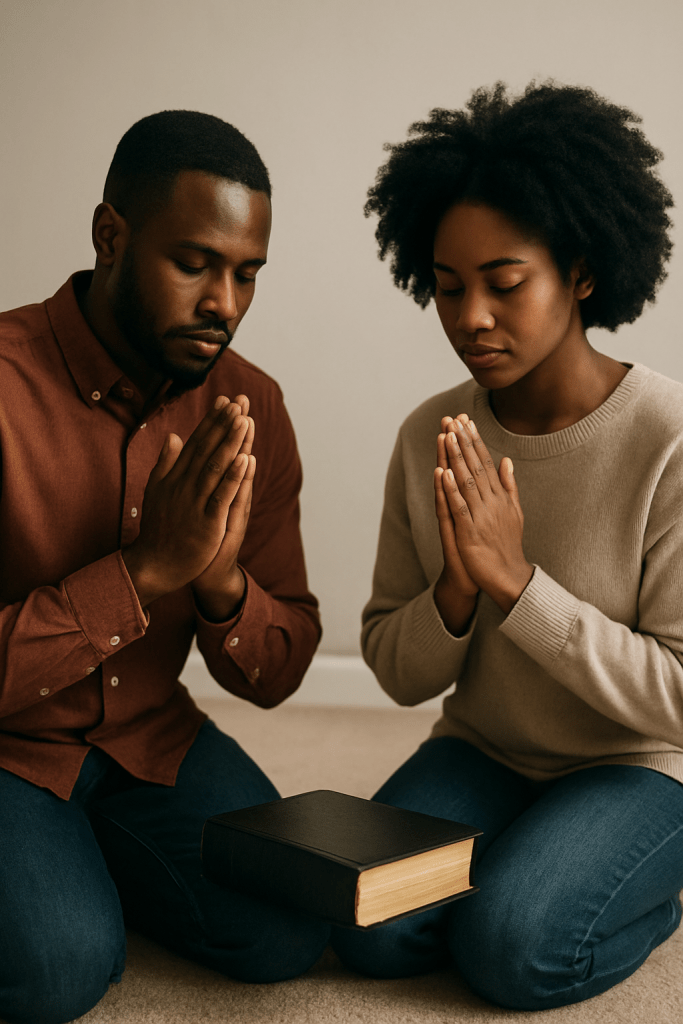
Spiritual coldness often accompanies emotional distance. When prayer, shared values, and moral accountability fade, couples may begin to operate as individuals rather than a unified partnership. The absence of spiritual grounding leaves the relationship vulnerable to fear, resentment, and selfish decision-making.
Communication becomes strained in cold seasons. Conversations feel transactional, defensive, or avoidant. What was once playful dialogue becomes silence or conflict, and partners may retreat emotionally to protect themselves from further disappointment.
Yet coldness does not mean death. Winter in marriage can be a season of pruning rather than ending. Just as nature rests before renewal, relational hardship can prepare couples for deeper growth if both partners remain willing to fight for connection.
Resilience in marriage requires intentional effort. Couples who survive cold seasons learn to practice emotional honesty, active listening, and empathy even when it feels unnatural. They choose understanding over accusation and patience over impulsive reactions.
Forgiveness becomes a central theme in surviving marital winter. Without it, bitterness hardens hearts and reinforces emotional distance. Forgiveness does not erase pain, but it prevents pain from becoming identity.
Shared purpose can reignite warmth. When couples realign around common goals—raising children, building a legacy, serving others, or spiritual growth—they shift focus from personal dissatisfaction to collective meaning.
Commitment is most visible when it is least convenient. Love during comfort is easy; love during discomfort is transformative. The cold tests whether marriage is rooted in feelings or covenant.
Intimacy often suffers first, yet it is also one of the most powerful tools for restoration. Emotional vulnerability, physical affection, and verbal affirmation rebuild safety and trust, slowly thawing relational distance.
Counseling and mentorship provide warmth from external sources. Wise counsel offers perspective, accountability, and practical strategies that couples often cannot see on their own when emotionally overwhelmed.
Time plays a crucial role in healing. Not all wounds close quickly, and expecting instant restoration can create further disappointment. Endurance allows space for emotional recalibration and personal growth.
Faith-based marriages often find strength in spiritual disciplines during cold seasons. Prayer, scripture, fasting, and communal worship remind couples that their union is larger than their emotions.
The cold exposes hidden weaknesses but also reveals hidden strengths. Couples often discover resilience, patience, and emotional maturity they never knew they possessed.
Choosing to stay during hardship builds a unique intimacy forged through shared suffering. Surviving trials together creates a depth of connection that comfort alone cannot produce.
Marital winter also confronts individual flaws. Pride, avoidance, insecurity, and unrealistic expectations become visible, offering opportunities for personal transformation.
Restoration rarely looks dramatic; it unfolds quietly through daily acts of kindness, consistency, and humility. Warmth returns gradually, often unnoticed until couples realize they are laughing again.
Not every cold season ends in survival, but those who endure understand that marriage is not about avoiding storms—it is about learning how to shelter together within them.
In the end, the cold does not define the marriage; the response to the cold does. Couples who choose perseverance over escape often emerge stronger, wiser, and more deeply connected than before.
References
Gottman, J. M., & Silver, N. (2015). The seven principles for making marriage work. Harmony Books.
Stanley, S. M., Markman, H. J., & Whitton, S. W. (2010). Fighting for your marriage. Jossey-Bass.
Wilcox, W. B., & Dew, J. (2016). The social and cultural predictors of marital stability. Journal of Family Theory & Review, 8(2), 205–223.
Cloud, H., & Townsend, J. (2002). Boundaries in marriage. Zondervan.
Holy Bible, King James Version. Genesis 2:24; Ecclesiastes 4:9–12; 1 Corinthians 13; Ephesians 5:21–33.
 THE BROWN GIRL DILEMMA