Tag Archives: trauma

🌑 Afflictions and Toxic Misery: A Biblical and Psychological Perspective

“Many are the afflictions of the righteous: but the Lord delivereth him out of them all.” (Psalm 34:19, KJV)

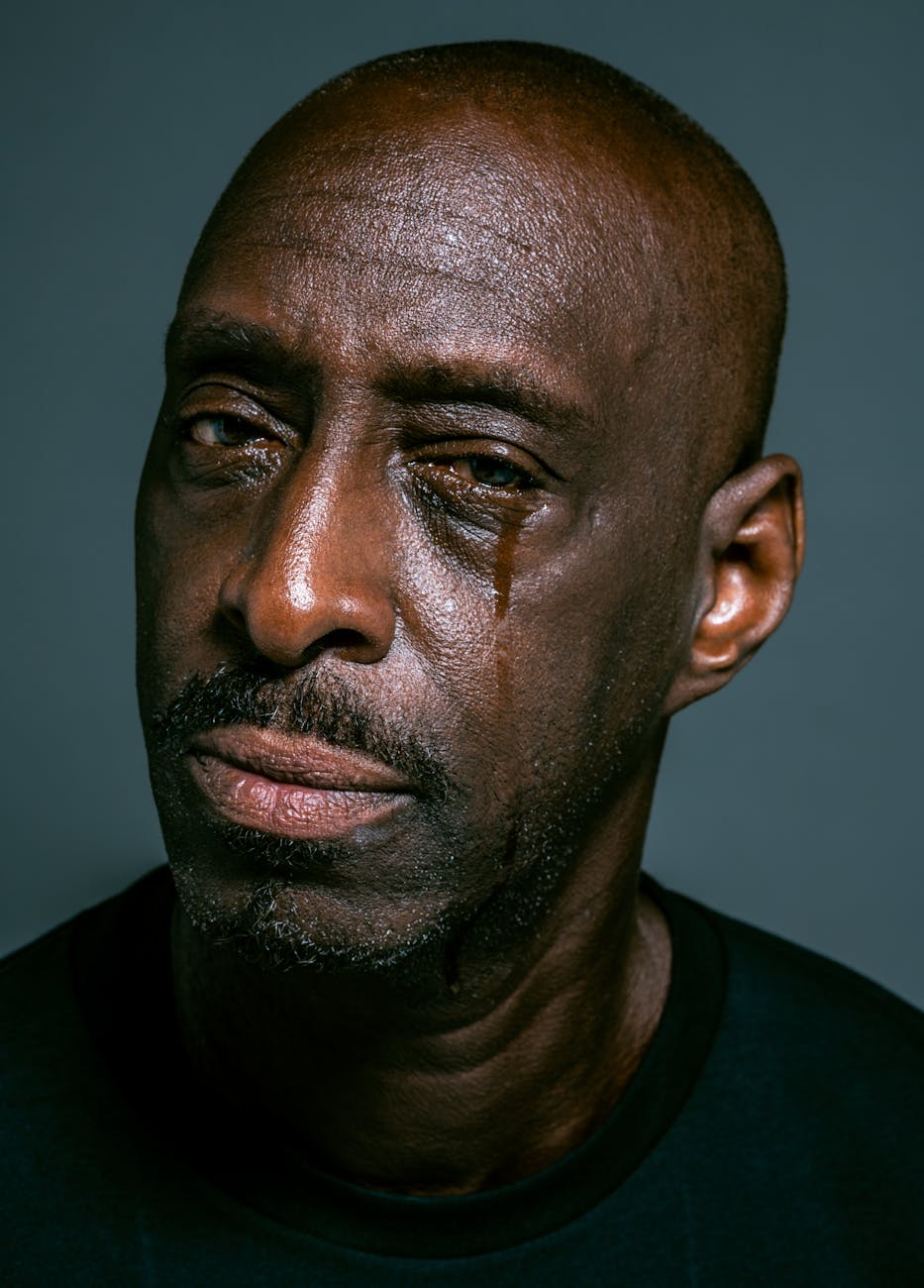
Photo by cottonbro studio on Pexels.com

Affliction is one of the deepest realities of human existence, woven into our daily lives through trials, hardships, and painful experiences. Both the Bible and psychology recognize that affliction is not only unavoidable but also transformative. It can refine the spirit, discipline the heart, and reveal human weakness, but when mishandled, it leads to toxic misery—a condition of prolonged bitterness, hopelessness, and spiritual decay.


🔹 What Are Afflictions?

The term affliction means suffering, distress, or hardship that weighs heavily on the mind, body, or soul. Biblically, afflictions are often tied to human sin, divine discipline, or the testing of faith. The prophet Jeremiah declared:

  • “I know, O Lord, that thy judgments are right, and that thou in faithfulness hast afflicted me.” (Psalm 119:75, KJV).

Psychology, by contrast, defines affliction in terms of stressors that trigger emotional and physical distress. These may include grief, trauma, poverty, rejection, or illness (American Psychological Association [APA], 2023).


🔹 Afflictions We Face Daily

Everyday afflictions manifest in countless ways:

  • Emotional pain – anxiety, depression, rejection.
  • Physical struggles – sickness, fatigue, disability.
  • Relational wounds – betrayal, toxic people, broken homes.
  • Societal burdens – injustice, poverty, racism, violence.
  • Spiritual battles – temptation, guilt, doubt, and separation from God.

The Bible affirms that humanity’s transgressions often invite affliction. “For whom the Lord loveth he chasteneth, and scourgeth every son whom he receiveth.” (Hebrews 12:6, KJV). Afflictions are therefore not always punishment but divine correction designed to bring us back to righteousness.


🔹 When Affliction Turns Into Toxic Misery

Not all suffering produces growth. Sometimes afflictions morph into toxic misery, a state where pain is internalized and becomes destructive:

  • Bitterness and resentment (Hebrews 12:15).
  • Hopelessness and despair (Proverbs 13:12).
  • Isolation and withdrawal from community (Ecclesiastes 4:9–10).
  • Self-destructive coping mechanisms (substance abuse, anger, self-harm).

Psychology notes that when stress is chronic and unresolved, it fosters toxic outcomes such as trauma disorders, depression, and maladaptive behaviors (Selye, 1976; APA, 2023).


🔹 Modern-Day Afflictions

Today, afflictions manifest through unique cultural and social conditions:

  • Social media comparison → envy, insecurity, and toxic self-image.
  • Economic instability → poverty, homelessness, and survival stress.
  • Chronic illness and pandemics → prolonged fear and grief.
  • Systemic injustice → racism, sexism, and discrimination.
  • Family breakdown → fatherlessness, divorce, generational trauma.

These afflictions create what scholars call “toxic stress environments” (Shonkoff et al., 2012), breeding misery unless met with resilience and faith.


🔹 Overcoming Afflictions

Biblical Guidance

  1. Faith and Endurance: “My brethren, count it all joy when ye fall into divers temptations; knowing this, that the trying of your faith worketh patience.” (James 1:2–3, KJV).
  2. Prayer and Dependence on God: “Call upon me in the day of trouble: I will deliver thee.” (Psalm 50:15, KJV).
  3. Renewed Mindset: “Be not conformed to this world: but be ye transformed by the renewing of your mind.” (Romans 12:2, KJV).

Psychological Coping Strategies

  • Cognitive reframing – changing how we interpret hardships.
  • Resilience training – developing coping skills.
  • Therapy & counseling – addressing trauma and toxic thought patterns.
  • Community support – building healthy relationships that provide strength.

🔹 Conclusion

Afflictions are inescapable. They can be God’s way of disciplining us, a test of faith, or simply the natural outcome of living in a broken world. But when they are mismanaged, afflictions evolve into toxic misery—a destructive state of mind and spirit. Both psychology and the Bible agree that how we respond matters more than the suffering itself. When endured with faith, wisdom, and resilience, afflictions shape us into stronger vessels for God’s purpose.


📚 References

  • American Psychological Association. (2023). Stress: The different kinds of stress. APA.
  • Holy Bible, King James Version.
  • Selye, H. (1976). Stress in health and disease. Butterworth-Heinemann.
  • Shonkoff, J. P., Boyce, W. T., & McEwen, B. S. (2012). Toxic stress, brain development, and the early childhood foundations of lifelong health. Pediatrics, 129(1), e232–e246.

🕵🏽‍♀️ When Love Turns Dangerous: Recognizing and Responding to Obsessive Attachment 🕵🏽‍♀️

Photo by Alex Green on Pexels.com

🕵🏽‍♀️ 🕵🏽‍♀️

Obsession, in psychological terms, is an intense and often intrusive fixation on a person, idea, or object that dominates thought and behavior, frequently at the expense of healthy boundaries (American Psychiatric Association, 2013). Unlike healthy attraction or affection, obsession is characterized by an inability to disengage mentally or emotionally, leading to controlling or possessive tendencies. In relationships, this fixation may initially appear as devotion but can quickly escalate into behaviors that are emotionally draining, manipulative, or even threatening. The Bible offers insight into the dangers of obsessive attachment, cautioning in Proverbs 4:23 (KJV), “Keep thy heart with all diligence; for out of it are the issues of life.” This verse emphasizes guarding emotional and spiritual well-being from harmful entanglements.

A person can become obsessed with you for various reasons—often rooted in insecurity, unmet emotional needs, or unresolved trauma. Attachment theory suggests that individuals with anxious or fearful attachment styles may latch onto a romantic partner in an attempt to avoid abandonment (Hazan & Shaver, 1987). Obsession can also stem from idealization, where the individual projects unrealistic expectations onto their partner. In such cases, the relationship is less about mutual love and more about the obsessive person’s internal emotional void. The KJV Bible warns in 1 Corinthians 13:5 that love “seeketh not her own,” implying that genuine affection is selfless, not self-serving or controlling.

Four key signs may indicate that someone is obsessively attached to you. First, they demand constant contact, becoming distressed or angry when you do not respond immediately. Second, they display excessive jealousy or suspicion without cause. Third, they attempt to control aspects of your life, such as friendships, time, or appearance. Fourth, they exhibit mood swings tied to your availability or perceived interest. Men who are obsessed may express it through overt control, monitoring, or aggressive confrontation, while women may exhibit constant emotional checking-in, manipulation through guilt, or social sabotage. Both patterns signal a lack of respect for personal autonomy.

The difference between obsession and stalking lies in behavior escalation and legality. Obsession can remain private and internal, with intrusive thoughts and emotional dependency, whereas stalking involves repeated, unwanted behaviors that cause fear or distress and may violate the law (Sheridan & Grant, 2007). Stalking is often the severe manifestation of obsession, where the person’s fixation overrides respect for legal and personal boundaries. This distinction is critical for identifying when a situation shifts from emotionally unhealthy to potentially dangerous.

Protecting yourself from an obsessed individual begins with recognizing the signs early and establishing firm boundaries. Limit personal information, maintain independent social circles, and communicate your discomfort directly. If necessary, involve trusted friends, family, or authorities. The Bible counsels in Proverbs 22:3 (KJV), “A prudent man foreseeth the evil, and hideth himself: but the simple pass on, and are punished.” This highlights the need for discernment and proactive steps to protect one’s safety and peace. From a psychological standpoint, distancing yourself from obsessive individuals prevents reinforcement of their behaviors and gives space for both parties to recalibrate emotionally.

Ultimately, spotting the signs of obsessive attachment empowers you to choose healthier relationships and avoid destructive entanglements. A “better mate” is one who demonstrates mutual respect, emotional stability, and a love grounded in biblical principles—marked by patience, kindness, and self-control (Galatians 5:22–23). Understanding the psychology of obsession, coupled with biblical wisdom, equips you to navigate relationships with discernment, ensuring that affection is reciprocal, healthy, and God-centered.


References

American Psychiatric Association. (2013). Diagnostic and statistical manual of mental disorders (5th ed.). American Psychiatric Publishing.

Hazan, C., & Shaver, P. (1987). Romantic love conceptualized as an attachment process. Journal of Personality and Social Psychology, 52(3), 511–524. https://doi.org/10.1037/0022-3514.52.3.511

Sheridan, L., & Grant, T. (2007). Is cyberstalking different? Psychology, Crime & Law, 13(6), 627–640. https://doi.org/10.1080/10683160701340528

Dilemma: Generational Trauma

Pain as an Inheritance

Photo by Mensah Shot on Pexels.com

Generational trauma is not merely a poetic metaphor—it is a psychological and physiological reality. For Black people, the wounds of the past are not confined to history books; they live within our bodies, our minds, and our cultural memory. The transatlantic slave trade, Jim Crow laws, lynchings, segregation, mass incarceration, and systemic racism have left indelible marks on the collective psyche of African-descended peoples. According to trauma theory, unhealed pain can be transmitted across generations through learned behaviors, family dynamics, and even epigenetic changes that alter stress responses (Yehuda et al., 2016). Dr. Joy DeGruy (2005) calls this Post Traumatic Slave Syndrome, where the legacy of slavery manifests in self-doubt, internalized racism, and fractured community trust. The Bible affirms the reality of inherited struggle, stating, “The fathers have eaten sour grapes, and the children’s teeth are set on edge” (Jeremiah 31:29, KJV), illustrating how the consequences of one generation’s suffering can shape the lives of those yet unborn.

Our ancestors endured unimaginable cruelty—chains cutting into their wrists, the lash of the whip, the ripping apart of families, the erasure of native languages, and the stripping away of names, culture, and heritage. They survived slave ships where human beings were packed like cargo, brutal plantation labor from sunrise to sundown, and laws that declared them three-fifths of a person. These experiences did not vanish when emancipation came; instead, they morphed into racial terror, voter suppression, economic exclusion, and the daily indignities of being treated as “less than.” Such trauma imprinted a deep sense of hypervigilance, mistrust of institutions, and generational patterns of resilience and caution. Maya Angelou once said, “You may not control all the events that happen to you, but you can decide not to be reduced by them.” This speaks to the dual reality of our inheritance: the pain that seeks to bind us and the strength that pushes us to overcome.

Psychologically, generational trauma manifests in patterns of parenting, communication styles, and survival strategies that were essential in hostile environments but may become maladaptive in modern contexts. The legacy of white supremacy perpetuates this cycle by embedding inequality into laws, housing policies, education systems, and media narratives. Microaggressions, racial profiling, wage gaps, and health disparities are not isolated incidents; they are the aftershocks of centuries of oppression. According to the American Psychological Association (2019), chronic exposure to racism creates toxic stress, increasing risks for depression, anxiety, hypertension, and shortened life expectancy among Black Americans. As Exodus 3:7 (KJV) records, “I have surely seen the affliction of my people…and have heard their cry by reason of their taskmasters; for I know their sorrows.” God’s acknowledgment of suffering affirms the depth of our pain while offering hope for deliverance.

The pain we face today—police brutality, mass incarceration, economic inequality, and cultural erasure—is both the shadow of our history and the continuation of an oppressive system. White supremacy’s greatest cruelty is that it not only inflicts harm in the present but also manipulates the past, making it harder for us to heal. Yet healing is possible. Breaking the cycle requires collective acknowledgment, truth-telling, cultural restoration, and both psychological and spiritual liberation. As Galatians 5:1 (KJV) declares, “Stand fast therefore in the liberty wherewith Christ hath made us free, and be not entangled again with the yoke of bondage.” To reject the inheritance of pain is not to forget our ancestors’ suffering, but to honor them by reclaiming our wholeness, our joy, and our future.


References

  • American Psychological Association. (2019). Stress effects on the body. https://www.apa.org
  • DeGruy, J. (2005). Post Traumatic Slave Syndrome: America’s Legacy of Enduring Injury and Healing. Uptone Press.
  • Yehuda, R., et al. (2016). Holocaust exposure induced intergenerational effects on FKBP5 methylation. Biological Psychiatry, 80(5), 372–380.
  • The Holy Bible, King James Version.

The 10 Signs a Man Is Stringing You Along

When Love Is an Illusion: Recognizing and Responding to a Man Who Strings You Along

Photo by Erik Mclean on Pexels.com

Relationships flourish when mutual commitment, clarity, and respect are present (Gottman & Silver, 2015). However, some men deliberately keep women emotionally invested without offering genuine commitment—a tactic often referred to as stringing along. This behavior is both psychologically damaging and spiritually dangerous, as it breeds confusion, emotional instability, and wasted years.


10 Signs a Man Is Stringing You Along

  1. He Avoids Defining the Relationship – Months or years pass, yet he resists labels like “girlfriend” or “fiancée.”
  2. Inconsistent Communication – Some days he is attentive, other days emotionally absent without explanation.
  3. Keeps You at Arm’s Length from His Inner Life – You haven’t met his family or close friends despite significant time together.
  4. He Talks About the Future… Vaguely – He dangles promises (“someday we’ll…”) without taking concrete steps.
  5. He Prioritizes Convenience Over Commitment – He contacts you mainly when it benefits him.
  6. Lack of Effort in Building Emotional Intimacy – Conversations remain shallow or avoid important life topics.
  7. Keeps Options Open – Engages in flirtatious behavior or remains active on dating apps.
  8. Emotional Hot-and-Cold Patterns – You never feel secure because his affection fluctuates.
  9. No Progress Over Time – The relationship feels stagnant despite your effort.
  10. He Makes You Feel You’re “Asking for Too Much” – Genuine needs are framed as unreasonable demands.

Why Do Some Men String Women Along?

From a psychological standpoint, men may string women along for several reasons:

  • Fear of Commitment – Avoidance due to past trauma or desire for freedom (Levine & Heller, 2010).
  • Ego Boost – Enjoying female attention without the responsibility of a relationship.
  • Emotional Immaturity – Inability to handle the demands of partnership.
  • Backup Plan Mentality – Keeping a woman “on the hook” while exploring other options.
  • Selfishness – Prioritizing personal gratification over another person’s emotional well-being.

Biblically, this aligns with the description of double-minded men—unstable and unreliable (James 1:8, KJV).


What Kind of Man Strings You Along—and Why?

  • The Commitment-Phobic – Wants intimacy but not responsibility.
  • The Opportunist – Uses a woman’s resources, time, or body without intention to marry.
  • The Serial Dater – Thrives on novelty and avoids settling down.
  • The Insecure Man – Keeps you for validation but fears true vulnerability.

Proverbs warns against aligning with a man who “flattereth with his tongue” (Proverbs 26:28, KJV), because deceitful intentions corrupt trust.


How to Detect the Warning Signs Early

  • Observe consistency between words and actions (Matthew 7:16).
  • Pay attention to how he prioritizes you in public and private life.
  • Assess whether his plans include you beyond convenience.
  • Watch for defensiveness when discussing commitment.

What to Do if You’re Being Strung Along

  1. Clarify Your Boundaries – Define what you need and communicate it directly.
  2. Set a Time Limit – Avoid letting months or years pass without progress.
  3. Don’t Confuse Chemistry with Commitment – Emotional and physical attraction are not proof of intention.
  4. Seek Wise Counsel – Proverbs 15:22 reminds us that “without counsel purposes are disappointed.”
  5. Be Willing to Walk Away – Protect your dignity and emotional health.

5 Ways a Man Shows He Truly Wants You

  1. He Pursues You Consistently – Effort is steady, not situational.
  2. He Makes His Intentions Clear – There’s no guessing about his commitment.
  3. He Integrates You into His Life – Family, friends, and future plans.
  4. He Invests in Your Growth – Supports your goals and well-being.
  5. He Works to Resolve Conflicts – Disagreements don’t make him disappear.

How Long Should You Give a Man Before Leaving?

While timelines vary, healthy relationships typically progress toward clarity within 6–12 months (Knox & Schacht, 2016). If after a year there is no forward movement toward exclusivity or marriage, Proverbs 4:23—“Keep thy heart with all diligence”—reminds you not to squander emotional resources.


What Does the Bible Say About Men Who String Women Along?

Scripture condemns deceit, manipulation, and using others for selfish gain:

  • James 1:8 – “A double minded man is unstable in all his ways.”
  • Proverbs 26:28 – “A lying tongue hateth those that are afflicted by it.”
  • 1 Corinthians 14:33 – “For God is not the author of confusion, but of peace.”
  • Ephesians 5:25 – Men are commanded to love their wives sacrificially, not exploit them.
  • Matthew 7:16 – “Ye shall know them by their fruits.”

A man who deliberately strings a woman along is acting outside God’s design for love, which calls for honesty, covenant, and care.


References
Gottman, J., & Silver, N. (2015). The seven principles for making marriage work. Harmony Books.
Knox, D., & Schacht, C. (2016). Choices in relationships: An introduction to marriage and the family. Cengage Learning.
Levine, A., & Heller, R. (2010). Attached: The new science of adult attachment and how it can help you find—and keep—love. TarcherPerigee.

Ten Signs That a Man Does Not Love You.

A Psychological and Biblical Examination

Photo by Joshua Mcknight on Pexels.com

Love is more than a verbal declaration; it is an active, continuous commitment demonstrated through actions, consistency, and sacrificial care (1 Corinthians 13:4–7, KJV). Many women remain in relationships where the profession of love is contradicted by behavior, creating emotional dissonance and spiritual harm. Understanding the signs that a man does not truly love you is essential for both psychological well-being and spiritual discernment.

1. Lack of Respect

Respect is foundational in love (Gottman & Silver, 2015). A man who belittles, mocks, or disregards your feelings is not operating from a place of genuine love. Scripture aligns with this truth, as husbands are commanded to “give honour unto the wife” (1 Peter 3:7, KJV).

2. Absence of Consistent Communication

Healthy love thrives on honest and regular communication. When a man avoids meaningful dialogue, responds with indifference, or habitually ignores your calls and messages, it indicates emotional detachment (Markman, Stanley, & Blumberg, 2010).

3. Emotional Neglect

Love involves emotional support and empathy. When a man is present physically but absent emotionally, the relationship becomes one-sided. Psychological research shows that emotional neglect erodes intimacy and increases relational dissatisfaction (Levine & Heller, 2010).

4. Self-Centeredness

If his needs, ambitions, and comfort consistently take precedence over yours, he may lack the sacrificial nature of true love. Biblical love “seeketh not her own” (1 Corinthians 13:5, KJV), implying that selflessness is non-negotiable.

5. Unwillingness to Commit

Chronic avoidance of defining the relationship or making future plans is a clear warning. Research indicates that commitment avoidance is linked to low relationship satisfaction and a higher likelihood of infidelity (Stanley, Rhoades, & Whitton, 2010).

6. Patterns of Dishonesty

A man who frequently lies or withholds information demonstrates a lack of trustworthiness. The Bible warns that “lying lips are abomination to the LORD” (Proverbs 12:22, KJV), and in relationships, dishonesty is corrosive to emotional safety.

7. Disregard for Your Well-being

When your pain, challenges, or victories are met with indifference, it reveals an absence of genuine care. Psychologically, empathy is a hallmark of love; without it, attachment becomes transactional (Neff & Karney, 2005).

8. Infidelity

Betrayal through emotional or physical affairs violates both biblical covenant (Hebrews 13:4, KJV) and the trust essential to healthy partnerships. Infidelity often signals deeper relational disengagement (Glass & Staeheli, 2003).

9. Lack of Support for Your Growth

True love fosters the other’s spiritual, emotional, and personal development. When a man discourages your dreams, mocks your goals, or undermines your growth, it reveals insecurity rather than love (Cloud & Townsend, 1992).

10. Consistent Disrespect of Boundaries

Healthy boundaries protect individuality within a relationship. A man who repeatedly violates your limits, pressures you into unwanted behavior, or disregards your consent fails to love you in a way that honors God and you (Henry, 2007).


Conclusion

Love is proven by actions, not mere words. The KJV Bible, psychology, and relationship science agree that respect, honesty, empathy, and commitment are indispensable. Recognizing the absence of these traits is not a call to bitterness but to clarity—so one may guard the heart (Proverbs 4:23, KJV) and align with relationships that mirror God’s standard of love.


References

Cloud, H., & Townsend, J. (1992). Boundaries: When to say yes, how to say no to take control of your life. Zondervan.
Glass, S. P., & Staeheli, J. (2003). Not “just friends”: Protect your relationship from infidelity and heal the trauma of betrayal. Free Press.
Gottman, J., & Silver, N. (2015). The seven principles for making marriage work. Harmony Books.
Henry, C. (2007). Boundaries in dating. Zondervan.
Levine, A., & Heller, R. (2010). Attached: The new science of adult attachment and how it can help you find – and keep – love. TarcherPerigee.
Markman, H., Stanley, S., & Blumberg, S. L. (2010). Fighting for your marriage. Jossey-Bass.
Neff, L. A., & Karney, B. R. (2005). To know you is to love you: The implications of global adoration and specific accuracy for marital relationships. Journal of Personality and Social Psychology, 88(3), 480–497.
Stanley, S. M., Rhoades, G. K., & Whitton, S. W. (2010). Commitment: Functions, formation, and the securing of romantic attachment. Journal of Family Theory & Review, 2(4), 243–257.

Dilemma: Mental Illness

The Silent Suffering and Mental Illness in the Black Community, Historical Roots, Case Studies, and Paths to Healing

Photo by Ketut Subiyanto on Pexels.com

Mental illness remains one of the most underdiagnosed and undertreated health crises in the Black community. Systemic racism, historical trauma from slavery, socioeconomic inequities, and cultural stigma have compounded the challenges of diagnosis and treatment. This paper examines the prevalence and types of mental illness affecting Black populations, case studies illustrating their manifestations, neuroscience research, biblical perspectives from the King James Version (KJV), and potential pathways to prevention and healing. The analysis further explores Post-Traumatic Slave Syndrome (PTSS), Stockholm Syndrome, and intergenerational trauma as they relate to mental health outcomes.


The mental health crisis within the Black community is often hidden behind layers of cultural stigma, systemic neglect, and historical trauma. According to the National Alliance on Mental Illness (NAMI), approximately 19% of Black adults live with a mental health condition, yet only one-third receive treatment[^1]. The mortality rate for those with untreated severe mental illness is significantly higher than the general population[^2]. This disparity is not merely the result of modern health care inequalities but is rooted in centuries of enslavement, oppression, and racialized violence that have reshaped generational mental health patterns.


Defining Mental Illness

The American Psychiatric Association (APA) defines mental illness as “health conditions involving changes in emotion, thinking, or behavior (or a combination thereof)” which cause distress and impair functioning[^3]. Common types include:

  • Bipolar Disorder
  • Autism Spectrum Disorder (ASD)
  • Borderline Personality Disorder (BPD)
  • Post-Traumatic Stress Disorder (PTSD)
  • Dissociative Identity Disorder (Multiple Personality Disorder)
  • Major Depressive Disorder
  • Schizophrenia
  • Obsessive-Compulsive Disorder (OCD)
  • Psychopathy and Sociopathy
  • Anxiety Disorders

Historical Roots: Why Black People Developed Certain Mental Illnesses

Slavery in America imposed continuous psychological harm: separation of families, sexual violence, physical brutality, and the stripping of cultural identity. This environment produced Post-Traumatic Slave Syndrome (PTSS), a concept by Dr. Joy DeGruy[^4], describing multigenerational trauma and adaptive survival behaviors that persist today. Furthermore, Stockholm Syndrome—a psychological phenomenon where victims develop empathy toward their oppressors—was observed in some enslaved populations who internalized slaveholder values to survive[^5].


Case Studies of Mental Illness in the Black Community

1. Bipolar Disorder

Case Study: An African American man in Detroit experienced alternating manic episodes of hyper-productivity and depressive episodes of immobilization. During an untreated manic state, he committed an armed robbery under delusional beliefs of “helping” his neighborhood. This resulted in imprisonment instead of psychiatric treatment[^6].

2. Autism Spectrum Disorder (ASD)

Case Study: A Black adolescent in Georgia went undiagnosed for years due to teachers misinterpreting his social withdrawal as defiance. His delayed diagnosis deprived him of early intervention that could have improved his academic and social functioning[^7].

3. Borderline Personality Disorder (BPD)

Case Study: A young Black woman with BPD in Chicago engaged in impulsive self-harm and unstable relationships. Her behavior escalated into violence during emotional dysregulation, leading to an assault charge. She later improved through dialectical behavior therapy (DBT)[^8].

4. Post-Traumatic Stress Disorder (PTSD)

Case Study: A Gulf War veteran from the Black community returned with severe PTSD and hypervigilance. The trauma of combat was compounded by racial discrimination in the military, making reintegration into civilian life difficult[^9].

5. Schizophrenia

Case Study: A Black man in Los Angeles suffered from paranoid schizophrenia. Misdiagnosed initially as bipolar disorder, he murdered a stranger he believed was “following orders” from a gang. Correct diagnosis and antipsychotic medication reduced symptoms[^10].

6. Dissociative Identity Disorder (DID)

Case Study: A Black woman who had endured severe childhood abuse developed multiple personalities to compartmentalize traumatic memories. One alter was aggressive and committed a theft offense during dissociation[^11].

7. Psychopathy and Sociopathy

Case Study: A sociopathic male gang leader in New York exhibited callousness and manipulative charm, orchestrating violent crimes without remorse. His behavior aligned with antisocial personality disorder criteria[^12].


Neuroscience and Mental Illness in Black Communities

Neuroscience research reveals that chronic trauma alters brain structure and function. The amygdala, hippocampus, and prefrontal cortex—regions governing fear response, memory, and decision-making—can shrink or become hyperactive in trauma survivors[^13]. Studies on intergenerational trauma show epigenetic changes in stress-response genes among descendants of enslaved Africans[^14].


Solutions: Psychology, Therapy, Medicine, and Faith

Psychological Interventions

Evidence-based approaches include Cognitive Behavioral Therapy (CBT), DBT, Eye Movement Desensitization and Reprocessing (EMDR) for PTSD, and Applied Behavior Analysis (ABA) for autism[^15].

Top Online Therapy Platforms:

  • BetterHelp
  • Talkspace
  • 7 Cups
  • Therapy for Black Girls
  • Open Path Collective

Medical Treatments

Medication such as SSRIs, mood stabilizers, and antipsychotics can reduce symptoms when combined with therapy.

Biblical Solutions (KJV Perspective)

  • Renewing the Mind: “Be not conformed to this world: but be ye transformed by the renewing of your mind” (Romans 12:2).
  • Peace in Anxiety: “Casting all your care upon him; for he careth for you” (1 Peter 5:7).
  • Healing the Brokenhearted: “He healeth the broken in heart, and bindeth up their wounds” (Psalm 147:3).

Faith-based counseling integrates spiritual disciplines, prayer, and scriptural meditation to complement medical and psychological care.


Conclusion

Mental illness in the Black community is a complex interplay of biology, history, culture, and systemic oppression. Addressing it requires not only medical and psychological interventions but also a historical reckoning with the trauma of slavery and racism. Neuroscience underscores the plasticity of the brain, meaning healing is possible, while the Bible offers enduring hope for transformation.

References

American Psychiatric Association. (2022). Diagnostic and statistical manual of mental disorders (5th ed., text rev.). American Psychiatric Publishing.

Boyd-Franklin, N. (2003). Black families in therapy: Understanding the African American experience (2nd ed.). Guilford Press.

Comas-Díaz, L., Hall, G. N., & Neville, H. A. (2019). Racial trauma: Theory, research, and healing: Introduction to the special issue. American Psychologist, 74(1), 1–5.

Cutchin, M. P., & McCray, E. (2021). Post-traumatic stress disorder in African Americans: Historical roots and contemporary implications. Journal of Black Psychology, 47(5), 415–432.

Franklin, A. J., Boyd-Franklin, N., & Kelly, S. (2006). Racism and invisibility: Race-related stress, emotional abuse and psychological trauma for people of color. Journal of Emotional Abuse, 6(2–3), 9–30.

Grier, W. H., & Cobbs, P. M. (1992). Black rage. Basic Books.

Herman, J. L. (2015). Trauma and recovery: The aftermath of violence—from domestic abuse to political terror (Rev. ed.). Basic Books.

National Alliance on Mental Illness. (2023). Mental health facts in African American communities. NAMI.

Neal-Barnett, A., Statom, D., & Stadulis, R. (2010). A pilot study of a culturally relevant intervention for African American women with anxiety disorders. Journal of Anxiety Disorders, 24(2), 246–252.

Pieterse, A. L., Todd, N. R., Neville, H. A., & Carter, R. T. (2012). Perceived racism and mental health among Black American adults: A meta-analytic review. Journal of Counseling Psychology, 59(1), 1–9.

Resmaa, M. (2017). My grandmother’s hands: Racialized trauma and the pathway to mending our hearts and bodies. Central Recovery Press.

Sue, D. W., Capodilupo, C. M., Torino, G. C., Bucceri, J. M., Holder, A., Nadal, K. L., & Esquilin, M. (2007). Racial microaggressions in everyday life: Implications for clinical practice. American Psychologist, 62(4), 271–286.

Tutu, D., & Tutu, M. (2014). The Book of Forgiving: The Fourfold Path for Healing Ourselves and Our World. HarperOne.

Van der Kolk, B. A. (2014). The body keeps the score: Brain, mind, and body in the healing of trauma. Viking.

Watkins, D. C., Allen, J. O., Goodwill, J. R., & Noel, B. (2017). Strengths and weaknesses of the mental health diagnostic system for African American men. International Journal of Men’s Health, 16(1), 1–14.

Williams, D. R., & Mohammed, S. A. (2009). Discrimination and racial disparities in health: Evidence and needed research. Journal of Behavioral Medicine, 32(1), 20–47.

Rewiring the Brain After Trauma: A Neuroscientific, Psychological, and Biblical Analysis of Healing in the Context of Black Historical and Racial Trauma

Photo by David Garrison on Pexels.com

Trauma is a complex psychological and physiological response to overwhelming events, with effects that can be acute, chronic, and intergenerational. For Black individuals in America, trauma often includes the compounded effects of historical slavery, systemic racism, and racial microaggressions. This paper synthesizes neuroscience, clinical psychology, and the King James Version (KJV) of the Bible to outline both the nature of trauma and evidence-based strategies for “rewiring” the brain toward healing. Emphasis is placed on neuroplasticity, trauma-focused psychotherapy, somatic regulation, and culturally grounded community restoration. Scripture provides a moral and spiritual framework for renewal, while neuroscience explains the mechanisms that make transformation possible. The intersection of faith and science suggests that trauma recovery is both an individual and collective endeavor, particularly in the context of racial and historical wounds.

Keywords: trauma, neuroplasticity, racial trauma, historical trauma, rewiring the brain, KJV Bible, healing


Introduction

Trauma is broadly defined as exposure to actual or threatened death, serious injury, or sexual violence, either directly, as a witness, or indirectly through repeated exposure to distressing details (American Psychiatric Association, 2022). Beyond individual experiences, trauma can manifest at a collective level, shaping the identities, health outcomes, and cultural narratives of entire communities. Black Americans, for instance, have endured not only personal traumas but also historical and racial traumas stemming from slavery, segregation, and ongoing systemic inequities (Comas-Díaz et al., 2024).

The concept of “rewiring” the brain after trauma draws on neuroplasticity — the brain’s capacity to reorganize neural pathways in response to experience (Merzenich et al., 2014). Neuroscience demonstrates that trauma alters neural networks, particularly in the amygdala, hippocampus, and prefrontal cortex, but also confirms that targeted interventions can restore balance and foster resilience (van der Kolk, 2014). The KJV Bible echoes this scientific perspective in spiritual terms, urging believers to be “transformed by the renewing of your mind” (Romans 12:2, KJV), suggesting a process of intentional cognitive and moral transformation.


Defining Trauma

Clinical Perspectives

The Diagnostic and Statistical Manual of Mental Disorders (5th ed.; DSM-5-TR) categorizes trauma-related disorders as those involving intrusive memories, avoidance, negative alterations in cognition and mood, and heightened arousal (APA, 2022). Trauma may be:

  1. Single-incident trauma – e.g., accidents, assaults.
  2. Complex/chronic trauma – prolonged abuse or captivity.
  3. Developmental trauma – early-life neglect or attachment disruptions.
  4. Collective/historical trauma – systemic oppression, colonization, genocide.
  5. Racial trauma – experiences of racism, discrimination, and microaggressions.

For Black Americans, racial and historical traumas are particularly salient, compounding stress and shaping neurobiological responses over generations (Sotero, 2006).


Trauma Bonding

Trauma bonding, also called betrayal bonding, occurs when an abused person forms deep emotional attachments to an abuser due to cycles of abuse interspersed with moments of kindness or dependency (Carnes, 1997; Dutton & Painter, 1993). From a neurobiological standpoint, these bonds are reinforced by stress hormones (cortisol, adrenaline) and bonding neurochemicals (oxytocin) released during intense emotional experiences. This can create paradoxical loyalty, making it difficult for victims to disengage without intentional intervention.


The Neuroscience of Rewiring

Neuroplasticity is the scientific foundation for rewiring the brain. Trauma can hyperactivate the amygdala, impair the hippocampus, and weaken prefrontal regulation (Shin & Liberzon, 2010). However, research shows that psychotherapy, mindfulness, and somatic regulation can normalize these neural patterns (Frewen & Lanius, 2015). Brain imaging studies demonstrate that targeted therapeutic interventions can strengthen prefrontal control over the amygdala, improve memory integration in the hippocampus, and reduce hypervigilance (Felmingham et al., 2007).

Intergenerational trauma research further reveals that the biological effects of trauma can be transmitted epigenetically, influencing stress hormone regulation in descendants (Yehuda & Lehrner, 2018). This is particularly relevant for Black communities, where the neurobiological imprint of slavery and systemic racism may persist unless interrupted by healing interventions.


Biblical Perspectives on Mind Renewal

The KJV Bible speaks repeatedly to the renewal of the mind:

  • Romans 12:2 — “Be ye transformed by the renewing of your mind…”
  • Ephesians 4:23 — “Be renewed in the spirit of your mind.”
  • Philippians 4:8 — Encourages focus on truth, justice, purity, and virtue.

These verses parallel the cognitive-behavioral model of restructuring thought patterns. Just as therapy seeks to replace maladaptive beliefs with adaptive ones, Scripture urges a conscious shift in focus and behavior to align with spiritual truth and moral integrity.


Culturally Grounded Healing for Black Communities

For Black Americans, rewiring the brain after trauma often involves addressing both personal and collective wounds. Cultural healing practices may include:

  • Community-based storytelling and historical reclamation.
  • Faith-based rituals and corporate worship.
  • Intergenerational dialogue to break cycles of silence and shame.
  • Art, music, and performance as vehicles of emotional regulation and identity restoration.

These practices align with research showing that social safety, collective identity, and cultural affirmation can reduce trauma symptoms and promote resilience (Gone, 2013).


Evidence-Based Steps for Rewiring After Trauma

  1. Safety and Stabilization — Create predictable routines, secure safe environments, and establish grounding practices (Herman, 1992).
  2. Trauma-Focused Psychotherapy — Engage in TF-CBT, EMDR, or Prolonged Exposure therapy to process traumatic memories (Watts et al., 2013).
  3. Somatic Regulation — Incorporate breathwork, yoga, or sensorimotor psychotherapy to down-regulate the nervous system (van der Kolk, 2014).
  4. Mindfulness and Cognitive Reframing — Use meditation and structured thought-challenging exercises to reshape neural pathways (Tang et al., 2015).
  5. Cultural and Community Restoration — Reconnect with collective narratives and affirm cultural strengths.
  6. Breaking Trauma Bonds — Psychoeducation, boundaries, and gradual disengagement from harmful relationships (Carnes, 1997).
  7. Sustained Practice — Reinforce changes through repetition, ritual, and community accountability.

Conclusion

Healing from trauma requires both scientific precision and moral vision. Neuroplasticity provides the biological mechanism; therapy and somatic regulation offer the tools; and Scripture supplies the moral-spiritual framework for sustained transformation. For Black Americans, whose trauma is often compounded by historical oppression, healing must be both personal and collective, reclaiming identity while rewiring the brain toward resilience and freedom. As the Apostle Paul counsels, the renewing of the mind is both a divine command and a neurobiological possibility.


References

American Psychiatric Association. (2022). Diagnostic and statistical manual of mental disorders (5th ed., text rev.). https://doi.org/10.1176/appi.books.9780890425787

Carnes, P. (1997). The betrayal bond: Breaking free of exploitive relationships. Health Communications.

Comas-Díaz, L., Hall, G. N., Neville, H. A., Rivera, D. P., & Carter, R. T. (2024). Complex racial trauma: Evidence, theory, assessment, and clinical practice. American Psychologist. https://doi.org/10.1037/amp0001225

Dutton, D. G., & Painter, S. L. (1993). Emotional attachments in abusive relationships: A test of traumatic bonding theory. Violence and Victims, 8(2), 105–120. https://doi.org/10.1891/0886-6708.8.2.105

Felmingham, K., Kemp, A., Williams, L., Das, P., Hughes, G., Peduto, A., & Bryant, R. (2007). Changes in anterior cingulate and amygdala after cognitive behavior therapy of posttraumatic stress disorder. Psychological Science, 18(2), 127–129. https://doi.org/10.1111/j.1467-9280.2007.01860.x

Frewen, P. A., & Lanius, R. A. (2015). Healing the traumatized self: Consciousness, neuroscience, treatment. W. W. Norton & Company.

Gone, J. P. (2013). Redressing First Nations historical trauma: Theorizing mechanisms for indigenous culture as mental health treatment. Transcultural Psychiatry, 50(5), 683–706. https://doi.org/10.1177/1363461513487669

Herman, J. L. (1992). Trauma and recovery: The aftermath of violence—from domestic abuse to political terror. Basic Books.

Merzenich, M. M., Van Vleet, T. M., & Nahum, M. (2014). Brain plasticity-based therapeutics. Frontiers in Human Neuroscience, 8, 385. https://doi.org/10.3389/fnhum.2014.00385

Shin, L. M., & Liberzon, I. (2010). The neurocircuitry of fear, stress, and anxiety disorders. Neuropsychopharmacology, 35(1), 169–191. https://doi.org/10.1038/npp.2009.83

Sotero, M. M. (2006). A conceptual model of historical trauma: Implications for public health practice and research. Journal of Health Disparities Research and Practice, 1(1), 93–108.

Tang, Y.-Y., Hölzel, B. K., & Posner, M. I. (2015). The neuroscience of mindfulness meditation. Nature Reviews Neuroscience, 16(4), 213–225. https://doi.org/10.1038/nrn3916

van der Kolk, B. A. (2014). The body keeps the score: Brain, mind, and body in the healing of trauma. Viking.

Watts, B. V., Schnurr, P. P., Mayo, L., Young-Xu, Y., Weeks, W. B., & Friedman, M. J. (2013). Meta-analysis of the efficacy of treatments for posttraumatic stress disorder. Journal of Clinical Psychiatry, 74(6), e541–e550. https://doi.org/10.4088/JCP.12r08225

Yehuda, R., & Lehrner, A. (2018). Intergenerational transmission of trauma effects: Putative role of epigenetic mechanisms. World Psychiatry, 17(3), 243–257. https://doi.org/10.1002/wps.20568