
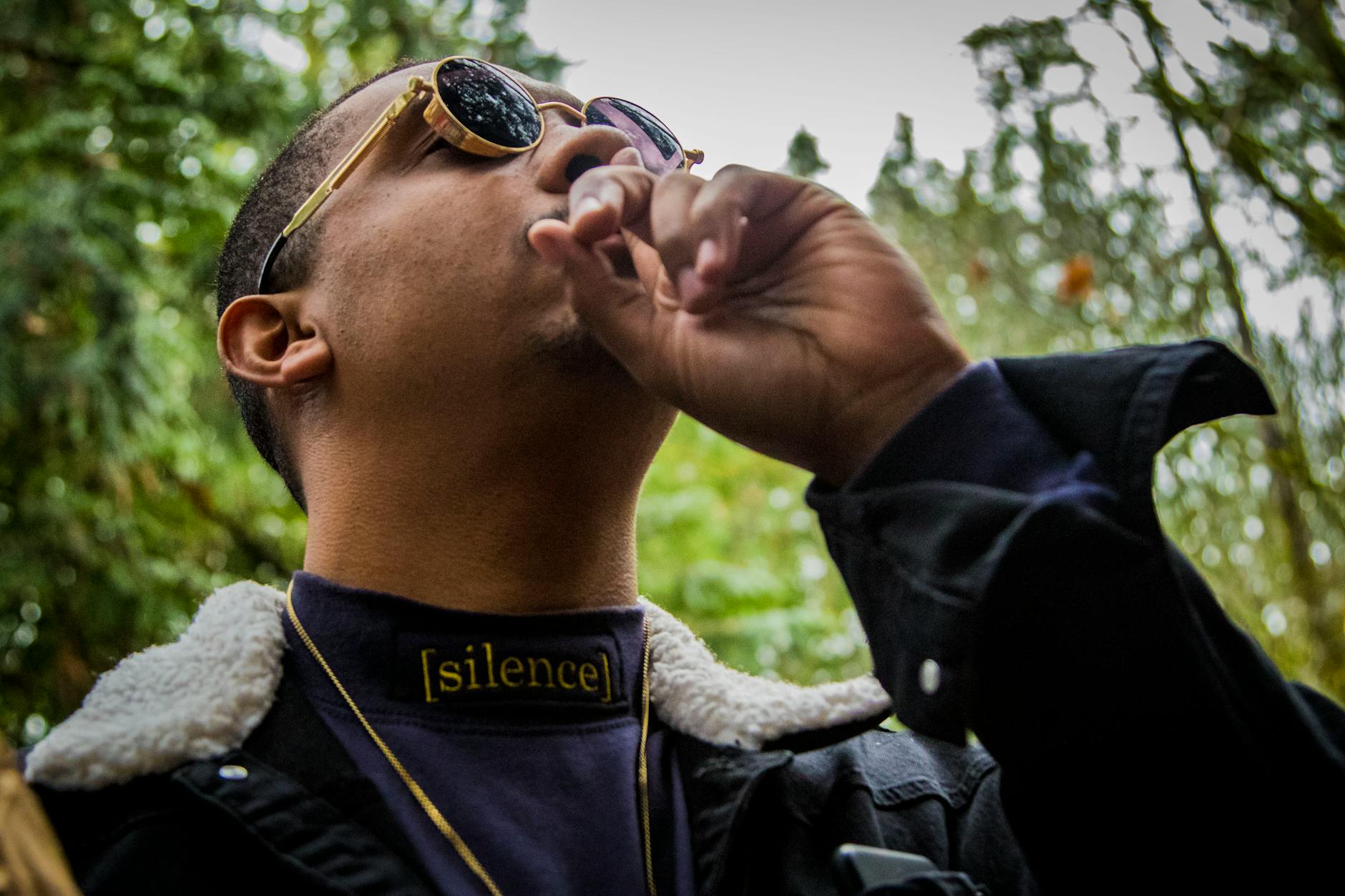
Silence is a weapon of dominance.
Silence has often been misunderstood as weakness, but in reality, it can be a profound display of strength. In a world where everyone feels compelled to speak, the ability to hold one’s tongue is a sign of emotional maturity and wisdom. The Bible says, “He that hath knowledge spareth his words: and a man of understanding is of an excellent spirit” (Proverbs 17:27, KJV). Choosing silence does not mean you are defeated; it means you value peace, clarity, and self-control over winning a verbal battle.
Not talking can protect your energy and mental health. Psychology teaches that constant arguing and verbal sparring raise stress hormones like cortisol, leaving the body exhausted. Silence allows the nervous system to calm down, restoring balance to the mind and body. Instead of feeding a heated situation, stepping back in silence breaks the cycle of escalation, which is often more effective than trying to have the last word.
Talking too much can actually make you more vulnerable. Overexplaining or defending yourself can give manipulators ammunition to use against you. Proverbs 10:19 (KJV) warns, “In the multitude of words there wanteth not sin: but he that refraineth his lips is wise.” Sometimes, the less said, the better. Keeping quiet protects your dignity, prevents regret, and leaves people guessing rather than handing them power over your emotions.
Silence is also a tool for reflection and personal growth. When we stop talking, we give ourselves time to think deeply and gain perspective on our feelings and decisions. Psychological research shows that moments of intentional silence improve focus, creativity, and emotional regulation. This mental clarity can lead to better problem solving and stronger decision-making — ultimately helping you “win” without engaging in unnecessary conflict.
In relationships, silence can serve as a cooling period rather than a weapon. Couples who pause before responding to conflict are more likely to repair the relationship constructively than those who immediately fire back. James 1:19 (KJV) teaches, “Let every man be swift to hear, slow to speak, slow to wrath.” By practicing silence, we give ourselves time to listen and truly understand the other person rather than reacting in anger.
Silence also protects peace in situations where your words would be wasted. Jesus Himself sometimes refused to answer those who questioned Him maliciously, as in Matthew 27:14 (KJV): “He answered him to never a word; insomuch that the governor marvelled greatly.” This shows that silence can be a form of dignified resistance, refusing to engage with those who only seek to provoke.
The psychological effect of choosing silence is empowering. It teaches emotional regulation, reduces impulsive speech, and fosters resilience. Over time, people who master silence develop stronger self-confidence because they are not controlled by the need to prove themselves right. Their restraint becomes a quiet authority that commands respect from others.
| Benefit of Silence | Psychological Insight | KJV Bible Reference |
|---|
| Emotional Control | Reduces cortisol levels and prevents impulsive reactions, allowing for calmer decision-making. | “He that hath knowledge spareth his words.” (Proverbs 17:27) |
| Mental Clarity | Improves focus, reflection, and creativity by giving the brain space to process information. | “Commune with your own heart upon your bed, and be still.” (Psalm 4:4) |
| Conflict De-escalation | Pausing before speaking breaks cycles of verbal escalation and fosters reconciliation. | “Let every man be swift to hear, slow to speak, slow to wrath.” (James 1:19) |
| Self-Protection | Avoids oversharing that can be used against you by manipulators or gossipers. | “In the multitude of words there wanteth not sin: but he that refraineth his lips is wise.” (Proverbs 10:19) |
| Dignified Resistance | Refusing to engage with provocateurs prevents needless strife and shows inner strength. | Jesus’ silence before Pilate (Matthew 27:14) |
| Spiritual Sensitivity | Creates space to hear God’s guidance and discern His will. | “Be still, and know that I am God.” (Psalm 46:10) |
Ultimately, silence is not about retreat but about choosing your battles wisely. The true victory is not in defeating another person’s argument but in maintaining your inner peace and dignity. By combining the wisdom of Scripture and the insights of psychology, we see that silence is not weakness but a strategy. It guards the heart, strengthens the mind, and allows God’s voice to be heard above the noise of conflict.
References
- Holy Bible, King James Version
- Gross, J. J. (2015). Emotion Regulation: Conceptual and Practical Issues. Guilford Press.
- Koole, S. L. (2009). The psychology of emotion regulation: An integrative review. Cognition & Emotion, 23(1), 4–41.
- Vago, D. R., & Silbersweig, D. A. (2012). Self-awareness, self-regulation, and self-transcendence (S-ART): a framework for understanding the neurobiological mechanisms of mindfulness. Frontiers in Human Neuroscience, 6, 296.



 THE BROWN GIRL DILEMMA