Tag Archives: The Marriage Series

The Marriage Series: How Does a Woman Prepare for Marriage?

Marriage is one of the most significant covenants in Scripture, and preparation for it requires intentional spiritual, emotional, and practical readiness. For a woman, preparation is not only about finding a husband but also about cultivating godly character, wisdom, and discernment so that she can thrive in a lifelong covenant relationship. The Bible repeatedly emphasizes that the foundation of marriage is rooted in reverence for God, mutual love, respect, and spiritual alignment (Proverbs 18:22; Ephesians 5:22–33).

A primary principle is that a woman should seek to cultivate a close relationship with God before seeking a husband. Delighting in the Lord and prioritizing spiritual growth equips her to discern God’s will in her choice of a spouse and to develop the character necessary for a Christ-centered marriage (Psalm 37:4; Proverbs 31:30). A woman who seeks God first gains clarity, patience, and wisdom, allowing her to recognize a man who is aligned with God’s purposes rather than merely pursuing superficial attraction or worldly status.

The Bible highlights the importance of choosing a godly man: “Whoso findeth a wife findeth a good thing, and obtaineth favour of the Lord” (Proverbs 18:22, KJV). This underscores that marriage is not a casual decision; it is a covenant blessed by God. Preparation involves prayerful discernment, evaluating a man’s character, integrity, spiritual commitment, and leadership qualities. A woman should seek a partner who honors God, who demonstrates responsibility, and who desires to lead the family in righteousness (Ephesians 5:25–28).

Respect and submission are also key aspects of preparation. Scripture instructs wives to submit to their husbands as to the Lord (Ephesians 5:22–24), not as a matter of inferiority, but as an expression of love, trust, and spiritual alignment. A woman preparing for marriage should cultivate a respectful attitude toward male authority, learning to support, encourage, and cooperate with her husband while maintaining her God-given identity and wisdom. This balance fosters unity and prevents unnecessary conflict.

Additionally, love is foundational. A godly wife loves her husband sacrificially, prioritizing his needs while also maintaining her personal integrity and spiritual maturity (Titus 2:4–5; 1 Peter 3:1–6). Emotional preparedness involves developing patience, self-control, and grace—qualities that sustain a marriage through challenges. The Proverbs 31 woman exemplifies this ideal: she is industrious, wise, compassionate, and focused on honoring God in all her actions (Proverbs 31:10–31).

Practical preparation is equally important. A woman should cultivate skills and habits that will contribute to a stable household: financial literacy, household management, communication skills, and nurturing capabilities. These practical skills are not about fulfilling gender stereotypes but about building a strong, functional partnership that honors God and promotes family well-being (1 Timothy 5:14).

Finally, sexual purity is essential. Scripture warns against fornication and emphasizes the sacredness of sexual intimacy within marriage (1 Corinthians 6:18–20; Hebrews 13:4). A woman preparing for marriage should maintain purity, avoiding sexual activity outside of marriage, guarding her heart, and cultivating emotional and spiritual intimacy with God. This not only honors God but also fosters trust, respect, and stability in the future marriage.

In summary, marriage preparation is a holistic endeavor. It involves spiritual maturity, discernment in selecting a godly husband, cultivating love and respect, developing practical skills, and maintaining purity. A woman who prepares herself in these ways is positioned to enter a covenantal relationship that honors God, blesses her husband, and contributes to a strong, faithful, and enduring marriage.


References

The Holy Bible, King James Version. (1611/2017). Cambridge University Press.

Alexander, T. D. (2001). 1 & 2 Timothy and Titus: An exegetical and theological exposition of Holy Scripture. B&H Publishing.

Estes, C. R. (2011). Proverbs: Wisdom that works. B&H Publishing.

Stanley, T. (2005). The love dare. Thomas Nelson.

Willard, D. (2002). Renovation of the heart: Putting on the character of Christ. NavPress.

The Marriage Series: Being Faithful

Marriage is a sacred covenant ordained by God, uniting a man and a woman in spiritual, emotional, and physical harmony. Faithfulness is the cornerstone of this covenant. “Marriage is honourable in all, and the bed undefiled: but whoremongers and adulterers God will judge” (Hebrews 13:4, KJV). To honor God, spouses must cultivate loyalty, trust, and commitment, guarding their hearts and actions against betrayal.

1. Understand God’s Design for Marriage

Marriage reflects God’s covenant with His people. “Wherefore they are no more twain, but one flesh. What therefore God hath joined together, let not man put asunder” (Matthew 19:6, KJV). Faithfulness respects the divine design, keeping the union intact.

2. Emotional Loyalty

Faithfulness begins in the heart. Coveting or longing for others undermines marital trust. “Thou shalt not commit adultery” (Exodus 20:14, KJV) is as much about inner thoughts as physical acts. Emotional fidelity nurtures intimacy.

3. Physical Fidelity

Sexual faithfulness honors God and strengthens marital bonds. “Let marriage be held in honour among all, and let the bed be undefiled” (Hebrews 13:4, KJV). Temptation may arise, but discipline and accountability protect the covenant.

4. Guard Your Eyes

What one sees affects desire and loyalty. “I made a covenant with mine eyes; why then should I think upon a maid?” (Job 31:1, KJV). Avoid pornography, lustful imagery, and scenarios that can corrupt faithfulness.

5. Speak Honestly

Truthfulness fosters trust. “Wherefore putting away lying, speak every man truth with his neighbour” (Ephesians 4:25, KJV). Open communication about feelings, boundaries, and struggles prevents misunderstandings that could threaten loyalty.

6. Prioritize Your Spouse

Faithfulness requires prioritizing the marital relationship over external temptations or distractions. “Husbands, love your wives, even as Christ also loved the church, and gave himself for it” (Ephesians 5:25, KJV). Emotional and spiritual investment strengthens bonds.

7. Avoid Idleness and Temptation

Idle time can lead to compromise. “Watch and pray, that ye enter not into temptation” (Matthew 26:41, KJV). Staying engaged in shared activities and personal spiritual disciplines safeguards loyalty.

8. Accountability in Marriage

Confiding in spiritual mentors or prayer partners can protect faithfulness. “Iron sharpeneth iron; so a man sharpeneth the countenance of his friend” (Proverbs 27:17, KJV). External guidance reinforces commitment and perspective.

9. Forgive and Seek Forgiveness

Past mistakes, if unaddressed, can erode trust. “And be ye kind one to another, tenderhearted, forgiving one another, even as God for Christ’s sake hath forgiven you” (Ephesians 4:32, KJV). Healing strengthens faithfulness.

10. Resist Comparison

Do not envy other relationships or external attention. “Envy thou not the oppressor, and choose none of his ways” (Proverbs 3:31, KJV). Contentment in one’s spouse protects loyalty.

11. Invest in Intimacy

Faithfulness thrives in emotional, physical, and spiritual intimacy. “Let him kiss me with the kisses of his mouth: for thy love is better than wine” (Song of Solomon 1:2, KJV). Nurturing closeness reduces temptation for outside connection.

12. Honor Boundaries

Set clear boundaries with friends, coworkers, and acquaintances. “Abstain from all appearance of evil” (1 Thessalonians 5:22, KJV). Physical and social limits reinforce trust.

13. Be Spiritually Aligned

Shared devotion to God strengthens marital unity. “Two are better than one; because they have a good reward for their labour” (Ecclesiastes 4:9, KJV). Faithfulness grows in spiritually-centered partnerships.

14. Guard Against Pride

Pride can justify selfish behavior that harms trust. “Pride goeth before destruction, and an haughty spirit before a fall” (Proverbs 16:18, KJV). Humility encourages loyalty and accountability.

15. Celebrate Your Spouse

Acknowledging achievements and showing appreciation nurtures commitment. “Rejoice with them that do rejoice, and weep with them that weep” (Romans 12:15, KJV). Recognition fosters emotional closeness.

16. Protect Your Words

Words can build or destroy trust. “Death and life are in the power of the tongue: and they that love it shall eat the fruit thereof” (Proverbs 18:21, KJV). Avoid gossip, flirting, or inappropriate communication that compromises faithfulness.

17. Cultivate Patience

All relationships face challenges. “With all longsuffering and meekness, with patience, forbearing one another in love” (Ephesians 4:2, KJV). Faithfulness endures difficulties with grace.

18. Avoid Tempting Situations

Don’t place yourself in circumstances that compromise loyalty. “Flee fornication. Every sin that a man doeth is without the body; but he that committeth fornication sinneth against his own body” (1 Corinthians 6:18, KJV). Prudence protects covenant integrity.

19. Trust God’s Timing

Faithfulness requires patience and reliance on God’s plan. “Trust in the Lord with all thine heart; and lean not unto thine own understanding” (Proverbs 3:5, KJV). Godly patience sustains marital loyalty.

20. Lead and Follow in Love

Marriage is a partnership of mutual respect and submission. “Submitting yourselves one to another in the fear of God” (Ephesians 5:21, KJV). Faithfulness honors God, supports the covenant, and models enduring love.

The Marriage Series: Baby, It’s Cold Outside.

Marriage is often celebrated for its warmth—romance, companionship, intimacy, and shared dreams—but when trials and tribulations arise, the emotional climate can shift dramatically. What once felt like a safe haven can begin to feel cold, distant, and unfamiliar. In these seasons, couples are forced to confront not only external pressures but the internal fractures that stress exposes.

Coldness in marriage is rarely sudden. It usually develops quietly through unmet expectations, unresolved conflicts, financial strain, emotional neglect, or spiritual disconnection. The warmth fades not because love disappears, but because life’s hardships begin to consume the energy that once nourished intimacy.

When adversity hits, many couples discover that their relationship is being tested in ways they never anticipated. Job loss, illness, infertility, betrayal, grief, and parenting struggles introduce stress that can make even the strongest bonds feel fragile. These trials often reveal whether the marriage was built on surface affection or deep commitment.

External pressures can be just as chilling as internal ones. Family interference, cultural cynicism about marriage, social media comparisons, and societal narratives that normalize divorce can all erode a couple’s resolve. Instead of being supported, many couples feel surrounded by voices that subtly encourage them to quit rather than endure.

Spiritual coldness often accompanies emotional distance. When prayer, shared values, and moral accountability fade, couples may begin to operate as individuals rather than a unified partnership. The absence of spiritual grounding leaves the relationship vulnerable to fear, resentment, and selfish decision-making.

Communication becomes strained in cold seasons. Conversations feel transactional, defensive, or avoidant. What was once playful dialogue becomes silence or conflict, and partners may retreat emotionally to protect themselves from further disappointment.

Yet coldness does not mean death. Winter in marriage can be a season of pruning rather than ending. Just as nature rests before renewal, relational hardship can prepare couples for deeper growth if both partners remain willing to fight for connection.

Resilience in marriage requires intentional effort. Couples who survive cold seasons learn to practice emotional honesty, active listening, and empathy even when it feels unnatural. They choose understanding over accusation and patience over impulsive reactions.

Forgiveness becomes a central theme in surviving marital winter. Without it, bitterness hardens hearts and reinforces emotional distance. Forgiveness does not erase pain, but it prevents pain from becoming identity.

Shared purpose can reignite warmth. When couples realign around common goals—raising children, building a legacy, serving others, or spiritual growth—they shift focus from personal dissatisfaction to collective meaning.

Commitment is most visible when it is least convenient. Love during comfort is easy; love during discomfort is transformative. The cold tests whether marriage is rooted in feelings or covenant.

Intimacy often suffers first, yet it is also one of the most powerful tools for restoration. Emotional vulnerability, physical affection, and verbal affirmation rebuild safety and trust, slowly thawing relational distance.

Counseling and mentorship provide warmth from external sources. Wise counsel offers perspective, accountability, and practical strategies that couples often cannot see on their own when emotionally overwhelmed.

Time plays a crucial role in healing. Not all wounds close quickly, and expecting instant restoration can create further disappointment. Endurance allows space for emotional recalibration and personal growth.

Faith-based marriages often find strength in spiritual disciplines during cold seasons. Prayer, scripture, fasting, and communal worship remind couples that their union is larger than their emotions.

The cold exposes hidden weaknesses but also reveals hidden strengths. Couples often discover resilience, patience, and emotional maturity they never knew they possessed.

Choosing to stay during hardship builds a unique intimacy forged through shared suffering. Surviving trials together creates a depth of connection that comfort alone cannot produce.

Marital winter also confronts individual flaws. Pride, avoidance, insecurity, and unrealistic expectations become visible, offering opportunities for personal transformation.

Restoration rarely looks dramatic; it unfolds quietly through daily acts of kindness, consistency, and humility. Warmth returns gradually, often unnoticed until couples realize they are laughing again.

Not every cold season ends in survival, but those who endure understand that marriage is not about avoiding storms—it is about learning how to shelter together within them.

In the end, the cold does not define the marriage; the response to the cold does. Couples who choose perseverance over escape often emerge stronger, wiser, and more deeply connected than before.

References

Gottman, J. M., & Silver, N. (2015). The seven principles for making marriage work. Harmony Books.

Stanley, S. M., Markman, H. J., & Whitton, S. W. (2010). Fighting for your marriage. Jossey-Bass.

Wilcox, W. B., & Dew, J. (2016). The social and cultural predictors of marital stability. Journal of Family Theory & Review, 8(2), 205–223.

Cloud, H., & Townsend, J. (2002). Boundaries in marriage. Zondervan.

Holy Bible, King James Version. Genesis 2:24; Ecclesiastes 4:9–12; 1 Corinthians 13; Ephesians 5:21–33.

The Marriage Series: What is Holy Matrimony?

Holy matrimony is not a social contract invented by culture, but a sacred covenant ordained by God. From the beginning, marriage was established as a divine institution reflecting God’s order, purpose, and relational design. Scripture declares, “Therefore shall a man leave his father and his mother, and shall cleave unto his wife: and they shall be one flesh” (Genesis 2:24, KJV). Marriage, in God’s eyes, is a spiritual union, not merely a legal agreement.

To God, marriage represents unity, commitment, and covenantal faithfulness. It mirrors His unbreakable promises to His people. Malachi reveals God’s heart for marriage when He calls it a covenant: “The Lord hath been witness between thee and the wife of thy youth… yet is she thy companion, and the wife of thy covenant” (Malachi 2:14, KJV). Holy matrimony is built on faithfulness before God, not convenience before man.

Marriage also reflects Christ’s relationship with the Church. The apostle Paul teaches that this union carries spiritual symbolism: “This is a great mystery: but I speak concerning Christ and the church” (Ephesians 5:32, KJV). God uses marriage to display sacrificial love, submission, and unity within His redemptive plan.

Purity is foundational to holy matrimony. God desires that marriage begin without defilement or deception. “Marriage is honourable in all, and the bed undefiled” (Hebrews 13:4, KJV). Purity before marriage safeguards trust and establishes a foundation of honor and reverence between husband and wife.

Waiting until marriage is an act of obedience and faith. It demonstrates trust in God’s timing rather than surrender to fleshly desire. Scripture commands believers to possess their bodies “in sanctification and honour” (1 Thessalonians 4:4, KJV). Purity prepares the heart for covenant rather than confusion.

Prayer is the lifeblood of holy matrimony. A marriage without prayer is vulnerable to pride, misunderstanding, and spiritual drift. Scripture instructs believers to seek God in all things: “In all thy ways acknowledge him, and he shall direct thy paths” (Proverbs 3:6, KJV). Prayer invites God into both the choosing and sustaining of a spouse.

God is deeply involved in the joining of husband and wife. Jesus affirmed this divine involvement when He said, “What therefore God hath joined together, let not man put asunder” (Matthew 19:6, KJV). Holy matrimony acknowledges God as the ultimate author of the union.

The concept of a soulmate is not rooted in chance or emotional intensity but in divine appointment. Scripture teaches that God is intentional in His provision: “Whoso findeth a wife findeth a good thing, and obtaineth favour of the Lord” (Proverbs 18:22, KJV). A true soulmate is one aligned with God’s will and purpose for your life.

God’s chosen mate is not discovered through lust, manipulation, or impatience, but through obedience and discernment. The Bible encourages believers to trust God’s wisdom above their own understanding: “Trust in the Lord with all thine heart; and lean not unto thine own understanding” (Proverbs 3:5, KJV). Divine selection requires surrender.

Marriage is designed to produce spiritual growth. Through marriage, God refines character, humility, and selflessness. “Iron sharpeneth iron; so a man sharpeneth the countenance of his friend” (Proverbs 27:17, KJV). A godly spouse sharpens faith, not weakens it.

Holy matrimony demands sacrificial love. Husbands are commanded to love their wives as Christ loved the Church. “Husbands, love your wives, even as Christ also loved the church, and gave himself for it” (Ephesians 5:25, KJV). Such love is selfless, patient, and enduring.

Wives are also given a divine role within marriage, grounded in strength and wisdom. Scripture honors godly womanhood, stating, “Who can find a virtuous woman? for her price is far above rubies” (Proverbs 31:10, KJV). Marriage flourishes when both partners walk in their God-given roles.

Sexual intimacy within marriage is sanctified and celebrated by God. It is not shameful but holy when practiced within a covenant. “Let the husband render unto the wife due benevolence” (1 Corinthians 7:3, KJV). God designed intimacy to strengthen marital unity, not fracture it.

Faithfulness is a non-negotiable pillar of holy matrimony. Adultery violates both covenant and conscience. Scripture commands, “Let thy fountain be blessed: and rejoice with the wife of thy youth” (Proverbs 5:18, KJV). Loyalty preserves marital peace and divine favor.

Marriage requires forgiveness and humility. Two imperfect people must extend grace daily. Scripture instructs believers to forgive as Christ forgave: “Even as Christ forgave you, so also do ye” (Colossians 3:13, KJV). Grace sustains covenant through trials.

God uses marriage to fulfill a purpose beyond companionship. Marriage often becomes the foundation for family, legacy, and godly lineage. “That he might seek a godly seed” (Malachi 2:15, KJV). Holy matrimony impacts generations.

A marriage built on God’s word withstands adversity. Jesus taught that obedience to His words creates stability: “It fell not: for it was founded upon a rock” (Matthew 7:25, KJV). Spiritual alignment fortifies marital endurance.

Prayer within marriage strengthens unity and spiritual authority. When couples pray together, they submit together. “If two of you shall agree on earth as touching any thing that they shall ask, it shall be done” (Matthew 18:19, KJV). Agreement invites divine intervention.

Holy matrimony is ultimately about glorifying God. Marriage is not centered on personal fulfillment alone, but on reflecting God’s love and order. “Whether therefore ye eat, or drink, or whatsoever ye do, do all to the glory of God” (1 Corinthians 10:31, KJV). God is honored when marriage is honored.

Those who submit their desires, timing, and choices to God will experience peace in marriage. Scripture promises divine guidance: “The steps of a good man are ordered by the Lord” (Psalm 37:23, KJV). God faithfully directs those who trust Him.

Holy matrimony is a sacred journey of unity, purity, prayer, and purpose. When God is the foundation, marriage becomes a living testimony of His covenantal love. “Except the Lord build the house, they labour in vain that build it” (Psalm 127:1, KJV).


References (KJV Bible)

The Holy Bible, King James Version.
Genesis 2:24
Proverbs 3:5–6; 5:18; 18:22; 27:17; 31:10
Psalm 37:23; 127:1
Malachi 2:14–15
Matthew 7:25; 18:19; 19:6
1 Corinthians 7:3; 10:31
Ephesians 5:25, 5:32
Colossians 3:13
1 Thessalonians 4:4
Hebrews 13:4

The Marriage Series: What God Joined Together – Marriage Beyond Romance

Marriage, according to Scripture, is not a human invention rooted in emotion but a divine institution established by God Himself. Romance may initiate attraction, but covenant sustains union. Jesus made this distinction clear when He declared, “What therefore God hath joined together, let not man put asunder” (Matthew 19:6, KJV). Marriage, in its biblical form, transcends feeling and rests on divine order, responsibility, and purpose.

From the beginning, marriage was designed as a structural foundation for humanity. In Genesis, God did not merely introduce companionship; He established alignment, function, and continuity. “It is not good that the man should be alone; I will make him an help meet for him” (Genesis 2:18, KJV). This union was purposeful, not performative—created to steward creation, produce legacy, and reflect divine harmony.

Modern culture often reduces marriage to romance, compatibility, and personal fulfillment. While affection is a gift, Scripture never presents emotion as the glue of marriage. Feelings fluctuate, but covenant endures. Biblical marriage is rooted in vow, sacrifice, and obedience to God rather than constant emotional satisfaction.

The Hebrew concept of covenant (berith) implies permanence sealed by accountability to God. Unlike contracts, which can be broken when terms are unmet, covenants bind participants even when circumstances change. Malachi emphasizes this sacred responsibility, stating that God is a witness to the marriage covenant (Malachi 2:14, KJV). This divine witnessing elevates marriage beyond private agreement into a sacred obligation.

Marriage also functions as a spiritual discipline. It exposes selfishness, refines character, and demands humility. Ephesians instructs husbands to love their wives “even as Christ also loved the church, and gave himself for it” (Ephesians 5:25, KJV). This model frames love not as consumption, but as sacrifice—a call largely absent from modern romantic narratives.

For wives, Scripture speaks not of inferiority but of order and wisdom within unity. Submission in the biblical sense is not subjugation, but alignment under God’s structure (Ephesians 5:22–24, KJV). When removed from its theological context, submission is often mischaracterized, yet biblically it reflects trust in divine design, not human dominance.

Marriage is also generational in purpose. It is the primary environment in which children are formed, values are transmitted, and identity is nurtured. Scripture repeatedly links covenant faithfulness in marriage to the stability of future generations (Deuteronomy 6:6–7, KJV). When marriage collapses, societies fracture.

Romance-centered marriages often fail under pressure because emotion was never meant to carry covenant weight. Proverbs warns against building life on unstable foundations, reminding that wisdom—not passion—establishes a house (Proverbs 24:3, KJV). Emotional attraction may ignite love, but wisdom sustains it.

God’s joining in marriage also implies divine authority over the union. When marriage is redefined apart from God, it loses its spiritual covering. Jesus’ words in Matthew 19 were a rebuke to a culture that treated marriage as disposable. The same rebuke applies today, where convenience often overrides commitment.

Marriage reflects Christ and the Church, making it theological as well as relational. Paul calls this union a “great mystery” (Ephesians 5:32, KJV), indicating that marriage is a living metaphor of redemption, forgiveness, and perseverance. To trivialize marriage is to distort this spiritual image.

Historically, the disruption of marriage—especially in Black communities—has been both intentional and traumatic. Enslavement, economic marginalization, and mass incarceration undermined covenant stability. Understanding marriage beyond romance is essential for restoration, as healing requires reclaiming covenant consciousness rather than romantic idealism (Wilkerson, 2020).

Psychologically, covenant-based marriages demonstrate greater resilience. Research shows that commitment rooted in shared values and spiritual meaning predicts longevity more than emotional intensity alone (Gottman & Silver, 2015). Scripture anticipated this truth long before modern psychology named it.

Marriage also demands repentance and forgiveness. No union survives without grace. Colossians commands believers to forgive as Christ forgave, directly applying spiritual discipline to relational endurance (Colossians 3:13, KJV). Romance avoids conflict; covenant confronts it with humility.

When God joins a marriage, He joins purpose, not just people. Two individuals become stewards of a shared calling. Amos asks, “Can two walk together, except they be agreed?” (Amos 3:3, KJV). Agreement here refers not to sameness, but to unified direction under God.

To reclaim marriage beyond romance is to return it to its rightful place—as sacred, demanding, refining, and life-giving. It is not sustained by constant happiness, but by faithfulness. In a culture intoxicated by feeling, biblical marriage stands as a countercultural witness to endurance, order, and divine intention.

Ultimately, marriage joined by God is not preserved by human strength alone. It requires submission to God, reverence for the covenant, and obedience beyond emotion. Where romance fades, covenant speaks. And where God joins, no cultural trend has authority to separate.


References

The Holy Bible, King James Version. (1611). Various passages.

Gottman, J. M., & Silver, N. (2015). The seven principles for making marriage work. Harmony Books.

Wilkerson, I. (2020). Caste: The origins of our discontents. Random House.

Keller, T., & Keller, K. (2011). The meaning of marriage: Facing the complexities of commitment with the wisdom of God. Dutton.

Wright, N. T. (2004). After you believe: Why Christian character matters. HarperOne.

The Marriage Series: Can we Talk?

In every enduring relationship, especially within the covenant of biblical marriage, communication stands as one of the greatest expressions of love. When two people speak openly, listen deeply, and share honestly, they build a foundation that storms cannot destroy. The Scriptures affirm that “a threefold cord is not quickly broken” (Ecclesiastes 4:12, KJV), and communication is one of the strands woven into that sacred cord.

Healthy communication begins with a willingness to be transparent. Marriage was never designed for masks, silence, or emotional withdrawal. Adam and Eve were “naked and not ashamed” (Genesis 2:25, KJV), symbolizing emotional openness and vulnerability. When couples talk honestly, they strip away fear and allow intimacy to flourish.

Trust is the oxygen of communication. Without trust, words become weapons or walls. Proverbs 31 describes the virtuous wife by saying, “the heart of her husband doth safely trust in her” (Proverbs 31:11, KJV). Likewise, a God-fearing husband earns trust by acting with integrity, consistency, and love. Trust grows stronger when both partners are safe places for each other.

Respect is another pillar of healthy dialogue. The Bible commands husbands to dwell with their wives “according to knowledge” (1 Peter 3:7, KJV), meaning with understanding, honor, and patience. Respectful communication avoids sarcasm, belittling words, and assumptions. It listens before reacting and seeks to understand before seeking to be understood.

Love—biblical, selfless love—is the voice of God within marriage. Paul reminds us that “charity…seeketh not her own…is not easily provoked…rejoiceth in the truth” (1 Corinthians 13:4–6, KJV). Communicating in love means speaking truth without cruelty, correcting without condemning, and disagreeing without disrespect.

Healthy marriages thrive when couples intentionally create space for conversation. This means setting aside time to talk without distraction, whether daily check-ins or weekly heart-to-heart sessions. These moments build emotional intimacy and allow couples to realign expectations, share gratitude, and resolve tensions before they grow.

Listening is just as holy as speaking. James teaches, “Let every man be swift to hear, slow to speak, slow to wrath” (James 1:19, KJV). A listening spouse hears not only the words but the emotions behind them. A listening spouse resists defensiveness and responds with grace. Listening is a ministry of presence.

Honesty must be handled gently. Truth without compassion becomes harshness, while compassion without truth becomes compromise. Ephesians 4:15 encourages believers to speak “the truth in love,” which should be the posture of every married couple. Honesty should heal, not harm.

Forgiveness is essential for communication to thrive. Couples who talk openly will eventually bump into misunderstandings or mistakes. Jesus teaches that forgiveness is not optional (Matthew 18:21–22, KJV). In marriage, forgiveness restores conversation and prevents resentment from choking intimacy.

Communication also requires humility. Pride is the enemy of connection, but humility invites grace. Philippians 2:3 teaches, “Let nothing be done through strife or vainglory; but in lowliness of mind let each esteem other better than themselves.” Humility softens tone, shifts perspective, and opens doors that pride keeps shut.

Being trustworthy means being dependable with words, emotions, and commitments. When couples keep promises, show up consistently, and honor boundaries, they reinforce the security needed for open dialogue. Trustworthiness is proven over time through actions, not simply declared with speech.

In a biblical marriage, communication should include prayer. When couples pray together, they speak not only to one another but also to God. Prayer invites divine wisdom, unity, and peace. Matthew 18:19 affirms the power of agreement: “If two of you shall agree on earth… it shall be done.” Couples who talk to God together learn to talk to each other with more grace.

Healthy communication honors emotional needs. Some partners need reassurance; others need organization; some need affection; others need clarity. Understanding these differences prevents unnecessary conflict. Husbands and wives can study each other the way they study Scripture—with intention and reverence.

Setting boundaries for conflict is another key. Couples can agree not to shout, insult, walk away, or bring up unrelated past issues. Ephesians 4:26 warns, “Let not the sun go down upon your wrath,” reminding us that peace is a daily pursuit.

A strong marriage requires accountability. Couples must lovingly hold each other to spiritual, emotional, and relational standards. Accountability is not control but partnership. “Iron sharpeneth iron” (Proverbs 27:17, KJV), and marriage is one of God’s refining tools.

Communication thrives when couples celebrate each other. Appreciation strengthens bonds and encourages positive behavior. Compliments, gratitude, and verbal affection create emotional security. Proverbs 16:24 reminds us that “pleasant words are as an honeycomb.”

Honest communication may require difficult conversations—about finances, family, expectations, boundaries, or disappointment. These conversations should not be avoided, for avoidance breeds fear. Instead, couples should approach difficult topics with prayer, patience, and love.

Couples must guard their marriage from outside influences that corrupt communication. Gossipers, negative friends, meddling relatives, and social media comparisons can poison perspective. The Bible warns, “Be not deceived: evil communications corrupt good manners” (1 Corinthians 15:33, KJV). Protecting the marriage circle is protecting communication.

Healthy relationships require consistent emotional check-ins. Asking simple questions like “How are we doing?” keeps problems from festering. These conversations can be gentle assessments of connection, trust, and emotional well-being.

Ultimately, communication in marriage reflects the couple’s relationship with God. When spouses honor God with their words, they honor each other. When they let the Holy Spirit guide their speech, they speak life. Proverbs 18:21 declares, “Death and life are in the power of the tongue.” In marriage, words can either build a sanctuary or create a battlefield.

At its core, biblical communication is an act of love, service, and covenant faithfulness. When couples commit to honesty, humility, trustworthiness, and grace-filled dialogue, they create a marriage that reflects the heart of God—one rooted in truth, strengthened by forgiveness, and flourishing in love.

References
Holy Bible, King James Version.
Ecclesiastes 4:12; Genesis 2:25; Proverbs 31:11; 1 Peter 3:7; 1 Corinthians 13:4–6; James 1:19; Ephesians 4:15, 4:26; Matthew 18:19, 18:21–22; Philippians 2:3; Proverbs 27:17; Proverbs 16:24; 1 Corinthians 15:33; Proverbs 18:21.

The Marriage Series: Togetherness

Marriage is a divine institution established by God to reflect His covenant of love and faithfulness. It is more than a social contract; it is a spiritual union designed to cultivate intimacy, trust, and lifelong companionship. Togetherness in marriage is built upon a foundation of mutual commitment, respect, and shared purpose.

God’s design for marriage is clear in Genesis 2:24 (KJV): “Therefore shall a man leave his father and his mother, and shall cleave unto his wife: and they shall be one flesh.” Cleaving signifies total devotion, unity of purpose, and the willingness to prioritize one another above all else. True togetherness requires emotional, spiritual, and physical alignment.

Faithfulness is the cornerstone of a strong marital bond. Proverbs 5:18-19 (KJV) encourages delight in one’s spouse: “Let thy fountain be blessed: and rejoice with the wife of thy youth. Let her be as the loving hind and pleasant roe; let her breasts satisfy thee at all times; and be thou ravished always with her love.” Fidelity nurtures trust and allows intimacy to flourish.

Sexual purity before marriage is a critical element in building a lasting foundation. Hebrews 13:4 (KJV) reminds, “Marriage is honourable in all, and the bed undefiled: but whoremongers and adulterers God will judge.” Waiting to engage in sexual intimacy until marriage strengthens emotional bonds and aligns the couple with God’s design, ensuring a sacred and unifying experience.

The vow “let no man put asunder” echoes Jesus’ teaching in Matthew 19:6 (KJV): “Wherefore they are no more twain, but one flesh. What therefore God hath joined together, let not man put asunder.” Togetherness requires the couple to resist external pressures, conflict, and temptation that seek to divide the union.

Guarding one’s spouse is both an act of love and spiritual responsibility. 1 Corinthians 7:3-4 (KJV) instructs, “Let the husband render unto the wife due benevolence: and likewise also the wife unto the husband. The wife hath not power of her own body, but the husband: and likewise also the husband hath not power of his own body, but the wife.” Protecting the physical, emotional, and spiritual well-being of one another fosters safety and trust.

Mutual respect forms the heart of togetherness. Ephesians 5:33 (KJV) exhorts, “Nevertheless let every one of you in particular so love his wife even as himself; and the wife see that she reverence her husband.” When both partners honor one another’s dignity, the marriage becomes a reflection of Christ’s love for the Church.

Communication is a vital tool in maintaining unity. James 1:19 (KJV) teaches, “Wherefore, my beloved brethren, let every man be swift to hear, slow to speak, slow to wrath.” Open, honest, and patient communication strengthens emotional intimacy and prevents misunderstandings from eroding the bond.

Shared spiritual growth anchors the marriage in God’s truth. Couples who pray together, study the Word, and worship together cultivate alignment of purpose and vision. Amos 3:3 (KJV) asks, “Can two walk together, except they be agreed?” Agreement in spiritual priorities ensures resilience in times of trial.

Patience is essential for togetherness, especially during seasons of conflict or growth. Colossians 3:13 (KJV) instructs, “Forbearing one another, and forgiving one another, if any man have a quarrel against any: even as Christ forgave you, so also do ye.” Marriage requires grace, understanding, and willingness to forgive to maintain unity.

Financial stewardship is another aspect of marital togetherness. Couples who plan, budget, and work toward shared goals strengthen trust and reduce tension. Proverbs 21:20 (KJV) notes, “There is treasure to be desired and oil in the dwelling of the wise; but a foolish man spendeth it up.” Joint responsibility in finances reflects cooperation and foresight.

Physical affection and emotional presence deepen marital connection. Song of Solomon 2:16 (KJV) expresses romantic devotion: “My beloved is mine, and I am his: he feedeth among the lilies.” Regular expressions of love, encouragement, and intimacy reinforce the bond of togetherness.

Equality in decision-making and mutual support fosters a sense of partnership. Ecclesiastes 4:9-10 (KJV) highlights, “Two are better than one; because they have a good reward for their labour. For if they fall, the one will lift up his fellow.” Marriage thrives when both partners share responsibilities and celebrate successes together.

Conflict resolution grounded in humility preserves togetherness. Matthew 18:15-17 (KJV) provides guidance on reconciliation and addressing grievances directly. Couples who approach disagreements with a desire for resolution rather than victory maintain trust and unity.

Celebration of milestones strengthens the sense of partnership. Whether through anniversaries, achievements, or personal growth, acknowledging each other’s contributions fosters gratitude and shared joy. Philippians 1:3 (KJV) states, “I thank my God upon every remembrance of you.” Gratitude nurtures emotional intimacy.

Commitment to one another in sickness and in health reflects steadfast togetherness. 1 Corinthians 13:7 (KJV) affirms, “Love endureth all things, believeth all things, hopeth all things, endureth all things.” Enduring challenges together reinforces the depth and resilience of marital love.

Shared vision and goal-setting align life paths. Couples who discuss dreams, family planning, and personal aspirations ensure that the marriage is dynamic, forward-looking, and collaborative. Amos 3:3 (KJV) reinforces walking together in agreement, highlighting the importance of alignment in purpose.

Encouragement and affirmation of one another’s strengths enhance self-esteem and relational satisfaction. Proverbs 31:28 (KJV) celebrates a faithful wife: “Her children arise up, and call her blessed; her husband also, and he praiseth her.” Mutual encouragement fosters togetherness and nurtures individual growth.

Spiritual protection of the marriage ensures that togetherness is preserved against external threats. Ephesians 6:10-11 (KJV) calls believers to “Put on the whole armour of God, that ye may be able to stand against the wiles of the devil.” A spiritually fortified marriage withstands temptations, trials, and societal pressures.

Togetherness requires ongoing effort, intentionality, and prioritization. Ecclesiastes 9:9 (KJV) reminds, “Live joyfully with the wife whom thou lovest all the days of the life of thy vanity…” Actively investing in the relationship daily ensures longevity, satisfaction, and a reflective witness of God’s love.

Finally, marriage is a testimony to God’s covenantal love. Malachi 2:14 (KJV) declares, “Yet ye say, Wherefore? Because the LORD hath been witness between thee and the wife of thy youth…” Togetherness is a reflection of divine faithfulness, showing the world the power of love, commitment, and unity as ordained by God.


References

Genesis 2:24, KJV.
Matthew 19:6, KJV.
Proverbs 5:18-19, KJV.
Hebrews 13:4, KJV.
1 Corinthians 7:3-4, KJV.
Ephesians 5:33, KJV.
James 1:19, KJV.
Amos 3:3, KJV.
Colossians 3:13, KJV.
Proverbs 21:20, KJV.
Song of Solomon 2:16, KJV.
Ecclesiastes 4:9-10, KJV.
1 Corinthians 13:7, KJV.
Proverbs 31:28, KJV.
Ephesians 6:10-11, KJV.
Ecclesiastes 9:9, KJV.
Malachi 2:14, KJV.
Guerrero, L. K., & Floyd, K. (2006). Nonverbal communication in close relationships. Mahwah, NJ: Lawrence Erlbaum.
Chapman, G. (2015). The 5 Love Languages: The Secret to Love That Lasts. Chicago: Northfield Publishing.

The Marriage Series: Endless Love

Endless love begins with God, for Scripture teaches that “God is love” (1 John 4:8, KJV). His love is not fleeting, shallow, or dependent on mood. It is eternal, steadfast, sacrificial, and unconditional. When we speak of “endless love” in marriage, dating, or courting, we are ultimately speaking of the divine example set by the Most High Himself. Human relationships can only reflect this kind of love when they are rooted in God’s nature rather than human emotion.

Love, according to Scripture, is not merely an emotion—it is a decision and a commitment. Feelings rise and fall, but love endures because it is anchored in choice. The Bible defines love in powerful terms: “Charity suffereth long, and is kind… seeketh not her own… beareth all things, believeth all things, hopeth all things, endureth all things” (1 Corinthians 13:4–7, KJV). This description emphasizes loving actions, not emotional highs. Real love chooses patience when irritation is easier, kindness when anger feels justified, and forgiveness when resentment feels deserved.

In dating, love begins with discernment—seeking a partner whose character, values, and spiritual life align with God’s will. Dating, when done properly, is not aimless entertainment; it is preparation for a covenant. A relationship must be grounded in spiritual compatibility, emotional maturity, and mutual respect. Godly dating involves intentional conversations about faith, purpose, family, and future. It avoids emotional entanglement without clarity and seeks purity in both behavior and thought.

Courting takes this intention deeper. Biblical courting focuses on purposeful relationship-building through prayer, wise counsel, and boundaries that protect the heart. Courting says, “I am exploring this relationship with marriage in mind.” It reflects Proverbs 4:23 (KJV): “Keep thy heart with all diligence; for out of it are the issues of life.” In courts, physical attraction is acknowledged but not idolized. True love is tested through communication, character, and consistency—not physical intimacy.

Marriage, however, is where endless love becomes a covenant. The Bible describes marriage as two becoming one flesh (Genesis 2:24, KJV). This unity is spiritual, emotional, and physical. Marriage is not simply a romantic partnership but a sacred assignment. Spouses are called to love one another with the same sacrificial commitment Christ shows His church (Ephesians 5:25, KJV). That means loving when tired, loving when hurt, loving when misunderstood, and loving when the feelings are not as strong as they used to be.

Because feelings change. This is one of the greatest truths about love that many overlook. Infatuation fades. Attraction fluctuates. Excitement rises and falls. But love, when anchored in God, remains stable. Feelings are like the wind—unpredictable and inconsistent. Love is like the foundation—unshakable, dependable, and enduring. In marriage, couples must decide repeatedly to choose each other, honor each other, forgive each other, and serve each other, even on days when emotions do not cooperate.

God’s love teaches us how to do this. His love is patient with our flaws, gentle with our weaknesses, and merciful with our failures. Marriage requires the same posture. Endless love means seeing your spouse’s humanity and choosing grace instead of criticism. It means remembering that your marriage is not just between two people but between three: husband, wife, and God. With God at the center, love becomes stronger than storms, conflicts, and trials.

Communication plays a vital role in endless love. Couples must speak truth in love (Ephesians 4:15, KJV), listening with humility and expressing feelings with kindness. Many marriages fail not because love disappears but because communication breaks down. Endless love requires transparency, vulnerability, and a willingness to resolve issues rather than avoid them.

Forgiveness is another essential part of enduring love. Scripture teaches, “Forbearing one another, and forgiving one another” (Colossians 3:13, KJV). In marriage, forgiveness is not optional; it is a necessity. People who live together, build together, and share life together will make mistakes. Endless love chooses peace over pride, unity over ego, and healing over punishment.

Intimacy—emotional, spiritual, and physical—also strengthens endless love. Couples must maintain connection through prayer, affection, shared goals, and time together. Intimacy is not merely physical; it is the weaving of two hearts through consistency, trust, and compassion. When spouses nurture intimacy, their love becomes resilient and deeply rooted.

Endless love also requires selflessness. In dating, courting, and marriage, selfishness destroys relationships. The Bible commands us to “look not every man on his own things, but every man also on the things of others” (Philippians 2:4, KJV). In marriage, this means considering your spouse’s needs, dreams, and emotional well-being. It means showing love through service, empathy, and generosity.

Spiritual unity is one of the strongest pillars of endless love. Couples who pray together stay connected through God’s strength. Prayer builds humility, breaks pride, and aligns hearts with divine purpose. When a man and woman seek God together, they find supernatural stability in their relationship. Love becomes fueled by the Holy Spirit rather than by human limitation.

Endless love is also protective. Love does not expose weaknesses, embarrass a partner, or diminish their worth. Instead, love covers, nurtures, and safeguards. “Above all things have fervent charity among yourselves: for charity shall cover the multitude of sins” (1 Peter 4:8, KJV). Protecting your spouse’s dignity is an act of godly love.

In dating and courting, protection means guarding purity. In marriage, protection means prioritizing fidelity, boundaries, and emotional loyalty. Endless love recognizes that the covenant must be guarded from external influences, temptations, and distractions. A marriage that is not protected is a marriage that becomes vulnerable.

Endless love also requires perseverance. Every marriage will face seasons of difficulty—financial hardships, health issues, loss, misunderstandings, or spiritual dryness. But love “endureth all things” (1 Corinthians 13:7, KJV). Perseverance is what transforms ordinary love into extraordinary love. It is the refusal to give up.

Lastly, endless love reflects God. When couples love each other with patience, sacrificial care, honesty, loyalty, and faithfulness, they mirror Christ’s heart to the world. Marriage becomes a ministry. Dating becomes preparation. Courting becomes intentional. Every stage reflects God’s divine purpose for relationships.

In the end, endless love is not a feeling—it is a decision. It is the daily choice to love as God loves: faithfully, sacrificially, and eternally.

References

American Psychological Association. (2019). The road to commitment: Psychological foundations of long-term relationships. APA Publishing.

Benson, H. (2017). Marriage in the light of Scripture: A Christian guide to love and covenant. Crossway.

Bowlby, J. (1988). A secure base: Parent-child attachment and healthy human development. Basic Books.

Chapman, G. (2015). The five love languages: The secret to love that lasts. Northfield Publishing.

Cohen, O. (2020). Emotional regulation in marriage: Understanding the role of feelings in long-term commitment. Journal of Family Psychology, 34(2), 210–223.

Evans, T. (2014). Kingdom marriage: Connecting God’s purpose with your pleasure. Focus on the Family Publishing.

Fletcher, G. J. O., & Kerr, P. S. G. (2010). Through a glass darkly: Understanding commitment and sacrifice in romantic relationships. Journal of Social and Personal Relationships, 27(5), 623–638.

Gottman, J., & Silver, N. (2015). The seven principles for making marriage work. Harmony Books.

Hazan, C., & Shaver, P. (1987). Romantic love conceptualized as an attachment process. Journal of Personality and Social Psychology, 52(3), 511–524.

Johnson, S. (2019). Created for connection: The “hold me tight” guide for Christian couples. Little, Brown & Company.

Keller, T., & Keller, K. (2011). The meaning of marriage: Facing the complexities of commitment with the wisdom of God. Penguin Random House.

Lambert, N. M., & Dollahite, D. C. (2010). The role of prayer in strengthening relationships. Review of Religious Research, 52(2), 201–219.

Markman, H. J., Stanley, S., & Blumberg, S. (2010). Fighting for your marriage: A positive plan for preventing and surviving marital conflict. Jossey-Bass.

Murray, S. L., & Holmes, J. G. (2000). The commitment accelerator: How trust and sacrifice shape long-term relationships. Journal of Personality and Social Psychology, 78(4), 557–573.

Roberts, R. C. (2007). Spiritual emotions: Reflections on Christian affection. Eerdmans Publishing.

Rosenberg, E. L. (2020). Regulation of love: The difference between feelings and loving actions. Emotion Review, 12(2), 124–134.

Schnarch, D. (2011). Passionate marriage: Keeping love and intimacy alive. W. W. Norton & Company.

Stanley, S. M. (2005). The power of commitment: A guide to active, lifelong love. Jossey-Bass.

Thomas, G. (2015). Sacred marriage: What if God designed marriage to make us holy more than to make us happy? Zondervan.

Worthington, E. L. (2005). Hope-focused marriage counseling: A guide to brief therapy. InterVarsity Press.

Biblical References (KJV)
Holy Bible, King James Version. (2017). Thomas Nelson Publishing. (Original work published 1611)


The Marriage Series: Unity

Unity is the cornerstone of any enduring marriage. It is the invisible thread that binds two hearts, minds, and souls into one covenant before God. “Therefore shall a man leave his father and his mother, and shall cleave unto his wife: and they shall be one flesh” (Genesis 2:24, KJV). This union is not merely physical; it is spiritual, emotional, and relational. Unity in marriage reflects the divine pattern of God’s own relationship with His people—a partnership built on love, trust, and obedience.

True marital unity begins with shared faith. When both husband and wife are committed to God, their relationship has a foundation that cannot be shaken by worldly trials. Ecclesiastes 4:12 (KJV) declares, “A threefold cord is not quickly broken,” illustrating that a marriage bound by God is strengthened beyond human capability. Couples who seek God first in their marriage experience alignment of values, priorities, and vision.

Communication is a key pillar of unity. The ability to speak truth in love, to listen with empathy, and to resolve conflict respectfully prevents division. Ephesians 4:2–3 (KJV) instructs, “With all lowliness and meekness, with longsuffering, forbearing one another in love; Endeavouring to keep the unity of the Spirit in the bond of peace.” Unity thrives when couples prioritize understanding over winning, compassion over pride, and patience over impatience.

Unity also requires forgiveness. No marriage is without mistakes or misunderstandings. Harboring resentment or refusing to forgive fractures the bond between husband and wife. Colossians 3:13 (KJV) exhorts, “Forbearing one another, and forgiving one another, if any man have a quarrel against any: even as Christ forgave you, so also do ye.” Couples who practice forgiveness reflect the grace of God in their union, strengthening their emotional and spiritual connection.

Shared purpose enhances unity. When a husband and wife pursue common goals—whether raising children, building a household, serving God, or engaging in community—they move together rather than apart. Amos 3:3 (KJV) asks, “Can two walk together, except they be agreed?” Agreement on purpose fosters cooperation, reduces conflict, and unites hearts in both vision and action.

Physical intimacy is another vital aspect of unity. While sex is a beautiful gift from God, its deeper significance is the expression of one-flesh unity. 1 Corinthians 7:3–4 (KJV) reminds couples that marital intimacy is mutual, sacrificial, and affirming of trust and oneness. It is not merely pleasure, but a covenantal expression of love, reinforcing emotional and spiritual closeness.

Unity demands humility from both partners. Ego, pride, and stubbornness are barriers to marital harmony. Philippians 2:3–4 (KJV) instructs, “Let nothing be done through strife or vainglory; but in lowliness of mind let each esteem other better than themselves. Look not every man on his own things, but every man also on the things of others.” Couples who prioritize their spouse’s needs cultivate a marriage that thrives on mutual respect and sacrificial love.

Financial stewardship impacts unity as well. Money disagreements are a leading cause of marital tension, yet unity requires collaboration, transparency, and shared vision in managing resources. Proverbs 21:5 (KJV) advises, “The thoughts of the diligent tend only to plenteousness; but of every one that is hasty only to want.” When couples plan, budget, and make financial decisions together, they reinforce trust and unity.

Spiritual unity is expressed in prayer and worship. Couples who pray together invite God into the center of their marriage, creating a shield against division. Matthew 18:20 (KJV) promises, “For where two or three are gathered together in my name, there am I in the midst of them.” Shared spiritual disciplines foster intimacy, alignment, and divine guidance.

Conflict is inevitable, but unity determines how it is navigated. Constructive conflict resolution requires listening, humility, and compromise. James 1:19 (KJV) instructs, “Wherefore, my beloved brethren, let every man be swift to hear, slow to speak, slow to wrath.” Couples who resolve disputes with grace protect their marriage from fracture and deepen trust.

Unity also embraces individuality within togetherness. While a husband and wife are one, God created each with distinct gifts, personalities, and callings. Supporting each other’s growth while maintaining shared purpose allows both partners to flourish without compromising unity. 1 Peter 4:10 (KJV) reminds believers to use gifts to serve one another faithfully, which strengthens relational bonds.

Service and selflessness reinforce unity. Marriage is not only a partnership of personal comfort but also a covenant of mutual sacrifice. Ephesians 5:25 (KJV) commands, “Husbands, love your wives, even as Christ also loved the church, and gave himself for it.” Mutual service—through acts of kindness, encouragement, and support—cultivates a bond that is resilient and unshakeable.

Unity is tested in adversity. Life brings trials, loss, sickness, and external pressures. A couple united in faith and purpose stands resilient, trusting God together. Romans 8:28 (KJV) assures, “And we know that all things work together for good to them that love God, to them who are the called according to his purpose.” Shared faith in adversity strengthens emotional and spiritual cohesion.

Forging unity requires intentionality. It is not automatic; couples must prioritize shared devotion, open communication, and alignment in values. Proverbs 24:3–4 (KJV) states, “Through wisdom is an house builded; and by understanding it is established: And by knowledge shall the chambers be filled with all precious and pleasant riches.” Unity is the foundation upon which a blessed home is built.

Unity is reflected in vision for family. When both partners agree on child-rearing, discipline, and spiritual nurture, the household becomes a reflection of divine order. Deuteronomy 6:6–7 (KJV) emphasizes teaching God’s Word to children, highlighting the importance of aligned parental guidance in cultivating a household of faith.

Forging unity also includes shared cultural and moral values. Couples who agree on ethics, traditions, and lifestyle choices minimize friction and cultivate harmony. Amos 3:3 (KJV) is again instructive: alignment enables couples to “walk together” without compromise on essential principles.

Unity is strengthened by mutual respect. A marriage thrives when both partners honor each other’s opinions, contributions, and individuality. 1 Corinthians 13:4–7 (KJV) defines love as patient, kind, and enduring—qualities that form the backbone of unity. Respect is the expression of love in action.

Joy and celebration nurture unity. Couples who share laughter, gratitude, and accomplishments create positive memories that reinforce emotional bonds. Ecclesiastes 3:12–13 (KJV) notes the blessing of rejoicing and enjoying life together, reminding couples that unity thrives not only in struggle but in shared joy.

Finally, unity in marriage reflects the divine relationship between Christ and the Church. Ephesians 5:31–32 (KJV) connects marital unity with spiritual mystery, revealing that oneness in marriage is a testimony to God’s eternal plan. A united marriage demonstrates to the world the power of covenant love, faithfulness, and divine purpose.

In conclusion, unity in marriage is multifaceted—spiritual, emotional, relational, and practical. It requires faith, humility, forgiveness, communication, and shared purpose. A couple who pursues unity intentionally embodies God’s design for marriage, creating a bond that is strong, resilient, and glorifying to Him. True unity is not the absence of challenge, but the presence of God in every trial, decision, and celebration.


KJV Bible References

  • Genesis 2:24, KJV
  • Ecclesiastes 4:12, KJV
  • Ephesians 4:2–3; 5:25, 31–32, KJV
  • Colossians 3:13, KJV
  • Amos 3:3, KJV
  • 1 Corinthians 7:3–4; 13:4–7, KJV
  • 1 Peter 4:10, KJV
  • Romans 8:28, KJV
  • Deuteronomy 6:6–7, KJV
  • Matthew 18:20, KJV
  • Proverbs 24:3–4, KJV

The Marriage Series: I am your Queen, my King.

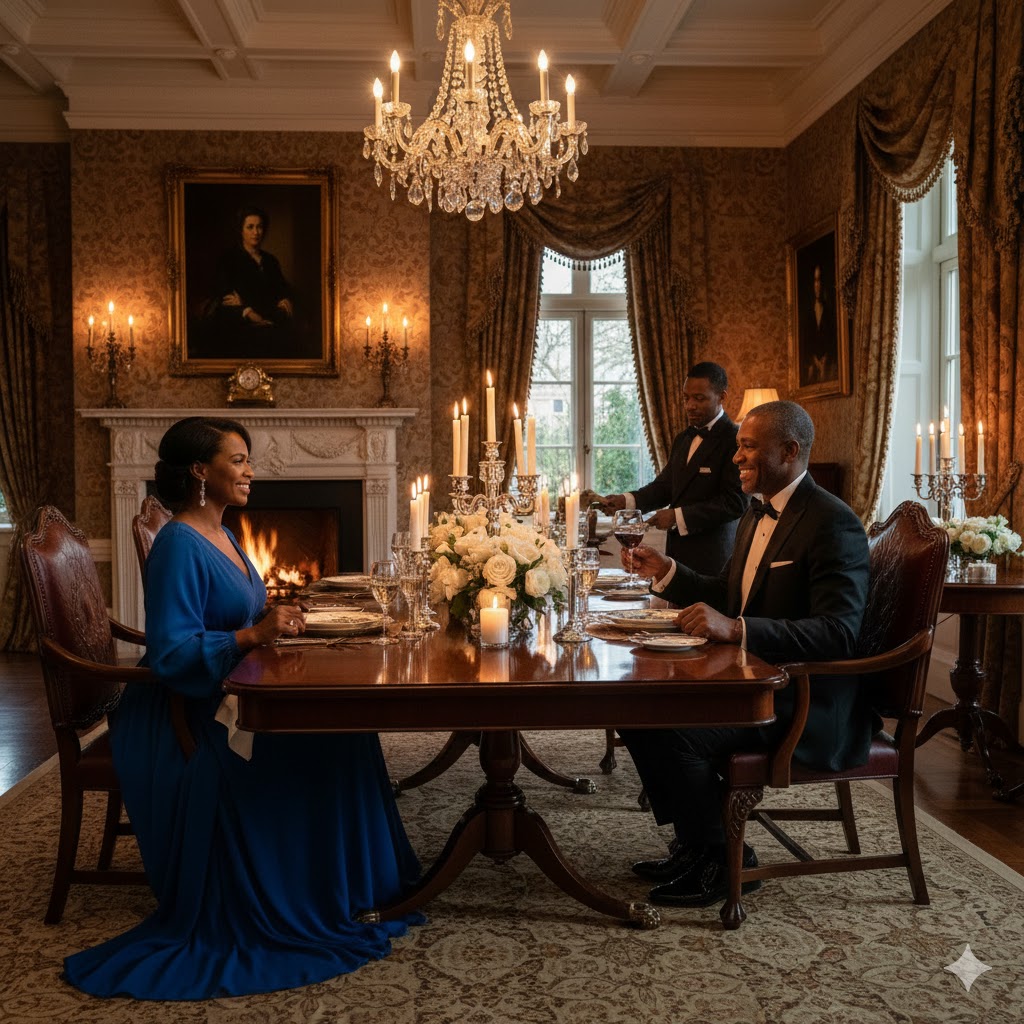
This photograph is the property of its respective owner. No copyright infringement intended.

Marriage is a divine covenant, ordained by God, that unites a man and a woman in spiritual, emotional, and physical harmony. Recognizing each other as king and queen establishes mutual respect, love, and honor. Scripture affirms this sacred bond: “Therefore shall a man leave his father and his mother, and shall cleave unto his wife: and they shall be one flesh” (Genesis 2:24, KJV). Understanding what to do—and what to avoid—ensures the relationship thrives under God’s guidance.

1. Prioritize Respect

Respect is foundational. Husbands must honor their wives, and wives must honor their husbands. “Likewise, ye husbands, dwell with them according to knowledge, giving honour unto the wife, as unto the weaker vessel, and as being heirs together of the grace of life” (1 Peter 3:7, KJV). Disrespect erodes intimacy and spiritual unity.

2. Communicate Openly

Transparent communication fosters understanding and prevents misunderstanding. Couples should speak honestly while remaining gentle: “A soft answer turneth away wrath: but grievous words stir up anger” (Proverbs 15:1, KJV). Listening is as important as speaking.

3. Prioritize Spiritual Unity

A marriage centered on God grows stronger. Pray together, study Scripture, and seek God’s guidance in decisions: “For where two or three are gathered together in my name, there am I in the midst of them” (Matthew 18:20, KJV).

4. Practice Patience

Patience allows space for growth and understanding. Avoid quick anger or judgment: “With all longsuffering and meekness, with patience, forbearing one another in love” (Ephesians 4:2, KJV). Patience nurtures trust and emotional safety.

5. Serve One Another

Marriage thrives on mutual service, not self-interest. “Submit yourselves one to another in the fear of God” (Ephesians 5:21, KJV). Acts of kindness and sacrifice strengthen bonds and demonstrate love in action.

6. Avoid Comparison

Never compare your spouse to others or celebrities. Envy breeds dissatisfaction and conflict. “Envy thou not the oppressor, and choose none of his ways” (Proverbs 3:31, KJV). Appreciate your partner’s unique gifts and qualities.

7. Honor Boundaries

Physical, emotional, and spiritual boundaries sustain intimacy. Avoid overstepping or controlling tendencies. “Marriage is honourable in all, and the bed undefiled” (Hebrews 13:4, KJV). Respect reinforces safety and trust.

8. Speak Life, Not Criticism

Use words that build up, not tear down. “Death and life are in the power of the tongue: and they that love it shall eat the fruit thereof” (Proverbs 18:21, KJV). Affirmations, gratitude, and encouragement deepen love.

9. Avoid Pride

Humility is essential. Refusing to admit fault or insisting on always being right fosters division. “Pride goeth before destruction, and an haughty spirit before a fall” (Proverbs 16:18, KJV). Seek reconciliation over dominance.

10. Celebrate Each Other

Recognize accomplishments, milestones, and everyday efforts. “Rejoice with them that do rejoice, and weep with them that weep” (Romans 12:15, KJV). Celebration fosters connection and mutual appreciation.

11. Guard Against Jealousy

Jealousy erodes trust and joy. “Love is patient, love is kind… it envieth not” (1 Corinthians 13:4, KJV). Confidence in God and in your partner nurtures security and peace.

12. Be Intentional With Time

Quality time strengthens bonds. Prioritize shared experiences, date nights, and meaningful conversation. “And let us consider one another to provoke unto love and to good works” (Hebrews 10:24, KJV). Presence communicates commitment.

13. Avoid Bitterness

Do not hold grudges or nurture resentment. “Let all bitterness, and wrath, and anger, and clamour, and evil speaking, be put away from you, with all malice” (Ephesians 4:31, KJV). Forgiveness restores harmony and spiritual health.

14. Uphold Faithfulness

Faithfulness is non-negotiable. Emotional, spiritual, and physical fidelity reflect God’s covenant. “Marriage is honourable in all, and the bed undefiled” (Hebrews 13:4, KJV). Loyalty builds trust and enduring intimacy.

15. Pray for Each Other

Intercede for your spouse regularly. Prayer aligns hearts with God’s will: “Likewise, ye husbands, love your wives, even as Christ also loved the church, and gave himself for it” (Ephesians 5:25, KJV). Spiritual support strengthens relational resilience.