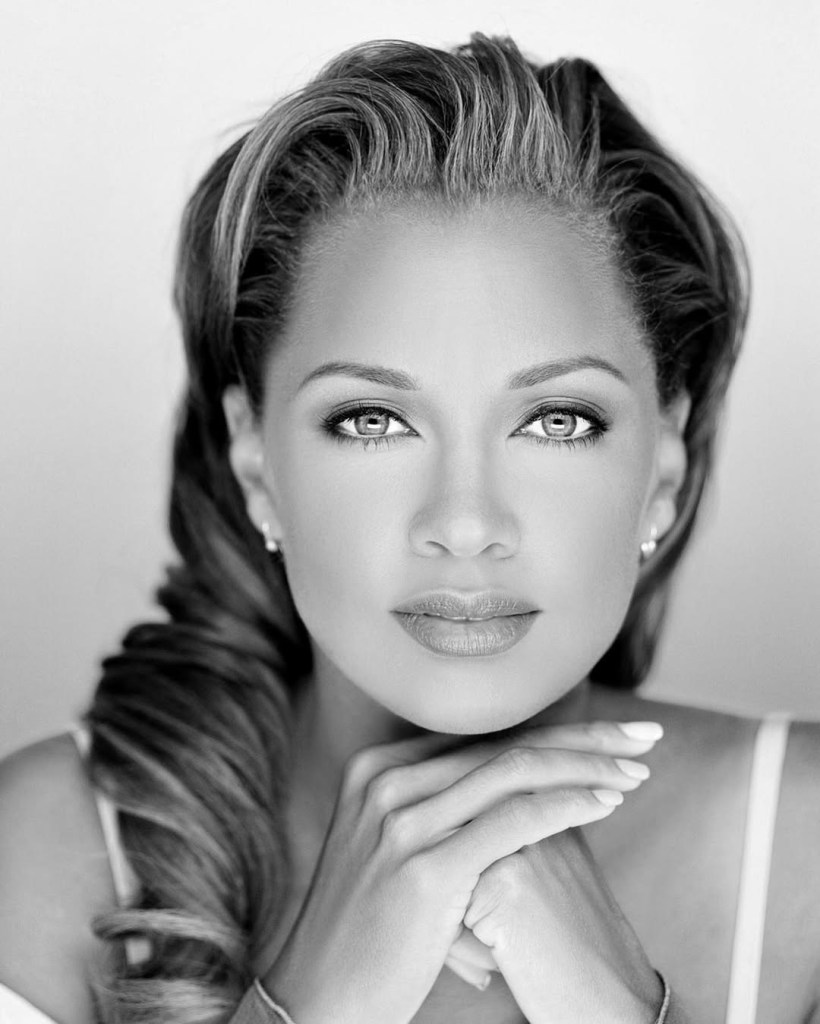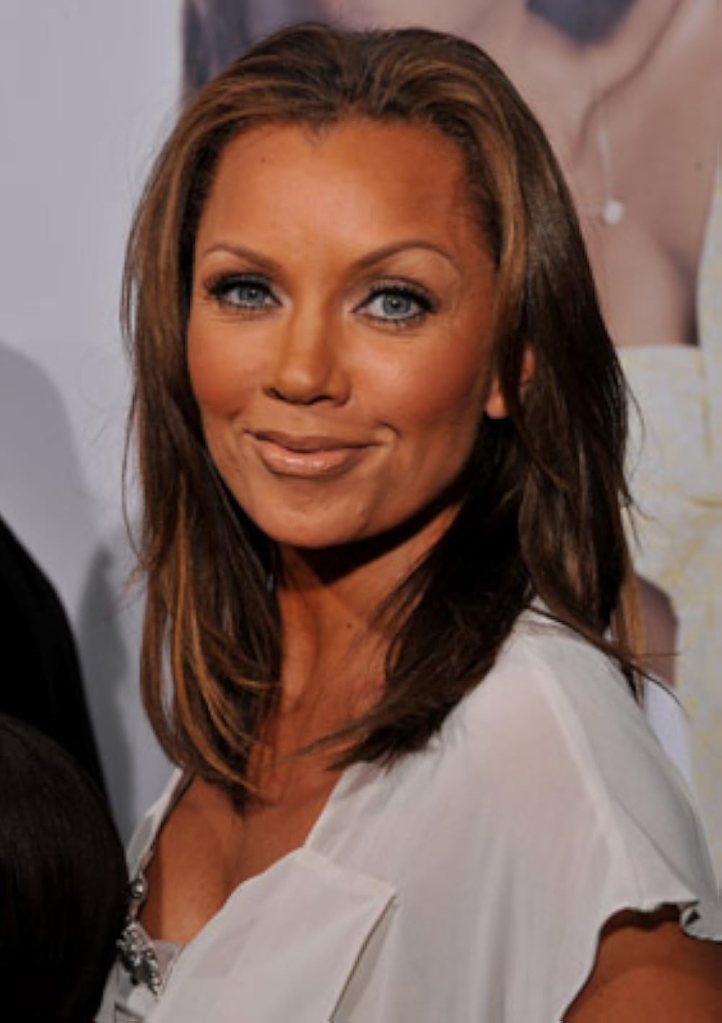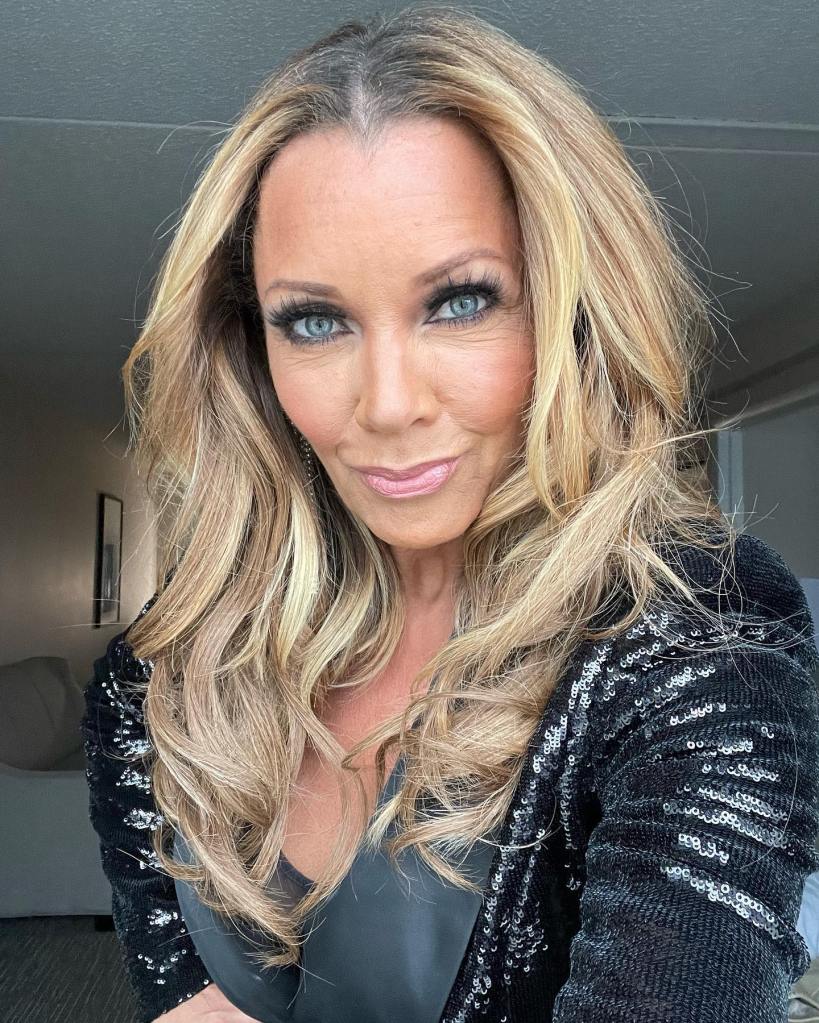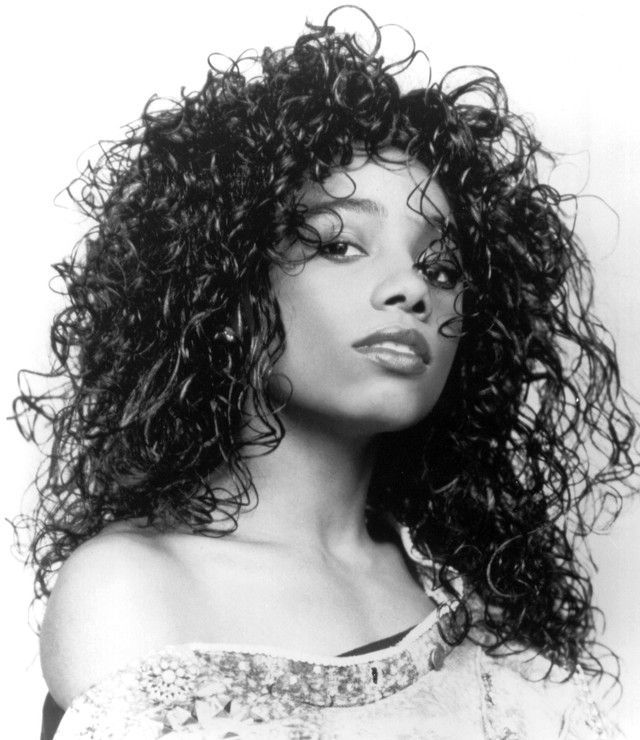
Tag Archives: The Ebony Dolls

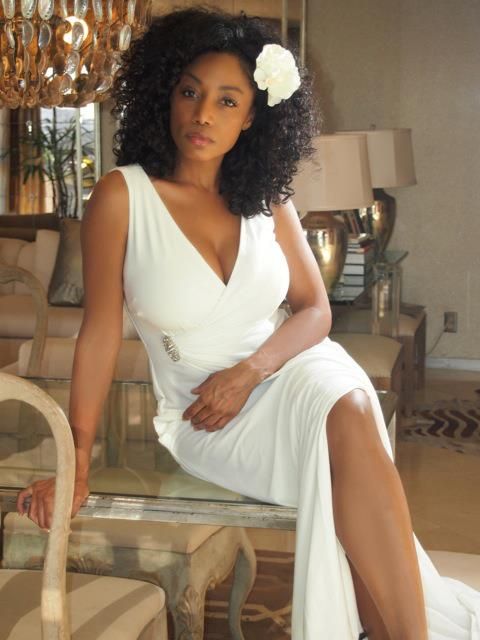
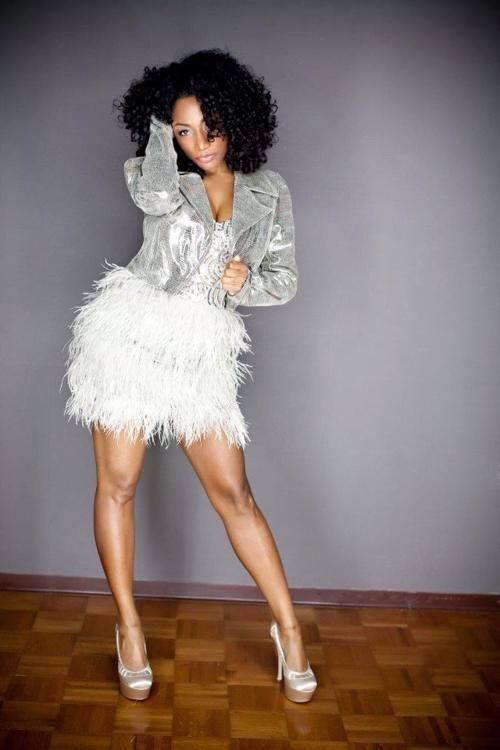
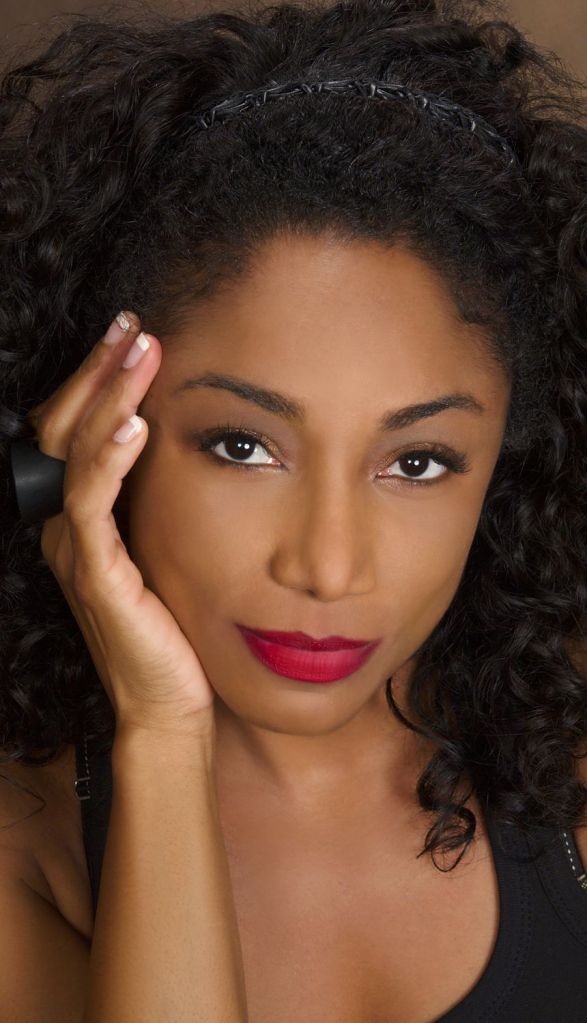
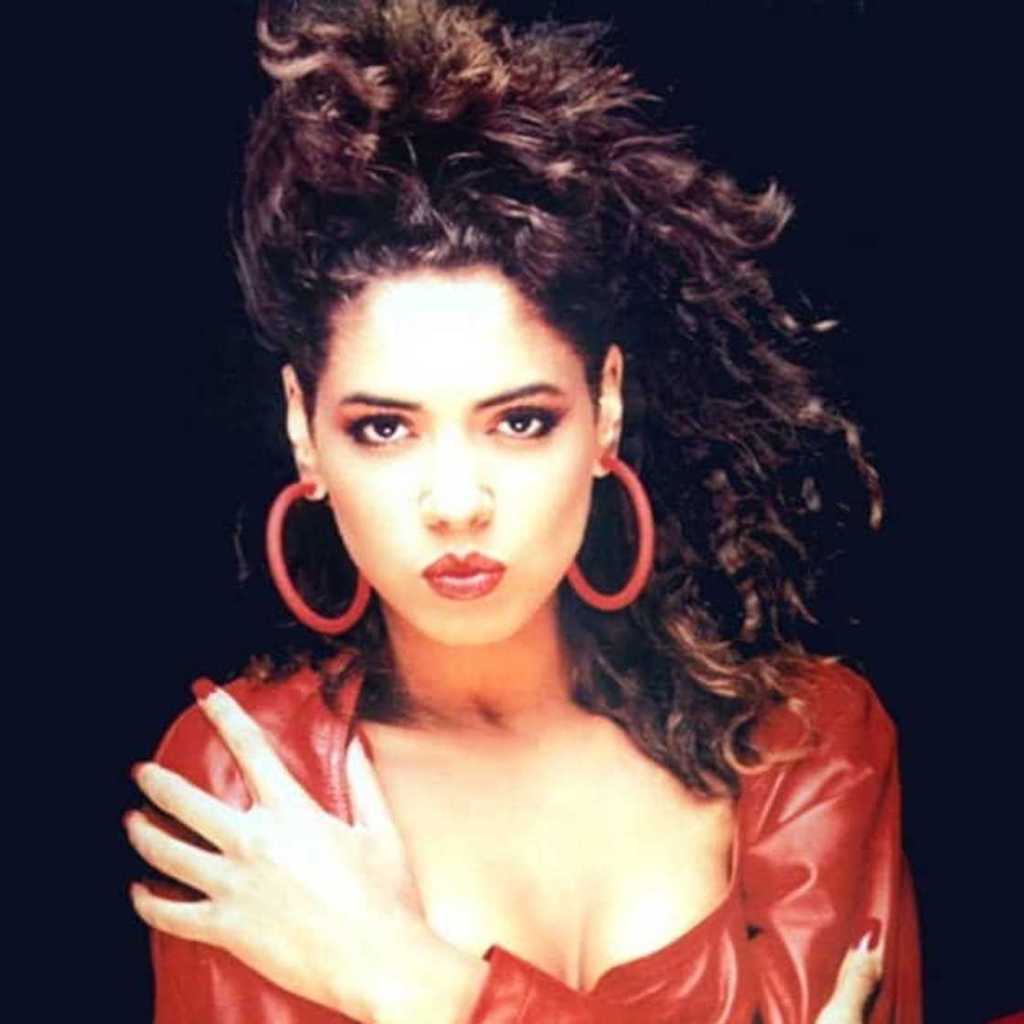
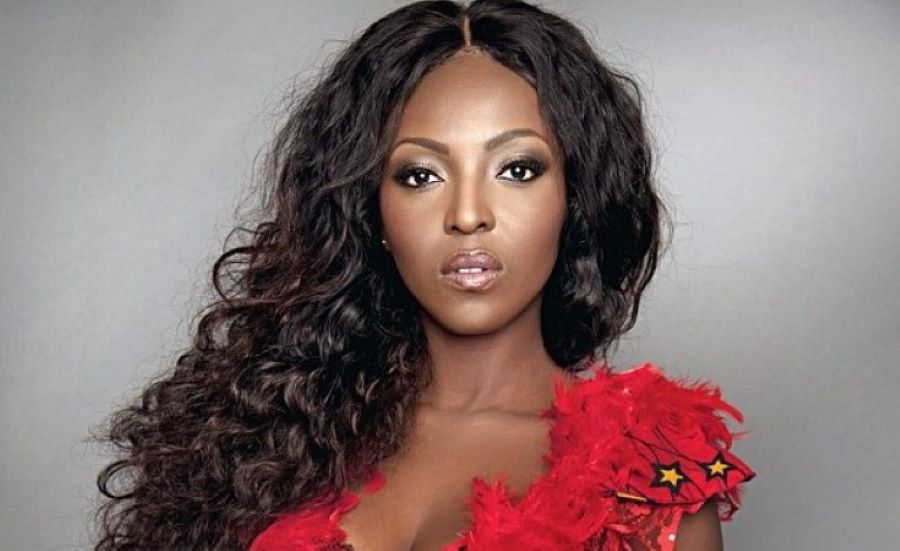
The Ebony Dolls: Yvonne Okoro

This photograph is the property of its respective owners. No copyright infringement intended.

In the constellation of African cinema, Yvonne Okoro shines with a rare brilliance that fuses sophistication, intelligence, and undeniable beauty. With her flawless bronze-ebony complexion, luminous almond-shaped eyes, and refined features framed by a radiant smile, she is often admired for her doll-like allure—a blend of African richness and European elegance. Beyond her physical charm, Okoro’s poise, confidence, and versatility have positioned her among the most respected actresses in both Ghana’s Ghallywood and Nigeria’s Nollywood film industries. She is a modern African woman who balances glamour with grit, embodying excellence both on and off the screen.

Born Chinyere Yvonne Okoro on November 25, 1984, in Tamale, Ghana, she comes from a mixed heritage that beautifully reflects the unity of West Africa—her father is Nigerian (from Abia State, Igbo), and her mother is Ghanaian. This cultural blend enriched her worldview and artistic expression, allowing her to connect with audiences across two major entertainment industries. From a young age, Yvonne demonstrated a passion for performance, often participating in school plays and local talent showcases that revealed her natural charisma and expressiveness.

Yvonne Okoro’s educational journey is as impressive as her acting career. She attended Achimota Preparatory School and Lincoln Community School before earning her Bachelor of Arts in English and Linguistics from the University of Ghana, Legon. She later pursued further studies in France at the Université de Nantes, where she deepened her understanding of communication and modern languages—skills that would later enhance her presence in international cinema.
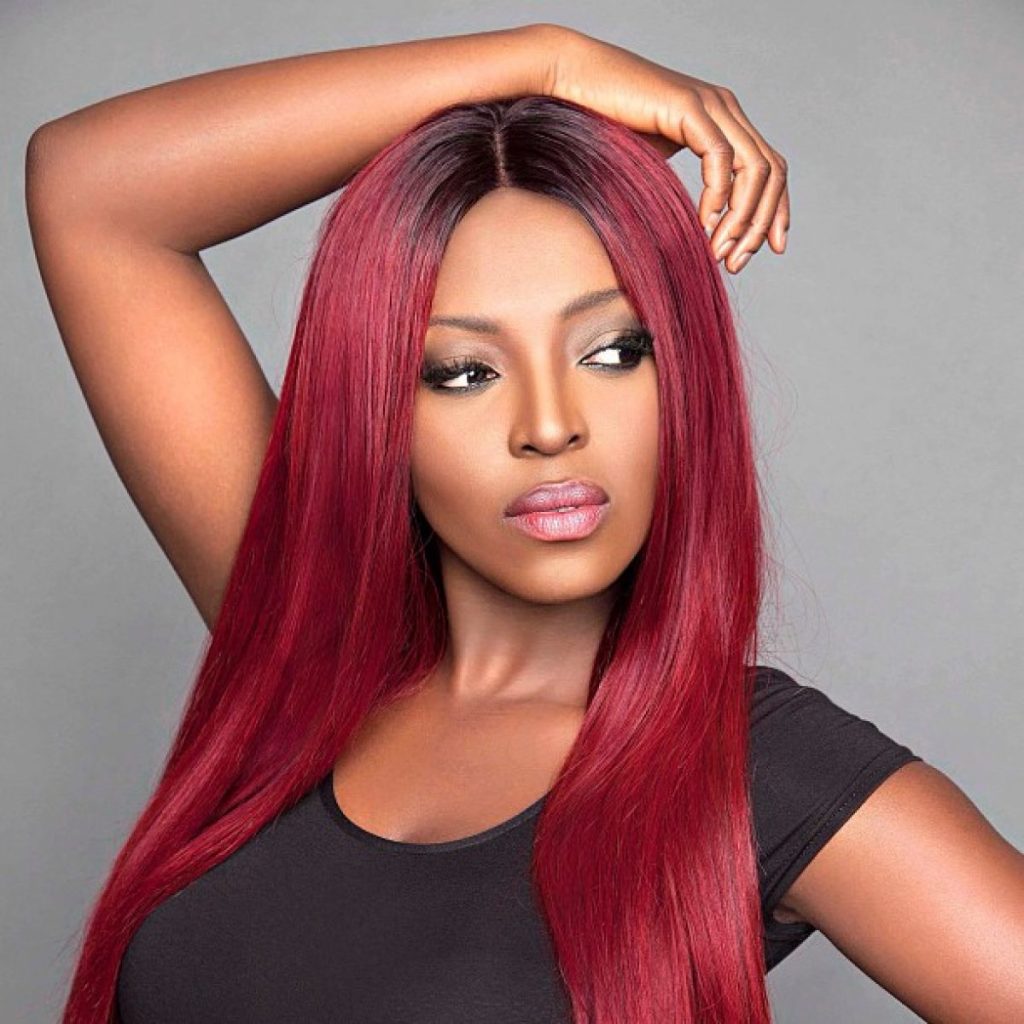
This photograph is the property of its respective owners. No copyright infringement intended.

Her acting debut came with a supporting role in the Ghanaian film Sticking to the Promise (2002). However, her major breakthrough came when she transitioned into Nollywood, starring in Beyoncé: The President’s Daughter (2006) alongside Nadia Buari and Van Vicker. Her beauty, eloquence, and natural on-screen chemistry with her co-stars captured the attention of filmmakers and audiences alike. Soon, she became a fixture in both Ghanaian and Nigerian film productions, a rare feat achieved by only a handful of actresses.

Over the years, Yvonne Okoro has built an impressive filmography, with notable works including The Game (2010), Contract (2012), Single Six (2011), Rebecca (2016), and Ghana Must Go (2016)—a romantic comedy she also produced. Her role in Contract, opposite Hlomla Dandala, earned her the Best Actress Award at the Ghana Movie Awards and an Africa Magic Viewers’ Choice Award (AMVCA) nomination. The film’s critical success established her as one of the leading ladies of African cinema, capable of blending humor, depth, and authenticity with magnetic beauty.

Yvonne Okoro’s contributions extend beyond acting; she is also a film producer and entrepreneur, using her platform to promote quality storytelling in Africa. Her production company, Desamour Company Limited, has produced several films that highlight African culture, love, and social issues. Through this, she has provided opportunities for emerging talents, especially women in film, fostering growth and creativity in the industry.
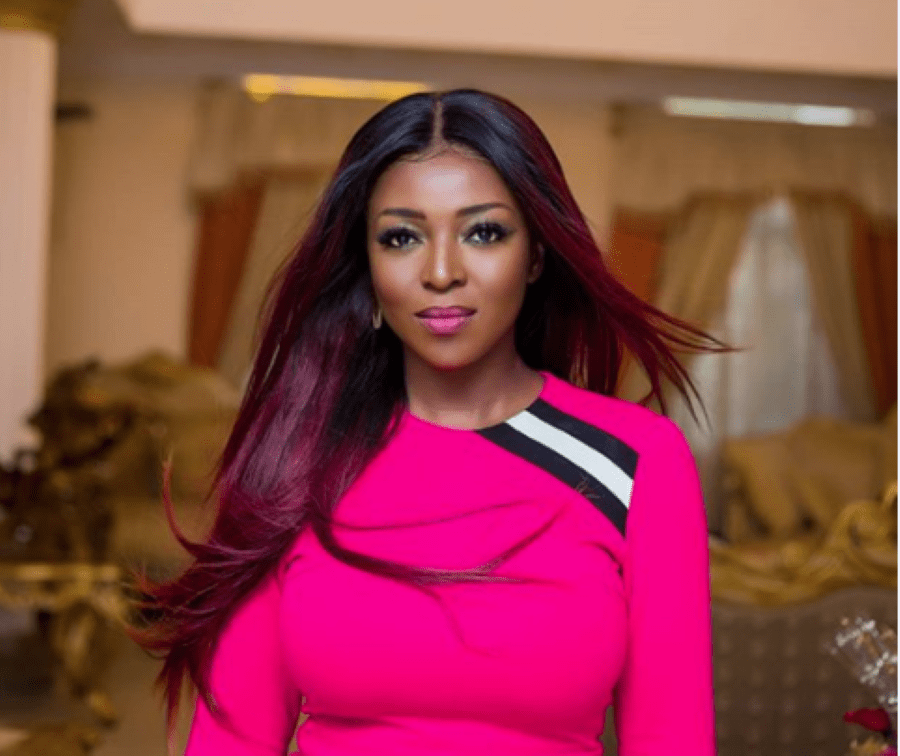
This photograph is the property of its respective owners. No copyright infringement intended.

Her grace and intelligence have also made her a favorite for brand endorsements, having represented beauty and fashion brands that mirror her elegance. She is frequently listed among the most beautiful and influential actresses in Africa, celebrated for her radiant skin, well-defined features, and polished style that bridges modern glamour and cultural authenticity.

In addition to her professional achievements, Yvonne Okoro’s personal life reflects humility and purpose. Despite her fame, she remains grounded and family-oriented, often crediting her parents for instilling discipline and confidence. Her close relationship with her siblings—particularly her sister, Roseline Okoro, who also ventured into acting—highlights her belief in family unity and shared success.

Throughout her career, Yvonne has earned numerous accolades, including the Best Actress of the Year (2010) at the Ghana Movie Awards, the Achievement Award at the City People Entertainment Awards in Nigeria, and recognition at the Africa International Film Festival (AFRIFF). Her dedication to excellence has made her one of the highest-paid actresses in Ghana and Nollywood, respected for both her beauty and her business acumen.

Ultimately, Yvonne Okoro represents the epitome of modern African femininity—educated, talented, and unapologetically elegant. Her soft-spoken confidence, luminous ebony glow, and striking intellect set her apart as not merely a star, but a symbol of pan-African pride and excellence. As one of the Ebony Dolls of African cinema, she continues to inspire young women to dream beyond boundaries while embracing their heritage and divine beauty.


References

  • Africa Magic. (2023). Yvonne Okoro: The Actress Who Bridges Ghana and Nollywood. MultiChoice Africa.
  • Ghana Web. (2022). Profile of Yvonne Okoro: From Beauty to Brilliance.
  • Pulse Ghana. (2023). Top 10 Highest-Paid Actresses in Ghana and Nigeria.
  • The Guardian Nigeria. (2021). Yvonne Okoro: The Pan-African Face of Modern Cinema.
  • IMDb. (2024). Yvonne Okoro Biography and Filmography.
  • Modern Ghana. (2022). Yvonne Okoro: The Glamorous Ghanaian-Nigerian Star Redefining African Film.
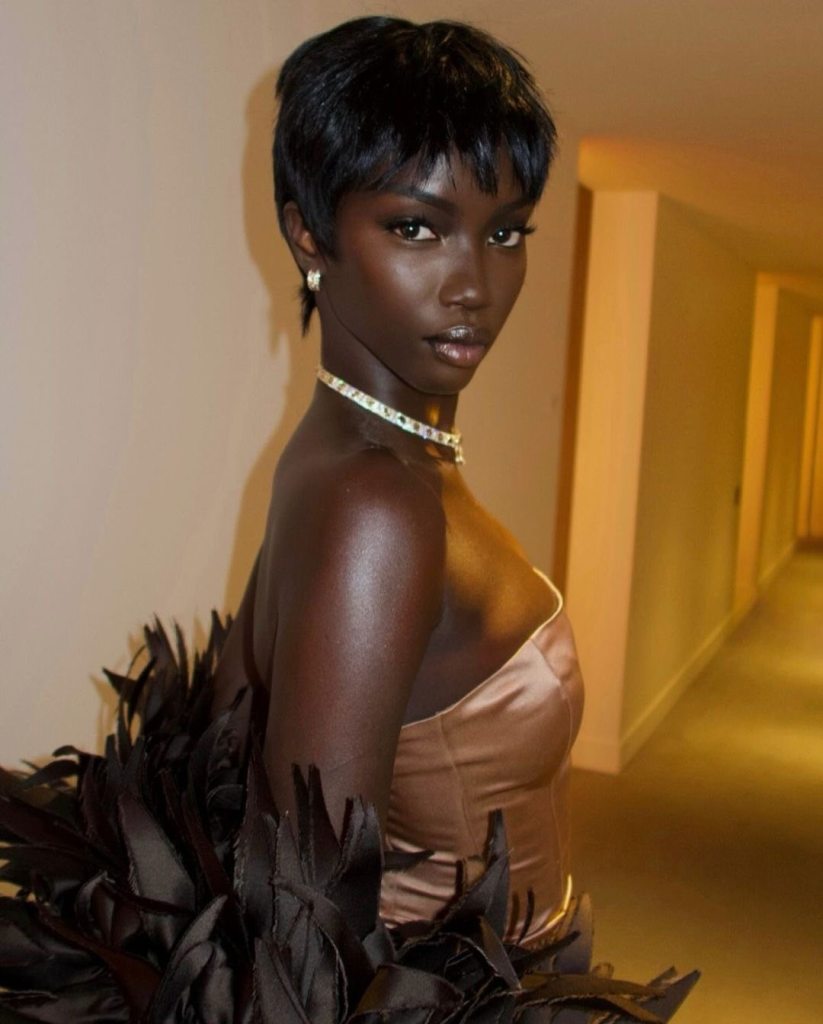
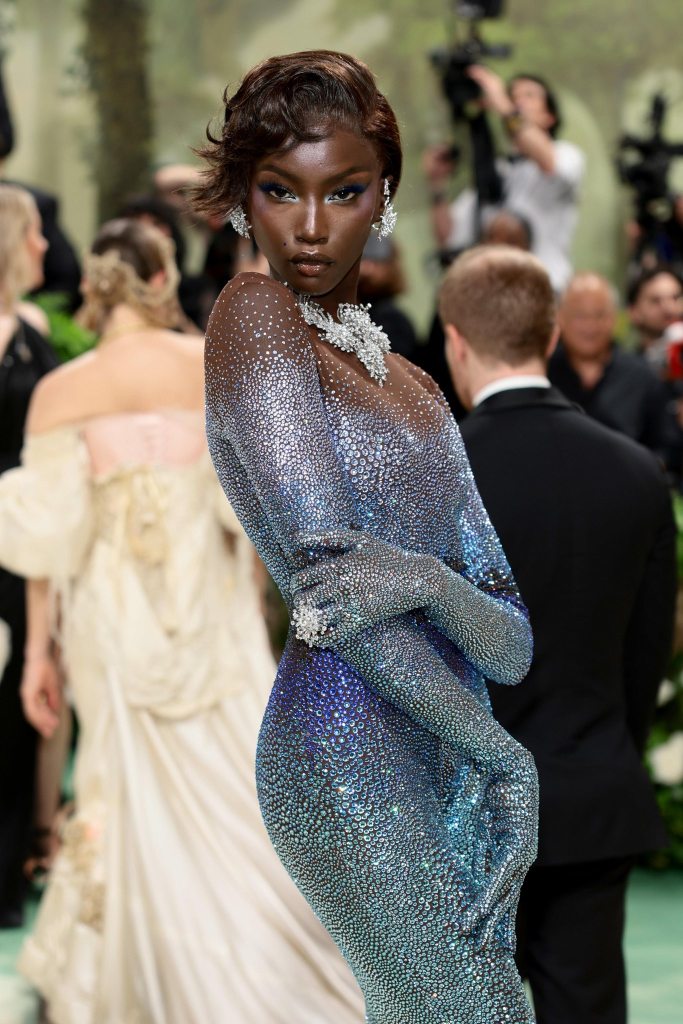
The Ebony Dolls: Anok Yai

This photograph is the property of its respective owner. No copyright infringement intended.

Anok Yai is one of the most striking and influential models of her generation, celebrated for her regal presence, flawless dark skin, and sculptural beauty that has reshaped global fashion standards. She represents a new era in modeling where African features, deep melanin, and unapologetic Blackness are not only accepted but exalted.

Born on December 20, 1997, Anok Yai is of South Sudanese descent and was raised in the United States after her family migrated from Egypt. Her upbringing was deeply rooted in cultural pride and academic excellence, as she initially pursued higher education before entering the fashion world. Modeling was never her original plan, which makes her rise even more remarkable.

Anok was discovered in 2017 after a photo of her attending Howard University’s homecoming went viral on social media. The image, captured by a photographer and shared online, spread rapidly and caught the attention of major modeling agencies. Almost overnight, Anok became a global sensation, proving the power of organic Black beauty and digital visibility.

Shortly after being discovered, Anok signed with Next Management and made history as the second Black woman ever to open a Prada runway show, following Naomi Campbell. This debut instantly placed her among the elite ranks of high fashion and established her as a symbol of progress in an industry long criticized for racial exclusion.

Anok is known for her celestial facial symmetry, radiant ebony complexion, almond-shaped eyes, and statuesque height, which give her a goddess-like appearance both on the runway and in editorial work. Her beauty is often described as futuristic, otherworldly, and divine, embodying a visual language that feels ancestral and modern at the same time.

This photograph is the property of its respective owner. No copyright infringement intended.

Throughout her career, she has walked for and appeared in campaigns for some of the world’s most prestigious fashion houses, including Prada, Dior, Versace, Saint Laurent, Burberry, Fendi, and Givenchy. She has also graced the covers of Vogue, Harper’s Bazaar, and other major fashion publications, becoming a muse for top designers and photographers.

Anok has spoken openly about the challenges she has faced in the modeling industry, including colorism, tokenism, and mental health struggles. She has used her platform to advocate for greater representation, honesty, and protection for young Black models navigating spaces that often lack emotional support and cultural understanding.

Beyond fashion, Anok is admired for her intelligence and activism. She has expressed interest in public service and international development, once stating that she aspired to work with the United Nations before modeling. This intellectual depth adds another layer to her public image, positioning her as more than a face—she is a voice and a symbol.

Anok Yai has received widespread recognition for her impact, including being named Model of the Year by models.com and receiving multiple fashion industry honors. She is consistently ranked among the top models in the world and is considered one of the most important figures in redefining modern beauty. Anok’s impact culminated in her being named Model of the Year at the 2025 Fashion Awards held at London’s Royal Albert Hall, one of the most prestigious honors in fashion today. The accolade acknowledged not only her creative achievements but also her role in shaping the industry’s evolving identity and inclusivity.

Anok qualifies as an Ebony Doll because she embodies the highest expression of melanated Black femininity—royal, luminous, and unapologetically African. Her presence restores visibility to dark-skinned women who were historically marginalized, and her success stands as a testament to the power, elegance, and divine design of African beauty.


References

Anok Yai. Wikipedia. https://en.wikipedia.org/wiki/Anok_Yai

Euronews profile on Anok Yai career and influence.

“Anok Yai Wins Model Of The Year At The Fashion Awards.” FashionABC.org.

AOL lifestyle article on Anok Yai’s British Fashion Council Model of the Year award.

Raandoom profile of Anok Yai’s campaigns and magazine work.

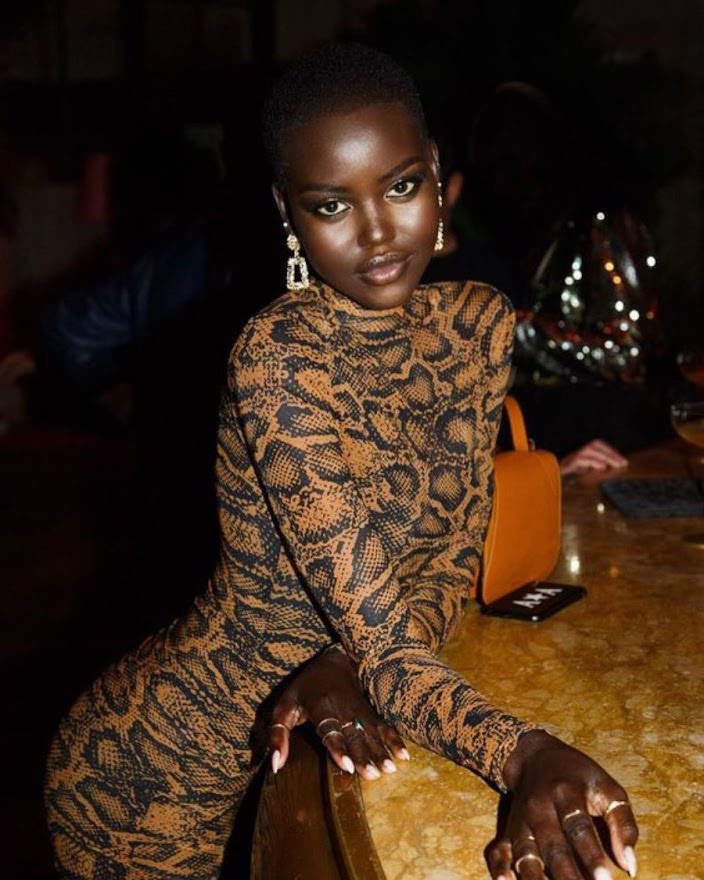
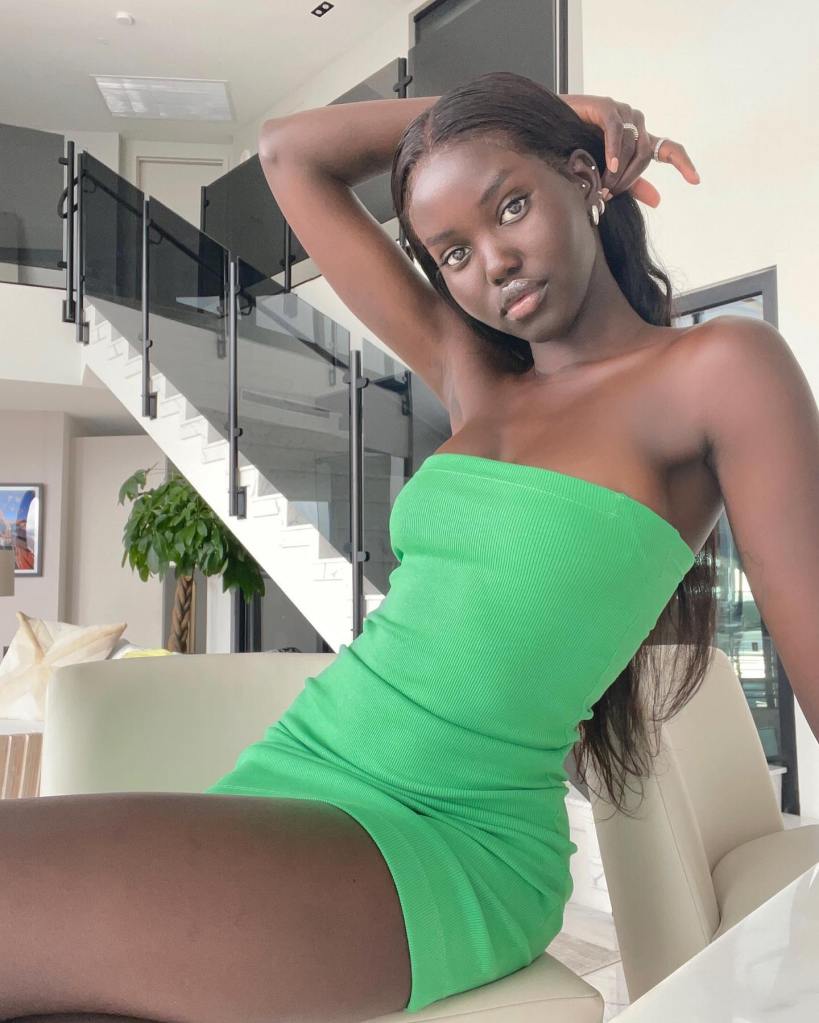
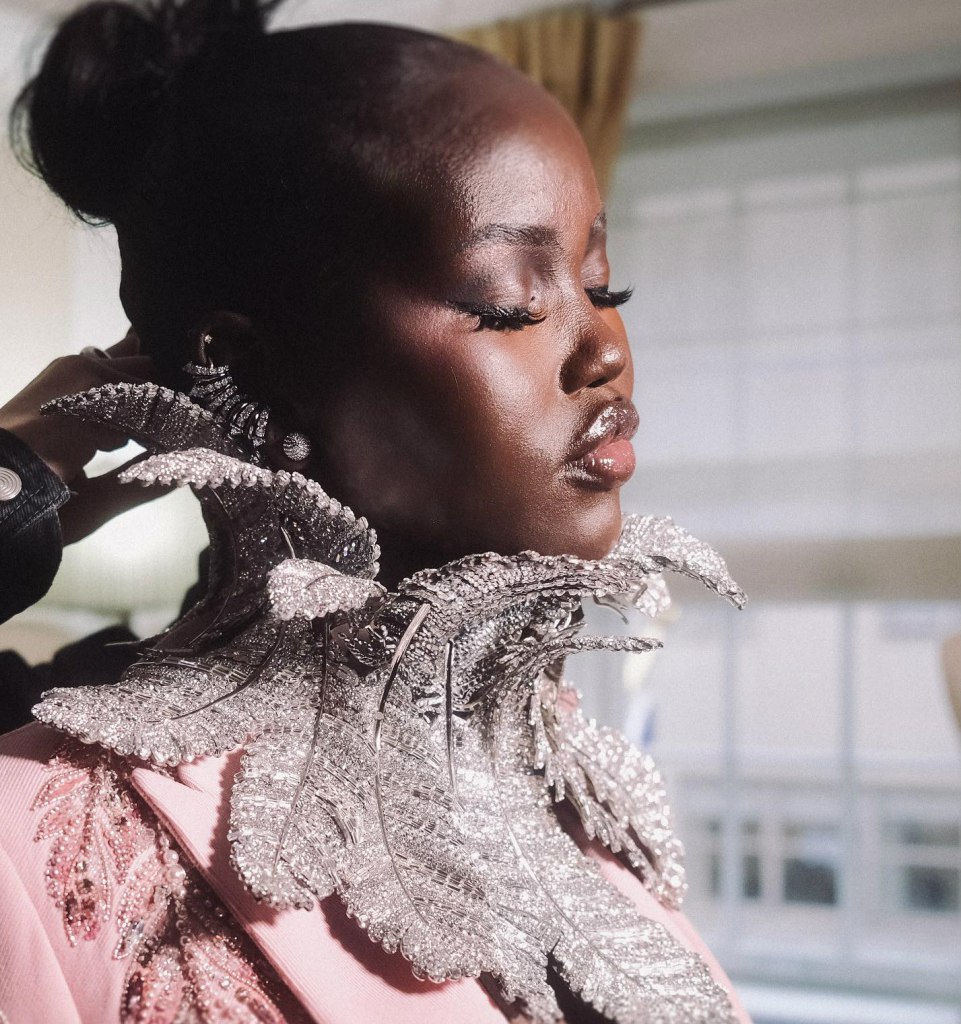
The Ebony Dolls: Adut Akech

The face of high fashion, illuminated by otherworldly black beauty.


This photograph is the property of its respective owner. No copyright infringement intended.

Adut Akech’s beauty is a fusion of deep, luminous melanin, sculpted bone structure, and regal African features that command attention. She embodies a rare elegance where strength meets softness, making her presence feel both ancestral and otherworldly, as if her face were designed to redefine global standards of beauty.

Adut Akech Bior was born on December 25, 1999, in South Sudan and raised in a Kenyan refugee camp before relocating to Adelaide, Australia, at the age of 7. Her story is one of survival and transcendence—from displacement to becoming one of the world’s most recognizable fashion faces.

Discovered at 16, Adut was signed to Chadwick Models in Sydney and later joined Elite Models in Paris. Her big break came when Saint Laurent cast her as an exclusive in 2016. Since then, she has walked for Valentino, Dior, Versace, Prada, and Chanel, and graced the covers of Vogue, including the historic Vogue Italia and British Vogue issues. Her radiant melanated skin, striking facial features, and luminous smile have made her one of the most recognizable and influential faces in contemporary high fashion. Adut’s beauty is often described as regal, sculptural, and otherworldly. Her deep ebony complexion, almond-shaped eyes, symmetrical bone structure, and radiant smile create a look that is both modern and ancestral. She embodies a visual narrative that challenges Eurocentric ideals and restores dark-skinned African beauty to its rightful prominence in global media. Her presence represents a powerful shift in global beauty standards, placing dark-skinned Black women at the center of luxury and editorial fashion.

This photograph is the property of its respective owner. No copyright infringement intended.

With her deep, rich skin tone, short natural hair, and commanding runway presence, Adut redefined what mainstream beauty could look like. “My skin is not a trend,” she told Allure, challenging the tokenism and fetishization often placed on dark-skinned models. Her look is both regal and authentic, earning her a global following and editorial acclaim.

Adut’s international breakthrough came when she was selected as an exclusive model for Saint Laurent’s Spring/Summer 2017 show in Paris, an extraordinary debut that immediately elevated her status within the fashion world. Since then, she has walked for nearly every major luxury house, including Valentino, Dior, Givenchy, Versace, Fendi, Prada, Moschino, and Balenciaga.

She has appeared in major global campaigns and graced the covers of American Vogue, British Vogue, Vogue Italia, and many other international fashion publications, working with some of the most influential designers and photographers in the industry.

In 2018, she was named Model of the Year by Models.com and honored again in 2019 by the British Fashion Council, with Naomi Campbell presenting her award. Adut Akech’s achievements place her among the elite in fashion history. She won Model of the Year at the British Fashion Awards in 2019, one of the most prestigious honors in the industry. That same year, she was selected for the iconic September 2019 cover of British Vogue, curated by Meghan, Duchess of Sussex—cementing her as a cultural symbol beyond fashion alone.

Personal Life:
Adut is married to Samuel Elkhier. In 2024, she announced her pregnancy and later gave birth to their daughter, Kiki, entering motherhood while continuing to work at the highest levels of fashion. She has spoken openly about balancing family life with career, and about representing Black women with dignity, visibility, and grace.

Adut Akech qualifies as an Ebony Doll not only because of her exceptional physical beauty, but because she represents Black excellence, African resilience, and the elevation of melanated femininity in a global arena that once excluded women who looked like her. She is living proof that dark skin, African features, and Black womanhood are not trends—but timeless symbols of elegance, power, and divine design


References

  • Adut Akech profile and biography.
  • Adut Akech early career and Model of the Year coverage.
  • Basic biographical details including age and early life.
  • Modeling career highlights and campaigns.
  • Additional accolades and fashion influence.
  • Personal life and motherhood.
  • Adut Akech. Wikipedia. https://en.wikipedia.org/wiki/Adut_Akech

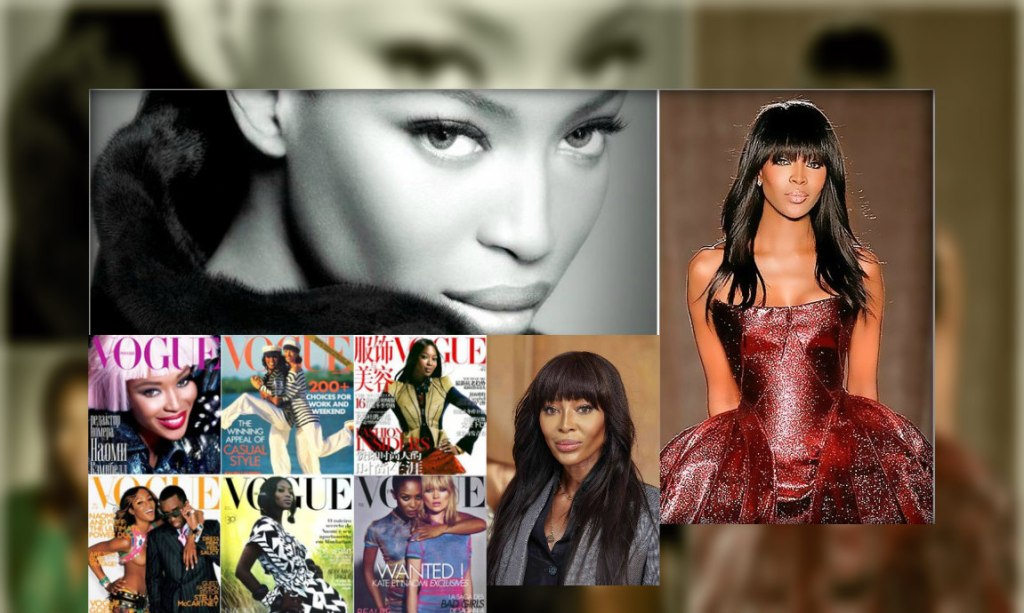
The Ebony Dolls: Naomi Campbell

The Unrivaled Supermodel and Queen of the Catwalk

With her statuesque frame, chiseled cheekbones, an unmistakable feline grace, with the best runway walk known to man, Naomi Campbell reigns as one of the most iconic supermodels in history—a living embodiment of timeless beauty, discipline, and global influence. Her deep mocha complexion, commanding runway presence, and captivating gaze revolutionized the fashion world, breaking barriers for Black women in an industry once reluctant to embrace diversity. Discovered at just 15 years old, Campbell became the first Black model to grace the covers of French Vogue and Time magazine, solidifying her place among the elite. Beyond modeling, she has evolved into a philanthropist, actress, businesswoman, and cultural ambassador, using her platform to advocate for racial equality and representation in fashion. Naomi Campbell is not merely a model—she is an institution, a symbol of power, poise, and perseverance whose name defines excellence itself.

Few names in fashion history command the same reverence as Naomi Campbell, whose presence on the runway is often described as both thunderous and divine. With a walk that is the benchmark of high fashion, Naomi did not simply model clothes—she embodied power, elegance, and revolution. As one of the original “supermodels,” she shattered racial barriers, redefined global beauty standards, and remains an enduring force in fashion decades after her debut.


Early Life and Modeling Beginnings

Naomi Elaine Campbell was born on May 22, 1970, in London, England, to a Jamaican-born mother, Valerie Morris, a professional dancer. Naomi never knew her father, who left before her birth, and she took her mother’s surname. Of Afro-Jamaican and Chinese-Jamaican descent, Naomi grew up between London and Rome, where she studied ballet and performing arts.

Her modeling journey began serendipitously. At just 15 years old, while shopping in Covent Garden, Naomi was discovered by Beth Boldt, head of the Synchro Model Agency. By age 16, she was already gracing the cover of British Elle—a signal that fashion’s next phenomenon had arrived.


Rise to Supermodel Status and the “Big Five”

In the late 1980s and early 1990s, Naomi became one of the original five supermodels, a term Gianni Versace helped popularize. The group—Naomi Campbell, Linda Evangelista, Christy Turlington, Cindy Crawford, and Claudia Schiffer—dominated catwalks and campaigns, crossing over into pop culture with unprecedented fame. These women weren’t just faces of brands; they were personalities, businesswomen, and icons.

Naomi’s defining moment came in 1991, when Versace sent all five supermodels down the runway together, lip-syncing George Michael’s “Freedom! ’90,” immortalizing the era and solidifying Naomi’s place in fashion history.


A Trailblazer in Fashion

Naomi Campbell broke racial barriers in an industry that long upheld Eurocentric beauty standards. She was the first Black model to appear on the covers of French Vogue (1988) and Time Magazine, and the first Black British model to cover British Vogue in decades. Her presence signaled a tectonic shift, yet she has repeatedly spoken about how much of her career was earned through persistence in the face of racism.

In an interview with The Guardian (2020), Campbell stated, “I had to fight for myself because nobody else was going to fight for me. Racism is still very much alive in this industry.”

Despite being a supermodel, Naomi was often excluded from certain magazine covers and beauty campaigns. She has been candid about being booked last, paid less, or overlooked—until designers like Azzedine Alaïa, Yves Saint Laurent, and Gianni Versace personally advocated for her inclusion.


The Walk That Changed the Runway

Naomi’s runway walk is widely regarded as the most iconic in fashion history. Fluid yet powerful, rhythmic yet effortless—her strut became a signature, studied by generations of aspiring models. No one, past or present, walks quite like Naomi Campbell. Designer Marc Jacobs once said, “Naomi doesn’t walk the runway. She owns it.”

Fashion commentator Tim Blanks described it as “the physical expression of regality.” Her ability to command space—whether in couture or ready-to-wear—transcended the clothes and elevated fashion shows into full theatrical displays.


Longevity and Current Influence

Remarkably, Naomi remains one of the few models from her era still working at the top tier of the industry. Well into her 50s, she continues to headline major runway shows—Fendi, Balmain, and Valentino among them—and serves as a mentor and judge on modeling competitions, including The Face. She’s also walked for Rihanna’s Fenty, bridging generations and staying relevant with younger audiences.

Edward Enninful, editor-in-chief of British Vogue, called her “a legend, and a living link between fashion’s past, present, and future.”


Rivalry with Tyra Banks

Naomi’s long-publicized feud with Tyra Banks cast a shadow over both of their careers. In early interviews, Banks described being ostracized by Naomi in the 1990s when she entered the industry. Though both women have since reconciled, Tyra admitted in a 2019 interview that Naomi’s treatment made her question her place in fashion.

Naomi, in turn, claimed the media pitted them against each other, fostering competition between the only two prominent Black models of their time—another consequence of fashion’s limited diversity.


Comparisons: Naomi Campbell vs. Cindy Crawford

Both Naomi Campbell and Cindy Crawford were pioneers of the supermodel era, but they took slightly different paths. Cindy, often seen as the “All-American beauty,” became the face of numerous beauty campaigns and focused more on commercial modeling and business ventures. Naomi, by contrast, was a runway thoroughbred, closely aligned with haute couture and high fashion.

Where Cindy brought relatable beauty to the masses, Naomi brought otherworldly presence and regal glamour to elite runways. Both earned their spots through talent, but Naomi’s path was arguably more difficult due to systemic racism and underrepresentation.


Praise from Industry Icons and Her Own Words

Gianni Versace once said, “Naomi is not just a model—she is fashion.”
Vivienne Westwood called her “the goddess of the runway.”
Donatella Versace, after Naomi walked in her tribute show for Gianni in 2017, said: “She is a symbol of strength and resilience.”

On Christy Turlington, Naomi once said: “Christy is the most beautiful woman in the world—inside and out. Her face is like a Renaissance painting.” This rare public compliment reveals Naomi’s respect for her fellow supermodels, despite often being cast as the competitive one.


Personal Life

Naomi Campbell has never married but has had high-profile relationships, including with U2’s Adam Clayton, Russian billionaire Vladislav Doronin, and, more recently, she has welcomed two children, announcing the births quietly in 2021 and 2023. She maintains a level of privacy around her family life, choosing instead to highlight her philanthropic efforts and modeling career.


Conclusion

Naomi Campbell is not merely a supermodel—she is a cultural icon, a fashion revolutionary, and a living legend. With a walk that has never been matched, a legacy that spans generations, and a resilience forged in adversity, she has become more than the sum of her catwalks and covers. She is a force—still walking, still stunning, still Naomi.


References

  • Enninful, E. (2021). British Vogue Interviews
  • Banks, T. (2019). Tyra Banks Show Interview with Naomi Campbell
  • Versace, G. (1991). Freedom! Runway Show Commentary
  • Blanks, T. (2018). Business of Fashion: The Naomi Effect
  • Campbell, N. (2020). The Guardian Interview
  • Vogue Archives. (1988–2024). Covers and Editorials featuring Naomi Campbell

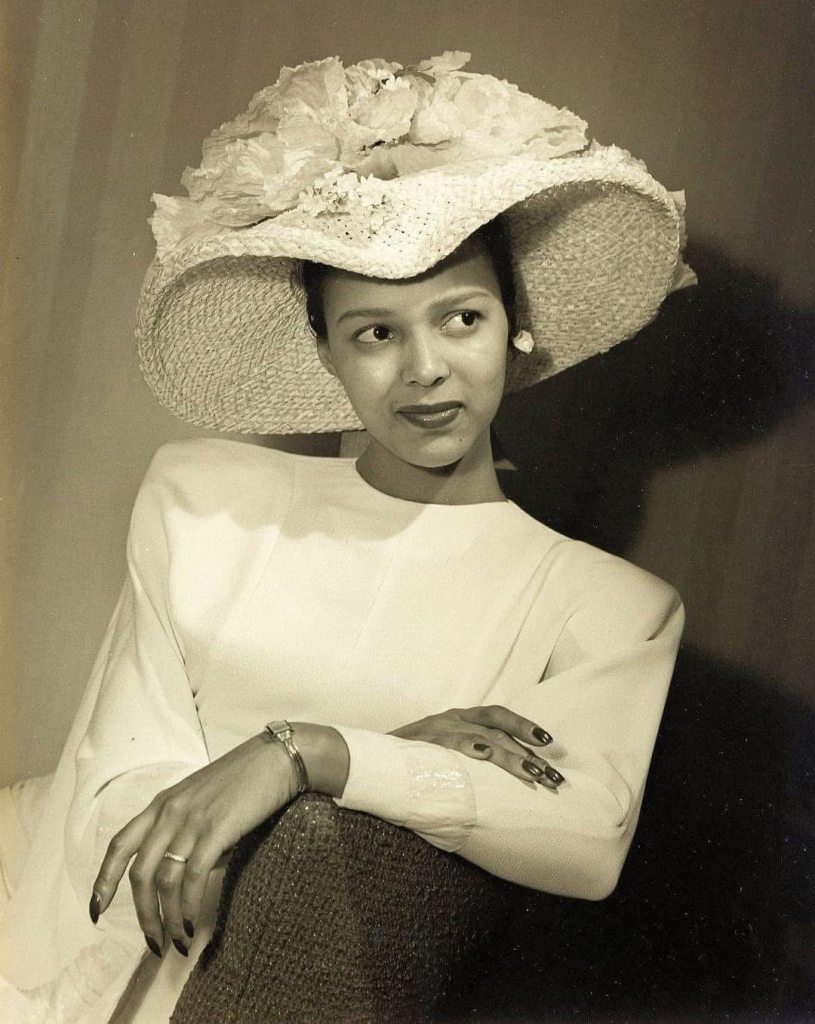
The Ebony Dolls: Dorothy Dandridge

Otherworldly black muse of Cinema

This photograph is the property of its respective owner.

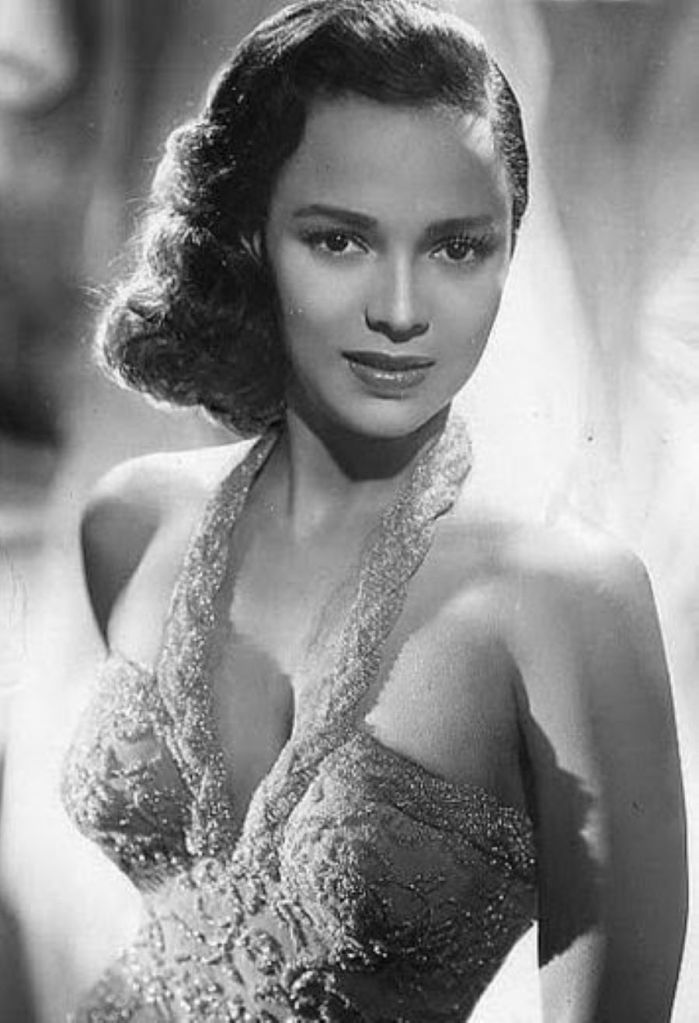
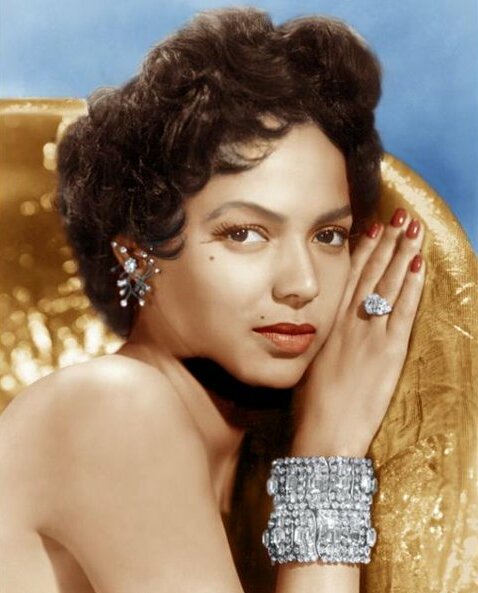
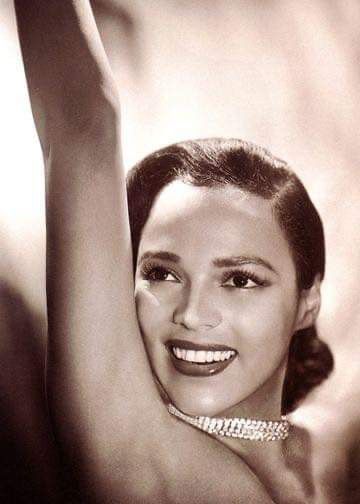
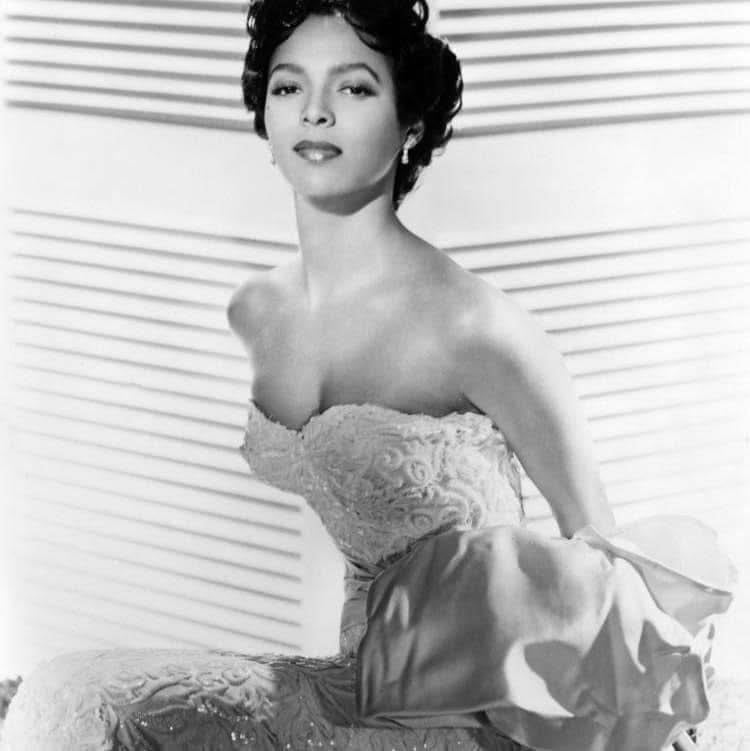
Dorothy Jean Dandridge remains one of the most luminous figures in the history of American cinema—a woman of breathtaking beauty, extraordinary talent, and profound courage who broke barriers for generations of Black actresses. Born on November 9, 1922, in Cleveland, Ohio, she emerged from humble beginnings to become the first African American woman nominated for an Academy Award for Best Actress. Her life was both a triumph and a tragedy, defined by grace, resilience, and the painful realities of racism and colorism in Hollywood’s golden age. With her flawless caramel complexion, delicate features, full lips, and almond-shaped eyes, she became the archetype of cinematic beauty—the original “Black Marilyn Monroe,” yet far deeper and more soulful.

Dorothy’s early life was marked by struggle and instability. Her parents separated before her birth, and she and her sister Vivian were raised by their mother, Ruby Dandridge, a stage performer who recognized her daughters’ natural talent. Ruby was determined that her children would escape poverty through performance. She created an act called “The Wonder Children,” in which Dorothy and Vivian sang and danced in churches throughout the South during the Great Depression. It was a tough childhood filled with long hours and racial discrimination, but it gave Dorothy a foundation in showmanship that would shape her later stardom.

As she grew older, Dorothy’s passion for performance evolved into a desire to act. Her beauty caught the attention of filmmakers, but Hollywood was not ready to embrace a Black actress in leading roles. Her earliest film appearances were minor, often uncredited, and she was typecast as a maid, chorus girl, or “exotic” background beauty. Despite the limited opportunities, her undeniable screen presence shone through. She soon realized that she would need to fight harder than most to be seen not just as a singer or a dancer, but as a serious actress.

This photograph is the property of its respective owner.

In the 1940s, Dorothy performed with the musical trio “The Dandridge Sisters,” alongside her sister Vivian and their friend Etta Jones. The group performed at the Cotton Club and other prestigious venues, dazzling audiences with their harmonies and elegance. These performances brought Dorothy into the orbit of Hollywood elites and introduced her to industry power players. Yet even as her popularity grew, she was often subjected to the cruelty of racism—barred from staying in the very hotels she performed in and forced to use side entrances to glamorous clubs that showcased her talent.

Her breakthrough came in 1954 when she starred as the seductive and complex Carmen Jones in Otto Preminger’s adaptation of Bizet’s opera Carmen. Her portrayal of Carmen was electrifying—sensual, intelligent, and layered with vulnerability. It was a defining performance that earned her an Academy Award nomination for Best Actress, making her the first Black woman in history to receive such an honor. Her role in Carmen Jones shattered Hollywood’s color barrier and proved that Black women could carry major motion pictures with the same magnetism and skill as their white counterparts.

Dorothy’s beauty was both her blessing and her curse. She was often described as “too beautiful for a Black actress” by studio executives who struggled to fit her into the narrow roles Hollywood reserved for women of color. Colorism played a cruel role in her career—she was considered light enough to be “acceptable” to white audiences but still Black enough to face discrimination from the industry. Directors and producers often fetishized her appearance, exoticizing her rather than recognizing her as a woman of depth and intellect.

This photograph is the property of its respective owner.

Her personal life reflected the same turbulence she faced professionally. Dorothy married dancer Harold Nicholas of the famed Nicholas Brothers in 1942. The marriage produced one child, Harolyn Suzanne Nicholas, who was born with brain damage and required lifelong care. The emotional and financial strain of caring for her daughter deeply affected Dorothy, contributing to the collapse of her marriage. She later had a relationship with director Otto Preminger, who cast her in Carmen Jones and later Porgy and Bess (1959), but their affair was marred by the racial politics of the time and his refusal to publicly acknowledge their relationship.

Her portrayal in Porgy and Bess alongside Sidney Poitier and Sammy Davis Jr. was another milestone in her career, though it was overshadowed by behind-the-scenes tension and the studio’s handling of the film. Despite the challenges, her performance once again displayed her remarkable ability to infuse complex emotion into her roles. She was not merely acting—she was expressing the frustrations, desires, and dreams of an entire generation of Black women who longed to be seen and respected.

Dorothy’s journey in Hollywood was marked by systemic racism and sexism. She was denied the roles her talent deserved, often replaced by white actresses in films she had been promised. She was invited to glamorous parties but forbidden to swim in hotel pools. Hollywood, while dazzled by her beauty, refused to offer her the humanity it extended to her white peers. She became a tragic symbol of a racist system that could idolize a Black woman’s image while destroying her spirit.

Behind the glamour, Dorothy struggled with loneliness and depression. Her finances suffered due to poor management, and her once-promising career began to fade in the 1960s. Yet even as her circumstances worsened, she continued to fight for her dignity and her art. She performed in nightclubs and continued to act in smaller roles, holding onto her dream that Hollywood would one day recognize her true worth.

Dorothy Dandridge’s untimely death in 1965 at the age of 42 shocked the world. Officially ruled an accidental overdose of antidepressants, many believed her death was a result of exhaustion and despair. She was buried in Los Angeles’ Forest Lawn Cemetery, leaving behind a legacy that was only fully appreciated decades later.

This photograph is the property of its respective owner.

Her influence, however, endured. In 1999, Halle Berry portrayed Dorothy Dandridge in the HBO film Introducing Dorothy Dandridge, a performance that earned Berry both an Emmy and a Golden Globe Award. Halle Berry credited Dorothy as a personal inspiration, saying that her own success as the first Black woman to win an Oscar for Best Actress in 2002 was possible because Dorothy had walked that difficult path first. In many ways, Halle’s triumph was the completion of Dorothy’s interrupted dream.

Dorothy Dandridge contributed to the world not just through her artistry but through her courage. She challenged Hollywood’s racist boundaries, bringing dignity, sensuality, and sophistication to roles previously denied to Black women. She paved the way for actresses like Diahann Carroll, Cicely Tyson, Halle Berry, and countless others who followed in her footsteps.

She also redefined Black beauty on the global stage, making her one of the epitomes of the Ebony Dolls series. Her elegance, grace, and poise influenced fashion, music, and film aesthetics, introducing a new archetype of the Black leading lady—refined, sensual, and complex. Her beauty was not just physical; it was spiritual and artistic, a reflection of her intelligence and emotional depth.

In her lifetime, Dorothy received numerous accolades, including a historic Academy Award nomination, a Golden Globe nomination, and multiple posthumous honors recognizing her contributions to cinema. In 1962, she was awarded a Hollywood Walk of Fame star, ensuring her name would remain immortalized among the legends of film.

Today, Dorothy Dandridge is remembered as more than an actress—she is a symbol of perseverance, artistry, and grace under oppression. Her story is one of triumph over systemic injustice, of beauty and brilliance in a world that often sought to dim her light.

This photograph is the property of its respective owner.

Through her voice, her movement, and her gaze, Dorothy gave dignity to desire, humanity to glamour, and truth to the illusion of Hollywood. She opened doors that others would one day walk through freely. Her beauty was never merely skin deep—it was the radiance of a soul that refused to be silenced.

Dorothy Dandridge’s legacy remains a beacon for artists and dreamers worldwide. She proved that even in a world built to deny her light, she could still shine—and in doing so, she illuminated the path for every Black woman who dared to dream after her.

References

  • Donald Bogle. (2006). Dorothy Dandridge: A Biography. Amistad Press.
  • Berry, H. (Producer). (1999). Introducing Dorothy Dandridge [Film]. HBO Films.
  • Encyclopedia Britannica. (2024). Dorothy Dandridge. Retrieved from https://www.britannica.com
  • IMDB. (2024). Dorothy Dandridge Biography. Retrieved from https://www.imdb.com
  • Bogle, D. (2017). Toms, Coons, Mulattoes, Mammies, and Bucks: An Interpretive History of Blacks in American Films. Bloomsbury Publishing.

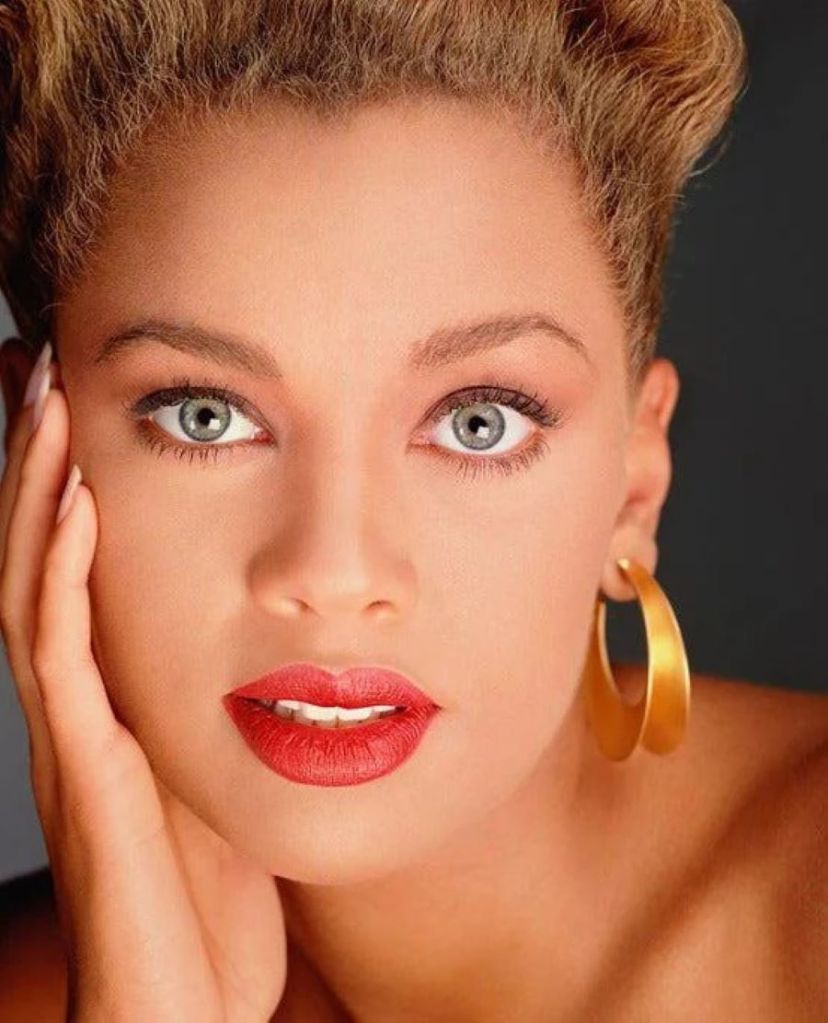
The Ebony Dolls: Vanessa Williams

And there she is, Miss America…..

This photograph is the property of its respective owner. No copyright infringement intended.

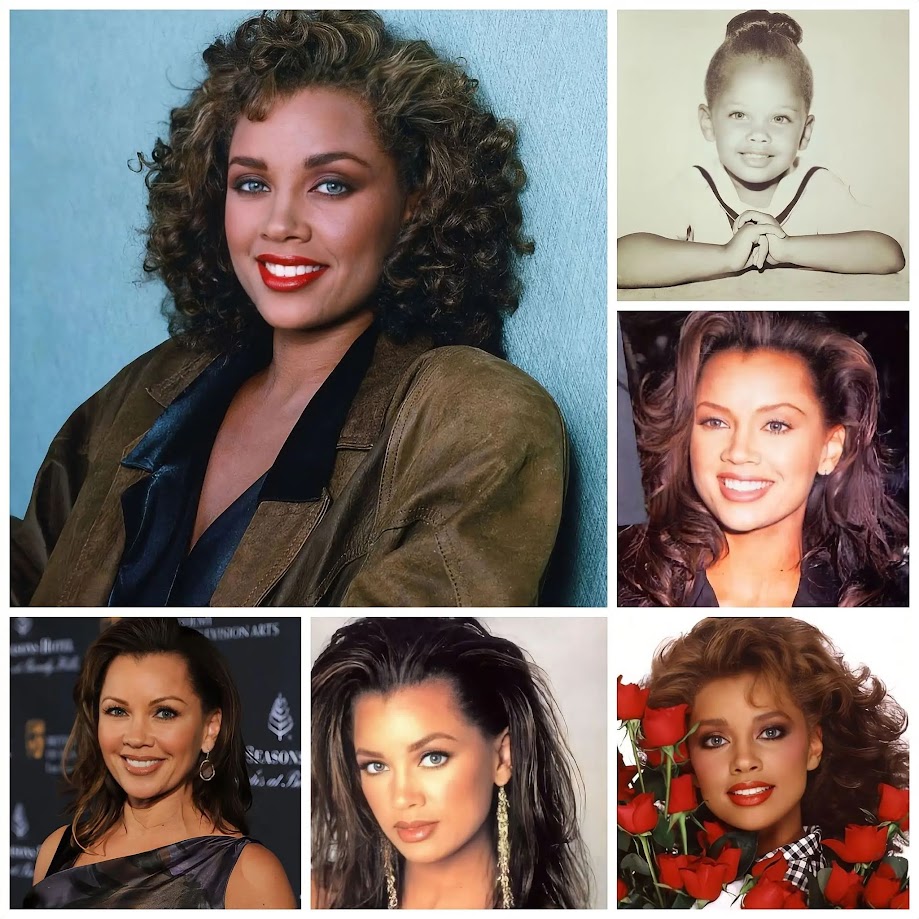
Vanessa Lynn Williams is a timeless symbol of beauty, talent, and perseverance—a woman whose radiant presence has defined multiple generations of entertainment. Born on March 18, 1963, in Tarrytown, New York, her arrival into the world was met with prophetic pride. Her parents, Helen and Milton Williams, both devoted music teachers, joyfully announced her birth in the local paper with the words, “Here she is: Miss America.” That simple line, written long before the world knew her name, became a divine foreshadowing of destiny fulfilled. With her French vanilla skin tone with luminous golden undertones, and striking big blue eyes. Her mixed African American and European heritage gave her a distinctive look that both challenged and expanded Hollywood’s perception of Black womanhood.

Raised in a home filled with music and discipline, Vanessa’s artistic journey began early. Her parents ensured that her childhood was rich with musical training and cultural exposure. She studied piano, violin, and French horn before she could drive, and later developed a powerful singing voice that would become one of her trademarks. Education was equally important—she attended Syracuse University as a musical theater major, where she developed into a true triple threat: a gifted singer, actress, and dancer capable of captivating audiences across any medium.

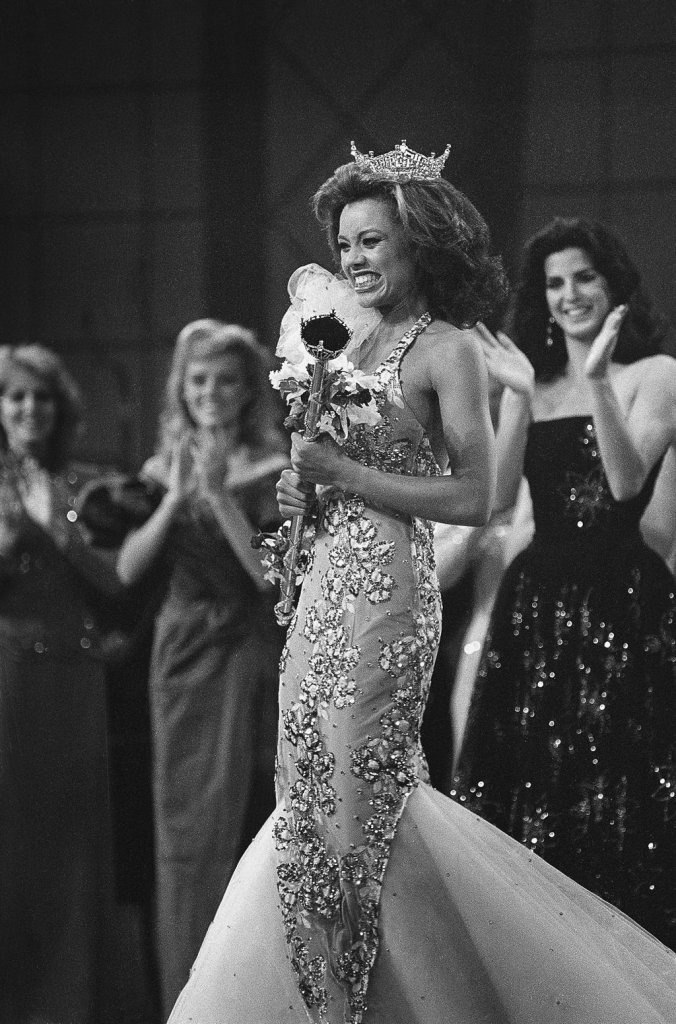
This photograph is the property of its respective owner. No copyright infringement intended

In 1983, Vanessa Williams made history as the first Black woman crowned Miss America. Her victory was not merely a pageant win—it was a moment that redefined American beauty and challenged the racial boundaries of a longstanding institution. Her reign, however, was cut short after unauthorized nude photographs were published without her consent, forcing her resignation. This controversy, though painful and racially charged, could not extinguish her spirit. Vanessa’s poise, dignity, and strength throughout that ordeal transformed her into a symbol of resilience and grace under pressure. Decades later, the Miss America Organization formally apologized to her in 2015, acknowledging the injustice she endured and the class with which she carried herself.

The foundation of that strength came from her parents, Helen and Milton, whose unwavering love kept her grounded in faith and artistry. They reminded her that her value transcended public opinion. Vanessa took their words to heart and began the work of rebuilding—not as a fallen pageant queen, but as an emerging artist ready to command the world stage. That decision would lead to one of the most remarkable comebacks in entertainment history.

This photograph is the property of its respective owner. No copyright infringement intended.

Her debut album, “The Right Stuff” (1988), proved that her talent was undeniable. The project earned three Grammy nominations and produced several hit singles, including “Dreamin’.” Her follow-up album, “The Comfort Zone” (1991), became a defining moment in her career, producing the timeless ballad “Save the Best for Last.” The song topped charts worldwide and earned her additional Grammy nominations, solidifying her status as a major recording artist. With her sultry vocals and sophistication, Vanessa redefined what it meant to be a Black pop star—bridging the worlds of R&B, soul, and adult contemporary music with elegance and ease.

This photograph is the property of its respective owner. No copyright infringement intended

Hollywood soon called, and Vanessa answered. She transitioned seamlessly into acting, displaying remarkable range across genres. She starred in films like Eraser (1996) alongside Arnold Schwarzenegger, Soul Food (1997), and Dance with Me (1998), where her dancing ability shone brightly. Her performance in Soul Food earned her an NAACP Image Award, and her presence onscreen was magnetic—powerful yet soft, modern yet timeless. On television, she rose to prominence as the glamorous and cunning Wilhelmina Slater in the hit series Ugly Betty (2006–2010). Her performance earned three Primetime Emmy Award nominations, a Golden Globe nomination, and widespread critical acclaim. She later joined Desperate Housewives, further showcasing her comedic timing and sophistication.

Vanessa’s Broadway career proved that her artistry was boundless. She starred in Kiss of the Spider Woman, Into the Woods, After Midnight, and City of Angels, earning Tony Award nominations for her work. Her return to the stage in The Devil Wears Prada: The Musical once again demonstrated her enduring ability to captivate audiences through song, movement, and storytelling. She had become the epitome of a triple threat, mastering every artistic form with effortless grace.

As a light-skinned Black woman, Vanessa’s journey in Hollywood was complex. Her beauty—often described as “exotic” by industry standards—was both celebrated and scrutinized. She spoke candidly about navigating colorism, understanding that her fair skin and blue eyes opened certain doors while others remained closed to her darker-skinned peers. Rather than shy away from this truth, Vanessa used her platform to advocate for diversity in representation, pushing for more authentic portrayals of Black women in all shades of beauty. Her career stands as a testament to breaking barriers while remaining authentic to one’s identity.

This photograph is the property of its respective owner. No copyright infringement intended.

Vanessa’s personal life reflects both joy and heartbreak, strength and evolution. She has been married three times. Her first marriage to publicist Ramon Hervey II produced three children—Melanie, Jillian, and Devin Hervey—all of whom have pursued creative careers of their own. Her second marriage to NBA player Rick Fox brought her fourth child, Sasha Gabriella Fox. Her third marriage to businessman Jim Skrip, whom she met while on vacation in Egypt, began in 2015. Their union was a symbol of love found later in life and celebrated across the media. However, after years together, Vanessa and Jim quietly divorced, parting ways respectfully while maintaining mutual admiration.

Despite her public ups and downs, Vanessa’s devotion to her family remains unwavering. Her children often speak about her resilience, humor, and guidance. She is a proud mother and a woman who has always balanced fame with faith and motherhood with artistry.

Throughout her career, Vanessa Williams has earned numerous accolades, including multiple Grammy, Emmy, Tony, and NAACP Image Award nominations. She received a Star on the Hollywood Walk of Fame in 2007 and continues to perform internationally, enchanting audiences with her voice and grace. Her autobiography, You Have No Idea (2012), co-written with her mother Helen, offers an intimate glimpse into her personal and professional journey—filled with lessons on forgiveness, courage, and identity.

Her mixed heritage—African American, English, Welsh, Irish, Finnish, and possibly Native American—represents the complex tapestry of American lineage. Yet through all her success, Vanessa has always identified proudly as a Black woman. Her poise, intelligence, and authenticity have allowed her to redefine what it means to be beautiful, talented, and powerful in an industry that too often limits Black women’s narratives.

This photograph is the property of its respective owner. No copyright infringement intended

Fashion, too, has always been a part of Vanessa’s story. From the stage to the red carpet, her timeless glamour, impeccable taste, and radiant confidence have made her a muse for designers and photographers alike. Her “French vanilla” glow and magnetic aura became synonymous with elegance itself.

Today, Vanessa Williams stands as one of the most accomplished entertainers of her time—a woman whose life embodies the power of reinvention and the strength of faith. From Miss America to singer, from actress to Broadway star, she has turned every obstacle into an opportunity. Her story is not just one of beauty and fame but of integrity, perseverance, and artistry at the highest level.

Vanessa remains a guiding light for generations of women navigating faith, fame, and femininity. Her legacy continues to remind the world that true beauty shines brightest when it reflects strength, authenticity, and divine grace.

References

  • Williams, V., & Williams, H. (2012). You Have No Idea: A Famous Daughter, Her No-Nonsense Mother, and How They Survived Pageants, Hollywood, Love, Loss (and Each Other). Gotham Books.
  • Miss America Organization. (2015). Vanessa Williams receives official apology. Retrieved from https://missamerica.org
  • IMDb. (2024). Vanessa Williams biography. Retrieved from https://www.imdb.com
  • Rolling Stone. (1992). Vanessa Williams: The Comfort Zone Review.
  • Essence Magazine. (2021). Vanessa Williams: Grace, Glamour, and the Power of Reinvention.
  • People Magazine. (2024). Vanessa Williams and Jim Skrip quietly divorce after nearly a decade of marriage.

The Ebony Dolls: Karyn White

The soulful powerhouse whose beauty, grace, and unforgettable voice turned songs like “Superwoman” into lasting anthems.

This photograph is the property of its respective owner.

The late 1980s and early 1990s produced a generation of R&B singers whose voices and striking beauty became cultural touchstones, and among them stands the unforgettable Karyn White. Known for her rich vocals, stunning brown beauty, elegant presence, and timeless hits, White became one of the defining female voices of contemporary R&B. With her stunning brown complexion, sculpted facial features, and confident stage presence, she represents the essence of what many admirers celebrate as an “Ebony Doll”—a woman whose beauty, poise, and talent radiate sophistication and strength.

Karyn Layvonne White was born on October 14, 1965, in Los Angeles. She grew up in a musically inclined family where artistic expression was encouraged from an early age. Her father was a trumpet player, while her mother directed a church choir. As a child, White frequently sang in church, an experience that helped develop both her vocal control and emotional expression. Like many legendary R&B singers, the church became her earliest training ground and laid the foundation for her professional career.

Before achieving fame as a solo artist, White worked diligently behind the scenes within the music industry. She began her professional career as a background vocalist and songwriter, gaining valuable experience that helped her understand the mechanics of the recording business. One of her earliest notable appearances was performing vocals on the 1986 single “Facts of Love” by jazz keyboardist Jeff Lorber. The song became a modest hit and introduced her distinctive voice to a broader audience.

This photograph is the property of its respective owner.

Her big break came when she signed with Warner Bros. Records and released her debut album Karyn White in 1988. The album was produced by renowned music producers Babyface and L.A. Reid. Their production helped craft a polished R&B sound that blended soulful melodies with the emerging energy of contemporary pop and dance music.

The album became a major success and included several hit singles that defined White’s early career. Songs like The Way You Love Me and Secret Rendezvous climbed the charts and established her as a rising star in the industry. However, it was her emotional anthem Superwoman that truly cemented her legacy. The song resonated with women across the country and became an empowering statement about emotional strength and vulnerability in relationships.

White continued her success with the 1991 album Ritual of Love. The album showcased her evolving artistry and vocal maturity. Its lead single, Romantic, became a massive hit and reached No. 1 on the Billboard Hot 100, marking the peak of her commercial success. The song’s upbeat groove and infectious energy demonstrated White’s versatility as both a soulful balladeer and a dance-floor favorite.

This photograph is the property of its respective owner.

Part of what made Karyn White stand out was her distinctive voice. Her vocal tone carried both sweetness and strength, allowing her to deliver romantic ballads and assertive anthems with equal authenticity. The clarity of her voice, combined with her emotional phrasing, created a sound that listeners could immediately recognize.

White’s inspirations were rooted in the great vocalists who preceded her. Artists such as Whitney Houston and Chaka Khan influenced the style and vocal confidence that shaped her artistry. These powerful women demonstrated that an R&B singer could command both emotional depth and mainstream success.

In her personal life, White married legendary music producer Terry Lewis in 1992. Lewis was one half of the iconic production duo Jimmy Jam and Terry Lewis, whose work helped define the sound of modern R&B. During their marriage, White and Lewis welcomed a daughter named Ashley Nicole. Although the couple eventually divorced in 1999, their partnership represented an important chapter in White’s life and career.

This photograph is the property of its respective owner.

Following the height of her fame, White stepped away from the music industry for a period to focus on family and personal growth. During this time, she pursued business ventures and eventually developed a career in interior design and real estate. Her return to music years later demonstrated both resilience and a deep love for the art form that first brought her recognition.

Karyn White’s impact on R&B remains significant. Her music helped shape the transition from classic soul to the polished contemporary R&B sound of the late twentieth century. Songs like “Superwoman” continue to resonate with listeners decades after their release, and her influence can be heard in many of the female vocalists who followed.

Beyond music, White embodies a timeless representation of beauty and elegance. Her luminous brown skin, symmetrical features, and graceful style helped define the visual aesthetic of late-1980s R&B culture. Yet what truly elevates her legacy is the combination of beauty and substance—her voice carried stories of love, vulnerability, and empowerment that still connect with audiences today.

For these reasons, Karyn White stands proudly within the celebration of Ebony Dolls—women whose presence in music, film, and culture reflects both artistic excellence and the enduring beauty of Black womanhood.


References

Facts of Love. (n.d.). Wikipedia. https://en.wikipedia.org/wiki/Facts_of_Love

Karyn White. (n.d.). Wikipedia. https://en.wikipedia.org/wiki/Karyn_White

Musician Guide. (n.d.). Karyn White biography. https://www.musicianguide.com/biographies/1608000857/Karyn-White.html

Romantic (song). (n.d.). Wikipedia. https://en.wikipedia.org/wiki/Romantic_(song)

Superwoman (Karyn White song). (n.d.). Wikipedia. https://en.wikipedia.org/wiki/Superwoman_(Karyn_White_song)

The Ebony Dolls: Pebbles

In the golden era of late 1980s R&B, Perri “Pebbles” emerged as one of the most captivating figures in music—an Ebony Doll with exotic French vanilla skin, mesmerizing eyes, and a presence that fused sophistication and strength. Her beauty was unmistakable: smooth, glowing light skin, sharp features, and a radiant smile that could light up a stage. But behind her striking exterior was a visionary woman who redefined the sound and image of female artistry in contemporary R&B.

This photograph is the property of its respective owner.

Perri Arlette McKissack, widely known as Pebbles, is a singer, songwriter, record executive, and minister who rose to prominence in the late 1980s with her signature blend of R&B, pop, and new jack swing. Born August 29, 1964, in Oakland, California, she became known not only for her hit songs and striking beauty but also for her impact on shaping the careers of influential artists in the 1990s.

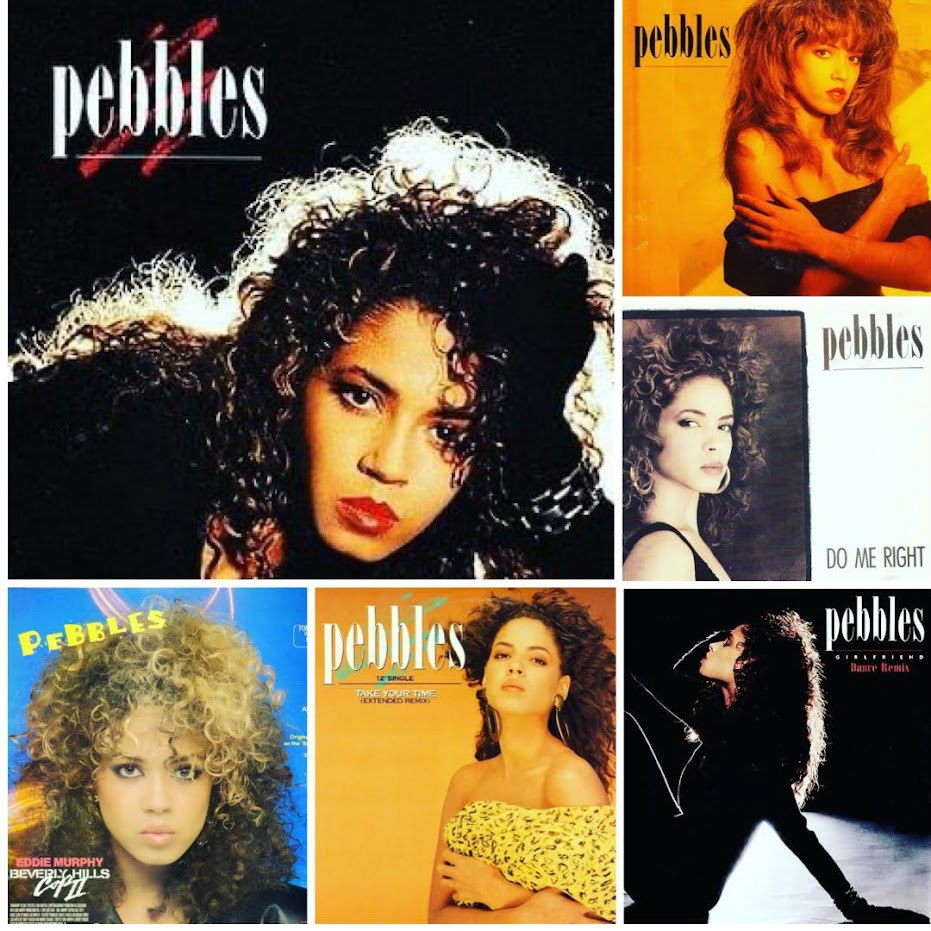
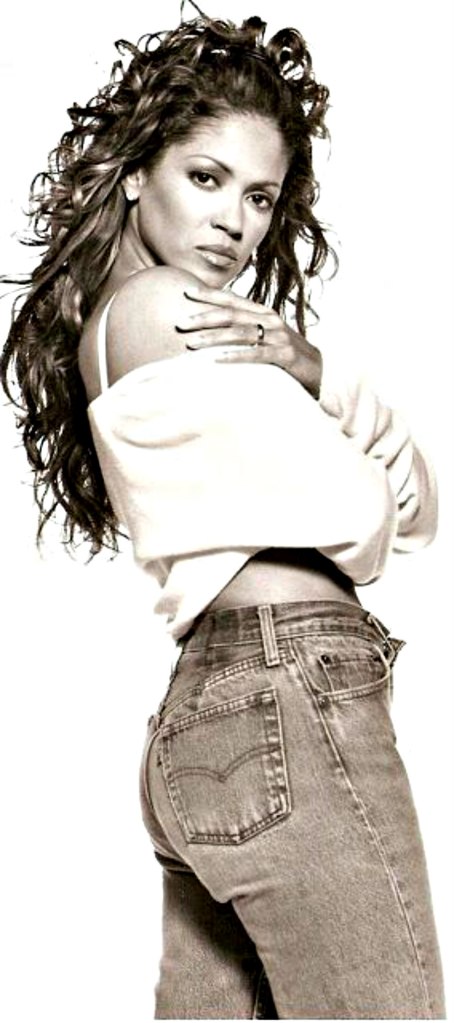
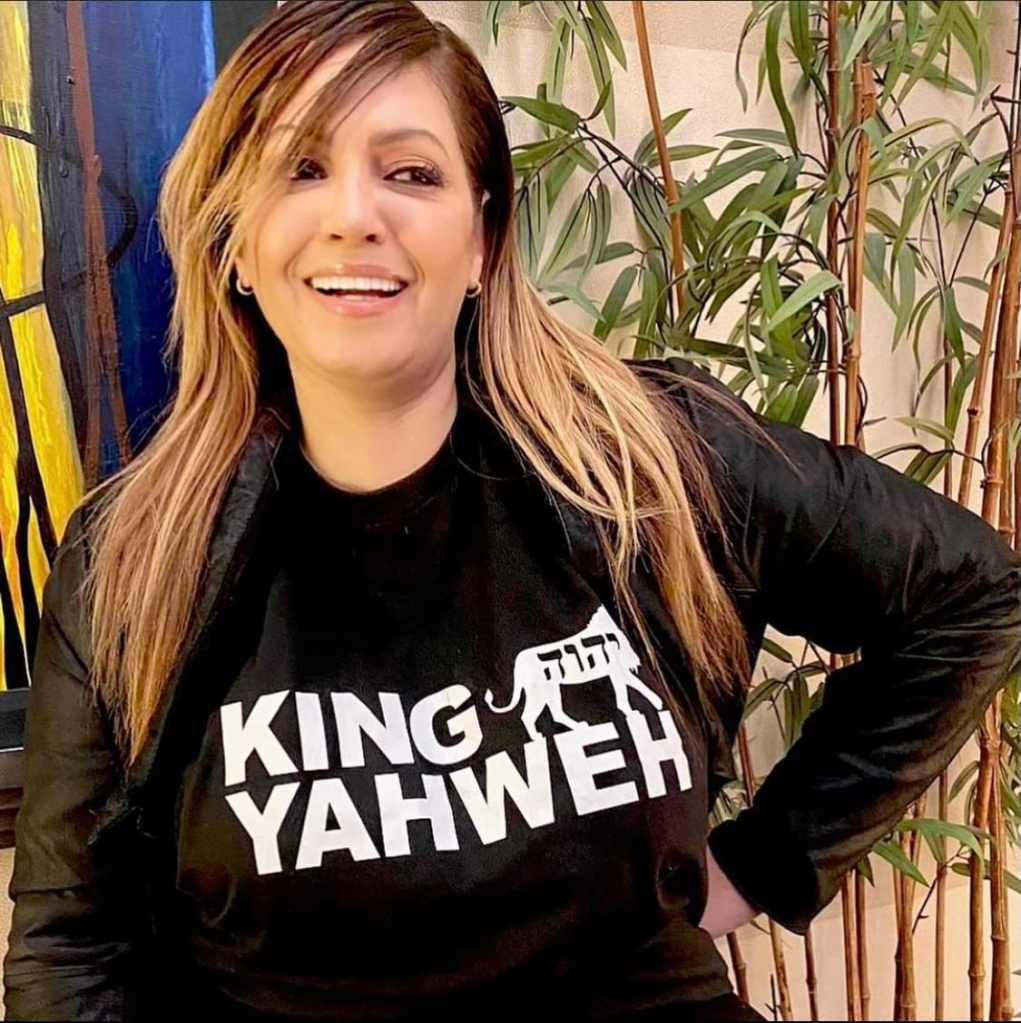
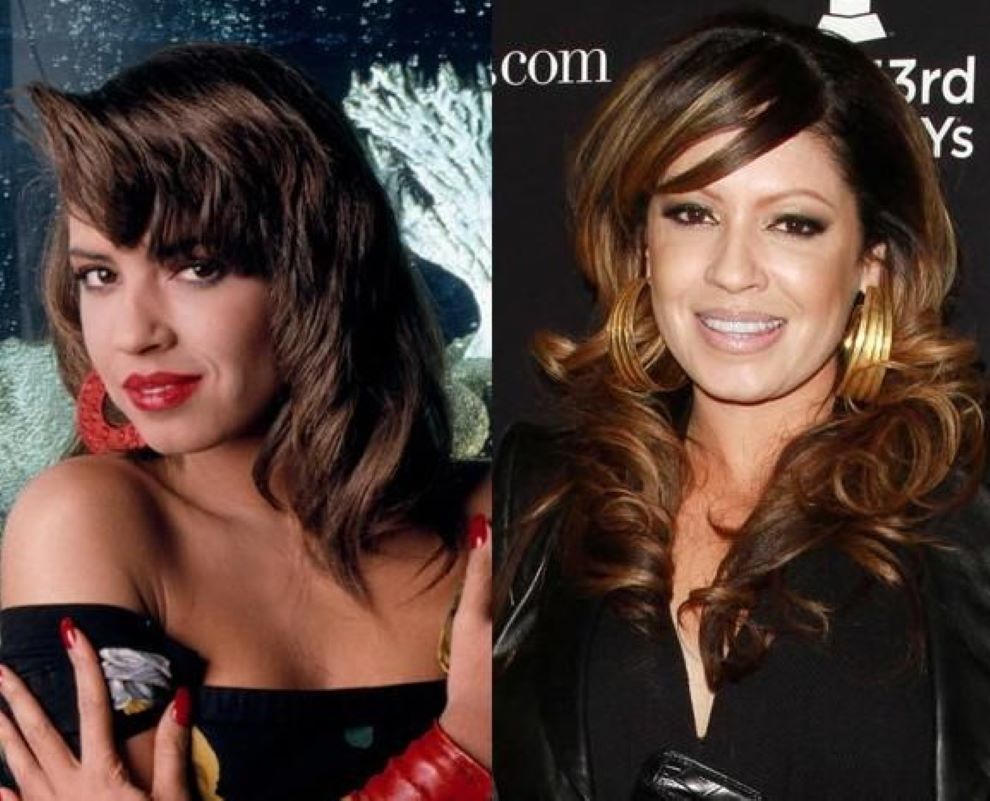
These photographs are the property of their respective owners.

Raised in a musical household, Pebbles discovered her passion for entertainment at an early age, which eventually led to a recording contract with MCA Records. Her iconic stage name, “Pebbles,” was given by her godfather around the age of ten, inspired by the cartoon character from The Flintstones due to her signature hairstyle. What began as a playful nickname soon evolved into a symbol of her brand, as she grew into a powerhouse vocalist and shrewd businesswoman in the music industry.

This photograph is the property of its respective owner.

Pebbles achieved commercial success with her debut self-titled album, Pebbles (1987), which included major hits like “Girlfriend,” “Mercedes Boy,” and “Take Your Time.” Her smooth yet energetic sound made her a standout voice in late 80s R&B and pop, earning her airplay across major radio formats and solidifying her as one of the era’s most recognizable female artists.

Her second album, Always (1990), continued her success with popular singles like “Giving You the Benefit” and “Backyard.” Known for glamorous style, bold fashion, and a presence that commanded attention, Pebbles was a defining female figure in contemporary R&B before transitioning behind the scenes.

In the early 1990s, Pebbles founded Pebbitone, her music management company, and played a pivotal role in discovering and developing the iconic girl group TLC. She was instrumental in shaping their early image, marketing, and industry introduction, which contributed to their rise as one of the greatest girl groups in music history. Although their business relationship eventually became controversial and ended publicly, Pebbles’ influence on TLC’s launch remains an undeniable part of music industry history.

This photograph is the property of its respective owner.

Pebbles also later embraced a spiritual calling, becoming an ordained minister and founder of Women of God Changing Lives Ministries. Known as Sister Perri, and through ministry work, she has emphasized empowerment, spiritual growth, and healing, marking a transformation from R&B star to faith-based leader.

Her personal life has been notably private at times, but also publicly discussed due to her marriages. Pebbles has been married multiple times, including to George L. Smith, L.A. Reid (renowned music executive and producer), baseball player Otis Jackson Jr., and has been married to Excel Sharieff since 2012. She is the mother of Ashley Reid, a media personality, and Aaron Reid, a music industry talent, continuing her family’s strong entertainment lineage.

Throughout her career, Pebbles received multiple award nominations and industry recognition for her music and contributions to R&B, particularly during the peak of her performing career. Songs like “Mercedes Boy” continue to be celebrated, sampled, and referenced in contemporary culture, underscoring her lasting musical influence.

Regarding her race and ethnicity, which many outsiders have been curious about, Pebbles is African-American, with reported Cherokee and Irish ancestry through her family heritage. Her multicultural background and striking looks contributed to her distinctive presence in entertainment.

Pebbles is remembered as a dynamic force: a chart-topping singer, beauty and style icon, businesswoman who helped launch major stars, and a woman who found renewed purpose in ministry. Her story is one of reinvention, resilience, and enduring impact in music and faith communities alike.

These photographs are the property of their respective owners.

Despite the ups and downs, Pebbles’ legacy remains powerful. She was nominated for several awards, and her music continues to be celebrated for its sultry vocals, empowering lyrics, and stylish sound that helped shape the late 1980s R&B landscape. Her influence paved the way for artists like Toni Braxton, Aaliyah, and TLC—women who embodied beauty and self-possession.

Today, Pebbles stands as a symbol of resilience, artistry, and transformation. From hitmaker to mogul to minister, she has lived many lives—but through it all, her elegance and spiritual strength remain untouched. With her French vanilla glow, captivating eyes, and unwavering confidence, she remains one of R&B’s original Ebony Dolls—a timeless figure of Black beauty and feminine power.


References

  • AllMusic. Pebbles Biography & Discography
  • Billboard Archives. Pebbles Chart History
  • Jet Magazine Archives
  • Los Angeles Times Interviews & Features
  • VH1 Documentary: CrazySexyCool: The TLC Story
  • Women of God Changing Lives Ministries – Official Information
  • Pebbles is leaving no stone unturned latimes.com

🌑 The Ebony Dolls: Introduction -The History of Melanated Beauty 🌑

The Ebony Dolls series celebrates the extraordinary beauty, brilliance, and timeless femininity of Black women across generations. This collection honors the women whose presence reshapes standards, whose elegance defies shallow stereotypes, and whose radiance reflects both royal ancestry and divine craftsmanship. Each profile explores not only physical beauty but the depth behind it — resilience, artistry, heritage, intellect, and the unique glow that only melanin can produce.

This series highlights the royalty, actresses, models, musicians, public figures, entrepreneurs, and cultural icons who embody the full spectrum of Black womanhood. From deep chocolate to light warm caramel, from soft curls to sculpted coils, from statuesque silhouettes to girl-next-door sweetness, The Ebony Dolls pays homage to the diversity and glory of Black feminine identity. Their lives tell stories of triumph, discipline, creativity, spiritual rootedness, and the unbreakable grace passed down from African queens to modern-day trailblazers.

With each installment, readers will encounter a stunning profile — a blend of biography, cultural commentary, beauty analysis, career achievements, and personal reflections. Every woman will be honored in her own right: her skin, her features, her accomplishments, her family, her growth, her legacy. The Ebony Dolls is more than a beauty series; it is a celebration of sacred womanhood, Black excellence, and the divine imprint upon every daughter of the diaspora.

The story of melanated beauty is one of power, grace, and divine design. Melanin, the pigment that gives skin its rich and radiant tone, is not merely biology — it is a cultural and spiritual emblem. The Bible captures this truth beautifully when the Shulamite woman proclaims, “I am black, but comely” (Song of Solomon 1:5, KJV). In this statement, dark skin is affirmed as beautiful and desirable, worthy of admiration and dignity.

🌑 What is Melanin and Why It Matters

Melanin is a complex polymer produced by melanocytes, responsible for the pigmentation of skin, hair, and eyes. People with higher levels of eumelanin (brown/black melanin) not only possess deeper skin tones but also benefit from natural UV protection, reduced visible aging, and a lower risk of sun-related skin cancers (Taylor, 2020). This unique biological gift is part of the reason why melanated women are often noted for their youthful glow well into middle and later life.

Beyond biology, melanin carries cultural symbolism. African traditions often link dark skin to vitality, fertility, and divine connection. Psychologists note that embracing skin tone can be an act of resistance against colorism, boosting self-esteem and promoting psychological resilience (Hunter, 2011).

🌑 The Beauty of Queen Nefertiti

Queen Nefertiti of Ancient Egypt is perhaps the earliest celebrated icon of melanated beauty. Her name literally means “the beautiful one has come,” and her iconic limestone bust — with its regal posture, almond-shaped eyes, and perfect symmetry — continues to mesmerize the world thousands of years later. Nefertiti was more than a queen; she was a leader who helped guide Egypt through a religious revolution alongside Pharaoh Akhenaten. Her image remains a symbol of grace, authority, and divine femininity.

🌑 Naomi Campbell: The Supermodel Pioneer

Naomi Campbell redefined fashion. Born in 1970 in London, she became the first Black model to appear on the covers of French Vogue and TIME magazine. Known for her fierce walk and striking cheekbones, Campbell’s career opened doors for future melanated models. She turned the runway into a global stage, proving that Black women’s beauty is universal.

🌑 Lupita Nyong’o: Dark Skin as Royalty

Oscar-winning actress Lupita Nyong’o uses her platform to uplift girls with dark skin, urging them to love themselves. Her natural hair, deep complexion, and regal red-carpet presence challenged industries that favored lighter-skinned women. Lupita is living proof that Blackness is not just beautiful — it is royal.

🌑 Skai Jackson: The New Generation

Young doll-like actress Skai Jackson has become a role model for Gen Z, using her voice against bullying and injustice. She represents a generation of melanated girls embracing natural hair, deep skin tones, and self-confidence at an early age. Her presence in the media encourages young girls to see their beauty reflected on screen.

🌑 Halle Berry: Hollywood’s Trailblazer

Halle Berry shattered barriers by becoming the first Black woman to win an Academy Award for Best Actress. Known for her delicate facial features, big eyes, and magnetic screen presence, Berry opened doors for other actresses of color in leading roles.

🌑 Yara Shahidi: Beauty Meets Brilliance

Actress and activist Yara Shahidi combines intelligence with elegance. Known for her curls, poise, and thoughtful activism, Yara exemplifies a new standard for melanated beauty — one that prizes intellect, social justice, and self-expression.

🌑 Josephine Baker: The Bronze Venus

Josephine Baker, born in 1906, became one of the most famous entertainers in the world during the Jazz Age. Known as the “Bronze Venus,” she captivated Paris with her performances, bringing African and African American beauty to international stages. She was not just a performer — she was also a spy for the French Resistance during World War II and a civil rights activist. Her elegance, short hair, and magnetic stage presence made her one of the first global Black beauty icons.

🌑 Diana Ross: The Supreme Star

Diana Ross, lead singer of The Supremes, defined glamour in the Motown era. Her big hair, dazzling gowns, and signature voice helped elevate Black beauty into mainstream America. Ross inspired generations with her confidence, proving that Black women could be both elegant and unapologetically bold in their style.

🌑 Eartha Kitt: The Catwoman of Class

Eartha Kitt, with her sultry voice and feline grace, became one of Hollywood’s most distinctive stars. Known for her role as Catwoman in the 1960s Batman series, she embodied mystery and sensuality. Kitt was also outspoken against injustice, famously criticizing the Vietnam War during a White House luncheon — a testament that beauty and courage often walk hand in hand.

🌑 Ebony Dolls of the Past: Fashion Pioneers

Donyale Luna, the first Black model on the cover of Vogue (1966), and Beverly Johnson, the first on American Vogue (1974), broke racial barriers in fashion. They made it possible for Naomi Campbell and countless others to dominate runways decades later.

🌑 African Queens: The Divine Legacy of Melanated Beauty

The history of melanated beauty is inseparable from the power, wisdom, and elegance of African queens and goddesses. These figures not only defined aesthetic standards but also embodied leadership, courage, and spiritual authority, reminding the world that beauty and power coexist.

Queen Makeda (The Queen of Sheba) — Celebrated in Ethiopian and biblical history, Makeda is renowned for her wisdom, diplomacy, and regal presence. According to tradition, she visited King Solomon in Jerusalem, bearing gifts and profound questions, demonstrating intellect matched by beauty (1 Kings 10:1–13, KJV). Makeda represents the archetype of the melanated queen whose beauty is inseparable from intelligence and influence.

Cleopatra VII — Perhaps the most famous African queen in Western history, Cleopatra combined political genius with striking beauty. Although her lineage was Macedonian, historical records suggest her Egyptian identity and cultural integration contributed to her iconic appearance and persona. Cleopatra’s charm, eloquence, and strategic acumen make her an enduring symbol of melanated allure and leadership.

Queen Nzinga Mbande — The 17th-century warrior queen of Ndongo and Matamba (modern-day Angola) fought Portuguese colonizers to protect her people. Nzinga’s beauty was legendary, but it was her courage, tactical brilliance, and diplomacy that cemented her legacy. She embodies the idea that melanated beauty is inseparable from power and resilience.

Queen Hatshepsut — One of Ancient Egypt’s most successful female pharaohs, Hatshepsut ruled with wisdom and stability. Often depicted in statues and reliefs with the regalia of kings, her beauty was paired with authority, showing that melanated women could command both respect and admiration in societies dominated by men.

🌑 Psychology of Beauty and the Melanated Woman

Research shows that symmetrical faces and certain waist-to-hip ratios are universally attractive, but culture plays a major role in determining beauty standards (Rhodes, 2006; Singh, 1993). In Western media, melanated women were historically excluded from beauty narratives, leading to internalized biases. The recent resurgence of celebrating natural hair, full lips, and dark skin has created a cultural shift that affirms mental wellness and positive identity development for Black girls (Awad et al., 2015).

🌑 Spiritual Dimensions of Melanated Beauty

Biblically, beauty is connected to character and purpose. 1 Peter 3:3–4 (KJV) reminds us that inner beauty — the “ornament of a meek and quiet spirit” — is of great value in God’s sight. Proverbs 31:30 (KJV) warns, “Favor is deceitful, and beauty is vain: but a woman that feareth the Lord, she shall be praised.” This frames melanated beauty not just as physical adornment but as spiritual power.

🌑 Legacy and Future

From Queen Nefertiti to Josephine Baker, from Naomi Campbell to Lupita Nyong’o, from Diana Ross to Yara Shahidi, melanated beauty has defined eras and inspired the world. These women — past and present — are more than muses. They are leaders, visionaries, and cultural architects. They remind us that Black beauty is not a passing trend but an eternal standard, a reflection of divine creativity and human brilliance.


References

  • Awad, G. H., Norwood, C., Taylor, D. S., et al. (2015). Beauty and body image concerns among African American college women. Journal of Black Psychology, 41(6), 540–564.
  • Hunter, M. (2011). Buying racial capital: Skin-bleaching and cosmetic surgery in a globalized world. The Journal of Pan African Studies, 4(4), 142–164.
  • Rhodes, G. (2006). The evolutionary psychology of facial beauty. Annual Review of Psychology, 57, 199–226.
  • Singh, D. (1993). Adaptive significance of waist-to-hip ratio and female physical attractiveness. Journal of Personality and Social Psychology, 65(2), 293–307.
  • Taylor, S. (2020). Advances in understanding of skin of color. Journal of the American Academy of Dermatology, 82(1), 157–166.
  • The Holy Bible, King James Version.