
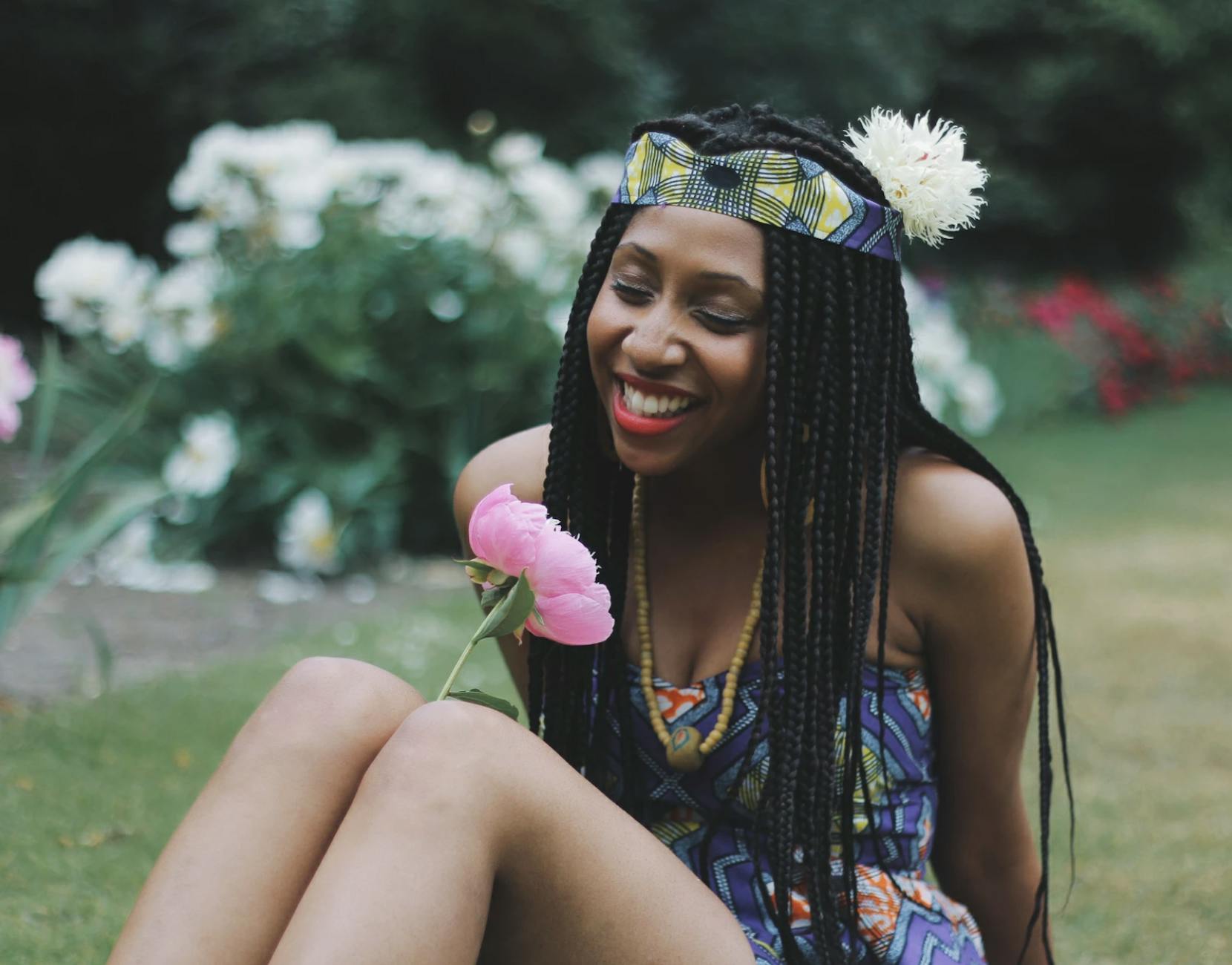
Beauty has always been both a blessing and a burden, especially for brown-skinned women navigating societies structured by colorism and white supremacy. The burden of beauty for the brown girl lies not only in external perceptions of her skin but also in the internalized struggles she must confront in affirming her own worth. In a world where lighter skin is often equated with superiority, desirability, and privilege, brown skin becomes a site of both fascination and rejection—desired for its exotic appeal yet devalued in the hierarchy of social status.
Historically, this burden is rooted in colonialism and slavery, where skin tone was weaponized as a measure of proximity to whiteness. Lighter-skinned women were often afforded marginal privileges, while darker-skinned women were relegated to harsher labor and harsher stereotypes (Hunter, 2007). This historical legacy continues in modern media, where Eurocentric beauty standards dominate, casting brown women as either hypersexualized or invisible. Such distortions create psychological weight, forcing many brown women to wrestle with feelings of inadequacy, envy, or invisibility.
Yet, paradoxically, the brown girl’s beauty is undeniable. Her skin is rich in melanin, biologically designed to protect and preserve, defying aging in a way the world calls “Black don’t crack.” Her hair grows in crowns of coiled resilience, testifying to strength and uniqueness. Still, the blessing of this natural beauty becomes a burden when society simultaneously covets and condemns it. For example, fashion and beauty industries often imitate brown features—full lips, curves, tanned skin—while marginalizing the very women who embody them naturally (Tate, 2016).
From a theological perspective, this burden of beauty is not merely social but spiritual. Scripture reminds us that beauty is not defined by outward appearance but by the inward spirit: “Whose adorning let it not be that outward adorning of plaiting the hair, and of wearing of gold… But let it be the hidden man of the heart, in that which is not corruptible, even the ornament of a meek and quiet spirit” (1 Peter 3:3–4, KJV). The brown girl’s true beauty rests not in meeting a colonial standard but in embracing her God-given design. Her worth is eternal, sealed by divine purpose, and not diminished by earthly bias.
Psychologically, carrying this burden often leads to both trauma and transformation. Studies on colorism reveal that women of darker complexions face greater discrimination in employment, relationships, and media representation (Keith & Herring, 1991). Yet, those who reclaim their identities often experience heightened resilience and self-definition. The process of unlearning colorist ideologies is itself an act of resistance—a reprogramming of the mind to embrace authenticity over assimilation.
Culturally, movements such as #MelaninMagic, #BlackGirlMagic, and natural hair revolutions signify collective rejection of imposed beauty hierarchies. They are testimonies that brown girls are no longer passive recipients of definition but active authors of their beauty narrative. Representation of dark-skinned actresses like Viola Davis, Danai Gurira, and Lupita Nyong’o has further chipped away at barriers, providing mirrors for young girls who previously saw none.
The burden of beauty, therefore, becomes an opportunity for liberation. Brown skin is not a curse but a crown; its richness tells the story of survival, endurance, and divine creativity. The true challenge lies not in the brown girl’s skin but in the world’s distorted lens. To confront colorism is to confront an entire system that profits from insecurity. When brown girls embrace their reflection, they transform the burden of beauty into a banner of pride, healing not only themselves but generations to come.
The brown girl dilemma, in this context, is not about being beautiful—it is about surviving the weight of being beautiful in a world that struggles to accept her as she is. Her power rests in remembering that her worth predates colonial hierarchies and transcends human judgment. Her beauty is eternal, rooted in divine creation, and no longer a burden when she learns to see it through God’s eyes.
References
- Hunter, M. (2007). The Persistent Problem of Colorism: Skin Tone, Status, and Inequality. Sociology Compass, 1(1), 237–254.
- Keith, V. M., & Herring, C. (1991). Skin tone and stratification in the Black community. American Journal of Sociology, 97(3), 760–778.
- Tate, S. (2016). Skin Bleaching in Black and Brown Communities: Connected to Colorism and Colonialism. Palgrave Macmillan.
- The Holy Bible, King James Version.
 THE BROWN GIRL DILEMMA