Tag Archives: the brown girl dilemma

The Marriage Series: The Sacred Roles of Husband and Wife.

Photo by Aj Collins Artistry on Pexels.com


The Sacred Role of a Husband: A Biblical Perspective

A Husband is the head and the foundation of the family, he ungirds the family. 

Marriage, as designed by the Most High, is a sacred covenant modeled after the divine relationship between Christ and His Church. Within this spiritual union, the husband bears a significant role—one of leadership, love, provision, and spiritual guidance. According to the Apostle Paul, “For the husband is the head of the wife, even as Christ is the head of the church: and He is the savior of the body” (Ephesians 5:23, KJV). This headship, however, is not a position of domination, but of sacrificial leadership—rooted in love, service, and humility.

Headship and Leadership

The concept of male headship is reaffirmed in Paul’s epistle to the Corinthians: “But I would have you know, that the head of every man is Christ; and the head of the woman is the man; and the head of Christ is God” (1 Corinthians 11:3, KJV). Here, divine order is established, not to elevate man in pride, but to empower him in responsibility. The role of the husband is not to control, abuse, or neglect his wife, but to guide her spiritually and emotionally. As Dr. Peters notes, the Most High places the spiritual weight of the home upon the shoulders of the man, calling him to be priest, provider, and protector—not an authoritarian figure, but a servant-leader modeled after Christ (Peters, 2023).

Loving as Christ Loves

The command for husbands to love their wives is not optional—it is foundational. “Husbands, love your wives, even as Christ also loved the church, and gave himself for it” (Ephesians 5:25, KJV). This is not mere affection but a love that sanctifies, edifies, and protects. As Christ sacrificed Himself to present the Church “without spot, or wrinkle,” so too must a husband nurture his wife in holiness and honor (Ephesians 5:26-27). Loving one’s wife as one’s own body means nourishing her emotionally, spiritually, and physically (Ephesians 5:28-29).

Dr. Peters stresses that a godly husband affirms his wife continually, seeks to meet her unspoken needs, and washes her with the Word of God—just as Christ did for His disciples (John 13:4-5). Through acts of service, listening, prayer, and biblical instruction, a husband builds up the heart and soul of his wife, fulfilling his divine duty.

The Biblical Blueprint of a Husband

To walk in divine alignment, a godly husband must embody six core principles:

  1. Leadership (Priesthood of the Home): Initiating spiritual guidance, prayer, and biblical instruction (Deuteronomy 6:6-7).

  2. Provision: Financial responsibility rests on the husband, as Scripture states: “If any provide not for his own… he hath denied the faith, and is worse than an infidel” (1 Timothy 5:8, KJV).

  3. Discipline and Self-Control: God placed man in Eden “to dress it and to keep it” (Genesis 2:15, KJV), symbolizing responsibility and diligence.

  4. Servanthood: True leadership imitates Christ’s humility. “He that is greatest among you shall be your servant” (Matthew 23:11, KJV).

  5. Spiritual Instruction: Teaching one’s wife and children the commandments and ways of the Most High (Proverbs 22:6).

  6. Emotional and Physical Protection: “Giving honor unto the wife, as unto the weaker vessel… that your prayers be not hindered” (1 Peter 3:7, KJV).

A Godly Legacy

A man is called to leave behind a righteous inheritance—not merely in material wealth, but in spiritual impact. “A good man leaveth an inheritance to his children’s children” (Proverbs 13:22, KJV). Prioritizing the wife over all other human relationships reflects the command to “leave his father and his mother, and shall cleave unto his wife: and they shall be one flesh” (Genesis 2:24, KJV). In so doing, the husband models Christ’s commitment and becomes the cornerstone of generational blessings.

Furthermore, as fathers, men are instructed to raise their children in “the nurture and admonition of the Lord” (Ephesians 6:4, KJV), avoiding harshness but promoting spiritual growth (Colossians 3:21).

Conclusion: A Reflection of Divine Love

To be a godly husband is to be a reflection of divine love on earth. It means to “accommodate your life to the life of the gift God has given you—your wife,” as Dr. Peters wisely expresses. At the judgment seat of Christ, may husbands be found faithful—having led, loved, and served their families with holiness and humility. Let every husband declare as Adam did, “This is now bone of my bones, and flesh of my flesh” (Genesis 2:23, KJV), acknowledging his wife not as property, but as a partner in purpose and faith.


The Role of a Godly Wife: A Biblical Blueprint

A godly wife is one who fears the Lord, seeking His will over the approval of others. Proverbs 31:30 declares, “Favour is deceitful, and beauty is vain: but a woman that feareth the Lord, she shall be praised.” Her reverence for the Most High compels her to walk in wisdom, avoiding decisions that compromise her future purpose in God’s plan. Her day begins with prayer and often fasting, aligning herself with the will of the Most High. Her body is a temple of the Holy Spirit (1 Corinthians 6:19-20), and she lives with the awareness that she was bought with a price. Therefore, she honors the Lord in her conduct, speech, and motives.

Luke 12:31 reminds her to “seek ye the kingdom of God; and all these things shall be added unto you.” She is a woman who understands order and calls her husband “lord” as Sarah did, showing reverence and respect (1 Peter 3:6). When her husband is faithful, provides, and protects, she understands she is blessed and expresses gratitude, knowing that such a man is rare and highly favored. A virtuous woman is a crown to her husband (Proverbs 12:4) and contributes to a peaceful and joyful home.

The Help Meet

Genesis 2:18 states, “And the Lord God said, It is not good that the man should be alone; I will make him a help meet for him.” The wife is not a background character; she is central to God’s plan, made to complete her husband. When she sees areas of weakness in him, she steps in as the helper God designed her to be. If her husband falls short, her role is to uplift and assist him—not to criticize, but to build. This is the divine assignment of a help-meet.

Submission to Her Husband

Ephesians 5:22-23 commands, “Wives, submit yourselves unto your own husbands, as unto the Lord. For the husband is the head of the wife.” Submission is not agreement on every issue, but recognition of her husband’s divine position. She submits as unto the Lord, understanding that obedience to God includes reverencing her husband (Ephesians 5:33). This posture of submission brings harmony, ensuring that her prayers are not hindered and her home functions according to God’s design.

Attributes of a Virtuous Wife

A virtuous wife does good to her husband all the days of her life (Proverbs 31:12). She supports his ministry, prays with him, anoints him, and speaks life over him. She never belittles or embarrasses him but treats him with the dignity due to a fellow heir of the Kingdom. Her compliments uplift his spirit: “You are a mighty man of valor,” “my provider,” “my king.” Her praise, like incense, builds him up and encourages godly confidence.

Modesty and Appearance

1 Timothy 2:9 instructs women to “adorn themselves in modest apparel.” Her clothing and demeanor reflect a meek and quiet spirit, which is of great value in God’s eyes (1 Peter 3:4). She dresses for her husband and not the world, maintaining her physical health and cleanliness. Her modesty is not repression, but reverence—honoring God and her spouse.

Housekeeping and Hospitality

The home is a reflection of her stewardship. “Godliness is next to cleanliness,” and her diligence in keeping the house in order shows respect for her husband’s labor. A clean home fosters peace, and she prioritizes this as an act of love and honor.

Parenting

Titus 2:4-5 and 1 Timothy 5:14 instruct wives to love their husbands and children, be keepers at home, and guide the household. She is deeply involved in raising the next generation, not outsourcing this duty to others. She supports her husband in parenting, contributing to a godly legacy.

Feeding the Household

Proverbs 31:15 shows that a virtuous wife “giveth meat to her household.” She learns to cook and provides meals with love and diligence. Her commitment extends to ensuring her family is nourished, not only physically but spiritually.

Conclusion

There is no perfect marriage, but when both spouses fulfill their divine roles, the Most High brings increase. A godly wife is a powerful force in her husband’s life and in her home. She fasts, prays, submits, and nurtures with grace. She exemplifies biblical womanhood and stands as a beacon of holiness, love, and wisdom to the world.

References

King James Bible. (n.d.). Authorized King James Version. Retrieved from https://www.kingjamesbibleonline.org/



The Biblical Composition of Man: The Spirit, The Soul, and The Body.

Photo by Elu012bna Aru0101ja on Pexels.com

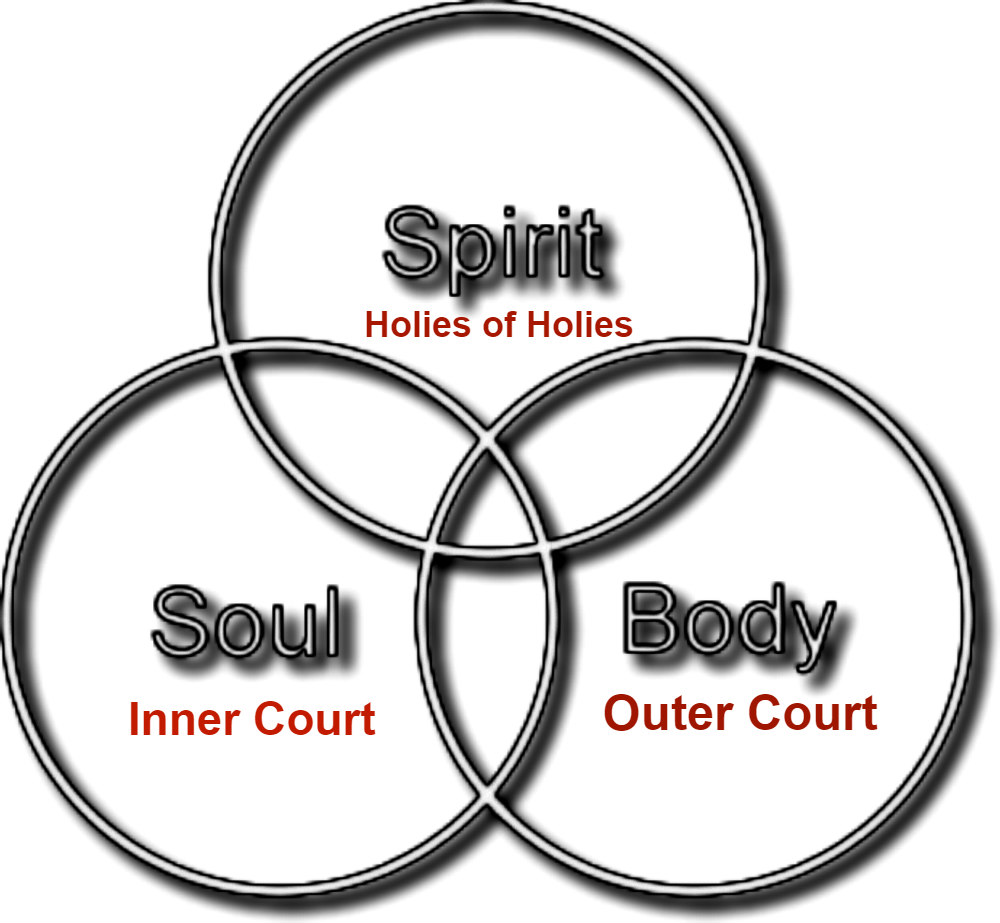
The human constitution, as divinely designed, consists of three distinct yet interwoven components: the spirit, the soul, and the body. The body is the earthly vessel, formed from dust, which enables our engagement with the physical world. The soul is the seat of our intellect, will, and emotions—our personal essence and moral identity. The spirit, breathed into man by God Himself (Genesis 2:7), is the eternal faculty by which we commune with the Divine. Together, these elements form the totality of our being, intricately woven to reflect the image of God (1 Thessalonians 5:23; Hebrews 4:12). To understand this triune nature is to begin grasping the sacred mystery of human life and destiny.”


The Biblical Composition of Man: Spirit, Soul, and Body

The Bible presents man as a triune being made in the image of God (Genesis 1:26). According to 1 Thessalonians 5:23 (KJV), the Apostle Paul wrote:

“And the very God of peace sanctify you wholly; and I pray God your whole spirit and soul and body be preserved blameless unto the coming of our Lord Jesus Christ.”

This verse affirms that the human person consists of three distinct elements:

  1. The Body – the physical, visible aspect.

  2. The Soul – the seat of emotions, will, and personality.

  3. The Spirit – the eternal, God-conscious part that allows communication with God.

Hebrews 4:12 also distinguishes between soul and spirit:

“For the word of God is quick, and powerful… piercing even to the dividing asunder of soul and spirit, and of the joints and marrow, and is a discerner of the thoughts and intents of the heart.”
(Hebrews 4:12, KJV)

This clearly shows that soul and spirit are not the same. While often used interchangeably in modern speech, biblically they refer to different aspects of the human essence.


II. What Is the Spirit According to the KJV Bible?

The spirit (Hebrew: ruach; Greek: pneuma) is the life-giving breath from God.

“The spirit of man is the candle of the Lord, searching all the inward parts of the belly.”
(Proverbs 20:27, KJV)

“Then shall the dust return to the earth as it was: and the spirit shall return unto God who gave it.”
(Ecclesiastes 12:7, KJV)

Here, Scripture teaches that the spirit is what gives life and returns to God upon death. It is not the soul—it is the divine spark, the animating force from God.


III. What Is the Soul According to the KJV Bible?

The soul (Hebrew: nephesh; Greek: psuchē) is the seat of emotions, reasoning, and identity. It represents the “personhood” of a human.

“And the LORD God formed man of the dust of the ground, and breathed into his nostrils the breath of life; and man became a living soul.”
(Genesis 2:7, KJV)

The soul is conscious, moral, and eternal. It experiences joy, sorrow, fear, and decision-making. After death, the soul continues to exist.

“Fear not them which kill the body, but are not able to kill the soul: but rather fear him which is able to destroy both soul and body in hell.”
(Matthew 10:28, KJV)

This verse clearly distinguishes between body and soul, with the soul being capable of eternal destination—either heaven or hell.


IV. What Happens at Death?

The Bible teaches that death is the separation of the spirit from the body.

“For as the body without the spirit is dead, so faith without works is dead also.”
(James 2:26, KJV)

At death:

  • The body returns to dust (Genesis 3:19).

  • The spirit returns to God (Ecclesiastes 12:7).

  • The soul enters a place of waiting, either comfort or torment.


V. Afterlife in the Apocrypha

The Apocryphal books, while not part of the canon for all denominations, offer deep insights into Jewish beliefs about the soul after death.

2 Esdras 7:78-88 (Apocrypha) outlines what happens to the soul:

“Now, concerning death, the teaching is: When the decisive decree has gone out from the Most High that a person shall die, as the spirit leaves the body… it returns to him who gave it, first adoring the glory of the Most High… the souls of the righteous are in the hand of God, and no torment shall touch them…”

In contrast:

“But the way of sinners is hard… they shall wander in torments and be in anguish seven ways…”

This aligns with Luke 16:19–31, the parable of the rich man and Lazarus, where Jesus describes two destinations after death: Abraham’s bosom (comfort) or Hades (torment).


VI. The Purpose of the Soul and Spirit

The soul is judged for moral and spiritual decisions, while the spirit connects with God.

“The soul that sinneth, it shall die.”
(Ezekiel 18:20, KJV)

The spirit returns to God, but if the soul is unredeemed by Christ, it is condemned (John 3:18).


VII. Summary: Key Differences

Element Nature Function Destination After Death
Body Physical World interaction Returns to dust (Genesis 3:19)
Soul Emotional / Personal Identity, Emotion, Will Judgment: Heaven or Hell (Matthew 10:28)
Spirit Spiritual Life-giving force; connection with God Returns to God (Ecclesiastes 12:7)

VIII. Conclusion

The KJV Bible and Apocryphal writings clearly present a tripartite view of humanity. The body decays, the spirit returns to God, and the soul awaits judgment. The spirit is not the same as the soul, although deeply connected. Understanding this distinction helps us grasp the eternal nature of our being and the urgency of repentance and spiritual transformation in this life. Ultimately, the destiny of the soul is determined not by status or knowledge, but by one’s relationship with God through Christ.


Key Scriptures to Meditate On (KJV)

  • Genesis 2:7

  • 1 Thessalonians 5:23

  • Ecclesiastes 12:7

  • Matthew 10:28

  • Luke 16:19–31

  • 2 Esdras 7:78–88 (Apocrypha)


The SABBATH

The True Sabbath: A Divine Covenant from Sunset to Sunset

Photo by Nothing Ahead on Pexels.com

What Is the Sabbath According to the KJV Bible?

The Sabbath—from the Hebrew word Shabbat, meaning “to cease” or “to rest”—is the seventh day of the week, a sacred time set apart by the Most High for rest and spiritual renewal. It is not merely a day of physical inactivity, but a holy convocation, a divine appointment (Leviticus 23:3 KJV) wherein the people of Yahuah (God) are called to pause from labor and delight in His presence.

According to Genesis 2:2-3 (KJV):

“And on the seventh day God ended his work which he had made; and he rested on the seventh day… And God blessed the seventh day, and sanctified it.”

This divine ordinance was later codified in the Ten Commandments:
Exodus 20:8-11 (KJV):

“Remember the sabbath day, to keep it holy… the seventh day is the sabbath of the LORD thy God: in it thou shalt not do any work…”

The biblical reckoning of a day begins at evening (sundown)—not at midnight or sunrise—based on Genesis 1:5:

“And the evening and the morning were the first day.”

Thus, the true Sabbath begins at Friday sundown and ends at Saturday sundown, encompassing the seventh day in its entirety.

When Is the Sabbath According to the Bible?

According to the King James Version (KJV) of the Bible, the Sabbath is the seventh day of the week, which begins at sundown on Friday and ends at sundown on Saturday. This is based on Hebraic timekeeping, where a biblical “day” starts in the evening, not at midnight.


🔹 Biblical Proof the Sabbath Is the Seventh Day

Genesis 1:5 (KJV):

“And the evening and the morning were the first day.”
This verse shows that a day begins at evening (sundown) and ends the next evening.

Exodus 20:8–11 (KJV):

“Remember the sabbath day, to keep it holy… But the seventh day is the sabbath of the LORD thy God…”
The Sabbath is explicitly identified as the seventh day, not the first.

Leviticus 23:32 (KJV):

“From even unto even, shall ye celebrate your sabbath.”
This confirms that Sabbaths are to be observed from evening to evening, meaning from sundown to sundown.


🔹 Modern Understanding: Friday Sundown to Saturday Sundown

Based on the biblical calendar:

  • The Sabbath begins at sunset on Friday (usually around 6:00–7:00 PM depending on your location and time of year)
  • It ends at sunset on Saturday

This 24-hour period is the seventh day of the biblical week.


🔹 Is Sunday the Sabbath?

No. Sunday is the first day of the week, not the seventh. Nowhere in the Bible is Sunday called the Sabbath. The shift from Saturday to Sunday observance came centuries later, starting with Emperor Constantine in 321 CE, who legalized Sunday worship for political and pagan reasons—not biblical authority (see Daniel 7:25).


🔹 Sabbath Summary

  • Day: The seventh day (Saturday)
  • Timing: From Friday evening (sundown) to Saturday evening (sundown)
  • Commanded: In the Ten Commandments (Exodus 20)
  • Established: At Creation (Genesis 2:2–3)
  • Not Sunday (the first day of the week)

Misplaced Sabbath: Sunday Worship and Historical Manipulation

The observance of Sunday, the first day of the week, as the Sabbath has no scriptural foundation. Nowhere in the KJV Bible are believers commanded to sanctify the first day. The early assembly of believers (Hebrews 4:9, Acts 13:42-44) continued to observe the Sabbath until political and ecclesiastical forces imposed change.

In 321 CE, Emperor Constantine, a known sun-worshipper, enacted a law mandating Sunday as the day of rest:

“On the venerable day of the sun let the magistrates and people residing in cities rest…”

This decree was later enforced by the Roman Catholic Church, culminating in laws forbidding Sabbath observance on Saturday under penalty of death. Many faithful who chose obedience to Yahuah were martyred, burned, or exiled for resisting what Scripture calls the “traditions of men” (Mark 7:7-9 KJV).


Catholic Admissions: Changing the Day Without Biblical Authority

The Catholic Church has historically admitted this unauthorized change:

“The Pope has power to change times, to abrogate laws…”
Decretal De Translat. Episcop. Cap.

“The Church is above the Bible, and this transference of Sabbath observance from Saturday to Sunday is proof positive of the fact.”
Catholic Record, London, Ontario, Sept. 1, 1923

“Nowhere in the Bible is Sunday sanctified… the Scriptures enforce the religious observance of Saturday, a day which we [Catholics] never sanctify.”
James Cardinal Gibbons, The Faith of Our Fathers, p. 89

“The holy day, the Sabbath, was changed from Saturday to Sunday… not from any directions noted in the Scriptures, but from the church’s sense of its own power.”
St. Catherine Catholic Church Sentinel, May 21, 1995

These admissions confirm that Sunday worship is an institutional tradition, not a biblical mandate.


A Sign Between Yah and His People

The Sabbath is more than a day—it is a sign of covenant between Yahawahshi and His chosen people.

Ezekiel 20:20 (KJV):
“And hallow my sabbaths; and they shall be a sign between me and you, that ye may know that I am the LORD your God.”

To keep the Sabbath is to identify with the Most High, to walk in His commandments, and to separate from worldly customs.

Constantine and the Sabbath: How Pagan Politics Replaced a Divine Commandment

Who Was Constantine?

Flavius Valerius Constantinus, known as Constantine the Great, was the Roman Emperor from 306 to 337 CE. He is widely remembered for being the first Roman emperor to profess Christianity and for his pivotal role in shaping the political and religious structure of what would become Roman Catholic Christianity.

Though often hailed as a Christian reformer, Constantine’s policies were driven as much by political expediency as religious conviction. He sought unity in a fractured empire, and in doing so, he blended pagan traditions with elements of the early Messianic faith (followers of Yahusha/Jesus), fundamentally altering the course of religious history.


Constantine and the Sunday Law

In the year 321 CE, Constantine issued a civil decree declaring:

“On the venerable day of the sun let the magistrates and people residing in cities rest, and let all workshops be closed.”
Codex Justinianus, Book 3, Title 12, Law 3

This was the first official law mandating Sunday observance across the Roman Empire—not as a biblical Sabbath, but as a continuation of pagan sun worship, specifically honoring the Roman sun-god Sol Invictus (“the unconquered sun”).

Constantine’s Religious Values and Motives

Though Constantine claimed to have converted to Christianity after a vision before the Battle of the Milvian Bridge in 312 CE, he retained many pagan practices throughout his life. He continued to:

  • Mint coins bearing the image of Sol Invictus
  • Hold the title Pontifex Maximus, the high priest of Roman paganism
  • Worship at pagan temples
  • Blend Roman deities with Christian symbols for political unity

Constantine’s value for the Sabbath was non-existent in its original Hebraic form. Rather than sanctifying the seventh day (Saturday), as commanded in Exodus 20:8–11 (KJV), Constantine sought to displace it with Sunday, the traditional day of sun-god worship. This move:

  • Appealed to the pagan majority, who already honored the sun
  • Distanced the Christian sect from its Jewish roots, which were being persecuted
  • Unified religious practices under one empire-wide schedule

The Impact on Sabbath Observance

Although many early believers (including Gentile converts) continued to keep the Saturday Sabbath well into the 4th and 5th centuries, Constantine’s decree became the foundation for institutional Sunday worship.

Following Constantine’s precedent, the Council of Laodicea (circa 364 CE) officially forbade believers from observing the Sabbath, stating:

“Christians must not Judaize by resting on the Sabbath, but must work on that day, honoring rather the Lord’s Day [Sunday]… if any be found to be Judaizers, let them be anathema from Christ.”

This marked the transition from biblical Sabbath observance to the enforced observance of Sunday, a man-made tradition devoid of scriptural support.


Constantine’s Legacy: Replacing Commandments with Tradition

Constantine’s decisions fundamentally altered the commandments given by Yahuah, fulfilling the warning found in Daniel 7:25 (KJV):

“And he shall speak great words against the most High, and shall wear out the saints of the most High, and think to change times and laws…”

This prophecy aligns precisely with Constantine’s actions: changing the time of the Sabbath and replacing the law of Yahuah with imperial decree.

By aligning Christianity with state power and pagan custom, Constantine:

  • Institutionalized Sunday worship
  • Set the stage for the Roman Catholic Church’s dominance
  • Led millions into unwitting disobedience of the Fourth Commandment

A Call Back to the Ancient Path

Constantine’s legacy serves as a sober reminder that human authority can never override the eternal law of Yahuah. The true Sabbath—from Friday sundown to Saturday sundown—remains unchanged, blessed, and sanctified since the foundation of the world (Genesis 2:3 KJV).

Isaiah 58:13-14 (KJV):
“If thou turn away thy foot from the sabbath, from doing thy pleasure on my holy day… Then shalt thou delight thyself in the Lord…”

The distortion of the Sabbath is not merely a historical footnote; it is a matter of spiritual fidelity. In returning to the seventh-day Sabbath, believers reject the traditions of men and embrace the covenant of the Most High, walking in obedience and truth.


Would you like this turned into a PDF lesson, a teaching slide deck, or an annotated sermon outline with scripture breakdowns and historical references?

Ask ChatGPT

Final Reflection: Returning to the Ancient Paths

Today, millions gather on Sunday believing they are honoring the Most High, yet they have forsaken His commanded rest. As they leave their sanctuaries, unchanged and disconnected from truth, their souls remain empty, and their sins unrepented.

Jeremiah 6:16 (KJV):
“Thus saith the LORD, Stand ye in the ways, and see, and ask for the old paths… and ye shall find rest for your souls.”

Keeping the true Sabbath, from Friday sundown to Saturday sundown, is a revolutionary act of faith, a return to divine order in an age of confusion.

Let the people of Yahuah rise, not in rebellion against man, but in obedience to the Most High, keeping His Sabbath holy, walking in truth, and forsaking the commandments of men.


Dilemma: Modesty

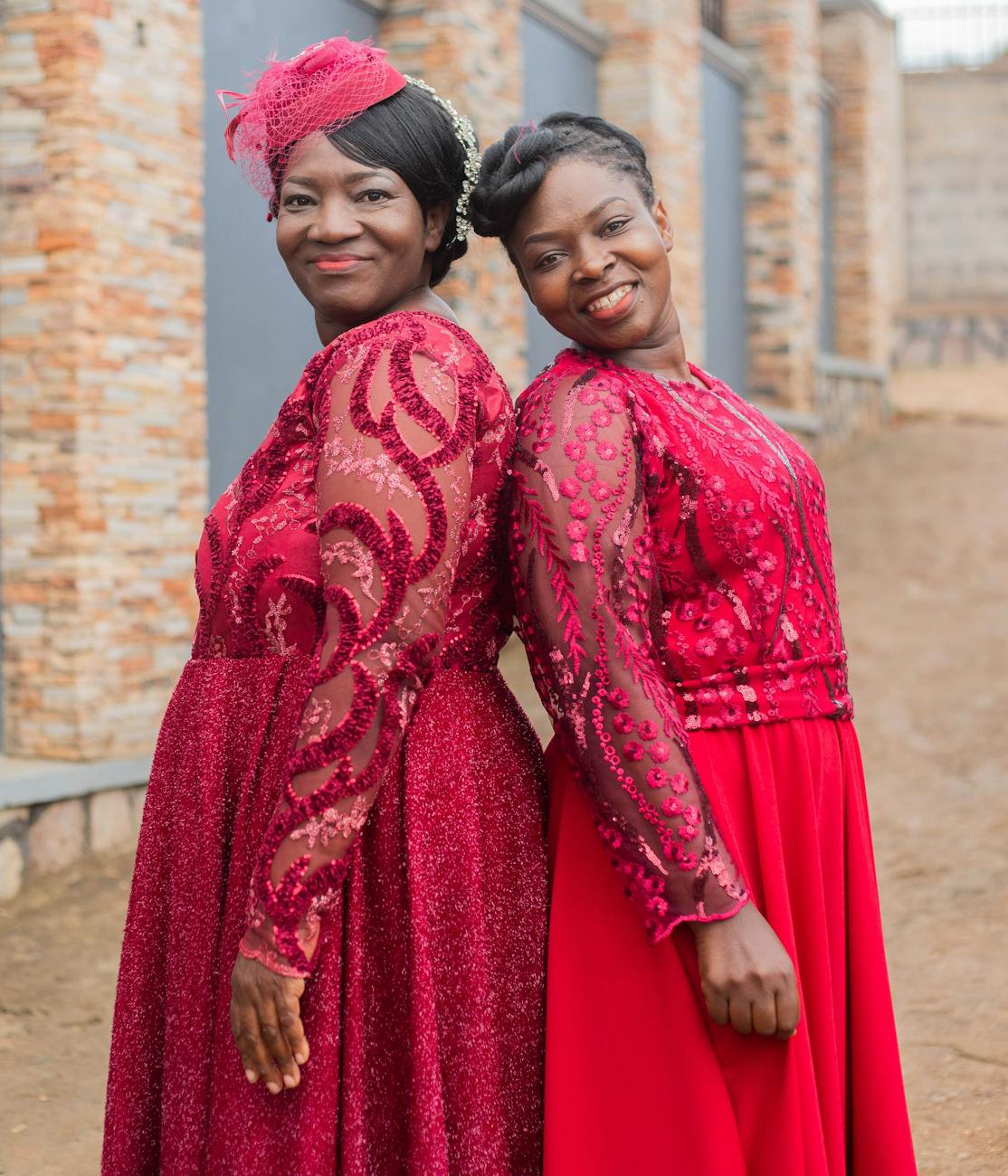
Photo by Speak Media Uganda on Pexels.com

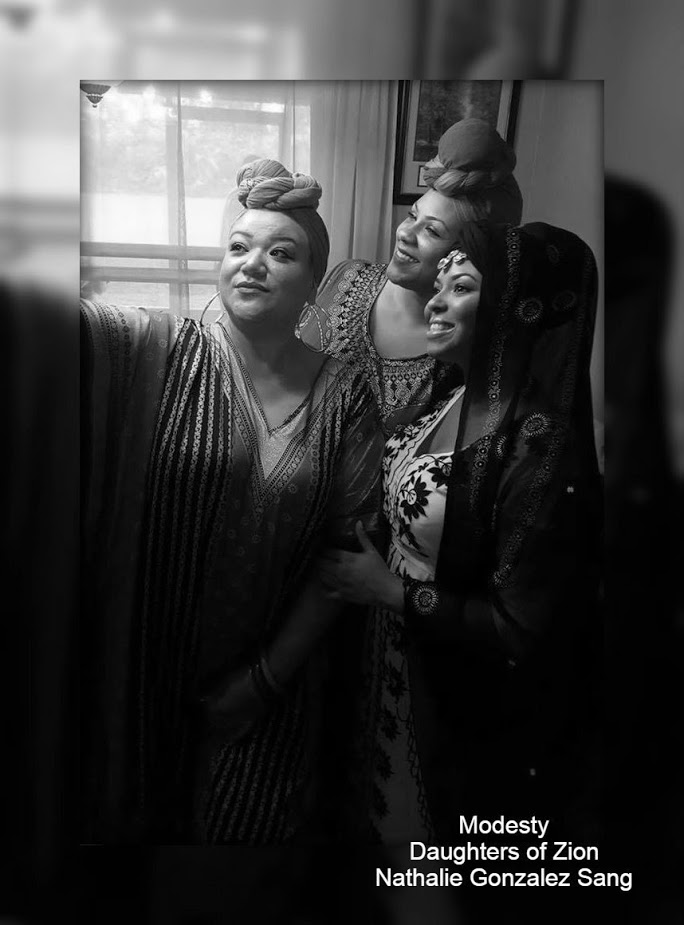
Modest dressing refers to clothing choices that express dignity, humility, and self-respect, avoiding overly revealing or provocative attire. It is a conscious effort to present oneself in a way that does not draw sexual attention or objectify the body, but instead honors one’s character, values, and spiritual identity.

From a biblical and moral standpoint, modesty is not merely about how much skin is covered—it is about intention, discretion, and the desire to reflect inner virtue. Modesty embodies a heart posture of reverence, especially before God.

“In like manner also, that women adorn themselves in modest apparel, with shamefacedness and sobriety; not with broided hair, or gold, or pearls, or costly array; but (which becometh women professing godliness) with good works.”
1 Timothy 2:9–10, KJV

Cultural Application & a Modern Example

In the age of hypersexualized media, modesty can feel countercultural. Yet, some women in the public eye maintain elegance and dignity through modest fashion.

One example is Meghan Markle, Duchess of Sussex (especially during her early royal years). She is often praised for wearing sophisticated, understated outfits—dresses with high necklines, long sleeves, and below-the-knee lengths—demonstrating that class and beauty are not mutually exclusive. Another consistent example is Lupita Nyong’o, whose red carpet appearances often exude grace, simplicity, and cultural pride while honoring her body and heritage.

Other notable figures include:

  • Kate Middleton (Princess of Wales)
  • Yuna (Malaysian singer) – who wears a hijab and stylish, full-coverage outfits
  • Tabitha Brown – actress and influencer known for combining spirituality, kindness, and a modest appearance

These women illustrate that fashion can be beautiful and bold without being revealing.

The Power of Modesty: Respect from Men

When a woman dresses modestly, she often commands a different kind of attention—not one based on lust or fantasy, but on admiration, respect, and curiosity about her mind, values, and personality.

Modest clothing sends a message: “I am not for consumption—I am for covenant.”
It distinguishes a woman not by how much she reveals, but by what she reserves for the sacred.

“Let thine eyes look right on, and let thine eyelids look straight before thee. Ponder the path of thy feet, and let all thy ways be established.”
Proverbs 4:25–26, KJV

A God-fearing man—one with integrity and vision—will be drawn to a woman’s discretion, not her display. He values character, not curves alone. When a woman covers her body, it invites honorable conversation, deeper connection, and reinforces self-worth.

The Apocrypha echoes this ideal:

“A modest wife adds charm to charm, and no balance can weigh the value of a chaste soul.”
Ecclesiasticus (Sirach) 26:15, RSVCE / Similar in KJV Apocrypha

In an era where minimal clothing is often mistaken for confidence and empowerment, I find myself drawn to a different standard—one rooted in elegance, restraint, and self-respect. As Ayesha Curry once remarked, “Everyone’s into barely wearing clothes these days, huh? Not my style. I like to keep the good stuff covered up for the one who matters.” Her words echo a truth rarely celebrated in modern culture: modesty is not repression—it is discernment.

The classy woman still exists, even in the age of social media where visibility is often equated with value, and the exposure of skin is seen as a currency for attention. While such displays may attract fleeting admiration or superficial engagement, one must ask: how many of these individuals embody the qualities that build lasting relationships, emotional depth, or covenant-level commitment?

Rather than allowing Hollywood or popular culture to define femininity, I look to women like Audrey Hepburn, whose timeless style and modest sophistication continue to inspire across generations. I first encountered Hepburn in the late 1990s, unaware of her legacy, but her grace, poise, and understated beauty captivated me. She exemplifies a kind of feminine dignity that transcends trends—a quiet power rooted not in exposure, but in character.


In today’s culture, women are often encouraged to equate their value with physical beauty, sensuality, and the strategic display of their bodies. Society subtly—and at times overtly—suggests that a woman’s influence lies in the sway of her hips, the exposure of her curves, and the ability to captivate a man’s attention with a single provocative glance. Even more troubling, this narrative is sometimes perpetuated by other women—even mothers—who advise young women to dress seductively as a means of gaining male validation.

Yet, there is something deeply admirable, even revolutionary, about a woman who chooses to present herself with humility, modesty, and reverence in a world obsessed with external appearance. To maintain dignity amid the noise of a culture that tells you to perform as if you have no Creator, no compass, and no soul—that is the mark of a rare and radiant spirit. Such a woman is a light in darkness, a witness to something greater than herself. Though she may be few in number, she exists—I am living proof.

To the woman who finds no shame in exposing her body through tight, revealing garments that draw attention to her chest, thighs, or even her intimate anatomy—please take a moment to reflect. Ask yourself honestly: What spirit is motivating these choices? Our actions, attire, and attitudes not only reflect our inner condition, but they influence others—especially the younger, more impressionable women and girls who look up to us, even if silently. Every young sister should be viewed as a daughter whose soul is worth protecting.

There is no virtue in flaunting what is common to all women. Breasts, thighs, and curves are not unique—what distinguishes you is not the physical, but the quality of your character. A man can find physical appeal anywhere, but what he cannot easily find is a woman who embodies both strength and virtue—a woman whose life reflects the attributes of the Most High. As the Scripture says:

“Favour is deceitful, and beauty is vain: but a woman that feareth the Lord, she shall be praised.”
Proverbs 31:30, KJV

Character will sustain a relationship where physical attraction alone cannot. If you observe closely, many women who project overt sensuality often lack stability in their relationships and homes. By contrast, a woman clothed in wisdom and modesty not only honors herself but fosters spiritual order and generational influence.

Clothing that leaves nothing to the imagination—tight jeans, leggings, short dresses—does not empower. Rather, it reduces a woman to mere visual consumption. This kind of gratuitous exposure is the fashion equivalent of oversharing, and while it may attract attention, it rarely commands respect. We must recognize this: you know what you are doing, and so does the Most High, who sees the heart and will judge accordingly.

“In like manner also, that women adorn themselves in modest apparel, with shamefacedness and sobriety…”
1 Timothy 2:9, KJV

Fashion, while often defended as self-expression, can be an outward manifestation of inner brokenness or rebellion. When our clothing choices are designed to provoke lust or manipulate attention, they reveal not freedom, but a spiritual disorder—a departure from our original, sacred design.

Let us then return to modesty, not as repression, but as a form of worship, a testimony of self-respect, and a reflection of the image of the Most High within us. May our beauty be inward, incorruptible, and timeless.

 
To be treated like a lady you must dress like a lady. Mothers teach your daughters to be respectful ladies to cover their bodies which is pleasing in the eyes of the Most High. This photograph is the property of its respective owners.


A Hidden Wisdom: Virtue Above Vanity

Let me unveil a timeless yet often unspoken truth: the superficial admiration of men—whether in social media comments or passing glances—does not equate to genuine respect. A multitude of likes from lustful men, mesmerized by curves, painted faces, and exposed thighs, does not signify honor. In reality, such attention frequently degrades rather than uplifts; in their carnal minds, the woman becomes not a cherished vessel of virtue, but an object for consumption—a “whore,” a “thot,” or a fleeting fantasy in the thoughts of whoremongers.

“Give not thy mind over to harlots, that thou lose not thine inheritance.”
Ecclesiasticus (Sirach) 9:6, KJV Apocrypha

Many women today desire to feel beautiful and admired—it is natural. But the pursuit of respect, dignity, and lasting love must surpass the fleeting thrill of sexual validation. Beauty, in its most noble and sacred form, is found in modesty. A righteous man, one who fears the Most High, will never truly love a woman whose value is solely rooted in physical display. For a man who honors God seeks not the body alone, but the mind, the soul, and the spirit of a woman.

“Favour is deceitful, and beauty is vain: but a woman that feareth the Lord, she shall be praised.”
Proverbs 31:30, KJV

Let this be known: true power is not found in the revealing of one’s body, but in the concealing of one’s worth for one deserving. A woman does not need to parade her flesh to prove her femininity. She need not sleep with a man to earn affection, nor should she raise her voice to be heard, nor lower a man to feel elevated. She does not need to argue to demonstrate intelligence, nor seduce to gain appreciation. Her worth is affirmed in silence, in virtue, and in her pursuit of righteousness.

“There is a shame which bringeth sin; and there is a shame which is glory and grace.”
Ecclesiasticus (Sirach) 4:21, KJV Apocrypha

The woman of virtue is not moved by temporary admiration but is rooted in sacred discipline. She treasures chastity, guards her body, and seeks wisdom as her adornment.

“As the sun when it ariseth in the high heaven; so is the beauty of a good wife in the ordering of her house.”
Ecclesiasticus (Sirach) 26:16, KJV Apocrypha

Dear sister, understand this: a man of God—a true king—does not chase sensual images. He is drawn to the woman who knows her worth and walks in the commandments of the Most High. He seeks a helpmeet, not a harlot; a Proverbs 31 woman, not an Instagram model.

“A silent and loving woman is a gift of the Lord; and there is nothing so much worth as a mind well instructed.”
Ecclesiasticus (Sirach) 26:14, KJV Apocrypha

You do not need to unbutton your blouse to open a man’s heart. You do not need to spread your legs to be cherished. But you must open your Bible and saturate yourself in the Word of Life—for in that discipline, your king will find you.

True queens are not self-proclaimed—they are heaven-ordained.


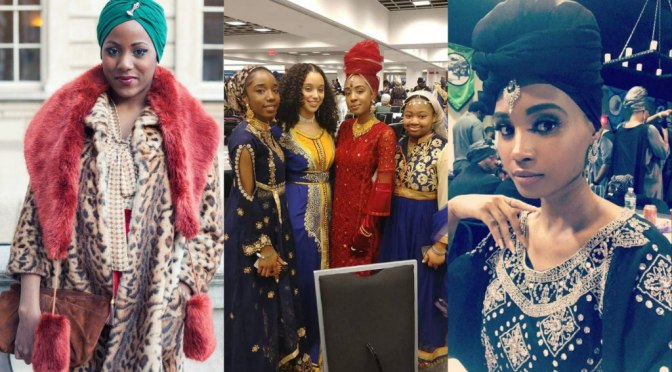
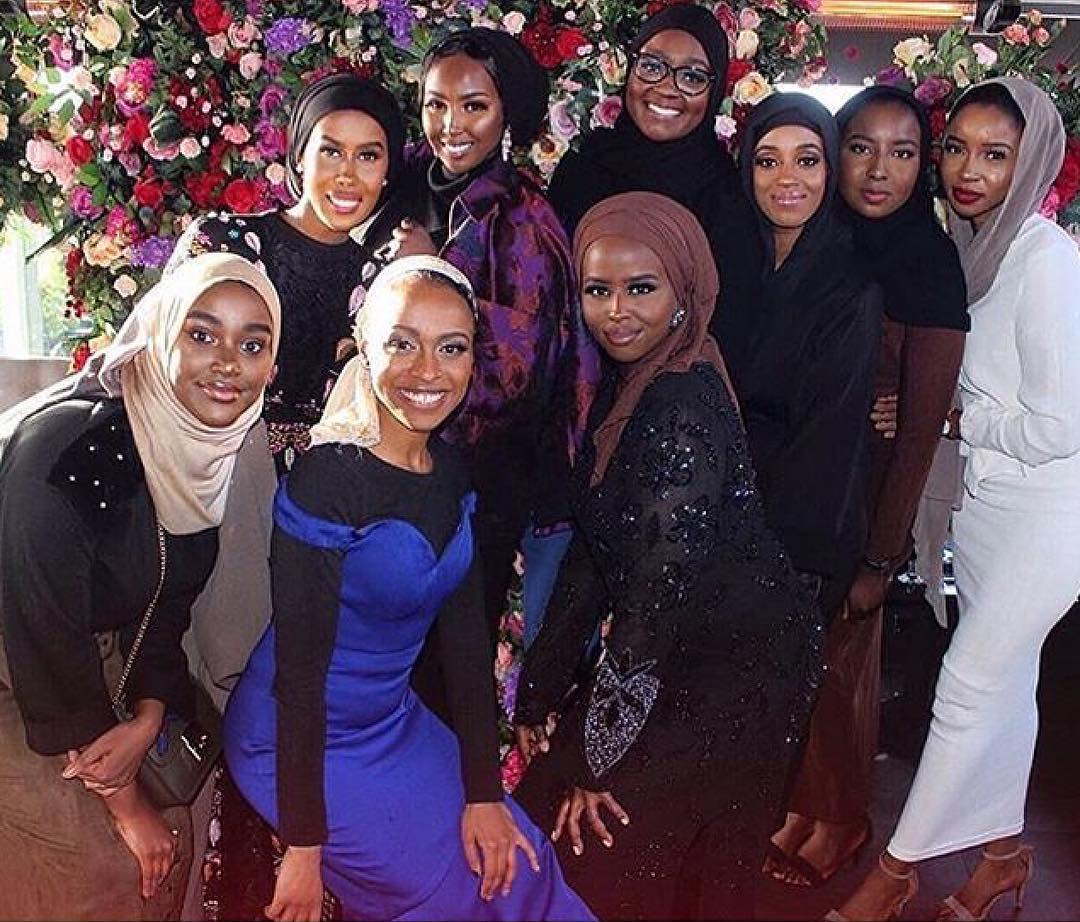
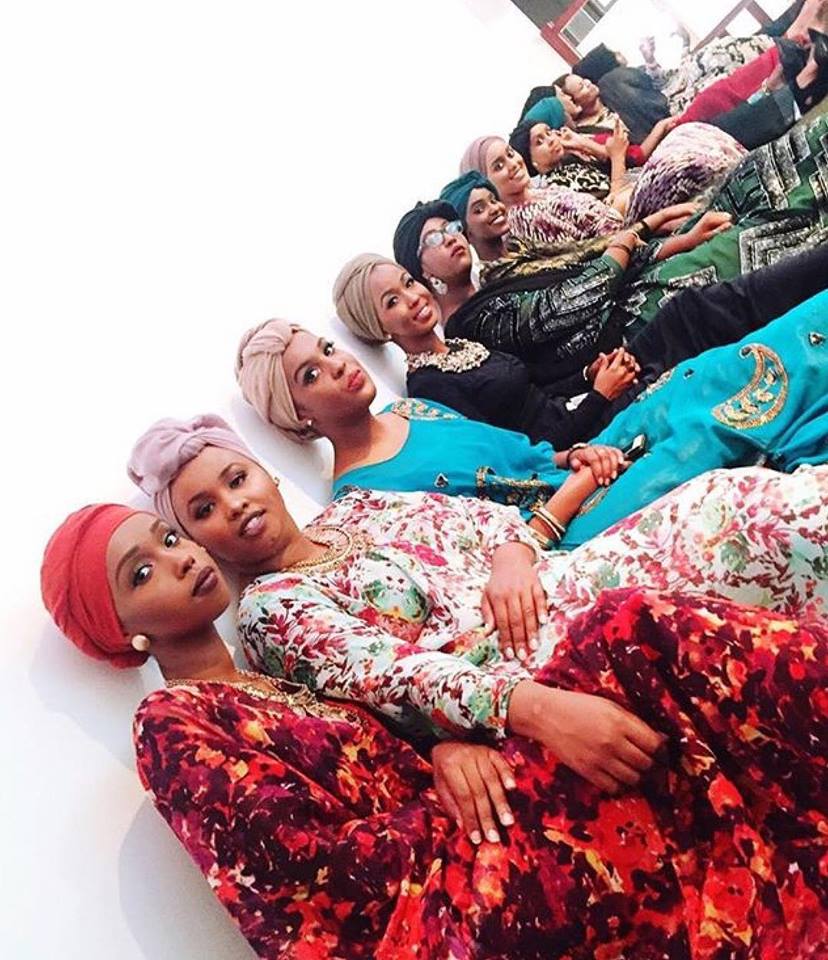
Examples of “Modest Dressing”


All photographs are the property of their respective owners.


Conclusion

Modesty is not oppression; it is protection, preservation, and proclamation of one’s inner worth. In a world obsessed with exposure, the woman who veils her body unveils her value. She is a beacon of wisdom in a culture of vanity.

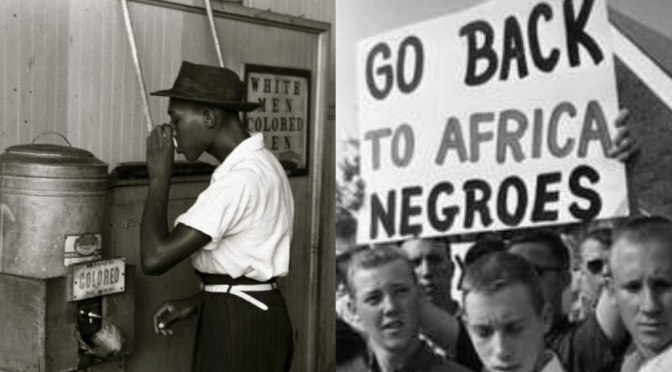
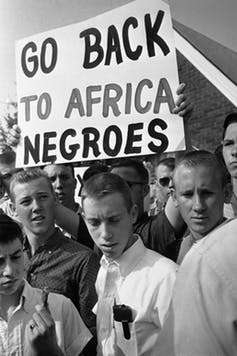
Dilemma: Racism

What do they say we are….

NIGGERS * SPICS *COONS * DARKIES * BLACK * UGLY * MULATTOS *FEEBLE MINDED * UNFIT * IMBECILES * IMMORAL * CRIMINAL * CATTLE * SLAVES NEGROES * AFRO THIS OR THAT *MONKIES * SAVAGES * COLORED *JUNGLE BUNNIES * DIRT *JIGABOOS * ANIMALS *WET BACKS * SPOOKS *SAMBOO * ASIATIC BLACK MIXED * BIRACIAL* MULTIRACIAL * BURNT And so forth… Code words used to establish slavery.

This photograph is the property of its respective owner.

The differentness of races, moreover, is no evidence of superiority or of inferiority. This merely indicates that each race has certain gifts which the others do not possess. — Carter G. Woodson

“Race is not a biological reality but a social concept—a powerful illusion.”
California Newsreel, “Race: The Power of an Illusion”

The Grand Illusion of Race and the Legacy of Racism

Racism remains the most pervasive and destructive force in modern civilization—a persistent “elephant in the room” that continues to inform systems of oppression, injustice, and inequality. It is the progenitor of slavery, the father of colorism, and the cornerstone of a worldview rooted in false hierarchies of human worth. Racism, in its purest form, is the deeply ingrained belief that racial groups possess inherent differences in qualities or abilities, and that these differences justify unequal treatment or social dominance. This belief system, which asserts the superiority of one race over another, has served as the ideological foundation for centuries of colonization, brutality, and social division.

At the heart of racism lies the construct of race itself, which scholars have long demonstrated is not rooted in biology but in social fabrication. The so-called “races” of humanity are, in fact, an artificial system of classification, developed to rationalize systems of power and privilege. The landmark PBS documentary Race: The Power of an Illusion (2003) explains that human genetic variation is superficial at best—there are no genetic markers exclusive to any one race. Instead, traits such as skin color, facial structure, or hair texture are inherited independently and do not correlate with cognitive or moral capacity (California Newsreel, 2003).

The American institution of chattel slavery was perhaps the most significant catalyst in the global entrenchment of racial ideology. Slavery required the dehumanization of African people—turning them into property—and this was justified by pseudo-scientific claims of racial inferiority. These ideas birthed and fueled colorism, a derivative of racism that privileges lighter skin even within communities of color, reinforcing hierarchies based on proximity to whiteness.

To understand how this illusion persists, we must first expose it. “Race” as a category exists to serve political and economic agendas—not truth. As the anthropologist Audrey Smedley (2007) noted, race is “a folk ideology,” invented in the 17th century to justify the social order of European expansion and the transatlantic slave trade.

This deeply entrenched deception leads to cultural disorientation, especially for historically oppressed peoples. When individuals are disconnected from their origins, their histories, and their spiritual significance, they become vulnerable to narratives imposed upon them by others. The ancient Hebrew text affirms this reality:

“Ye were sold to the nations, not for your destruction: but because ye moved God to wrath, ye were delivered unto the enemies.”
Baruch 4:6, Apocrypha

This verse speaks to divine consequences but also affirms identity and value—the people were not destroyed, merely displaced.

Today, the ideology of race continues to fuel disparities in education, health, economics, and justice. Its endurance is not due to any empirical truth but because societies have bought into a myth, perpetuated by media, education, and institutions. If race is a lie, racism is a belief in that lie—an attitude born from ignorance and sustained by fear and silence.

Ultimately, liberation begins with truth. Once we dismantle the illusion of race, we create space for healing, equity, and restoration.


“Race” as Illusion, Racism as Truth: A Global History of Black Oppression


“We know that ‘race’ is not a biological reality but a social tool—an illusion crafted to categorize, divide, and suppress.”
Audrey Smedley & Brian Smedley, 2007


1. What Is Racism—and How It Functions

Racism is more than prejudice; it is a structured belief system that posits the existence of distinct human races with inherent differences in worth, ability, and moral standing. At its core is the assertion that one race—typically white—stands superior, legitimizing practices of violence, exclusion, and exclusionary power.

Colorism, an offspring of racism, assigns varied value even within communities of color—privileging lighter skin tones while denigrating darker ones. These systems evolved during American chattel slavery, where light-skinned enslaved people were granted relative privilege, while darker-skinned individuals were relegated to harsher conditions.


2. Slavery: The Global Catalyst of Race-Based Hatred

Slavery in the Americas began in earnest around 1619, when Africans were forcibly brought to the New World, stripped of identity, and dehumanized for economic gain. They endured brutal treatment—beatings, rape, forced labor, and psychological terror—for centuries. Even after the Emancipation Proclamation (1862), the legacy of bondage evolved into Jim Crow, mass lynchings, segregation, and economic subjugation.

In Natchez, Mississippi, a post‑Civil War refugee camp known as the Devil’s Punchbowl housed thousands of freed Black people under horrendous conditions—disease, starvation, and neglect led to thousands of deaths (estimates range from 2,000 to 20,000) TRT WorldWikipedia.


3. Human Zoos, Colonialism, and King Leopold’s Congo

From the 1800s through the mid-20th century, Western “human zoos” exhibited Black and Indigenous people in Europe and America as exotic curiosities—living in fabricated villages, mimicking rituals, and displayed alongside animals in grotesque spectacles DW News+2Deutsche Welle+2The Sun+2.

Most egregiously, under King Leopold II of Belgium, 267 Congolese men, women, and children were exhibited at the Tervuren World’s Fair in 1897, seven of whom died. His regime in the Congo Free State (1885–1908) involved forced labor, systematic brutality, and amputations, resulting in the deaths of an estimated 1–13 million people France 24+6Wikipedia+6bdnews24.com+6.

These events normalized the idea of Black people as sub-human, used to justify colonialism, apartheid, and segregation. Pseudo-scientific racial classification and craniometry were often used to reinforce racist hierarchies Deutsche Welle+3France 24+3DW News+3.


4. Colorism and Legacy: Today’s Bywords

Today, Black people are still referred to by degrading terms—n*****r, darkie, coon, mulatto, field slave, savage, and more. Such labels have origins in slavery and reinforce social hierarchy. Even within Black communities, colorism persists—lighter skin often equates to socioeconomic advantages, a phenomenon rooted in slave-era preferential treatment.


5. Modern Persecution: Police Violence and Systemic Inequality

Racism continues under the guise of legal and institutional power. The murder of George Floyd in 2020— asphyxiated by police officer Derek Chauvin—triggered worldwide outrage and calls for justice. Floyd’s death is part of a pattern: in 2021, Black Americans comprised 27% of those fatally shot by police, even though they are just 13% of the U.S. population.

Countless others—Breonna Taylor, Ahmaud Arbery, and more—have experienced brutality and had justice repeatedly denied (e.g., mistrial or acquittal of the officers) .


6. Identity Restoration: The Real Jews and Chosen Lineage

Some scholars and communities argue that Black people, particularly descendants of the enslaved Israelites, are the true heirs of the original Hebrew covenant—the chosen people. This belief includes theological affirmation of identity and the spiritual trauma inflicted by slavery.


7. The Horror of Infant Torture

Among the most horrific records of cruelty are accounts claiming that Black infants were fed to alligators, used as bait in Florida, a practice that symbolizes ultimate dehumanization. While specific documentation is limited, this narrative underscores centuries of systemic brutality and moral reprehension.


Conclusion: From Demonization to Dignity

Racism is not merely ideology—it is the engine of oppression, designed to devalue and destroy. It thrives on illusions of race, hierarchy, and otherness. Its consequences have spanned continents, centuries, and generations—from Congo to the Devil’s Punchbowl, from European human zoos to modern police brutality.

To disrupt it, we must deconstruct its illusions and restore identity: reclaim histories, reject bywords, and affirm the sacred humanity and sovereignty of Black people everywhere.


📚 References

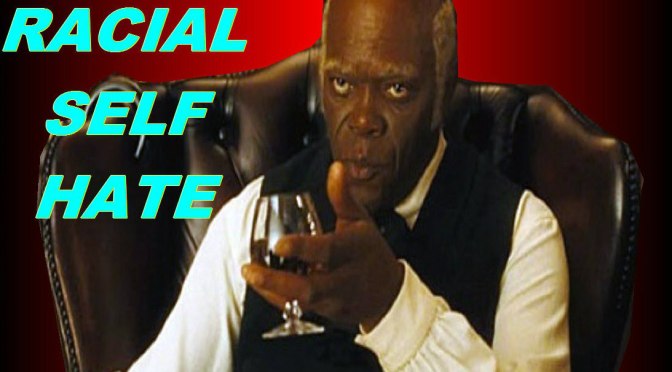
Dilemma: Self-Hatred


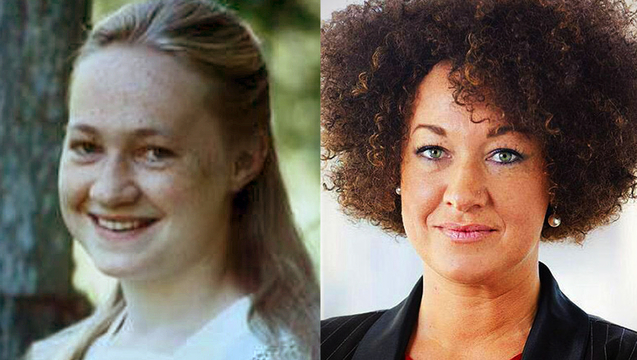
Rachel Dolezal, a former president of the Spokane, Washington, chapter of the NAACP, became a national figure of controversy when it was revealed in 2015 that she was a white woman who had been presenting herself as Black for years. Despite having been born to white parents of European descent, Dolezal had altered her appearance, including tanning her skin, curling her hair, and adopting African American vernacular and culture. Her case raises profound questions about racial identity, cultural appropriation, and societal double standards.

Ironically, while Black women are frequently criticized or pathologized for assimilating into Eurocentric beauty norms—whether through hair straightening, skin lightening, or other means—Dolezal, a white woman, was initially celebrated within a Black community organization for her performance of Black identity. Her work with the NAACP and advocacy on behalf of civil rights may have been well-intentioned, but the deception surrounding her racial identity challenges the principles of authenticity and transparency essential to public leadership.

Psychologically, her case touches on what scholars term “racial identity appropriation,” wherein individuals adopt the cultural markers and struggles of a group to which they do not belong, often as a means of securing identity, belonging, or moral authority. This phenomenon is distinct from transracial adoption or cultural exchange; it often stems from deeper issues related to identity confusion, desire for empathy or attention, or the allure of perceived moral high ground.

The public backlash against Dolezal revealed not only the societal discomfort with ambiguous racial boundaries but also exposed how white individuals are often extended forgiveness or curiosity when crossing cultural lines. In contrast, Black individuals, particularly women, are rarely afforded the same grace. Her actions highlight the privileges of whiteness, even in spaces ostensibly dedicated to racial justice.

 
Rachel Dolezal (left to right) These photographs are the property of their respective owners.
 

💔 Why Do Some Black People Hate Themselves or Each Other?

This phenomenon isn’t due to a moral failing, but rather the psychological residue of slavery, colonialism, and white supremacy. It is what scholars call internalized racism—when oppressed people begin to absorb the lies told about them by the dominant society.

1. Slavery and the Destruction of Identity

Slavery was not only about physical bondage—it was about erasing the identity of a people. Africans were stripped of their languages, names, families, religions, and cultural pride. They were forcibly renamed, reclassified, and psychologically reprogrammed to believe they were inferior.

“If you can convince the lowest white man he’s better than the best colored man, he won’t notice you’re picking his pocket.” — Lyndon B. Johnson

During slavery, enslaved Africans were:

  • Divided by complexion: lighter-skinned slaves (often the result of rape) were given house duties, while darker-skinned slaves labored in the fields. This bred resentment and laid the foundation for colorism—a hierarchy within the race based on skin tone.

  • Pitted against each other: as outlined in the infamous (and possibly apocryphal) Willie Lynch Letter, enslavers used fear, distrust, and division to keep enslaved people from uniting.

2. Post-Slavery: The Birth of Colorism and Eurocentric Standards

Even after emancipation, the proximity to whiteness became the measure of beauty, intelligence, and worth. Black features—like broad noses, kinky hair, or dark skin—were mocked, while lighter skin and long straight hair were celebrated.

This legacy persists today:

  • Colorism: Lighter-skinned Black people often receive more favorable treatment in media, hiring, dating, and society.

  • Hair Discrimination: Natural hairstyles like afros, locs, and braids are still viewed as “unprofessional” in many institutions.

  • Self-Rejection: Some Black people bleach their skin, avoid the sun, or use harmful chemicals to straighten their hair—not out of vanity, but as a survival mechanism in a world that devalues their natural state.

3. Internalized Racism and “Self-Hate”

Black people—like all people—are shaped by the media, education, and culture. When all of those systems portray whiteness as good and Blackness as bad, a subconscious belief can form: “There must be something wrong with me.”

This shows up in:

  • Jealousy or suspicion of each other’s success (“crabs in a barrel”).

  • Mocking natural Black features.

  • Dividing ourselves by skin tone, hair texture, dialect, or region.


🌱 What Does Being a Hater Really Mean?

A hater is someone who resents another person’s success, beauty, confidence, or uniqueness. In our community, this often stems from:

  • Low self-esteem.

  • Unhealed trauma.

  • Feeling powerless in a system built against us.

As Malcolm X said:

“Who taught you to hate the texture of your hair? Who taught you to hate the color of your skin…?”


💡 Why Is Light Skin and Long Hair Still Seen as More Desirable?

It’s rooted in colonialism and media conditioning:

  • For centuries, the lighter you were, the more human you were considered.

  • Beauty standards were crafted by European ideals—pale skin, straight hair, and thin features were exalted, while Black features were demonized.

  • Even today, movies, magazines, dating apps, and TV often showcase light-skinned Black people as the default representation of beauty.


✊🏾 So What’s the Solution?

1. Reclaim Our History and Identity

Learn the truth about African civilizations, the African diaspora, and the richness of Black culture. When you understand your roots, you stop seeing yourself as inferior.

2. Practice Self-Love and Cultural Pride

Celebrate your skin, your hair, your body, your ancestry. Uplift those around you. Affirm your children. Support Black businesses. Wear your culture proudly.

3. Challenge Internalized Racism

Call out colorism when you see it. Unlearn negative beliefs. Don’t measure yourself by Eurocentric standards. Demand representation in media, leadership, and institutions.

4. Mental Health Matters

Therapy, especially with culturally competent Black therapists, can help unpack trauma, self-esteem issues, and patterns of self-hate.

5. Faith and Community Healing

In texts like Baruch 4:6 and Deuteronomy 28, many believe that Black people’s suffering is tied to disobedience to divine commandments, but also that restoration is possible. Healing is not just psychological, but also spiritual. Return to the Most High God!


🔥 A Final Quote to Reflect:

“We’ve been conditioned to hate ourselves and love their wealth… That’s why Black sell crack and we act like we’re not smart.” — Kanye West, “All Falls Down”


📚 References 


  • Akbar, N. (1996). Breaking the Chains of Psychological Slavery. Mind Productions.

  • hooks, b. (1992). Black Looks: Race and Representation. South End Press.

  • Fanon, F. (1967). Black Skin, White Masks. Grove Press.

  • Russell-Cole, K., Wilson, M., & Hall, R. E. (2013). The Color Complex: The Politics of Skin Color in a New Millennium. Anchor Books.

  • American Psychological Association. (2019). Ethnic and Racial Disparities in Mental Health Care.

Brubaker, R. (2016). Trans: Gender and Race in an Age of Unsettled Identities. Princeton University Press.
This work explores how Rachel Dolezal’s case illustrates the complexities and controversies of identity in contemporary society, including comparisons between transgender and “transracial” identities.

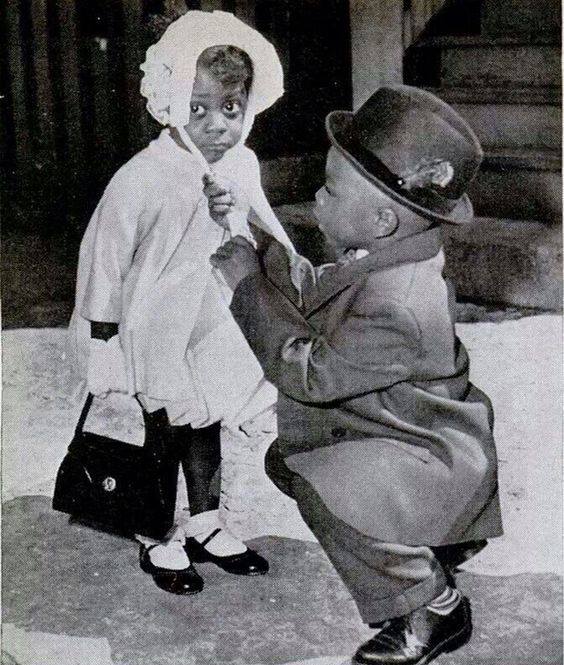
Dilemma: Slavery

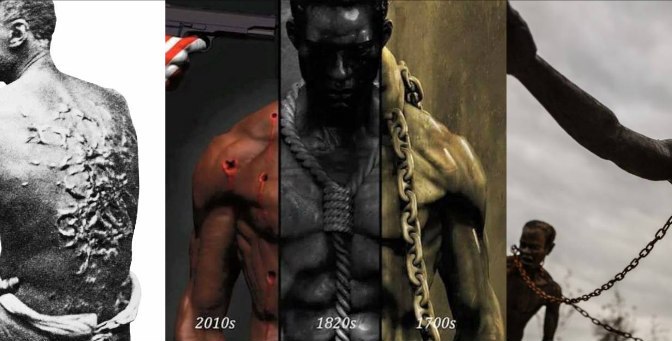
As indicated by the didactic systems of this world, the Negroes were brought to the Americas by slave ships in 1619 were beaten, raped, murdered and forced to work as slaves on plantations for 400 + years with poor living conditions, no rights or pay. They cried. They prayed. They obeyed. The cries of the slaves were heard by our God so he raised up – President Abraham Lincoln – who signed the Emancipation Proclamation in 1863 which freed the slaves. This action pissed off the white nationalists that felt compelled to ensure that we were still enslaved to the system. They passed the Jim Crow laws for segregation. Then later that was demolished by the civil rights movement in the sixties. We became “Black and Proud” Then in 2008, a black senator from Chicago “Barack Obama” became the first black president of the United States. Did anything really change?

This photograph is the property of its respective owner.
WHO DO THEY SAY WE ARE?

And thou shalt become an astonishment, a proverb, and a byword, among all nations whither the Lord shall lead thee. Deuteronomy 28:37 KJV

NIGGERS * SPICS *COONS * DARKIES * BLACK * UGLY * MULATTOS *FEEBLE MINDED * UNFIT * IMBECILES * IMMORAL * CRIMINAL * CATTLE * SLAVES NEGROES * AFRO THIS OR THAT *MONKIES * SAVAGES * COLORED *JUNGLE BUNNIES * DIRT *JIGABOOS * ANIMALS *WET BACKS * SPOOKS *SAMBOO * ASIATIC BLACK MIXED * BIRACIAL* MULTIRACIAL * BURNT And so forth… Code words used to establish slavery.

1619-1834 Slaves

1834-1892 Coons/Colored

1892-1934 Niggers/Niggas

1934-1970 Boy/Africans

1970-1983 Afro Americans

1983-2002 Black Americans

2002-2016 African Americans

We exist under the myriad complexities of slavery even today

🌐 Slavery: Origins, Transformations & Enduring Legacy

🌍 1. The Global Scope of Slavery

Key nations involved in transatlantic slavery included 🇵🇹 Portugal, 🇪🇸 Spain, 🇬🇧 Great Britain, 🇫🇷 France, 🇳🇱 Netherlands, 🇩🇰 Denmark, 🇺🇸 the United States, and 🇧🇷 Brazil. These nations forcibly transported over 12.5 million Africans to the Americas between the 16th and 19th centuries; approximately 1.8 million perished during the Middle Passage due to disease, starvation, or abuse (Transatlantic Slave Trade database; Colonialism background) Wikipedia.

🚢 2. The Middle Passage & Auction Blocks

Enslaved Africans were chained in unsanitary, overcrowded ships; an estimated 15–20% died en route. Survivors endured auctions in which families were torn apart, inspected like livestock, and sold to plantation owners (Guardian report on slave ship excavation) .

📜 3. The “Why” Behind Slavery

Slavery emerged from the economic imperative of colonial powers seeking cheap labor for labor-intensive industries like sugar, cotton, tobacco, and mining. Race-based justification was fabricated through “scientific racism” and mythologies of White supremacist hierarchy. Slavery offered enormous profits, shaping the economic foundations of Western empires (UN, ILO, and colonial histories) .

📚 4. Multigenerational Impact on Black Communities

Slavery’s lasting effects include systemic inequality across wealth, health, education, and incarceration:

  • Wealth: Black households in the U.S. have approximately 10–12× less median wealth than White households, a disparity rooted in generations of discriminatory policies and denied opportunities (NumberAnalytics; Pew) Wikipedia+9Number Analytics+9Monthly Review+9.

  • Health: Counties with formerly high slave populations now have lower life expectancy for Black residents, even when controlling for current health access and behaviors (Reece, 2022) cola.utexas.edu.

  • Incarceration and Justice: Black individuals are heavily overrepresented in prison, and disproportionately subject to police violence (National Council of Churches; Pew data) nationalcouncilofchurches.us.

🧬 5. Colorism, the Willie Lynch Myth & Internal Division

  • Enslavers often favored lighter‑skinned individuals as house staff, while darker‑skinned people were relegated to labor in the fields.

  • The widely-circulated Willie Lynch Letter—which outlines racial division tactics—is considered a forgery, but it reflects how colorism was used to divide enslaved populations. Modern studies confirm that lighter-skinned Black individuals are often afforded social and economic privilege (Hochschild & Weaver, 2007) Number Analytics+14SpringerOpen+14National Alliance to End Homelessness+14.

😱 6. Physical and Psychological Terror

Public torture methods—such as chaining Black men behind horses, sexual violence, and humiliation—were tools of terror. Infants born of rape were frequently killed or sold; mythic accounts claim some were fed to alligators in captivity in the Deep South (historical anecdotal reports).

📜 7. Slavery and Scripture

Slavery within biblical prophecy is referenced in Deuteronomy 28 and Baruch 4:6 (Apocrypha)—warnings that disobedience can result in exile and bondage. These texts have been interpreted to parallel the exile and forced dispersal of Africans during the transatlantic slave trade .


🕊️ 8. Emancipation & Its Limits

In 1863, President Abraham Lincoln’s Emancipation Proclamation declared freedom for enslaved people in Confederate-held territories. While symbolic, it did not end slavery in Union border states nor guarantee civil rights—these required the 13th, 14th, and 15th Amendments and persistent activism .

🔄 9. Evolution into Modern Slavery

Although chattel slavery was abolished globally, modern slavery persists in the form of human trafficking, debt bondage, forced labor, and sexual exploitation. Today there are an estimated 27.6 million forced laborers globally, with forced labor generating $236 billion in illicit profits annually (ILO, modern slavery reports) AP News+1BBC+1.

🚔 10. Racism in Policing & Public Violence

Systemic racial bias continues in policing. The murder of George Floyd in 2020—and similar cases involving Breonna Taylor, Ahmaud Arbery, and others—reflect a long lineage of state-sanctioned violence. In 2021, Black Americans accounted for 27% of police killings despite being 13% of the population (police violence datasets) .

🧠 11. Psychological & Social Ramifications

Historians and sociologists posit that enduring trauma from slavery has negatively impacted self-perception, psychological health, and community identity among Black people. As stated in Post-Traumatic Slave Syndrome by Dr. Joy DeGruy, the intergenerational effects must be addressed holistically nationalcouncilofchurches.us.


🖋️ Quote to Frame the Discussion:

“Race is not a biological reality but a social creation—a powerful illusion that has justified the enslavement and marginalization of generations.”
Audrey Smedley & Brian Smedley, 2007


📌 Summary Table

Theme Key Points
Origins of Slavery Economic incentives, colonial expansion, racial hierarchy
Psychological Legacy Trauma, colorism, internalized inferiority
Structural Continuation Income gap, health disparities, policing and incarceration
Modern Manifestations Human trafficking, forced labor, systemic racism

🧪 Why It Matters for Today

Understanding slavery and its modern permutations is essential to recognizing and dismantling systemic racism. Its legacy remains deeply embedded in global institutions, justice systems, economic outcomes, and cultural perceptions. Only through unmasking the roots of these structures—including race as illusion—can meaningful progress toward equity be possible.

🌍 Global Scope of Slavery & Racism

🇵🇹 Portugal, 🇬🇧 Britain, 🇫🇷 France, 🇪🇸 Spain, 🇳🇱 Netherlands, 🇩🇰 Denmark, 🇺🇸 United States, 🇧🇷 Brazil — these nations transported approximately 12.5 million Africans across the Atlantic from the 16th to the 19th century, with around 1.8 million perishing en route Let Africa Speak+2Wikipedia+2Wikipedia+2.


🚢 The Middle Passage & Mortality

At auctions, enslaved families were separated, stripped of identity, inspected as livestock, and sold to the highest bidder, cementing their status as property.


💡 Defining Race and Racism

“Race is a social tool—an illusion crafted to categorize, divide, and suppress.”

The biological concept of race has no scientific basis—traits like melanin vary independently of behavior or intelligence. Racism is the ideology stemming from this illusion, elevating one “race” while oppressing others. It thrives because people unaware of their heritage often believe and perpetuate its false narratives.


⚖️ Biblical Context: Deuteronomy 28

Scripture warns that disobedience to the Most High can lead to national punishment and exile—“Ye were sold to the nations… delivered unto the enemies” (Baruch 4:6). In Christian thought, some interpret this as linking Israelite exile to the African diaspora.


🧬 Colorism & Internal Hierarchies

  • Lighter-skinned Black individuals were often given “privileged” roles—house servants vs. field workers.

  • The purported Willie Lynch Letter describes how slaveowners sought to exploit color and age divisions—though historians widely agree it is a forgery Jim Crow Museum+7Wikipedia+7Academia+7.

  • Today, colorism continues to impact self-esteem and social mobility within communities Academia+4Academia+4Jim Crow Museum+4.


👶 Interracial Births & Infant Cruelty

  • Enslaved women who were raped often bore mixed-race children—many killed or sold off early to conceal lineage.

  • Reports persist—though scarce—of atrocities including feeding infants to alligators, a testament to dehumanization.


🐎 Violence & Torture By Enslavers

  • Black men were publicly tortured—pulled behind horses, castrated, or subjected to rape and humiliation—to maintain white dominance .


🧬 Early Slavery Origins & Geographies

  • Chattel slavery dates as far back as ancient Mesopotamia but became global with Muslim North African and Ottoman enslavement of Europeans and Africans.

  • Transatlantic slavery began in the 1400s, with Portugal leading, followed by Spain, Britain, France, and the Netherlands .


🇺🇸 The Emancipation Proclamation

On January 1, 1863, President Lincoln declared all enslaved people in Confederate territories “forever free.” However, the proclamation didn’t end slavery in Union states or guarantee full civil rights—those came later with the 13th, 14th, and 15th Amendments.


⚠️ Fallacies About Slavery & Social Media’s Role

  • Fallacies: Claims that slavery was not brutal or that Black people benefited economically are misleading.

  • Social media often spreads revisionist narratives, minimizing atrocities or asserting false equivalencies.


🧪 Modern Echoes: Police Violence

The racist roots of slavery persist today in police brutality. The murder of George Floyd in 2020, where an officer kneeled on his neck for nearly nine minutes, captured global attention. Black Americans accounted for about 27% of fatal police shootings in 2021 Let Africa Speak+1Academia+1—highlighting systemic racism.


📝 What Is Slavery?

Slavery: chattel bondage where humans are owned as property. It began in organized societies seeking labor (e.g., Mesopotamia, Africa) and evolved into a global race-based exploitation system in the Atlantic world.


📚 References