Tag Archives: the brown girl dilemma

Healing the Wounds of Colorism: Black Women vs. the Beauty Standard

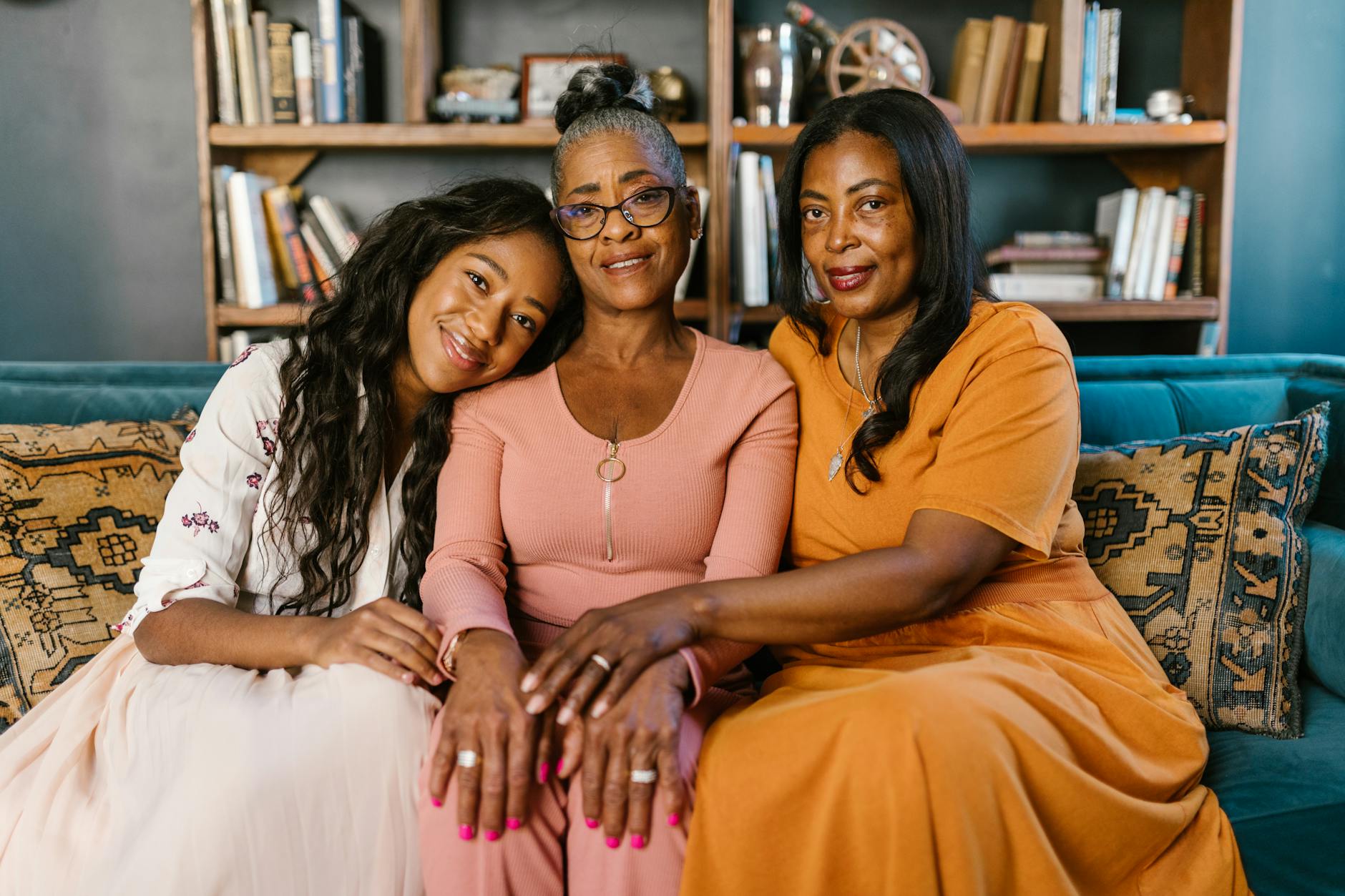
Photo by Gustavo Fring on Pexels.com

Colorism in the Black community cannot be understood without revisiting slavery in the Americas. Enslavers deliberately separated light-skinned and dark-skinned Black people to maintain social hierarchy. Those with lighter skin, often the mixed-race children of enslaved women and white masters, were sometimes placed in domestic work within the “big house,” while darker-skinned enslaved people were relegated to field labor (Hunter, 2007). This hierarchy reinforced the false notion that proximity to whiteness was preferable. This early wound became a generational trauma, setting the stage for how Black women would be divided, compared, and judged long after slavery’s abolition.

The term colorism itself was popularized by Alice Walker in 1983, who defined it as “prejudicial or preferential treatment of same-race people based solely on skin color” (In Search of Our Mothers’ Gardens). While racism placed all Black people at a disadvantage, colorism operated within the community as a painful internalization of Eurocentric ideals. It continues to shape representation in beauty industries, film, and popular culture. At its root, colorism is tied to the current global beauty standard, which overwhelmingly favors fair skin, straight hair, slim facial features, and light eyes — characteristics historically associated with white women (Wilder, 2015).

Dr. Frances Cress Welsing, in The Isis Papers (1991), argued that colorism reflects white supremacy’s psychological strategy of self-preservation. She theorized that whiteness seeks to maintain dominance by promoting its features as superior, while devaluing darker skin and Afrocentric traits. This belief system ensures that Black women, regardless of their natural beauty, are positioned as “other” in the global imagination. Thus, white women have long been upheld as the epitome of beauty in mainstream media — from Marilyn Monroe to modern icons like Scarlett Johansson.

The wounds of colorism for Black women are deep and multilayered. They include internalized shame, family divisions, lowered self-esteem, and unequal treatment in workplaces, schools, and dating markets. The comparison between Black women and the beauty standard can be mapped out clearly:

Black Women’s TraitsEurocentric Beauty Standard
Darker or richly melanated skinFair or light skin
Kinky, coily, or natural hairStraight, silky hair
Full lips and broad nosesThin lips and narrow noses
Curvier body typesSlimmer, less curvaceous figures (though often appropriated later)
Diversity of tones, textures, and featuresHomogenized white ideals

Celebrities across racial lines have commented on this imbalance. For instance, Lupita Nyong’o has spoken openly about her struggles with self-acceptance in a world that glorifies light skin (Nyong’o, 2014). Viola Davis, too, has highlighted how her darker skin limited her Hollywood opportunities. On the other hand, white celebrities such as Adele and even Kim Kardashian have acknowledged the ways Black women’s aesthetics are appropriated without acknowledgment or respect. This dynamic reinforces the reality: Black women are often celebrated when their features are borrowed but devalued when they appear naturally.

While Black women’s phenotypic traits, such as melanin-rich skin, fuller lips, natural hair textures, and curvier body types, have been pathologized, Eurocentric features—light skin, narrow noses, thin lips, and straight hair—have been uplifted as the global beauty standard. Research suggests this dynamic is rooted in the colonial and slaveholding eras, where lighter skin was equated with privilege and proximity to whiteness (Hunter, 2007; Russell, Wilson, & Hall, 2013). The persistence of these standards contributes to psychological distress, self-esteem challenges, and ongoing struggles with identity formation among Black women (Wilder, 2015).

Psychologically, the effects of colorism manifest as internalized racism, body dysmorphia, depression, and self-doubt. Studies in evolutionary psychology suggest that symmetry and certain ratios (e.g., the golden ratio) are universally associated with beauty (Little, Jones, & DeBruine, 2011). However, these scientific standards do not negate cultural bias. Western media elevates one aesthetic as “universal,” ignoring the truth that beauty is also culturally constructed. This erasure pressures Black women to conform or modify themselves — through skin-lightening, straightening hair, or cosmetic surgery — to gain validation in systems not designed for them.

The question remains: how can Black women heal? Healing begins with redefining the standard. Movements like #BlackGirlMagic, natural hair advocacy, and diverse media representation are shifting narratives. The Black community must actively dismantle colorist language, uplift darker-skinned women, and celebrate the full range of Black beauty. Scholars argue that collective affirmation, media literacy, and intergenerational dialogue are keys to undoing centuries of psychological conditioning (Walker, 1983; Wilder, 2015).

Ultimately, the Bible offers a radical counter-narrative to the lies of colorism. Scripture declares: “I will praise thee; for I am fearfully and wonderfully made” (Psalm 139:14, KJV). The Song of Solomon even uplifts dark beauty: “I am black, but comely, O ye daughters of Jerusalem” (Song of Solomon 1:5, KJV). These verses remind Black women that their worth and beauty come not from Eurocentric systems but from the Creator who made them. Healing the wounds of colorism means reclaiming identity, refusing false cages of comparison, and walking boldly in God-given beauty.


References

  • Hunter, M. (2007). The Persistent Problem of Colorism: Skin Tone, Status, and Inequality. Sociology Compass, 1(1), 237-254.
  • Little, A. C., Jones, B. C., & DeBruine, L. M. (2011). Facial attractiveness: Evolutionary based research. Philosophical Transactions of the Royal Society B: Biological Sciences, 366(1571), 1638-1659.
  • Walker, A. (1983). In Search of Our Mothers’ Gardens: Womanist Prose. Harcourt.
  • Wilder, J. (2015). Color Stories: Black Women and Colorism in the 21st Century. Praeger.
  • Welsing, F. C. (1991). The Isis Papers: The Keys to the Colors. C.W. Publishing.
  • Nyong’o, L. (2014). Speech at Essence Black Women in Hollywood Luncheon.

Pretty for a Black Girl: The Burden of Backhanded Compliments.

Black girl, rise, you are the dawn,
Your skin is sunlight, rich and strong.
With coils that crown like royal thrones,
You carry beauty all your own.
No measure made by foreign eyes,
Can shrink the truth your soul implies.
You are the art, the song, the pearl—
The blueprint of a brighter world.

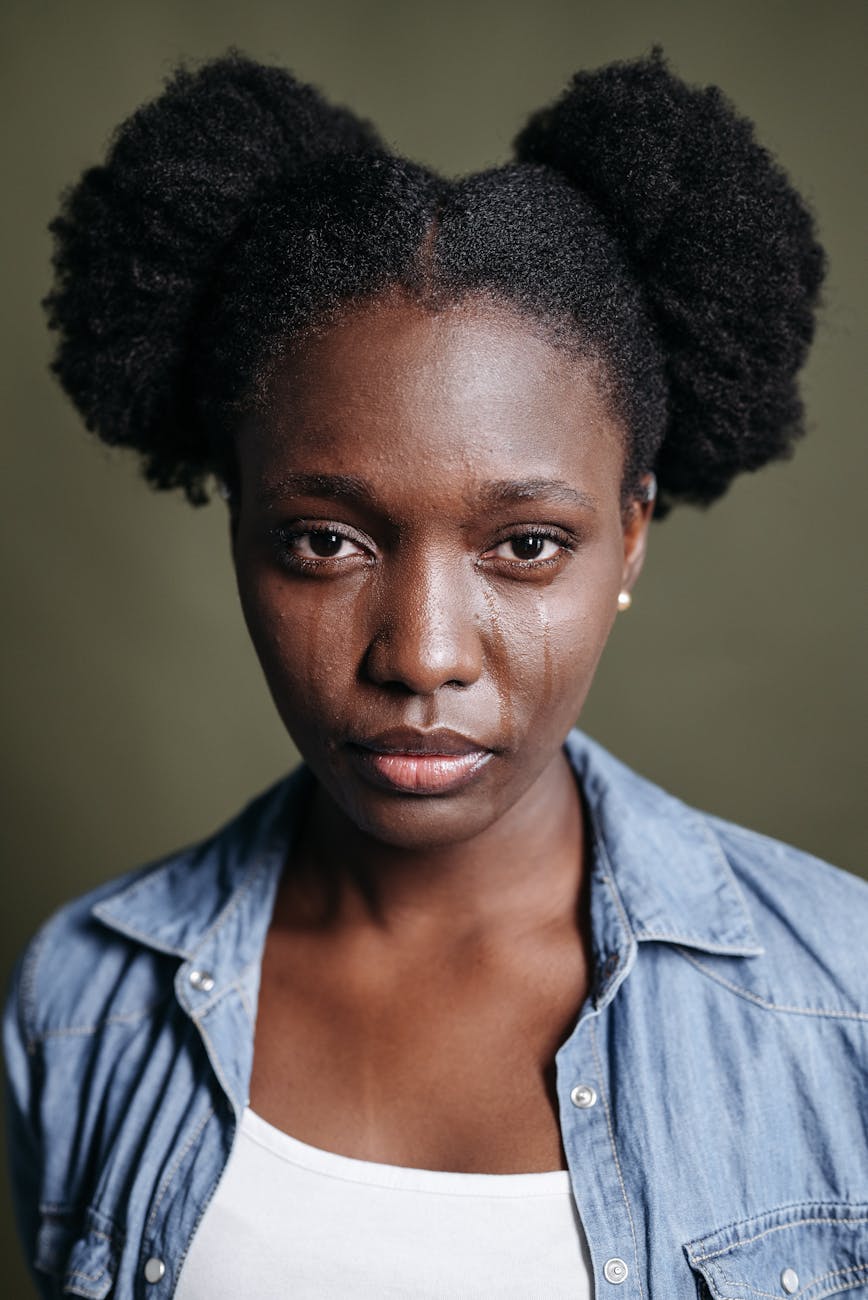
Photo by RDNE Stock project on Pexels.com

For generations, Black women have been subjected to the backhanded compliment: “You’re pretty for a Black girl.” Though cloaked in admiration, these words reveal deep prejudice. From schoolyards to Hollywood casting rooms, Black women have heard variations of this phrase: “You’re cute for a dark-skinned girl,” “You’re attractive, but not like most Black girls,” or “I don’t usually like Black women, but you’re different.” These comments expose a painful truth—society has long devalued Black femininity, suggesting that beauty is an exception rather than the norm within Blackness.

Other Backhanded Compliments Black Women Have Heard

“You’re attractive for a dark-skinned girl.”

“You’re pretty… are you mixed?”

“You’re exotic looking.”

“You’re cute, but not like most Black girls.”

“I don’t usually like Black women, but you’re different.”

“You’re beautiful… for a natural hair girl.”

    The History and Motive Behind the Comment

    This backhanded compliment has roots in white supremacy and colorism. During slavery, lighter-skinned women were often positioned as “desirable” due to proximity to whiteness, while darker-skinned women were degraded and caricatured (Hunter, 2007). Mainstream media reinforced these ideas through films, magazines, and advertisements that excluded or exoticized Black women (Craig, 2006). The motive behind such statements is to uphold Eurocentric beauty standards—suggesting that Black women can only be beautiful when they resemble white ideals. Thus, “pretty for a Black girl” is not praise; it is an insult wrapped in condescension.

    Psychology of the Backhanded Compliment

    Psychologically, backhanded compliments operate as microaggressions, subtle forms of racism that undermine self-worth (Sue et al., 2007). They communicate that beauty is unusual among Black women, reinforcing stereotypes and internalized oppression. For the speaker, such comments often serve as a way to elevate themselves within racial hierarchies, consciously or unconsciously. For the recipient, the effect is cumulative, eroding confidence and perpetuating the false idea that Black beauty is inferior or rare.

    The Bible and the Black Community’s Response

    The Bible offers a powerful counter-narrative to these lies. In Song of Solomon, the Shulamite woman declares, “I am black, but comely, O ye daughters of Jerusalem” (Song of Solomon 1:5, KJV). This affirmation reminds us that Blackness and beauty are not opposites—they coexist by divine design. Within the Black community, responses to such backhanded compliments have ranged from frustration to defiance. Movements celebrating natural hair, melanin, and diverse body types testify to the resilience of Black women reclaiming their beauty.

    Racism and the Burden of Beauty

    The phrase “pretty for a Black girl” cannot be separated from systemic racism. It reveals how Black women are measured against white standards rather than appreciated within their own cultural aesthetics. Racism constructed a false hierarchy of beauty, portraying Black women as either hypersexual or unattractive (Collins, 2000). This has left Black women carrying a double burden: to resist these stereotypes while affirming their rightful place in the spectrum of human beauty. Changing this narrative requires dismantling racist ideologies in media, education, and daily interactions.

    Conclusion: Breaking the Cage of Backhanded Compliments

    Affirmations for the Black Girl Crown

    • I am not “pretty for a Black girl.”
    • I am pretty, period.
    • My skin is not a limitation; it is liberation.
    • My melanin is poetry written by God’s own hand.
    • My hair is not “too much” — it is a crown of glory.
    • I am not “different”; I am divine.
    • I am not an exception; I am the example.
    • My beauty does not need comparison; it is complete on its own.
    • I am fearfully and wonderfully made (Psalm 139:14, KJV).
    • My Blackness is not a burden; it is brilliance.
    • I am the standard, not the stereotype.
    • I am the dream and the proof that beauty is infinite.

    The burden of these comments has weighed heavily on Black women for generations, but the response has been powerful. From Dorothy Dandridge to Lupita Nyong’o, Black women continue to redefine beauty and challenge racist narratives. To change this, society must confront the racism and colorism behind these words and uplift Black women’s beauty in its full diversity. Silence in the face of these insults only continues the cycle; speaking truth, celebrating diversity, and rooting identity in God’s Word breaks the chains.


    References

    • Collins, P. H. (2000). Black feminist thought: Knowledge, consciousness, and the politics of empowerment. Routledge.
    • Craig, M. L. (2006). Race, beauty, and the tangled knot of a guilty pleasure. Feminist Theory, 7(2), 159–177.
    • Hunter, M. (2007). The persistent problem of colorism: Skin tone, status, and inequality. Sociology Compass, 1(1), 237–254.
    • Sue, D. W., Capodilupo, C. M., Torino, G. C., Bucceri, J. M., Holder, A. M., Nadal, K. L., & Esquilin, M. (2007). Racial microaggressions in everyday life: Implications for clinical practice. American Psychologist, 62(4), 271–286.

    Colorism and Beauty Hierarchies: Skin Tone as a Social Currency.

    Photo by Jonatan Galvis on Pexels.com

    Colorism—the preferential treatment of lighter-skinned individuals over those with darker complexions—represents one of the most enduring legacies of colonialism, slavery, and global white supremacy. Unlike racism, which is discrimination across races, colorism functions within racial and ethnic groups, ranking people based on proximity to whiteness. Beauty becomes the battleground where skin tone acts as a form of social currency, shaping opportunities, desirability, and identity. The title Colorism and Beauty Hierarchies: Skin Tone as a Social Currency underscores how complexion functions not merely as aesthetic variation but as a deeply entrenched system of value that structures societies worldwide.

    Understanding “Beauty Hierarchies”

    A hierarchy implies an order—some features are placed above others, with privilege and prestige awarded to those who align most closely with the dominant ideal. Within communities of African, Latin American, Asian, and South Asian descent, this hierarchy is evident in the differential treatment of light- and dark-skinned individuals. These beauty hierarchies operate silently yet powerfully, dictating access to media representation, romantic desirability, economic mobility, and even political leadership.

    The Social Currency of Skin Tone

    The concept of “social currency” refers to intangible assets—respect, desirability, access, and visibility—that an individual gains through certain traits. In societies shaped by colonialism, light skin is often equated with refinement, education, and beauty, while darker skin is stigmatized as less desirable, less intelligent, or even “dangerous” (Hunter, 2007). Thus, complexion is not neutral—it functions as a form of symbolic capital that either opens or restricts doors.

    Hierarchies of Skin Tone

    Light Skin Privilege

    • Media Representation: Light-skinned women are often cast as the romantic lead or beauty ideal, while dark-skinned women are portrayed as side characters or villains.
    • Perceived Femininity: Light skin is associated with “delicacy” and “purity,” especially in patriarchal cultures.
    • Marriage Prospects: Studies show lighter-skinned women are often considered more “marriageable” due to cultural perceptions linking them to higher social status.
    • Economic Advantage: Lighter-skinned individuals within the same racial group statistically earn more than their darker counterparts (Keith & Herring, 1991).
    • Global Beauty Market: Billions are spent on skin-lightening creams in Africa, Asia, and the Caribbean, reflecting how light skin is commodified as a marker of beauty and advancement.

    Medium/Brown Skin

    • Conditional Acceptance: Medium-toned individuals may experience partial privilege depending on cultural context. In some communities, they are “acceptable” if their features lean toward Eurocentric ideals (narrow noses, straighter hair).
    • In-Between Status: They may face pressure to either “pass” as lighter through cosmetic means or defend their proximity to darker identities.
    • Representation: Often celebrated as “exotic” or “ambiguous” in media, commodified for their perceived versatility.

    Dark Skin Marginalization

    • Stereotyping: Dark-skinned women are often cast as aggressive, hypersexual, or undesirable in media and social narratives (Wilder, 2015).
    • Romantic Disadvantage: Dark-skinned women report lower rates of being approached for serious relationships, often fetishized rather than appreciated for their full humanity.
    • Economic Exclusion: Darker-skinned individuals face higher unemployment rates and lower wages, even when qualifications are equal.
    • Policing and Violence: Dark-skinned individuals are disproportionately criminalized, reflecting the dangerous intersection of colorism and systemic racism.
    • Psychological Toll: Internalized colorism leads to lower self-esteem, increased anxiety, and generational trauma.

    Explaining the Title: “Skin Tone as a Social Currency”

    The phrase skin tone as a social currency captures how complexion functions much like wealth—it can be traded, leveraged, and inherited, but it also reflects unequal distribution. Light skin operates as a form of privilege that generates unearned benefits, while dark skin becomes a social “debt” that individuals must constantly negotiate. Unlike financial capital, however, this currency is inscribed onto the body—it cannot be easily discarded or changed. Thus, navigating society means contending with how much “value” one’s skin tone holds within a given cultural and historical context.

    Global Contexts of Colorism

    • Africa & the Caribbean: Legacies of colonialism foster the association of lighter skin with elite status. Skin-lightening remains a booming industry.
    • South Asia: Bollywood and matrimonial ads explicitly valorize “fair brides,” perpetuating caste and complexion bias.
    • East Asia: In countries like China and Korea, pale skin is linked with class (indoor labor vs. outdoor labor).
    • United States: Within Black communities, the “paper bag test” historically excluded darker-skinned individuals from certain schools, jobs, and organizations.

    Resistance and Reclamation

    Movements such as #MelaninMagic, #BlackGirlMagic, and campaigns like “Dark Is Beautiful” in India have sought to dismantle these hierarchies by affirming the beauty of darker skin tones. Increasing representation of dark-skinned women in media—from Lupita Nyong’o to Viola Davis—signals a cultural shift, though systemic hierarchies remain.

    Conclusion

    Colorism and Beauty Hierarchies: Skin Tone as a Social Currency speaks to the way complexion is not just surface-level—it is a passport or barrier, a burden or advantage, depending on where one falls in the hierarchy. To dismantle these structures, societies must not only broaden beauty standards but also confront the historical systems that created skin tone hierarchies in the first place. Until then, beauty will continue to function as social currency, unequally distributed along the color line.


    References

    • Hunter, M. (2007). The persistent problem of colorism: Skin tone, status, and inequality. Sociology Compass, 1(1), 237–254.
    • Keith, V. M., & Herring, C. (1991). Skin tone and stratification in the Black community. American Journal of Sociology, 97(3), 760–778.
    • Wilder, J. (2015). Color stories: Black women and colorism in the 21st century. Praeger.

    Form Chains to Change: The Generational Impact of Slavery on Black Identity.

    “The most disrespected person in America is the Black woman. The most unprotected person in America is the Black woman. The most neglected person in America is the Black woman.” — Malcolm X
    (This quote underscores the systemic marginalization central to the shaping of Black identity, extended to men and the collective African American community.)


    Photo by Pavel Danilyuk on Pexels.com

    Black identity is a dynamic construct shaped by history, culture, resilience, and resistance. It encompasses heritage, spirituality, values, and communal bonds that define self-perception, social behavior, and relational understanding. The legacy of slavery has profoundly influenced this identity, leaving psychological, social, and cultural marks that persist across generations. Slavery was not merely the forced labor of Africans in the Americas; it was a system designed to strip individuals of lineage, dignity, and autonomy. The chains were physical, yes, but they were also mental, emotional, and spiritual, creating enduring trauma that shaped how Black people see themselves, their communities, and their place in society.


    The Generational Impact of Slavery

    Slavery systematically disrupted family structures, cultural transmission, and self-definition. Children were separated from parents, languages were suppressed, and cultural traditions were erased. As a result, Black identity was fragmented, and individuals were often forced to reconstruct their sense of self within an oppressive system. Intergenerational trauma, documented in Dr. Joy DeGruy’s Post-Traumatic Slave Syndrome (2005), demonstrates that behaviors such as hyper-vigilance, mistrust of authority, low self-esteem, and coping mechanisms like code-switching are inherited psychological patterns linked to slavery’s brutal legacy. These patterns continue to shape relationships, economic opportunities, and mental health outcomes within the African diaspora.


    Slavery and Its Psychological Effects

    From a psychological perspective, slavery inflicted both acute and chronic trauma. The denial of autonomy, physical punishment, and social dehumanization resulted in post-traumatic stress-like symptoms, internalized oppression, and the phenomenon of identity conflict. Scholars have compared some aspects of this to Stockholm Syndrome, wherein oppressed groups may internalize the perspectives or values of the oppressor to survive. Moreover, the consistent invalidation and marginalization by dominant society have led to cumulative psychological burdens, often manifesting as anxiety, depression, and intergenerational mistrust. These impacts are not confined to history; they influence educational attainment, community cohesion, and interpersonal relationships today.


    Systemic Denial and White Supremacy

    One reason white society has often refused to fully acknowledge Black contributions or humanity is the perpetuation of white supremacy. By minimizing African achievements, denying historical truths, and controlling narratives in media, education, and politics, dominant groups reinforced hierarchies and justified oppression. This intentional erasure disrupts the recognition of Black identity, contributing to internalized oppression and societal marginalization. The chains of slavery, therefore, were extended by ideology and policy, leaving psychological imprints that influence racial dynamics today.


    Biblical Perspective on Chains and Liberation

    The Bible offers insight into the spiritual and symbolic dimensions of bondage. In Exodus 6:6 (KJV), God declares: “Wherefore say unto the children of Israel, I am the LORD, and I will bring you out from under the burdens of the Egyptians, and I will rid you out of their bondage, and I will redeem you with a stretched out arm, and with great judgments.” Chains, in biblical terms, represent oppression, but they also reflect divine awareness and the promise of liberation. Similarly, Psalm 107:14 (KJV) states: “He brought them out of darkness and the shadow of death, and brake their bands in sunder.” These passages underscore that freedom is both physical and spiritual, resonating with the African American struggle to reclaim identity and agency across generations.


    The Reflection of the Past in the Present

    The generational impact of slavery continues to shape Black identity in the 21st century. Relationships within families, communities, and broader society often reflect inherited trauma: difficulties in trust, overcompensation in professional or social spaces, and complex responses to authority. Psychologists recognize that historical trauma affects not just individuals but entire populations. For instance, intergenerational transmission of trauma can manifest as collective stress, influencing patterns of parenting, community organization, and resilience-building. Yet, this recognition also presents an opportunity: by understanding the chains of history, the Black community can consciously break them and rebuild identity on foundations of knowledge, pride, and spiritual alignment.


    Reclaiming Identity and Breaking Chains

    Reclaiming Black identity requires multifaceted approaches:

    1. Education: Teaching accurate historical narratives that celebrate African contributions and highlight resistance to oppression.
    2. Psychological Intervention: Addressing intergenerational trauma through therapy, community support, and culturally sensitive mental health practices.
    3. Spiritual Reclamation: Embracing biblical and cultural narratives that affirm dignity, divine purpose, and collective identity.
    4. Community and Cultural Revival: Promoting arts, literature, and practices that reinforce heritage and self-definition.

    By addressing these domains, African descendants can transform the lingering impacts of slavery into sources of empowerment, resilience, and self-awareness.


    Conclusion

    The chains of slavery were both literal and metaphorical, shaping Black identity across generations in profound ways. Psychological scars, systemic marginalization, and cultural erasure are enduring legacies of bondage, yet they also reveal the resilience and strength of African descendants. By studying history, engaging in spiritual and psychological reclamation, and fostering cultural continuity, the Black community can transform generational trauma into conscious identity formation. As Malcolm X and Cornel West emphasize, the acknowledgment of past oppression is the first step toward liberation, self-determination, and collective progress. The future of Black identity depends on understanding the chains of the past and consciously forging paths toward freedom and self-realization.


    References

    • DeGruy, J. (2005). Post Traumatic Slave Syndrome: America’s Legacy of Enduring Injury and Healing. Uptone Press.
    • Franklin, J. H., & Moss, A. A. (2000). From Slavery to Freedom: A History of African Americans (8th ed.). McGraw-Hill.
    • West, C. (1993). Race Matters. Beacon Press.
    • Malcolm X. (1965). The Autobiography of Malcolm X. Ballantine Books.
    • Jones, R. (2010). Intergenerational Transmission of Trauma in African Americans. Journal of Black Psychology, 36(1), 1–25. https://doi.org/10.1177/0095798409353752
    • The Holy Bible, King James Version.

    Dilemma: By-Words

    The History, Psychology, and Biblical Prophecy of Names Forced Upon Black People

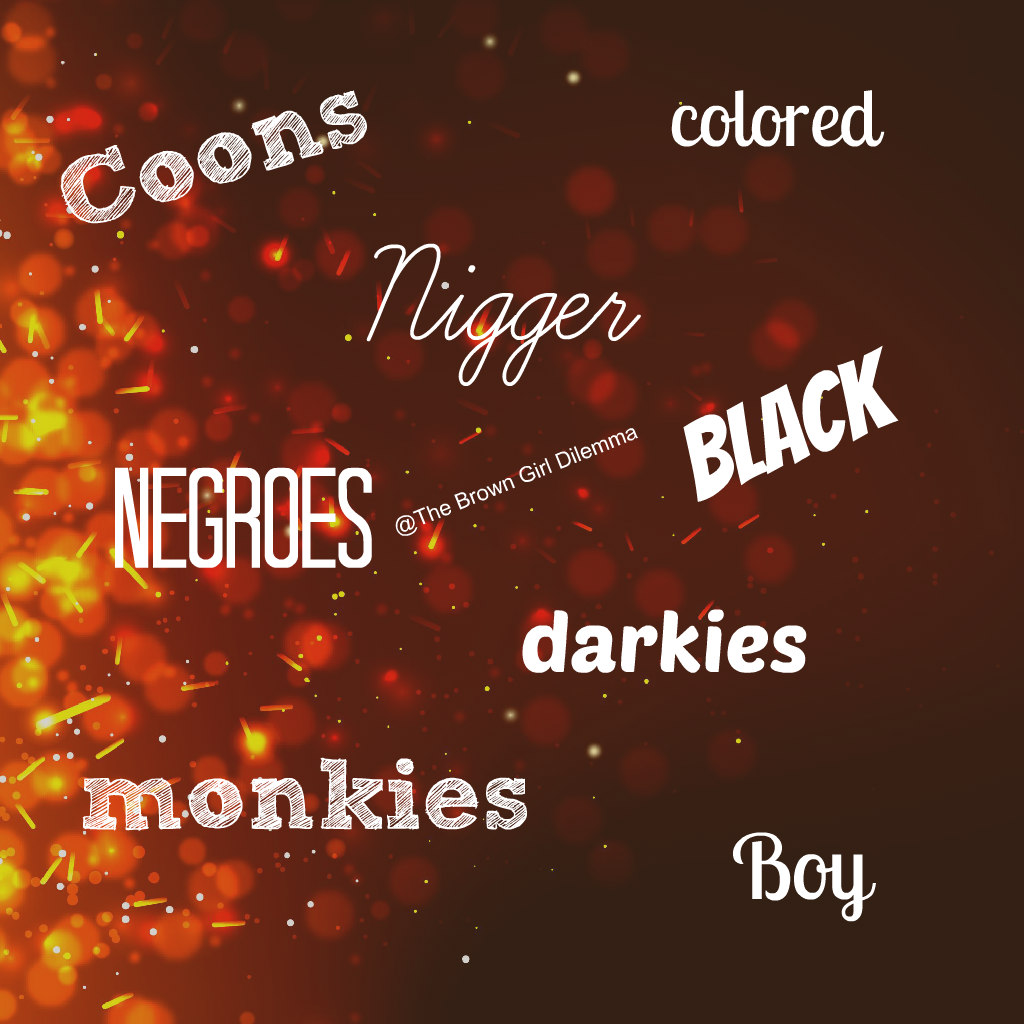
    Words carry power. They shape identity, influence perception, and preserve history. Yet words can also wound, distort, and dehumanize. Throughout history, Black people across the diaspora have been branded with derogatory labels—negro, n****, coon, black, colored,* and many more—terms that did not emerge from neutrality but from systems of slavery, colonization, and racial subjugation. The Bible calls these humiliating labels “by-words”—a prophetic sign of oppression and displacement (Deuteronomy 28:37, KJV). To understand the psychology and history of by-words, one must look at the intersection of language, power, slavery, and identity.


    What Are By-Words?

    The term by-word is defined as a word or phrase used to mock, ridicule, or demean a people or individual. In Scripture, by-words are linked with curses upon nations or peoples who fall under oppression.

    • Deuteronomy 28:37 (KJV): “And thou shalt become an astonishment, a proverb, and a byword, among all nations whither the Lord shall lead thee.”
    • 1 Kings 9:7 (KJV): “Then will I cut off Israel out of the land which I have given them… and Israel shall be a proverb and a byword among all people.”

    Biblically, being reduced to a by-word is more than an insult—it signifies loss of sovereignty, dignity, and divine identity.

    he Meaning and History of the Word “Nigger”

    Origin of the Word

    The word nigger is one of the most notorious racial slurs in history. It traces back to the Latin word niger (meaning “black”), which passed into Spanish and Portuguese as negro. When Europeans began enslaving Africans during the transatlantic slave trade (1500s–1800s), the term negro became a racial descriptor.

    Over time, particularly in English-speaking countries, negro was corrupted in spelling and pronunciation into n**r—a derogatory term. By the 1700s, it was entrenched in slave societies like the United States as the ultimate label of dehumanization.


    Purpose of the Word

    The purpose of calling Black people “n****r” was not just insult but domination. It functioned as a psychological weapon in several ways:

    1. Dehumanization:
      • Reduced Black people to something less than human, justifying slavery and racism.
      • Equated Africans with animals, objects, or commodities.
    2. Control and Social Order:
      • Whites used the word to constantly remind enslaved people of their “place” in society.
      • It reinforced racial hierarchy: white = superior, Black = inferior.
    3. Cultural Shaming:
      • Denied African names and identities, replacing them with a word rooted in contempt.
      • Made Blackness itself synonymous with worthlessness or evil.

    In short, the word was never neutral. It was created and weaponized to wound, degrade, and keep Black people submissive.


    Historical Use in America

    • Slavery Era (1600s–1865): The word was common in plantation speech, laws, and slave advertisements. It was how enslavers referred to Africans as property.
    • Jim Crow (1877–1950s): White people used it as a daily insult to enforce segregation and white supremacy. It became paired with violence—lynching, beatings, and systemic humiliation.
    • Civil Rights Movement (1950s–1970s): The slur was hurled at marchers, students, and leaders fighting for justice. Signs like “Go home n****rs” were common.
    • Modern Era (1980s–Present): The word remains a lightning rod. It is still used by racists as hate speech but also controversially re-appropriated within some Black communities (e.g., in hip-hop, as a term of brotherhood).

    How Black People Feel About It

    Reactions vary, but the word remains one of the deepest wounds in the Black collective memory:

    1. Pain and Trauma:
      • Many associate it with slavery, Jim Crow, lynching, and racist violence. Hearing it can trigger anger, shame, or grief.
    2. Rage and Resistance:
      • Black leaders like Malcolm X, James Baldwin, and Maya Angelou condemned the word as an instrument of oppression. Baldwin once said: “What you say about somebody else reveals you.”
    3. Division Over Re-appropriation:
      • Some Black people reject the word entirely, seeing it as irredeemable.
      • Others, especially in music and street culture, have attempted to strip it of its power by reclaiming it (e.g., turning it into “n***a” as a casual or friendly address).
      • This re-use, however, is controversial—many feel that no amount of “reclaiming” erases its bloody history.

    Biblical & Psychological Perspective

    From a biblical standpoint, being called a by-word (Deuteronomy 28:37) is part of a curse—a stripping of honor and identity. Psychologically, constant exposure to the slur can lead to internalized racism: self-doubt, reduced self-worth, and generational trauma.


    The word n**r is not just an insult—it is a historical weapon of white supremacy. Born from slavery, cemented during Jim Crow, and still alive today, it carries centuries of blood, pain, and oppression. While some attempt to neutralize it, for most Black people it remains a raw reminder of what their ancestors endured. It is a word heavy with history, one that symbolizes not only racism but also the resilience of a people who refuse to be defined by it.

    Timeline: The Evolution of By-Words

    1. African Names Before Slavery (Pre-1500s)

    Before European colonization, Africans bore names tied to ancestry, geography, spirituality, and meaning: Kwame (born on Saturday, Akan), Makeda (Ethiopian queen), Oluwaseun (God has done this, Yoruba). Names carried memory, culture, and lineage.


    2. The Transatlantic Slave Trade (1500s–1800s)

    • Africans kidnapped into slavery were renamed with European surnames (Smith, Johnson, Williams, Brown).
    • By-words such as Negro (from Portuguese/Spanish for “black”) became a racial classification.
    • Slurs like n****,* sambo, and coon emerged on plantations to dehumanize enslaved Africans, comparing them to animals or buffoons.

    This was the era of identity erasure: Africans became “property,” marked not by heritage but by by-words.


    3. Reconstruction & Jim Crow (1865–1950s)

    • After emancipation, Black people were still denied full humanity. Terms like Negro and Colored became official in laws, schools, and public signs.
    • The Jim Crow system used language to reinforce racial hierarchy: calling Black men “boy” denied manhood, while calling women “mammies” denied femininity.
    • Racist caricatures—coon songs, minstrel shows, Zip Coon, Uncle Tom—spread by-words into mass culture.

    By-words became institutionalized, shaping how whites saw Black people and how Black people sometimes internalized those labels.


    4. Civil Rights Era (1950s–1970s)

    • The term Negro was challenged, as leaders like Malcolm X urged African Americans to reclaim Black as a badge of pride.
    • The phrase Black is Beautiful emerged as resistance to centuries of being told “black” meant evil or shameful.
    • The name shift to African-American in the late 1980s (championed by Jesse Jackson) reflected a demand for heritage, identity, and cultural recognition.

    By-words in this era were confronted with counter-language: affirmations of dignity and identity.


    5. Modern Times (1980s–Present)

    • Slurs like n****,* coon, and monkey still circulate, especially online and in extremist circles.
    • The N-word has been re-appropriated in some Black communities as a term of endearment or solidarity—though its use remains deeply divisive.
    • The term Black has been embraced as an ethnic identity marker, while African-American underscores historical and diasporic roots.
    • Psychological studies show that derogatory labeling still impacts self-esteem, racial perception, and systemic bias.

    By-words have not disappeared; they have shifted, adapted, and remain central to ongoing struggles over language and identity.


    Racism and the Weaponization of By-Words

    Racism explains why by-words persisted. These terms justified inequality by painting Black people as inferior, dangerous, or less civilized. By-words reinforced stereotypes in:

    • Law: segregation signs labeled “Colored” vs. “White.”
    • Media: cartoons and films normalized caricatures (Amos ‘n’ Andy, minstrel shows).
    • Society: casual insults reduced Black people to slurs even outside slavery.

    By-words were not simply products of ignorance; they were deliberate strategies of domination.


    The Psychology of By-Words

    From a psychological perspective, by-words operate as verbal shackles.

    1. Identity Erasure: Replacing African names with slave surnames broke ancestral continuity.
    2. Internalized Racism: Constant exposure to insults produced self-doubt and sometimes self-hatred.
    3. Generational Trauma: By-words passed down through history embedded racial inferiority into the subconscious.
    4. Resistance & Reclamation: Language also became a battlefield—turning Black from insult to empowerment, or challenging derogatory names with affirmations.

    As psychologist Na’im Akbar (1996) argues, the greatest chains of slavery are not physical but mental—reinforced through language.


    Biblical Parallels

    The use of by-words against Black people echoes Israel’s fate in exile. Losing names, mocked by nations, and scattered across the earth, they became living fulfillments of Deuteronomy 28. Just as Israel became “a byword among nations,” the descendants of Africa in the diaspora bear the marks of a name-stripping oppression.


    Historical Roots of By-Words in Slavery

    The transatlantic slave trade, spanning the 16th to 19th centuries, uprooted millions of Africans from their homelands. In the process, enslavers deliberately stripped them of their ethnic names, languages, and tribal lineages. African names like Kwame, Amina, Oluwaseun, Kofi, or Makeda were replaced with European surnames—Smith, Johnson, Williams, Washington—marking forced assimilation into a white supremacist order.

    Enslaved Africans were not merely chained physically; they were renamed into invisibility. The imposition of white surnames erased genealogical connections, making it nearly impossible for descendants to trace their ancestral lineage back to their original African nations. This renaming process was a tool of control: to own someone’s name is to own their identity.

    At the same time, enslaved Africans became subjects of derogatory by-words. Slave masters, traders, and colonial authorities popularized racial slurs that defined Blackness not by heritage but by supposed inferiority. Terms such as n****,* coon, boy, and Negro reduced a diverse people into a caricature of servitude and subjugation.


    The Catalog of By-Words Used Against Black People

    Over centuries, Black people have been labeled with words that belittled, animalized, and mocked them:

    • Negro – Derived from the Spanish/Portuguese word for “black,” it became a racial classification imposed by European colonizers.
    • N*** – A perversion of Negro, weaponized as one of the most dehumanizing insults in modern history.
    • Coon – A derogatory word portraying Black people as lazy and buffoonish, rooted in racist minstrel shows of the 19th century.
    • Boy – Used particularly in the Jim Crow South to deny Black men adult dignity and manhood.
    • Colored – Institutionalized through organizations like the NAACP (“National Association for the Advancement of Colored People”), reflecting segregationist terminology.
    • Black – Once synonymous with evil, dirt, or shame in European etymology, rebranded as an identity marker but originally imposed as a contrast to “white purity.”

    Each of these terms is a linguistic scar, born of systems that sought to strip away humanity and replace it with inferiority.


    Was Racism to Blame?

    Yes. The proliferation of by-words was not incidental but systemic, tied directly to racism. By-words allowed dominant groups to control narratives, reinforcing hierarchies of superiority. Racism justified slavery, segregation, colonization, and social exclusion by codifying these by-words into cultural, legal, and political systems.

    • Social Control: Language ensured that Black people were seen not as equals but as perpetual outsiders.
    • Psychological Warfare: By-words internalized shame, often producing generational trauma and fractured self-esteem.
    • Legal Segregation: In the U.S., terms like “colored” and “Negro” were legally inscribed in Jim Crow laws, embedding racism into governance.

    The Psychology of By-Words

    Psychologists argue that repeated exposure to derogatory labels can produce internalized racism and identity conflict. When a people are constantly described as inferior or less than, the message penetrates deep into the collective psyche.

    • Internalized Oppression: Some Black people began to reject African heritage, aspiring toward whiteness as a form of survival.
    • Group Identity Crisis: By-words created confusion over racial identity—was one “Negro,” “Colored,” “Black,” or “African-American”? This constant renaming fragmented collective identity.
    • Reclamation and Resistance: Over time, Black communities also resisted by re-appropriating terms like “Black” and “N*****” as symbols of empowerment—though still contested.

    Biblical Parallels: Israel as a By-Word

    The plight of Black people in slavery and colonization parallels biblical Israel’s experience. Just as the Israelites were scattered and mocked with by-words, enslaved Africans endured a loss of name, land, and identity. Deuteronomy 28 not only describes economic curses and enslavement but the stripping away of cultural dignity.

    Thus, many Black theologians and scholars interpret the condition of the African diaspora as prophetic: a people renamed, scorned, and marginalized, fulfilling the biblical imagery of becoming “a by-word among nations.”


    Conclusion

    By-words are more than insults; they are historical markers of oppression. They tell the story of a people kidnapped, enslaved, renamed, and linguistically reshaped to fit the mold of subjugation. From biblical prophecy to the auction blocks of slavery, from Jim Crow to today, the history of by-words reveals how language has been wielded as a weapon against Black identity.

    Yet, history also shows resistance. Just as names were stripped, they were reclaimed. Just as by-words mocked, voices rose to redefine them. Understanding the psychology and history of by-words helps restore dignity, while the biblical lens reminds us that identity is ultimately God-given, not man-imposed.

    By-words are more than words; they are historical monuments of oppression. They trace a journey from stolen African names to the plantation, from Jim Crow insults to modern re-appropriation. They demonstrate how racism weaponizes language, reshaping identity and memory.

    Yet, within that history lies resilience. Every reclaiming of Black as beautiful, every embrace of African names, every refusal to be defined by slurs is a declaration of freedom. In the end, names carry divine weight: not what the oppressor calls us, but what God calls us.


    📖 Key Scripture References:

    • Deuteronomy 28:37
    • 1 Kings 9:7
    • Jeremiah 24:9
    • Psalm 44:14

    📚 References for Further Reading:

    • Du Bois, W. E. B. (1903). The Souls of Black Folk.
    • Akbar, N. (1996). Breaking the Chains of Psychological Slavery.
    • Davis, A. (1981). Women, Race, and Class.
    • Patterson, O. (1982). Slavery and Social Death.

    Kennedy, R. (2002). Nigger: The Strange Career of a Troublesome Word.

    Baldwin, J. (1963). The Fire Next Time.

    🌑 Afflictions and Toxic Misery: A Biblical and Psychological Perspective

    “Many are the afflictions of the righteous: but the Lord delivereth him out of them all.” (Psalm 34:19, KJV)

    Photo by cottonbro studio on Pexels.com

    Affliction is one of the deepest realities of human existence, woven into our daily lives through trials, hardships, and painful experiences. Both the Bible and psychology recognize that affliction is not only unavoidable but also transformative. It can refine the spirit, discipline the heart, and reveal human weakness, but when mishandled, it leads to toxic misery—a condition of prolonged bitterness, hopelessness, and spiritual decay.


    🔹 What Are Afflictions?

    The term affliction means suffering, distress, or hardship that weighs heavily on the mind, body, or soul. Biblically, afflictions are often tied to human sin, divine discipline, or the testing of faith. The prophet Jeremiah declared:

    • “I know, O Lord, that thy judgments are right, and that thou in faithfulness hast afflicted me.” (Psalm 119:75, KJV).

    Psychology, by contrast, defines affliction in terms of stressors that trigger emotional and physical distress. These may include grief, trauma, poverty, rejection, or illness (American Psychological Association [APA], 2023).


    🔹 Afflictions We Face Daily

    Everyday afflictions manifest in countless ways:

    • Emotional pain – anxiety, depression, rejection.
    • Physical struggles – sickness, fatigue, disability.
    • Relational wounds – betrayal, toxic people, broken homes.
    • Societal burdens – injustice, poverty, racism, violence.
    • Spiritual battles – temptation, guilt, doubt, and separation from God.

    The Bible affirms that humanity’s transgressions often invite affliction. “For whom the Lord loveth he chasteneth, and scourgeth every son whom he receiveth.” (Hebrews 12:6, KJV). Afflictions are therefore not always punishment but divine correction designed to bring us back to righteousness.


    🔹 When Affliction Turns Into Toxic Misery

    Not all suffering produces growth. Sometimes afflictions morph into toxic misery, a state where pain is internalized and becomes destructive:

    • Bitterness and resentment (Hebrews 12:15).
    • Hopelessness and despair (Proverbs 13:12).
    • Isolation and withdrawal from community (Ecclesiastes 4:9–10).
    • Self-destructive coping mechanisms (substance abuse, anger, self-harm).

    Psychology notes that when stress is chronic and unresolved, it fosters toxic outcomes such as trauma disorders, depression, and maladaptive behaviors (Selye, 1976; APA, 2023).


    🔹 Modern-Day Afflictions

    Today, afflictions manifest through unique cultural and social conditions:

    • Social media comparison → envy, insecurity, and toxic self-image.
    • Economic instability → poverty, homelessness, and survival stress.
    • Chronic illness and pandemics → prolonged fear and grief.
    • Systemic injustice → racism, sexism, and discrimination.
    • Family breakdown → fatherlessness, divorce, generational trauma.

    These afflictions create what scholars call “toxic stress environments” (Shonkoff et al., 2012), breeding misery unless met with resilience and faith.


    🔹 Overcoming Afflictions

    Biblical Guidance

    1. Faith and Endurance: “My brethren, count it all joy when ye fall into divers temptations; knowing this, that the trying of your faith worketh patience.” (James 1:2–3, KJV).
    2. Prayer and Dependence on God: “Call upon me in the day of trouble: I will deliver thee.” (Psalm 50:15, KJV).
    3. Renewed Mindset: “Be not conformed to this world: but be ye transformed by the renewing of your mind.” (Romans 12:2, KJV).

    Psychological Coping Strategies

    • Cognitive reframing – changing how we interpret hardships.
    • Resilience training – developing coping skills.
    • Therapy & counseling – addressing trauma and toxic thought patterns.
    • Community support – building healthy relationships that provide strength.

    🔹 Conclusion

    Afflictions are inescapable. They can be God’s way of disciplining us, a test of faith, or simply the natural outcome of living in a broken world. But when they are mismanaged, afflictions evolve into toxic misery—a destructive state of mind and spirit. Both psychology and the Bible agree that how we respond matters more than the suffering itself. When endured with faith, wisdom, and resilience, afflictions shape us into stronger vessels for God’s purpose.


    📚 References

    • American Psychological Association. (2023). Stress: The different kinds of stress. APA.
    • Holy Bible, King James Version.
    • Selye, H. (1976). Stress in health and disease. Butterworth-Heinemann.
    • Shonkoff, J. P., Boyce, W. T., & McEwen, B. S. (2012). Toxic stress, brain development, and the early childhood foundations of lifelong health. Pediatrics, 129(1), e232–e246.

    👄 The Power of the Mouth: Life, Death, and the Discipline of Speech 👄

    Photo by Andre Moura on Pexels.com

    👄👄👄👄

    “Death and life are in the power of the tongue: and they that love it shall eat the fruit thereof” (Proverbs 18:21, KJV).

    This timeless biblical truth underscores the immense influence of our words, reminding us that the mouth is not simply a tool for communication but a powerful instrument capable of shaping destinies, forging relationships, and even determining life’s trajectory. In both Scripture and psychology, the spoken word is understood to possess a lasting impact that can heal or harm, build or destroy, bless or curse. Words, once released, cannot be retrieved—they are like arrows loosed from a bow, finding their target whether for good or evil.

    From a biblical perspective, the mouth reveals the true state of the heart: “Out of the abundance of the heart the mouth speaketh” (Matthew 12:34, KJV). The late Dr. Myles Munroe often warned that “your mouth is the most dangerous weapon you have,” cautioning that excessive talking dilutes one’s power and influence. Silence, in contrast, is a shield that guards wisdom and preserves authority. As Proverbs 17:28 (KJV) states, “Even a fool, when he holdeth his peace, is counted wise: and he that shutteth his lips is esteemed a man of understanding.” Psychology agrees, recognizing that verbal restraint can prevent impulsive statements that damage relationships, reputations, and self-esteem. The discipline of speech—choosing when to speak and when to remain silent—is a hallmark of emotional intelligence.

    📜 Biblical Warnings vs. Psychological Insights on Speech

    Biblical Warnings (KJV)Psychological Insights
    “Death and life are in the power of the tongue: and they that love it shall eat the fruit thereof.” (Proverbs 18:21)Words can shape beliefs, influence self-esteem, and impact mental health; they can function as either encouragement or emotional harm (Beck, 2011).
    “Even a fool, when he holdeth his peace, is counted wise: and he that shutteth his lips is esteemed a man of understanding.” (Proverbs 17:28)Silence is associated with emotional intelligence and impulse control, key to maintaining credibility and avoiding conflict (Goleman, 1995).
    “A froward man soweth strife: and a whisperer separateth chief friends.” (Proverbs 16:28)Gossip erodes trust, damages reputations, and can lead to social ostracism; linked to insecurity and social dominance motives (Feinberg et al., 2012).
    “Out of the abundance of the heart the mouth speaketh.” (Matthew 12:34)Speech reflects internal attitudes, biases, and emotions; language can reveal personality traits and underlying thought patterns (Pennebaker et al., 2003).
    “The tongue is a fire… and it is set on fire of hell.” (James 3:6)Verbal aggression can escalate conflict, provoke retaliation, and cause long-term relational breakdown (Anderson & Bushman, 2002).
    “Let thy words be few.” (Ecclesiastes 5:2)Speaking less reduces the risk of miscommunication, enhances active listening, and increases perceived competence (Knapp et al., 2014).

    The dangers of careless words can be devastating. For example, a person may make a false accusation against a colleague in a moment of frustration. Even if retracted later, the damage to the colleague’s reputation might linger, influencing workplace dynamics, trust, and career prospects. In psychological terms, such verbal harm can lead to social ostracism, emotional distress, and even depression in the victim. Biblically, this aligns with James 3:6 (KJV): “The tongue is a fire, a world of iniquity… and it is set on fire of hell.” Words, like sparks, can ignite destructive fires that are difficult to extinguish once they spread.

    Talking about others—particularly in gossip—has been condemned in both Scripture and moral philosophy. Proverbs 16:28 (KJV) warns, “A froward man soweth strife: and a whisperer separateth chief friends.” Gossip not only undermines trust but corrodes the character of the one who spreads it. In friendships, one careless comment can undo years of loyalty. In organizational or ministry settings, gossip can split communities, tarnish leaders, and quench the Spirit’s work. Psychologists note that gossip often stems from insecurity, envy, or the desire for social power, yet it always comes at the expense of others and ultimately harms the speaker’s integrity.

    Because words have wings, as Dr. Munroe put it, “you cannot control where they land.” Once released, they travel beyond the speaker’s reach, taking on lives of their own. This is why wisdom counsels restraint: fewer words mean fewer opportunities for misunderstanding, misrepresentation, and mischief. Ecclesiastes 5:2 (KJV) admonishes, “Be not rash with thy mouth, and let not thine heart be hasty to utter any thing before God: for God is in heaven, and thou upon earth: therefore let thy words be few.” Speaking less not only reduces the risk of harm but preserves the mystery and authority of the speaker—protecting one’s power.

    Consider the scenario of a public leader who reacts in anger during a press interview, making derogatory remarks about a fellow official. Those words, captured on camera, are replayed, analyzed, and shared across media. Not only does this damage the leader’s public image, but it may also lead to political fallout, strained alliances, and loss of credibility. The incident illustrates that words, once spoken, cannot be retrieved, and the consequences may outlast the moment of speech. Both Scripture and psychology affirm that mastering the tongue is essential for personal integrity, relational harmony, and spiritual maturity.

    In conclusion, the mouth is a divine instrument entrusted to humanity for life-giving purposes. Misused, it becomes a weapon of destruction; disciplined, it becomes a fountain of blessing. As believers, we are called to guard our speech, using it to edify and not to tear down, to heal and not to wound. Silence can be strength, and words can be life—but only when chosen wisely. Remember: once released, words cannot be recalled, and they will bear fruit—whether for life or for death.


    If you want, I can also prepare a concise side-by-side chart of “Biblical Warnings About the Mouth” versus “Psychological Insights on Speech” to accompany this paper, so it reads as both academic and devotional. That would make it even more powerful. Would you like me to make that?

    📚 References

    Anderson, C. A., & Bushman, B. J. (2002). Human aggression. Annual Review of Psychology, 53(1), 27–51. https://doi.org/10.1146/annurev.psych.53.100901.135231

    Beck, A. T. (2011). Cognitive therapy of depression. Guilford Press.

    Feinberg, M., Willer, R., Stellar, J., & Keltner, D. (2012). The virtues of gossip: Reputational information sharing as prosocial behavior. Journal of Personality and Social Psychology, 102(5), 1015–1030. https://doi.org/10.1037/a0026650

    Goleman, D. (1995). Emotional intelligence: Why it can matter more than IQ. Bantam Books.

    Knapp, M. L., Vangelisti, A. L., & Caughlin, J. P. (2014). Interpersonal communication and human relationships (7th ed.). Pearson Higher Ed.

    Pennebaker, J. W., Mehl, M. R., & Niederhoffer, K. G. (2003). Psychological aspects of natural language use: Our words, our selves. Annual Review of Psychology, 54(1), 547–577. https://doi.org/10.1146/annurev.psych.54.101601.145041

    Dilemma: Soul Ties

    The Spiritual, Psychological, and Relational Implications

    Photo by Mikhail Nilov on Pexels.com

    “Marriage is the sacred union of two souls ordained by God; anything outside His covenant bears consequences.”


    A “soul tie” refers to a deep, often invisible connection formed between individuals, binding their emotions, thoughts, and spirits together. These connections can be healthy or unhealthy, depending on their origin and context. While biblical marriage establishes a God-ordained tie between husband and wife (“Therefore shall a man leave his father and his mother, and shall cleave unto his wife: and they shall be one flesh” – Genesis 2:24, KJV), soul ties formed outside of marriage, particularly through fornication, can lead to spiritual, emotional, and psychological bondage. Understanding the nature, formation, consequences, and deliverance of soul ties is critical for relational and spiritual health.


    Psychological and Scientific Perspective

    From a psychological standpoint, soul ties are associated with attachment, emotional bonding, and neurochemical influences. Human brains release oxytocin and dopamine during sexual intimacy, attachment, and emotional closeness (Carter, 1998). Repeated sexual encounters or emotionally charged relationships strengthen these biochemical bonds, which explain why individuals feel “tied” to past partners. Psychologically, unhealthy soul ties can manifest as obsessive thoughts, emotional dependence, or repeated patterns of destructive relationships.


    Biblical Perspective on Soul Ties

    The Bible warns against forming intimate connections outside God’s ordained order:

    • “Flee fornication. Every sin that a man doeth is without the body; but he that committeth fornication sinneth against his own body” (1 Corinthians 6:18, KJV).
    • “Abstain from all appearance of evil” (1 Thessalonians 5:22, KJV).

    Soul ties formed through fornication violate God’s design, creating spiritual bondage and relational consequences. These ties contrast with the biblical tie in marriage, which is a covenantal, holy, and enduring connection blessed by God.


    Fornication: Definition and Consequences

    Fornication refers to sexual immorality outside of marriage, including premarital sex, adultery, and casual sexual encounters. In the KJV Bible, it is consistently identified as a grave sin with both spiritual and bodily consequences: “But fornication, and all uncleanness, or covetousness, let it not be once named among you, as becometh saints” (Ephesians 5:3, KJV). The level of this sin is severe because it not only defiles the body but also creates attachments and soul ties that may hinder spiritual growth and relational fulfillment.


    Attraction, Lust, and the Formation of Soul Ties

    While attraction and sexual desire are natural, they can contribute to unhealthy soul ties when expressed outside the bounds of marriage. Lust-driven connections often prioritize physical gratification over spiritual alignment, creating strong emotional and psychological bonds with little regard for God’s purpose. These connections can lead to relational entanglements, recurring unhealthy patterns, and difficulty in establishing covenantal marital bonds.

    Soul Tie Formation vs. Biblical Marriage Tie

                       GOD-CENTERED
              (Spiritual alignment in marriage)
                            │
                 ┌──────────┴──────────┐
                 │                     │
          BIBLICAL MARRIAGE TIE      SOUL TIE (UNHEALTHY)
                 │                     │
       - Formed through covenant     - Formed through lust,
         (Genesis 2:24, KJV)         fornication, or emotional
       - Holy, enduring, blessed       entanglement (1 Corinthians 6:18, KJV)
       - Mutual respect and love      - Emotional obsession or
       - Spiritual, emotional,          dependence
         physical unity               - Often temporary
       - Supports spiritual growth    - Hinders spiritual growth
       - Security, trust, intimacy    - Creates insecurity and fear
       - Promotes procreation         - Pleasure-driven or self-serving
       - Guided by God’s will         - Not aligned with God’s will


    Explanation:

    • Biblical Marriage Tie is covenantal and God-centered, fostering lifelong unity, spiritual growth, and relational fulfillment.
    • Soul Tie (Unhealthy) is often temporary, pleasure-driven, and spiritually harmful, forming through lust, fornication, or emotional entanglement outside God’s design.
    • The diagram emphasizes the importance of alignment with God in forming enduring, healthy relational bonds.

    Signs and Judgment of Unhealthy Soul Ties

    Unhealthy soul ties manifest in several ways:

    • Emotional dependence or obsessive thoughts about a past partner
    • Repeatedly choosing similar relational patterns or destructive partners
    • Spiritual heaviness or difficulty in prayer and intimacy with God
    • Feelings of guilt, shame, or fear in relational contexts

    Biblically, soul ties formed through fornication are condemned, as they bind the spirit and hinder spiritual obedience: “Be not deceived: neither fornicators, nor idolaters, nor adulterers… shall inherit the kingdom of God” (1 Corinthians 6:9–10, KJV).


    Deliverance from Unhealthy Soul Ties

    Deliverance involves spiritual, emotional, and psychological steps:

    1. Confession and Repentance – Acknowledge the sin and seek forgiveness (1 John 1:9, KJV).
    2. Renunciation – Break the emotional and spiritual connection intentionally through prayer.
    3. Forgiveness – Release bitterness or resentment toward the individual.
    4. Counseling and Support – Engage pastoral guidance, accountability partners, or therapy.
    5. Replacement with Godly Focus – Redirect emotional and spiritual energy toward God and covenantal relationships.
    6. Establish Boundaries – Avoid situations that could reform unhealthy attachments.

    Soul Tie vs. Biblical Marriage Tie

    AspectSoul Tie (Unhealthy)Biblical Marriage Tie
    FormationThrough lust, fornication, or emotional manipulationCovenantal union ordained by God (Genesis 2:24, KJV)
    Spiritual StatusPotential bondage; hinders spiritual growthBlessed, holy, covenantal; promotes spiritual unity
    Emotional ImpactObsession, insecurity, fear of lossEmotional intimacy, security, mutual growth
    LongevityOften temporary; destructive patternsLifelong, enduring, sacrificial love
    PurposeSelf-gratification, pleasure-drivenService, love, procreation, covenantal support

    Conclusion

    Soul ties represent powerful connections that can either bless or hinder one’s spiritual, emotional, and relational life. When birthed through fornication or lust, they carry spiritual bondage, psychological entanglement, and relational consequences. The Bible, KJV, clearly condemns sexual immorality and warns against forming ties outside God’s design. Deliverance requires repentance, prayer, forgiveness, and the cultivation of godly relationships. True intimacy, security, and fulfillment are reserved for the covenantal bond of marriage, where the union is holy, mutually supportive, and aligned with God’s purpose.


    References

    • Bible, King James Version (KJV).
    • Apocrypha, KJV.
    • Carter, C. S. (1998). Neuroendocrine perspectives on social attachment and love. Psychoneuroendocrinology, 23(8), 779–818.
    • Worthington, E. L., Jr. (2006). Forgiveness and reconciliation: Theory and application. Routledge.
    • Jones, S. L., & Butman, R. E. (2006). Modern psychotherapies and spirituality: Integrating biblical principles. Baker Academic.
    • Greeley, A. (1991). Religion and intimate relationships. Journal of Marriage and Family, 53(1), 13–24.
    1. Bible, King James Version (KJV).
      • Genesis 2:24 – “Therefore shall a man leave his father and his mother, and shall cleave unto his wife: and they shall be one flesh.”
      • 1 Corinthians 6:18 – “Flee fornication. Every sin that a man doeth is without the body; but he that committeth fornication sinneth against his own body.”
    2. Apocrypha, KJV – Various passages on sexual purity and covenantal relationships.
    3. Carter, C. S. (1998). Neuroendocrine perspectives on social attachment and love. Psychoneuroendocrinology, 23(8), 779–818.
    4. Worthington, E. L., Jr. (2006). Forgiveness and reconciliation: Theory and application. Routledge.
    5. Jones, S. L., & Butman, R. E. (2006). Modern psychotherapies and spirituality: Integrating biblical principles. Baker Academic.
    6. Greeley, A. (1991). Religion and intimate relationships. Journal of Marriage and Family, 53(1), 13–24.

    📖🤎Spirituality and Survival🤎📖

    Photo by cottonbro studio on Pexels.com

    📖🖤🤎 The Role of Faith in the Black Resistance.🤎🖤📖


    Faith has long been the bedrock of survival and resilience within the Black community. Defined broadly, faith is the confident belief in the unseen, the trust in divine providence, and the commitment to spiritual principles that guide moral and practical decision-making (Hebrews 11:1, KJV: “Now faith is the substance of things hoped for, the evidence of things not seen.”). Within the Black diaspora, faith is not merely a personal experience but a collective force that sustains communities in the face of historical and contemporary oppression. Spirituality and religious adherence have provided emotional, social, and psychological scaffolding during slavery, Jim Crow, and modern systemic racism, functioning as both a coping mechanism and a source of empowerment.


    Faith as a Tool for Survival

    The role of faith in survival is evident throughout history. During slavery, enslaved Africans relied on spiritual practices, hymns, and biblical narratives to endure dehumanization and forced labor. Passages from the KJV Bible, including Psalm 34:19 (“Many are the afflictions of the righteous: but the LORD delivereth him out of them all.”), offered hope and reinforced resilience. The spiritual emphasis on justice, redemption, and liberation allowed enslaved communities to maintain a sense of identity, dignity, and purpose despite systemic oppression. Faith also structured community life, creating spaces for collective worship, education, and resistance.


    Spirituality and Resistance

    Faith functions as a cornerstone in the Black resistance against racism and marginalization. It shapes cultural values, ethical decision-making, and collective mobilization. Historically, Black churches were not merely religious spaces but hubs for social activism, political organization, and education. Faith-based movements, such as those led by Dr. Martin Luther King Jr., demonstrate the capacity of spirituality to inspire action against injustice. As King noted, “Faith is taking the first step even when you don’t see the whole staircase.” The integration of faith into resistance underscores its role in shaping both personal perseverance and systemic change.


    Incorporating Faith in Daily Life

    Faith in contemporary Black communities manifests in diverse practices, including Sabbath observance, Sunday church attendance, prayer, scripture study, and acts of service. According to Pew Research (2021), approximately 57% of Black Americans report attending religious services at least once a month, and many maintain daily devotional practices, illustrating that spirituality remains central to emotional and communal well-being. Faith shapes decision-making, ethical perspectives, and relational practices, offering a framework for coping with contemporary challenges, including economic inequities, police brutality, and social marginalization.


    Faith as Psychological and Emotional Anchor

    Psychologically, faith provides a sense of meaning, reduces anxiety, and fosters resilience in the face of adversity. Studies in social psychology suggest that religious coping mechanisms increase hope, decrease depressive symptoms, and reinforce community support systems (Mattis, 2002). Spirituality offers a lens through which individuals interpret suffering, contextualizing personal and collective pain within narratives of redemption and endurance. Without spirituality, the Black community risks losing a vital mechanism for emotional regulation, cultural continuity, and intergenerational resilience.


    Can We Survive Without Spirituality?

    Survival without spirituality is theoretically possible, yet historical and contemporary evidence indicates that faith significantly enhances endurance and identity formation. Spiritual frameworks have historically sustained Black people through slavery, segregation, systemic racism, and cultural erasure. Faith provides both a moral compass and a source of hope, allowing individuals and communities to persevere where material or social resources are insufficient. Spirituality fosters solidarity, ethical accountability, and an understanding of purpose that extends beyond immediate survival into generational continuity.


    The Role of Faith in Identity and Community

    Faith informs cultural identity, self-perception, and community cohesion. Black spirituality often blends biblical teachings with African cultural heritage, creating a unique framework for resilience. Churches, mosques, and spiritual collectives serve as centers for education, mentorship, and leadership cultivation. Faith sustains intergenerational bonds and teaches values of justice, service, and endurance. Proverbs 3:5–6 (KJV) emphasizes reliance on God: “Trust in the LORD with all thine heart; and lean not unto thine own understanding. In all thy ways acknowledge him, and he shall direct thy paths.”


    Faith and Modern Challenges

    In the present day, Black Americans continue to confront structural inequalities that threaten physical, emotional, and social well-being. Faith remains integral to navigating these challenges, providing both coping mechanisms and inspiration for activism. Leaders, scholars, and ordinary individuals rely on spiritual practices to maintain hope, resist despair, and cultivate moral and ethical fortitude. Faith reinforces resilience in family structures, education, and community advocacy, demonstrating its enduring significance as both personal and collective sustenance.


    Conclusion

    Faith is inseparable from the Black struggle for survival, identity, and dignity. It has historically enabled communities to endure slavery, segregation, and systemic racism while offering hope, resilience, and moral guidance. Spirituality functions as both an internal compass and a collective anchor, sustaining relationships, reinforcing community cohesion, and fostering resistance to oppression. The Black experience underscores that survival is not merely physical but spiritual, and the cultivation of faith remains critical to personal, familial, and communal flourishing. By understanding, practicing, and passing down spiritual traditions, the Black community ensures both survival and the reclamation of agency in a historically broken world.


    References

    • Mattis, J. S. (2002). African American women’s definitions of spirituality and religiosity. Journal of Black Psychology, 28(2), 101–125.
    • Pew Research Center. (2021). Religion and public life: Religious landscape study. Retrieved from https://www.pewresearch.org/religion/
    • King, M. L. Jr. (1963). Strength to Love. Harper & Row.
    • The Holy Bible, King James Version.
    • Lincoln, C. E., & Mamiya, L. H. (1990). The Black Church in the African American Experience. Duke University Press.
    • Cone, J. H. (1997). God of the Oppressed. Orbis Books.

    Strong but Silent: The Mental Health Crisis in the Black Community.

    Photo by Kelvin Diri on Pexels.com

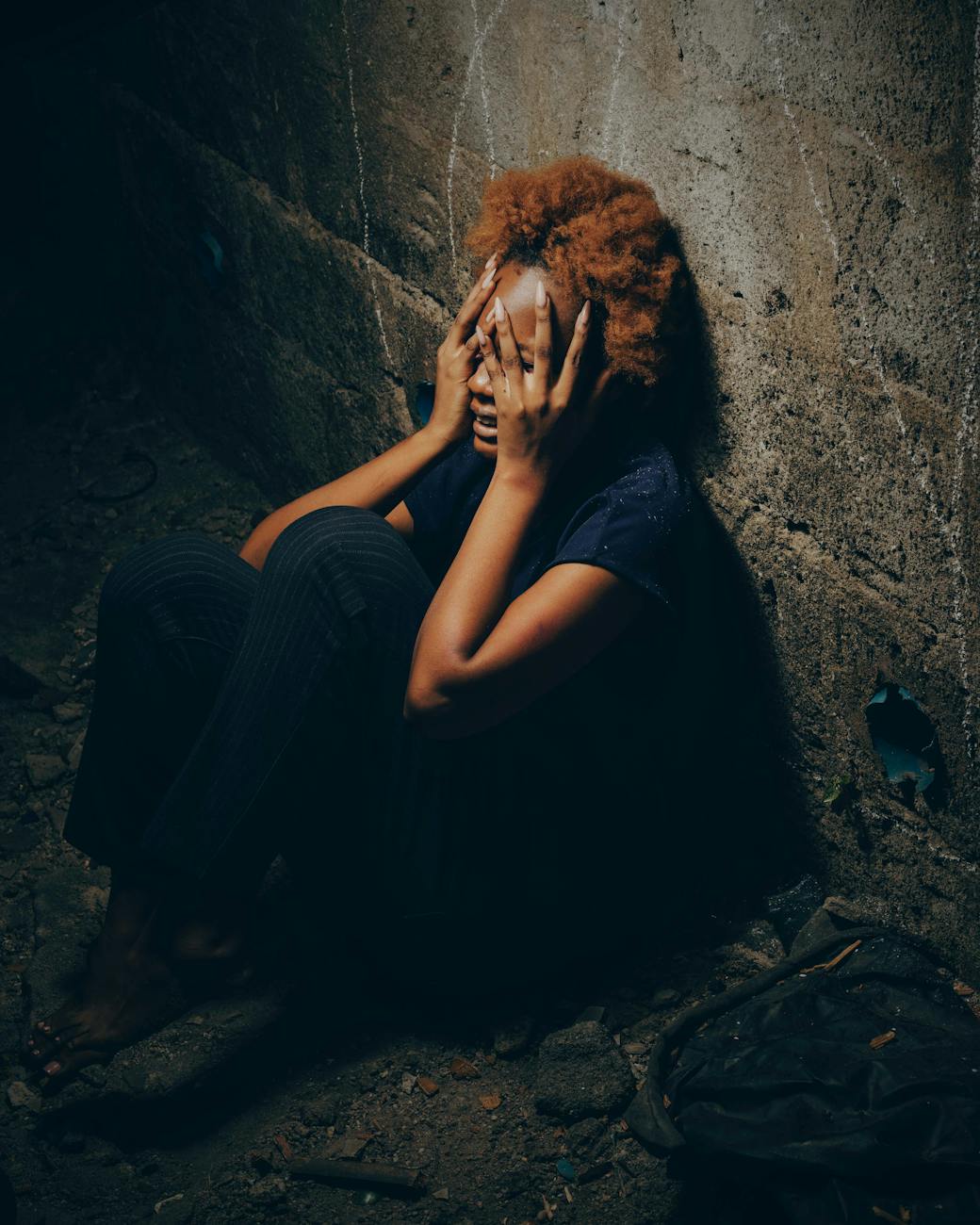
    Understanding the Mental Health Crisis in the Black Community

    The Black community faces a pressing mental health crisis—characterized by elevated rates of psychological distress, limited access to care, and deep-rooted stigma. Black Americans are 20% more likely to experience serious mental health problems compared to the general population, and 30% more likely to report serious psychological distressForge HealthWikipedia. Yet, only 1 in 3 Black adults who need mental health care actually receive it, compared with 1 in 2 White adultsForge HealthNAACPColumbia Psychiatry. Such disparities underline a systemic gap in both awareness and treatment.


    Root Causes: Trauma, Racism, and Stigma

    Deep psychological wounds stemming from historic trauma, including centuries of slavery and institutional racism, continue to influence mental well-being today. The concept of Post-Traumatic Slave Syndrome (PTSS), proposed by Joy DeGruy Leary, argues that unresolved trauma from slavery—and ongoing discrimination—has been transmitted across generations, manifesting as low self-esteem, internalized anger, and self-limiting beliefsWikipedia.

    Compounding this is systemic racism, which produces chronic stress through daily microaggressions, economic marginalization, police violence, and unequal treatment in healthcare—leading to elevated anxiety, PTSD, and depressive disordersVerywell MindTIMEmcleanhospital.orgThe Washington Post. Additionally, stigma in the Black community—rooted in historically denying mental illness in enslaved people (e.g., the pseudoscientific “drapetomania”)—continues to perpetuate silence, shame, and avoidance of mental health carewww.counseling.orgMental Health Americahygieiabh.org.


    Psychological and Societal Impacts: A Data-Driven View

    • Suicide Trends: In 2021, suicide ranked as the third leading cause of death among Black youths aged 10–24, with rates rising nearly 37% over two decadesNAACPWikipedia. Alarmingly, Black teenage girls are 60% more likely to attempt suicide compared to their white peersAmerican Addiction Centers.
    • Disproportionate Emergency Care: Black adults visit emergency departments (EDs) for mental health concerns at twice the national average, yet are less likely to be admitted or transferred for psychiatric careNAACP.
    • Professional Representation: Only 2–4% of mental health professionals in the U.S. are Black (e.g., 2% of psychiatrists and 4% of psychologists), creating barriers in cultural understanding and trust between providers and patientsNAACPcrescentwellnessfoundation.orgwww.counseling.org.

    Why Mental Health Matters—and Its Hereditability

    Mental health isn’t just personal—it’s foundational to individual and community well-being. When unaddressed, mental disorders can erode relationships, limit productivity, and perpetuate cycles of sufferingPsychiatryOnline.

    Research also suggests that severe trauma can affect gene expression—intergenerational trauma—through biological mechanisms like epigenetics, influencing the offspring’s vulnerability to depression, anxiety, and PTSDHealthPsychology Today.


    Common Mental Illnesses and Treatments in the Black Community

    1. Major Depressive Disorder & Anxiety

    These are among the most prevalent conditions. Evidence-based treatments include:

    • Psychotherapy (especially culturally responsive models)
    • Medication (e.g., SSRIs)
    • Community-based wellness initiatives (e.g., group therapy, healing studios)PsychiatryOnline

    2. PTSD & Trauma-Related Disorders

    Often triggered by violence, racism, or historical trauma. Treatment strategies include:

    3. Misdiagnosis and Disparities

    Black individuals are often misdiagnosed with schizophrenia when presenting anxiety or mood symptoms. Improved diagnostic training and culturally sensitive assessment are crucialReddithygieiabh.org.


    Healing Measures and Community Strategies

    Institutions and grassroots efforts are creating vital pathways to wellness:

    • NAACP resolutions (2024) call for culturally tailored mental health care, expanded service access, employer accommodations, and promotion of community-level mental hygieneNAACP.
    • Wellness First approach emphasizes centering healing within community contexts—e.g., Albany’s Root3d studio offering yoga and journaling programs designed for people of colorPsychiatryOnline.
    • Professionals like Dr. Joy Harden Bradford have launched platforms such as Therapy for Black Girls, which taps into culturally competent psychotherapy and community discourseWikipedia.
    • Association of Black Psychologists (ABPsi), founded in 1968, champions African-centered psychology and develops culturally aligned frameworks for therapyWikipedia.

    Real Stories of Trauma and Resilience

    • Regina King’s son, Ian Alexander Jr., died by suicide in 2022 at age 26 after a private battle with depression. Despite professional help, the struggles were hidden from many. Regina shares that she sometimes reads his journals in a meditation to stay connected with his memoryPeople.com.
    • Tiffany Simelane, Miss Swaziland 2008, took her own life in 2009 amid intense personal and public pressures—highlighting the psychological toll of pageant expectations and isolationWikipedia.

    Key Precautions & Recommendations

    1. Normalize mental health conversations in churches, schools, and homes.
    2. Screen early, especially among youth—younger Black Americans face rising suicide riskNAACPWikipedia.
    3. Ask providers about cultural competence before starting therapyColumbia Psychiatry.
    4. Utilize culturally affirming care—online platforms, teletherapy, community healing spaces.
    5. Educate families & faith leaders to foster supportive environments rather than stigma.

    Helplines & Web Resources

    • 988 Suicide & Crisis Lifeline – Call or text, 24/7.
    • 988lifeline.org – Online chat supportPeople.comMental Health America.
    • Therapy for Black Girls – Directory and podcast by Dr. Joy Harden BradfordWikipedia.
    • NAACP mental health resource hub – Guidance and policy advocacyNAACP.
    • Association of Black Psychologists (ABPsi) – Culturally grounded practitioner networkWikipedia.

    Conclusion

    The mental health crisis in the Black community is not a matter of individual weakness—but a collective calling. Anchored in historical trauma, systemic inequity, and stigma, it demands solutions that are culturally attuned, community-centered, and policy-driven. Healing is possible when care is compassionate, accessible, and culturally affirmed. Let’s keep this conversation open, and take action—together.