Tag Archives: society

The Beautiful Lie: How Society Profits from Insecurity.

Photo by Anchau on Pexels.com

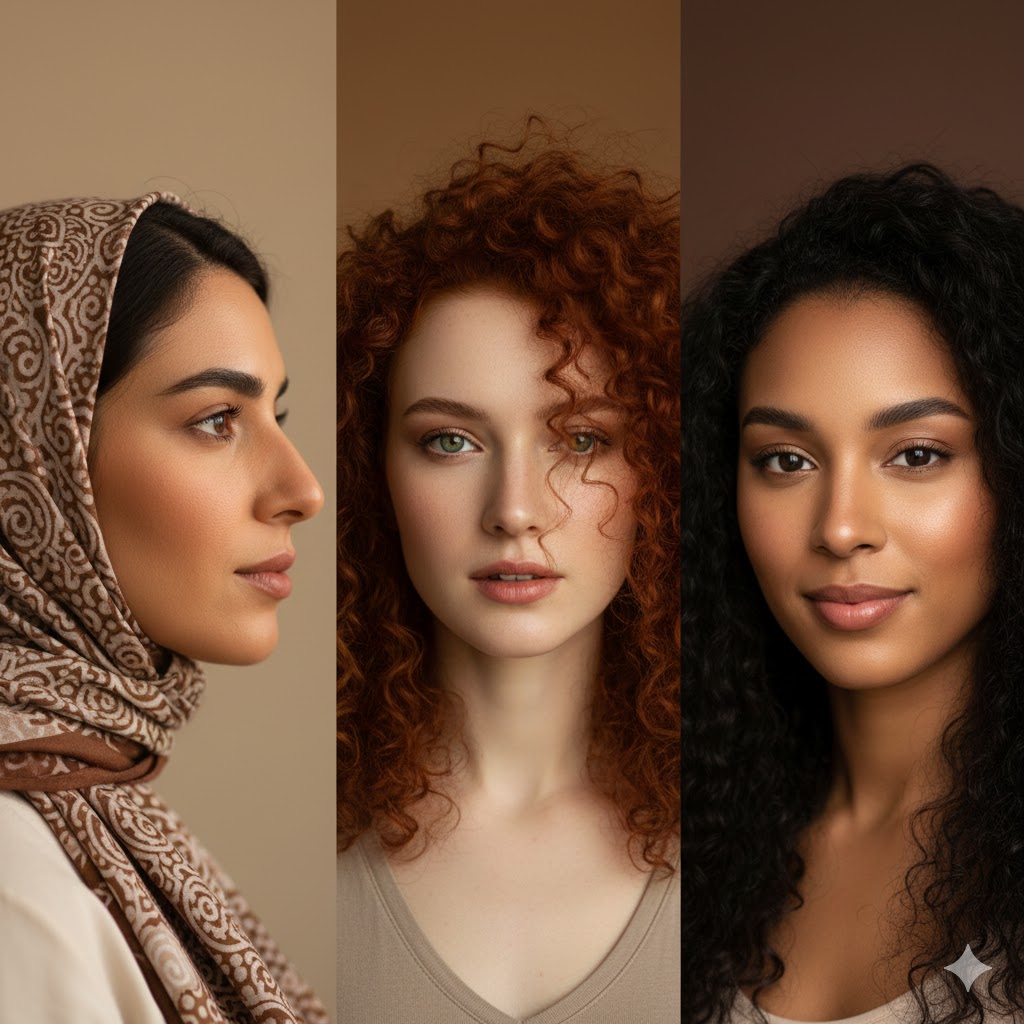
Beauty, once a divine reflection of the Creator’s artistry, has been reduced to a calculated illusion—a “beautiful lie” designed to manipulate desire, monetize insecurity, and manufacture self-doubt. In today’s global marketplace, appearance has become currency, and perfection is the most profitable deception of all. Beneath the gloss of glamour lies a darker truth: entire industries thrive because people have been taught to hate themselves.

The business of insecurity is one of the most lucrative empires in history. From cosmetic conglomerates to social media platforms, corporations profit from the human yearning to feel valuable. Advertisers do not sell products—they sell the promise of acceptance. Their genius lies in first convincing consumers that something is wrong with them, then offering a remedy. As Jean Kilbourne famously noted, advertising doesn’t just reflect culture—it creates it. The beauty industry’s success depends on perpetual dissatisfaction.

From a young age, people are conditioned to equate worth with appearance. Billboards, television ads, and digital influencers bombard the psyche with unrealistic standards. Women are told that youth equals beauty and that aging is failure. Men are taught that strength equals worth and vulnerability equals weakness. This conditioning shapes self-perception long before individuals are conscious of it. In essence, society manufactures insecurity, then monetizes the cure.

The “beautiful lie” is reinforced through repetition and aspiration. The more we see an image, the more we internalize it as truth. The faces on magazine covers, filtered social media feeds, and cosmetic advertisements become the blueprint for desirability. Yet these images are often digitally manipulated, creating an unattainable ideal. When people fail to live up to these illusions, they blame themselves instead of the system designed to deceive them.

In this way, insecurity becomes an economic engine. The global beauty and self-improvement industry generates hundreds of billions annually, feeding off dissatisfaction. Each wrinkle cream, diet pill, or surgical enhancement is marketed as liberation, yet it only deepens bondage. As Naomi Wolf (1991) argued, the beauty myth keeps people, especially women, distracted from power by keeping them preoccupied with appearance. What masquerades as empowerment often conceals economic exploitation.

Social media has intensified this cycle by transforming self-presentation into performance. Platforms like Instagram and TikTok reward conformity to specific aesthetics. Filters erase imperfections, while algorithms amplify idealized content. Users learn to edit their own faces and lives in real time, curating an image that aligns with societal approval. This performative culture traps millions in digital mirrors—comparing, competing, and consuming in pursuit of validation that never satisfies.

For communities of color, the beautiful lie carries an additional layer of violence. Eurocentric standards have long defined beauty as whiteness, rendering African, Asian, and Indigenous features “other.” Colorism, hair discrimination, and body shaming are not accidental—they are the residual tools of colonialism, weaponized to enforce inferiority. The global skin-lightening industry, worth billions, proves that racialized beauty standards remain profitable centuries after slavery’s end.

The irony is that the traits once mocked—full lips, darker skin, textured hair—are now commodified when worn by non-Black bodies. This cultural theft exposes how beauty capitalism does not celebrate diversity; it exploits it. By extracting elements of Blackness without acknowledging Black humanity, society continues to profit from the same features it historically oppressed. The beautiful lie thus perpetuates both aesthetic and racial inequality.

Psychologically, this system operates like an addiction. Each purchase offers temporary relief from insecurity but deepens dependency on external validation. The mirror becomes a site of anxiety rather than appreciation. As bell hooks (1992) observed, this psychological colonization convinces people to view themselves through the eyes of the oppressor. True liberation requires breaking the gaze—learning to see oneself as God intended, not as marketing demands.

Spiritually, the beautiful lie represents the fall of humanity’s original design. In Genesis 1:27, Scripture declares that mankind was created in the image of God. This divine image (imago Dei) bestowed inherent worth and beauty upon every soul. Yet the serpent’s deception in the Garden of Eden was rooted in the same strategy that drives today’s marketing: convincing people that what God made was not enough. The modern beauty industry continues this ancient lie—“You will be better if you buy.”

When appearance replaces character as the measure of worth, society loses its moral compass. The culture of comparison breeds envy, pride, and despair. People are no longer content to be; they must appear. This illusion of perfection erodes authenticity and replaces identity with branding. In this context, beauty becomes not an expression of individuality, but a performance for approval.

The consequences extend beyond the psychological to the economic. Billions are spent annually on products and procedures that promise transformation but deliver dependence. Corporations profit most when consumers are never satisfied. The model is designed not for fulfillment but for repetition. Insecurity is thus not a flaw of the system—it is the system. Without self-doubt, capitalism would lose one of its most reliable markets.

In the African diaspora, the rejection of this system has become an act of resistance. Movements like “Black is Beautiful,” “Melanin Magic,” and “Love Your Hair” reclaim identity from colonial deception. They remind the world that beauty is not the property of whiteness but the reflection of divine diversity. To love oneself as God created is a radical act in a world that profits from self-hate.

For men, too, the lie is evolving. The rise of male beauty industries and gym culture has produced a new kind of insecurity. Men are now taught to chase hypermasculine physiques and external success at the expense of emotional wholeness. The result is silent suffering masked by muscle and materialism. Cosmetic capitalism thus exploits all genders, reshaping the soul through the scalpel of profit.

Breaking free from the beautiful lie requires reclaiming truth. The truth that beauty is not a currency, but a calling. That self-worth is not purchased, but inherited from divine origin. The book of Psalms declares, “I will praise thee; for I am fearfully and wonderfully made” (Psalm 139:14, KJV). This is not poetic sentiment—it is spiritual revelation. To accept oneself as God made is the ultimate rejection of the capitalist lie.

Communities, educators, and faith leaders must play a role in restoring healthy identity. Teaching children to value character over cosmetics, and purpose over popularity, reclaims the narrative from corporations that exploit innocence. Spiritual formation must replace self-marketing; self-acceptance must triumph over self-alteration. In this way, beauty becomes testimony, not transaction.

Ultimately, the beautiful lie thrives only as long as people believe they are broken. The moment individuals rediscover their divine reflection, the illusion collapses. The mirrors of capitalism shatter when faced with the light of truth. True beauty—rooted in integrity, compassion, and divine creation—cannot be sold, filtered, or franchised. It is freedom made visible.

In rejecting the beautiful lie, humanity rediscovers its original design: whole, worthy, and radiant in the image of God. When we stop buying insecurity and start living truth, beauty ceases to be an industry—and becomes what it was always meant to be: the visible echo of the Creator’s love.


References

Blay, Y. (2017). Pretty. Period.: The politics of being Black and beautiful. Blackprint Press.
Davis, A. Y. (1981). Women, race, & class. Random House.
Fanon, F. (1952). Black skin, white masks. Grove Press.
hooks, b. (1992). Black looks: Race and representation. South End Press.
Kilbourne, J. (1999). Can’t buy my love: How advertising changes the way we think and feel. Touchstone.
Mercer, K. (1994). Welcome to the jungle: New positions in Black cultural studies. Routledge.
Nyong’o, L. (2014). Lupita Nyong’o’s speech on beauty and self-love [Video]. Essence Black Women in Hollywood.
Tate, S. (2016). Black beauty: Aesthetics, stylization, politics. Routledge.
Thomas, C. (2019). God, image, and identity: Reclaiming beauty from a biblical lens. Faith & Reason Press.
Walker, A. (1983). In search of our mothers’ gardens: Womanist prose. Harcourt Brace Jovanovich.
Wilkerson, I. (2020). Caste: The origins of our discontents. Random House.
Wolf, N. (1991). The beauty myth: How images of beauty are used against women. HarperCollins.
Wynter, S. (2003). Unsettling the coloniality of being/power/truth/freedom. The New Centennial Review, 3(3), 257–337.
The Holy Bible, King James Version. (1611). Thomas Nelson.
West, C. (1993). Race matters. Beacon Press.
Johnson, K. (2021). Beauty in resistance: Black aesthetics and cultural power. Duke University Press.
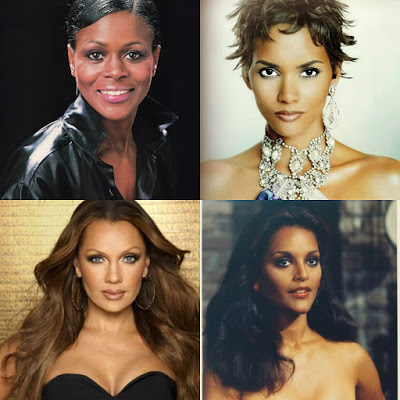
Beauty in Context: Cultural Perceptions Across Time

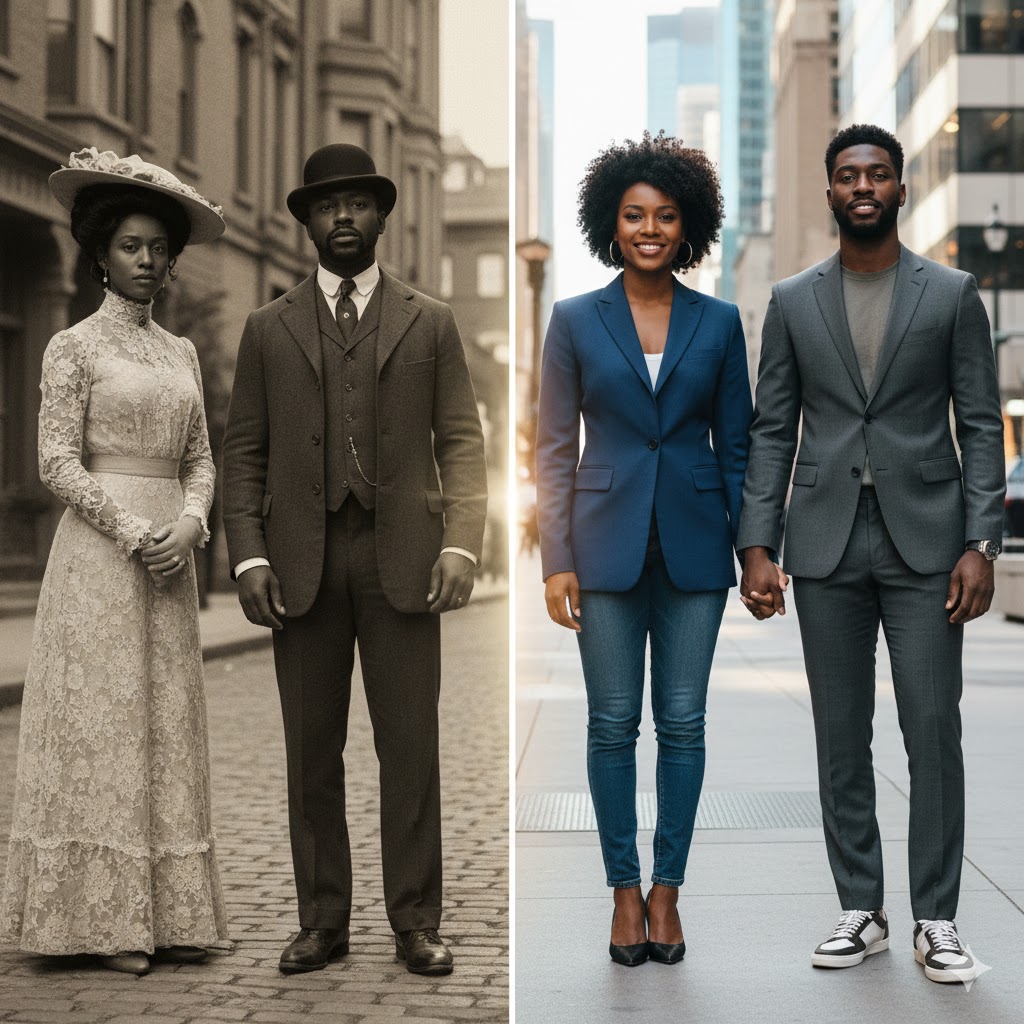
Beauty is a concept both timeless and fluid, shaped by culture, society, and history. What one era or civilization considers beautiful may differ drastically from that of another. While scientific principles like symmetry, proportion, and health inform perceptions of attractiveness, cultural context profoundly influences who is valued and why. Faith reminds us that true beauty transcends these shifting standards, as every human is fearfully and wonderfully made in God’s image (Psalm 139:14).

1. Ancient Egypt and Divine Aesthetics

In Ancient Egypt, beauty was closely linked to divinity, status, and symmetry. Eye makeup, jewelry, and elaborate hairstyles were both aesthetic and symbolic, reflecting moral and social order. Beauty was not only outward; it conveyed spiritual and societal ideals.

2. Greek Ideals of Proportion

The Greeks emphasized balance and mathematical harmony in beauty, exemplified in statues like the Venus de Milo. The concept of the “golden ratio” influenced facial and bodily ideals, suggesting that beauty was a reflection of cosmic order and perfection.

3. Roman and Early European Standards

Romans valued youth, symmetry, and proportion, often sculpting and painting faces to idealize citizens. In these societies, beauty signified power, social standing, and civic virtue.

4. Medieval Europe

During the Middle Ages, pale skin signified nobility, as it indicated one did not labor outdoors. Fuller figures were often admired, symbolizing wealth and prosperity. Religious art frequently depicted saints and angels with ethereal beauty, linking aesthetic appeal to moral virtue.

5. The Renaissance

The Renaissance revived classical ideals, celebrating symmetry, proportion, and idealized human forms. Artists such as Leonardo da Vinci and Botticelli emphasized harmonious facial structures, linking physical beauty with intellect and moral excellence.

6. Non-Western Cultural Standards

African, Asian, and Indigenous societies have historically valued distinct facial and bodily traits, often connected to spirituality, rites of passage, and social identity. Beauty was culturally contextual, emphasizing characteristics meaningful within the community.

7. Colonial Influence and Colorism

Colonization imposed European beauty standards worldwide, privileging lighter skin, straighter hair, and Eurocentric features. Colorism emerged, favoring individuals with lighter skin and marginalizing those with darker complexions.

8. African Beauty Ideals

Traditional African societies celebrated melanin-rich skin, full lips, broad noses, and natural hair. Facial scarification, body art, and adornments highlighted individuality and spiritual identity, emphasizing beauty beyond Eurocentric norms.

9. Asian Beauty Standards

In East and South Asia, historical preferences included fair skin, small facial features, and delicate proportions. Cultural texts, paintings, and rituals reinforced these ideals over centuries, reflecting social hierarchy and health indicators.

10. Modern Western Influence

With globalization, Western media, fashion, and advertising disseminated Eurocentric beauty ideals worldwide. Features such as slim bodies, narrow noses, and light skin became aspirational, impacting self-esteem and cultural perceptions.

11. Psychological Implications

Cultural beauty norms affect mental health, self-worth, and social interactions. Studies show that individuals judged as attractive often receive preferential treatment, while those outside mainstream ideals face bias, stigma, or discrimination.

12. Beauty and Media Representation

Television, film, and social media reinforce narrow beauty standards. The proliferation of edited images and filters creates unrealistic ideals, impacting body image and shaping desires for conformity.

13. Faith Perspective on Beauty

Scripture reminds believers that God values the heart above outward appearance (1 Samuel 16:7). True beauty integrates spiritual, moral, and physical dimensions, honoring God through obedience, kindness, and integrity.

14. Shifts in Contemporary Standards

Recent movements celebrate diverse body types, natural hair, and darker skin tones. Representation matters, challenging Eurocentric norms and reaffirming the dignity of previously marginalized features.

15. Intersection of Science and Culture

While science identifies universal cues—symmetry, skin clarity, facial proportions—culture mediates perception. What is considered beautiful is a dynamic interplay between biology and social conditioning.

16. Beauty Across Ethnicities

Anthropological studies show that aesthetic preferences vary widely, influenced by heritage, environment, and historical experience. Recognizing this diversity affirms that beauty cannot be universally standardized.

17. Aging and Beauty

Beauty evolves with age. Youthfulness is often idealized, but maturity brings wisdom, character, and spiritual depth—qualities that Scripture values alongside outward appearance (Proverbs 31:25).

18. Combating Bias

Understanding the cultural and historical context of beauty helps dismantle lookism and colorism. Promoting inclusivity and self-acceptance aligns with the biblical principle of valuing each person as God’s creation.

19. Beauty as Divine Reflection

Every face, regardless of societal standards, reflects the handiwork of God. Recognizing divine intentionality in human diversity cultivates gratitude, humility, and celebration of uniqueness.

20. Conclusion

Beauty is simultaneously universal and culturally specific, informed by biology, psychology, and society. Yet, the ultimate measure of worth and attractiveness is rooted in God’s design. As Psalm 139:14 affirms, we are all fearfully and wonderfully made, and true beauty lies in acknowledging, celebrating, and honoring that divine creation.


References

  • Hunter, M. L. (2007). The persistent problem of colorism: Skin tone, status, and inequality. Sociology Compass, 1(1), 237–254. https://doi.org/10.1111/j.1751-9020.2007.00006.x
  • Russell-Cole, K., Wilson, M., & Hall, R. E. (2013). The color complex: The politics of skin color among African Americans. Anchor Books.
  • Jones, D., & Hill, K. (1993). Criteria of facial attractiveness in five populations. Human Nature, 4(3), 271–296.
  • Psalm 139:14 (KJV).
  • 1 Samuel 16:7 (KJV).
  • Proverbs 31:25 (KJV).

Beyond Skin Deep: How Society Measures Worth by Appearance.

All photographs are the property of these respective owners. No copyright infringement intended.

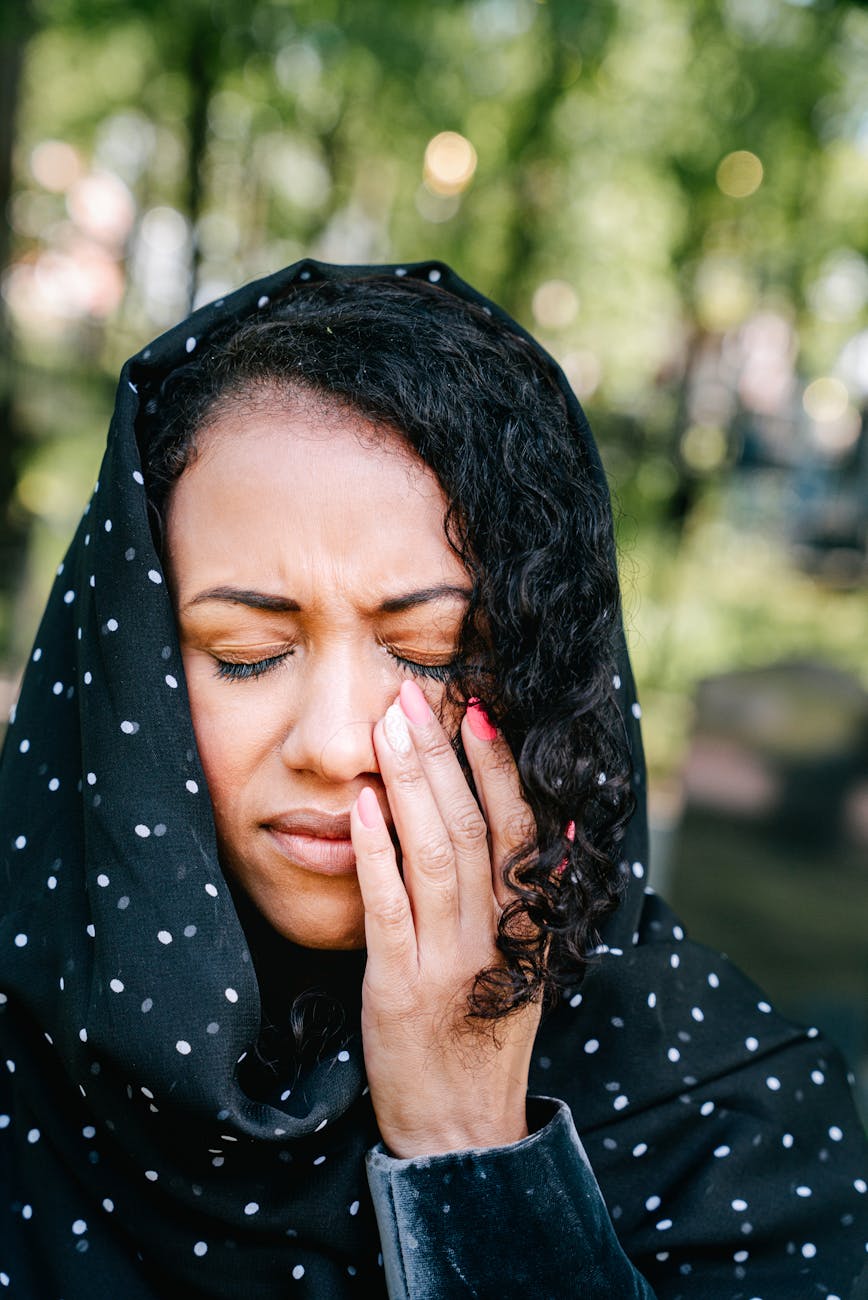
Society often equates physical appearance with personal value, creating an environment where beauty, skin tone, and facial features disproportionately influence perceived worth. For Brown girls, this dynamic is intensified by colorism, Eurocentric standards, and media representation that favors lighter skin and Western features. These biases shape how girls are treated socially, academically, and professionally, producing both overt and subtle forms of discrimination that impact self-esteem and life outcomes (Hunter, 2007).

Historically, colonialism and slavery entrenched hierarchies that privileged lighter skin, straight hair, and Eurocentric facial features. These beauty standards were tied to social, economic, and political advantage, establishing a legacy in which lighter-skinned individuals often received preferential treatment. Brown girls inherit these systemic biases, facing the dual burden of navigating societal preference for lightness while seeking to embrace their natural features and cultural identity (Byrd & Tharps, 2014).

Media perpetuates and magnifies these standards. Television, film, and social media platforms frequently showcase lighter-skinned women as aspirational figures, while darker-skinned women remain underrepresented or stereotyped. Celebrities like Yara Shahidi, Salli Richardson, and Mari Morrow exemplify the privilege of visibility afforded to lighter-skinned women, whereas Lupita Nyong’o, Kenya Moore, and Issa Rae disrupt these patterns by embracing melanin-rich beauty and redefining cultural norms. The contrast illustrates how societal worth is often tied to appearance rather than character, talent, or intellect (Fardouly et al., 2015).

Psychological research underscores the consequences of appearance-based valuation. Social comparison theory reveals that individuals measure themselves against perceived standards, leading to self-esteem fluctuations and internalized bias. For Brown girls, repeated exposure to biased beauty standards can create feelings of inadequacy, imposter syndrome, and diminished confidence. Intentional self-reflection, mentorship, and culturally affirming representation mitigate these effects by fostering a holistic sense of self-worth that transcends appearance (Festinger, 1954).

Economic and social implications of appearance bias are profound. Studies show that lighter-skinned women often enjoy higher employment opportunities, increased social mobility, and broader access to resources. This systemic preference for lighter complexions demonstrates that societal valuation is not merely aesthetic; it is embedded in structures of power and access, reinforcing inequalities for darker-skinned individuals (Hunter, 2007).

Cultural and spiritual affirmation offers a corrective lens. Programs that celebrate African and diasporic heritage, such as community workshops, mentorship initiatives, and storytelling sessions, empower Brown girls to recognize the value of their natural features. Proverbs 31:30 (KJV) reminds, “Favour is deceitful, and beauty is vain: but a woman that feareth the LORD, she shall be praised.” Grounding self-worth in faith and character provides resilience against external judgments and societal pressures, emphasizing that value is inherent, not contingent on appearance.

Practical strategies reinforce this holistic sense of worth. Brown girls can engage in self-care, personal expression, and creative outlets to celebrate their identity, features, and heritage. Media literacy, mentorship, and culturally responsive education equip girls to critically navigate bias while cultivating confidence, talent, and leadership. Together, these approaches shift the focus from surface-level validation to substantive personal growth, achievement, and self-respect.

In conclusion, society’s tendency to measure worth by appearance disproportionately affects Brown girls, perpetuating colorism, bias, and unequal opportunity. Yet through cultural affirmation, mentorship, education, media literacy, and spiritual grounding, girls can cultivate a deep sense of intrinsic value that transcends external standards. By emphasizing character, talent, and authenticity, Brown girls redefine worth beyond skin deep, challenging societal hierarchies and inspiring future generations to embrace their full potential.


References

Banks, J. A. (2015). Cultural diversity and education: Foundations, curriculum, and teaching. Routledge.

Byrd, A. D., & Tharps, L. L. (2014). Hair Story: Untangling the Roots of Black Hair in America. St. Martin’s Press.

Fardouly, J., Diedrichs, P. C., Vartanian, L. R., & Halliwell, E. (2015). Social comparisons on social media: The impact of Facebook on young women’s body image concerns and mood. Body Image, 13, 38–45.

Festinger, L. (1954). A theory of social comparison processes. Human Relations, 7(2), 117–140.

Hunter, M. (2007). The persistent problem of colorism: Skin tone, status, and inequality. Sociology Compass, 1(1), 237–254.

Beyond the Mirror: Confronting Society’s Obsession with Beauty

Society has long equated beauty with worth. From magazines to social media, advertising, and entertainment, physical appearance is amplified as a marker of success, desirability, and social acceptance. This fixation creates pressure to conform to often unattainable standards.

Beauty standards are culturally constructed. They vary across regions and eras, yet a consistent theme emerges: idealized symmetry, clear skin, and youthful features dominate the narrative. These ideals are reinforced by media, celebrity culture, and commercial industries (Wolf, 1991).

The psychology of beauty highlights the “halo effect,” where attractive individuals are perceived as more competent, intelligent, and trustworthy. This cognitive bias reinforces the societal obsession with physical appearance (Dion, Berscheid, & Walster, 1972).

Social media has intensified beauty fixation. Platforms like Instagram and TikTok promote curated images, filters, and cosmetic enhancements. Users internalize these images as normative, often comparing themselves unfavorably to digitally enhanced representations (Fardouly et al., 2015).

Advertising and marketing exploit insecurities. Skincare, cosmetics, and fashion industries profit by suggesting that happiness and social success are contingent on appearance. This commercial manipulation deepens the fixation on outward aesthetics (Etcoff, 1999).

Gender norms exacerbate the pressure. Women are often judged more harshly on appearance, while men are increasingly expected to conform to muscular or chiseled ideals. The result is a pervasive culture of scrutiny across genders (Cash & Pruzinsky, 2002).

Beauty fixation impacts mental health. Anxiety, depression, and low self-esteem correlate with internalization of societal beauty standards. Individuals often experience dissatisfaction with their natural appearance, seeking validation through external approval (Grabe, Ward, & Hyde, 2008).

The cosmetic surgery industry reflects society’s preoccupation with perfection. Millions pursue procedures to align their features with perceived ideals. While transformative for some, it underscores the belief that appearance is paramount to self-worth (Sarwer & Crerand, 2004).

Youthfulness is valorized, leading to ageism. Anti-aging products and cosmetic interventions perpetuate the notion that beauty diminishes with age. Older individuals may feel pressured to maintain a youthful appearance, reflecting society’s conflation of beauty and vitality (Hurd Clarke, 2010).

Colorism reinforces beauty hierarchy. Lighter skin tones are often idealized in media and popular culture, marginalizing darker complexions and perpetuating systemic discrimination within communities (Hunter, 2007).

The fashion industry dictates trends that shape beauty standards. Runway models, influencer endorsements, and magazine covers present a narrow spectrum of body types, creating unrealistic expectations for consumers (Tiggemann & Zaccardo, 2018).

Digital filters and AI-generated images distort perceptions of natural beauty. Augmented realities promote flawless skin, perfect symmetry, and exaggerated features, normalizing unrealistic ideals and complicating self-acceptance (Chae, 2017).

Celebrity culture amplifies the obsession. Public figures serve as aspirational benchmarks, with media coverage emphasizing appearance over achievement. Fans often emulate looks and lifestyle choices, reinforcing a cycle of comparison (Cash et al., 2004).

Beauty fixation intersects with race, gender, and class. Marginalized groups face compounded pressures, navigating ideals not reflective of their natural features or cultural identity (Hunter, 2007). Societal preference for Eurocentric features marginalizes diverse forms of beauty.

Education and media literacy can mitigate harmful effects. Critical awareness of marketing, filters, and digitally altered images helps individuals contextualize beauty messages and resist internalizing unattainable standards (Fardouly et al., 2015).

Empowerment movements challenge conventional beauty norms. Campaigns promoting body positivity, self-love, and diversity redefine standards, emphasizing confidence, health, and authenticity over superficial ideals (Tylka & Wood-Barcalow, 2015).

Psychological research suggests self-compassion buffers the negative impact of beauty pressure. Individuals cultivating acceptance of their natural appearance exhibit higher resilience and self-esteem (Neff, 2003).

Cultural shifts are visible in media representation. Inclusive campaigns, diverse casting, and promotion of natural beauty signal a slow transformation, expanding the definition of attractiveness beyond narrow conventions (Hall & Fields, 2013).

The fixation on beauty also intersects with consumerism. Industries profit from insecurities, from skincare routines to fitness regimens, perpetuating a cycle where self-worth is measured through appearance (Etcoff, 1999).

Ultimately, confronting society’s obsession with beauty requires awareness, education, and cultural reform. By valuing authenticity, diversity, and inner qualities, individuals and communities can move beyond the mirror, embracing a holistic understanding of self-worth (Wolf, 1991).


References

  • Cash, T. F., & Pruzinsky, T. (Eds.). (2002). Body image: A handbook of theory, research, and clinical practice. Guilford Press.
  • Cash, T. F., Melnyk, S. E., & Hrabosky, J. I. (2004). The assessment of body image investment: An extensive revision of the Appearance Schemas Inventory. International Journal of Eating Disorders, 35(3), 305–316.
  • Chae, J. (2017). Virtual makeover: The impact of digitally altered images on self-perception. Cyberpsychology, Behavior, and Social Networking, 20(5), 295–301.
  • Dion, K., Berscheid, E., & Walster, E. (1972). What is beautiful is good. Journal of Personality and Social Psychology, 24(3), 285–290.
  • Etcoff, N. (1999). Survival of the prettiest: The science of beauty. Anchor Books.
  • Fardouly, J., Diedrichs, P. C., Vartanian, L. R., & Halliwell, E. (2015). Social comparisons on social media: The impact of Facebook on young women’s body image concerns and mood. Body Image, 13, 38–45.
  • Grabe, S., Ward, L. M., & Hyde, J. S. (2008). The role of the media in body image concerns among women: A meta-analysis of experimental and correlational studies. Psychological Bulletin, 134(3), 460–476.
  • Hall, R. J., & Fields, B. (2013). Modeling the media’s influence on racial and gendered beauty standards. Sociology Compass, 7(11), 918–931.
  • Hunter, M. L. (2007). The persistent problem of colorism: Skin tone, status, and inequality. Sociology Compass, 1(1), 237–254.
  • Hurd Clarke, L. (2010). Aging and everyday life: The social construction of identity and age. Canadian Journal on Aging, 29(1), 39–49.
  • Neff, K. D. (2003). Self-compassion: An alternative conceptualization of a healthy attitude toward oneself. Self and Identity, 2(2), 85–101.
  • Sarwer, D. B., & Crerand, C. E. (2004). Body image and cosmetic medical treatments. Body Image, 1(1), 99–111.
  • Tiggemann, M., & Zaccardo, M. (2018). “Exercise to be fit, not skinny”: The effect of fitspiration imagery on women’s body image. Body Image, 26, 90–97.
  • Tylka, T. L., & Wood-Barcalow, N. L. (2015). The Body Appreciation Scale-2: Item refinement and psychometric evaluation. Body Image, 12, 53–67.
  • Wolf, N. (1991). The beauty myth: How images of beauty are used against women. HarperCollins.

Dilemma:🌹 Navigating Identity — Invisible Yet Indispensable: The Labor of Black Women in Society 🌹

🌹 The Brown Girl🌹

Photo by Ivan Samkov on Pexels.com

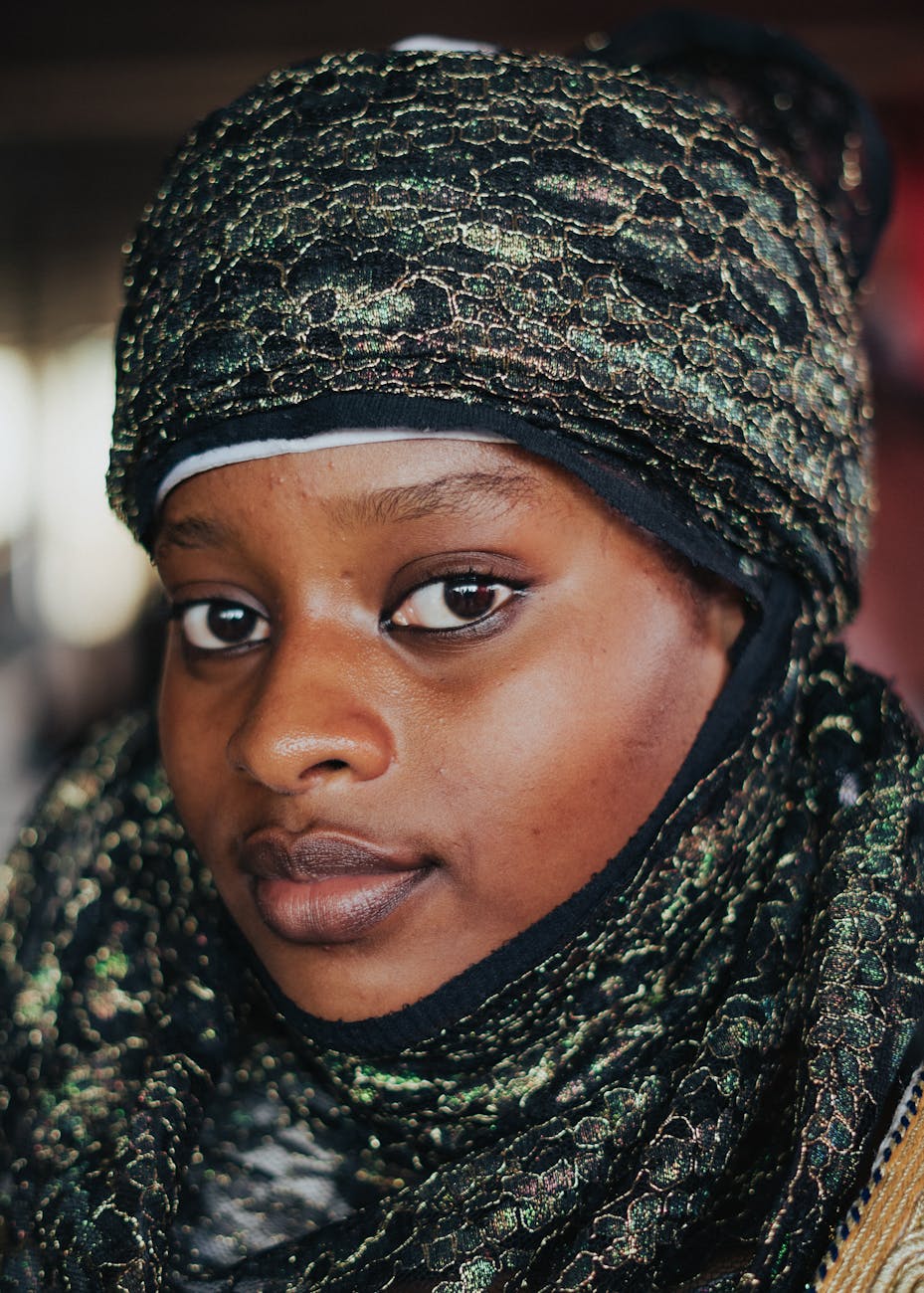
The journey of the Black woman is a complex tapestry woven with strands of resilience, faith, pain, and perseverance. Her voice, often muted by systemic oppression, resonates with both the echoes of ancestral struggle and the melody of survival. Despite her indispensable role in the shaping of societies, the Black woman remains caught between visibility and invisibility, celebrated yet silenced, desired yet devalued. This essay examines the layered dilemmas Black women face, focusing on silencing and gaslighting, mental health taboos, and generational trauma, while drawing upon psychology and the King James Bible (KJV) for insight and pathways toward healing.

Black women occupy a paradoxical position in society: they are both invisible and indispensable. Their labor has historically undergirded economies, families, and communities, yet their voices, bodies, and contributions are often dismissed or appropriated. This dilemma—rooted in slavery and perpetuated through systemic inequities—has created a cycle of resilience and exhaustion. Black women are expected to give endlessly while being denied the recognition and care they deserve. As scholar bell hooks (1981) argued, the exploitation of Black women’s labor is foundational to both racism and patriarchy, rendering them crucial yet overlooked participants in social progress.

The Price of Being Heard: Silencing and Gaslighting of Black Women’s Voices

One of the most profound challenges Black women face is the silencing of their voices. Whether in corporate boardrooms, political arenas, or healthcare settings, Black women are often dismissed, interrupted, or told their concerns are exaggerated. The tragic case of Serena Williams—who was ignored by medical staff during childbirth complications—illustrates how even wealthy, high-profile Black women experience silencing. Psychologically, this dismissal results in gaslighting: being made to question one’s reality or truth. Biblically, silencing echoes the injustice condemned in Proverbs 31:8 (KJV): “Open thy mouth for the dumb in the cause of all such as are appointed to destruction.” Scripture affirms that truth-telling is both a moral responsibility and a sacred act, underscoring the need to honor Black women’s testimonies.

Psychology of Silencing

From a psychological standpoint, constant silencing creates cognitive dissonance and internalized self-doubt. Research shows that being unheard increases anxiety and depressive symptoms, while persistent microaggressions erode self-esteem (Sue, 2010). For Black women, the compounded effect of race and gender means their silence is not merely personal but systemic. Overcoming this requires validating their voices, establishing platforms where they are centered, and teaching communities to listen with humility rather than defensiveness.

Solutions for Amplification

To counteract silencing, Black women must be given space in leadership, policy, and media representation. Mentorship programs, advocacy networks, and deliberate inclusion in decision-making structures can elevate voices long ignored. Churches and communities must also challenge patriarchal norms that discourage women from speaking openly. The Apostle Paul’s reminder in Galatians 3:28 (KJV)—“There is neither Jew nor Greek, there is neither bond nor free, there is neither male nor female: for ye are all one in Christ Jesus”—calls for dismantling hierarchies that devalue women’s contributions.

Black Women and Mental Health: Breaking the Taboo of Therapy and Healing

Mental health remains a taboo subject within many Black communities. Generational teachings to “pray it away” or “stay strong” have discouraged women from seeking professional help. The stigma is compounded by historical medical racism, such as the exploitation of Black bodies in the Tuskegee experiments. Psychologically, suppression of emotional struggles manifests as anxiety, depression, and even somatic illnesses like hypertension. Woods-Giscombé (2010) notes that the “Superwoman Schema” forces Black women to conceal vulnerability, worsening mental health outcomes.

Biblical and Psychological Perspective on Healing

The Bible affirms the importance of rest, restoration, and vulnerability. Matthew 11:28 (KJV) declares: “Come unto me, all ye that labour and are heavy laden, and I will give you rest.” This scripture reminds Black women that God does not demand unending strength but invites them into divine rest. Psychologically, therapy provides tools to unpack trauma, process grief, and build resilience. When paired with faith, therapy becomes not a contradiction to spirituality but a complement to healing.

Breaking the Stigma: Examples and Solutions

Examples of progress include the growing movement of Black female therapists, such as Dr. Joy Harden Bradford, founder of Therapy for Black Girls, which normalizes counseling within the community. Support groups, church-based wellness ministries, and culturally competent therapists are helping women dismantle stigma. Overcoming silence around mental health requires both education and representation—seeing women who look like them embrace therapy validates its importance.

Daughters of the Diaspora: Carrying Generational Trauma and Triumph

Black women also bear the dual inheritance of generational trauma and triumph. The legacies of slavery, colonization, and Jim Crow laws passed down unresolved pain—manifesting in patterns of fear, hypervigilance, and mistrust (DeGruy, 2005). At the same time, the triumph of survival, creativity, and spiritual faith continues to shape diasporic identity. For instance, the resilience of mothers and grandmothers who held families together amid oppression reflects triumph woven into trauma. This paradox forms the heart of diasporic womanhood: carrying both burden and brilliance.

Psychology of Intergenerational Trauma

Intergenerational trauma is supported by epigenetic research showing that stress can alter genetic expressions, passing heightened vulnerability to descendants (Yehuda & Lehrner, 2018). For Black women, inherited trauma manifests in hyper-responsibility, guardedness, and sometimes mistrust in relationships. Yet resilience is also passed down, enabling survival and cultural creativity. Psychologists argue that acknowledging both trauma and triumph is critical for holistic healing.

Biblical Understanding of Generational Struggles

The Bible acknowledges generational consequences: “Visiting the iniquity of the fathers upon the children unto the third and fourth generation” (Exodus 20:5, KJV). Yet it also emphasizes redemption: “But the mercy of the Lord is from everlasting to everlasting upon them that fear him” (Psalm 103:17, KJV). For Black women, this means generational pain is real but not final. Faith and intentional healing practices can break cycles of suffering.

Practical Solutions for Diasporic Healing

Healing generational trauma requires storytelling, therapy, and cultural reclamation. Practices such as oral history projects, mother-daughter healing circles, and reconnecting with African heritage provide pathways to empowerment. Community spaces that celebrate Black culture, music, and spirituality affirm the triumph that accompanies trauma. For example, the Gullah traditions in South Carolina preserve ancestral memory, providing cultural pride and connection.

Invisible Yet Indispensable: The Labor of Black Women

Throughout history, Black women have been the backbone of families, churches, and economies. From enslaved women sustaining households to domestic workers of the 20th century, their labor has often been invisible yet essential. Even today, Black women disproportionately fill caregiving roles—nurses, teachers, social workers—while also leading grassroots activism. Their indispensability, however, is rarely matched with recognition or protection. Ecclesiastes 3:13 (KJV) reminds us: “Every man should eat and drink, and enjoy the good of all his labour, it is the gift of God.” This affirms the dignity of labor that must be extended to Black women.

The Psychology of Overwork and Recognition

Psychologically, the invisibility of labor leads to burnout, resentment, and internalized feelings of worthlessness. When contributions are undervalued, women experience the psychological toll of invisibility—feeling unseen despite being overextended. Overcoming this requires systemic recognition of Black women’s work, pay equity, and shared household responsibilities. Within communities, honoring Black women means affirming their contributions without exploiting their endurance.

Toward Healing and Liberation

In overcoming these dilemmas, Black women must reclaim vulnerability, embrace therapy, and center their voices. Society must amplify rather than silence, honor rather than exploit, and protect rather than disregard. As Paul writes in 2 Corinthians 12:9 (KJV): “My grace is sufficient for thee: for my strength is made perfect in weakness.” This verse reframes weakness not as failure but as the gateway to divine empowerment. Solutions lie in a holistic embrace of faith, psychology, and cultural resilience—recognizing that Black women’s survival is not enough; their flourishing is essential for the healing of communities.


References

  • bell hooks. (1981). Ain’t I a woman? Black women and feminism. South End Press.
  • DeGruy, J. (2005). Post Traumatic Slave Syndrome: America’s legacy of enduring injury and healing. Uptone Press.
  • Sue, D. W. (2010). Microaggressions in everyday life: Race, gender, and sexual orientation. Wiley.
  • Woods-Giscombé, C. L. (2010). Superwoman schema: African American women’s views on stress, strength, and health. Qualitative Health Research, 20(5), 668–683.
  • Yehuda, R., & Lehrner, A. (2018). Intergenerational transmission of trauma effects: Putative role of epigenetic mechanisms. World Psychiatry, 17(3), 243–257.