Tag Archives: social media

The Ebony Dolls: Philomena Kwao

Beauty, Brains, and the Power of Representation

Philomena Kwao stands as one of the most compelling figures in contemporary fashion modeling, not merely for her striking physical beauty, but for the intellectual and cultural depth she brings to an industry long dominated by narrow ideals. With her luminous dark skin, regal posture, and unforgettable, piercing eyes, Kwao represents a modern embodiment of Black elegance—one that challenges both Eurocentric beauty standards and the historical marginalization of plus-size women within fashion. One of Philomena Kwao’s most arresting and unforgettable features is her eyes—mirrored, expansive, and profoundly piercing. They are not merely beautiful; they are commanding. Her large, dark eyes possess a reflective depth that feels almost cinematic, as though they hold both memory and prophecy. In fashion photography, where the gaze is everything, Kwao’s eyes function as a narrative force. They do not simply invite attention; they demand contemplation.

Born in London to Ghanaian parents, Philomena Kwao’s journey into modeling was unconventional. Before the runway and magazine spreads, she pursued higher education, earning a degree in Economics from the University of Birmingham and later a master’s degree in International Health Management. Her academic background already distinguished her as a woman rooted in intellect and global consciousness. Modeling, for Kwao, was not originally a dream but an unexpected calling. She was discovered after submitting photographs to an online modeling platform, initially skeptical of the industry’s limitations but ultimately realizing its potential as a platform for advocacy and change.
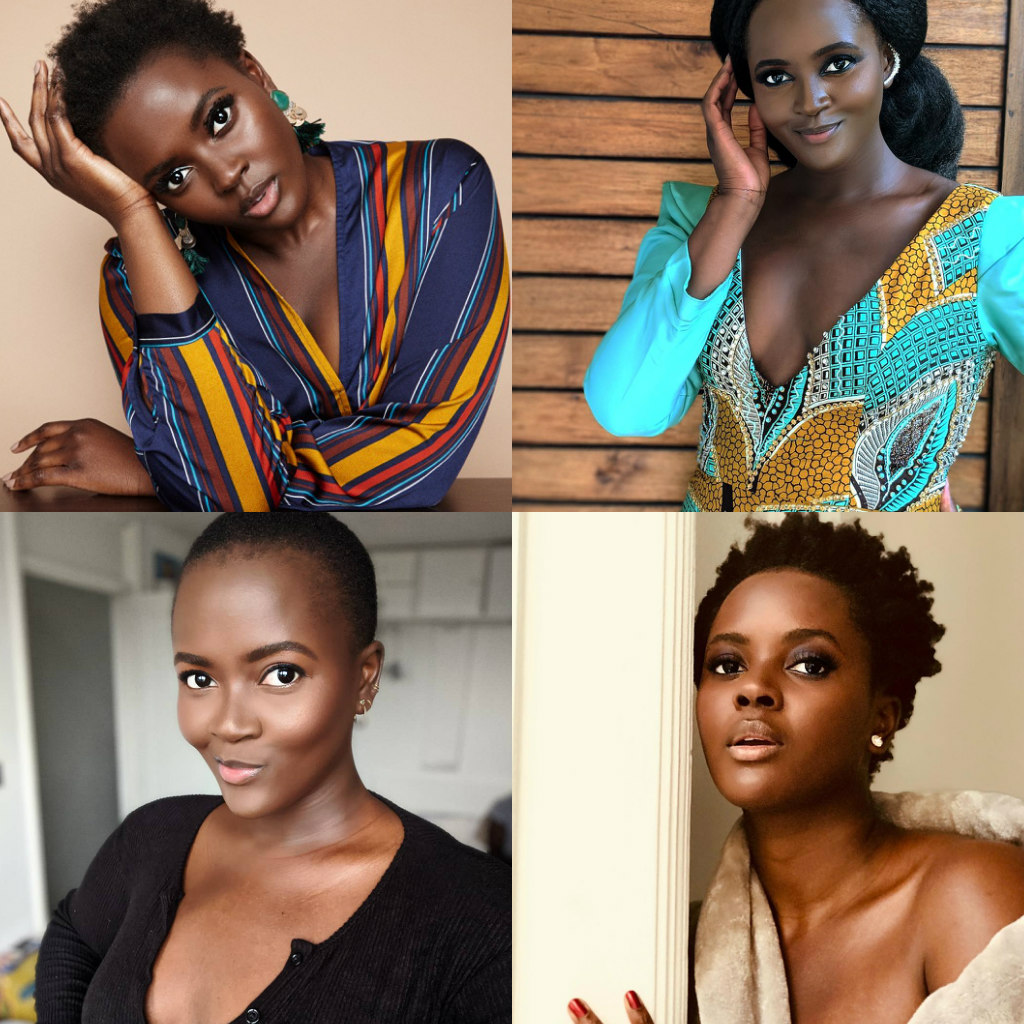
Kwao rose to prominence as a plus-size model, though she has often resisted the reductive nature of that label. While she does not conform to traditional sample sizes, her physique defies stereotypes associated with “plus-size” modeling—she is statuesque, toned, and carries herself with the confidence of classical high fashion. Her work with agencies such as Wilhelmina Models and appearances in major publications including Vogue Italia, Essence, Glamour, and Sports Illustrated Swimsuit have placed her firmly among the elite tier of global models.

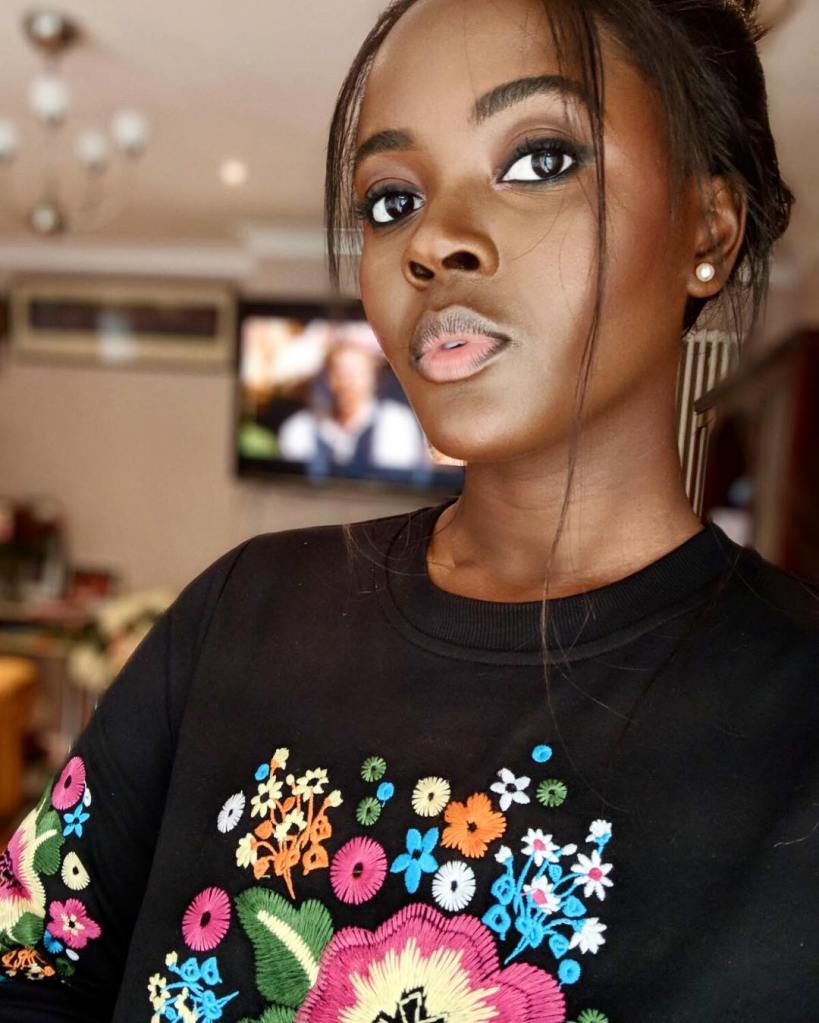
One of Philomena Kwao’s most defining attributes is her face—often described by critics and fans alike as one of the most beautiful in modern fashion. Her large almond-shaped eyes, sculpted cheekbones, full lips, and smooth melanin-rich complexion create a visage that feels both timeless and contemporary. There is a quiet nobility in her features, evoking the aesthetics of African royalty and classical portraiture. In an industry obsessed with youth and homogeneity, Kwao’s beauty feels ancestral, symbolic, and deeply cultural.
Beyond aesthetics, Kwao’s career is marked by activism and thought leadership. She has become a leading voice in body positivity, diversity, and mental health within fashion. She frequently speaks on panels, contributes to academic and cultural discussions, and advocates for ethical representation of women of color. Her work challenges not only size discrimination but also the sexualization and commodification of Black women’s bodies. She reframes modeling as a site of empowerment rather than objectification.

Philomena Kwao qualifies as an “Ebony Doll” not simply because she is a model, but because she represents the very essence of what the term should signify: a Black woman who is visually exquisite, culturally grounded, intellectually formidable, and socially influential. The Ebony Doll archetype is not about superficial beauty alone—it is about excellence, presence, and representation. Kwao embodies all three. She is living proof that Black beauty is not marginal or niche but global, aspirational, and transformative.

In a world still struggling to reconcile race, gender, and aesthetics, Philomena Kwao stands as a corrective image—one that says Black women do not need to shrink themselves to be seen. They are already monumental.


References

Ashley, L. (2018). The politics of plus-size fashion and representation. Fashion Theory, 22(5), 593–610.

Essence Magazine. (2020). Philomena Kwao on body positivity and mental health.

Glamour. (2017). Meet the model changing the face of fashion: Philomena Kwao.

Sports Illustrated. (2019). Philomena Kwao: Breaking barriers in swimwear.

Vogue Italia. (2016). Curves, color, and couture: A new generation of models.

Wilhelmina Models. (n.d.). Philomena Kwao portfolio and biography.

Kwao, P. (2019). Body image, race, and self-worth in the fashion industry. Journal of Cultural Studies, 14(3), 211–225.


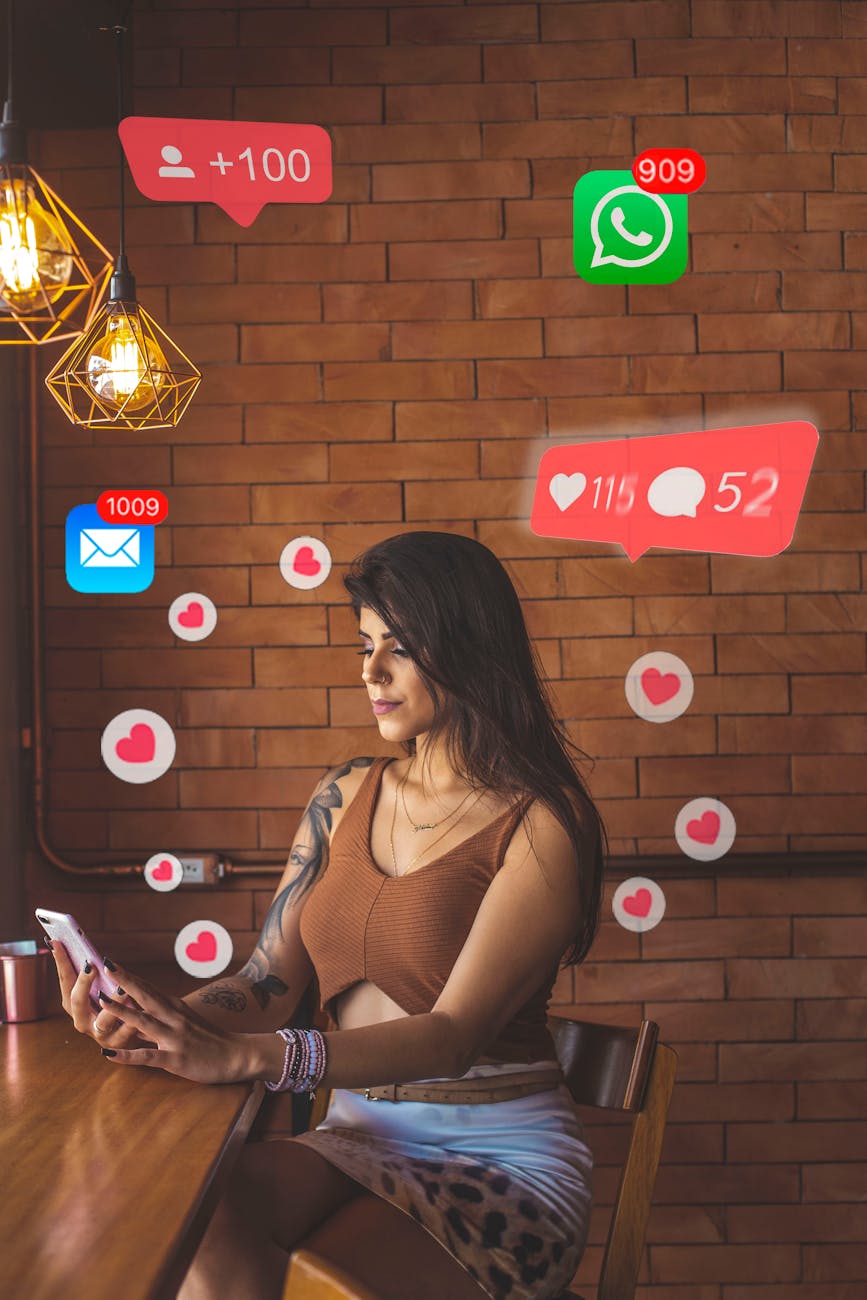
The Digital Mirror: Social Media, Beauty, and Self-Esteem.

Photo by George Milton on Pexels.com

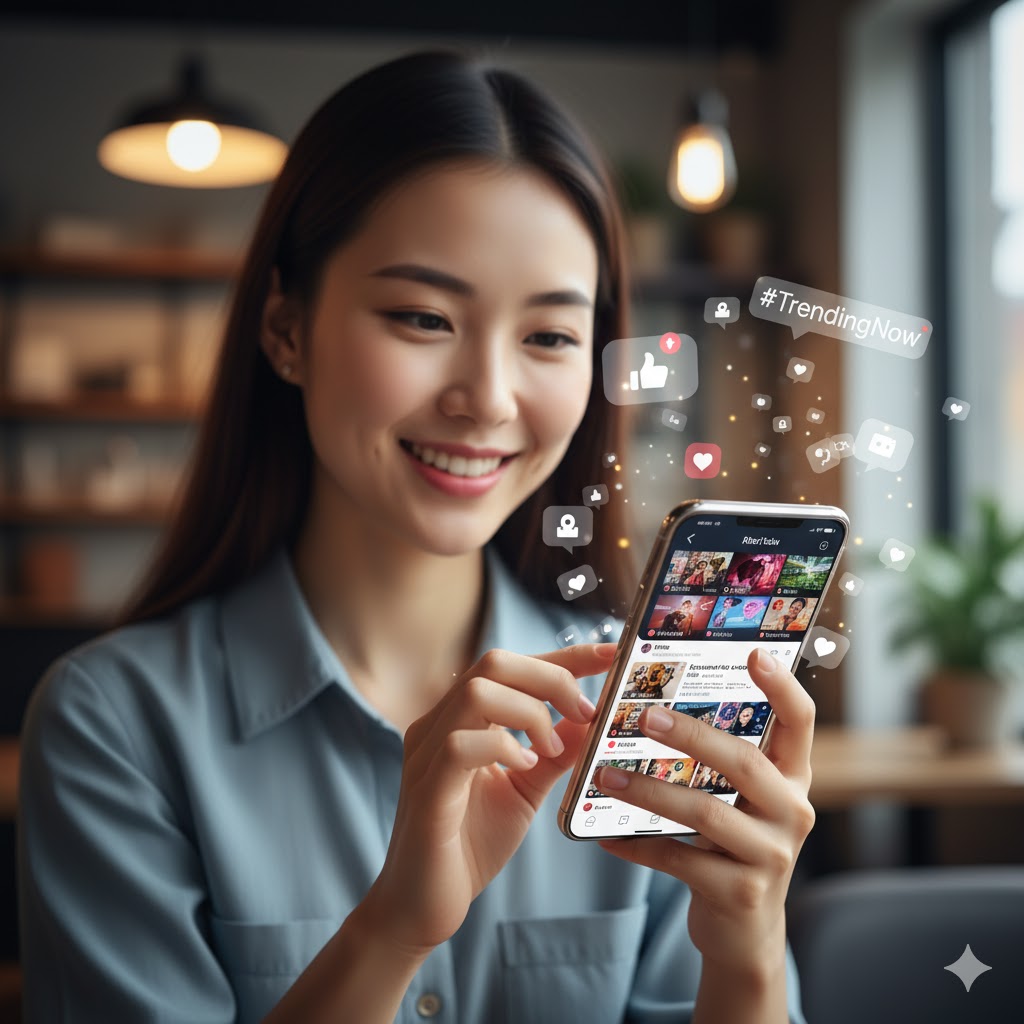
In the modern era, social media has become a pervasive force shaping perceptions of beauty, self-worth, and identity. Platforms like Instagram, TikTok, and YouTube offer unprecedented opportunities for self-expression and connection, yet they also present unique challenges, particularly for Brown and Black women. The constant exposure to curated images, filtered content, and influencer culture creates what can be described as a “digital mirror,” reflecting societal ideals that are often unattainable or exclusionary. Understanding the impact of social media on beauty perception and self-esteem is essential for cultivating resilience and positive self-image.

Social Media and the Construction of Beauty

Social media operates as a cultural lens, magnifying dominant beauty standards while simultaneously offering a platform for diverse representation. Research shows that frequent exposure to idealized images online can lead to social comparison, self-criticism, and body dissatisfaction (Fardouly et al., 2015). For Brown women, these comparisons are compounded by colorism, where lighter skin tones are often favored and amplified in mainstream content. The digital mirror, therefore, can both empower and undermine, depending on the type of content consumed and the framing of beauty standards.

The Role of Influencers and Representation

Influencers who embrace diversity and authentic representation play a pivotal role in reshaping perceptions of beauty online. Figures like Issa Rae, Lupita Nyong’o, and Adut Akech challenge Eurocentric ideals and normalize melanin-rich beauty. Representation in social media feeds offers validation, encourages self-expression, and promotes self-esteem among viewers who see themselves reflected positively. Research indicates that media representation significantly affects self-perception, particularly in marginalized communities where societal standards have historically excluded them (Tiggemann & Slater, 2014).

Psychological Impacts of the Digital Mirror

While social media can affirm identity, it also exposes users to negative commentary, trolling, and colorist remarks. This can exacerbate anxiety, depressive symptoms, and feelings of inadequacy (Valkenburg et al., 2017). The digital mirror not only reflects societal beauty ideals but can also amplify internalized biases. For Brown women, this dual effect underscores the importance of critical engagement and media literacy: understanding the difference between curated content and reality is crucial for mental well-being.

Strategies for Healthy Engagement

Building resilience in the digital age requires intentional strategies. Curating social media feeds to prioritize diverse and affirming content, limiting screen time, and practicing mindfulness while online can mitigate negative impacts. Engaging with communities that celebrate melanin-rich beauty, such as hashtags like #BrownSkinPoppin or #MelaninMagic, fosters empowerment and self-affirmation. Additionally, creators and viewers alike benefit from remembering that digital portrayals are often filtered, edited, and idealized, and do not define one’s inherent beauty or worth.

Transforming Social Media into a Tool for Empowerment

Beyond personal self-esteem, social media can serve as a platform for advocacy, education, and cultural pride. Brown women can leverage their digital presence to challenge colorism, amplify underrepresented voices, and create content that affirms diverse beauty. By transforming social media from a potential source of insecurity into a tool for empowerment, users can assert agency over how their image and identity are represented.

Digital Self-Care Guide for Brown Girls: Maintaining Confidence on Social Media

  1. Curate Your Feed – Follow creators, influencers, and accounts that celebrate diversity, melanin-rich beauty, and positive representation. Unfollow or mute content that triggers comparison or insecurity.
  2. Limit Screen Time – Set intentional boundaries for social media usage to prevent fatigue and constant exposure to unrealistic standards.
  3. Practice Mindful Scrolling – Notice your emotional reactions while online. Pause or disengage if content negatively impacts your self-esteem.
  4. Engage with Affirming Communities – Participate in groups and hashtags like #MelaninMagic, #BrownSkinPoppin, or #NaturalBeauty, which promote self-love and cultural pride.
  5. Remember the Filter Effect – Understand that photos are often curated, edited, or staged. Real life is not always reflected online.
  6. Post Authentically – Share your experiences, natural beauty, and personal achievements. Authentic content fosters connection and counters unrealistic portrayals.
  7. Journal or Reflect – After browsing social media, write down affirmations or moments that celebrate your skin, hair, or cultural identity.
  8. Seek Support – Talk to friends, family, or mentors when online negativity affects your mood or self-perception.
  9. Use Social Media for Advocacy – Transform negative experiences into education or awareness campaigns, challenging colorism and stereotypes.
  10. Affirm Your Worth Daily – Regularly remind yourself that beauty is not dictated by likes, comments, or online trends.
  11. Balance Inspiration and Comparison – Follow accounts that inspire, but avoid measuring your worth against curated online highlights.
  12. Celebrate Every Shade – Embrace your unique tone and features as part of your identity. Share and celebrate them with pride.

Conclusion

The digital mirror of social media reflects both societal beauty standards and individual perceptions, shaping self-esteem in complex ways. For Brown and Black women, exposure to curated content can either reinforce colorist ideals or serve as a space for affirmation and representation. Through intentional engagement, media literacy, and community support, social media can become a tool for empowerment rather than harm. Understanding the dynamics of the digital mirror allows women to navigate online spaces with confidence, celebrate their unique beauty, and resist the pressures of unrealistic or exclusionary standards.


References

  • Fardouly, J., Diedrichs, P. C., Vartanian, L. R., & Halliwell, E. (2015). Social comparisons on social media: The impact of Facebook on young women’s body image concerns and mood. Body Image, 13, 38–45.
  • Tiggemann, M., & Slater, A. (2014). NetGirls: The Internet, Facebook, and body image concern in adolescent girls. International Journal of Eating Disorders, 47(6), 630–643.
  • Valkenburg, P. M., Meier, A., & Beyens, I. (2017). Social media use and adolescents’ self-esteem: A meta-analysis. Review of General Psychology, 21(4), 340–352.

“Brown paper bag” descendants: lighter influencers prioritized.

Photo by Mikhail Nilov on Pexels.com

The term “brown paper bag test” historically described a colorist practice in which lighter-skinned Black individuals, often those whose skin matched or was lighter than a brown paper bag, were given preferential treatment in social clubs, schools, and employment (Harris, 2015). This arbitrary test codified a hierarchy within the Black community, creating generational legacies that continue to influence perceptions of beauty, social mobility, and cultural capital.

  • Legacy Influence: Descendants of lighter-skinned families historically benefited from better education, access to resources, and visibility, creating a systemic advantage that persists today.
  • Media & Representation: Lighter-skinned influencers—celebrities, social media personalities, and public figures—receive more exposure, sponsorships, and opportunities, echoing the historical privileging of “brown paper bag” individuals (Russell, Wilson, & Hall, 2016).

Biblical and Spiritual Lens

Colorist favoritism reflects the human tendency to judge by appearance rather than moral or spiritual worth. Scripture condemns such superficial evaluation:

  • James 2:1 (KJV): “My brethren, have not the faith of our Lord Jesus Christ, the Lord of glory, with respect of persons.”
  • Genesis 1:27 (KJV): Affirms all humans are created in God’s image, regardless of skin tone, countering social hierarchies based on complexion.
  • Wisdom of Solomon 14:12 (Apocrypha): Warns against corrupting judgment with superficial valuation, applicable to both historical colorism and modern influencer culture.

Contemporary Implications

1. Social Media and Influencers

  • Lighter-skinned influencers dominate Instagram, TikTok, and YouTube, shaping beauty standards and consumer behavior.
  • Algorithms reinforce this bias, prioritizing images and videos that fit Eurocentric beauty ideals, creating a digital reflection of historical colorism.

2. Hollywood and African Cinema

  • Casting decisions often favor lighter-skinned actors for lead roles, award campaigns, and international appeal, mirroring the same hierarchy established in the brown paper bag era.
  • This perpetuates the notion that lighter-skinned descendants are more “marketable,” sidelining equally talented darker-skinned performers.

3. Socioeconomic Outcomes

  • The visibility and prioritization of lighter influencers correlate with wealth accumulation, sponsorship deals, and global recognition, reinforcing generational privilege tied to skin tone.

Visual & Conceptual Integration

  • Imagine the Digital Plantation visual, now layered with a “brown paper bag” motif hovering over lighter-skinned influencers, subtly glowing.
  • Darker-skinned individuals are positioned in semi-shadow or behind algorithmic overlays, symbolizing systemic bias, underrepresentation, and the persistence of historic privilege.

References

  • Harris, A. P. (2015). Skin tone stratification and social inequality: Historical and contemporary perspectives. Oxford University Press.
  • Hunter, M. (2007). The persistent problem of colorism: Skin tone, status, and inequality. Sociology Compass, 1(1), 237–254.
  • Russell, K., Wilson, M., & Hall, R. (2016). The color complex: The politics of skin color in a new millennium. Anchor Books.

Social Media Filters: How they affect Society.

Social media filters—digital tools that alter or enhance images—have become ubiquitous in modern communication. From subtle smoothing and lighting adjustments to full transformations of facial features and body proportions, filters are used across platforms like Instagram, Snapchat, TikTok, and Facebook. While often framed as fun or aesthetic enhancements, their societal impact is profound and multi-layered.

Filters influence perceptions of beauty, often reinforcing Eurocentric or unrealistic ideals. Features such as lighter skin, sharper noses, larger eyes, and plumped lips are frequently emphasized in popular filters. These digital alterations echo long-standing beauty hierarchies established in media and advertising, further embedding narrow standards of attractiveness.

The psychological impact of filters is significant. Studies show that constant exposure to filtered images can increase body dissatisfaction, self-comparison, and anxiety, particularly among young women and adolescents (Fardouly et al., 2018). Filters create a gap between one’s real appearance and the idealized digital self, fostering insecurities and negative self-perception.

Social comparison is a major consequence. Platforms encourage users to measure their appearance, lifestyle, and desirability against curated and often digitally enhanced representations. For Black and Brown users, filters that lighten skin or smooth natural hair textures may reinforce colorism and internalized bias, subtly suggesting that darker features are less desirable.

Filters also affect interpersonal relationships. Individuals may feel pressure to present a perfected digital self in dating apps or social media, influencing attraction and romantic dynamics. This can create unrealistic expectations and dissatisfaction when interacting with unfiltered, real-life appearances.

The “beauty filter economy” is closely tied to consumerism. Filters often align with cosmetic trends, promoting products like skin-lightening creams, makeup, or cosmetic surgery. Influencers and brands capitalize on filter-enhanced appearances to market products, blending digital aesthetics with material consumption.

Filters have social and cultural implications beyond individual self-esteem. They contribute to homogenized beauty ideals, erasing diversity and authenticity. Features traditionally celebrated in African, Asian, and Indigenous cultures—such as textured hair, darker skin, and broader noses—are frequently altered or erased in popular filters, reinforcing Eurocentric dominance.

On the positive side, filters can promote creativity and self-expression. Users can explore artistic aesthetics, experiment with color grading, or adopt fantastical appearances for entertainment purposes. For marginalized communities, filters may provide playful ways to experiment with identity, though these benefits coexist with potential harm.

Mental health concerns associated with filters are increasingly recognized. Professionals report growing cases of body dysmorphia, low self-esteem, and anxiety related to online appearance comparison. Young users, especially girls and women of color, are disproportionately affected, as societal beauty standards intersect with racialized and gendered expectations.

Filters also influence professional and social identity. Influencers, models, and public figures often rely on digitally enhanced appearances to gain followers, sponsorships, and visibility. This blurs the line between authentic identity and curated performance, affecting how society values physical appearance and social capital.

Education and awareness can mitigate some negative effects. Media literacy programs encourage users to critically evaluate digitally altered images, recognize filters, and understand their psychological impact. Social campaigns promoting natural beauty, diversity, and authenticity provide counter-narratives to filter-driven standards.

Some platforms have taken regulatory steps. Instagram and Snapchat have introduced warnings about heavy filters, promoted unaltered imagery in certain campaigns, and encouraged users to embrace authenticity. However, the commercial incentives to maintain filter popularity remain strong.

Filters intersect with the broader societal obsession with perfection. They amplify cultural pressures to achieve flawless skin, symmetrical features, and Eurocentric aesthetics. Combined with the skin-lightening industry, cosmetic surgery trends, and celebrity influence, filters perpetuate a culture of constant self-optimization.

Social media algorithms exacerbate the problem. Content that aligns with beauty ideals receives more engagement, reinforcing visibility of filtered images. Users then perceive these idealized images as normative, increasing pressure to conform digitally and physically.

Cultural resistance movements, like #NoFilter, #MelaninPoppin, and #DarkIsBeautiful, challenge the dominance of filtered beauty. They encourage users to showcase natural skin tones, hair textures, and unaltered features, highlighting the diversity of human aesthetics and reclaiming agency over self-presentation.

Filters also have implications for racial identity. In contexts where lighter skin and Eurocentric features are valued, filters that whiten skin or slim noses may reinforce internalized racism and colorism, particularly among Black and Brown youth. This digital reinforcement of historical hierarchies can affect self-worth and social interactions.

In addition to race, filters intersect with gender. Women disproportionately experience pressure to use filters to appear youthful, flawless, and conventionally attractive. Men are not immune, but social norms often render their digital alterations less scrutinized, reflecting gendered beauty expectations.

Technological innovation will continue to shape the landscape. Artificial intelligence now allows hyper-realistic transformations, aging or de-aging effects, and even deepfake manipulation. These developments raise ethical concerns regarding authenticity, consent, and the psychological consequences of prolonged exposure to impossible ideals.

Ultimately, social media filters illustrate the convergence of technology, culture, and psychology. While offering creative tools, they simultaneously perpetuate restrictive beauty standards, exacerbate mental health challenges, and reinforce systemic biases. Critical engagement and cultural awareness are essential to mitigate harm.

In conclusion, the societal effects of social media filters are profound. They shape perceptions of beauty, influence interpersonal and professional dynamics, and reinforce historical hierarchies tied to race, gender, and class. Awareness campaigns, media literacy, and cultural reclamation movements are crucial in challenging their negative impacts, promoting diversity, authenticity, and psychological well-being.


References

  • Fardouly, J., Diedrichs, P. C., Vartanian, L. R., & Halliwell, E. (2018). Social comparisons on social media: The impact of Facebook on young women’s body image concerns and mood. Body Image, 13, 38–45.
  • Chua, T. H. H., & Chang, L. (2016). Follow me and like my beautiful selfies: Singapore teenage girls’ engagement in self-presentation and peer comparison on social media. Computers in Human Behavior, 55, 190–197.
  • Lewis, J., & Lockwood, E. (2018). Colorism, Beauty, and Media: Social Perceptions of Black Women. Journal of African American Studies.
  • Wang, Y., & Lee, S. Y. (2020). Beauty filters and selfie culture: A psychological study on the impact of appearance-altering technology. Journal of Media Psychology, 32(2), 67–78.
  • Tiggemann, M., & Slater, A. (2014). NetGirls: The Internet, Facebook, and body image concern in adolescent girls. International Journal of Eating Disorders, 47(6), 630–643.

Youth in Revolt: Gen Z’s Battle for Identity, Justice, and a New World

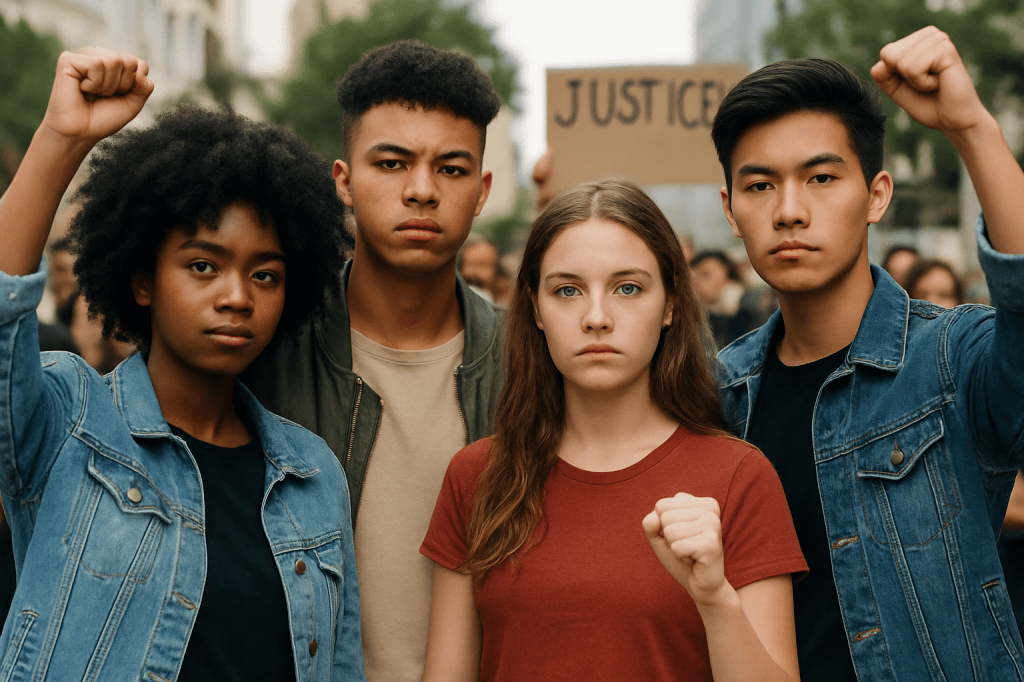
Gen Z has emerged as a generation marked by urgency, upheaval, and unfiltered honesty. Born into a world already trembling with economic uncertainty, political polarization, and spiritual confusion, their revolt is not one of senseless destruction but of fierce introspection. They challenge norms because the norms have failed them. They question authority because authority has historically ignored their voices. Their rebellion is, in many ways, a righteous outcry for meaning in an age of contradiction.

This generation grew up online, absorbing information at a pace no previous generation could imagine. The internet exposed them to global injustice early—police brutality, climate catastrophe, racism, and corruption were not distant stories but daily realities scrolling across their screens. This constant exposure created a generation hyper-aware of the world’s brokenness, yet determined to push for something better.

Gen Z’s revolt is also deeply tied to identity. They reject strict labels and refuse to let society force them into predefined boxes. Whether discussing race, gender, religion, or individuality, they assert autonomy over the narratives that once silenced young people. Their self-expression—through fashion, art, music, activism, and digital culture—is a statement of defiance against conformity.

Economically, Gen Z has witnessed the crumbling of the so-called “American Dream.” They saw their parents lose homes during the recession, watched millennials drown in student debt, and now face rising prices, unstable job markets, and inflation that threatens their future. Their revolt is a refusal to enter systems that seem rigged from the start.

Spiritually, this generation is both lost and searching. Many reject organized religion but still yearn for purpose, connection, and truth. Their skepticism is not rebellion against God but against institutions that have too often failed to reflect divine love, justice, and compassion. Their spiritual revolt is an effort to reclaim authenticity over tradition.

Socially, Gen Z is bold. They speak openly about mental health, trauma, and emotional intelligence. They refuse to romanticize suffering or accept silence where healing is needed. Their vulnerability is revolutionary because it breaks generational curses of suppression and secrecy.

Gen Z is also a generation of creators. They build businesses from their phones, produce art from their bedrooms, and influence culture with every post. Their creativity is a weapon—one that challenges outdated systems and empowers them to rewrite the rules.

Politically, they are fierce. They protest, vote, organize, and demand change. They have no patience for hypocrisy or empty promises. Their revolt is grounded in a desire for accountability, transparency, and justice within institutions that have long functioned on exclusivity.

Culturally, Gen Z elevates voices once ignored. They celebrate Blackness, queerness, womanhood, and multicultural identity with a richness that previous generations often suppressed. Their revolt is a collective embrace of the marginalized.

Gen Z challenges capitalism’s excesses. They reject blind consumerism while still navigating a world saturated with ads, influencers, and brands. Their relationship with materialism is complex—they are both shaped by it and rebelling against it.

Technology is both their battlefield and their sanctuary. They use it to connect, mobilize, and create movements. Yet they also struggle under the weight of social comparison, digital burnout, and algorithmic manipulation. Their revolt is a fight for digital freedom and mental peace.

Education for Gen Z is less about degrees and more about skills, understanding, and relevance. They challenge outdated curricula and advocate for learning that reflects real-world issues—social justice, financial literacy, mental wellness, and global awareness.

In relationships, Gen Z seeks emotional honesty. They reject performative love, toxic cycles, and misogynistic norms. Their revolt is a refusal to repeat generational patterns of broken homes, silent suffering, and unspoken wounds.

Gen Z is redefining family structures. They build communities outside of bloodlines and choose people who uplift them. Their revolt challenges the notion that family must tolerate abuse, neglect, or dysfunction.

They are also unafraid to critique the systems that harm them—schools, governments, corporations, and even older generations. Their criticism is often dismissed as entitlement, yet it is rooted in observant clarity. They see the world for what it is and refuse to pretend otherwise.

Despite their boldness, Gen Z carries heavy burdens: anxiety, depression, isolation, and the constant pressure to succeed. Their revolt includes learning boundaries, rest, and self-preservation. They fight for their mental health as fiercely as they fight for justice.

Their relationship with truth is complex. Raised in an age of misinformation, they are skeptical but deeply curious. Their revolt is a search for authenticity in a world overflowing with illusions.

Gen Z’s creativity extends into activism—art as protest, fashion as statement, social media as megaphone. They transform pain into power, struggle into strategy, and outrage into organized resistance. Their revolt is as artistic as it is political.

Yet beneath their resistance lies a deep desire: to build a world where dignity is not negotiable. Their rebellion is rooted in hope, even when expressed through frustration. They are not destroying the world—they are demanding that it finally become livable.

Ultimately, Gen Z’s revolt is a prophetic call for transformation. They are not the problem. They are the warning, the mirror, and the spark. They are the youth in revolt—not against order, but against injustice; not against tradition, but against oppression; not against elders, but against silence. And in their rising, they force the world to reckon with truth, change, and possibility.

References

Anderson, M., & Jiang, J. (2018). Teens, social media & technology. Pew Research Center. https://www.pewresearch.org

Baron, D. (2020). Identity formation in the digital age: How online environments shape youth development. Journal of Adolescent Research, 35(4), 451–470.

Carter, R. T. (2007). Racism and psychological well-being of young people of color. The Counseling Psychologist, 35(1), 13–16.

Dimock, M. (2019). Defining generations: Where Millennials end and Generation Z begins. Pew Research Center. https://www.pewresearch.org

Friedman, U. (2018). The changing politics of American youth. The Atlantic. https://www.theatlantic.com

Haidt, J., & Twenge, J. (2021). Social media and adolescent mental health: A review. The Journal of Child Psychology and Psychiatry, 62(5), 545–554.

Jenkins, H. (2006). Convergence culture: Where old and new media collide. NYU Press.

Kellner, D. (2020). Youth resistance, social movements, and digital activism. American Journal of Cultural Sociology, 8(3), 325–352.

Parker, K., Graf, N., & Igielnik, R. (2019). Generation Z looks a lot like Millennials on key social and political issues. Pew Research Center. https://www.pewresearch.org

Putnam, R. D. (2015). Our kids: The American dream in crisis. Simon & Schuster.

Sawyer, S. M., Azzopardi, P. S., Wickremarathne, D., & Patton, G. C. (2018). The age of adolescence. The Lancet Child & Adolescent Health, 2(3), 223–228.

Seemiller, C., & Grace, M. (2016). Generation Z goes to college. Jossey-Bass.

Shanafelt, A. (2020). Economic instability and youth labor experiences in post-recession America. Sociology Compass, 14(10), e12837.

Smith, A. (2015). Technology, smartphones & the digital generation. Pew Research Center.

Strauss, W., & Howe, N. (1997). The fourth turning: An American prophecy. Broadway Books.

Twenge, J. M. (2017). iGen: Why today’s super-connected kids are growing up less rebellious, more tolerant—and completely unprepared for adulthood. Atria Books.

Wang, H., & Wellman, B. (2010). Social connectivity in the digital era: Youth and online networks. Information, Communication & Society, 13(3), 373–396.

Watts, R. J., Griffith, D. M., & Abdul-Adil, J. (1999). Sociopolitical development in urban youth. Journal of Community Psychology, 27(2), 157–171.

Williams, J. (2020). Rebels with a cause: Youth activism in the 21st century. Oxford University Press.

Zuboff, S. (2019). The age of surveillance capitalism. PublicAffairs.

The Rise of Black Digital Influence: Culture, Commerce, and Community

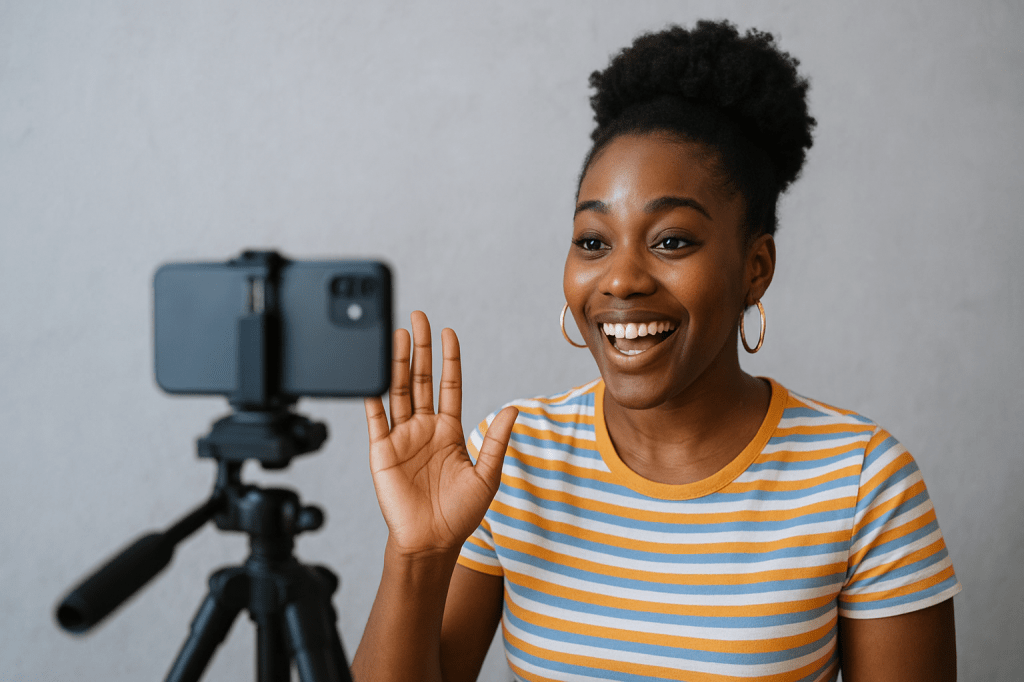
The digital era has ushered in unprecedented opportunities for Black voices to shape culture, commerce, and community globally. Platforms such as TikTok, Instagram, YouTube, and podcasts have provided unprecedented visibility, allowing Black creators to redefine aesthetics, narratives, and influence in ways previously constrained by traditional gatekeepers.

Black digital influence is first and foremost cultural. Social media has amplified Afrocentric beauty, hairstyles, fashion, and music, creating a global dialogue that celebrates Black identity. From natural hair movements to streetwear trends, Black creators are driving culture forward while reclaiming representation.

Historically, Black creativity was often commodified without proper recognition or compensation. Digital platforms now allow Black creators to assert ownership, narrate their stories, and monetize their craft independently, transforming cultural influence into economic empowerment.

The rise of Black influencers in music exemplifies this cultural and commercial convergence. TikTok, in particular, has propelled songs by Black artists to viral status, shaping charts, influencing mainstream media, and allowing independent artists to compete with major labels.

Fashion and beauty industries have experienced profound disruption. Black models, designers, and stylists utilize social media to challenge Eurocentric beauty standards, normalize diversity, and directly market products to global audiences. Platforms bypass traditional gatekeeping, giving Black creatives control over brand narrative.

Black digital influence also serves as a form of historical and cultural education. Creators use social media to teach African and African American history, genealogy, and social justice issues, providing accessible knowledge and fostering community awareness.

Podcasts and YouTube channels led by Black hosts have become platforms for intellectual discourse, storytelling, and entrepreneurship. Figures such as Tiffany Aliche (the Budgetnista) or content creators focusing on Black history and culture expand knowledge while creating wealth and visibility.

Entrepreneurship has flourished through digital influence. Black-owned businesses now reach global markets via e-commerce, digital marketing, and online services. The ability to sell directly to consumers allows creators to bypass traditional barriers in retail and finance.

Digital finance, including cryptocurrency and NFTs, has further expanded avenues for Black economic empowerment. Innovators are using blockchain technology to create wealth, preserve intellectual property, and invest in community-driven projects, demonstrating the convergence of technology and culture.

Social media has amplified activism. Movements like #BlackLivesMatter have demonstrated the power of digital platforms in mobilizing communities, influencing legislation, and shaping global conversations around racial justice and accountability.

The rise of Black digital influence also strengthens intergenerational knowledge transfer. Younger creators draw on ancestral narratives, cultural memory, and historical resilience while innovating content, products, and platforms for a modern audience.

Representation is another critical aspect. Black digital creators provide aspirational figures for youth, illustrating that cultural pride, entrepreneurship, and intellectual contribution can coexist with influence and wealth in a digital-first world.

Digital influence is not without challenges. Algorithmic bias, cyberbullying, content theft, and platform censorship can disproportionately affect Black creators. Navigating these obstacles requires both strategic knowledge and community solidarity.

Black digital communities have formed networks of support. Collaborative projects, cross-promotion, and mentorship among creators amplify reach and provide protection against exploitation, ensuring sustainability of influence and commerce.

Cultural appropriation remains a concern. Black creators must continually assert ownership over cultural products and narratives, educating global audiences while safeguarding the integrity of Black cultural expression.

Despite challenges, Black digital influence demonstrates resilience, creativity, and innovation. It transforms pain into art, oppression into opportunity, and visibility into empowerment. Black creators are setting trends, defining aesthetics, and reclaiming narratives at an unprecedented pace.

The intersection of faith and digital influence is also notable. Some creators incorporate spiritual guidance, moral frameworks, and community values into their content, blending cultural empowerment with ethical leadership.

Black digital entrepreneurship challenges traditional economic barriers. Influencers, content creators, and business owners leverage platforms to build brands, create jobs, and circulate wealth within Black communities, contributing to broader social and economic mobility.

Globalization amplifies Black influence. Creators in the diaspora connect with audiences worldwide, fostering cross-cultural exchange, solidarity, and shared identity, illustrating the universal impact of Black creativity and innovation.

Ultimately, the rise of Black digital influence reflects the ongoing evolution of Black excellence. It merges culture, commerce, and community into a powerful force for visibility, education, and empowerment, creating a legacy that is both digital and enduring.


References

Gates, H. L. (2011). In search of our roots: How 19 extraordinary African Americans reclaimed their past. Crown.

West, C. (2017). Race matters. Beacon Press.

Tutu, D., & Tutu, M. (2014). The book of forgiving: The fourfold path for healing ourselves and our world. HarperOne.

Noble, S. U. (2018). Algorithms of oppression: How search engines reinforce racism. NYU Press.

McKelvey, F., & Mulla, D. (2022). Digital Blackness: The power and politics of Black social media. Routledge.

Walker, K., & Brooks, C. (2021). Black digital entrepreneurship: Culture, commerce, and community. Palgrave Macmillan.

Skin Positivity Movements: Lessons from Social Media Campaigns.

Photo by Antonius Ferret on Pexels.com

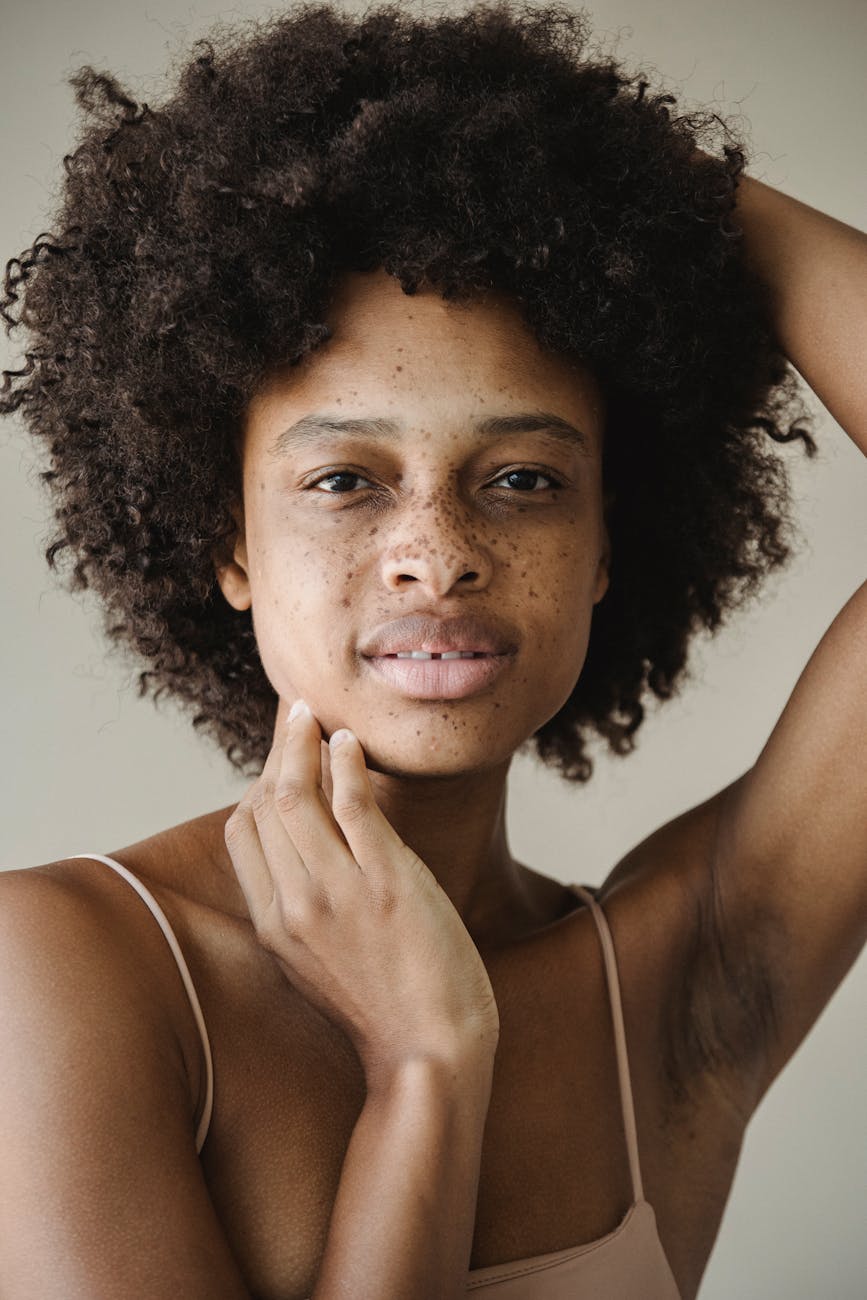
Skin positivity movements have emerged as powerful platforms challenging entrenched beauty standards, particularly colorism, Eurocentric ideals, and discrimination against darker skin tones. Social media has amplified these movements, allowing marginalized voices to share personal narratives, celebrate melanin-rich skin, and cultivate self-acceptance. For Black women and other people of color, these campaigns provide empowerment, community, and a corrective lens on mainstream beauty narratives.

Historically, dark-skinned individuals have faced systemic marginalization in media, advertising, and professional spaces. Lighter skin has often been associated with attractiveness, wealth, and social mobility, while darker skin has been stigmatized (Hunter, 2007). Skin positivity movements directly confront these prejudices by affirming the beauty and worth of melanin-rich skin.

Hashtags such as #MelaninMagic, #DarkSkinIsBeautiful, and #BlackGirlMagic have created digital communities where participants share photographs, testimonials, and affirmations celebrating natural skin tones. Influencers and everyday users alike post content highlighting the beauty, versatility, and cultural significance of dark skin, transforming personal empowerment into collective advocacy.

These campaigns do more than celebrate aesthetics; they challenge social biases. By promoting diverse representation, they combat colorism, foster pride, and provide educational resources about the historical roots of skin-based discrimination. Campaigns often pair visual content with messages encouraging self-love, confidence, and resilience in the face of societal pressure.

Psychologically, engagement with skin positivity content has measurable benefits. Research indicates that seeing representation of darker skin in media reduces internalized colorism, enhances self-esteem, and encourages positive body image (Tiggemann & Slater, 2014). For Black women, the affirmation of their natural skin tones counters years of societal messaging that devalued their beauty.

Celebrities have played an influential role in amplifying skin positivity. Figures like Lupita Nyong’o, Viola Davis, and Janelle Monáe use social media to showcase their natural beauty, often discussing experiences of bias and self-acceptance. Their visibility reinforces that dark skin is not only acceptable but celebrated and aspirational, challenging long-standing industry standards.

Social media campaigns also highlight the intersection of skin positivity with other movements, such as natural hair acceptance and cultural empowerment. By linking beauty affirmation with cultural pride, these movements encourage holistic self-respect, including respect for hair texture, heritage, and identity.

Skin Positivity Movements: Key Lessons from Social Media Campaigns

1. Celebrate Melanin-Rich Skin

  • Highlight your natural skin tone with pride.
  • Use hashtags like #MelaninMagic, #DarkSkinIsBeautiful, #BlackGirlMagic.
  • Share photos and stories affirming beauty in darker skin.

2. Engage with Positive Communities

  • Follow influencers and creators who celebrate Black beauty (e.g., Lupita Nyong’o, Jackie Aina, Janelle Monáe).
  • Participate in online groups or forums that promote self-acceptance.
  • Offer support and encouragement to others.

3. Educate and Advocate

  • Share posts about the history of colorism and skin bias.
  • Explain the cultural significance of melanin-rich skin.
  • Promote understanding through storytelling and awareness campaigns.

4. Counter Negative Messaging

  • Avoid accounts or content that perpetuate colorism or Eurocentric beauty ideals.
  • Use social media intentionally to boost confidence rather than compare.
  • Affirm your worth daily: “I am fearfully and wonderfully made” (Psalm 139:14, KJV).

5. Combine with Holistic Self-Care

  • Protect and nurture your skin with healthy routines.
  • Embrace natural hair textures alongside skin positivity.
  • Engage in spiritual and mental wellness practices for overall empowerment.

6. Amplify Voices

  • Support brands, creators, and campaigns that honor Black beauty.
  • Share inspirational stories of dark-skinned women breaking barriers.
  • Promote visibility in media, fashion, and professional spaces.

Visual Design Notes

  • Color Palette: Deep browns, golds, warm tones to reflect melanin-rich skin.
  • Icons: Camera for selfies/posts, heart for support, book for education, shield for self-care.
  • Layout: 6 key lessons, each with an icon, short description, and hashtag or Bible verse.
  • Header Quote: “I am fearfully and wonderfully made” – Psalm 139:14 (KJV).

From a spiritual perspective, skin positivity aligns with the biblical principle that all humans are fearfully and wonderfully made. “I will praise thee; for I am fearfully and wonderfully made: marvellous are thy works; and that my soul knoweth right well” (Psalm 139:14, KJV). Recognizing and celebrating God-given features counters societal pressure to conform to externally imposed standards.

Lessons from these campaigns include the importance of visibility, community support, and intentional storytelling. By consistently elevating narratives that celebrate melanin-rich skin, social media campaigns foster empowerment, challenge discriminatory norms, and cultivate resilience among marginalized groups.

In conclusion, skin positivity movements on social media have transformed the discourse around beauty, representation, and identity. By centering darker skin tones, these campaigns challenge colorism, promote self-acceptance, and foster collective empowerment. For Black women and other marginalized populations, the lessons of these movements underscore the transformative power of representation, affirmation, and community in cultivating confidence and reshaping societal norms.


References

  • Hunter, M. (2007). The persistent problem of colorism: Skin tone, status, and inequality. Sociology Compass, 1(1), 237–254.
  • Tiggemann, M., & Slater, A. (2014). NetGirls: The Internet, Facebook, and body image concern in adolescent girls. International Journal of Eating Disorders, 47(6), 630–643.
  • Thompson, C. (2019). Black Hair: Art, Style, and Culture. Bloomsbury Academic.
  • The Holy Bible, King James Version.

Brain Rot: The Lure of Social Media

Photo by Dalila Dalprat on Pexels.com

Social media stands as one of the most powerful forces shaping modern consciousness. While it promises connection, entertainment, and information, it simultaneously erodes attention, distorts self-perception, and rewires the mind. The phrase “brain rot” captures this slow psychological decay—a cultural and neurological drifting toward distraction, comparison, and overstimulation (Alter, 2017). In a world where digital platforms govern attention, the brain becomes a battlefield.

Algorithms engineer compulsion, not connection. Platforms optimize for engagement, not mental well-being, feeding the mind constant stimulation that disrupts cognitive rest cycles (Foerde & Shohamy, 2020). Where previous generations sought answers through study and silence, today many seek stimulation through endless scroll.

Attention—the currency of consciousness—is now fractured. Continuous scrolling conditions the mind to crave novelty at the expense of depth (Carr, 2020). A long-form book becomes unbearable, silence becomes uncomfortable, and thought becomes fragmented. The result is an inability to remain still, focus deeply, or engage meaningfully in sustained learning.

Attention decay is not a failure of willpower; it is engineered. Platforms deploy behavioral design mechanisms—intermittent rewards, infinite scroll, push notifications—to keep users locked in feedback loops (Eyal, 2014). The brain, wired for dopamine reward cycles, responds instinctively. Every like, share, and notification becomes a small high.

This dopamine loop leads to repeated checking, searching, and refreshing. Research shows similar neural activation patterns between social media engagement and substance addiction (Andreassen et al., 2017). The mind becomes dependent on micro-stimuli, weakened in its ability to seek fulfillment offline. The quiet life feels empty without digital applause.

Beyond neurology, the lure of social media is emotional. It offers validation. Affirmation. Belonging. Yet behind the screen lies comparison, envy, and insecurity. Curated lives produce distorted standards—beauty that is filtered, success that is exaggerated, happiness that is staged (Chou & Edge, 2012). The heart grows restless chasing illusions.

Identity becomes performance. Value becomes measured by visibility. The self becomes a brand. The digital mirror shapes self-worth as individuals seek approval from audiences rather than from purpose, community, or faith (Twenge, 2017). What once came from inner conviction now comes from metrics: likes, followers, views.

Vulnerability deepens among youth. Studies show rising anxiety, depression, and social disorientation among adolescents linked to heavy social media use (Keles et al., 2020). With developing brains still forming executive function and emotional regulation, the digital trap becomes generational.

Social comparison intensifies colorism, beauty bias, and racial insecurity online. Eurocentric filters and algorithmic biases elevate certain features and diminish others, reinforcing internalized hierarchy (Noble, 2018). In Black communities especially, social media creates pressure to conform to narrow aesthetics while erasing complexity and heritage.

The spiritual dimension of brain rot is profound. Constant distraction dulls discernment. The mind becomes reactive instead of reflective. Scripture warns, “Be still, and know that I am God” (Psalm 46:10, KJV). But digital culture abandons stillness. When the soul loses silence, it loses clarity.

Social media also impacts memory and learning. Outsourcing thought to devices weakens retrieval processes and deep storage of information (Storm & Stone, 2015). Minds no longer remember; they rely on searching. Knowledge becomes external. Wisdom becomes scarce.

Community fractures into digital tribes. Echo chambers amplify anger, misinformation, and division. Outrage becomes a resource to harvest, not a reaction to injustice (Sunstein, 2017). Brain rot is not only forgetting truth; it is learning to love noise.

Yet social media is not inherently destructive—it reflects usage. It can teach, inform, uplift, and empower movements for justice. Digital mobilization has amplified marginalized voices, documented abuses, and preserved history erased from mainstream narratives (Tufekci, 2017). The danger lies not in the tool, but in the unexamined dependency.

Restoration requires discipline. Boundaries guard the mind. Intentional consumption, designated offline time, and mindful use reclaim mental sovereignty (Newport, 2019). Digital sabbaths cultivate peace. Silence strengthens the inner voice.

Parents, educators, and leaders must teach digital literacy. Children must learn that value is not algorithm-assigned but divinely inherent. Minds must rediscover books, prayer, reflection, and community—not merely screens.

Prioritizing presence heals. Eye-to-eye conversation, physical touch, shared experiences, and real-world learning nourish cognitive development and emotional well-being. No emoji replaces human intimacy.

Ultimately, brain rot is a symptom of spiritual and cultural drift. When the mind serves distraction instead of purpose, decay follows. But when the mind seeks truth, discipline, and meaning, it flourishes. As Scripture reminds, “Set your affection on things above, not on things on the earth” (Colossians 3:2, KJV).

To reclaim the brain is to reclaim sovereignty, identity, and destiny. It is to choose depth over distraction and wisdom over noise. The battle for the mind is the battle for the future.

The cure begins with awareness, continues with discipline, and ends in liberation. The brain can be rewired. Focus can be restored. Thought can deepen again. We simply must choose clarity over chaos.

The lure of social media is strong—but the power of a disciplined mind is stronger.


References

Alter, A. (2017). Irresistible: The rise of addictive technology and the business of keeping us hooked. Penguin Press.
Andreassen, C. S., et al. (2017). The relationship between addictive use of social media and video games and symptoms of psychiatric disorders. Psychological Reports, 120(4).
Carr, N. (2020). The shallows: What the Internet is doing to our brains. W. W. Norton.
Chou, H., & Edge, N. (2012). “They are happier and having better lives than I am”: Facebook use and depression. Cyberpsychology, Behavior, and Social Networking, 15(2).
Eyal, N. (2014). Hooked: How to build habit-forming products. Portfolio.
Foerde, K., & Shohamy, D. (2020). Neuroscience of habit learning. Neurobiology of Learning and Memory, 169.
Keles, B., et al. (2020). A systematic review of social media and depression among adolescents. Clinical Child and Family Psychology Review, 23(4).
Noble, S. U. (2018). Algorithms of oppression: How search engines reinforce racism. NYU Press.
Newport, C. (2019). Digital minimalism: Choosing a focused life in a noisy world. Portfolio.
Storm, B. C., & Stone, S. M. (2015). Saving-enhanced memory. Psychological Science, 26(2).
Sunstein, C. R. (2017). #Republic: Divided democracy in the age of social media. Princeton University Press.
Tufekci, Z. (2017). Twitter and tear gas: The power and fragility of networked protest. Yale University Press.
Twenge, J. (2017). iGen. Atria Books.

How to Become a Brand Ambassador. #socialmedia #brandambassador

A brand ambassador is a person who represents a company’s products or services, promoting them in a positive light to increase awareness, sales, and loyalty. Becoming a brand ambassador requires strategic planning, consistent personal branding, and professional networking. Understanding the requirements of brands, knowing how to approach them, and maintaining credibility are essential for success.

The first step is to define your niche. Brands often look for ambassadors whose lifestyle, interests, or expertise align with their product. For example, a fitness brand seeks athletes or fitness influencers, while a luxury fashion label may target individuals with a glamorous aesthetic. Clearly defining your niche ensures that you are seen as a credible and authentic representative.

List of Top Brands to Work With as a Brand Ambassador

Luxury Fashion & Accessories:

  • Hermès
  • Gucci
  • Louis Vuitton
  • Prada
  • Chanel

Beauty & Skincare:

  • Fenty Beauty (Rihanna)
  • Sephora
  • MAC Cosmetics
  • Estée Lauder
  • L’Oréal

Sports & Activewear:

  • Nike
  • Adidas
  • Under Armour
  • Puma
  • Reebok

Tech & Electronics:

  • Apple
  • Samsung
  • Microsoft
  • Google
  • Sony

Lifestyle & Food:

  • Starbucks
  • Red Bull
  • Coca-Cola
  • Amazon (various programs)
  • Airbnb

Automotive & Luxury Vehicles:

  • Mercedes-Benz
  • BMW
  • Tesla
  • Porsche
  • Lexus

Emerging & Digital Brands:

  • Canva
  • Glossier
  • Peloton
  • TikTok (creator programs)
  • Shopify

Building a personal brand is crucial. A strong, consistent presence on social media platforms, blogs, or professional portfolios communicates professionalism and influence. Maintaining high-quality content, authentic engagement, and a coherent aesthetic attracts the attention of brands. According to Forbes (2021), “A personal brand that is consistent and authentic increases visibility and credibility with potential partners.”

Engagement is more important than follower count. Brands prioritize individuals who foster genuine interaction with their audience, as active engagement often leads to higher conversion rates. Metrics such as likes, comments, shares, and click-through rates can be presented when approaching brands, demonstrating value beyond raw numbers.

To get noticed, networking is essential. Attend industry events, workshops, or online forums where brand representatives or marketing professionals are present. Building relationships through professional interactions increases the likelihood of being considered for ambassador roles. LinkedIn and industry-specific platforms are particularly effective for connecting with brand managers.

When approaching a brand, research thoroughly. Understand the company’s products, target audience, mission, and values. Tailoring your proposal to align with their goals demonstrates preparation and professionalism. Brands are more likely to respond positively to ambassadors who understand their market positioning.

Crafting a proposal or pitch is the next step. Highlight your influence, engagement metrics, personal alignment with the brand, and creative ideas for promoting their products. Be concise, professional, and visually appealing. Providing examples of past collaborations or campaign success stories adds credibility.

Contracting with a brand requires careful consideration. Most brand ambassador programs outline responsibilities, compensation, exclusivity clauses, and duration. Ensure you review contracts thoroughly or seek professional advice to avoid unfavorable terms. Legal clarity protects your interests and maintains a professional relationship.

Negotiating compensation is part of the process. Some brands offer free products, while others provide monetary payment, affiliate commissions, or event fees. Understand your value, and be prepared to present a clear case for why your influence merits fair compensation.

Content creation is a core responsibility. Ambassadors must produce high-quality visuals, videos, or posts that showcase the product authentically. Creativity, consistency, and alignment with brand guidelines are critical. Failure to maintain quality can jeopardize the partnership.

Authenticity is essential for long-term success. Audiences are adept at detecting insincerity. Only endorse products you genuinely believe in or use. Brands prefer ambassadors who naturally fit their image rather than those solely motivated by profit.

Some of the best brands to endorse include global lifestyle companies like Nike, Adidas, Hermès, Gucci, Sephora, Apple, and luxury automotive brands, depending on your niche and audience demographics. Selecting brands strategically ensures your promotions resonate with your followers.

Understanding platform-specific strategies increases effectiveness. Instagram, TikTok, and YouTube favor visually compelling content, while LinkedIn and blogs are suited for professional endorsements. Tailor your approach to each platform to maximize engagement.

Consistency in posting and maintaining engagement is vital. Regular updates, authentic storytelling, and timely responses to comments enhance credibility. Brands often monitor consistency before renewing or expanding ambassador agreements.

Tracking results demonstrates your impact. Keep analytics of engagement, conversions, website clicks, or affiliate sales. Presenting data-driven evidence strengthens your reputation as a reliable partner for future campaigns.

Collaboration with other influencers or ambassadors can expand reach. Co-promotions and shared campaigns increase visibility and reinforce authority in your niche. Networking within the ambassador community often opens doors to more prestigious partnerships.

Professionalism extends beyond social media. Timely communication, adherence to deadlines, and respectful negotiation contribute to long-term relationships with brands. Your reputation as reliable and professional is as valuable as your audience size.

Continuous learning is key. Study marketing trends, social media algorithms, and audience behavior. Staying informed helps adapt strategies, ensuring you remain attractive to brands and competitive in the industry.

Brand ambassadors must also understand ethical considerations. Transparency with audiences, including disclosure of sponsorships or affiliate partnerships, builds trust and complies with legal regulations like FTC guidelines.

Finally, patience and persistence are essential. Success rarely happens overnight. Consistent effort, relationship-building, and strategic self-promotion gradually establish you as a sought-after brand ambassador.

By combining a strong personal brand, niche expertise, authentic engagement, and professionalism, anyone can position themselves for ambassador roles. Understanding contracts, selecting brands strategically, and tracking impact ensures not only initial opportunities but long-term growth in the industry.

References

Forbes. (2021). How to build your personal brand as an influencer. Forbes. https://www.forbes.com/sites/forbesagencycouncil/2021/03/08/how-to-build-your-personal-brand-as-an-influencer/

Business Insider. (2022). What is a brand ambassador and how to become one. Business Insider. https://www.businessinsider.com/brand-ambassador

Influencer Marketing Hub. (2023). Brand ambassador programs: How to get noticed and get hired. Influencer Marketing Hub. https://influencermarketinghub.com/brand-ambassador-programs/

Entrepreneur. (2022). 10 tips to become a successful brand ambassador. Entrepreneur. https://www.entrepreneur.com/article/brand-ambassador-tips

Federal Trade Commission (FTC). (2021). Disclosures 101 for social media influencers. https://www.ftc.gov/tips-advice/business-center/guidance/disclosures-101-social-media-influencers

HubSpot. (2022). The ultimate guide to influencer marketing and brand ambassadorship. HubSpot. https://blog.hubspot.com/marketing/influencer-marketing

Social Media Examiner. (2023). How to become a brand ambassador in 2023. Social Media Examiner. https://www.socialmediaexaminer.com/how-to-become-a-brand-ambassador/

    Satanic Occupations: The Battle Between Corruption and Redemption.

    Photo by Yan Krukau on Pexels.com

    The term “satanic occupations” refers to fields of work that can be corrupted and used as instruments of evil when motivated by greed, deception, pride, or exploitation. These occupations are not inherently evil but can be twisted to advance the works of darkness. The enemy seeks to “steal, and to kill, and to destroy” (John 10:10, KJV), which includes corrupting systems, careers, and institutions. Psychology supports this idea by showing that human behavior is shaped by incentives, power structures, and cultural influences that can promote either justice or harm.

    The entertainment industry—including acting, singing, and social media—has tremendous influence over culture. This field becomes “satanic” when it glorifies lust, pride, and rebellion against God, leading people to idolatry and sin. Many artists use their platforms to promote violence, sexual immorality, and self-worship. “Love not the world, neither the things that are in the world” (1 John 2:15-16, KJV). Psychologically, constant exposure to such content normalizes destructive behaviors and can lead to desensitization. However, entertainment can inspire hope, tell stories of redemption, and spread truth when used to glorify God.

    Science and technology can be powerful tools for human progress but are often idolized as replacements for God. When people elevate human knowledge above divine wisdom, they fall into intellectual pride. Romans 1:22 warns, “Professing themselves to be wise, they became fools” (KJV). Technology can be used to create weapons of mass destruction, exploit personal data, or distract entire generations. Psychologically, this creates a false sense of control. Yet science and technology can glorify God when used for healing, stewardship of creation, and improving quality of life.

    Banking and finance often become corrupted by greed and exploitation. The love of money is called “the root of all evil” (1 Timothy 6:10, KJV). Materialism leads to anxiety, selfishness, and social inequality. However, money is morally neutral and can be a force for good when used to support missions, feed the hungry, build hospitals, and educate the next generation. Wise stewardship honors God: “Honour the Lord with thy substance” (Proverbs 3:9, KJV).

    Politics shapes laws and morality at the national level. It becomes satanic when leaders use deception, oppression, and ambition to control people. “Woe unto them that decree unrighteous decrees” (Isaiah 10:1, KJV). Psychology shows that power can corrupt, leading to moral disengagement. Still, politics can uphold justice, protect the vulnerable, and advance righteousness. Biblical examples such as Joseph, Daniel, and Esther show that God uses leaders to bring deliverance and restoration.

    The legal profession—including judges and lawyers—can uphold truth or perpetuate lies and corruption. Bribes, false witnesses, and unjust rulings pervert justice: “Ye shall do no unrighteousness in judgment… but in righteousness shalt thou judge thy neighbour” (Leviticus 19:15, KJV). When guided by integrity, legal professionals defend the innocent and free the oppressed, reflecting God’s character as a just judge.

    Education is another area that can be either liberating or destructive. It becomes satanic when schools teach godless ideologies, promote moral relativism, or erase the truth about creation and history. “My people are destroyed for lack of knowledge” (Hosea 4:6, KJV) shows how ignorance can enslave a generation. However, education can also empower minds, teach virtue, and pass on wisdom. Christian educators and scholars can positively influence culture by teaching the truth and forming disciples of Christ.

    Medicine and healthcare can also become corrupted when profit outweighs compassion, or when procedures violate the sanctity of life. Abortion, unethical experiments, and exploitation of the sick reveal how this noble field can be twisted. Yet Christ Himself was a healer, and medicine is one of the most direct ways to reflect His compassion, relieving suffering and saving lives. “Bear ye one another’s burdens, and so fulfil the law of Christ” (Galatians 6:2, KJV).

    The military and law enforcement are sometimes seen as instruments of oppression or violence. Indeed, when armies are used for unjust wars or police abuse power, they serve Satan’s destructive agenda. But when used rightly, they protect the innocent and restrain evil. Romans 13:4 calls governing authorities “the minister of God, a revenger to execute wrath upon him that doeth evil.” Psychology shows that disciplined military culture can instill courage, duty, and teamwork that serve society.

    Fashion and beauty industries can promote vanity, lust, and unrealistic standards that enslave people’s identities to appearance. Proverbs 31:30 warns, “Favour is deceitful, and beauty is vain: but a woman that feareth the Lord, she shall be praised.” But fashion can also be used to express creativity, dignity, and modesty, reflecting God’s artistry and order.

    Business and entrepreneurship can be exploited for greed, exploitation, and unethical labor practices. Psychologically, unchecked ambition can lead to narcissism and moral compromise. Yet business done with integrity creates jobs, strengthens families, and funds kingdom work. Proverbs 11:1 teaches that “A false balance is an abomination to the LORD: but a just weight is his delight.” Ethical entrepreneurship can model stewardship and justice.

    Sports, like other occupations, are neither inherently good nor evil but can become a battleground for the heart. When used to glorify self, they foster pride and idolatry. However, when used to glorify God, they can inspire nations and serve as an example of discipline and perseverance. “Be not overcome by evil, but overcome evil with good” (Romans 12:21, KJV).

    Satanic Occupations: The Battle Between Corruption and Redemption

    Occupation / SphereHow It Can Be Evil (Satanic Influence)How It Can Be Good (Godly Use)Scriptures (KJV)Psychological Insight
    Entertainment (Acting, Singing, Social Media)Glorifies lust, rebellion, self-worship, violence, and idolatry; normalizes sin.Inspires hope, tells redemptive stories, spreads truth, uplifts and educates.1 John 2:15-16 – “Love not the world…”
    Philippians 4:8 – “Think on these things.”
    Constant exposure shapes values; can desensitize to sin or motivate positive change.
    Science & TechnologyIntellectual pride, replacing God, unethical experiments, distraction from spiritual life.Advances medicine, improves quality of life, glorifies God’s wisdom in creation.Romans 1:22 – “Professing themselves to be wise…”
    Psalm 19:1 – “The heavens declare the glory of God.”
    Knowledge without morality can lead to arrogance; aligned with ethics, it becomes life-giving.
    Banking & FinanceGreed, hoarding wealth, economic oppression, exploitation of the poor.Funds missions, education, healthcare, and community development.1 Timothy 6:10 – “The love of money is the root of all evil.”
    Proverbs 3:9 – “Honour the Lord with thy substance.”
    Materialism raises anxiety; generosity increases joy and social trust.
    Politics & GovernmentCorruption, unrighteous laws, abuse of power, oppression of citizens.Protects the vulnerable, promotes justice and national restoration.Isaiah 10:1 – “Woe unto them that decree unrighteous decrees.”
    Romans 13:1 – “The powers that be are ordained of God.”
    Power can corrupt; servant leadership builds societal trust.
    Legal Profession (Judges & Lawyers)Bribery, lies, defending injustice, perverting judgment.Defends the innocent, frees the oppressed, upholds righteousness.Leviticus 19:15 – “In righteousness shalt thou judge…”
    Proverbs 17:15 – “He that justifieth the wicked… is abomination.”
    Law shapes morality; relativism leads to justifying wrongdoing.
    EducationPromotes godless ideologies, moral relativism, and historical revisionism.Empowers minds, teaches wisdom, preserves truth, disciples future generations.Hosea 4:6 – “My people are destroyed for lack of knowledge.”
    Proverbs 4:7 – “Wisdom is the principal thing.”
    Education shapes worldview; miseducation can enslave, while truth liberates.
    Medicine & HealthcareProfit over compassion, abortion, unethical practices, exploitation of the sick.Healing, compassion, saving lives, reflecting Christ’s ministry.Galatians 6:2 – “Bear ye one another’s burdens…”
    Matthew 9:35 – Jesus “healing every sickness.”
    Altruistic care improves mental health for patients and caregivers alike.
    Military & Law EnforcementUnjust wars, abuse of authority, oppression of civilians.Protects the innocent, restrains evil, maintains order.Romans 13:4 – “He is the minister of God, a revenger to execute wrath…”
    Psalm 82:3 – “Defend the poor and fatherless.”
    Discipline fosters courage and duty; unchecked aggression breeds trauma and abuse.
    Fashion & Beauty IndustryPromotes vanity, lust, unrealistic standards, and identity obsession.Encourages creativity, dignity, modesty, and self-respect.Proverbs 31:30 – “Beauty is vain: but a woman that feareth the LORD…”
    1 Timothy 2:9 – “Adorn themselves in modest apparel.”
    Media-driven beauty ideals harm self-esteem; modesty and authenticity promote well-being.
    Business & EntrepreneurshipExploitation, greed, unethical labor, dishonest profit-seeking.Creates jobs, supports families, funds community growth, models stewardship.Proverbs 11:1 – “A false balance is abomination…”
    Colossians 3:23 – “Do it heartily, as to the Lord.”
    Ethical business improves society; unchecked ambition leads to narcissism and exploitation.

    Ultimately, none of these occupations is inherently evil. The danger lies in the motives of the heart. “Whether therefore ye eat, or drink, or whatsoever ye do, do all to the glory of God” (1 Corinthians 10:31, KJV). Psychology affirms that meaningful work aligns with moral and spiritual purpose, not merely power or profit. These spheres are spiritual battlegrounds where believers are called to bring light, integrity, and truth. “Be not overcome of evil, but overcome evil with good” (Romans 12:21, KJV).


    References

    • Holy Bible, King James Version.
    • American Psychological Association. (2023). The psychology of power and corruption. APA.
    • Twenge, J. M., & Campbell, W. K. (2018). The narcissism epidemic: Living in the age of entitlement. Atria Books.
    • Keller, T. (2013). Every Good Endeavor: Connecting Your Work to God’s Work. Dutton.
    • Barna Group. (2022). Faith and culture: How entertainment and media shape worldview. Barna Research.
    • Wright, N. T. (2010). After You Believe: Why Christian Character Matters. HarperOne.