
“The biggest problem with Black women” is extremely broad, and scholars caution against framing issues in a way that blames an entire group. Most research instead examines systemic challenges and social pressures that disproportionately affect Black women in the United States. These issues are rooted in historical inequalities, structural racism, gender bias, and economic disparities.
Intersectional Discrimination
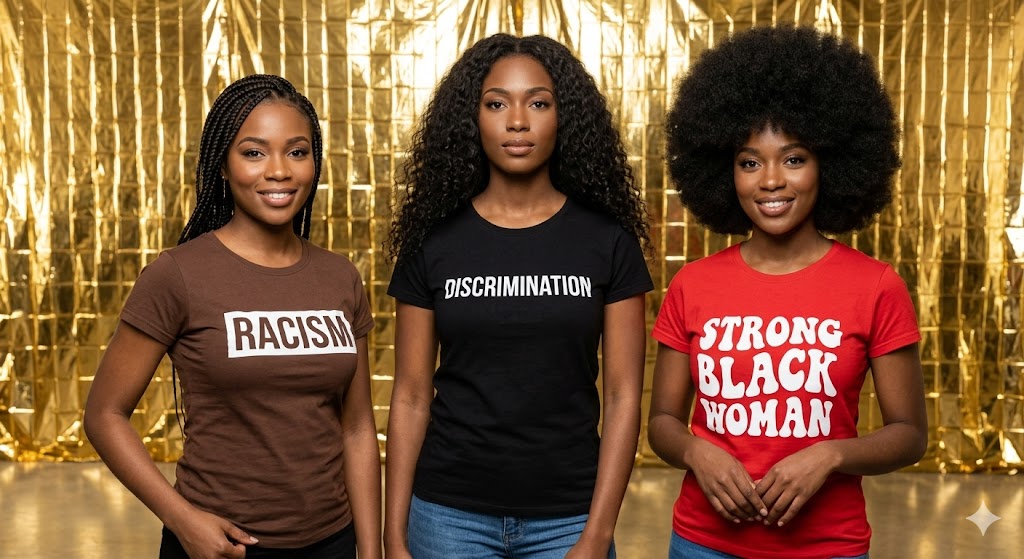
One of the most widely discussed issues is intersectional discrimination, a concept introduced by legal scholar Kimberlé Crenshaw. Intersectionality explains how Black women often face discrimination that combines both racism and sexism simultaneously. This dual burden can affect employment opportunities, healthcare experiences, legal protections, and social perceptions.
The “Strong Black Woman” Stereotype
Another major concern is the cultural expectation often described as the “Strong Black Woman” stereotype. While strength and resilience are positive qualities, scholars note that this stereotype can pressure Black women to suppress vulnerability, emotional needs, or mental health struggles. The expectation to remain strong in the face of adversity sometimes leads to untreated stress and burnout.
Economic Inequality
Black women are also disproportionately affected by economic inequality. According to data from the U.S. Bureau of Labor Statistics, Black women historically earn less than both white men and white women in the United States. This wage gap reflects broader systemic issues such as occupational segregation, hiring discrimination, and unequal access to high-paying industries.
Health Disparities
Public health research shows significant disparities affecting Black women’s health outcomes. For example, maternal mortality rates among Black women are significantly higher than those of other racial groups. Studies by the Centers for Disease Control and Prevention attribute this disparity to factors including unequal healthcare access, medical bias, and chronic stress related to systemic racism.
Colorism and Beauty Standards
Colorism—the preferential treatment of lighter skin tones within communities of color—also impacts Black women socially and professionally. Darker-skinned women often report facing bias in media representation, employment opportunities, and dating dynamics. These issues are widely examined within sociology and cultural studies.
Media Representation
Black women have historically been portrayed through limited stereotypes in film and television, including tropes such as the “mammy,” the “angry Black woman,” or hypersexualized depictions. Media scholars argue that these portrayals influence public perception and contribute to bias in social institutions.
Educational and Professional Barriers
Despite significant educational achievements—Black women are among the fastest-growing groups earning college degrees—many still face barriers to leadership positions in corporate and political spaces. Structural inequality and workplace bias often limit advancement opportunities.
Relationship and Family Dynamics
Sociologists also examine how historical factors such as mass incarceration, economic inequality, and employment instability affect family structures within Black communities. These broader systemic issues influence relationship dynamics, marriage rates, and household stability.
Mental Health Stigma
Mental health stigma within many communities can discourage individuals from seeking professional help. Black women may feel pressure to maintain emotional strength while dealing with racism, sexism, and economic stressors. This can delay treatment for anxiety, depression, or trauma-related conditions.
Structural Inequality
Ultimately, many scholars argue that the biggest challenges facing Black women are not individual flaws but structural inequalities embedded within social systems. These include disparities in housing, healthcare, employment, and education that developed over centuries of discrimination.
Resilience and Leadership
Despite these challenges, Black women have historically demonstrated remarkable resilience and leadership. Figures such as Harriet Tubman, Ida B. Wells, and Shirley Chisholm played critical roles in social justice movements, civil rights advocacy, and political progress in the United States.
Conclusion
Rather than identifying a single “problem” with Black women, most scholars emphasize examining the structural conditions that shape their experiences. Addressing disparities in healthcare, economic opportunity, education, and representation can help reduce inequalities and support the well-being of Black women in society.
References
Crenshaw, K. (1989). Demarginalizing the intersection of race and sex. University of Chicago Legal Forum.
Collins, P. H. (2000). Black feminist thought: Knowledge, consciousness, and the politics of empowerment. Routledge.
Centers for Disease Control and Prevention. Maternal mortality and racial disparities in the United States.
Jones, C. P. (2000). Levels of racism: A theoretical framework. American Journal of Public Health.
U.S. Bureau of Labor Statistics. (2023). Labor force statistics by race and gender.
 THE BROWN GIRL DILEMMA