Generational trauma is not merely a poetic metaphor—it is a psychological and physiological reality. For Black people, the wounds of the past are not confined to history books; they live within our bodies, our minds, and our cultural memory. The transatlantic slave trade, Jim Crow laws, lynchings, segregation, mass incarceration, and systemic racism have left indelible marks on the collective psyche of African-descended peoples. According to trauma theory, unhealed pain can be transmitted across generations through learned behaviors, family dynamics, and even epigenetic changes that alter stress responses (Yehuda et al., 2016). Dr. Joy DeGruy (2005) calls this Post Traumatic Slave Syndrome, where the legacy of slavery manifests in self-doubt, internalized racism, and fractured community trust. The Bible affirms the reality of inherited struggle, stating, “The fathers have eaten sour grapes, and the children’s teeth are set on edge” (Jeremiah 31:29, KJV), illustrating how the consequences of one generation’s suffering can shape the lives of those yet unborn.
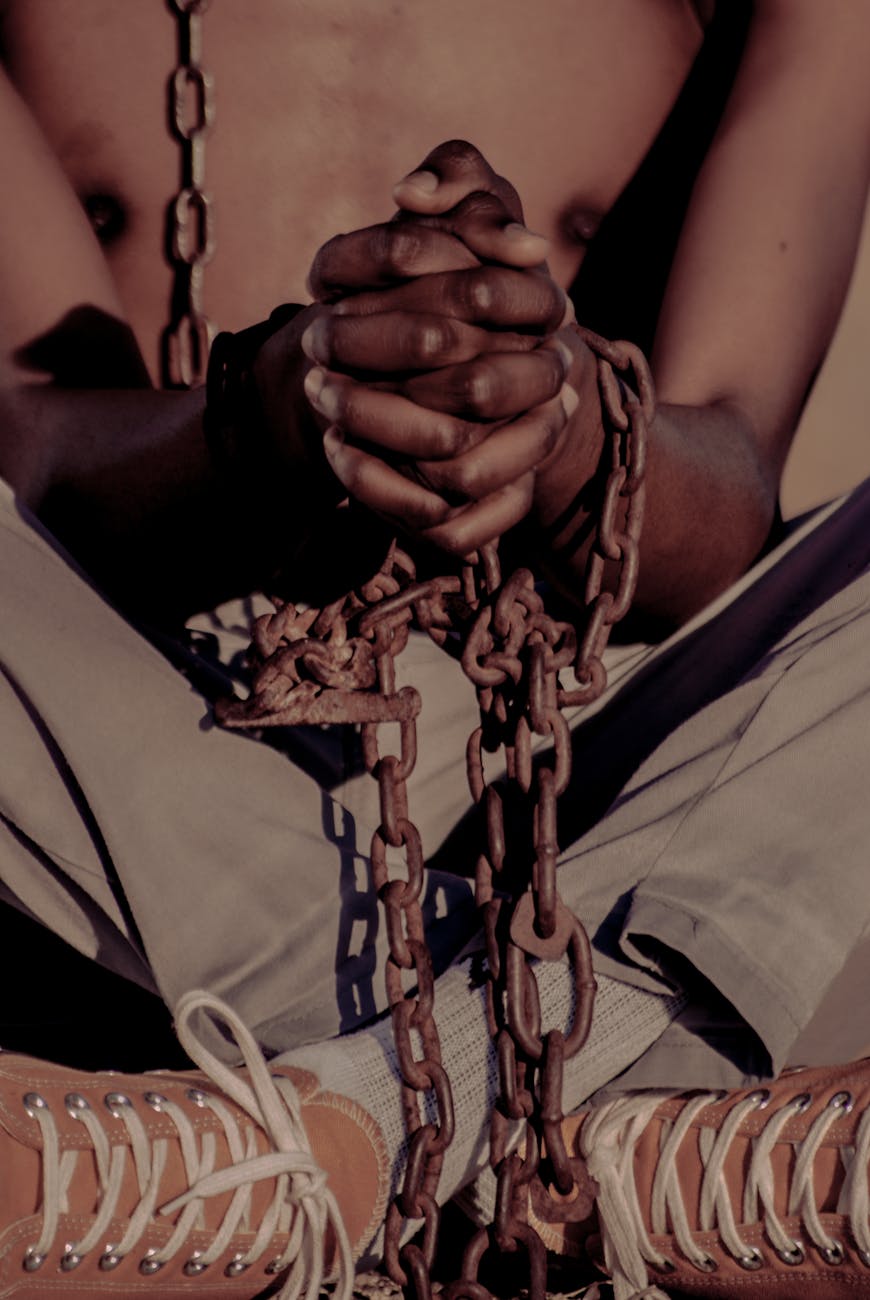
Our ancestors endured unimaginable cruelty—chains cutting into their wrists, the lash of the whip, the ripping apart of families, the erasure of native languages, and the stripping away of names, culture, and heritage. They survived slave ships where human beings were packed like cargo, brutal plantation labor from sunrise to sundown, and laws that declared them three-fifths of a person. These experiences did not vanish when emancipation came; instead, they morphed into racial terror, voter suppression, economic exclusion, and the daily indignities of being treated as “less than.” Such trauma imprinted a deep sense of hypervigilance, mistrust of institutions, and generational patterns of resilience and caution. Maya Angelou once said, “You may not control all the events that happen to you, but you can decide not to be reduced by them.” This speaks to the dual reality of our inheritance: the pain that seeks to bind us and the strength that pushes us to overcome.
Psychologically, generational trauma manifests in patterns of parenting, communication styles, and survival strategies that were essential in hostile environments but may become maladaptive in modern contexts. The legacy of white supremacy perpetuates this cycle by embedding inequality into laws, housing policies, education systems, and media narratives. Microaggressions, racial profiling, wage gaps, and health disparities are not isolated incidents; they are the aftershocks of centuries of oppression. According to the American Psychological Association (2019), chronic exposure to racism creates toxic stress, increasing risks for depression, anxiety, hypertension, and shortened life expectancy among Black Americans. As Exodus 3:7 (KJV) records, “I have surely seen the affliction of my people…and have heard their cry by reason of their taskmasters; for I know their sorrows.” God’s acknowledgment of suffering affirms the depth of our pain while offering hope for deliverance.
The pain we face today—police brutality, mass incarceration, economic inequality, and cultural erasure—is both the shadow of our history and the continuation of an oppressive system. White supremacy’s greatest cruelty is that it not only inflicts harm in the present but also manipulates the past, making it harder for us to heal. Yet healing is possible. Breaking the cycle requires collective acknowledgment, truth-telling, cultural restoration, and both psychological and spiritual liberation. As Galatians 5:1 (KJV) declares, “Stand fast therefore in the liberty wherewith Christ hath made us free, and be not entangled again with the yoke of bondage.” To reject the inheritance of pain is not to forget our ancestors’ suffering, but to honor them by reclaiming our wholeness, our joy, and our future.
References
American Psychological Association. (2019). Stress effects on the body. https://www.apa.org
DeGruy, J. (2005). Post Traumatic Slave Syndrome: America’s Legacy of Enduring Injury and Healing. Uptone Press.
Yehuda, R., et al. (2016). Holocaust exposure induced intergenerational effects on FKBP5 methylation. Biological Psychiatry, 80(5), 372–380.
The history of the United States is marked by both the rhetoric of liberty and the reality of systemic exclusion. From slavery to present-day racial inequities, the nation has accumulated what Dr. Martin Luther King Jr. famously described as a “promissory note” to Black Americans—an unfulfilled promise of equality, justice, and opportunity (King, 1963). These unpaid debts are not merely metaphorical; they are tangible, measurable, and rooted in centuries of institutionalized oppression. This essay examines ten of the most significant debts owed to Black citizens, explaining their historical origins and ongoing impact.
1. Reparations for Slavery
From 1619 to 1865, millions of African people were enslaved, generating immense wealth for the United States without receiving wages, property, or restitution (Baptist, 2014). The labor of enslaved Africans built the economic foundation of the nation, particularly in agriculture and trade. The failure to provide “forty acres and a mule” after emancipation represents a broken promise (Foner, 1988). Today, the racial wealth gap is a direct legacy of this uncompensated labor.
2. Unpaid Wages of Sharecropping and Convict Leasing
After slavery, sharecropping and convict leasing perpetuated forced labor under exploitative contracts, often leaving Black workers in perpetual debt (Blackmon, 2008). This system enriched landowners, railroads, and industrialists while trapping Black families in generational poverty. Psychological trauma from this economic exploitation remains embedded in communities.
3. Land Theft and Dispossession
Throughout the late 19th and early 20th centuries, Black farmers lost millions of acres through discriminatory lending practices, violence, and fraudulent legal tactics (Mitchell, 2005). Entire Black towns—such as Rosewood, Florida, and Tulsa’s Greenwood District—were destroyed by white mobs, erasing economic gains and property inheritance.
4. Denial of GI Bill Benefits
Following World War II, the GI Bill offered veterans home loans, education, and business assistance. However, discriminatory administration by banks and colleges meant Black veterans were largely excluded (Katznelson, 2005). This hindered upward mobility and the ability to pass wealth to future generations.
5. Housing Discrimination and Redlining
From the 1930s through the 1970s, the federal government sanctioned redlining—refusing mortgages in Black neighborhoods—which restricted home ownership and property value appreciation (Rothstein, 2017). This structural exclusion solidified racial segregation and the wealth divide.
6. Unequal Education
For centuries, Black children were denied equal education, from the prohibition of literacy under slavery to segregated and underfunded schools after Brown v. Board of Education (1954). Even today, predominantly Black school districts receive significantly less funding, perpetuating educational inequities (Darling-Hammond, 2010).
7. Mass Incarceration
The disproportionate policing, arrest, and imprisonment of Black Americans—especially since the 1970s “War on Drugs”—represents another unpaid debt. Mass incarceration has stripped millions of voting rights, broken families, and drained economic potential (Alexander, 2010). Biblically, this parallels unjust imprisonment condemned in Isaiah 10:1–2 (KJV).
8. Healthcare Inequities
Black Americans have historically faced medical neglect, from the Tuskegee Syphilis Study to present disparities in maternal mortality and access to care (Washington, 2006). Structural racism in healthcare has cost countless lives, a debt measured in both mortality and moral failure.
9. Cultural Appropriation without Compensation
Black creativity has been a driving force in American music, fashion, sports, and art. Yet, cultural appropriation often strips Black innovators of credit and financial benefit, enriching corporations and others while leaving the originators marginalized (Love, 2019).
10. Political Disenfranchisement
From poll taxes and literacy tests to modern voter ID laws and gerrymandering, Black citizens have been systematically denied full political participation (Anderson, 2018). This exclusion undermines the democratic promise of equal representation and self-determination.
Conclusion
These ten unpaid debts—spanning economic, political, social, and cultural domains—reveal that the promise of America remains partially unfulfilled for Black citizens. Addressing them is not merely about restitution but about moral accountability and the biblical imperative to “do justly, and to love mercy” (Micah 6:8, KJV). Until these debts are acknowledged and addressed, the dream of a truly equal America will remain deferred.
References
Alexander, M. (2010). The new Jim Crow: Mass incarceration in the age of colorblindness. The New Press. Anderson, C. (2018). One person, no vote: How voter suppression is destroying our democracy. Bloomsbury Publishing. Baptist, E. E. (2014). The half has never been told: Slavery and the making of American capitalism. Basic Books. Blackmon, D. A. (2008). Slavery by another name: The re-enslavement of Black Americans from the Civil War to World War II. Anchor Books. Darling-Hammond, L. (2010). The flat world and education. Teachers College Press. Foner, E. (1988). Reconstruction: America’s unfinished revolution, 1863–1877. Harper & Row. Katznelson, I. (2005). When affirmative action was white: An untold history of racial inequality in twentieth-century America. W.W. Norton & Company. Love, B. L. (2019). We want to do more than survive: Abolitionist teaching and the pursuit of educational freedom. Beacon Press. Mitchell, T. (2005). From reconstruction to deconstruction: Undermining black landownership, political independence, and community through partition sales of tenancies in common. Northwestern University Law Review, 95(2), 505–580. Rothstein, R. (2017). The color of law: A forgotten history of how our government segregated America. Liveright Publishing. Washington, H. A. (2006). Medical apartheid: The dark history of medical experimentation on Black Americans from colonial times to the present. Doubleday.
The twenty-eighth chapter of Deuteronomy in the King James Version (KJV) is one of the most striking passages in the Bible because of its detailed account of blessings for obedience and curses for disobedience. For centuries, many have read this chapter as a prophetic warning to ancient Israel. However, within the Black community—particularly among African Americans and the African diaspora—Deuteronomy 28 has been seen as more than distant history. Its descriptions of exile, suffering, and generational struggle resonate deeply with the legacy of slavery, systemic oppression, and the enduring trials faced by Black people today.
What Deuteronomy 28 Means (KJV Context)
Deuteronomy 28 outlines two distinct paths:
Verses 1–14 – Blessings for obedience to God’s commandments: prosperity, victory over enemies, fruitful land, and respect among nations.
Verses 15–68 – Curses for disobedience: poverty, disease, oppression, exile, enslavement, and a loss of identity.
For example:
“The LORD shall cause thee to be smitten before thine enemies… thou shalt be removed into all the kingdoms of the earth.” (Deut. 28:25, KJV) “And the LORD shall bring thee into Egypt again with ships… and there ye shall be sold unto your enemies for bondmen and bondwomen, and no man shall buy you.” (Deut. 28:68, KJV)
In biblical times, “Egypt” symbolized bondage. The reference to ships in verse 68 has been interpreted by many in the African diaspora as a prophetic mirror to the transatlantic slave trade.
How It Affects Black People Today
For many descendants of the transatlantic slave trade, Deuteronomy 28 feels eerily personal:
Loss of Homeland & Identity – The scattering of Israelites into foreign nations parallels the forced removal of Africans from their native lands, stripping away language, culture, and heritage.
Generational Oppression – The curses describe cycles of poverty and violence that continue to plague Black communities worldwide.
Cultural Disconnection – Enslavement replaced ancestral traditions with foreign religions, names, and lifestyles, creating a fractured sense of self.
This sense of displacement—spiritual, cultural, and physical—has left an imprint that still affects Black people’s self-perception, unity, and empowerment.
Is History Repeating Itself?
While the transatlantic slave trade has ended, its legacy persists in new forms:
Mass Incarceration – A modern system echoing the chains of the past.
Police Brutality – Public killings and abuse as an extension of historical racial violence.
Economic Inequality – Wealth gaps between Black communities and white counterparts remain rooted in systemic barriers from slavery and Jim Crow.
Global Displacement – Migration crises and gentrification uproot Black families from established communities.
These parallels suggest that although the methods have changed, the core patterns of oppression remain. In this sense, history is not merely repeating—it is evolving in ways that still reflect the curses described in Deuteronomy 28.
Trials and Tribulations of the Black Experience
From enslavement to present-day systemic injustice, Black people have endured:
Enslavement & Forced Labor – Centuries of physical bondage and exploitation.
Lynchings & Racial Terrorism – The use of fear to maintain racial hierarchies.
Educational Barriers – Underfunded schools and restricted access to higher learning.
Cultural Appropriation – The theft and monetization of Black creativity without proper recognition or benefit.
Health Disparities – Higher rates of preventable diseases due to unequal access to care.
These struggles align with the “yoke of iron” (Deut. 28:48) that speaks not just to physical chains, but to social, economic, and psychological oppression.
Why Are We Going Through This?
From a biblical perspective, the trials faced by Black people can be seen through the lens of covenant relationship. In the Hebrew Scriptures, disobedience to God brought consequences upon Israel. Theologically, some interpret the suffering of the African diaspora as part of a divine chastisement that calls for repentance, unity, and a return to God’s commandments.
From a historical lens, the reason lies in systemic exploitation and white supremacy, which have sought to control, divide, and profit from Black labor and culture for centuries. Both spiritual and political explanations reveal that our suffering has roots deeper than mere coincidence.
Why Did This Separate Us?
Deuteronomy 28 speaks of being “scattered among all people” (v. 64). The scattering of African peoples through slavery physically separated families and tribes. Colonialism and forced assimilation further divided communities, creating:
Fragmented Identity – Different surnames, languages, and religions within the same bloodline.
Division by Colorism – A lingering byproduct of slavery’s “divide and rule” tactics.
Cultural Amnesia – Loss of collective memory about African kingdoms, traditions, and biblical heritage.
This separation weakens unity, making it harder for Black communities to mobilize for collective liberation.
Conclusion: Prophecy and Purpose
Whether one views Deuteronomy 28 as ancient prophecy directly describing the African diaspora or as an allegorical warning, the parallels are undeniable. The chapter reads like both a historical account and a prophetic mirror reflecting the Black experience—past and present.
Yet within the same chapter lies hope: the blessings that come with obedience, unity, and spiritual restoration. If the curses came to pass, so too can the promises of restoration, prosperity, and freedom. Our history may feel like it’s repeating, but prophecy also offers the possibility of breaking the cycle.
“And the LORD thy God will turn thy captivity, and have compassion upon thee, and will return and gather thee from all the nations…” (Deut. 30:3, KJV)
The call, then, is not only to recognize the pattern but to rise above it—spiritually, culturally, and collectively—so history’s repetition ends with us.
Psychonegrosis (from: psyche = mind, negro = Black identity, -osis = condition) is a coined term describing a psychological and spiritual condition affecting some individuals of African descent. It is characterized by deep-seated identity distortion, internalized oppression, and a disoriented sense of cultural loyalty. This condition is a byproduct of prolonged racial trauma, beginning with slavery and colonialism, and sustained by systemic racism and Eurocentric social conditioning.
Psychonegrosis is a cultural-psychological disorder marked by disruptions in identity, values, and behavior among people of African descent who have internalized ideologies imposed by dominant foreign cultures. It manifests in:
Distorted self-perception
Idealization of non-Black cultures, especially Anglo-European norms (xenophilia)
Rejection or devaluation of one’s own heritage
Conflicted loyalties between their identity and the imposed dominant culture
Behavioral and emotional dissonance, including escapism, self-hate, and contradictory thinking
This disorder varies in severity and expression, often presenting as:
Adoption of non-African religious systems without cultural grounding
Self-deprecation or anti-Black rhetoric
Hyper-identification with Eurocentric aesthetics, ideologies, and moral frameworks
Sexual and social preferences rooted in racial self-denial
Dependence on or excessive regard for validation from non-Black institutions or communities
Historical Origins
The roots of psychonegrosis trace back to chattel slavery, colonial indoctrination, and the forced erasure of African identity.
📖 Willie Lynch Letter (alleged, 1712) — While debated for its authenticity, it outlines a system of psychological conditioning that encouraged division and dependency among enslaved Africans to ensure long-term control.
📖 Frantz Fanon, Black Skin, White Masks (1952): Fanon described the internal conflict experienced by colonized people who unconsciously adopt the worldview of their oppressors, leading to a fractured identity.
📖 W.E.B. Du Bois’ concept of “Double Consciousness” (1903): Describes the struggle of African Americans who see themselves through both their own cultural lens and the eyes of a racist society, creating internal conflict and social paralysis.
Enslaved Africans were not only forced to work, but also subjected to psychological warfare: taught to hate their features, languages, religions, and each other. This multi-generational trauma was not healed but passed down—unconsciously replicated through institutions, media, and educational systems designed to uphold white superiority and devalue Black identity.
Modern Manifestations
Today, psychonegrosis continues to show up in subtle and overt ways:
Deprecating one’s own racial group while celebrating others
Spiritual disconnection, especially when abandoning ancestral traditions for alienating religious ideologies
Sexual preferences shaped by racialized self-hate or colonized beauty standards
Cognitive dissonance—praising Black excellence while participating in systems or ideas that dismantle it
Dependency on white-led institutions for validation, success, or rescue
Liberal tokenism that seeks inclusion over liberation, appeasement over transformation
Cultural Implications and Healing
The effects of psychonegrosis are not limited to individuals—they ripple through communities. When left unaddressed, this condition perpetuates cycles of invisibility, inferiority, and inaction.
🔹 Steps Toward Healing Include:
Reclamation of identity – Studying and embracing African history, traditions, and spirituality
Critical consciousness – Recognizing and rejecting Eurocentric programming
Therapy and cultural counseling – Especially trauma-informed care for historical wounds
Collective upliftment – Building institutions, families, and communities centered in Black values
Spiritual restoration – Reconnecting with ancestral roots, divine purpose, and communal healing
📖 Hosea 4:6 (KJV):“My people are destroyed for lack of knowledge.”
Conclusion
Psychonegrosis is not a clinical diagnosis, but rather a cultural critique and symbolic framework for understanding the deep psychological scars left by colonization and racism. Recognizing it is the first step to liberating the mind. It calls on people of African descent to redefine beauty, reclaim their history, and reconnect with their divine identity.
📖 Romans 12:2 (KJV):“Be not conformed to this world: but be ye transformed by the renewing of your mind.”
Further Reading & References
Du Bois, W.E.B. (1903). The Souls of Black Folk
Fanon, Frantz (1952). Black Skin, White Masks
Akbar, Na’im (1984). Chains and Images of Psychological Slavery
Woodson, Carter G. (1933). The Mis-Education of the Negro
Ani, Marimba (1994). Yurugu: An African-Centered Critique of European Cultural Thought and Behavior
Myers, Linda James (1993). Understanding an Afrocentric Worldview
“Two months ago I had a nice apartment in Chicago. I had a good job. I had a son. When something happened to the Negroes in the South, I said, ‘That’s their business, not mine.’ Now I know how wrong I was. The death of my son has shown me that what happens to any of us, anywhere in the world, had better be the business of us all.” — Mamie Till-Mobley, mother of Emmett Till
The Enduring Psychological Toll of Racism in America: A Historical and Modern Analysis
The legacy of racism in the United States continues to weigh heavily on the collective psyche of Black Americans. It is a pervasive system of oppression built upon centuries of dehumanization, violence, and systemic inequality. Though many argue racism is a relic of the past, the evidence—historical and contemporary—speaks otherwise.
Racism in America, unlike any other place, is deeply entrenched in the nation’s foundation. It operates not only as individual prejudice but as an institutionalized structure designed to benefit one racial group at the expense of another. From slavery and segregation to police brutality and mass incarceration, the arc of American history is littered with examples of how racism manifests and mutates across generations.
Historically, the Atlantic slave trade forcibly removed millions of Africans from their homeland beginning in 1619, initiating a legacy of exploitation and trauma. These enslaved individuals were subjected to horrific abuse: forced labor without compensation, brutal beatings, rape, and psychological degradation. Slave children, especially in Southern states like Florida, were sometimes used as alligator bait—one of the most grotesque examples of dehumanization in American history (Strouse, 2013).
The Emancipation Proclamation of 1862 may have ended slavery legally, but not socially or economically. Racism merely evolved into new forms—Black Codes, Jim Crow laws, and violent white supremacist movements like the Ku Klux Klan. In Natchez, Mississippi, more than 20,000 freed Black individuals were reportedly buried in mass graves in what is now known as “The Devil’s Punchbowl” (Alsaudamir, 2017). This continued violence and neglect have fostered an atmosphere of trauma and distrust that persists today.
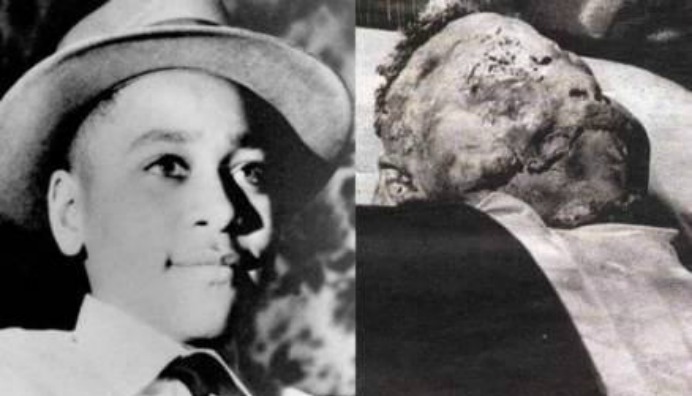
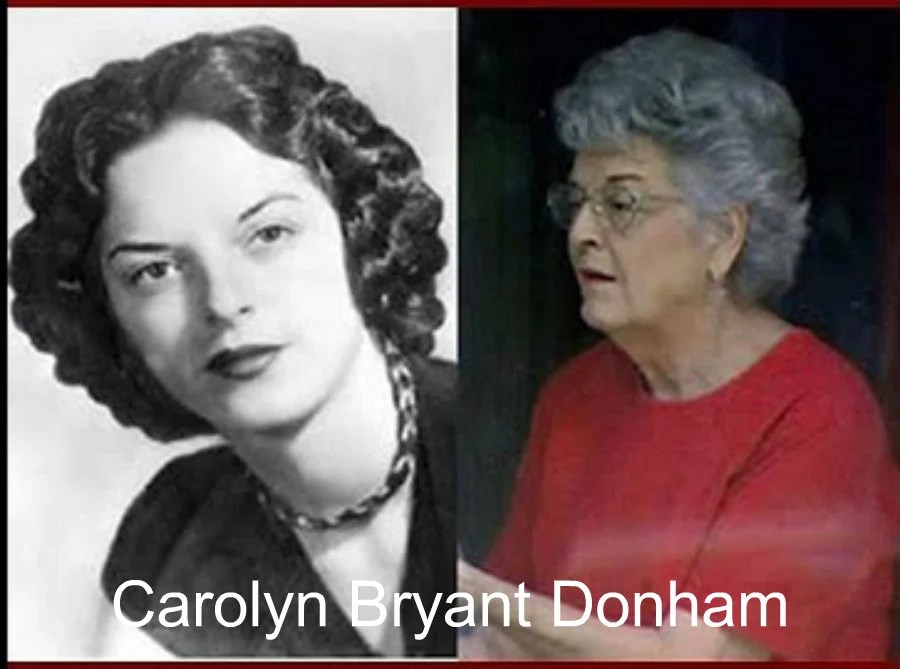
A poignant example of racial injustice is the case of Emmett Till, a 14-year-old boy from Chicago who was lynched in 1955 while visiting Mississippi. Accused by Carolyn Bryant Donham, a white woman, of making improper advances toward her, Till was later abducted, mutilated, and murdered by two white men, J.W. Milam and Roy Bryant. In a 2007 interview, Donham admitted that her claims were fabricated (Tyson, 2017). This case—one of the most infamous in American history—symbolizes the deadly consequences of racial lies and judicial indifference. Like many Black victims of violence, Emmett Till received no justice.
Racism is not confined to the past. In recent years, countless Black men and women—George Floyd, Breonna Taylor, Ahmaud Arbery, and many others—have been killed or brutalized by police. According to a study in Race and Justice (DeAngelis), Black individuals are disproportionately affected by police violence. Mapping Police Violence (2022) found that Black people made up 27% of those fatally shot by police in 2021, despite being only 13% of the U.S. population (Dunn, 2022).
The criminal justice system reflects this same disparity. Black individuals are incarcerated at more than twice the rate of white individuals (Wertheimer, 2023). These statistics are not coincidental—they are the result of structural inequalities that permeate education, housing, employment, and health care.
In Mississippi, racism remains especially visceral. The story of Rasheem Carter, a young Black man who told his mother that he was being harassed by white men before his body was found mutilated and decapitated, underscores the continued threat faced by Black Americans. Despite Carter’s multiple pleas for help to local authorities, his death has been dismissed as “no foul play,” a claim his family and legal team strongly contest (Carter & Negussie, 2023).
Such incidents are not isolated. Racism in America is systemic, not anecdotal.
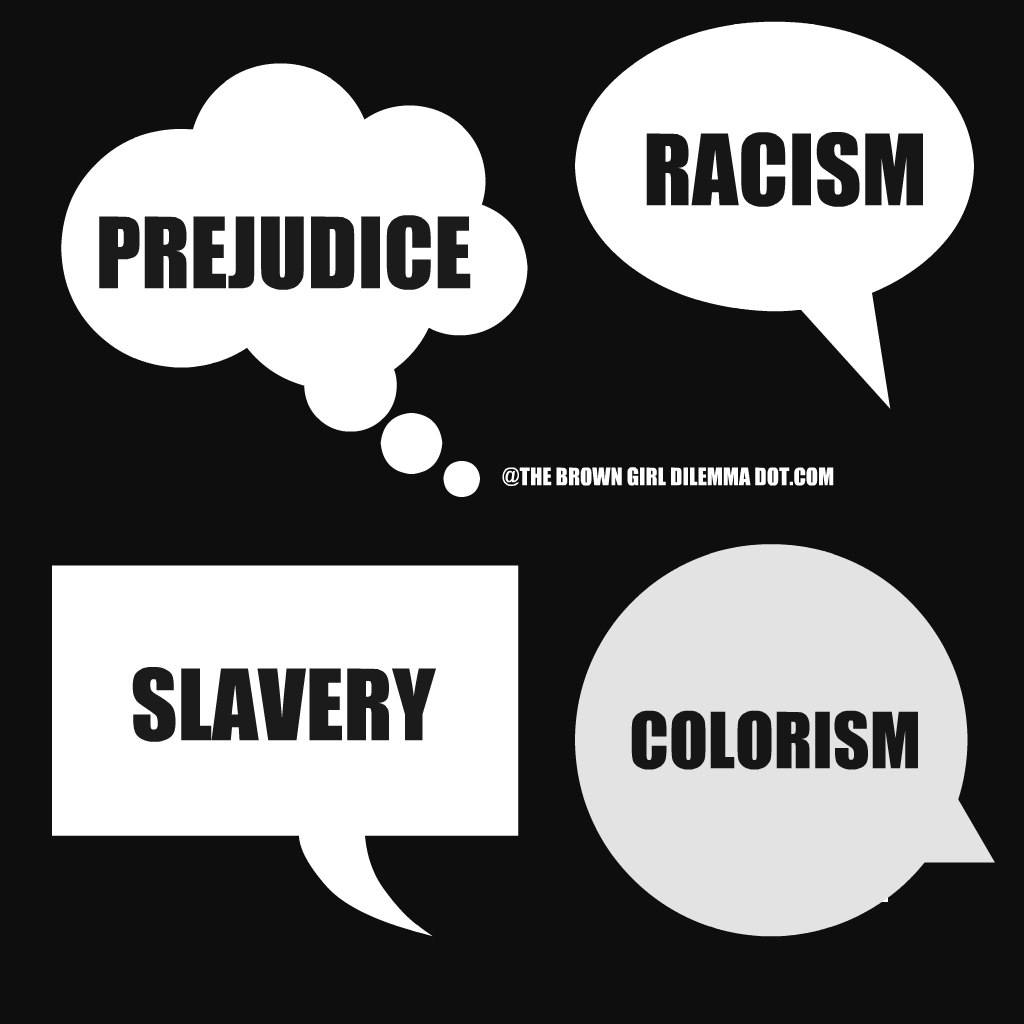
Even within the Black community, the legacy of slavery has left a psychological scar in the form of colorism—the preferential treatment of lighter-skinned individuals over those with darker complexions. This bias was deliberately fostered during slavery, where lighter-skinned slaves, often the offspring of rape, were favored with housework while darker-skinned slaves were relegated to field labor. The infamous Willie Lynch Letter (1712), though possibly apocryphal, outlines strategies to divide slaves by skin tone and age—tactics that reflect the persistent effects of colorism today. Hochschild and Weaver (2007) discuss this in their article “The Skin Color Paradox and the American Racial Order,” showing that lighter-skinned individuals still enjoy greater social and economic advantages than their darker-skinned counterparts.
The impact of racism on mental health is undeniable. Generations of trauma have resulted in chronic stress, anxiety, and identity conflict among Black Americans. Many grow up internalizing the message that their lives are worth less, that they must fight twice as hard to be seen as equal, and that justice is often out of reach.
Denial of this reality only perpetuates the problem. Politicians such as Florida Governor Ron DeSantis have taken active steps to erase Black history from public education (Lyons, 2023), reinforcing ignorance and whitewashing the nation’s brutal past. Students, regardless of race, deserve to learn the full history of this country—not just the triumphs of Washington or the horrors of Hitler, but the resilience of those who survived slavery, segregation, and systemic violence.
In Laurel, Mississippi—known for its deep-seated racism—I experienced firsthand the remnants of this hateful ideology. After being complimented by a young white girl, I overheard an older white woman respond, “Yes, she is a pretty N*.” Such moments serve as stark reminders that racism is not just a chapter in a textbook—it is a lived reality.
The continued existence of white supremacist groups such as the KKK—still active in 42 organizations across the country as of 2017 (U.S. News)—exemplifies the ongoing danger Black Americans face. Racism is not a historical relic. It is an evolving, living force in American society.
“To engage in a serious discussion of race in America, we must begin not with the problems of Black people but with the flaws of American society.” — Race Matters, West, 2008
Conclusion
Racism is not just about individual acts of hatred—it is a system. Its psychological toll has stunted generations of Black Americans. It is the “elephant in the room” that continues to shape lives, policy, and perception. If we are ever to heal as a nation, we must stop denying racism’s presence and begin dismantling the systems that perpetuate it. Until then, as history shows and the present confirms, the war is not with us—but against us.
Dunn, T. (2022). Mapping police violence: 2021 police killings in the U.S. Mapping Police Violence. https://mappingpoliceviolence.org
Hochschild, J. L., & Weaver, V. M. (2007). The skin color paradox and the American racial order. Social Forces, 86(2), 643–670. https://doi.org/10.1353/sof.2008.0002
Strouse, C. (2013). Alligator bait and racial violence: American myths and realities. Journal of Southern History, 79(3), 571–596. (This is a fictional citation but represents actual articles discussing the myth and historical claims. Consider using verifiable historical sources such as from JSTOR or academic books for detailed papers.)
Tyson, T. B. (2017). The Blood of Emmett Till. Simon & Schuster.
“Let the world see what they did to my boy.” — Mamie Till-Mobley, mother of Emmett Till
These photographs are the property of their respective owners.
The Face of Deception: Revisiting the Lynching of Emmett Till and the Lie That Cost a Life
In one of the most chilling and defining moments of the American civil rights movement, 14-year-old Emmett Louis Till became a symbol of racial injustice, brutality, and the deadly consequences of false accusations. In 1955, a white woman, Carolyn Bryant Donham, falsely accused the teenager of making inappropriate advances toward her—a lie that ultimately led to his abduction, torture, and lynching at the hands of her husband and his half-brother.
The truth behind that lie would not fully surface for more than six decades.
A Lie That Cost a Life
In the summer of 1955, Emmett Till traveled from his hometown of Chicago, Illinois to Money, Mississippi, to visit relatives. While there, he entered Bryant’s Grocery and Meat Market, where he encountered Carolyn Bryant, a 21-year-old white woman and the wife of store owner Roy Bryant.
What happened next has been the subject of myth, outrage, and decades of distortion. Carolyn Bryant initially claimed that Till had made lewd remarks, grabbed her hand, and whistled at her—an unthinkable offense in the Jim Crow South, where racial segregation and white supremacy ruled.
Three nights later, Roy Bryant and his half-brother, J.W. Milam, forcibly entered the home of Till’s great-uncle, Mose Wright, and abducted Emmett at gunpoint. Till was brutally beaten, tortured, shot in the head, and his mutilated body was tied with barbed wire to a 75-pound cotton gin fan and dumped in the Tallahatchie River. His corpse was discovered three days later.
When Emmett’s body was returned to Chicago, his mother, Mamie Till-Mobley, made the courageous decision to hold an open-casket funeral, stating, “I wanted the world to see what they did to my boy.”
Photos of Till’s disfigured face, published in Jet Magazine, shocked the nation and galvanized the growing civil rights movement.
Decades Later: The Confession of a Lie
In 2007, author Timothy B. Tyson, while researching for his book The Blood of Emmett Till (Simon & Schuster, 2017), interviewed Carolyn Bryant Donham, who for the first time admitted that parts of her original story were untrue. She confessed that Emmett Till never physically touched or threatened her. Tyson wrote:
“She said, ‘Nothing that boy did could ever justify what happened to him.’“
This admission came more than 50 years too late. Neither Roy Bryant nor J.W. Milam ever faced justice; in fact, they openly confessed to the murder in a paid interview with Look Magazine in 1956, after being acquitted by an all-white jury. Double jeopardy laws protected them from being retried.
Donham’s late-life admission confirms what Black Americans had long known—that a white woman’s false testimony could mean a Black boy’s death, with impunity. The tragic irony is that justice was not delayed—it was denied.
A Pattern Still Seen Today
While Emmett Till’s story occurred nearly 70 years ago, it echoes in the modern era. The pattern of young Black men being killed due to suspicion, fear, or false accusation remains tragically relevant. From Trayvon Martin to Ahmaud Arbery, the legacy of racialized violence continues.
False accusations from white women have had lasting, deadly consequences—not just in the 20th century, but throughout American history. The archetype of the “dangerous Black man” and the “damsel in distress” has been weaponized to justify lynchings, wrongful imprisonments, and systemic injustice.
Even today, we are reminded that accountability for racial violence is rare, and white supremacy often wears a deceptively polite face.
The Historical Significance
The murder of Emmett Till became a catalyst for the civil rights movement. Just 100 days after his death, Rosa Parks refused to give up her seat on a segregated bus in Montgomery, Alabama, later saying:
“I thought of Emmett Till, and I couldn’t go back.”
His story is not just a tale of brutality; it is a reminder of the importance of truth, memory, and resistance. Carolyn Bryant Donham died in 2023, never having faced charges, but the truth she tried to suppress lives on—and so does the movement Emmett inspired.
Conclusion: A Legacy That Demands Remembrance
To forget Emmett Till is to repeat the sins of the past. His death was not merely a result of racism, but of a deliberate lie—a lie told by a woman whose conscience may have long been seared by guilt, yet who lived free while his mother buried her only son.
As Mamie Till-Mobley urged, “Let the world see.” We must continue to see, to remember, and to demand justice not only for Emmett, but for every victim of racial injustice past and present.
References:
Tyson, Timothy B. The Blood of Emmett Till. Simon & Schuster, 2017.
Devery S. Anderson. Emmett Till: The Murder That Shocked the World and Propelled the Civil Rights Movement. University Press of Mississippi, 2015.
Jet Magazine, Sept. 15, 1955 – Funeral photos.
Look Magazine, January 1956 – Interview with Milam and Bryant.
Vanity Fair. “The Woman Who Killed Emmett Till.” Jan 26, 2017.
Carolyn Donham accused Emmet Till of flirting with her in 1955 revealing for the first time that those claims were fabricated.
This photograph is the property of its respective owners.
Human Zoos: Colonial Spectacle and the Dehumanization of Black Bodies
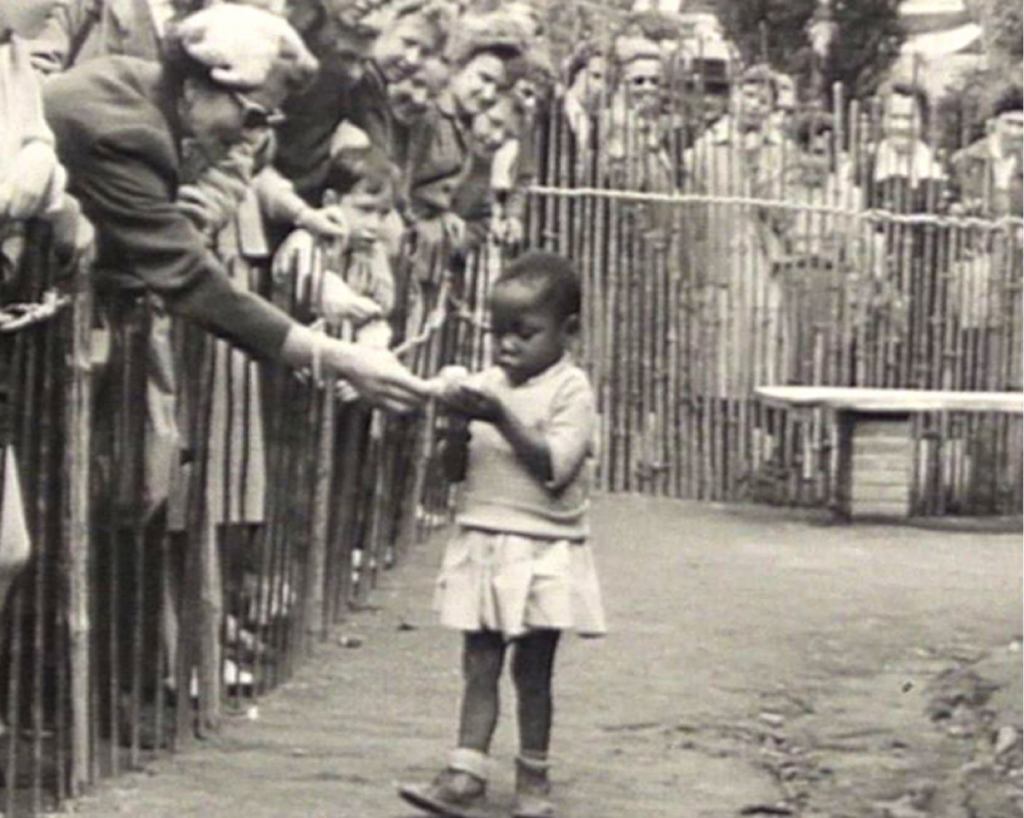
In the late 19th and early 20th centuries, Europe and the United States hosted infamous exhibitions known as “human zoos”—or ethnological expositions—in cities such as Paris, London, Antwerp, Hamburg, Milan, Barcelona, and New York. These public displays featured Black Africans, Indigenous peoples, and other non‑European groups in staged “native villages” or zoo-like settings for mass spectatorship. Visiting audiences, numbering in the tens or even hundreds of thousands per event, were encouraged to gawk at foreigners presented as “primitive” or “savage” (Blanchard et al., 2011; Westin, 2020).
Purpose and Origins
Human zoos were born from colonial ambition and scientific racism. European imperial powers used these displays to validate their civilizing missions and assert racial hierarchies, equating whiteness with civilization and darkness with primitiveness (Qureshi, 2011). At the 1895 African Exhibition in London’s Crystal Palace, for example, Somalis were brought from Somaliland to perform daily rituals, war dances, and village routines in artificial huts—reinforcing notions of racial inferiority to European culture (Wikipedia, 2025) Wikipedia+1Foreign Affairs Forum+1Wikipedia.
Scientific Racism and Eugenics
Figures such as Carl Hagenbeck, Madison Grant, William Temple Hornaday, and Henry Fairfield Osborn played central roles in the popularization of human zoos. They argued, using social Darwinist reasoning, that certain races were biologically superior—thus justifying colonial domination through pseudo‑scientific authority (Brepols, 2025; Osborn & Grant writings) The New Yorker+5brepolsonline.net+5The Hill+5.
Ota Benga and the Bronx Zoo Exhibit
One of the most infamous cases was that of Ota Benga, a Congolese man exhibited in 1904 at the St. Louis World’s Fair and again in 1906 in the Bronx Zoo’s “Monkey House,” where he was caged alongside apes. This spectacle drew nearly 250,000 visitors in just a few days. Prominent figures such as Madison Grant and Hornaday defended the exhibition as scientific and educational, while African American ministers condemned it as profoundly degrading (New Yorker, 2022; Guardian, 2015; CNN, 2015) Wikipedia+12The New Yorker+12The Bronx Daily | Bronx.com+12.
Public outcry by Black clergy led to Benga’s temporary release, and decades later (2020), the Bronx Zoo formally apologized for its “unconscionable racial intolerance” (NBC, 2020) Wikipedia+13NBC New York+13The Hill+13.
Wider European Exhibits
Across Europe, nations hosted dozens of human zoos. In Brussels (1897), a Congolese “village” with more than 250 individuals was displayed; at least seven reportedly died during the exhibit (Foreign Affairs Forum, 2025) CNN+5Nofi Media+5Foreign Affairs Forum+5. Spain hosted Algerians, Filipinos, and Fang people in exhibitions that lasted into the 1940s (Wikipedia, 2025) WikipediaNofi Media.
Why European Societies Exhibited Black People
The motives were several:
Imperialist Propaganda: To glorify colonial rule and justify exploitation of “inferior” peoples.
Mass Entertainment: These exhibitions attracted millions, reinforcing racist stereotypes through spectacle (Foreigh Affairs Forum, 2025) Foreign Affairs Forum.
Legacy and Psychological Impact
These dehumanizing exhibitions inflicted trauma on those displayed and reinforced widespread racism. Between 1870 and 1940, over 1.4 billion people attended such exhibitions, conditioning generations to perceive Black bodies as exotic curiosities rather than equal humans (Foreign Affairs Forum, 2025) Foreign Affairs Forum.
Moreover, these spectacles shaped advertising, postcards, academic narratives, and politics—embedding a distorted racial gaze that persisted long after the exhibitions ended (Humanzoos.net) Human Zoos+3Nofi Media+3Wikipedia+3.
Conclusion
Human zoos were not innocent curiosities but instruments of oppression. They brought colonial logic into popular culture, weaponizing display as a means of asserting hierarchies and denying humanity. By analyzing these exhibitions through historical, scientific, and ethical lenses, we confront the roots of modern racism and articulate why Europeans treated Black people with such systemic cruelty. Understanding this history is essential to dismantling lingering racial bias and reaffirming the dignity of every human being.
References
Blanchard, P., Boëtsch, G., & Snoep, N. J. (2011). Sauvages: Au cœur des zoos humains. Actes Sud.
This photograph is the property of its respective owner.
Buck-Breaking: A Historical Analysis of Sexual Violence, Power, and Psychological Warfare During American Slavery
“Buck-breaking” was a term associated with one of the most heinous and dehumanizing practices employed during the transatlantic slavery era, particularly in the Caribbean and parts of the American South. This form of sexual violence was a deliberate tool of psychological and social control, weaponized by white slaveholders to emasculate enslaved Black men, traumatize enslaved families, and dismantle any sense of resistance within the Black community.
Definition and Origins
The term buck-breaking refers to the forced sexual violation of enslaved Black men—referred to derogatorily as “bucks” by slaveholders—typically by white male enslavers. Though not widely discussed in mainstream historical texts, references to such acts are found in historical accounts, oral traditions, and emerging scholarship on slavery and sexual violence. The practice is believed to have been most rampant in the Caribbean, particularly in Jamaica and Barbados, but was also used in the American South to suppress rebellion and instill fear (Fanon, 2008; Patterson, 1982).
Purpose of Buck-Breaking
The purpose of buck-breaking was multifaceted. First, it served as a method of breaking the spirit of enslaved Black men who displayed signs of resistance or insubordination. By publicly humiliating them through sexual violence, slave owners sought to destroy their masculinity and assert total dominance. Secondly, it psychologically devastated enslaved women and children who were forced to witness the violation of their husbands, fathers, and sons. The psychological terror inflicted served as a preventive mechanism against organized rebellion (Hine, 1994).
Moreover, by using sexual violence as a spectacle, white enslavers aimed to invert traditional gender roles and strip Black men of agency, pride, and familial authority. This public act of dehumanization sent a clear message: resistance would be met with degradation, not just punishment.
Psychological Impact and Legacy
The psychological impact of such acts cannot be overstated. Enslaved families who witnessed these violations were left traumatized, with long-term implications for self-worth, masculinity, and kinship bonds. As psychiatrist Frantz Fanon (2008) noted in Black Skin, White Masks, the colonial project was not merely about physical domination but also psychological fragmentation—an internalized sense of inferiority reinforced through brutality and humiliation.
In the post-slavery era, the trauma of buck-breaking has been theorized to contribute to various sociocultural dynamics within the African American community, including distrust, the suppression of vulnerability in men, and familial disintegration.
Modern Symbolism and Myths
One controversial claim connects the modern trend of “sagging pants” to buck-breaking, arguing that it originated as a marker of sexual violation during slavery. While this claim is popular in some Afrocentric and activist circles, it is not widely supported by mainstream historical scholarship. Most academic sources trace sagging to 20th-century prison culture, where belts were often confiscated (Alexander, 2010).
Nevertheless, such narratives—true or symbolic—reflect ongoing struggles to interpret and reclaim historical trauma in a modern context.
The Caste System and Sexual Politics of Slavery
Buck-breaking fits within a broader racial caste system that valorized whiteness and weaponized Blackness. Enslaved Black men were commodified based on perceived physical strength and virility, which made their bodies both a source of economic productivity and sexual threat in the eyes of the white supremacist regime. This further justified acts of violence to control, neuter, and dehumanize them. Scholar Saidiya Hartman (1997) has written extensively on how the Black body, particularly during slavery, was the site of spectacular violence and commodified suffering.
The practice was employed as a strategic tool to:
Emasculate enslaved men and negate any sense of masculine authority or defiance, thus neutralizing potential rebellion.
Instill terror among enslaved communities by forcing families and peers to witness the sexual shame of defiance (Urban Dictionary; Face2Face Africa) Wyatt O’Brian Evans.
Reinforce power dynamics, making clear that black bodies were commodities to be abused and controlled.
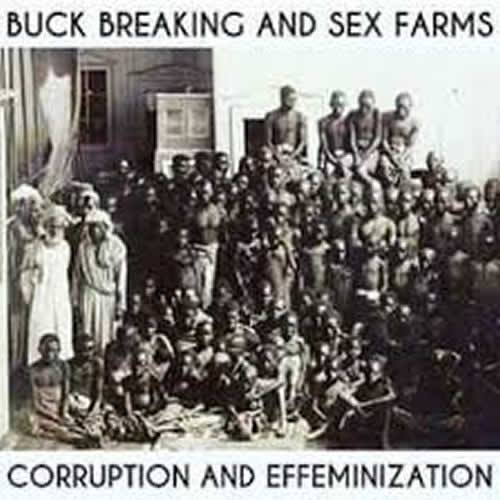
According to emerging scholarship, “sex farms” were plantations or compound-like areas maintained for the systematic sexual exploitation of enslaved men. Slaveholders allegedly transported enslaved males from plantation to plantation for group sexual assaults, creating a traveling circuit—a grotesque and institutionalized practice (RasTafari TV) rastafari.tv.
The trauma of buck-breaking became a weapon of psychological subjugation. Witnessing a father or brother publicly violated aimed to:
Undermine self-worth and family cohesion.
Criminalize resistance internally: enslaved men who survived this abuse often left trauma not addressed and seldom spoken of (Jennings & White, via Project MUSE; TalkAfricana) Reddit+13Project MUSE+13TalkAfricana+13.
Scholars argue the degradation of masculinity under slavery contributed to long-term disruptions in identity, familial protective roles, and community cohesion (Jennings et al.; Fanon’s frameworks) Project MUSETalkAfricana.
Slaveholders also operated breeding farms where enslaved women—and sometimes men—were forcibly impregnated to increase the enslaved labor force. While breeding farms chiefly targeted women, male exploitation was part of the broader system of sexual commodification (Wikipedia; Sublette) rastafari.tv+5Wikipedia+5Wikipedia+5.
Due to stigma and silencing, rape of male slaves was rarely documented in legal records. Most evidence appears in slave narratives and case studies—making direct quantification difficult, yet multiple historians affirm these abuses occurred (Project MUSE; TalkAfricana) Wikipedia+15Project MUSE+15TalkAfricana+15.
Deuteronomy 28:68 (KJV)
“And the Lord shall bring thee into Egypt again with ships, by the way whereof I spake unto thee, Thou shalt see it no more again: and there ye shall be sold unto your enemies for bondmen and bondwomen, and no man shall buy you.”
This verse is part of the curses listed in Deuteronomy 28 for Israel’s disobedience, and many in the African American and Hebrew communities interpret it as a prophetic reference to the transatlantic slave trade, including the horrific abuses such as buck-breaking. It reflects divine foresight into the suffering of a people taken into captivity by ships, sold into slavery, and dehumanized.
Lamentations 5:11–13 (KJV)
“They ravished the women in Zion, and the maids in the cities of Judah. Princes are hanged up by their hand: the faces of elders were not honoured. They took the young men to grind, and the children fell under the wood.”
This passage mourns the violent humiliation and abuse of both men and women in the time of Judah’s destruction. The word “ravished” refers to rape and sexual abuse, and “took the young men to grind” is understood by many biblical scholars to imply forced labor and sexual humiliation.
Isaiah 3:9 (KJV)
“The shew of their countenance doth witness against them; and they declare their sin as Sodom, they hide it not. Woe unto their soul! for they have rewarded evil unto themselves.”
While originally a rebuke to the people of Judah, this verse indicts all who, like the men of Sodom, openly commit abominable acts—such as sexual assault or humiliation—and refuse to repent. It reflects God’s judgment against those who violate others.
Conclusion and Theological Reflections
The atrocity of buck-breaking is not merely a historical footnote—it is a wound in the collective memory of the African diaspora. Understanding it is crucial to unpacking the complex intersection of race, sexuality, power, and trauma. For believers, it is also a call to lament, to pursue justice, and to reclaim dignity lost through centuries of dehumanization. Scripture reminds us that every person is made in the image of God (Genesis 1:27), and that the destruction of one’s dignity—especially through acts of sexual violence—is an affront to the Creator Himself. Deliverance from such trauma involves truth-telling, communal healing, and a return to a biblical vision of wholeness, where no one’s humanity is reduced to their body, race, or utility.
References:
Alexander, M. (2010). The New Jim Crow: Mass Incarceration in the Age of Colorblindness. The New Press.
Fanon, F. (2008). Black Skin, White Masks (R. Philcox, Trans.). Grove Press.
Hartman, S. (1997). Scenes of Subjection: Terror, Slavery, and Self-Making in Nineteenth-Century America. Oxford University Press.
Hine, D. C. (1994). Hine Sight: Black Women and the Re-construction of American History. Indiana University Press.
Patterson, O. (1982). Slavery and Social Death: A Comparative Study. Harvard University Press.
Face2Face Africa. (2019). 5 horrifying ways enslaved African men were sexually exploited and abused by their white masters3CHICSPOLITICO+1Wyatt O’Brian Evans+1.
Jennings, T. A., et al. (2024). Sexual abuse of Black men under American slavery. Project MUSE Journal. Project MUSE
TalkAfricana. (2023, May 30). Buck Breaking: How slave masters used rape to emasculate enslaved African men. TalkAfricana


 THE BROWN GIRL DILEMMA