
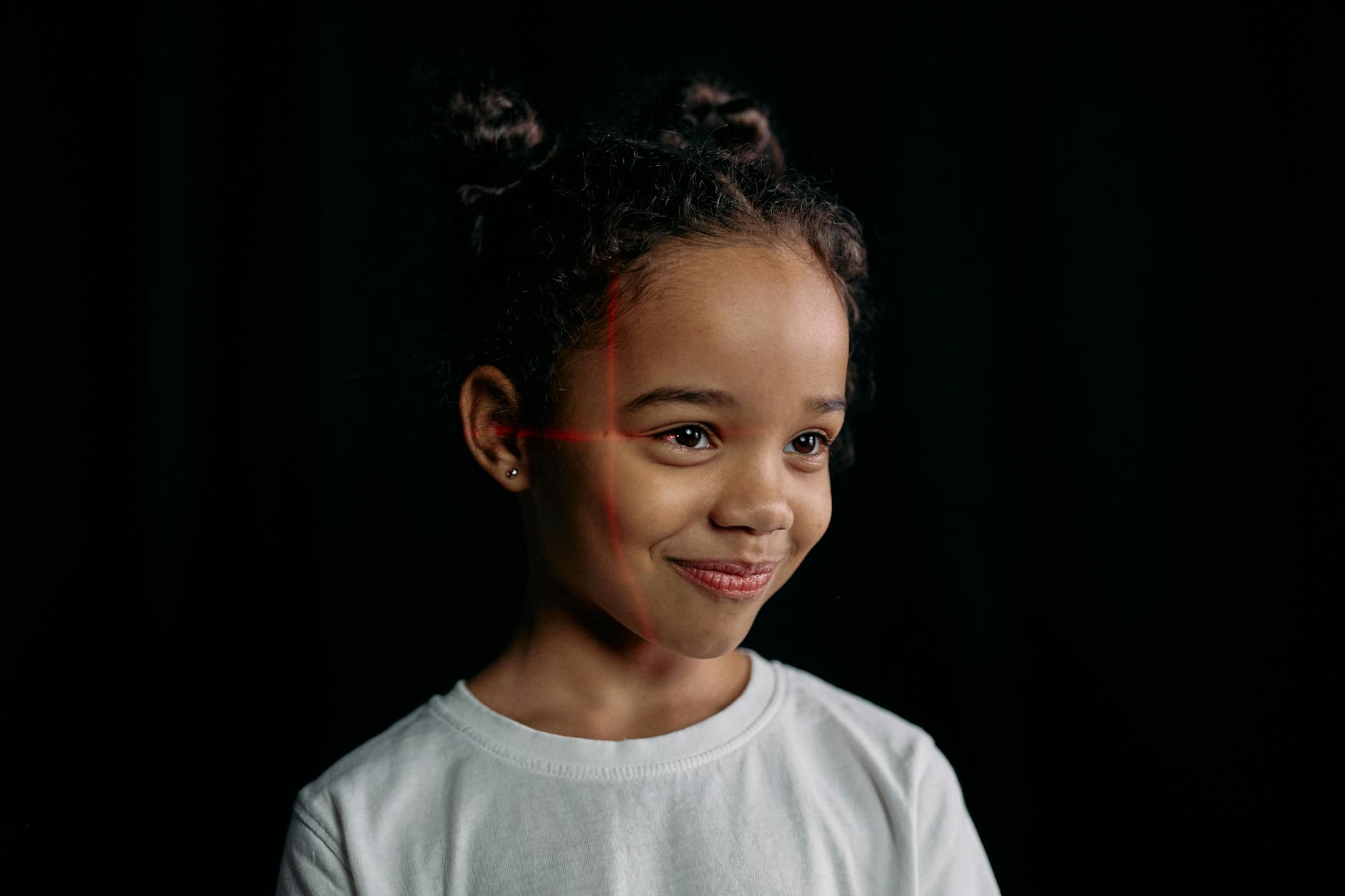
Child colorism is a pervasive yet often overlooked form of discrimination, rooted in the preferential treatment of lighter-skinned individuals over those with darker skin tones. While colorism affects adults in multiple domains such as employment, media representation, and social perception, its influence on children is particularly damaging, shaping self-esteem, social development, and identity from a young age.
Historically, colorism has been reinforced by colonialism, slavery, and societal hierarchies, which associated lighter skin with power, wealth, and beauty. In many communities, these historical legacies persist, subtly teaching children that lighter skin is more desirable or socially acceptable. This early exposure establishes a foundation for self-perception that can last a lifetime.
Within families, colorism often manifests unconsciously. Parents may praise lighter-skinned children for their appearance or intelligence, while offering less affirmation to darker-skinned siblings. Even casual comments like “You look so pretty for your skin tone” or “Why aren’t you lighter?” reinforce the idea that darker skin is less valued. Over time, these interactions can significantly influence a child’s sense of self-worth.
Peer interactions are another critical arena in which child colorism emerges. Schools and playgrounds, meant to foster equality and socialization, often replicate societal biases. Darker-skinned children may face teasing, exclusion, or derogatory nicknames from classmates, while lighter-skinned peers are more readily accepted and praised. These experiences can contribute to social anxiety and withdrawal.
Media representation amplifies these biases. From early childhood, children encounter cartoons, storybooks, toys, and television shows that overwhelmingly feature lighter-skinned characters or protagonists. The underrepresentation of darker-skinned children sends a subtle message that their appearance is less desirable, affecting both self-esteem and aspirations.
Colorism also intersects with gender, disproportionately affecting girls. Studies show that darker-skinned girls are often deemed less attractive, both by peers and within their own families, compared to lighter-skinned girls. This disparity can lead to a lifelong struggle with self-image and body confidence, beginning in formative years.
Psychologically, the effects of colorism on children are profound. Children internalize the societal preference for lighter skin, which may lead to feelings of inadequacy, low self-esteem, and identity confusion. These internalized beliefs often manifest in behaviors such as wishing for lighter skin or avoiding situations where their appearance is judged.
Academic performance may also be indirectly influenced by child colorism. Teachers’ expectations can be shaped, consciously or unconsciously, by a child’s skin tone. Research indicates that lighter-skinned children are sometimes presumed to be more intelligent or capable, which can translate into more attention, encouragement, and opportunities in educational settings.
Child colorism is not limited to any one culture or region. In African American communities, the preference for lighter skin has been documented extensively, affecting children’s perceptions of beauty and worth. Similarly, in India, fairness remains a dominant standard of attractiveness, influencing children’s social experiences and familial treatment.
In Latin American contexts, colonial histories have created complex racial hierarchies in which lighter-skinned children are more likely to receive social approval and affirmation. These global patterns demonstrate that child colorism is a structural and cultural issue, rather than isolated incidents.
Family interventions are crucial in mitigating child colorism. Parents can foster a positive environment by avoiding comparisons based on skin tone, actively celebrating all skin shades, and emphasizing qualities unrelated to appearance. Open conversations about beauty standards and societal bias help children critically engage with colorism from an early age.
Schools and educators also play a significant role in addressing child colorism. Anti-bullying programs should explicitly include color-based teasing, and curriculum materials should reflect the diversity of skin tones and experiences. Representation in educational content helps children see themselves positively and develop pride in their identity.
Media representation must be broadened to include diverse skin tones. Television shows, storybooks, toys, and online content that highlight darker-skinned children as heroes, protagonists, or leaders help counteract the subliminal messages of inferiority. Such representation fosters a sense of inclusion and affirmation.
Psychological support is another essential component. Counseling or therapeutic interventions can help children cope with the effects of colorism, develop resilience, and challenge internalized biases. Early support mitigates the long-term emotional and social consequences of discriminatory experiences.
Community engagement can further reinforce positive messaging. Cultural programs, storytelling, and community celebrations that honor darker skin tones promote pride and belonging. Engaging children in spaces where their appearance is valued and celebrated combats the negative societal messaging they encounter elsewhere.
Religious and spiritual communities can also address child colorism. Faith-based teachings that emphasize the intrinsic value of all people, regardless of skin tone, provide moral frameworks that challenge societal biases. Scriptural affirmations about human dignity and equality can strengthen a child’s self-image in contexts where colorism is prevalent.
Child colorism intersects with other forms of discrimination, including racism and socioeconomic bias. Darker-skinned children from lower-income families may experience compounded disadvantages, highlighting the structural dimensions of color bias. Understanding these intersections is critical for effective interventions.
Awareness campaigns and advocacy are vital in addressing child colorism on a societal level. Parents, educators, and media creators must recognize the impact of early exposure to color bias and take deliberate action to counteract these messages. Policies that encourage diversity and inclusion benefit children across racial and ethnic communities.
Ultimately, child colorism is not merely a cosmetic or social concern—it is a form of prejudice that shapes children’s emotional, cognitive, and social development. Left unaddressed, it perpetuates cycles of inequality and internalized oppression that extend into adulthood.
Addressing child colorism requires a multi-layered approach: family education, school policies, media representation, psychological support, and community engagement. By actively challenging color biases and celebrating all skin tones, society can create environments where children develop self-worth, confidence, and pride in their natural appearance.
Child colorism is a reflection of deeper societal hierarchies, but it is not immutable. With awareness, intentional action, and supportive environments, children of all skin tones can grow free from the damaging effects of prejudice, realizing their full potential and embracing their inherent beauty.
📚 Academic Articles and Research Studies
- Landor, A. M. (2013). Exploring the Impact of Skin Tone on Family Dynamics and Child Development. Journal of Family Psychology, 27(3), 397–407. Link
- Major, J. (2023). Colorism Among Black Youth in the United States. Psychology from the Margins, 1(1), Article 1033. Link
- Crutchfield, J. (2022). A Scoping Review of Colorism in Schools: Academic, Social, and Emotional Impacts on Students of Color. International Journal of Environmental Research and Public Health, 11(1), 15. Link
- Calzada, E. J. (2019). Skin Color as a Predictor of Mental Health in Young Latinx Children. Journal of Abnormal Child Psychology, 47(3), 473–485. Link
- Spann, M. S. (2023). The Effects of Colorism on the Self-esteem and Academic Achievement of African American Children. Journal of Research in Education, 33(2), 112–128. Link
- Thibault, O. (2020). The Impact of Colorism on Early Childhood Learners. SOAR (State University of New York at Albany) Theses and Dissertations. Link
- Moore, K. R. (2020). Disparities by Skin Color among Young African-American Children: Implications for Public Health Research. Journal of Health Disparities Research and Practice, 13(4), Article 5. Link
- Kim, Y. (2018). Skin Color and Academic Achievement in Young, Latino Children. Journal of Educational Psychology, 110(5), 725–738. Link
- Brown, C. S., & Bigler, R. S. (2005). Children’s Perceptions of Discrimination: A Developmental Model. Child Development, 76(3), 533–553. Link
- Craddock, N. (2018). Colourism: A Global Adolescent Health Concern. Current Opinion in Pediatrics, 30(4), 497–502. Link
🎥 Documentaries and Media
- Berry, D. C., & Duke, B. (2011). Dark Girls. [Film]. Link
- Nyong’o, L. (2019). Sulwe. [Children’s Book]. Link
🧠 Psychological and Sociocultural Insights
- Spradley, L. (2025). African American Girls Navigating the Complexities of Colorism. Women of Color and Library Services. Link
- Fergus, E. (2015). “What’s ‘Colorism’?”: Understanding Skin Tone Bias in Latino High School Students. Learning for Justice. Link
- Wilder, C. R., & Cain, H. (2011). The Role of Black Families in Developing Skin Tone Bias. Journal of Family Psychology, 25(5), 746–754. Link
 THE BROWN GIRL DILEMMA