
Tag Archives: sex with dead people

Sexual Sin: Necrophilia

The Psychology of Death Obsession and the Biblical Condemnation of Corruption

Photo by T Leish on Pexels.com

Necrophilia, derived from the Greek words nekros (dead) and philia (love), refers to a deviant sexual attraction to corpses. While the concept provokes deep moral and emotional discomfort, it also provides critical insight into humanity’s psychological and spiritual decay when removed from divine order. Both psychology and the Bible reveal that necrophilia represents the death of empathy, the perversion of love, and the ultimate corruption of the human soul.

In biblical terms, necrophilia aligns with behaviors that are described as “against nature” (Romans 1:26–27, KJV). The Apostle Paul writes of people who “changed the truth of God into a lie” and “worshipped and served the creature more than the Creator.” Necrophilia represents the most extreme manifestation of this condition—a literal love of death and decay rather than the living creation of God. It is not merely a sexual pathology; it is a spiritual rebellion against life itself.

From a psychological perspective, necrophilia is classified as a paraphilia, a condition involving atypical sexual interests that cause distress or harm. According to the Diagnostic and Statistical Manual of Mental Disorders (DSM-5) (American Psychiatric Association, 2013), necrophilia involves recurrent sexual fantasies, urges, or behaviors focused on corpses. Such tendencies often arise from deep emotional trauma, attachment disorders, or an inability to form normal, living relationships.

Sigmund Freud associated necrophilia with the death instinct, or Thanatos—a subconscious drive toward death and destruction that competes with the life instinct (Eros). When the death drive dominates, individuals may become fascinated with the stillness, control, and permanence of death. Psychologically, the corpse represents an object that cannot reject or abandon the individual, fulfilling a distorted need for dominance and control.

The Bible repeatedly condemns any defilement of the dead. Numbers 19:11 (KJV) declares, “He that toucheth the dead body of any man shall be unclean seven days.” This law symbolized the sacred boundary between life and death. In spiritual terms, necrophilia violates this boundary and turns uncleanness into an act of pleasure. Such behavior is a direct rebellion against God’s creation of life and His command to keep the body holy (1 Corinthians 6:19–20).

Historically, necrophilia has been recorded in many cultures, though often hidden in shame. In ancient Egypt, certain embalmers were accused of violating female corpses before mummification. The Greek historian Herodotus documented these accounts to expose moral corruption even in societies that valued immortality. Such acts reflected not love but domination—reducing the sacred human body to an object of lust.

Spiritually, necrophilia represents what Proverbs 8:36 (KJV) describes: “All they that hate me love death.” This verse illustrates that the rejection of divine wisdom results in affection toward death and decay. Those who embrace such acts reveal a deep spiritual rot—a love of darkness over light (John 3:19). Necrophilia, therefore, is not only a psychological illness but also a symptom of spiritual death.

In clinical psychology, necrophilic behavior is often linked with psychopathy and antisocial personality disorder. Many documented cases involve individuals who view human beings as objects rather than souls. This objectification aligns with what Jesus warned against in Matthew 24:12 (KJV): “And because iniquity shall abound, the love of many shall wax cold.” The necrophile’s heart, devoid of empathy, reflects the ultimate form of coldness—an affection for lifeless flesh.

Psychologists like Robert Jay Lifton (1986) argue that necrophilia can also be symbolic, manifesting not just sexually but culturally—through a fascination with destruction, decay, and control over death. Societies obsessed with war, domination, and material decay mirror this death-centered mindset on a collective scale. Spiritually, this echoes Romans 8:6 (KJV): “For to be carnally minded is death; but to be spiritually minded is life and peace.”

In extreme cases, necrophilia coexists with other paraphilic tendencies such as sadism or fetishism. For instance, some offenders are motivated by fantasies of total possession—owning another body completely, even beyond death. This desire for absolute control reflects a perversion of the divine relationship between life and love. It is the ultimate illusion of godlike power—taking mastery over mortality itself.

The Bible reveals that such corruption arises when humanity turns from the living God to idols of flesh. Ezekiel 23:37 (KJV) condemns the people of Israel for defiling themselves with idols and “causing their sons, whom they bare unto me, to pass for them through the fire.” Symbolically, necrophilia mirrors this same idolatry—burning one’s moral and spiritual purity for a lifeless substitute.

Psychologically, necrophilia may develop from unresolved grief or trauma. Individuals who experience loss may develop pathological attachments to the deceased, mistaking physical closeness for emotional healing. However, rather than resolving grief, such acts deepen psychological fragmentation. From a spiritual standpoint, it represents an attempt to find intimacy outside God’s design for life and relationship.

In Scripture, the human body is described as the “temple of the Holy Ghost” (1 Corinthians 6:19, KJV). To defile it—living or dead—is a desecration of God’s dwelling place. Necrophilia, therefore, is not merely immoral; it is sacrilegious. It treats the body as property rather than a vessel sanctified by divine breath.

Modern media and art sometimes flirt with necrophilic imagery, glamorizing death and decay as beautiful or erotic. Movies, music videos, and fashion photography occasionally use corpse-like aesthetics to symbolize passion or tragedy. While intended as art, such imagery desensitizes society to the sacredness of life and the horror of death, fulfilling Isaiah 5:20 (KJV): “Woe unto them that call evil good, and good evil.”

The pathology of necrophilia also reveals the dangers of emotional detachment and the absence of empathy. When love becomes divorced from life and conscience, it ceases to be love at all—it becomes lust, control, and domination. This condition mirrors the spiritual warning in James 1:15 (KJV): “Then when lust hath conceived, it bringeth forth sin: and sin, when it is finished, bringeth forth death.”

Psychologically, treatment for necrophilia involves addressing underlying trauma, detachment, and antisocial patterns. Therapy focuses on empathy restoration, grief processing, and understanding the sanctity of human life. Spiritually, healing requires repentance, prayer, and renewal of the mind through Christ (Romans 12:2). Only the Holy Spirit can restore a conscience so seared by sin.

Necrophilia ultimately reflects a world estranged from its Creator—a symptom of moral collapse and spiritual death. It illustrates humanity’s descent into darkness when God’s life-giving order is rejected. The Apostle Paul warned that those who abandoned God were “given over to a reprobate mind” (Romans 1:28, KJV), engaging in acts unthinkable to those guided by divine truth.

Understanding necrophilia is more than studying perversion; it is recognizing the depth of humanity’s fall and the urgent need for spiritual restoration. The fascination with lifelessness mirrors a deeper sickness of the soul—a world more in love with death than life. Jesus came to reverse this very condition, declaring, “I am come that they might have life, and that they might have it more abundantly” (John 10:10, KJV).

In conclusion, necrophilia stands as a grim reminder of what occurs when humanity severs itself from divine morality. It is both a psychological and spiritual disorder rooted in the rejection of life, love, and God. While society may study it scientifically, Scripture identifies its true cure: repentance and renewal in Christ. Only through the Giver of Life can one be delivered from the worship of death and restored to purity, compassion, and holiness.


References

  • American Psychiatric Association. (2013). Diagnostic and Statistical Manual of Mental Disorders (5th ed.). Washington, DC.
  • Freud, S. (1920). Beyond the Pleasure Principle. London: International Psychoanalytic Press.
  • Lifton, R. J. (1986). The Nazi Doctors: Medical Killing and the Psychology of Genocide. Basic Books.
  • Holmes, R. M. (1998). Sex Crimes: Patterns and Behavior. SAGE Publications.
  • The Holy Bible, King James Version (KJV).
  • Fromm, E. (1964). The Heart of Man: Its Genius for Good and Evil. Harper & Row.
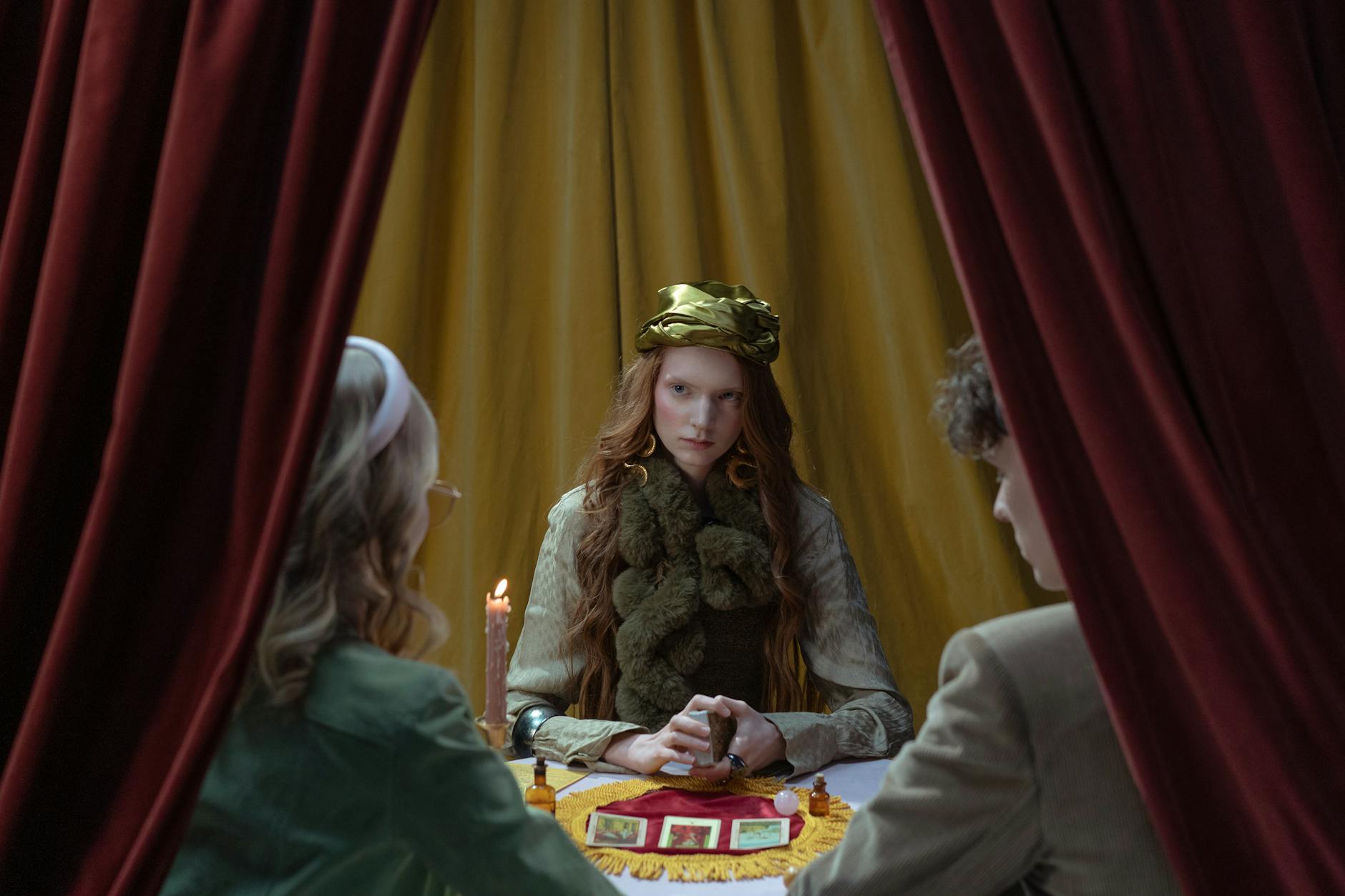
The Dark Fascination with Death: Understanding Necromancy and Necrophilia Through Biblical and Psychological Lenses.

Photo by cottonbro studio on Pexels.com

Throughout human history, death has evoked both fear and fascination. While most cultures honor the dead with reverence, some have crossed moral and spiritual boundaries by attempting to communicate with or even engage intimately with the dead. This essay explores two disturbing yet historically significant phenomena—necromancy (communication with the dead) and necrophilia (sexual attraction to corpses)—from both a biblical and psychological standpoint.

In the Bible, necromancy is strictly forbidden. Deuteronomy 18:10–12 (KJV) declares, “There shall not be found among you any one that maketh his son or his daughter to pass through the fire, or that useth divination, or an observer of times, or an enchanter, or a witch, or a charmer, or a consulter with familiar spirits, or a wizard, or a necromancer.” Such practices were considered abominations before God because they defiled the purity of spiritual worship and invited demonic deception.

The most famous biblical account of necromancy occurs in 1 Samuel 28, where King Saul, desperate for guidance, consults the Witch of Endor to summon the spirit of the prophet Samuel. Although the spirit appeared and rebuked Saul, this act marked Saul’s spiritual downfall. His decision to seek the dead rather than God demonstrated how fear, desperation, and disobedience lead to spiritual corruption.

Necromancy, at its core, is a rebellion against divine order. It attempts to bridge a boundary that God has firmly set: the separation between the living and the dead. Ecclesiastes 9:5 (KJV) teaches, “For the living know that they shall die: but the dead know not any thing.” Seeking wisdom or comfort from the dead implies mistrust in God’s sovereignty and a reliance on forbidden spiritual sources.

In the ancient world, necromancy was not uncommon. Egyptian priests, Babylonian magicians, and Greco-Roman mystics practiced rituals to speak with the dead or use corpses in spiritual ceremonies. Archaeological evidence from Mesopotamia and Egypt reveals tomb inscriptions and magical texts invoking spirits for divination. These ancient forms of necromancy often merged with ancestor worship and early occultism.

From a psychological perspective, necromancy can be seen as a manifestation of unresolved grief or obsession with control. Carl Jung interpreted such fascination with death as a projection of humanity’s shadow—the repressed part of the psyche that seeks power through forbidden means. This aligns with Romans 1:21–23 (KJV), which describes how humans, “professing themselves to be wise,” became vain and turned to idolatry and corruption.

Necrophilia, though distinct from necromancy, shares similar spiritual and psychological roots in death obsession and moral decay. It represents a severe deviation from natural affection and empathy. Psychologically, necrophilia is classified as a paraphilia—a disorder involving intense sexual attraction to corpses (American Psychiatric Association, 2013). It reflects an inability to form healthy relationships, often rooted in control, dominance, or fear of rejection.

In biblical terms, necrophilia parallels the corruption described in Romans 1:26–27, where individuals “changed the natural use into that which is against nature.” The act defies both morality and biology, reflecting a complete breakdown of conscience and spiritual discernment. It exemplifies the result of a reprobate mind—a mind devoid of divine guidance and moral restraint.

Historical accounts show that necrophilia has appeared in various eras and societies. Ancient Egyptian embalming practices, where priests prepared royal corpses, sometimes included violations of the deceased. In medieval Europe, grave robbers and certain occult sects used corpses in rituals claiming to harness death’s power. These acts often combined sexual perversion with spiritual deception.

The modern fascination with death persists in subtle forms through pop culture, horror films, and gothic subcultures. Television shows romanticizing vampires or communicating with spirits normalize necromantic ideas. Psychologically, repeated exposure desensitizes the public to death’s sacredness. Spirit boards, séances, and “ghost-hunting” entertainment echo ancient necromantic rituals, blurring moral and spiritual boundaries.

Biblically, such practices are spiritual contamination. Isaiah 8:19 (KJV) warns, “And when they shall say unto you, Seek unto them that have familiar spirits, and unto wizards that peep, and that mutter: should not a people seek unto their God?” This verse rebukes the human tendency to seek the supernatural through forbidden means rather than trusting the Creator.

The allure of necromancy lies in the human desire for control over the unknown. People often turn to it out of grief, curiosity, or power hunger. Yet, Scripture reminds believers that death belongs to God alone: “It is appointed unto men once to die, but after this the judgment” (Hebrews 9:27, KJV). Attempting to manipulate or communicate beyond that divine order opens the soul to deception.

From a clinical psychology viewpoint, necromantic or necrophilic tendencies often arise from trauma, loss, or deep-seated fear of abandonment. Freud associated such behavior with Thanatos, the death drive—a subconscious compulsion toward destruction or reunion with the dead. It is an extreme manifestation of emotional stagnation and moral disorder.

Spiritually, necromancy and necrophilia mirror the broader human rebellion against God. Both represent attempts to redefine life and death outside divine authority. In doing so, individuals open themselves to unclean influences. Ephesians 5:11 (KJV) instructs, “Have no fellowship with the unfruitful works of darkness, but rather reprove them.”

Throughout church history, necromancy was considered a major form of witchcraft. Early Christian theologians like Augustine and Tertullian condemned all attempts to summon the dead as demonic illusions. They taught that any spirit appearing in such rituals was not the deceased but an impersonating demon meant to deceive the living.

The Bible repeatedly connects necromancy with judgment. King Manasseh practiced it and “wrought much wickedness in the sight of the Lord” (2 Kings 21:6, KJV), leading to Judah’s eventual downfall. Similarly, necromantic practices among the Canaanites led God to command Israel to destroy their altars and idols (Deuteronomy 12:2–3).

Modern forms of necromancy include spiritism, channeling, and ancestor veneration when conducted outside of biblical faith. These practices may appear innocent or comforting but carry spiritual risk. They shift the focus from God’s Word to unseen forces that can manipulate emotions and beliefs.

Even literature and media glamorize necromantic powers through characters like witches, mediums, and “dark magicians.” While often fictional, they desensitize society to the gravity of death and spiritual deception. The fascination with the “undead” reflects humanity’s denial of mortality and desire to transcend divine boundaries through artificial means.

Psychologically, necrophilic attraction symbolizes the death of empathy and moral conscience. Individuals exhibiting such behaviors often display antisocial traits, lack of remorse, and detachment from reality (Holmes, 1998). Spiritually, it parallels the “living dead” described in Ephesians 2:1 (KJV): “And you hath he quickened, who were dead in trespasses and sins.”

Ultimately, both necromancy and necrophilia signify humanity’s corruption when detached from divine truth. They expose the spiritual void that arises when God is removed from the understanding of life and death. Only faith in Christ offers redemption from such darkness, as He declares in John 11:25 (KJV), “I am the resurrection, and the life.”

The fascination with death is not new, but its persistence reveals humanity’s ongoing struggle with mortality and sin. Rather than seeking forbidden contact with the dead, believers are called to honor the sanctity of life and trust in God’s control over death and the afterlife.

In conclusion, necromancy and necrophilia, though distinct, share a spiritual root of rebellion and moral decay. Both attempt to merge life and death in ways that pervert divine order. The Bible warns against these practices not only for moral reasons but to protect the soul from deception. As Ephesians 6:12 (KJV) reminds, “For we wrestle not against flesh and blood, but against principalities, against powers, against the rulers of the darkness of this world.” The only true safeguard against such darkness is the light of God’s Word and the renewing of the mind through Christ.


References

  • American Psychiatric Association. (2013). Diagnostic and Statistical Manual of Mental Disorders (5th ed.). Washington, DC.
  • Freud, S. (1920). Beyond the Pleasure Principle. London: International Psychoanalytic Press.
  • Holmes, R. M. (1998). Sex Crimes: Patterns and Behavior. SAGE Publications.
  • Jung, C. G. (1959). Aion: Researches into the Phenomenology of the Self. Princeton University Press.
  • The Holy Bible, King James Version (KJV).
  • Tertullian, Q. S. F. (197 CE). On the Soul.
  • Augustine of Hippo. (426 CE). City of God.