
The answer read below…..
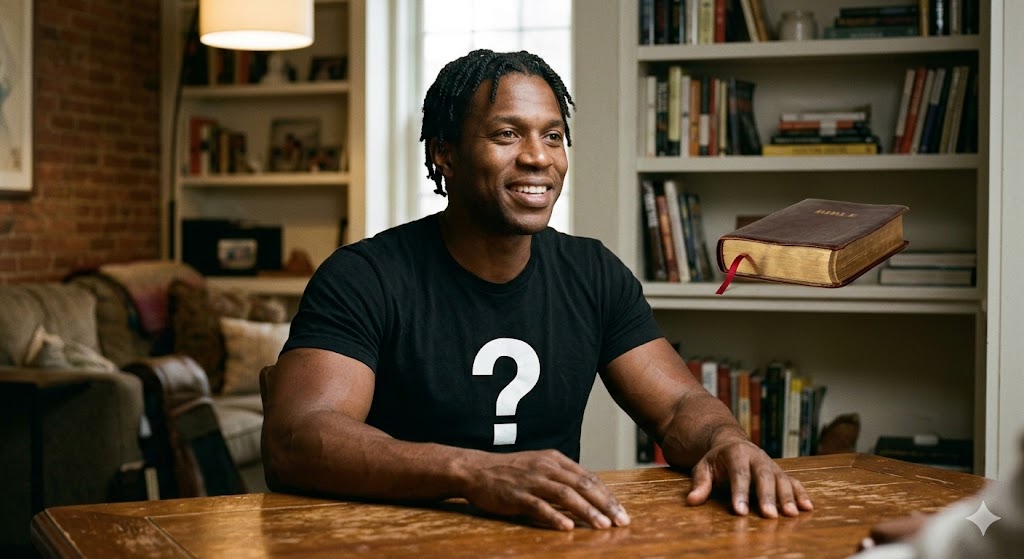
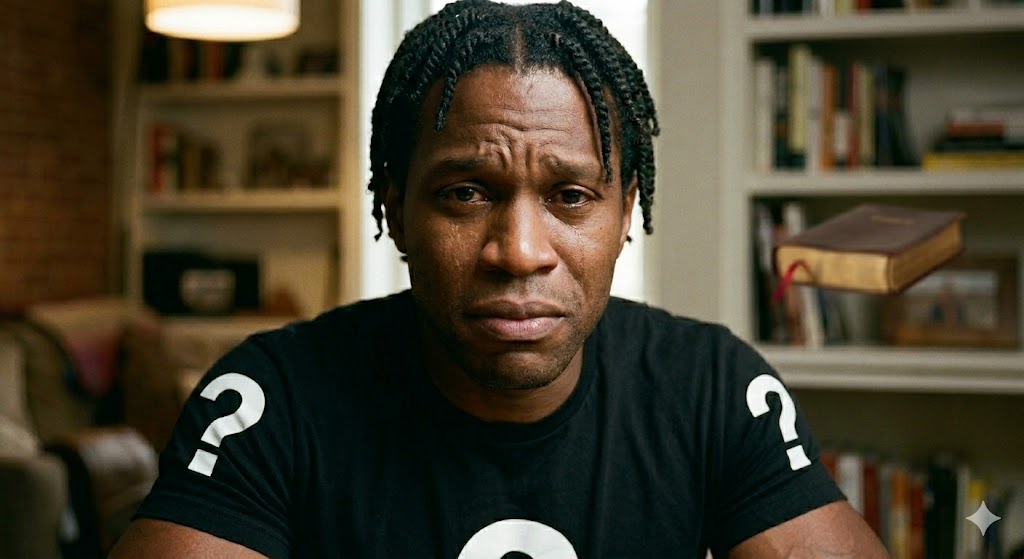
Life often presents moments of uncertainty so heavy that it feels like a literal question mark has been taped to your chest. You may have prayed fervently, sought guidance, and begged God for clarity about your purpose, relationships, career, or calling, yet the silence seems deafening. This season of ambiguity can test faith, patience, and resilience. How should a believer respond when the answers are not immediately clear, when you have asked God with sincerity and humility, and yet, hear nothing in return?
The first principle is patience. Waiting on God is not passive; it is an active stance of trust, faith, and preparedness. Psalm 27:14 (KJV) exhorts, “Wait on the Lord: be of good courage, and he shall strengthen thine heart: wait, I say, on the Lord.” Waiting involves maintaining spiritual discipline, continuing to pray, worship, and live according to God’s principles even when clarity seems distant.
Prayer is foundational, but it must be consistent and intentional. Philippians 4:6–7 (KJV) advises, “Be careful for nothing; but in every thing by prayer and supplication with thanksgiving let your requests be made known unto God. And the peace of God, which passeth all understanding, shall keep your hearts and minds through Christ Jesus.” Continual prayer with thanksgiving, even in silence, establishes a rhythm of dependence and aligns your heart with divine timing.
Silence from God does not signify abandonment. Isaiah 30:18 (KJV) reminds us, “And therefore will the Lord wait, that he may be gracious unto you, and therefore will he be exalted, that he may have mercy upon you: for the Lord is a God of judgment: blessed are all they that wait for him.” His timing is perfect, and periods of waiting often refine character, deepen faith, and clarify motives.
When seeking answers, humility is crucial. Ask God for guidance with expectation, not arrogance. James 4:6 (KJV) states, “But he giveth more grace. Wherefore he saith, God resisteth the proud, but giveth grace unto the humble.” The posture of a humble heart opens one to receive direction while preventing frustration or pride from clouding judgment.
Pay attention to peace. The Bible teaches that peace is a guide to discernment. Colossians 3:15 (KJV) instructs, “And let the peace of God rule in your hearts, to the which also ye are called in one body; and be ye thankful.” When faced with a “?” in life, notice the paths that bring peace, the choices that ease the tension in your spirit. Peace becomes a compass when words, visions, or immediate clarity are absent.
Daily discipline in prayer, meditation, and scripture reading strengthens discernment. Romans 12:2 (KJV) exhorts believers, “And be not conformed to this world: but be ye transformed by the renewing of your mind, that ye may prove what is that good, and acceptable, and perfect, will of God.” Transformation occurs in these quiet, consistent practices, allowing God to shape understanding over time.
Faith often grows most during seasons of unanswered questions. Hebrews 11:1 (KJV) defines faith as “the substance of things hoped for, the evidence of things not seen.” Trusting in God’s guidance before receiving clarity strengthens reliance on Him rather than on one’s own understanding. Proverbs 3:5–6 (KJV) further emphasizes, “Trust in the Lord with all thine heart; and lean not unto thine own understanding. In all thy ways acknowledge him, and he shall direct thy paths.”
While waiting, it is essential to examine the heart’s posture. Are prayers motivated by desperation, self-interest, or genuine desire for God’s will? Psalm 37:4 (KJV) assures, “Delight thyself also in the Lord: and he shall give thee the desires of thine heart.” True alignment with God’s desires produces clarity and contentment while awaiting external confirmation.
The psychological dimension of waiting is also significant. Research on uncertainty demonstrates that prolonged ambiguity increases stress and can lead to anxiety or impulsive decisions (Carleton, 2016). Maintaining routines, mindfulness, and prayerful reflection helps manage this tension and prevents hasty actions that may contradict God’s plan.
Discernment often requires active listening. Beyond spoken prayer, pay attention to subtle confirmations—peace, recurring themes in scripture, wise counsel, or gentle nudges from the Spirit. These may be overlooked if one expects overt signs or dramatic visions. Proverbs 20:27 (KJV) notes, “The spirit of man is the candle of the Lord, searching all the inward parts of the belly.” Inner awareness is a channel for divine guidance.
Community plays a role in interpreting life’s “?” moments. Seek counsel from spiritually mature, trusted individuals. Proverbs 11:14 (KJV) teaches, “Where no counsel is, the people fall: but in the multitude of counsellors there is safety.” Honest dialogue with mentors or peers can illuminate paths previously unseen while maintaining accountability and humility.
Actions matter as much as reflection. While waiting, engage in productive, purposeful activities aligned with your values and God’s principles. Micah 6:8 (KJV) reminds, “He hath shewed thee, O man, what is good; and what doth the Lord require of thee, but to do justly, and to love mercy, and to walk humbly with thy God?” Consistent action cultivates readiness for opportunities when clarity arrives.
Resisting impatience is critical. Luke 21:19 (KJV) counsels, “In your patience possess ye your souls.” Impatience can prompt compromise, poor decision-making, or settling for alternatives that undermine long-term purpose. Waiting, while difficult, is an act of obedience and trust.
Acknowledging emotions is healthy. Feelings of frustration, fear, or confusion are natural. Express these honestly in prayer without demanding immediate answers. Psalm 62:8 (KJV) encourages, “Trust in him at all times; ye people, pour out your heart before him: God is a refuge for us.” Vulnerable, honest prayer does not weaken faith; it deepens it.
Testing assumptions is essential. Sometimes, the absence of answers signals the need for growth, preparation, or discernment. James 1:3 (KJV) notes, “Knowing this, that the trying of your faith worketh patience.” Life’s questions often require inner transformation before external solutions are revealed.
Spiritual journaling can aid clarity. Recording prayers, insights, and experiences allows reflection over time, highlighting patterns or guidance previously unnoticed. It aligns with Habakkuk 2:2 (KJV): “Write the vision, and make it plain upon tables, that he may run that readeth it.” Writing encourages focused reflection and retention of God’s subtle responses.
Faithful consistency nurtures trust in the unseen. Galatians 6:9 (KJV) states, “And let us not be weary in well doing: for in due season we shall reap, if we faint not.” Continuing to act with integrity, kindness, and obedience positions the believer to recognize God’s direction when it appears.
Ultimately, the answer may come as a gentle whisper of intuition, a sense of peace, or an unexpected opportunity. Isaiah 30:21 (KJV) affirms, “And thine ears shall hear a word behind thee, saying, This is the way, walk ye in it, when ye turn to the right hand, and when ye turn to the left.” Peace is often the clearest sign that a path aligns with God’s will.
In conclusion, when the “?” is taped to your chest, your response is guided by prayer, humility, patience, and attentiveness to peace. Seek guidance without arrogance, maintain daily communion with God, and act in alignment with His principles. Trust that clarity will come in due season. Waiting is not inactivity; it is preparation, refinement, and cultivation of discernment until God’s direction becomes unmistakable.
References
Carleton, R. N. (2016). Fear of the unknown: One fear to rule them all? Journal of Anxiety Disorders, 41, 5–21.
Goleman, D. (1995). Emotional intelligence. Bantam Books.
Bible. (1769/2017). King James Version. (Original work published 1611).
Psalm 27:14; 37:4, 37:7, 62:8; Proverbs 3:5–6; 11:14; 20:27; 29:18; Isaiah 30:21; Micah 6:8; Hebrews 11:1; Philippians 4:6–7; Colossians 3:15; Romans 12:2; James 1:3, 4:6; Luke 21:19; Galatians 6:9; 1 Thessalonians 5:17; Ephesians 4:32.
 THE BROWN GIRL DILEMMA