Tag Archives: psychology

The Psychology of Human Attraction

Understanding Biblical Insight and Psychological Theories

Photo by Dellon Thomas on Pexels.com

Human attraction is one of the most complex dynamics of social life. It extends beyond physical appearance, involving biological, psychological, and spiritual dimensions. The Bible acknowledges attraction as a natural part of human relationships, yet emphasizes that it should be guided by divine principles. “Favour is deceitful, and beauty is vain: but a woman that feareth the LORD, she shall be praised” (Proverbs 31:30, KJV). Psychology, meanwhile, investigates attraction through theories of attachment, evolutionary biology, and social cognition, seeking to explain why people are drawn to one another.

One of the primary drivers of attraction is physical appearance, which has roots in both biology and culture. Evolutionary psychologists argue that features such as facial symmetry, clear skin, and body proportions are often unconsciously associated with health and fertility (Rhodes, 2006). However, Scripture warns that outward beauty alone is insufficient; it is the hidden qualities of character and spirit that sustain meaningful bonds (1 Peter 3:3–4, KJV). This balance between surface appeal and deeper substance reveals how attraction is both instinctive and moral.

Another factor is similarity and shared values. Psychology’s similarity-attraction paradigm suggests people are drawn to those with common beliefs, interests, or cultural backgrounds because these similarities reduce conflict and affirm identity (Byrne, 1971). Biblically, Amos 3:3 (KJV) reinforces this principle: “Can two walk together, except they be agreed?” Attraction rooted in shared values fosters stability, mutual respect, and spiritual harmony, making relationships more resilient.

Emotional connection and attachment styles also shape attraction. According to attachment theory (Bowlby, 1988), individuals with secure attachment styles tend to form healthier bonds, while those with insecure attachments may seek relationships that mirror unresolved childhood experiences. From a spiritual perspective, love should be rooted in selflessness and divine order: “Charity suffereth long, and is kind… seeketh not her own” (1 Corinthians 13:4–5, KJV). Thus, emotional attraction goes beyond chemistry—it is linked to healing, trust, and godly love.

Attraction is further influenced by reciprocity and availability. Psychologists note that people are more likely to be drawn to those who express mutual interest and make themselves emotionally available (Aron et al., 1997). This dynamic reflects biblical principles of mutual honor and affection: “Be kindly affectioned one to another with brotherly love; in honour preferring one another” (Romans 12:10, KJV). Relationships thrive when both parties show intentional care and openness.

7 Key Factors in the Psychology of Human Attraction

With KJV Bible + Psychology Insights

  1. Physical Appearance (First Impressions)
    • Psychology: Symmetry, grooming, and health signal vitality (Rhodes, 2006).
    • 1 Samuel 16:7 (KJV): “Man looketh on the outward appearance, but the LORD looketh on the heart.”
  2. Similarity and Shared Values
    • Psychology: People prefer partners with common beliefs and lifestyles (Byrne, 1971).
    • Amos 3:3 (KJV): “Can two walk together, except they be agreed?”
  3. Emotional Connection
    • Psychology: Attachment theory shows secure bonds build trust (Bowlby, 1988).
    • 1 Corinthians 13:4–5 (KJV): Love is patient, kind, and not self-seeking.
  4. Reciprocity (Mutual Interest)
    • Psychology: We are drawn to those who show interest in us (Aron et al., 1997).
    • Romans 12:10 (KJV): “Be kindly affectioned one to another… in honour preferring one another.”
  5. Proximity and Time Spent Together
    • Psychology: The “mere exposure effect” increases attraction with familiarity.
    • Ruth 2:10–12 (KJV): Ruth’s closeness to Boaz created favor and recognition.
  6. Emotional Availability and Support
    • Psychology: People value partners who provide safety and encouragement.
    • Ecclesiastes 4:9–10 (KJV): Two are better than one, for they lift each other up.
  7. Spiritual and Moral Character
    • Psychology: Inner qualities sustain long-term attraction beyond appearance.
    • Proverbs 31:30 (KJV): “Favour is deceitful, and beauty is vain: but a woman that feareth the LORD, she shall be praised.”

In conclusion, the psychology of human attraction reveals a profound interplay between biology, mind, and spirit. While science emphasizes appearance, similarity, and attachment, Scripture elevates attraction beyond instinct to covenantal love grounded in God’s design. Ultimately, the most enduring form of attraction is not fleeting physical beauty but the spiritual, emotional, and moral bonds that reflect God’s love. As Proverbs reminds us, true attraction rests in the fear of the Lord, which sustains love when surface qualities fade.


📚 References

  • The Holy Bible, King James Version.
  • Aron, A., Aron, E. N., & Smollan, D. (1997). Inclusion of Other in the Self Scale and the structure of interpersonal closeness. Journal of Personality and Social Psychology, 63(4), 596–612.
  • Bowlby, J. (1988). A secure base: Parent-child attachment and healthy human development. Basic Books.
  • Byrne, D. (1971). The Attraction Paradigm. Academic Press.
  • Rhodes, G. (2006). The evolutionary psychology of facial beauty. Annual Review of Psychology, 57, 199–226.


Choosing Self-Worth Over Societal Expectation.

Photo by AY photographer on Pexels.com

In a world that constantly tells people who they should be, what they should look like, and how they should live, the act of choosing self-worth over societal expectation becomes both radical and necessary. The struggle lies not only in resisting external pressures but also in dismantling the internalized voices that echo those expectations. Self-worth, unlike societal approval, is rooted in intrinsic value, dignity, and authenticity.

The Weight of Societal Expectation

Society often creates rigid templates for success, beauty, gender roles, and achievement. These standards are reinforced through media, institutions, and cultural narratives. For women and marginalized groups in particular, expectation can manifest as an invisible cage—dictating behavior, career paths, body image, and even spiritual identity. Such demands cultivate anxiety, imposter syndrome, and a constant pursuit of validation (Hewitt & Flett, 1991).

The Power of Self-Worth

By contrast, self-worth emerges from within. It is the recognition of inherent value independent of external measurement. The Bible reminds us, “Ye are of more value than many sparrows” (Matthew 10:31, KJV), emphasizing that worth is divinely ordained, not socially assigned. Psychology also affirms that when individuals ground their identity in self-acceptance, they develop resilience against rejection, criticism, and failure (Deci & Ryan, 2000).

The Conflict Between the Two

The tension between societal expectation and self-worth often leads to compromise. Many chase status symbols, titles, or appearances to fit cultural molds, even at the cost of their happiness. This is seen in the pressures of consumerism, perfectionism, and social comparison. Yet, true fulfillment comes when people break from this cycle and embrace authenticity. As bell hooks (2000) notes, self-love is an act of political resistance in a society that profits from insecurity.

Choosing Differently

Choosing self-worth requires courage. It means refusing to conform when conformity silences individuality. It involves setting boundaries, pursuing passions not prestige, and honoring mental and spiritual well-being over external validation. This choice is not selfish but liberating. In fact, it is through authentic self-love that individuals can contribute more meaningfully to their families, communities, and the world.

Conclusion

To choose self-worth over societal expectation is to reclaim power. It is to affirm that identity is not dictated by trends, systems, or stereotypes but by divine design and inner truth. As the psalmist declared, “I will praise thee; for I am fearfully and wonderfully made” (Psalm 139:14, KJV). In choosing self-worth, one chooses freedom, authenticity, and lasting peace—the kind of life that no societal mold can ever define.


References

  • Deci, E. L., & Ryan, R. M. (2000). Self-determination theory and the facilitation of intrinsic motivation, social development, and well-being. American Psychologist, 55(1), 68–78.
  • Hewitt, P. L., & Flett, G. L. (1991). Perfectionism in the self and social contexts: Conceptualization, assessment, and association with psychopathology. Journal of Personality and Social Psychology, 60(3), 456–470.
  • hooks, b. (2000). All about love: New visions. Harper Perennial.

School-to-Prison Pipeline: How the System Fails Black Youth Before They Start.

Photo by RDNE Stock project on Pexels.com

Psychologist Amos Wilson once observed, “Until our children are taught how to be Black, they will fail in school, because the schools were not designed to educate them in the first place.” This profound statement captures the structural failure of the American education system to nurture Black children. Instead of affirming identity and fostering opportunity, schools often serve as the first station along a pathway that leads Black youth toward incarceration. This phenomenon, widely known as the school-to-prison pipeline, is not a new development but the product of a long history of systemic inequality and institutional neglect.

Historically, education for African Americans was deliberately restricted. During slavery, teaching the enslaved to read was illegal in many states, as literacy threatened the institution of bondage. Following emancipation, segregated schools under Jim Crow laws ensured that Black children received inferior resources, curricula, and facilities. Though Brown v. Board of Education (1954) legally ended segregation, the persistence of de facto segregation, underfunded schools in Black neighborhoods, and discriminatory practices maintained inequities. This historical backdrop set the stage for the school-to-prison pipeline, where structural racism in education and law enforcement converges.

One of the primary mechanisms of this pipeline is disproportionate discipline. Research shows that Black students are suspended and expelled at much higher rates than their white peers for the same behaviors (Skiba et al., 2011). Zero-tolerance policies, adopted widely in the 1990s, criminalized minor misbehaviors such as tardiness, classroom disruptions, or dress code violations. Instead of counseling and restorative practices, schools resorted to suspensions, expulsions, and referrals to law enforcement. This exclusionary discipline pushes students out of classrooms and into contact with the criminal justice system.

Psychologically, such punitive environments stigmatize Black children early. Labeling theory suggests that when children are repeatedly categorized as “troublemakers,” they internalize these labels, which shapes self-perception and behavior (Becker, 1963). This creates a cycle where Black students, already navigating racial bias, are further burdened with psychological scars from being treated as criminals-in-waiting. The Bible echoes this concern in Ephesians 6:4, warning fathers and authority figures not to provoke children to wrath, but to nurture them. Yet the school system often provokes, rather than nurtures, Black children.

The failure extends beyond discipline to curriculum and pedagogy. Schools frequently erase or marginalize Black history, culture, and contributions. This invisibility diminishes self-worth and alienates Black youth from academic engagement. Amos Wilson argued that education must be rooted in the cultural and psychological needs of Black children; otherwise, it serves as a mechanism of control rather than liberation. Proverbs 22:6 (KJV) instructs, “Train up a child in the way he should go: and when he is old, he will not depart from it.” Yet Black children are too often trained into alienation, criminalization, and failure rather than purpose and possibility.

Socioeconomic inequality compounds the problem. Underfunded schools in predominantly Black neighborhoods lack qualified teachers, extracurricular opportunities, and adequate resources. These structural disadvantages feed directly into the school-to-prison pipeline. Psychologist Urie Bronfenbrenner’s ecological systems theory underscores that a child’s development is deeply influenced by the surrounding environment. When the environment is impoverished and punitive, children’s outcomes are shaped accordingly, not by personal failure but by systemic design.

The courts and law enforcement deepen this cycle. School-based arrests disproportionately affect Black youth, often for nonviolent infractions. Once ensnared in the juvenile justice system, young people face barriers to reentry into schools and future employment, effectively criminalizing childhood. Lamentations 3:27 reminds us, “It is good for a man that he bear the yoke in his youth.” Yet the yoke that many Black children bear is one of systemic injustice, imposed before they even have the chance to reach adulthood.

Ultimately, the school-to-prison pipeline reflects a betrayal of society’s moral and civic responsibility to its children. To dismantle it, reforms must address disciplinary practices, resource allocation, and culturally relevant curricula. Schools must transform from punitive institutions into nurturing environments that uplift Black youth. Both biblical wisdom and psychological research affirm that the flourishing of children depends on systems that nurture identity, support growth, and embody justice. Until such transformation occurs, justice will remain deferred, and the future of Black youth will continue to be unjustly stolen.


References

Alexander, M. (2010). The new Jim Crow: Mass incarceration in the age of colorblindness. The New Press.

Becker, H. S. (1963). Outsiders: Studies in the sociology of deviance. Free Press.

Bronfenbrenner, U. (1979). The ecology of human development: Experiments by nature and design. Harvard University Press.

King James Bible. (1769/2017). The Holy Bible, King James Version. Cambridge University Press. (Original work published 1611).

Skiba, R. J., Horner, R. H., Chung, C. G., Rausch, M. K., May, S. L., & Tobin, T. (2011). Race is not neutral: A national investigation of African American and Latino disproportionality in school discipline. School Psychology Review, 40(1), 85–107.

Wilson, A. (1998). Blueprint for Black power: A moral, political, and economic imperative for the twenty-first century. Afrikan World InfoSystems.

Neuroscience, African Ancestry, and the Contributions of Black Neuroscientist.

Photo by RDNE Stock project on Pexels.com

1. Introduction: Defining Neuroscience

Neuroscience is the interdisciplinary scientific study of the nervous system, with a primary focus on the brain’s structure, function, and its role in behavior, cognition, and mental health. This field integrates biology, psychology, physics, and computational sciences to address questions about perception, memory, consciousness, and disease. The scope of neuroscience ranges from molecular studies of neurons to neuroimaging, brain–computer interface technology, and neuromodulation therapies (StudyRaid, 2024).


2. Neuroscience and Black Communities

Historically, neuroscience research has often lacked representation from people of African ancestry, which has contributed to knowledge gaps in understanding the prevalence, onset, and progression of neurological and psychiatric disorders among Black populations (Wolfe, 2024). Initiatives such as the African Ancestry Neuroscience Research Initiative (AANRI), a collaboration between Morgan State University, the Lieber Institute for Brain Development, and Duke University, aim to bridge this gap. AANRI studies postmortem brain tissue from African American donors to better understand how genetics, epigenetics, and environmental stressors—such as systemic racism—affect brain health (AANRI, 2024). Findings suggest that while genetic variation explains much of the difference in brain profiles, environmental exposures significantly influence neural function and gene expression, underscoring the importance of culturally inclusive neuroscience research (HBCU News, 2024).


3. Prominent Black Neuroscientists and Their Contributions

Emery N. Brown, M.D., Ph.D.

One of the most prominent Black neuroscientists globally, Emery N. Brown is renowned for his expertise in computational neuroscience and anesthesiology. He has developed advanced statistical models for analyzing neuronal data and pioneered research into the neural mechanisms of anesthesia, redefining clinical approaches and safety protocols (MIT News, 2023). His work has not only advanced brain science but has also saved lives in surgical contexts worldwide.

Uraina S. Clark, Ph.D.

Clark’s research uses functional MRI to examine how life stressors—such as discrimination and chronic illness—affect brain structure and function, particularly in African American communities. Her work links social determinants of health to neural outcomes, highlighting the interplay between lived experience and brain physiology (Clark, 2022).

Sherilynn Black, Ph.D.

Black focuses on the neurobiology of emotion regulation. Using optogenetics, her work demonstrates how precise stimulation of cortical neurons can produce antidepressant-like effects and restore coordinated activity across emotion-related brain networks (Black, 2019).

Crystal C. Watkins Johansson, M.D., Ph.D.

A neuropsychiatrist at Johns Hopkins University, Johansson specializes in geriatric psychiatry and neuroimaging. Her work on cognitive health in aging African Americans has advanced the understanding of Alzheimer’s disease and led to patented treatments for diabetic gastrointestinal dysfunction (Johns Hopkins Medicine, 2021).


4. How Neuroscience Has Changed the World

Neuroscience has revolutionized medicine through technologies like deep brain stimulation, transcranial magnetic stimulation, and brain–computer interfaces (BCIs), enabling communication and motor control for paralyzed individuals (FT, 2025). In education, neuroscience informs teaching strategies by explaining how the brain learns and retains information. In ethics and law, neuroethics addresses concerns about “cognitive liberty” and the protection of brain data. The corporate sector uses neuroscience principles for improving productivity and leadership (SpringerOpen, 2024).


References

African Ancestry Neuroscience Research Initiative. (2024). First study from AANRI. https://aanri.org/first-study-from-aanri/

Black, S. (2019). Neural circuits of emotion and their modulation in depression. Duke University Neuroscience Center.

Clark, U. S. (2022). Neurocognitive consequences of discrimination and chronic disease in African Americans. Columbia University Medical Center.

Financial Times. (2025). Brain–computer interface technology advances. https://www.ft.com/content/f4cd1130-6adc-4dbd-b74b-9813ae008166

HBCU News. (2024). How a Baltimore neuroscience study is rewriting Black America’s relationship with medical research. https://hbcunews.com/2024/06/25/how-a-baltimore-neuroscience-study-is-rewriting-black-americas-relationship-with-medical-research/

Johns Hopkins Medicine. (2021). Crystal Watkins Johansson profile. https://www.hopkinsmedicine.org

MIT News. (2023). Emery N. Brown receives National Medal of Science. https://news.mit.edu

SpringerOpen. (2024). The impact of neuroscience on society. https://fbj.springeropen.com/articles/10.1186/s43093-024-00369-7

StudyRaid. (2024). The impact of neuroscience on society. https://app.studyraid.com/en/read/2345/46219/the-impact-of-neuroscience-on-society

Wolfe, J. (2024). Neuroscience has a race problem. Nautilus. https://nautil.us/neuroscience-has-a-race-problem-262340/

🌑 Afflictions and Toxic Misery: A Biblical and Psychological Perspective

“Many are the afflictions of the righteous: but the Lord delivereth him out of them all.” (Psalm 34:19, KJV)

Photo by cottonbro studio on Pexels.com

Affliction is one of the deepest realities of human existence, woven into our daily lives through trials, hardships, and painful experiences. Both the Bible and psychology recognize that affliction is not only unavoidable but also transformative. It can refine the spirit, discipline the heart, and reveal human weakness, but when mishandled, it leads to toxic misery—a condition of prolonged bitterness, hopelessness, and spiritual decay.


🔹 What Are Afflictions?

The term affliction means suffering, distress, or hardship that weighs heavily on the mind, body, or soul. Biblically, afflictions are often tied to human sin, divine discipline, or the testing of faith. The prophet Jeremiah declared:

  • “I know, O Lord, that thy judgments are right, and that thou in faithfulness hast afflicted me.” (Psalm 119:75, KJV).

Psychology, by contrast, defines affliction in terms of stressors that trigger emotional and physical distress. These may include grief, trauma, poverty, rejection, or illness (American Psychological Association [APA], 2023).


🔹 Afflictions We Face Daily

Everyday afflictions manifest in countless ways:

  • Emotional pain – anxiety, depression, rejection.
  • Physical struggles – sickness, fatigue, disability.
  • Relational wounds – betrayal, toxic people, broken homes.
  • Societal burdens – injustice, poverty, racism, violence.
  • Spiritual battles – temptation, guilt, doubt, and separation from God.

The Bible affirms that humanity’s transgressions often invite affliction. “For whom the Lord loveth he chasteneth, and scourgeth every son whom he receiveth.” (Hebrews 12:6, KJV). Afflictions are therefore not always punishment but divine correction designed to bring us back to righteousness.


🔹 When Affliction Turns Into Toxic Misery

Not all suffering produces growth. Sometimes afflictions morph into toxic misery, a state where pain is internalized and becomes destructive:

  • Bitterness and resentment (Hebrews 12:15).
  • Hopelessness and despair (Proverbs 13:12).
  • Isolation and withdrawal from community (Ecclesiastes 4:9–10).
  • Self-destructive coping mechanisms (substance abuse, anger, self-harm).

Psychology notes that when stress is chronic and unresolved, it fosters toxic outcomes such as trauma disorders, depression, and maladaptive behaviors (Selye, 1976; APA, 2023).


🔹 Modern-Day Afflictions

Today, afflictions manifest through unique cultural and social conditions:

  • Social media comparison → envy, insecurity, and toxic self-image.
  • Economic instability → poverty, homelessness, and survival stress.
  • Chronic illness and pandemics → prolonged fear and grief.
  • Systemic injustice → racism, sexism, and discrimination.
  • Family breakdown → fatherlessness, divorce, generational trauma.

These afflictions create what scholars call “toxic stress environments” (Shonkoff et al., 2012), breeding misery unless met with resilience and faith.


🔹 Overcoming Afflictions

Biblical Guidance

  1. Faith and Endurance: “My brethren, count it all joy when ye fall into divers temptations; knowing this, that the trying of your faith worketh patience.” (James 1:2–3, KJV).
  2. Prayer and Dependence on God: “Call upon me in the day of trouble: I will deliver thee.” (Psalm 50:15, KJV).
  3. Renewed Mindset: “Be not conformed to this world: but be ye transformed by the renewing of your mind.” (Romans 12:2, KJV).

Psychological Coping Strategies

  • Cognitive reframing – changing how we interpret hardships.
  • Resilience training – developing coping skills.
  • Therapy & counseling – addressing trauma and toxic thought patterns.
  • Community support – building healthy relationships that provide strength.

🔹 Conclusion

Afflictions are inescapable. They can be God’s way of disciplining us, a test of faith, or simply the natural outcome of living in a broken world. But when they are mismanaged, afflictions evolve into toxic misery—a destructive state of mind and spirit. Both psychology and the Bible agree that how we respond matters more than the suffering itself. When endured with faith, wisdom, and resilience, afflictions shape us into stronger vessels for God’s purpose.


📚 References

  • American Psychological Association. (2023). Stress: The different kinds of stress. APA.
  • Holy Bible, King James Version.
  • Selye, H. (1976). Stress in health and disease. Butterworth-Heinemann.
  • Shonkoff, J. P., Boyce, W. T., & McEwen, B. S. (2012). Toxic stress, brain development, and the early childhood foundations of lifelong health. Pediatrics, 129(1), e232–e246.

The Legacy of the Willie Lynch Letter: Historical Premise, Racial Division, and Its Ongoing Impact on Black Identity.

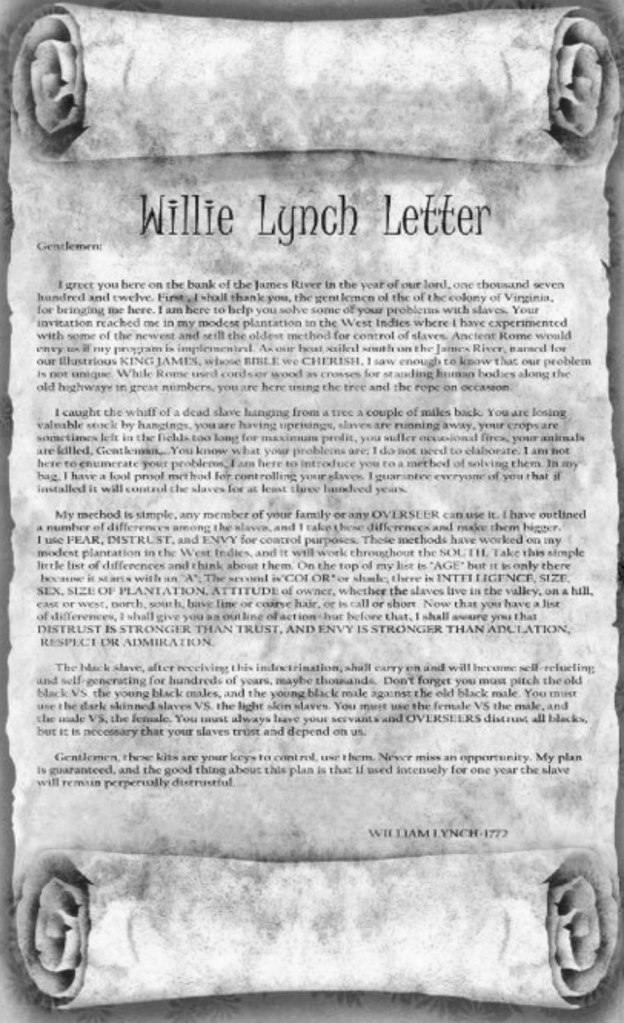
The Willie Lynch Letter—widely circulated as a blueprint for controlling enslaved Africans in America—is often cited in discussions surrounding the systemic psychological manipulation and division within the Black community. Although its authenticity has been heavily disputed, the letter remains symbolically powerful. Allegedly delivered by a British slave owner named Willie Lynch in 1712 on the banks of the James River in Virginia, the letter outlines methods to control slaves for generations by instilling division based on skin color, hair texture, age, gender, and other factors. Despite questions surrounding its historical veracity, the themes it presents remain painfully relevant in 2025.


Alleged Origins and Content of the Willie Lynch Letter

According to the document, Willie Lynch was invited from the West Indies to Virginia to share his “expertise” on slave management. The letter begins with Lynch addressing a group of slave owners, promising them a foolproof method to control their slaves for hundreds of years. He outlines a strategy rooted in psychological division, promoting distrust and disunity among slaves through systemic manipulation of differences—particularly skin color (“light vs. dark”), age (“old vs. young”), gender (“male vs. female”), and even hair texture (“nappy vs. straight”).

One of the most notable concepts from the letter is the separation of the enslaved into house Negroes and field Negroes. House slaves, often lighter-skinned due to being the children of white slave masters, were given relatively better living conditions, cleaner clothes, and closer proximity to their enslavers. They were often used to control or report on the darker-skinned field Negroes, who performed brutal labor in plantations under the hot sun. This intra-racial division served the slaveholders by preventing collective rebellion, as envy, mistrust, and intra-group conflict undermined unity.


Historical Debate: Fact or Fiction?

There is considerable scholarly consensus that the Willie Lynch Letter is a hoax. Historians point to linguistic inconsistencies, anachronisms (such as the use of the term “reflex” and modern grammar structures not used in the 18th century), and the lack of historical evidence of a person named Willie Lynch delivering such a speech in 1712. In fact, no credible record of Lynch’s existence or the letter’s origins exists in the colonial archives (Gates, 2003). Nevertheless, the Willie Lynch Letter endures in cultural consciousness because it reflects real strategies historically used to oppress and manipulate African-descended people in America.


Psychological Residue: Division by Design

Despite its dubious authorship, the letter’s ideology of engineered division has echoed throughout centuries of Black experience in the United States. The division by skin tone, known as colorism, has become deeply embedded within the community. Lighter-skinned individuals have often been afforded more social privilege, greater representation in media, and are sometimes perceived as more intelligent or attractive due to Eurocentric beauty standards (Hunter, 2007). This psychological warfare, seeded in slavery, continues to influence hiring practices, dating preferences, and self-esteem in the modern Black population.

Similarly, the division between field Negroes and house Negroes was metaphorically revived in the 1960s during the civil rights movement, particularly in Malcolm X’s speeches. Malcolm used these terms to describe the difference between the “complacent” Black elite who were comfortable within the white establishment (house Negroes) and the oppressed masses pushing for revolutionary change (field Negroes). His framing highlighted the enduring class-based and psychological divisions that hinder Black unity (X, 1963).


Relevance in 2025: The Lingering Divide

In 2025, the spirit of the Willie Lynch Letter remains manifest in subtle and overt ways. Intra-racial tensions still exist around complexion, hair texture, education, economic status, and gender roles. The media continues to elevate lighter-skinned, Eurocentric Black beauty while marginalizing darker-skinned individuals. Black women with natural hair still face discrimination in professional environments, despite the 2019 CROWN Act (Creating a Respectful and Open World for Natural Hair) aiming to combat hair-based bias (Davis, 2020).

Moreover, systemic racism is far from over. Police brutality, educational disparities, housing discrimination, and wage inequality remain daily realities for many African Americans. Movements like Black Lives Matter emerged as a response not just to violence, but also to the broader dehumanization of Black lives. Although progress has been made, including increased Black representation in politics, media, and academia, the legacy of divide-and-conquer tactics continues to erode unity and foster mistrust.


Conclusion

The Willie Lynch Letter, though likely a fabricated artifact, stands as a mirror reflecting real strategies historically employed to psychologically enslave African Americans through division and manipulation. Whether or not Willie Lynch himself existed, the ideology expressed in the letter has been tragically effective in shaping intergenerational trauma and conflict within the Black community. Recognizing and dismantling these residual effects is critical for healing and unity. In 2025, the challenge is no longer only external oppression, but also internalized division. Understanding our history—both factual and symbolic—is a necessary step toward liberation and solidarity.


References

  • Davis, A. (2020). Hair discrimination and the CROWN Act: A legislative response to anti-Black grooming policies. UCLA Law Review, 67(1), 1–25.
  • Gates, H. L. Jr. (2003). The ‘Willie Lynch Letter’: The Making of a Myth. The Root. Retrieved from https://www.theroot.com
  • Hunter, M. (2007). The Persistent Problem of Colorism: Skin Tone, Status, and Inequality. Sociology Compass, 1(1), 237–254.
  • Malcolm X. (1963). Message to the Grassroots. Speech delivered at King Solomon Baptist Church, Detroit.

DOUBLE BOOK REVIEW: Black Skin, White Masks & The Wretched of the Earth by Frantz Fanon.

Frantz Fanon: The Revolutionary Mind of Black Liberation
Featuring Reviews of Black Skin, White Masks and The Wretched of the Earth


Who Was Frantz Fanon? Biography & Nationality

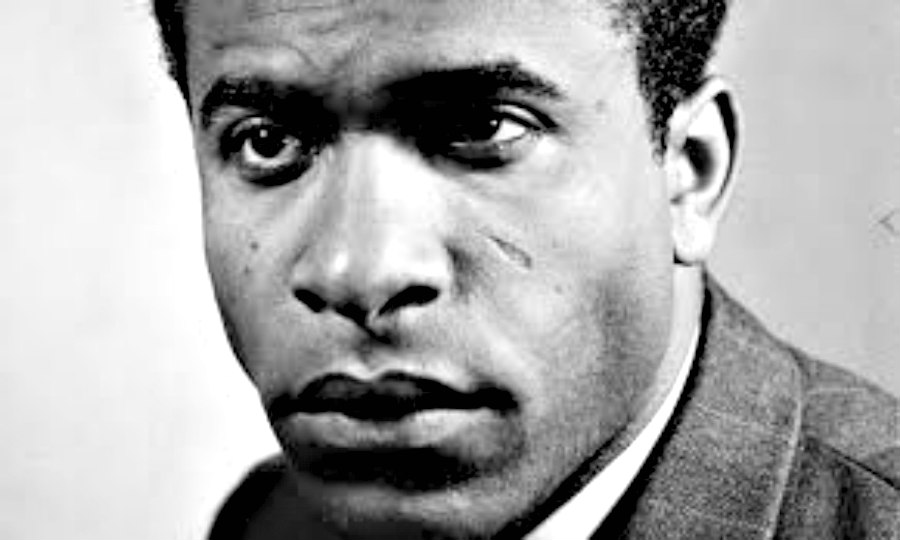
Frantz Omar Fanon was born on July 20, 1925, in Fort-de-France, Martinique, a French colony in the Caribbean. He was a Black psychiatrist, writer, revolutionary theorist, and anti-colonial activist. Fanon was of French nationality, since Martinique was a French territory, but he fiercely rejected colonial identity and became one of the most radical critics of French imperialism.

He grew up speaking French and was educated in the French system, but his experience as a Black man in a white-dominated society led him to reject colonial assimilation and instead advocate for African liberation.


His Marriage and Personal Life

Fanon married Josie (Marie-Josephe) Dublé, a white Frenchwoman, who was a nurse. This marriage sparked controversy, as Fanon wrote passionately against white colonialism and the psychological effects of internalized whiteness among Black people. Yet, he also saw personal relationships as complex and never viewed love solely through political binaries.

They had one son, Olivier Fanon.


His Language and Writing

Fanon wrote in French, and both of his major works have been translated into many languages, including English, Spanish, Arabic, and Portuguese, making his ideas accessible to freedom fighters and intellectuals around the world.


Life in Martinique and France: The Formation of a Revolutionary

Growing up in Martinique, Fanon was considered part of the Black middle class. However, he became deeply disillusioned with the racism of the French colonial structure, even in his homeland. He witnessed colorism, elitism, and a system that trained Black people to idolize whiteness.

He later moved to France to study psychiatry. As a young man, he fought in World War II for the Free French forces, believing in liberty and equality. But upon returning, he was met with the same anti-Black racism, even by those who had called him a fellow soldier. This double betrayal pushed him to rethink everything about colonialism, identity, and liberation.


Fanon wasn’t just a theorist; he joined the Algerian Revolution against French colonial rule, working as a psychiatrist and strategist for the National Liberation Front (FLN) in Algeria.

He treated Algerian fighters traumatized by war, and he exposed the use of torture by the French. His writings were not abstract—they were tools of war. The French authorities expelled him from Algeria for his radicalism, and he spent his remaining years helping liberation movements across Africa, including in Ghana and the Congo.


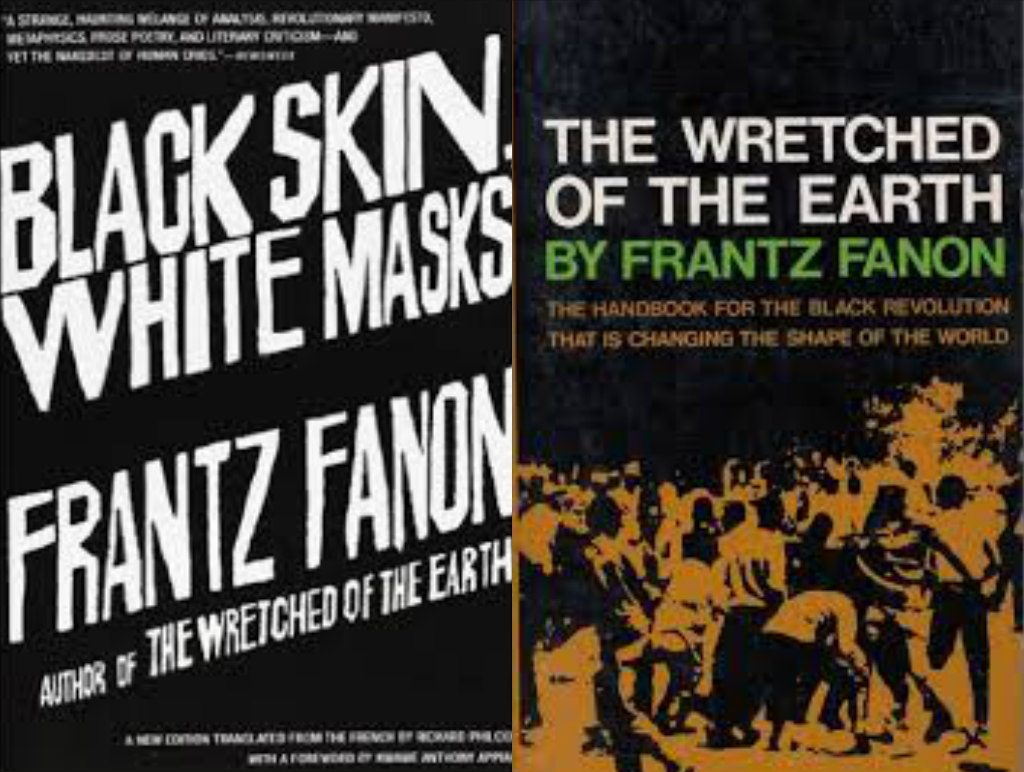
📘 Book Review: Black Skin, White Masks

⭐️⭐️⭐️⭐️⭐️

Published: 1952

Language: French (translated to English by Charles Lam Markmann)

Original Title: Peau Noire, Masques Blancs

This book is a psychological and philosophical dissection of what it means to be Black in a world built on white supremacy. Fanon dives deep into the Black psyche under colonialism, examining how racism shapes identity, self-worth, language, and love.

Key Messages and Themes:

  1. The Inferiority Complex of the Colonized:
    Black people, especially those educated in white systems, are taught to hate themselves and to wear “white masks” to be accepted.
  2. Language as a Tool of Oppression:
    Speaking French “well” became a way to be seen as civilized, but Fanon argued that this was a linguistic betrayal of self.
  3. Desire for Whiteness:
    Fanon was critical of Black men who sought white women to gain status, and Black women who rejected their own features for European beauty standards.
  4. Racism as a Mental Illness:
    He saw racism not just as social injustice but as a psychiatric condition—both for the oppressed and the oppressors.

“The Black man has no resistance against the white man’s culture. He becomes a mimic man.”
—Frantz Fanon, Black Skin, White Masks

🔥 Impact on the Black Psyche

The book shattered illusions. It revealed how colonialism invaded the mind, creating identity crises and self-hatred. It gave Black people language to understand their trauma and tools to decolonize the self.


📕 Book Review: The Wretched of the Earth

⭐️⭐️⭐️⭐️⭐️

Published: 1961 (just before his death from leukemia at age 36)

Translated by: Constance Farrington

Original Language: French

Introduction by: Jean-Paul Sartre

This is Fanon’s revolutionary manual, a blistering indictment of colonial violence and a blueprint for third-world liberation. Written from the frontlines of the Algerian War, it calls for armed struggle, psychological liberation, and national consciousness.

Key Messages and Chapters:

  1. “Violence is cleansing.”
    Fanon controversially argues that for the colonized to reclaim their dignity, violence is inevitable and purifying. It is how the oppressed reclaim agency.
  2. Mental Illness as a Colonial Weapon
    Fanon documents how colonial trauma causes paranoia, psychosis, and inferiority, especially among youth and fighters.
  3. Revolution Must Go Beyond Nationalism
    Independence is not enough. True liberation must dismantle capitalism, Western models of power, and Eurocentric values.
  4. Warning to Post-Colonial Elites
    Fanon criticized new African leaders who replaced white rulers but served the same Western interests, failing to uplift the masses.

“The colonized can see right away if decolonization is taking place or not. The minimum demand is for the colonized to govern their own country.”
—Frantz Fanon, The Wretched of the Earth


Why Was Fanon Revolutionary?

At a time when France still claimed moral superiority, Fanon exposed the brutality of its empire, tearing down illusions of liberal democracy. His insistence on psychological freedom, militant resistance, and cultural pride made him a hero to Black radicals and a threat to white colonial powers.


How Were Black People Seen in His Time?

In France and its colonies, Black people were exoticized, infantilized, and oppressed. They were taught that whiteness was superior, and “becoming French” was their highest goal. Fanon rejected this with rage and clarity.


Did His Light Skin Give Him Privilege?

Fanon was of mixed ancestry, and his relatively light skin may have given him closer access to French intellectual circles, but he rejected any identity built on proximity to whiteness. He used his position to amplify the pain and resistance of the oppressed, never to benefit personally.

His “je ne sais quoi” was not his skin—it was his brilliance, passion, and fearlessness.


What Was His Impact on Black People Worldwide?

Fanon inspired:

  • The Black Panther Party
  • South African anti-apartheid fighters
  • Caribbean and African revolutions
  • Black Lives Matter and global liberation movements
  • Scholars like bell hooks, Ngũgĩ wa Thiong’o, Angela Davis, and Malcolm X

His writings gave language to the rage and hope of colonized people and continue to empower those fighting white supremacy.


💡 Core Messages of Both Books

  • Colonialism is not just political—it is psychological.
  • Racism creates internalized hatred that must be unlearned.
  • Liberation requires both mental and physical decolonization.
  • Black identity must be rebuilt on truth, history, and cultural pride.
  • Freedom is not given—it must be seized.

Conclusion: The Fire That Still Burns

Frantz Fanon lived only 36 years, but he changed the world. He exposed the invisible chains in the Black mind and gave us tools to break them. His books are not just texts—they are weapons.

“Each generation must, out of relative obscurity, discover its mission, fulfill it, or betray it.”
—Frantz Fanon

Fanon fulfilled his mission. The question now is—will we fulfill ours?

🌱 How Not to Become Toxic: A Guide to Healthy Living and Relationships 🌱

Photo by Godisable Jacob on Pexels.com

🌱🌱🌱

Toxicity is not always intentional. Many people who exhibit toxic behaviors repeat patterns learned from pain, insecurity, or culture. The good news is that no one is doomed to stay toxic—healing, growth, and spiritual renewal are possible. Here are key steps to prevent yourself from becoming toxic in relationships and communities.


1. Develop Self-Awareness

Self-reflection is the first defense against toxicity. Journaling, prayer, or therapy helps you identify negative habits like blaming, criticizing, or manipulating. Psychology emphasizes “emotional intelligence” (Goleman, 1995), the ability to recognize and regulate your emotions while understanding how they affect others. The Bible encourages the same: “Examine yourselves, whether ye be in the faith” (2 Corinthians 13:5).


2. Heal from Past Trauma

Unresolved pain is one of the strongest roots of toxic behavior. Seek professional counseling, spiritual mentorship, or support groups to process grief, abuse, or rejection. Trauma unhealed will often resurface as anger, control, or envy. Psalm 147:3 reminds us: “He healeth the broken in heart, and bindeth up their wounds.”


3. Practice Accountability

Toxic people deflect blame, but growth comes when we admit faults. Surround yourself with honest friends, mentors, or faith leaders who will lovingly correct you. Accountability prevents pride from hardening into toxicity. Proverbs 27:6 says: “Faithful are the wounds of a friend; but the kisses of an enemy are deceitful.”


4. Cultivate Gratitude and Contentment

Envy and jealousy are at the heart of toxic behavior. Instead of comparing, focus on gratitude for your blessings. Gratitude rewires the brain for joy and reduces envy (Emmons & McCullough, 2003). Spiritually, Philippians 4:11 teaches contentment: “I have learned, in whatsoever state I am, therewith to be content.”


5. Strengthen Empathy

Empathy—the ability to feel and understand others’ experiences—counters selfishness and narcissism. Actively listen, validate others’ feelings, and celebrate their victories. Psychology calls this “prosocial behavior,” which fosters cooperation and trust (Batson, 2011). Romans 12:15 reinforces empathy: “Rejoice with them that do rejoice, and weep with them that weep.”


6. Set and Respect Boundaries

Healthy people understand that love is not control. Practice saying “no” respectfully and allow others to do the same. Boundaries prevent manipulation, resentment, and unhealthy dependency. Biblically, even Jesus set boundaries by retreating to pray alone (Mark 1:35), showing that separation can be holy and necessary.


7. Choose Growth Over Ego

Toxicity thrives on pride, stubbornness, and resistance to change. Instead, adopt a growth mindset—believing you can learn, improve, and be transformed. Carol Dweck’s research (2006) shows that people with growth mindsets build resilience and healthier relationships. Spiritually, James 4:10 instructs: “Humble yourselves in the sight of the Lord, and he shall lift you up.”


8. Seek Godly Transformation

Ultimately, breaking the cycle of toxicity requires more than psychology—it requires spiritual renewal. Through repentance, prayer, and the guidance of the Holy Spirit, toxic traits can be replaced with the fruit of the Spirit: “love, joy, peace, longsuffering, gentleness, goodness, faith, meekness, temperance” (Galatians 5:22–23).


Summary: To avoid becoming toxic, one must heal old wounds, embrace accountability, and cultivate gratitude, empathy, and humility. Toxicity is a choice—but so is transformation. By guarding your heart and seeking wisdom, you can become a source of life, not poison, in the lives of others.


📚 References (APA Style)

  • Batson, C. D. (2011). Altruism in humans. Oxford University Press.
  • Dweck, C. S. (2006). Mindset: The new psychology of success. Random House.
  • Emmons, R. A., & McCullough, M. E. (2003). Counting blessings versus burdens: Experimental studies of gratitude and subjective well-being. Journal of Personality and Social Psychology, 84(2), 377–389.
  • Goleman, D. (1995). Emotional intelligence. Bantam Books.

⚠️The Dangers of Online Dating in 2025⚠️

Risks, Psychology, and Alternatives

Photo by Tony Schnagl on Pexels.com

“Be sober, be vigilant; because your adversary the devil, as a roaring lion, walketh about, seeking whom he may devour” (1 Peter 5:8, KJV).

Online dating has rapidly transformed the way men and women seek companionship, but beneath its convenience lies a complex set of dangers. Platforms such as Plenty of Fish (POF), Tinder, and Bumble have normalized meeting strangers through digital profiles, yet many of these encounters come with risks ranging from deception to violence. Scholars and law enforcement alike caution that the digital age has introduced a new realm of vulnerability, particularly when romance intersects with technology.

Effects of Online Dating on Men and Women

  • Men: increased casual mindset, performance pressure, risk of rejection burnout, objectification of women.
  • Women: exposure to harassment, higher risk of violence, increased distrust, emotional exhaustion from deception.

A chilling example underscores this reality: in 2016, Ingrid Lyne, a Seattle nurse, was brutally murdered by a man she met on Plenty of Fish (POF). Her case is not isolated. In 2022, a Nebraska woman named Sydney Loofe was lured and killed after meeting her attacker on Tinder. These tragedies illustrate the darker possibilities of online dating, where anonymity can shield predators. According to the Pew Research Center (2023), while one in three U.S. adults have used a dating site, many report harassment, scams, or worse.

The impact of online dating on relationships in 2025 is multifaceted. On one hand, dating apps expand options; on the other, they decrease long-term success rates. Research shows that marriages initiated online are slightly less stable compared to traditional meetings (Cacioppo et al., 2013). The “paradox of choice” emerges, where too many options overwhelm decision-making and lead to dissatisfaction (Schwartz, 2004). Consequently, some individuals now prefer the safety of chatting online without ever meeting, reflecting heightened fears, distrust, and comfort in digital detachment.

Online Dating vs. Biblical Wisdom

AspectPros of Online DatingCons of Online DatingBiblical Wisdom / Guidance
Access to PartnersExpands the dating pool; connects people across distances.Overwhelming choices (paradox of choice), leading to indecision and dissatisfaction.“Whoso findeth a wife findeth a good thing, and obtaineth favour of the LORD” (Proverbs 18:22, KJV). Godly patience is better than endless options.
ConvenienceEasy communication, instant messaging, flexible scheduling.Promotes superficiality; swiping culture reduces people to appearances.“Man looketh on the outward appearance, but the LORD looketh on the heart” (1 Samuel 16:7, KJV). True connection goes beyond looks.
Compatibility FiltersApps like eHarmony/Christian Mingle allow faith-based or value-based matching.Many lie about age, income, or intentions; risk of deception.“Lying lips are abomination to the LORD” (Proverbs 12:22, KJV). Honesty is foundational for marriage.
Emotional ExperienceSome users find love, companionship, and marriage online.Exposure to harassment, catfishing, stalking, and potential violence.“Be sober, be vigilant… the devil… seeketh whom he may devour” (1 Peter 5:8, KJV). Spiritual discernment and caution are necessary.
Psychological ImpactCan help introverts or shy individuals express themselves.Addiction to swiping, rejection burnout, feelings of being disposable.“All things are lawful… but I will not be brought under the power of any” (1 Corinthians 6:12, KJV). Don’t let apps control your mind or emotions.
SafetyPotential for meeting trustworthy, sincere partners.Lack of accountability—danger of meeting predators, scammers, or mentally ill individuals.“In the multitude of counsellors there is safety” (Proverbs 11:14, KJV). Meeting through community and accountability reduces risks.
Relationship OutcomesSome marriages succeed from online dating (12–15%).Research shows slightly higher divorce risk compared to traditional meetings.“What therefore God hath joined together, let not man put asunder” (Matthew 19:6, KJV). Focus on God’s design, not quick outcomes.
AlternativesOnline dating as a tool for busy lifestyles.Can replace genuine human interaction and courtship traditions.“Be ye not unequally yoked together with unbelievers” (2 Corinthians 6:14, KJV). Fellowship and community remain the safest places to meet a spouse.

Psychologically, online dating fosters addictive swiping behavior, similar to gambling reinforcement cycles (Alter, 2017). The “swipe culture” reduces human beings to consumable profiles—one left swipe discards, one right swipe objectifies. This gamification affects real-life interactions by promoting superficial judgments and diminishing patience for deeper, slower connections. People conditioned to instant gratification in dating apps may struggle to maintain healthy relationships that require endurance and compromise.

The dangers are further heightened by exposure to individuals with mental illnesses, including stalkers, manipulators, or even serial offenders. A 2020 BBC investigation revealed that hundreds of crimes, including rapes and murders, were linked to online dating apps globally. Catfishing—pretending to be someone else online to deceive—remains prevalent, leaving many victims emotionally devastated or financially scammed. Psychology indicates that deception flourishes in anonymous settings because of the “online disinhibition effect” (Suler, 2004).

Nevertheless, online dating is not without its pros and cons. Pros: access to a wide dating pool, convenience, ability to filter preferences, and potential for marriage success (studies suggest around 12–15% of U.S. marriages began online). Cons: exposure to liars and predators, addictive swiping behavior, emotional burnout, catfishing, and higher odds of short-term hookups rather than long-term commitments. For Christians, the Bible emphasizes discernment, patience, and godly standards in relationships (2 Corinthians 6:14; Hebrews 13:4).

As of 2025, the top dating apps include Tinder (dominant in casual dating), Bumble (female-driven approach), Hinge (marketed for long-term connections), Plenty of Fish (free, but riskier), and eHarmony/Christian Mingle (faith-based, with higher reported marriage success rates). However, studies note that marriages formed through apps like eHarmony have slightly higher longevity compared to Tinder-based relationships (Cacioppo et al., 2013). Despite the numbers, critics argue that apps encourage a “disposable culture” of relationships.

The alternatives to online dating are timeless: meeting through church, community service, professional networking, or mutual friends. Such contexts provide social accountability, which reduces the risk of deception. They also encourage patience and allow observation of character over time, aligning with biblical values: “Whoso findeth a wife findeth a good thing, and obtaineth favour of the LORD” (Proverbs 18:22, KJV). Ultimately, dating apps can serve as tools, but they must be approached with discernment, boundaries, and prayerful consideration.

In conclusion, online dating reflects both modern convenience and modern peril. While it offers accessibility, it also introduces risks of violence, deception, and superficiality. Catfishing, swiping culture, and encounters with mentally unstable individuals remind us that digital shortcuts in relationships often carry hidden costs. Psychology explains the addictive patterns, while Scripture calls men and women back to wisdom, patience, and faithfulness in love. Online dating, therefore, is neither wholly good nor wholly bad—it is a tool that must be used with discernment, vigilance, and reliance on godly principles.

References

  • Alter, A. (2017). Irresistible: The rise of addictive technology and the business of keeping us hooked. Penguin Press.
  • Cacioppo, J. T., Cacioppo, S., Gonzaga, G. C., Ogburn, E. L., & VanderWeele, T. J. (2013). Marital satisfaction and break-ups differ across on-line and off-line meeting venues. Proceedings of the National Academy of Sciences, 110(25), 10135–10140.
  • Pew Research Center. (2023). The virtues and downsides of online dating. Pew Research.
  • Schwartz, B. (2004). The paradox of choice: Why more is less. HarperCollins.
  • Suler, J. (2004). The online disinhibition effect. CyberPsychology & Behavior, 7(3), 321–326.
  • The Holy Bible, King James Version.

Girl Talk Series: High Value Woman

Photo by Avonne Stalling on Pexels.com

“Who can find a virtuous woman? for her price is far above rubies” (Proverbs 31:10, KJV).

The concept of a high-value woman has been celebrated across cultures, but Scripture provides the clearest definition through the model of the Proverbs 31 woman. A high-value woman is not measured solely by her outward appearance or material possessions, but by her godly character, wisdom, discipline, and ability to nurture those entrusted to her care. She embodies both strength and gentleness, intelligence and humility, beauty and virtue. In contemporary discussions, her worth extends beyond social trends, reflecting deep biblical principles, psychological insights, and timeless values of womanhood.

Ten Traits of a High-Value Woman

  1. Godly and virtuous (Proverbs 31:30)
  2. Submissive yet wise and strong (Ephesians 5:22)
  3. Faithful and loyal to her husband
  4. Smart, productive, and a homemaker (Proverbs 31:27)
  5. Maintains attractiveness and self-care
  6. Practices sexual discipline and purity (Hebrews 13:4)
  7. Compassionate, generous, and helps the needy (Proverbs 31:20)
  8. Good mother and nurturer if she has children
  9. Sweet communicator, respectful, and encouraging to her husband (Proverbs 31:26)
  10. Confident, purposeful, and repentant before God

At the heart of a high-value woman’s identity is godliness. She fears the Lord, repents when she falls short, and seeks to live according to God’s will. Proverbs 31:30 reminds us, “Favour is deceitful, and beauty is vain: but a woman that feareth the LORD, she shall be praised.” Unlike superficial measures of value, true worth lies in her devotion to God. Psychology affirms that spiritual grounding contributes to resilience, purpose, and inner peace (Pargament, 2007). A high-value woman thus integrates faith with daily living, allowing her relationship with God to shape her identity and actions.

Second, she is faithful, loyal, and respectful toward her husband. Scripture exhorts wives to honor their husbands: “Wives, submit yourselves unto your own husbands, as unto the Lord” (Ephesians 5:22, KJV). This submission is not servitude, but a form of respect and partnership that honors divine order. A high-value woman communicates with kindness and speaks words that build up her spouse (Proverbs 31:26). Psychology supports this dynamic by highlighting that respect, loyalty, and positive communication are among the strongest predictors of marital satisfaction (Gottman, 2014).

Third, she is a homemaker and nurturer who provides stability, warmth, and structure in the home. Far from being antiquated, homemaking requires intelligence, organization, and foresight. The Proverbs 31 woman “looketh well to the ways of her household, and eateth not the bread of idleness” (Proverbs 31:27, KJV). She is productive, manages resources wisely, and creates an environment that fosters growth for her children and peace for her husband. Modern research shows that domestic competence—meal preparation, budgeting, and family organization—remains crucial to family well-being (Amato, 2005).

Fourth, she embodies sexual discipline and purity. A high-value woman does not give herself away casually but reserves her body for her husband. Hebrews 13:4 affirms the sanctity of marriage: “Marriage is honourable in all, and the bed undefiled: but whoremongers and adulterers God will judge.” By practicing chastity before marriage and fidelity within it, she honors both God and herself. Psychological research demonstrates that self-control and delayed gratification foster greater long-term satisfaction in relationships and life (Mischel, 2014).

Fifth, a high-value woman is marked by compassion and generosity. Proverbs 31:20 states, “She stretcheth out her hand to the poor; yea, she reacheth forth her hands to the needy.” She uses her time, resources, and energy to serve others, reflecting Christlike love. This generosity is not merely financial but extends to emotional support, hospitality, and encouragement. Studies show that altruism is associated with improved well-being, stronger social bonds, and increased life satisfaction (Post, 2005).

Examples of high-value women can be found both biblically and in modern times. Biblically, Ruth exemplifies loyalty and faith as she followed Naomi, declaring, “Thy people shall be my people, and thy God my God” (Ruth 1:16, KJV). Esther displayed courage, wisdom, and submission to God’s purpose in saving her people (Esther 4:14). In the modern world, figures like Coretta Scott King exemplified high-value womanhood, standing faithfully beside Martin Luther King Jr., embodying loyalty, grace, resilience, and purposeful action. Her life reflected both Proverbs 31 virtues and contemporary relevance.

Self-Care Plan for the High-Value Woman

1. Mental Self-Care

A high-value woman nurtures her mind with wisdom, clarity, and purpose.

  • Daily Prayer & Scripture Meditation: Begin and end each day with prayer and reflection on God’s Word (Joshua 1:8, KJV). This builds focus, peace, and discernment.
  • Lifelong Learning: Dedicate at least 30 minutes daily to reading books, listening to podcasts, or studying topics that enrich intellect and spiritual maturity.
  • Journaling: Write thoughts, goals, and reflections to process emotions and maintain clarity (Proverbs 4:7).
  • Digital Boundaries: Limit social media to avoid comparison and overstimulation; replace it with reading, study, or quality conversation.
  • Rest & Sabbath: Prioritize rest as God commanded (Exodus 20:8–10), ensuring one day weekly of spiritual and mental renewal.

2. Physical Self-Care

Her body is the temple of the Holy Spirit; therefore, she maintains health, beauty, and vitality (1 Corinthians 6:19–20).

  • Exercise Routine: At least 30–45 minutes of activity (strength, cardio, flexibility) 4–5 times weekly.
  • Balanced Diet: Whole foods, hydration (8+ glasses of water daily), limited processed sugar, and mindful eating (Daniel 1:12–15 as an example of discipline).
  • Sleep Hygiene: 7–8 hours of quality rest each night. Sleep restores the body, improves mood, and supports hormonal balance.
  • Grooming & Attractiveness: Regular self-care practices such as skincare, hair care, and personal style maintenance—presenting herself with dignity and confidence (Proverbs 31:25: “Strength and honour are her clothing”).
  • Medical Checkups: Regular health screenings and preventive care to steward her body wisely.

3. Emotional Self-Care

A high-value woman maintains peace, balance, and joy in her inner world.

  • Healthy Boundaries: Say “no” to toxic relationships and protect personal energy (Proverbs 4:23: “Keep thy heart with all diligence; for out of it are the issues of life”).
  • Therapy or Mentorship: Engage in counseling, coaching, or godly mentorship for growth and healing when needed.
  • Community & Fellowship: Surround herself with supportive, like-minded women of faith who encourage growth (Hebrews 10:24–25).
  • Practicing Gratitude: Write down three things she is thankful for each day. Psychology shows gratitude increases joy and resilience (Emmons & McCullough, 2003).
  • Creative Expression: Engage in hobbies such as art, music, or writing to release stress and cultivate joy.
  • Affirmations & Speech: Speak life over herself daily; Proverbs 18:21 reminds that “death and life are in the power of the tongue.”

A high-value woman’s self-care plan ensures she is mentally sharp, physically strong, and emotionally stable. By grounding her routines in faith, discipline, and intentional living, she sustains her beauty, wisdom, and influence.

In summary, the high-value woman integrates faith, loyalty, homemaking, discipline, compassion, and wisdom into her daily life. She is virtuous, submissive yet strong, intelligent, attractive, faithful, generous, and purposeful. She communicates with kindness, pleases her husband, nurtures her children, and uplifts her community. Ultimately, her value lies not in fleeting cultural measures but in her alignment with God’s design for womanhood. As Proverbs 31 concludes, “Give her of the fruit of her hands; and let her own works praise her in the gates” (v. 31).

References

  • Amato, P. R. (2005). The impact of family formation change on the cognitive, social, and emotional well-being of the next generation. The Future of Children, 15(2), 75–96.
  • Emmons, R. A., & McCullough, M. E. (2003). Counting blessings versus burdens: An experimental investigation of gratitude and subjective well-being. Journal of Personality and Social Psychology, 84(2), 377–389.
  • Gottman, J. M., & Silver, N. (2015). The seven principles for making marriage work: A practical guide from the country’s foremost relationship expert. Harmony.
  • Mischel, W. (2014). The Marshmallow Test: Mastering self-control. Little, Brown and Company.
  • Pargament, K. I. (2007). Spiritually integrated psychotherapy: Understanding and addressing the sacred. Guilford Press.
  • Post, S. G. (2005). Altruism, happiness, and health: It’s good to be good. International Journal of Behavioral Medicine, 12(2), 66–77.
  • Penedo, F. J., & Dahn, J. R. (2005). Exercise and well-being: A review of mental and physical health benefits associated with physical activity. Current Opinion in Psychiatry, 18(2), 189–193.
  • Watson, D., Clark, L. A., & Tellegen, A. (1988). Development and validation of brief measures of positive and negative affect: The PANAS scales. Journal of Personality and Social Psychology, 54(6), 1063–1070.

Biblical References (KJV)

  • Proverbs 31:10–31 – The Virtuous Woman.
  • Proverbs 4:23 – “Keep thy heart with all diligence; for out of it are the issues of life.”
  • Proverbs 18:21 – “Death and life are in the power of the tongue.”
  • Proverbs 31:25 – “Strength and honour are her clothing; and she shall rejoice in time to come.”
  • Proverbs 31:26 – “She openeth her mouth with wisdom; and in her tongue is the law of kindness.”
  • Proverbs 31:27 – “She looketh well to the ways of her household, and eateth not the bread of idleness.”
  • Proverbs 31:30 – “Favour is deceitful, and beauty is vain: but a woman that feareth the LORD, she shall be praised.”
  • Hebrews 10:24–25 – Fellowship and encouragement.
  • Hebrews 13:4 – Marriage and sexual purity.
  • Joshua 1:8 – Meditation on the Word day and night.
  • 1 Corinthians 6:19–20 – The body as the temple of the Holy Spirit.
  • Exodus 20:8–10 – The Sabbath as rest.