Poverty is not merely an economic condition—it is a historical inheritance and a cultural construct woven into the fabric of human civilization. Across time, the experience of poverty has been defined and redefined by systems of power, colonization, race, and class. To understand poverty in its fullest form, one must trace its origins not only through material deprivation but also through the narratives that have justified and perpetuated inequality across centuries.
Historically, poverty has always been linked to social hierarchy. In ancient societies, such as Egypt, Greece, and Rome, class divisions were considered natural and divinely ordained. The wealthy and ruling elites viewed the poor as necessary laborers to sustain their prosperity. Poverty was moralized, seen as either the result of divine punishment or personal failure. This moral framing laid the foundation for later ideologies that blamed the poor for their condition rather than recognizing structural injustice.
The transatlantic slave trade and European colonization marked one of the most defining periods in the global history of poverty. Colonized peoples were stripped not only of resources but of cultural wealth, languages, and social systems that sustained communal prosperity. Colonial powers imposed foreign economic structures that redirected wealth to Europe, leaving indigenous and African nations impoverished. The plantation economies, driven by slave labor, created a wealth gap so vast that its echoes still define global inequality today (Rodney, 1972).
Poverty among African-descended populations in the Americas cannot be understood apart from the legacy of slavery. Enslaved Africans built the economic foundation of Western wealth through cotton, sugar, and tobacco, yet were denied ownership, education, and dignity. After emancipation, systemic poverty was maintained through sharecropping, Jim Crow laws, and exclusion from property and credit. This structural design ensured that Black Americans remained economically dependent and socially constrained, creating generational poverty that persists in many communities (Massey & Denton, 1993).
Colonialism also reshaped the global map of poverty. In Africa, Asia, and Latin America, European empires extracted natural and human resources while imposing artificial borders that fractured indigenous governance. The introduction of cash economies replaced traditional systems of trade and reciprocity. Poverty thus became not an accident but an intentional outcome of colonial policy—a mechanism to maintain global control and cheap labor (Nkrumah, 1965).
The Industrial Revolution transformed the nature of poverty in Europe and America. While it generated immense wealth for the few, it created a working class that lived in squalid conditions. Urban poverty, marked by overcrowded housing, child labor, and pollution, became the visible cost of progress. Karl Marx’s critique of capitalism highlighted this disparity, arguing that the concentration of wealth in the hands of the bourgeoisie required the perpetual impoverishment of the proletariat (Marx & Engels, 1848).
Culturally, poverty has often been stigmatized through language, art, and religion. In Western Christian traditions, wealth was sometimes equated with divine favor, while poverty symbolized moral failure. Yet paradoxically, scripture also honored the poor, as seen in Christ’s teaching that “Blessed are the poor in spirit” (Matthew 5:3, KJV). This tension between compassion and condemnation reflects how societies have oscillated between viewing the poor as victims to be pitied and as burdens to be managed.
In African and indigenous worldviews, however, poverty was historically understood differently. Wealth was not individual accumulation but communal well-being. Before colonization, many African societies practiced economic systems based on reciprocity, where wealth circulated to ensure collective survival. The concept of Ubuntu—“I am because we are”—challenged the isolation and greed that define modern capitalism. Thus, colonial disruption did more than drain resources; it dismantled spiritual and cultural frameworks of shared prosperity.
During the 20th century, poverty became a central theme in liberation movements across the world. Figures like Martin Luther King Jr., Kwame Nkrumah, and Nelson Mandela recognized that racial and political freedom without economic justice was incomplete. King (1968) declared that “the curse of poverty has no justification in our age,” emphasizing that poverty is man-made and can be eradicated through restructuring values and systems.
The cultural psychology of poverty reveals deep internal effects. When generations are taught to see their struggles as inevitable or self-inflicted, they internalize inferiority. This “poverty of spirit,” as Paulo Freire (1970) described, leads to fatalism—the belief that one’s circumstances cannot change. Education, in this context, becomes not only a tool of empowerment but a form of psychological liberation.
In America, poverty intersects with race, geography, and gender. Black and Indigenous communities continue to experience disproportionately high poverty rates due to structural inequalities in education, housing, and employment. Women, particularly single mothers, face “the feminization of poverty,” where systemic sexism and wage disparity keep them in economic precarity (Pearce, 1978). These patterns reveal that poverty is not random but patterned along lines of social exclusion.
Media and culture play critical roles in shaping public perception of poverty. Hollywood often portrays the poor as either criminal, lazy, or helpless—rarely as intelligent, dignified, or resilient. Such imagery reinforces stereotypes that justify economic inequality. By contrast, cultural expressions in music, poetry, and art—particularly within the African diaspora—have served as acts of resistance, celebrating survival amid scarcity.
Hip-hop, gospel, and blues emerged as cultural responses to poverty. These art forms transformed pain into creativity, turning oppression into expression. They remind the world that even within impoverished conditions, there exists cultural richness, ingenuity, and hope. Poverty may restrict material access, but it cannot extinguish the human spirit.
The psychological consequences of poverty extend beyond financial stress. Chronic exposure to deprivation creates a state of hyper-vigilance and emotional exhaustion. Studies show that children raised in poverty experience higher rates of anxiety, trauma, and reduced cognitive development due to limited resources and environmental stressors (Evans, 2004). Poverty, therefore, is both an external and internal crisis—a condition of the mind as much as of the wallet.
Culturally, poverty shapes identity through shame and resilience. In communities that valorize wealth and consumption, being poor becomes a stigma. Yet within oppressed populations, shared struggle often builds solidarity. This paradox—of pain and pride coexisting—defines much of the cultural experience of poverty in Black and brown communities.
Historically, the myth of meritocracy has perpetuated the moralization of poverty. Capitalist societies glorify the self-made individual, suggesting that hard work alone ensures success. This narrative obscures the systemic barriers that prevent equal opportunity. It erases historical trauma—such as redlining, mass incarceration, and wage theft—that sustain economic inequity across generations.
Globally, poverty today reflects the aftershocks of colonization and globalization. Nations once stripped of their resources now struggle under debt, inflation, and environmental exploitation by the same powers that once enslaved them. The World Bank and International Monetary Fund, though framed as benevolent institutions, have often imposed austerity measures that deepen inequality in developing nations (Escobar, 1995).
Culturally, the poor have become both invisible and hyper-visible. They are displayed in charity campaigns yet excluded from policy decisions. Their stories are told by others, not by themselves. The cultural voice of poverty, when reclaimed, demands not pity but justice. It reminds societies that poverty is not simply the absence of money but the absence of fairness.
To address poverty requires cultural transformation as much as economic reform. It requires redefining wealth as collective well-being rather than individual success. Education must teach empathy, history, and critical consciousness. Policy must address not only income but dignity, ensuring access to housing, healthcare, and meaningful work.
Faith traditions, particularly in African and diasporic contexts, often frame poverty as a test of endurance and faith. Yet modern theology increasingly views justice as divine work—arguing that ending poverty honors the Creator’s design for equity and community. Thus, spirituality becomes not an escape from poverty but a moral engine for its eradication.
Culturally, healing from poverty’s trauma involves storytelling—restoring lost narratives of abundance, resilience, and ancestral strength. When people remember who they are and where they come from, they begin to dismantle the lies that poverty told them about their worth.
Ultimately, the historical and cultural dimensions of poverty reveal it to be not a flaw in individuals but in systems. To fight poverty is to confront history itself—to heal from the wounds of slavery, colonization, and capitalism. In that healing lies the restoration of dignity, the renewal of community, and the reawakening of humanity’s shared responsibility for one another.
References
Escobar, A. (1995). Encountering development: The making and unmaking of the Third World. Princeton University Press.
Evans, G. W. (2004). The environment of childhood poverty. American Psychologist, 59(2), 77–92.
Freire, P. (1970). Pedagogy of the oppressed. Continuum.
King, M. L., Jr. (1968). Where do we go from here: Chaos or community? Beacon Press.
Massey, D. S., & Denton, N. A. (1993). American apartheid: Segregation and the making of the underclass. Harvard University Press.
Marx, K., & Engels, F. (1848). The Communist Manifesto. Penguin Classics.
Nkrumah, K. (1965). Neo-colonialism: The last stage of imperialism. Thomas Nelson & Sons.
Pearce, D. M. (1978). The feminization of poverty: Women, work, and welfare. Urban and Social Change Review, 11(1–2), 28–36.
Rodney, W. (1972). How Europe underdeveloped Africa. Bogle-L’Ouverture Publications.
Scripture makes it clear that prosperity is not merely material but spiritual, and true wealth begins with the condition of the soul. The Bible teaches that “Beloved, I wish above all things that thou mayest prosper and be in health, even as thy soul prospereth” (3 John 1:2, KJV). This establishes that financial outcomes are deeply connected to spiritual alignment, values, and obedience to God’s principles.
One of the greatest financial sins is materialism, which places possessions above purpose and wealth above God. Jesus warned that no one can serve both God and money, for one will always dominate the heart (Matthew 6:24). Materialism shifts trust from divine provision to human accumulation, producing anxiety, greed, and spiritual emptiness rather than true prosperity.
Another major cause of financial stagnation is neglecting the poor, widows, and orphans. Scripture repeatedly emphasizes that generosity toward the vulnerable is not optional but central to righteousness. Proverbs teaches that those who give to the poor lend to the Lord, and God Himself repays (Proverbs 19:17). Ignoring the needy blocks spiritual flow and hardens the heart against divine compassion.
God ties personal prosperity to social responsibility. When individuals hoard resources and ignore injustice, they disconnect from God’s economic system. Isaiah condemns religious practice without care for the oppressed, declaring that true worship includes feeding the hungry and sheltering the poor (Isaiah 58:6–10). Financial blessing is connected to ethical stewardship, not selfish accumulation.
Slothfulness is another financial sin that leads to poverty. The Bible consistently warns that laziness produces lack, while diligence produces increase. “The soul of the sluggard desireth, and hath nothing: but the soul of the diligent shall be made fat” (Proverbs 13:4). Waiting passively for opportunity rather than actively pursuing work reflects spiritual and practical irresponsibility.
God honors movement, effort, and initiative. The diligent person seeks multiple opportunities, learns new skills, and refuses stagnation. Scripture teaches that those who do not work should not expect to eat, reinforcing the moral obligation of productivity (2 Thessalonians 3:10). Faith is not inactivity; it is obedience in action.
Another destructive financial pattern is going into debt. Debt is portrayed in scripture as a form of bondage, not blessing. “The borrower is servant to the lender” (Proverbs 22:7). Debt compromises freedom, limits future choices, and places financial authority into the hands of others.
Debt is also a spiritual issue because it reflects misplaced trust. Instead of relying on God’s provision and disciplined stewardship, individuals often rely on credit, loans, and consumption. Romans instructs believers to owe no one anything except love, emphasizing freedom from financial entanglements (Romans 13:8).
Many remain poor because they are trapped in consumer culture and comparison, often called “keeping up with the Joneses.” This mindset pressures individuals to spend beyond their means to maintain social image. Scripture warns that life does not consist in the abundance of possessions (Luke 12:15).
Comparison destroys contentment and breeds dissatisfaction. Instead of seeking God’s purpose, individuals chase lifestyles that God never assigned to them. This leads to unnecessary spending, chronic debt, and emotional stress rather than peace and stability (Hebrews 13:5).
Another financial sin is failing to seek God’s will for one’s life. Many pursue careers, businesses, and goals based solely on money, not divine calling. Scripture teaches that God has specific plans for each person, and ignoring those plans leads to frustration and misalignment (Jeremiah 29:11).
When people do not allow God to lead them, they often work hard in directions that produce little fruit. Proverbs teaches that many plans exist in the human heart, but only the Lord’s purpose will prevail (Proverbs 19:21). Prosperity flows most naturally when one walks in divine assignment.
Jesus taught that financial provision follows spiritual priority. “Seek ye first the kingdom of God, and his righteousness; and all these things shall be added unto you” (Matthew 6:33). This principle reverses worldly economics by placing obedience before income.
Many remain poor because they seek money first and God last. This inversion creates stress, fear, and instability. Kingdom economics teach that provision is a byproduct of alignment, not obsession with wealth.
Another overlooked sin is withholding generosity. Giving is not loss but circulation. Scripture teaches that those who scatter increase, while those who withhold tend toward poverty (Proverbs 11:24–25). Generosity keeps resources flowing and the heart soft.
From a theological perspective, generosity reflects trust in God rather than attachment to money. The poor widow in scripture gave her last offering and was praised for her faith (Mark 12:41–44). True wealth is measured by trust, not accumulation.
Financial poverty is often sustained by fear-based decision-making. Fear leads to hoarding, risk avoidance, and a lack of investment in growth. God commands believers not to fear, for fear contradicts faith and limits potential (2 Timothy 1:7).
Faith requires movement, discipline, and obedience. The servant who buried his talent out of fear was condemned, while those who invested were rewarded (Matthew 25:14–30). Fear preserves poverty; faith produces increase.
Financial Practices That Lead to Freedom (Biblical Guide)
Put God first in your finances Seek God’s kingdom before chasing money. Pray over your income, decisions, and direction. Alignment comes before increase (Matthew 6:33).
Prosper your soul first Work on your spiritual life, mindset, discipline, and emotional health. Financial habits follow soul habits (3 John 1:2).
Reject materialism Stop measuring success by what you own or show. Possessions are tools, not identity (Luke 12:15).
Give to the poor and vulnerable Support the poor, widows, fatherless, and those in need. Giving keeps resources circulating and opens spiritual flow (Proverbs 19:17).
Live below your means Don’t spend everything you earn. Build margin and resist lifestyle inflation (Proverbs 21:20).
Avoid unnecessary debt Debt limits freedom and future choices. Pay down what you owe and stop borrowing for wants (Proverbs 22:7).
Owe no one except love Aim for financial independence and relational peace (Romans 13:8).
Work diligently and actively Seek opportunities, side work, skill-building, and multiple streams when needed. Faith requires movement (Proverbs 13:4).
Reject laziness and stagnation Don’t wait for perfect conditions. Start where you are with what you have (Ecclesiastes 11:4).
Stop comparing yourself to others Don’t try to keep up with lifestyles that aren’t yours (Hebrews 13:5).
Follow God’s will for your life Choose purpose over paycheck. Prosperity flows easier in divine assignment (Proverbs 19:21).
Create a budget and plan Write your vision and manage your money intentionally (Proverbs 16:3).
Build savings and emergency funds Prepare for seasons of uncertainty like Joseph did in Egypt (Genesis 41:34–36).
Practice generosity consistently Giving is not loss; it is circulation and trust (Proverbs 11:24–25).
Invest in growth, not just consumption Learn, study, train, and improve your skills (Proverbs 1:5).
Make decisions in faith, not fear Fear leads to hoarding and missed opportunities (2 Timothy 1:7).
Take responsibility for your choices Blame keeps you stuck; accountability creates freedom (Galatians 6:5).
Serve others with your gifts Money follows value, and value comes from service (Matthew 25:29).
Keep a grateful heart Gratitude protects you from pride and greed (1 Thessalonians 5:18).
Trust God as your true source Jobs, businesses, and income are channels—God is the source (Deuteronomy 8:18).
Ultimately, financial sin is not merely about money but about misalignment with God’s order. Poverty persists when individuals reject divine principles of stewardship, generosity, discipline, and obedience. Prosperity flows when life aligns with God’s will.
True wealth begins in the soul. When the soul prospers, behavior changes, priorities shift, and financial patterns transform. Poverty is not always economic—it is often spiritual, rooted in values, beliefs, and disconnection from divine wisdom.
The Bible does not promise luxury, but it does promise provision. God’s system is not built on exploitation, comparison, or debt, but on trust, diligence, generosity, and obedience. Financial freedom is ultimately a byproduct of spiritual alignment with the Most High.
References
The Holy Bible, King James Version. (1611/2017). Cambridge University Press.
Blomberg, C. L. (1999). Neither poverty nor riches: A biblical theology of material possessions. InterVarsity Press.
Keller, T. (2009). Counterfeit gods: The empty promises of money, sex, and power. Dutton.
Wright, C. J. H. (2004). Old Testament ethics for the people of God. InterVarsity Press.
Willard, D. (1998). The divine conspiracy: Rediscovering our hidden life in God. HarperOne.
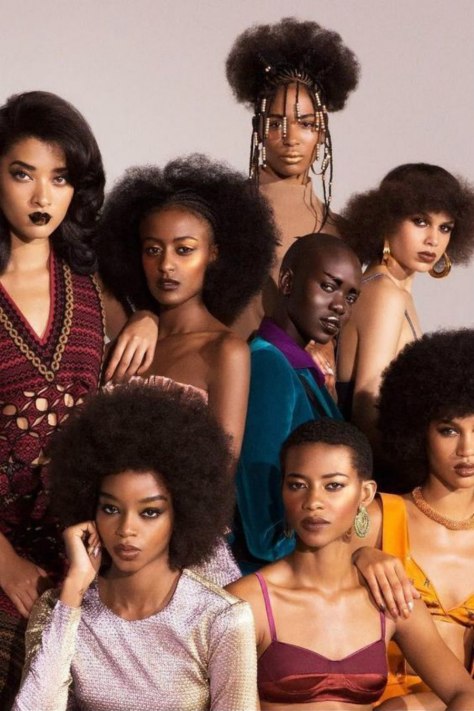
The journey of the brown girl is a complex tapestry woven with strands of resilience, faith, pain, and perseverance. Her voice, often muted by systemic oppression, resonates with both the echoes of ancestral struggle and the melody of survival. Despite her indispensable role in the shaping of societies, the brown girl remains caught between visibility and invisibility, celebrated yet silenced, desired yet devalued.
This photograph is the property of its owner. No copyright infringement intended.
The Black woman stands at a unique intersection of race, gender, and historical complexity. She is a daughter of Africa, molded by centuries of cultural richness, yet shaped by the traumas of colonization, slavery, and systemic oppression. To define the Black woman is not merely to categorize her by phenotype or ethnicity but to acknowledge the multifaceted strength, resilience, and spiritual depth she embodies. Her existence is both a testimony of survival and a manifestation of divine creation.
She walks with shadows on her skin, Her crown denied, her truth made thin. Yet in her soul, a flame still burns, Toward God Most High, her spirit turns.
The Essence of the Black Woman
The Black woman is not a passive bystander in the human story. She is a survivor and a leader among women. She is not simply the product of oppression but the embodiment of legacy, faith, and hope. While the world has too often rendered her invisible, she has never ceased to shine. Her scars are not signs of weakness but marks of endurance. Her voice is not one of anger but of righteous truth. Her presence is not an afterthought—it is essential. To be a Black woman is to carry the weight of many worlds and still walk upright. It is to be defined not by trauma, but by triumph. It is to rise, again and again, from the ashes of injustice with wisdom in her mind, fire in her bones, and purpose in her soul.
The Origins and Legacy of the Black Woman
The roots of the Black woman run deep in the soil of the African continent, often referred to as the cradle of civilization. Long before the Middle Passage or the ravages of imperialism, she was revered as queen, healer, warrior, and nurturer. Ancient civilizations such as Kemet (Egypt) and Kush (Nubia) bear witness to her influence and power. Historical figures such as Makeda, the Queen of Sheba, and Yaa Asantewaa, the Ashanti warrior queen, represent the authority and intellect Black women wielded long before colonial narratives sought to reduce their value. In the diaspora, figures such as Harriet Tubman, Sojourner Truth, and Ida B. Wells continued this legacy of resistance, intellect, and spiritual resilience.
This sacred lineage was disrupted but not erased by slavery and systemic racism. She is CHOSEN. Even in bondage, the Black woman bore nations, preserved culture, and nurtured resistance. Her story is not merely one of suffering, but of transformation and transcendence.
The “Brown Girl Dilemma” speaks to the intersectional struggles of Black women who carry the weight of history, family, and society upon their shoulders while striving to reclaim their identity as daughters of the Most High God. The Bible reminds us that sin separates humanity from the Creator: “But your iniquities have separated between you and your God, and your sins have hid his face from you” (Isaiah 59:2, KJV). As descendants of a chosen people, many in the African diaspora bear the consequences of forgetting God’s commandments (Deuteronomy 28). Restoration begins with repentance, obedience, and returning to the covenant, for it is only through God that wholeness can be achieved.
The impact of slavery continues to shape the psyche of Black people. Enslavement fractured families, introduced color hierarchies, and instilled a legacy of trauma. Colorism emerged as a tool of division, where lighter-skinned Blacks were often given preferential treatment, a strategy designed to destroy unity. Today, this manifests in distrust, competition, and a failure to unite as one nation. Scholars such as Du Bois (1903/1994) wrote of the “double consciousness” of Black existence, a struggle between identity and imposed inferiority. The legacy of slavery has not disappeared—it has merely transformed into systemic racism, prison pipelines, and discriminatory policies.
The order of the family is equally troubled. In biblical teaching, the husband is called to love his wife as Christ loved the church (Ephesians 5:25, KJV). Yet many Black women experience broken relationships marked by absentee fathers, irresponsible partners, and men driven by lust rather than godly responsibility. Economic strain, social pressures, and the allure of interracial dating often leave Black women questioning their value. While there are faithful, loving men within the community, they can feel like rare jewels—“needles in a haystack.” Too many women are burdened with carrying the weight of provision, discipline, and emotional labor alone.
Beyond family matters, the “isms” weigh heavily. Racism remains pervasive, sexism undermines Black women in workplaces and institutions, colorism pits them against one another, and lookism—judging worth based on appearance—diminishes them further. Each of these forces multiplies the challenge of survival and success. Crenshaw’s (1989) concept of intersectionality reveals how Black women experience multiple, overlapping oppressions, often making their struggles invisible in mainstream feminist or racial justice discourse.
Economically, Black women continue to face disparities. According to the U.S. Department of Labor (2024), Black women earn approximately 63 cents for every dollar earned by white men, with long-term implications for generational wealth. Joblessness and underemployment remain pressing issues, with Black unemployment rates historically double those of whites (Bureau of Labor Statistics, 2023). This economic imbalance is not only unjust but also psychologically damaging, reinforcing feelings of inadequacy and systemic exclusion.
Health disparities further compound these challenges. Black women have the highest rates of hypertension, diabetes, heart disease, and certain cancers compared to other demographics (CDC, 2024). Additionally, sexually transmitted diseases, including HIV, disproportionately affect Black communities. Poor diet access, limited healthcare, and stress-related illnesses tie into broader socioeconomic inequalities. Scripture reminds us, however, that our bodies are temples of God (1 Corinthians 6:19–20, KJV), urging the community toward better stewardship of health.
The universal standard of beauty has been a dagger against the esteem of Black women. Rooted in Eurocentric ideals, it positions whiteness as the pinnacle of desirability. In 2011, a Psychology Today article notoriously argued that Black women were “less attractive” than other races, sparking outrage and revealing deep-seated prejudices. Lighter-skinned women often find more social acceptance, yet the hierarchy continues to marginalize darker-skinned women. Many Black male celebrities have also publicly disparaged Black women, praising non-Black women instead, furthering the internalization of these hierarchies. This demonstrates how colonized definitions of beauty perpetuate cycles of self-hatred and exclusion.
Kevin Samuels (Image Consultant / YouTube Personality)
Samuels frequently made disparaging remarks toward Black women. In one widely circulated clip, he referred to single women over 35 as “leftovers.” He also claimed:
“When you’re talking about Black women, they are on the opposite end of the spectrum in all ranks.” GQ
Tariq Nasheed (Media Commentary / FBA Proponent)
Nasheed popularized the term “bed wench” as a derogatory label for Black women who date interracially—a term rooted in slavery-era contempt, and used to shame successful Black women who allegedly challenge Black patriarchy. Wikipedia
Tommy Sotomayor (Internet Commentator / Men’s Rights Activist)
Sotomayor has blamed the struggles of young Black men on single Black mothers, suggesting that Black women’s family structures are at the root of broader societal issues. Wikipedia
Chester Himes (Author, mid-20th century)
In his work In Black and White, Himes portrayed Black women with disturbing stereotypes and violence. For example: “It is presumed only right and justifiable for a black man to beat his own black women when they need it.” The New Yorker
Anecdotal Examples from Social Discourse (Reddit)
One user shared a heartbreaking example of a musician’s demeaning comments: “…yelling how ugly black darkskinned women are, the only beautiful women on this planet are biracials and Ethiopians… black girls look like men…” Reddit
Another user captures the broader sentiment of colorism and rejection: “I seen that rap battle … one of the darkskin men boasted about having a lightskin daughter … called the other man’s darkskin 6-year-old daughter black and ugly and a whore.” Reddit
Summary of Key Negative Narratives
Source (Public Figure / Setting)
Essence of Negative Commentary
Kevin Samuels
Demeaning Black women—calling them “leftovers” and ranking them low on desirability.
Tariq Nasheed
Labels Black women who date outside the race with demeaning historical slurs.
Tommy Sotomayor
Blames Black women (single mothers) for societal and familial issues standing in the way of Black men.
Chester Himes (Literary)
Portrays Black women through violent, oppressive stereotypes in his fiction.
Reddit Anecdotes
Reflect real lived experiences: colorism-driven insults, preference for lighter skin, degrading comparisons.
Stereotypes compound these struggles. Black women are often mislabeled as “angry,” “hypersexual,” or “unfeminine,” fallacies that obscure their complexity. Patricia Hill Collins (2000) refers to these as “controlling images,” cultural myths that justify oppression. The truth, however, is that Black women embody resilience, creativity, and leadership. Yet the psychological toll of disproving these stereotypes daily is exhausting, creating stress known as “weathering” (Geronimus, 1992), which accelerates health decline.
Violence against Black women remains an alarming crisis. According to the Institute for Women’s Policy Research (2023), over 40% of Black women will experience intimate partner violence in their lifetime. Police brutality disproportionately harms Black women as well, from Sandra Bland to Breonna Taylor, their lives cut short by systemic violence. Beyond physical harm, psychological warfare—through negative media portrayals, exclusion, and microaggressions—erodes mental well-being. The psalmist cries: “How long shall they utter and speak hard things? and all the workers of iniquity boast themselves?” (Psalm 94:4, KJV).
The solution lies in unity and spiritual renewal. Frances Cress Welsing once wrote, “If we do not understand white supremacy—what it is and how it works—everything else that we think we understand will only confuse us” (1991, p. 2). Michelle Obama reminds us: “The measure of any society is how it treats its women and girls.” And Toni Morrison emphasized, “The function of freedom is to free someone else.” These voices remind us that the liberation of Black women is inseparable from the liberation of the community as a whole.
🌹 The Brown Girl Dilemma vs. The Brown Boy Dilemma 💪
Theme
Brown Girl Dilemma
Brown Boy Dilemma
Spiritual Identity
Men are emasculated, denied authority, criminalized and treated as threats.
Same disconnection; loss of spiritual leadership; struggles with manhood outside biblical order.
Slavery’s Legacy
Disconnected from God through sin and oppression, struggles with worth and obedience to His commandments.
Single mothers bear heavy loads, absentee fathers; imbalance in relationships.
Family Structure
Single mothers bear heavy loads, absentee fathers, imbalance in relationships.
Fatherlessness creates cycles; incarceration removes men from homes; lack of role models.
Racism & Systemic Oppression
Sexism + racism (double bind); overlooked in justice movements.
Criminalized early; school-to-prison pipeline; hyper-policed and surveilled.
Colorism
Lighter-skinned women often favored in beauty standards; darker-skinned women devalued.
Light-skinned men sometimes perceived as more “acceptable”; dark-skinned men stereotyped as dangerous.
Beauty Standards / Masculinity
Eurocentric beauty ideals label Black women “ugly” or “less attractive.”
Stereotypes of hypermasculinity, aggression, and oversexualization.
Economic Struggles
Wage gap: Black women earn ~63¢ per white man’s $1; underrepresentation in leadership roles.
Collective solidarity (ending division between men and women).
The Modern-Day Challenges of the Black Woman
Despite her historical strength, the Black woman today continues to face multilayered adversities stemming from structural and interpersonal forces. These challenges are best understood through the framework of intersectionality—a concept coined by legal scholar Kimberlé Crenshaw—which highlights how race, gender, and other identities intersect to create compounded discrimination.
Racism continues to manifest in disproportionate rates of police brutality, workplace discrimination, and underrepresentation in positions of power. Simultaneously, sexism subjects Black women to patriarchal structures that marginalize their voices and capabilities. Complicating this further is colorism, a preference for lighter skin within and beyond the Black community, often privileging those with Eurocentric features and contributing to a dangerous belief in the superiority of light-skinned individuals.
Misogynoir, the unique discrimination against Black women that blends racism and sexism, further entrenches stereotypes such as the “angry Black woman,” the hypersexualized “jezebel,” or the self-sacrificing “mammy.” These tropes are not just offensive—they are psychologically and socially damaging, limiting the perceptions others have of Black women and the ones they have of themselves.
Moreover, Black women face systemic economic inequalities. Despite being among the most educated demographics in the U.S., Black women continue to earn less than both white men and white women. They also lead in numerous health disparities, including heart disease, maternal mortality, and untreated mental health conditions—often exacerbated by inadequate access to quality care and generational trauma.
✅ Proposed Solutions for Black Women
Domain
Strategy
Psychological
Healing from colorism, building self-worth, therapy to counter trauma
Community
Support sisterhood, mentorship, natural beauty affirmation
Spiritual
Biblical grounding—acknowledge that all are made in God’s image (Psalm 139:14)
Healthcare
Advocate for culturally competent care, regular screenings, trusted providers
Education
Empower conversations about sexuality, STIs, and negotiation in relationships
To rise above, healing is cultural, psychological, and spiritual: affirming identity, rejecting imposed standards, seeking justice, and fostering empowered, faith-rooted sisterhood.
Overcoming Adversity: Pathways to Liberation
To overcome these deeply rooted challenges, Black women must embark on both personal and collective journeys of empowerment. First and foremost, it is critical for the Black woman to reclaim her worth and identity, understanding that her value is not defined by societal standards, media representation, or Eurocentric beauty ideals. Psalm 139:14 declares that she is “fearfully and wonderfully made”—a divine truth that must be internalized.
Knowledge of one’s history is equally vital. By studying the contributions of foremothers and reconnecting with African ancestry, the Black woman gains a powerful sense of self and purpose. Historical literacy combats invisibility and fosters pride.
Community and sisterhood play an essential role in healing. Instead of perpetuating the internalized divisions—whether through colorism, competition, or jealousy—Black women must uplift one another. Unity is not a luxury; it is a necessity for collective survival and flourishing.
Therapy, spiritual practices, and culturally informed healing can address generational trauma and the psychological damage wrought by centuries of oppression. By confronting pain through both professional counseling and ancestral traditions, the Black woman can begin to mend what has been broken.
Economic empowerment and education remain foundational tools for liberation. Black women have historically led movements, founded schools, and built businesses. Entrepreneurship and financial literacy offer pathways to independence and influence.
Faith and spiritual guidance also remain integral. The Black woman has often leaned on her spiritual roots—whether through Christ for hope and endurance. Returning to God and seeking wise counsel strengthens her inner resolve and aligns her with divine purpose.
Unity within the Black community must transcend negativity, envy, and division. The Bible commands: “Behold, how good and how pleasant it is for brethren to dwell together in unity!” (Psalm 133:1, KJV). By rejecting divisive ideologies and embracing love, Black men and women can rebuild trust and solidarity. Restoring families, promoting education, supporting businesses, and encouraging health are acts of resistance against oppression.
Psychologically, healing requires therapy, collective affirmation, and dismantling internalized racism. From a biblical perspective, repentance, forgiveness, and love remain central. “Above all things have fervent charity among yourselves: for charity shall cover the multitude of sins” (1 Peter 4:8, KJV). The brown girl must be reminded that her worth is not defined by a hostile world but by the image of God she carries.
Overcoming the “Brown Girl Dilemma” begins with truth-telling: about history, about pain, and about hope. Black women must be encouraged to pursue spiritual renewal, to demand justice, and to embrace their beauty unapologetically. Communities must uplift one another instead of tearing each other down.
The dilemma remains real, but the path of deliverance is clear. Rooted in God’s commandments, strengthened through unity, and fortified with love, the brown girl will no longer be a dilemma but a divine solution—a vessel of resilience, creativity, and healing for generations to come.
📚 References
Bureau of Labor Statistics. (2023). Employment status of the civilian population by race, sex, and age.
Centers for Disease Control and Prevention. (2024). Health disparities by race and ethnicity.
Collins, P. H. (2000). Black feminist thought: Knowledge, consciousness, and the politics of empowerment. Routledge.
Crenshaw, K. (1989). Demarginalizing the intersection of race and sex. University of Chicago Legal Forum, 1989(1), 139–167.
Du Bois, W. E. B. (1994). The souls of Black folk. Dover. (Original work published 1903).
Geronimus, A. T. (1992). The weathering hypothesis and the health of African-American women and infants. Ethnicity & Disease, 2(3), 207–221.
Welsing, F. C. (1991). The Isis papers: The keys to the colors. Third World Press.
U.S. Department of Labor. (2024). Gender and racial wage gaps.
Crenshaw, K. (1989). Demarginalizing the Intersection of Race and Sex: A Black Feminist Critique of Antidiscrimination Doctrine. University of Chicago Legal Forum. Reprinted in “Mapping the Margins” (1991) Encyclopedia Britannica.
Institute for Women’s Policy Research. (2025, July 7). Black women stand to lose over $1 million to the wage gapIWPR+1National Women’s Law Center+1.
Centers for Disease Control and Prevention. (2024, April). Working Together to Reduce Black Maternal MortalityPRB+7CDC+7people.com+7.
Hoyert, D. L. (2023). Health E‑Stat 100: Maternal Mortality Rates in the United States, 2023CDC.
News reports on maternal mortality (2025). AP News; AxiosAxios.
Britannica Editors. (2025). Intersectionality entry, Encyclopaedia Britannica Encyclopedia Britannica.
Would you like this version formatted as a PDF or adapted into a workshop outline or sermon script
Where faith, history, and truth illuminate the Black experience.




 THE BROWN GIRL DILEMMA