Tag Archives: news

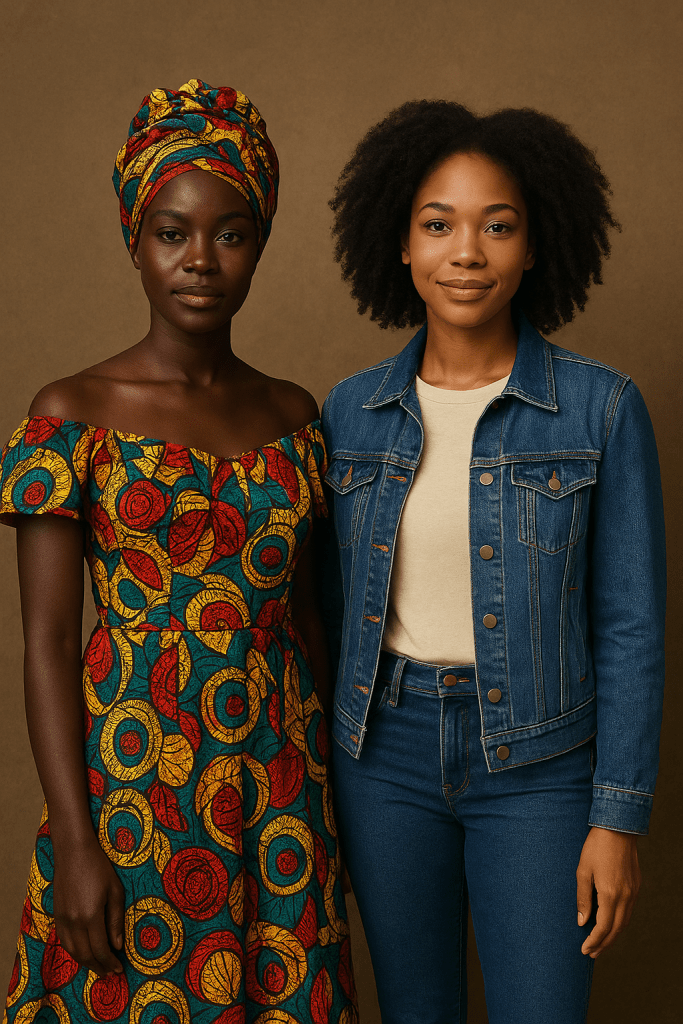
African vs. African American Women: A Comparative Analysis of Cultural Identity, Traditions, and Social Realities.

The relationship between African and African American women is complex, layered with shared ancestry yet shaped by divergent histories and sociocultural experiences. Both groups embody resilience and strength, yet their lived realities reflect different responses to history, colonization, and displacement. Understanding the distinctions between African and African American women requires an exploration of culture, traditions, gender roles, spirituality, and identity formation within historical and modern contexts.

African women are deeply rooted in ancestral traditions that emphasize community, kinship, and continuity. Their roles are often defined through lineage, extended family systems, and tribal customs. In many African societies, womanhood is tied to motherhood, hospitality, and participation in rituals that sustain the social order (Amadiume, 1997). Their identities are shaped by ethnic belonging—such as Yoruba, Zulu, Akan, or Igbo—and by collective rather than individualistic frameworks of living.

African American women, in contrast, are descendants of enslaved Africans who were forcibly removed from their native lands and stripped of their languages, spiritual systems, and kinship ties. Their womanhood evolved within the context of systemic racism, patriarchy, and survival in a hostile society. African American women have had to reconstruct their cultural identity, blending remnants of African heritage with new social realities in America (Collins, 2000).

One of the most striking differences lies in the preservation of tradition. African women often maintain cultural practices such as traditional attire, native languages, ancestral naming systems, and rites of passage. In contrast, African American women have had to rediscover or reinvent these elements through Afrocentric movements, Black nationalism, and Pan-Africanism. This reconstruction has created a hybrid culture—neither fully African nor Western, but uniquely diasporic (Asante, 2003).

In terms of social structure, African societies historically emphasize collectivism. Women play vital roles in market economies, agriculture, and family leadership. The extended family and community elders serve as support systems in raising children and resolving conflicts. African American women, on the other hand, have historically faced fragmentation of the family structure due to slavery, systemic poverty, and incarceration. This has necessitated a strong tradition of matriarchal resilience—women taking on leadership roles in families, churches, and movements for justice (Higginbotham, 1993).

Marriage and gender roles also reveal cultural contrasts. In traditional African contexts, marriage is often a communal affair, involving families, elders, and sometimes arranged unions that ensure social stability. Bride price or dowry systems still exist as cultural customs, symbolizing respect and family alliance. African American women, influenced by Western notions of romantic love and individual freedom, often view marriage as a personal choice rather than a family contract (Sudarkasa, 1986).

Motherhood holds sacred value in both contexts but manifests differently. African women view motherhood as an honored calling tied to continuity and lineage, often supported by extended family. African American women, however, have navigated motherhood as a site of resistance and survival. During slavery, their reproductive autonomy was denied, and yet motherhood became a means of transmitting hope, strength, and cultural memory (White, 1999).

Religious traditions further mark significant distinctions. African women continue to practice indigenous spiritual systems—such as Yoruba Ifá, Akan ancestral veneration, or Zulu cosmology—alongside Christianity and Islam. Their spirituality often integrates rituals, dance, and ancestral communication. African American women, shaped by the Black Church and later by Afrocentric revivalism, combine Christianity with African spiritual elements like ancestor remembrance and liberation theology (Cone, 1970).

Beauty standards and cultural aesthetics also differ across the diaspora. African women often embrace natural hairstyles, traditional clothing such as kente, Ankara, and gele, and view beauty through communal and spiritual lenses. In contrast, African American women have historically faced Eurocentric beauty ideals, leading to internal conflicts regarding hair texture, skin tone, and body image. However, movements like “Black is Beautiful” and the natural hair revolution have reconnected African American women to their African roots (Mercer, 1994).

Economic participation reveals both parallels and disparities. African women constitute a significant portion of the labor force in agriculture, trade, and small-scale entrepreneurship. Many African societies recognize women as economic backbones of their households. African American women, similarly industrious, have long been active in the American workforce, from domestic labor during slavery to leadership in education, healthcare, and activism. Yet, they face intersectional barriers of race and gender in capitalist structures (King, 1988).

Education serves as a bridge between the two worlds. African women, in many regions, continue to struggle against patriarchal and economic barriers to education. In contrast, African American women have achieved high levels of academic advancement, becoming one of the most educated demographic groups in the United States (National Center for Education Statistics, 2021). This achievement reflects both a legacy of struggle and the valuing of education as liberation.

Feminism also manifests differently. African feminism often focuses on complementarity, emphasizing harmony between men and women within cultural contexts rather than Western individualism. African American feminism, however, emerged from experiences of racial and gender oppression, advocating for intersectional justice and liberation (Ogundipe-Leslie, 1994; Collins, 2000). Both movements share the goal of empowerment but differ in philosophical grounding and expression.

Language remains a powerful marker of identity. African women maintain indigenous languages that connect them to their heritage and ancestors. African American women, descendants of those whose tongues were forcibly silenced, developed African American Vernacular English (AAVE)—a linguistic legacy of survival, creativity, and cultural memory (Smitherman, 2000). Through language, both groups assert cultural pride and identity.

Cultural rites of passage further distinguish the two. African women often undergo coming-of-age rituals marking puberty, fertility, or marriage, rooted in centuries-old tribal customs. African American women, separated from such rites through slavery, have developed alternative initiations through church ceremonies, debutante events, and sorority culture, reflecting adaptation and resilience (Nwando, 2011).

In terms of dress and adornment, African women’s attire is both symbolic and ceremonial, often reflecting tribal identity, marital status, and community pride. African American women, influenced by Western fashion and hip-hop culture, express identity through style as a form of resistance, creativity, and affirmation of Blackness. Both use adornment as cultural language (Blay, 2011).

Despite differences, a spiritual and cultural bond persists. African and African American women share an unspoken recognition of shared ancestry and pain—the scars of colonization, slavery, and patriarchal oppression. Yet, reconnecting across continents often reveals misunderstandings born of colonial narratives and Western stereotypes. African women may view African American women as overly liberal or disconnected from traditional values, while African American women may perceive Africans as patriarchal or uncritical of oppressive customs (Makalani, 2010).

The transatlantic slave trade remains the historical rupture that defines their separation. Yet it also serves as the bridge calling for reconnection. In recent decades, cultural exchange between African and African American women has grown through Pan-African organizations, social media, and travel. The “Back to Africa” movement, Afrobeat music, and global diasporic conferences have reignited dialogue and cultural healing.

This reconnection is not without challenges. Colorism, class differences, and cultural misunderstandings sometimes hinder unity. However, shared spirituality, music, and activism—seen in collaborations across art, academia, and politics—offer hope for transcontinental sisterhood. The success of African and African American women in global leadership, from Ngozi Okonjo-Iweala to Michelle Obama, symbolizes this convergence of strength and heritage.

Both groups have also led resistance movements in their respective contexts. African women have championed anti-colonial struggles and modern reforms, while African American women led civil rights, Black Lives Matter, and feminist movements. Their activism demonstrates that, though separated by geography, their spirits are united in a global pursuit of justice (Giddings, 1984).

Modern globalization continues to blur distinctions. Migration, intermarriage, and digital communication have fostered greater cross-cultural understanding. Younger generations of African and African American women increasingly identify with Pan-Africanism, embracing a collective identity rooted in pride, heritage, and empowerment.

Ultimately, African women embody the preservation of ancestral memory, while African American women represent cultural rebirth from historical disruption. One carries the flame of tradition; the other reignites it through rediscovery. Both together form a continuum of Black womanhood that transcends borders and time.

Understanding the differences between African and African American women is not to divide but to illuminate the diverse expressions of shared origin. Through dialogue, empathy, and education, these women can continue to heal historical wounds and strengthen global Black unity. Their stories, though written on different continents, form one collective narrative of endurance, dignity, and divine resilience.


References (APA Style)

Amadiume, I. (1997). Re-inventing Africa: Matriarchy, Religion and Culture. Zed Books.

Asante, M. K. (2003). Afrocentricity: The Theory of Social Change. African World Press.

Blay, Y. (2011). (1)ne Drop: Shifting the Lens on Race. Black Classic Press.

Collins, P. H. (2000). Black Feminist Thought: Knowledge, Consciousness, and the Politics of Empowerment. Routledge.

Cone, J. H. (1970). A Black Theology of Liberation. Orbis Books.

Giddings, P. (1984). When and Where I Enter: The Impact of Black Women on Race and Sex in America. William Morrow.

Higginbotham, E. (1993). Righteous Discontent: The Women’s Movement in the Black Baptist Church, 1880–1920. Harvard University Press.

King, D. K. (1988). Multiple jeopardy, multiple consciousness: The context of a Black feminist ideology. Signs, 14(1), 42–72.

Makalani, M. (2010). In the Cause of Freedom: Radical Black Internationalism from Harlem to London, 1917–1939. University of North Carolina Press.

Mercer, K. (1994). Welcome to the Jungle: New Positions in Black Cultural Studies. Routledge.

National Center for Education Statistics. (2021). Condition of Education 2021. U.S. Department of Education.

Nwando, A. (2011). African Women: A Historical Overview. Cambridge University Press.

Ogundipe-Leslie, M. (1994). Re-creating Ourselves: African Women and Critical Transformations. Africa World Press.

Puri, J. (2016). Woman, Body, Desire in Post-Colonial Contexts. Routledge.

Smitherman, G. (2000). Talkin and Testifyin: The Language of Black America. Wayne State University Press.

Sudarkasa, N. (1986). The status of women in indigenous African societies. Feminist Studies, 12(1), 91–103.

White, D. G. (1999). Ar’n’t I a Woman? Female Slaves in the Plantation South. W.W. Norton.
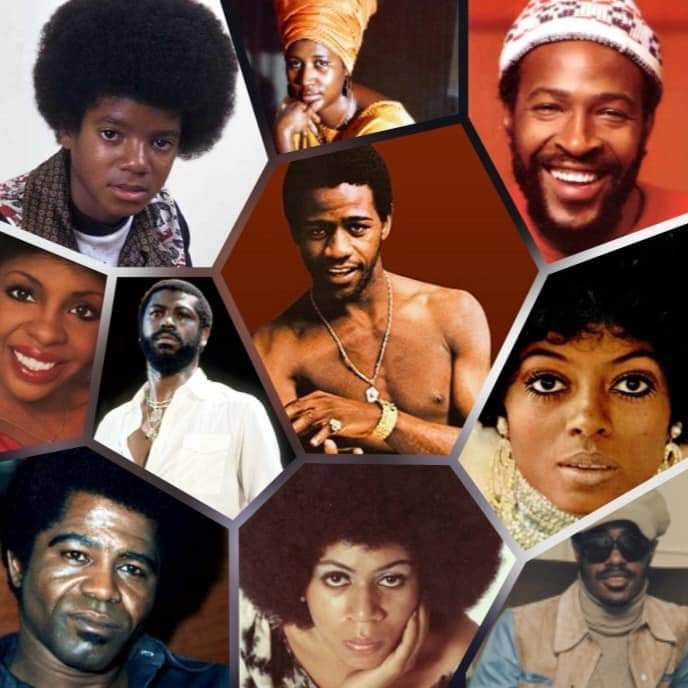
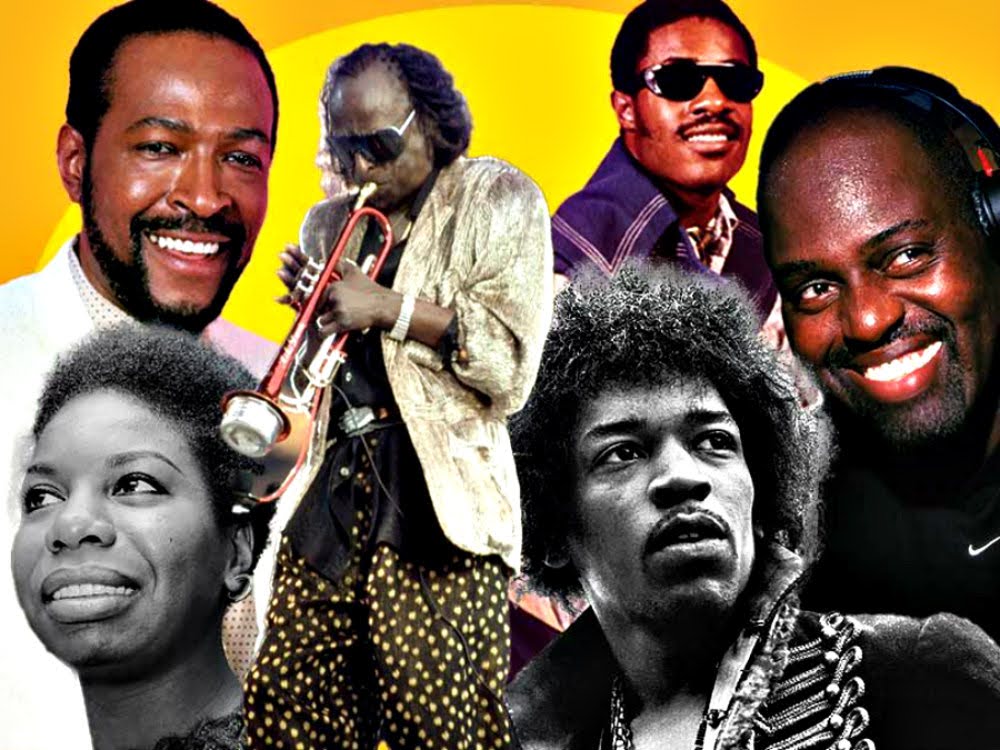
Soul Music: The Heartbeat of Black America. #SoulMusicWorld

https://www.facebook.com/soulmusicworldofficial

Soul music is more than a genre; it is the emotional and spiritual expression of the African-American experience. Emerging in the mid-20th century, soul combines the fervor of gospel, the rhythm of R&B, and the storytelling of blues, creating a sound that conveys both pain and triumph. Its essence lies in the ability to express deep human emotion through melody, harmony, and lyrical honesty.

The roots of soul music can be traced to the African-American church. Gospel music provided the foundation for vocal techniques, call-and-response patterns, and emotional intensity. Artists grew up singing in church choirs, learning how to convey passion, hope, and suffering through their voices. This spiritual lineage gave soul its signature depth and resonance.

Early pioneers of soul music include Sam Cooke, often called the “King of Soul,” whose smooth voice bridged gospel and popular music. Cooke’s music carried the fervor of church singing while appealing to secular audiences. His song “A Change Is Gonna Come” became an anthem for the Civil Rights Movement, illustrating soul’s role in both entertainment and social commentary.

Otis Redding, another seminal figure, exemplified raw emotional delivery. Born in 1941 in Georgia, Redding’s music communicated longing, heartache, and desire with unparalleled authenticity. His song “Try a Little Tenderness” demonstrates the gospel-infused emotive singing that defined soul music’s golden era.

Aretha Franklin, often called the “Queen of Soul,” brought unmatched power and nuance to the genre. Her background as a preacher’s daughter in Detroit steeped her in gospel traditions, which she fused with secular themes. Franklin’s music, including hits like “Respect,” resonated not only with the African-American community but also with the wider society, asserting dignity and empowerment.

Soul music is deeply intertwined with R&B, yet it distinguishes itself by its gospel-rooted intensity and emotional authenticity. While R&B often emphasizes rhythm, dance, and melodic hooks, soul prioritizes storytelling and emotional resonance. Jeffrey Osborne, Diana Ross, and James Ingram represent artists who successfully blended elements of soul and R&B, bringing emotional depth to mainstream pop audiences.

Jeffrey Osborne’s career, starting with the band L.T.D., showcases smooth vocal delivery and emotional lyricism that bridges R&B and soul. Diana Ross, emerging from The Supremes, carried Motown’s soul-influenced pop sound to international fame, using her voice to convey both vulnerability and strength. James Ingram’s ballads further illustrate the crossover potential between R&B and soul, retaining gospel-influenced phrasing.

The connection between soul and gospel is profound. Gospel’s call-and-response structure, melismatic singing, and improvisational phrasing became the backbone of soul. Unlike gospel, which often centers explicitly on God, soul frequently addresses love, heartbreak, and social issues, though the emotional intensity remains consistent.

Soul music arose during a period of systemic racism and oppression. Artists experienced segregation, limited access to venues, and exploitative contracts. Sam Cooke, Otis Redding, and Aretha Franklin navigated these barriers while asserting cultural pride through their music. Despite these challenges, soul became a medium of resistance, empowerment, and storytelling for the Black community.

The term “Blue-Eyed Soul” refers to white artists performing soul-influenced music. Examples include Michael McDonald, Hall & Oates, and Dusty Springfield. While talented, blue-eyed soul singers often lacked the lived experience of systemic oppression that informs Black soul music, which can imbue performance with layers of pain, resilience, and cultural memory that are difficult to replicate.

Soul music’s influence extends to contemporary R&B, hip-hop, and pop. Its rhythmic patterns, vocal techniques, and emotional storytelling have been foundational for modern music. Artists continue to draw inspiration from soul pioneers while incorporating new technology and stylistic trends.

Sam Cooke’s music exemplified the tension between secular success and gospel roots. Raised singing gospel, Cooke transitioned to secular music, facing criticism from religious communities while achieving broader appeal. His artistry illustrates the fine line many soul artists walked between sacred and secular music.

Otis Redding’s career was tragically cut short in a plane crash in 1967, yet his legacy endures through his recordings and influence on future artists. His music reflects both vulnerability and strength, hallmarks of soul’s capacity to communicate complex human emotion.

Aretha Franklin’s performances were often described as cathartic. Audiences, particularly African-American listeners, identified with her music on a spiritual and cultural level. Songs like “Chain of Fools” highlight both personal and collective struggle.

Motown Records, founded by Berry Gordy in 1959, provided a platform for soul artists to reach national and global audiences. The label carefully crafted crossover appeal while maintaining authentic soul influences, elevating artists such as Diana Ross, Marvin Gaye, and Stevie Wonder.

Jeffrey Osborne’s solo career highlighted the fusion of R&B smoothness with gospel-rooted vocal technique. His ballads carry soul’s emotional depth while appealing to mainstream audiences, reflecting the genre’s flexibility and reach.

James Ingram’s collaborations with Quincy Jones and other producers exemplify soul’s integration into pop and R&B production, creating sophisticated arrangements while retaining expressive vocal performance.

Soul music was also a vehicle for civil rights messaging. Artists subtly and overtly addressed racial injustice, encouraging social consciousness. The emotional intensity of their performances amplified their messages, making music both a cultural and political instrument.

Blue-eyed soul singers often achieved mainstream radio play more easily than Black artists due to racial bias in the music industry, highlighting systemic inequities. While musically skilled, these singers benefited from societal structures that historically disadvantaged Black musicians.

The improvisational aspects of soul music reflect its gospel lineage. Artists frequently embellish melodies, elongate notes, and use vocal inflections to convey emotion. This improvisation requires both technical skill and emotional authenticity.

R&B and soul share harmonic structures and rhythmic patterns, yet soul’s emphasis on raw vocal expression distinguishes it. This distinction is evident in Otis Redding’s impassioned delivery compared with R&B’s more restrained smoothness.

Diana Ross’s transition from Motown group performances to solo work demonstrates soul’s adaptability. Her music retained emotional expression while embracing pop sensibilities, expanding the genre’s audience.

The legacy of soul artists like Aretha Franklin and Sam Cooke is enduring. Contemporary artists, including Beyoncé, John Legend, and Alicia Keys, continue to draw from their influence, blending gospel-rooted technique with modern R&B, hip-hop, and pop.

ArtistGospel Roots / Early InfluenceSoul / R&B Career HighlightsSocial / Cultural ActivismNotes / Legacy
Sam CookeSang in gospel choir with the Soul StirrersHits: A Change Is Gonna Come, You Send MeCivil Rights advocacy, anthem for equalityBridge between gospel and secular soul; martyr of artistry (assassinated 1964)
Otis ReddingChurch choir singing in GeorgiaHits: Try a Little Tenderness, Respect (covered by Aretha)Represented African-American emotional expression during segregationKnown for raw emotional delivery; influenced rock and soul artists globally
Aretha FranklinPreacher’s daughter; gospel backgroundHits: Respect, Chain of Fools, ThinkCivil Rights supporter; symbol of Black female empowerment“Queen of Soul”; gospel-infused vocal style became standard in soul music
Diana RossGospel and church influence in DetroitThe Supremes hits: Baby Love, Solo hits: Ain’t No Mountain High EnoughBroke racial barriers in pop and Motown musicBlended soul with pop; expanded soul’s commercial reach internationally
James IngramChurch choir and family gospel influenceHits: Baby, Come to Me, I Don’t Have the HeartAdvocate for music education and mentorship programsSmooth soul/R&B integration; Grammy-winning collaborations
Jeffrey OsborneChurch and local gospel choirsHits: On the Wings of Love, You Should Be LovedAdvocate for African-American musical heritageVocal style bridges R&B and soul; emotional depth linked to gospel technique
Marvin GayeFather was a minister; gospel singingHits: What’s Going On, Let’s Get It OnVoice of social change; addressed racism, war, and povertySoul and R&B fusion with socially conscious lyrics
Ray CharlesChurch choirs, gospel influencePioneer of soul/R&B crossoverAdvocated for racial equality through music and performanceCreated the blueprint for secularizing gospel while retaining emotional intensity
Hall & OatesMinimal gospel influence (white artists)Hits: Sara Smile, Rich GirlLimited social activismExample of “blue-eyed soul”; popularized soul stylings in mainstream pop for white audiences
Dusty SpringfieldLimited direct gospel exposureHits: Son of a Preacher Man, You Don’t Have to Say You Love MeSupported Black music and civil rights causesExample of blue-eyed soul; acknowledged influence of African-American music

Insights from the Chart

  • Gospel roots are central for Black soul artists; they provide vocal technique, improvisation, and emotional intensity.
  • Soul artists often addressed social injustice, civil rights, and community uplift, giving the music a dual function: artistic and activist.
  • “Blue-eyed soul” artists can emulate sound but lack the lived experience of oppression, making their music stylistically similar but culturally distinct.
  • Many soul artists successfully bridged the gap between gospel, R&B, and pop, expanding the genre’s reach while preserving authenticity.

Racism in the industry affected recording contracts, touring opportunities, and media representation. Black soul artists often faced exploitation while white artists performing soul-influenced music were given preferential treatment, illustrating systemic inequities that continue to have echoes today.

Soul music remains a testimony to resilience, creativity, and cultural pride. Its emotional intensity, spiritual foundation, and storytelling capacity make it a uniquely African-American art form with universal resonance.

In conclusion, soul music reflects the Black experience: rooted in gospel, shaped by adversity, and transmitted through the voices of extraordinary artists. It communicates joy, pain, hope, and resistance, continuing to inspire generations while preserving the spiritual and cultural heritage of African Americans.


References

  • Ben-Jochannan, Y. A. A. (1974). Africa: Mother of Western Civilization. Alkebu-Lan Books.
  • Cross, W. E. (1991). Shades of Black: Diversity in African-American Identity. Temple University Press.
  • DeGruy, J. (2005). Post Traumatic Slave Syndrome: America’s Legacy of Enduring Injury and Healing. Joy DeGruy Publications.
  • Guralnick, P. (1986). Sweet Soul Music: Rhythm and Blues and the Southern Dream of Freedom. Little, Brown & Co.
  • Vincent, R. (1996). Funk: The Music, The People, and The Rhythm of The One. St. Martin’s Press.
  • The Holy Bible, King James Version.
  • AllMusic. (2025). Soul Music Overview. https://www.allmusic.com
  • Rolling Stone. (2021). The Greatest Soul Artists of All Time.

Dilemma: White Supremacy

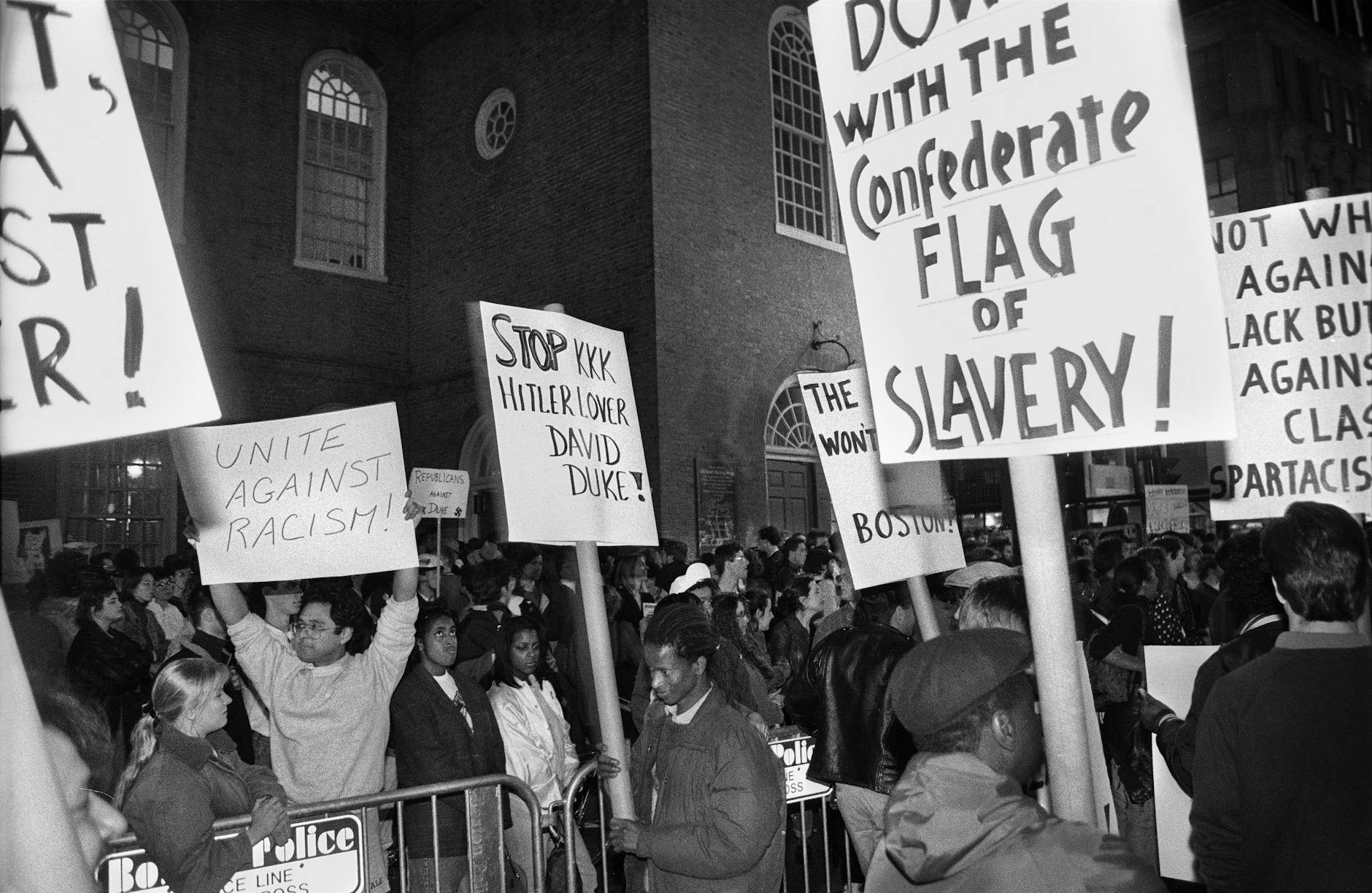
Photo by David Henry on Pexels.com

“The white race is the dominant race in America, and the black race is inferior.” — David Duke, former Grand Wizard of the Ku Klux Klan .Southern Poverty Law Center

White supremacy is a deeply ingrained ideology asserting the inherent superiority of white people over all other races. This belief system has been central to the social, political, and economic structures of many societies, particularly in the United States. Its origins can be traced back to the colonial era, where European powers justified the enslavement and subjugation of African peoples through pseudo-scientific and theological rationales.


Historical Origins and the Role of the Ku Klux Klan

The formalization of white supremacy in the United States was significantly influenced by the founding of the Ku Klux Klan (KKK) in 1865. Established by six Confederate veterans in Pulaski, Tennessee, the Klan aimed to restore white dominance in the post-Civil War South through terror and intimidation. The KKK’s activities included lynchings, arson, and other forms of violence directed at Black individuals and their allies.TIMEWikipedia+1

While the Klan was officially disbanded in the 1870s, its ideology persisted and resurfaced in various forms throughout American history, including during the Civil Rights Movement of the 1960s and in contemporary white nationalist groups.


The Premise of White Supremacy

At its core, white supremacy posits that white people are inherently superior to people of all other races and therefore should dominate society. This belief has been perpetuated through various means, including legislation, cultural norms, and institutional practices that privilege white individuals while marginalizing others.

The premise of white supremacy is often supported by distorted interpretations of religious texts and pseudo-scientific theories that dehumanize non-white populations. For instance, the “Curse of Ham” narrative was historically used to justify the enslavement of Black people by misinterpreting biblical passages .The Banner


Manifestations in Contemporary Society

In modern times, white supremacy manifests in various aspects of life, including employment, education, housing, and criminal justice. Black individuals often face systemic barriers such as discriminatory hiring practices, unequal educational opportunities, and over-policing, which hinder their ability to achieve economic stability and social mobility.

Psychologically, the pervasive nature of white supremacy can lead to internalized racism among Black individuals, affecting their self-esteem and mental health. Studies have shown that exposure to racial discrimination is associated with increased stress and adverse health outcomes .American Psychological Association


Biblical Perspectives and Misinterpretations

The Bible does not support the notion of racial superiority. In fact, passages such as Galatians 3:28 emphasize the equality of all people in Christ: “There is neither Jew nor Greek, slave nor free, male nor female, for you are all one in Christ Jesus.” However, throughout history, certain groups have misused scripture to justify racial hierarchies, citing misinterpretations like the “Curse of Ham” to rationalize the enslavement and oppression of Black people .GotQuestions.blogThe Banner


Psychological Impact on Black Americans

The psychological effects of white supremacy on Black Americans are profound and multifaceted. Chronic exposure to racism can lead to mental health issues such as anxiety, depression, and post-traumatic stress disorder (PTSD). Moreover, the constant need to navigate a society that devalues their existence can result in a diminished sense of self-worth and identity .


Global Perspectives on White Supremacy

While white supremacy is most prominently associated with the United States, it is not confined to its borders. Countries like Israel, Myanmar, and South Korea have faced criticism for racial discrimination and human rights violations against minority groups . These global instances highlight the pervasive nature of racial hierarchies and the need for international efforts to combat them.U.S. News & World Report


Steps of White Supremacy

White supremacy operates through several key mechanisms:

  1. Ideological Justification: Promoting beliefs and narratives that dehumanize non-white populations.
  2. Institutionalization: Embedding discriminatory practices within societal institutions such as schools, workplaces, and the legal system.
  3. Cultural Reinforcement: Perpetuating stereotypes and biases through media and cultural representations.
  4. Violence and Intimidation: Employing physical force and threats to maintain dominance and suppress resistance.

Accountability and Responsibility

Responsibility for perpetuating white supremacy lies not only with overt hate groups but also with institutions and individuals who uphold and benefit from systemic racism. This includes policymakers, educators, and media figures who perpetuate or fail to challenge discriminatory practices and narratives.


Personal Narratives and Experiences

Individuals who have experienced white supremacy often recount stories of exclusion, discrimination, and violence. For example, during the Civil Rights Movement, activists like Rosa Parks and Martin Luther King Jr. faced systemic oppression and personal threats as they challenged racial injustices. Their resilience underscores the profound impact of white supremacy on personal lives and the collective struggle for equality.


The Esteem of Whiteness

The elevation of whiteness can be attributed to historical power dynamics where white individuals established and maintained control over resources, institutions, and narratives. This dominance was reinforced through laws, social norms, and economic systems that privileged white people and marginalized others.


Global Impact and Worst Offenders

Globally, white supremacy manifests in various forms, including colonialism, apartheid, and neo-imperialism. Countries with histories of colonial exploitation, such as Belgium in the Congo and the United Kingdom in India, have legacies of racial hierarchies that continue to affect post-colonial societies.


Conclusion

White supremacy is a pervasive ideology with deep historical roots and widespread contemporary implications. Its impact on Black Americans is profound, affecting their psychological well-being, social mobility, and sense of identity. Addressing white supremacy requires a concerted effort to dismantle systemic racism, promote equity, and foster a culture of inclusion and respect for all individuals, regardless of race.

References

  • Southern Poverty Law Center. (n.d.). David Duke. Retrieved from
  • History.com Editors. (2020, June 25). Ku Klux Klan: Origin, Members & Facts. HISTORY. Retrieved from
  • American Psychological Association. (n.d.). Racism and Mental Health. Retrieved from
  • Bible Odyssey. (n.d.). The Legacy of the Bible in Justifying Slavery. Retrieved from
  • Boston Review. (2019, November 14). Toward a Global History of White Supremacy. Retrieved from
  • Southern Poverty Law Center. (2018, August 14). White Shadow: David Duke’s Lasting Influence on American White Supremacy. Retrieved from
  • Wikipedia contributors. (2023, December 24). Ku Klux Klan. In Wikipedia, The Free Encyclopedia. Retrieved from
  • Wikipedia contributors. (2023, December 24). White supremacy. In Wikipedia, The Free Encyclopedia. Retrieved from

STDS: Sexually Transmitted Diseases

Photo by cottonbro studio on Pexels.com

Sexually Transmitted Diseases (STDs), also known as Sexually Transmitted Infections (STIs), represent a significant public health concern worldwide. These infections are primarily transmitted through sexual contact and can have profound physical, psychological, and social implications. This essay delves into the nature of STDs, their prevalence, transmission methods, associated moral considerations, and the perspectives offered by medical science and biblical teachings.

What Are STDs?

STDs are infections that are commonly spread through sexual contact, encompassing vaginal, anal, and oral sex. They can be caused by bacteria, viruses, or parasites. Some of the most prevalent STDs include:

  • Chlamydia
  • Gonorrhea
  • Syphilis
  • Human Immunodeficiency Virus (HIV)
  • Human Papillomavirus (HPV)
  • Herpes Simplex Virus (HSV)
  • Trichomoniasis
  • Pubic Lice (Crabs)

Each of these infections presents unique symptoms and health risks, ranging from mild discomfort to severe, life-threatening conditions.

HIV (Human Immunodeficiency Virus)

HIV is a virus that attacks the immune system, specifically targeting CD4+ T cells, which are essential for fighting infections. Over time, HIV weakens the body’s ability to fight off diseases and infections. HIV is not immediately deadly; many people can live with the virus for years if they receive proper antiretroviral therapy (ART). With treatment, HIV-positive individuals can manage their condition, maintain a strong immune system, and live a near-normal lifespan.

Key points about HIV:

  • It is contagious and can be transmitted through blood, semen, vaginal fluids, breast milk, and shared needles.
  • Early infection may cause flu-like symptoms or be asymptomatic.
  • Without treatment, HIV gradually destroys the immune system.

AIDS (Acquired Immunodeficiency Syndrome)

AIDS is the most advanced stage of HIV infection, characterized by a severely weakened immune system. When the number of CD4+ T cells falls below a critical level or opportunistic infections and cancers appear, an HIV-positive person is diagnosed with AIDS. At this stage, the body can no longer effectively fight infections, making even minor illnesses life-threatening.

Key points about AIDS:

  • AIDS develops after years of untreated or poorly managed HIV infection.
  • Common complications include opportunistic infections such as tuberculosis, pneumonia, and certain cancers.
  • AIDS is potentially fatal, and without medical intervention, survival is limited.

Which Is More Deadly?

  • HIV alone is generally not immediately deadly if properly treated. Modern medicine, especially antiretroviral therapy, allows many HIV-positive individuals to live long, healthy lives.
  • AIDS is far more deadly, as it represents the stage when the immune system is critically compromised. Death often results from secondary infections or cancers rather than the virus itself.

Summary: HIV is the virus that causes immune system damage, while AIDS is the condition that results when that damage becomes severe. Early diagnosis and treatment of HIV are crucial to prevent progression to AIDS, which is far more life-threatening.

HIV and AIDS are stark reminders of the physical consequences of sexual immorality. HIV, the virus that weakens the immune system, can progress to AIDS, a life-threatening condition marked by severe vulnerability to infections. Both are often transmitted through unprotected sexual activity, multiple partners, fornication, and adultery, highlighting the real dangers of ignoring God’s design for sexual purity. Scripture warns, “Flee fornication: every sin that a man doeth is without the body; but he that committeth fornication sinneth against his own body” (1 Corinthians 6:18, KJV). Engaging in sexual relations outside of marriage not only defiles the body spiritually but also exposes it to devastating diseases. Maintaining abstinence until marriage and honoring the marital covenant are both moral and practical protections, safeguarding physical health, emotional well-being, and spiritual integrity.

Prevalence and State-by-State Rates

The Centers for Disease Control and Prevention (CDC) reports that in 2023, there were over 2.4 million reported cases of STDs in the United States. The rates of these infections vary significantly across different states. For instance, Mississippi, Louisiana, and Alaska have some of the highest reported rates of STDs, with Mississippi leading at approximately 1,300 cases per 100,000 people . Conversely, states like West Virginia and Vermont report some of the lowest rates .

Transmission Methods

STDs are transmitted through various means, primarily during sexual activity. However, some can also be spread through non-sexual routes:

  • Chlamydia, Gonorrhea, and Syphilis: Transmitted through vaginal, anal, or oral sex.
  • HIV: Spread through blood, semen, vaginal fluids, and breast milk; can also be transmitted via shared needles.
  • HPV and Herpes: Spread through skin-to-skin contact, even when sores are not present.
  • Trichomoniasis: Often transmitted through vaginal sex but can also be spread through shared wet towels or clothing.
  • Pubic Lice: Spread through close bodily contact or shared clothing and bedding.

Symptoms and Health Implications

The symptoms of STDs can vary widely. Some individuals may remain asymptomatic, unknowingly transmitting the infection to others. Common symptoms include:

  • Painful urination
  • Unusual discharge from the penis or vagina
  • Sores or bumps in the genital area
  • Itching or irritation
  • Pain during intercourse

If left untreated, STDs can lead to serious health complications such as infertility, chronic pain, and increased susceptibility to other infections, including HIV.

Medical Perspectives on Prevention and Treatment

Medical science emphasizes several strategies to prevent the spread of STDs:

  • Abstinence: The only 100% effective method to prevent STDs.
  • Vaccination: Vaccines are available for certain STDs, including HPV and hepatitis B.
  • Condom Use: Consistent and correct use of condoms can significantly reduce the risk of transmission.
  • Regular Screening: Regular testing for sexually active individuals can help detect infections early.
  • Antibiotic Treatment: Many bacterial STDs, such as chlamydia and gonorrhea, can be cured with antibiotics .

Recent developments include the consideration of doxycycline as a post-exposure prophylactic (PEP) for certain STDs, particularly among high-risk populations .

Moral and Ethical Considerations

From a moral standpoint, the prevalence of STDs raises concerns about sexual behaviors and their consequences. Engaging in sexual activity outside of a committed, monogamous relationship can increase the risk of contracting STDs. The Bible addresses issues of sexual morality, emphasizing the sanctity of marriage and the importance of sexual purity. Scriptures such as Hebrews 13:4 state, “Marriage is honorable in all, and the bed undefiled,” highlighting the value placed on sexual relations within the confines of marriage.

The Role of Psychology in Understanding STD Transmission

Psychological factors play a significant role in the transmission of STDs. Behavioral patterns, such as multiple sexual partners and inconsistent condom use, are linked to higher rates of infection. Additionally, psychological factors like peer pressure, substance abuse, and lack of education can contribute to risky sexual behaviors. Addressing these underlying psychological issues through counseling and education is crucial in preventing the spread of STDs .

The Impact of Premarital Sex and Adultery

Premarital sex and adultery are behaviors that can increase the risk of contracting STDs. Engaging in sexual activity before marriage or outside of a committed relationship often leads to multiple sexual partners, which increases the likelihood of exposure to infections. The Bible cautions against such behaviors, urging individuals to “flee fornication” (1 Corinthians 6:18) and to honor the marriage bed.

Prevention Strategies

Preventing the spread of STDs involves a multifaceted approach:

  • Education: Providing comprehensive sexual education to individuals, especially adolescents, about the risks and prevention of STDs.
  • Access to Healthcare: Ensuring that individuals have access to healthcare services for regular screenings and vaccinations.
  • Promotion of Safe Sexual Practices: Encouraging the use of condoms and other protective measures during sexual activity.
  • Behavioral Interventions: Implementing programs that address the psychological and social factors contributing to risky sexual behaviors .

Conclusion

STDs remain a significant public health issue, with varying prevalence across different states. Understanding the transmission methods, symptoms, and prevention strategies is essential in combating these infections. Both medical science and biblical teachings offer valuable insights into maintaining sexual health and moral integrity. By combining scientific knowledge with ethical considerations, individuals can make informed decisions that promote their well-being and honor their values.

References

Note: The information provided in this essay is based on the latest available data and guidelines as of 2023. For the most current information, please refer to the CDC and other reputable health organizations.

School-to-Prison Pipeline: How the System Fails Black Youth Before They Start.

Photo by RDNE Stock project on Pexels.com

Psychologist Amos Wilson once observed, “Until our children are taught how to be Black, they will fail in school, because the schools were not designed to educate them in the first place.” This profound statement captures the structural failure of the American education system to nurture Black children. Instead of affirming identity and fostering opportunity, schools often serve as the first station along a pathway that leads Black youth toward incarceration. This phenomenon, widely known as the school-to-prison pipeline, is not a new development but the product of a long history of systemic inequality and institutional neglect.

Historically, education for African Americans was deliberately restricted. During slavery, teaching the enslaved to read was illegal in many states, as literacy threatened the institution of bondage. Following emancipation, segregated schools under Jim Crow laws ensured that Black children received inferior resources, curricula, and facilities. Though Brown v. Board of Education (1954) legally ended segregation, the persistence of de facto segregation, underfunded schools in Black neighborhoods, and discriminatory practices maintained inequities. This historical backdrop set the stage for the school-to-prison pipeline, where structural racism in education and law enforcement converges.

One of the primary mechanisms of this pipeline is disproportionate discipline. Research shows that Black students are suspended and expelled at much higher rates than their white peers for the same behaviors (Skiba et al., 2011). Zero-tolerance policies, adopted widely in the 1990s, criminalized minor misbehaviors such as tardiness, classroom disruptions, or dress code violations. Instead of counseling and restorative practices, schools resorted to suspensions, expulsions, and referrals to law enforcement. This exclusionary discipline pushes students out of classrooms and into contact with the criminal justice system.

Psychologically, such punitive environments stigmatize Black children early. Labeling theory suggests that when children are repeatedly categorized as “troublemakers,” they internalize these labels, which shapes self-perception and behavior (Becker, 1963). This creates a cycle where Black students, already navigating racial bias, are further burdened with psychological scars from being treated as criminals-in-waiting. The Bible echoes this concern in Ephesians 6:4, warning fathers and authority figures not to provoke children to wrath, but to nurture them. Yet the school system often provokes, rather than nurtures, Black children.

The failure extends beyond discipline to curriculum and pedagogy. Schools frequently erase or marginalize Black history, culture, and contributions. This invisibility diminishes self-worth and alienates Black youth from academic engagement. Amos Wilson argued that education must be rooted in the cultural and psychological needs of Black children; otherwise, it serves as a mechanism of control rather than liberation. Proverbs 22:6 (KJV) instructs, “Train up a child in the way he should go: and when he is old, he will not depart from it.” Yet Black children are too often trained into alienation, criminalization, and failure rather than purpose and possibility.

Socioeconomic inequality compounds the problem. Underfunded schools in predominantly Black neighborhoods lack qualified teachers, extracurricular opportunities, and adequate resources. These structural disadvantages feed directly into the school-to-prison pipeline. Psychologist Urie Bronfenbrenner’s ecological systems theory underscores that a child’s development is deeply influenced by the surrounding environment. When the environment is impoverished and punitive, children’s outcomes are shaped accordingly, not by personal failure but by systemic design.

The courts and law enforcement deepen this cycle. School-based arrests disproportionately affect Black youth, often for nonviolent infractions. Once ensnared in the juvenile justice system, young people face barriers to reentry into schools and future employment, effectively criminalizing childhood. Lamentations 3:27 reminds us, “It is good for a man that he bear the yoke in his youth.” Yet the yoke that many Black children bear is one of systemic injustice, imposed before they even have the chance to reach adulthood.

Ultimately, the school-to-prison pipeline reflects a betrayal of society’s moral and civic responsibility to its children. To dismantle it, reforms must address disciplinary practices, resource allocation, and culturally relevant curricula. Schools must transform from punitive institutions into nurturing environments that uplift Black youth. Both biblical wisdom and psychological research affirm that the flourishing of children depends on systems that nurture identity, support growth, and embody justice. Until such transformation occurs, justice will remain deferred, and the future of Black youth will continue to be unjustly stolen.


References

Alexander, M. (2010). The new Jim Crow: Mass incarceration in the age of colorblindness. The New Press.

Becker, H. S. (1963). Outsiders: Studies in the sociology of deviance. Free Press.

Bronfenbrenner, U. (1979). The ecology of human development: Experiments by nature and design. Harvard University Press.

King James Bible. (1769/2017). The Holy Bible, King James Version. Cambridge University Press. (Original work published 1611).

Skiba, R. J., Horner, R. H., Chung, C. G., Rausch, M. K., May, S. L., & Tobin, T. (2011). Race is not neutral: A national investigation of African American and Latino disproportionality in school discipline. School Psychology Review, 40(1), 85–107.

Wilson, A. (1998). Blueprint for Black power: A moral, political, and economic imperative for the twenty-first century. Afrikan World InfoSystems.

Justice Deferred: The Double Standard in Law Enforcement and the Courts.

Photo by KATRIN BOLOVTSOVA on Pexels.com

The concept of justice is founded on the principle of fairness, impartiality, and equality before the law. Yet in practice, systemic inequalities reveal a troubling double standard within both law enforcement and the judicial system. Marginalized communities, particularly African Americans, often experience harsher policing, unequal access to legal resources, and disproportionate sentencing outcomes. This disparity undermines the legitimacy of the legal system and perpetuates cycles of distrust between citizens and institutions.

Law enforcement practices demonstrate these inequities in striking ways. Research consistently shows that Black and Latino individuals are disproportionately stopped, searched, and subjected to the use of force compared to white individuals (Gelman, Fagan, & Kiss, 2007). The doctrine of “probable cause” is often applied unevenly, with minority communities bearing the brunt of aggressive policing strategies such as stop-and-frisk. This creates a reality where the very institutions sworn to protect all citizens enforce surveillance and control selectively, reinforcing racial hierarchies.

In the courts, the disparities extend into sentencing and trial outcomes. Studies highlight that people of color frequently receive harsher sentences for the same crimes compared to white defendants, especially in drug-related and capital cases (Alexander, 2010). Mandatory minimum sentencing and “three strikes” laws have compounded these effects, disproportionately incarcerating minority men and contributing to mass incarceration in the United States. Such legal frameworks reveal a systemic bias that privileges some groups while criminalizing others, making equality before the law more of an ideal than a reality.

Moreover, socioeconomic status amplifies these disparities. Wealthy defendants can secure private counsel, expert witnesses, and robust defense strategies, while poorer individuals—disproportionately minorities—rely on underfunded public defenders. The result is a two-tiered system of justice where money, rather than truth, often determines outcomes (Stevenson, 2014). This reality reveals that the double standard in the courts is not only racial but also economic, stratifying access to justice by class as well as color.

The consequences of this double standard reverberate beyond individual cases. When communities see repeated patterns of unequal justice, collective mistrust emerges, eroding confidence in the rule of law itself. This distrust contributes to cycles of alienation, where marginalized groups disengage from civic life, perceiving the state as an adversary rather than a protector. In turn, such alienation perpetuates social unrest, reinforcing a cycle of tension between law enforcement and the communities they police.

Addressing this crisis requires systemic reforms rooted in accountability, transparency, and equity. Implicit bias training, sentencing reform, and increased investment in public defense are among the necessary interventions. Yet beyond policy, a cultural shift is required: one that reasserts the fundamental truth that justice cannot exist where double standards prevail. As Scripture cautions in Proverbs 17:15, “He that justifieth the wicked, and he that condemneth the just, even they both are abomination to the Lord.” Both biblical wisdom and contemporary scholarship affirm that justice deferred is indeed justice denied, and only by dismantling these inequities can society move toward true fairness.


References

Alexander, M. (2010). The new Jim Crow: Mass incarceration in the age of colorblindness. The New Press.

Gelman, A., Fagan, J., & Kiss, A. (2007). An analysis of the New York City Police Department’s “stop-and-frisk” policy in the context of claims of racial bias. Journal of the American Statistical Association, 102(479), 813–823. https://doi.org/10.1198/016214506000001040

King James Bible. (1769/2017). The Holy Bible, King James Version. Cambridge University Press. (Original work published 1611).

Stevenson, B. (2014). Just mercy: A story of justice and redemption. Spiegel & Grau.

Faces of Resilience: Black Women, Genetics, and the Global Beauty Standard

Photo by Ante Emmanuel on Pexels.com

Beauty has always been more than appearance; it is a cultural, genetic, and historical narrative that reflects the dynamics of power, resilience, and identity. For Black women, beauty is not only inherited in their features but also shaped by the resistance against imposed ideals. While global beauty standards have often been defined through Eurocentric frameworks, Black women embody a resilient beauty that transcends cultural erasure and genetic marginalization. Their faces, marked by distinct phenotypic traits, carry histories of ancestry, struggle, and triumph.

Genetics and the Foundations of Black Beauty

Black women’s beauty is deeply rooted in genetics. Phenotypic traits such as fuller lips, broader noses, higher melanin levels, and diverse hair textures are the result of evolutionary adaptations to Africa’s climate and geography. Melanin, for example, not only provides skin richness but also serves as a biological shield against UV radiation, signifying health and resilience (Jablonski & Chaplin, 2010). These genetic traits—once denigrated under colonial ideologies—are increasingly celebrated in global beauty industries, though often commodified without acknowledgment of their origins.

Historical Erasure and Eurocentric Standards

From enslavement to the twentieth century, Eurocentric standards of beauty dominated global narratives. Straight hair, narrow noses, and lighter skin tones were positioned as the “ideal,” relegating Black women’s natural features to stereotypes of “savagery” or “unfemininity” (Hooks, 1992). This erasure was psychological as well as cultural, creating generational struggles with self-perception and identity. The global beauty market reinforced this hierarchy, with skin-lightening products, hair relaxers, and cosmetic surgeries marketed heavily to women of African descent.

The Resilience of Representation

Despite these challenges, Black women have redefined beauty on their own terms. Figures such as Naomi Campbell, Lupita Nyong’o, and Alek Wek have challenged the narrow global beauty standard by celebrating features historically deemed undesirable. Wek’s presence in the fashion industry in the 1990s, for instance, disrupted ideals of European symmetry and championed the elegance of dark skin and Sudanese features. Their influence shows that representation matters: it not only validates natural features but also reshapes cultural perceptions of what is beautiful.

The Globalization of Black Beauty

The twenty-first century has seen a gradual shift in how beauty is defined globally. Social media platforms amplify diverse aesthetics, and Black women are at the forefront of these movements. Hashtags such as #BlackGirlMagic and #MelaninPoppin serve as cultural affirmations, celebrating resilience through self-love and visibility. However, this global recognition exists in tension with appropriation. Features such as fuller lips, curvier body shapes, and braided hairstyles—once stigmatized on Black women—are now monetized when worn by non-Black influencers and celebrities, highlighting ongoing inequities.

Psychological Dimensions of Beauty and Identity

The resilience of Black women’s beauty also has a psychological dimension. Studies in racial identity show that positive self-perception among Black women correlates with higher levels of resilience, community engagement, and well-being (Thomas et al., 2008). In resisting harmful stereotypes, embracing natural hair movements, and reclaiming African aesthetics, Black women enact resilience not just in appearance but in spirit. This process becomes both personal and collective: a refusal to be confined by imposed ideals and a reaffirmation of ancestral pride.

Beauty as a Site of Power and Liberation

Beauty, for Black women, is inseparable from power. Wearing natural hairstyles, rejecting skin-lightening practices, or embracing African-inspired fashion becomes an act of resistance. These choices challenge colonial legacies and affirm that beauty is not a universal standard but a cultural expression rooted in history. In this sense, beauty becomes liberation—a way of reclaiming agency and dignity in a world that has historically denied it.

Toward an Inclusive Beauty Standard

The conversation around global beauty standards is slowly shifting from exclusivity to inclusivity. However, true progress requires more than token representation. It demands structural changes within the fashion, film, and cosmetic industries to honor Black women’s contributions and dismantle systemic biases. Only then can the global beauty standard reflect the true diversity of human genetics and cultural expression.

Conclusion

The faces of Black women tell stories of resilience, genetics, and beauty that defy narrow definitions. Their features are not deviations from a standard but reflections of humanity’s diversity and adaptability. In embracing their heritage and reclaiming their beauty, Black women continue to reshape global narratives. Ultimately, their resilience demonstrates that beauty is not imposed—it is lived, embodied, and celebrated across generations.


References

  • Hooks, B. (1992). Black looks: Race and representation. South End Press.
  • Jablonski, N. G., & Chaplin, G. (2010). Human skin pigmentation as an adaptation to UV radiation. Proceedings of the National Academy of Sciences, 107(Supplement 2), 8962–8968.
  • Thomas, A. J., Hacker, J. D., & Hoxha, D. (2008). Gendered racial identity of Black young women. Sex Roles, 59(5-6), 417–428.

BOOK REVIEW: Of Africa by Wole Soyinka

🌍✨

Wole Soyinka: Africa’s Lion of Letters, Conscience of a Continent
Featuring a 5-Star Review of Of Africa.


Who Is Wole Soyinka? A Biographical Portrait

“One’s own self-worth, in any racial equation, comes from within. Black people have been conditioned to see themselves through the lens of others, but we must break that mirror.”
—Wole Soyinka

Wole Soyinka (full name: Akinwande Oluwole Babatunde Soyinka) was born on July 13, 1934, in Abeokuta, Nigeria, during British colonial rule. He is one of Africa’s most revered playwrights, poets, novelists, essayists, and political activists, celebrated globally for his commitment to human rights, intellectual freedom, and the restoration of African dignity.

Soyinka made history in 1986 when he became the first African to win the Nobel Prize in Literature, honored for his poetic, theatrical, and political brilliance. The Nobel committee described him as someone who “in a wide cultural perspective and with poetic overtones fashions the drama of existence.”

Family Life

Wole Soyinka has been married three times. His current wife is Folake Doherty-Soyinka, a Nigerian academic. He is the father of several children, including Dr. Olaokun Soyinka, a physician and former health commissioner in Ogun State, Nigeria.


What Part of Africa Is He From?

Soyinka hails from Nigeria, specifically from the Yoruba ethnic group in the southwestern region. His upbringing was deeply influenced by Yoruba culture and Christian missionary education, which shaped the duality of indigenous spirituality and Western thought that marks his writing.


🧠 What Kind of Writer Is He?

Soyinka is a philosophical writer, dramatist, essayist, poet, and social critic, known for weaving together African mythology, colonial history, Western classics, and moral critique. His tone ranges from satirical and dramatic to elegiac and prophetic. He speaks not only for Nigeria but for the global African experience, standing as a literary giant akin to James Baldwin, Chinua Achebe, and Ngũgĩ wa Thiong’o.

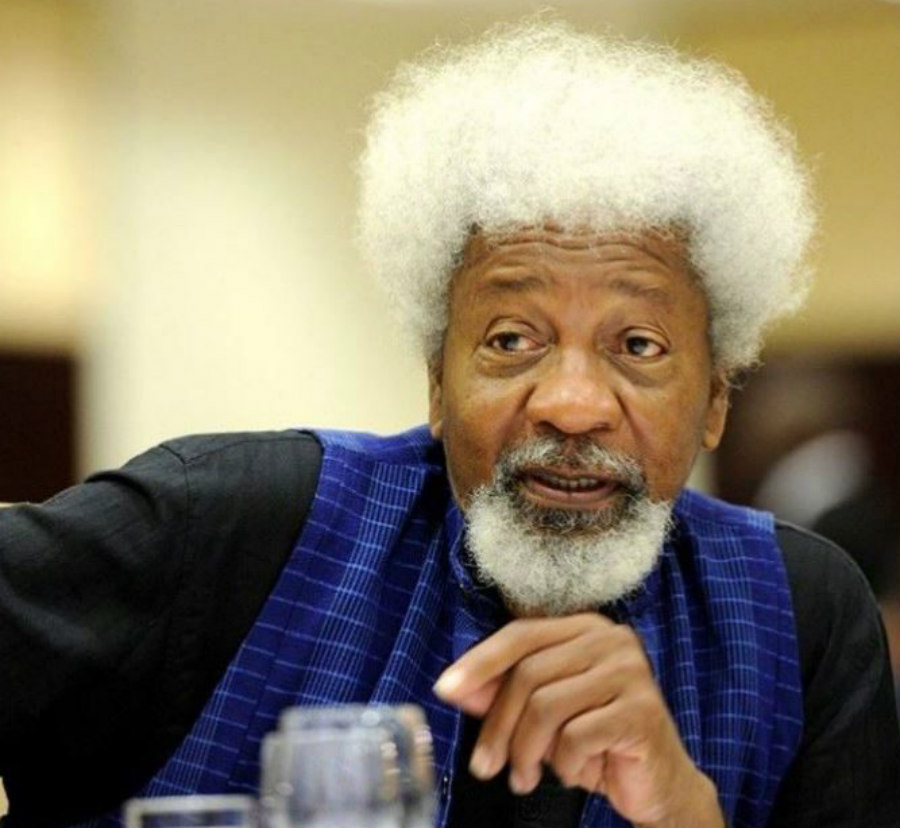
“His gray-white halo speaks volumes, even when he says nothing.”
—A fitting tribute to the dignified, sage-like presence of Wole Soyinka.


📚 Five-Star Book Review: Of Africa

By Wole Soyinka
Rating: ⭐⭐⭐⭐⭐ (Masterpiece of Culture, Memory, and Identity)

Premise and Purpose

Published in 2012, Of Africa is a deeply personal, philosophical, and historical exploration of the continent’s struggles and triumphs. Soyinka aims to reclaim the spiritual and cultural identity of Africa from the misrepresentations of colonialism, slavery, and religious extremism. The book is part memoir, part manifesto, and part historical critique.

What Is Of Africa About?

Soyinka addresses the historical scars of Africa—from the transatlantic slave trade and colonialism to genocides, dictatorships, and religious intolerance. He reflects on the failures of post-independence leadership in many African states, while also uplifting the resilience, creativity, and spiritual wealth of African people.

Key Themes and Discoveries

  1. Spiritual Pluralism vs. Religious Fanaticism
    Soyinka condemns religious extremism, both Islamic and Christian, for fueling violence and suppressing indigenous African wisdom. He calls for religious tolerance and cultural syncretism, rooted in African traditions of peace and coexistence.
  2. Memory as Resistance
    He insists that remembering Africa’s true history—its empires, philosophies, and cosmologies—is essential for reclaiming Black identity and sovereignty.
  3. Pan-Africanism and Black Unity
    Soyinka invokes the diasporic connection between Africans on the continent and those in the Americas, the Caribbean, and Europe, urging solidarity and mutual uplift.
  4. Art as Weapon
    He advocates for the power of literature, drama, and poetry as tools for liberation and truth-telling.

“The black race is the most visible and symbolic victim of an enduring system of global injustice.”
—Wole Soyinka, Of Africa


Soyinka has used his pen, voice, and body in the fight for African liberation:

  • Imprisoned for nearly two years (1967–1969) by the Nigerian government for calling for peace during the Biafran War.
  • Spoke out against military dictatorships in Nigeria, particularly under Sani Abacha, risking exile and even his life.
  • Founded educational and cultural institutions that promoted African literature and history.
  • Mentored African writers, scholars, and activists, creating space for Black thought to flourish globally.

His intellectual work has inspired liberation movements, African-American scholars, and truth-seekers across the diaspora.


Wole Soyinka is a fierce human rights activist and political dissident. Throughout his life, he has challenged:

  • Colonialism
  • Military tyranny
  • Religious extremism
  • Western imperial narratives
  • Internal African corruption

He was forced into exile multiple times for his activism, but never silenced. His speeches, essays, and plays often act as calls to action.


His Role in Nigeria’s History

  • Participated in Nigeria’s civil rights movement during and after independence in 1960.
  • Fought for Biafran peace, which led to his arrest.
  • Opposed authoritarian regimes that suppressed civil liberties and looted the nation’s wealth.
  • Continues to speak out on matters of African governance, education, and Pan-African cooperation.

Wole Soyinka’s life and work are a testament to intellectual liberation for Black people worldwide. He:

  • Challenged white supremacy’s narrative of Africa as primitive.
  • Celebrated Yoruba cosmology, Black resilience, and artistic excellence.
  • Spoke unapologetically to the power, dignity, and capacity of Black people.
  • Helped restore Africa’s intellectual and cultural pride on the global stage.


Conclusion: The Elder Sage of African Letters

Wole Soyinka is not just a writer—he is a keeper of memory, a warrior of truth, and a griot for the global Black soul. His white-gray afro and piercing gaze symbolize a life lived in pursuit of justice and ancestral honor. He is a living bridge between the ancient African past and the liberated Black future.

If you’ve ever been fascinated by Africans, as you said, then Soyinka is one of Africa’s finest mirrors—reflecting truth, pain, beauty, resistance, and eternal pride.


Suggested Reading List by Wole Soyinka

  1. Of Africa (2012)
  2. Death and the King’s Horseman (1975) – A powerful play on colonial conflict and Yoruba ritual.
  3. Ake: The Years of Childhood (1981) – A beautiful autobiographical memoir.
  4. The Man Died: Prison Notes of Wole Soyinka (1972) – His reflections from solitary confinement.
  5. Myth, Literature and the African World (1976) – A profound study of African cosmology and art.

The Ebony Dolls: Karyn White

The soulful powerhouse whose beauty, grace, and unforgettable voice turned songs like “Superwoman” into lasting anthems.

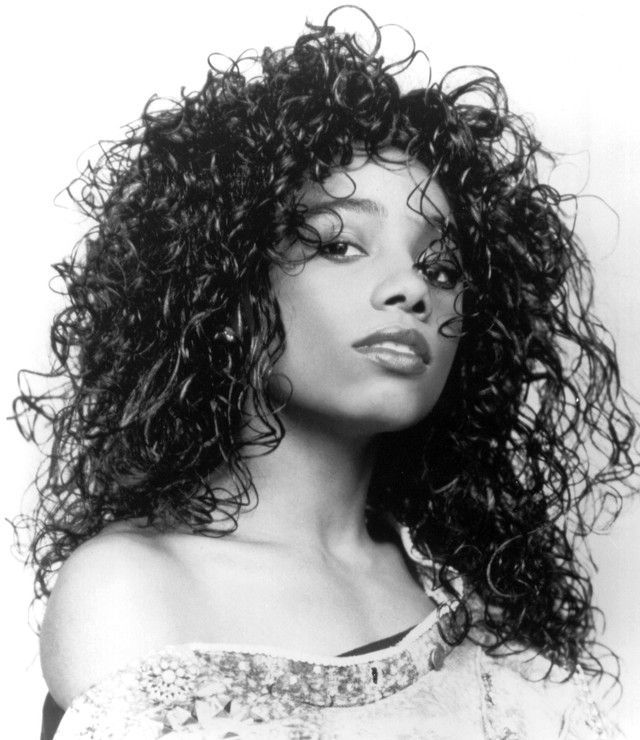
This photograph is the property of its respective owner.

The late 1980s and early 1990s produced a generation of R&B singers whose voices and striking beauty became cultural touchstones, and among them stands the unforgettable Karyn White. Known for her rich vocals, stunning brown beauty, elegant presence, and timeless hits, White became one of the defining female voices of contemporary R&B. With her stunning brown complexion, sculpted facial features, and confident stage presence, she represents the essence of what many admirers celebrate as an “Ebony Doll”—a woman whose beauty, poise, and talent radiate sophistication and strength.

Karyn Layvonne White was born on October 14, 1965, in Los Angeles. She grew up in a musically inclined family where artistic expression was encouraged from an early age. Her father was a trumpet player, while her mother directed a church choir. As a child, White frequently sang in church, an experience that helped develop both her vocal control and emotional expression. Like many legendary R&B singers, the church became her earliest training ground and laid the foundation for her professional career.

Before achieving fame as a solo artist, White worked diligently behind the scenes within the music industry. She began her professional career as a background vocalist and songwriter, gaining valuable experience that helped her understand the mechanics of the recording business. One of her earliest notable appearances was performing vocals on the 1986 single “Facts of Love” by jazz keyboardist Jeff Lorber. The song became a modest hit and introduced her distinctive voice to a broader audience.

This photograph is the property of its respective owner.

Her big break came when she signed with Warner Bros. Records and released her debut album Karyn White in 1988. The album was produced by renowned music producers Babyface and L.A. Reid. Their production helped craft a polished R&B sound that blended soulful melodies with the emerging energy of contemporary pop and dance music.

The album became a major success and included several hit singles that defined White’s early career. Songs like The Way You Love Me and Secret Rendezvous climbed the charts and established her as a rising star in the industry. However, it was her emotional anthem Superwoman that truly cemented her legacy. The song resonated with women across the country and became an empowering statement about emotional strength and vulnerability in relationships.

White continued her success with the 1991 album Ritual of Love. The album showcased her evolving artistry and vocal maturity. Its lead single, Romantic, became a massive hit and reached No. 1 on the Billboard Hot 100, marking the peak of her commercial success. The song’s upbeat groove and infectious energy demonstrated White’s versatility as both a soulful balladeer and a dance-floor favorite.

This photograph is the property of its respective owner.

Part of what made Karyn White stand out was her distinctive voice. Her vocal tone carried both sweetness and strength, allowing her to deliver romantic ballads and assertive anthems with equal authenticity. The clarity of her voice, combined with her emotional phrasing, created a sound that listeners could immediately recognize.

White’s inspirations were rooted in the great vocalists who preceded her. Artists such as Whitney Houston and Chaka Khan influenced the style and vocal confidence that shaped her artistry. These powerful women demonstrated that an R&B singer could command both emotional depth and mainstream success.

In her personal life, White married legendary music producer Terry Lewis in 1992. Lewis was one half of the iconic production duo Jimmy Jam and Terry Lewis, whose work helped define the sound of modern R&B. During their marriage, White and Lewis welcomed a daughter named Ashley Nicole. Although the couple eventually divorced in 1999, their partnership represented an important chapter in White’s life and career.

This photograph is the property of its respective owner.

Following the height of her fame, White stepped away from the music industry for a period to focus on family and personal growth. During this time, she pursued business ventures and eventually developed a career in interior design and real estate. Her return to music years later demonstrated both resilience and a deep love for the art form that first brought her recognition.

Karyn White’s impact on R&B remains significant. Her music helped shape the transition from classic soul to the polished contemporary R&B sound of the late twentieth century. Songs like “Superwoman” continue to resonate with listeners decades after their release, and her influence can be heard in many of the female vocalists who followed.

Beyond music, White embodies a timeless representation of beauty and elegance. Her luminous brown skin, symmetrical features, and graceful style helped define the visual aesthetic of late-1980s R&B culture. Yet what truly elevates her legacy is the combination of beauty and substance—her voice carried stories of love, vulnerability, and empowerment that still connect with audiences today.

For these reasons, Karyn White stands proudly within the celebration of Ebony Dolls—women whose presence in music, film, and culture reflects both artistic excellence and the enduring beauty of Black womanhood.


References

Facts of Love. (n.d.). Wikipedia. https://en.wikipedia.org/wiki/Facts_of_Love

Karyn White. (n.d.). Wikipedia. https://en.wikipedia.org/wiki/Karyn_White

Musician Guide. (n.d.). Karyn White biography. https://www.musicianguide.com/biographies/1608000857/Karyn-White.html

Romantic (song). (n.d.). Wikipedia. https://en.wikipedia.org/wiki/Romantic_(song)

Superwoman (Karyn White song). (n.d.). Wikipedia. https://en.wikipedia.org/wiki/Superwoman_(Karyn_White_song)