
Tag Archives: muscles

The Benefits of Exercise

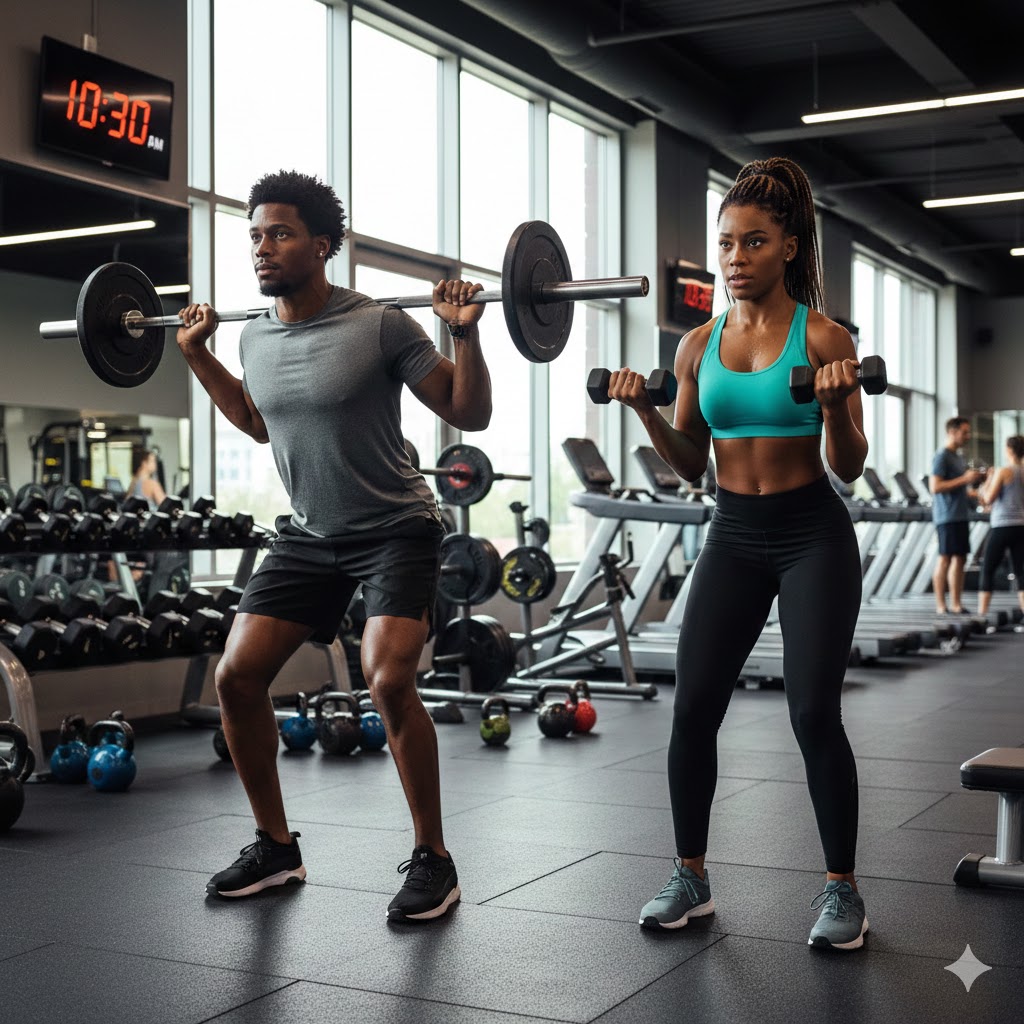
Exercise is one of the most powerful, accessible, and evidence-based tools for improving human health across the lifespan. It requires no prescription, yet its effects rival and often surpass many pharmaceutical interventions. Regular physical activity strengthens the body, sharpens the mind, and reinforces emotional stability, making it foundational to holistic well-being.

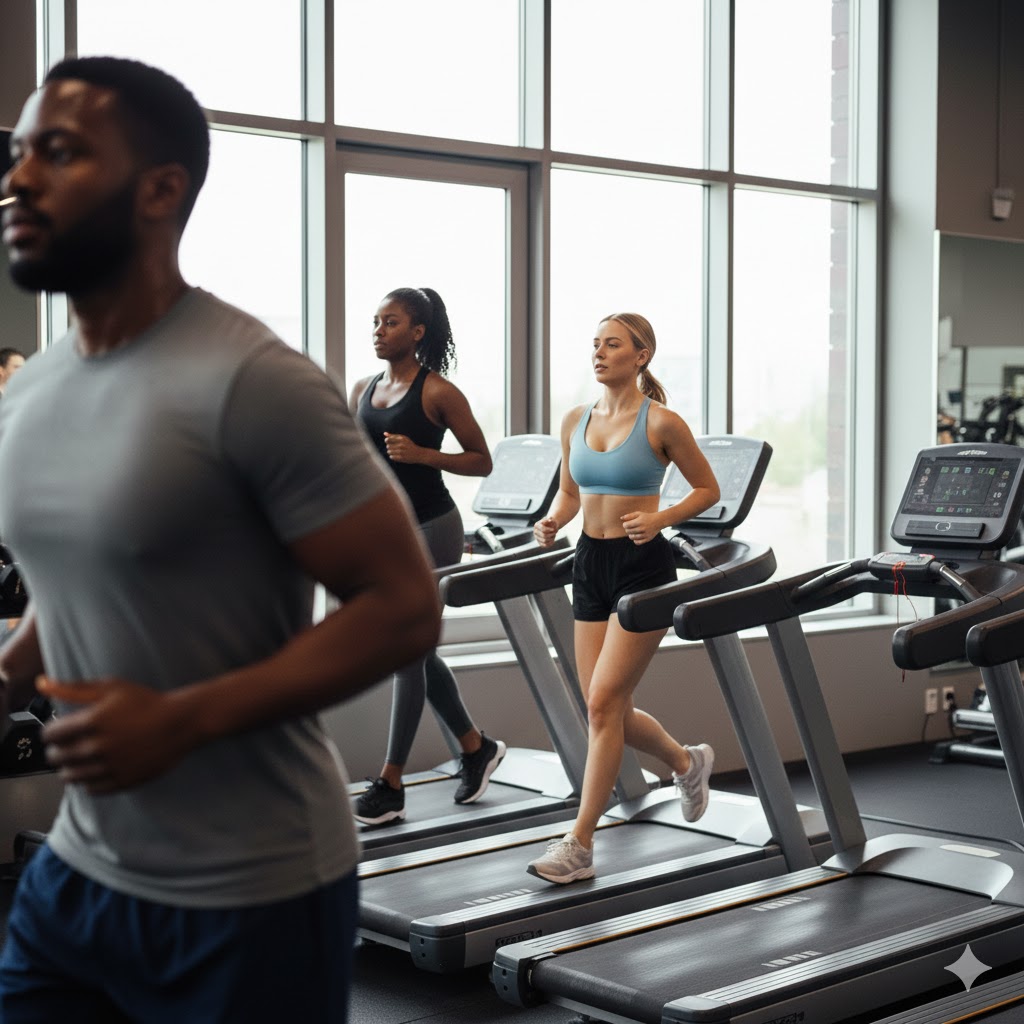
At the physiological level, exercise enhances cardiovascular health by strengthening the heart muscle and improving blood circulation. Aerobic activities such as walking, running, cycling, and swimming reduce resting heart rate, lower blood pressure, and decrease the risk of coronary artery disease. These adaptations significantly reduce mortality from heart-related conditions.

Exercise plays a critical role in metabolic health by improving insulin sensitivity and glucose regulation. Consistent physical activity helps prevent and manage type 2 diabetes by allowing muscles to utilize glucose more efficiently. This metabolic efficiency reduces strain on the pancreas and lowers long-term complications associated with insulin resistance.
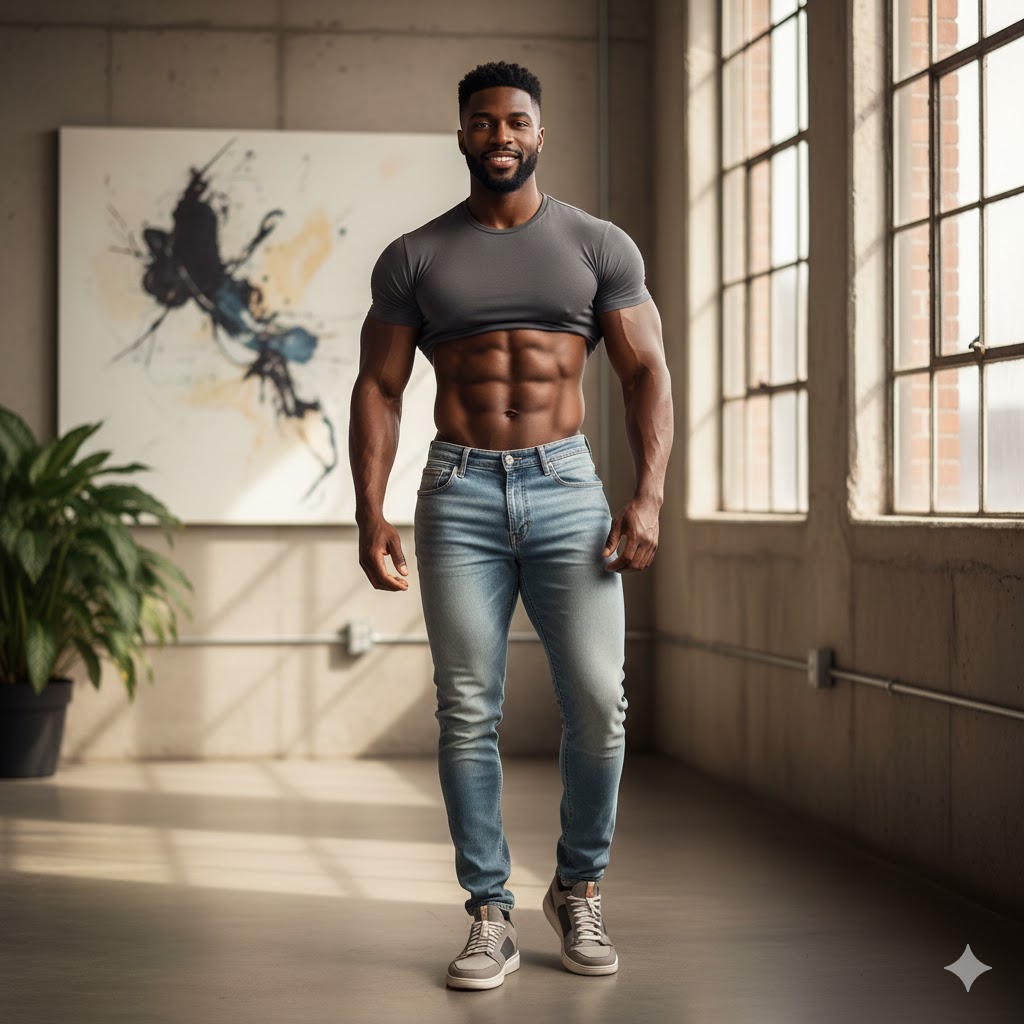
Another major benefit of exercise is its impact on body composition. Resistance training and aerobic movement increase lean muscle mass while reducing excess adipose tissue. This shift improves basal metabolic rate, allowing the body to burn more calories even at rest, which supports sustainable weight management rather than short-term dieting.

Musculoskeletal strength is profoundly enhanced through regular exercise. Weight-bearing and resistance activities increase bone mineral density, reducing the risk of osteoporosis and fractures, particularly in aging populations. Strong muscles also protect joints, improve posture, and reduce chronic pain.

Exercise is deeply connected to neurological health and cognitive performance. Physical activity increases blood flow to the brain and stimulates the release of brain-derived neurotrophic factor, which supports neurogenesis and synaptic plasticity. These changes are associated with improved memory, learning, and executive function.

Mental health benefits of exercise are equally significant. Regular physical activity reduces symptoms of depression and anxiety by regulating neurotransmitters such as serotonin, dopamine, and norepinephrine. Exercise also lowers cortisol levels, helping the body manage stress more effectively.

Sleep quality is strongly influenced by physical activity. Individuals who exercise regularly tend to fall asleep faster, experience deeper sleep cycles, and report higher overall sleep satisfaction. Improved sleep further reinforces immune function, mood regulation, and cognitive clarity.

Exercise also strengthens the immune system by promoting efficient circulation of immune cells throughout the body. Moderate, consistent activity has been shown to reduce the frequency and severity of infections, while also lowering chronic inflammation that contributes to many degenerative diseases.

From a hormonal perspective, exercise supports endocrine balance. Physical activity improves regulation of sex hormones, growth hormone, and stress hormones, contributing to improved energy levels, reproductive health, and tissue repair. These hormonal benefits are especially important during aging.
Exercise fosters emotional resilience and psychological discipline. The commitment to movement builds self-efficacy, patience, and consistency, which often translate into other areas of life such as work, relationships, and personal goals. The mind learns endurance alongside the body.

Social benefits of exercise should not be overlooked. Group fitness, sports, and shared physical activities foster community, accountability, and social bonding. These interactions reduce feelings of isolation and contribute to improved emotional well-being.

Exercise is also associated with increased longevity. Long-term studies consistently show that physically active individuals live longer and experience fewer years of disability. Movement preserves independence and quality of life well into older age.

In the context of chronic disease prevention, exercise acts as a protective factor against certain cancers, including breast and colon cancer. Mechanisms include reduced inflammation, improved immune surveillance, and healthier hormone regulation.

For children and adolescents, exercise supports healthy growth, motor development, and emotional regulation. Early physical activity habits are strongly associated with lifelong health behaviors, academic performance, and reduced risk of obesity.
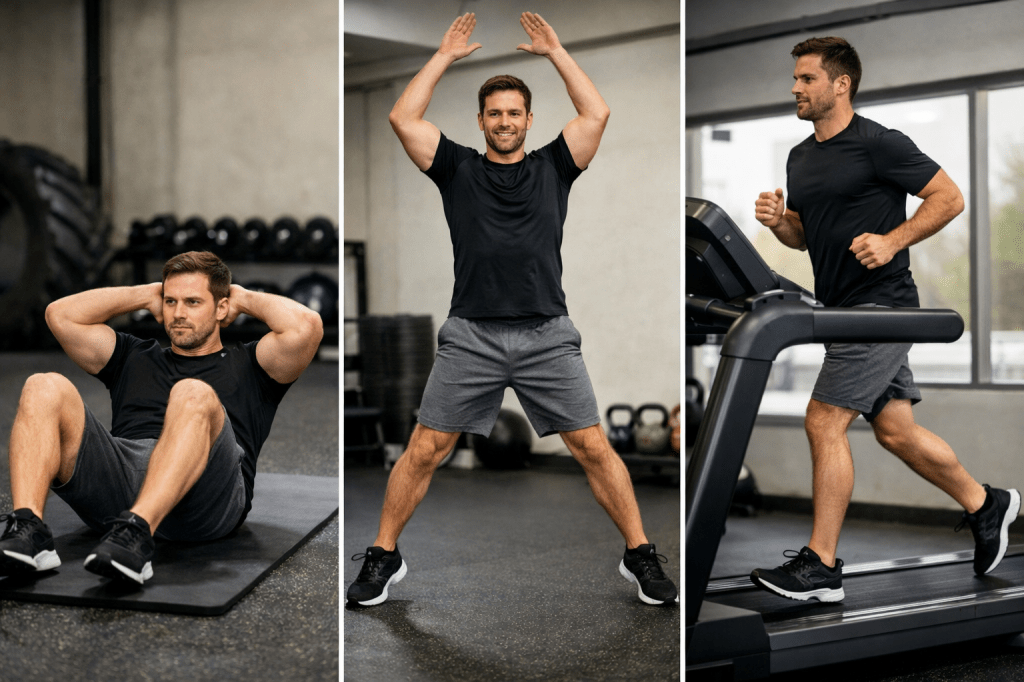
Exercise has economic benefits at both individual and societal levels. Reduced healthcare costs, fewer sick days, and increased productivity are consistently associated with physically active populations. Prevention through movement is more cost-effective than treatment after disease onset.

Spiritually and psychologically, exercise reinforces the mind–body connection. Many individuals report improved self-awareness, clarity, and emotional grounding during physical activity. Movement becomes a form of discipline, reflection, and stewardship of the body.

Regular exercise also improves physical appearance in ways that extend beyond aesthetics. Improved posture, muscle tone, and vitality influence confidence and self-perception, which can positively affect interpersonal relationships and mental health.

Importantly, exercise is adaptable and inclusive. Benefits are observed across ages, abilities, and fitness levels, whether through walking, resistance training, stretching, or recreational movement. Consistency matters more than intensity.

In conclusion, exercise is not merely a lifestyle choice but a foundational pillar of health. Its benefits span physical, mental, emotional, and social domains, reinforcing the body’s natural design for movement. Incorporating regular exercise is an investment in longevity, resilience, and overall human flourishing.


References

American College of Sports Medicine. (2021). ACSM’s guidelines for exercise testing and prescription (11th ed.). Wolters Kluwer.

Booth, F. W., Roberts, C. K., & Laye, M. J. (2012). Lack of exercise is a major cause of chronic diseases. Comprehensive Physiology, 2(2), 1143–1211. https://doi.org/10.1002/cphy.c110025

Centers for Disease Control and Prevention. (2023). Physical activity and health. CDC.

Dishman, R. K., Heath, G. W., & Lee, I. M. (2013). Physical activity epidemiology (2nd ed.). Human Kinetics.

Erickson, K. I., Hillman, C., & Kramer, A. F. (2015). Physical activity, brain, and cognition. Current Opinion in Behavioral Sciences, 4, 27–32. https://doi.org/10.1016/j.cobeha.2015.01.005

Warburton, D. E. R., Nicol, C. W., & Bredin, S. S. D. (2006). Health benefits of physical activity: The evidence. CMAJ, 174(6), 801–809. https://doi.org/10.1503/cmaj.051351
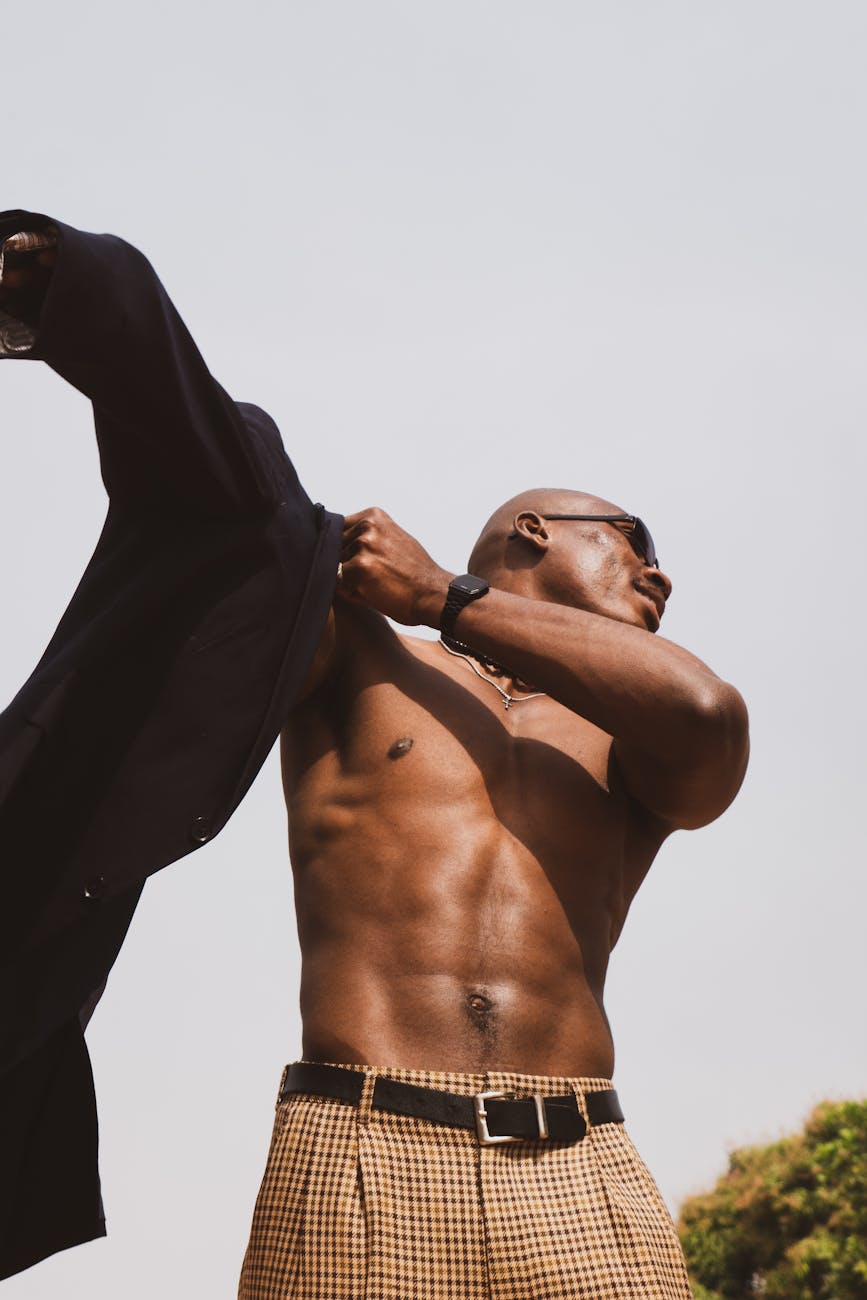
A Visual Phenomenon: The Masculine Perfection of the Black Man. #thescienceofblackbeauty

Photo by Stephen Audu on Pexels.com

The Black man stands as a visual phenomenon—an embodiment of strength, resilience, and beauty shaped by genetics, culture, and divine design. His presence commands attention, not only for the physical frame that history has often celebrated or feared, but also for the character, spirit, and royal essence within him. From the warrior traditions of Africa to the modern world stage, the Black man continues to reflect the image of God in both body and soul.

Genetics has played a significant role in the body frame and athletic performance of many Black men. With higher bone density, muscle fiber composition, and natural endurance, studies suggest that individuals of African descent often excel in sports and physical performance (Entine, 2000). Yet this strength is not merely physical—it is historical and spiritual, rooted in generations of survival and perseverance. The Bible affirms strength as a divine gift: “The glory of young men is their strength: and the beauty of old men is the gray head” (Proverbs 20:29, KJV).

The aesthetics of the Black man go beyond strength. His melanin skin, rich in tone and resilience, is not only a protective biological gift against the sun’s harsh rays but also a marker of beauty and identity. Melanin is a crown of survival, a natural armor, and a canvas of radiance. It reflects the divine artistry of creation, as Psalm 139:14 (KJV) declares, “I will praise thee; for I am fearfully and wonderfully made: marvellous are thy works.”

Stature is another defining feature. The posture and bearing of the Black man carry the weight of royalty, often likened to kingship. Historically, African warriors and leaders were revered for their physical presence and authority. Psychology affirms that posture, symmetry, and physical form are often subconsciously associated with leadership and dominance (Perrett, 2010). The golden ratio, a mathematical principle of beauty, can often be seen in the symmetry of Black men’s faces and bodies—proportions that align with universal standards of aesthetic appeal.

Muscular structure also speaks volumes about the design of the Black man. Broad shoulders, strong chests, and well-formed musculature communicate power and capability. This does not diminish gentleness but enhances it, reminding us that strength and tenderness can coexist. The apostle Paul writes, “Watch ye, stand fast in the faith, quit you like men, be strong” (1 Corinthians 16:13, KJV). Psychology echoes this truth, suggesting that confidence rooted in body awareness contributes to mental well-being and healthy identity (Cash & Pruzinsky, 2002).

Facial features—the lips, eyes, and nose—further highlight the aesthetics of the Black man. Full lips are often regarded as symbols of sensuality and expression, while deep-set eyes convey depth, wisdom, and intensity. Strong noses, broad and defined, represent heritage and identity. Taken together, these features create a visage that is both striking and unforgettable, challenging narrow Eurocentric beauty standards.

Celebrity Examples:

Kenneth Okolie exemplifies this phenomenon through his tall, commanding frame and model-like proportions. As a Nigerian actor and model, his physicality echoes the presence of African royalty. His symmetry and strong jawline capture the golden ratio, while his grounded demeanor highlights not only aesthetics but also discipline and cultural pride.

Billy Dee Williams, with his legendary career, reshaped the image of the Black man in Hollywood. His suave charm, captivating smile, and smooth voice combined charisma with elegance. Williams’ style in the 1970s became symbolic of Black sophistication, showing that masculinity could be both powerful and tender. He represented not only physical allure but also psychological presence—the ability to command a room with grace.

Jimmy Jean-Louis, known as “the Haitian Hollywood star,” carries a global appeal. His sculpted body, expressive eyes, and deep complexion embody the resilience of a warrior. Beyond his acting career, his humanitarian work in Haiti speaks to a beauty that extends beyond appearance—rooted in compassion, responsibility, and service. His life echoes Proverbs 31:8-9 (KJV), “Open thy mouth for the dumb in the cause of all such as are appointed to destruction. Open thy mouth, judge righteously, and plead the cause of the poor and needy.”

Redaric Williams, with his chiseled muscles, striking symmetry, and expressive features, represents the modern standard of Black male aesthetics in entertainment. His physique mirrors the artistry of strength, while his acting and modeling career emphasize versatility and adaptability. Redaric embodies the psychological principle that beauty fused with confidence and determination amplifies influence (Riggio, 2010).

Biblical Figures as Archetypes of the Black Man

The aesthetics of the Black man today are mirrored in biblical figures who exemplified strength, wisdom, and divine favor. David, for instance, was both a warrior and a man after God’s heart (1 Samuel 16:12-13, KJV). He combined physical skill with courage, integrity, and leadership—qualities reflected in contemporary Black men who aspire to honor, protection, and excellence. Samson, described as a man of immense strength, also carried the mark of God’s favor in his body (Judges 16). His muscular prowess and stature symbolize the God-given potential inherent in Black men. King Solomon, though not described in physical detail, represents wisdom, wealth, and character, showing that beauty and influence extend beyond the physical to intellect, leadership, and moral authority (1 Kings 4:29-34, KJV).

These biblical archetypes emphasize that the Black man’s worth is a combination of body, mind, and spirit. Muscular bodies, symmetrical features, and commanding presence are meaningful when paired with wisdom, faith, and moral character. Psychology supports this holistic view, suggesting that confidence, empathy, and integrity enhance attractiveness and social influence (Goleman, 1995; Riggio, 2010).

In conclusion, the Black man is more than body and bone—he is vision and value, a warrior and a king. His melanin, symmetry, muscles, and stature reveal a divine design, while his heart, mind, and character testify to God’s greater purpose. From Kenneth Okolie to biblical figures like David, Samson, and Solomon, the Black man embodies aesthetics, strength, and wisdom. Truly, he is a visual and spiritual phenomenon.


References

  • Cash, T. F., & Pruzinsky, T. (2002). Body image: A handbook of theory, research, and clinical practice. Guilford Press.
  • Entine, J. (2000). Taboo: Why Black athletes dominate sports and why we’re afraid to talk about it. PublicAffairs.
  • Goleman, D. (1995). Emotional intelligence: Why it can matter more than IQ. Bantam Books.
  • Perrett, D. (2010). In your face: The new science of human attraction. Palgrave Macmillan.
  • Riggio, R. E. (2010). The charisma quotient: The psychology of leadership, persuasion, and social influence. Routledge.
  • The Holy Bible, King James Version (KJV).