The sitcom sweetheart who grew into grace, resilience, and grown-woman reinvention.
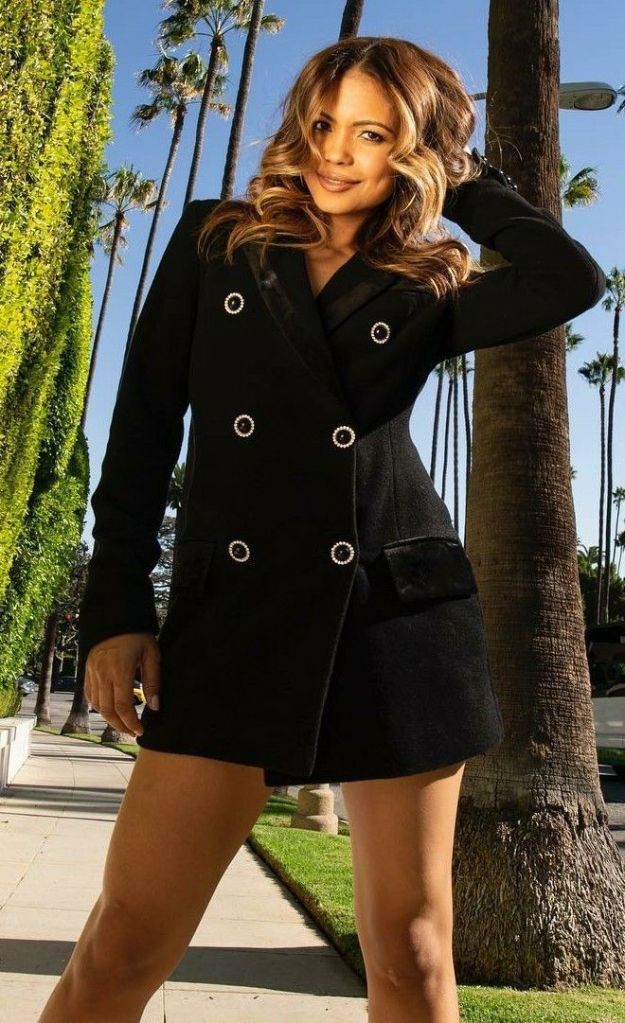
This photograph is the property of its respective owner.
Jennifer Freeman represents a distinctive era of early 2000s Black television—where youthful beauty, comedic timing, and cultural relatability converged. With her soft features, almond-shaped eyes, and girl-next-door charm, Freeman quickly became one of the most recognizable young faces on prime-time Black sitcom television. Yet her story, like many child-to-adult stars, reflects both the glow of early fame and the complexities of personal growth under public scrutiny.
Born October 20, 1985, in Los Angeles, California, Freeman began acting at a young age, appearing in television series such as 7th Heaven and Even Stevens before landing her breakout role. Her defining career moment came in 2001 when she was cast as Claire Kyle on My Wife and Kids, starring opposite Damon Wayans and Tisha Campbell. As the stylish and often mischievous teenage daughter in the Kyle household, Freeman embodied the modern Black teen navigating family, identity, and humor. Her performance blended sass with innocence, making her a fan favorite and helping solidify the show’s place in early-2000s sitcom history.
After My Wife and Kids, Freeman transitioned into film and independent projects, including roles in You Got Served and Johnson Family Vacation. Though her mainstream visibility fluctuated, she remained active in television movies and urban cinema, gradually reintroducing herself to audiences as an adult actress.
This photograph is the property of its respective owner.
In 2022, Freeman joined the cast of The Black Hamptons, a drama series created by Carl Weber and streamed on BET+. The series explores generational wealth, class tension, and power struggles within an affluent Black coastal community. Freeman’s involvement marked a significant return to ensemble television, aligning her with contemporary narratives centered on Black prosperity and elite social circles. The show situates her within a more mature, dramatic space, contrasting sharply with her teenage sitcom origins.
Freeman’s personal life has also intersected with her public narrative. In 2009, she married former NBA player Earl Watson. The marriage ended in 2010 amid publicized allegations of domestic conflict, leading to a highly scrutinized divorce. Freeman later spoke about the emotional challenges of the relationship and her spiritual journey toward healing and self-restoration. The experience reframed her public image—from youthful sitcom star to a woman navigating trauma, faith, and personal rebuilding. Her openness about growth and accountability contributed to a broader cultural conversation about domestic relationships and emotional resilience.
While Freeman has not amassed a large collection of mainstream awards, her cultural recognition stems from generational impact. My Wife and Kids remains syndicated and streamed, continuously introducing her to new audiences. Within Black pop culture, she is often remembered as one of the quintessential “It Girls” of the early 2000s—an era when Black family sitcoms were central to network programming.
Jennifer Freeman’s legacy rests in evolution. She transitioned from teen star to adult actress, from public marital controversy to spiritual transparency, from sitcom daughter to dramatic ensemble player. Her story reflects not simply fame, but endurance—an arc familiar to many women in Hollywood who must reinvent themselves while the world watches.
References
BET+. (2022). The Black Hamptons series information.
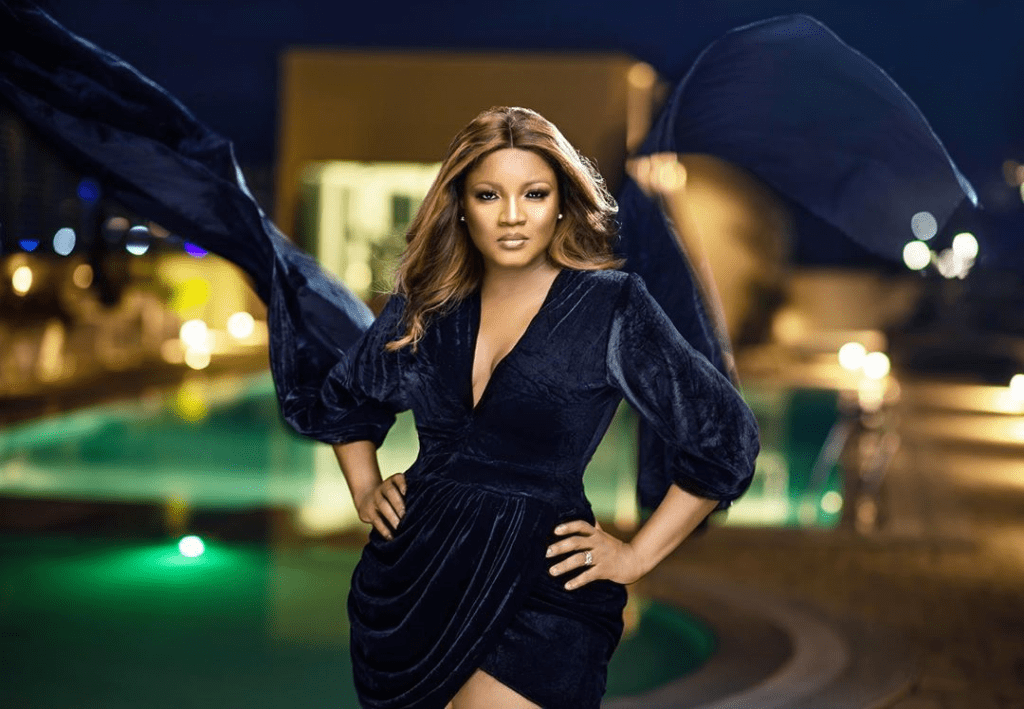
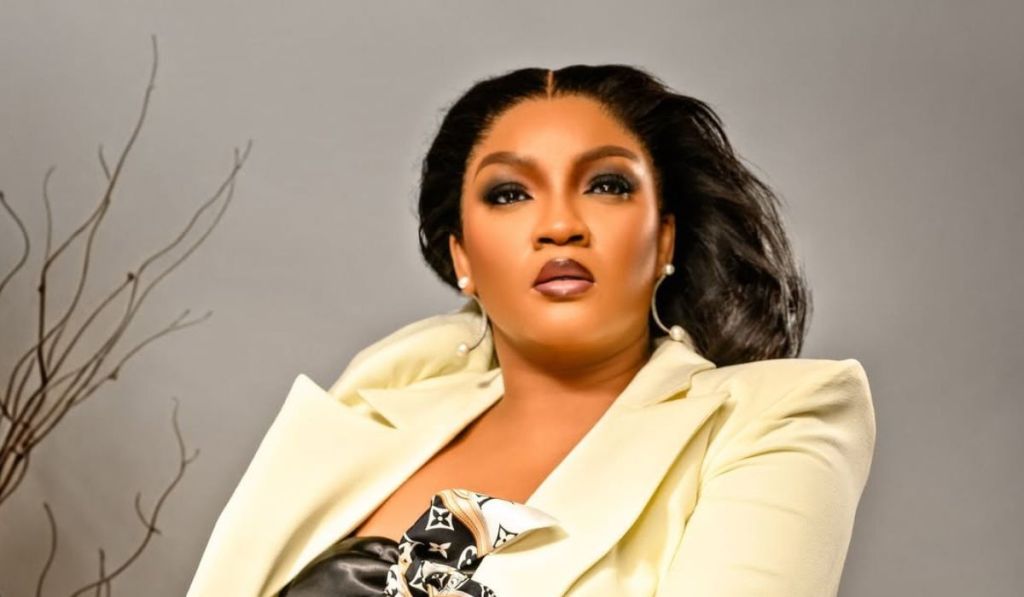
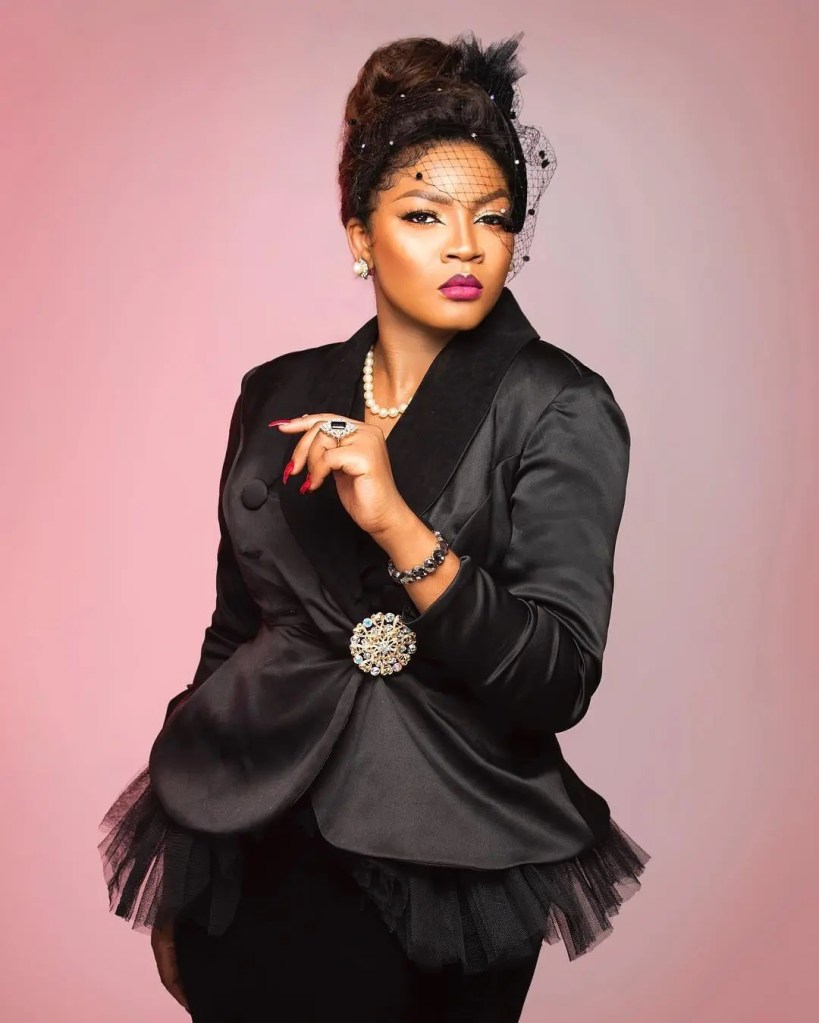
There are women whose presence commands admiration before they even speak — and Omotola Jalade Ekeinde, fondly called “Omosexy,” is one of them. With her radiant light caramel complexion, captivating almond eyes, and statuesque physique, she embodies a perfect fusion of African grace, sensuality, and sophistication. Her beauty is not only physical but regal — the kind that glows from confidence, faith, and purpose. She is not merely a Nollywood actress; she is a global phenomenon, humanitarian, wife, and mother whose impact extends far beyond the screen.
Early Life and Family Background
Omotola Jalade Ekeinde was born on February 7, 1978, in Lagos, Nigeria, to Oluwashola Jalade, a manager with the Lagos Country Club, and Oluwatoyin Jalade, a businesswoman. Raised in a disciplined Christian household, Omotola grew up with strong moral values, a sense of independence, and an early appreciation for education and service. She attended Chrisland School, Opebi, Oxford Children School, and Command Secondary School, Kaduna, before studying Estate Management at Yaba College of Technology.
At the age of 18, Omotola married her long-time partner, Captain Matthew Ekeinde, a respected Nigerian airline pilot, in a union that has become one of the most admired and enduring celebrity marriages in Africa. Together, they have four beautiful children, and their family stands as a symbol of stability, love, and faith within the entertainment industry.
Journey into Nollywood and Rise to Stardom
Omotola’s path to stardom began unexpectedly. Initially aspiring to a career in business management, she accompanied a friend to a movie audition and was encouraged to try out for a role herself. This spontaneous decision became destiny. Her acting debut came in 1995 with the film Venom of Justice, but it was her performance in Mortal Inheritance (1995) that catapulted her to fame. The film, which explored interracial marriage and sickle-cell anemia, showcased her emotional depth and established her as one of Nollywood’s most gifted talents.
Since then, Omotola has appeared in over 300 films, portraying complex characters that explore themes of love, justice, and womanhood. Her commanding performances have made her a household name, not only in Nigeria but across Africa and the diaspora.
Awards, Honors, and Global Recognition
Omotola’s contributions to film and society have earned her an impressive array of awards and distinctions. She received the Africa Movie Academy Award (AMAA) for Best Actress in a Leading Role and has won numerous Africa Magic Viewers’ Choice Awards (AMVCA) honors for her outstanding acting.
In 2013, Time Magazine named her one of the “100 Most Influential People in the World”, alongside Michelle Obama, Beyoncé, and Kate Middleton — an honor that solidified her status as a global icon. She was also recognized by the Nigerian government with the Member of the Order of the Federal Republic (MFR) for her contributions to Nigerian cinema.
Her film Alter Ego (2017) earned widespread critical acclaim for tackling issues of trauma and justice, further demonstrating her evolution as an actress of depth and conviction.
Endorsements and Humanitarian Work
Beyond the screen, Omotola is a dedicated humanitarian. She is a long-time UN World Food Programme Ambassador, advocating for the rights of women and children across Africa. She also works with the Amnesty International campaign on human rights awareness. Her commitment to social justice has earned her the nickname “The Real Life African Superwoman.”
Her beauty, intelligence, and authenticity have also made her one of the most sought-after brand ambassadors in Africa. She has partnered with major brands including Knorr, Ghandour Cosmetics, and BO16 Hair Care, using her platform to promote empowerment and self-confidence among African women.
Personal Life and Legacy
Despite her global fame, Omotola’s humility and devotion to her family remain at the heart of her identity. She often speaks openly about the importance of faith, balance, and maintaining one’s integrity in the entertainment industry. Her marriage to Captain Ekeinde remains one of the longest and most respected in Nollywood, defying the stereotype of fleeting celebrity unions.
Affectionately called “Omosexy” by fans, she redefines sensuality with grace — not as a tool of vanity, but as an expression of confidence and self-love. Her legacy is not only in film but also in her example of womanhood: strong, intelligent, nurturing, and unapologetically powerful.
Is Omotola the Highest-Paid Nollywood Actress?
For years, Omotola has ranked among the highest-paid actresses in Nollywood, often commanding premium fees per film. Alongside Genevieve Nnaji, she helped elevate the professional standards of pay and production quality in the Nigerian film industry. Her business acumen and professionalism have set new precedents for African actors, helping Nollywood evolve into a billion-dollar global industry.
Impact and Cultural Influence
Omotola Jalade Ekeinde’s influence reaches far beyond cinema. She represents the evolution of African womanhood — bold yet humble, beautiful yet principled, powerful yet nurturing. Her presence has inspired countless women to pursue their dreams without compromise. She is not only admired for her radiant ebony beauty but for her substance, discipline, and heart.
Her life is a living parable of excellence — proof that true beauty radiates from purpose and character. Omotola’s journey from a young Lagos girl to a world-renowned icon embodies the strength, resilience, and divine elegance of the modern African woman.
Conclusion
Omotola Jalade Ekeinde remains an enduring symbol of Black femininity and excellence. With her gleaming brown skin, sculpted face, and regal aura, she is a masterpiece of nature and nurture — a woman who moves with both grace and authority. As an actress, wife, and humanitarian, she continues to inspire a generation to dream boldly and love deeply. In every sense, she is carved by destiny, refined by faith, and crowned by legacy.
References
Amnesty International. (2015). Omotola Jalade Ekeinde joins campaign for human rights in Africa. Amnesty International. https://www.amnesty.org
BBC News. (2013, April 18). Time 100: Omotola Jalade Ekeinde among world’s most influential people.BBC.https://www.bbc.com/news
This photograph is the property of its respective owner.
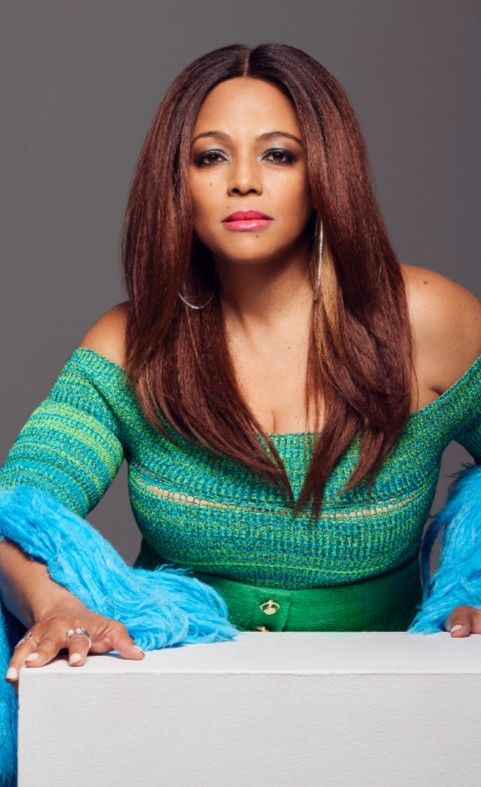
Few actresses in American television have grown up before the public with as much grace, talent, and longevity as Kim Fields. Known for her radiant smile, expressive eyes, and confident presence, Fields became a beloved figure in popular culture during the late twentieth century. Her statuesque beauty, warm personality, and sharp comedic timing made her one of television’s most recognizable young stars. Over the decades, she has successfully transitioned from child star to accomplished actress, director, producer, and author. Through her perseverance and professionalism, Kim Fields has earned her place among the women who embody the timeless cultural allure of an “It Girl.”
Kim Victoria Fields was born on May 12, 1969, in New York City. She was born into an entertainment family, as her mother, Chip Fields, was an accomplished actress and singer who appeared in numerous television shows and stage productions. Growing up in a creative environment exposed Fields to acting at a very early age. Her mother’s guidance and experience helped her navigate the demanding world of television while maintaining a strong sense of identity and discipline.
Fields spent much of her childhood in California, where the entertainment industry offered abundant opportunities for young performers. Even as a child, she demonstrated natural charisma and confidence before the camera. Her bright personality and expressive features made her a standout during auditions, and she quickly began appearing in commercials and small television roles.
This photograph is the property of its respective owner.
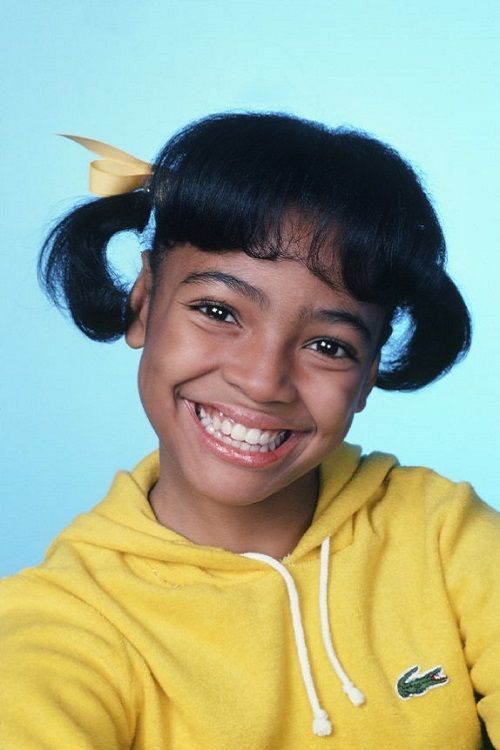
Her breakthrough came when she was cast as Dorothy “Tootie” Ramsey on the hit sitcom The Facts of Life. Debuting in 1979, the series followed a group of girls attending a boarding school and navigating adolescence together. Tootie, known for her roller skates and witty observations, quickly became one of the show’s most beloved characters. Fields’ youthful charm and comedic delivery endeared her to audiences across the United States.
During the show’s nine-season run, Fields matured both personally and professionally. Viewers watched her grow from a playful child into a confident young woman. This rare opportunity allowed audiences to witness a genuine coming-of-age journey on television, strengthening her connection with fans and solidifying her place in pop culture history.
Beyond acting, Fields also pursued music during the 1980s. She released several pop and R&B songs, including the single “He Loves Me He Loves Me Not,” which showcased her singing ability. Although music did not become the central focus of her career, it demonstrated her versatility and artistic curiosity.
After The Facts of Life concluded in 1988, Fields continued her education and expanded her career goals. She attended Pepperdine University, where she studied communications and film. Her academic pursuits reflected a desire to understand the entertainment industry from multiple perspectives, including directing and producing.
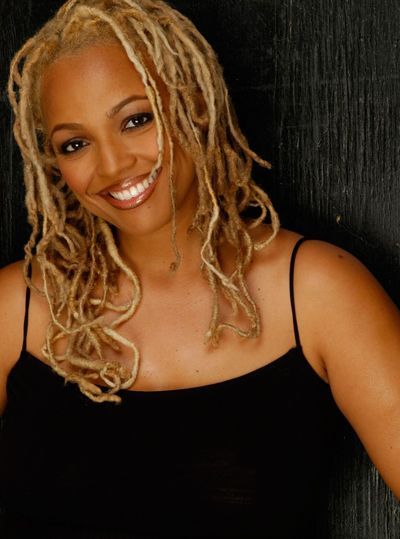
In the early 1990s, Fields returned to television with another memorable role on the hit sitcom Living Single. She portrayed Regine Hunter, a fashionable, witty, and glamorous socialite living in Brooklyn. The role allowed Fields to showcase a more mature comedic style and impeccable timing. Regine’s sharp humor and stylish personality made her one of the show’s most iconic characters.
This photograph is the property of its respective owner.
Living Single became an important cultural milestone in television history. The series portrayed successful Black professionals navigating friendship, romance, and careers in New York City. Fields’ performance contributed to the show’s enduring popularity and cultural significance.
The Upshaws is a popular family sitcom that premiered on Netflix in 2021. The series follows the working-class Upshaw family in Indianapolis as they navigate everyday struggles, relationships, and personal growth with humor and heart. Kim Fields plays Regina Upshaw, the intelligent, strong-willed wife who works as a nurse and often serves as the moral and emotional center of the household. The show blends classic sitcom comedy with realistic themes about marriage, parenting, financial challenges, and resilience, making it both relatable and culturally meaningful for modern audiences.
While continuing to act, Fields also developed a successful career behind the camera. She became a respected television director, working on episodes of popular sitcoms such as Kenan & Kel and Tyler Perry’s House of Payne. Her transition into directing demonstrated both leadership and creative insight, allowing her to shape stories from a new perspective.
Fields’ directing work also reflected her dedication to mentoring younger performers. Having grown up in the industry herself, she understood the challenges faced by young actors and often provided guidance and encouragement on set.
Her career continued to evolve as she appeared in numerous television films and reality programs. Fields competed on the popular dance competition series Dancing with the Stars, where audiences were reminded of her vibrant personality and determination. Her participation revealed a playful and adventurous side that fans appreciated.
In addition to her entertainment career, Fields is also an author. Her memoir, Blessed Life: My Surprising Journey of Joy, Tears, and Tales from Harlem to Hollywood, offers a personal reflection on her experiences in the entertainment industry and her faith. The book explores the lessons she learned while growing up in the spotlight.
This photograph is the property of its respective owner.
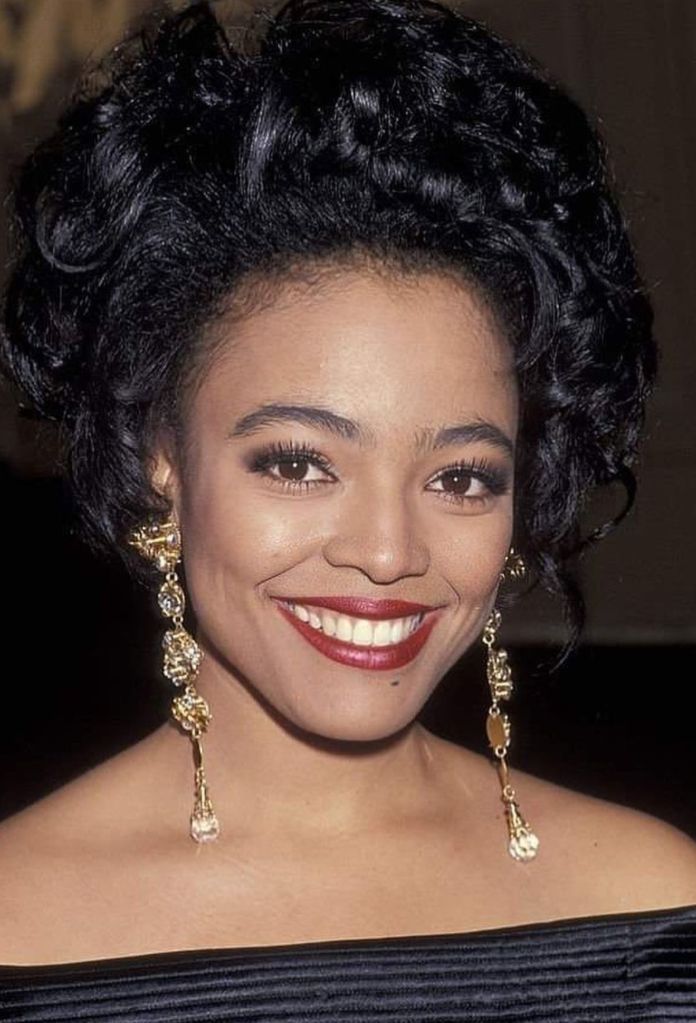
Fields’ beauty has always been characterized by elegance and authenticity. With warm brown eyes, glowing skin, and a poised demeanor, she embodies a natural charm that transcends fashion trends. Her style combines classic sophistication with a welcoming, approachable presence.
Throughout her life, Fields has also emphasized the importance of faith, family, and personal integrity. She has spoken openly about the value of maintaining spiritual grounding while navigating the pressures of Hollywood. This balance has contributed to her reputation as both a talented performer and a respected individual.
Today, Kim Fields continues to act, direct, and produce television projects while participating in speaking engagements and community initiatives. Her experience and wisdom have made her a mentor for younger performers entering the industry.
What makes Kim Fields an “It Girl” is not merely her early fame but her enduring relevance. She successfully reinvented herself across multiple decades, transitioning from child star to accomplished creative professional without losing the warmth and authenticity that audiences admire.
Her legacy also reflects the importance of representation in television history. Through roles like Tootie Ramsey and Regine Hunter, Fields helped shape the portrayal of intelligent, complex Black women on screen.
Longevity in entertainment is rare, especially for child actors. Yet Fields managed to sustain her career with grace, intelligence, and strategic reinvention. Her journey demonstrates resilience, adaptability, and unwavering dedication to her craft.
This photograph is the property of its respective owner.
For many viewers, Kim Fields represents a comforting familiarity—a performer who has accompanied them through different stages of life. Her presence evokes nostalgia while continuing to inspire new audiences.
Ultimately, Kim Fields stands as a testament to perseverance and talent. From a young girl skating through the halls of Eastland School to a respected director and actress, she has consistently demonstrated professionalism and grace.
In every sense, Kim Fields remains an “It Girl”—a woman whose charm, beauty, intelligence, and cultural impact continue to resonate across generations.
References
Britannica. (2026). Kim Fields. Encyclopaedia Britannica.
Fields, K. (2017). Blessed Life: My Surprising Journey of Joy, Tears, and Tales from Harlem to Hollywood. Howard Books.
IMDb. (2026). Kim Fields Filmography. IMDb Database.
Smith, S. (2018). Black Women in Television: A Cultural History. New York University Press.
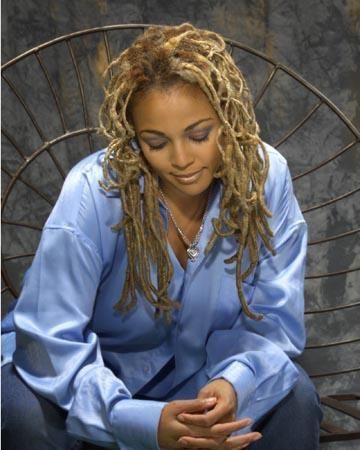
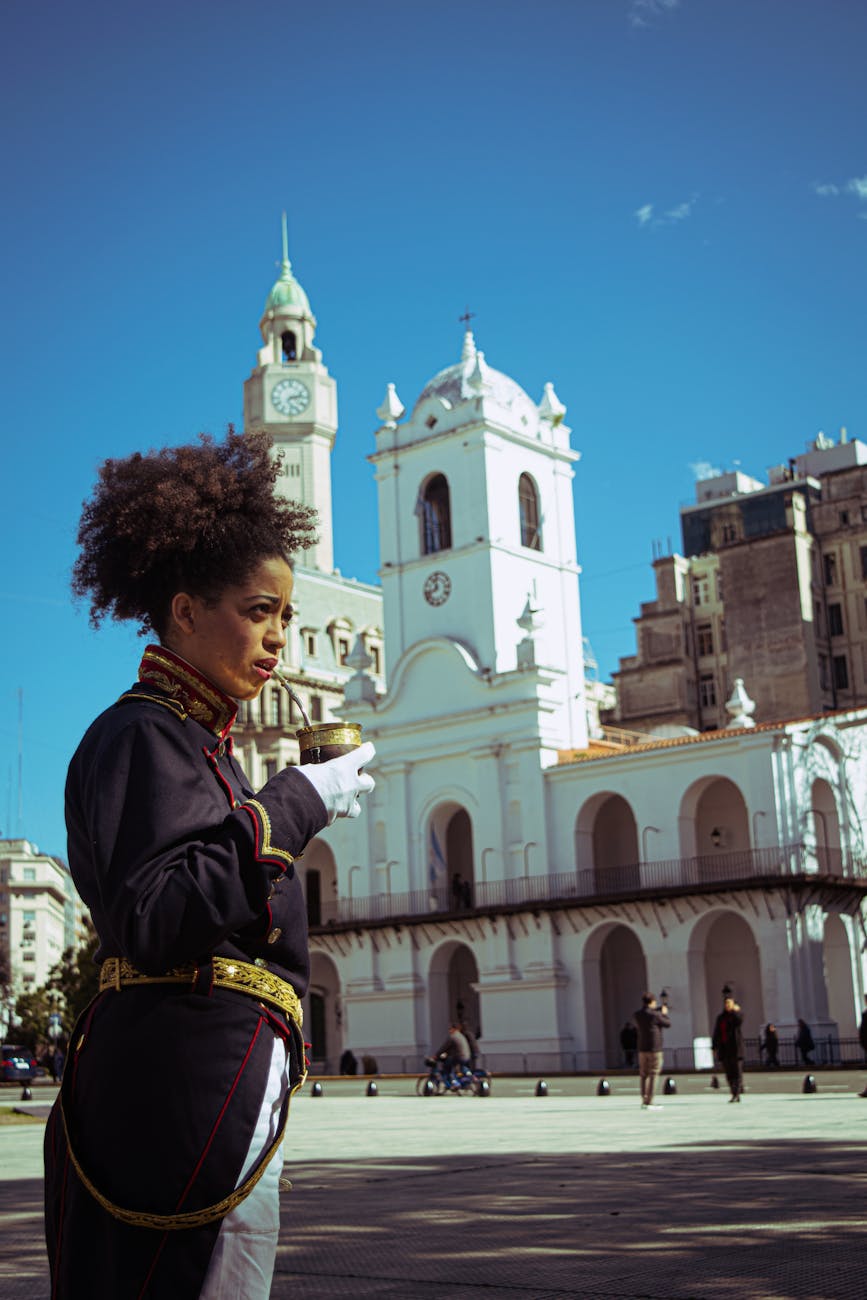
The Brown girl dilemma—the complex interplay of colorism, identity, and self-worth—cannot be understood without examining the historical legacy of colonialism. For centuries, European colonial powers imposed rigid hierarchies that privileged lighter skin, straight hair, and Eurocentric features, associating these traits with intelligence, civility, and social status. Darker-skinned individuals were often dehumanized, labor exploited, and culture denigrated. This systemic privileging of lightness laid the foundation for enduring colorist biases that continue to shape societal standards of beauty and opportunity for Brown girls today (Hunter, 2007).
Colonial narratives infiltrated cultural norms, education, and media, reinforcing the association between light skin and desirability. Literature, visual arts, and folklore frequently depicted lighter-skinned women as virtuous and aspirational, while darker-skinned women were cast as secondary or subservient. Within colonized societies, this created internalized hierarchies where lighter-skinned individuals received preferential treatment in employment, education, and social recognition. Brown girls inherited these dynamics, often navigating environments where their natural features and melanin-rich skin were undervalued (Byrd & Tharps, 2014).
Colorism, the preferential treatment of lighter skin within the same racial or ethnic group, is a direct product of these historical structures. In contemporary societies, Brown girls face pressures to conform to beauty standards rooted in colonial ideals. Skin-lightening products, straightening treatments for natural hair, and fashion trends designed to emulate Western norms exemplify the continued influence of colonial hierarchies. These pressures can produce psychological strain, erode self-esteem, and foster internalized bias among young girls struggling to reconcile their heritage with societal expectations (Hunter, 2007).
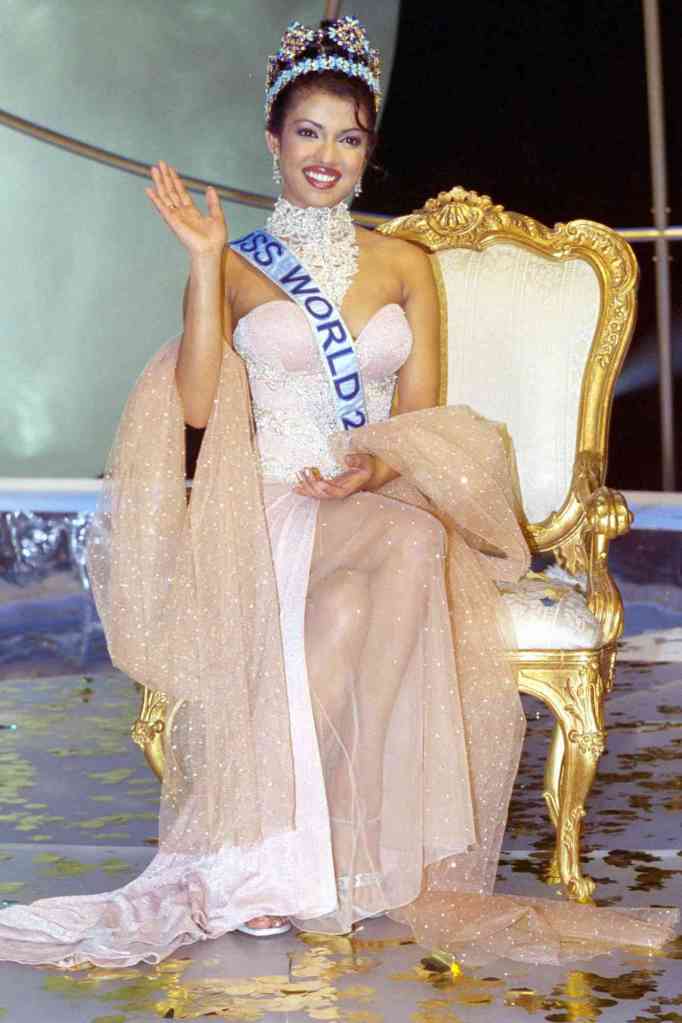
Media representation continues to amplify the dilemma. Hollywood, global advertising, and social media platforms historically elevate lighter-skinned actors, models, and influencers. Figures such as Yara Shahidi, Salli Richardson, and Mari Morrow exemplify this visibility. In contrast, dark-skinned women, despite possessing equally striking features and talent, are often marginalized, reinforcing the message that proximity to whiteness is synonymous with success, beauty, and power. The lack of authentic representation perpetuates the colonial hierarchy in contemporary cultural spaces (Fardouly et al., 2015).
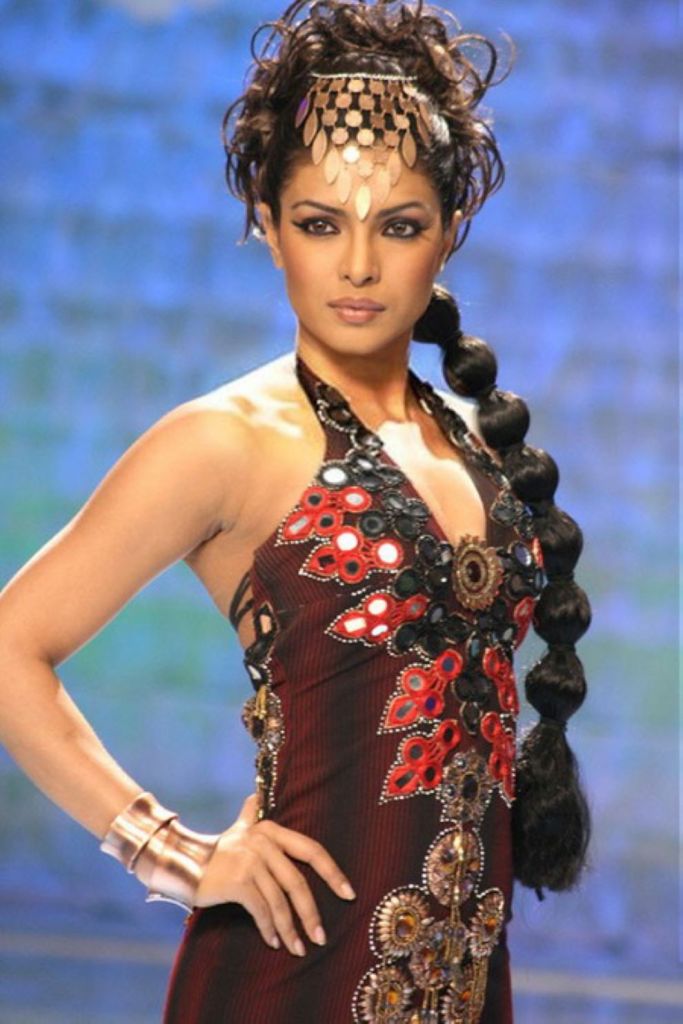
However, resistance and reclamation are reshaping narratives. Dark-skinned icons such as Lupita Nyong’o, Kenya Moore, and Issa Rae challenge Eurocentric ideals by embracing their melanin-rich complexion, natural hair, and culturally rooted aesthetics. Their success demonstrates that beauty, talent, and influence are not confined to colonial constructs of desirability. By centering these figures, Brown girls receive affirming role models who validate their features, heritage, and potential, fostering resilience and pride in their identity (Banks, 2015).
Educational and community initiatives further counteract the colonial legacy. Mentorship programs, culturally responsive curricula, and leadership training equip Brown girls with the skills and confidence to navigate systemic bias. By teaching critical media literacy, celebrating heritage, and providing visibility to accomplished role models, these programs empower young women to challenge historical hierarchies while cultivating self-worth and agency (Hunter, 2007).
Spiritual and ethical grounding offers an enduring corrective lens. Proverbs 31:30 (KJV) teaches, “Favour is deceitful, and beauty is vain: but a woman that feareth the LORD, she shall be praised.” Faith affirms that worth transcends societal or media-driven hierarchies rooted in colonial constructs. By rooting identity in character and divine purpose, Brown girls can resist the pressure to conform to external standards while embracing their natural beauty and potential.
In conclusion, the Brown girl dilemma is a direct legacy of colonialism, manifesting as colorism, limited representation, and internalized bias. Yet through cultural affirmation, mentorship, education, media representation, and spiritual grounding, Brown girls can reclaim agency, redefine beauty, and navigate the world with pride and confidence. Recognizing the historical roots of these challenges is the first step in dismantling them and creating spaces where melanin-rich features, talent, and intellect are fully celebrated.
References
Banks, J. A. (2015). Cultural diversity and education: Foundations, curriculum, and teaching. Routledge.
Byrd, A. D., & Tharps, L. L. (2014). Hair Story: Untangling the Roots of Black Hair in America. St. Martin’s Press.
Fardouly, J., Diedrichs, P. C., Vartanian, L. R., & Halliwell, E. (2015). Social comparisons on social media: The impact of Facebook on young women’s body image concerns and mood. Body Image, 13, 38–45.
Hunter, M. (2007). The persistent problem of colorism: Skin tone, status, and inequality. Sociology Compass, 1(1), 237–254.
This photograph is the property of its respective owner. No copyright infringement intended.
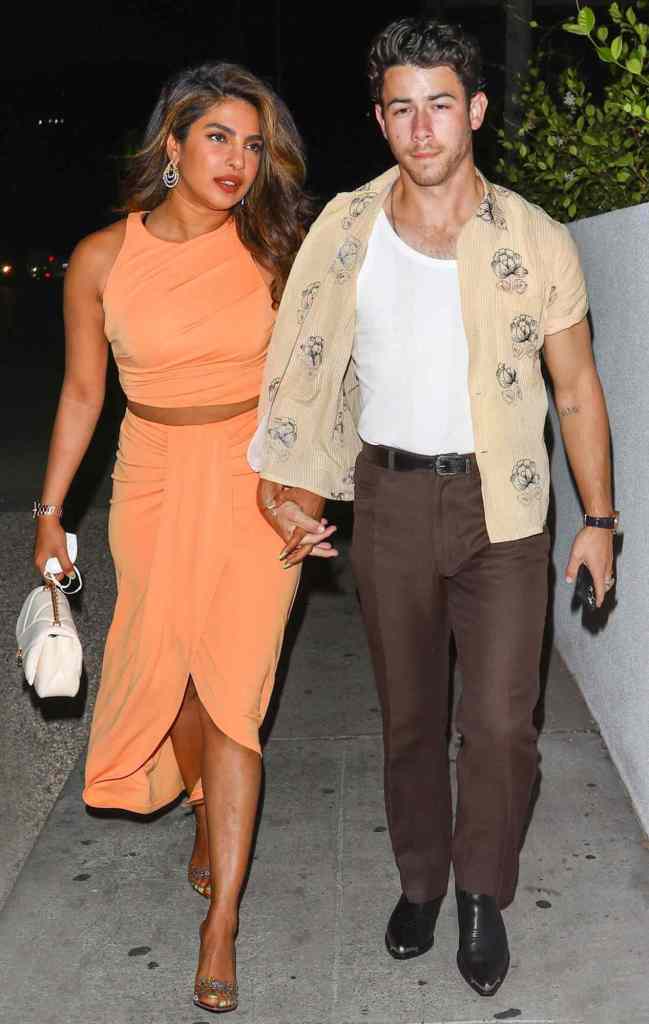
Priyanka Chopra Jonas is one of the most celebrated figures to emerge from India’s entertainment industry and transition successfully into Hollywood. Known for her mesmerizing beauty, intelligence, and fierce determination, she has transcended cultural and cinematic boundaries, becoming a symbol of global Indian excellence. With her captivating eyes, flawless features, and commanding presence, Chopra embodies the allure of what many describe as the “exotic Indian beauty” — timeless, radiant, and powerful.
Born on July 18, 1982, in Jamshedpur, Bihar (now Jharkhand), India, Priyanka Chopra grew up in an army household, which meant constant relocation and exposure to diverse cultures across India. This nomadic upbringing shaped her adaptability and confidence. Educated in both India and the United States, she was a bright student who initially aspired to study engineering or psychiatry. Her life took a dramatic turn when she entered the world of beauty pageants, ultimately capturing the Miss World crown in 2000 — a victory that catapulted her into the spotlight overnight.
This photograph is the property of its respective owner. No copyright infringement intended.
Her Miss World win marked the beginning of an illustrious career. Priyanka’s beauty was often described as “regal yet approachable,” her almond-shaped brown eyes often noted as her most striking feature. In India, she was hailed as a national treasure — the perfect blend of modernity and tradition. The Bollywood industry quickly embraced her, recognizing not only her looks but also her immense potential as a performer.
Priyanka’s entry into Bollywood began with the 2003 film The Hero: Love Story of a Spy, followed by her breakout performance in Andaaz (2003), for which she won the Filmfare Award for Best Female Debut. Her versatility became evident as she took on diverse roles, from romantic comedies to action thrillers. Audiences admired her charisma and screen presence, describing her as both glamorous and grounded — a rare combination in the Indian film industry.
The year 2008 marked a turning point in her career with Fashion, directed by Madhur Bhandarkar. Playing the role of Meghna Mathur, a small-town girl navigating the ruthless world of high fashion, Priyanka delivered one of the most powerful performances of her career. The film not only won critical acclaim but also earned her the National Film Award for Best Actress, solidifying her position as one of Bollywood’s finest talents.
Fashion 2008. This photograph is the property of its respective owner. No copyright infringement intended.
Her portrayal in Fashion was hailed as bold and transformative. Critics praised her for breaking stereotypes about female-led films in India. It was a defining moment that proved she was not just another beauty queen but a serious actress capable of carrying a film on her shoulders. Fashion also symbolized her personal philosophy — to reinvent herself continuously and rise stronger from every fall.
Following Fashion, Chopra delivered memorable performances in films such as Kaminey (2009), 7 Khoon Maaf (2011), Barfi! (2012), and Mary Kom (2014). Her ability to embody a wide range of characters earned her several awards, including five Filmfare Awards and numerous international honors. In Barfi!, she portrayed an autistic woman with depth and sensitivity, earning global recognition for her emotional range and commitment to complex roles.
Priyanka’s ambition extended beyond Bollywood. In 2015, she made history as the first South Asian woman to headline an American television series, starring as Alex Parrish in ABC’s Quantico. The role showcased her strength, intelligence, and allure to a global audience, earning her the People’s Choice Award — another first for an Indian actress. Her transition to Hollywood was seen as groundbreaking, symbolizing a cultural bridge between East and West.
This photograph is the property of its respective owner. No copyright infringement intended.
In Hollywood, she continued to expand her repertoire with roles in films like Baywatch (2017), Isn’t It Romantic (2019), and The Matrix Resurrections (2021). Priyanka’s success in both industries demonstrated her adaptability and tenacity. Hollywood insiders often described her as a “global powerhouse” — an artist who commands attention not merely for her looks, but for her intelligence and presence.
Priyanka’s beauty remains one of her most discussed attributes. Her skin tone, eyes, and classic features have inspired discussions on representation and inclusivity in Western media. She has often used her platform to challenge stereotypes about Indian women and advocate for diversity in entertainment. Her elegance and confidence have made her a red-carpet favorite at the Met Gala, the Oscars, and Cannes.
Her love story with American singer Nick Jonas captivated the world. The couple first met in 2017 at the Vanity Fair Oscars afterparty, where Jonas reportedly fell in love at first sight. After a year of dating, they married in December 2018 in a lavish ceremony at the Umaid Bhawan Palace in Jodhpur, blending Hindu and Christian traditions. Their union was celebrated globally as a symbol of cultural harmony and modern love.
This photograph is the property of its respective owner. No copyright infringement intended.
The Chopra-Jonas marriage also sparked widespread admiration for how the couple balances their cultural differences with mutual respect. Nick Jonas often praises Priyanka’s intelligence, work ethic, and sense of humor, while she affectionately calls him her “cheerleader.” Together, they represent a merging of East and West, tradition and modernity.
Priyanka’s influence extends beyond film. She has been a UNICEF Goodwill Ambassador since 2010, advocating for children’s rights, gender equality, and education. Her humanitarian work reflects the same passion and discipline she brings to her acting career. In 2016, Time magazine named her one of the 100 most influential people in the world, and Forbes consistently listed her among the highest-paid actresses globally.
Her entrepreneurial ventures include her haircare brand Anomaly, which emphasizes clean beauty and inclusivity. She is also a published author; her memoir Unfinished (2021) offers an intimate look into her journey, struggles, and triumphs. The book became a bestseller, further cementing her status as a multifaceted global figure.
In both Bollywood and Hollywood, people describe Priyanka as disciplined, ambitious, and fearless. Industry peers admire her for breaking barriers and representing India on a world stage with dignity. In Bollywood, she is remembered as one of the last true “movie stars,” while in Hollywood, she is respected as a cultural trailblazer.
Priyanka’s career has redefined what it means to be an Indian actress in a globalized world. Her ability to navigate different cultures, languages, and cinematic traditions makes her one of the most versatile and influential artists of her generation. She stands as a beacon for women of color striving to succeed in industries historically dominated by Western ideals of beauty and stardom.
Beyond fame, Priyanka remains grounded in her roots. She frequently expresses pride in her Indian heritage and continues to celebrate her culture through fashion, film, and philanthropy. Her journey from Miss World to international superstar illustrates the power of resilience, reinvention, and purpose.
Today, Priyanka Chopra Jonas represents far more than glamour — she symbolizes empowerment, diversity, and global unity. Her beauty may have opened doors, but it is her determination, intelligence, and heart that keep them open. Through her art, activism, and authenticity, she continues to inspire millions around the world. Priyanka Chopra is often described metaphorically as an “Indian doll” because of her striking beauty, polished poise, and global elegance—qualities that blend classical Indian femininity with modern cosmopolitan power. The term, when used respectfully, reflects admiration for her refined features, expressive eyes, symmetrical face, and statuesque presence that photographs and films with remarkable grace.
References
Bhandarkar, M. (Director). (2008). Fashion [Film]. UTV Motion Pictures.
Chopra Jonas, P. (2021). Unfinished: A Memoir. Ballantine Books.
Filmfare Awards Archives. (2024). Priyanka Chopra Jonas Awards and Nominations. Filmfare.
TIME Magazine. (2016). 100 Most Influential People: Priyanka Chopra.
This photograph is the property of its respective owners. No infringement intended.
“It’s easier to be President of the United States as a Black person than to be head of a studio.” — Spike Lee, Governors Awards speech (2015).
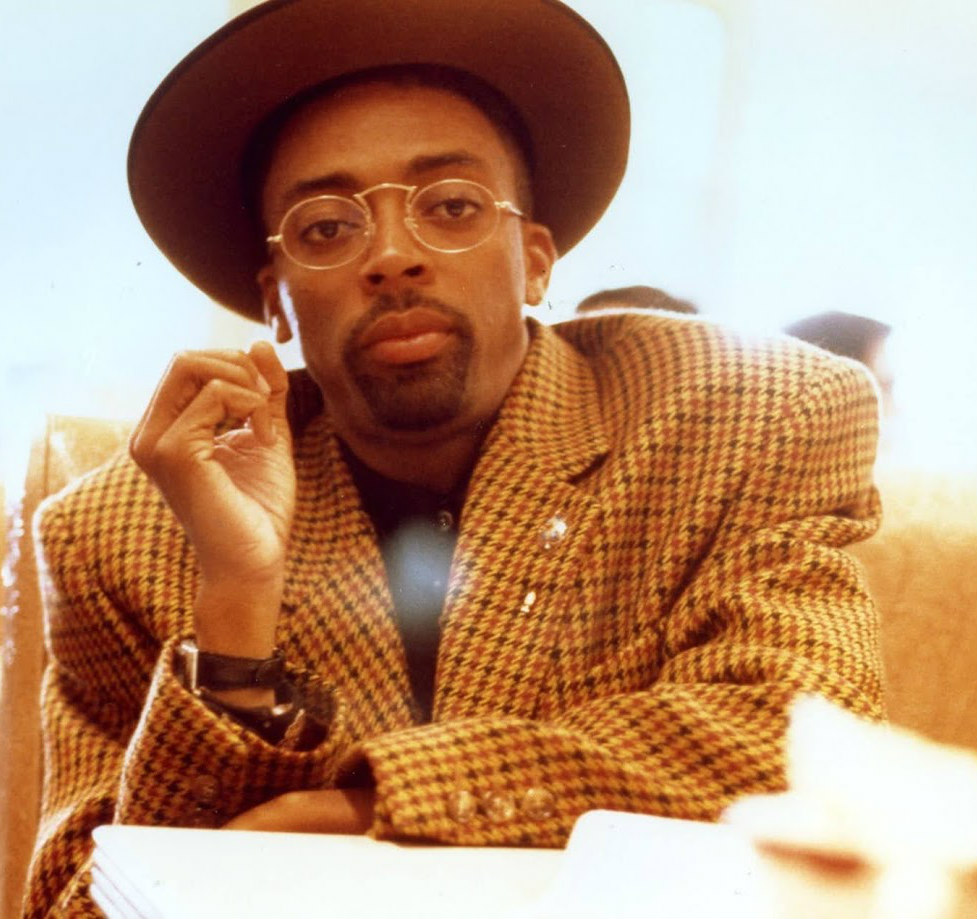
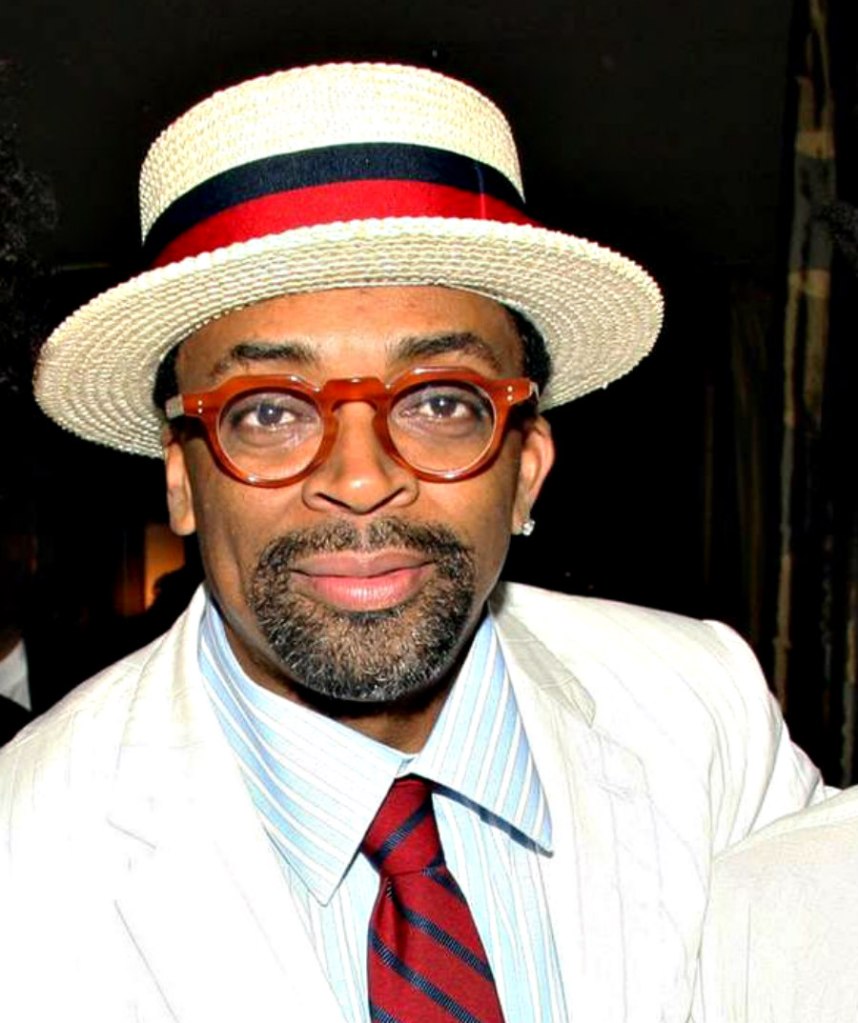
Spike Lee is more than a filmmaker—he is the cinematic conscience of Black America. For nearly five decades, he has not only told stories but demanded that America listen to the voices it tried to silence. In the Black community of film, Lee stands as the best of the best because he refuses to separate artistry from accountability. His lens does not flatter injustice, nor does it dilute Black experience for mainstream comfort. Instead, it exposes truth with bold color, sharp dialogue, and uncompromising honesty. Where Hollywood often built walls, Lee carved doorways for others to walk through, ensuring that Denzel Washington, Samuel L. Jackson, and countless others could shine. His work reminds us that the measure of greatness is not only found in awards, but in how deeply one reshapes culture. Spike Lee is not just a director—he is a griot with a camera, a keeper of memory, and a visionary who has transformed film into a battleground for justice and a sanctuary for Black creativity.
Shelton Jackson “Spike” Lee, born on March 20, 1957, in Atlanta, Georgia, is widely recognized as one of the most influential filmmakers of the modern era. His career has been defined by an unwavering commitment to telling stories about race, justice, culture, and community. Lee studied at Morehouse College before earning his Master of Fine Arts in Film Production at New York University’s Tisch School of the Arts, where his student thesis film Joe’s Bed–Stuy Barbershop: We Cut Heads (1983) won a Student Academy Award. Soon after, he established his own production company, 40 Acres and a Mule Filmworks, a hub for creating authentic and unapologetically Black narratives. Married to producer and author Tonya Lewis Lee since 1993, Spike Lee is also a father of two children, Satchel and Jackson, who continue his family legacy of creativity and activism.
Spike Lee’s first feature-length film, She’s Gotta Have It (1986), was a breakthrough in independent cinema. Produced on a micro-budget of $175,000 and filmed in just 12 days, it grossed over $7 million at the box office. The story centered on Nola Darling, a sexually independent Brooklyn artist navigating relationships on her own terms. At a time when mainstream films rarely depicted such complex portrayals of Black women, Lee broke new ground in both narrative and representation. The film’s success not only launched his career but also cemented him as an innovative voice in American cinema.
Nearly five decades into his career, Spike Lee has directed films that dissect the nuances of race and American identity. His 1988 film School Daze drew directly from his experiences at Morehouse College and explored colorism, classism, and cultural hierarchies within the Black community. The following year, he directed Do the Right Thing (1989), inspired by the racially charged Howard Beach incident of 1986 and his observations of racial tension in New York City. Set during a sweltering Brooklyn summer, the film captures how ordinary frustrations can explode into violence under systemic injustice. These works positioned Lee as a truth-teller whose films function both as social critique and as artistic expressions of Black life.
Despite his success, Lee has faced persistent barriers in Hollywood, particularly in securing funding for his films. He has consistently spoken out about the racism and exclusion that plague the industry. In his 2015 Governors Awards speech, he remarked that it was “easier for a Black person to be President of the United States than to head a studio.” His decision to boycott the 2016 Oscars in solidarity with the #OscarsSoWhite movement reflected his long-standing critique of Hollywood’s failure to embrace diversity. For Lee, filmmaking has never been simply about entertainment—it has been a vehicle to confront injustice.
Lee’s inspirations are diverse, ranging from his upbringing in Brooklyn to his academic years at historically Black colleges, and the broader African American struggle for equality. His most enduring creative partnership has been with Denzel Washington, whom he cast in several landmark films including Mo’ Better Blues (1990), Malcolm X (1992), He Got Game (1998), and Inside Man (2006). Washington has praised Lee for opening doors for Black actors and redefining what representation in film could look like. Other frequent collaborators include Samuel L. Jackson, Delroy Lindo, Giancarlo Esposito, John Turturro, cinematographer Ernest Dickerson, and composer Terence Blanchard.
Actors who have worked with Lee consistently describe him as a visionary director who challenges them to give their best performances. Denzel Washington, introducing Lee at the 2015 Governors Awards, emphasized that Lee’s commitment to truth-telling has not only elevated his actors but has reshaped the landscape of American cinema. Many in Hollywood acknowledge that Lee’s films helped pave the way for a generation of Black filmmakers who now have greater opportunities to tell their own stories.
Over the course of his career, Spike Lee has been honored with numerous awards and accolades. He won the Academy Award for Best Adapted Screenplay for BlacKkKlansman (2019) and received an Honorary Oscar in 2015. He has also earned the Cannes Grand Prix, BAFTA Awards, two Primetime Emmy Awards for his documentary When the Levees Broke (2006), Peabody Awards, and the U.S. National Medal of Arts (2023). These honors are testaments to his artistry and his role as a cultural historian, documenting America’s triumphs and its deepest wounds through film.
Today, Spike Lee remains a force in Hollywood and beyond. His films continue to spark dialogue about racism, identity, and justice while celebrating Black resilience and creativity. His influence extends not only through his work but also through the countless artists he has mentored and inspired. For Lee, filmmaking has always been about more than the screen—it has been about shifting consciousness.
Feature Filmography (Director/Filmmaker)
1980s
She’s Gotta Have It (1986)
School Daze (1988)
Do the Right Thing (1989)
1990s
Mo’ Better Blues (1990)
Jungle Fever (1991)
Malcolm X (1992)
Crooklyn (1994)
Clockers (1995)
Get on the Bus (1996)
He Got Game (1998)
Summer of Sam (1999)
2000s
Bamboozled (2000)
25th Hour (2002)
She Hate Me (2004)
Inside Man (2006)
Miracle at St. Anna (2008)
2010s
Red Hook Summer (2012)
Oldboy (2013)
Da Sweet Blood of Jesus (2014)
Chi-Raq (2015)
BlacKkKlansman (2018)
2020s
Da 5 Bloods (2020)
(In addition to feature films, Lee has directed numerous documentaries, including 4 Little Girls (1997), When the Levees Broke (2006), and If God Is Willing and da Creek Don’t Rise (2010).)
Selected Awards and Honors
Academy Awards (Oscars)
Winner: Best Adapted Screenplay – BlacKkKlansman (2019)
Honorary Oscar (2015)
Nominations: Best Director (BlacKkKlansman), Best Original Screenplay (Do the Right Thing)
Cannes Film Festival
Grand Prix: BlacKkKlansman (2018)
BAFTA Awards
Best Adapted Screenplay – BlacKkKlansman (2019)
Primetime Emmy Awards
Two wins for When the Levees Broke (2007)
Peabody Awards
Multiple awards including for When the Levees Broke
National Medal of Arts
Awarded by the U.S. Government (2023)
References
Cannes Film Festival. (2018). Grand Prix winners. Retrieved from [festival-cannes.com]
Lee, S. (2015). Governors Awards acceptance speech. Academy of Motion Picture Arts and Sciences.
NYU Tisch School of the Arts. (2020). Alumni achievements: Spike Lee. Retrieved from [tisch.nyu.edu]
Oscars.org. (2019). Spike Lee wins Best Adapted Screenplay for BlacKkKlansman. Retrieved from [oscars.org]
Smith, J. (2019). The films of Spike Lee: A cultural critique. Journal of Film Studies, 45(2), 122–138.
Washington, D. (2015). Tribute to Spike Lee at the Governors Awards. Academy of Motion Picture Arts and Sciences.
Young, S. (2023). Spike Lee awarded National Medal of Arts. The New York Times.
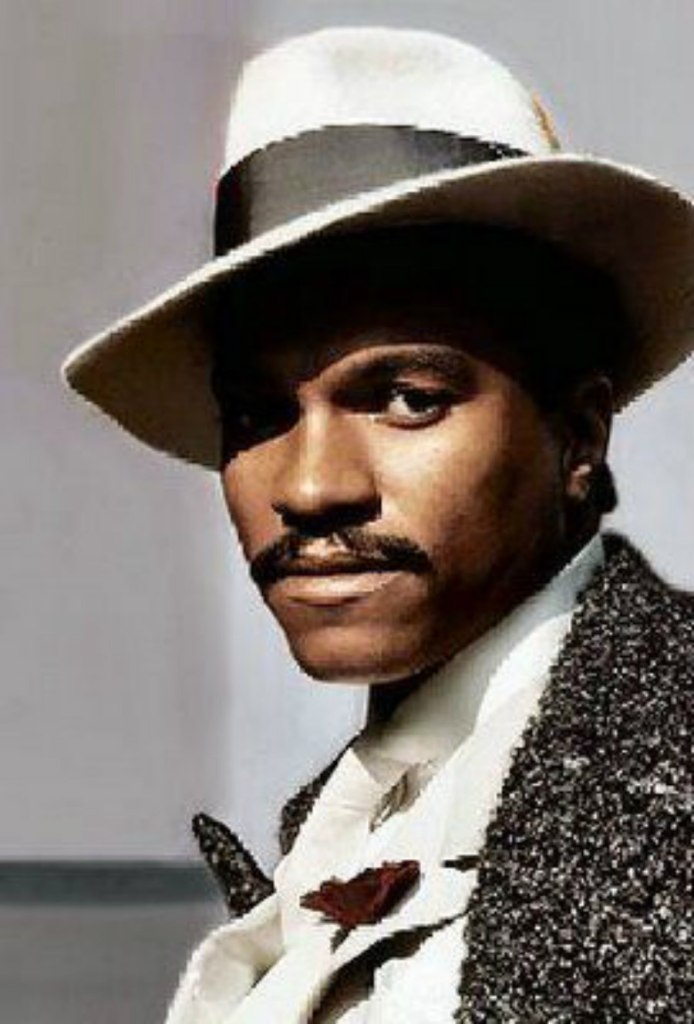
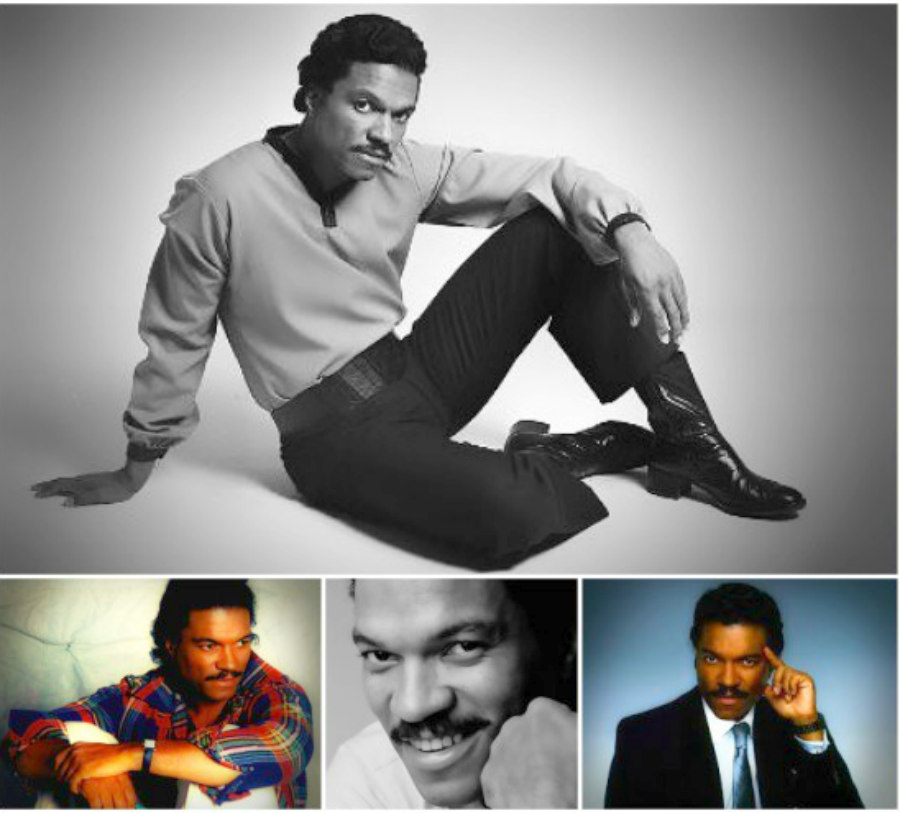
The Most Handsome, Suave, Cool, and Charismatic Black Actor to ever grace the Silver Screen.
This photograph is the property of its respective owner.
“Suave was redefined the moment he walked into a room. That voice, that smile, that presence—Billy Dee wasn’t just a heartthrob, he was a whole genre of cool.”
Introduction: The Gentleman of Desire
Before the era of social media heartthrobs, abs-driven selfies, and designer drip, there was Billy Dee Williams—an actor whose very presence on screen sent pulses racing and redefined Black masculinity for generations. With his caramel-hued velvety skin, deep-set almond eyes, and that now-legendary “come hither” smile, Billy Dee was more than handsome—he was hypnotic. His voice? A smooth, seductive baritone dipped in brown liquor and jazz smoke, as unforgettable as his on-screen swagger.
With his caramel-toned skin, bedroom eyes, and a voice as smooth as jazz, Billy Dee Williams was more than just a handsome face—he was an icon of sophistication. Possessing a magnetic screen presence, his roles blended elegance and edge, charm and command. Whether donning a finely tailored suit or delivering lines with velvety poise, Williams captivated audiences with a rare combination of classic Hollywood glamour and unapologetic Black excellence. From romantic dramas to intergalactic adventures, he brought style, strength, and seduction to every frame he graced. A trailblazer for generations of Black leading men, Billy Dee made being suave look effortless—and unforgettable.
He was the epitome of elegance—a handsome devil, as fans and critics often called him, whose sensual restraint made desire simmer rather than explode. His style, grace, and natural charm gave the leading men of the 1970s and ’80s a run for their money—and would still outshine many of today’s stars.
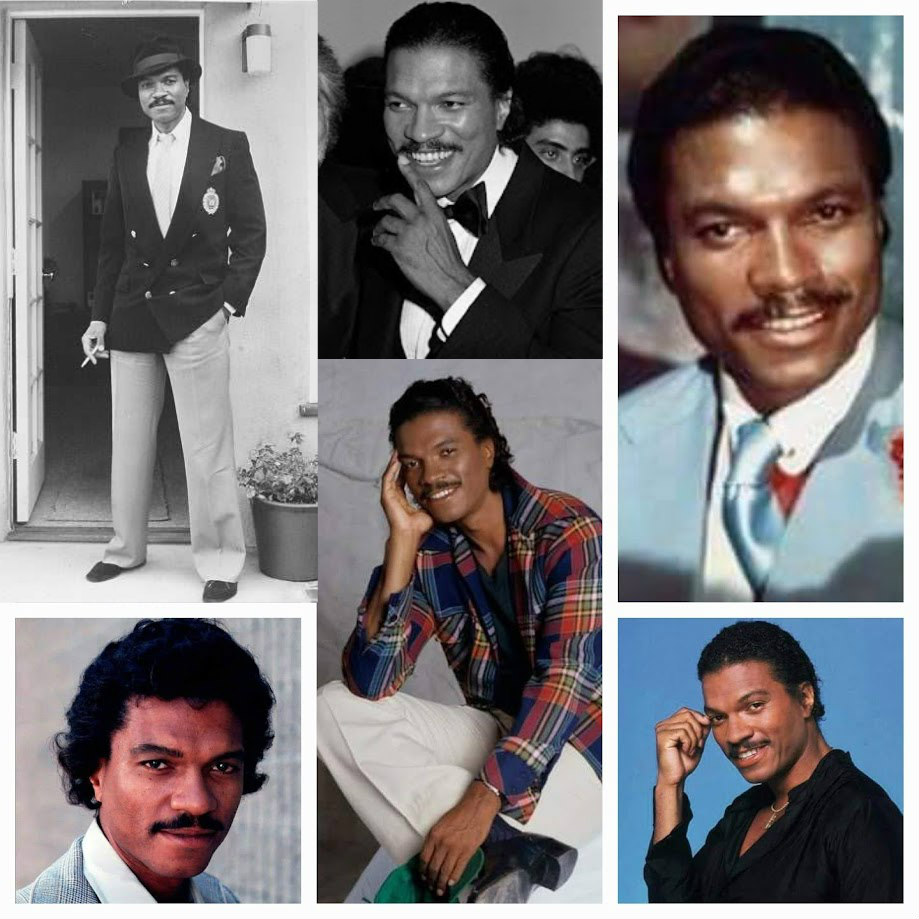
These photographs are the property of their respective owners.
Quotes from Admirers
“There was Denzel, there was Sidney… but there was only one Billy Dee.” – Quincy Jones
“His voice alone could seduce a nation.” – Angela Bassett
“He made us believe in love on screen. Real, grown, complicated love.” – Diana Ross
Early Life and Beginnings
William December “Billy Dee” Williams Jr. was born (has a twin sister) on April 6, 1937, in Harlem, New York, to Loretta Anne, an elevator operator at the Schubert Theatre, and William Sr., a caretaker and aspiring musician. With roots in African-American, West Indian, and Native American ancestry, Billy Dee’s rich cultural heritage imbued him with both classic beauty and a regal air.
He graduated from LaGuardia High School of Music & Art and studied at the prestigious National Academy of Fine Arts and Design, originally pursuing a career in visual arts before making a pivot to the stage and screen.
Rise to Stardom and Breakout Roles
Billy Dee’s breakthrough came with the 1971 television movie “Brian’s Song,” in which he portrayed NFL star Gale Sayers alongside James Caan. The role earned him a Primetime Emmy nomination and established him as a serious actor with emotional depth and romantic appeal.
But it was in “Lady Sings the Blues” (1972), opposite Diana Ross, that Billy Dee became a certified sex symbol. Playing the smooth-talking Louis McKay, he delivered the now-iconic line to Ross, “Do you want my arm to fall off?”—a moment that oozed suave seduction. That line—and the way he said it—became cinematic shorthand for Black male romantic allure.
The Aesthetic of Desire: His Iconic Look
Billy Dee’s beauty wasn’t just physical—it was dimensional.
These photographs are the property of their respective owners.
Skin: A warm, glowing brown, reminiscent of sunlit caramel, always perfectly lit by the camera.
Smile: Disarming, confident, and suggestive—a “come hither” look that made audiences lean in.
Voice: Silky, deep, and debonair. That “d’o-demere” voice (as one fan affectionately mispronounced “debonair”) added to his mystique.
Style: Whether in a tuxedo, a cape (as Lando Calrissian), or a simple three-piece suit, his fashion sense exuded classic Hollywood elegance with unapologetic Black pride.
Women swooned, men imitated, and Hollywood finally had a Black male romantic lead who didn’t have to be aggressive, comedic, or stereotyped to hold the screen.
Celebrated Roles and Legacy
Billy Dee Williams has appeared in over 90 film and television projects across his career, including iconic roles in “Lady Sings the Blues” (1972) and as Lando Calrissian in the Star Wars franchise.
Some of Billy Dee’s most iconic roles include:
Louis McKay in Lady Sings the Blues (1972)
Brian’s Song (1971) – A tender, groundbreaking portrayal of interracial friendship
Gale Sayers in the TV movie Brian’s Song
Lando Calrissian in Star Wars: The Empire Strikes Back (1980) and Return of the Jedi (1983)
Berry Gordy’s Mahogany (1975) – Again paired with Diana Ross
Nighthawks (1981) with Sylvester Stallone
He is particularly remembered for Lando Calrissian, the cape-wearing, galaxy-hopping smooth-talker who brought charm and charisma to the Star Wars universe—a role he reprised in The Rise of Skywalker (2019), proving his ageless appeal.
His favorite performance? Billy Dee has often said that Brian’s Song and Lady Sings the Blues held deep personal meaning—stories about love, loss, and dignity.
Awards and Recognition
NAACP Image Award (multiple wins)
Hollywood Walk of Fame Star (1985)
Primetime Emmy Nomination for Brian’s Song
Honored by Ebony, Jet, and Essence throughout the 1970s and ’80s as one of the “Most Beautiful Black Men in America.”
Ebony Magazine once called him “The Face of Black Sophistication.” Diana Ross described him as “so smooth, he made the screen melt.”
Racism, Respect, and Representation
Billy Dee was a leading Black man in an era that rarely allowed for them. He once shared, “There weren’t many roles where a Black man could be dignified, romantic, and powerful without being stereotyped. I fought for that image.”
He challenged Hollywood’s limited narrative—presenting the Black man as a lover, a hero, and a gentleman.
Love Life, Family, and Legacy
Billy Dee has been married three times, most famously to Teruko Nakagami, a Japanese-American actress and model. They have one daughter, Hanako, and he has a son, Corey Dee Williams, from a previous relationship.
While not publicly known for romantic scandals, he’s long been admired for his respectful relationships, discretion, and dignified image.
Who did he have a crush on? Rumors swirled about his admiration for Lena Horne, whom he called “the epitome of grace and allure.”
Commercials and Endorsements
In the 1980s, Billy Dee became the face of Colt 45 Malt Liquor, delivering the famously smooth tagline: “It works every time.”
While the ad campaign was commercially successful, it also drew criticism for its alignment with alcohol marketing. Nevertheless, it further cemented his image as the “coolest man alive.”
He also endorsed products for Mennen, Schick razors, and fashion brands who wanted to capture his stylish persona.
Where Is He Now?
Now in his late 80s, Billy Dee Williams remains active in voice acting, public appearances, and conventions. He reprised his Lando role in Star Wars: The Rise of Skywalker (2019) and voiced characters in animated series.
In 2019, he caused a stir by referring to himself as using “he/him and she/her pronouns” to describe his emotional duality—sparking conversations about identity, masculinity, and expression. He later clarified he was referring to his balance of energies, not gender fluidity, but praised the younger generation’s openness.
Conclusion: A Living Monument of Black Elegance
Billy Dee Williams wasn’t just beautiful—he was cinematic alchemy. The type of man who made time pause, who made women blush and men reassess their approach. He showed us that Black men could be more than what the world limited them to. He was a lover, a thinker, a prince of style and sensuality.
As Ebony once put it: “Billy Dee didn’t just change the screen—he changed the way Black men were seen.”
References
Bassett, A. (2016). Interview with Angela Bassett on Black icons in Hollywood. Essence Magazine. https://www.essence.com
Ebony Magazine. (1972, October). Hollywood’s smoothest Black leading man: Billy Dee Williams lights up the screen. Ebony, 27(12), 72–76.
Jet Magazine. (1980, April 7). Billy Dee Williams: The man, the myth, the mustache. Jet, 59(15), 20–23.
Jones, Q. (1994). Q: The Autobiography of Quincy Jones. New York: Doubleday.
Ross, D. (1993). Secrets of a diva: Diana Ross on life, love, and legends. Interview by Ebony, reprinted in Classic Soul Interviews. Johnson Publishing.
Smith, J. (2020). The elegance of Black masculinity: Billy Dee Williams and the politics of suave. Journal of Black Cinema and Culture, 12(1), 35–48.
Vanity Fair. (2019, November 27). Billy Dee Williams discusses gender fluidity, love, and his return to Star Wars. Retrieved from https://www.vanityfair.com
Williams, B. D. (2016). Lights, Camera, Legacy: A Conversation with Billy Dee Williams. NPR Interviews. Retrieved from https://www.npr.org
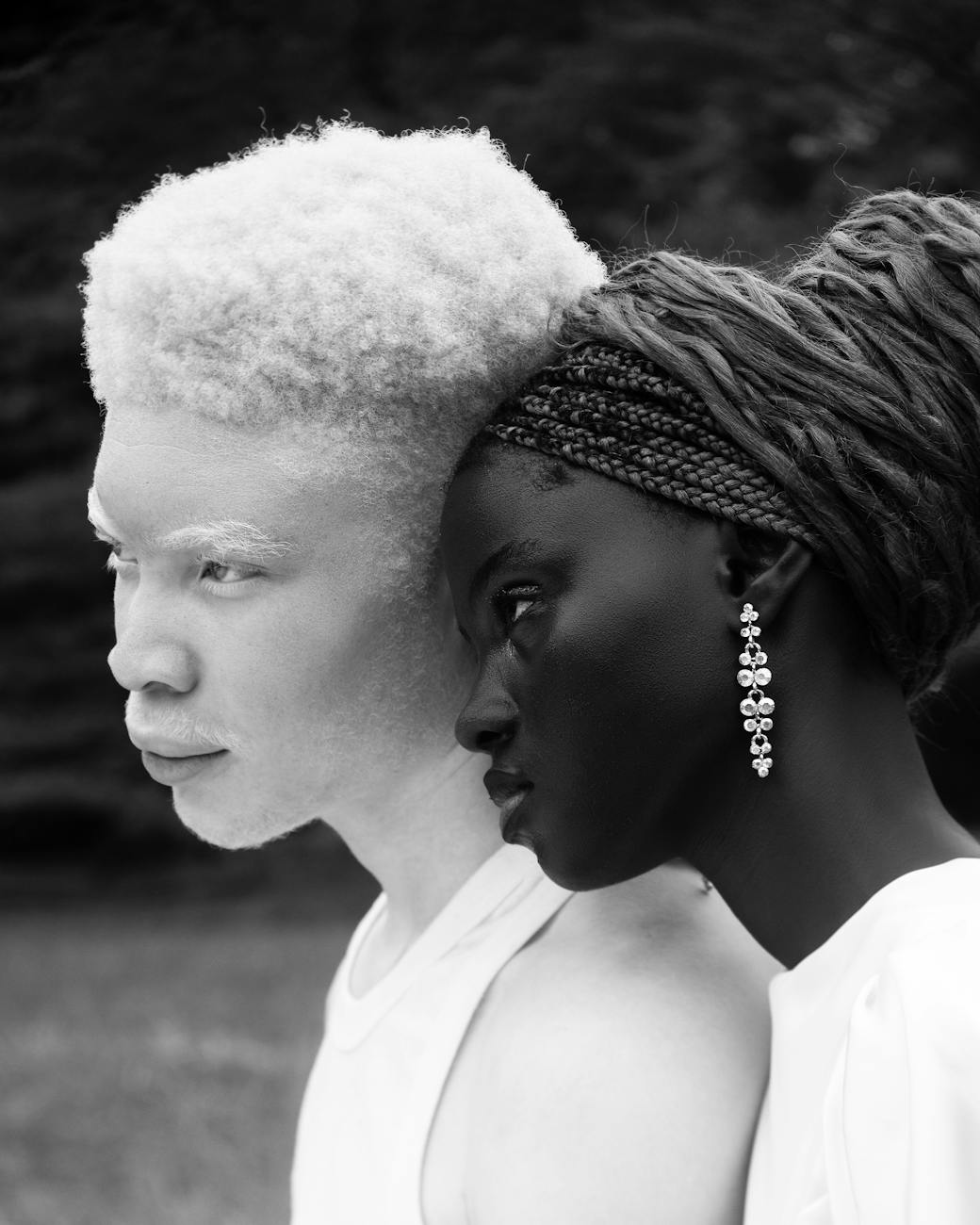
Lightism and shadeism are two interrelated forms of intra-racial discrimination that privilege lighter skin tones over darker complexions within communities of color, particularly in the African diaspora. While racism is externally imposed by systemic white supremacy, lightism and shadeism are internalized hierarchies that reflect colonial legacies and Eurocentric beauty standards. These ideologies affect not only personal identity and self-worth but also professional advancement, media representation, and spiritual narratives. This essay explores the definitions and consequences of lightism and shadeism, their specific impact on the Black community, Hollywood, and the workforce, as well as the lived experiences of two Black actresses. It further examines the “Brown Girl Dilemma” and draws upon biblical insights, particularly from the King James Version of the Bible, to explain the historical mistreatment of Black people.
Defining Lightism and Shadeism
Lightism refers to the preferential treatment of individuals with lighter skin tones, especially within the same racial or ethnic group. It is a manifestation of colonial ideology, deeply rooted in the systemic privileging of whiteness (Hunter, 2007). Shadeism, a term often used interchangeably with colorism, specifically denotes discrimination based on the darkness or lightness of one’s skin within a racial group. While both terms are often synonymous, “lightism” implies an aspirational tilt toward whiteness, whereas “shadeism” emphasizes the gradient of privilege or marginalization based on skin tone.
These ideologies are not mere aesthetic preferences; they are tools of social stratification that reinforce European standards of beauty, intelligence, and civility, ultimately dividing Black communities internally (Russell, Wilson, & Hall, 1992).
The Impact on the Black Community, Hollywood, and the Workforce
In the Black community, shadeism contributes to a deeply entrenched psychological struggle—light-skinned individuals may experience privilege and acceptance, while dark-skinned individuals often face rejection, hypersexualization, and dehumanization. These dynamics sow seeds of division, low self-esteem, and generational trauma (Wilder, 2010).
In Hollywood, lightism and shadeism are visibly apparent. Lighter-skinned Black actors and actresses have historically received more prominent roles, romantic leads, and endorsement deals. Dark-skinned actors, especially women, are often relegated to stereotypical roles or excluded entirely. The casting of biracial or lighter-complexioned actresses to portray historically dark-skinned figures—such as Nina Simone—demonstrates how this bias distorts cultural memory and representation.
In the workforce, these biases translate to employment discrimination. Research has shown that lighter-skinned African Americans are more likely to be hired, earn higher salaries, and attain leadership positions than their darker-skinned counterparts—even when qualifications are equal (Goldsmith, Hamilton, & Darity, 2007). This disparity stems from the perception that lighter skin aligns more closely with white norms, which are often unconsciously upheld in hiring practices and workplace culture.
Actresses and the Reality of Shadeism
Two actresses who personify the lived reality of shadeism are Viola Davis and Zendaya.
Viola Davis, a dark-skinned, classically trained actress, has spoken openly about how her complexion limited her roles in Hollywood. Despite her immense talent, she was frequently cast in roles that emphasized suffering or servitude. In an interview with The New York Times, Davis remarked: “If I wanted to play the role of a romantic lead or a beautiful woman, I would need to be 10 to 15 shades lighter” (Dargis, 2016). Her Emmy-winning performance in How to Get Away with Murder was groundbreaking not only for its complexity but because it gave a dark-skinned woman a leading role traditionally denied to her.
Zendaya, who identifies as biracial, has acknowledged her privilege as a lighter-skinned Black woman. She once stated, “As a light-skinned Black woman, it’s important that I use my privilege and platform to show you how much beauty there is in the African-American community” (Essence, 2018). While her success is undeniable, Zendaya’s visibility also raises critical questions about how often Hollywood defaults to lighter-skinned actors to represent the full spectrum of Black identity.
The Brown Girl Dilemma
The Brown Girl Dilemma is the psychological and emotional conflict faced by darker-skinned Black women navigating societal and intra-racial rejection. This dilemma often includes feelings of invisibility, self-doubt, and the need to overcompensate for perceived deficits in beauty or femininity. It reflects not only internalized racism but also systemic barriers that silence and marginalize darker-skinned women in media, education, and relationships (Jones, 2000).
Spiritual Dimensions: The Biblical Explanation
From a Hebraic-Israelite perspective, many Black scholars and faith-based researchers argue that the mistreatment of Black people is not only social but spiritual. According to the King James Bible, the curses outlined in Deuteronomy 28—including captivity, degradation, and economic disenfranchisement—are often interpreted as prophetic indicators of the identity and suffering of the true children of Israel.
“The stranger that is within thee shall get up above thee very high; and thou shalt come down very low” (Deuteronomy 28:43, KJV). “Thy sons and thy daughters shall be given unto another people, and thine eyes shall look, and fail with longing for them all the day long” (Deuteronomy 28:32, KJV).
This theological lens asserts that Black people are experiencing divine chastisement for their ancestors’ disobedience and idolatry. However, this same scripture also promises restoration and healing if obedience to divine law is restored.
Quotes and Testimonies
Malcolm X once said, “Who taught you to hate the color of your skin? Who taught you to hate the texture of your hair?”—an indictment of internalized racism and lightism.
Lupita Nyong’o, an Oscar-winning actress, stated: “I grew up thinking light skin was more beautiful… until I saw a dark-skinned model who looked like me. Representation matters.” (Black Women in Hollywood, 2014)
How Can the Black Community Overcome Lightism and Shadeism?
Reeducation: Promote historical and cultural education that affirms African aesthetics and dismantles Eurocentric beauty ideals.
Representation: Amplify diverse Black voices in media, literature, and film to normalize and celebrate all shades of Blackness.
Theological Reconnection: Re-examine spiritual identity through a biblical lens that acknowledges both past transgressions and future redemption.
Collective Healing: Foster intergenerational dialogue and healing spaces to address trauma related to colorism.
Policy and Practice: Implement anti-colorism awareness in hiring practices, school curriculums, and workplace diversity training.
Conclusion
Lightism and shadeism remain pervasive and insidious forms of discrimination within the Black community, reinforced by colonialism, capitalism, and cultural amnesia. The experiences of actresses like Viola Davis and Zendaya highlight how these hierarchies operate even among the most visible. By confronting the “Brown Girl Dilemma,” revisiting the biblical roots of oppression, and reclaiming identity through faith, education, and solidarity, Black people can transcend these barriers. True liberation begins when all shades of Blackness are affirmed, valued, and celebrated—spiritually, socially, and systemically.
References
Dargis, M. (2016). Viola Davis on How Hollywood Shuts Out Women of Color. The New York Times.
Essence. (2018). Zendaya on Using Her Light-Skin Privilege to Speak Up for Her Community.
Goldsmith, A. H., Hamilton, D., & Darity Jr., W. (2007). From dark to light: Skin color and wages among African-Americans. Journal of Human Resources, 42(4), 701–738.
Hunter, M. (2007). The Persistent Problem of Colorism: Skin Tone, Status, and Inequality. Sociology Compass, 1(1), 237–254.
Jones, T. (2000). Shades of Brown: The Law of Skin Color. Duke Law Journal.
Russell, K., Wilson, M., & Hall, R. (1992). The Color Complex: The Politics of Skin Color Among African Americans. Anchor.
Wilder, J. (2010). Revisiting “Color Names and Color Notions”: A Contemporary Examination of the Language and Attitudes of Skin Color among Young Black Women. Journal of Black Studies, 41(1), 184–206.
The Holy Bible, King James Version (KJV), Deuteronomy 28.
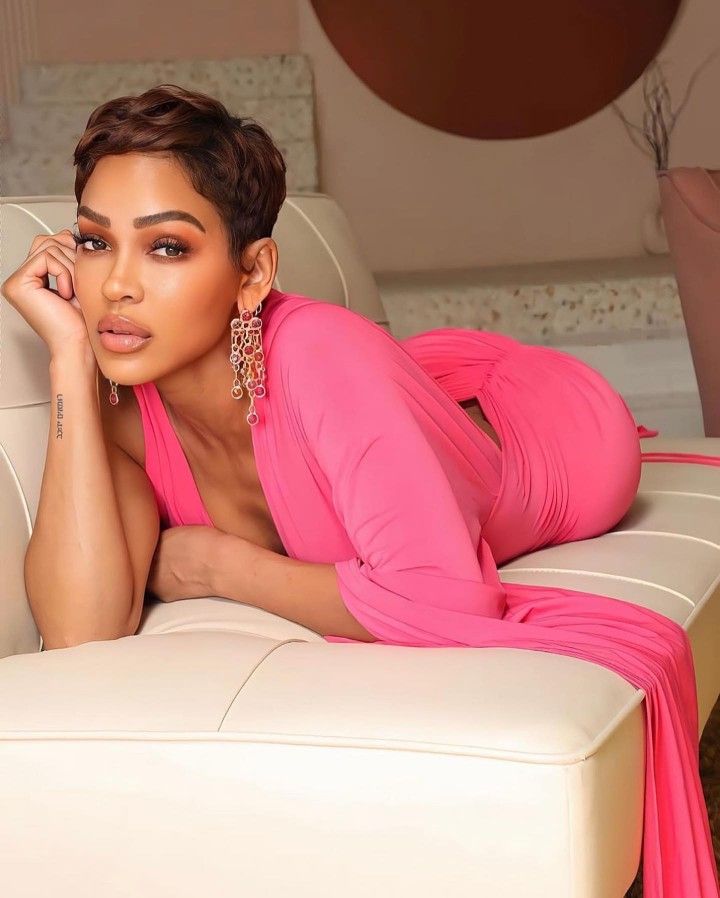
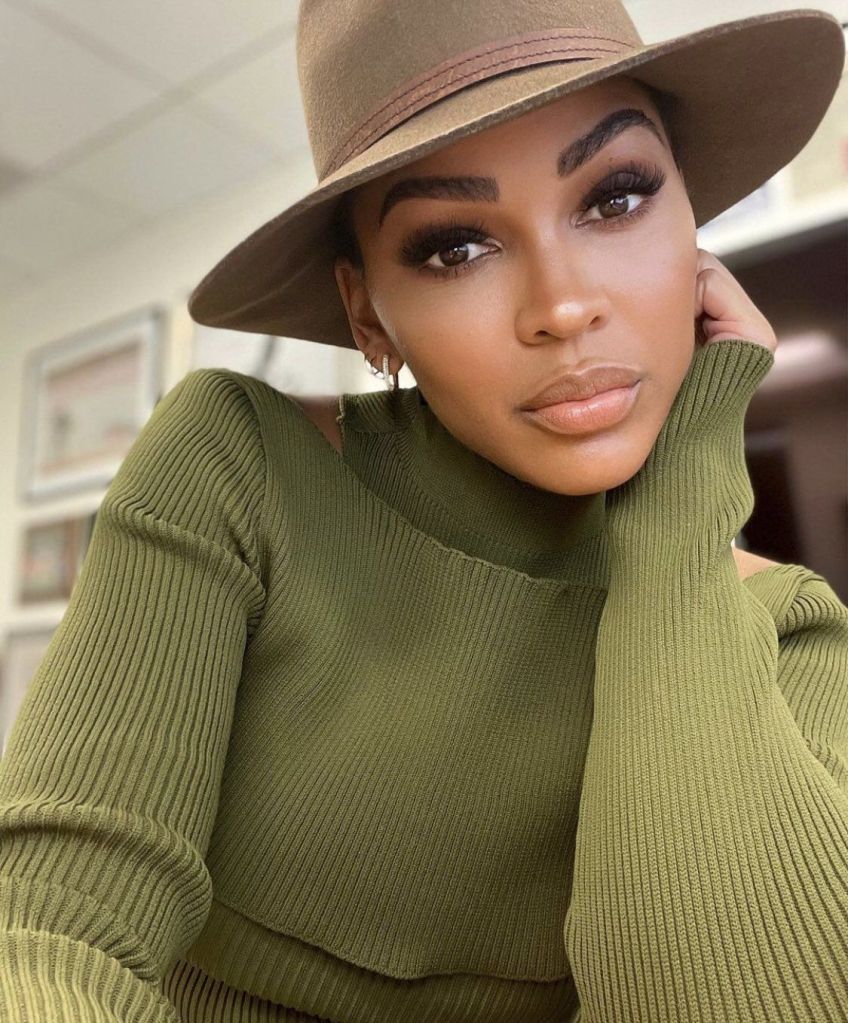
With luminous eyes and fearless range, Meagan Good is the It Girl who grew up before our eyes — and never stopped evolving.
This photograph is the property of its respective owner.
Meagan Good has been a visible presence in Hollywood for more than three decades — a rare feat for a woman who began as a child actor and matured into a leading lady without losing cultural relevance. From precocious talent to romantic lead, from cult-classic ingénue to executive producer, Good’s career reflects longevity, reinvention, and enduring fascination within the Black community.
Early Life & Hollywood Beginnings
Born August 8, 1981, in Panorama City, California, Meagan Monique Good began acting at the age of four, appearing in commercials before transitioning into television. Raised in a supportive household with a mother who served as a manager, Good navigated child stardom with unusual stability.
Her early television credits included appearances on Doogie Howser, M.D., Amen, and Moesha. However, her breakthrough came with the critically acclaimed Southern Gothic drama Eve’s Bayou, directed by Kasi Lemmons. As Cisely Batiste, Good delivered a haunting, emotionally layered performance that showcased maturity beyond her teenage years. The film has since become a staple in Black cinema studies, frequently cited for its exploration of memory, colorism, and generational trauma.
Transition to Leading Lady
The early 2000s positioned Good as one of Hollywood’s emerging Black ingénues. She appeared in films such as Deliver Us from Eva (2003) and later in Stomp the Yard, where she played April Palmer, the poised love interest opposite Columbus Short. The film was commercially successful and cemented her place in mainstream Black romantic drama.
She also appeared in genre films like The Unborn (2009) and action projects such as Think Like a Man (2012), expanding her audience beyond primarily Black cinema. This crossover ability — balancing culturally rooted films with broader commercial projects — contributed to her sustained popularity.
This photograph is the property of its respective owner.
Exotic Beauty & Public Perception
Within the Black community, Meagan Good is often described as possessing “exotic beauty” — a term historically layered with complexity. Of African American and Puerto Rican descent, her light brown complexion, almond-shaped eyes, and soft yet striking features have frequently positioned her within conversations about Hollywood colorism and desirability politics.
Yet Good has spoken openly about embracing her natural identity without conforming to industry pressures. Her beauty is often paired with vulnerability and spiritual openness — qualities that resonate strongly with Black female audiences who have watched her mature publicly.
Critics and fans alike often describe her as:
Magnetic
Sultry yet soft-spoken
Spiritually grounded
Emotionally transparent
Her image balances sensual confidence with girl-next-door relatability — a rare duality that has sustained her “It Girl” appeal.
Marriage, Faith & Public Evolution
In 2012, Good married producer and pastor DeVon Franklin. Their marriage was highly visible within Christian and Black entertainment circles, symbolizing a union of faith and Hollywood ambition. They co-authored, held public discussions about their relationship, and were often regarded as a modern faith-based power couple.
However, in 2021, the couple announced their divorce. Good addressed the separation with grace, emphasizing personal growth rather than scandal. The public response within the Black community was mixed — some mourned the symbolic loss, while others applauded her transparency and resilience.
In 2023, she married actor Jonathan Majors in a private ceremony. Their relationship drew media attention due to the Majors’ legal controversies, again placing Good under intense public scrutiny. Through it all, she has maintained composure, choosing loyalty and privacy over public commentary.
As of 2026, Good does not have biological children but has expressed openness to motherhood and family expansion.
Awards & Recognition
While not an Academy Award recipient, Good has received several nominations and wins, including:
NAACP Image Award nominations
Teen Choice Award recognition
YoungStar Award (early career)
Her influence, however, extends beyond trophies. She represents a generation of Black actresses who sustained careers through transitional industry eras — from the 1990s Black cinema resurgence to modern streaming dominance.
Recent & Latest Projects
Good has remained active in both film and television. She starred in the Amazon Prime series Harlem (2021–2025), portraying Camille Parks, an ambitious anthropology professor navigating love and career in New York City. The show became culturally resonant for its portrayal of modern Black female friendship and professional life.
She also appeared in Shazam! Fury of the Gods, expanding her presence within blockbuster franchises.
Additionally, she has ventured into producing, signaling a strategic shift toward creative control — a hallmark of actresses who intend to build a legacy, not just visibility.
This photograph is the property of its respective owner.
Why She Is an “It Girl”
Meagan Good is an It Girl because audiences have grown up with her. She is not a fleeting trend — she is a familiar presence woven into multiple eras of Black popular culture.
She represents:
Early Black millennial stardom
Romantic drama nostalgia
Spiritual transparency
Beauty conversations within the Black community
Longevity without disappearance
Her popularity persists because she feels accessible. Fans see her as talented but human — glamorous but spiritually searching.
In a Hollywood ecosystem that often discards young actresses once novelty fades, Meagan Good reinvented herself repeatedly. She matured publicly, navigated marriage and divorce under scrutiny, and maintained consistent employment in an industry notorious for instability.
Her It Girl status is not based solely on fashion or virality. It rests on endurance.
She is the girl from Eve’s Bayou. The love interest from Stomp the Yard. The professor in Harlem. The woman who kept evolving.
And in the gallery of It Girls, Meagan Good stands as proof that beauty may open doors — but resilience keeps them open.
References
Franklin, D., & Good, M. (2016). The wait: A powerful practice for finding the love of your life and the life you love. Howard Books.
In the pantheon of cinematic elegance, few men have defined the standard of suave sophistication and masculine beauty like Billy Dee Williams, Phillip Michael Thomas, and Calvin Lockhart. These three gentlemen embody a timeless allure — a fusion of confidence, grace, and refinement that transcends generations. Each of them became more than actors; they became cultural symbols of style, poise, and the Black man’s regal presence in Hollywood. With perfectly tailored charm, smoldering good looks, and commanding screen presence, Williams, Thomas, and Lockhart remain eternal icons of masculine perfection.
Billy Dee Williams: The Cinematic Visual Phenomenon
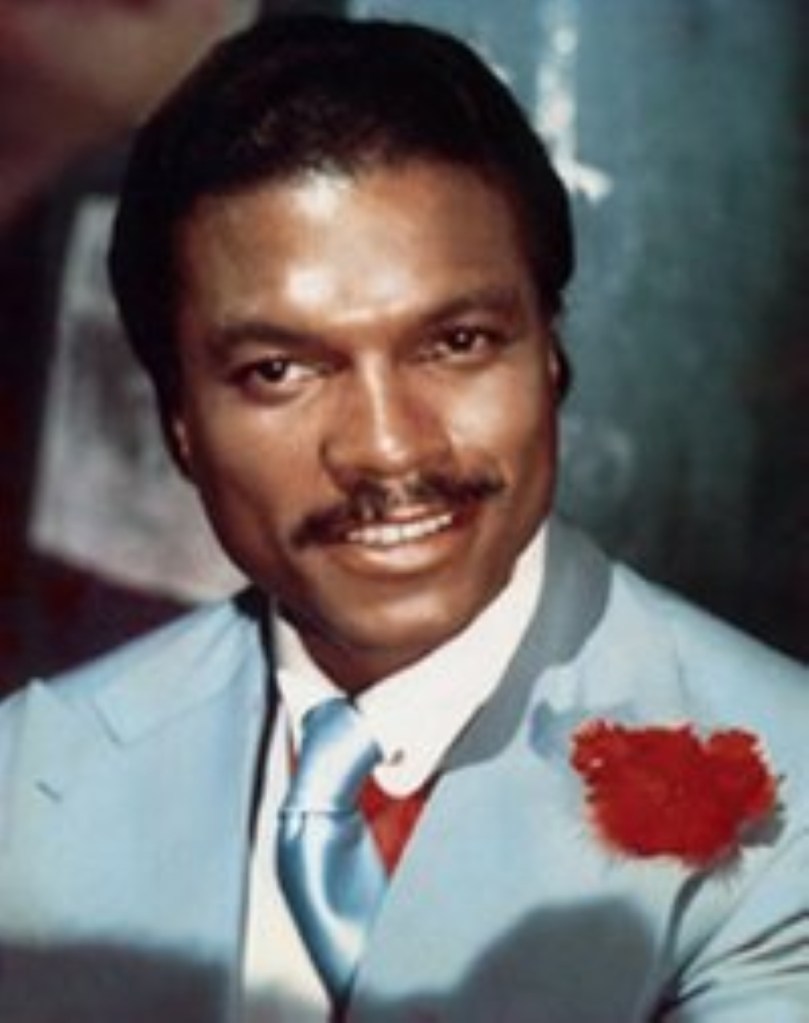
This photograph is the property of its respective owners. No copyright infringement intended
William December “Billy Dee” Williams Jr., born April 6, 1937, in New York City, is the blueprint of cinematic sophistication. With his honey-brown skin, velvety deep voice, and elegant demeanor, Williams became the embodiment of the suave Black leading man during the 1970s and 1980s. His refined style and irresistible charm made him Hollywood’s original “smooth operator.”
Billy Dee Williams was not just handsome — one of the most suave handsome men in the world. His screen presence was like no other; when he walked into a room, everyone would take notice as he flashed that grand piano we call a smile. Whether on-screen or off, Williams carried an aura that commanded admiration. His every movement, smile, and word reflected an effortless blend of confidence and class that few could ever replicate.
Williams began his career on Broadway before transitioning to film, earning early acclaim in Brian’s Song (1971), where he portrayed football legend Gale Sayers. His performance earned him an Emmy nomination and opened the doors to a series of major film roles. He rose to superstardom through Lady Sings the Blues (1972) and Mahogany (1975), opposite Diana Ross — films that cemented his image as the romantic heartthrob of Black cinema.
However, it was his portrayal of Lando Calrissian in Star Wars: The Empire Strikes Back (1980) and Return of the Jedi (1983) that made him a global icon. Williams became one of the first Black actors to enter a major science fiction franchise, blending charm, intelligence, and heroism with effortless flair.
Beyond acting, Williams is a talented painter and author. His art has been exhibited in major galleries, reflecting the same elegance that defines his screen persona. Married to Teruko Nakagami since 1972, he continues to represent grace and longevity both personally and professionally. To this day, Billy Dee Williams remains the very definition of cool — a man whose name evokes timeless class and cinematic royalty.
Phillip Michael Thomas: The Exotic Vision of Television’s Golden Era
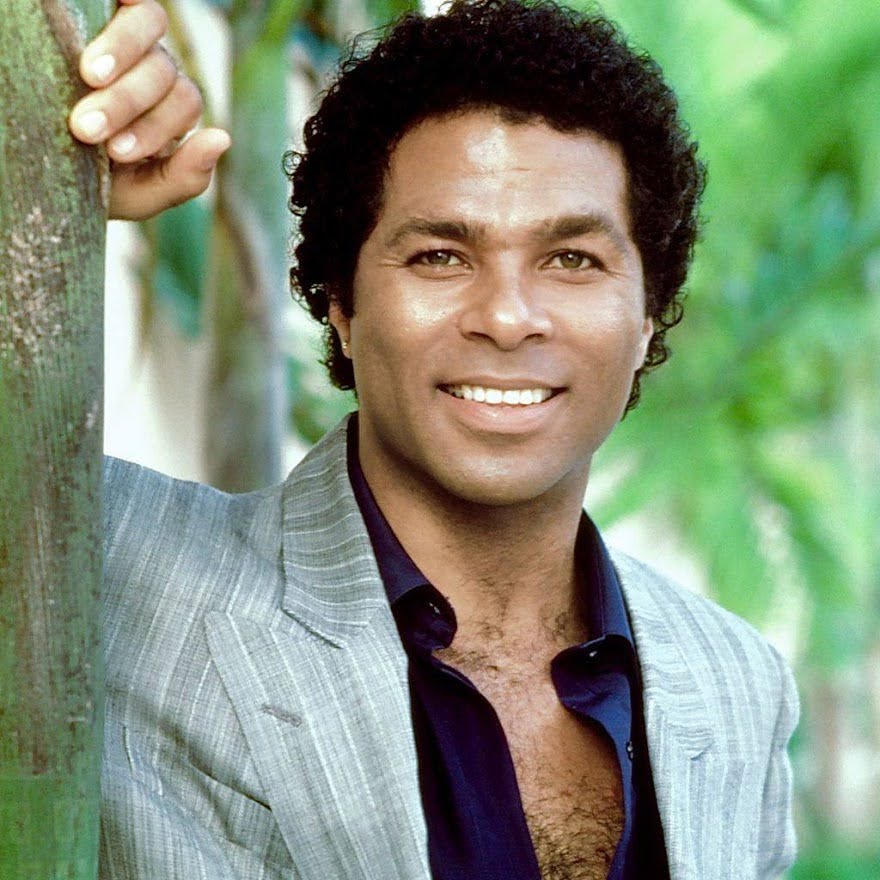
This photograph is the property of its respective owners. No copyright infringement intended
Phillip Michael Thomas, born May 26, 1949, in Columbus, Ohio, is one of the most uniquely handsome men to grace the television screen. His tan complexion, luscious curly hair, and mesmerizing green eyes gave him an exotic, almost ethereal beauty that captivated audiences worldwide. Beyond his looks, Thomas possessed a deep artistic vision, blending charisma, intelligence, and soul into every performance.
He began his career on stage before moving into film roles such as Sparkle (1976) and Coonskin (1975). His star truly rose when he became Detective Ricardo Tubbs in the 1980s television phenomenon Miami Vice (1984–1990). Alongside Don Johnson, Thomas brought passion, depth, and style to the small screen, helping redefine television fashion and music culture. His portrayal of Tubbs — suave, soulful, and effortlessly cool — earned him international fame and solidified his place as a pop culture icon.
Thomas was also a musician and producer. He released the album Living the Book of My Life (1985), showcasing his expressive voice and poetic sensibilities. Known for his visionary spirit, he coined the term “EGOT” (Emmy, Grammy, Oscar, Tony) as his personal aspiration — a phrase that has since become part of Hollywood’s vocabulary.
Though he largely stepped back from acting in later years, Phillip Michael Thomas remains an enduring figure of 1980s excellence — a man whose exotic beauty, creative ambition, and soulful artistry made him unforgettable.
Calvin Lockhart: The Bahamian Adonis of Screen and Stage
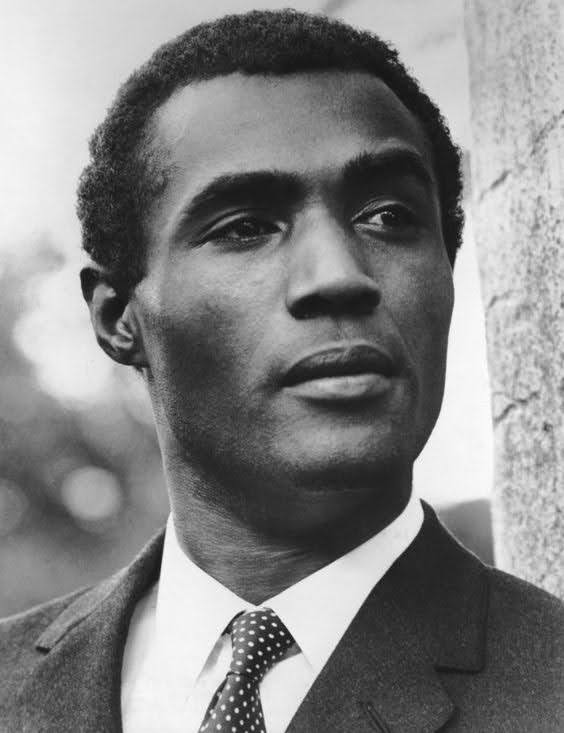
This photograph is the property of its respective owners. No copyright infringement intended
Calvin Lockhart, born Bert McClossy Cooper on March 18, 1934, in Nassau, Bahamas, was one of the most strikingly handsome men of his era. With perfectly symmetrical features, rich mahogany skin, and a regal presence, Lockhart had the kind of face sculpted for the silver screen. He exuded elegance and strength, moving with the precision of a model and the authority of a king.
Lockhart’s acting career began in New York, where he performed in theater before transitioning to film. His breakout role came with Joanna (1968), followed by memorable appearances in Cotton Comes to Harlem (1970), Uptown Saturday Night (1974), and The Big Score (1983). His performances were magnetic — blending intellect, charm, and sensuality.
Unlike many actors of his time, Lockhart carried himself with European sophistication, speaking with eloquence and dressing with flair. He worked internationally, starring in films and theater productions in England and Italy, earning the admiration of both audiences and critics.
Later, he appeared in Coming to America (1988) as the father of Imani Izzi, showcasing his ageless poise and rich baritone voice. His life reflected artistic passion and dignity, and his image — smooth skin, sharp features, and kind eyes — remains etched in the memory of classic cinema.
Calvin Lockhart passed away in 2007, leaving behind a legacy of refinement and excellence. He represented the elite class of Black men who broke barriers in Hollywood with their grace, intelligence, and incomparable good looks.
Conclusion
Billy Dee Williams, Phillip Michael Thomas, and Calvin Lockhart each defined masculine beauty for their generation — and together, they created a legacy of cinematic excellence that continues to inspire. Williams embodied timeless charm, Thomas represented exotic brilliance, and Lockhart personified aristocratic perfection. Their artistry transcended color lines and continents, proving that the Black man’s beauty is both eternal and divine. These three kings of charisma didn’t just act — they glowed, shaping how the world saw elegance, confidence, and manhood.
References (APA Style)
Variety. (2023). The enduring influence of Billy Dee Williams on Black masculinity in film.






 THE BROWN GIRL DILEMMA