Tag Archives: movies

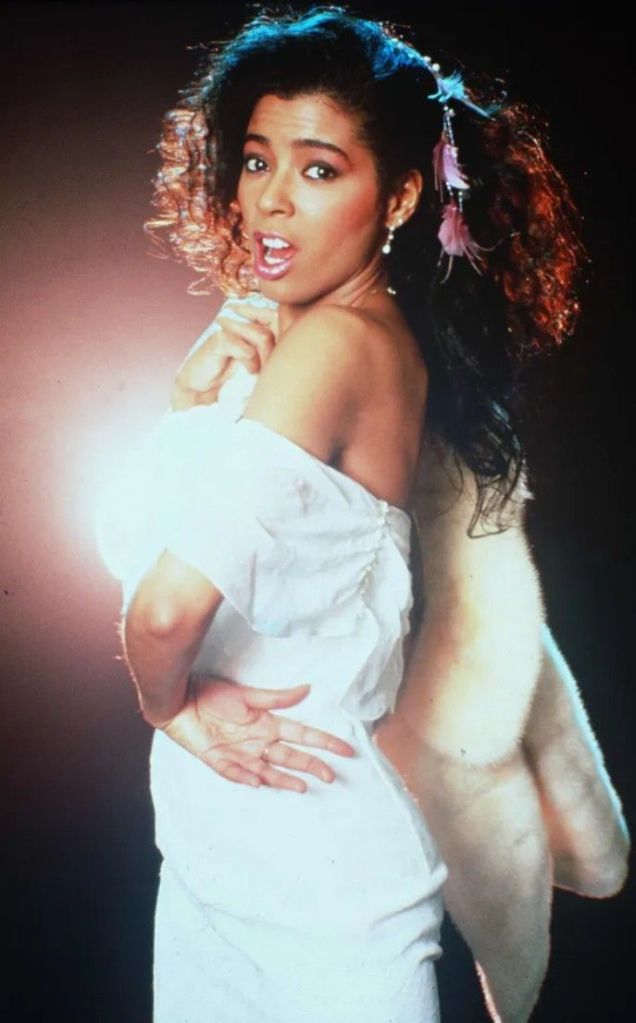
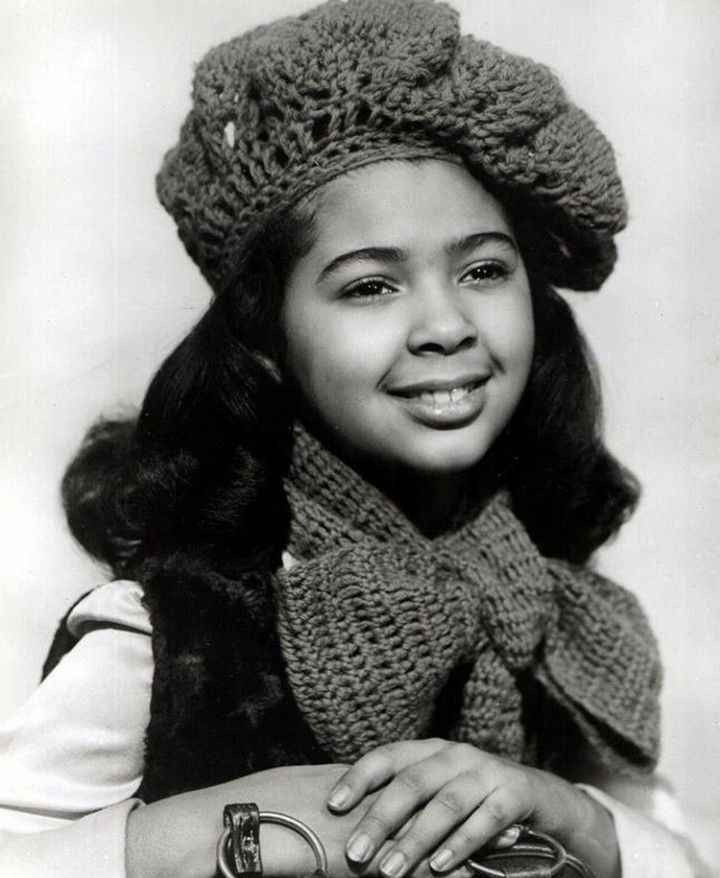
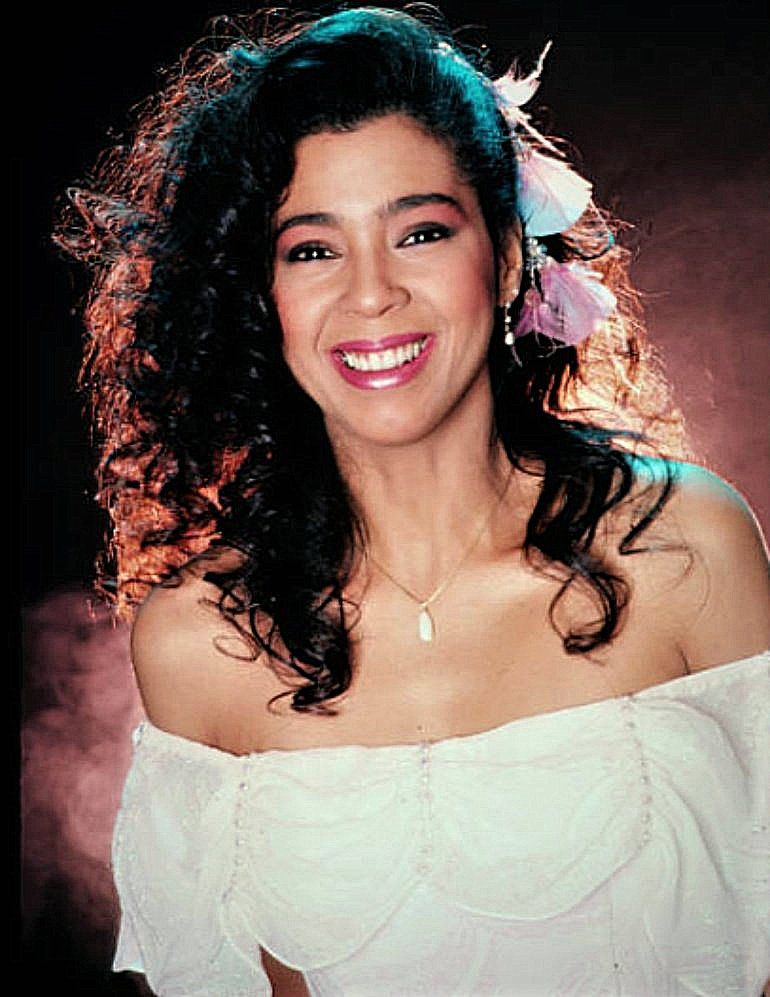
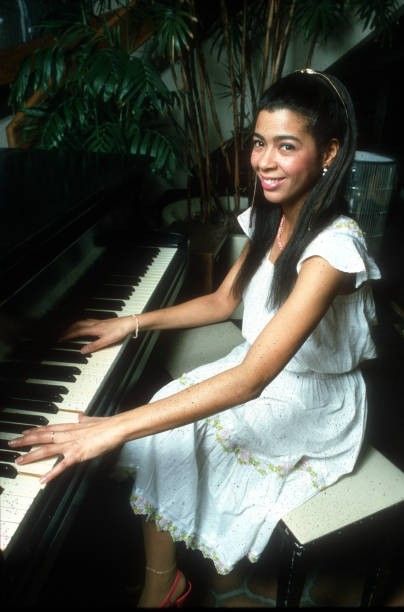
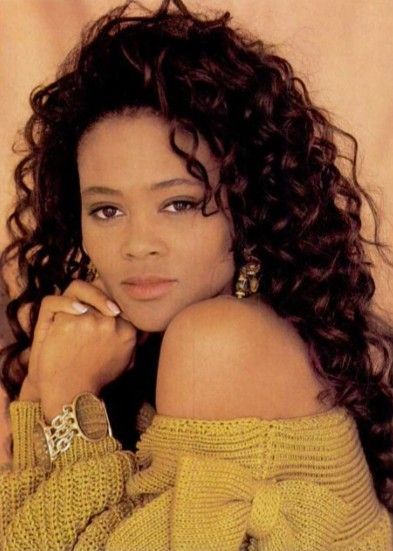
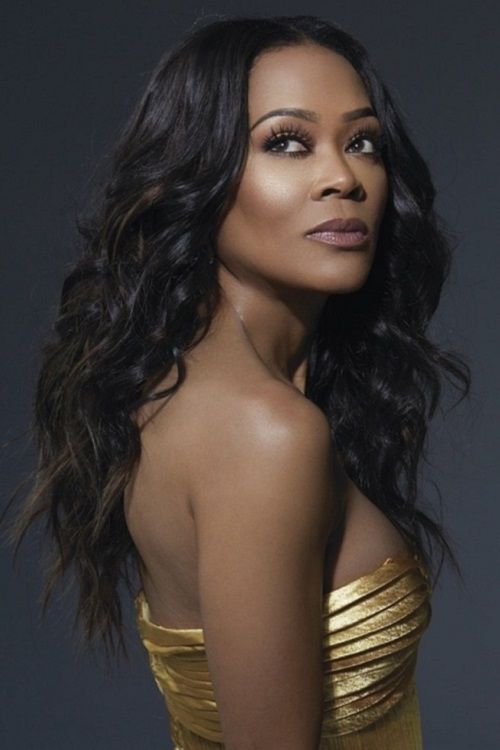
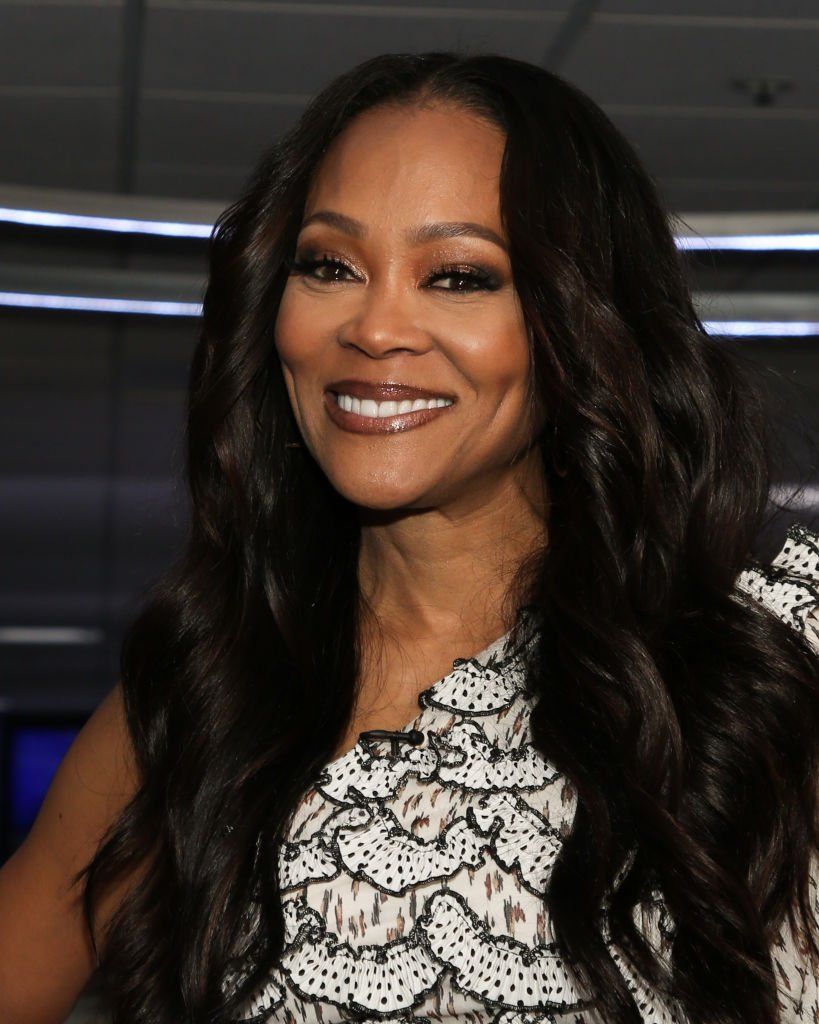
The Ebony Dolls: Irene Cara

Beauty in Motion, Talent in Song

This photograph is the property of its respective owner.

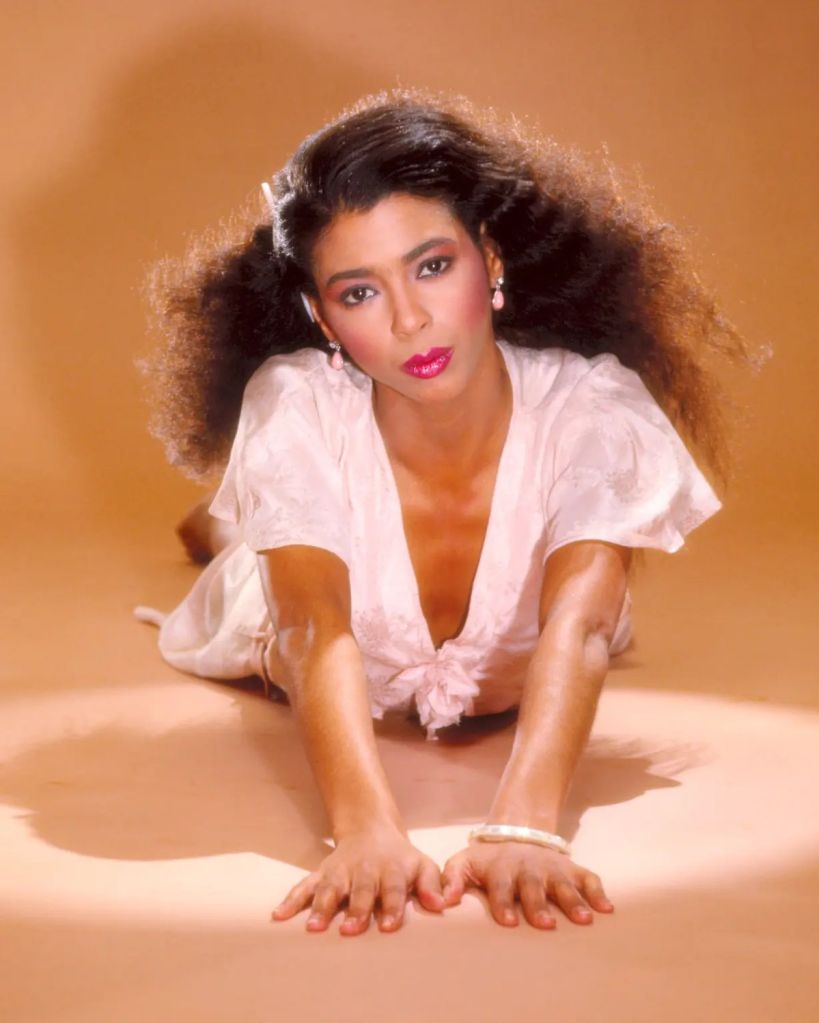
In the world of music and film, few women have embodied the combination of radiant talent, striking beauty, and cultural impact like Irene Cara. With her glowing skin, expressive features, and charismatic presence, Cara became a symbol of inspiration and elegance for young Black women during the late 1970s and 1980s. Her accomplishments as a singer, songwriter, and actress earned her a place as an “Ebony Doll”—a figure whose beauty, poise, and artistry appear almost sculpted, leaving an enduring mark on entertainment and popular culture.

This photograph is the property of its respective owner.

Irene Cara Escalera was born on March 18, 1959, in New York City. was of mixed racial heritage, primarily Afro-Puerto Rican. Her father, Irene Cara Sr., was Puerto Rican, and her mother, Lillie Margaret Escalera, was African American. Growing up in this multicultural household, Cara was exposed to a rich blend of musical, cultural, and artistic influences, which shaped both her musical talent and her cosmopolitan sense of style. Raised in a family that encouraged musical expression, she developed her artistic skills from an early age. She studied dance, acting, and music, eventually attending the High School of Performing Arts, where her talent began to flourish. Her early immersion in performing arts laid the foundation for a career that would span film, stage, and music.

This photograph is the property of its respective owner.

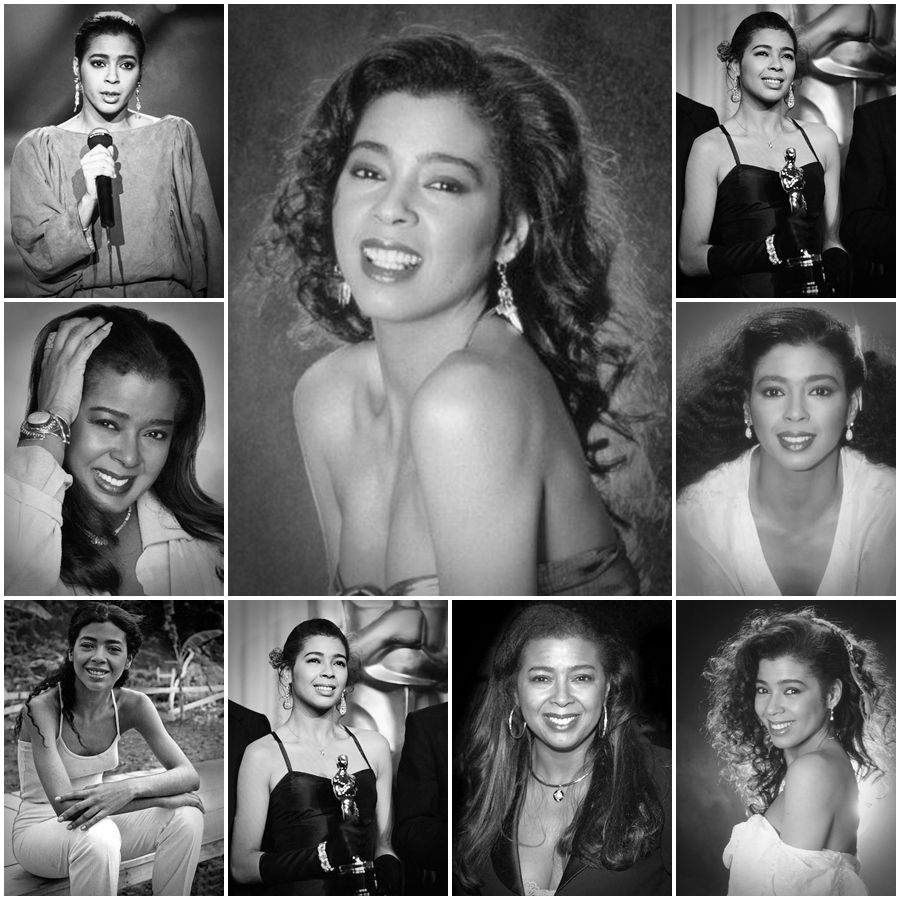
Cara’s beauty was immediately noticeable. Her radiant skin, symmetrical features, and bright smile captured attention both on stage and on camera. Her statuesque frame and graceful movements gave her a commanding presence that complemented her vocal and acting abilities. As an “Ebony Doll,” Cara’s appearance projected both strength and elegance, inspiring admiration from fans and peers alike.

She first gained major public recognition through her work on Broadway and in television musicals. One of her earliest successes was starring in the musical Sparkle (1976), where her combination of acting, singing, and dance skills showcased her versatility as a performer. The role allowed Cara to project youthful beauty, talent, and confidence in a way that resonated with audiences.

This photograph is the property of its respective owner.

Cara’s career reached its peak in the early 1980s with her starring role in the film Fame (1980). She portrayed Coco Hernandez, an ambitious young performer attending a New York City performing arts high school. The role highlighted her dramatic range, dance skills, and vocal talent, while also emphasizing her radiant, statuesque presence on screen. Her performance earned widespread acclaim and became iconic in the history of musical films.

The film’s theme song, Fame, performed by Cara, became a global sensation. Her voice, full of energy and passion, helped cement the song as an anthem for aspiring artists around the world. Her success with this song, combined with her on-screen charisma, made her a role model for young women pursuing careers in music and performance.

Following Fame, Cara achieved further acclaim with the hit single Flashdance… What a Feeling (1983) from the film Flashdance. She co-wrote the song, which went on to win both an Academy Award for Best Original Song and a Grammy Award for Best Female Pop Vocal Performance. The success of this track not only demonstrated her musical genius but also reinforced her position as an iconic figure of beauty and talent.

This photograph is the property of its respective owner.

Cara’s combination of vocal power, on-screen presence, and expressive movements contributed to her “Ebony Doll” status. Her performances radiated elegance, energy, and confidence, qualities that fans admired and the media celebrated. She served as a representation of Black female beauty that was glamorous, athletic, and inspiring.

Throughout her career, Cara also remained connected to live performance, touring internationally and appearing on stage in musical productions. Her work in music and theater allowed her to maintain her artistry while continuing to inspire new audiences.

Her impact on fashion and style was also notable. Cara’s distinctive hairstyles, radiant skin, and elegant wardrobe choices in performances and public appearances helped define the aesthetic of early-1980s pop culture for Black women. She represented a modern, glamorous vision of Black femininity that combined sophistication with youthful energy.

Beyond her artistry, Cara’s life and career demonstrated resilience. She navigated a challenging music industry while maintaining her integrity as a performer and songwriter. Her ability to blend artistry with poise exemplifies the qualities of an “Ebony Doll”: beauty, talent, and self-possession.

These photographs are the property of their respective owners.

Even decades after her peak fame, Irene Cara remained a cultural touchstone for her contributions to music and film. Her performances in Fame and Flashdance continue to inspire aspiring artists, and her elegant, radiant image remains celebrated in retrospectives and media coverage.

What makes Cara an “Ebony Doll” is the fusion of her physical beauty, artistic talent, and inspiring presence. She embodied the ideal of Black glamour in a way that is both authentic and aspirational, representing strength, confidence, and elegance across multiple disciplines.

Ultimately, Irene Cara’s story was one of brilliance, artistry, and timeless beauty. She was and remains a symbol of excellence in performance, style, and cultural influence, embodying the “Ebony Doll” ethos for generations of admirers.


References

Cara, I. (Interviews and public statements).

IMDb. (2026). Irene Cara Filmography. IMDb Database.

Britannica. (2026). Irene Cara. Encyclopaedia Britannica.

Smith, S. (2018). Black Women in Television and Film: A Cultural History. New York University Press.

PopMatters. (2020). Remembering Irene Cara: Fame, Flashdance, and the Voice of a Generation.

Growing Up Famous While Black in Hollywood: The Untold Story of Child Stars.

The history of Black child stars in American television reveals a complicated story of talent, visibility, exploitation, and racial inequality. Throughout the twentieth century, Black children appeared in sitcoms and films that were largely created and controlled by white executives, producers, and writers. While these young performers often became beloved cultural icons, their experiences behind the scenes frequently reflected the racial hierarchies that shaped the entertainment industry. Fame brought opportunity, but it also exposed many Black child actors to unequal pay, stereotyping, and limited long-term career support.

Hollywood’s early power structure was overwhelmingly white, especially during the 1970s and 1980s, when many Black child actors rose to prominence. Network executives, casting directors, and producers determined which stories were told and how Black characters were portrayed. Although television increasingly included Black characters, the creative control over those characters often remained outside the Black community. As a result, Black child stars sometimes found themselves performing roles that reflected white expectations about Black identity rather than authentic cultural representation.

One of the most recognizable Black child stars of television was Gary Coleman, who became famous for portraying Arnold Jackson on the sitcom Diff’rent Strokes. Coleman’s character was a witty and charming orphan adopted by a wealthy white businessman. His catchphrase, “What’chu talkin’ ’bout, Willis?” became one of the most famous lines in television history, turning Coleman into a national sensation and making him one of the most recognizable child actors of the era.

At the height of his fame, Coleman was reportedly earning approximately $100,000 per episode, making him one of the highest-paid child actors on television at the time. Despite this financial success, his story later became a cautionary tale about the vulnerability of child performers. Much of the money he earned as a child was mismanaged by adults responsible for his finances. As an adult, Coleman sued his adoptive parents and business advisor for misappropriating his trust fund.

Coleman’s struggles illustrate a broader pattern within Hollywood in which child stars generated enormous wealth for studios while having little control over their earnings. Although laws such as the Coogan Act were designed to protect child actors’ finances, many performers still experienced financial exploitation. For Black child stars, this vulnerability sometimes intersected with racial inequities in an already unequal industry.

Another major Black child star who captured audiences during the 1980s was Emmanuel Lewis, who played the title character on the sitcom Webster. Like Coleman’s role, Lewis portrayed an orphaned Black child adopted by a wealthy white family. The show centered on Webster’s charm and innocence, and Lewis quickly became a household name across the United States.

The premise of shows like Webster and Diff’rent Strokes reflected a recurring trope in Hollywood storytelling: the lovable Black child raised within a white household. While these narratives introduced audiences to talented Black performers, they often framed Black childhood through a lens that centered white benevolence. The stories rarely explored the broader social realities of Black communities or systemic racism.

In many cases, the appeal of these shows depended on the image of the “cute” Black child whose humor and innocence softened racial tensions for white audiences. The characters were often written to be charming, comedic, and non-threatening. While this made them popular with viewers, it also reinforced a narrow representation of Black identity.

Earlier generations of Black child actors experienced similar patterns of limited financial reward and stereotypical roles. One example is Matthew Beard, widely known as “Stymie” from the classic comedy series Our Gang (later called The Little Rascals). Beard was one of the most recognizable child actors of the 1930s, yet like many performers of that era, he reportedly received little long-term financial compensation for his work.

Beard’s experience illustrates how Hollywood historically profited from the talents of Black children while failing to provide long-term economic security. Although audiences loved these characters, the industry rarely invested in the future careers or financial stability of the young actors who portrayed them.

Another figure connected to the conversation about young Black actors in Hollywood is Lamont Bentley, who began acting at a young age and later became known for roles in Black-centered television and film. Like many performers who started as children, Bentley navigated an industry where opportunities for Black actors were limited and highly competitive.

Hollywood’s reliance on stereotypes also shaped how certain Black characters were written for sitcoms. A notable example involves Jimmie Walker, whose character J.J. Evans became the breakout figure on the sitcom Good Times. Walker’s catchphrase “Dyn-o-mite!” became immensely popular with audiences and turned him into one of the show’s most recognizable stars.

However, not everyone celebrated the character’s comedic style. Some cast members and critics argued that J.J.’s exaggerated mannerisms and clownish behavior reinforced negative stereotypes about Black men. Actors within the show reportedly disagreed with producers over the increasing emphasis on comedy at the expense of portraying a serious Black family narrative.

These debates highlight a long-standing tension in Black television representation. Comedy could open doors for Black actors and make shows commercially successful, yet it could also risk perpetuating caricatures that undermined the dignity of Black characters.

Many discussions about Black sitcoms inevitably include the work of influential television producer Norman Lear. Lear was responsible for several groundbreaking television programs that addressed social issues such as racism, poverty, and inequality. His shows helped bring Black family life into mainstream television during a time when representation was limited.

Lear’s supporters argue that his productions challenged audiences to confront uncomfortable social realities. Programs such as Good Times depicted working-class Black families and addressed issues like unemployment and systemic poverty.

At the same time, critics have debated whether some of Lear’s programs relied too heavily on exaggerated comedic elements. While his shows created opportunities for Black actors, they were still shaped by creative decisions made primarily within white-dominated production environments.

Another important figure in the discussion of Black child actors is Kim Fields, who portrayed Dorothy “Tootie” Ramsey on the sitcom The Facts of Life. Fields joined the show as a young actress and quickly became one of its most recognizable characters.

Within the show’s predominantly white ensemble cast, Fields represented one of the few Black characters at an elite girls’ boarding school. Her character brought diversity to the series and resonated with many viewers who rarely saw Black girls represented on mainstream television.

Fields appeared alongside actress Lisa Whelchel, who played Blair Warner, the wealthy and privileged student at the center of many storylines. The contrast between Blair’s affluent background and Tootie’s more grounded personality reflected broader class dynamics often explored in the show.

Although Fields was a beloved member of the cast, many television scholars have noted that storylines frequently centered on white characters. This reflected the broader structure of television writing rooms at the time, which were overwhelmingly white.

Despite these limitations, Fields successfully transitioned into adulthood within the entertainment industry, later starring in the sitcom Living Single. Her longevity in Hollywood is notable because many child actors struggle to maintain successful careers after their early fame fades.

Black child actors often faced a double burden in Hollywood. Like all child performers, they were subject to the pressures of fame, demanding work schedules, and public scrutiny. At the same time, they navigated racial stereotypes and limited roles shaped by systemic inequalities within the industry.

Outside the studio, fame did not shield these actors from the broader realities of American racism. Many experienced discrimination in everyday life despite their celebrity status. Their visibility on television did not always translate into social equality in their personal lives.

Financial instability was another common issue for child stars. Many actors who earned large salaries as children found themselves struggling financially as adults due to poor financial management or exploitation by guardians and managers.

The transition from child star to adult performer proved especially difficult in Hollywood. Once audiences associated an actor with a specific childhood role, casting directors often struggled to imagine them in more mature parts.

For Black actors, these challenges were often intensified by the industry’s limited representation of complex Black characters. Adult roles were scarce, and many performers were confined to stereotypes or minor supporting parts.

Nevertheless, Black child stars played a crucial role in shaping American popular culture. Their performances brought visibility to Black families and children on national television during decades when representation remained limited.

Case Study: Typecasting and the Career of Jaleel White After Steve Urkel on Family Matters

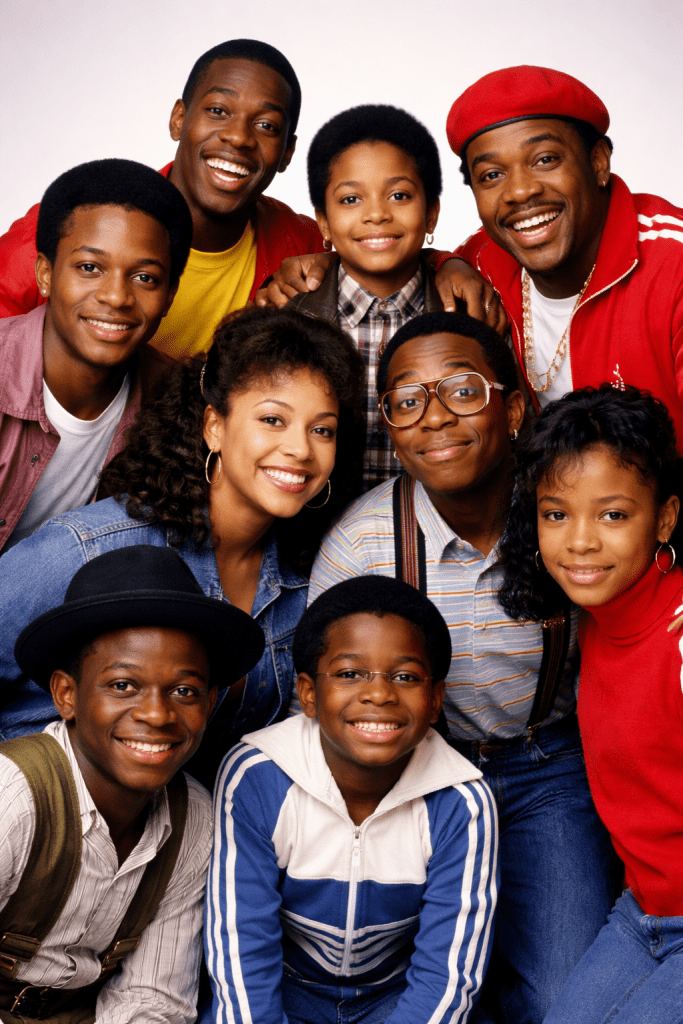
The career of Jaleel White provides a compelling case study on the phenomenon of typecasting in Hollywood, particularly as it affects Black actors who become strongly associated with a single character. White rose to international fame as the nerdy, high-pitched, suspender-wearing Steve Urkel on the sitcom Family Matters, which aired from 1989 to 1998. Although the role brought White immense popularity and cultural recognition, it also shaped public perception of the actor in ways that later complicated his career trajectory.

Jaleel White began acting at a very young age, appearing in commercials and minor television roles during the 1980s. His early career included guest appearances on several television programs, demonstrating his versatility even before landing the role that would define his career. Ironically, Steve Urkel was originally written as a one-time guest character on Family Matters. However, audience reactions were so enthusiastic that the character quickly became central to the show’s storyline.

Steve Urkel soon became one of the most recognizable television characters of the 1990s. With oversized glasses, colorful suspenders, high-water pants, and an awkward personality, Urkel embodied the archetype of the socially awkward genius. His catchphrase “Did I do that?” became a defining line of the era and entered American pop culture. Merchandise, lunchboxes, dolls, and T-shirts featuring the character flooded the market, illustrating the enormous commercial success of the role.

The character’s popularity, however, transformed the direction of Family Matters. Initially conceived as a family-centered sitcom about the Winslow household, the show gradually shifted toward storylines revolving around Urkel’s comedic misadventures and inventions. White himself reportedly played multiple variations of the character, including the suave alter ego Stefan Urquelle, which demonstrated his acting range within the confines of the show.

Typecasting occurs when an actor becomes so strongly associated with a particular role that casting directors and audiences struggle to see them in other types of characters. This phenomenon is common among child actors, whose formative years are closely tied to a specific public persona. For Jaleel White, Steve Urkel became both a blessing and a professional limitation.

After Family Matters ended in 1998, White faced the challenge of redefining his career outside the shadow of Urkel. Casting directors often struggled to envision him in serious or dramatically different roles because audiences had internalized the image of the comedic, awkward teenager. This is one of the central consequences of typecasting: the actor’s identity becomes fused with the fictional character in the public imagination.

In interviews, White has acknowledged the complexities of playing such an iconic role. While he remains proud of the cultural impact of Steve Urkel, he has also spoken about the difficulty of transitioning into adult roles. The entertainment industry frequently pigeonholes actors who become synonymous with a particular character, especially in long-running sitcoms.

Typecasting has historically affected many actors in television history. For example, actors who portray extremely distinctive characters—whether comedic or dramatic—often struggle to escape the expectations attached to those roles. In White’s case, the visual and vocal quirks of Urkel made the character particularly memorable, which strengthened the association between actor and role.

Another factor contributing to White’s typecasting was the character’s exaggerated personality. Urkel’s nasal voice, clumsy physical comedy, and eccentric inventions created a highly stylized performance. While this made the character beloved by audiences, it also made it more difficult for viewers to separate White’s real personality from the fictional character.

White attempted to diversify his career following the end of Family Matters. He appeared in various television programs, including guest roles and voice acting. One of his notable voice roles was portraying Sonic in the animated series Adventures of Sonic the Hedgehog, which demonstrated his versatility beyond live-action sitcom performance.

Despite these efforts, public recognition of White remains strongly tied to Steve Urkel. This phenomenon illustrates the enduring power of television characters in shaping an actor’s identity. Even decades after the show ended, audiences often refer to White primarily through the lens of his famous character.

Typecasting also intersects with broader structural patterns within Hollywood. Black actors historically have had fewer opportunities in mainstream television and film compared to their white counterparts. When a Black actor becomes strongly associated with a single role, the limited number of available roles can make it even more difficult to break free from that identity.

In the case of Jaleel White, however, the actor has embraced the legacy of Urkel while also attempting to redefine his career. He has appeared in various television projects, including reality competitions and guest appearances that highlight his personality beyond the fictional character.

White’s experience illustrates a broader tension within entertainment culture. Iconic roles bring fame, financial success, and cultural influence, but they can also create barriers for actors seeking artistic evolution. The stronger the cultural impact of the character, the more difficult it becomes for audiences to accept the actor in a different identity.

Scholars studying media representation often cite the phenomenon of typecasting as a structural limitation within the entertainment industry. Actors who portray culturally distinctive characters—particularly those tied to race, comedy, or physical traits—may find their careers defined by those portrayals long after the original performance ends.

Nevertheless, Steve Urkel remains one of the most influential television characters of the 1990s. The character reshaped the narrative of Family Matters and became a central symbol of nerd culture, comedic awkwardness, and television nostalgia. While typecasting influenced White’s career trajectory, it also cemented his place in television history.

Ultimately, the case of Jaleel White demonstrates the double-edged nature of iconic television roles. The success of Steve Urkel provided global recognition and cultural legacy, yet it also illustrates how Hollywood can confine actors within the boundaries of their most famous characters. For many performers, the challenge is not achieving fame, but escaping it.

For many Black viewers, these characters were deeply meaningful because they provided rare moments of identification on mainstream television. Seeing Black children on screen helped affirm cultural identity and possibility.

At the same time, the experiences of these actors reveal how deeply race shaped opportunities in Hollywood. Their careers highlight both the progress and the persistent inequalities that characterized the entertainment industry.

In recent decades, the industry has begun to change. Greater representation among writers, producers, and directors has created new opportunities for Black performers to tell their own stories.

Modern audiences are increasingly aware of the historical treatment of child actors, and there is growing advocacy for stronger protections and more equitable contracts.

The stories of performers such as Gary Coleman, Emmanuel Lewis, Kim Fields, and others remind us that behind every beloved television character was a young person navigating fame, expectation, and structural inequality.

Their experiences reveal both the joy that Black child stars brought to audiences and the systemic challenges they faced within a white-dominated entertainment industry.

Understanding this history allows scholars and audiences alike to examine how race, power, and media representation intersect in the making of American television.


References

Bogle, D. (2016). Bright Boulevards, Bold Dreams: The Story of Black Hollywood. Running Press.

Coleman, G. (1998). Gary Coleman: The Unauthorized Biography. St. Martin’s Press.

Gray, H. (2004). Watching Race: Television and the Struggle for Blackness. University of Minnesota Press.

Hunt, D., Ramón, A., & Tran, M. (2021). Hollywood Diversity Report. UCLA College of Social Sciences.

Watkins, S. C. (2005). Hip Hop Matters: Politics, Pop Culture, and the Struggle for the Soul of a Movement. Beacon Press.

Bogle, D. (2001). Toms, Coons, Mulattoes, Mammies, and Bucks: An Interpretive History of Blacks in American Films. Continuum.

IMDb historical production archives for Diff’rent Strokes, Webster, Good Times, and The Facts of Life.

White, J. (2012). Interviews discussing his career and the legacy of Steve Urkel.

IMDb. (n.d.). Family Matters production and cast archives.

Turner Classic Movies Media Archive on sitcom television history.

The “It Girl” Series: Taraji P. Henson

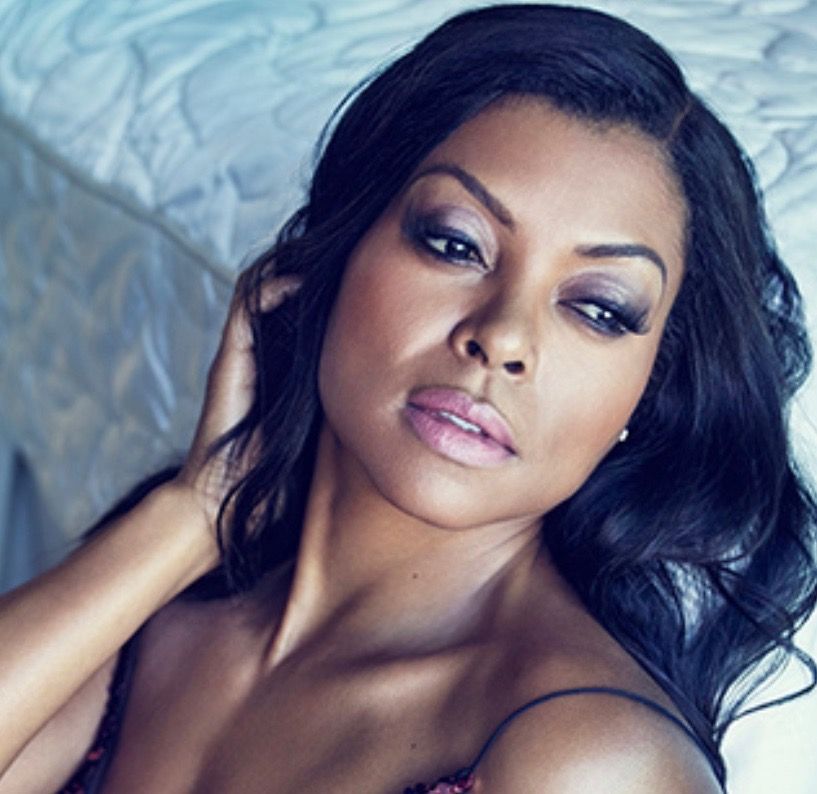
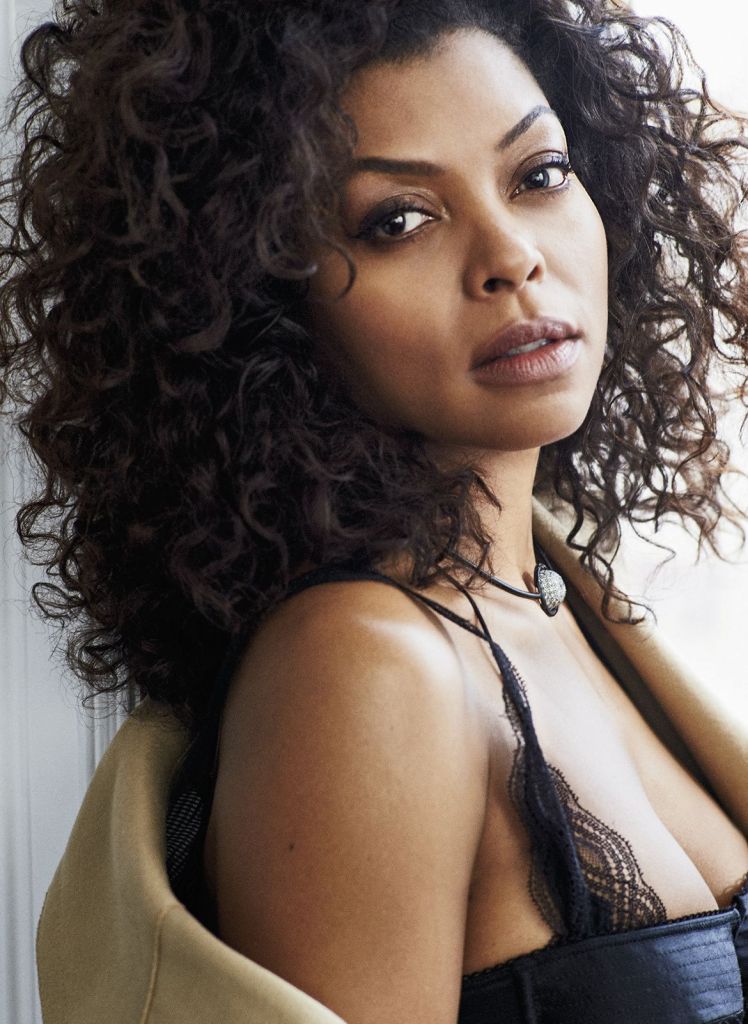
A magnetic presence with expressive eyes and a face that tells stories—Taraji P. Henson embodies charisma, beauty, and the undeniable allure of the screen.

This photograph is the property of its respective owners

Taraji P. Henson was born on September 11, 1970, in Washington, D.C., and raised in a close-knit family that encouraged her artistic ambitions. She developed a passion for acting early on, which led her to Howard University, where she earned a Bachelor of Fine Arts degree. Henson began her career with small television roles, including appearances on Smart Guy and Ally McBeal, but her breakout came with the film Baby Boy (2001), in which she portrayed Yvette, a character both complex and compelling. This role showcased her range as an actress and her ability to convey depth, emotion, and resilience.

Over the years, Henson has become a fixture in Hollywood, celebrated for her versatility and fearless approach to acting. She gained widespread acclaim for her portrayal of Cookie Lyon in the hit series Empire (2015–2020), earning a Golden Globe Award for Best Actress. This role highlighted not only her talent but also her ability to dominate the screen with presence, emotion, and authenticity. Henson has also been an outspoken advocate for gender equity and fair pay in the entertainment industry, reinforcing her reputation as a strong, independent voice in Hollywood.

Her filmography spans a wide range of genres, showcasing her remarkable versatility. She appeared in The Curious Case of Benjamin Button (2008), Hustle & Flow (2005), Proud Mary (2018), and Good Deeds (2012) alongside Idris Elba, as well as Hidden Figures (2016) and Hustle (2022). From historical dramas to action thrillers, Henson consistently delivers nuanced, compelling performances. In addition to live-action roles, she has lent her voice to animated projects and participated in brand endorsements, solidifying her influence beyond the screen. Henson’s expressive face, radiant skin, and commanding presence allow her to communicate power, vulnerability, and charisma without uttering a single word—a hallmark of an “It Girl.”

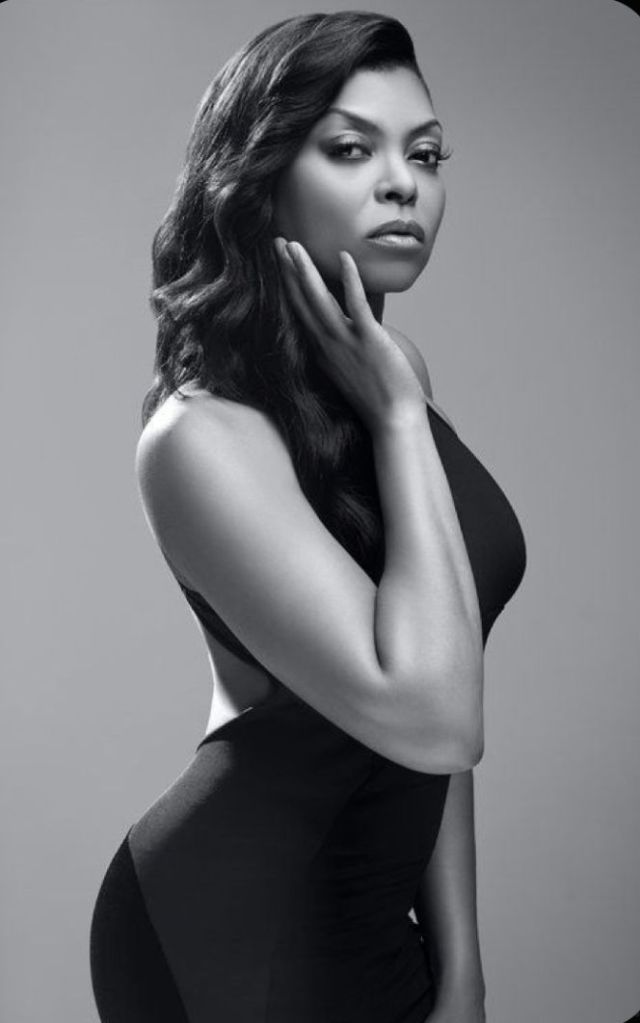
This photograph is the property of its respective owners

In her personal life, Henson has been married once and is the mother of a son, Marcel. She has shared her experiences navigating motherhood, fame, and career with honesty and grace, offering inspiration to many. On set, she has cultivated deep professional relationships and often speaks highly of her co-stars, reflecting her collaborative spirit. Her beauty is distinctive, transcending traditional Hollywood standards, with features that are celebrated for their expressiveness, symmetry, and strength.

This photograph is the property of its respective owners

What makes Taraji P. Henson an undeniable “It Girl” is the way she commands attention both on and off screen. Her expressive eyes and emotive facial expressions allow her to convey complex emotions effortlessly, captivating audiences with every glance. She combines raw talent with a fearless authenticity, embracing roles that challenge norms and showcase her versatility. Beyond acting, her confident presence, bold fashion choices, and outspoken advocacy for women’s rights and fair pay amplify her cultural influence, making her a role model as well as a star. Taraji’s allure is not just in her beauty—it is in her charisma, intelligence, and unapologetic individuality, qualities that make her both relatable and aspirational, securing her place as one of Hollywood’s most magnetic figures.

References:

  1. Taraji P. Henson Biography. (2023). Biography.com. https://www.biography.com/actor/taraji-p-henson
  2. Golden Globe Awards 2016 Winners. (2016). GoldenGlobes.com. https://www.goldenglobes.com/winners-nominees/2016
  3. Hipes, P. (2021). Taraji P. Henson Talks Empire, Advocacy & Hollywood. Deadline. https://deadline.com/2021/01/taraji-p-henson-interview-empire-1234667890/
  4. Taraji P. Henson Filmography. (2023). IMDb. https://www.imdb.com/name/nm0375296/

The “It Girl” Series: Vivica A. Fox

The 90s bombshell who turned blockbuster beauty into enduring Black Hollywood power.

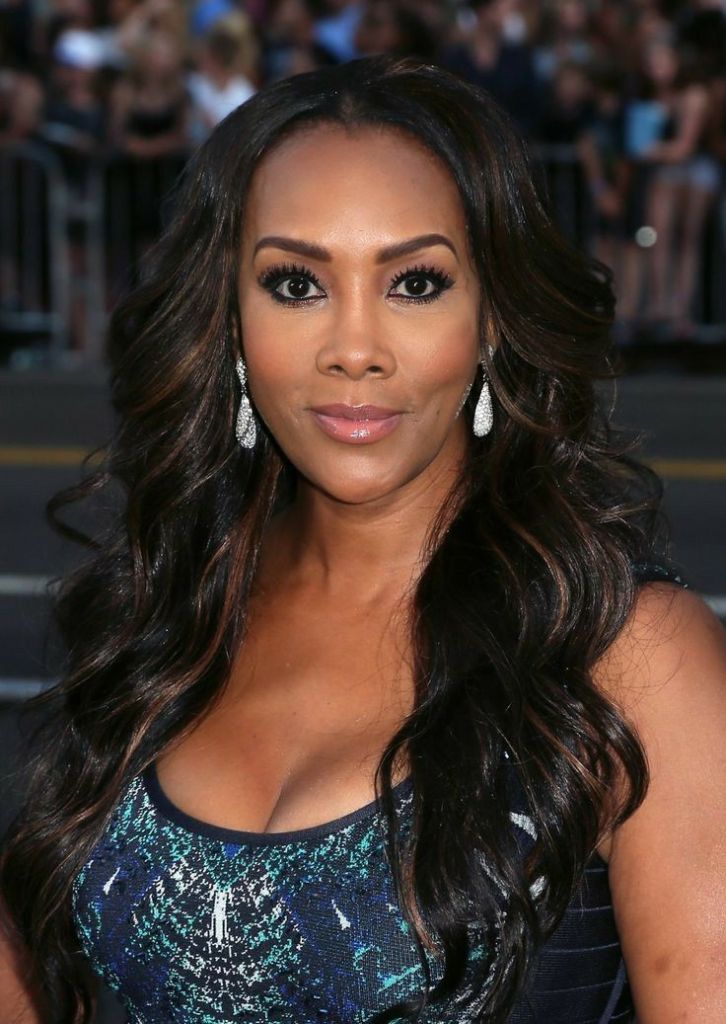
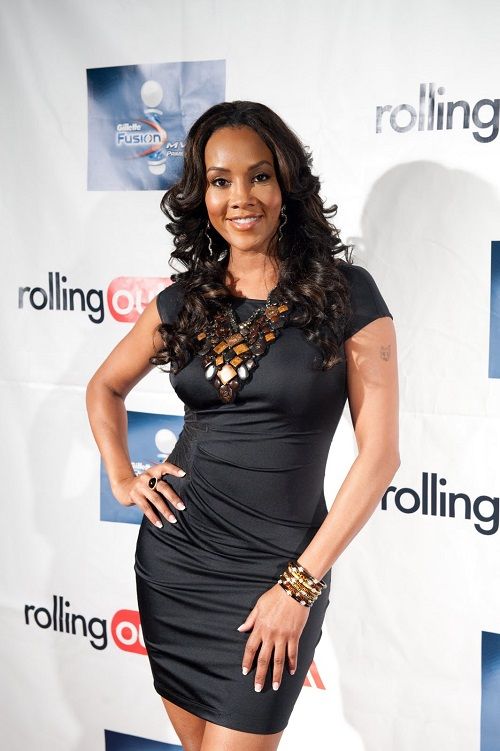
This photograph is the property of its respective owner.

In the pantheon of Black Hollywood glamour, few women have embodied resilience, sensuality, and business acumen quite like Vivica A. Fox. With her radiant smile, honey-brown complexion, and unmistakable screen presence, Fox emerged in the 1990s as one of the definitive “It Girls” of her era. She was not merely beautiful—she was bankable. At a time when Hollywood often limited roles for Black actresses, Fox carved out a space where glamour met grit, and vulnerability met strength.

Born July 30, 1964, in South Bend, Indiana, and raised in Indianapolis, Fox earned a degree in social sciences from Golden West College before pursuing acting. Her early career included soap operas such as Days of Our Lives and Generations, where she honed the discipline and stamina required in the entertainment industry. These formative years shaped her work ethic and prepared her for the breakout that would redefine her trajectory.

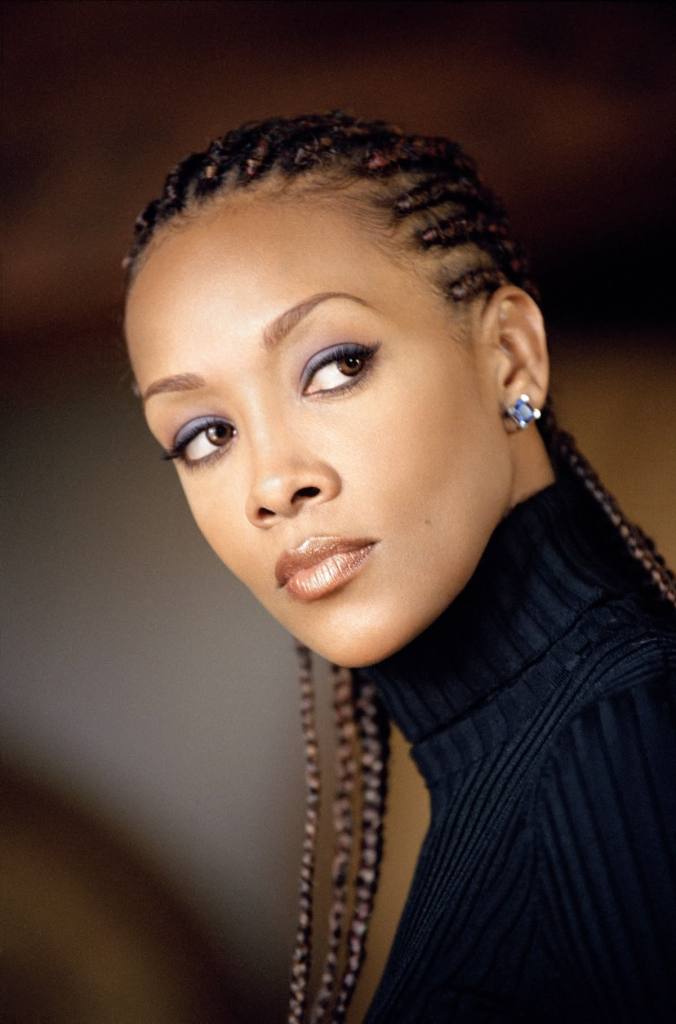
This photograph is the property of its respective owner.

Fox’s ascension to mainstream fame arrived with her role as Jasmine Dubrow in Independence Day (1996). Acting alongside Will Smith, she portrayed a devoted girlfriend and single mother navigating apocalyptic chaos. The film grossed over $800 million worldwide, cementing Fox as a recognizable face in blockbuster cinema. That same year, she starred opposite Jada Pinkett Smith and Queen Latifah in Set It Off, a cultural landmark that remains one of the most significant portrayals of Black female antiheroes in American film history. Her performance as Frankie Sutton—loyal, fierce, and tragically vulnerable—demonstrated dramatic range and emotional depth.

This photograph is the property of its respective owner.

Throughout the late 1990s and early 2000s, Fox became synonymous with box office consistency and romantic allure. She starred in Soul Food, a film adaptation of the television series’ precursor, highlighting Black family dynamics, and appeared in Why Do Fools Fall in Love, portraying Elizabeth Waters opposite Halle Berry. Fox also displayed comedic brilliance in Booty Call and dramatic intensity in Kill Bill: Vol. 1, directed by Quentin Tarantino. As Vernita Green (Copperhead), she embodied physical power and maternal complexity, proving she could dominate action cinema alongside global stars.

In the 2010s, Vivica A. Fox strategically expanded her brand through a prolific partnership with Lifetime, becoming one of the network’s most recognizable leading ladies and executive producers. She headlined and produced multiple entries in the popular thriller franchise commonly known as “The Wrong” series—including titles such as The Wrong Roommate and The Wrong Fiancé—which centered on suspense-driven narratives involving deception, obsession, and betrayal. In 2020, Fox solidified her relationship with Lifetime and its parent company, A+E Networks, by signing a first-look development and producing deal. The agreement positioned her to both star in and executive produce original films for the network, effectively transitioning her from on-screen talent to creative architect. This deal underscored her business acumen, granting her expanded influence over storytelling while ensuring sustained visibility in a competitive industry.

Beyond acting, Fox evolved into a producer and entrepreneur, founding Foxy Brown Productions. She later became a staple of television, starring in and producing projects for networks such as Lifetime, often portraying sophisticated, high-powered women. Her longevity in the industry reflects not only talent but adaptability—an essential attribute for Black actresses navigating Hollywood’s shifting landscape.

Culturally, Fox’s beauty represented the quintessential “All-American” glamour filtered through a distinctly Black aesthetic. Her softly arched brows, almond-shaped eyes, and luminous skin tone positioned her within mainstream beauty discourse at a time when representation was limited. Yet her appeal transcended aesthetics. She carried herself with confidence, humor, and unapologetic femininity, influencing a generation of actresses and audiences alike.

Vivica A. Fox is an “It Girl” not because of fleeting popularity, but because of sustained visibility, cultural impact, and professional endurance. She represents the archetype of the 1990s Black Hollywood starlet who matured into a mogul—gracefully, strategically, and unapologetically. In a world that often sidelines women as they age, Fox has maintained relevance, embodying elegance and resilience.

Her legacy is one of survival and success. She is not simply remembered for her roles; she is remembered for her presence—bold, beautiful, and enduring.


References

Bogle, D. (2016). Toms, Coons, Mulattoes, Mammies, and Bucks: An interpretive history of Blacks in American films (Updated ed.). Bloomsbury Academic.

Guerrero, E. (1993). Framing Blackness: The African American image in film. Temple University Press.

IMDb. (n.d.). Vivica A. Fox. Retrieved from https://www.imdb.com

Mask, M. (2009). Divas on screen: Black women in American film. University of Illinois Press.

A+E Networks. (2020). Vivica A. Fox signs first-look development deal with Lifetime. Press release.

Deadline. (2020). Vivica A. Fox inks first-look deal with Lifetime.

IMDb. (n.d.). Vivica A. Fox filmography. Retrieved from https://www.imdb.com

Lifetime. (n.d.). Original movies featuring Vivica A. Fox. Retrieved from https://www.mylifetime.com

The Ivory Dolls: Elizabeth Taylor, Angelina Jolie,Audrey Hepburn, and Brooke Shields.

Across the evolving landscape of Western cinema and fashion, certain women have emerged not merely as stars, but as aesthetic archetypes—faces that defined decades, influenced global standards, and embodied what their eras called “perfection.” From the violet-eyed mystique of Elizabeth Taylor to the sculpted intensity of Angelina Jolie, the swan-like refinement of Audrey Hepburn, and the porcelain prominence of Brooke Shields—hailed as the face of the 1980s—these women collectively represent a lineage of luminous white femininity that Hollywood elevated into myth. Their beauty was not incidental to their fame; it was central to their branding, their marketability, and their enduring mystique.

Elizabeth Taylor

Violet Eyes, Diamond Fire, and a Beauty That Ruled an Era

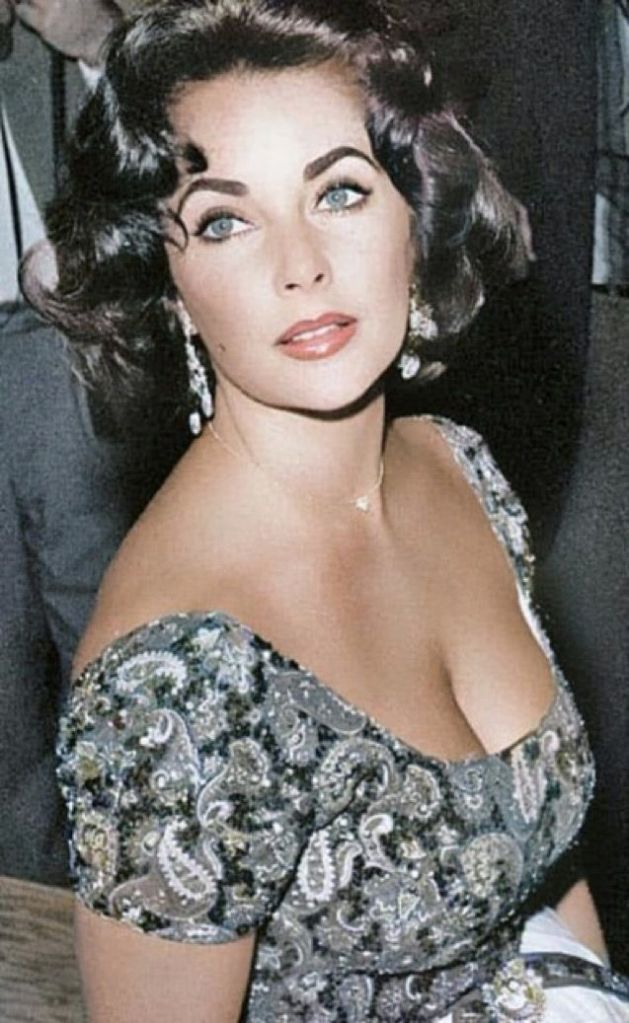
This photograph is the property of its respective owner. No copyright infringement intended.

Elizabeth Taylor was born on February 27, 1932, in London, England, to American parents, and rose to prominence as one of the most luminous screen icons of Hollywood’s Golden Age. From her earliest performances in films such as National Velvet (1944), she possessed a rare magnetism—an arresting combination of innocence and intensity that matured into one of cinema’s most legendary presences. Taylor’s beauty became the subject of global fascination, particularly her naturally dark hair, porcelain complexion, and famously rare violet-blue eyes, often enhanced by a double row of eyelashes caused by a genetic mutation (distichiasis). Studios framed her as the embodiment of aristocratic glamour, yet her screen performances—especially in Cat on a Hot Tin Roof (1958) and Butterfield 8 (1960)—proved she was not merely ornamental, but an actress of formidable emotional power.

Taylor’s artistry earned her two Academy Awards for Best Actress, first for Butterfield 8 (1960) and later for Who’s Afraid of Virginia Woolf? (1966), a performance widely regarded as one of the greatest in American cinema. In that latter role, she deliberately shed the polished veneer of conventional beauty, gaining weight and embracing harsh realism to portray Martha, a volatile and wounded wife, demonstrating that her greatness transcended physical appearance. Her peers often remarked that the camera did not simply capture her; it adored her. Director George Stevens once noted that Taylor possessed a face “made for the close-up.” At the same time, media coverage of the mid-twentieth century routinely described her as “the most beautiful woman in the world,” a superlative repeated in magazines across Europe and America.

Beyond the screen, Taylor’s life was inseparable from spectacle. Her eight marriages—including two to actor Richard Burton—fed public fascination, framing her as a romantic heroine whose passions were as brilliant as her jewels. Indeed, her love of extraordinary gemstones became legendary; pieces such as the Taylor-Burton Diamond and the La Peregrina Pearl were not merely accessories but symbols of opulence and self-possession. Yet her identity as an “Ivory Doll” transcends adornment. She represented a Eurocentric ideal of mid-century glamour—radiant skin, symmetrical features, regal bearing—yet she infused that ideal with depth, vulnerability, and unapologetic sensuality. In an era that often reduced women to aesthetic objects, Taylor wielded beauty as power.

Elizabeth Taylor was considered extraordinary not only because she conformed to classical Western standards of loveliness, but because she animated them with intensity, resilience, and emotional authenticity. Her beauty was described as almost mythic—“too much and yet perfect,” wrote contemporary critics—suggesting that she seemed sculpted rather than born. Even as fashions changed, her image endured as a benchmark of cinematic glamour. To call her an Ivory Doll is to acknowledge how she embodied and defined a particular archetype of luminous white femininity in Hollywood’s imagination—untouchable, jeweled, and unforgettable—yet unmistakably human beneath the brilliance.

Angelina Jolie


Sculpted Beauty, Untamed Spirit, and a Face That Redefined Modern Glamour

This photograph is the property of its respective owner. No copyright infringement intended.

Angelina Jolie was born on June 4, 1975, in Los Angeles, California, the daughter of Academy Award–winning actor Jon Voight and actress Marcheline Bertrand. Emerging in the 1990s with an unconventional intensity, Jolie quickly distinguished herself from traditional Hollywood ingénues. Her breakthrough role in Girl, Interrupted (1999) earned her an Academy Award for Best Supporting Actress, solidifying her reputation as a performer capable of raw psychological depth. Yet it was her portrayal of Lara Croft in Lara Croft: Tomb Raider (2001) that crystallized her global image: bold, statuesque, and unmistakably striking. Her full lips, high cheekbones, luminous pale complexion, and piercing gaze were hailed by media outlets as embodying a contemporary evolution of classical beauty—sensual yet severe, delicate yet formidable.

Jolie’s beauty has often been described as sculptural and otherworldly, evoking Renaissance portraiture infused with modern edge. Critics and fashion editors repeatedly referred to her as one of the most beautiful women in the world, with magazines such as People and Vanity Fair placing her atop annual beauty rankings. Unlike the soft glamour of Old Hollywood, Jolie’s aesthetic projected intensity—an almost feline poise that seemed to challenge the camera rather than merely invite it. Director Clint Eastwood once remarked on her emotional authenticity before the lens, while collaborators noted her ability to command attention in stillness. Her presence in films such as Mr. & Mrs. Smith (2005) and Maleficent (2014) reinforced her image as a woman whose beauty carried an undercurrent of danger and sovereignty.

Her personal life amplified public fascination. High-profile marriages to actors Billy Bob Thornton and Brad Pitt, along with her role as a mother to six children from diverse cultural backgrounds, positioned her at the intersection of glamour and global humanitarianism. Jolie’s extensive advocacy work with the United Nations High Commissioner for Refugees (UNHCR) reframed her public identity beyond aesthetics, aligning beauty with conscience and moral engagement. In 2013, her public disclosure of a preventive double mastectomy due to a BRCA1 gene mutation further reshaped cultural conversations about women’s health, courage, and bodily autonomy—revealing vulnerability beneath the polished exterior.

Angelina Jolie is considered an Ivory Doll not simply because she reflects Western standards of physical allure, but because she embodies a modern archetype of pale, high-fashion elegance fused with intellectual gravity and emotional complexity. Her features—often described as symmetrical to near mathematical precision—became templates in cosmetic and fashion industries, influencing trends in lip augmentation and facial contouring. Yet what renders her extraordinary is the paradox she carries: ethereal beauty combined with visible scars of experience, cinematic grandeur intertwined with humanitarian conviction. She stands as a figure through whom contemporary culture reimagined white femininity—not fragile porcelain, but carved marble—resilient, luminous, and enduring.

Audrey Hepburn


Swan-Necked Elegance, Timeless Grace, and the Poetry of Simplicity

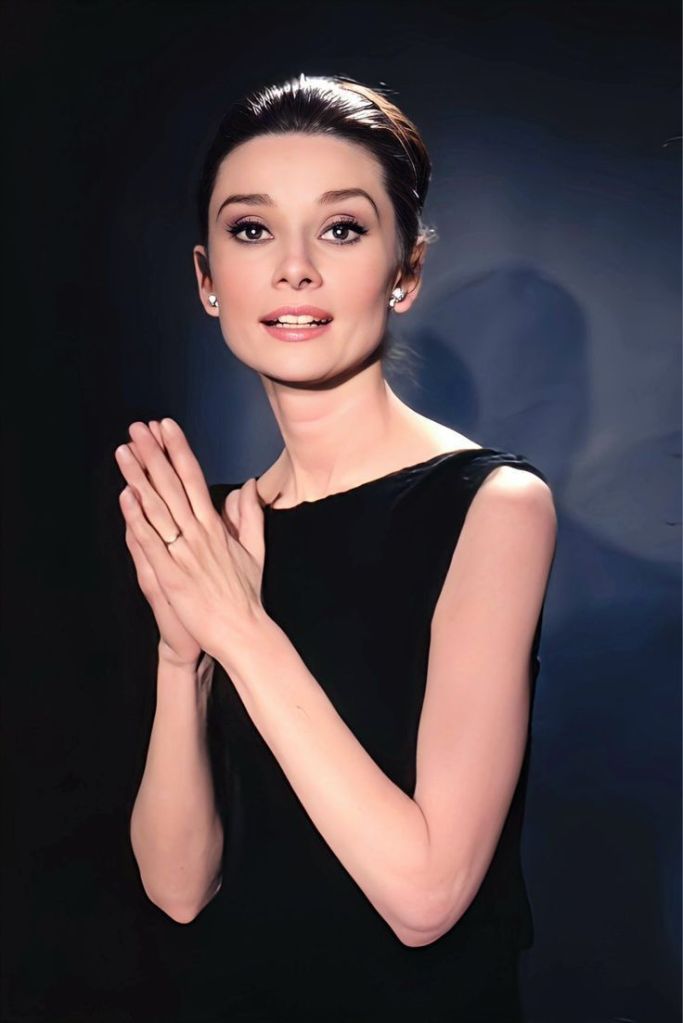
This photograph is the property of its respective owner. No copyright infringement intended.

Audrey Hepburn was born on May 4, 1929, in Ixelles, Belgium, and rose to international prominence as one of the most refined and enduring icons of twentieth-century cinema. Emerging from the shadows of World War II Europe, where she endured hardship during the Nazi occupation of the Netherlands, Hepburn brought to Hollywood not only delicacy of frame but resilience of spirit. Her breakthrough performance in Roman Holiday (1953) opposite Gregory Peck earned her the Academy Award for Best Actress, instantly positioning her as a new archetype of feminine beauty—slender, luminous, and disarmingly natural. In an era dominated by voluptuous glamour, Hepburn’s big doe eyes, arched brows, and swan-like neck introduced a minimalist elegance that redefined aesthetic standards.

Her collaboration with designer Hubert de Givenchy further immortalized her image, particularly in Breakfast at Tiffany’s (1961), where the black Givenchy dress became a symbol of chic restraint and cosmopolitan poise. Hepburn’s beauty was frequently described as “elfin” and “ethereal,” marked not by excess but by proportion and grace. Critics emphasized her expressive eyes and gamine silhouette, suggesting that her allure emanated from movement and manner as much as physical symmetry. Unlike the sultry magnetism of contemporaries, Hepburn’s presence conveyed innocence blended with intelligence—a quiet radiance that seemed to glow from within rather than demand attention.

Hepburn’s accolades extended beyond her Academy Award to include multiple BAFTA Awards, a Tony Award, and a posthumous Presidential Medal of Freedom for her humanitarian work. Later in life, she served as a Goodwill Ambassador for UNICEF, drawing upon her childhood experiences of hunger to advocate for vulnerable children worldwide. Public admiration for her beauty thus became inseparable from admiration for her compassion. Writer Dominick Dunne once observed that Hepburn possessed “a face that mirrored kindness,” reinforcing the perception that her loveliness was inseparable from moral refinement. In cultural memory, she remains less a figure of spectacle and more an embodiment of cultivated grace.

Audrey Hepburn is considered an Ivory Doll not merely because she reflected mid-century European ideals of pale, delicate femininity, but because she refined them into something enduring and aspirational. Her extraordinary quality lay in paradox: fragility paired with fortitude, simplicity elevated to haute couture, and understatement transformed into legend. She did not overwhelm the gaze; she invited it gently. In doing so, she expanded Hollywood’s conception of beauty—proving that elegance need not shout to be unforgettable, and that true radiance is as much character as countenance.

Brooke Shields


The Face of the ’80s—Porcelain Beauty, Power Brows, and Cultural Provocation

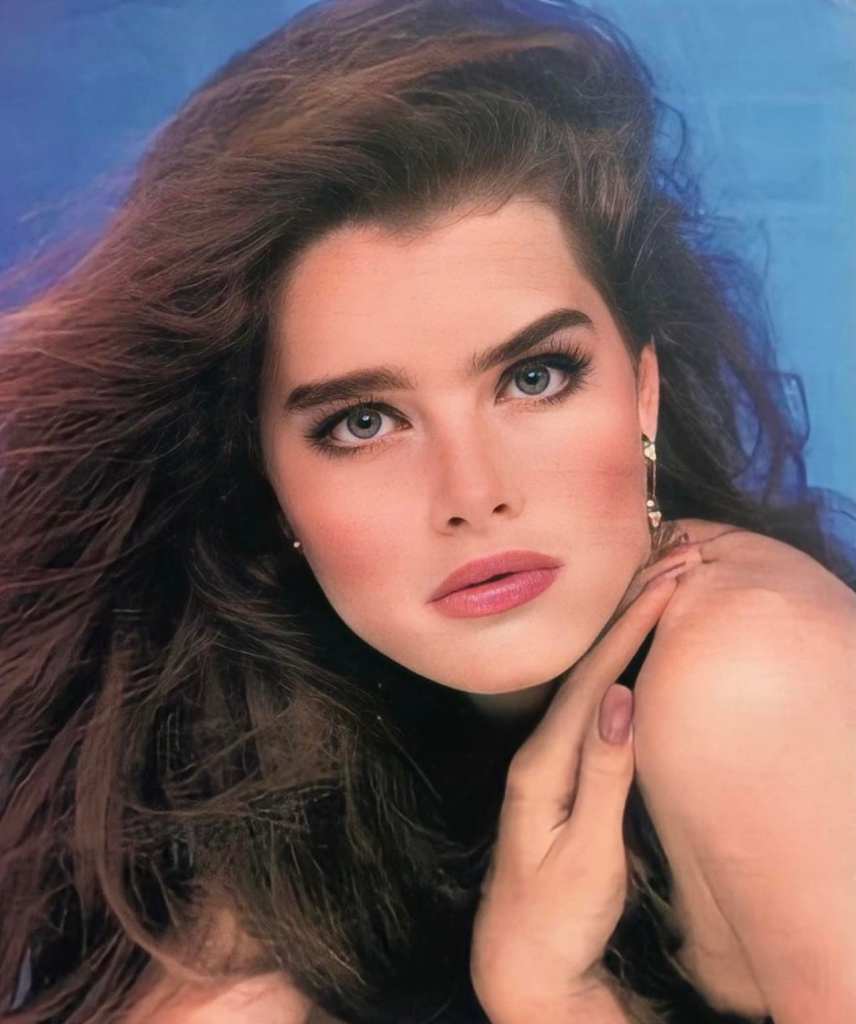
This photograph is the property of its respective owner. No copyright infringement intended.

Brooke Shields was born on May 31, 1965, in New York City, and emerged as one of the most recognizable faces of late twentieth-century popular culture. A child model before she was a teenager, Shields entered the public imagination with striking force—tall, poised, and possessed of luminous fair skin framed by famously bold eyebrows that would become her signature. Her early film roles, particularly in Pretty Baby (1978) and The Blue Lagoon (1980), ignited both acclaim and controversy, placing her at the intersection of innocence and sensuality. By the early 1980s, she was widely heralded as “the face of the ’80s,” a supermodel-actress whose image saturated fashion campaigns, magazine covers, and television screens with unprecedented ubiquity.

Her Calvin Klein jeans advertisements—most notably the provocative line, “You want to know what comes between me and my Calvins? Nothing”—became emblematic of the era’s bold commercial aesthetic and cemented her status as a cultural phenomenon. Photographers and designers praised her classical proportions, alabaster complexion, and expressive eyes, often comparing her to Renaissance portraiture infused with modern attitude. Shields’ beauty was described as both wholesome and daring, a duality that allowed her to navigate film, fashion, and Broadway with equal visibility. Unlike fleeting trends, her look defined a decade’s visual language, influencing everything from eyebrow styles to the merging of high fashion with youth culture.

Shields’ career extended beyond modeling into acting and academia; she later graduated from Princeton University, challenging stereotypes that beauty and intellect were mutually exclusive. Public commentary on her appearance frequently emphasized symmetry and camera magnetism—qualities that made her a favorite of photographers such as Richard Avedon and Francesco Scavullo. At the height of her fame, media outlets routinely listed her among the world’s most beautiful women, framing her as an icon of American glamour during a period of cultural excess and stylistic experimentation. Even as public scrutiny surrounded aspects of her early career, Shields’ composure and longevity demonstrated resilience beneath the porcelain exterior.

Brooke Shields is considered an Ivory Doll not simply because she embodied Eurocentric ideals of fair-skinned, classical femininity, but because she became the definitive aesthetic emblem of a transformative decade. Her extraordinary quality lay in her ability to project vulnerability and confidence simultaneously—soft features underscored by an unwavering gaze. As the face of the ’80s, she symbolized youth, luxury, and media saturation in equal measure. In cultural memory, her image remains suspended in time: luminous, sculpted, and unmistakably emblematic of an era when beauty became both brand and battleground.

Yet beauty, in their cases, functioned as more than symmetry and complexion. It became narrative. Taylor’s opulence shimmered with diamonds and drama; Hepburn’s elegance whispered restraint and cultivated grace; Shields’ youthful glamour fused innocence with provocation; Jolie’s angular features suggested power and modern autonomy. Each woman reflected the aesthetic and psychological needs of her generation. Their faces appeared on magazine covers, film posters, couture campaigns, and philanthropic platforms, shaping global conversations about desirability, womanhood, and aspiration. They were described in superlatives—“the most beautiful woman in the world,” “timeless,” “otherworldly,” “iconic”—phrases that reveal how deeply society invests meaning in physical form.

To call them “Ivory Dolls” is not merely to reference complexion, but to identify a particular cultural positioning: elevated, polished, displayed, and often idealized as delicate yet untouchable. The term gestures toward how Western media historically framed pale femininity as the aesthetic benchmark—porcelain skin illuminated under studio lights, features sculpted into classical proportion, bodies adorned in couture and jewels. In this framing, beauty becomes both privilege and burden: a pedestal that amplifies admiration while intensifying scrutiny. These women were celebrated, commodified, protected, and critiqued—sometimes all at once.

Together, they form a gallery of cinematic and cultural memory—figures whose appearances shaped industries and influenced generations of women’s self-perception. Their extraordinary quality was not solely a matter of genetic fortune, but of the interplay among image, performance, media narrative, and public imagination. In studying their beauty, one is not merely studying faces; one is examining how power, race, glamour, commerce, and femininity converge in the construction of iconography. The Ivory Dolls, then, are more than beautiful women—they are mirrors reflecting what their societies chose to exalt, preserve, and remember.

While Elizabeth Taylor, Angelina Jolie, Audrey Hepburn, and Brooke Shields did not always frame their public identities around race-specific discourse, their documented actions—ranging from civil rights support to global humanitarian advocacy and cross-cultural engagement—reflect patterns of inclusion and compassion rather than hostility toward Black people.

References

Brown, S. (2022). Elizabeth Taylor: The grit and glamour of an icon. Lyons Press.

Parish, J. R. (2011). Elizabeth Taylor: Hollywood’s last star. Wiley.

Spoto, D. (1995). A passion for life: The biography of Elizabeth Taylor. HarperCollins.

Turan, K. (2011, March 23). Elizabeth Taylor dies at 79; legendary actress won 2 Oscars. Los Angeles Times.

Biskind, P. (2010). Star: How Warren Beatty seduced America. Simon & Schuster.

Jolie, A. (2013, May 14). My medical choice. The New York Times.

Parish, J. R. (2017). Hollywood beauties: The evolution of screen glamour. McFarland.

UNHCR. (2022). Angelina Jolie’s humanitarian advocacy and global impact. United Nations High Commissioner for Refugees.

Dunne, D. (2004). Too much money. Crown Publishers.

Hepburn, S. (2015). Audrey Hepburn: An elegant spirit. Atria Books.

Spoto, D. (2006). Enchantment: The life of Audrey Hepburn. Harmony Books.

United Nations Children’s Fund (UNICEF). (1993). Audrey Hepburn’s humanitarian legacy. United Nations.

Shields, B. (2014). There was a little girl: The real story of my mother and me. Dutton.

Shields, B. (2021). Brooke Shields is not allowed to get old: Thoughts on aging as a woman. Flatiron Books.

Trebay, G. (2021, November 8). Brooke Shields on aging, beauty and survival. The New York Times.

Vogue Archive. (1980–1985). Brooke Shields cover features and fashion editorials. Condé Nast.

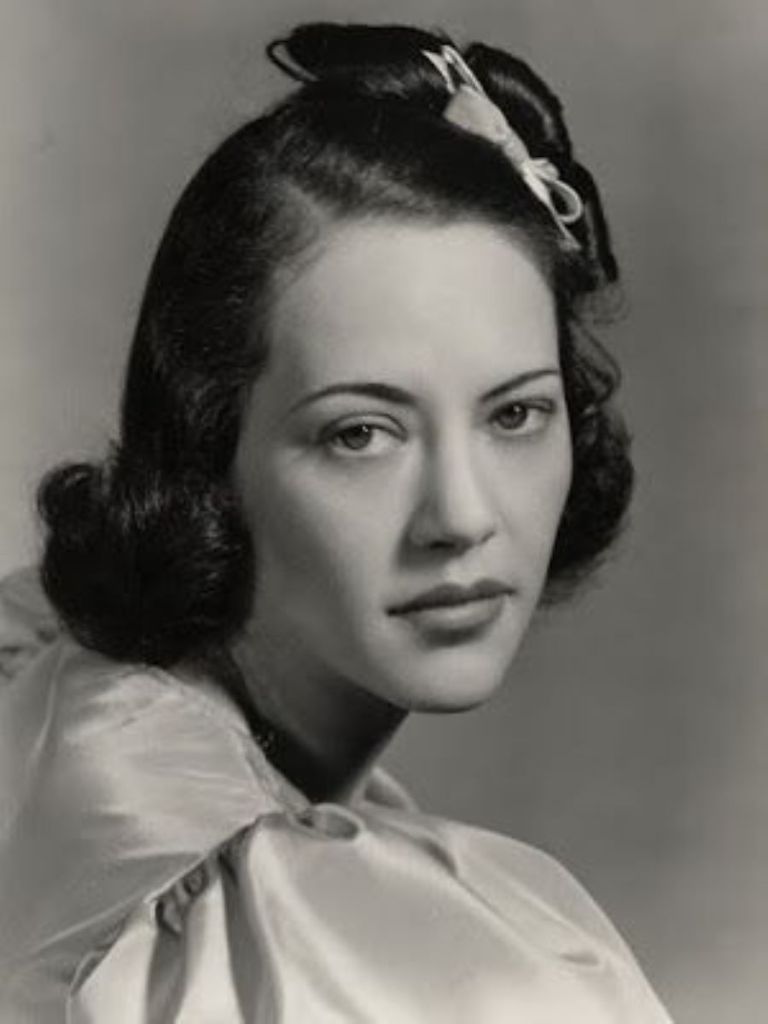
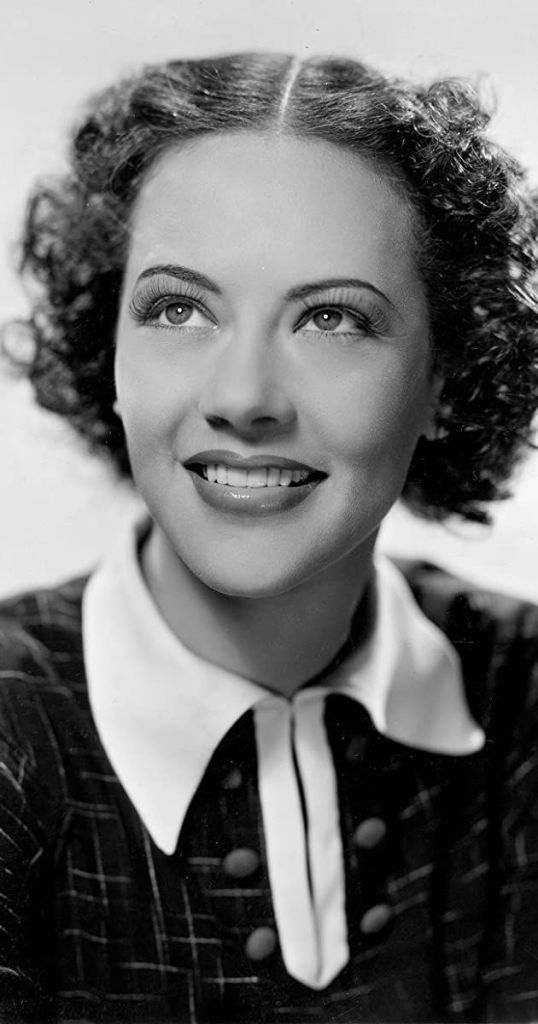
Passing Series: Fredi Washington

This photograph is the property of its respective owner. No copyright infringement intended.

Fredi Washington stands as one of the most powerful and tragic figures in early Hollywood history, not because she passed as white, but because she refused to. In an industry that rewarded racial ambiguity and punished Black identity, Washington embodied the moral and psychological conflict of being light-skinned in a violently racist society. Her career reveals how passing was not merely a personal choice, but a structural demand imposed by white supremacy and enforced through economic survival.

Born Fredericka Carolyn Washington in 1903, Washington was an African American woman of mixed ancestry whose appearance allowed her to easily pass as white. However, unlike many of her contemporaries, she openly identified as Black throughout her life. This decision came at a tremendous cost, as Hollywood consistently denied the leading roles that she would have easily secured had she chosen to conceal her racial identity.

Washington rose to prominence through her iconic role as Peola Johnson in Imitation of Life (1934), a film that centered directly on the psychological trauma of racial passing. Ironically, the very role that made her famous also trapped her, as she was forever associated with a character who rejected Blackness to survive. The role mirrored the real-life dilemma Washington faced in her own career.

The studio system strongly pressured Washington to pass. Executives encouraged her to claim Spanish, Hawaiian, or “exotic” heritage, similar to what they had done with other racially ambiguous actresses. She was told explicitly that identifying as Black would make her “unmarketable,” especially for romantic roles opposite white male leads.

Washington refused. She rejected studio attempts to rebrand her and insisted on racial honesty, even as she watched opportunities disappear. In doing so, she became one of the earliest examples of conscious racial resistance in Hollywood, choosing integrity over access, and truth over fame.

Her refusal to pass effectively ended her film career. While she possessed the beauty, talent, and screen presence of a major star, she was relegated to theater, modeling, and race films. Hollywood’s message was clear: Black identity, even when invisible, was still unacceptable.

This photograph is the property of its respective owner. No copyright infringement intended.

Unlike many performers who internalized white standards, Washington developed a strong racial consciousness. She openly criticized Hollywood’s racism and later became a co-founder of the Negro Actors Guild, an organization created to fight discriminatory casting practices and protect Black performers from exploitation.

Washington’s story highlights the psychological violence of racial capitalism. Passing offered financial security, safety, and visibility, while racial honesty meant poverty, exclusion, and marginalization. The system rewarded proximity to whiteness and punished Black authenticity.

Her experience also exposes a deeper contradiction: Hollywood wanted Black bodies but not Black identity. Washington’s face was desirable, but her race was not. This split reveals how racism operates not only through exclusion, but through selective consumption and erasure.

Washington’s life demonstrates what W.E.B. Du Bois described as double consciousness, the internal struggle of existing in a world that constantly demands you deny yourself to be accepted. For Washington, the conflict was not internal, but external—she knew who she was, and society rejected her for it.

While many light-skinned performers passed in silence, Washington turned her suffering into activism. She used her voice to advocate for dignity, representation, and systemic change, long before civil rights became mainstream discourse in American culture.

Her later years were marked by relative obscurity, not because of lack of talent, but because she refused to participate in racial deception. In a different industry, she would have been one of the greatest leading ladies of her generation.

Washington’s legacy forces us to reconsider the narrative of passing. While many were forced into it, she revealed the alternative path: racial truth, even when it costs everything. Her life becomes a moral counterpoint to Hollywood’s culture of assimilation.

She represents the unseen casualties of racism—those whose careers never happened, whose talents were buried, and whose dreams were denied because they refused to lie about their existence.

Ultimately, Fredi Washington did not pass as white, but she exposed the system that demanded it. Her story is not one of failure, but of resistance, a reminder that sometimes the most radical act in a racist world is simply telling the truth about who you are.


References

Bogle, D. (2016). Toms, coons, mulattoes, mammies, and bucks: An interpretive history of Blacks in American films (5th ed.). Bloomsbury.

Du Bois, W. E. B. (2007). The souls of Black folk. Oxford University Press. (Original work published 1903)

Gaines, J. M. (2017). Fire and desire: Mixed-race movies in the silent era. University of Chicago Press.

Hoberman, J. (2018). Hollywood and the color line. Film Quarterly, 71(3), 12–19.

Smith, S. (2019). Passing and performance: Racial ambiguity in classical Hollywood. Journal of American Culture, 42(2), 145–158.

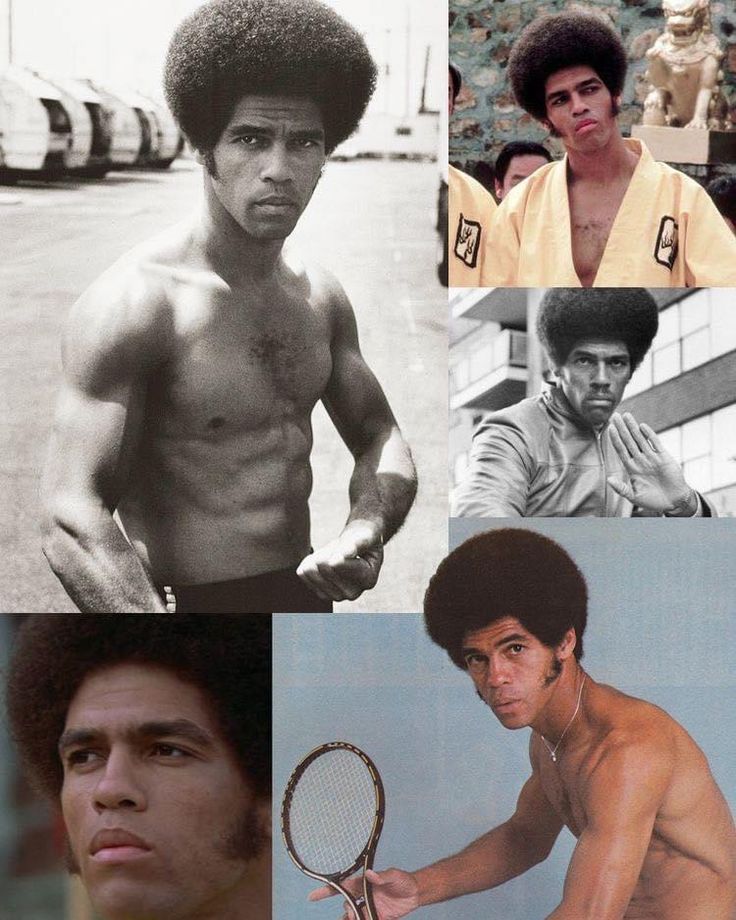
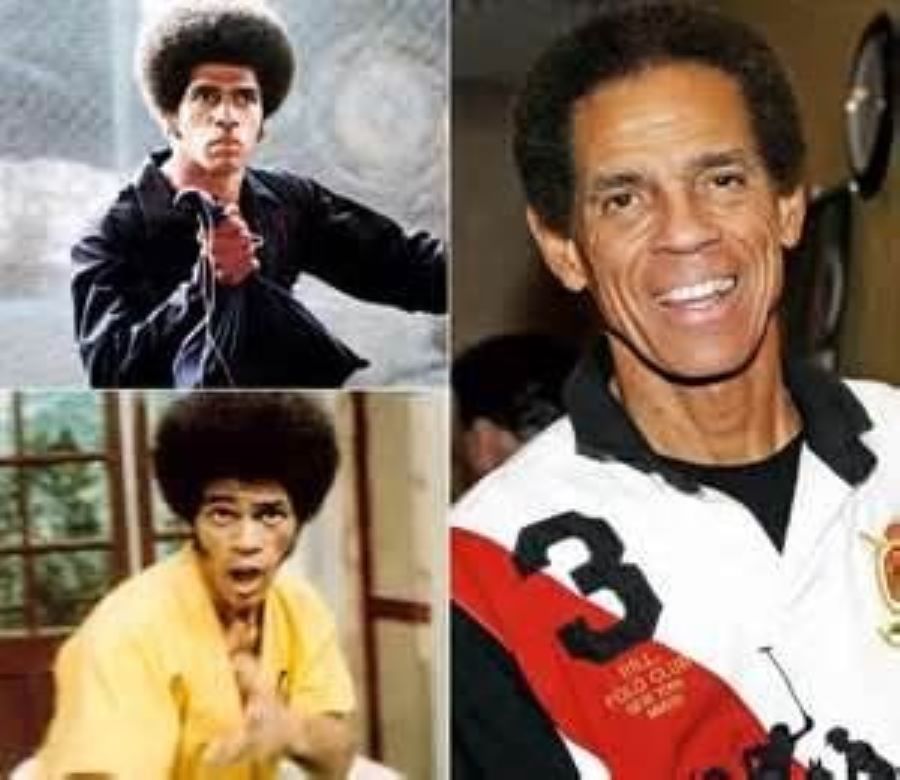
Celebrity Spotlight: Jim Kelly – The Dragon of the Black Belt and the Martial Arts King of Cinema.

These photographs are the property of their respective owners. No copyright infringement intended.

Jim Kelly stands as one of the most iconic martial artists and action stars in film history, a figure who reshaped the image of Black masculinity in global cinema. At a time when Black men were rarely portrayed as disciplined heroes, intellectual fighters, or spiritual warriors, Kelly emerged as a symbol of strength, confidence, and cultural pride. His presence on screen fused martial arts philosophy with Black Power aesthetics, creating a legacy that transcended entertainment.

Born in 1946 in Paris, Kentucky, Kelly grew up during the height of segregation and racial inequality in the United States. As a young man, he was drawn to physical fitness, sports, and self-discipline as a means of empowerment. Martial arts became not just a hobby, but a personal philosophy rooted in control, focus, and self-mastery.

Kelly began his martial arts journey in karate, training rigorously in the late 1960s. He studied under respected instructors and quickly demonstrated exceptional talent and athleticism. His dedication to training placed him among the elite practitioners of his era, at a time when very few Black Americans were visible in competitive martial arts spaces.

He ultimately achieved the rank of black belt in Shorin-Ryu karate, a traditional Okinawan style known for speed, precision, and fluid striking techniques. This was not a ceremonial rank but one earned through serious training, competition, and mastery. Kelly was widely respected in martial arts circles as a legitimate and highly skilled fighter.

Before entering Hollywood, Kelly became a professional karate champion. He won multiple national karate tournaments and was considered one of the top competitors in the United States. His reputation as a real martial artist, not just a movie performer, distinguished him from many action stars who relied primarily on choreography.

Kelly’s big breakthrough came when he was discovered by Warner Bros and cast in the film Enter the Dragon in 1973. This film, starring Bruce Lee, became one of the most influential martial arts movies in history. Kelly’s role as Williams introduced audiences to a new archetype: the Black martial artist who was disciplined, rebellious, and spiritually grounded.
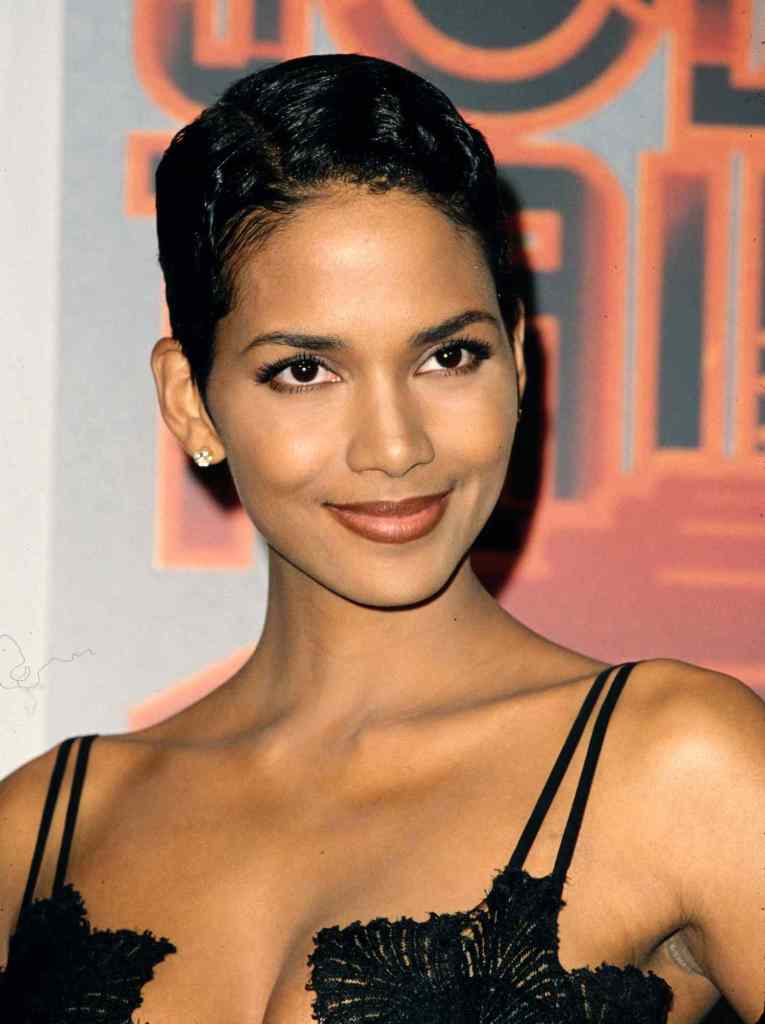
His relationship with Bruce Lee was one of deep mutual respect. Lee admired Kelly’s athletic ability and on-screen charisma, while Kelly viewed Lee as both a mentor and philosophical influence. Together, they helped globalize martial arts culture and popularize Eastern philosophy within Western and Black communities.

In Enter the Dragon, Kelly’s character symbolized Black resistance and self-awareness. He rejected corrupt systems, challenged authority, and embodied a revolutionary spirit that resonated with Black audiences worldwide. His afro, confidence, and unapologetic masculinity made him a cultural icon of the 1970s.

After Bruce Lee’s death, Kelly became the leading Black martial arts star in the world. He starred in several kung fu and action films, including Black Belt Jones, Three the Hard Way, Hot Potato, and Golden Needles. These films positioned him as the central hero, not a sidekick or stereotype.

Black Belt Jones was especially significant, as it was one of the first martial arts films to center a Black protagonist. Kelly played a karate instructor protecting his community from gangsters and corrupt forces. The film blended Blaxploitation themes with authentic martial arts, creating a genre-defining classic.

Unlike many actors, Kelly insisted on realism in fight scenes. His movements were not exaggerated or theatrical but grounded in real technique. This authenticity made his performances influential among future martial artists and action stars.

Beyond film, Kelly was deeply committed to health, wellness, and holistic living. He later became a motivational speaker and health advocate, promoting vegetarianism, fitness, and mental discipline. Martial arts, for him, was inseparable from spiritual and physical health.

Kelly also worked as a tennis instructor and sports entrepreneur, showing that his talents extended far beyond cinema. He believed in lifelong physical excellence and viewed the body as a sacred instrument requiring discipline and respect.

These photographs are the property of their respective owners. No copyright infringement intended.

In his personal life, Kelly was married and had children, though he kept his family life largely private. He was known by friends and peers as humble, disciplined, and deeply philosophical, living by the values he portrayed on screen.

Tragically, Kelly died in 2013 after battling cancer. His death was mourned across martial arts communities, film circles, and Black cultural spaces. Yet his influence remains alive through generations of fighters, actors, and fans.

Kelly’s legacy is not just cinematic but symbolic. He represented a Black man who mastered both mind and body, who rejected criminal stereotypes and replaced them with warrior ethics and intellectual power.

He opened doors for Black representation in action cinema long before stars like Wesley Snipes, Michael Jai White, and Idris Elba. Without Jim Kelly, the image of the Black martial arts hero might never have existed.

Culturally, Kelly fused Afrocentric pride with Eastern philosophy, creating a new global identity for Black masculinity rooted in discipline, honor, and spiritual strength.

His image continues to circulate in hip-hop, fashion, fitness culture, and martial arts philosophy. He remains one of the few figures who embodied both revolutionary aesthetics and authentic warrior training.

Ultimately, Jim Kelly was not just an actor or a fighter. He was a symbol of Black excellence in motion, a living bridge between African American empowerment and martial arts philosophy, and a king whose legacy still trains minds and bodies across the world.


References

Bolelli, D. (2008). On the warrior’s path: Philosophy, fighting, and martial arts mythology. Blue Snake Books.

Bowman, P. (2010). Theorizing Bruce Lee: Film-fantasy-fighting-philosophy. Rodopi.

Hunt, L. H. (1998). Kung fu cult masters: From Bruce Lee to Crouching Tiger. Film Quarterly, 51(4), 10–17.

Miller, D. (2014). Jim Kelly: The original Black martial arts superstar. Black Film Review, 6(2), 22–29.

Teo, S. (2009). Chinese martial arts cinema: The wuxia tradition. Edinburgh University Press.

Jim Kelly

🌍⭐🎬 NOLLYWOOD 🌍⭐🎬

Nollywood is the term used to describe Nigeria’s film industry, a cinematic powerhouse that has grown into one of the most prolific film ecosystems in the world. Emerging in the early 1990s from low-budget home-video productions, it has transformed into a cultural phenomenon recognized globally. The industry developed organically, driven not by massive studios or government investment, but by the creativity, urgency, and determination of everyday Nigerian storytellers.

Nollywood began as a response to the absence of a formal filmmaking infrastructure in Nigeria. With limited access to cinemas and expensive equipment, early filmmakers turned to VHS and later DVD formats to distribute stories directly to the public. This democratization of filmmaking allowed people outside elite circles to participate in an art form that had historically been restricted to the well-financed.

Each year, Nollywood produces thousands of films, often with rapid production timelines and modest budgets. Estimates vary, but it consistently ranks among the world’s top three filmmaking centers in terms of annual film output. This massive volume reflects both the demand for Nigerian stories and the necessity of quick turnarounds in a largely informal film economy.

When compared to other global industries, Nollywood stands out for its intense productivity. Bollywood in India remains the world’s largest film industry by the number of films released yearly, while Hollywood leads in global box office revenue and production budgets. Nollywood, however, occupies a unique middle ground—second or third in volume but operating with far fewer resources.

Purpose, Outcome, and Legacy of Nollywood
The purpose of Nollywood has been multifaceted: to tell Nigerian stories, provide entertainment for local audiences, create economic opportunity, and assert cultural identity. The outcome has been the world’s second-largest film industry (by volume) that has reshaped African popular culture, created celebrity economies, and entered the streaming era. The legacy includes a vibrant film ecosystem, diasporic audiences, and increased global awareness of African cinema. Challenges remain (distribution, piracy, production quality, funding), but Nollywood has established a model of low-budget high-volume filmmaking that has inspired creative industries across Africa.

For many Nigerians, Nollywood is not just entertainment but a mirror of social realities. The films often portray family dynamics, religion, corruption, romance, and supernatural beliefs deeply rooted in Nigerian culture. As a result, audiences feel intimately connected to the characters and stories.

Cultural Significance within Africa and the Diaspora
Nollywood’s cultural resonance extends beyond Nigeria. Its films are widely viewed across Africa and among the African diaspora; they carry Nigerian English, local dialects, cultural references, and social dynamics familiar to many Africans. In this sense, Nollywood serves as a cultural ambassador exporting African narratives rather than importing foreign ones. By giving voice to local experiences, the industry contributes to continental self-representation in film.

The Nigerian public has a complex but affectionate relationship with the industry. Many celebrate it as a symbol of African creativity and cultural independence. Others criticize it for repetitive themes, low production quality in earlier eras, or exaggerated moral stories. Yet overall, Nollywood remains a source of national pride, representing a shift from foreign-dominated media to African-owned narratives.

Nollywood has changed countless lives by creating jobs in acting, directing, set design, costume creation, scriptwriting, and technical production. Beyond film workers, the industry stimulates the economy for caterers, drivers, rental companies, and local communities where filming takes place. For many Nigerians, Nollywood has become a pathway out of poverty.

The industry has its own set of celebrities who have become household names. Actors such as Omotola Jalade Ekeinde, Genevieve Nnaji, Ramsey Nouah, and Pete Edochie have achieved fame not only in Nigeria but across Africa and in diaspora communities worldwide. Their rise to prominence demonstrates Nollywood’s ability to shape global perceptions of African talent.

Actresses like Genevieve Nnaji and Omotola Jalade Ekeinde have become cultural icons, admired for both their screen presence and their influence in fashion, politics, and philanthropy. Their careers reflect the evolution of Nollywood from a local video market to an international industry with global recognition.

Some of the most well-known Nollywood films include Living in Bondage, Osuofia in London, Last Flight to Abuja, The Wedding Party, and Weekend Getaway. These films illustrate the industry’s versatility—from comedy to romance, from thriller to traditional folklore—and show how Nigerian filmmakers adapt genres to local contexts.

The purpose of Nollywood has always been rooted in storytelling. It offers narratives that resonate deeply with Nigerian viewers while also giving global audiences insight into African traditions, conflicts, humor, and spirituality. Through this lens, Nollywood becomes not only a form of entertainment but a cultural archive.

The outcome of this massive storytelling tradition is the creation of a distinct Nigerian cinematic identity. Today, Nollywood is recognized internationally for its characteristic fast pacing, emotional storytelling, and cultural authenticity. Its films travel across Africa and beyond, shaping regional entertainment trends.

The legacy of Nollywood is profound. It has inspired filmmakers across Africa, influenced television production, and shifted the global conversation about who gets to make films and whose stories deserve to be told. For many Africans in the diaspora, Nollywood movies serve as a connection to home and heritage.

Despite its success, Nollywood still faces several challenges. Piracy remains one of the industry’s biggest problems, costing producers significant revenue. Limited funding and inadequate filmmaking infrastructure also restrict the industry’s growth potential. However, these obstacles have not dampened its resilience.

The arrival of digital streaming platforms such as Netflix, Amazon Prime, and local services has been transformative. These platforms have expanded Nollywood’s global audience and encouraged higher production values. Filmmakers now have access to better equipment and more refined storytelling methods.

Streaming has also allowed Nollywood films to reach viewers who may never have encountered African cinema otherwise. As a result, the industry is now more visible on the world stage, attracting international collaborations, investments, and film-festival recognition.

Culturally, Nollywood has become a tool for shaping identity and reinforcing values. Families bond over films, communities debate moral lessons, and social themes shown on screen often reflect real societal issues. In this sense, Nollywood shapes not only entertainment but national consciousness.

The influence of Nollywood extends into fashion, music, and lifestyle. Many of its actors set fashion trends, promote Nigerian clothing designers, and inspire young people to dream beyond their circumstances. The industry contributes to cultural pride and the celebration of African beauty and creativity.

Nollywood also functions as a soft-power instrument for Nigeria, exporting culture in a way that fosters understanding and connection. Films featuring Nigerian languages, traditions, and comedic styles have become beloved across the continent.

In terms of social impact, Nollywood has helped normalize African perspectives in mainstream media. Instead of relying on Hollywood portrayals, many African youth now see themselves reflected onscreen with authenticity and dignity.

In conclusion, Nollywood is far more than a film industry—it is a movement, an economic engine, and a cultural storyteller. It stands as a testament to Nigerian creativity, resilience, and the power of African narratives. With continued growth, streaming expansion, and increasing global collaboration, Nollywood is poised to play an even greater role in shaping world cinema in the decades to come. Nollywood stands as a remarkable cinematic phenomenon: it is Nigeria’s cultural powerhouse, a global film-production leader by volume, and a creative engine that has challenged the dominance of Hollywood and Bollywood on the metrics of output. Yet its true significance lies in the way it creates stories, jobs, and identity for Nigerians—not only as spectators but as producers and participants. While structural challenges remain, its life-changing potential for individuals, its cultural affirmation, and its economic contribution ensure that Nollywood is far more than a mere film industry—it is a societal movement.

References

Andrews, D. (2009, April 28). What is Nollywood? Yale Insights. https://insights.som.yale.edu/insights/what-is-nollywood

Demand Africa. (2019, January 28). Top Nollywood film stars — Who is Genevieve Nnaji? https://demandafrica.com/entertainment/celebrities/top-nollywood-film-stars-genevieve-nnaji/

Encyclopedia Britannica. (n.d.). Nollywood. https://www.britannica.com/topic/Nollywood

Giwa, E. T. (2012). Nollywood: A case study of the rising Nigerian film industry (Master’s thesis, Southern Illinois University). https://opensiuc.lib.siu.edu/gs_rp/667

Northwestern University Libraries. (2025). Nollywood and beyond: Research guide. https://libguides.northwestern.edu/nollywood

StudioBinder. (2019, December 5). What is Nollywood and how did it become the 2nd largest film industry in the entire world? https://www.studiobinder.com/blog/what-is-nollywood/

TechCulture Africa. (2025, February 26). Nigeria’s Nollywood is Africa’s largest cinema hub; here’s why. https://techcultureafrica.com/nollywood

Time Magazine. (2014). Hooray for Nollywood! https://time.com/3153912/hooray-for-nollywood

Wikipedia. (n.d.). Omotola Jalade Ekeinde. https://en.wikipedia.org/wiki/Omotola_Jalade_Ekeinde

Wikipedia. (n.d.). Last Flight to Abuja. https://en.wikipedia.org/wiki/Last_Flight_to_Abuja

Wikipedia. (n.d.). Weekend Getaway. https://en.wikipedia.org/wiki/Weekend_Getaway

The Ebony Dolls: Halle Berry

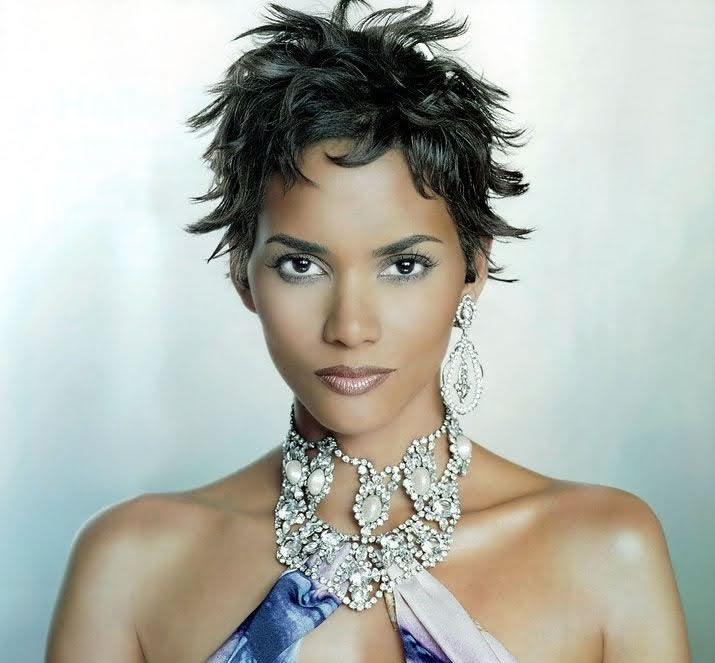
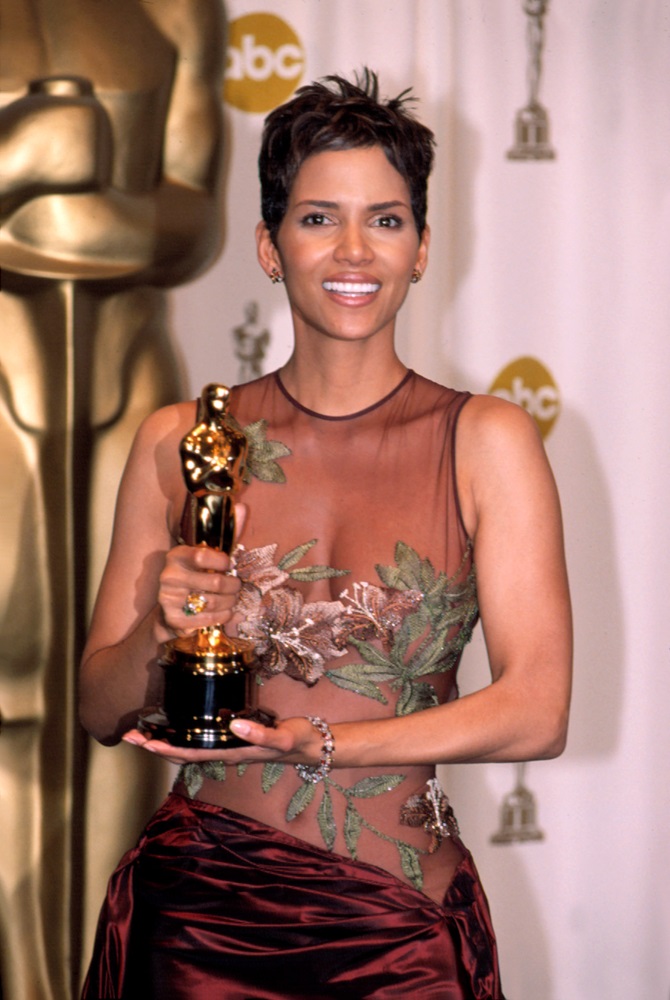
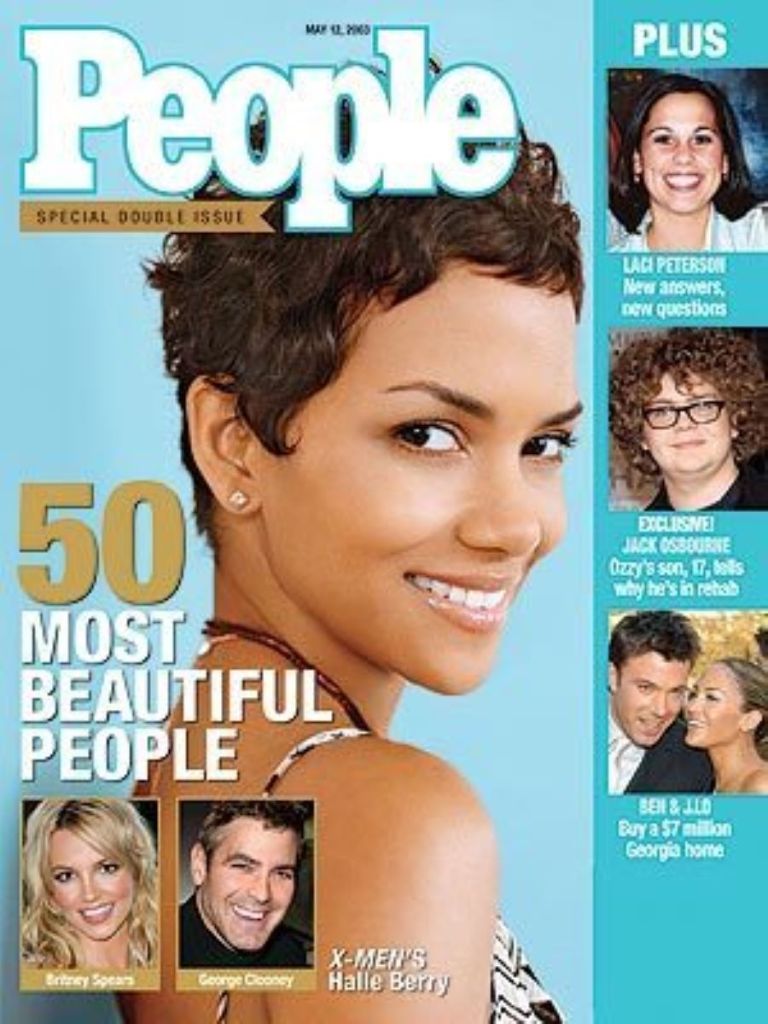
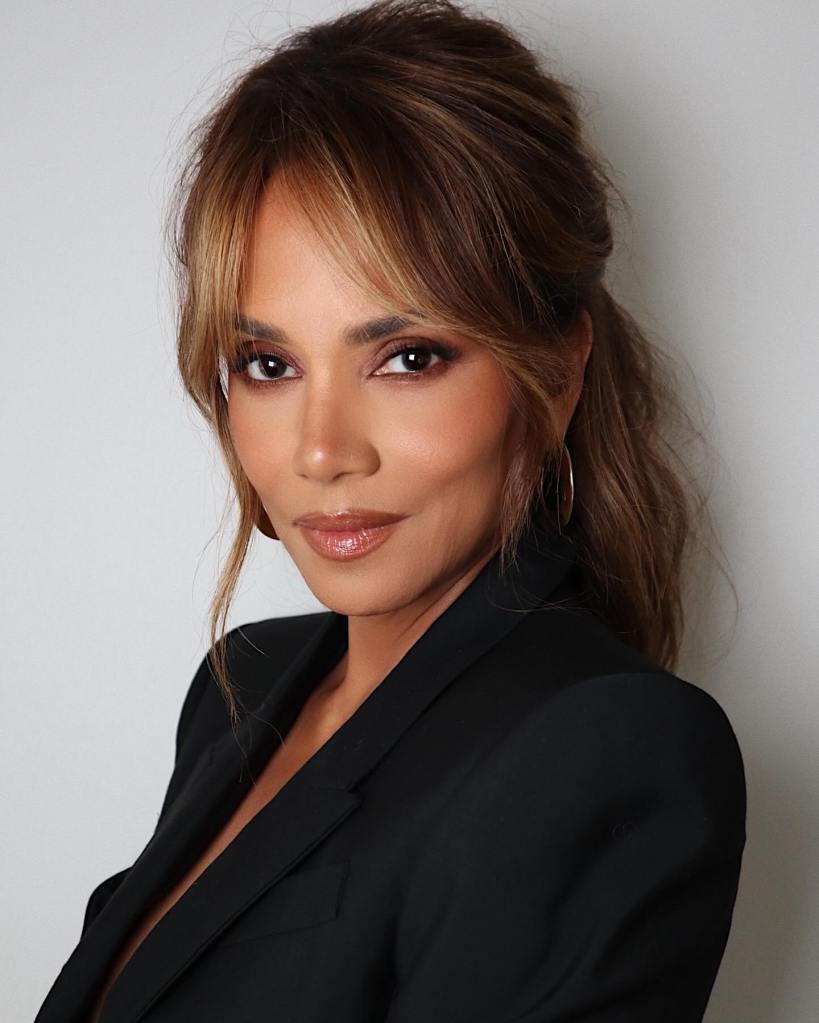
Many have said that Halle Berry is the most beautiful woman in the world, making her a living icon of beauty and timeless elegance.

In the early 1990s, after the release of Strictly Business (1991), Halle Berry captivated Hollywood and the world with her magnetic screen presence and extraordinary beauty. The film served as her breakout role, introducing audiences to a new kind of Black leading lady—radiant, confident, and effortlessly alluring. Her appearance in Strictly Business marked a cultural turning point, as Berry’s blend of sophistication and sensuality transcended racial boundaries in an industry still grappling with representation. Television host Arsenio Hall famously declared her “the most beautiful woman in the world,” echoing the collective awe of audiences and critics alike who saw in Berry not just a starlet, but a genetic marvel – the complete package in terms of beauty whose elegance and charisma would redefine Hollywood’s standards of beauty for decades to come.

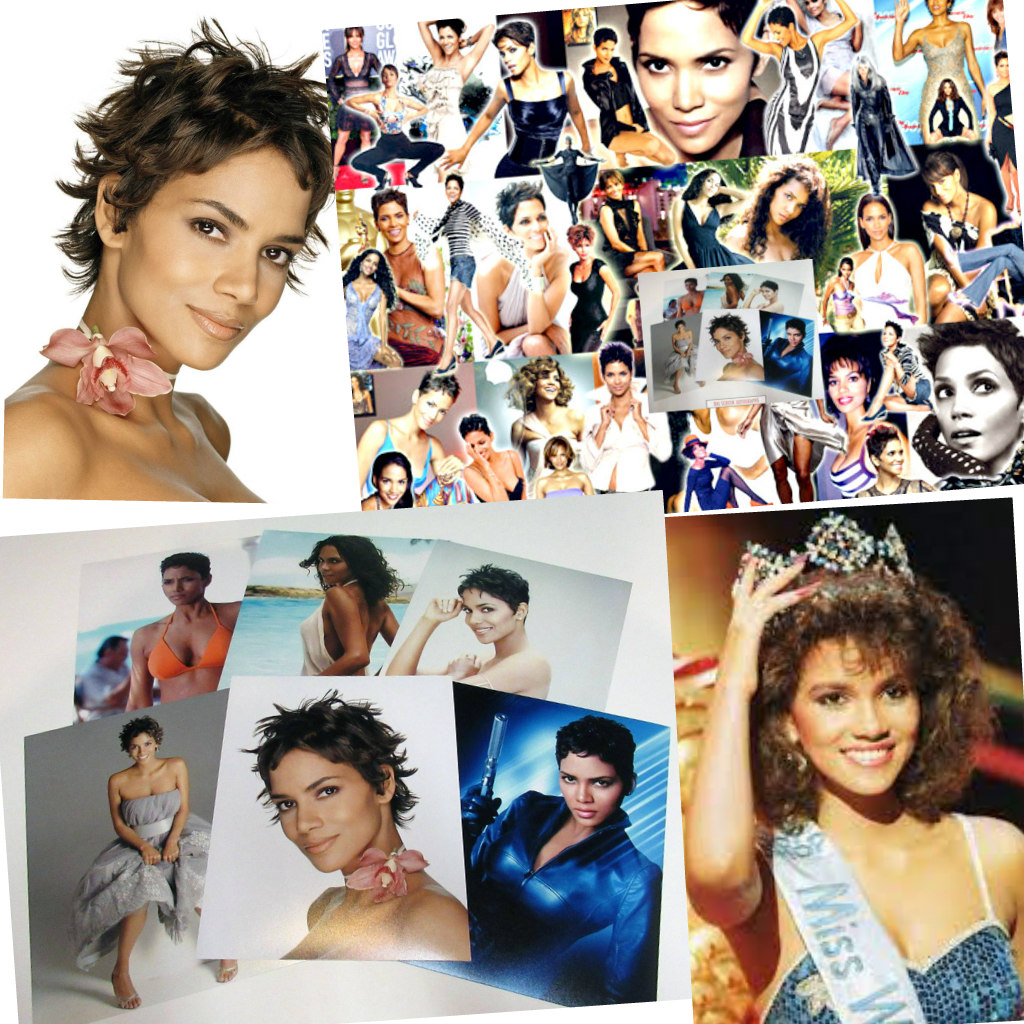
These photographs are the property of their respective owners. No copyright infringement intended.

Halle Berry has long been celebrated as one of the most beautiful women in the world—a vision of timeless elegance, grace, and radiant femininity. Her symmetrical features, luminous skin, and captivating eyes embody a beauty that transcends race and age. With a sculpted jawline, flawless complexion, and confidence that radiates from within, she redefined the global perception of Black beauty. Whether walking a red carpet or appearing barefaced in interviews, Halle’s natural glow and poise reflect inner strength and divine self-assurance. Her presence commands attention—not merely for her looks, but for the spirit and perseverance behind them.

Born Maria Halle Berry on August 14, 1966, in Cleveland, Ohio, she was raised by her mother, Judith Ann, after her parents divorced when she was young. Her mother, a psychiatric nurse, taught her resilience, while her father, Jerome Berry, an African American hospital attendant, contributed to her rich biracial heritage. Halle’s early life was marked by challenges, including racial discrimination, but she turned adversity into motivation. Her drive and determination pushed her to excel academically and artistically.

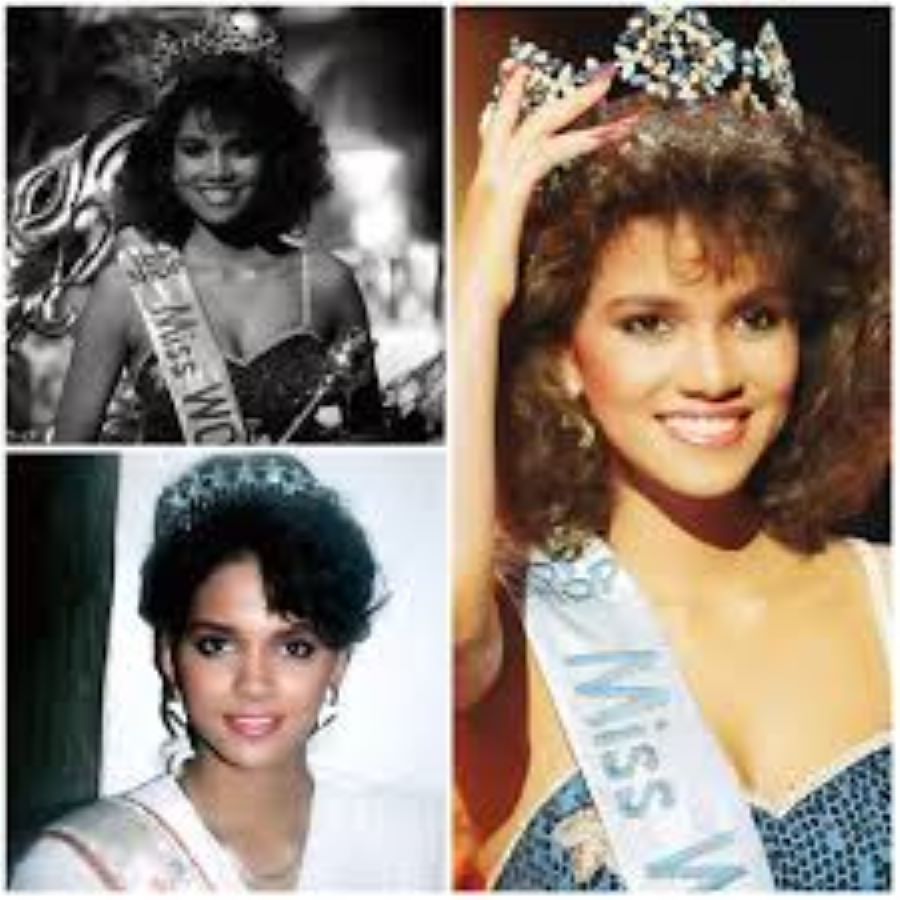
Before her rise to stardom, Halle Berry began her career in modeling and beauty pageants. In 1985, she won the title of Miss Teen All-American and later became the first runner-up in the 1986 Miss USA pageant. That same year, she represented the United States in the Miss World competition, where she placed sixth. Her pageant success opened doors to modeling and acting opportunities, giving her visibility in an industry where diversity was still limited.

These photographs are the property of their respective owners. No copyright infringement intended.

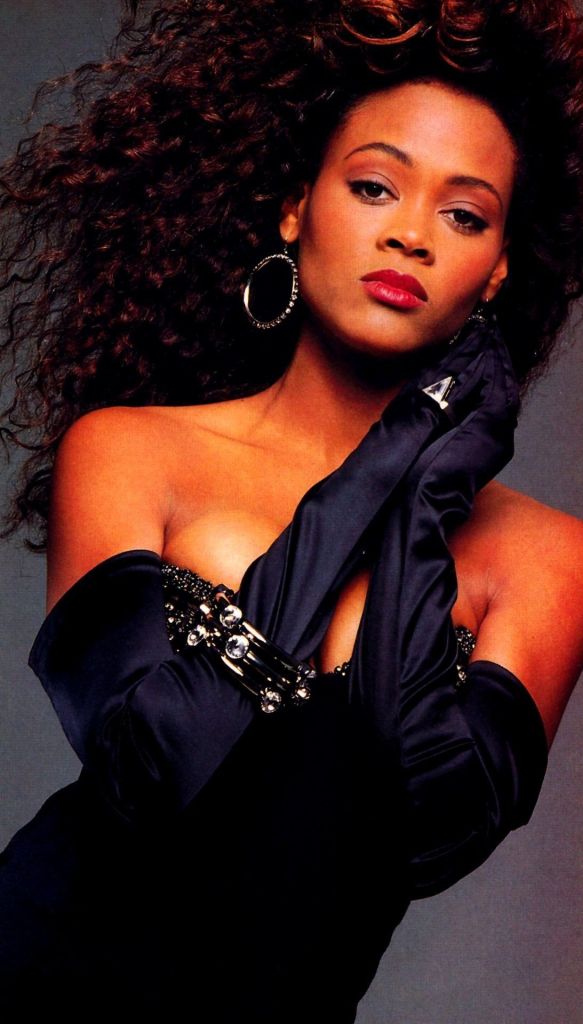
Halle’s modeling career flourished throughout the 1980s, appearing in high-profile campaigns and fashion spreads that highlighted her natural beauty and grace. She was a muse for photographers who saw in her the perfect balance between strength and softness. But it wasn’t just her looks that set her apart—it was her professionalism, intelligence, and ability to carry herself with royal composure.

Her transition to acting began with small television roles, including Living Dolls in 1989. However, her breakthrough came in Spike Lee’s Jungle Fever (1991), where she portrayed a crack addict named Vivian. This role proved that she was more than just a beauty queen—she was an actress capable of depth, vulnerability, and emotional truth. Halle’s early film choices often centered around complex female characters navigating identity, love, and survival.

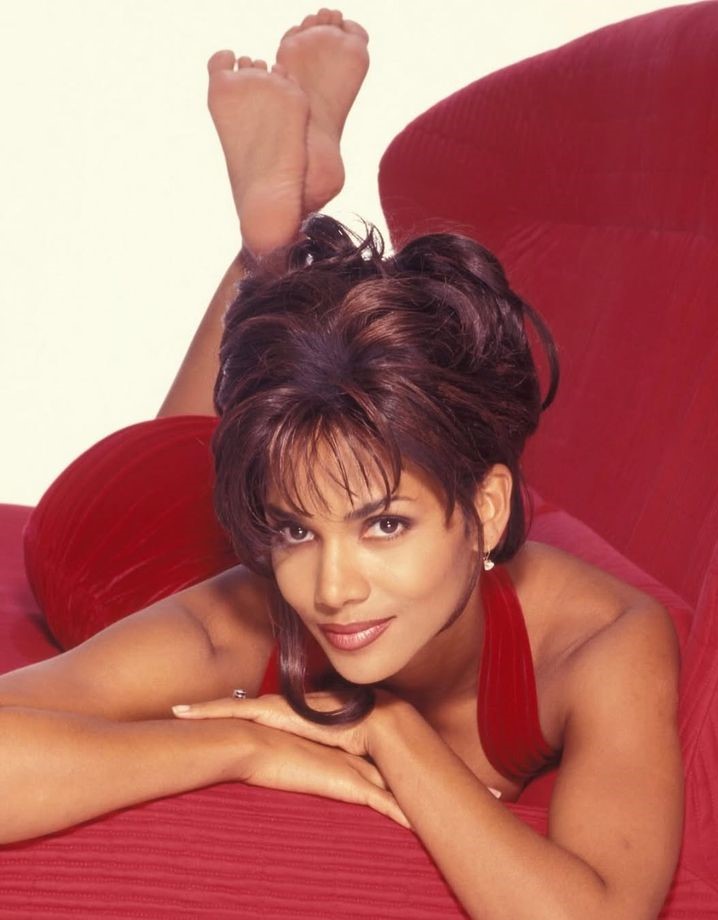
This photograph is the property of its respective owner. No copyright infringement intended.

As her career expanded, Berry starred in a wide range of films that showcased her versatility. She appeared in Boomerang (1992) alongside Eddie Murphy, The Flintstones (1994), Bulworth (1998), and the critically acclaimed Introducing Dorothy Dandridge (1999). Her portrayal of the legendary actress Dorothy Dandridge earned her an Emmy, a Golden Globe, and a Screen Actors Guild Award. This performance was especially meaningful, as Dandridge had been the first Black woman nominated for an Academy Award for Best Actress—a barrier Berry herself would later break.

In 2002, Halle Berry made history when she became the first Black woman to win the Academy Award for Best Actress for her role in Monster’s Ball (2001). In her emotional acceptance speech, she dedicated the moment to “every nameless, faceless woman of color who now has a chance because this door tonight has been opened.” Her performance in the film, as a struggling widow seeking redemption, cemented her place among Hollywood’s elite and broke racial boundaries in the industry.

This photograph is the property of its respective owner. No copyright infringement intended.

Beyond her Oscar, Berry’s trophy case includes a Golden Globe, multiple NAACP Image Awards, and recognition from the BET Honors and Essence Black Women in Hollywood Awards. She also received a star on the Hollywood Walk of Fame in 2007, a testament to her enduring influence and body of work.

People Magazine

Halle’s beauty has often been celebrated alongside her talent. She was named People magazine’s “Most Beautiful Woman in the World” in 2003 and has graced the cover multiple times since. Her appeal lies not just in physical perfection but in authenticity and confidence. She embodies the kind of beauty that grows richer with time—a combination of fitness, spiritual balance, and self-love.

Her beauty regimen has always emphasized simplicity and consistency. Berry advocates for hydration, clean eating, regular exercise, and a focus on inner wellness. She follows a ketogenic diet, practices yoga, and prioritizes mental health. In interviews, she often states that “beauty begins with the soul,” emphasizing peace, faith, and gratitude as key components of lasting radiance.

Health has been a lifelong priority for Halle, especially after being diagnosed with type 1 diabetes at age 22. This diagnosis changed her relationship with food, fitness, and discipline. She became an advocate for holistic wellness, encouraging others to take control of their health through natural living and balance. Her fitness routine includes strength training, cardio, martial arts, and meditation.

This photograph is the property of its respective owner. No copyright infringement intended.

As Halle matured in her career, she took on new roles that reflected her growth as both a woman and an artist. Films like Gothika (2003), Catwoman (2004), Cloud Atlas (2012), and Bruised (2020)—which she also directed—demonstrated her fearlessness in exploring challenging roles. Her ability to reinvent herself in each decade of her career shows a rare kind of endurance and artistic evolution.

Revlon Cosmetics

Halle Berry’s enduring beauty and cinematic prestige have made her one of the most sought-after celebrity endorsers in Hollywood. Her long-term partnership with Revlon, beginning in 1996, established her as a global ambassador and symbol of timeless glamour. Berry also became a collaborative partner and campaign face for Finishing Touch Flawless, a beauty-tech brand emphasizing women’s self-care and confidence, and launched her own fragrance line with Coty in 2009, showcasing her elegance and entrepreneurial vision. Her flawless complexion, sculpted bone structure, and magnetic screen presence—paired with her historic Academy Award win as the first Black woman to receive Best Actress—solidified her appeal as the epitome of sophistication and modern femininity, aligning perfectly with brands seeking a face that transcends race and radiates universal beauty.

Her personal life has also been under public scrutiny, particularly her high-profile marriages and relationships. Berry was married to baseball player David Justice (1993–1997), musician Eric Benét (2001–2005), and actor Olivier Martinez (2013–2016). Despite the challenges, she has maintained dignity and optimism, focusing on her children and her work. Her transparency about heartbreak and healing has made her relatable to women worldwide. After these marriages, she entered a committed relationship in 2020 with Grammy-winning musician Van Hunt. Hunt proposed to Berry, though she has stated she doesn’t need marriage to validate their relationship. People.com

As a mother to two children, Nahla and Maceo, Halle has spoken openly about balancing motherhood and career. She has emphasized the importance of teaching her children about self-worth, resilience, and faith. Her nurturing yet disciplined nature mirrors the Proverbs 31 woman—strong, wise, and compassionate.

This photograph is the property of its respective owner. No copyright infringement intended.

Berry’s activism extends beyond entertainment. She is a passionate advocate for women’s rights, domestic violence survivors, and health awareness. In recent years, she has become an outspoken voice for menopause education, challenging the stigma surrounding it. Halle uses her platform to empower women to embrace their changing bodies and find beauty in every stage of life.

In discussing menopause, Berry highlights the importance of embracing transformation with grace. She rejects the notion that aging diminishes worth or attractiveness. Instead, she champions the idea that true beauty deepens with experience, wisdom, and peace of mind. Her advocacy reflects her mission to redefine womanhood in Hollywood and beyond.

This photograph is the property of its respective owner. No copyright infringement intended.

Today, Halle Berry continues to inspire not only through her performances but through her authenticity. She has proven that beauty, talent, and intelligence can coexist powerfully. Her influence reaches far beyond film; she has become a symbol of endurance, elegance, and empowerment for generations of women. She has become the face and co-founder of Re•Spin Menopause, a wellness brand that seeks to redefine and destigmatize the conversation around menopause. Through her platform, Berry advocates for education, empowerment, and holistic health during midlife, encouraging women to embrace this transition with confidence and self-love. Her candid discussions about her own journey with perimenopause have inspired millions, highlighting the importance of open dialogue about women’s health. Berry’s mission with Re•Spin and her partnership with Pendulum Therapeutics mark a cultural shift toward celebrating aging as strength, not decline.

Her legacy as an “Ebony Doll” represents more than physical beauty—it is a celebration of Black excellence, resilience, and divine femininity. Halle Berry’s journey reminds the world that true allure is found not in perfection but in purpose, perseverance, and self-love. She remains a beacon of light, defying age, stereotypes, and limitations.

References

The “It Girl” Series: Robin Givens

With luminous skin, sculpted cheekbones, and an unmistakable blend of elegance and intellect, Robin Givens emerged in the late twentieth century as one of Hollywood’s most captivating actresses—an “It Girl” whose beauty, confidence, and talent commanded attention both on screen and in popular culture.

This photograph is the property of its respective owner.

Robin Givens was born on November 27, 1964, in New York City, to Ruth Roper Givens and Reuben Givens. Her parents divorced when she was young, and she was raised primarily by her mother alongside her sister, Stephanie, in the suburban communities of Mount Vernon and New Rochelle, New York. Ruth Roper Givens, a nurse and educator, strongly encouraged academic achievement and artistic exploration in her daughters. From an early age, Robin demonstrated intellectual curiosity and creative ability, balancing academic excellence with a growing interest in performance. Her mother enrolled her in acting classes at the American Academy of Dramatic Arts when she was only ten years old, planting the seeds for a future career in entertainment.

This photograph is the property of its respective owner.

Givens’s beauty was immediately noticeable even in her youth. She possessed a petite, refined frame, radiant complexion, and sharply defined cheekbones that photographers and casting directors found striking. During her teenage years, she began working as a model, appearing in popular fashion and youth magazines such as Seventeen and Mademoiselle. Modeling introduced her to the entertainment industry and helped her develop the poised public persona that would later become central to her career. Her look embodied a distinctive mixture of sophistication and youthful charm, making her a natural fit for the fashion and television worlds of the 1980s.

Despite her growing presence in entertainment, Givens was also an exceptionally serious student. Demonstrating remarkable academic ability, she enrolled at Sarah Lawrence College at only fifteen years old, one of the youngest students in the institution’s history. At Sarah Lawrence, she pursued pre-medical studies while continuing to audition for acting roles. She graduated in 1984 at the age of nineteen, an accomplishment that reflected both her intellectual discipline and ambition. For a period, she expressed interest in becoming a doctor and even spoke publicly about attending Harvard Medical School; however, records later confirmed that she did not enroll in the program. Nevertheless, her education at Sarah Lawrence distinguished her among many young actresses in Hollywood.
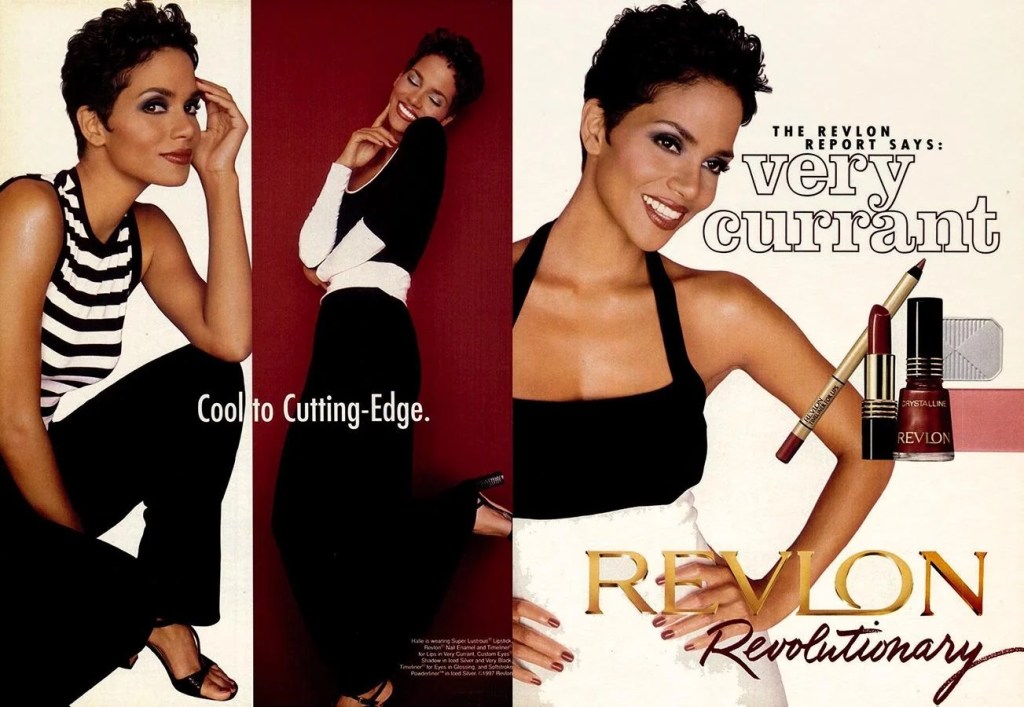
Givens’s entrance into television came through small guest appearances on several popular shows during the mid-1980s. One of her early roles was a guest spot on The Cosby Show, where the legendary comedian Bill Cosby reportedly encouraged her to pursue acting professionally. That encouragement proved significant, as it helped solidify her decision to fully commit to an acting career rather than medical school. Shortly afterward, she began receiving additional television roles, gradually establishing herself within the industry.

Her breakthrough arrived in 1986 when she was cast in the ABC sitcom Head of the Class. On the show, she portrayed Darlene Merriman, an intelligent and confident student attending a program for gifted high schoolers. The series ran from 1986 to 1991, and Givens appeared throughout its entire run. Her character’s sharp wit, stylish demeanor, and self-assured personality resonated with audiences, making her one of the most recognizable young actresses on television at the time. The role also demonstrated her natural comedic timing and helped establish her reputation as both glamorous and intellectually sophisticated.

While television made her famous, Givens soon expanded into film. One of her most memorable roles came in the 1991 crime drama A Rage in Harlem, in which she portrayed the seductive and mysterious Imabelle opposite Forest Whitaker. Her performance displayed a different dimension of her talent, blending beauty with dramatic intensity. The following year, she appeared in the romantic comedy Boomerang alongside Eddie Murphy, a film that became a cultural touchstone of early 1990s Black Hollywood. Even in supporting roles, Givens’s screen presence stood out, reinforcing her reputation as a striking and charismatic performer.

During the early 1990s, she also appeared in films such as Blankman and continued working in television movies and series. Beyond screen acting, Givens demonstrated versatility as a stage performer. In 2006, she appeared on Broadway in the musical Chicago, portraying the iconic character Roxie Hart. Theater critics praised her for successfully transitioning from television and film to live performance, further proving her range as an actress.

This photograph is the property of its respective owner.

Although acting remained her primary profession, Givens maintained connections to the fashion world throughout her career. Her early modeling work for magazines such as Seventeen and Mademoiselle introduced her to a wide audience, and her elegant appearance made her a frequent subject of fashion editorials and publicity photography. In 1994, she posed for Playboy, an experience she later described as a personal decision to reclaim her narrative after years of intense tabloid scrutiny. Her beauty and public presence were widely recognized when Empire magazine ranked her among its “100 Sexiest Stars in Film History” in 1995.

Givens’s personal life often attracted as much attention as her professional work. In 1987, she met the world-famous heavyweight boxing champion, Mike Tyson. The pair married on February 7, 1988, creating one of the most widely publicized celebrity unions of the era. Unfortunately, the relationship deteriorated quickly and became the subject of intense media coverage. Givens later described experiences of domestic abuse during the marriage, and the couple divorced on February 14, 1989, after only a year together. The highly public nature of the relationship placed Givens at the center of media controversy, shaping public perception of her for years afterward.

Later in her life, she married tennis instructor Svetozar Marinković in 1997, although the marriage ended in divorce the following year. Givens is the mother of two sons, Michael “Buddy” Givens and William Givens Jensen. She has spoken openly about the importance of motherhood and how raising her children helped ground her amid the pressures of Hollywood.

Over the years, various rumors circulated regarding her dating life, including stories connecting her romantically with Brad Pitt. While pop culture gossip occasionally referenced an alleged relationship, reliable biographical sources do not confirm a documented romantic partnership between the two actors. As with many high-profile celebrities, speculation about her personal life often exceeded verified information.

Although she has not accumulated a large number of major acting awards, Givens has received recognition within the entertainment industry. In 1991, she was honored with the ShoWest Female Star of Tomorrow Award, acknowledging her rising prominence in film. She also received a Black Reel Award nomination for Best Supporting Actress in 2004, highlighting her continued contributions to film and television. Beyond awards, her influence is reflected in the longevity of her career and her visibility across multiple decades of entertainment.

This photograph is the property of its respective owner.

Robin Givens is often described as an “It Girl” because she embodied a rare combination of attributes that captured the public imagination. She possessed striking physical beauty, intellectual credibility, and fearless confidence, qualities that distinguished her from many contemporaries. At a time when Black actresses were often confined to limited roles, she projected sophistication, ambition, and glamour on mainstream television. Her visibility on Head of the Class, her appearances in prominent films, and her highly publicized personal life made her one of the most talked-about women in Hollywood during the late 1980s and early 1990s.

Even decades later, Givens remains a recognizable cultural figure. She has continued acting in television series, directing projects, and mentoring younger performers entering the entertainment industry. Her resilience—navigating fame, controversy, and reinvention—has allowed her career to endure long after many of her contemporaries faded from public view. In this sense, her legacy as an “It Girl” extends beyond beauty or celebrity gossip; it reflects the enduring presence of a woman who combined elegance, intelligence, and determination to leave a lasting mark on American popular culture.


References

Biography.com. (2023). Robin Givens biography.
Empire Magazine. (1995). The 100 Sexiest Stars in Film History.
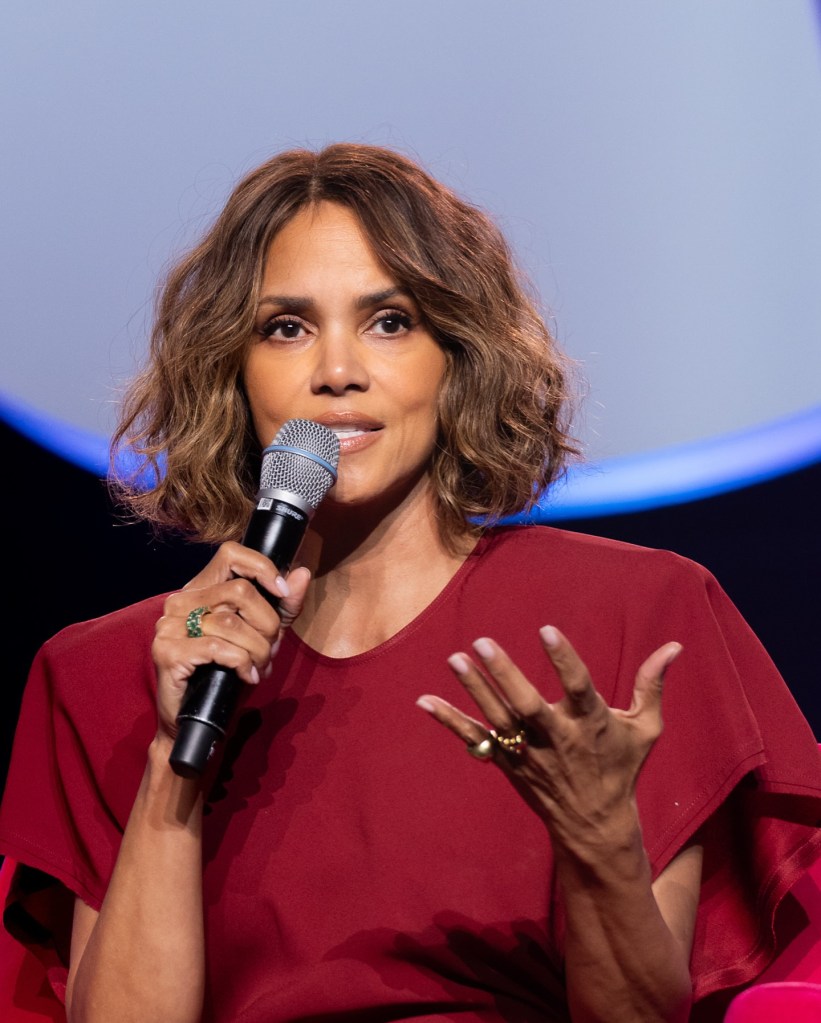
IMDb. (2024). Robin Givens filmography and biography.
NNDB. (2024). Robin Givens profile.
Rotten Tomatoes. (2024). Robin Givens – actor biography.
Wikipedia contributors. (2024). Robin Givens. Wikipedia.