
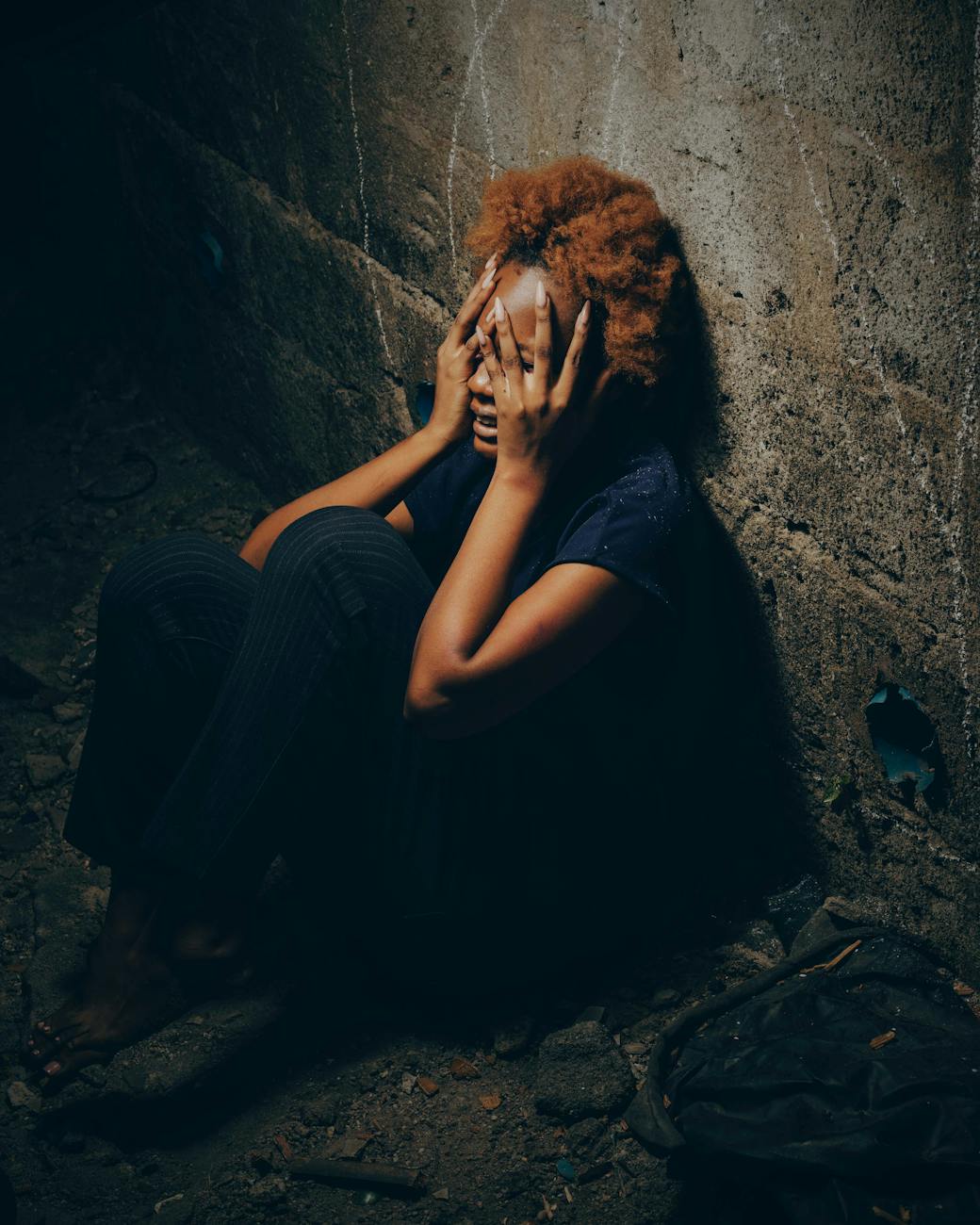
Understanding the Mental Health Crisis in the Black Community
The Black community faces a pressing mental health crisis—characterized by elevated rates of psychological distress, limited access to care, and deep-rooted stigma. Black Americans are 20% more likely to experience serious mental health problems compared to the general population, and 30% more likely to report serious psychological distressForge HealthWikipedia. Yet, only 1 in 3 Black adults who need mental health care actually receive it, compared with 1 in 2 White adultsForge HealthNAACPColumbia Psychiatry. Such disparities underline a systemic gap in both awareness and treatment.
Root Causes: Trauma, Racism, and Stigma
Deep psychological wounds stemming from historic trauma, including centuries of slavery and institutional racism, continue to influence mental well-being today. The concept of Post-Traumatic Slave Syndrome (PTSS), proposed by Joy DeGruy Leary, argues that unresolved trauma from slavery—and ongoing discrimination—has been transmitted across generations, manifesting as low self-esteem, internalized anger, and self-limiting beliefsWikipedia.
Compounding this is systemic racism, which produces chronic stress through daily microaggressions, economic marginalization, police violence, and unequal treatment in healthcare—leading to elevated anxiety, PTSD, and depressive disordersVerywell MindTIMEmcleanhospital.orgThe Washington Post. Additionally, stigma in the Black community—rooted in historically denying mental illness in enslaved people (e.g., the pseudoscientific “drapetomania”)—continues to perpetuate silence, shame, and avoidance of mental health carewww.counseling.orgMental Health Americahygieiabh.org.
Psychological and Societal Impacts: A Data-Driven View
- Suicide Trends: In 2021, suicide ranked as the third leading cause of death among Black youths aged 10–24, with rates rising nearly 37% over two decadesNAACPWikipedia. Alarmingly, Black teenage girls are 60% more likely to attempt suicide compared to their white peersAmerican Addiction Centers.
- Disproportionate Emergency Care: Black adults visit emergency departments (EDs) for mental health concerns at twice the national average, yet are less likely to be admitted or transferred for psychiatric careNAACP.
- Professional Representation: Only 2–4% of mental health professionals in the U.S. are Black (e.g., 2% of psychiatrists and 4% of psychologists), creating barriers in cultural understanding and trust between providers and patientsNAACPcrescentwellnessfoundation.orgwww.counseling.org.
Why Mental Health Matters—and Its Hereditability
Mental health isn’t just personal—it’s foundational to individual and community well-being. When unaddressed, mental disorders can erode relationships, limit productivity, and perpetuate cycles of sufferingPsychiatryOnline.
Research also suggests that severe trauma can affect gene expression—intergenerational trauma—through biological mechanisms like epigenetics, influencing the offspring’s vulnerability to depression, anxiety, and PTSDHealthPsychology Today.
Common Mental Illnesses and Treatments in the Black Community
1. Major Depressive Disorder & Anxiety
These are among the most prevalent conditions. Evidence-based treatments include:
- Psychotherapy (especially culturally responsive models)
- Medication (e.g., SSRIs)
- Community-based wellness initiatives (e.g., group therapy, healing studios)PsychiatryOnline
2. PTSD & Trauma-Related Disorders
Often triggered by violence, racism, or historical trauma. Treatment strategies include:
- Trauma-informed therapy (like EMDR, CBT)
- Strengths-based community healing (e.g., structured wellness circles)PsychiatryOnlinemcleanhospital.org
3. Misdiagnosis and Disparities
Black individuals are often misdiagnosed with schizophrenia when presenting anxiety or mood symptoms. Improved diagnostic training and culturally sensitive assessment are crucialReddithygieiabh.org.
Healing Measures and Community Strategies
Institutions and grassroots efforts are creating vital pathways to wellness:
- NAACP resolutions (2024) call for culturally tailored mental health care, expanded service access, employer accommodations, and promotion of community-level mental hygieneNAACP.
- Wellness First approach emphasizes centering healing within community contexts—e.g., Albany’s Root3d studio offering yoga and journaling programs designed for people of colorPsychiatryOnline.
- Professionals like Dr. Joy Harden Bradford have launched platforms such as Therapy for Black Girls, which taps into culturally competent psychotherapy and community discourseWikipedia.
- Association of Black Psychologists (ABPsi), founded in 1968, champions African-centered psychology and develops culturally aligned frameworks for therapyWikipedia.
Real Stories of Trauma and Resilience
- Regina King’s son, Ian Alexander Jr., died by suicide in 2022 at age 26 after a private battle with depression. Despite professional help, the struggles were hidden from many. Regina shares that she sometimes reads his journals in a meditation to stay connected with his memoryPeople.com.
- Tiffany Simelane, Miss Swaziland 2008, took her own life in 2009 amid intense personal and public pressures—highlighting the psychological toll of pageant expectations and isolationWikipedia.
Key Precautions & Recommendations
- Normalize mental health conversations in churches, schools, and homes.
- Screen early, especially among youth—younger Black Americans face rising suicide riskNAACPWikipedia.
- Ask providers about cultural competence before starting therapyColumbia Psychiatry.
- Utilize culturally affirming care—online platforms, teletherapy, community healing spaces.
- Educate families & faith leaders to foster supportive environments rather than stigma.
Helplines & Web Resources
- 988 Suicide & Crisis Lifeline – Call or text, 24/7.
- 988lifeline.org – Online chat supportPeople.comMental Health America.
- Therapy for Black Girls – Directory and podcast by Dr. Joy Harden BradfordWikipedia.
- NAACP mental health resource hub – Guidance and policy advocacyNAACP.
- Association of Black Psychologists (ABPsi) – Culturally grounded practitioner networkWikipedia.
Conclusion
The mental health crisis in the Black community is not a matter of individual weakness—but a collective calling. Anchored in historical trauma, systemic inequity, and stigma, it demands solutions that are culturally attuned, community-centered, and policy-driven. Healing is possible when care is compassionate, accessible, and culturally affirmed. Let’s keep this conversation open, and take action—together.
 THE BROWN GIRL DILEMMA