Tag Archives: masculine perfection

Masculine Perfection Series: L.L. Cool J

The Rapping Peanut-Butter Colored Adonis, one of the pioneers and GOATs of Rap Music, and timeless swagger.
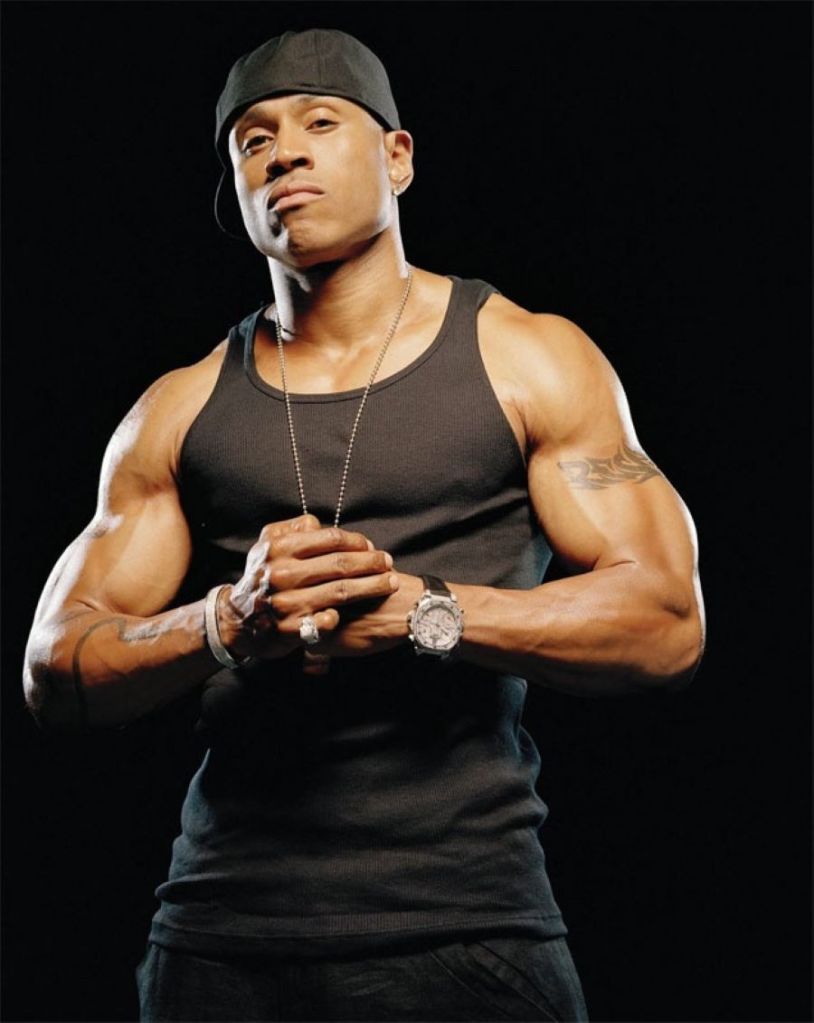
LL Cool J—born James Todd Smith on January 14, 1968, in Queens, New York—emerged from humble beginnings to become one of hip-hop’s most enduring architects. Raised in a working-class household in the Hollis neighborhood, he began writing rhymes at age nine and was recording demos by his early teens. His breakthrough came in 1984 when he signed with the pioneering label Def Jam Recordings, co-founded by Russell Simmons and Rick Rubin. His debut album, Radio (1985), helped solidify the commercial viability of rap music, blending street lyricism with crossover appeal. From the outset, LL Cool J projected confidence, charisma, and lyrical precision—qualities that would earn him the title many fans bestow upon him: one of the GOATs of rap.
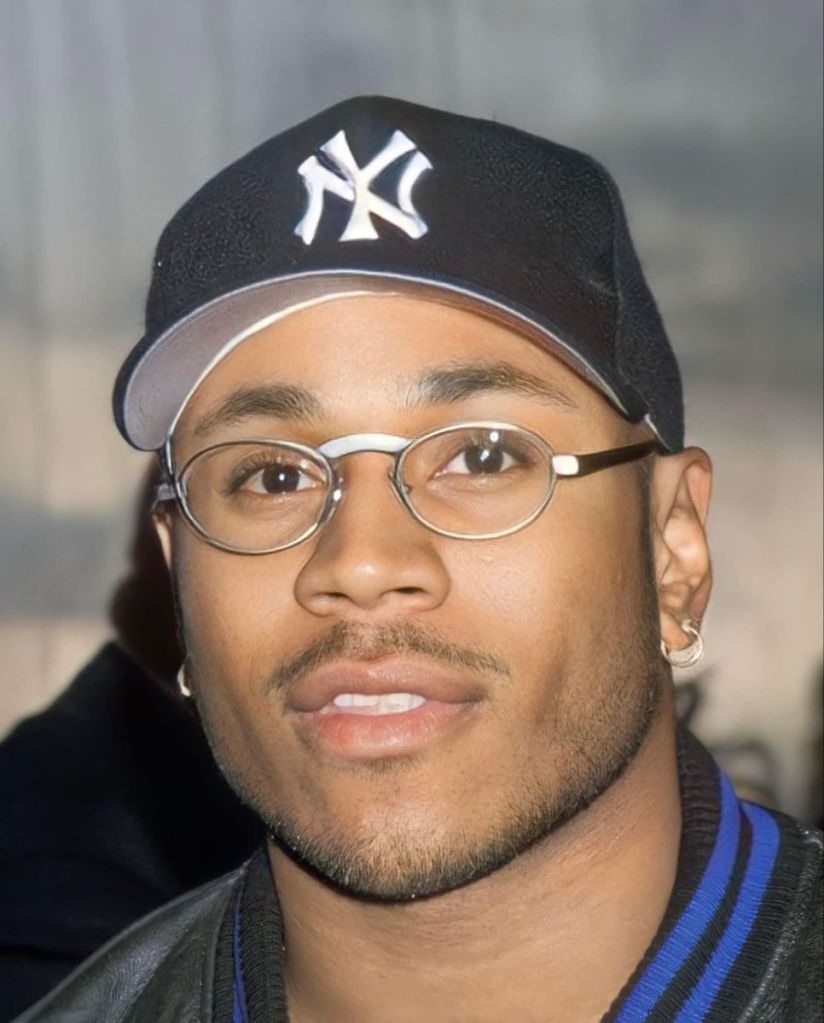
Throughout the late 1980s and 1990s, LL Cool J became synonymous with versatility. He balanced hard-edged battle rhymes with romantic ballads like “I Need Love,” proving that vulnerability could coexist with bravado in hip-hop masculinity. Albums such as Bigger and Deffer (1987) and Mama Said Knock You Out (1990) elevated him into rap royalty, with the latter earning a Grammy Award and cementing his comeback narrative. His accolades include multiple Grammy Awards, NAACP Image Awards, and in 2021, induction into the Rock and Roll Hall of Fame—a historic milestone recognizing his foundational role in shaping mainstream hip-hop. His Kennedy Center Honors recognition further affirmed his cultural impact beyond music.

Beyond the microphone, LL Cool J built a formidable acting career. His filmography includes roles in Deep Blue Sea (1999), Any Given Sunday (1999), and S.W.A.T. (2003). On television, he achieved long-running success starring as Sam Hanna in the hit CBS series NCIS: Los Angeles (2009–2023), a role that introduced him to a new generation of viewers and showcased his disciplined, commanding screen presence. His transition from rap pioneer to respected actor demonstrated rare longevity in an industry known for rapid turnover. Few artists have sustained relevance across four decades while maintaining credibility in both music and film.
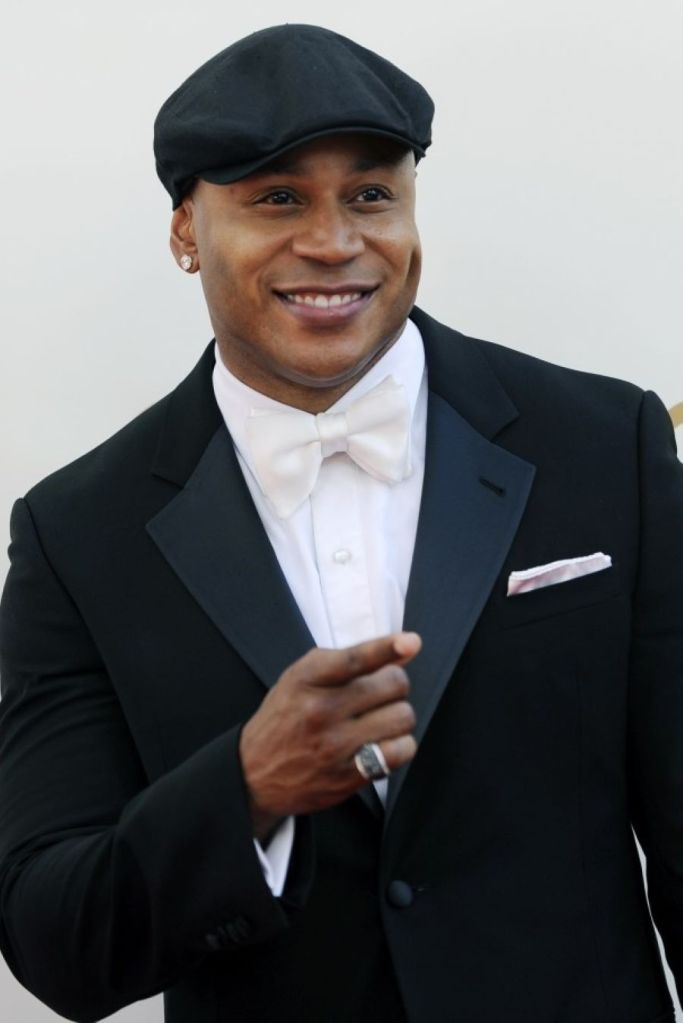
Physically, LL Cool J has long been celebrated as a striking figure in entertainment—a peanut-butter–hued Adonis with a sculpted physique that redefined hip-hop sex appeal in the late twentieth century. His commitment to fitness, often displayed through sleeveless performances and confident stage presence, challenged stereotypes of rappers and expanded the image of Black male desirability in mainstream media. Yet beneath the aesthetic admiration lies a consistent narrative of discipline and devotion. Married since 1995 to Simone Smith, whom he often describes as his foundation, he is a devoted husband and father to their four children. His story—rooted in Queens grit, maternal encouragement, lyrical hunger, and spiritual grounding—embodies perseverance. LL Cool J is not merely a rapper or actor; he is a cultural institution whose artistry, humility, and longevity continue to shape the architecture of hip-hop and Black masculinity in American popular culture.

LL Cool J belongs in the Masculine Perfection series because he epitomizes the ideal of manhood in both form and presence. With his peanut-butter complexion, sculpted physique, and commanding aura, he embodies physical perfection while exuding confidence, discipline, and charisma. His music redefined Black male aesthetic in hip-hop, blending strength, vulnerability, and emotional intelligence, while his acting career demonstrates gravitas, control, and versatility on screen. Beyond his striking appearance, his humility, devotion to family, and sustained excellence over four decades make him a paragon of refined power, resilience, and timeless appeal—a man whose beauty, talent, and character are “drop-dead fine” and worthy of celebration as the ultimate masculine ideal.

References

LL Cool J. (2023). Biography. Rock & Roll Hall of Fame.

Rock and Roll Hall of Fame. (2021). LL Cool J Inductee Profile.

Dyson, M. E. (2007). Know What I Mean? Reflections on hip-hop. Basic Civitas Books.

Forman, M., & Neal, M. A. (Eds.). (2012). That’s the joint!: The hip-hop studies reader (2nd ed.). Routledge.

Grammy Awards. (n.d.). LL Cool J – Artist Profile. The Recording Academy.

CBS. (2009–2023). NCIS: Los Angeles series archives and cast biography.

Smith, S., & Cool J, L. L. (2022). Public interviews and award acceptance speeches compiled in media archives.
Black Men, Beautiful by Divine Design

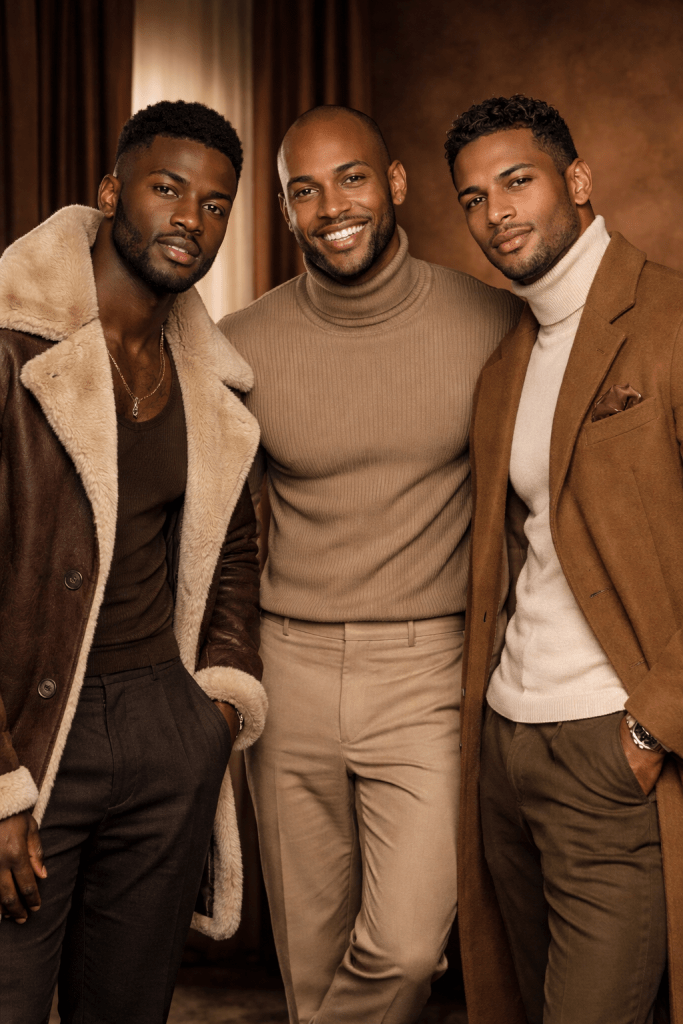
Black men are beautiful by divine design, not as a reaction to oppression but as an original truth rooted in creation itself. From the first formation of humanity, Scripture affirms that mankind was made in the image and likeness of God, carrying dignity, purpose, and beauty that cannot be erased by history or hatred (Genesis 1:26–27, KJV). Black male beauty is therefore not merely aesthetic; it is theological, intentional, and sacred.

The beauty of Black men is expressed through strength and softness existing in harmony. Muscular frames, broad shoulders, and commanding posture often reflect physical power, yet the deeper beauty lies in restraint, wisdom, and emotional depth. Biblical masculinity never divorces strength from gentleness, as Christ Himself embodied both authority and compassion (Matthew 11:29, KJV).

Melanin itself stands as a biological testimony of divine wisdom. Scientifically, melanin provides protection against ultraviolet radiation and contributes to skin resilience, reflecting adaptation and intentional design (Jablonski, 2012). What society has often devalued, creation reveals as functional, protective, and beautiful.

Black men’s facial diversity—strong jawlines, full lips, wide or narrow noses, deep-set or expressive eyes—reflects a vast genetic inheritance rooted in Africa, the cradle of humanity. Genetics confirms that African populations possess the greatest genetic diversity on Earth, making Black features foundational rather than derivative (Tishkoff et al., 2009).

Hair textures among Black men, from tight coils and full afros to locs and curls, represent cultural memory and biological brilliance. Coiled hair conserves moisture and protects the scalp in warm climates, further revealing form following function (Jablonski & Chaplin, 2010). What was once policed and stigmatized is now being reclaimed as a crown.

Scripture consistently affirms that beauty is not accidental but crafted. Psalm 139 declares that human beings are “fearfully and wonderfully made,” language that applies fully to Black men whose bodies and identities have been historically attacked (Psalm 139:14, KJV). Divine craftsmanship cannot be undone by social distortion.

Historically, Black male beauty was intentionally suppressed during slavery and colonialism. European racial hierarchies sought to redefine beauty through whiteness to justify domination, portraying Black men as hyperphysical but subhuman (Fanon, 1952). This distortion was never truth—it was strategy.

Despite this, Black men have continually embodied dignity under pressure. From enslaved fathers protecting their families in spirit, to freedom fighters, scholars, artists, and builders, Black men have reflected a beauty rooted in perseverance and moral courage. Such beauty aligns with biblical endurance refined through trial (James 1:12, KJV).

The physical presence of Black men often communicates authority even in silence. This presence, frequently misinterpreted as threat, is in fact a reflection of bearing—what Scripture might call countenance. When Moses descended from Sinai, his face shone with divine encounter, reminding us that presence can be mistaken when observers lack understanding (Exodus 34:29, KJV).

Black male beauty is also relational. A man’s ability to love, lead, protect, and nurture reflects God’s design for masculine stewardship. Biblical manhood emphasizes responsibility and sacrificial love, not domination (Ephesians 5:25, KJV). In this, Black men mirror divine order.

In contemporary media, the reclamation of Black male beauty challenges centuries of distortion. When Black men are depicted as intellectual, tender, fashionable, faithful, and emotionally whole, the narrative shifts toward truth. Representation becomes a corrective lens rather than a superficial trend.

Psychologically, affirming Black male beauty is essential for healing. Studies show that internalized racism negatively impacts self-concept and mental health among Black men (Williams & Mohammed, 2009). Reclaiming beauty is therefore an act of restoration, not vanity.

Spiritually, beauty is linked to purpose. The Most High does nothing without intention, and Black men exist as vessels of divine assignment. Their appearance, voice, and physicality are part of how they move through the world and fulfill calling (Jeremiah 1:5, KJV).

The biblical narrative includes men of dark complexion and strength, such as the Shulammite’s beloved, described with admiration and desire in the Song of Solomon. The language of attraction and admiration in Scripture affirms that Blackness and beauty are not opposites (Song of Solomon 5:10–11, KJV).

Black men’s beauty also lives in discipline—how they carry themselves, speak with wisdom, and develop mastery in skill and craft. Proverbs teaches that skill brings a man before greatness, reinforcing that excellence itself is attractive and honorable (Proverbs 22:29, KJV).

Athleticism, often emphasized in Black male bodies, should be understood as one expression of embodied intelligence, not the limit of Black potential. The same bodies that run, lift, and endure also think, create, heal, and lead. Divine design never restricts purpose to one dimension.

Fatherhood reveals another layer of beauty. When Black men nurture children, guide families, and restore generational foundations, they reflect God as Father. This image is especially powerful in a society shaped by intentional family disruption (Malachi 4:6, KJV).

Cultural style—how Black men dress, groom, and adorn themselves—functions as visual theology. From tailored suits to casual streetwear, style communicates identity, self-respect, and cultural continuity. Even Scripture acknowledges garments as expressions of honor and position (Genesis 41:42, KJV).

Black men’s voices carry resonance, rhythm, and authority, shaped by both ancestry and lived experience. Whether preaching, teaching, singing, or speaking truth in everyday spaces, their voices reflect breath given by God Himself (Genesis 2:7, KJV).

Ultimately, declaring Black men “beautiful by divine design” is an act of truth-telling. It resists false narratives, restores dignity, and aligns with both Scripture and science. Beauty, in this sense, is not subjective—it is ordained.

When Black men see themselves as God sees them, beauty becomes a foundation for wholeness, responsibility, and righteous living. To affirm their beauty is to affirm God’s craftsmanship, wisdom, and sovereignty. What God has designed beautifully, no system has the authority to redefine.


References

Fanon, F. (1952). Black skin, white masks. Grove Press.

Jablonski, N. G. (2012). Living color: The biological and social meaning of skin color. University of California Press.

Jablonski, N. G., & Chaplin, G. (2010). Human skin pigmentation as an adaptation to UV radiation. Proceedings of the National Academy of Sciences, 107(Supplement 2), 8962–8968.

Tishkoff, S. A., et al. (2009). The genetic structure and history of Africans and African Americans. Science, 324(5930), 1035–1044.

Williams, D. R., & Mohammed, S. A. (2009). Discrimination and racial disparities in health. Journal of Behavioral Medicine, 32(1), 20–47.

The Holy Bible, King James Version. (1611/2017). Cambridge University Press.

Masculine Perfection Series: The British Invasion – Idris Elba, Aaron Pierre, and Regé‑Jean Page.

The British Invasion of Male Aesthetics, Talent, and Global Impact

In recent years, British actors of African and Afro-diasporic descent have taken the world stage with unprecedented impact, redefining standards of beauty, charisma, and screen presence. Leading this movement are Idris Elba, Aaron Pierre, and Regé‑Jean Page—each possessing a striking combination of physical allure, magnetic charm, and extraordinary talent. Elba’s commanding height, chiseled features, and deep expressive eyes have made him an icon of rugged sophistication; Pierre’s athletic build, symmetrical face, and intense gaze convey both vulnerability and heroism; while Page’s near-perfect facial symmetry, photogenic features, and refined presence have cemented him as a global standard of romantic lead. Together, they represent a new era in which Black British actors are celebrated not only for their artistic skill but also for the distinct aesthetic and cultural richness they bring to international film and television. Their rise signals a powerful shift in representation, challenging stereotypes, and opening doors for future generations of Black talent in the entertainment industry.

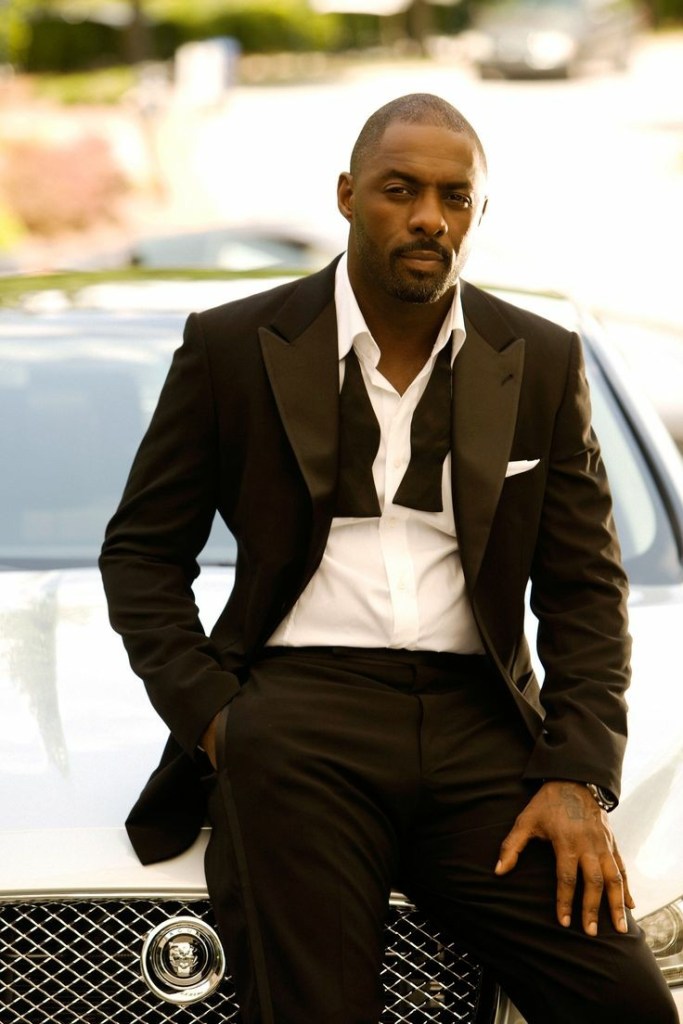
1. Idris Elba

This photograph is the property of its respective owner. No copyright infringement intended.

Idris Elba is widely regarded as one of the most handsome and charismatic actors of his generation, combining rugged masculinity with refined elegance. Standing around 6’2” with a strong, athletic build, he possesses chiseled facial features, deep brown expressive eyes, and a warm, engaging smile. His smooth dark skin, combined with his salt‑and‑pepper beard and commanding posture, exudes both authority and charm. Elba’s presence is magnetic, making him naturally captivating on screen, whether portraying intense drama or heroic roles. His physicality and aesthetic appeal have contributed significantly to his image as a quintessential leading man.

Early Life & Background

Idrissa Akuna Elba OBE was born on 6 September 1972 in Hackney, London, England, to a father from Sierra Leone and a mother from Ghana (Biography.com). He grew up in East London (Canning Town area) and left school around age sixteen to pursue acting, winning a place in the National Youth Music Theatre via a Prince’s Trust grant (IMDb).

Career Start

Elba began with small UK television roles and DJ work before his major breakthrough portraying Russell “Stringer” Bell in HBO’s The Wire (2002‑2004) (Wikipedia). His portrayal of DCI John Luther in the BBC series Luther (2010‑2019) further cemented his international star status (Britannica). He has also starred in films such as Mandela: Long Walk to Freedom (2013) and Marvel/Thor installments.

Key Roles & Achievements

  • Stringer Bell in The Wire – breakout role.
  • DCI John Luther in Luther – Golden Globe Award for Best Actor (Miniseries/TV).
  • Mandela: Long Walk to Freedom – major biopic role.
  • Beasts of No Nation (2015) – Screen Actors Guild Award, BAFTA & Golden Globe nominations.

Awards & Recognition

Elba has received a Golden Globe, multiple Primetime Emmy nominations, and BAFTA nominations. Named to Time 100 Most Influential People in the World in 2016.

Personal Life & Marriage

Elba married Sabrina Dhowre in April 2019 in Marrakech, Morocco. He has two children from prior relationships: daughter Isan and son Winston (People.com).

Significance

Elba’s combination of physical presence, aesthetic appeal, and talent has made him a global symbol of Black British excellence, bridging UK and American television and film with remarkable ease.


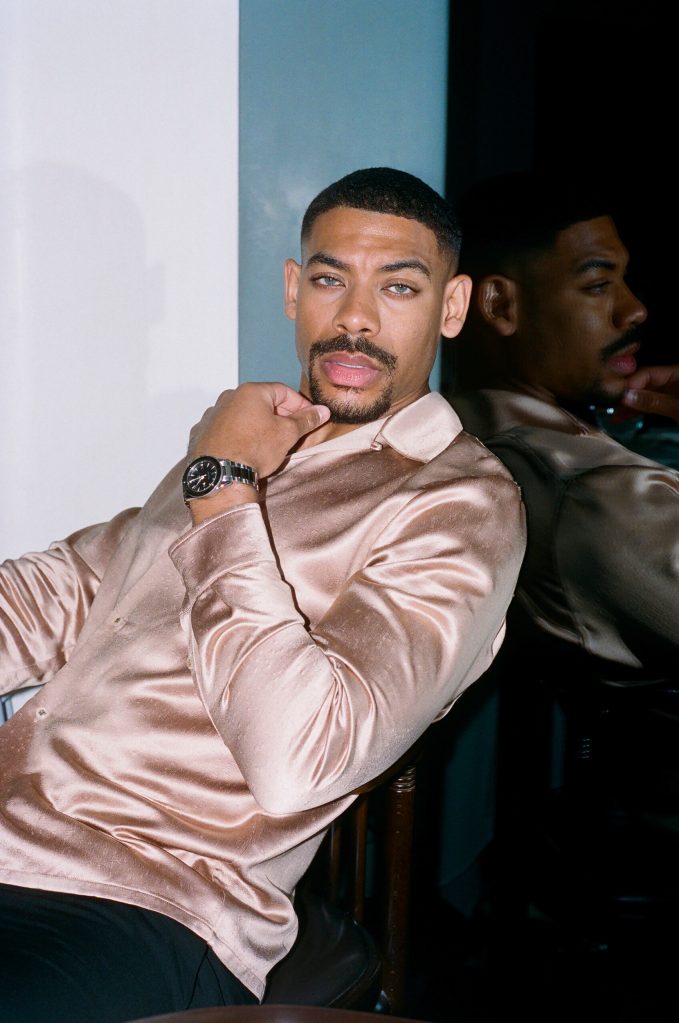
2. Aaron Pierre

This photograph is the property of its respective owner. No copyright infringement intended.

Aaron Pierre is a strikingly attractive actor, known for his tall, athletic build, smooth dark skin, and commanding presence. His symmetrical facial features, strong jawline, and expressive light eyes convey intensity, sensitivity, and screen charisma. His natural elegance, combined with a confident posture and versatile features, allows him to portray both heroic and vulnerable characters convincingly. Pierre’s physicality and photogenic appeal make him stand out as a rising figure in film and television.

Early Life & Background

Aaron Stone Pierre was born on 7 June 1994 in London, England, of Jamaican, Curaçaoan, and Sierra‑Leonean descent (Wikipedia). He participated in athletics in his youth and later developed an interest in acting, training at the London Academy of Music and Dramatic Art (LAMDA), graduating around 2016 (Wikipedia).

Career Start

Pierre’s early stage work included Cassio in Shakespeare’s Othello at the Globe Theatre, earning commendation in the Ian Charleson Awards (IMDb). Screen recognition followed with his role as Dev‑Em in the sci‑fi series Krypton (2018‑2019), and he later starred in Amazon’s The Underground Railroad (2021) and the thriller film Old (2021).

Key Roles & Achievements

  • Dev‑Em in Krypton – early screen role.
  • Caesar in The Underground Railroad – critically acclaimed period drama role.
  • Lead in Rebel Ridge (2024).
  • Voicing Mufasa in Mufasa: The Lion King.

Awards & Recognition

Pierre received an Ian Charleson Award nomination (2018) and won the Canadian Screen Award for Best Supporting Performance (Brother) and an NAACP Image Award for Outstanding Actor (Rebel Ridge).

Personal Life & Marriage

Aaron Pierre is currently not publicly married; as of mid‑2025, actor Aaron Pierre is publicly dating singer‑actress Teyana Taylor.

Significance

Pierre represents the new wave of Black British talent blending rigorous stage training with screen charisma. His aesthetic appeal, athletic build, and symmetrical features make him a striking presence on screen, enhancing his versatile acting repertoire.


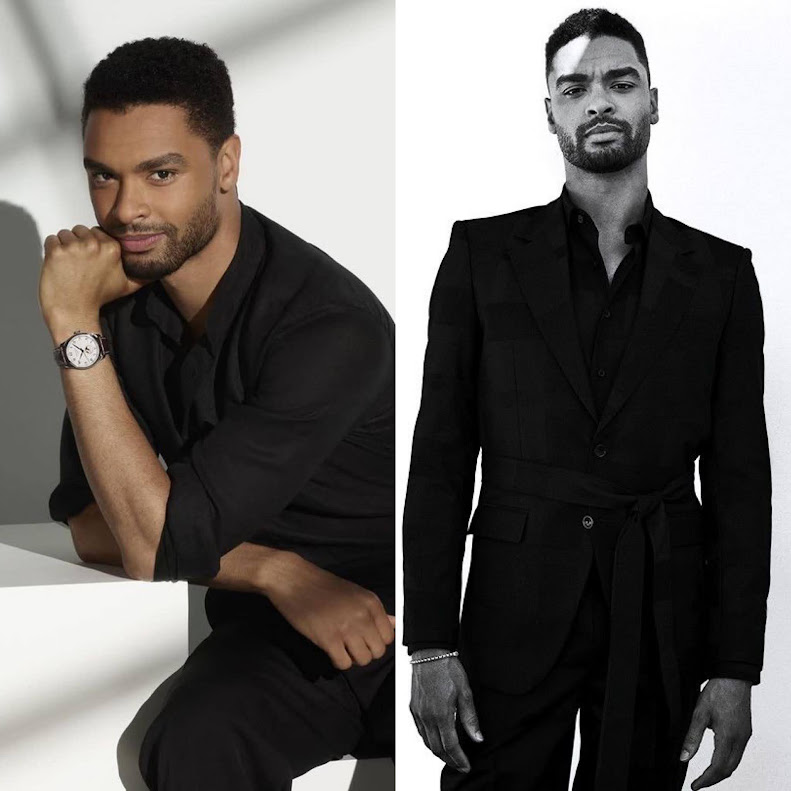
3. Regé‑Jean Page

These photographs are the property of their respective owners. No copyright infringement intended.

Regé‑Jean Page possesses a striking combination of classical good looks, symmetry, and magnetic charm. Often cited in studies and media analyses as having one of the most perfectly symmetrical faces among contemporary actors, his features are exceptionally balanced and proportionate. Standing around 6’1” with a tall, lean, athletic build, he has smooth dark skin, deep-set brown eyes, and a captivating smile. His presence exudes both refinement and sensuality, making him an ideal romantic lead. His mixed British-Zimbabwean heritage further enhances his distinctive and photogenic features, giving him a unique screen presence that is both compelling and timeless.

Early Life & Background

Born in London to an English father (a preacher) and a Zimbabwean mother (a nurse), Page spent part of his childhood in Harare, Zimbabwe, before returning to London (Wikipedia). He studied sound engineering before entering Drama Centre London, graduating in 2013 (Fandango.com).

Career Start

Page’s early roles included a short film (Troublemaker, 2004) and guest appearances on BBC’s Casualty (2005) and Waterloo Road (2015). He gained global recognition as Simon Basset, the Duke of Hastings, in Netflix’s Bridgerton (2020).

Key Roles & Achievements

  • Simon Basset in Bridgerton – worldwide breakout role.
  • Films: The Gray Man (2022), Dungeons & Dragons: Honor Among Thieves (2023).
  • NAACP Image Award winner for Outstanding Actor in a Drama Series.
  • Screen Actors Guild Award nomination.

Personal Life & Relationship

Page is not married publicly but has been in a relationship with Emily Brown since around 2019 (People.com).

Significance

Page exemplifies modern standards of facial beauty and symmetry, combined with talent and charisma. His aesthetic perfection, along with acting skill, redefines the Black British male romantic lead for global audiences and makes him a symbol of representation in period dramas and blockbuster cinema.


References

A Visual Phenomenon: The Masculine Perfection of the Black Man. #thescienceofblackbeauty

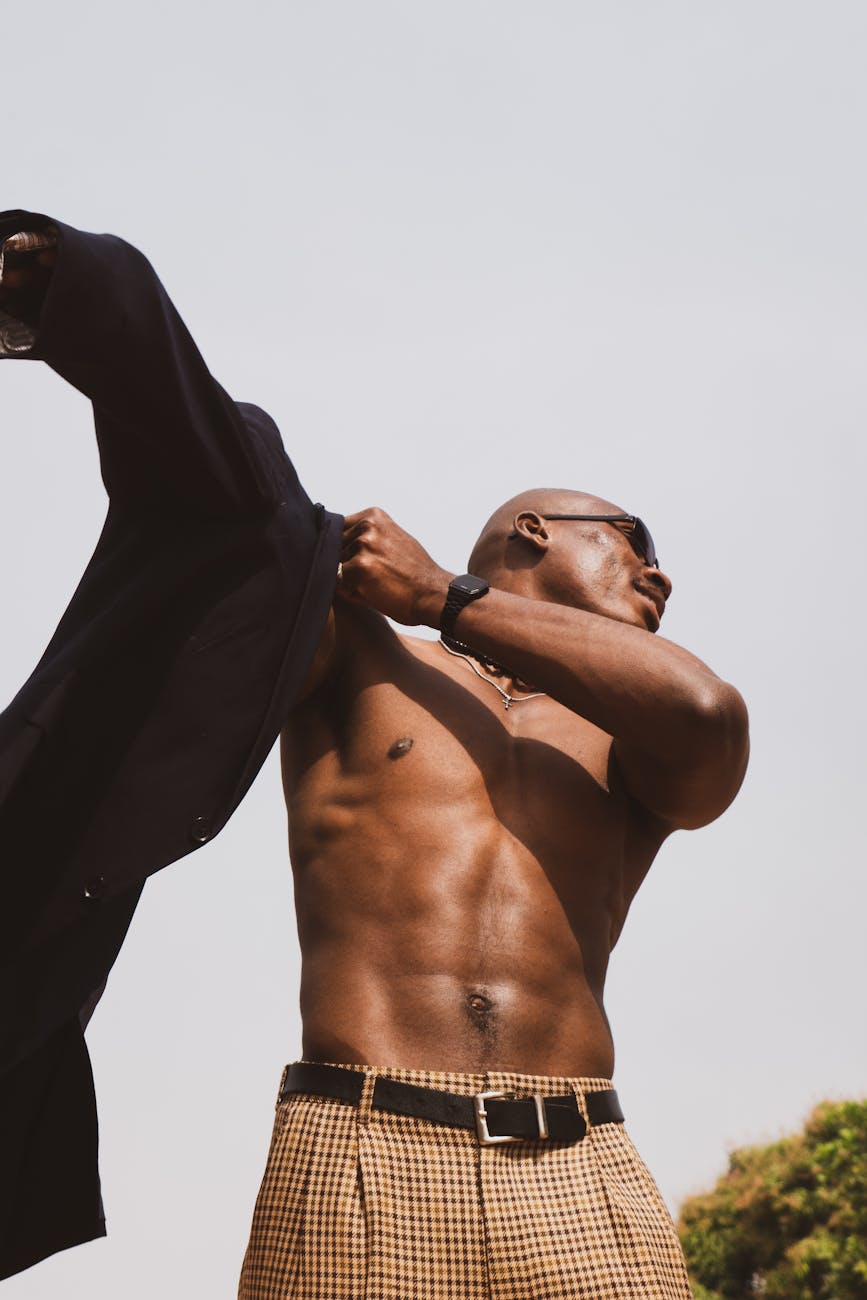
Photo by Stephen Audu on Pexels.com

The Black man stands as a visual phenomenon—an embodiment of strength, resilience, and beauty shaped by genetics, culture, and divine design. His presence commands attention, not only for the physical frame that history has often celebrated or feared, but also for the character, spirit, and royal essence within him. From the warrior traditions of Africa to the modern world stage, the Black man continues to reflect the image of God in both body and soul.

Genetics has played a significant role in the body frame and athletic performance of many Black men. With higher bone density, muscle fiber composition, and natural endurance, studies suggest that individuals of African descent often excel in sports and physical performance (Entine, 2000). Yet this strength is not merely physical—it is historical and spiritual, rooted in generations of survival and perseverance. The Bible affirms strength as a divine gift: “The glory of young men is their strength: and the beauty of old men is the gray head” (Proverbs 20:29, KJV).

The aesthetics of the Black man go beyond strength. His melanin skin, rich in tone and resilience, is not only a protective biological gift against the sun’s harsh rays but also a marker of beauty and identity. Melanin is a crown of survival, a natural armor, and a canvas of radiance. It reflects the divine artistry of creation, as Psalm 139:14 (KJV) declares, “I will praise thee; for I am fearfully and wonderfully made: marvellous are thy works.”

Stature is another defining feature. The posture and bearing of the Black man carry the weight of royalty, often likened to kingship. Historically, African warriors and leaders were revered for their physical presence and authority. Psychology affirms that posture, symmetry, and physical form are often subconsciously associated with leadership and dominance (Perrett, 2010). The golden ratio, a mathematical principle of beauty, can often be seen in the symmetry of Black men’s faces and bodies—proportions that align with universal standards of aesthetic appeal.

Muscular structure also speaks volumes about the design of the Black man. Broad shoulders, strong chests, and well-formed musculature communicate power and capability. This does not diminish gentleness but enhances it, reminding us that strength and tenderness can coexist. The apostle Paul writes, “Watch ye, stand fast in the faith, quit you like men, be strong” (1 Corinthians 16:13, KJV). Psychology echoes this truth, suggesting that confidence rooted in body awareness contributes to mental well-being and healthy identity (Cash & Pruzinsky, 2002).

Facial features—the lips, eyes, and nose—further highlight the aesthetics of the Black man. Full lips are often regarded as symbols of sensuality and expression, while deep-set eyes convey depth, wisdom, and intensity. Strong noses, broad and defined, represent heritage and identity. Taken together, these features create a visage that is both striking and unforgettable, challenging narrow Eurocentric beauty standards.

Celebrity Examples:

Kenneth Okolie exemplifies this phenomenon through his tall, commanding frame and model-like proportions. As a Nigerian actor and model, his physicality echoes the presence of African royalty. His symmetry and strong jawline capture the golden ratio, while his grounded demeanor highlights not only aesthetics but also discipline and cultural pride.

Billy Dee Williams, with his legendary career, reshaped the image of the Black man in Hollywood. His suave charm, captivating smile, and smooth voice combined charisma with elegance. Williams’ style in the 1970s became symbolic of Black sophistication, showing that masculinity could be both powerful and tender. He represented not only physical allure but also psychological presence—the ability to command a room with grace.

Jimmy Jean-Louis, known as “the Haitian Hollywood star,” carries a global appeal. His sculpted body, expressive eyes, and deep complexion embody the resilience of a warrior. Beyond his acting career, his humanitarian work in Haiti speaks to a beauty that extends beyond appearance—rooted in compassion, responsibility, and service. His life echoes Proverbs 31:8-9 (KJV), “Open thy mouth for the dumb in the cause of all such as are appointed to destruction. Open thy mouth, judge righteously, and plead the cause of the poor and needy.”

Redaric Williams, with his chiseled muscles, striking symmetry, and expressive features, represents the modern standard of Black male aesthetics in entertainment. His physique mirrors the artistry of strength, while his acting and modeling career emphasize versatility and adaptability. Redaric embodies the psychological principle that beauty fused with confidence and determination amplifies influence (Riggio, 2010).

Biblical Figures as Archetypes of the Black Man

The aesthetics of the Black man today are mirrored in biblical figures who exemplified strength, wisdom, and divine favor. David, for instance, was both a warrior and a man after God’s heart (1 Samuel 16:12-13, KJV). He combined physical skill with courage, integrity, and leadership—qualities reflected in contemporary Black men who aspire to honor, protection, and excellence. Samson, described as a man of immense strength, also carried the mark of God’s favor in his body (Judges 16). His muscular prowess and stature symbolize the God-given potential inherent in Black men. King Solomon, though not described in physical detail, represents wisdom, wealth, and character, showing that beauty and influence extend beyond the physical to intellect, leadership, and moral authority (1 Kings 4:29-34, KJV).

These biblical archetypes emphasize that the Black man’s worth is a combination of body, mind, and spirit. Muscular bodies, symmetrical features, and commanding presence are meaningful when paired with wisdom, faith, and moral character. Psychology supports this holistic view, suggesting that confidence, empathy, and integrity enhance attractiveness and social influence (Goleman, 1995; Riggio, 2010).

In conclusion, the Black man is more than body and bone—he is vision and value, a warrior and a king. His melanin, symmetry, muscles, and stature reveal a divine design, while his heart, mind, and character testify to God’s greater purpose. From Kenneth Okolie to biblical figures like David, Samson, and Solomon, the Black man embodies aesthetics, strength, and wisdom. Truly, he is a visual and spiritual phenomenon.


References

  • Cash, T. F., & Pruzinsky, T. (2002). Body image: A handbook of theory, research, and clinical practice. Guilford Press.
  • Entine, J. (2000). Taboo: Why Black athletes dominate sports and why we’re afraid to talk about it. PublicAffairs.
  • Goleman, D. (1995). Emotional intelligence: Why it can matter more than IQ. Bantam Books.
  • Perrett, D. (2010). In your face: The new science of human attraction. Palgrave Macmillan.
  • Riggio, R. E. (2010). The charisma quotient: The psychology of leadership, persuasion, and social influence. Routledge.
  • The Holy Bible, King James Version (KJV).