Tag Archives: louis vuitton

How Luxury Brands Brainwash You to Buy.

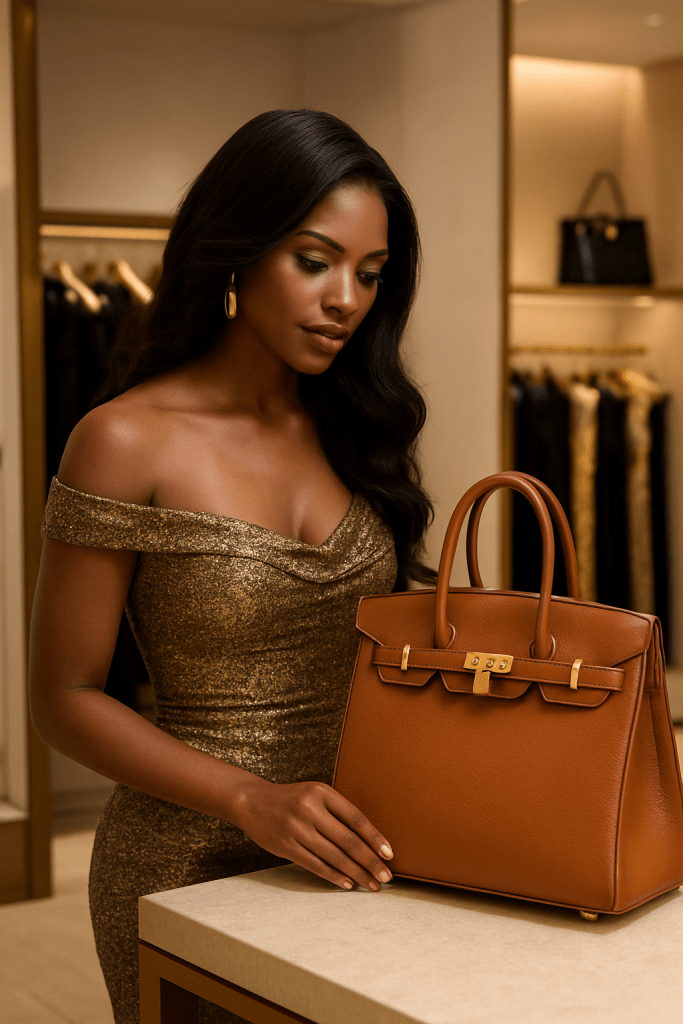
In today’s consumer-driven culture, luxury brands like Hermès, Louis Vuitton, and Gucci have mastered the art of psychological manipulation. The Hermès Birkin bag, in particular, has become an emblem of exclusivity and desire, symbolizing far more than craftsmanship—it represents power, wealth, and social validation. Yet behind the allure of luxury lies a calculated strategy designed to condition consumers to equate material possessions with self-worth. This psychological phenomenon is deeply intertwined with human pride, vanity, and the biblical warnings against idolizing worldly riches (1 John 2:16, KJV).

Luxury marketing exploits the psychology of scarcity and exclusivity. The Birkin bag, for instance, is intentionally made difficult to purchase, creating a sense of privilege among those who can obtain one. This taps into FOMO—the fear of missing out—a powerful psychological motivator. Social psychologist Robert Cialdini (2007) identified scarcity as a principle that increases desire: people want what they cannot easily have. This concept aligns with Ecclesiastes 5:10 (KJV), which warns, “He that loveth silver shall not be satisfied with silver; nor he that loveth abundance with increase.”

Consumers are subtly indoctrinated into believing luxury equals success. Advertising imagery and celebrity endorsements cultivate emotional connections, creating the illusion that luxury ownership can fill psychological voids such as insecurity, loneliness, or inadequacy. These desires often stem from early conditioning where self-esteem is tied to external validation. In biblical terms, this is the “lust of the eyes” and “the pride of life” (1 John 2:16, KJV)—the craving for possessions to affirm one’s identity.

Hermès and similar brands design their stores and marketing to evoke emotional responses. The minimalist interiors, warm lighting, and personal service experience create a sense of belonging to an elite community. This sensory manipulation mirrors the tactics of cult-like systems where psychological conditioning leads individuals to conform. Through repeated exposure, the consumer’s brain links luxury items with feelings of superiority and fulfillment, a form of cognitive conditioning identified by Pavlovian psychology.

Social status also plays a major role in the brainwashing process. Thorstein Veblen (1899) coined the term conspicuous consumption to describe buying luxury goods to publicly display wealth and prestige. This behavior is not about utility but identity construction. Similarly, Proverbs 16:18 (KJV) warns, “Pride goeth before destruction, and an haughty spirit before a fall.” Luxury brands weaponize this pride, turning human weakness into profit.

Hermès intentionally limits supply to maintain a psychological illusion of rarity. This artificial scarcity drives irrational consumer behavior, causing people to spend tens of thousands of dollars or even get on waiting lists. Studies in behavioral economics show that scarcity triggers the brain’s reward system, increasing dopamine production (Tversky & Kahneman, 1974). The same neural circuits involved in addiction are activated, turning shopping into a cycle of desire and temporary satisfaction.

Social media has intensified this luxury obsession. Platforms like Instagram and TikTok amplify the visibility of elite lifestyles, perpetuating envy and imitation. Influencers flaunting Birkin bags or Cartier bracelets create subconscious cues that link luxury with happiness and importance. Psychologists refer to this as social proof, another of Cialdini’s (2007) persuasion principles, where people assume that if others value something, it must be worthwhile. The Bible, however, cautions against comparing oneself to others (Galatians 6:4-5, KJV).

This brainwashing extends into the realm of emotional manipulation. Luxury brands associate their products with love, beauty, and success—concepts deeply rooted in human desire. When consumers buy a Birkin, they are not merely purchasing leather; they are buying into a story, an identity. Jesus warned in Matthew 6:19-21 (KJV), “Lay not up for yourselves treasures upon earth… For where your treasure is, there will your heart be also.” The heart becomes enslaved to possessions, and possessions become idols.

In psychological terms, this form of material worship reflects symbolic self-completion theory (Wicklund & Gollwitzer, 1982), where individuals use possessions to complete their sense of identity. A Birkin bag, then, is not just a status symbol—it’s a psychological prosthetic for insecurity. The luxury industry exploits this need for self-completion by linking products to personal worth.

Moreover, the high price of luxury goods triggers what psychologists call the price-quality heuristic—the assumption that expensive items are superior. This cognitive bias leads consumers to believe that exclusivity equals excellence. Yet often, the true value lies in perception, not production. Isaiah 55:2 (KJV) questions this deception: “Wherefore do ye spend money for that which is not bread? and your labour for that which satisfieth not?”

Luxury branding also manipulates gender psychology. Women are often targeted with emotional narratives connecting femininity and desirability to luxury items. A Hermès Birkin becomes a symbol of womanhood achieved—a mark of status and validation in a patriarchal society. This form of marketing feeds on psychological vulnerability, reinforcing the notion that value lies in appearance rather than substance.

Men, too, are not exempt from the luxury illusion. Male consumers are targeted through brands like Rolex, Bentley, or tailored suits that promise dominance and prestige. These messages mirror the worldly concept of masculinity defined by possessions, contrasting sharply with biblical manhood grounded in humility and service (Philippians 2:3-4, KJV). Luxury’s gospel is one of self-exaltation, not self-denial.

The luxury industry also thrives on delayed gratification. The “Birkin waiting list” creates a ritualistic experience, making ownership feel like a reward for perseverance. This psychological manipulation strengthens emotional attachment to the product. The Bible, however, teaches contentment rather than covetousness: “Be content with such things as ye have” (Hebrews 13:5, KJV).

Even the resale market plays into the illusion of investment. By framing luxury goods as “assets,” consumers justify excessive spending as financial wisdom. Yet in truth, the emotional satisfaction fades quickly, leading to an endless cycle of consumption—a psychological treadmill known as the hedonic adaptation effect (Brickman & Campbell, 1971).

Luxury branding transforms materialism into identity worship. People are conditioned to see their possessions as extensions of themselves. This aligns with what Paul warned against in Romans 12:2 (KJV): “Be not conformed to this world: but be ye transformed by the renewing of your mind.” Renewing the mind means breaking free from the world’s hypnotic materialism.

The Hermès phenomenon reveals how luxury can enslave the soul under the guise of freedom. What begins as admiration becomes obsession, and what once seemed aspirational becomes idolatrous. Jesus cautioned that “No man can serve two masters… Ye cannot serve God and mammon” (Matthew 6:24, KJV). The worship of wealth is spiritual bondage disguised as sophistication.

At its core, luxury brainwashing is a modern form of sorcery—manipulating perception, emotion, and desire through illusion. Revelation 18:11-13 (KJV) foretells merchants mourning over Babylon’s fall, lamenting the loss of luxury and excess. It is a prophetic mirror to today’s luxury-driven culture, built on pride, envy, and exploitation.

Breaking free from luxury’s psychological spell requires mindfulness and spiritual awareness. Recognizing how brands manipulate emotions through scarcity, beauty, and status allows one to reclaim autonomy. The renewing of the mind (Romans 12:2) is not just spiritual but psychological liberation from material conditioning.

In conclusion, luxury brands like Hermès have perfected the art of psychological and spiritual seduction. They exploit human insecurities, pride, and the innate longing for significance. Yet the Bible teaches that true worth comes not from possessions but from purpose and faith. As Proverbs 11:28 (KJV) reminds, “He that trusteth in his riches shall fall: but the righteous shall flourish as a branch.” Luxury may promise elevation, but only wisdom and humility bring peace to the soul.


References

  • Brickman, P., & Campbell, D. T. (1971). Hedonic relativism and planning the good society. In M. H. Appley (Ed.), Adaptation-level theory (pp. 287–305). Academic Press.
  • Cialdini, R. B. (2007). Influence: The Psychology of Persuasion. Harper Business.
  • Tversky, A., & Kahneman, D. (1974). Judgment under uncertainty: Heuristics and biases. Science, 185(4157), 1124–1131.
  • Veblen, T. (1899). The Theory of the Leisure Class. Macmillan.
  • Wicklund, R. A., & Gollwitzer, P. M. (1982). Symbolic self-completion. Lawrence Erlbaum.
  • Holy Bible, King James Version (KJV).

The Black Trailblazers of Modern Fashion: Virgil Abloh and Olivier Rousteing – Redefining Luxury and Representation

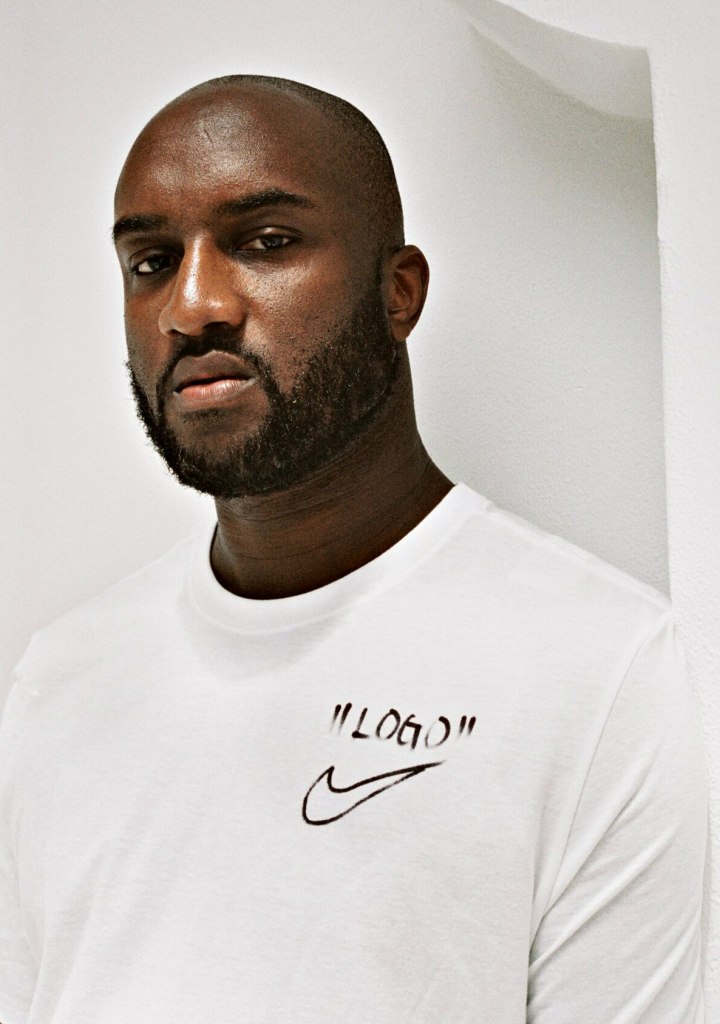
Virgil Abloh:

Redefining Fashion Boundaries


Born on September 30, 1980, in Rockford, Illinois, Virgil Abloh was the son of Ghanaian immigrants. He pursued a Bachelor of Science in Civil Engineering from the University of Wisconsin–Madison and later earned a Master of Architecture from the Illinois Institute of Technology. His academic background laid a foundation for his methodical approach to design.ABC News+3snobhop.substack.com+3Encyclopedia Britannica+3ABC News+1

Career Beginnings and Off-White
Abloh’s entry into the fashion world began with his collaboration with Kanye West, where he served as the art director for West’s creative agency, Donda. In 2012, he founded his own fashion label, Off-White, which quickly gained recognition for its distinctive blend of streetwear and high fashion. The brand’s use of quotation marks and zip ties became iconic symbols of Abloh’s design philosophy.DIE WELT+1

Louis Vuitton and Cultural Impact
In 2018, Abloh made history by becoming the first Black artistic director of Louis Vuitton’s men’s wear division. His debut collection, showcased in Paris, was a testament to his ability to merge luxury with street culture, appealing to a younger, diverse audience. Abloh’s tenure at Louis Vuitton was marked by his commitment to inclusivity and his efforts to bridge the gap between high fashion and urban style.

Personal Life and Legacy
Abloh was married to Shannon Abloh, and they had two children, Lowe and Grey. He passed away on November 28, 2021, after a private battle with cardiac angiosarcoma, a rare form of cancer. His death was a significant loss to the fashion community, but his legacy continues through the Virgil Abloh™️ Archive and various initiatives supporting young Black creatives.VogueEncyclopedia Britannica+5Vogue+5TIME+5Virgil Abloh Archive™


Olivier Rousteing:

Embracing Heritage in High Fashion

Early Life and Discovery of Heritage
Olivier Rousteing was born on September 13, 1985, in Bordeaux, France. Adopted at a young age, Rousteing grew up unaware of his African roots. It wasn’t until later in life that he discovered he was of Somali and Ethiopian descent, a revelation that profoundly influenced his work and identity as a designer.WikipediaABC7 New YorkTravel Noire

Rise to Prominence at Balmain
At the age of 25, Rousteing was appointed as the creative director of Balmain, one of Paris’s most storied fashion houses. His appointment was groundbreaking, as he was one of the youngest and first Black designers to lead such a prestigious brand. Rousteing revitalized Balmain with his bold designs, characterized by sharp tailoring, opulent embellishments, and a modern sensibility that resonated with a global audience.

Celebrating African Heritage
Rousteing’s journey of self-discovery led him to embrace his African heritage, which he began to weave into his collections. He has been vocal about the importance of representation in fashion and has used his platform to highlight the beauty of African culture. His work often features elements inspired by his heritage, challenging traditional notions of beauty and identity in the fashion industry.ABC7 New York

Personal Reflections and Impact
Rousteing’s openness about his background and experiences has inspired many in the fashion community. He continues to push boundaries, advocating for diversity and inclusion while maintaining the luxurious aesthetic that Balmain is known for. Through his leadership, Rousteing has not only transformed a historic fashion house but also paved the way for future generations of designers from diverse backgrounds.


Comparative Analysis

AspectVirgil AblohOlivier Rousteing
BackgroundAfrican American, raised in IllinoisAdopted French, discovered African roots later in life
EducationCivil Engineering and ArchitectureFashion Design
Major AchievementsFounder of Off-White, Artistic Director at Louis VuittonCreative Director at Balmain
Design PhilosophyIntersection of street culture and luxuryModern luxury with African cultural influences
LegacyPioneered inclusivity in fashion, supported Black creativesAdvocated for representation, embraced African heritage

Conclusion

Both Virgil Abloh and Olivier Rousteing have made indelible marks on the fashion industry. Abloh’s innovative approach to blending streetwear with high fashion redefined luxury, while Rousteing’s celebration of African heritage brought a new dimension to Parisian couture. Their journeys underscore the importance of diversity, representation, and the power of embracing one’s identity in shaping the future of the fashion industry.

Here’s a comprehensive table of top Black fashion designers, including their brand, signature style, celebrity clients, and impact:

DesignerBrand / LabelSignature StyleCelebrity ClientsImpact / Legacy
Virgil Abloh (1980–2021)Off-White, Louis Vuitton Men’s WearLuxury streetwear, bold graphics, contemporary menswearKanye West, Rihanna, BeyoncéBroke barriers for Black designers in luxury fashion; merged streetwear with high fashion
Dapper Dan (b. 1944)Dapper Dan’s BoutiqueCustom luxury streetwear, logo-heavy designsJay-Z, LL Cool J, Salt-N-PepaPioneered urban fashion; influenced hip-hop culture and luxury collaborations
Tracy ReeseTracy ReeseFeminine, colorful prints, elegant womenswearMichelle Obama, Oprah Winfrey, BeyoncéCelebrated for empowering women with vibrant, accessible luxury fashion
Olivier RousteingBalmainGlamorous, structured, intricate detailingKim Kardashian, Rihanna, BeyoncéRedefined Balmain as a celebrity-driven, high-glam brand
Patrick Kelly (1954–1990)Patrick KellyPlayful, vibrant, cultural referencesGrace Jones, MadonnaIntroduced Black identity and humor into Paris fashion; inspired future designers
LaQuan SmithLaQuan SmithBold, sexy, body-conscious designsRihanna, Beyoncé, Cardi BEmpowers confidence through fashion; modern icon in red-carpet style
Kerby Jean-RaymondPyer MossStorytelling, socially conscious fashion, luxury streetwearSolange, John LegendCombines activism with fashion; highlights social justice and Black culture
Aurora JamesBrother VelliesSustainable luxury footwear & accessoriesSolange, BeyoncéCelebrates African heritage; emphasizes sustainable craftsmanship
Telfar ClemensTelfarGenderless, inclusive fashion, iconic “Shopping Bag”Michelle Obama, SolangeAccessibility and inclusivity in fashion; democratized luxury
Anifa MvuembaHanifaVibrant, modern silhouettes, 3D digital runway innovationLupita Nyong’o, Kelly RowlandInnovator in digital fashion; promotes African beauty and modern luxury
Christopher John RogersChristopher John RogersBold colors, dramatic silhouettesTracee Ellis Ross, Amanda GormanRecognized by CFDA; celebrates Black creativity and empowerment
Fe NoelFe NoelCaribbean-inspired, tropical prints, vibrant womenswearAlicia Keys, Gabrielle UnionBrings cultural storytelling to global fashion; celebrates Black and Caribbean identit

Top Black Fashion Designers

  1. Virgil Abloh (1980–2021)
    • Founder of Off-White and former Artistic Director for Louis Vuitton Men’s Wear.
    • Known for blending streetwear with luxury fashion and redefining contemporary menswear.
    • Legacy: Opened doors for Black designers in the luxury space.
  2. Dapper Dan (Daniel Day, b. 1944)
    • Harlem-based designer who popularized luxury streetwear in the 1980s.
    • Worked with Gucci, Louis Vuitton, and Dior to create iconic custom pieces.
    • Legacy: Pioneered urban fashion, influencing hip-hop culture and luxury collaborations.
  3. Tracy Reese
    • Known for elegant, colorful womenswear with bold prints and femininity.
    • Celebrities like Michelle Obama, Oprah, and Beyoncé have worn her designs.
  4. Olivier Rousteing
    • French designer of African descent; creative director of Balmain.
    • Known for glamorous, intricate designs and celebrity dressing.
  5. Patrick Kelly (1954–1990)
    • American designer who found success in Paris.
    • Famous for playful, vibrant designs that celebrated Black culture and identity.
  6. LaQuan Smith
    • American designer known for bold, sexy, body-conscious pieces.
    • Worn by Rihanna, Beyoncé, and Cardi B.
    • Legacy: Emphasizes confidence and empowerment through fashion.
  7. Kerby Jean-Raymond
    • Founder of Pyer Moss, which blends fashion with social activism.
    • Uses runway shows to tell stories about Black culture and social justice.
  8. Aurora James
    • Founder of Brother Vellies, luxury footwear and accessories brand.
    • Focuses on sustainable craftsmanship and celebrating African heritage.
  9. Telfar Clemens
    • Founder of Telfar, known for “The Shopping Bag” (nicknamed the “Bushwick Birkin”).
    • Celebrates inclusivity, genderless fashion, and accessibility.
  10. Anifa Mvuemba
    • Founder of Hanifa, known for innovative 3D digital runway shows.
    • Focused on modern, vibrant designs that highlight Black beauty and culture.

Emerging & Influential Black Designers

  • Christopher John Rogers – Known for bold, colorful silhouettes; CFDA award winner.
  • Fe Noel – Caribbean-inspired, vibrant womenswear.
  • Kerby Jean-Raymond (Pyer Moss) – Combines storytelling, activism, and luxury fashion.
  • Romeo Hunte – Contemporary American womenswear; emphasizes elegance and sophistication.

References: