
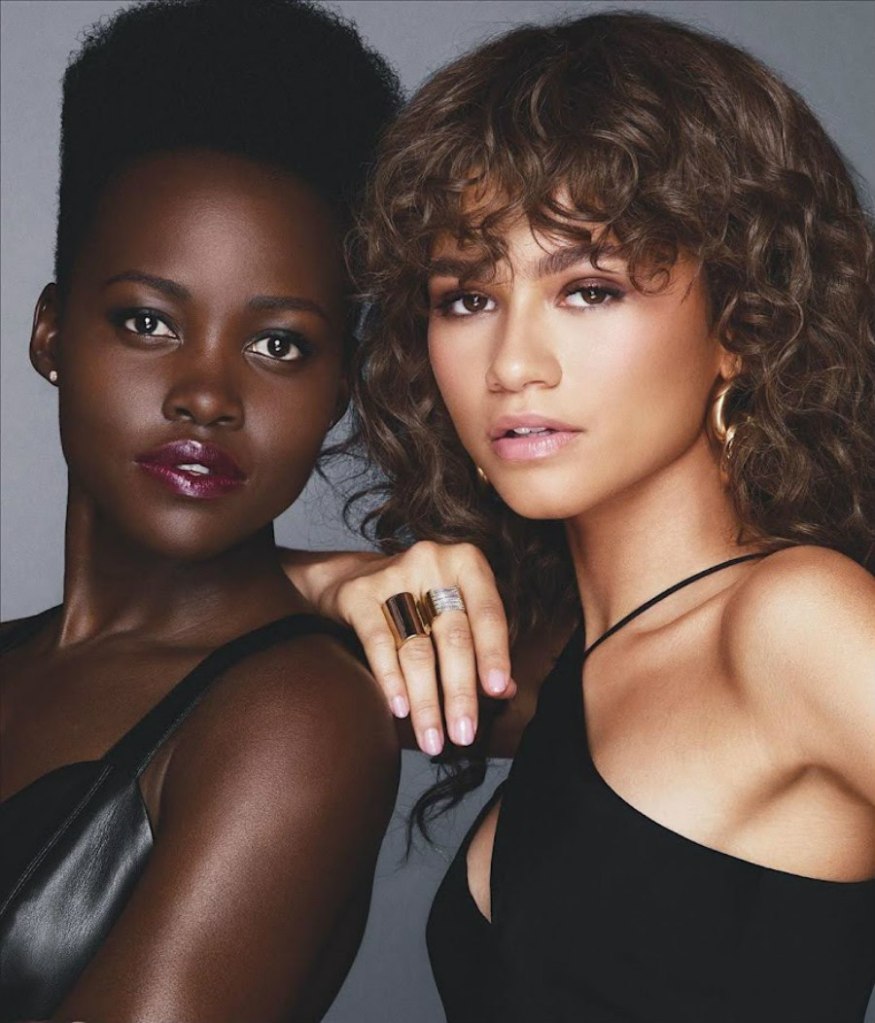
Colorism is the prejudice or preferential treatment based on skin tone, typically favoring lighter skin over darker skin within the same racial or ethnic group. Unlike racism, which discriminates across different races, colorism operates within a racial or ethnic community, creating hierarchies based on proximity to Eurocentric features. The term was first popularized by Alice Walker in 1983, though the phenomenon has existed for centuries.
Within the Black community, colorism has deep historical roots. It emerged during slavery, when lighter-skinned enslaved individuals—often the children of white slave owners—were given preferential treatment, such as working inside the house rather than laboring in the fields. These house slaves often had access to better food, clothing, and education, whereas field slaves endured harsher conditions (Hunter, 2007). The social stratification created lasting intergenerational psychological effects.
Psychologically, colorism affects self-esteem, identity, and social mobility. Studies show that darker-skinned Black individuals often experience lower self-worth, fewer professional opportunities, and heightened internalized racism compared to lighter-skinned peers (Hunter, 2007; Keith & Herring, 1991). The preference for lighter skin is associated with societal ideals of beauty and success that are tied to European features.
The influence of colorism extends beyond the Black community. In India, the caste system and historical colonization reinforced the belief that lighter skin denotes higher social status, leading to widespread use of skin-lightening products (Tajfel & Turner, 1979). Among Hispanic and Latinx populations, mestizo identity and European ancestry are often valorized over Indigenous or Afro-descendant heritage. Similarly, in East and Southeast Asia, lighter skin has been historically associated with wealth, nobility, and refinement, while darker skin has been linked to laboring in the sun.
Colorism also intersects with gender, disproportionately affecting women. In the Black community, lighter-skinned women have historically been deemed more attractive, more marriageable, and more socially desirable, both by men within and outside the community (Hunter, 2007). This preference can exacerbate divisions and reinforce patriarchal hierarchies, leaving darker-skinned women marginalized and undervalued.
The psychological effects are compounded by media and cultural representation. Hollywood and Western media often present lighter-skinned Black women in leading roles while marginalizing dark-skinned women to background or stereotypical roles. This reinforces internalized colorism, creating a cycle of self-devaluation and desire for features associated with whiteness (Russell-Cole et al., 2013).
Biblically, the issue of valuing outward appearance over inward worth is cautioned against. 1 Samuel 16:7 (KJV) states, “For the LORD seeth not as man seeth; for man looketh on the outward appearance, but the LORD looketh on the heart.” Colorism, in this light, reflects human fallibility in valuing skin tone over character, faith, and spiritual depth.
Historical slavery significantly entrenched colorism in the United States. House slaves—usually lighter-skinned—were sometimes granted privileges unavailable to darker-skinned field slaves, leading to internal hierarchies and divisions within the enslaved community. Lighter-skinned children born to slave owners often had ambiguous status, creating both resentment and survival strategies that persist across generations.
During slavery, lighter-skinned Black women were often sexualized by white men, a tragic legacy that has influenced modern perceptions of beauty and desirability. This history contributes to the psychological phenomenon where Black men may consciously or unconsciously favor lighter-skinned women, associating them with beauty, status, or social capital (Hunter, 2007; Keith & Herring, 1991).
Psychology explains this as a combination of social learning, internalized bias, and reinforcement. Preferences for lighter-skinned partners may reflect both historical conditioning and the influence of media and society. Social Identity Theory (Tajfel & Turner, 1979) suggests that individuals derive self-esteem by favoring traits aligned with dominant societal standards, even within their own ethnic group.
Colorism contributes to intragroup discrimination, where darker-skinned individuals face bias not just from society but from within their own communities. This can manifest in reduced dating prospects, employment bias, or social exclusion. Studies indicate that darker-skinned women are often less likely to marry lighter-skinned men, and darker-skinned men may experience similar disadvantages in partner selection (Russell-Cole et al., 2013).
Globally, colorism intersects with class, wealth, and cultural capital. In India, lighter-skinned individuals are more likely to receive better job offers and marriage prospects. Among Latinx and Asian communities, skin tone can influence perceptions of intelligence, civility, and social mobility. These dynamics show that colorism is a global phenomenon, shaped by historical, economic, and cultural forces.
Changing colorism requires both individual and collective action. Education about the historical roots of skin-based hierarchies is essential. Communities can promote media representation that celebrates all skin tones, and religious or cultural teachings can emphasize inner worth over outward appearance. 1 Samuel 16:7 (KJV) reminds communities to value heart and character above skin tone.
In the Black community, self-affirmation and visibility of darker-skinned leaders, celebrities, and role models can counteract internalized bias. Campaigns that celebrate melanin-rich skin, such as #UnfairAndLovely or #DarkIsBeautiful, provide psychological reinforcement of worth and beauty beyond lightness.
Within family structures, parents can raise children to value character, intelligence, and faith rather than skin tone. Proverbs 22:6 (KJV) states, “Train up a child in the way he should go: and when he is old, he will not depart from it.” By instilling these values early, communities can challenge intergenerational colorist beliefs.
Colorism also intersects with religion and spirituality. Black women who embrace their natural skin often find empowerment in biblical teachings that emphasize inner beauty and God-given identity. 1 Peter 3:3–4 (KJV) instructs, “Whose adorning let it not be that outward adorning of plaiting the hair… but the hidden man of the heart, in that which is not corruptible, even the ornament of a meek and quiet spirit, which is in the sight of God of great price.”
Psychologists emphasize that internalized colorism can be mitigated through cognitive restructuring, affirmations, and representation. Therapy, mentorship, and community engagement can help individuals recognize their inherent value, countering messages from media and historical oppression.
For Black men, confronting preferences that favor lighter-skinned women requires self-reflection and awareness of historical conditioning. Biblical teachings on equality and righteousness, coupled with psychological education, can foster appreciation for all women regardless of skin tone. Galatians 3:28 (KJV) reminds us, “There is neither Jew nor Greek, there is neither bond nor free, there is neither male nor female: for ye are all one in Christ Jesus.”
Ultimately, colorism is not simply a matter of preference; it is a systemic, historical, and psychological issue that affects self-esteem, relationships, and social cohesion. Addressing it requires education, representation, cultural affirmation, and spiritual guidance. Communities must recognize the divisive impact of skin-tone hierarchies and actively work to celebrate all shades of beauty and worth.
The Psychology of Colorism
Title: Colorism: Light vs Dark Skin – History, Psychology, and Social Impact
1. Historical Origins (Slavery & Colonization)
- House Slaves (Lighter Skin): Privileged treatment, access to education, better food, and closer to slave owners.
- Field Slaves (Darker Skin): Hard labor, harsher conditions, social marginalization.
- Impact: Created an intra-racial hierarchy based on skin tone.
2. Psychological Effects
- Internalized Colorism: Lower self-esteem for darker-skinned individuals.
- Identity & Self-Worth: Lighter skin associated with beauty, success, and desirability.
- Behavioral Consequences: Preference for lighter-skinned partners, social mobility advantages.
3. Cultural & Global Impact
- Black Community: Preference for light-skinned women; media representation reinforces bias.
- India: Fair skin linked to social status; widespread use of skin-lightening products.
- Hispanic/Latinx Communities: European ancestry valorized over Indigenous/Afro-descendant heritage.
- East/Southeast Asia: Lighter skin historically linked to nobility and social class.
4. Gender Dynamics
- Women: Most affected; lighter-skinned women often deemed more attractive and marriageable.
- Men: Preferences shaped by history, culture, and media influence; some favor lighter-skinned partners.
5. Biblical & Moral Perspective
- 1 Samuel 16:7 (KJV): God values the heart, not outward appearance.
- Galatians 3:28 (KJV): Equality in Christ; skin tone irrelevant in spiritual worth.
6. Solutions & Interventions
- Education: Teach history and psychological impact of colorism.
- Media Representation: Highlight darker-skinned individuals in positive roles.
- Community Affirmation: Encourage pride in melanin-rich skin.
- Spiritual Guidance: Emphasize biblical truths about inner worth and godly character.
- Parental Guidance: Raise children to value character and faith over skin tone.
The legacy of slavery, colonialism, and Eurocentric beauty standards continues to shape colorist perceptions today. By acknowledging history, valuing inner character, and promoting inclusivity, communities can gradually dismantle the hierarchy of light versus dark skin. Psychology, cultural studies, and biblical principles converge in emphasizing that true value lies not in complexion but in character, faith, and actions.
References
- Hunter, M. (2007). The Persistent Problem of Colorism: Skin Tone, Status, and Inequality. Sociology Compass, 1(1), 237–254.
- Keith, V., & Herring, C. (1991). Skin Tone and Stratification in the Black Community. American Journal of Sociology, 97(3), 760–778.
- Russell-Cole, K., Wilson, M., & Hall, R. (2013). The Color Complex: The Politics of Skin Color in a New Millennium. HarperCollins.
- Tajfel, H., & Turner, J. (1979). An Integrative Theory of Intergroup Conflict. In W. Austin & S. Worchel (Eds.), The Social Psychology of Intergroup Relations. Brooks/Cole.
- The Holy Bible, King James Version (KJV).
 THE BROWN GIRL DILEMMA