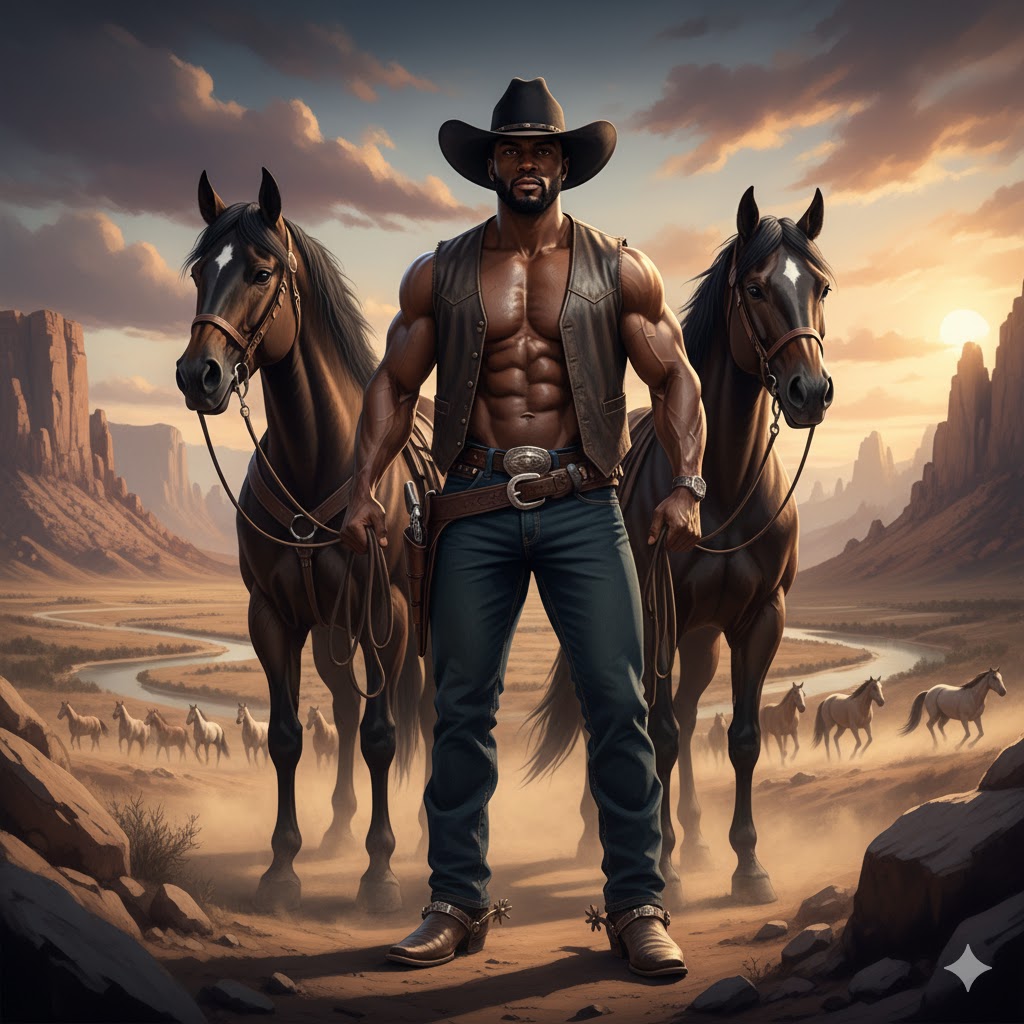
For centuries, the Black male body has existed at the crossroads of reverence and exploitation. In ancient African civilizations, the Black man was often crowned as divine—embodying leadership, spiritual authority, physical excellence, and intellectual brilliance. Yet through the transatlantic slave trade and subsequent Western sociopolitical systems, this image was distorted into a commodified form—an object to be controlled, feared, marketed, consumed, and surveilled. The Black male aesthetic, once a symbol of sovereignty, was stripped and weaponized for profit, entertainment, and domination.
The transformation from king to commodity began during slavery, where enslaved Black men were appraised for strength, endurance, and reproductive potential rather than humanity or intellect. Plantation records reveal how enslavers measured, bred, and traded Black men as physical capital (Gomez, 1998). This legacy birthed an enduring paradox: the Black male admired for his athletic body and masculine power, yet simultaneously denied autonomy, dignity, and emotional depth.
In the modern era, this commodification evolved into media, sports, fashion, and entertainment industries that profit from Black male image and labor. Professional athletics serve as a modern plantation metaphor, where predominantly white ownership capitalizes on Black physicality while often suppressing political voice and cultural authenticity (Rhoden, 2006). Rap and film industries selectively magnify hyper-masculinity, aggression, and sexual prowess, reinforcing stereotypes rooted in slavery’s breeding logic. Even luxury fashion and modeling spaces now celebrate melanin, strong facial structure, and athletic builds—traits historically mocked or criminalized—yet Black men still navigate barriers to economic ownership and narrative control in these industries.
Paradoxically, while the Black male body is commodified, the Black male spirit remains heavily policed. Society praises the physique but fears the presence; celebrates the style but rejects the voice; desires the look but not the lived experience. This duality contributes to mental strain, identity conflict, and hyper-visibility intertwined with invisibility. Black men must constantly negotiate spaces where their beauty is praised but their humanity is questioned.
Yet reclaiming sovereignty is underway. Increasingly, Black men reject objectification and redefine beauty beyond physicality—embracing intellectual excellence, emotional intelligence, spiritual grounding, and entrepreneurial power. Cultural movements uplift the dignified, introspective, protective, visionary roles Black men play as fathers, scholars, artists, healers, and leaders. From ancient Kemet to Nubia, from Timbuktu to Harlem Renaissance salons, the Black man’s beauty has always been multidimensional—rooted not in body alone, but in mind, spirit, and legacy.
The journey forward requires dismantling systems that consume Black masculinity for profit while denying agency and humanity. It calls for honoring the king before the commodity, the purpose before the performance, the soul before the spectacle. The Black male is not merely to be viewed—he is to be valued, respected, and restored to his rightful place in the narrative of global civilization.
References
Gomez, M. A. (1998). Exchanging our country marks: The transformation of African identities in the colonial and antebellum South. University of North Carolina Press.
Rhoden, W. C. (2006). Forty million dollar slaves: The rise, fall, and redemption of the Black athlete. Crown Publishing.
“Listen, ladies: first and foremost, the Word of God says, ‘Whoso findeth a wife findeth a good thing, and obtaineth favour of the Lord’ (Proverbs 18:22, KJV). That means a man is the one who finds you. Your responsibility is not to chase, but to choose wisely—with the guidance of the Most High.”
👑👑👑👑👑👑👑
Choosing a King (man) is one of the most important decisions you will ever make, because the man you join yourself to will not only shape your life but also your legacy. Too many women chase after men, ignoring the warning signs of their intuition, hoping that they can change him later. Yet the Word of God teaches us that it is better to wait on the Lord than to rush into the arms of the wrong man (Psalm 27:14, KJV). Purity, discernment, and patience are your strongest weapons. Never forget: you are the prize, and the right man will recognize your worth without you having to prove it.
👑 The Three Types of Men 👑
Type of Man
Traits
Psychology
Biblical Lens (KJV)
Result in a Relationship
Pimp / Misogynist
Lustful, controlling, manipulative, self-centered
Narcissistic, exploitative, uses women as objects
“For all that is in the world, the lust of the flesh… is not of the Father” (1 John 2:16)
“Husbands, love your wives, even as Christ also loved the church” (Ephesians 5:25)
Brings peace, growth, and godly love — a true partner and covering
✨ Takeaway: Only a King pursues with covenant, not conquest. Only a King provides covering that leads you closer to the Most High.
The Bible makes it clear that a woman should not chase a man but rather allow herself to be found. Proverbs 18:22 (KJV) declares, “Whoso findeth a wife findeth a good thing, and obtaineth favour of the Lord.” A godly man is the one who seeks, pursues, and wins you. He is not intimidated by the pursuit because he sees value in you. A woman lowering her standards to chase a man is settling for crumbs when the Lord desires to give her a banquet.
When considering what kind of man you should choose, remember that not all men are created equal in character. There are three types of men who will cross your path: the misogynist, the simp, and the king. Each reveals his nature through his actions, values, and treatment of women. Psychology teaches us that behavior speaks louder than words, and Scripture reminds us that “by their fruits ye shall know them” (Matthew 7:16, KJV).
The misogynist, or the pimp, is driven by lust, power, and control. He rules with his flesh, using women as objects for his pleasure rather than as partners to honor and cherish. This man thrives on conquest without covenant. He may charm you, but his heart is far from God. Psychology identifies such men as displaying narcissistic or exploitative tendencies—always taking, never giving. Choosing such a man will rob you of peace and dignity.
Then there is the simp, the weak man. This man may appear kind, but he lacks vision, leadership, and the ability to stand firm. He allows others to run over him, including women who use him, because he is desperate for acceptance. Though he is not abusive, he is not capable of being the covering God has called a husband to be (Ephesians 5:23, KJV). A woman yoked to a simp will end up carrying burdens that were meant for the man to shoulder.
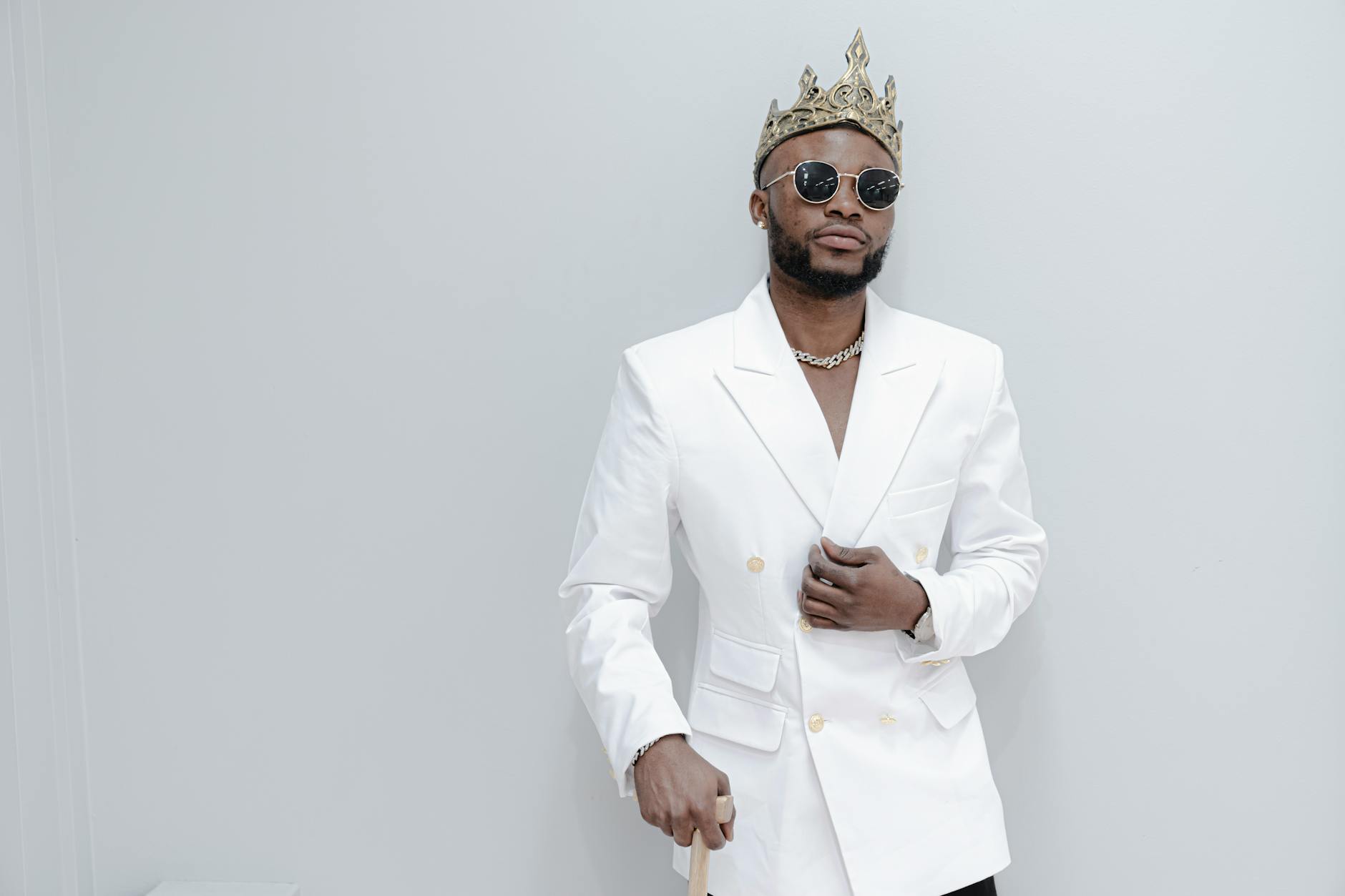
Lastly, there is the king—the man after God’s own heart. This man is not perfect, but he seeks to please the Lord in his actions, words, and responsibilities. He is a provider, a protector, and a man who desires a wife, not a girlfriend. He does not want to be chased, because he understands that his role is to pursue. He values queens, not flings. Kings are not superficial; they look for substance, faith, and character. This is the man who will draw you closer to the Most High and love you as Christ loved the Church (Ephesians 5:25, KJV).
🌟 Top Qualities to Look for in a Man 🌟
Biblical Standards (KJV):
God-fearing – “The fear of the Lord is the beginning of wisdom” (Proverbs 9:10).
Provider – “If any provide not for his own… he hath denied the faith” (1 Timothy 5:8).
Protector – “Husbands, love your wives, even as Christ also loved the church” (Ephesians 5:25).
Faithful – “A faithful man shall abound with blessings” (Proverbs 28:20).
Self-controlled – “He that is slow to anger is better than the mighty” (Proverbs 16:32).
Truthful – “Lie not one to another, seeing that ye have put off the old man” (Colossians 3:9).
Leader – “For the husband is the head of the wife, even as Christ is the head of the church” (Ephesians 5:23).
Righteous in conduct – “By their fruits ye shall know them” (Matthew 7:16).
Consistency – reliable in words and actions; not hot and cold.
Integrity – honest and trustworthy; keeps commitments.
Discipline – able to delay gratification, make wise decisions.
Vision and purpose – has goals, direction, and plans for the future.
Respectful – honors boundaries, listens, and values your worth.
Secure masculinity – not intimidated by your strength, but confident in his role.
Supportive – encourages growth spiritually, emotionally, and mentally.
✨ In short: Choose a man after God’s own heart, who not only says he loves you, but proves it through protection, provision, and purpose.
Too often, women confuse attention with intention. Just because a man notices you does not mean he values you. Psychology calls this “confirmation bias”—when you only see what you hope to see, instead of the truth in front of you. Never confuse lust with love. Lust is temporary, but love is eternal, rooted in commitment and sacrifice.
Do not use sex as dating currency. The world teaches that intimacy can buy affection, but Scripture warns that fornication defiles both body and spirit (1 Corinthians 6:18-20, KJV). If a man’s interest depends on your willingness to give your body outside of covenant, he is not the one God has sent. A true king values purity and respects boundaries because he knows your worth.
Style should never outweigh substance. A man may look successful, handsome, and well-dressed, but appearances can deceive. Proverbs 31:30 (KJV) reminds us, “Favour is deceitful, and beauty is vain: but a woman that feareth the Lord, she shall be praised.” The same applies to men: what truly matters is not his style but his character, consistency, and his relationship with God.
The classical man—the faithful man who is husband material—does not want women to chase him. His masculinity is secure; he does not measure his worth by conquests but by covenant. Only pimps desire women to pursue them because they thrive on ego. A king, on the other hand, seeks to conquer not through seduction but through responsibility, love, and sacrifice.
When looking for a man, measure him by what Scripture and psychology affirm. A good man is disciplined, slow to anger, hardworking, and spiritually grounded (Proverbs 16:32; 1 Timothy 5:8, KJV). Psychologists highlight that good men demonstrate emotional intelligence, the ability to regulate emotions, communicate effectively, and show empathy. A man without these qualities may cause more harm than good.
Never ignore your intuition. The Holy Spirit gives discernment, and psychology confirms that gut feelings often stem from subconscious recognition of red flags. If something feels off, it probably is. Do not let loneliness silence the alarms within your spirit.
A godly man is also a provider. This does not mean you cannot work or contribute, but rather that he takes responsibility for the home. 1 Timothy 5:8 (KJV) says, “But if any provide not for his own… he hath denied the faith, and is worse than an infidel.” Provision is not only financial but emotional, spiritual, and physical.
Women must also guard against the temptation to compromise standards. Many women remain with men they know are pimps or simps because they fear being alone. But Scripture teaches that it is better to dwell alone with peace than in a house with strife (Proverbs 21:9, KJV). Waiting for a king requires patience and faith.
The top things you should look for in a man, both biblically and psychologically, include faith, consistency, integrity, discipline, leadership, empathy, and provision. A man with these traits will elevate you, not drain you. He will be your partner, not your project.
Choosing a man is ultimately choosing a covering. Who he is spiritually will directly affect your household, your children, and your destiny. You cannot afford to marry recklessly. Your choice should reflect your worth in God, not your fear of being overlooked.
A woman of God must remember that her value is not in her chase but in her presence. The right man will see your worth without you lowering yourself. He will pursue you with honor, not pressure you with lust. He will lead you closer to Christ, not further into sin.
Therefore, wait patiently for the king God has for you. Trust that the Lord is able to bring the right man in the right season. Until then, keep yourself pure, guard your heart, and never settle for less than God’s best.
Your destiny is too great, your calling too precious, and your soul too valuable to waste on a man who cannot cover, protect, and love you as Christ intended. You deserve a king, not a counterfeit. Let him win you, and never forget—you are the prize.
References
The Holy Bible, King James Version (KJV)
Gottman, J. M., & Silver, N. (2015). The Seven Principles for Making Marriage Work. Harmony Books.
Chapman, G. (2015). The Five Love Languages: The Secret to Love That Lasts. Northfield Publishing.
Cloud, H., & Townsend, J. (2017). Boundaries in Dating. Zondervan.
Goleman, D. (2006). Emotional Intelligence. Bantam.
Where faith, history, and truth illuminate the Black experience.

 THE BROWN GIRL DILEMMA