
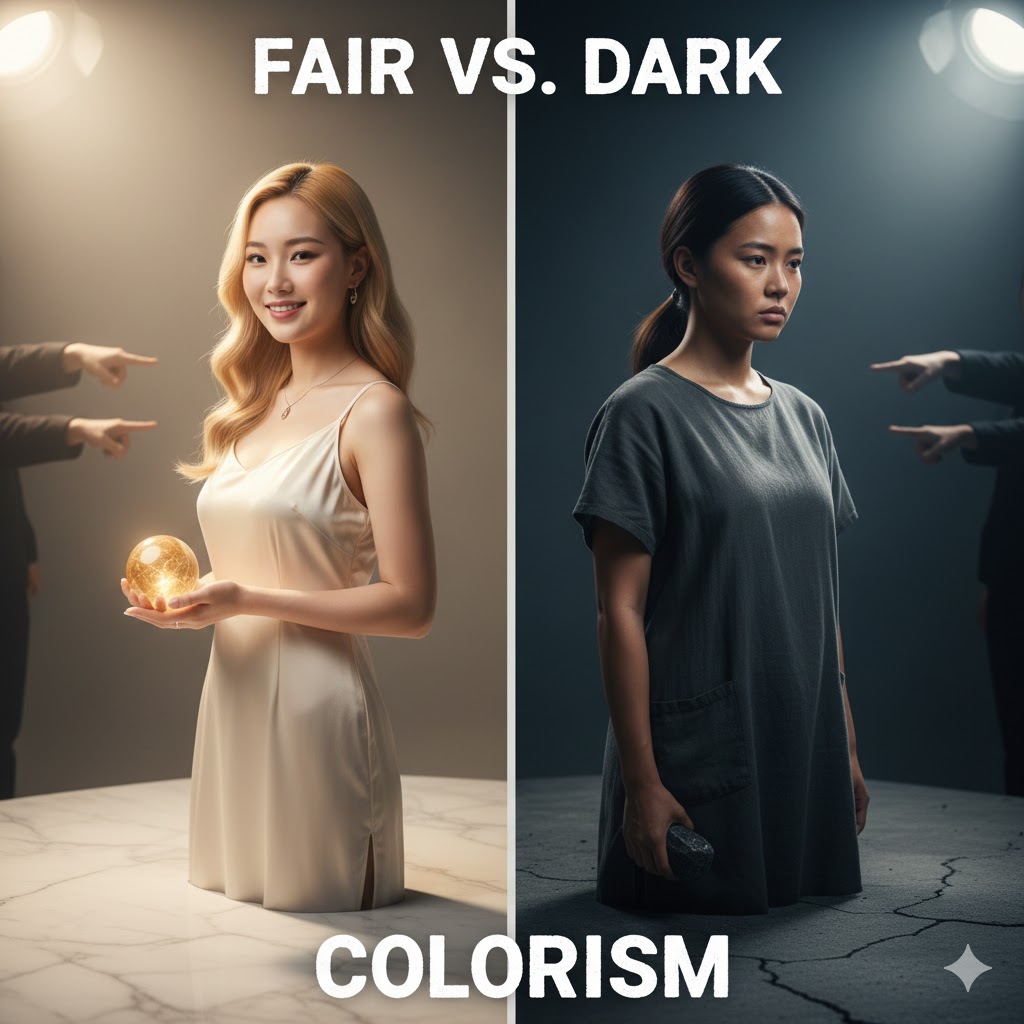
Colorism in Asia is a pervasive social phenomenon in which lighter skin is culturally valued over darker skin, creating systemic advantages for those perceived as fairer. Unlike racism, which often categorizes by ethnicity, colorism operates within racial and ethnic groups, privileging lighter tones as a symbol of wealth, status, and beauty. Its impact spans social, economic, and psychological domains, influencing marriage, employment, media representation, and daily interactions.
The roots of colorism in Asia are complex, intertwining pre-colonial class distinctions with European colonial influence. Historically, fair skin was associated with the elite or ruling classes who worked indoors, while darker skin indicated labor-intensive outdoor work. European colonialism reinforced and codified these associations, idealizing whiteness as superior and desirable.
In India, colorism is deeply entrenched. Fair skin has long been linked to beauty, marriageability, and social status. Advertisements promoting skin-lightening products are widespread, and matrimonial ads often specify preference for fair-skinned partners. Caste and colonial legacy amplify this preference, embedding it in social and cultural norms (Ludhianvi, 2020).
Pakistan similarly exhibits strong colorist tendencies. Lighter skin is associated with higher social class and greater marital prospects. The skin-lightening industry thrives, with consumers believing fairness equates to upward mobility, attractiveness, and professional credibility. Media, film, and advertising reinforce these ideals.
In Southeast Asia, countries like the Philippines, Thailand, and Indonesia exhibit pervasive colorism due to colonial history and media influence. In the Philippines, Spanish colonization and American media created ideals of beauty that favor lighter skin, influencing both professional opportunities and romantic desirability. Fair skin continues to be a marker of privilege and social mobility.
Thailand has a cultural preference for lighter skin, evident in beauty advertisements, television, and social expectations. The legacy of colonial trade and the association of light skin with urban elites amplify this hierarchy. Skin-whitening products dominate the market, signaling the perceived necessity of fair skin for social acceptance.
In China and East Asia, colorism is widespread, though nuanced. Lighter skin is historically associated with refinement, status, and scholarly pursuits, contrasting with rural laborers. Modern media, fashion, and entertainment reinforce these ideals, sustaining societal bias and shaping self-perception from a young age (Li & Min, 2014).
Japan and South Korea also reflect colorism influenced by historical class structures and Western beauty ideals. In South Korea, skin whitening and cosmetic surgery are widespread, with lighter skin seen as a standard of beauty and sophistication. In Japan, light skin is tied to elegance, status, and femininity, although contemporary media sometimes diversifies representation.
The worst-affected countries in Asia tend to be those with both colonial history and rigid social hierarchies. India, Pakistan, the Philippines, and Thailand experience intense societal pressure to conform to fair-skinned beauty ideals, reinforced through marriage markets, media, and professional spaces. The combination of historical caste or class divisions and globalized beauty standards intensifies the penalty for darker skin.
Colorism in Asia intersects with gender, disproportionately affecting women. Women are judged more harshly by skin tone, and their social, marital, and professional opportunities are more tightly linked to appearance. This leads to heightened use of skin-lightening products, cosmetic procedures, and restrictive beauty practices.
Economically, colorism affects career prospects. In India and Southeast Asia, lighter-skinned individuals are more likely to be hired for front-facing roles, leadership positions, and customer-oriented professions. Appearance is often equated with competence and professionalism, creating systemic advantage.
Marriage markets are heavily influenced by colorism. Matrimonial advertisements frequently specify preference for fair-skinned partners, reflecting the perception that lighter skin signals social status, family wealth, and desirability. Darker-skinned individuals are marginalized, even when other qualities are equal.
Media representation reinforces colorism by prioritizing lighter-skinned actors, models, and influencers. Television, film, and advertisements overwhelmingly feature fair-skinned individuals in roles of power, romance, and beauty, while darker-skinned people are underrepresented or typecast. This perpetuates bias in both perception and aspiration.
The skin-lightening industry is a multi-billion-dollar sector in Asia, indicating both the intensity of societal preference for fair skin and the psychological impact of colorism. Consumers internalize the message that lighter skin equates to opportunity, attractiveness, and social capital, sustaining demand and normalizing bias.
Colorism also has psychological consequences, contributing to low self-esteem, anxiety, and body image dissatisfaction. Individuals internalize societal preferences, leading to shame, identity conflict, and social comparison, particularly among women and youth.
Education is not immune. Teachers and peers may implicitly favor lighter-skinned students, assuming greater intelligence, discipline, or refinement. These biases influence expectations, opportunities, and social inclusion, reinforcing systemic inequality from early childhood.
Social mobility in Asia is intertwined with skin tone. Lighter skin is often equated with urbanity, cosmopolitanism, and modernity, while darker skin signals rural labor, poverty, or lower status. This creates a persistent cycle where appearance directly affects life trajectory.
Historically, colorism was reinforced by colonial hierarchies and caste systems. In India, fair skin was associated with higher castes, while darker skin correlated with servitude or laboring classes. European colonization globally reinforced these associations, elevating whiteness as aspirational and moralized.
To challenge colorism in Asia, cultural, institutional, and personal efforts are required. Media representation must diversify, educational systems must address bias, and beauty industries must be held accountable for perpetuating harmful standards. Individual awareness and advocacy play key roles in dismantling internalized preference.
Overcoming colorism involves redefining beauty, valuing diverse appearances, and affirming dignity independent of skin tone. Societies must confront historical roots, economic incentives, and cultural reinforcement to create equitable spaces where color does not determine opportunity, respect, or love.
References
Ludhianvi, R. (2020). Skin-deep bias: The politics of complexion in India. Journal of South Asian Studies, 43(2), 215–232.
Hunter, M. (2007). The persistent problem of colorism: Skin tone, status, and inequality. Sociology Compass, 1(1), 237–254.
Li, W., & Min, S. (2014). Cultural beauty standards in East Asia: Colorism and social perception. Asian Journal of Social Psychology, 17(3), 192–201.
Hamermesh, D. S., & Biddle, J. E. (1994). Beauty and the labor market. American Economic Review, 84(5), 1174–1194.
Hosoda, M., Stone-Romero, E. F., & Coats, G. (2003). The effects of physical attractiveness on job-related outcomes: A meta-analysis of experimental studies. Personnel Psychology, 56(2), 431–462.
Eagly, A. H., Ashmore, R. D., Makhijani, M. G., & Longo, L. C. (1991). What is beautiful is good, but…: A meta-analytic review of research on the physical attractiveness stereotype. Psychological Bulletin, 110(1), 109–128.
Frisby, C. M. (2004). Does race or gender matter? Effects of media images on self-perception. Journal of Broadcasting & Electronic Media, 48(2), 301–317.

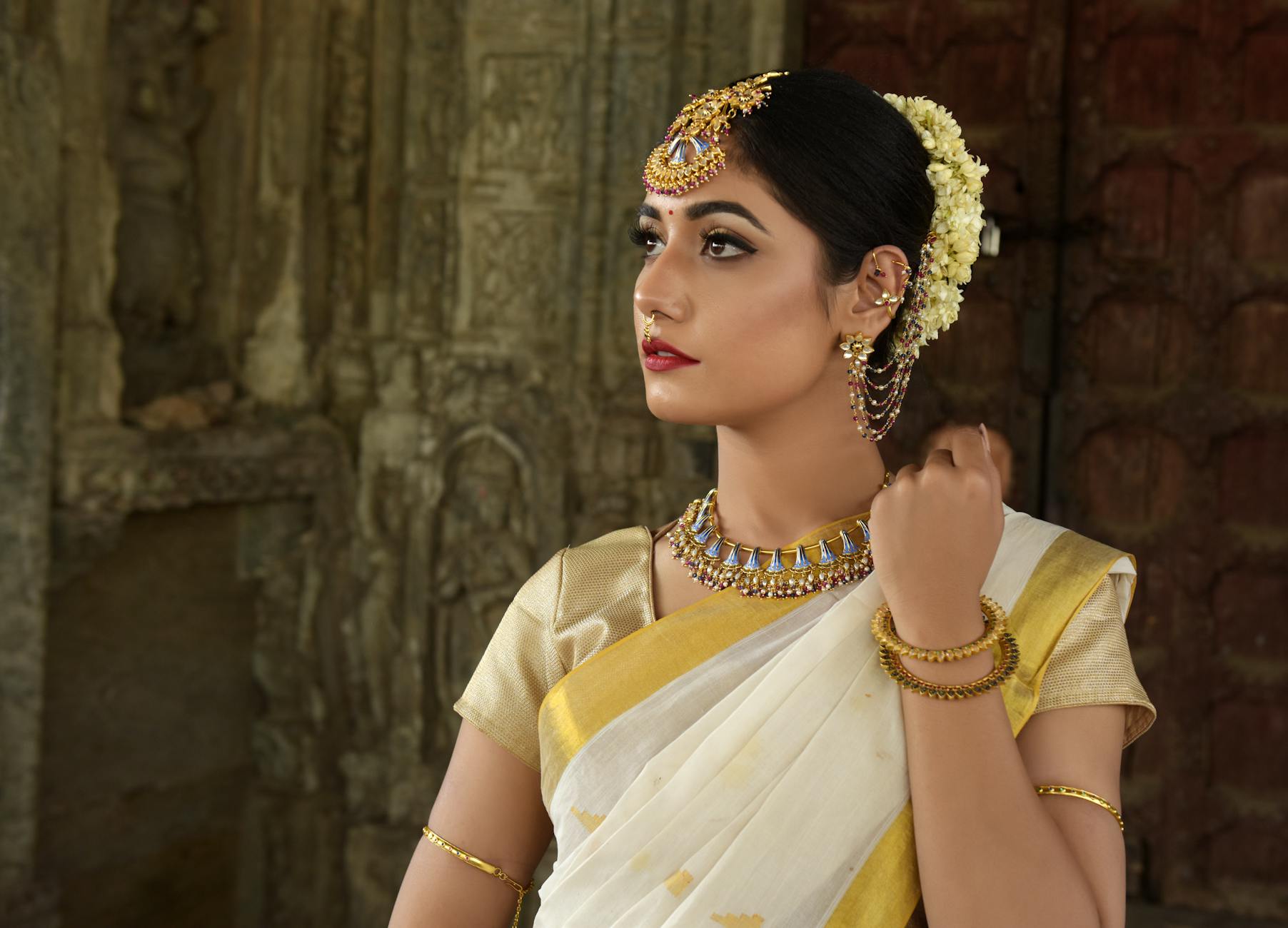










 THE BROWN GIRL DILEMMA