
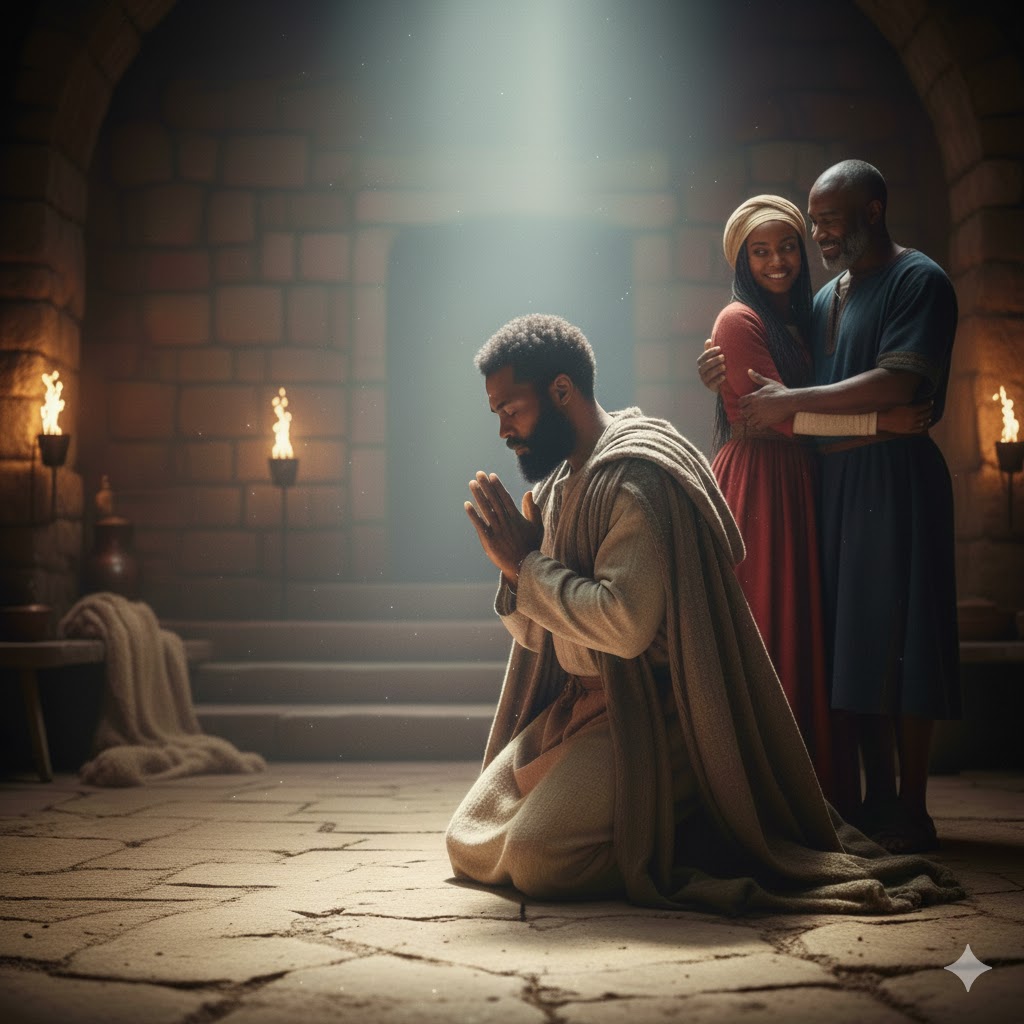
The story of Hosea is one of profound prophecy, divine love, and enduring mercy. Hosea, a prophet in the northern kingdom of Israel, was called by God to deliver a message of judgment and restoration. His life became a living parable, demonstrating God’s steadfast love for a wayward people.
Hosea’s ministry took place during a time of moral decay, idolatry, and political instability in Israel. The people had turned from God, worshiping Baal and following sinful practices. God chose Hosea to confront this rebellion and call Israel back to repentance.
The Lord commanded Hosea to marry Gomer, a woman described as being of harlotry (Hosea 1:2, KJV). This marriage symbolized Israel’s unfaithfulness to God. Just as Gomer would betray Hosea, Israel had forsaken the Lord despite His covenantal love.
Hosea’s relationship with Gomer served as a living message. Each betrayal and reconciliation mirrored the spiritual adultery of Israel and God’s unwavering desire to restore His people. “And the Lord said unto him, Go again, love a woman beloved of her friend, yet an adulteress” (Hosea 3:1, KJV).
The children of Hosea were named with prophetic significance. His first son, Jezreel, symbolized coming judgment on the house of Jehu (Hosea 1:4, KJV). His daughter, Lo-Ruhamah, represented God’s temporary withdrawal of mercy (Hosea 1:6, KJV). His second son, Lo-Ammi, signified that Israel was not His people (Hosea 1:9, KJV).
Despite Israel’s infidelity, God’s heart was filled with compassion. Hosea’s life illustrated that God’s love persists even when His people stray. “How shall I give thee up, Ephraim? how shall I deliver thee, Israel?” (Hosea 11:8, KJV). God’s patience and desire for repentance shine through Hosea’s narrative.
Hosea’s prophecies were both warnings and invitations. He admonished the Israelites to return to God and forsake idolatry. “O Israel, return unto the Lord thy God; for thou hast fallen by thine iniquity” (Hosea 14:1, KJV). Repentance was central to restoration.
Idolatry was depicted as spiritual adultery. The people’s worship of other gods mirrored unfaithfulness in a covenant relationship. Hosea’s symbolic marriage underscored the seriousness of covenant breaking and the pain it caused the heart of God.
Hosea’s life teaches the power of forgiveness. Gomer’s repeated infidelity did not sever the covenantal bond. Similarly, God’s forgiveness remains available to Israel and to believers who return to Him in sincere repentance.
Hosea’s message emphasizes the depth of God’s mercy. Though judgment was inevitable, restoration was promised. “I will heal their backsliding, I will love them freely: for mine anger is turned away from him” (Hosea 14:4, KJV). Restoration follows true repentance.
The story of Hosea highlights divine patience. God waits for His people to return, demonstrating a love that transcends human failure. “He hath not dealt with us after our sins; nor rewarded us according to our iniquities” (Psalm 103:10, KJV).
God’s love is active, not passive. Hosea was called to enact a tangible example of God’s compassion. Through marriage, family life, and prophecy, Hosea displayed the tension between judgment and mercy.
Hosea also addresses communal responsibility. The nation’s leaders and people were accountable for perpetuating sin. Prophets like Hosea reminded them that leadership entails righteousness and moral guidance.
The book of Hosea encourages self-reflection. Believers today are called to examine personal fidelity to God, turning from idolatry—whether literal or metaphorical—and embracing covenant faithfulness.
Faithfulness is central. Hosea’s life illustrates that God desires not merely obedience, but loyalty of heart. Spiritual devotion requires commitment, consistency, and integrity.
The story also conveys hope. Even when consequences are severe, God promises renewal for those who seek Him. Restoration is not earned, but freely given to repentant hearts.
Hosea demonstrates that love often requires sacrifice. The prophet’s obedience came at personal cost, yet his fidelity modeled God’s own willingness to redeem and restore humanity.
God’s justice and mercy coexist. Hosea portrays a God who judges sin yet extends grace, showing that divine love is both righteous and redemptive.
Ultimately, the story of Hosea is a call to return, to love, and to remain faithful. It reminds believers that God’s heart is always inclined toward reconciliation, teaching lessons of patience, forgiveness, and covenant loyalty.
Hosea’s life and prophecies continue to inspire believers to pursue holiness, love God wholeheartedly, and reflect His mercy in relationships and communities.
References
The Holy Bible, King James Version. (1769/2017). Cambridge University Press.
Oswalt, J. N. (1998). The Book of Hosea: An exegetical and theological commentary. Eerdmans.
Motyer, J. A. (2005). The Message of Hosea: God’s unfailing love. Inter-Varsity Press.
Allen, L. C. (2008). Hosea: A commentary. Westminster John Knox Press.
 THE BROWN GIRL DILEMMA