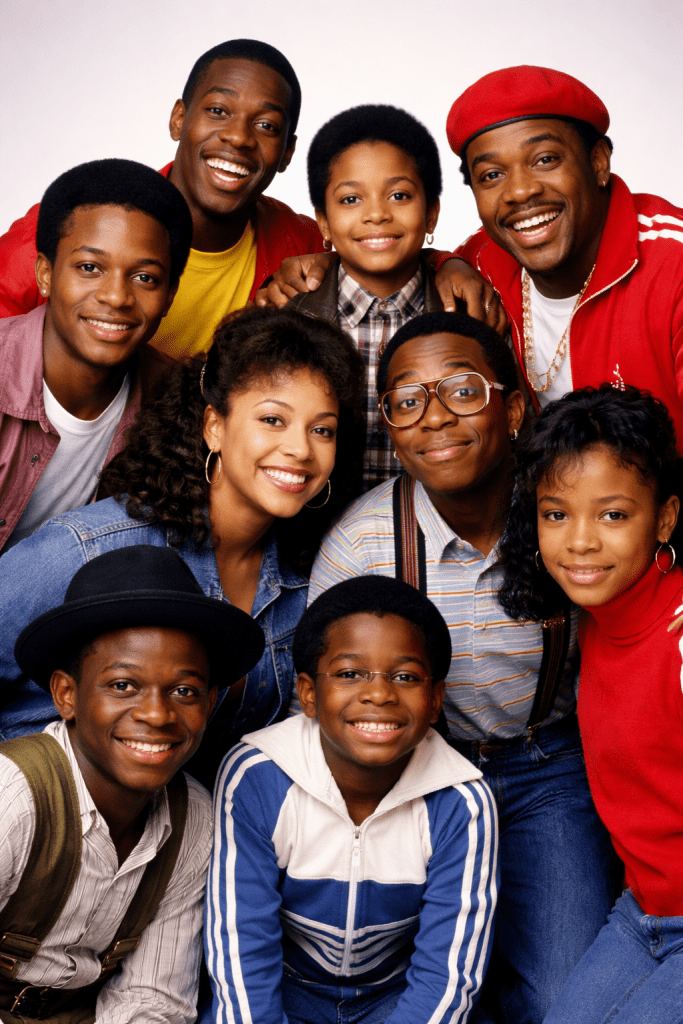
Tag Archives: hollywood

Growing Up Famous While Black in Hollywood: The Untold Story of Child Stars.

The history of Black child stars in American television reveals a complicated story of talent, visibility, exploitation, and racial inequality. Throughout the twentieth century, Black children appeared in sitcoms and films that were largely created and controlled by white executives, producers, and writers. While these young performers often became beloved cultural icons, their experiences behind the scenes frequently reflected the racial hierarchies that shaped the entertainment industry. Fame brought opportunity, but it also exposed many Black child actors to unequal pay, stereotyping, and limited long-term career support.

Hollywood’s early power structure was overwhelmingly white, especially during the 1970s and 1980s, when many Black child actors rose to prominence. Network executives, casting directors, and producers determined which stories were told and how Black characters were portrayed. Although television increasingly included Black characters, the creative control over those characters often remained outside the Black community. As a result, Black child stars sometimes found themselves performing roles that reflected white expectations about Black identity rather than authentic cultural representation.

One of the most recognizable Black child stars of television was Gary Coleman, who became famous for portraying Arnold Jackson on the sitcom Diff’rent Strokes. Coleman’s character was a witty and charming orphan adopted by a wealthy white businessman. His catchphrase, “What’chu talkin’ ’bout, Willis?” became one of the most famous lines in television history, turning Coleman into a national sensation and making him one of the most recognizable child actors of the era.

At the height of his fame, Coleman was reportedly earning approximately $100,000 per episode, making him one of the highest-paid child actors on television at the time. Despite this financial success, his story later became a cautionary tale about the vulnerability of child performers. Much of the money he earned as a child was mismanaged by adults responsible for his finances. As an adult, Coleman sued his adoptive parents and business advisor for misappropriating his trust fund.

Coleman’s struggles illustrate a broader pattern within Hollywood in which child stars generated enormous wealth for studios while having little control over their earnings. Although laws such as the Coogan Act were designed to protect child actors’ finances, many performers still experienced financial exploitation. For Black child stars, this vulnerability sometimes intersected with racial inequities in an already unequal industry.

Another major Black child star who captured audiences during the 1980s was Emmanuel Lewis, who played the title character on the sitcom Webster. Like Coleman’s role, Lewis portrayed an orphaned Black child adopted by a wealthy white family. The show centered on Webster’s charm and innocence, and Lewis quickly became a household name across the United States.

The premise of shows like Webster and Diff’rent Strokes reflected a recurring trope in Hollywood storytelling: the lovable Black child raised within a white household. While these narratives introduced audiences to talented Black performers, they often framed Black childhood through a lens that centered white benevolence. The stories rarely explored the broader social realities of Black communities or systemic racism.

In many cases, the appeal of these shows depended on the image of the “cute” Black child whose humor and innocence softened racial tensions for white audiences. The characters were often written to be charming, comedic, and non-threatening. While this made them popular with viewers, it also reinforced a narrow representation of Black identity.

Earlier generations of Black child actors experienced similar patterns of limited financial reward and stereotypical roles. One example is Matthew Beard, widely known as “Stymie” from the classic comedy series Our Gang (later called The Little Rascals). Beard was one of the most recognizable child actors of the 1930s, yet like many performers of that era, he reportedly received little long-term financial compensation for his work.

Beard’s experience illustrates how Hollywood historically profited from the talents of Black children while failing to provide long-term economic security. Although audiences loved these characters, the industry rarely invested in the future careers or financial stability of the young actors who portrayed them.

Another figure connected to the conversation about young Black actors in Hollywood is Lamont Bentley, who began acting at a young age and later became known for roles in Black-centered television and film. Like many performers who started as children, Bentley navigated an industry where opportunities for Black actors were limited and highly competitive.

Hollywood’s reliance on stereotypes also shaped how certain Black characters were written for sitcoms. A notable example involves Jimmie Walker, whose character J.J. Evans became the breakout figure on the sitcom Good Times. Walker’s catchphrase “Dyn-o-mite!” became immensely popular with audiences and turned him into one of the show’s most recognizable stars.

However, not everyone celebrated the character’s comedic style. Some cast members and critics argued that J.J.’s exaggerated mannerisms and clownish behavior reinforced negative stereotypes about Black men. Actors within the show reportedly disagreed with producers over the increasing emphasis on comedy at the expense of portraying a serious Black family narrative.

These debates highlight a long-standing tension in Black television representation. Comedy could open doors for Black actors and make shows commercially successful, yet it could also risk perpetuating caricatures that undermined the dignity of Black characters.

Many discussions about Black sitcoms inevitably include the work of influential television producer Norman Lear. Lear was responsible for several groundbreaking television programs that addressed social issues such as racism, poverty, and inequality. His shows helped bring Black family life into mainstream television during a time when representation was limited.

Lear’s supporters argue that his productions challenged audiences to confront uncomfortable social realities. Programs such as Good Times depicted working-class Black families and addressed issues like unemployment and systemic poverty.

At the same time, critics have debated whether some of Lear’s programs relied too heavily on exaggerated comedic elements. While his shows created opportunities for Black actors, they were still shaped by creative decisions made primarily within white-dominated production environments.

Another important figure in the discussion of Black child actors is Kim Fields, who portrayed Dorothy “Tootie” Ramsey on the sitcom The Facts of Life. Fields joined the show as a young actress and quickly became one of its most recognizable characters.

Within the show’s predominantly white ensemble cast, Fields represented one of the few Black characters at an elite girls’ boarding school. Her character brought diversity to the series and resonated with many viewers who rarely saw Black girls represented on mainstream television.

Fields appeared alongside actress Lisa Whelchel, who played Blair Warner, the wealthy and privileged student at the center of many storylines. The contrast between Blair’s affluent background and Tootie’s more grounded personality reflected broader class dynamics often explored in the show.

Although Fields was a beloved member of the cast, many television scholars have noted that storylines frequently centered on white characters. This reflected the broader structure of television writing rooms at the time, which were overwhelmingly white.

Despite these limitations, Fields successfully transitioned into adulthood within the entertainment industry, later starring in the sitcom Living Single. Her longevity in Hollywood is notable because many child actors struggle to maintain successful careers after their early fame fades.

Black child actors often faced a double burden in Hollywood. Like all child performers, they were subject to the pressures of fame, demanding work schedules, and public scrutiny. At the same time, they navigated racial stereotypes and limited roles shaped by systemic inequalities within the industry.

Outside the studio, fame did not shield these actors from the broader realities of American racism. Many experienced discrimination in everyday life despite their celebrity status. Their visibility on television did not always translate into social equality in their personal lives.

Financial instability was another common issue for child stars. Many actors who earned large salaries as children found themselves struggling financially as adults due to poor financial management or exploitation by guardians and managers.

The transition from child star to adult performer proved especially difficult in Hollywood. Once audiences associated an actor with a specific childhood role, casting directors often struggled to imagine them in more mature parts.

For Black actors, these challenges were often intensified by the industry’s limited representation of complex Black characters. Adult roles were scarce, and many performers were confined to stereotypes or minor supporting parts.

Nevertheless, Black child stars played a crucial role in shaping American popular culture. Their performances brought visibility to Black families and children on national television during decades when representation remained limited.

Case Study: Typecasting and the Career of Jaleel White After Steve Urkel on Family Matters

The career of Jaleel White provides a compelling case study on the phenomenon of typecasting in Hollywood, particularly as it affects Black actors who become strongly associated with a single character. White rose to international fame as the nerdy, high-pitched, suspender-wearing Steve Urkel on the sitcom Family Matters, which aired from 1989 to 1998. Although the role brought White immense popularity and cultural recognition, it also shaped public perception of the actor in ways that later complicated his career trajectory.

Jaleel White began acting at a very young age, appearing in commercials and minor television roles during the 1980s. His early career included guest appearances on several television programs, demonstrating his versatility even before landing the role that would define his career. Ironically, Steve Urkel was originally written as a one-time guest character on Family Matters. However, audience reactions were so enthusiastic that the character quickly became central to the show’s storyline.

Steve Urkel soon became one of the most recognizable television characters of the 1990s. With oversized glasses, colorful suspenders, high-water pants, and an awkward personality, Urkel embodied the archetype of the socially awkward genius. His catchphrase “Did I do that?” became a defining line of the era and entered American pop culture. Merchandise, lunchboxes, dolls, and T-shirts featuring the character flooded the market, illustrating the enormous commercial success of the role.

The character’s popularity, however, transformed the direction of Family Matters. Initially conceived as a family-centered sitcom about the Winslow household, the show gradually shifted toward storylines revolving around Urkel’s comedic misadventures and inventions. White himself reportedly played multiple variations of the character, including the suave alter ego Stefan Urquelle, which demonstrated his acting range within the confines of the show.

Typecasting occurs when an actor becomes so strongly associated with a particular role that casting directors and audiences struggle to see them in other types of characters. This phenomenon is common among child actors, whose formative years are closely tied to a specific public persona. For Jaleel White, Steve Urkel became both a blessing and a professional limitation.

After Family Matters ended in 1998, White faced the challenge of redefining his career outside the shadow of Urkel. Casting directors often struggled to envision him in serious or dramatically different roles because audiences had internalized the image of the comedic, awkward teenager. This is one of the central consequences of typecasting: the actor’s identity becomes fused with the fictional character in the public imagination.

In interviews, White has acknowledged the complexities of playing such an iconic role. While he remains proud of the cultural impact of Steve Urkel, he has also spoken about the difficulty of transitioning into adult roles. The entertainment industry frequently pigeonholes actors who become synonymous with a particular character, especially in long-running sitcoms.

Typecasting has historically affected many actors in television history. For example, actors who portray extremely distinctive characters—whether comedic or dramatic—often struggle to escape the expectations attached to those roles. In White’s case, the visual and vocal quirks of Urkel made the character particularly memorable, which strengthened the association between actor and role.

Another factor contributing to White’s typecasting was the character’s exaggerated personality. Urkel’s nasal voice, clumsy physical comedy, and eccentric inventions created a highly stylized performance. While this made the character beloved by audiences, it also made it more difficult for viewers to separate White’s real personality from the fictional character.

White attempted to diversify his career following the end of Family Matters. He appeared in various television programs, including guest roles and voice acting. One of his notable voice roles was portraying Sonic in the animated series Adventures of Sonic the Hedgehog, which demonstrated his versatility beyond live-action sitcom performance.

Despite these efforts, public recognition of White remains strongly tied to Steve Urkel. This phenomenon illustrates the enduring power of television characters in shaping an actor’s identity. Even decades after the show ended, audiences often refer to White primarily through the lens of his famous character.

Typecasting also intersects with broader structural patterns within Hollywood. Black actors historically have had fewer opportunities in mainstream television and film compared to their white counterparts. When a Black actor becomes strongly associated with a single role, the limited number of available roles can make it even more difficult to break free from that identity.

In the case of Jaleel White, however, the actor has embraced the legacy of Urkel while also attempting to redefine his career. He has appeared in various television projects, including reality competitions and guest appearances that highlight his personality beyond the fictional character.

White’s experience illustrates a broader tension within entertainment culture. Iconic roles bring fame, financial success, and cultural influence, but they can also create barriers for actors seeking artistic evolution. The stronger the cultural impact of the character, the more difficult it becomes for audiences to accept the actor in a different identity.

Scholars studying media representation often cite the phenomenon of typecasting as a structural limitation within the entertainment industry. Actors who portray culturally distinctive characters—particularly those tied to race, comedy, or physical traits—may find their careers defined by those portrayals long after the original performance ends.

Nevertheless, Steve Urkel remains one of the most influential television characters of the 1990s. The character reshaped the narrative of Family Matters and became a central symbol of nerd culture, comedic awkwardness, and television nostalgia. While typecasting influenced White’s career trajectory, it also cemented his place in television history.

Ultimately, the case of Jaleel White demonstrates the double-edged nature of iconic television roles. The success of Steve Urkel provided global recognition and cultural legacy, yet it also illustrates how Hollywood can confine actors within the boundaries of their most famous characters. For many performers, the challenge is not achieving fame, but escaping it.

For many Black viewers, these characters were deeply meaningful because they provided rare moments of identification on mainstream television. Seeing Black children on screen helped affirm cultural identity and possibility.

At the same time, the experiences of these actors reveal how deeply race shaped opportunities in Hollywood. Their careers highlight both the progress and the persistent inequalities that characterized the entertainment industry.

In recent decades, the industry has begun to change. Greater representation among writers, producers, and directors has created new opportunities for Black performers to tell their own stories.

Modern audiences are increasingly aware of the historical treatment of child actors, and there is growing advocacy for stronger protections and more equitable contracts.

The stories of performers such as Gary Coleman, Emmanuel Lewis, Kim Fields, and others remind us that behind every beloved television character was a young person navigating fame, expectation, and structural inequality.

Their experiences reveal both the joy that Black child stars brought to audiences and the systemic challenges they faced within a white-dominated entertainment industry.

Understanding this history allows scholars and audiences alike to examine how race, power, and media representation intersect in the making of American television.


References

Bogle, D. (2016). Bright Boulevards, Bold Dreams: The Story of Black Hollywood. Running Press.

Coleman, G. (1998). Gary Coleman: The Unauthorized Biography. St. Martin’s Press.

Gray, H. (2004). Watching Race: Television and the Struggle for Blackness. University of Minnesota Press.

Hunt, D., Ramón, A., & Tran, M. (2021). Hollywood Diversity Report. UCLA College of Social Sciences.

Watkins, S. C. (2005). Hip Hop Matters: Politics, Pop Culture, and the Struggle for the Soul of a Movement. Beacon Press.

Bogle, D. (2001). Toms, Coons, Mulattoes, Mammies, and Bucks: An Interpretive History of Blacks in American Films. Continuum.

IMDb historical production archives for Diff’rent Strokes, Webster, Good Times, and The Facts of Life.

White, J. (2012). Interviews discussing his career and the legacy of Steve Urkel.

IMDb. (n.d.). Family Matters production and cast archives.

Turner Classic Movies Media Archive on sitcom television history.
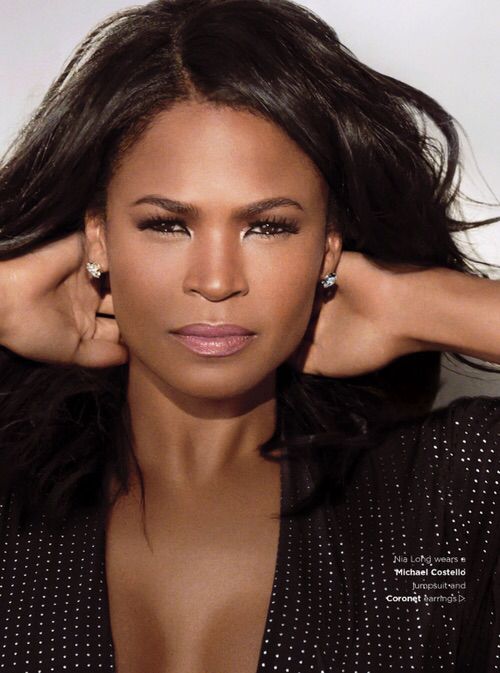
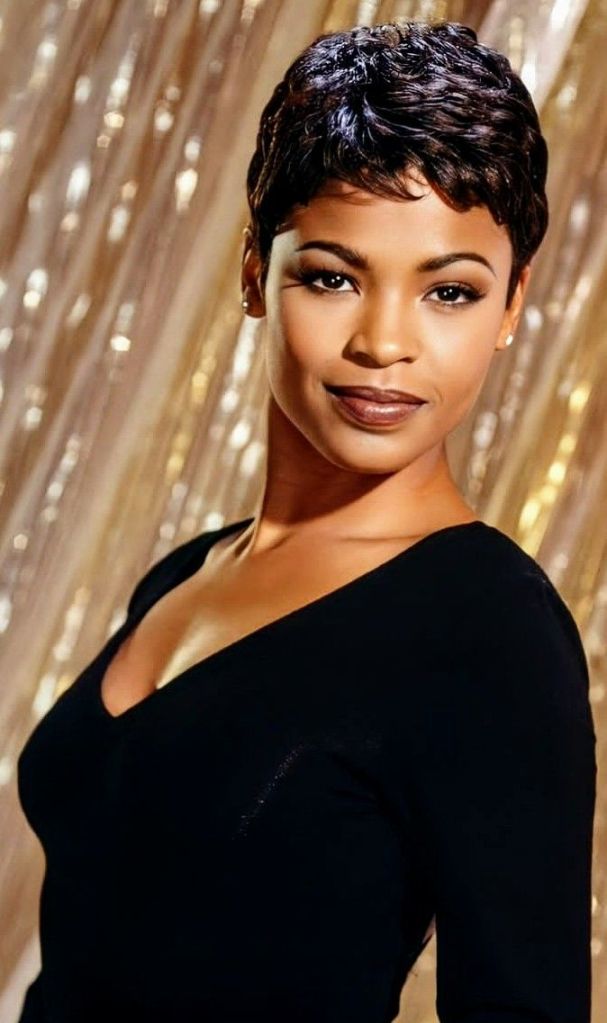
The “It Girl” Series: Nia Long

Timeless Brown Beauty, Unshakable Talent, and Cultural Icon

This photograph is the property of its respective owner. No copyright infringement intended.

Nia Long is widely celebrated as one of Hollywood’s most luminous actresses—her elegant brown skin, classic features, and magnetic presence have earned her the affectionate status of a Black Hollywood “It Girl.” Born on October 30, 1970, in Brooklyn, New York, Long grew up steeped in creative influence; her mother was a printmaker and teacher, and her father a poet and educator. She cultivated her talents early, studying acting and performing in television roles before breaking through in one of the defining films of Black cinema, Boyz n the Hood (1991), which showcased her ability to inhabit characters with depth and authenticity that resonated deeply with audiences nationwide.

Long’s career is marked by versatility and longevity that few performers achieve. After Boyz n the Hood, she transitioned fluidly between gritty dramas like Love Jones (1997) and ensemble favorites like Friday (1995), Soul Food (1997), and the Best Man franchise, earning critical praise and becoming a beloved fixture in both film and television. She also garnered accolades, including multiple NAACP Image Awards and a Black Reel Award for her work, and her portrayal of Officer Sasha Monroe on Third Watch earned her two NAACP Image Awards for Outstanding Actress in a Drama Series—proof of her dramatic range and respected craft.

This photograph is the property of its respective owner. No copyright infringement intended.

People have often cited Long’s beauty as timeless and magnetic—her brown skin, expressive eyes, and poised elegance convey an all‑American allure that transcends passing trends. Her aesthetic has matured with grace; in 2025, she was named the first North America Brand Ambassador for Estée Lauder Companies, a partnership that celebrates authentic beauty and self-expression in later adulthood—a powerful statement against ageist beauty norms. She also starred in a striking 2024 shapewear campaign for SKIMS, reinforcing her status as a fashion and beauty icon whose confidence and poise continue to inspire across generations.

Beyond aesthetics, Long has navigated Hollywood’s challenges with resilience and conviction. As a brown‑skinned woman in an industry long defined by narrow beauty standards and racial bias, she consistently chose roles that expanded representation and humanized Black women with nuance, strength, and complexity. From classic sitcoms such as The Fresh Prince of Bel‑Air to contemporary hits like NCIS: Los Angeles, Empire, and Dear White People, Long has refused to be typecast, demonstrating breadth and intentionality in her choices. Off‑screen, she has ventured into production and behind‑the‑camera work, and she continues to develop meaningful projects that reflect her artistic vision and lived experience.

In every sense, Nia Long’s career exemplifies timeless beauty fused with artistic integrity. Her gorgeous brown skin and striking features are just the surface of a deeper legacy—one of cultural impact, emotional intelligence, and transcendent talent. She is not just an actress; she is an enduring symbol of Black beauty, power, and representation in Hollywood and beyond.

References

Estée Lauder Companies. (2025, October 9). Estée Lauder names Nia Long as Brand Ambassador. https://www.elcompanies.com/en/news-and-media/newsroom/press-releases/2025/10-09-2025-140045499

IMDb. (n.d.). Nia Long biography and filmography. https://www.imdb.com/name/nm0000505/bio/

Long, N. (2025). Upcoming memoir announcement. Artist & Brand Management. https://www.artistandbrand.com/clients/nia-long

Wikipedia contributors. (2025). Nia Long. Wikipedia. https://en.wikipedia.org/wiki/Nia_Long

SKIMS campaign coverage. (2024). Nia Long stars in SKIMS shapewear campaign. https://www.aol.com/nia-long-gets-almost-naked-214918936.html

The Ivory Dolls: Elizabeth Taylor, Angelina Jolie,Audrey Hepburn, and Brooke Shields.

Across the evolving landscape of Western cinema and fashion, certain women have emerged not merely as stars, but as aesthetic archetypes—faces that defined decades, influenced global standards, and embodied what their eras called “perfection.” From the violet-eyed mystique of Elizabeth Taylor to the sculpted intensity of Angelina Jolie, the swan-like refinement of Audrey Hepburn, and the porcelain prominence of Brooke Shields—hailed as the face of the 1980s—these women collectively represent a lineage of luminous white femininity that Hollywood elevated into myth. Their beauty was not incidental to their fame; it was central to their branding, their marketability, and their enduring mystique.

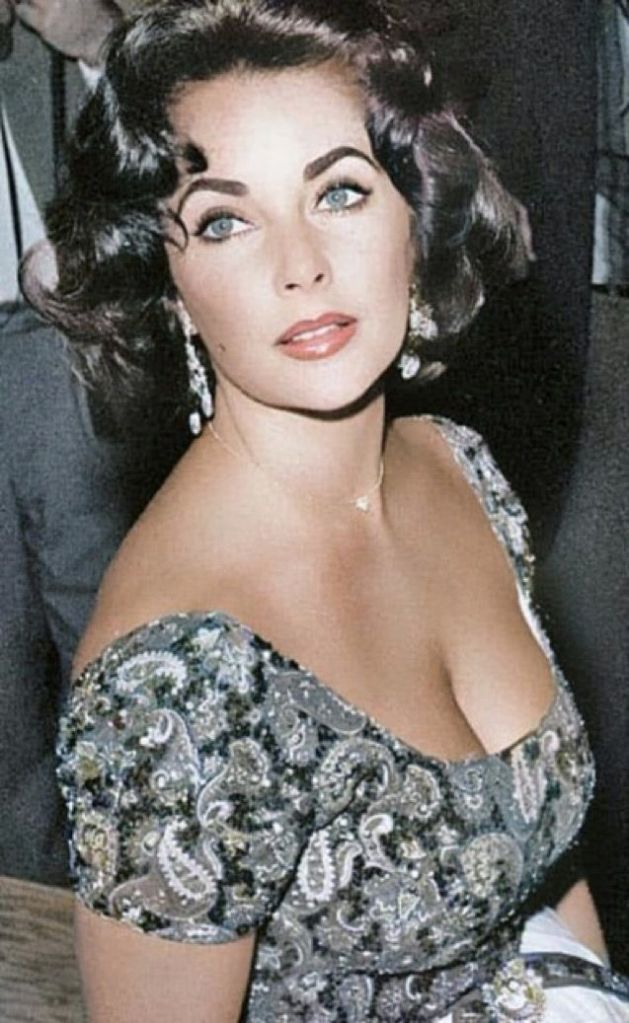
Elizabeth Taylor

Violet Eyes, Diamond Fire, and a Beauty That Ruled an Era

This photograph is the property of its respective owner. No copyright infringement intended.

Elizabeth Taylor was born on February 27, 1932, in London, England, to American parents, and rose to prominence as one of the most luminous screen icons of Hollywood’s Golden Age. From her earliest performances in films such as National Velvet (1944), she possessed a rare magnetism—an arresting combination of innocence and intensity that matured into one of cinema’s most legendary presences. Taylor’s beauty became the subject of global fascination, particularly her naturally dark hair, porcelain complexion, and famously rare violet-blue eyes, often enhanced by a double row of eyelashes caused by a genetic mutation (distichiasis). Studios framed her as the embodiment of aristocratic glamour, yet her screen performances—especially in Cat on a Hot Tin Roof (1958) and Butterfield 8 (1960)—proved she was not merely ornamental, but an actress of formidable emotional power.

Taylor’s artistry earned her two Academy Awards for Best Actress, first for Butterfield 8 (1960) and later for Who’s Afraid of Virginia Woolf? (1966), a performance widely regarded as one of the greatest in American cinema. In that latter role, she deliberately shed the polished veneer of conventional beauty, gaining weight and embracing harsh realism to portray Martha, a volatile and wounded wife, demonstrating that her greatness transcended physical appearance. Her peers often remarked that the camera did not simply capture her; it adored her. Director George Stevens once noted that Taylor possessed a face “made for the close-up.” At the same time, media coverage of the mid-twentieth century routinely described her as “the most beautiful woman in the world,” a superlative repeated in magazines across Europe and America.

Beyond the screen, Taylor’s life was inseparable from spectacle. Her eight marriages—including two to actor Richard Burton—fed public fascination, framing her as a romantic heroine whose passions were as brilliant as her jewels. Indeed, her love of extraordinary gemstones became legendary; pieces such as the Taylor-Burton Diamond and the La Peregrina Pearl were not merely accessories but symbols of opulence and self-possession. Yet her identity as an “Ivory Doll” transcends adornment. She represented a Eurocentric ideal of mid-century glamour—radiant skin, symmetrical features, regal bearing—yet she infused that ideal with depth, vulnerability, and unapologetic sensuality. In an era that often reduced women to aesthetic objects, Taylor wielded beauty as power.

Elizabeth Taylor was considered extraordinary not only because she conformed to classical Western standards of loveliness, but because she animated them with intensity, resilience, and emotional authenticity. Her beauty was described as almost mythic—“too much and yet perfect,” wrote contemporary critics—suggesting that she seemed sculpted rather than born. Even as fashions changed, her image endured as a benchmark of cinematic glamour. To call her an Ivory Doll is to acknowledge how she embodied and defined a particular archetype of luminous white femininity in Hollywood’s imagination—untouchable, jeweled, and unforgettable—yet unmistakably human beneath the brilliance.

Angelina Jolie


Sculpted Beauty, Untamed Spirit, and a Face That Redefined Modern Glamour

This photograph is the property of its respective owner. No copyright infringement intended.

Angelina Jolie was born on June 4, 1975, in Los Angeles, California, the daughter of Academy Award–winning actor Jon Voight and actress Marcheline Bertrand. Emerging in the 1990s with an unconventional intensity, Jolie quickly distinguished herself from traditional Hollywood ingénues. Her breakthrough role in Girl, Interrupted (1999) earned her an Academy Award for Best Supporting Actress, solidifying her reputation as a performer capable of raw psychological depth. Yet it was her portrayal of Lara Croft in Lara Croft: Tomb Raider (2001) that crystallized her global image: bold, statuesque, and unmistakably striking. Her full lips, high cheekbones, luminous pale complexion, and piercing gaze were hailed by media outlets as embodying a contemporary evolution of classical beauty—sensual yet severe, delicate yet formidable.

Jolie’s beauty has often been described as sculptural and otherworldly, evoking Renaissance portraiture infused with modern edge. Critics and fashion editors repeatedly referred to her as one of the most beautiful women in the world, with magazines such as People and Vanity Fair placing her atop annual beauty rankings. Unlike the soft glamour of Old Hollywood, Jolie’s aesthetic projected intensity—an almost feline poise that seemed to challenge the camera rather than merely invite it. Director Clint Eastwood once remarked on her emotional authenticity before the lens, while collaborators noted her ability to command attention in stillness. Her presence in films such as Mr. & Mrs. Smith (2005) and Maleficent (2014) reinforced her image as a woman whose beauty carried an undercurrent of danger and sovereignty.

Her personal life amplified public fascination. High-profile marriages to actors Billy Bob Thornton and Brad Pitt, along with her role as a mother to six children from diverse cultural backgrounds, positioned her at the intersection of glamour and global humanitarianism. Jolie’s extensive advocacy work with the United Nations High Commissioner for Refugees (UNHCR) reframed her public identity beyond aesthetics, aligning beauty with conscience and moral engagement. In 2013, her public disclosure of a preventive double mastectomy due to a BRCA1 gene mutation further reshaped cultural conversations about women’s health, courage, and bodily autonomy—revealing vulnerability beneath the polished exterior.

Angelina Jolie is considered an Ivory Doll not simply because she reflects Western standards of physical allure, but because she embodies a modern archetype of pale, high-fashion elegance fused with intellectual gravity and emotional complexity. Her features—often described as symmetrical to near mathematical precision—became templates in cosmetic and fashion industries, influencing trends in lip augmentation and facial contouring. Yet what renders her extraordinary is the paradox she carries: ethereal beauty combined with visible scars of experience, cinematic grandeur intertwined with humanitarian conviction. She stands as a figure through whom contemporary culture reimagined white femininity—not fragile porcelain, but carved marble—resilient, luminous, and enduring.

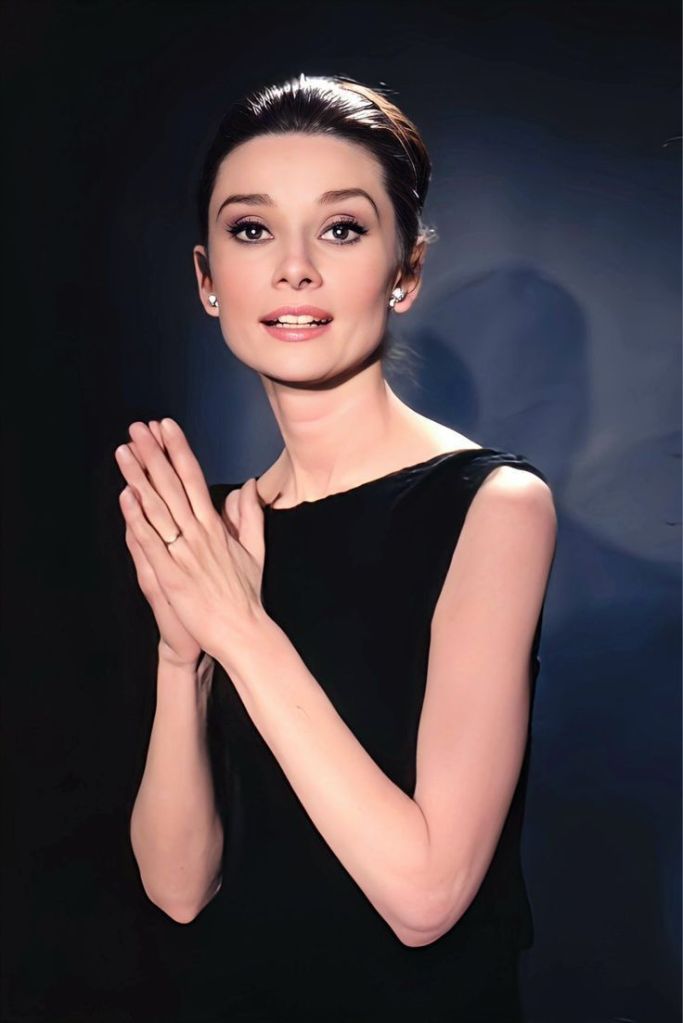
Audrey Hepburn


Swan-Necked Elegance, Timeless Grace, and the Poetry of Simplicity

This photograph is the property of its respective owner. No copyright infringement intended.

Audrey Hepburn was born on May 4, 1929, in Ixelles, Belgium, and rose to international prominence as one of the most refined and enduring icons of twentieth-century cinema. Emerging from the shadows of World War II Europe, where she endured hardship during the Nazi occupation of the Netherlands, Hepburn brought to Hollywood not only delicacy of frame but resilience of spirit. Her breakthrough performance in Roman Holiday (1953) opposite Gregory Peck earned her the Academy Award for Best Actress, instantly positioning her as a new archetype of feminine beauty—slender, luminous, and disarmingly natural. In an era dominated by voluptuous glamour, Hepburn’s big doe eyes, arched brows, and swan-like neck introduced a minimalist elegance that redefined aesthetic standards.

Her collaboration with designer Hubert de Givenchy further immortalized her image, particularly in Breakfast at Tiffany’s (1961), where the black Givenchy dress became a symbol of chic restraint and cosmopolitan poise. Hepburn’s beauty was frequently described as “elfin” and “ethereal,” marked not by excess but by proportion and grace. Critics emphasized her expressive eyes and gamine silhouette, suggesting that her allure emanated from movement and manner as much as physical symmetry. Unlike the sultry magnetism of contemporaries, Hepburn’s presence conveyed innocence blended with intelligence—a quiet radiance that seemed to glow from within rather than demand attention.

Hepburn’s accolades extended beyond her Academy Award to include multiple BAFTA Awards, a Tony Award, and a posthumous Presidential Medal of Freedom for her humanitarian work. Later in life, she served as a Goodwill Ambassador for UNICEF, drawing upon her childhood experiences of hunger to advocate for vulnerable children worldwide. Public admiration for her beauty thus became inseparable from admiration for her compassion. Writer Dominick Dunne once observed that Hepburn possessed “a face that mirrored kindness,” reinforcing the perception that her loveliness was inseparable from moral refinement. In cultural memory, she remains less a figure of spectacle and more an embodiment of cultivated grace.

Audrey Hepburn is considered an Ivory Doll not merely because she reflected mid-century European ideals of pale, delicate femininity, but because she refined them into something enduring and aspirational. Her extraordinary quality lay in paradox: fragility paired with fortitude, simplicity elevated to haute couture, and understatement transformed into legend. She did not overwhelm the gaze; she invited it gently. In doing so, she expanded Hollywood’s conception of beauty—proving that elegance need not shout to be unforgettable, and that true radiance is as much character as countenance.

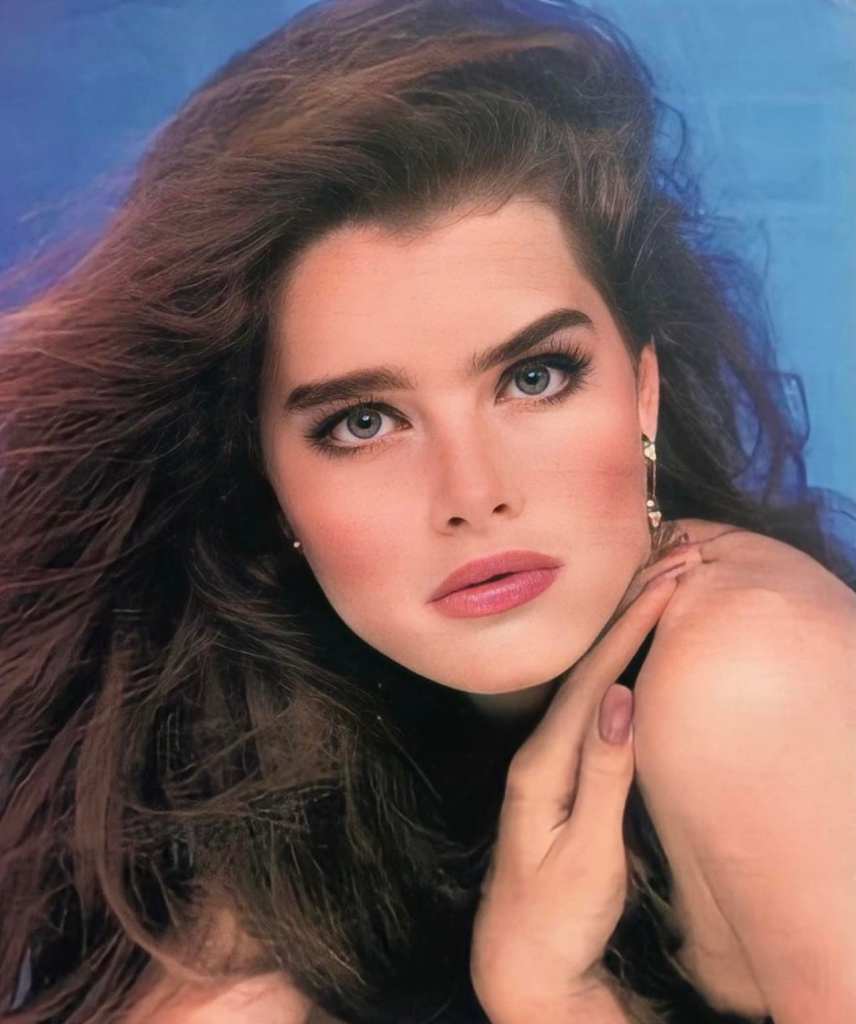
Brooke Shields


The Face of the ’80s—Porcelain Beauty, Power Brows, and Cultural Provocation

This photograph is the property of its respective owner. No copyright infringement intended.

Brooke Shields was born on May 31, 1965, in New York City, and emerged as one of the most recognizable faces of late twentieth-century popular culture. A child model before she was a teenager, Shields entered the public imagination with striking force—tall, poised, and possessed of luminous fair skin framed by famously bold eyebrows that would become her signature. Her early film roles, particularly in Pretty Baby (1978) and The Blue Lagoon (1980), ignited both acclaim and controversy, placing her at the intersection of innocence and sensuality. By the early 1980s, she was widely heralded as “the face of the ’80s,” a supermodel-actress whose image saturated fashion campaigns, magazine covers, and television screens with unprecedented ubiquity.

Her Calvin Klein jeans advertisements—most notably the provocative line, “You want to know what comes between me and my Calvins? Nothing”—became emblematic of the era’s bold commercial aesthetic and cemented her status as a cultural phenomenon. Photographers and designers praised her classical proportions, alabaster complexion, and expressive eyes, often comparing her to Renaissance portraiture infused with modern attitude. Shields’ beauty was described as both wholesome and daring, a duality that allowed her to navigate film, fashion, and Broadway with equal visibility. Unlike fleeting trends, her look defined a decade’s visual language, influencing everything from eyebrow styles to the merging of high fashion with youth culture.

Shields’ career extended beyond modeling into acting and academia; she later graduated from Princeton University, challenging stereotypes that beauty and intellect were mutually exclusive. Public commentary on her appearance frequently emphasized symmetry and camera magnetism—qualities that made her a favorite of photographers such as Richard Avedon and Francesco Scavullo. At the height of her fame, media outlets routinely listed her among the world’s most beautiful women, framing her as an icon of American glamour during a period of cultural excess and stylistic experimentation. Even as public scrutiny surrounded aspects of her early career, Shields’ composure and longevity demonstrated resilience beneath the porcelain exterior.

Brooke Shields is considered an Ivory Doll not simply because she embodied Eurocentric ideals of fair-skinned, classical femininity, but because she became the definitive aesthetic emblem of a transformative decade. Her extraordinary quality lay in her ability to project vulnerability and confidence simultaneously—soft features underscored by an unwavering gaze. As the face of the ’80s, she symbolized youth, luxury, and media saturation in equal measure. In cultural memory, her image remains suspended in time: luminous, sculpted, and unmistakably emblematic of an era when beauty became both brand and battleground.

Yet beauty, in their cases, functioned as more than symmetry and complexion. It became narrative. Taylor’s opulence shimmered with diamonds and drama; Hepburn’s elegance whispered restraint and cultivated grace; Shields’ youthful glamour fused innocence with provocation; Jolie’s angular features suggested power and modern autonomy. Each woman reflected the aesthetic and psychological needs of her generation. Their faces appeared on magazine covers, film posters, couture campaigns, and philanthropic platforms, shaping global conversations about desirability, womanhood, and aspiration. They were described in superlatives—“the most beautiful woman in the world,” “timeless,” “otherworldly,” “iconic”—phrases that reveal how deeply society invests meaning in physical form.

To call them “Ivory Dolls” is not merely to reference complexion, but to identify a particular cultural positioning: elevated, polished, displayed, and often idealized as delicate yet untouchable. The term gestures toward how Western media historically framed pale femininity as the aesthetic benchmark—porcelain skin illuminated under studio lights, features sculpted into classical proportion, bodies adorned in couture and jewels. In this framing, beauty becomes both privilege and burden: a pedestal that amplifies admiration while intensifying scrutiny. These women were celebrated, commodified, protected, and critiqued—sometimes all at once.

Together, they form a gallery of cinematic and cultural memory—figures whose appearances shaped industries and influenced generations of women’s self-perception. Their extraordinary quality was not solely a matter of genetic fortune, but of the interplay among image, performance, media narrative, and public imagination. In studying their beauty, one is not merely studying faces; one is examining how power, race, glamour, commerce, and femininity converge in the construction of iconography. The Ivory Dolls, then, are more than beautiful women—they are mirrors reflecting what their societies chose to exalt, preserve, and remember.

While Elizabeth Taylor, Angelina Jolie, Audrey Hepburn, and Brooke Shields did not always frame their public identities around race-specific discourse, their documented actions—ranging from civil rights support to global humanitarian advocacy and cross-cultural engagement—reflect patterns of inclusion and compassion rather than hostility toward Black people.

References

Brown, S. (2022). Elizabeth Taylor: The grit and glamour of an icon. Lyons Press.

Parish, J. R. (2011). Elizabeth Taylor: Hollywood’s last star. Wiley.

Spoto, D. (1995). A passion for life: The biography of Elizabeth Taylor. HarperCollins.

Turan, K. (2011, March 23). Elizabeth Taylor dies at 79; legendary actress won 2 Oscars. Los Angeles Times.

Biskind, P. (2010). Star: How Warren Beatty seduced America. Simon & Schuster.

Jolie, A. (2013, May 14). My medical choice. The New York Times.

Parish, J. R. (2017). Hollywood beauties: The evolution of screen glamour. McFarland.

UNHCR. (2022). Angelina Jolie’s humanitarian advocacy and global impact. United Nations High Commissioner for Refugees.

Dunne, D. (2004). Too much money. Crown Publishers.

Hepburn, S. (2015). Audrey Hepburn: An elegant spirit. Atria Books.

Spoto, D. (2006). Enchantment: The life of Audrey Hepburn. Harmony Books.

United Nations Children’s Fund (UNICEF). (1993). Audrey Hepburn’s humanitarian legacy. United Nations.

Shields, B. (2014). There was a little girl: The real story of my mother and me. Dutton.

Shields, B. (2021). Brooke Shields is not allowed to get old: Thoughts on aging as a woman. Flatiron Books.

Trebay, G. (2021, November 8). Brooke Shields on aging, beauty and survival. The New York Times.

Vogue Archive. (1980–1985). Brooke Shields cover features and fashion editorials. Condé Nast.

The “It Girl” Series: Viola Davis

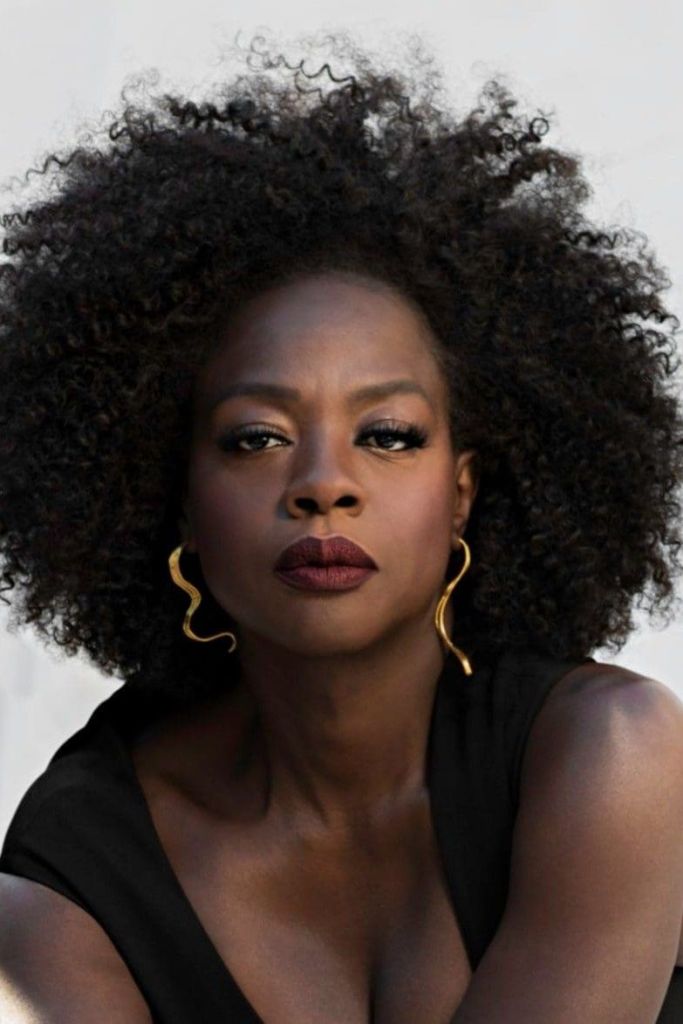
In Hollywood and beyond, few women shine as brightly and powerfully as Viola Davis. This extraordinary actress not only captivates audiences with their unparalleled talent, but they also embody the richness and beauty of Black womanhood—her deep, radiant “chocolate” skintone celebrated as a symbol of elegance, strength, and resilience. From commanding the stage to dominating the silver screen, she has carved a path defined by hard work, brilliance, and groundbreaking accomplishments. Viola Davis, often hailed as the “Black Meryl Streep,” has achieved the rare EGOT status in Hollywood.

This photograph is the property of its respective owners. No copyright infringement intended.

From poverty in Rhode Island to Hollywood’s highest honors, Viola Davis is a transformative talent whose piercing presence, emotional depth, and unparalleled achievements have made her one of the most acclaimed actors of her generation.

Viola Davis was born on August 11, 1965, in Saint Matthews, South Carolina, and raised in Central Falls, Rhode Island, where her family lived in poverty. Growing up, she often felt unseen by society but nurtured a powerful imaginative spirit and a dream of acting as both escape and purpose. Her early life shaped her relentless work ethic, emotional honesty, and drive to portray complex, truthful stories about Black women and human experience.

Davis’s formal training began with a scholarship to the prestigious Juilliard School, where she honed her craft and prepared for a career that would break barriers in theater, film, and television. Her Broadway debut in August Wilson’s Seven Guitars earned critical praise and her first Tony nomination, setting the stage for a career defined by depth, gravitas, and transformative performances.

Viola Davis’s screen career spans gripping dramas, powerful historical adaptations, and commercial successes. Early attention came from roles in films such as Doubt (2008), earning her first Academy Award nomination, and The Help (2011), for which she received another Oscar nomination. Her range expanded into thrillers (Prisoners), biopics (Get On Up), and blockbusters (Suicide Squad), all while continuing to bring unparalleled intensity and truth to her characters.

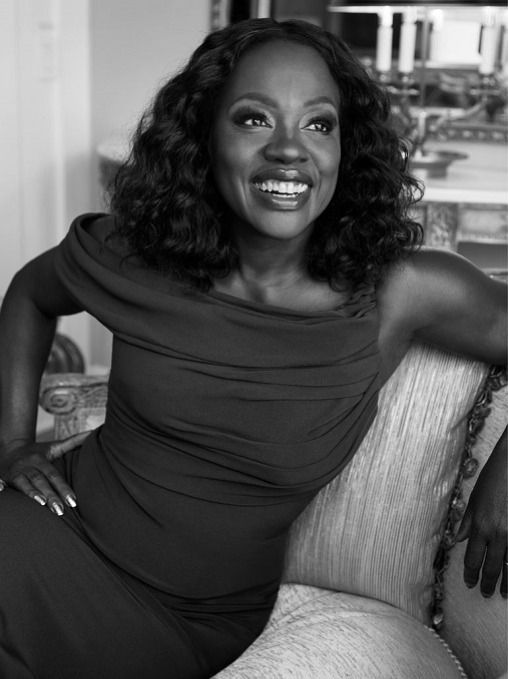
This photograph is the property of its respective owner.

Her iconic television role as Annalise Keating in How to Get Away with Murder (2014–2020) marked a historic milestone: she became the first Black actress to win the Primetime Emmy Award for Outstanding Lead Actress in a Drama Series. That performance, fierce and emotionally layered, influenced a generation of actresses and redefined representation on primetime TV.

In film, Davis reached new heights with Fences (2016), directed by and starring Denzel Washington, earning her the Academy Award for Best Supporting Actress—a performance widely regarded as one of the most courageous and textured portrayals of a struggling Black woman in cinema. In Ma Rainey’s Black Bottom (2020), she delivered another powerful performance as the blues legend Bessie Smith, further cementing her range and emotional depth.

Viola Davis’s list of honors is historic and unparalleled. She has won the four major American entertainment awards—Emmy, Grammy, Oscar, and Tony—earning her EGOT status, one of the rarest distinctions in the industry. In 2023, her Grammy win for the audiobook narration of her memoir Finding Me completed the quartet, making her only the 18th person in history and the third Black woman ever to achieve EGOT. In addition, she has received multiple Screen Actors Guild Awards, Golden Globe, BAFTA, and Critics’ Choice Awards, as well as the Cecil B. DeMille Award (Golden Globe lifetime achievement) in 2025.

Davis is frequently described as one of the most powerful actors of her generation—often likened to a “Black Meryl Streep” for her emotional precision, versatility, and ability to disappear into roles while still projecting fierce authenticity. Her performances are marked by piercing, expressive eyes and a remarkable capacity to reveal inner turmoil, strength, and vulnerability through minimal gesture, a quality that elevates every character she embodies. Critics, peers, and audiences alike note her uncanny ability to deliver performances that are both profoundly human and culturally transformative.

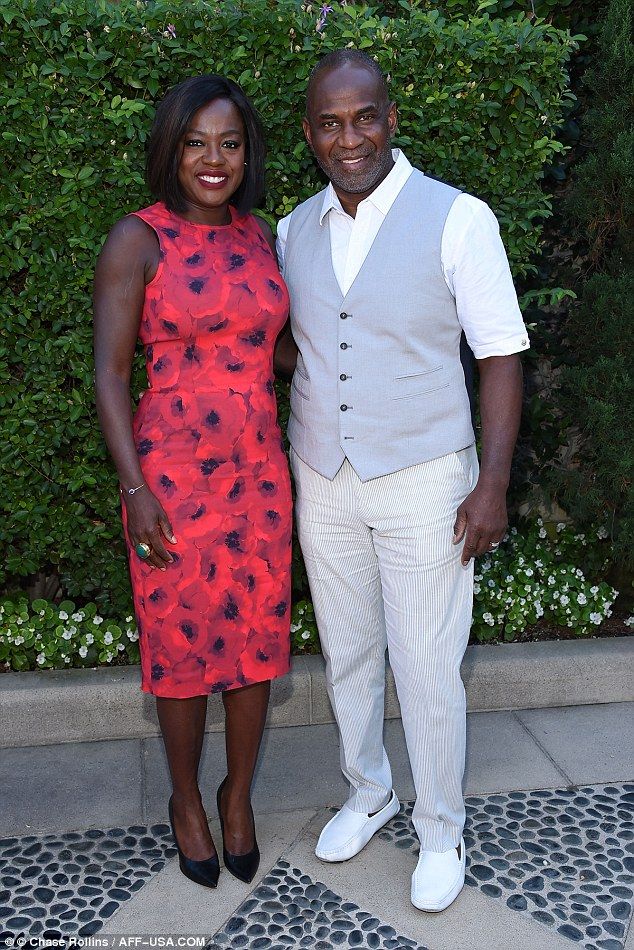
This photograph is the property of its respective owner.

In her personal life, Viola Davis married producer Julius Tennon in 2003, and together they co‑founded JuVee Productions, a company dedicated to elevating underrepresented voices and stories in film, television, and theater. She balances her professional success with family life and philanthropy, using her platform to advocate for equity, representation, and opportunities for diverse artists.

Beyond awards and accolades, Davis’s influence extends into cultural discourse about race, representation, beauty standards, and women’s stories in entertainment. Her ascendancy—from humble beginnings to EGOT winner and global icon—serves as a testament to perseverance, intelligence, and artistic integrity.

References:

  1. Viola Davis | Biography, Movies, Plays, The Help, EGOT, & Facts. (2026). Britannica. https://www.britannica.com/biography/Viola-Davis
  2. EGOT (Viola Davis). (2026). Wikipedia. https://en.wikipedia.org/wiki/EGOT
  3. Viola Davis. (2026). Wikipedia. https://en.wikipedia.org/wiki/Viola_Davis
  4. Viola Davis | National Women’s History Museum. (2026). https://www.womenshistory.org/about-us/our-people/viola-davis
  5. Viola Davis Completes EGOT After Winning a Grammy For Her Audiobook. (2023). Vanity Fair. https://www.vanityfair.com/style/2023/02/viola-davis-egot-grammy-award-win-audiobook-finding-me
  6. Viola Davis achieves EGOT status at the 2023 Grammys. (2023). The Independent. https://www.the-independent.com/arts-entertainment/films/news/viola-davis-egot-grammys-b2276280.html

The Ebony Dolls: Halle Berry

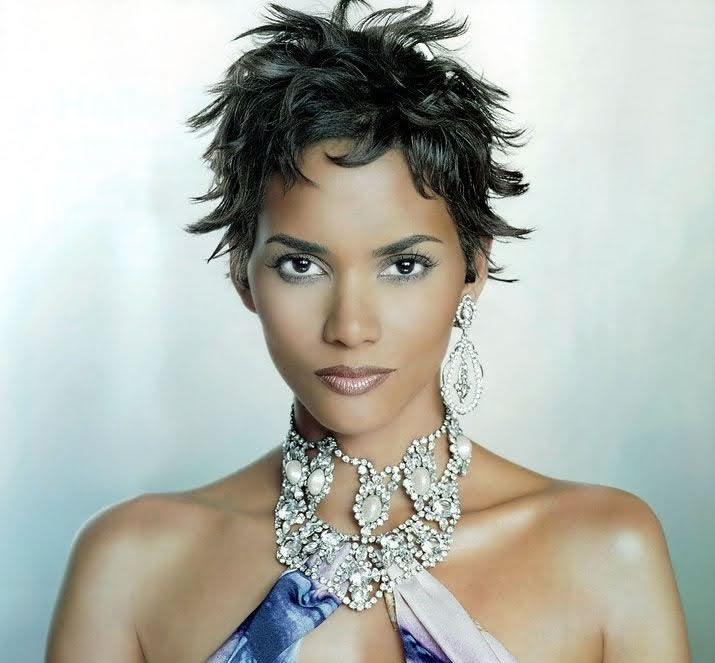
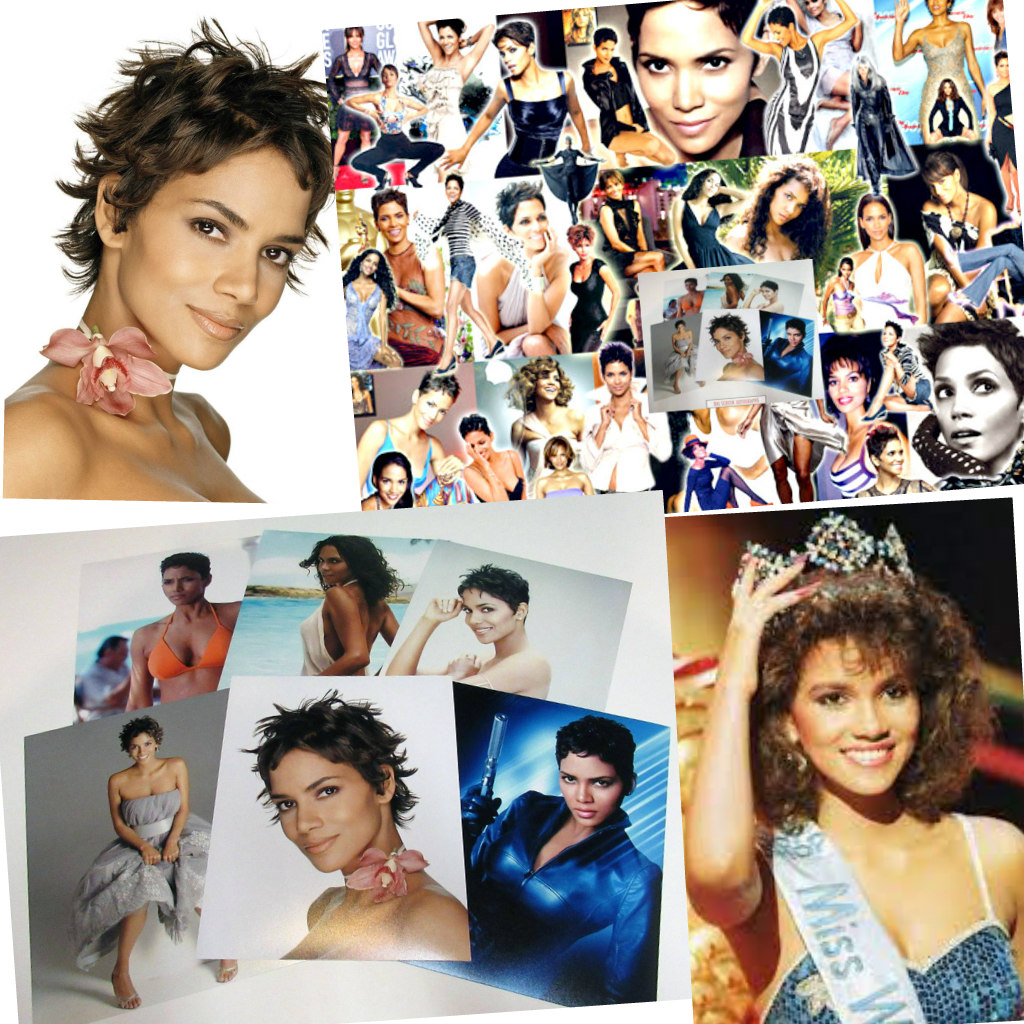
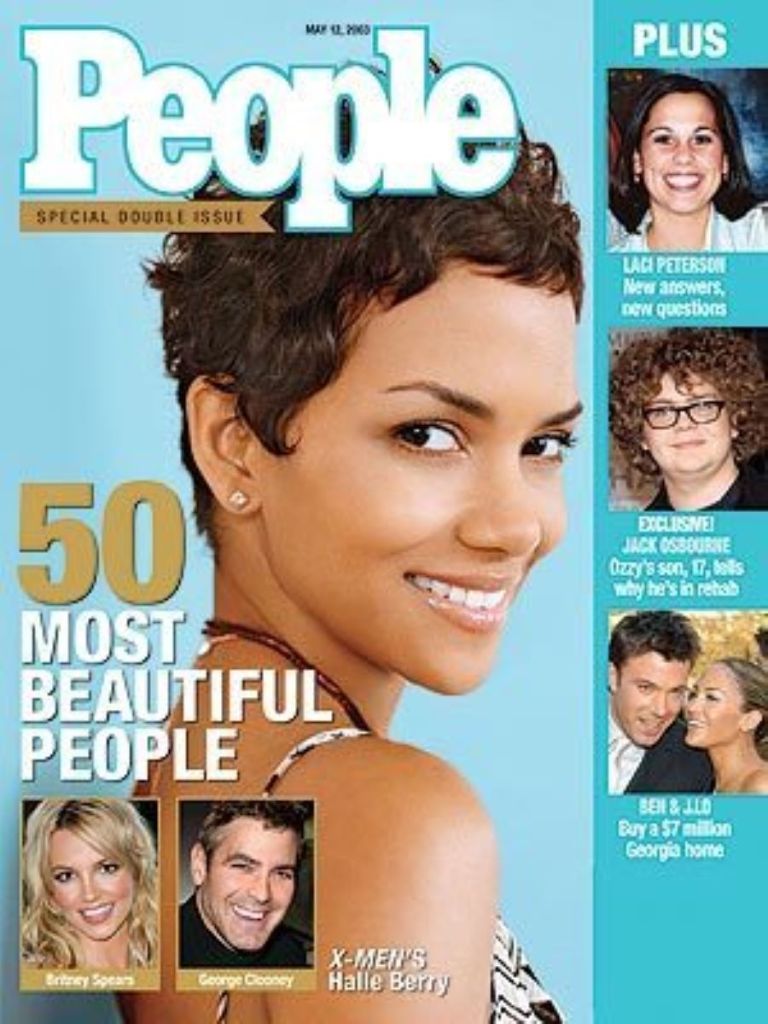
Many have said that Halle Berry is the most beautiful woman in the world, making her a living icon of beauty and timeless elegance.

In the early 1990s, after the release of Strictly Business (1991), Halle Berry captivated Hollywood and the world with her magnetic screen presence and extraordinary beauty. The film served as her breakout role, introducing audiences to a new kind of Black leading lady—radiant, confident, and effortlessly alluring. Her appearance in Strictly Business marked a cultural turning point, as Berry’s blend of sophistication and sensuality transcended racial boundaries in an industry still grappling with representation. Television host Arsenio Hall famously declared her “the most beautiful woman in the world,” echoing the collective awe of audiences and critics alike who saw in Berry not just a starlet, but a genetic marvel – the complete package in terms of beauty whose elegance and charisma would redefine Hollywood’s standards of beauty for decades to come.

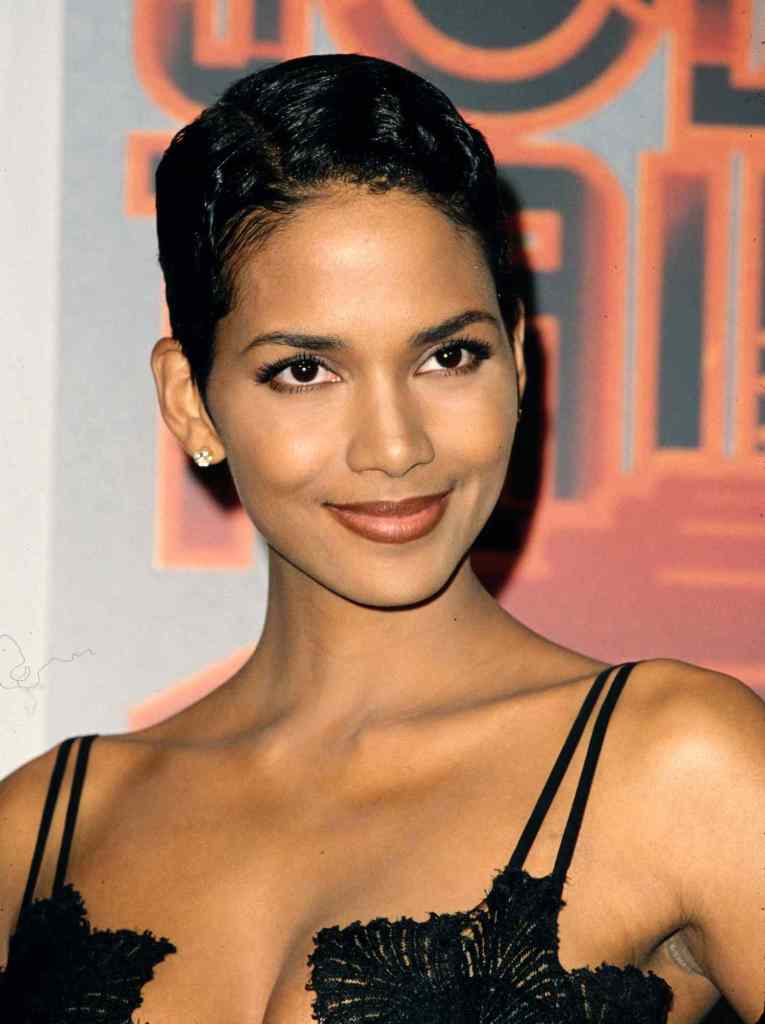
These photographs are the property of their respective owners. No copyright infringement intended.

Halle Berry has long been celebrated as one of the most beautiful women in the world—a vision of timeless elegance, grace, and radiant femininity. Her symmetrical features, luminous skin, and captivating eyes embody a beauty that transcends race and age. With a sculpted jawline, flawless complexion, and confidence that radiates from within, she redefined the global perception of Black beauty. Whether walking a red carpet or appearing barefaced in interviews, Halle’s natural glow and poise reflect inner strength and divine self-assurance. Her presence commands attention—not merely for her looks, but for the spirit and perseverance behind them.

Born Maria Halle Berry on August 14, 1966, in Cleveland, Ohio, she was raised by her mother, Judith Ann, after her parents divorced when she was young. Her mother, a psychiatric nurse, taught her resilience, while her father, Jerome Berry, an African American hospital attendant, contributed to her rich biracial heritage. Halle’s early life was marked by challenges, including racial discrimination, but she turned adversity into motivation. Her drive and determination pushed her to excel academically and artistically.

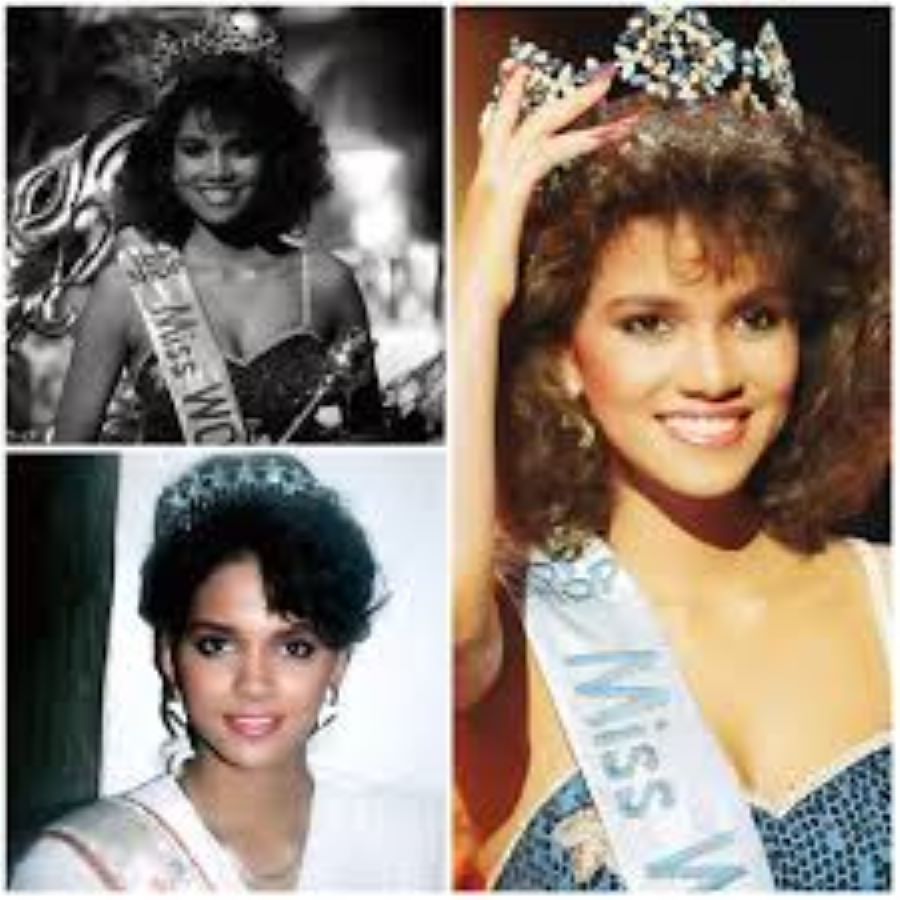
Before her rise to stardom, Halle Berry began her career in modeling and beauty pageants. In 1985, she won the title of Miss Teen All-American and later became the first runner-up in the 1986 Miss USA pageant. That same year, she represented the United States in the Miss World competition, where she placed sixth. Her pageant success opened doors to modeling and acting opportunities, giving her visibility in an industry where diversity was still limited.

These photographs are the property of their respective owners. No copyright infringement intended.

Halle’s modeling career flourished throughout the 1980s, appearing in high-profile campaigns and fashion spreads that highlighted her natural beauty and grace. She was a muse for photographers who saw in her the perfect balance between strength and softness. But it wasn’t just her looks that set her apart—it was her professionalism, intelligence, and ability to carry herself with royal composure.

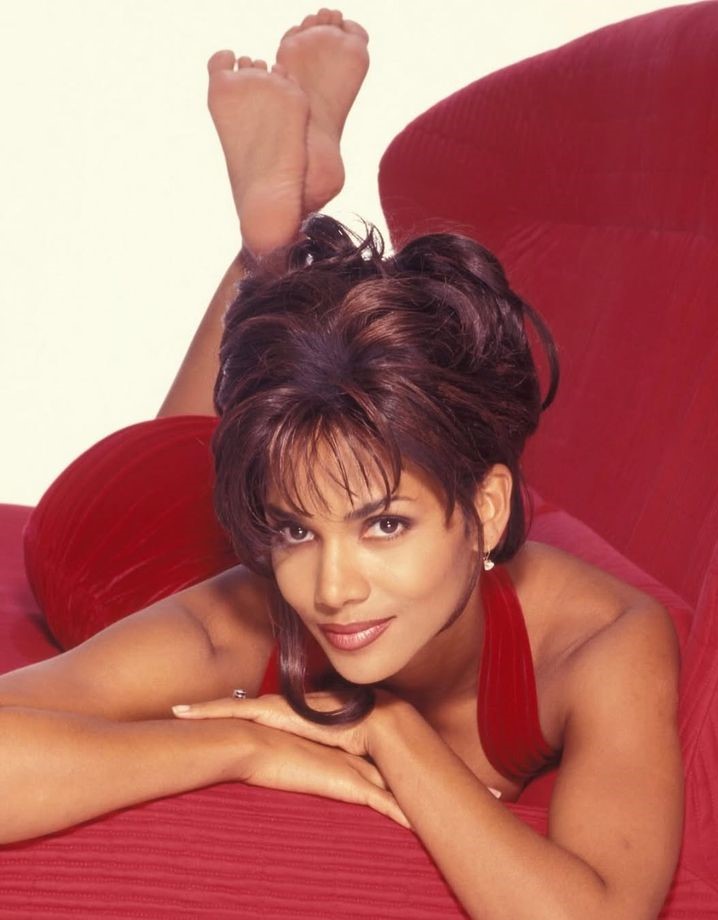
Her transition to acting began with small television roles, including Living Dolls in 1989. However, her breakthrough came in Spike Lee’s Jungle Fever (1991), where she portrayed a crack addict named Vivian. This role proved that she was more than just a beauty queen—she was an actress capable of depth, vulnerability, and emotional truth. Halle’s early film choices often centered around complex female characters navigating identity, love, and survival.

This photograph is the property of its respective owner. No copyright infringement intended.

As her career expanded, Berry starred in a wide range of films that showcased her versatility. She appeared in Boomerang (1992) alongside Eddie Murphy, The Flintstones (1994), Bulworth (1998), and the critically acclaimed Introducing Dorothy Dandridge (1999). Her portrayal of the legendary actress Dorothy Dandridge earned her an Emmy, a Golden Globe, and a Screen Actors Guild Award. This performance was especially meaningful, as Dandridge had been the first Black woman nominated for an Academy Award for Best Actress—a barrier Berry herself would later break.

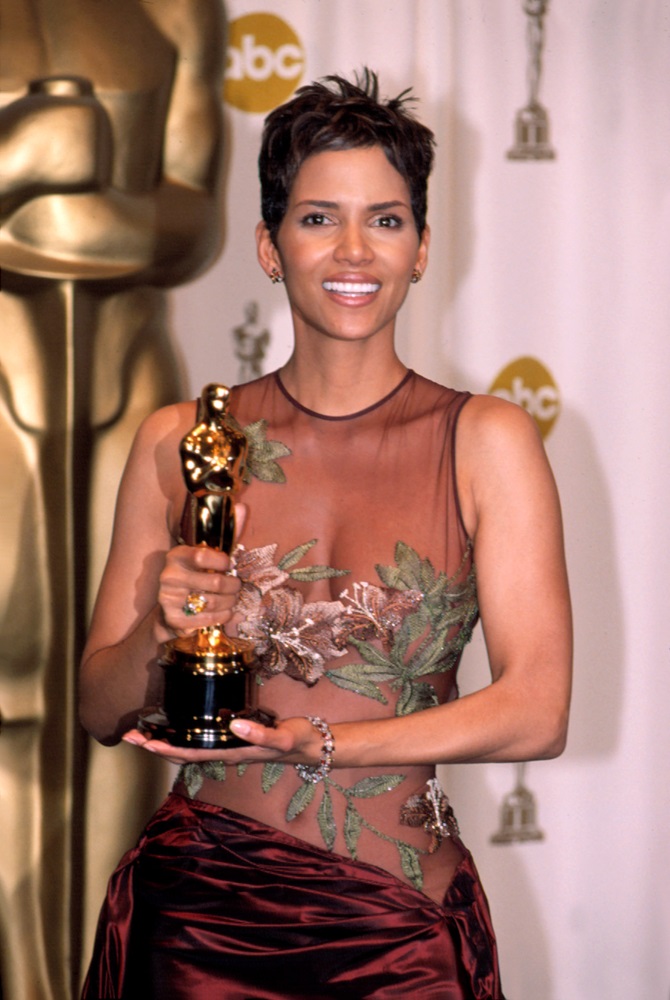
In 2002, Halle Berry made history when she became the first Black woman to win the Academy Award for Best Actress for her role in Monster’s Ball (2001). In her emotional acceptance speech, she dedicated the moment to “every nameless, faceless woman of color who now has a chance because this door tonight has been opened.” Her performance in the film, as a struggling widow seeking redemption, cemented her place among Hollywood’s elite and broke racial boundaries in the industry.

This photograph is the property of its respective owner. No copyright infringement intended.

Beyond her Oscar, Berry’s trophy case includes a Golden Globe, multiple NAACP Image Awards, and recognition from the BET Honors and Essence Black Women in Hollywood Awards. She also received a star on the Hollywood Walk of Fame in 2007, a testament to her enduring influence and body of work.

People Magazine

Halle’s beauty has often been celebrated alongside her talent. She was named People magazine’s “Most Beautiful Woman in the World” in 2003 and has graced the cover multiple times since. Her appeal lies not just in physical perfection but in authenticity and confidence. She embodies the kind of beauty that grows richer with time—a combination of fitness, spiritual balance, and self-love.

Her beauty regimen has always emphasized simplicity and consistency. Berry advocates for hydration, clean eating, regular exercise, and a focus on inner wellness. She follows a ketogenic diet, practices yoga, and prioritizes mental health. In interviews, she often states that “beauty begins with the soul,” emphasizing peace, faith, and gratitude as key components of lasting radiance.

Health has been a lifelong priority for Halle, especially after being diagnosed with type 1 diabetes at age 22. This diagnosis changed her relationship with food, fitness, and discipline. She became an advocate for holistic wellness, encouraging others to take control of their health through natural living and balance. Her fitness routine includes strength training, cardio, martial arts, and meditation.

This photograph is the property of its respective owner. No copyright infringement intended.

As Halle matured in her career, she took on new roles that reflected her growth as both a woman and an artist. Films like Gothika (2003), Catwoman (2004), Cloud Atlas (2012), and Bruised (2020)—which she also directed—demonstrated her fearlessness in exploring challenging roles. Her ability to reinvent herself in each decade of her career shows a rare kind of endurance and artistic evolution.

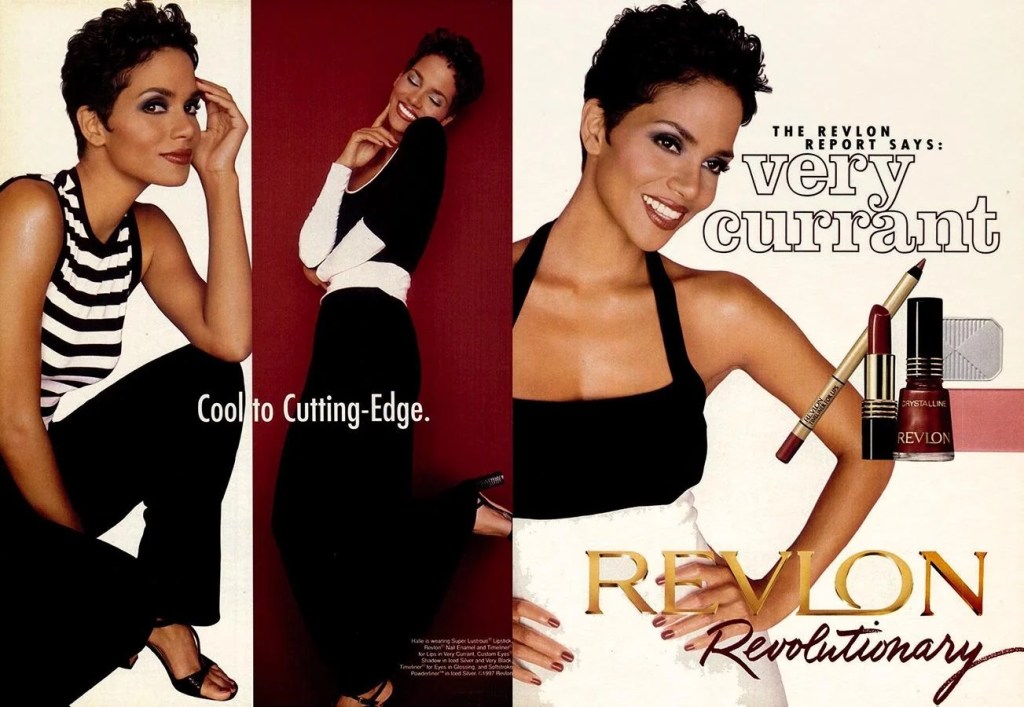
Revlon Cosmetics

Halle Berry’s enduring beauty and cinematic prestige have made her one of the most sought-after celebrity endorsers in Hollywood. Her long-term partnership with Revlon, beginning in 1996, established her as a global ambassador and symbol of timeless glamour. Berry also became a collaborative partner and campaign face for Finishing Touch Flawless, a beauty-tech brand emphasizing women’s self-care and confidence, and launched her own fragrance line with Coty in 2009, showcasing her elegance and entrepreneurial vision. Her flawless complexion, sculpted bone structure, and magnetic screen presence—paired with her historic Academy Award win as the first Black woman to receive Best Actress—solidified her appeal as the epitome of sophistication and modern femininity, aligning perfectly with brands seeking a face that transcends race and radiates universal beauty.

Her personal life has also been under public scrutiny, particularly her high-profile marriages and relationships. Berry was married to baseball player David Justice (1993–1997), musician Eric Benét (2001–2005), and actor Olivier Martinez (2013–2016). Despite the challenges, she has maintained dignity and optimism, focusing on her children and her work. Her transparency about heartbreak and healing has made her relatable to women worldwide. After these marriages, she entered a committed relationship in 2020 with Grammy-winning musician Van Hunt. Hunt proposed to Berry, though she has stated she doesn’t need marriage to validate their relationship. People.com

As a mother to two children, Nahla and Maceo, Halle has spoken openly about balancing motherhood and career. She has emphasized the importance of teaching her children about self-worth, resilience, and faith. Her nurturing yet disciplined nature mirrors the Proverbs 31 woman—strong, wise, and compassionate.

This photograph is the property of its respective owner. No copyright infringement intended.

Berry’s activism extends beyond entertainment. She is a passionate advocate for women’s rights, domestic violence survivors, and health awareness. In recent years, she has become an outspoken voice for menopause education, challenging the stigma surrounding it. Halle uses her platform to empower women to embrace their changing bodies and find beauty in every stage of life.

In discussing menopause, Berry highlights the importance of embracing transformation with grace. She rejects the notion that aging diminishes worth or attractiveness. Instead, she champions the idea that true beauty deepens with experience, wisdom, and peace of mind. Her advocacy reflects her mission to redefine womanhood in Hollywood and beyond.

This photograph is the property of its respective owner. No copyright infringement intended.

Today, Halle Berry continues to inspire not only through her performances but through her authenticity. She has proven that beauty, talent, and intelligence can coexist powerfully. Her influence reaches far beyond film; she has become a symbol of endurance, elegance, and empowerment for generations of women. She has become the face and co-founder of Re•Spin Menopause, a wellness brand that seeks to redefine and destigmatize the conversation around menopause. Through her platform, Berry advocates for education, empowerment, and holistic health during midlife, encouraging women to embrace this transition with confidence and self-love. Her candid discussions about her own journey with perimenopause have inspired millions, highlighting the importance of open dialogue about women’s health. Berry’s mission with Re•Spin and her partnership with Pendulum Therapeutics mark a cultural shift toward celebrating aging as strength, not decline.

Her legacy as an “Ebony Doll” represents more than physical beauty—it is a celebration of Black excellence, resilience, and divine femininity. Halle Berry’s journey reminds the world that true allure is found not in perfection but in purpose, perseverance, and self-love. She remains a beacon of light, defying age, stereotypes, and limitations.

References

Celebrity Worship.

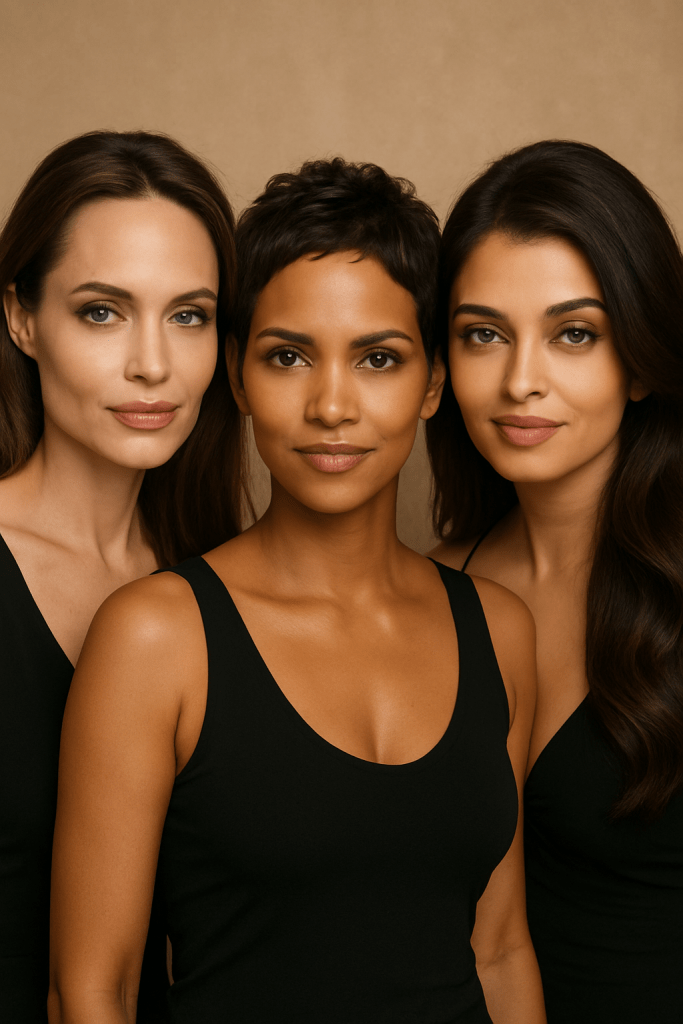
Celebrity culture captivates the modern imagination, offering a vision of beauty, power, and wealth that seems unattainable yet intensely desirable. Icons such as Angelina Jolie, Halle Berry, and Aishwarya Rai Bachchan exemplify global fame: Jolie for her humanitarian work and Hollywood stardom, Berry for breaking racial barriers in the American film industry, and Rai Bachchan for her dominance in Indian cinema. While society often idolizes physical beauty, charisma, and material success, the Scriptures caution against the desire for worldly admiration: “For what is a man profited, if he shall gain the whole world, and lose his own soul?” (Mark 8:36, KJV). Fame and recognition, when pursued or idolized, risk displacing spiritual focus and inner contentment.

Celebrity worship extends beyond admiration into imitation, shaping fashion, lifestyle, and even morality. The Bible warns that human fascination with outward appearances can mislead: “For all that is in the world, the lust of the flesh, and the lust of the eyes, and the pride of life, is not of the Father, but is of the world” (1 John 2:16, KJV). Angelina Jolie’s striking features and humanitarian image, Halle Berry’s elegant beauty and barrier-breaking career, and Aishwarya Rai Bachchan’s poise and glamour are lauded worldwide, yet their fame is often envied rather than emulated with discernment. The spiritual danger lies in valuing fame itself over personal righteousness.

Celebrity worship is a modern form of idolatry, where human admiration replaces devotion to God. The KJV reminds: “Thou shalt have no other gods before me” (Exodus 20:3, KJV). In contemporary society, the idolization of celebrities parallels the biblical warning against false gods, as admiration shifts from virtues to appearance, wealth, and notoriety. Individuals often seek validation through celebrity culture, prioritizing worldly ideals over spiritual formation.

The psychology of celebrity worship reflects self-worship and insecurity, where individuals project idealized images onto public figures. Aishwarya Rai Bachchan’s elegance, Halle Berry’s stunning looks, and Angelina Jolie’s beauty and humanitarian persona become benchmarks that reinforce dissatisfaction and desire. Scripture counters this: “Trust in the Lord with all thine heart; and lean not unto thine own understanding” (Proverbs 3:5, KJV), encouraging reliance on divine guidance rather than societal idols.

Media and social platforms amplify the temptation of celebrity culture, often equating beauty with moral or social value. Angelina Jolie’s humanitarian recognition, Halle Berry’s Academy Award, and Aishwarya Rai Bachchan’s global brand endorsements illustrate how fame creates a narrative of worth. Yet, the Bible teaches humility: “Let nothing be done through strife or vainglory; but in lowliness of mind let each esteem other better than themselves” (Philippians 2:3, KJV).

Celebrity culture also drives aspiration through comparison, encouraging individuals to measure personal success against the lives of the famous. This mirrors the biblical admonition against covetousness: “Thou shalt not covet thy neighbour’s house, thou shalt not covet thy neighbour’s wife, nor his manservant, nor his maidservant, nor his ox, nor his ass, nor any thing that is thy neighbour’s” (Exodus 20:17, KJV). The pursuit of fame and admiration, if unbridled, fosters envy, self-loathing, and spiritual distraction.

The allure of celebrity beauty is particularly powerful in reinforcing colorism and Eurocentric standards. Halle Berry’s light-brown complexion, Angelina Jolie’s fair-skinned glamour, and Aishwarya Rai Bachchan’s fair-toned aesthetic are frequently valorized, influencing global beauty norms. Scripture, however, emphasizes the intrinsic value of all humans: “So God created man in his own image, in the image of God created he him; male and female created he them” (Genesis 1:27, KJV), countering societal bias.

Celebrity worship encourages a materialistic mindset, equating clothing, jewelry, and lifestyle with success. Red-carpet appearances, luxury endorsements, and cinematic opulence feed desire. The KJV warns: “Lay not up for yourselves treasures upon earth, where moth and rust doth corrupt, and where thieves break through and steal” (Matthew 6:19, KJV). Iconic stars exemplify human achievement, yet they should not distract from eternal priorities.

Social media has magnified the intimacy illusion, creating accessibility to celebrity lives that fosters obsessive admiration. Fans scrutinize every appearance, purchase, or gesture of stars like Jolie, Berry, or Rai Bachchan. The Apocrypha similarly cautions against vanity: “For the pride of the man is the disgrace of his own life” (Wisdom of Solomon 14:12, Apocrypha), reflecting the spiritual risks of elevating humans above God.

Celebrity worship can also distort moral values, idolizing fame regardless of virtue. Angelina Jolie’s humanitarian work, though laudable, can be idealized superficially; Halle Berry’s roles may be admired for glamour over artistry; Aishwarya Rai Bachchan’s fame sometimes eclipses recognition of her charity work. Scripture reminds believers: “The fear of the Lord is the beginning of wisdom: and the knowledge of the holy is understanding” (Proverbs 9:10, KJV), prioritizing godly discernment above celebrity acclaim.

The transference of value from spiritual to worldly admiration undermines character development. Individuals who seek celebrity validation often adopt external markers of success rather than cultivating inner virtue. “But he that is greatest among you shall be your servant” (Matthew 23:11, KJV) emphasizes humility and service, contrasting society’s glorification of fame and wealth.

Celebrity worship influences gender norms and body image, particularly for women. Aishwarya Rai Bachchan’s celebrated eyes, Halle Berry’s facial beauty and physique, and Jolie’s facial symmetry and lips create unrealistic standards. Scripture counters societal pressures with affirmation of divine worth: “I will praise thee; for I am fearfully and wonderfully made: marvellous are thy works; and that my soul knoweth right well” (Psalm 139:14, KJV).

The idolization of celebrities reinforces interpersonal envy and social comparison, increasing mental health challenges. The Apocrypha notes: “The heart of man is deceitful above all things, and desperately wicked” (Jeremiah 17:9, KJV), highlighting the spiritual and psychological peril of valuing human admiration over divine guidance.

Celebrity culture perpetuates algorithmic bias in digital spaces, privileging light-skinned, conventionally attractive individuals. Just as Hollywood and African cinema often cast lighter-skinned actors, social media platforms amplify similar hierarchies, reflecting historical colorism. “There is no respect of persons with God” (Romans 2:11, KJV) reminds believers that divine judgment is impartial.

Despite their achievements, celebrities remain mortal and fallible, underscoring the biblical teaching on humility. The fame of Jolie, Berry, or Rai Bachchan should be admired within context, not worshiped: “Boast not thyself of tomorrow; for thou knowest not what a day may bring forth” (Proverbs 27:1, KJV). Worldly recognition is temporary, while spiritual integrity endures.

Celebrity culture also fosters false security, implying that visibility equals worth. KJV scripture warns: “They that trust in their wealth shall fall” (Proverbs 11:28, KJV), reminding us that external success is transient and not a measure of true value.

Generational influence of celebrity admiration perpetuates cycles of envy and aspiration, particularly among youth who emulate public figures as role models. Spiritual formation requires discernment: “Train up a child in the way he should go: and when he is old, he will not depart from it” (Proverbs 22:6, KJV), emphasizing values over admiration of fame.

Celebrity worship often diverts attention from service and responsibility, as society idolizes spectacle over substance. The Apocrypha notes: “The heart of the wise man is as a city that is in a strong place” (Sirach 21:29, Apocrypha), symbolizing stability rooted in virtue, not public adoration.

In conclusion, while celebrities like Angelina Jolie, Halle Berry, and Aishwarya Rai Bachchan offer inspiration through talent, beauty, and humanitarian work, the desire for fame itself is spiritually perilous. The Bible cautions against placing admiration for humans above reverence for God and self-integrity. Believers are called to cultivate humility, discernment, and spiritual focus, recognizing that external allure and worldly acclaim are fleeting, while godliness is eternal.

Casting choices in Hollywood & African Cinema.

Hollywood: The Politics of Light Skin

Hollywood has historically privileged lighter-skinned actors and actresses in lead roles, reinforcing colorism and Eurocentric beauty ideals (Russell, Wilson, & Hall, 2016). Darker-skinned performers have often been relegated to secondary roles, villainous characters, or stereotypical archetypes. For example:

  • Lupita Nyong’o vs. Halle Berry: Despite critical acclaim, darker-skinned actresses like Lupita Nyong’o face fewer commercial opportunities than light-skinned actresses such as Halle Berry, highlighting a systemic bias favoring lighter complexions.
  • Historical Casting Practices: Classic films like Gone with the Wind and The Birth of a Nation used colorism and whitewashing to construct narratives of Black inferiority or tokenized beauty, while light-skinned Black actors were positioned as “acceptable” for mainstream audiences.

From a biblical lens, this aligns with James 2:1 (KJV), warning against favoritism based on outward appearance: casting decisions reflect societal bias in determining perceived value, perpetuating inequality even in creative spaces.


African Cinema: Between Liberation and Color Hierarchies

African cinema, while more culturally authentic, is not immune to colorism. Films across Nigeria (Nollywood), Ghana, and South Africa often unconsciously reflect colonial beauty hierarchies:

  • Nollywood: Lighter-skinned actors frequently dominate romantic leads and high-status roles, while darker-skinned actors are cast in “everyday” or comedic roles (Nzewi, 2018).
  • Historical Influence: This phenomenon stems from colonial-era European ideals imposed on African societies, which valued lighter skin as a marker of proximity to power and sophistication (Harris, 2015).

Scripturally, the Apocrypha’s Wisdom of Solomon 14:12 warns against human vanity and superficial valuation, suggesting that privileging light skin over dark skin constitutes moral as well as social corruption.


Intersection with Digital Platforms

Casting bias is increasingly codified in AI-driven content recommendation, image recognition, and automated casting tools. For example:

  • Algorithms trained on biased datasets often recommend lighter-skinned actors for lead roles or editorial prominence in digital marketing.
  • Social media platforms amplify these choices, rewarding lighter-skinned beauty standards with visibility and engagement.

The Digital Plantation metaphor extends here: the same hierarchical systems that controlled enslaved populations now influence cultural representation through digital and algorithmic means, perpetuating historical inequities.


Theological and Social Implications

  1. Spiritual Perspective: Romans 2:11 (KJV) states, “For there is no respect of persons with God.” Casting favoritism based on skin tone contradicts the divine principle that all humans are created in God’s image (Genesis 1:27).
  2. Cultural Responsibility: Filmmakers and casting directors carry the ethical obligation to counteract colorist tendencies, ensuring representation reflects diversity in beauty, talent, and human dignity.
  3. Societal Impact: Colorist casting reinforces internalized oppression among audiences, shaping self-esteem, identity formation, and career opportunities for darker-skinned individuals.

Examples and Case Studies

  • Hollywood: Zendaya, a light-skinned actress, often receives more commercial opportunities than darker-skinned peers in the same age group, illustrating the persistent preference for lighter complexions in casting.
  • African Cinema: In Nollywood, actresses like Omotola Jalade Ekeinde (light-skinned) often secure lead roles in international-facing films, while darker-skinned actresses remain underrepresented.

These examples show that even in Black-centered industries, colorism remains a barrier to equitable representation.


References

  • Nzewi, O. (2018). Colorism in Nollywood: Representation, identity, and audience perception. Journal of African Media Studies, 10(3), 345–362.
  • Russell, K., Wilson, M., & Hall, R. (2016). The color complex: The politics of skin color in a new millennium. Anchor Books.
  • Harris, A. P. (2015). Skin tone stratification and social inequality: Historical and contemporary perspectives. Oxford University Press.

The Colorism Trap: When Skin Tone Becomes a Cage.

All photographs are the property of their respective owners.

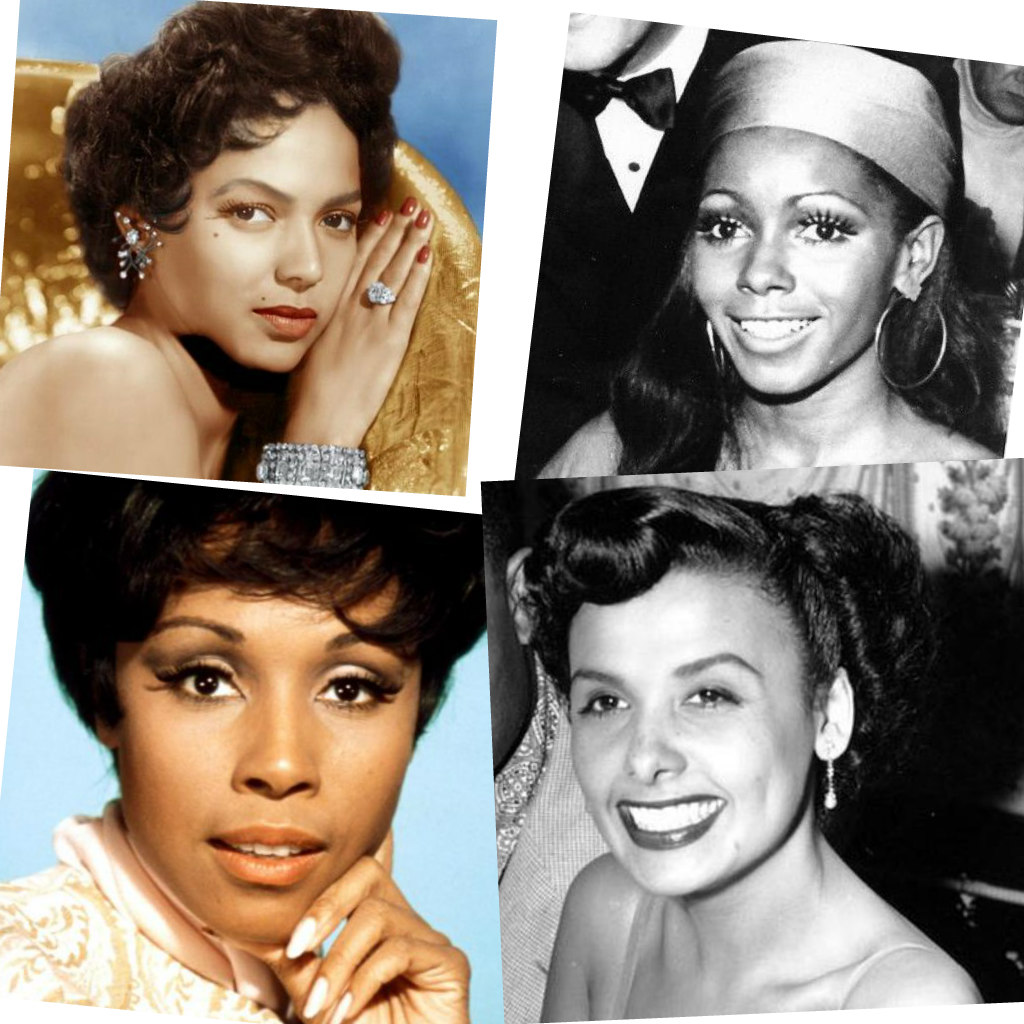
Colorism, the preferential treatment of lighter skin within communities of color and the entertainment industry, has long functioned as both a ladder and a cage for Black women. While it opened certain doors in Hollywood, it simultaneously confined actresses to narrow roles, stereotypes, and expectations. For legendary women such as Dorothy Dandridge, Lena Horne, and Diahann Carroll, their luminous beauty made them icons, but their careers were shaped and constrained by how closely their appearances aligned with Eurocentric ideals. At the same time, darker-skinned actresses like Judy Pace often faced underrepresentation and stereotyping, demonstrating how the “cage” of colorism traps women on both ends of the spectrum. Younger actresses like Nia Long and Sanaa Lathan inherited both the opportunities and burdens of this skin-tone hierarchy, proving that the cage still lingers today.

The Cage of Colorism: A Comparative View

Lighter-Skinned ActressesDarker-Skinned Actresses
Examples: Dorothy Dandridge, Lena Horne, Halle BerryExamples: Judy Pace, Viola Davis, Gabourey Sidibe 
Elevated as “acceptable” Black beauty by HollywoodOften excluded from leading roles altogether
Cast in glamorous or “palatable” rolesCast in stereotypical roles (sassy, tough, hypersexual)
Visibility increased, but freedom limited to narrow rolesVisibility decreased, opportunities scarce
They may win the awards but still face the same discrimination as their darker black peers. Used as symbols of progress for diversity, but only on Hollywood’s terms. They may win awards, but they still face racism in Hollywood
Trapped in an image of exoticized yet safe BlacknessTrapped in invisibility or typecasting
Their beauty opened doors, but they were rarely fully embraced as equals to white peersTheir talent often overlooked despite equal or greater ability

👉 This chart shows how colorism cages women on both sides of the spectrum:

  • Lighter-skinned actresses were celebrated but restricted.
  • Darker-skinned actresses were sidelined or stereotyped.

Dorothy Dandridge and Lena Horne: The “Acceptable” Faces of Black Beauty

Dorothy Dandridge, the first Black woman nominated for an Academy Award for Best Actress (Carmen Jones, 1954), embodied both progress and limitation. Hollywood celebrated her lighter complexion and Eurocentric features, casting her as the glamorous Black woman who could be exoticized yet palatable to white audiences (Levy, 2012). Lena Horne faced similar struggles. While MGM signed her to a long-term contract in the 1940s, the studio refused to cast her in leading roles opposite white actors. Instead, she was often placed in standalone musical numbers that could be cut from films when shown in segregated Southern theaters (Watkins, 1994). Their beauty allowed them entry, but their skin tone became a cage: they were “acceptable” but never fully embraced.

Diahann Carroll and Frieda Washington: Elegance in a Narrow Frame

Diahann Carroll, though groundbreaking as the first Black woman to star in a non-stereotypical television role (Julia, 1968), still found her career circumscribed by Hollywood’s narrow vision of Black femininity. Her elegance was celebrated, but darker-skinned actresses of equal talent were often excluded, revealing the industry’s entrenched bias (Hooks, 1992). Likewise, Frieda Washington, though talented and striking, was often overshadowed by Hollywood’s fixation on casting Black actresses who most resembled white ideals of beauty.

Judy Pace: The Other Side of the Cage

Unlike Dandridge and Horne, Judy Pace entered Hollywood in the late 1960s as a darker-skinned beauty. Best known for films like Cotton Comes to Harlem (1970) and for her role in the TV soap Peyton Place, Pace often found herself typecast in roles that leaned on stereotypes—the “sassy,” “dangerous,” or “seductive” Black woman. Her beauty was undeniable, but it did not grant her the same privileges as her lighter-skinned peers. Instead, colorism worked against her, limiting her access to leading romantic roles or “glamorous” portrayals reserved for actresses closer to Eurocentric standards. Her experience reveals how colorism cages darker-skinned women by reducing their range of opportunity, even as they carried immense talent and screen presence.

Nia Long, Sanaa Lathan, and the Modern Continuation of the Cage

In the 1990s and 2000s, actresses like Nia Long and Sanaa Lathan became household names, starring in films that defined Black romantic cinema (Love Jones, The Best Man). While they embodied a broader spectrum of beauty, colorism still influenced casting. These actresses were often positioned as “everywoman” love interests, while darker-skinned women were underrepresented or typecast into roles of hardship and struggle (Monk, 2014). Though progress has been made, the cage remains: opportunities are more accessible to women with complexions that fit within a certain range, while systemic bias continues to marginalize others.

How Did Skin Tone Become a Cage?

The origins of this cage lie not solely in Hollywood but in the long history of racial hierarchy in America. During slavery, lighter-skinned Black people were often granted preferential treatment as house slaves, while darker-skinned individuals were relegated to field labor (Hunter, 2007). This created a color-based caste system within the Black community, reinforced by white supremacy. Hollywood merely inherited and amplified this bias, shaping it into an industry-wide standard that continues to influence casting, beauty standards, and representation.

Racial Divide or Something Else?

While the racial divide rooted in white supremacy established the framework, it was internalized and perpetuated within the Black community through colorism. The divide was not just about race versus whiteness—it became intraracial, creating painful divisions based on shade. Colorism traps women in a paradox: lighter-skinned actresses were elevated but confined to roles that served Hollywood’s comfort with “palatable” Blackness, while darker-skinned actresses were sidelined, invisibilized, or limited to stereotypes. Thus, the cage was both racial and psychological, born of external oppression and internalized bias.

Conclusion: Breaking the Cage

The women named—Dandridge, Horne, Washington, Carroll, Pace, Long, and Lathan—demonstrate the painful duality of colorism. They were celebrated yet constrained, admired yet restricted, included yet never fully free. Their stories remind us that colorism is not just about aesthetics but about access, power, and systemic oppression. Breaking free from the cage requires both dismantling Eurocentric standards of beauty and celebrating the full spectrum of Blackness. Until then, the trap of colorism continues to shape how Black women are seen, cast, and valued in society.


References

  • Hooks, b. (1992). Black looks: Race and representation. South End Press.
  • Hunter, M. (2007). The persistent problem of colorism: Skin tone, status, and inequality. Sociology Compass, 1(1), 237–254.
  • Levy, P. (2012). Dorothy Dandridge: A biography. Amistad.
  • Monk, E. P. (2014). Skin tone stratification among Black Americans, 2001–2003. Social Forces, 92(4), 1313–1337.
  • Watkins, M. (1994). On the real side: Laughing, lying, and signifying. Simon & Schuster.

Media Mirrors: How Hollywood Shapes the World’s View of Blackness

Photo by Paul Deetman on Pexels.com

Hollywood doesn’t just entertain—it educates, influences, and often distorts global understanding of what it means to be Black. Through both its celebrated icons and its systemic blind spots, the film industry plays a profound role in shaping identity, aspiration, and prejudice. Drawing on reflections from Halle Berry, Denzel Washington, Viola Davis, and Blair Underwood, this article examines how media representation reverberates across borders—and what that means for Black communities everywhere.


1. The Power of Representation: Breaking Ground and Limiting Legacies

Halle Berry, the first—and still only—woman of color to win the Academy Award for Best Actress (for Monster’s Ball, 2002), reflects on her victory with tempered hope. She hoped it would open doors—but nearly two decades later, remains the lone woman of color honored in that category. Despite incremental changes, Berry describes Hollywood’s progress as slow and calls for more honest storytelling that reflects the real diversity of culture and experience.Vanity FairGlamour

Denzel Washington recently shared a deeply emotional response upon watching Black Panther, saying “he ‘cried a little bit’… felt like the baton had been passed” to a younger generation of Black actors. His joy reflects both pride and readiness for broader representation.People.com

These testimonies affirm how rare and symbolic truly groundbreaking achievements remain—and how they resonate internationally.

Icons, Audiences, and Global Resonance

Actors like Halle Berry, Denzel Washington, Viola Davis, Blair Underwood, and others, have become globally recognized symbols of Black excellence. Their talent and accolades draw admiration worldwide, yet their individual experiences reveal systemic limitations.

In the upcoming documentary Number One on the Call Sheet, actors—including Washington, Berry, Murphy, Union, Davis, Jordan, Kaluuya, and Erivo—reflect on how being a leading name in Hollywood remains a powerful statement of representation and a symbol of Black presence at the highest level of storytelling.People.com

These icons show that global admiration exists—but it’s also conditional, often tied to rare breakthroughs rather than sustained structural inclusion.


Spike Lee: A Filmmaker as Cultural Provocateur

As a towering figure in Black cinema, Spike Lee offers a vivid case study of Hollywood’s influence—and its contradictions.

  • Origins & Self-Made Drive
    Lee’s breakthrough came with She’s Gotta Have It, funded through handwritten letters and collecting cans—“Kickstarter before there was Kickstarter.”The Guardian This underlines both the ingenuity and the necessity of self-reliance for Black creators.
  • Demanding Authentic Storytelling
    When Lee directed Malcolm X, he insisted on a Black director, stating: “White Americans will never know what it feels like to be an African-American in this country.”Los Angeles Times
    This insistence enabled unmatched authenticity—allowing access to Malcolm’s inner circle, Mecca, and narrative frameworks that a white director likely couldn’t achieve.
  • Challenging Stereotypes through Satire
    In Bamboozled, Spike Lee dissected and satirized media’s racist stereotypes—portraying Black actors in minstrel roles to expose Hollywood’s complicity. Though a box-office failure, it later gained cult status and was added to the U.S. National Film Registry for its cultural significance.Wikipedia The world now recognizes its sharp critique of Black portrayal, years ahead of its time.
  • Global Perception: The Provocateur as Brand
    Lee’s reputation as an outspoken figure—”rabble-rouser,” publicity-loving, provocative—is part of his brand identity. He once remarked: “Spike Lee is a brand.”Vulture Over time, his voice has resonated globally, especially as his films (e.g., BlacKkKlansman) awakened international audiences to persistent racial injustices.TIME
  • Standing Up for Structural Change
    Lee has long criticized the lack of diversity among industry gatekeepers, arguing that genuine representation means having Black people with green-light power in studios and networks—not just actors on-screen.The Washington Times

On platforms like Reddit, fans express how Spike Lee’s films shaped their conscience:

“Do the Right Thing was brilliant in how it held a mirror up to the viewer’s biases… Spike Lee’s genius is in eliciting the tension and discomfort that Americans… still will not confront in themselves.”Reddit

Others celebrate how he carved a space when none existed:

“He carved out a place for himself, and employed many amazing actors.”Reddit

These reflections highlight how representation resonates not just on screens, but in global cultural awareness.

Hollywood’s “media mirrors” reflect both achievement and limitation. While Berry, Washington, Davis, Underwood, and Lee have become global icons—people the world admires—their journeys reveal how rare visibility can be.

Spike Lee’s legacy shows how embracing fullness—demanding authenticity, satirizing stereotypes, and insisting Black stories be told by Black voices—pushes the world’s mirror closer to our truth. Yet the work continues: true representation means expanding beyond iconic individuals to empowerment across the creative landscape.

When Hollywood mirrors the full breadth of Black humanity—complex, joyful, painful, triumphant—global perceptions can evolve. That is the profound power of representation, and the responsibility we must continue to claim.


2. Confronting Stereotypes and the Burden of Tokenism

Hollywood’s history is riddled with tropes: the “mammy,” the criminal, the sidekick—persistent caricatures that reinforce limited, dehumanizing views of Black identity. Viola Davis, reflecting on her role in The Help, expressed deep discomfort with the enduring “mammy” trope and challenged filmmakers to humanize Black characters beyond stereotypes.Wikipedia

Blair Underwood, who became one of the first regular Black faces on L.A. Law in the late 1980s, described the scarcity of Black representation: “You know Denzel… It was very rare to see any of us on the big screen… usually… pimps or thugs… Hollywood wanted to promote and project.”inklCinemablend His presence signified a shift, but his words underscore the uphill battle against tokenism and cliché.


3. Behind-the-Scenes Power—The Real Battleground

Representation isn’t just about who’s on screen—it’s about who’s telling the story. A 2022 NAACP report revealed that studio leadership remains almost exclusively white—over 90% of CEOs, senior executives, and unit heads.Psych Central Similarly, McKinsey data shows Black creators — writers, producers, directors — remain vastly underrepresented. Only about 6% of films and TV shows have Black directors, and fewer than 5% of showrunners are Black.McKinsey & Company+1

These facts underscore why stereotypical scripts persist, and why progress often stalls: creative power remains concentrated outside Black hands.


4. Authenticity Matters—Shifting Narratives, Shifting Minds

Research shows inclusive content doesn’t just entertain—it reshapes perception. A recent machine-learning study of over 300,000 images in popular culture found that non-inclusive media reinforces stereotypes, while diverse visibility helps reduce biases.arXiv

Moreover, voices from within the community reflect the profound impact of authentic storytelling. As one commenter quoting Viola Davis said:

“The audience is a huge part of our work, and they need to see themselves.”
Another actor added:
“We put asses in seats.”Reddit

These candid remarks highlight the transformative power of representation—and the financial as well as cultural stakes.


5. Global Perceptions and the Empathy Gap

Hollywood’s global reach means its portrayals become many people’s primary lens into Black lives. When narratives are skewed or limited, entire cultures risk being misunderstood. A Vanity Fair piece calls on audiences—especially white viewers—to support genuine Black stories, pointing out how false universality reinforces bias: Black-led stories are often underfunded and under-marketed, even though they perform well with investment.Vanity Fair

Viola Davis and others have amplified that need: authentic, diverse stories bridge that empathy gap and reshape how the world sees—and values—Black humanity.


Conclusion: The Reflections, the Responsibility, the Future.Global Perceptions and Admiration… But Through What Lens?

Internationally, the global audience often respects and admires Black talent, but such visibility is frequently restricted to a few celebrated faces—Washington, Berry, Davis, and so on. Behind the public facade, systemic barriers remain:

  • A 2022 NAACP report emphasized how rare Black creatives are in executive and production roles.Vanity FairVogue
  • Vogue notes that Black suffering dominates narratives—reinforcing empathy, yes, but also reinforcing a one-dimensional view.Vogue
  • Research continues to show that equitable representation isn’t just ethical—it shifts perceptions, builds empathy, and challenges stereotypes.Vanity F

Hollywood holds up a mirror—and the reflection it offers shapes how Blackness is perceived across the world. Icons like Berry, Washington, Davis, and Underwood have broken barriers and challenged assumptions. Their experiences illustrate both progress and the limits of representation when control remains marginalized.

True transformation demands power behind the camera—so that stories aren’t merely performed, but lived, with depth, nuance, and dignity. As research and international success demonstrate, inclusive storytelling isn’t just morally right—it’s universally compelling.

In a world where media frames empathy and identity, the mirror Hollywood holds up must reflect the full spectrum of Black lives. Only then can global perceptions evolve beyond stereotypes—toward understanding, respect, and uplift.

From Vanity to Victory: The Redemption Story of Denise Katrina Matthews

Photo courtesy of Steve Landis, the photographer used with his permission.

“When you’re empty on the inside, it doesn’t matter how beautiful you are on the outside.” – Denise Matthews (Vanity)


Introduction: Beauty, Fame, and the Battle Within

Denise Katrina Matthews—widely known by her stage name Vanity—was a striking beauty, a singer, actress, and model who captivated the world in the 1980s. With an exotic allure and a voice that blended sensuality and soul, Vanity became a pop culture icon during the height of Prince’s musical empire. Yet, beneath the surface of stardom and seduction, Denise battled addiction, identity confusion, and spiritual emptiness. Her journey from sex symbol to servant of Christ is one of profound transformation and testimony.

All photographs are the property of their respective owners. No infringement intended.

Early Life and Mixed Heritage

Denise Matthews was born on January 4, 1959, in Niagara Falls, Ontario, Canada. Of African-American, German-Jewish, and Polynesian descent, her mixed-race heritage contributed to her “exotic” beauty that would later become her ticket to the entertainment industry—and, paradoxically, her curse. Standing at about 5’6”, she was admired for her radiant skin, bone structure, and seductive onstage presence. Her early experiences, however, were not glamorous; Denise came from a turbulent household marked by abuse and instability. These early wounds left deep scars that influenced many of her later choices.


Rise to Fame: Vanity 6 and Prince

In the early 1980s, Denise moved to the United States to pursue a career in modeling and acting. She participated in beauty pageants and was even crowned Miss Niagara Hospitality. Her path shifted dramatically when she met Prince, the enigmatic musical genius. He renamed her “Vanity,” claiming she was the female version of himself—a reflection of his own vanity.

Together, they created the girl group Vanity 6, which became famous for their hit “Nasty Girl” in 1982. Clad in lingerie, the group embodied Prince’s provocative style, and Vanity became the face of erotic empowerment in pop culture. Though their chemistry was palpable, Vanity and Prince’s relationship was tumultuous, complicated by control issues and emotional turmoil. Vanity once said:

“Prince and I lived together. We were in love. But I had to walk away to find myself.”

Their relationship ended before the release of Purple Rain, a role Prince had initially written for her but gave to Apollonia Kotero after Vanity’s departure. Many fans speculated rivalry between Vanity and Apollonia, but Vanity later denied ill will, stating that she had outgrown that world.


Hollywood Fame and Drug Addiction

Vanity transitioned to acting, starring in films such as The Last Dragon (1985), Action Jackson (1988), and 52 Pick-Up (1986). Her sultry image became her brand, and she was often featured on “Most Beautiful Women” lists in magazines. She dated Rick James, a fellow icon of funk and excess, whose wild lifestyle mirrored her own. Their relationship was destructive, filled with drugs, sex, and volatility. Rick James later admitted that their bond was fueled by cocaine and chaos.

Fame, however, could not fill the void Denise felt. By the late 1980s, her drug use escalated, and her health began to decline. She overdosed in 1994, suffering near-fatal kidney failure. Doctors gave her three days to live.


A Radical Transformation: From Vanity to Denise Matthews

Facing death, Denise cried out to God. That moment of desperation became her spiritual awakening. She renounced her stage name and identity as Vanity and gave her life to Jesus Christ. Her conversion was not superficial; she walked away from Hollywood, cut ties with former friends and lovers, and devoted herself fully to evangelism. She once declared:

“Vanity is dead. Denise lives for Christ now.”

Denise became a preacher, Christian speaker, and evangelist, traveling across the U.S. and Canada to share her testimony of deliverance from drugs, sexual sin, and vanity. She described her fame as a form of idolatry and warned others about the traps of fame and seduction.


Her Book: Blame It On Vanity

In 2010, Denise published her memoir “Blame It On Vanity”, a raw, honest, and spiritual account of her life. The book detailed her early trauma, rise to stardom, abuse, overdose, and spiritual rebirth. She was vulnerable about her failures, yet triumphant in describing how God saved her. She emphasized the emptiness of fame, saying:

“Fame is like a drug—it makes you feel high, important, untouchable. But it’s all a lie.”


Personal Life: Marriage and Ministry

In 1995, Denise married former NFL player Anthony Smith, though the marriage ended in divorce. She had no children but often referred to the youth and young women she mentored as her spiritual children. She battled with kidney issues for the rest of her life and was on dialysis.

Despite her physical decline, Denise remained bold in her faith, never compromising her beliefs. She lived modestly and refused to return to the entertainment industry, despite offers.


Death and Tributes

Denise Matthews passed away on February 15, 2016, at age 57, from kidney failure caused by years of drug abuse. Just two months later, Prince also died. Upon hearing of her death, Prince paid tribute to her during a concert in Australia, dedicating “Little Red Corvette” to her and reportedly mourning deeply. He stated:

“She loved the Lord, and now she’s home.”

Other celebrities also expressed admiration and sadness. Apollonia Kotero wrote on social media:

“You were my sister. Your light will never dim.”


Conclusion: Beauty Redeemed by Grace

Denise Matthews’ life is a modern parable—a stunning woman who had it all in the world’s eyes but found true life in surrendering to Christ. Her journey from Vanity to virtuous womanhood serves as a powerful reminder that external beauty, fame, and riches are fleeting. The only glory that lasts is the one rooted in the eternal.


References

Matthews, D. (2010). Blame It On Vanity. CreateSpace Independent Publishing.

James, R. (2007). Memoirs of a Super Freak. Amber Books.

Holy Bible. (1611). King James Version.

George, N. (2004). The Life and Times of Prince. Da Capo Press.

Kotero, A. (2016). [Social Media Tribute]. Twitter.