Tag Archives: history

Colorism and Beauty Hierarchies: Skin Tone as a Social Currency.

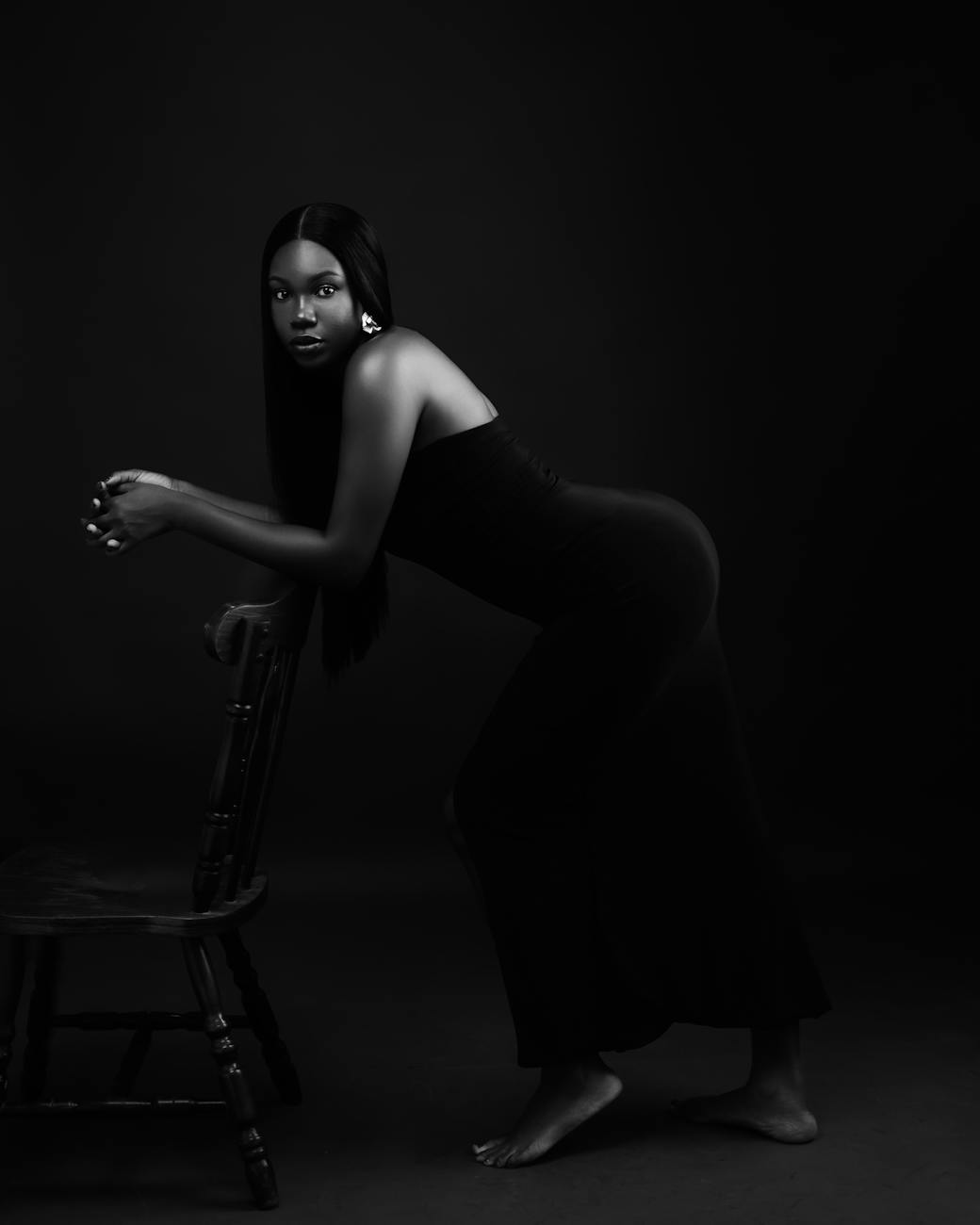
Photo by Jonatan Galvis on Pexels.com

Colorism—the preferential treatment of lighter-skinned individuals over those with darker complexions—represents one of the most enduring legacies of colonialism, slavery, and global white supremacy. Unlike racism, which is discrimination across races, colorism functions within racial and ethnic groups, ranking people based on proximity to whiteness. Beauty becomes the battleground where skin tone acts as a form of social currency, shaping opportunities, desirability, and identity. The title Colorism and Beauty Hierarchies: Skin Tone as a Social Currency underscores how complexion functions not merely as aesthetic variation but as a deeply entrenched system of value that structures societies worldwide.

Understanding “Beauty Hierarchies”

A hierarchy implies an order—some features are placed above others, with privilege and prestige awarded to those who align most closely with the dominant ideal. Within communities of African, Latin American, Asian, and South Asian descent, this hierarchy is evident in the differential treatment of light- and dark-skinned individuals. These beauty hierarchies operate silently yet powerfully, dictating access to media representation, romantic desirability, economic mobility, and even political leadership.

The Social Currency of Skin Tone

The concept of “social currency” refers to intangible assets—respect, desirability, access, and visibility—that an individual gains through certain traits. In societies shaped by colonialism, light skin is often equated with refinement, education, and beauty, while darker skin is stigmatized as less desirable, less intelligent, or even “dangerous” (Hunter, 2007). Thus, complexion is not neutral—it functions as a form of symbolic capital that either opens or restricts doors.

Hierarchies of Skin Tone

Light Skin Privilege

  • Media Representation: Light-skinned women are often cast as the romantic lead or beauty ideal, while dark-skinned women are portrayed as side characters or villains.
  • Perceived Femininity: Light skin is associated with “delicacy” and “purity,” especially in patriarchal cultures.
  • Marriage Prospects: Studies show lighter-skinned women are often considered more “marriageable” due to cultural perceptions linking them to higher social status.
  • Economic Advantage: Lighter-skinned individuals within the same racial group statistically earn more than their darker counterparts (Keith & Herring, 1991).
  • Global Beauty Market: Billions are spent on skin-lightening creams in Africa, Asia, and the Caribbean, reflecting how light skin is commodified as a marker of beauty and advancement.

Medium/Brown Skin

  • Conditional Acceptance: Medium-toned individuals may experience partial privilege depending on cultural context. In some communities, they are “acceptable” if their features lean toward Eurocentric ideals (narrow noses, straighter hair).
  • In-Between Status: They may face pressure to either “pass” as lighter through cosmetic means or defend their proximity to darker identities.
  • Representation: Often celebrated as “exotic” or “ambiguous” in media, commodified for their perceived versatility.

Dark Skin Marginalization

  • Stereotyping: Dark-skinned women are often cast as aggressive, hypersexual, or undesirable in media and social narratives (Wilder, 2015).
  • Romantic Disadvantage: Dark-skinned women report lower rates of being approached for serious relationships, often fetishized rather than appreciated for their full humanity.
  • Economic Exclusion: Darker-skinned individuals face higher unemployment rates and lower wages, even when qualifications are equal.
  • Policing and Violence: Dark-skinned individuals are disproportionately criminalized, reflecting the dangerous intersection of colorism and systemic racism.
  • Psychological Toll: Internalized colorism leads to lower self-esteem, increased anxiety, and generational trauma.

Explaining the Title: “Skin Tone as a Social Currency”

The phrase skin tone as a social currency captures how complexion functions much like wealth—it can be traded, leveraged, and inherited, but it also reflects unequal distribution. Light skin operates as a form of privilege that generates unearned benefits, while dark skin becomes a social “debt” that individuals must constantly negotiate. Unlike financial capital, however, this currency is inscribed onto the body—it cannot be easily discarded or changed. Thus, navigating society means contending with how much “value” one’s skin tone holds within a given cultural and historical context.

Global Contexts of Colorism

  • Africa & the Caribbean: Legacies of colonialism foster the association of lighter skin with elite status. Skin-lightening remains a booming industry.
  • South Asia: Bollywood and matrimonial ads explicitly valorize “fair brides,” perpetuating caste and complexion bias.
  • East Asia: In countries like China and Korea, pale skin is linked with class (indoor labor vs. outdoor labor).
  • United States: Within Black communities, the “paper bag test” historically excluded darker-skinned individuals from certain schools, jobs, and organizations.

Resistance and Reclamation

Movements such as #MelaninMagic, #BlackGirlMagic, and campaigns like “Dark Is Beautiful” in India have sought to dismantle these hierarchies by affirming the beauty of darker skin tones. Increasing representation of dark-skinned women in media—from Lupita Nyong’o to Viola Davis—signals a cultural shift, though systemic hierarchies remain.

Conclusion

Colorism and Beauty Hierarchies: Skin Tone as a Social Currency speaks to the way complexion is not just surface-level—it is a passport or barrier, a burden or advantage, depending on where one falls in the hierarchy. To dismantle these structures, societies must not only broaden beauty standards but also confront the historical systems that created skin tone hierarchies in the first place. Until then, beauty will continue to function as social currency, unequally distributed along the color line.


References

  • Hunter, M. (2007). The persistent problem of colorism: Skin tone, status, and inequality. Sociology Compass, 1(1), 237–254.
  • Keith, V. M., & Herring, C. (1991). Skin tone and stratification in the Black community. American Journal of Sociology, 97(3), 760–778.
  • Wilder, J. (2015). Color stories: Black women and colorism in the 21st century. Praeger.

Faces of Resilience: Black Women, Genetics, and the Global Beauty Standard

Photo by Ante Emmanuel on Pexels.com

Beauty has always been more than appearance; it is a cultural, genetic, and historical narrative that reflects the dynamics of power, resilience, and identity. For Black women, beauty is not only inherited in their features but also shaped by the resistance against imposed ideals. While global beauty standards have often been defined through Eurocentric frameworks, Black women embody a resilient beauty that transcends cultural erasure and genetic marginalization. Their faces, marked by distinct phenotypic traits, carry histories of ancestry, struggle, and triumph.

Genetics and the Foundations of Black Beauty

Black women’s beauty is deeply rooted in genetics. Phenotypic traits such as fuller lips, broader noses, higher melanin levels, and diverse hair textures are the result of evolutionary adaptations to Africa’s climate and geography. Melanin, for example, not only provides skin richness but also serves as a biological shield against UV radiation, signifying health and resilience (Jablonski & Chaplin, 2010). These genetic traits—once denigrated under colonial ideologies—are increasingly celebrated in global beauty industries, though often commodified without acknowledgment of their origins.

Historical Erasure and Eurocentric Standards

From enslavement to the twentieth century, Eurocentric standards of beauty dominated global narratives. Straight hair, narrow noses, and lighter skin tones were positioned as the “ideal,” relegating Black women’s natural features to stereotypes of “savagery” or “unfemininity” (Hooks, 1992). This erasure was psychological as well as cultural, creating generational struggles with self-perception and identity. The global beauty market reinforced this hierarchy, with skin-lightening products, hair relaxers, and cosmetic surgeries marketed heavily to women of African descent.

The Resilience of Representation

Despite these challenges, Black women have redefined beauty on their own terms. Figures such as Naomi Campbell, Lupita Nyong’o, and Alek Wek have challenged the narrow global beauty standard by celebrating features historically deemed undesirable. Wek’s presence in the fashion industry in the 1990s, for instance, disrupted ideals of European symmetry and championed the elegance of dark skin and Sudanese features. Their influence shows that representation matters: it not only validates natural features but also reshapes cultural perceptions of what is beautiful.

The Globalization of Black Beauty

The twenty-first century has seen a gradual shift in how beauty is defined globally. Social media platforms amplify diverse aesthetics, and Black women are at the forefront of these movements. Hashtags such as #BlackGirlMagic and #MelaninPoppin serve as cultural affirmations, celebrating resilience through self-love and visibility. However, this global recognition exists in tension with appropriation. Features such as fuller lips, curvier body shapes, and braided hairstyles—once stigmatized on Black women—are now monetized when worn by non-Black influencers and celebrities, highlighting ongoing inequities.

Psychological Dimensions of Beauty and Identity

The resilience of Black women’s beauty also has a psychological dimension. Studies in racial identity show that positive self-perception among Black women correlates with higher levels of resilience, community engagement, and well-being (Thomas et al., 2008). In resisting harmful stereotypes, embracing natural hair movements, and reclaiming African aesthetics, Black women enact resilience not just in appearance but in spirit. This process becomes both personal and collective: a refusal to be confined by imposed ideals and a reaffirmation of ancestral pride.

Beauty as a Site of Power and Liberation

Beauty, for Black women, is inseparable from power. Wearing natural hairstyles, rejecting skin-lightening practices, or embracing African-inspired fashion becomes an act of resistance. These choices challenge colonial legacies and affirm that beauty is not a universal standard but a cultural expression rooted in history. In this sense, beauty becomes liberation—a way of reclaiming agency and dignity in a world that has historically denied it.

Toward an Inclusive Beauty Standard

The conversation around global beauty standards is slowly shifting from exclusivity to inclusivity. However, true progress requires more than token representation. It demands structural changes within the fashion, film, and cosmetic industries to honor Black women’s contributions and dismantle systemic biases. Only then can the global beauty standard reflect the true diversity of human genetics and cultural expression.

Conclusion

The faces of Black women tell stories of resilience, genetics, and beauty that defy narrow definitions. Their features are not deviations from a standard but reflections of humanity’s diversity and adaptability. In embracing their heritage and reclaiming their beauty, Black women continue to reshape global narratives. Ultimately, their resilience demonstrates that beauty is not imposed—it is lived, embodied, and celebrated across generations.


References

  • Hooks, B. (1992). Black looks: Race and representation. South End Press.
  • Jablonski, N. G., & Chaplin, G. (2010). Human skin pigmentation as an adaptation to UV radiation. Proceedings of the National Academy of Sciences, 107(Supplement 2), 8962–8968.
  • Thomas, A. J., Hacker, J. D., & Hoxha, D. (2008). Gendered racial identity of Black young women. Sex Roles, 59(5-6), 417–428.

Dilemma: By-Words

The History, Psychology, and Biblical Prophecy of Names Forced Upon Black People

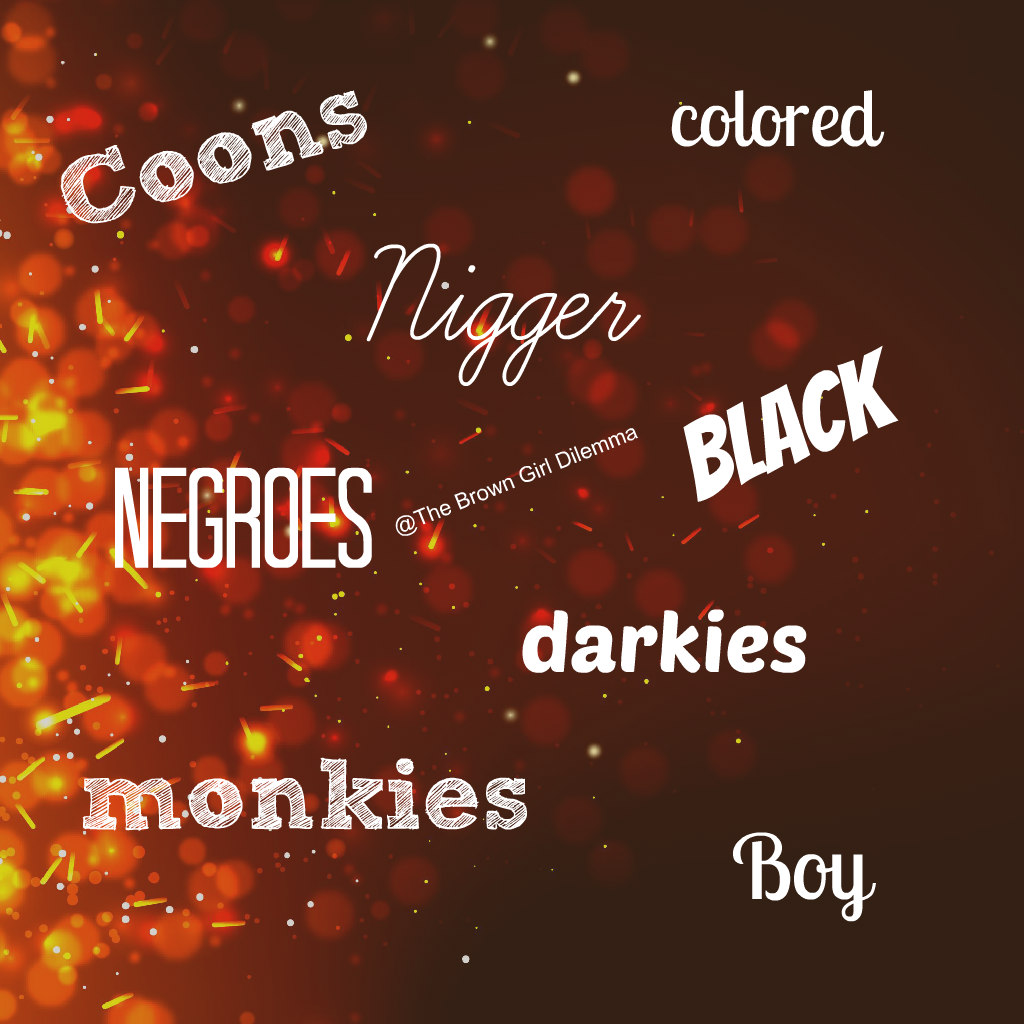
Words carry power. They shape identity, influence perception, and preserve history. Yet words can also wound, distort, and dehumanize. Throughout history, Black people across the diaspora have been branded with derogatory labels—negro, n****, coon, black, colored,* and many more—terms that did not emerge from neutrality but from systems of slavery, colonization, and racial subjugation. The Bible calls these humiliating labels “by-words”—a prophetic sign of oppression and displacement (Deuteronomy 28:37, KJV). To understand the psychology and history of by-words, one must look at the intersection of language, power, slavery, and identity.


What Are By-Words?

The term by-word is defined as a word or phrase used to mock, ridicule, or demean a people or individual. In Scripture, by-words are linked with curses upon nations or peoples who fall under oppression.

  • Deuteronomy 28:37 (KJV): “And thou shalt become an astonishment, a proverb, and a byword, among all nations whither the Lord shall lead thee.”
  • 1 Kings 9:7 (KJV): “Then will I cut off Israel out of the land which I have given them… and Israel shall be a proverb and a byword among all people.”

Biblically, being reduced to a by-word is more than an insult—it signifies loss of sovereignty, dignity, and divine identity.

he Meaning and History of the Word “Nigger”

Origin of the Word

The word nigger is one of the most notorious racial slurs in history. It traces back to the Latin word niger (meaning “black”), which passed into Spanish and Portuguese as negro. When Europeans began enslaving Africans during the transatlantic slave trade (1500s–1800s), the term negro became a racial descriptor.

Over time, particularly in English-speaking countries, negro was corrupted in spelling and pronunciation into n**r—a derogatory term. By the 1700s, it was entrenched in slave societies like the United States as the ultimate label of dehumanization.


Purpose of the Word

The purpose of calling Black people “n****r” was not just insult but domination. It functioned as a psychological weapon in several ways:

  1. Dehumanization:
    • Reduced Black people to something less than human, justifying slavery and racism.
    • Equated Africans with animals, objects, or commodities.
  2. Control and Social Order:
    • Whites used the word to constantly remind enslaved people of their “place” in society.
    • It reinforced racial hierarchy: white = superior, Black = inferior.
  3. Cultural Shaming:
    • Denied African names and identities, replacing them with a word rooted in contempt.
    • Made Blackness itself synonymous with worthlessness or evil.

In short, the word was never neutral. It was created and weaponized to wound, degrade, and keep Black people submissive.


Historical Use in America

  • Slavery Era (1600s–1865): The word was common in plantation speech, laws, and slave advertisements. It was how enslavers referred to Africans as property.
  • Jim Crow (1877–1950s): White people used it as a daily insult to enforce segregation and white supremacy. It became paired with violence—lynching, beatings, and systemic humiliation.
  • Civil Rights Movement (1950s–1970s): The slur was hurled at marchers, students, and leaders fighting for justice. Signs like “Go home n****rs” were common.
  • Modern Era (1980s–Present): The word remains a lightning rod. It is still used by racists as hate speech but also controversially re-appropriated within some Black communities (e.g., in hip-hop, as a term of brotherhood).

How Black People Feel About It

Reactions vary, but the word remains one of the deepest wounds in the Black collective memory:

  1. Pain and Trauma:
    • Many associate it with slavery, Jim Crow, lynching, and racist violence. Hearing it can trigger anger, shame, or grief.
  2. Rage and Resistance:
    • Black leaders like Malcolm X, James Baldwin, and Maya Angelou condemned the word as an instrument of oppression. Baldwin once said: “What you say about somebody else reveals you.”
  3. Division Over Re-appropriation:
    • Some Black people reject the word entirely, seeing it as irredeemable.
    • Others, especially in music and street culture, have attempted to strip it of its power by reclaiming it (e.g., turning it into “n***a” as a casual or friendly address).
    • This re-use, however, is controversial—many feel that no amount of “reclaiming” erases its bloody history.

Biblical & Psychological Perspective

From a biblical standpoint, being called a by-word (Deuteronomy 28:37) is part of a curse—a stripping of honor and identity. Psychologically, constant exposure to the slur can lead to internalized racism: self-doubt, reduced self-worth, and generational trauma.


The word n**r is not just an insult—it is a historical weapon of white supremacy. Born from slavery, cemented during Jim Crow, and still alive today, it carries centuries of blood, pain, and oppression. While some attempt to neutralize it, for most Black people it remains a raw reminder of what their ancestors endured. It is a word heavy with history, one that symbolizes not only racism but also the resilience of a people who refuse to be defined by it.

Timeline: The Evolution of By-Words

1. African Names Before Slavery (Pre-1500s)

Before European colonization, Africans bore names tied to ancestry, geography, spirituality, and meaning: Kwame (born on Saturday, Akan), Makeda (Ethiopian queen), Oluwaseun (God has done this, Yoruba). Names carried memory, culture, and lineage.


2. The Transatlantic Slave Trade (1500s–1800s)

  • Africans kidnapped into slavery were renamed with European surnames (Smith, Johnson, Williams, Brown).
  • By-words such as Negro (from Portuguese/Spanish for “black”) became a racial classification.
  • Slurs like n****,* sambo, and coon emerged on plantations to dehumanize enslaved Africans, comparing them to animals or buffoons.

This was the era of identity erasure: Africans became “property,” marked not by heritage but by by-words.


3. Reconstruction & Jim Crow (1865–1950s)

  • After emancipation, Black people were still denied full humanity. Terms like Negro and Colored became official in laws, schools, and public signs.
  • The Jim Crow system used language to reinforce racial hierarchy: calling Black men “boy” denied manhood, while calling women “mammies” denied femininity.
  • Racist caricatures—coon songs, minstrel shows, Zip Coon, Uncle Tom—spread by-words into mass culture.

By-words became institutionalized, shaping how whites saw Black people and how Black people sometimes internalized those labels.


4. Civil Rights Era (1950s–1970s)

  • The term Negro was challenged, as leaders like Malcolm X urged African Americans to reclaim Black as a badge of pride.
  • The phrase Black is Beautiful emerged as resistance to centuries of being told “black” meant evil or shameful.
  • The name shift to African-American in the late 1980s (championed by Jesse Jackson) reflected a demand for heritage, identity, and cultural recognition.

By-words in this era were confronted with counter-language: affirmations of dignity and identity.


5. Modern Times (1980s–Present)

  • Slurs like n****,* coon, and monkey still circulate, especially online and in extremist circles.
  • The N-word has been re-appropriated in some Black communities as a term of endearment or solidarity—though its use remains deeply divisive.
  • The term Black has been embraced as an ethnic identity marker, while African-American underscores historical and diasporic roots.
  • Psychological studies show that derogatory labeling still impacts self-esteem, racial perception, and systemic bias.

By-words have not disappeared; they have shifted, adapted, and remain central to ongoing struggles over language and identity.


Racism and the Weaponization of By-Words

Racism explains why by-words persisted. These terms justified inequality by painting Black people as inferior, dangerous, or less civilized. By-words reinforced stereotypes in:

  • Law: segregation signs labeled “Colored” vs. “White.”
  • Media: cartoons and films normalized caricatures (Amos ‘n’ Andy, minstrel shows).
  • Society: casual insults reduced Black people to slurs even outside slavery.

By-words were not simply products of ignorance; they were deliberate strategies of domination.


The Psychology of By-Words

From a psychological perspective, by-words operate as verbal shackles.

  1. Identity Erasure: Replacing African names with slave surnames broke ancestral continuity.
  2. Internalized Racism: Constant exposure to insults produced self-doubt and sometimes self-hatred.
  3. Generational Trauma: By-words passed down through history embedded racial inferiority into the subconscious.
  4. Resistance & Reclamation: Language also became a battlefield—turning Black from insult to empowerment, or challenging derogatory names with affirmations.

As psychologist Na’im Akbar (1996) argues, the greatest chains of slavery are not physical but mental—reinforced through language.


Biblical Parallels

The use of by-words against Black people echoes Israel’s fate in exile. Losing names, mocked by nations, and scattered across the earth, they became living fulfillments of Deuteronomy 28. Just as Israel became “a byword among nations,” the descendants of Africa in the diaspora bear the marks of a name-stripping oppression.


Historical Roots of By-Words in Slavery

The transatlantic slave trade, spanning the 16th to 19th centuries, uprooted millions of Africans from their homelands. In the process, enslavers deliberately stripped them of their ethnic names, languages, and tribal lineages. African names like Kwame, Amina, Oluwaseun, Kofi, or Makeda were replaced with European surnames—Smith, Johnson, Williams, Washington—marking forced assimilation into a white supremacist order.

Enslaved Africans were not merely chained physically; they were renamed into invisibility. The imposition of white surnames erased genealogical connections, making it nearly impossible for descendants to trace their ancestral lineage back to their original African nations. This renaming process was a tool of control: to own someone’s name is to own their identity.

At the same time, enslaved Africans became subjects of derogatory by-words. Slave masters, traders, and colonial authorities popularized racial slurs that defined Blackness not by heritage but by supposed inferiority. Terms such as n****,* coon, boy, and Negro reduced a diverse people into a caricature of servitude and subjugation.


The Catalog of By-Words Used Against Black People

Over centuries, Black people have been labeled with words that belittled, animalized, and mocked them:

  • Negro – Derived from the Spanish/Portuguese word for “black,” it became a racial classification imposed by European colonizers.
  • N*** – A perversion of Negro, weaponized as one of the most dehumanizing insults in modern history.
  • Coon – A derogatory word portraying Black people as lazy and buffoonish, rooted in racist minstrel shows of the 19th century.
  • Boy – Used particularly in the Jim Crow South to deny Black men adult dignity and manhood.
  • Colored – Institutionalized through organizations like the NAACP (“National Association for the Advancement of Colored People”), reflecting segregationist terminology.
  • Black – Once synonymous with evil, dirt, or shame in European etymology, rebranded as an identity marker but originally imposed as a contrast to “white purity.”

Each of these terms is a linguistic scar, born of systems that sought to strip away humanity and replace it with inferiority.


Was Racism to Blame?

Yes. The proliferation of by-words was not incidental but systemic, tied directly to racism. By-words allowed dominant groups to control narratives, reinforcing hierarchies of superiority. Racism justified slavery, segregation, colonization, and social exclusion by codifying these by-words into cultural, legal, and political systems.

  • Social Control: Language ensured that Black people were seen not as equals but as perpetual outsiders.
  • Psychological Warfare: By-words internalized shame, often producing generational trauma and fractured self-esteem.
  • Legal Segregation: In the U.S., terms like “colored” and “Negro” were legally inscribed in Jim Crow laws, embedding racism into governance.

The Psychology of By-Words

Psychologists argue that repeated exposure to derogatory labels can produce internalized racism and identity conflict. When a people are constantly described as inferior or less than, the message penetrates deep into the collective psyche.

  • Internalized Oppression: Some Black people began to reject African heritage, aspiring toward whiteness as a form of survival.
  • Group Identity Crisis: By-words created confusion over racial identity—was one “Negro,” “Colored,” “Black,” or “African-American”? This constant renaming fragmented collective identity.
  • Reclamation and Resistance: Over time, Black communities also resisted by re-appropriating terms like “Black” and “N*****” as symbols of empowerment—though still contested.

Biblical Parallels: Israel as a By-Word

The plight of Black people in slavery and colonization parallels biblical Israel’s experience. Just as the Israelites were scattered and mocked with by-words, enslaved Africans endured a loss of name, land, and identity. Deuteronomy 28 not only describes economic curses and enslavement but the stripping away of cultural dignity.

Thus, many Black theologians and scholars interpret the condition of the African diaspora as prophetic: a people renamed, scorned, and marginalized, fulfilling the biblical imagery of becoming “a by-word among nations.”


Conclusion

By-words are more than insults; they are historical markers of oppression. They tell the story of a people kidnapped, enslaved, renamed, and linguistically reshaped to fit the mold of subjugation. From biblical prophecy to the auction blocks of slavery, from Jim Crow to today, the history of by-words reveals how language has been wielded as a weapon against Black identity.

Yet, history also shows resistance. Just as names were stripped, they were reclaimed. Just as by-words mocked, voices rose to redefine them. Understanding the psychology and history of by-words helps restore dignity, while the biblical lens reminds us that identity is ultimately God-given, not man-imposed.

By-words are more than words; they are historical monuments of oppression. They trace a journey from stolen African names to the plantation, from Jim Crow insults to modern re-appropriation. They demonstrate how racism weaponizes language, reshaping identity and memory.

Yet, within that history lies resilience. Every reclaiming of Black as beautiful, every embrace of African names, every refusal to be defined by slurs is a declaration of freedom. In the end, names carry divine weight: not what the oppressor calls us, but what God calls us.


📖 Key Scripture References:

  • Deuteronomy 28:37
  • 1 Kings 9:7
  • Jeremiah 24:9
  • Psalm 44:14

📚 References for Further Reading:

  • Du Bois, W. E. B. (1903). The Souls of Black Folk.
  • Akbar, N. (1996). Breaking the Chains of Psychological Slavery.
  • Davis, A. (1981). Women, Race, and Class.
  • Patterson, O. (1982). Slavery and Social Death.

Kennedy, R. (2002). Nigger: The Strange Career of a Troublesome Word.

Baldwin, J. (1963). The Fire Next Time.

Neely Fuller Jr: The Architect of Counter-Racist Logic and Black Empowerment.

Neely Fuller Jr. is a highly influential yet often underrecognized figure in the realm of African American thought, particularly known for his work on racism, white supremacy, and Black empowerment. Born in the United States during the era of Jim Crow segregation, Fuller developed a worldview deeply shaped by systemic racial oppression. Though many of the personal details of his life—including his date of birth, marital status, and family life—remain private, what stands out is his lifelong dedication to analyzing and dismantling the global system of white supremacy through logic, language, and behavioral code.


Who Is Neely Fuller Jr.?

Neely Fuller Jr. is best known as a theorist and author who introduced a unique, structured framework for understanding and addressing racism in America and worldwide. His life’s work revolves around his central thesis: “If you do not understand white supremacy—what it is and how it works—everything else that you think you understand will only confuse you.” This statement has become a foundational mantra for many in the modern Black liberation and Afrocentric consciousness movements.

Fuller served in the U.S. military and worked as a government employee, experiences that contributed to his understanding of institutionalized racism. Despite lacking the mainstream visibility of figures like Malcolm X or Dr. Martin Luther King Jr., Fuller’s teachings have profoundly impacted generations of Black thinkers, including Dr. Frances Cress Welsing, who credited Fuller’s framework as the intellectual foundation for her own work, The Isis Papers.


His Major Work: A Compensatory Counter-Racist Code

Neely Fuller Jr.’s most well-known book is titled The United Independent Compensatory Code/System/Concept: A Compensatory Counter-Racist Code (first published in 1984 and revised in later editions). The book is not a traditional narrative or academic text; rather, it is a manual—a code of conduct designed to guide non-white people in navigating and countering racism in everyday life.

The book is grounded in logic, clarity, and a precise use of language. Fuller argues that white supremacy is a global system that dominates all areas of people activity: economics, education, entertainment, labor, law, politics, religion, sex, and war. His book offers a “code” of behaviors and linguistic patterns that help non-white people avoid conflict, think critically, and engage in constructive activity rather than reacting emotionally or violently to racism.


Highlights of the Code

  1. Definition of White Supremacy: Fuller defines racism and white supremacy as the same thing, a unified system with the primary goal of maintaining power over all non-white people.
  2. Logic-Based Living: He urges Black people to think, speak, and act in ways that produce justice and eliminate confusion.
  3. Constructive Speech: Fuller teaches the use of precise language—coining the term “codification”—to avoid being manipulated by racist ideology hidden in words.
  4. Sexual Politics: He outlines how sex and relationships are also controlled by the system of white supremacy, emphasizing self-discipline and mutual respect in Black relationships.
  5. Compensatory Code: Non-white people must act independently but in a unified and compensatory way—that is, in a manner that “makes up for” the imbalance caused by racism without engaging in emotional retaliation or disorder.
  6. Universal Man and Universal Woman: Fuller envisions a future where justice is the norm and individuals function without needing the system of racism for identity or value.

Reception and Legacy in the Black Community

While Neely Fuller Jr. has never been a household name, his influence in the conscious Black community is immeasurable. He is widely respected by scholars, activists, and critical thinkers who study race and systems of power. Podcasts, YouTube channels, and online forums continue to analyze and promote his teachings, often referring to him as “the master of logic.”

Figures like Dr. Frances Cress Welsing have publicly praised him, and his concepts are foundational in Afrocentric educational spaces, particularly those focused on mental liberation, cultural sovereignty, and counter-colonial thought. Many regard him as a philosophical giant, especially for his emphasis on the psychological dimensions of racial control.

However, his work has also been critiqued by some as overly methodical or lacking in revolutionary emotion. Yet Fuller deliberately avoided traditional activism or protest methods, believing that emotion-driven movements were easier for white supremacy to manipulate or destroy.


What He Is Known For

  • Creating the Counter-Racist Codification System
  • Influencing critical race theorists like Frances Cress Welsing
  • Highlighting the totalizing nature of white supremacy across all domains of human activity
  • Promoting logic, calmness, and consistency in Black liberation thought
  • Developing a philosophy of “maximum thought, speech, and action to produce justice”

Conclusion

Neely Fuller Jr. is a towering intellectual in the struggle for Black liberation and truth. Through his logical, disciplined framework, he provided tools for African Americans and all non-white people to analyze and dismantle the deceptive and destructive power of white supremacy. While his personal life remains largely hidden from public view, his public legacy—one of clarity, code, and consciousness—continues to shape the minds and strategies of freedom fighters around the globe.


Recommended Reading

  • Fuller, N. (2016). The United Independent Compensatory Code/System/Concept: A Compensatory Counter-Racist Code (Revised Edition). Neely Fuller Publications.
  • Welsing, F. C. (1991). The Isis Papers: The Keys to the Colors. Third World Press.
  • Black Dot, T. (2005). Hip Hop Decoded. Momi Publishing.

“Rosewood: A Massacre Fueled by Lies and White Supremacy in 1923 Florida”


Photo by Alexander Zvir on Pexels.com

Introduction

The story of Rosewood, Florida is one of prosperity, racial pride, and horrifying destruction. Once a thriving Black town in Levy County, Rosewood was obliterated in January 1923 due to a racially charged lie that incited white mob violence. Like the tragedies of Tulsa’s Black Wall Street and the Devil’s Punchbowl, Rosewood exemplifies how Black success in early 20th-century America was often met with white rage, systemic racism, and historical erasure.


The Founding and Prosperity of Rosewood

Founded in the late 1800s, Rosewood was a small, self-sufficient, predominantly African American town. Located near the Gulf Coast of Florida, the town was originally established as a timber and turpentine community. Over time, the Black residents of Rosewood built homes, churches, a school, and several successful businesses. By the early 1920s, Rosewood had become a symbol of Black independence.

The town was made up of about 25 Black families, most of whom were landowners—a rarity in the Jim Crow South. Occupations included blacksmiths, carpenters, midwives, and educators. One notable figure was Sarah Carrier, a well-known midwife and one of the community’s matriarchs.

Rosewood residents lived peacefully—until a white woman in a nearby town falsely accused a Black man of assault, setting off a chain of racial terror.


The Incident: Lies and Racial Violence

On January 1, 1923, Fannie Taylor, a white woman from the neighboring town of Sumner, claimed she had been beaten and assaulted by a Black man while her husband was at work. In truth, she had been injured by her white lover, but to hide her infidelity, she blamed an anonymous Black man. This lie sparked a mob of angry white residents, who began scouring the area for any Black man they could find.

The first victim was Sam Carter, a Black craftsman tortured and lynched when he refused to divulge the whereabouts of the alleged assailant. Soon after, white mobs, some from as far as Gainesville and Jacksonville, stormed Rosewood with rifles, torches, and a thirst for vengeance.


The Massacre and Destruction

Between January 1 and January 7, 1923, the town of Rosewood was burned to the ground. Homes, churches, and schools were set ablaze. Eyewitnesses described the scene as a hellish blaze with smoke rising above the pine trees. At least six Black residents were killed, including Sarah Carrier, who died protecting children hiding in her home. Others were shot as they fled or tortured for information.

The number of deaths is still debated. While official records confirm around six to eight, survivors and descendants estimate that dozens were killed, with bodies either burned in the fires or dumped in mass graves.

Most of the survivors hid in the swamps for days without food, before being evacuated by a few courageous white allies, including John and William Bryce, local train conductors who secretly transported Black families to safety.


Why Did It Happen?

The massacre was rooted in racism, economic envy, and the fear of Black advancement. Rosewood’s prosperity challenged the status quo of white supremacy. Many white residents were resentful that Black citizens owned land, ran businesses, and lived independently.

The lie told by Fannie Taylor was simply a spark that ignited deep-seated hatred. As journalist Gary Moore, who helped revive the story in the 1980s, said:

“It was not just a lynching. It was ethnic cleansing.”


The Aftermath and Silence

After the massacre, Rosewood ceased to exist. Survivors never returned, and many were too traumatized or afraid to speak about what happened. For decades, the story of Rosewood remained buried.

Law enforcement never prosecuted any of the perpetrators, and state officials did nothing to investigate or compensate the victims. The fear of retribution or being labeled a “troublemaker” kept survivors silent.

It wasn’t until the 1990s that survivors came forward with their stories. In 1994, the state of Florida passed the Rosewood Compensation Bill, awarding $2.1 million in reparations to nine survivors and establishing scholarships for descendants. This was one of the first instances of reparations in U.S. history for racial violence (D’Orso, 1996).


Personal Testimonies and Survivors

One of the most vocal survivors was Minnie Lee Langley, who was 7 years old at the time of the massacre. In later interviews, she recalled:

“They burned everything. Everything. We hid in the woods. My mama told me to keep quiet so the white folks wouldn’t hear us.”

Another survivor, Arnett Doctor, helped spearhead the movement for recognition and reparations. He later became known as the “father of the Rosewood legislation.”


Economic Impact and Racial Injustice

The destruction of Rosewood devastated families economically and emotionally. Land that once belonged to Black residents was never returned. This contributed to the racial wealth gap that persists today.

The massacre also underscored the legal impunity enjoyed by white mobs. Local sheriffs did nothing to intervene. White silence and complicity made justice impossible.


Legacy and Rebuilding

Though Rosewood was never rebuilt, its legacy lives on in books, documentaries, and even film. The 1997 movie Rosewood, directed by John Singleton and starring Ving Rhames and Don Cheadle, brought national attention to the tragedy.

In recent years, efforts have been made to preserve the memory of Rosewood:

  • A historical marker was erected in 2004
  • Descendants meet annually to commemorate the lost town
  • Florida’s education system has slowly integrated the story into its curriculum

Still, many argue that true justice has not been served.


Conclusion

The Rosewood Massacre was a deliberate act of racial terrorism, rooted in lies, jealousy, and the desire to uphold white supremacy at the cost of Black lives. It represents more than just a violent episode—it exemplifies how racism, unchecked by law or conscience, destroyed Black progress and stole generational wealth.

The tragedy of Rosewood must be remembered, not only to honor the victims and survivors, but to understand how systemic racism shaped American history and continues to shape the Black experience today.


References

  • D’Orso, M. (1996). Like Judgment Day: The Ruin and Redemption of a Town Called Rosewood. Putnam Publishing Group.
  • Moore, G. (1982, July). “Rosewood Massacre.” St. Petersburg Times.
  • U.S. House of Representatives. (1994). Rosewood Compensation Act. Florida State Archives.
  • Singleton, J. (Director). (1997). Rosewood [Film]. Warner Bros.

The ONE-DROP Rule: Origins, Biblical Lineage, and the Psychology of Racial Classification.

This artwork/photograph is the property or its respective owner.

The concept of the “one-drop rule” is one of the most insidious legal and psychological tools used in the history of racial oppression in the United States. It declared that any person with even one drop of African ancestry was considered Black, regardless of their appearance or the heritage of their other parent. Rooted in white supremacy and the preservation of a racially stratified society, this rule carried severe social, legal, and psychological implications that are still felt today. While unbiblical in origin, the practice is often at odds with the ancient scriptural understanding that identity, especially tribal or ethnic lineage, is determined through the father’s seed—not the mother.


Origins of the One-Drop Rule

The one-drop rule emerged in the American South during the late 17th and early 18th centuries. While not officially named at the time, colonial slave societies began developing legal statutes that defined the status of individuals with mixed ancestry. The first legal precedent was set in Virginia’s 1662 law: “Partus sequitur ventrem”—a Latin phrase meaning “that which is born follows the womb.” This law ensured that children born to enslaved women, even if fathered by white men, would inherit the status of the mother—remaining enslaved (Higginbotham, 1978). This policy contradicted both biblical and patriarchal norms, where identity typically follows the paternal line.

By the 20th century, particularly with the passage of laws in states like Louisiana (1908) and Tennessee (1910), the idea was codified: any person with any African ancestry, no matter how minimal, was legally Black. This was not science—it was sociology engineered to reinforce segregation, deny land and inheritance, and eliminate ambiguity around racial classification. In 1924, Virginia’s Racial Integrity Act legally enforced the one-drop rule and defined a “white person” as someone with “no trace whatsoever of any blood other than Caucasian.”


The Biblical Law of Lineage Through the Father

Contrary to these racial laws, the Bible teaches that a person’s lineage is determined through the father’s seed. According to the King James Version with Apocrypha, tribal and national identity among the Israelites came from the male line:

“And they assembled all the congregation together on the first day of the second month, and they declared their pedigrees after their families, by the house of their fathers, according to the number of the names, from twenty years old and upward, by their polls.”
Numbers 1:18 (KJV)

This shows that Israelite identity was inherited from the father. The same principle is echoed in several other instances, such as:

  • Nehemiah 7:61-64: Where priesthood and national identity were denied to those who could not trace their lineage through their father’s house.
  • Ezra 2:59: Individuals who could not prove their paternal heritage were considered polluted and excluded from certain offices.

In this context, if a man’s father is from another nation (like Esau, Ishmael, or the Gentiles), the child would inherit that man’s identity—even if the mother is Israelite. Hence, by biblical standards, individuals like Princess Meghan Markle (whose father is white) or Barack Obama (whose father was a Black Kenyan, not an Israelite of the West African diaspora) would not fall under the biblical definition of an Israelite.


Barack Obama and Meghan Markle: Case Studies in Racial Perception

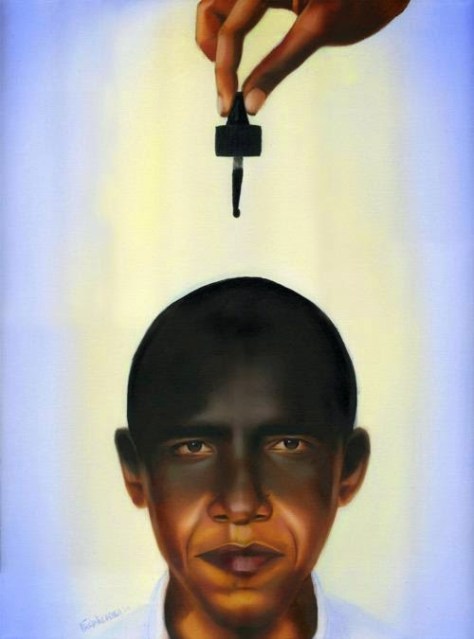
Barack Obama, born to a white American mother and a Black Kenyan father, was consistently identified by society as the first Black U.S. president. This classification followed the one-drop rule logic, even though his lineage was not linked to American slavery or the transatlantic slave trade. Obama’s presidency stirred pride and also complex racial discussions: Was he truly representative of the African American struggle if he was not a descendant of slaves?

Similarly, Meghan Markle, born to a Black mother and a white father, has been racially profiled and discriminated against—especially by British tabloids—despite having Eurocentric features and a light complexion. According to biblical lineage law, her father’s lineage (Gentile, non-Israelite) is what defines her bloodline. Yet under the one-drop rule, she is still considered Black—illustrating how race in the West is often defined not through scripture or science, but through oppressive legal and social constructs.


The Psychology of the One-Drop Rule

The one-drop rule functioned as a psychological weapon to maintain white racial purity and control the growing mixed-race population that resulted from white slave owners raping Black women. This imposed identity robbed many mixed-race children of their right to inherit from their white fathers, and simultaneously denied them access to white privilege.

The idea that one drop of Black blood “taints” a person reflects a belief in the superiority of whiteness and the contamination of Blackness. This psychology persists today, as lighter-skinned Black individuals are often socially pressured to “pick a side,” and multiracial identity is oversimplified.

Psychologists have noted that this binary racial system causes identity confusion, self-hatred, and intra-racial bias. Light-skinned Black individuals are sometimes distrusted within the Black community and marginalized in white spaces—an enduring legacy of forced classification.


Written Into Law

Here are a few major laws that codified the one-drop rule in the U.S.:

  • Virginia Racial Integrity Act (1924): Made it illegal for whites to marry anyone with even 1/16th Black ancestry.
  • Louisiana Act 46 (1908): Defined a “Negro” as anyone with one-thirty-second or more Black ancestry.
  • Tennessee Law (1910): Defined a person as Black if they had any trace of African ancestry.

These laws helped maintain segregation and denied equal rights to mixed-race individuals. Though many of these laws have been repealed or ruled unconstitutional (notably in Loving v. Virginia, 1967), their cultural influence lingers in America’s racial categorization system.


Conclusion

The one-drop rule is not a biblical principle but a man-made policy of racial control and white supremacist ideology. Its legacy persists through cultural perceptions and psychological conditioning that still affect racial identity in 2025. In contrast, the Bible teaches that one’s lineage is determined through the father’s seed, as seen in the Israelites’ tribal identification.

Figures like Barack Obama and Meghan Markle highlight the contradictions between scriptural lineage and Western racial constructs. By understanding these distinctions, we can begin to undo centuries of misinformation and restore a more truthful, biblically-aligned understanding of identity and heritage.


References

  • Higginbotham, A. L. (1978). In the Matter of Color: Race and the American Legal Process: The Colonial Period. Oxford University Press.
  • Williamson, J. (1980). New People: Miscegenation and Mulattoes in the United States. Free Press.
  • Numbers 1:18, Ezra 2:59, Nehemiah 7:61-64 — King James Bible with Apocrypha.
  • Davis, A. (2007). Race and Criminal Justice: One Drop, One Crime, and Racial Boundaries. Harvard Law Review.
  • Loving v. Virginia, 388 U.S. 1 (1967)

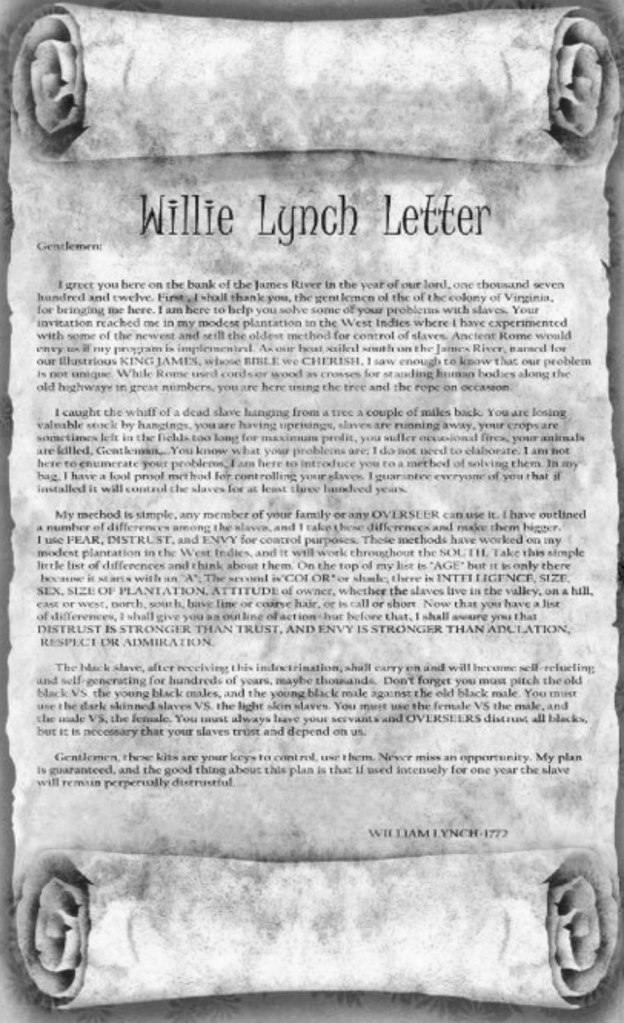
The Legacy of the Willie Lynch Letter: Historical Premise, Racial Division, and Its Ongoing Impact on Black Identity.

The Willie Lynch Letter—widely circulated as a blueprint for controlling enslaved Africans in America—is often cited in discussions surrounding the systemic psychological manipulation and division within the Black community. Although its authenticity has been heavily disputed, the letter remains symbolically powerful. Allegedly delivered by a British slave owner named Willie Lynch in 1712 on the banks of the James River in Virginia, the letter outlines methods to control slaves for generations by instilling division based on skin color, hair texture, age, gender, and other factors. Despite questions surrounding its historical veracity, the themes it presents remain painfully relevant in 2025.


Alleged Origins and Content of the Willie Lynch Letter

According to the document, Willie Lynch was invited from the West Indies to Virginia to share his “expertise” on slave management. The letter begins with Lynch addressing a group of slave owners, promising them a foolproof method to control their slaves for hundreds of years. He outlines a strategy rooted in psychological division, promoting distrust and disunity among slaves through systemic manipulation of differences—particularly skin color (“light vs. dark”), age (“old vs. young”), gender (“male vs. female”), and even hair texture (“nappy vs. straight”).

One of the most notable concepts from the letter is the separation of the enslaved into house Negroes and field Negroes. House slaves, often lighter-skinned due to being the children of white slave masters, were given relatively better living conditions, cleaner clothes, and closer proximity to their enslavers. They were often used to control or report on the darker-skinned field Negroes, who performed brutal labor in plantations under the hot sun. This intra-racial division served the slaveholders by preventing collective rebellion, as envy, mistrust, and intra-group conflict undermined unity.


Historical Debate: Fact or Fiction?

There is considerable scholarly consensus that the Willie Lynch Letter is a hoax. Historians point to linguistic inconsistencies, anachronisms (such as the use of the term “reflex” and modern grammar structures not used in the 18th century), and the lack of historical evidence of a person named Willie Lynch delivering such a speech in 1712. In fact, no credible record of Lynch’s existence or the letter’s origins exists in the colonial archives (Gates, 2003). Nevertheless, the Willie Lynch Letter endures in cultural consciousness because it reflects real strategies historically used to oppress and manipulate African-descended people in America.


Psychological Residue: Division by Design

Despite its dubious authorship, the letter’s ideology of engineered division has echoed throughout centuries of Black experience in the United States. The division by skin tone, known as colorism, has become deeply embedded within the community. Lighter-skinned individuals have often been afforded more social privilege, greater representation in media, and are sometimes perceived as more intelligent or attractive due to Eurocentric beauty standards (Hunter, 2007). This psychological warfare, seeded in slavery, continues to influence hiring practices, dating preferences, and self-esteem in the modern Black population.

Similarly, the division between field Negroes and house Negroes was metaphorically revived in the 1960s during the civil rights movement, particularly in Malcolm X’s speeches. Malcolm used these terms to describe the difference between the “complacent” Black elite who were comfortable within the white establishment (house Negroes) and the oppressed masses pushing for revolutionary change (field Negroes). His framing highlighted the enduring class-based and psychological divisions that hinder Black unity (X, 1963).


Relevance in 2025: The Lingering Divide

In 2025, the spirit of the Willie Lynch Letter remains manifest in subtle and overt ways. Intra-racial tensions still exist around complexion, hair texture, education, economic status, and gender roles. The media continues to elevate lighter-skinned, Eurocentric Black beauty while marginalizing darker-skinned individuals. Black women with natural hair still face discrimination in professional environments, despite the 2019 CROWN Act (Creating a Respectful and Open World for Natural Hair) aiming to combat hair-based bias (Davis, 2020).

Moreover, systemic racism is far from over. Police brutality, educational disparities, housing discrimination, and wage inequality remain daily realities for many African Americans. Movements like Black Lives Matter emerged as a response not just to violence, but also to the broader dehumanization of Black lives. Although progress has been made, including increased Black representation in politics, media, and academia, the legacy of divide-and-conquer tactics continues to erode unity and foster mistrust.


Conclusion

The Willie Lynch Letter, though likely a fabricated artifact, stands as a mirror reflecting real strategies historically employed to psychologically enslave African Americans through division and manipulation. Whether or not Willie Lynch himself existed, the ideology expressed in the letter has been tragically effective in shaping intergenerational trauma and conflict within the Black community. Recognizing and dismantling these residual effects is critical for healing and unity. In 2025, the challenge is no longer only external oppression, but also internalized division. Understanding our history—both factual and symbolic—is a necessary step toward liberation and solidarity.


References

  • Davis, A. (2020). Hair discrimination and the CROWN Act: A legislative response to anti-Black grooming policies. UCLA Law Review, 67(1), 1–25.
  • Gates, H. L. Jr. (2003). The ‘Willie Lynch Letter’: The Making of a Myth. The Root. Retrieved from https://www.theroot.com
  • Hunter, M. (2007). The Persistent Problem of Colorism: Skin Tone, Status, and Inequality. Sociology Compass, 1(1), 237–254.
  • Malcolm X. (1963). Message to the Grassroots. Speech delivered at King Solomon Baptist Church, Detroit.

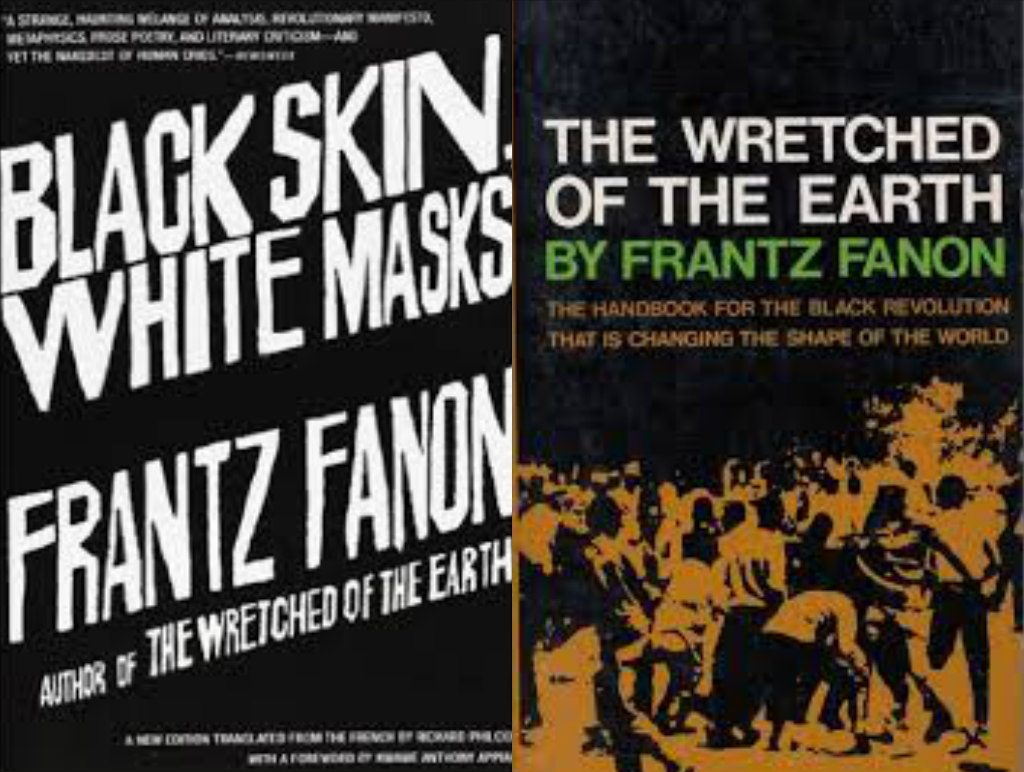
DOUBLE BOOK REVIEW: Black Skin, White Masks & The Wretched of the Earth by Frantz Fanon.

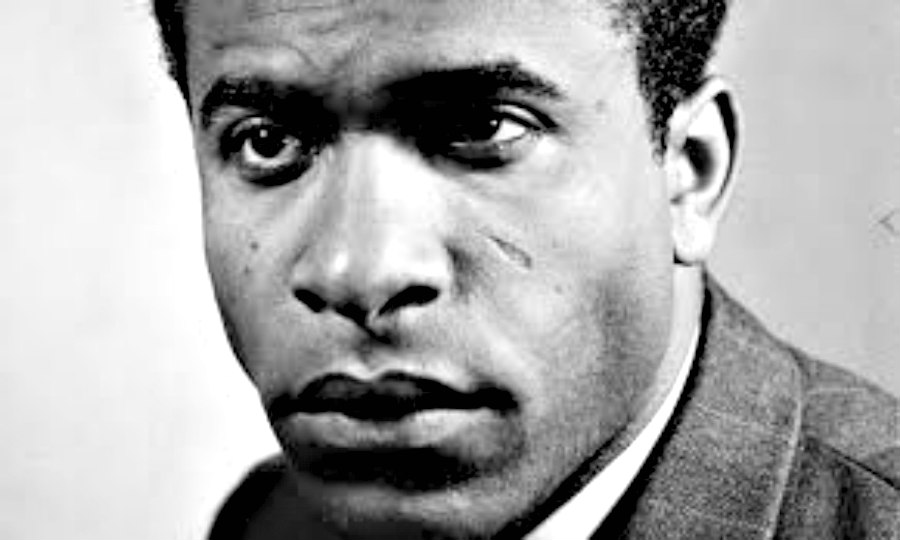
Frantz Fanon: The Revolutionary Mind of Black Liberation
Featuring Reviews of Black Skin, White Masks and The Wretched of the Earth


Who Was Frantz Fanon? Biography & Nationality

Frantz Omar Fanon was born on July 20, 1925, in Fort-de-France, Martinique, a French colony in the Caribbean. He was a Black psychiatrist, writer, revolutionary theorist, and anti-colonial activist. Fanon was of French nationality, since Martinique was a French territory, but he fiercely rejected colonial identity and became one of the most radical critics of French imperialism.

He grew up speaking French and was educated in the French system, but his experience as a Black man in a white-dominated society led him to reject colonial assimilation and instead advocate for African liberation.


His Marriage and Personal Life

Fanon married Josie (Marie-Josephe) Dublé, a white Frenchwoman, who was a nurse. This marriage sparked controversy, as Fanon wrote passionately against white colonialism and the psychological effects of internalized whiteness among Black people. Yet, he also saw personal relationships as complex and never viewed love solely through political binaries.

They had one son, Olivier Fanon.


His Language and Writing

Fanon wrote in French, and both of his major works have been translated into many languages, including English, Spanish, Arabic, and Portuguese, making his ideas accessible to freedom fighters and intellectuals around the world.


Life in Martinique and France: The Formation of a Revolutionary

Growing up in Martinique, Fanon was considered part of the Black middle class. However, he became deeply disillusioned with the racism of the French colonial structure, even in his homeland. He witnessed colorism, elitism, and a system that trained Black people to idolize whiteness.

He later moved to France to study psychiatry. As a young man, he fought in World War II for the Free French forces, believing in liberty and equality. But upon returning, he was met with the same anti-Black racism, even by those who had called him a fellow soldier. This double betrayal pushed him to rethink everything about colonialism, identity, and liberation.


Fanon wasn’t just a theorist; he joined the Algerian Revolution against French colonial rule, working as a psychiatrist and strategist for the National Liberation Front (FLN) in Algeria.

He treated Algerian fighters traumatized by war, and he exposed the use of torture by the French. His writings were not abstract—they were tools of war. The French authorities expelled him from Algeria for his radicalism, and he spent his remaining years helping liberation movements across Africa, including in Ghana and the Congo.


📘 Book Review: Black Skin, White Masks

⭐️⭐️⭐️⭐️⭐️

Published: 1952

Language: French (translated to English by Charles Lam Markmann)

Original Title: Peau Noire, Masques Blancs

This book is a psychological and philosophical dissection of what it means to be Black in a world built on white supremacy. Fanon dives deep into the Black psyche under colonialism, examining how racism shapes identity, self-worth, language, and love.

Key Messages and Themes:

  1. The Inferiority Complex of the Colonized:
    Black people, especially those educated in white systems, are taught to hate themselves and to wear “white masks” to be accepted.
  2. Language as a Tool of Oppression:
    Speaking French “well” became a way to be seen as civilized, but Fanon argued that this was a linguistic betrayal of self.
  3. Desire for Whiteness:
    Fanon was critical of Black men who sought white women to gain status, and Black women who rejected their own features for European beauty standards.
  4. Racism as a Mental Illness:
    He saw racism not just as social injustice but as a psychiatric condition—both for the oppressed and the oppressors.

“The Black man has no resistance against the white man’s culture. He becomes a mimic man.”
—Frantz Fanon, Black Skin, White Masks

🔥 Impact on the Black Psyche

The book shattered illusions. It revealed how colonialism invaded the mind, creating identity crises and self-hatred. It gave Black people language to understand their trauma and tools to decolonize the self.


📕 Book Review: The Wretched of the Earth

⭐️⭐️⭐️⭐️⭐️

Published: 1961 (just before his death from leukemia at age 36)

Translated by: Constance Farrington

Original Language: French

Introduction by: Jean-Paul Sartre

This is Fanon’s revolutionary manual, a blistering indictment of colonial violence and a blueprint for third-world liberation. Written from the frontlines of the Algerian War, it calls for armed struggle, psychological liberation, and national consciousness.

Key Messages and Chapters:

  1. “Violence is cleansing.”
    Fanon controversially argues that for the colonized to reclaim their dignity, violence is inevitable and purifying. It is how the oppressed reclaim agency.
  2. Mental Illness as a Colonial Weapon
    Fanon documents how colonial trauma causes paranoia, psychosis, and inferiority, especially among youth and fighters.
  3. Revolution Must Go Beyond Nationalism
    Independence is not enough. True liberation must dismantle capitalism, Western models of power, and Eurocentric values.
  4. Warning to Post-Colonial Elites
    Fanon criticized new African leaders who replaced white rulers but served the same Western interests, failing to uplift the masses.

“The colonized can see right away if decolonization is taking place or not. The minimum demand is for the colonized to govern their own country.”
—Frantz Fanon, The Wretched of the Earth


Why Was Fanon Revolutionary?

At a time when France still claimed moral superiority, Fanon exposed the brutality of its empire, tearing down illusions of liberal democracy. His insistence on psychological freedom, militant resistance, and cultural pride made him a hero to Black radicals and a threat to white colonial powers.


How Were Black People Seen in His Time?

In France and its colonies, Black people were exoticized, infantilized, and oppressed. They were taught that whiteness was superior, and “becoming French” was their highest goal. Fanon rejected this with rage and clarity.


Did His Light Skin Give Him Privilege?

Fanon was of mixed ancestry, and his relatively light skin may have given him closer access to French intellectual circles, but he rejected any identity built on proximity to whiteness. He used his position to amplify the pain and resistance of the oppressed, never to benefit personally.

His “je ne sais quoi” was not his skin—it was his brilliance, passion, and fearlessness.


What Was His Impact on Black People Worldwide?

Fanon inspired:

  • The Black Panther Party
  • South African anti-apartheid fighters
  • Caribbean and African revolutions
  • Black Lives Matter and global liberation movements
  • Scholars like bell hooks, Ngũgĩ wa Thiong’o, Angela Davis, and Malcolm X

His writings gave language to the rage and hope of colonized people and continue to empower those fighting white supremacy.


💡 Core Messages of Both Books

  • Colonialism is not just political—it is psychological.
  • Racism creates internalized hatred that must be unlearned.
  • Liberation requires both mental and physical decolonization.
  • Black identity must be rebuilt on truth, history, and cultural pride.
  • Freedom is not given—it must be seized.

Conclusion: The Fire That Still Burns

Frantz Fanon lived only 36 years, but he changed the world. He exposed the invisible chains in the Black mind and gave us tools to break them. His books are not just texts—they are weapons.

“Each generation must, out of relative obscurity, discover its mission, fulfill it, or betray it.”
—Frantz Fanon

Fanon fulfilled his mission. The question now is—will we fulfill ours?

BOOK REVIEW: Of Africa by Wole Soyinka

🌍✨

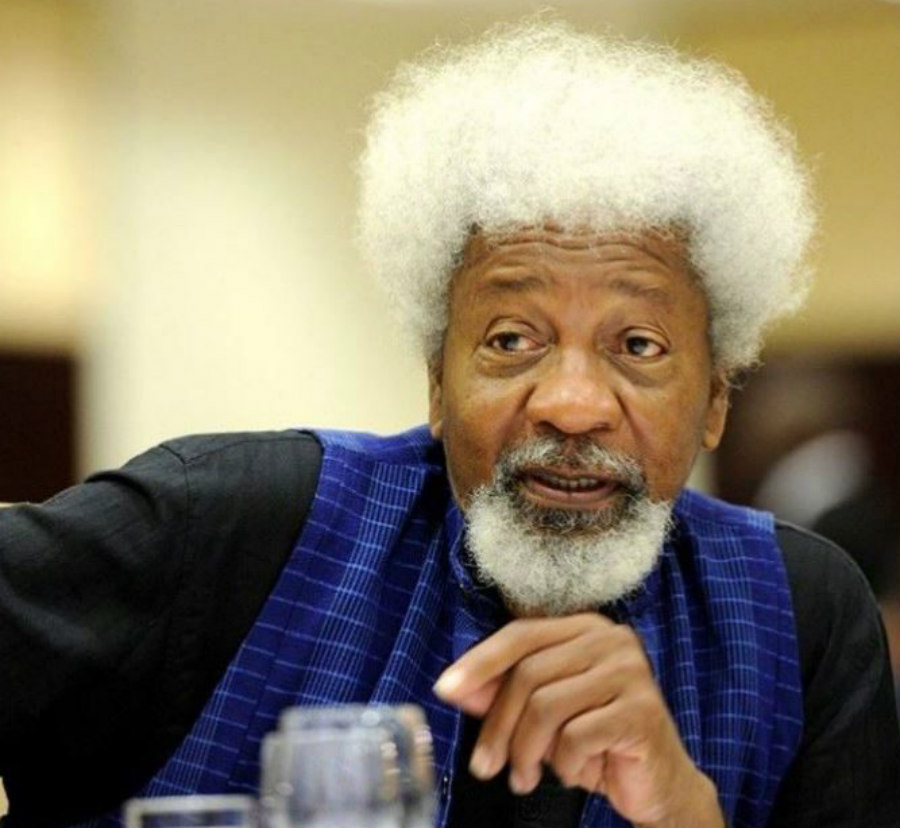
Wole Soyinka: Africa’s Lion of Letters, Conscience of a Continent
Featuring a 5-Star Review of Of Africa.


Who Is Wole Soyinka? A Biographical Portrait

“One’s own self-worth, in any racial equation, comes from within. Black people have been conditioned to see themselves through the lens of others, but we must break that mirror.”
—Wole Soyinka

Wole Soyinka (full name: Akinwande Oluwole Babatunde Soyinka) was born on July 13, 1934, in Abeokuta, Nigeria, during British colonial rule. He is one of Africa’s most revered playwrights, poets, novelists, essayists, and political activists, celebrated globally for his commitment to human rights, intellectual freedom, and the restoration of African dignity.

Soyinka made history in 1986 when he became the first African to win the Nobel Prize in Literature, honored for his poetic, theatrical, and political brilliance. The Nobel committee described him as someone who “in a wide cultural perspective and with poetic overtones fashions the drama of existence.”

Family Life

Wole Soyinka has been married three times. His current wife is Folake Doherty-Soyinka, a Nigerian academic. He is the father of several children, including Dr. Olaokun Soyinka, a physician and former health commissioner in Ogun State, Nigeria.


What Part of Africa Is He From?

Soyinka hails from Nigeria, specifically from the Yoruba ethnic group in the southwestern region. His upbringing was deeply influenced by Yoruba culture and Christian missionary education, which shaped the duality of indigenous spirituality and Western thought that marks his writing.


🧠 What Kind of Writer Is He?

Soyinka is a philosophical writer, dramatist, essayist, poet, and social critic, known for weaving together African mythology, colonial history, Western classics, and moral critique. His tone ranges from satirical and dramatic to elegiac and prophetic. He speaks not only for Nigeria but for the global African experience, standing as a literary giant akin to James Baldwin, Chinua Achebe, and Ngũgĩ wa Thiong’o.

“His gray-white halo speaks volumes, even when he says nothing.”
—A fitting tribute to the dignified, sage-like presence of Wole Soyinka.


📚 Five-Star Book Review: Of Africa

By Wole Soyinka
Rating: ⭐⭐⭐⭐⭐ (Masterpiece of Culture, Memory, and Identity)

Premise and Purpose

Published in 2012, Of Africa is a deeply personal, philosophical, and historical exploration of the continent’s struggles and triumphs. Soyinka aims to reclaim the spiritual and cultural identity of Africa from the misrepresentations of colonialism, slavery, and religious extremism. The book is part memoir, part manifesto, and part historical critique.

What Is Of Africa About?

Soyinka addresses the historical scars of Africa—from the transatlantic slave trade and colonialism to genocides, dictatorships, and religious intolerance. He reflects on the failures of post-independence leadership in many African states, while also uplifting the resilience, creativity, and spiritual wealth of African people.

Key Themes and Discoveries

  1. Spiritual Pluralism vs. Religious Fanaticism
    Soyinka condemns religious extremism, both Islamic and Christian, for fueling violence and suppressing indigenous African wisdom. He calls for religious tolerance and cultural syncretism, rooted in African traditions of peace and coexistence.
  2. Memory as Resistance
    He insists that remembering Africa’s true history—its empires, philosophies, and cosmologies—is essential for reclaiming Black identity and sovereignty.
  3. Pan-Africanism and Black Unity
    Soyinka invokes the diasporic connection between Africans on the continent and those in the Americas, the Caribbean, and Europe, urging solidarity and mutual uplift.
  4. Art as Weapon
    He advocates for the power of literature, drama, and poetry as tools for liberation and truth-telling.

“The black race is the most visible and symbolic victim of an enduring system of global injustice.”
—Wole Soyinka, Of Africa


Soyinka has used his pen, voice, and body in the fight for African liberation:

  • Imprisoned for nearly two years (1967–1969) by the Nigerian government for calling for peace during the Biafran War.
  • Spoke out against military dictatorships in Nigeria, particularly under Sani Abacha, risking exile and even his life.
  • Founded educational and cultural institutions that promoted African literature and history.
  • Mentored African writers, scholars, and activists, creating space for Black thought to flourish globally.

His intellectual work has inspired liberation movements, African-American scholars, and truth-seekers across the diaspora.


Wole Soyinka is a fierce human rights activist and political dissident. Throughout his life, he has challenged:

  • Colonialism
  • Military tyranny
  • Religious extremism
  • Western imperial narratives
  • Internal African corruption

He was forced into exile multiple times for his activism, but never silenced. His speeches, essays, and plays often act as calls to action.


His Role in Nigeria’s History

  • Participated in Nigeria’s civil rights movement during and after independence in 1960.
  • Fought for Biafran peace, which led to his arrest.
  • Opposed authoritarian regimes that suppressed civil liberties and looted the nation’s wealth.
  • Continues to speak out on matters of African governance, education, and Pan-African cooperation.

Wole Soyinka’s life and work are a testament to intellectual liberation for Black people worldwide. He:

  • Challenged white supremacy’s narrative of Africa as primitive.
  • Celebrated Yoruba cosmology, Black resilience, and artistic excellence.
  • Spoke unapologetically to the power, dignity, and capacity of Black people.
  • Helped restore Africa’s intellectual and cultural pride on the global stage.


Conclusion: The Elder Sage of African Letters

Wole Soyinka is not just a writer—he is a keeper of memory, a warrior of truth, and a griot for the global Black soul. His white-gray afro and piercing gaze symbolize a life lived in pursuit of justice and ancestral honor. He is a living bridge between the ancient African past and the liberated Black future.

If you’ve ever been fascinated by Africans, as you said, then Soyinka is one of Africa’s finest mirrors—reflecting truth, pain, beauty, resistance, and eternal pride.


Suggested Reading List by Wole Soyinka

  1. Of Africa (2012)
  2. Death and the King’s Horseman (1975) – A powerful play on colonial conflict and Yoruba ritual.
  3. Ake: The Years of Childhood (1981) – A beautiful autobiographical memoir.
  4. The Man Died: Prison Notes of Wole Soyinka (1972) – His reflections from solitary confinement.
  5. Myth, Literature and the African World (1976) – A profound study of African cosmology and art.

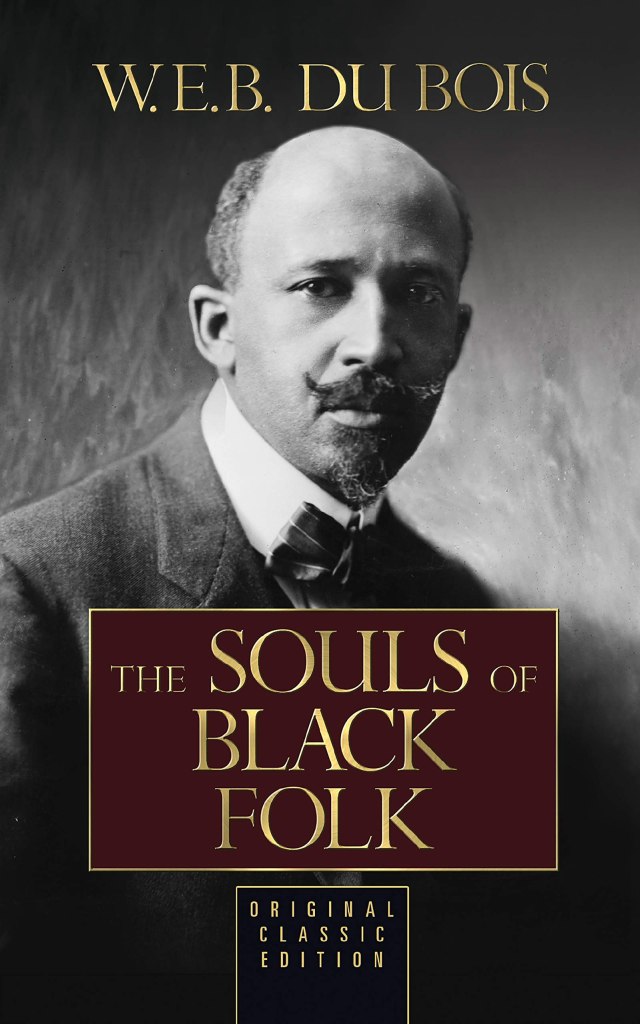
BOOK REVIEW: The Souls of Black Folk by W.E.B. Du Bois

W. E. B. Du Bois (1868–1963) was a pioneering African American scholar, sociologist, historian, author, and civil rights activist whose work transformed the intellectual and political landscape of the 20th century. Born in Great Barrington, Massachusetts, Du Bois was one of the first Black Americans to grow up in a predominantly white community with access to integrated schools. He went on to become the first Black person to earn a Ph.D. from Harvard University, later studying at the University of Berlin. A tireless advocate for racial equality, Du Bois challenged systemic racism through groundbreaking scholarship and bold public advocacy. His landmark 1903 work, The Souls of Black Folk, introduced the concept of double consciousness and called for the political, educational, and social uplift of African Americans. Du Bois co-founded the NAACP and used the power of the pen and protest to fight lynching, segregation, and disenfranchisement. His light skin, though sometimes noted by others, never distracted from his unwavering commitment to Black liberation; he used his voice, platform, and brilliance not for personal elevation but to awaken the conscience of a nation and demand justice for his people. Throughout his life, Du Bois remained a fierce critic of racism and an uncompromising advocate for the dignity, intellect, and future of Black humanity worldwide.

Version 1.0.0

📚 Book Review — The Souls of Black Folk by W. E. B. Du Bois

Rating: ⭐⭐⭐⭐⭐
Published: 1903

Premise & Overview

A foundational collection of essays introducing his theory of double consciousness—the enduring inner conflict experienced by Black Americans: “two souls, two thoughts… two warring ideals in one dark body” Owlcation+15Encyclopedia Britannica+15Biography+15. Du Bois rejects the philosophy of accommodation promoted by Booker T. Washington and calls for full civil rights, higher education, and leadership from the Black “Talented Tenth” Wikipedia+14Encyclopedia Britannica+14PBS+14.

Key Themes and Impact

  • Double Consciousness: The psychological toll of seeing oneself through white society’s contempt, leading to internal division Encyclopedia Britannica.
  • Critique of Washington’s Strategy: Du Bois charged that Washington “practicably accepts the alleged inferiority of the Negro races,” arguing that his approach would perpetuate submission The New Yorker+15Encyclopedia Britannica+15Wikipedia+15.
  • Higher Education & Political Rights: He championed classical education and equal voting rights to produce leaders who could uplift the race Biography+2Reddit+2Reddit+2.
  • Pan-African Vision: Du Bois writes about a global color line and anticipated colonial revolutions and Pan-African unity Wikipedia.

How It Changed Black Lives

  • Served as the intellectual bedrock of the NAACP and the civil rights movement, providing theoretical clarity and radical urgency Encyclopedia BritannicaPBS.
  • Spurred the rise of the Black middle class via legitimizing higher education and civic activism Wikipedia.
  • Became a founding text of Black protest literature, galvanizing generations of activists and scholar-intellectuals Reddit+2Reddit+2Reddit+2.

Celebration & Reception

Awards and Honors

  • The book itself did not win contemporary awards, but it has been honored as a cornerstone of Black literature and thought.
  • The two-volume biography of Du Bois by David Levering Lewis won Pulitzer Prizes in 1993 and 2000 AP News+1TIME+1.


🔑 What Did Du Bois Advocate?

  • Political agitation and protest—not silence or submission.
  • Development of the Talented Tenth—educated Black leaders to guide the masses and achieve justice WikipediaWikipedia+2PBS+2Reddit+2.
  • A refusal to “put further dependence on the help of the whites” and a call for self-reliant organization and nationalist thinking Wikipedia.

🌍 Historical Legacy

  • Du Bois changed American history by legitimizing Black intellectual power, clarifying racial injustice as a national crisis, and fueling the NAACP’s civil rights agenda.
  • His concept of double consciousness is foundational to race and identity studies today.
  • His insistence on education, political rights, and fuller participation transformed prospects for generations of Black Americans.

Conclusion

The Souls of Black Folk is a masterwork—part sociological insight, part moral manifesto, part spiritual meditation. It demanded dignity, equality, and intellectual excellence. W. E. B. Du Bois stood as the voice of Black reason and rebellion. His legacy continues to inspire those who believe in the power of truth, education, and uncompromising justice.