Tag Archives: hebrews

The Virtuous Woman and the Faithful Man: Biblical and Psychological Foundations of Lasting Commitment.

Photo by August de Richelieu on Pexels.com


“A faithful man shall abound with blessings: but he that maketh haste to be rich shall not be innocent.”Proverbs 28:20, KJV


The quest for faithfulness in romantic relationships has been a timeless pursuit across cultures, religions, and psychological studies. While both men and women desire loyalty, there is a particular question that resonates deeply: What kind of woman attracts and sustains the affection of a faithful man? A faithful man is one whose loyalty is not circumstantial but grounded in moral conviction, spiritual discipline, and personal integrity. The “cream of the crop” woman—who inspires and maintains this devotion—embodies a rare combination of biblical virtue and psychological intelligence. To understand this dynamic, one must analyze both the attributes of such a woman and the inner workings of a truly faithful man.

The Biblical Portrait of a Desirable Woman

The KJV Bible presents the quintessential model of feminine excellence in Proverbs 31:10: “Who can find a virtuous woman? for her price is far above rubies.” This virtuous woman is industrious, wise, nurturing, and God-fearing. Her attractiveness is not primarily physical—though physical beauty can be a factor—but is deeply rooted in her character. She honors God, respects her husband, and uses her wisdom to build her household rather than tear it down (Proverbs 14:1). From a psychological perspective, such women tend to display high emotional intelligence (Goleman, 1995), empathy, and resilience, which strengthen relational bonds and foster trust.

Attributes of the “Cream of the Crop” Woman

A woman who attracts and keeps a faithful man is not merely appealing in appearance, but she embodies qualities that align with both biblical and psychological ideals. She is self-respecting, confident without arrogance, nurturing yet strong in conviction, and committed to personal growth. Such women set healthy boundaries, communicate effectively, and practice self-control—qualities shown in psychological studies to correlate with relationship satisfaction (Gottman & Silver, 1999). Her character invites respect, and her presence inspires a man to become the best version of himself.

Defining a Faithful Man

A faithful man is one who remains loyal to his commitments in word, thought, and deed. In the biblical sense, his fidelity flows from his devotion to God. Psalm 101:2-3 declares, “I will walk within my house with a perfect heart. I will set no wicked thing before mine eyes.” A man must first be faithful to God before he can be faithfully devoted to his wife. Without a vertical alignment of his spiritual priorities, his horizontal relationships are vulnerable to compromise. This is consistent with psychological findings that personal values and moral convictions are strong predictors of long-term faithfulness (Mark et al., 2011).

Why Many Men Fail to Remain Faithful

Despite the ideal, many men fall short of fidelity. Biblically, this failure often stems from sin and a lack of spiritual discipline (James 1:14-15). Psychologically, men may cheat due to unmet emotional needs, lack of impulse control, low relationship satisfaction, or a thrill-seeking personality (Allen et al., 2005). Cultural factors, including media normalization of infidelity, further erode moral boundaries. Without intentional resistance to temptation, even men with seemingly strong commitments can falter.

Mastering the Flesh: Sexual Self-Control

Scripture repeatedly calls men to master their sexual appetites. 1 Thessalonians 4:3-4 teaches, “For this is the will of God, even your sanctification, that ye should abstain from fornication: That every one of you should know how to possess his vessel in sanctification and honour.” A faithful man learns to discipline his body and mind, guarding his eyes, thoughts, and actions. Psychologically, sexual self-control is linked to delayed gratification and impulse regulation—skills that can be developed through mindfulness, accountability, and spiritual devotion (Baumeister & Tierney, 2011).

The Intersection of Faithfulness and Relationship Stability

When a man’s faithfulness is reinforced by his commitment to God, and a woman’s character is shaped by virtue and emotional intelligence, the foundation for a lasting relationship is established. This mutual alignment creates an environment of trust, security, and mutual respect. Such relationships resist external temptations because both partners prioritize covenant over convenience.

Conclusion

The faithful man is a rarity, but not an impossibility. The woman who attracts such a man does so not by manipulation or mere outward allure, but by embodying godly virtue and psychological wisdom. A faithful man’s devotion to his wife begins with his devotion to God, while a woman’s ability to inspire such loyalty rests in her capacity for wisdom, self-respect, and godliness. In a culture plagued by broken promises, the union of a virtuous woman and a faithful man stands as a beacon of what love can—and should—be.


References

Allen, E. S., Atkins, D. C., Baucom, D. H., Snyder, D. K., Gordon, K. C., & Glass, S. P. (2005). Intrapersonal, interpersonal, and contextual factors in engaging in and responding to extramarital involvement. Clinical Psychology: Science and Practice, 12(2), 101–130.

Baumeister, R. F., & Tierney, J. (2011). Willpower: Rediscovering the greatest human strength. New York: Penguin Press.

Goleman, D. (1995). Emotional intelligence. New York: Bantam Books.

Gottman, J. M., & Silver, N. (1999). The seven principles for making marriage work. New York: Crown.

Mark, K. P., Janssen, E., & Milhausen, R. R. (2011). Infidelity in heterosexual couples: Demographic, interpersonal, and personality-related predictors of extradyadic sex. Archives of Sexual Behavior, 40(5), 971–982.

The Holy Bible, King James Version.
Dilemma: Deuteronomy 28

The Black Experience: Prophecy or History Repeating?

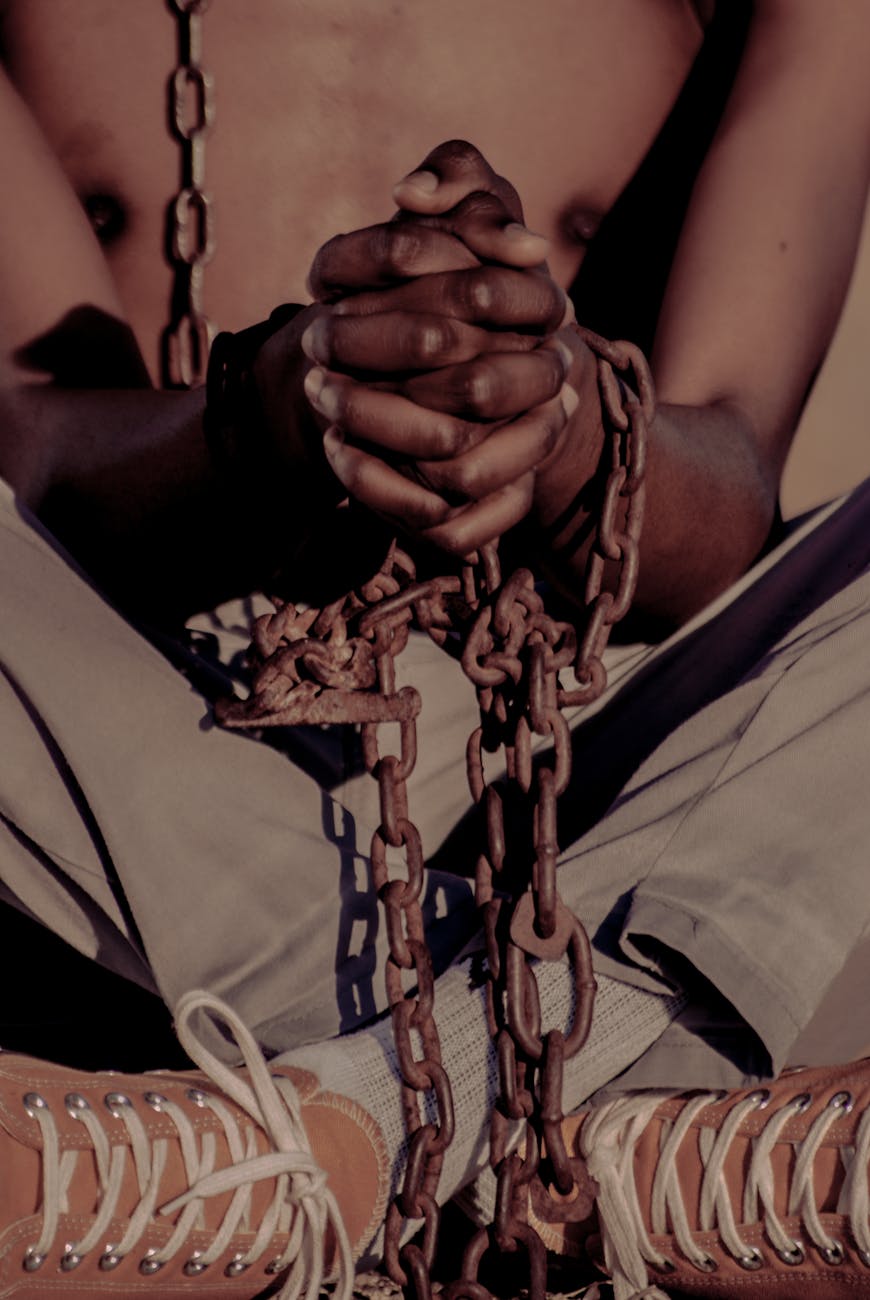
Photo by Thato Moiketsi on Pexels.com


The twenty-eighth chapter of Deuteronomy in the King James Version (KJV) is one of the most striking passages in the Bible because of its detailed account of blessings for obedience and curses for disobedience. For centuries, many have read this chapter as a prophetic warning to ancient Israel. However, within the Black community—particularly among African Americans and the African diaspora—Deuteronomy 28 has been seen as more than distant history. Its descriptions of exile, suffering, and generational struggle resonate deeply with the legacy of slavery, systemic oppression, and the enduring trials faced by Black people today.


What Deuteronomy 28 Means (KJV Context)

Deuteronomy 28 outlines two distinct paths:

  • Verses 1–14 – Blessings for obedience to God’s commandments: prosperity, victory over enemies, fruitful land, and respect among nations.
  • Verses 15–68 – Curses for disobedience: poverty, disease, oppression, exile, enslavement, and a loss of identity.

For example:

“The LORD shall cause thee to be smitten before thine enemies… thou shalt be removed into all the kingdoms of the earth.” (Deut. 28:25, KJV)
“And the LORD shall bring thee into Egypt again with ships… and there ye shall be sold unto your enemies for bondmen and bondwomen, and no man shall buy you.” (Deut. 28:68, KJV)

In biblical times, “Egypt” symbolized bondage. The reference to ships in verse 68 has been interpreted by many in the African diaspora as a prophetic mirror to the transatlantic slave trade.


How It Affects Black People Today

For many descendants of the transatlantic slave trade, Deuteronomy 28 feels eerily personal:

  • Loss of Homeland & Identity – The scattering of Israelites into foreign nations parallels the forced removal of Africans from their native lands, stripping away language, culture, and heritage.
  • Generational Oppression – The curses describe cycles of poverty and violence that continue to plague Black communities worldwide.
  • Cultural Disconnection – Enslavement replaced ancestral traditions with foreign religions, names, and lifestyles, creating a fractured sense of self.

This sense of displacement—spiritual, cultural, and physical—has left an imprint that still affects Black people’s self-perception, unity, and empowerment.


Is History Repeating Itself?

While the transatlantic slave trade has ended, its legacy persists in new forms:

  • Mass Incarceration – A modern system echoing the chains of the past.
  • Police Brutality – Public killings and abuse as an extension of historical racial violence.
  • Economic Inequality – Wealth gaps between Black communities and white counterparts remain rooted in systemic barriers from slavery and Jim Crow.
  • Global Displacement – Migration crises and gentrification uproot Black families from established communities.

These parallels suggest that although the methods have changed, the core patterns of oppression remain. In this sense, history is not merely repeating—it is evolving in ways that still reflect the curses described in Deuteronomy 28.


Trials and Tribulations of the Black Experience

From enslavement to present-day systemic injustice, Black people have endured:

  • Enslavement & Forced Labor – Centuries of physical bondage and exploitation.
  • Lynchings & Racial Terrorism – The use of fear to maintain racial hierarchies.
  • Educational Barriers – Underfunded schools and restricted access to higher learning.
  • Cultural Appropriation – The theft and monetization of Black creativity without proper recognition or benefit.
  • Health Disparities – Higher rates of preventable diseases due to unequal access to care.

These struggles align with the “yoke of iron” (Deut. 28:48) that speaks not just to physical chains, but to social, economic, and psychological oppression.


Why Are We Going Through This?

From a biblical perspective, the trials faced by Black people can be seen through the lens of covenant relationship. In the Hebrew Scriptures, disobedience to God brought consequences upon Israel. Theologically, some interpret the suffering of the African diaspora as part of a divine chastisement that calls for repentance, unity, and a return to God’s commandments.

From a historical lens, the reason lies in systemic exploitation and white supremacy, which have sought to control, divide, and profit from Black labor and culture for centuries. Both spiritual and political explanations reveal that our suffering has roots deeper than mere coincidence.


Why Did This Separate Us?

Deuteronomy 28 speaks of being “scattered among all people” (v. 64). The scattering of African peoples through slavery physically separated families and tribes. Colonialism and forced assimilation further divided communities, creating:

  • Fragmented Identity – Different surnames, languages, and religions within the same bloodline.
  • Division by Colorism – A lingering byproduct of slavery’s “divide and rule” tactics.
  • Cultural Amnesia – Loss of collective memory about African kingdoms, traditions, and biblical heritage.

This separation weakens unity, making it harder for Black communities to mobilize for collective liberation.


Conclusion: Prophecy and Purpose

Whether one views Deuteronomy 28 as ancient prophecy directly describing the African diaspora or as an allegorical warning, the parallels are undeniable. The chapter reads like both a historical account and a prophetic mirror reflecting the Black experience—past and present.

Yet within the same chapter lies hope: the blessings that come with obedience, unity, and spiritual restoration. If the curses came to pass, so too can the promises of restoration, prosperity, and freedom. Our history may feel like it’s repeating, but prophecy also offers the possibility of breaking the cycle.

“And the LORD thy God will turn thy captivity, and have compassion upon thee, and will return and gather thee from all the nations…” (Deut. 30:3, KJV)

The call, then, is not only to recognize the pattern but to rise above it—spiritually, culturally, and collectively—so history’s repetition ends with us.

Dilemma: 🤔gods🤔

Photo by Dino Uniyal on Pexels.com

In Scripture, the term “god” (Hebrew: elohim, אֱלֹהִים) refers to any being, entity, or object to which humans attribute supreme power, reverence, or devotion—whether real or imagined. A god can be the true and living Creator, YHWH (Yahweh), or a false entity that receives misplaced loyalty and worship (Psalm 82:6; Deuteronomy 10:17).

The Human Psyche and the Urge to Worship

Humans are innately spiritual beings (Ecclesiastes 3:11), created with a longing for transcendence, meaning, and connection to something greater than themselves. Psychologically, people often seek gods because:

  1. Security: A god—whether divine or false—represents protection against chaos and uncertainty.
  2. Identity: People derive self-worth and belonging through alignment with their chosen deity or ideology.
  3. Control: By pleasing or appeasing a “god,” humans believe they can influence their destiny or environment.
  4. Projection: Often, gods are human ideals magnified—projecting human desires, fears, and values into a divine image.

When people reject the Most High, this spiritual vacuum is filled with substitutes (Romans 1:21-23).


Can a Person Be a God to Themselves?

Yes—self-worship is one of the most dangerous forms of idolatry. In modern psychology, this aligns with narcissism and self-deification, where one’s own desires, opinions, and ambitions override divine authority. The serpent’s temptation to Eve—“Ye shall be as gods” (Genesis 3:5)—remains a core seduction today, manifesting in philosophies that glorify self-rule, self-sufficiency, and self-exaltation above God’s will.


Can We Make People Into Gods?

Absolutely. Throughout history, rulers, celebrities, and leaders have been elevated to godlike status—given unquestioned loyalty, devotion, and imitation. In biblical times, Pharaoh and Nebuchadnezzar demanded worship (Daniel 3:4-6). Today, celebrity culture, political cults, and even certain religious leaders receive reverence that rivals or replaces God (Acts 14:11-15).


What Is an Idol?

An idol (pesel, פֶסֶל in Hebrew) is a physical or conceptual representation of a false god. Idolatry is not limited to carved statues—it includes anything that replaces God as the ultimate object of trust, love, and obedience. Paul warns that covetousness itself “is idolatry” (Colossians 3:5), showing that the heart can worship possessions, not just figures.


Present-Day Gods

In modern society, gods often disguise themselves as “normal” pursuits or values, but they carry the same spiritual consequences as ancient idols:

  1. Money & Wealth (Mammon) – Matthew 6:24 warns we cannot serve God and riches.
  2. Celebrities & Influencers – People mimic lifestyles and values that oppose biblical truth.
  3. Government & Political Systems – When allegiance to a political ideology supersedes loyalty to God’s kingdom.
  4. Technology & Social Media – Consuming devotion, shaping thought, and determining self-worth.
  5. Self & Personal Ambition – The rise of “manifest your own destiny” culture, ignoring God’s sovereignty.
  6. Relationships & Romantic Partners – Placing human love above God’s will.
  7. Pleasure & Entertainment – Prioritizing comfort and leisure over holiness and service.

Impact on Humanity

Modern gods subtly reshape human values, causing moral relativism, loss of reverence for God, and increasing self-centeredness. They fragment societies by promoting division, consumerism, and endless comparison. Most dangerously, they redirect worship from the Creator to the creation (Romans 1:25), blinding people to truth and righteousness.

(Exodus 20:3, KJV)

Meaning in Biblical Context

This is the first commandment, and it sets the foundation for all the others. In Hebrew, it literally means, “You shall not have any other gods in My presence.” God is declaring that He alone is to be worshiped, loved, obeyed, and trusted as the ultimate authority.

In ancient times, “gods” often referred to literal idols or deities worshiped by surrounding nations (Baal, Ashtoreth, Ra, Zeus, etc.). For Israel, this command was a direct rejection of polytheism and idolatry, calling for exclusive covenant loyalty to the one true God (Deuteronomy 6:4–5).


Spiritual Principle

  • God desires exclusive devotion.
  • Anything we place above Him in importance—whether physical, emotional, or spiritual—becomes a “god” to us.
  • Worship is not just bowing to an idol—it’s where we give our deepest loyalty, time, trust, and affection.

How People Break This Commandment Today

Even without bowing to statues, people still violate this commandment through modern forms of idolatry. Here’s how:

  1. Materialism & Consumerism
    • Treating wealth, possessions, or luxury brands as the highest goal in life.
    • Example: Someone who sacrifices integrity, relationships, and health just to get more money or status symbols is effectively worshiping material wealth.
      (Matthew 6:24 – “Ye cannot serve God and mammon.”)
  2. Career or Ambition as a “God”
    • Obsessing over professional success to the point where it overshadows faith, morality, and relationships.
    • Example: A person who neglects worship, family, and personal well-being for a job promotion.
  3. Celebrity and Influencer Worship
    • Idolizing musicians, actors, athletes, or social media figures—treating their opinions or lifestyles as more important than God’s Word.
    • Example: Mimicking every fashion, belief, or action of a celebrity, even when it goes against biblical principles.
  4. Self-Worship
    • Prioritizing personal image, pleasure, and independence over God’s will.
    • Example: Living by “my truth” rather than God’s truth, and valuing personal comfort above obedience to Scripture.
  5. Technology and Entertainment
    • Allowing social media, gaming, or streaming platforms to consume most waking hours.
    • Example: Spending 6–8 hours a day online but having “no time” for prayer or Scripture.
  6. Relationships as Idols
    • Placing a romantic partner, spouse, or friend in the place of God.
    • Example: Compromising moral convictions just to keep someone’s affection.
  7. New Age or Occult Practices
    • Seeking spiritual power, guidance, or protection from crystals, astrology, or witchcraft instead of God.
    • Example: Checking a horoscope daily for decision-making rather than praying for guidance.

Why This Commandment Still Matters

Placing anything “before God” distorts our priorities, erodes our moral compass, and draws us away from our source of life and truth. As Jesus said, the greatest commandment is to “love the Lord thy God with all thy heart, and with all thy soul, and with all thy mind” (Matthew 22:37, KJV).

When God is truly first, every other area—relationships, work, health, finances—finds its proper balance.


🤍A NEEDLE IN THE HAYSTACK🤍

The Measure of a Godly Man: Provider, Priest, and Protector


Photo by Luca Nardone on Pexels.com

A Needle in the Haystack: Honoring the Rare Man After God’s Own Heart

In a world of shifting values and shallow definitions of masculinity, the Godly man stands out—not for his noise, but for his depth. He is not easily found, nor is he loudly celebrated. He is rare—a needle in the haystack, a living testimony to what it means to be a man after God’s own heart.

The Quiet Strength of a Godly Man

He does not lead with arrogance or ego. His strength is measured in silence, in discipline, in the weight he bears for those he loves. He is not shaped by culture, but by covenant. He walks with quiet fire, with vision that reaches generations. This man lives beneath the surface of trends and hype, rooted instead in biblical truth and eternal values.

“A needle in the haystack’s maze,
A rare gem in a reckless age.”

A Lover of God, First and Foremost

Above all else, this man is devoted to God. His intimacy with the Father defines every other role he plays. He does not seek approval from men, but walks humbly before the throne of grace. Like King David, he is not perfect—but he is penitent, pursuing God with a whole heart.

“A lover of the Lord Most High,
With tear-stained prayers and lifted eyes.
He bends his knee before the throne,
Before he leads, he’s led alone.”

Priest, Provider, and Protector of the Home

He embraces his God-ordained role as priest of the home, standing in spiritual authority while washing his family in love and wisdom. He provides—not just materially, but emotionally, mentally, and spiritually. He is a safe place and a strong tower for his wife and children.

“He is a priest, he is a shield,
A man whose heart has been revealed.
Through trials fierce and battles deep,
He sows the Word, his children reap.”

“A provider, not by wealth alone,
But through the seeds of love he’s sown.
He leads with action, not with talk—
His life, a sermon when he walks.”

A Husband Who Honors and Cherishes

To his wife, he is gentle yet strong, a man who knows how to cover and nurture. His love is not performance-based; it is rooted in covenant. He honors her role, values her voice, and builds her up with his words and actions.

“He is a husband, strong yet kind,
Who cherishes his bride’s design.
Not just in touch, but in his tone—
He makes her feel safe, seen, and known.”

A Father Who Shapes Destiny

This man understands the weight of fatherhood. He doesn’t just father children—he fathers futures. He teaches, corrects, affirms, and protects. His children rise blessed because he walks in integrity (Proverbs 20:7, KJV).

“He is a father, wise and true,
Who builds with faith and labors too.
He trains his sons, he lifts his girls,
He guides with grace in a shaking world.”

A Man of Integrity, Not Image

Unlike the “dusty” man—who refuses to provide, demands 50/50, and dodges responsibility—this man shows his love through action. He doesn’t just speak of loyalty and vision—he lives it. He leads not to be served, but to serve. He chooses legacy over lust, and covenant over convenience.

“He doesn’t just command respect—he earns it.”

Conclusion: Blessed is She Who Finds Him

Men like this are not found every day. They are formed in fire, refined by grace, and led by Spirit. They are the exception, not the rule. For the woman who finds such a man, she has found more than a husband—she has found a reflection of God’s own heart.

“So rare he is, so few remain—
A remnant in a world profane.
A man of covenant, not charm—
Whose life is shelter, truth, and calm.”

“A needle in the haystack’s depth,
A holy flame, a living breath.
A Godly man, so few will find—
But blessed is she who calls him mine.”


A Godly man is not defined by charm, charisma, or credentials—but by his commitment to righteousness, his faithfulness to God’s Word, and his unwavering love for his family. He is the anchor of the home, the pillar of wisdom, and the guardian of legacy. He is a rare find—a needle in a haystack—whose presence reflects the strength and spirit of the Most High.


The Divine Duty: Man as Provider and Priest

God created man to lead, provide, and protect. From the beginning, Adam was placed in the garden to “dress it and keep it” (Genesis 2:15, KJV)—a calling of labor, stewardship, and responsibility. The New Testament echoes this eternal charge: “But if any provide not for his own, and specially for those of his own house, he hath denied the faith, and is worse than an infidel” (1 Timothy 5:8, KJV).

Provision is not merely financial. A Godly man provides security, vision, wisdom, and love. He covers his wife in prayer, counsels his children in truth, and builds a legacy rooted in faith. Like Joshua, he declares, “But as for me and my house, we will serve the Lord” (Joshua 24:15, KJV). He is the priest of the home, walking in integrity, standing in the gap, and leading his household in righteousness.


The Dusty Man: A Counterfeit Masculinity

In stark contrast stands the dusty man—a modern byword for the irresponsible, entitled, and unprincipled male. He is not just poor in finances—he is poor in character. He demands 50/50 from a woman while offering nothing in spiritual leadership, monetary, or covering. He wants partnership without sacrifice, intimacy without commitment, benefits without burden. He is like the man described in Proverbs: “As a bird that wandereth from her nest, so is a man that wandereth from his place” (Proverbs 27:8, KJV).

The dusty man wants a Proverbs 31 woman but fails to be an Ephesians 5 husband. He speaks of love but shows no action. Yet the Word is clear: “My little children, let us not love in word, neither in tongue; but in deed and in truth” (1 John 3:18, KJV). Love is an action word. It is not proven by gifts or words alone, but by consistent self-sacrifice and the pursuit of the other’s good.

He lies in wait for women to build with him, only to later abandon them. He fathers children but forsakes the role of fatherhood. The Word warns: “He that troubleth his own house shall inherit the wind” (Proverbs 11:29, KJV). This man builds nothing because he invests in nothing but himself.


Faithful Men vs. The Unfaithful: Fruit vs. Failure

A faithful man is not ruled by lust but led by love. He is a man who resists temptation and honors covenant. “The just man walketh in his integrity: his children are blessed after him” (Proverbs 20:7, KJV). He builds trust over time and leads his home with dignity and strength. His love is patient, long-suffering, kind, and consistent (1 Corinthians 13:4–7).

In contrast, the unfaithful man is unstable in all his ways. He may charm with his words, but his actions betray him. He leaves broken homes, broken hearts, and broken children behind. The Bible is clear that “A double minded man is unstable in all his ways” (James 1:8, KJV). A man that does not take care of his family, in heart or in hand, has rejected the very image of the Father—for our heavenly Father never abandons His children.


Strength Over the Flesh: Becoming a Man of Discipline

A strong man is not one who dominates others—but one who governs himself. “He that is slow to anger is better than the mighty; and he that ruleth his spirit than he that taketh a city” (Proverbs 16:32, KJV). Overcoming the flesh is not easy, but it is essential. The Godly man crucifies his desires daily (Galatians 5:24), submits his mind to Christ (Romans 12:2), and disciplines his eyes, thoughts, and body for the glory of God.

He knows the price of obedience, and he pays it—because eternity is more valuable than momentary pleasure.


What a Godly Man Looks for in a Godly Woman

A man of the Most High does not seek vanity but virtue. He desires a woman with modesty of heart, not just modesty of dress. A woman who fears the Lord (Proverbs 31:30), whose speech is seasoned with grace, and whose spirit is clothed in humility (1 Peter 3:4). She is not loud and clamorous, but wise and peaceable. She edifies, she uplifts, and she understands that submission is strength, not slavery.

He does not fear a strong woman—but he honors one who knows when to lead and when to follow. He seeks a helpmeet, not a hindrance—a partner in purpose, a warrior in prayer, and a queen who walks in the fear of the Lord.


The True Leader: A Man After God’s Own Heart

The Godly man is open-hearted, yet discerning. Open-minded, yet grounded in Scripture. He is a student of truth, a lover of wisdom, and a man who leads with clarity and conviction. He is faithful, generous, and honest—even when it costs him. He is a shepherd to his family, not a tyrant; a servant-leader who lays down his life, just as Christ did for the Church (Ephesians 5:25).

He doesn’t just command respect—he earns it.


Final Word: The Legacy of a Righteous Man

The Godly man is a rare jewel in a generation of dust and deceit. He builds, he prays, he stays. He doesn’t run from responsibility—he embraces it. He is a father to the fatherless, a husband of honor, and a man after God’s own heart (Acts 13:22).

Final Thoughts

In a time where masculinity is often misunderstood or misrepresented, the world desperately needs fathers, husbands, and leaders who reflect the love, discipline, and courage of Christ. These men may not trend online—but they will transform families, strengthen communities, and shake generations.

They are the few.
They are the faithful.
They are the rare

Let men rise to the calling. Let them walk as kings and priests in their homes (Revelation 1:6). Let them forsake childish ways, overcome the flesh, and love not in word only, but in deed and truth.

Because real men don’t just say they love—they show it.

Dilemma: The 10 Commandments

Photo by Joshimer Biu00f1as on Pexels.com

The Ten Commandments – A Detailed Biblical Study Guide

(Exodus 20:1–17, KJV)


1. “Thou shalt have no other gods before me.” (Exodus 20:3)

Original Hebrew Meaning:
The Hebrew phrase “לֹא־יִהְיֶה לְךָ אֱלֹהִים אֲחֵרִים עַל־פָּנָיַ” (Lo yiheye lekha elohim acherim al panay) literally means, “You shall not have other gods before My face.” It implies exclusive loyalty and devotion, rejecting all forms of polytheism and spiritual competition.

Modern Application:
God must be first in every area—relationships, ambitions, finances, and decisions. Worship is not just religious ritual but placing trust, love, and obedience in Him above all.

Common Modern Violations:

  • Prioritizing career, money, fame, or relationships over God.
  • Seeking identity in culture, politics, or personal achievements before God’s truth.
  • Following spiritual movements (New Age, occult) instead of God’s Word.

2. “Thou shalt not make unto thee any graven image…” (Exodus 20:4–5)

Original Hebrew Meaning:
The Hebrew term for “graven image” is pesel (פֶסֶל), meaning a carved, sculpted, or manufactured idol. God forbids making physical representations for worship because no image can capture His essence (Deuteronomy 4:15–16).

Modern Application:
Worship God as Spirit (John 4:24), not through objects, symbols, or traditions. Avoid giving human-made things the reverence only God deserves.

Common Modern Violations:

  • Treating religious statues, crosses, or paintings as magical.
  • Idolizing technology, possessions, or even a church leader.
  • Allowing objects to take emotional/spiritual priority over God’s truth.

3. “Thou shalt not take the name of the LORD thy God in vain.” (Exodus 20:7)

Original Hebrew Meaning:
The Hebrew phrase “לֹא תִשָּׂא אֶת־שֵׁם־יְהוָה אֱלֹהֶיךָ לַשָּׁוְא” means “You shall not lift up/carry the name of Yahweh your God for emptiness/falseness.” It includes speech, oaths, and actions that dishonor His name.

Modern Application:
Speak of God with respect, integrity, and truth. Represent His character accurately in word and deed.

Common Modern Violations:

  • Using God’s name as a curse or casual exclamation.
  • Swearing false oaths “in God’s name.”
  • Claiming to follow God while living in open hypocrisy.

4. “Remember the sabbath day, to keep it holy.” (Exodus 20:8–11)

Original Hebrew Meaning:
“Sabbath” comes from shabbat (שַׁבָּת), meaning “rest” or “cease.” God’s command was to set apart the seventh day as sacred—resting from work and dedicating it to Him.

Modern Application:
Set aside time each week for worship, spiritual renewal, and rest. Trust God’s provision instead of working endlessly.

Common Modern Violations:

  • Neglecting worship to pursue business or entertainment.
  • Treating God’s day as just another workday.
  • Using rest days selfishly with no focus on God.

5. “Honour thy father and thy mother…” (Exodus 20:12)

Original Hebrew Meaning:
The Hebrew word kabed (כַּבֵּד) means “to give weight to” or “treat as important.” This is about valuing parents with respect, obedience, and care.

Modern Application:
Speak respectfully, listen to godly guidance, and care for parents in their needs. This commandment includes showing honor to all God-ordained authority structures.

Common Modern Violations:

  • Speaking rudely to parents.
  • Ignoring parents in old age.
  • Rejecting authority simply out of pride.

6. “Thou shalt not kill.” (Exodus 20:13)

Original Hebrew Meaning:
The word ratsach (רָצַח) refers specifically to murder—the unlawful taking of innocent life, not self-defense or war in certain biblical contexts.

Modern Application:
Value and protect human life from hatred, violence, and destruction. Jesus expanded this to include anger and contempt (Matthew 5:21–22).

Common Modern Violations:

  • Murder and violence.
  • Harboring hatred and bitterness.
  • Devaluing human life through neglect or abuse.

7. “Thou shalt not commit adultery.” (Exodus 20:14)

Original Hebrew Meaning:
The word na’aph (נָאַף) means breaking a marriage covenant by sexual relations with someone other than your spouse.

Modern Application:
Remain faithful in thought, word, and action. Protect purity before and within marriage.

Common Modern Violations:

  • Physical or emotional affairs.
  • Pornography and lustful fantasies.
  • Flirting with others while committed.

8. “Thou shalt not steal.” (Exodus 20:15)

Original Hebrew Meaning:
The term ganav (גָּנַב) means taking something without right or permission, whether tangible or intangible.

Modern Application:
Respect others’ property, ideas, and time. Work honestly and give fairly.

Common Modern Violations:

  • Shoplifting, fraud, identity theft.
  • Taking credit for someone’s work.
  • Wasting an employer’s time while on the clock.

9. “Thou shalt not bear false witness against thy neighbour.” (Exodus 20:16)

Original Hebrew Meaning:
The Hebrew ed shaker (עֵד שָׁקֶר) means “false testimony” in legal contexts, but applies to all lying that harms others.

Modern Application:
Speak truthfully and protect others’ reputations. Avoid twisting facts or spreading unverified claims.

Common Modern Violations:

  • Gossip and slander.
  • False accusations.
  • Misrepresenting someone to gain an advantage.

10. “Thou shalt not covet…” (Exodus 20:17)

Original Hebrew Meaning:
The Hebrew chamad (חָמַד) means an intense, selfish desire for something belonging to another, driven by discontent.

Modern Application:
Be content with what God has given, trusting Him for needs and desires. Celebrate others’ blessings without envy.

Common Modern Violations:

  • Envying someone’s house, spouse, success, or lifestyle.
  • Comparing yourself constantly on social media.
  • Obsessing over “keeping up” with others materially.

Introduction: Love God, Love Others

In Luke 10:27, Jesus says:

“Thou shalt love the Lord thy God with all thy heart, and with all thy soul, and with all thy strength, and with all thy mind; and thy neighbour as thyself.”

This verse captures the spirit of the Ten Commandments.

  • The first four commandments teach us how to honor and love God.
  • The last six commandments teach us how to respect and love others.

Now, let’s explore each commandment:


🌟 The First Four: How to Love and Honor God

1. “Thou shalt have no other gods before me.” (Exodus 20:3)

  • Meaning: God must come first—no idols, false religions, or distractions should take His place.
  • How to keep it: Place God above everything—money, fame, relationships, or self. Worship Him alone.

2. “Thou shalt not make unto thee any graven image…” (Exodus 20:4-6)

  • Meaning: Don’t worship idols or physical representations of God.
  • How to keep it: Worship God in spirit and truth—not through statues or rituals, but with reverence and obedience.

3. “Thou shalt not take the name of the Lord thy God in vain…” (Exodus 20:7)

  • Meaning: God’s name is holy—don’t misuse it with profanity, false promises, or disrespect.
  • How to keep it: Speak God’s name with reverence. Represent Him with integrity.

4. “Remember the sabbath day, to keep it holy.” (Exodus 20:8-11)

  • Meaning: Set aside one day a week to rest and focus on God.
  • How to keep it: Dedicate time each week for worship, rest, and reflection—avoiding unnecessary work or worldly distractions.

❤️ The Last Six: How to Love and Treat Others

5. “Honor thy father and thy mother…” (Exodus 20:12)

  • Meaning: Respect and obey your parents and elders.
  • How to keep it: Show gratitude, care, and honor to your parents, even when it’s difficult.

6. “Thou shalt not kill.” (Exodus 20:13)

  • Meaning: Respect life—physically and emotionally.
  • How to keep it: Avoid hate, violence, or bitterness. Value human life and practice peace.

7. “Thou shalt not commit adultery.” (Exodus 20:14)

  • Meaning: Be faithful in marriage and keep your body and thoughts pure.
  • How to keep it: Honor your spouse, avoid lust, and stay committed in love and truth.

8. “Thou shalt not steal.” (Exodus 20:15)

  • Meaning: Don’t take what isn’t yours.
  • How to keep it: Be honest and content. Work hard and respect the property of others.

9. “Thou shalt not bear false witness…” (Exodus 20:16)

  • Meaning: Don’t lie or slander others.
  • How to keep it: Speak truthfully. Avoid gossip and protect others’ reputations.

10. “Thou shalt not covet…” (Exodus 20:17)

  • Meaning: Don’t be envious of others’ possessions, relationships, or status.
  • How to keep it: Practice gratitude and contentment. Trust that God provides what you need.

💬 Summary:

CommandmentsWhat They TeachHow to Keep Them
1–4Love and worship God above allPrioritize God, worship in truth, honor His name, set time aside for Him
5–10Treat others with love, respect, and honestyRespect parents, protect life, honor marriage, be honest, content, and kind

💡 Living Out the Commandments Today

To truly keep the Ten Commandments, we must:

  • Seek a heart transformation—not just outward obedience.
  • Let love be the motive—just as Jesus taught.
  • Walk in faith—relying on the Holy Spirit for guidance.

📜 The Ten Commandments Explained with Examples and Scriptures

Exodus Chapter 20 (KJV)
Divided into Loving God (Commandments 1–4) and Loving Others (Commandments 5–10)
Reference to Luke 10:27 – “Love the Lord thy God… and thy neighbour as thyself.”


✝️ The First Four: Commandments About Loving and Honoring God


1. “Thou shalt have no other gods before me.”

📖 Exodus 20:3

Meaning: The Most High God of Israel demands exclusive worship—no other deities, spirits, or beliefs should rival Him.

Modern Examples:

  • Putting careers, money, celebrities, or self before God.
  • Trusting in horoscopes, astrology, or ancestors instead of God.

How to Keep It:

  • Worship the one true God (YHWH), pray only to Him, and follow His commandments.

2. “Thou shalt not make unto thee any graven image…”

📖 Exodus 20:4–6

Meaning: Do not create or worship idols—physical objects meant to represent God or other deities.

Modern Examples:

  • Statues of Jesus, Mary, saints, or angels used in worship.
  • Crosses, images of “white Jesus,” or “sacred” objects believed to carry divine power.
  • Religious icons in churches or homes that are bowed to, kissed, or prayed to.

How to Keep It:

  • Worship God in spirit and truth (John 4:24).
  • Avoid using or venerating religious images as tools of worship.

3. “Thou shalt not take the name of the LORD thy God in vain…”

📖 Exodus 20:7

Meaning: Don’t misuse or disrespect God’s holy name (YHWH).

Modern Examples:

  • Saying “Oh my God!” casually or in anger.
  • Swearing falsely “I swear to God…” or cursing using God’s name.
  • Using His name in jokes, lies, or profanity.

How to Keep It:

  • Speak His name with reverence.
  • Represent Him truthfully in word and action.

4. “Remember the sabbath day, to keep it holy.”

📖 Exodus 20:8–11

Meaning: The Sabbath is the seventh day—Saturday, not Sunday. It is a sacred day of rest and worship.

Biblical Sabbath:

  • Begins Friday at sunset and ends Saturday at sunset (Genesis 1:5, Leviticus 23:32).
  • Jesus kept the Sabbath (Luke 4:16), and so did the apostles (Acts 17:2).

Modern Misunderstanding:

  • Sunday worship originated from Roman tradition (Constantine, 321 AD), not Scripture.

How to Keep It:

  • Avoid work, business, and distractions.
  • Rest, study Scripture, pray, gather with believers (if possible), and honor God.

❤️ The Last Six: Commandments About Loving Others


5. “Honor thy father and thy mother…”

📖 Exodus 20:12

Meaning: Respect your parents and elders; obey them and care for them.

Modern Examples:

  • Ignoring or yelling at parents.
  • Neglecting them in old age.
  • Disrespecting their wisdom or guidance.

How to Keep It:

  • Speak kindly, listen, care for them, and uphold their dignity.

6. “Thou shalt not kill.”

📖 Exodus 20:13

Meaning: Do not unlawfully take human life.

Expanded Meaning (Matthew 5:21–22):

  • Jesus said hating or being angry without cause is murder in the heart.

Modern Examples:

  • Abortion, gang violence, domestic abuse.
  • Character assassination or driving someone to emotional harm.

How to Keep It:

  • Promote peace, forgiveness, and reconciliation.
  • Value life and protect it.

7. “Thou shalt not commit adultery.”

📖 Exodus 20:14

Meaning: Remain faithful in marriage. Adultery includes physical and emotional betrayal.

Jesus Expands (Matthew 5:27–28):

“Whosoever looketh on a woman to lust after her hath committed adultery with her already in his heart.”

Modern Examples:

  • Cheating on a spouse.
  • Watching pornography or lusting after someone else.
  • Flirting with someone while in a committed relationship.

How to Keep It:

  • Be faithful emotionally and physically.
  • Stay pure in thought, action, and intention.

8. “Thou shalt not steal.”

📖 Exodus 20:15

Meaning: Do not take what isn’t yours.

Modern Examples:

  • Shoplifting, tax fraud, embezzlement.
  • Downloading pirated content.
  • Taking credit for someone else’s work.

How to Keep It:

  • Work honestly.
  • Be generous and respectful of others’ property.

9. “Thou shalt not bear false witness…”

📖 Exodus 20:16

Meaning: Do not lie, especially to harm someone else.

Modern Examples:

  • Spreading rumors or gossip.
  • Lying on job applications or in court.
  • Twisting facts to manipulate or protect yourself.

How to Keep It:

  • Always speak the truth, even when it’s hard.
  • Build others up, not tear them down with lies.

10. “Thou shalt not covet…”

📖 Exodus 20:17

Meaning: Don’t envy what others have—homes, spouses, jobs, cars, etc.

Modern Examples:

  • Scrolling social media and feeling bitter or jealous.
  • Desiring someone else’s partner, life, or success.
  • Obsessing over what others have instead of being grateful.

How to Keep It:

  • Practice contentment (Philippians 4:11).
  • Thank God for what you have and pray for others to be blessed.

🧭 Summary Table

CommandmentFocusModern ExampleScripture
1Worship God aloneMaking money or fame your idolExodus 20:3
2No graven imagesStatues used in worshipExodus 20:4–6
3Honor God’s nameUsing His name in vainExodus 20:7
4Keep Sabbath holySaturday, not Sunday worshipExodus 20:8–11
5Honor parentsNeglecting eldersExodus 20:12
6Do not killHate, abortion, violenceExodus 20:13
7No adulteryCheating, lust, pornExodus 20:14
8Don’t stealFraud, theft, pirated mediaExodus 20:15
9Don’t lieGossip, perjuryExodus 20:16
10Don’t covetJealousy, envyExodus 20:17

📖 Final Thoughts

The Ten Commandments are not just ancient laws—they are eternal principles for righteous living.
They show us how to:

  • Honor God (first 4)
  • Love others (last 6)
  • Live holy and free from sin (Romans 7:12)

Jesus fulfilled the law (Matthew 5:17), but didn’t abolish it. He made it deeper—showing it applies not only to actions but to the heart.

THE 12 TRIBES OF ISRAEL

Who Are the 12 Tribes of Israel? A Biblical and Historical Perspective

Photo by cottonbro studio on Pexels.com

1. Who Are the 12 Tribes of Israel?

The 12 tribes of Israel are the descendants of the 12 sons of Jacob, whose name was changed to Israel (Genesis 32:28). These sons became the patriarchs of the tribes:

  • Reuben
  • Simeon
  • Levi
  • Judah
  • Dan
  • Naphtali
  • Gad
  • Asher
  • Issachar
  • Zebulun
  • Joseph (divided into Ephraim and Manasseh)
  • Benjamin

Although Levi was set apart as the priestly tribe, Joseph’s portion was split between his two sons, Ephraim and Manasseh, making up the full 12.

📖 Genesis 49 gives prophetic insight into the future of each tribe.

2. Are the 12 Tribes of Israel Black?

There is strong historical and scriptural support for the belief among many that the original Israelites were people of color, particularly of Afro-Asiatic descent.

  • Lamentations 5:10 (KJV): “Our skin was black like an oven because of the terrible famine.”
  • Jeremiah 14:2 (KJV): “Judah mourneth… they are black unto the ground.”
  • Songs of Solomon 1:5 (KJV): “I am black, but comely, O ye daughters of Jerusalem…”

Many scholars and Hebrew Israelite groups argue that the modern-day African diaspora (descendants of slaves scattered during the transatlantic slave trade) may be part of the lost tribes of Israel (Deuteronomy 28).

📖 2 Esdras 13:40–46 (Apocrypha): Describes how the northern tribes were carried away and migrated to a new land—often believed to be the Americas.

3. What Are the Ten Commandments?

The Ten Commandments were given by God to Moses on Mount Sinai. They form the foundation of biblical law and morality:

📖 Exodus 20:1–17 (KJV) and Deuteronomy 5:6–21

  1. Thou shalt have no other gods before me.
  2. Thou shalt not make unto thee any graven image.
  3. Thou shalt not take the name of the Lord thy God in vain.
  4. Remember the sabbath day, to keep it holy.
  5. Honour thy father and thy mother.
  6. Thou shalt not kill.
  7. Thou shalt not commit adultery.
  8. Thou shalt not steal.
  9. Thou shalt not bear false witness.
  10. Thou shalt not covet.

Applying the Ten Commandments to Life:

These commandments teach us to:

  • Worship God alone
  • Keep our speech and actions holy
  • Respect others’ lives, marriages, and property
  • Uphold truth, justice, and contentment
  • Keep the Sabbath day (Saturday) as a day of rest

4. What Is Sin?

📖 1 John 3:4 (KJV): “Whosoever committeth sin transgresseth also the law: for sin is the transgression of the law.”

Sin is breaking God’s commandments. It separates us from God and leads to spiritual death.

📖 Romans 6:23 (KJV): “For the wages of sin is death; but the gift of God is eternal life through Jesus Christ our Lord.”

5. How Do We Resist Sin?

  • Through the Word of God:
    📖 Psalms 119:11: “Thy word have I hid in mine heart, that I might not sin against thee.”
  • Through Prayer and Fasting:
    📖 Matthew 17:21: “Howbeit this kind goeth not out but by prayer and fasting.”
  • By Following the Spirit, Not the Flesh:
    📖 Galatians 5:16: “Walk in the Spirit, and ye shall not fulfil the lust of the flesh.”

6. What Color Is Jesus?

The Bible gives a physical description of Christ that challenges the common Western image:

📖 Revelation 1:14–15 (KJV):
“His head and his hairs were white like wool, as white as snow; and his eyes were as a flame of fire;
And his feet like unto fine brass, as if they burned in a furnace.”

  • Wooly hair (texture often associated with people of African descent)
  • Burned brass feet (dark skin tone)

📖 Daniel 10:5–6 also gives a similar description.

7. Who Is the Devil?

The devil, also known as Satan, is the adversary of God and mankind. He tempts, accuses, and seeks to destroy the righteous.

📖 1 Peter 5:8 (KJV):
“Be sober, be vigilant; because your adversary the devil, as a roaring lion, walketh about, seeking whom he may devour.”

📖 Revelation 12:9 (KJV):
“And the great dragon was cast out, that old serpent, called the Devil, and Satan, which deceiveth the whole world…”

The devil often uses temptation, deception, and sin to separate people from God.

8. When Did the Country Name “Israel” Change?

The land was historically known as Canaan, then Israel, later Judah (southern kingdom), and over time came under various empires (Babylonian, Roman, Ottoman). After 70 A.D., Jerusalem was destroyed by the Romans, and the Israelites were scattered (the diaspora).

In 1948, the modern State of Israel was established in Palestine, fulfilling political prophecy and sparking much debate about who the true Israelites are.

📖 Luke 21:24: “Jerusalem shall be trodden down of the Gentiles, until the times of the Gentiles be fulfilled.”

9. Who Are the Chosen People?

📖 Deuteronomy 7:6 (KJV):
“For thou art an holy people unto the LORD thy God… a special people unto himself, above all people that are upon the face of the earth.”

📖 2 Esdras 6:54–56 (Apocrypha):
“And after these, Adam also… of him come we all, and the people also whom thou hast chosen… but we thy people, whom thou hast called thy firstborn, thy only begotten, and thy fervent lover, are given into their hands.”

The Israelites—specifically the 12 tribes—are considered God’s chosen people, with a covenant to keep His laws.

Final Thoughts

Understanding the identity of the 12 Tribes, the nature of sin, the commandments, and Christ’s true image helps believers return to biblical truth and resist modern deception. God calls His people to righteousness, not just in identity, but in obedience.

📖 Ecclesiastes 12:13 (KJV): “Let us hear the conclusion of the whole matter: Fear God, and keep his commandments: for this is the whole duty of man.”


References (KJV & Apocrypha)

  • Genesis 32, 49
  • Exodus 20
  • Deuteronomy 5, 7, 28
  • Psalms 119
  • Isaiah 1:3
  • Jeremiah 14:2
  • Daniel 10
  • Matthew 17
  • Revelation 1, 12
  • 1 John 3
  • 2 Esdras 6, 13 (Apocrypha)
  • Ecclesiasticus/Sirach (Apocrypha)

Dilemma: Online Dating

“He Who Finds a Wife”: Navigating Online Dating Through a Biblical and Real-World Lens

Photo by Antoni Shkraba Studio on Pexels.com

Introduction

In the age of swipes and algorithms, many people are seeking love through apps like Tinder, Plenty of Fish (POF), Bumble, and Hinge. But for Christian women—those striving for godly relationships—this question arises:

“If ‘he who finds a wife findeth a good thing,’ are we supposed to be on dating sites actively searching?”

This article explores the biblical principles, benefits and drawbacks of online dating, the dangers of hookup culture, and the psychological and spiritual consequences of seeking love in the digital age.


📖 Biblical Perspective: Should Women Be Looking or Waiting?

Proverbs 18:22 (KJV)
“Whoso findeth a wife findeth a good thing, and obtaineth favour of the Lord.”

This verse has long been interpreted to mean that a man is to pursue and a woman is to be found—not hidden, but positioned wisely and modestly, aligning her life with purpose so that a godly man recognizes her worth.

The Bible does not forbid technology or meeting people outside of traditional settings, but it emphasizes wisdom, purity, discernment, and the roles of pursuit and preparation in relationships.


💬 Should Christian Women Be on Dating Apps?

There is no one-size-fits-all answer. Some have met godly spouses through online platforms. Others have encountered manipulation, heartbreak, or spiritual compromise.

Online dating can be a tool, but like all tools, it must be used with prayer, discernment, and boundaries. The key question isn’t just “Am I looking?” but “Why am I here, and who am I becoming while I wait?”


🌐 The Good and the Bad of Online Dating

Potential Benefits

  • Wider pool of people—especially for those in small towns or with limited social circles
  • Faith-based platforms like Christian Mingle or Upward cater to spiritual alignment
  • Can lead to real, lasting relationships if approached with caution and intention

⚠️ Setbacks and Dangers

  1. False representation – Many users lie about their age, intentions, or relationship status.
  2. Delayed red flags – It’s easier to hide manipulation or abuse online.
  3. Hookup culture pressure – Even on serious apps, many users expect sex early on.
  4. Disconnection from reality – Chemistry in text rarely reflects real-life compatibility.
  5. Emotional burnout – Constant rejection or ghosting can lower self-worth.

🔥 What Is Hookup Culture?

Hookup culture refers to a social norm where casual sex and minimal emotional connection are encouraged, often without commitment. It is driven by:

  • Apps like Tinder promoting “matches” based on physical appeal
  • Cultural media celebrating no-strings-attached relationships
  • Fear of vulnerability or deep emotional connection

Hookup culture contradicts biblical views on intimacy, which are rooted in covenant (Hebrews 13:4) and purpose—not temporary pleasure.


👥 Desperation and Digital Dating

Desperation online often shows through:

  • Over-sharing personal trauma early
  • Ignoring red flags for fear of being alone
  • Accepting disrespect or manipulation
  • Chasing validation instead of seeking alignment

Proverbs warns us about haste:

Proverbs 19:2 (KJV):
“He that hasteth with his feet sinneth.”

Moving too quickly in romance, especially under pressure, can lead to pain that takes years to heal.


🍭 What Is a Sugar Daddy/Sugar Baby Relationship?

A sugar daddy is typically an older man who provides money, gifts, or financial support in exchange for companionship—often sexual—with a younger “sugar baby.”

Dangers Include:

  • Emotional and financial dependency
  • Exploitation or coercion
  • Legal and moral consequences
  • Disconnection from biblical values of love, mutual respect, and covenant

These arrangements mimic prostitution under the guise of “mutual benefit.” Scripture clearly warns against using the body for profit or manipulation (1 Corinthians 6:18-20).


👀 What Should We Look for Biblically in a Relationship?

Character Over Charm

“Favour is deceitful, and beauty is vain: but a woman that feareth the Lord, she shall be praised.” — Proverbs 31:30

Fruit of the Spirit (Galatians 5:22-23)

Does the person show love, joy, peace, patience, kindness, faithfulness?

Mutual purpose and spiritual leadership

2 Corinthians 6:14 reminds us:

“Be ye not unequally yoked together with unbelievers.”

A godly relationship is not just romantic—it is spiritually aligned and mission-focused.


🛡️ Red Flags and Safety Tips for Online Dating

  • Profiles with no pictures or vague descriptions
  • Pressuring for quick intimacy or financial help
  • Avoids meeting in person or always has excuses
  • Doesn’t respect boundaries or spiritual beliefs
  • Love-bombing early on (excessive flattery + fast attachment)

Protect Yourself:

  • Meet in public places
  • Tell someone your location
  • Do not share financial or personal information early
  • Pray and trust your discernment
  • Final Thought
    Online dating isn’t inherently wrong—but it’s dangerous when pursued without discernment. Ask yourself:
    “Does this relationship align with God’s will for my life, or is it feeding my fear of being alone?”
    A godly relationship is built—not on convenience or charm—but on character, covenant, and Christ.

📚 References & Further Reading

  1. Proverbs 18:22, 31:30, 19:2; 2 Corinthians 6:14; Hebrews 13:4; 1 Corinthians 6:18-20 — King James Bible
  2. Wilkins, A. (2022). Hookup Culture: The Unspoken Rules of Sex and Dating. Oxford University Press.
  3. Rhoades, G. K., Stanley, S. M., & Markman, H. J. (2011). “The impact of the transition into cohabitation on relationship functioning: Cross-sectional and longitudinal findings.” Journal of Family Psychology.
  4. Finkel, E. J., et al. (2012). “Online Dating: A Critical Analysis from the Perspective of Psychological Science.” Psychological Science in the Public Interest, 13(1), 3–66.
  5. The National Center on Sexual Exploitation (NCOSE): https://endsexualexploitation.org – Covers the risks and exploitative nature of “sugar dating.”

The SABBATH

The True Sabbath: A Divine Covenant from Sunset to Sunset

Photo by Nothing Ahead on Pexels.com

What Is the Sabbath According to the KJV Bible?

The Sabbath—from the Hebrew word Shabbat, meaning “to cease” or “to rest”—is the seventh day of the week, a sacred time set apart by the Most High for rest and spiritual renewal. It is not merely a day of physical inactivity, but a holy convocation, a divine appointment (Leviticus 23:3 KJV) wherein the people of Yahuah (God) are called to pause from labor and delight in His presence.

According to Genesis 2:2-3 (KJV):

“And on the seventh day God ended his work which he had made; and he rested on the seventh day… And God blessed the seventh day, and sanctified it.”

This divine ordinance was later codified in the Ten Commandments:
Exodus 20:8-11 (KJV):

“Remember the sabbath day, to keep it holy… the seventh day is the sabbath of the LORD thy God: in it thou shalt not do any work…”

The biblical reckoning of a day begins at evening (sundown)—not at midnight or sunrise—based on Genesis 1:5:

“And the evening and the morning were the first day.”

Thus, the true Sabbath begins at Friday sundown and ends at Saturday sundown, encompassing the seventh day in its entirety.

When Is the Sabbath According to the Bible?

According to the King James Version (KJV) of the Bible, the Sabbath is the seventh day of the week, which begins at sundown on Friday and ends at sundown on Saturday. This is based on Hebraic timekeeping, where a biblical “day” starts in the evening, not at midnight.


🔹 Biblical Proof the Sabbath Is the Seventh Day

Genesis 1:5 (KJV):

“And the evening and the morning were the first day.”
This verse shows that a day begins at evening (sundown) and ends the next evening.

Exodus 20:8–11 (KJV):

“Remember the sabbath day, to keep it holy… But the seventh day is the sabbath of the LORD thy God…”
The Sabbath is explicitly identified as the seventh day, not the first.

Leviticus 23:32 (KJV):

“From even unto even, shall ye celebrate your sabbath.”
This confirms that Sabbaths are to be observed from evening to evening, meaning from sundown to sundown.


🔹 Modern Understanding: Friday Sundown to Saturday Sundown

Based on the biblical calendar:

  • The Sabbath begins at sunset on Friday (usually around 6:00–7:00 PM depending on your location and time of year)
  • It ends at sunset on Saturday

This 24-hour period is the seventh day of the biblical week.


🔹 Is Sunday the Sabbath?

No. Sunday is the first day of the week, not the seventh. Nowhere in the Bible is Sunday called the Sabbath. The shift from Saturday to Sunday observance came centuries later, starting with Emperor Constantine in 321 CE, who legalized Sunday worship for political and pagan reasons—not biblical authority (see Daniel 7:25).


🔹 Sabbath Summary

  • Day: The seventh day (Saturday)
  • Timing: From Friday evening (sundown) to Saturday evening (sundown)
  • Commanded: In the Ten Commandments (Exodus 20)
  • Established: At Creation (Genesis 2:2–3)
  • Not Sunday (the first day of the week)

Misplaced Sabbath: Sunday Worship and Historical Manipulation

The observance of Sunday, the first day of the week, as the Sabbath has no scriptural foundation. Nowhere in the KJV Bible are believers commanded to sanctify the first day. The early assembly of believers (Hebrews 4:9, Acts 13:42-44) continued to observe the Sabbath until political and ecclesiastical forces imposed change.

In 321 CE, Emperor Constantine, a known sun-worshipper, enacted a law mandating Sunday as the day of rest:

“On the venerable day of the sun let the magistrates and people residing in cities rest…”

This decree was later enforced by the Roman Catholic Church, culminating in laws forbidding Sabbath observance on Saturday under penalty of death. Many faithful who chose obedience to Yahuah were martyred, burned, or exiled for resisting what Scripture calls the “traditions of men” (Mark 7:7-9 KJV).


Catholic Admissions: Changing the Day Without Biblical Authority

The Catholic Church has historically admitted this unauthorized change:

“The Pope has power to change times, to abrogate laws…”
Decretal De Translat. Episcop. Cap.

“The Church is above the Bible, and this transference of Sabbath observance from Saturday to Sunday is proof positive of the fact.”
Catholic Record, London, Ontario, Sept. 1, 1923

“Nowhere in the Bible is Sunday sanctified… the Scriptures enforce the religious observance of Saturday, a day which we [Catholics] never sanctify.”
James Cardinal Gibbons, The Faith of Our Fathers, p. 89

“The holy day, the Sabbath, was changed from Saturday to Sunday… not from any directions noted in the Scriptures, but from the church’s sense of its own power.”
St. Catherine Catholic Church Sentinel, May 21, 1995

These admissions confirm that Sunday worship is an institutional tradition, not a biblical mandate.


A Sign Between Yah and His People

The Sabbath is more than a day—it is a sign of covenant between Yahawahshi and His chosen people.

Ezekiel 20:20 (KJV):
“And hallow my sabbaths; and they shall be a sign between me and you, that ye may know that I am the LORD your God.”

To keep the Sabbath is to identify with the Most High, to walk in His commandments, and to separate from worldly customs.

Constantine and the Sabbath: How Pagan Politics Replaced a Divine Commandment

Who Was Constantine?

Flavius Valerius Constantinus, known as Constantine the Great, was the Roman Emperor from 306 to 337 CE. He is widely remembered for being the first Roman emperor to profess Christianity and for his pivotal role in shaping the political and religious structure of what would become Roman Catholic Christianity.

Though often hailed as a Christian reformer, Constantine’s policies were driven as much by political expediency as religious conviction. He sought unity in a fractured empire, and in doing so, he blended pagan traditions with elements of the early Messianic faith (followers of Yahusha/Jesus), fundamentally altering the course of religious history.


Constantine and the Sunday Law

In the year 321 CE, Constantine issued a civil decree declaring:

“On the venerable day of the sun let the magistrates and people residing in cities rest, and let all workshops be closed.”
Codex Justinianus, Book 3, Title 12, Law 3

This was the first official law mandating Sunday observance across the Roman Empire—not as a biblical Sabbath, but as a continuation of pagan sun worship, specifically honoring the Roman sun-god Sol Invictus (“the unconquered sun”).

Constantine’s Religious Values and Motives

Though Constantine claimed to have converted to Christianity after a vision before the Battle of the Milvian Bridge in 312 CE, he retained many pagan practices throughout his life. He continued to:

  • Mint coins bearing the image of Sol Invictus
  • Hold the title Pontifex Maximus, the high priest of Roman paganism
  • Worship at pagan temples
  • Blend Roman deities with Christian symbols for political unity

Constantine’s value for the Sabbath was non-existent in its original Hebraic form. Rather than sanctifying the seventh day (Saturday), as commanded in Exodus 20:8–11 (KJV), Constantine sought to displace it with Sunday, the traditional day of sun-god worship. This move:

  • Appealed to the pagan majority, who already honored the sun
  • Distanced the Christian sect from its Jewish roots, which were being persecuted
  • Unified religious practices under one empire-wide schedule

The Impact on Sabbath Observance

Although many early believers (including Gentile converts) continued to keep the Saturday Sabbath well into the 4th and 5th centuries, Constantine’s decree became the foundation for institutional Sunday worship.

Following Constantine’s precedent, the Council of Laodicea (circa 364 CE) officially forbade believers from observing the Sabbath, stating:

“Christians must not Judaize by resting on the Sabbath, but must work on that day, honoring rather the Lord’s Day [Sunday]… if any be found to be Judaizers, let them be anathema from Christ.”

This marked the transition from biblical Sabbath observance to the enforced observance of Sunday, a man-made tradition devoid of scriptural support.


Constantine’s Legacy: Replacing Commandments with Tradition

Constantine’s decisions fundamentally altered the commandments given by Yahuah, fulfilling the warning found in Daniel 7:25 (KJV):

“And he shall speak great words against the most High, and shall wear out the saints of the most High, and think to change times and laws…”

This prophecy aligns precisely with Constantine’s actions: changing the time of the Sabbath and replacing the law of Yahuah with imperial decree.

By aligning Christianity with state power and pagan custom, Constantine:

  • Institutionalized Sunday worship
  • Set the stage for the Roman Catholic Church’s dominance
  • Led millions into unwitting disobedience of the Fourth Commandment

A Call Back to the Ancient Path

Constantine’s legacy serves as a sober reminder that human authority can never override the eternal law of Yahuah. The true Sabbath—from Friday sundown to Saturday sundown—remains unchanged, blessed, and sanctified since the foundation of the world (Genesis 2:3 KJV).

Isaiah 58:13-14 (KJV):
“If thou turn away thy foot from the sabbath, from doing thy pleasure on my holy day… Then shalt thou delight thyself in the Lord…”

The distortion of the Sabbath is not merely a historical footnote; it is a matter of spiritual fidelity. In returning to the seventh-day Sabbath, believers reject the traditions of men and embrace the covenant of the Most High, walking in obedience and truth.


Would you like this turned into a PDF lesson, a teaching slide deck, or an annotated sermon outline with scripture breakdowns and historical references?

Ask ChatGPT

Final Reflection: Returning to the Ancient Paths

Today, millions gather on Sunday believing they are honoring the Most High, yet they have forsaken His commanded rest. As they leave their sanctuaries, unchanged and disconnected from truth, their souls remain empty, and their sins unrepented.

Jeremiah 6:16 (KJV):
“Thus saith the LORD, Stand ye in the ways, and see, and ask for the old paths… and ye shall find rest for your souls.”

Keeping the true Sabbath, from Friday sundown to Saturday sundown, is a revolutionary act of faith, a return to divine order in an age of confusion.

Let the people of Yahuah rise, not in rebellion against man, but in obedience to the Most High, keeping His Sabbath holy, walking in truth, and forsaking the commandments of men.