Tag Archives: haircare

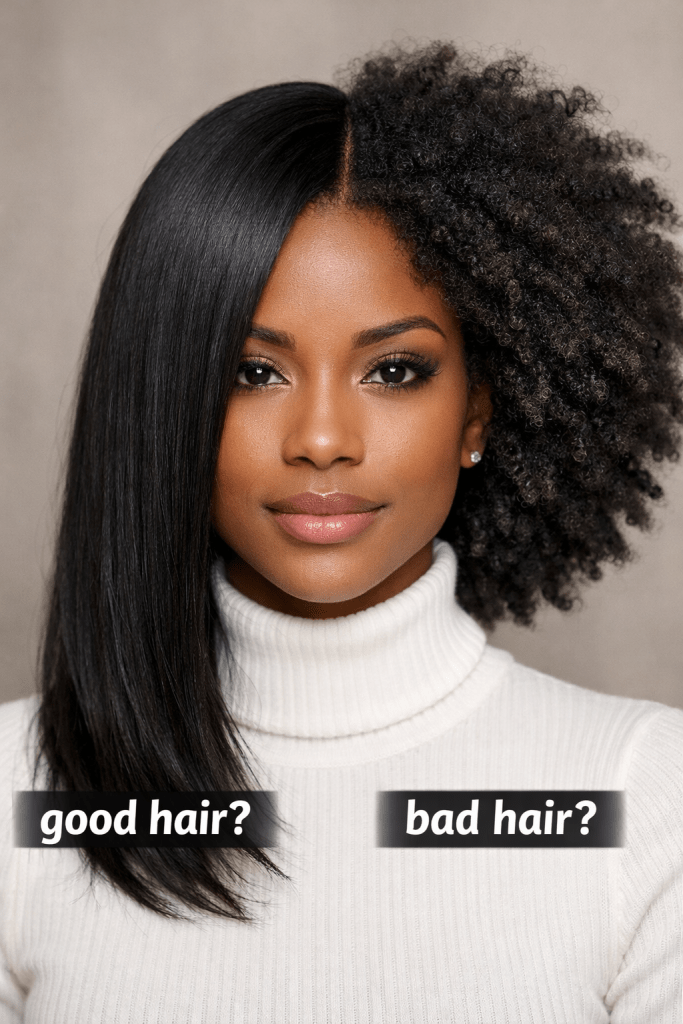
Good Hair Vs Bad Hair

The conversation around “good hair” and “bad hair” has long been a source of tension, pride, and pain within the Black community. The term “good hair” often refers to straighter, silkier textures associated with European standards of beauty, while “bad hair” is used to describe tightly coiled, kinky textures often associated with African heritage. But what does the Bible say about hair, and how can we reclaim a healthy, godly perspective?

The Bible affirms that all hair is good because it is created by God. Matthew 10:30 (KJV) declares, “But the very hairs of your head are all numbered.” This scripture shows the Most High’s care and intentionality regarding hair. There is no biblical basis for labeling one texture as superior to another. Instead, hair is seen as a natural part of God’s design, a symbol of identity, and, in many cases, a spiritual covering (1 Corinthians 11:15, KJV).
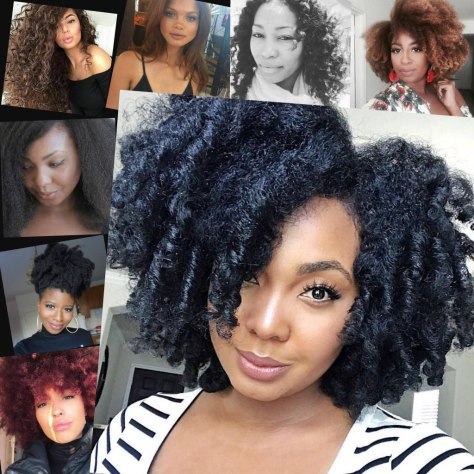
All photographs are the property of their respective owners. No copyright infringement intended.

The notion of “bad hair” largely stems from the legacy of slavery and colonialism. During slavery in America, Africans’ natural hair was often ridiculed and seen as “wild” or “unkempt” by European enslavers. This ridicule was strategic—it sought to strip enslaved Africans of pride in their natural appearance, to convince them that European features and styles were superior.

Psychologically, this produced internalized racism. Over time, many Black people began to associate straight hair with beauty, respectability, and even success. This association was reinforced in media, workplaces, and schools that penalized or banned natural hairstyles. Such systemic discrimination can lead to what scholars call “cultural trauma,” where a group learns to devalue aspects of its own identity.

The term “nappy” historically was used as a derogatory word. It mocked the tight coils and kinks of African hair, equating them with roughness or uncleanliness. The phrase “nappy-headed” became a slur that reinforced the idea that natural Black hair was undesirable. This is a psychological residue of enslavement that still impacts Black self-esteem today.

In truth, there is no such thing as “bad hair.” All hair grows according to the genetic blueprint given by God. Psalm 139:14 (KJV) reminds us, “I will praise thee; for I am fearfully and wonderfully made.” The texture, thickness, and curl pattern of one’s hair is divinely designed, not a mistake.

The love-hate relationship with hair in the Black community also reveals a longing for acceptance. Many Black people invest heavily in hair products, wigs, and chemical treatments to conform to mainstream standards. This is not just vanity—it is often a survival mechanism in a society that discriminates based on appearance.

Hollywood, advertising, and fashion industries have historically promoted Eurocentric beauty ideals, making straight hair the default standard of attractiveness. This has led to generations of Black children growing up believing that their natural hair was unprofessional or unattractive unless it was altered.

The Bible warns against adopting the world’s standard of beauty. 1 Samuel 16:7 (KJV) says, “For man looketh on the outward appearance, but the Lord looketh on the heart.” God is not concerned with whether hair is curly, straight, or coiled—He is concerned with the condition of our spirit.

Hair is also deeply symbolic in the Bible. Samson’s hair represented his covenant with God (Judges 16:17, KJV). The Nazarites were instructed not to cut their hair as a sign of consecration (Numbers 6:5, KJV). These examples remind us that hair has spiritual meaning, but no texture or style makes one holier than another.

Solutions to the “good hair” vs. “bad hair” divide must begin with education and affirmation. Parents can teach children from an early age to embrace their natural hair textures, using affirmations and showing them examples of beauty that look like them. Representation matters.

The natural hair movement has been one powerful response to centuries of hair-shaming. By wearing afros, locs, braids, and twists proudly, Black people reclaim their heritage and reject the lie that straight hair is superior. This movement echoes Romans 12:2 (KJV): “And be not conformed to this world: but be ye transformed by the renewing of your mind.”

Workplaces and schools must also be challenged. Laws like the CROWN Act, which bans hair discrimination, are steps toward justice. Discrimination against natural hair is not merely a fashion issue—it is a civil rights issue rooted in systemic racism.

Spiritually, the solution also involves repentance and deliverance from self-hatred. Generational trauma and the colonial mindset must be broken. Believers can pray for a renewed mind and ask God to restore confidence in His design.

Men must also be part of this conversation. In many cases, Black men have been conditioned to prefer straight hair on women, reinforcing Eurocentric standards. Re-educating men about the beauty and versatility of natural hair is part of community healing.

Media creators and influencers have a responsibility to showcase diverse hair textures positively. When children see actresses, news anchors, and professionals wearing natural styles proudly, it normalizes their beauty. This can shift psychological perceptions over time.

The church can play a role by teaching that hair should not be a source of pride, shame, or division. James 2:1-4 (KJV) warns against showing partiality based on outward appearance. The body of Christ should be the first place where people of all textures feel celebrated.

Healing the Next Generation

The conversation around hair identity must address its impact on children, because early experiences with hair-shaming or affirmation often shape a child’s self-image for life. Developmental psychology teaches that children form a sense of self-worth between ages 3 and 7. If a child repeatedly hears that their hair is “nappy,” “ugly,” or “unprofessional,” those words can leave a deep emotional wound that lasts into adulthood.

Hair bullying is a real issue. In many schools, Black children have been suspended or sent home for wearing braids, locs, or afros—styles that are natural and culturally significant. These incidents teach children that who they are is unacceptable unless they conform to Eurocentric beauty standards. This form of discrimination not only harms self-esteem but also creates anxiety and shame.

From a psychological standpoint, children who internalize negative messages about their hair often struggle with identity development. They may wish they looked different, leading to feelings of inadequacy. Erik Erikson’s theory of psychosocial development identifies this as an “identity vs. role confusion” stage—when children are trying to discover who they are, acceptance plays a critical role.

Biblically, this issue is critical because self-hatred contradicts God’s design. Psalm 8:5 (KJV) declares, “For thou hast made him a little lower than the angels, and hast crowned him with glory and honour.” Every child is made in God’s image (Genesis 1:27, KJV) and should be celebrated as such. Teaching children to love their hair is teaching them to love God’s creation.

Parents play the most important role in reversing the harm of “good hair vs. bad hair” conditioning. Affirmations like “Your hair is beautiful just the way God made it” can help children internalize positive messages. Taking time to gently care for and style their hair with love turns grooming into a time of bonding and affirmation.

Representation in books, toys, and media is also crucial. When children see dolls, superheroes, and princesses with afros, braids, and coils, they learn that beauty comes in many forms. Christian parents can incorporate Bible lessons on diversity and God’s intentional creation to reinforce this truth.
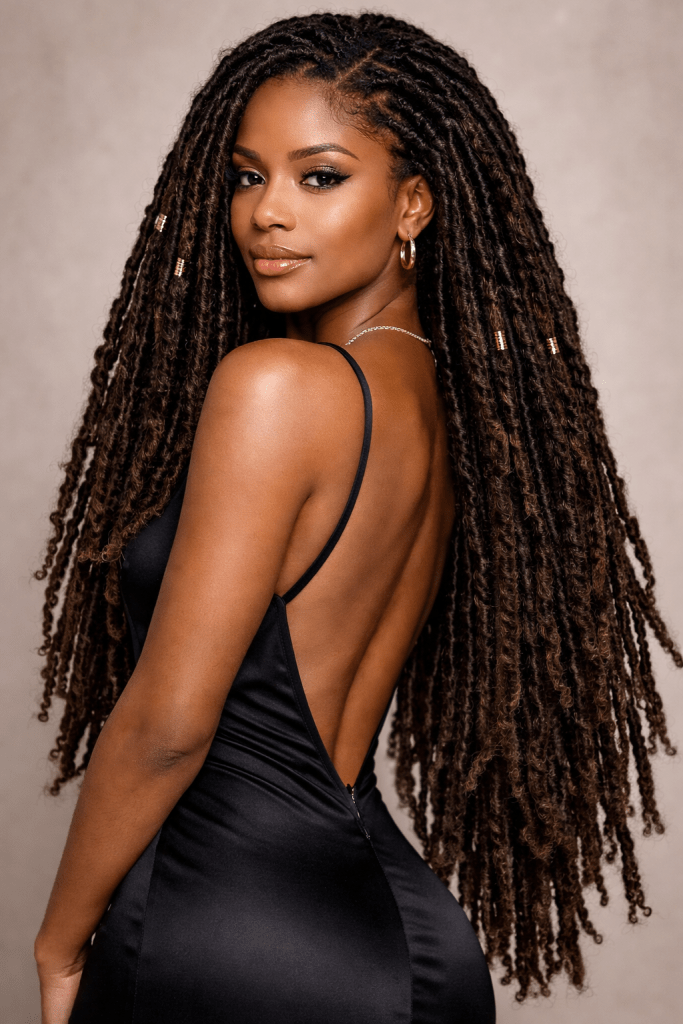
People must create spaces where natural beauty is affirmed rather than criticized. Sadly, some church cultures have pressured women and girls to straighten their hair to look “presentable” for service. Instead, churches should teach that modesty and holiness are about the heart (1 Peter 3:3-4, KJV), not about imitating European hairstyles.

Schools need cultural sensitivity training to prevent hair discrimination. The CROWN Act (Creating a Respectful and Open World for Natural Hair) is now law in several U.S. states and should be advocated for everywhere. This legislation protects children from unfair discipline or exclusion based on hair.

Psychologists recommend early intervention when children experience hair-based bullying. Parents should validate the child’s feelings, teach coping strategies, and involve teachers if necessary. Healing from these experiences prevents long-term damage to self-esteem.

Mentorship programs can also make a difference. When children see older peers or adults proudly rocking natural hair, they have role models to look up to. This helps normalize natural hair and removes the stigma.

Hair care education is another solution. Many parents and teachers simply do not know how to care for natural hair, which can lead to frustration or neglect. Workshops on proper styling, maintenance, and products empower families to care for their hair healthily.

From a community perspective, celebrating natural hair through events like hair shows, heritage days, or social media campaigns can build pride. These events allow children to see that their hair is not just normal—it is special and worth celebrating.

Men and fathers have a special responsibility to speak life into their daughters. A father who compliments his daughter’s natural hair can shield her from seeking validation from harmful sources. Proverbs 18:21 (KJV) reminds us that “death and life are in the power of the tongue.”

Mental health support is also important. If a child’s self-esteem has been deeply harmed, counseling can help them rebuild a healthy self-image. Christian counseling can integrate biblical truths with therapeutic strategies to restore confidence.

The natural hair conversation should also extend to young boys. Boys with locs or afros have been stereotyped as “unprofessional” or even “criminal.” Parents must teach their sons that their hair is not a marker of delinquency but of heritage, creativity, and pride.

Psychologically, embracing natural hair is part of decolonizing the mind. It is a way of rejecting oppressive beauty standards and embracing cultural authenticity. Romans 12:2 (KJV) calls us to “be transformed by the renewing of your mind.” Renewing the mind means unlearning lies that say Blackness must be hidden or altered to be acceptable.

Education on African history is also a solution. When children learn about ancient African civilizations—Egypt, Kush, Mali—and their rich culture, they develop pride in their heritage. This context reframes hair as part of a royal, powerful legacy rather than something to be ashamed of.

Finally, prayer and community support are vital. Families can pray over their children’s self-esteem and ask God to protect them from the spirit of rejection. James 5:16 (KJV) promises that “the effectual fervent prayer of a righteous man availeth much.” Community support groups can also provide encouragement and resources for families committed to embracing natural beauty.

In conclusion, healing the next generation from the trauma of “good hair vs. bad hair” is not just a beauty issue—it is a spiritual and cultural mission. By affirming children early, reforming schools and churches, and providing mentorship and representation, we can raise a generation that celebrates what God has given them. When we teach children that all hair is good hair, we teach them that they themselves are good—fearfully and wonderfully made.

Ultimately, the conversation about “good hair” vs. “bad hair” is about much more than hair. It is about freedom—freedom from colonial thinking, from internalized racism, and from societal pressure to conform. True freedom comes from knowing who you are in Christ and embracing every part of your God-given identity.

In conclusion, all hair is good hair. It is numbered by God, designed with purpose, and worthy of care and respect. The challenge before us is to uproot the lies of slavery, colonization, and white supremacy that taught generations of Black people to hate what God made. Only then can we walk fully in the truth that we are fearfully and wonderfully made—kinks, curls, coils, and all.
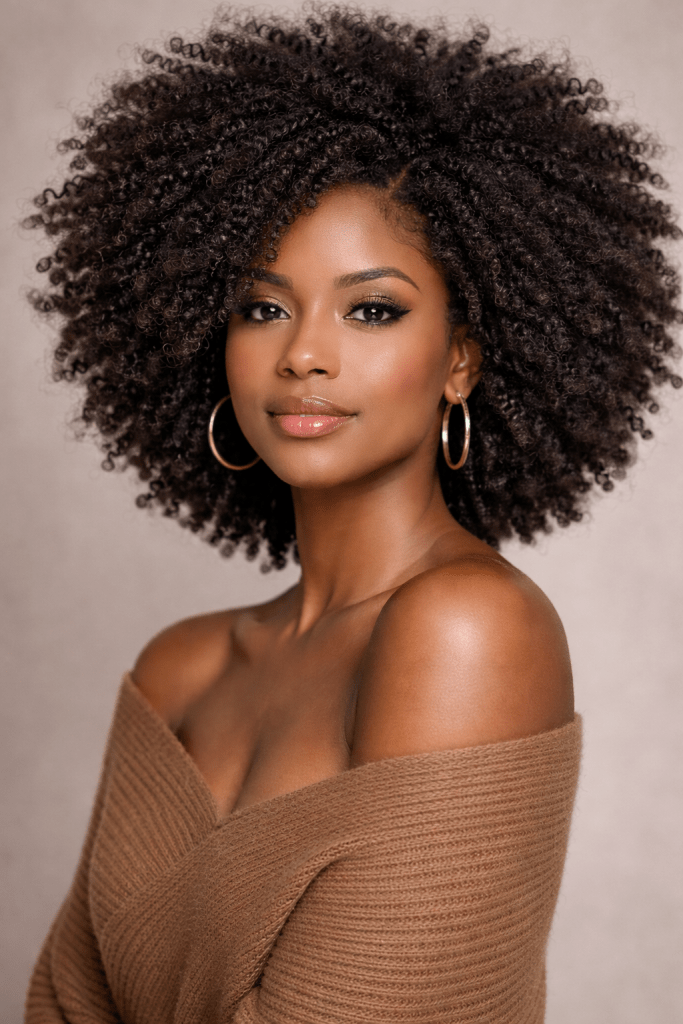
Good Hair? YES


References

  • Banks, I. (2000). Hair Matters: Beauty, Power, and Black Women’s Consciousness. NYU Press.
  • Byrd, A., & Tharps, L. (2014). Hair Story: Untangling the Roots of Black Hair in America. St. Martin’s Griffin.
  • hooks, b. (1992). Black Looks: Race and Representation. South End Press.
  • DeGruy, J. (2005). Post Traumatic Slave Syndrome. Joy DeGruy Publications.

Key KJV Scriptures: Matthew 10:30; 1 Corinthians 11:15; Psalm 139:14; 1 Samuel 16:7; Judges 16:17; Numbers 6:5; Romans 12:2; James 2:1-4.
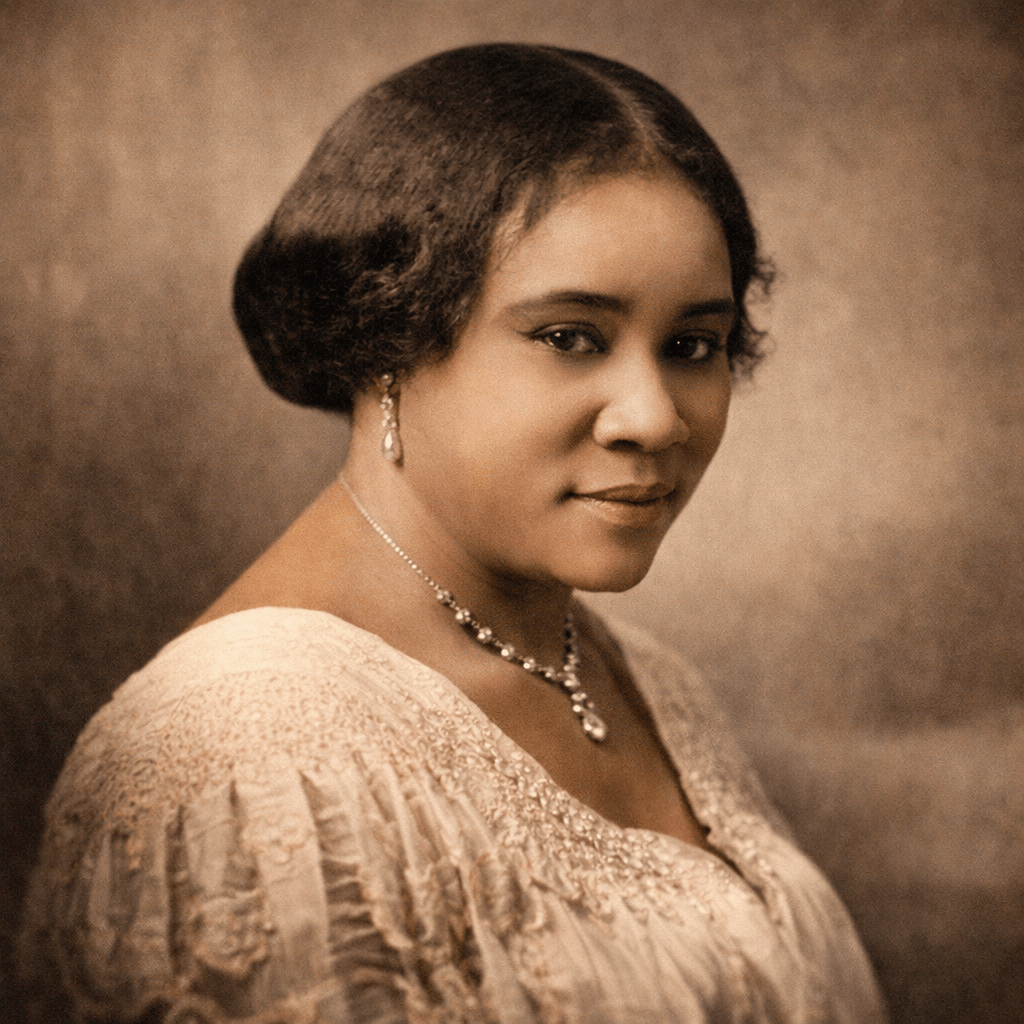
Black History: Madam C. J. Walker – The First Black Millionaire

Madam C. J. Walker stands as one of the most extraordinary figures in American history, not only for her business success but for what she represented in an era defined by racial terror, gender exclusion, and economic apartheid. Born into the aftermath of slavery, Walker transformed personal hardship into a global enterprise that reshaped Black beauty culture and redefined what was possible for Black women in capitalism.

Madam C. J. Walker was born Sarah Breedlove in 1867 in Delta, Louisiana, the first child in her family born free after the Emancipation Proclamation. Orphaned by the age of seven, she grew up in extreme poverty, working in cotton fields and as a domestic laborer. Her early life reflected the harsh conditions of post-slavery Black America, where survival itself required resilience.

Walker married at fourteen to escape abuse in her sister’s home, becoming a widow by twenty with a young daughter to raise. She supported herself as a washerwoman, earning barely enough to live while enduring long hours of physical labor. This stage of her life exposed her to the brutal realities faced by Black women—low wages, limited education, and no access to economic mobility.

Her turning point came when she began losing her hair due to scalp diseases caused by poor hygiene conditions, harsh chemicals, and lack of proper hair care knowledge. Hair loss was common among Black women at the time, and there were no reliable products designed for their needs. What began as a personal crisis became the seed of a global industry.

Walker started experimenting with homemade formulas, drawing from folk remedies and early cosmetic chemistry. She eventually developed a scalp treatment that restored her hair and improved overall scalp health. Recognizing the demand, she began selling her products door to door, personally demonstrating their effectiveness to Black women.

She later married Charles Joseph Walker, a newspaper advertising salesman, and adopted the professional name Madam C. J. Walker. The title “Madam” was intentional, projecting authority, elegance, and European-style professionalism in a world that refused to see Black women as legitimate business leaders.

Walker’s most famous innovation was her hair care system, which included scalp ointments, shampoos, and hot-comb styling techniques. Contrary to modern misconceptions, her products were not designed to “make Black women white,” but to promote hair health, hygiene, and growth in an era where basic sanitation was inaccessible for many Black communities.

Her business exploded through a network of Black female sales agents known as “Walker Agents.” These women were trained not only in sales but in financial literacy, hygiene, public speaking, and self-presentation. For many, this was the first time they earned independent income, owned property, or traveled professionally.

Walker built factories, beauty schools, and salons across the United States, the Caribbean, and Central America. Her company employed thousands of Black women at a time when most corporations excluded them entirely. She created an alternative economic system inside a segregated society.

By 1910, she established her headquarters in Indianapolis, turning it into a Black industrial hub. The Madam C. J. Walker Manufacturing Company became one of the largest Black-owned businesses in the nation. Her success made her the first documented self-made Black female millionaire in American history.

Her wealth, however, was never purely personal. Walker was a radical philanthropist who funded Black schools, orphanages, civil rights organizations, and anti-lynching campaigns. She donated large sums to the NAACP, Tuskegee Institute, and Black churches across the country.

Walker used her platform to speak openly about racial violence, economic injustice, and women’s empowerment. She was not merely a beauty entrepreneur but a political figure who believed capitalism should serve liberation, not just profit.

Her daughter, A’Lelia Walker, inherited the business and expanded its cultural influence. A’Lelia became a major patron of the Harlem Renaissance, hosting salons that brought together artists, writers, musicians, and political thinkers. Their wealth became cultural infrastructure for Black intellectual life.

Walker’s legacy also reshaped beauty standards. She taught Black women that grooming and self-care were not signs of vanity but acts of dignity and resistance in a society that dehumanized them. Her message was radical: Black women deserved luxury, care, and self-respect.

She also redefined Black womanhood in business. At a time when women could not vote, and Black women were excluded from most professions, Walker owned property, controlled capital, managed factories, and employed thousands.

Walker died in 1919 at the age of 51, leaving behind an empire and a blueprint. Her funeral was attended by major civil rights leaders, including Booker T. Washington and Mary McLeod Bethune, confirming her status as not just a businesswoman but a historical force.

Her mansion, Villa Lewaro, became a symbol of Black wealth and architectural power in a nation that denied both. It was designed to showcase that Black success did not need to mimic whiteness but could exist on its own cultural terms.

Modern debates about hair politics, natural hair movements, and Black beauty industries all trace back to Walker’s foundational work. Every Black-owned beauty brand today stands on the infrastructure she built.

She proved that generational wealth could emerge from the margins, that Black women could control industries, and that capitalism could be weaponized for racial uplift.

Madam C. J. Walker’s true legacy is not just that she became rich, but that she taught thousands of Black women how to become free.


References

Bundles, A. (2001). On Her Own Ground: The Life and Times of Madam C. J. Walker. Scribner.

Bundles, A. (2015). Madam C. J. Walker: Entrepreneur. Chelsea House.

Gates, H. L., Jr. (2013). Life Upon These Shores: Looking at African American History, 1513–2008. Knopf.

Rooks, N. (1996). Hair Raising: Beauty, Culture, and African American Women. Rutgers University Press.

Walker, A. L. (1925). The Madam C. J. Walker Standard Beauty Manual. Madam C. J. Walker Manufacturing Company.

Hine, D. C., Hine, W. C., & Harrold, S. (2010). The African-American Odyssey. Pearson.

The Hair Diaries: The Myth of Good Hair

The idea of “good hair” is a myth rooted not in biology or beauty, but in power. Hair, in all its textures, is a natural extension of the human body, growing exactly as it was designed to grow. No strand that emerges from a healthy scalp is bad, defective, or inferior. Scripture affirms that God’s creation is intentional and good in every form (Genesis 1:31, KJV).

The “good hair versus bad hair” narrative emerged from colonialism and slavery, not from truth. European features were elevated as the standard of beauty, while African features were devalued to justify domination. Hair texture became a visible marker used to rank humanity along racial lines (Byrd & Tharps, 2014).

During slavery, hair texture was tied to social survival. Straighter hair was associated with proximity to whiteness and, in some cases, less brutal treatment. This produced a hierarchy within Black communities that persists today, even though its origin is rooted in trauma rather than preference.

Coily, kinky, and tightly curled hair was labeled “excessive” because it resisted assimilation. It could not easily conform to European grooming norms without chemical or mechanical alteration. Resistance, not inferiority, is what made this hair political.

Biologically, coily hair is a marvel of design. Its spiral structure helps protect the scalp from intense sun exposure and reduces heat absorption. These textures evolved as an adaptive strength, not a flaw (Jablonski, 2015).

Black hair also demonstrates incredible versatility. It can be braided, twisted, loc’d, coiled, stretched, sculpted, wrapped, and worn free. Few hair types carry such cultural, artistic, and functional range.

Historically, African hairstyles communicated age, marital status, tribe, spirituality, and social role. Hair was language before colonization disrupted these systems. To demean Black hair is to demean African knowledge systems (Thompson, 1983).

The hatred directed toward Black hair often reflects fear of difference rather than aesthetic judgment. What cannot be controlled is often labeled unprofessional, wild, or inappropriate. This language exposes anxiety, not truth.

The Bible does not rank hair textures. Scripture emphasizes modesty, order, and reverence—not conformity to Eurocentric appearance. God looks at the heart, not the curl pattern (1 Samuel 16:7, KJV).

Black hair has been policed in schools, workplaces, and public spaces, revealing how deeply the myth of “good hair” is institutionalized. Laws like the CROWN Act exist because natural hair was treated as a threat to order rather than a neutral human trait.

The pressure to alter Black hair has often been framed as professionalism. Yet professionalism is a social construct shaped by those in power. Hair that grows naturally from the head cannot be unprofessional by nature.

Internalized hair bias is one of the most painful legacies of colonialism. When Black children learn to dislike their own hair, it is not personal insecurity but inherited harm. Healing begins with truth-telling and affirmation.

Speaking positively about Black hair is not exclusionary; it is corrective. Affirmation restores balance where distortion has reigned. Celebrating Black hair does not diminish other hair types—it ends false hierarchy.

Coily hair teaches patience, care, and attentiveness. It thrives when treated gently and intentionally. This relationship fosters self-awareness and self-respect rather than shame.

The Bible describes God as a creator of diversity, not uniformity. If variety glorifies God in nature, it also glorifies Him in human appearance (Psalm 104:24, KJV).

The myth of “good hair” survives because it benefits systems that profit from insecurity. Entire industries were built on convincing Black people that their natural hair needed correction.

Black hair is not a trend, a rebellion, or a statement—it is a reality. Its presence does not require justification or explanation. It simply exists because God designed it to.

When Black people wear their hair freely, it is an act of self-acceptance, not defiance. Freedom should not be mistaken for aggression.

Restoring reverence for Black hair is part of restoring dignity. What was once mocked is now being reclaimed, not as fashion, but as truth.

All hair that grows from the head is good hair. Coily hair is not excessive; it is expressive. Kinky hair is not unmanageable; it is powerful. Curly hair is not a problem to solve, but a gift to honor.

The myth of good hair collapses when truth stands upright. Black hair needs no permission to exist beautifully—it already does.


References

Byrd, A. D., & Tharps, L. L. (2014). Hair story: Untangling the roots of Black hair in America. St. Martin’s Press.

Jablonski, N. G. (2015). Skin color: A natural history. University of California Press.

Thompson, R. F. (1983). Flash of the spirit: African and Afro-American art and philosophy. Vintage Books.

The Holy Bible, King James Version (Genesis 1:31; 1 Samuel 16:7; Psalm 104:24).

Hair Is the Crowning Glory

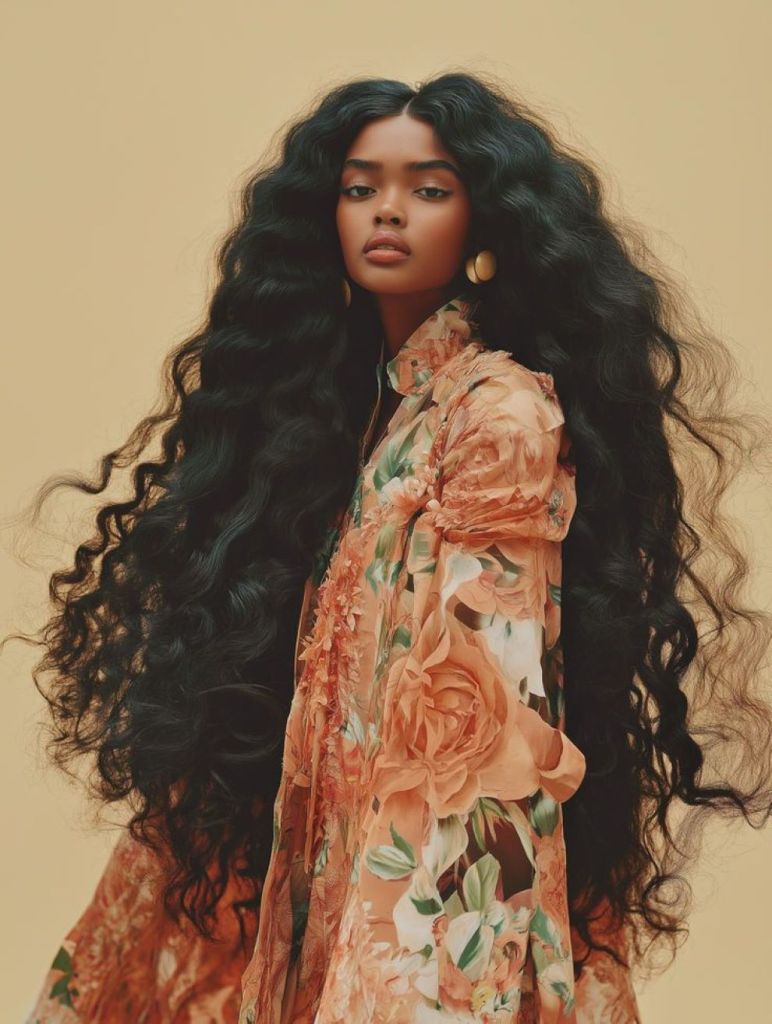
This photograph is the property of its respective owner. No copyright infringement intended.

Hair is more than adornment — it is an anointing. In every strand lies a story, in every curl, a code of creation. Scripture declares, “If a woman have long hair, it is a glory to her: for her hair is given her for a covering” (1 Corinthians 11:15, KJV). To understand the sacredness of hair is to recognize it as both physical beauty and spiritual symbolism — a divine marker of identity and inheritance.

For the Black woman, hair is history. It has been braided in kingdoms, cut in captivity, covered in faith, and celebrated in freedom. Each texture — from the tightest coil to the softest wave — bears the fingerprint of God’s artistry. It connects her not only to her ancestors but to the Creator who crowned her with distinction.

In ancient Africa, hair was language. Styles conveyed tribe, status, age, and even spiritual calling. The Yoruba, Himba, and Fulani women wore their stories on their scalps, transforming their heads into living manuscripts of identity. To touch a woman’s hair was to read her soul. In this way, hair became both heritage and halo.

The transatlantic slave trade attempted to sever that connection. Enslaved women were often forced to shave their heads, a violent act of dehumanization meant to erase tribal lineage and pride. Yet, even in bondage, hair remained a silent act of resistance — braided maps, hidden seeds, and whispered prayers wove freedom into every plait.

When Paul wrote of hair as a woman’s glory, he spoke of divine order — not vanity, but sacred symbolism. Hair represents covering, covenant, and consecration. In the Bible, Nazarites like Samson carried divine strength in their locks (Judges 16:17). The cutting of his hair symbolized the breaking of a spiritual vow. Likewise, a woman’s hair remains a visible emblem of her spiritual integrity.

The Black woman’s hair has always carried more than aesthetic meaning — it bears cultural warfare. From workplace discrimination to school dress codes, society has repeatedly tried to regulate her crown. But the CROWN Act and a rising chorus of self-love movements declare a new era: her hair is no longer a battleground but a banner of liberation.

Natural hair is not rebellion; it is revelation. It reveals the divine geometry of God’s creation — coiled like galaxies, spiraled like fingerprints, and strong enough to defy gravity. Each strand stands as a metaphor for resilience: stretched, twisted, and yet unbroken. To wear one’s natural hair is to testify, “I am fearfully and wonderfully made” (Psalm 139:14, KJV).

From wigs and weaves to locs and fros, Black hair expresses multiplicity — not confusion, but creativity. It evolves, transforms, and reinvents itself just as the woman does. Her hair is her canvas; her crown is her story. To style her hair is not vanity but ritual — a daily affirmation of worth and womanhood.

The sacred ritual of haircare connects generations. Mothers oil their daughters’ scalps with tenderness, whispering lessons of patience and pride. Grandmothers pass down recipes of shea, coconut, and castor — ancient anointing oils for modern queens. In those intimate moments, hair becomes ministry.

Hair is also prophetic. It carries spiritual resonance — the way it grows, sheds, and renews mirrors the seasons of a woman’s life. It teaches her detachment when it breaks, humility when it thins, and gratitude when it flourishes. Her crown becomes a compass of divine timing.

To cover the head, as practiced in many biblical and Hebraic traditions, is an act of reverence, not repression. It symbolizes spiritual submission, protection, and modesty. But whether covered or uncovered, sacred femininity reminds her that the glory lies not in the style, but in the spirit beneath it.

Colorism and Eurocentric beauty ideals once tried to shame the kink and celebrate the curl that conformed. Yet today, locs, afros, and braids have returned to their throne. Each twist and cornrow becomes a crown of resilience — a statement that she no longer seeks to assimilate but to ascend.

In the diaspora, hair has been both burden and beacon. It has endured burning combs, toxic relaxers, and societal rejection. Yet, like the phoenix, it rises again — embracing its natural rhythm, its divine pattern. What was once mocked is now magnified.

The theology of hair is the theology of glory. Just as Christ’s transfiguration revealed His divine nature, a woman walking in her authenticity reveals God’s creative intention. Her crown is not for decoration but for declaration: that she is chosen, set apart, and sovereign.

When she adorns her hair with beads, scarves, or oils, she is not performing — she is prophesying. Each adornment is symbolic: beads of remembrance, scarves of sanctity, oils of anointing. Her head becomes holy ground, her hair a visible altar of gratitude.

Hair connects heaven and heritage. In African cosmology, the head — ori — is the seat of destiny, the place where divine purpose dwells. To honor the hair is to honor the spiritual headship God placed upon woman — a reminder that she walks with divine covering and creative authority.

Her hair carries memory — of pain, of pride, of prayer. Each style tells of seasons survived: the big chop of new beginnings, the protective style of rest, the natural growth of self-acceptance. Through each transition, she learns that her beauty is not borrowed; it is born of God.

To despise her natural hair is to reject her divine design. But to embrace it is to walk in resurrection — a restoration of what colonialism tried to cut away. In loving her hair, she reclaims her history, her holiness, and her harmony with heaven.

Thus, hair becomes more than a crown; it becomes a covenant. It binds the woman to her lineage and to her Lord. In the sacred rhythm of braiding, washing, and wrapping, she remembers that she is a daughter of Zion — crowned with compassion, wrapped in wisdom, and radiant in glory.

For indeed, hair is not just her glory — it is her testimony. It tells the world that she has survived every storm and still stands crowned. Her head lifted, her crown intact, she becomes the living fulfillment of Scripture: “She shall give to thine head an ornament of grace: a crown of glory shall she deliver to thee” (Proverbs 4:9, KJV).


References

  • The Holy Bible, King James Version. (n.d.).
  • Byrd, A., & Tharps, L. L. (2014). Hair Story: Untangling the Roots of Black Hair in America. St. Martin’s Press.
  • hooks, b. (2000). Feminism Is for Everybody: Passionate Politics. South End Press.
  • Collins, P. H. (2000). Black Feminist Thought: Knowledge, Consciousness, and the Politics of Empowerment. Routledge.
  • Walker, A. (1983). In Search of Our Mothers’ Gardens: Womanist Prose. Harcourt.
  • Tate, S. A. (2009). Black Beauty: Aesthetics, Stylization, Politics. Ashgate.
  • Banks, I. (2000). Hair Matters: Beauty, Power, and Black Women’s Consciousness. New York University Press.

TEXTURISM and Hairism: The Politics of Black Hair, Beauty Hierarchies, and Racial Identity

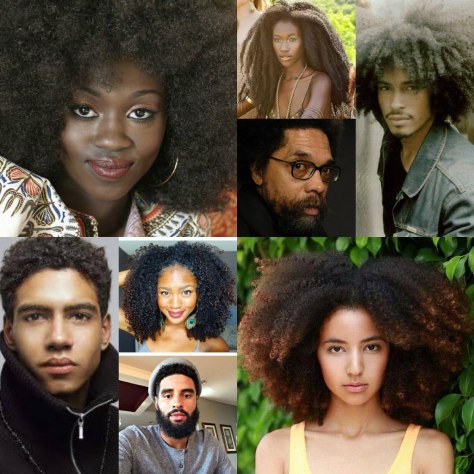
These photographs are the property of their respective owners.

Hair is more than an aesthetic expression; it is an emblem of identity, culture, power, and resistance. In racialized societies, however, the natural hair textures of African-descended peoples have long been devalued and stigmatized. One of the most insidious manifestations of this stigma is texturism—a form of discrimination based on hair texture that prioritizes looser, straighter, or more “manageable” hair over tightly coiled, kinkier hair. Closely linked to hairism, which broadly encompasses prejudice based on hair type and style, texturism reflects internalized racism and the lingering colonial legacies that shape beauty standards globally. This essay explores the roots, meanings, and consequences of texturism and hairism, tracing their origins through enslavement, Eurocentric aesthetics, and media representation, while also examining pathways toward hair acceptance and reclamation.


Defining Texturism and Hairism

Texturism is the preferential treatment of individuals with loosely curled or straight hair textures over those with tightly coiled or kinky hair. The term was coined by natural hair advocate Chassity Jones in the early 2010s, though the concept existed long before. Hairism, a broader term, refers to discrimination based on hair—whether through texture, length, or perceived neatness. Both terms expose a hierarchy that privileges proximity to Eurocentric beauty ideals, reflecting deeply entrenched social and racial structures.

Historically, hairism and texturism are legacies of colonialism and slavery. Enslaved Africans in the Americas were mocked and punished for their hair, which was seen as wild, untamed, or inferior to the smooth, straight hair of Europeans. Over time, this bias became internalized within Black communities, creating harmful classifications like “good hair” (straight or loosely curled) and “bad hair” (kinky or tightly coiled). These distinctions perpetuated social divisions, reinforcing white supremacist ideologies under the guise of grooming and professionalism.


Hair Texture Types and Their Racial Associations

Hair texture is commonly categorized using the Andre Walker Hair Typing System, developed by Oprah Winfrey’s stylist in the 1990s. It breaks down hair types into four major categories:

  • Type 1: Straight hair (most commonly found among East Asians and Europeans).
  • Type 2: Wavy hair
    • 2A-2C: Light waves to coarse, frizzy waves (found in some Latinx, Middle Eastern, and European populations).
  • Type 3: Curly hair
    • 3A-3C: Loose, springy curls to tight corkscrews (common among mixed-race individuals and some Black and Latinx people).
  • Type 4: Coily or kinky hair
    • 4A-4C: Soft, tight coils to densely packed Z-shaped kinks (predominantly found in people of African descent).

Type 4 hair, particularly 4B and 4C, is often mislabeled as “nappy,” “unkempt,” or “unprofessional,” despite its remarkable versatility and strength. This classification system, while useful in describing curl patterns, has also unintentionally contributed to a hierarchy in which looser curls are perceived as more attractive and acceptable than tighter coils.


“Good Hair” vs. “Bad Hair”: Origins and Impact

The phrase “good hair” emerged during the antebellum era in the United States, when lighter-skinned enslaved people with straighter hair—often the children of white slave owners—were granted preferential treatment. “Good hair” was hair that mimicked the European aesthetic: straight, smooth, and easily tamed. Conversely, “bad hair” referred to the coarser, kinkier textures of African people, which were labeled undesirable.

The legacy of these terms endures today. Black children still experience discrimination in schools for wearing their natural hair. Black professionals are pressured to straighten their hair or wear wigs and weaves to conform to Eurocentric corporate standards. The CROWN Act (Creating a Respectful and Open World for Natural Hair), first passed in California in 2019, had to be introduced precisely because hair-based discrimination remains legal in many parts of the U.S.

“I had to learn that my hair is not the problem—the world’s refusal to see my beauty is.”
—Lupita Nyong’o

“Our hair is political, spiritual, historical, and beautiful. It tells the story of who we are.”
—Dr. Yaba Blay

These quotes reflect a growing cultural movement toward reclaiming natural hair and affirming Black identity on its own terms, rather than through the gaze of whiteness.


The Origins of the Term “Nappy”

The term “nappy” is believed to have originated during slavery, used derogatorily to describe the tightly coiled hair of Africans, likening it to the coarse texture of cotton or the naps in sheep’s wool. Its use was designed to dehumanize and shame enslaved Africans, stripping their hair—and by extension, their identity—of any value or beauty. While some have sought to reclaim “nappy” as a term of empowerment, its historical weight continues to stir deep emotions and debate within Black communities.

Kinky Hair / Tightly Coiled Hair

Kinky or coily hair refers to hair textures that form tight curls or zig-zag patterns, often classified as Type 4. This hair type is rich in cultural and genetic heritage, yet is frequently misunderstood. Contrary to myths of unmanageability, kinky hair is incredibly versatile and can be styled in braids, locs, afros, twists, and bantu knots. However, due to its tendency to shrink and its fragility, it requires specific care and moisture retention.

Why is this hair type stigmatized? The answer lies in colonial aesthetics: beauty standards were built around whiteness. Kinky hair was demonized as evidence of racial inferiority and disorder—ideas perpetuated by pseudo-scientific racism. As a result, even within Black communities, looser curls or silkier textures have been idealized, creating a painful hierarchy of desirability.


Why Do Some Black People Struggle to Love Their Hair?

Centuries of anti-Blackness have conditioned many Black individuals to see their natural hair as burdensome or ugly. The media, education, and even family dynamics have reinforced these messages. Hair relaxers, hot combs, and weaves became tools of survival—ways to assimilate and escape ridicule. These practices, while empowering for some, also reflect a historical pressure to conform.

This struggle is not due to self-hate in isolation but to systemic programming. As author Chimamanda Ngozi Adichie once said:

“The problem with stereotypes is not that they are untrue, but that they are incomplete. They make one story become the only story.”

The dominant story about Black hair has been one of shame. It is time to replace that narrative with one of pride, knowledge, and celebration.


Toward Hair Liberation: Learning to Appreciate All Hair

Appreciating all hair types begins with education, representation, and liberation from Eurocentric norms. Schools and workplaces must eliminate discriminatory policies and embrace cultural diversity. Media outlets should highlight a broader spectrum of beauty. Families must unlearn generational biases and uplift natural beauty from early childhood.

Hair appreciation means understanding that no one texture is inherently better than another. Each type has unique needs, characteristics, and histories. Straight hair is not superior—just different. Looser curls are not more professional—just more familiar to a colonized eye.

When we affirm all hair textures, we affirm the humanity, dignity, and worth of all people.


Conclusion

Texturism and hairism are not simply issues of personal preference—they are extensions of colonial legacies, white supremacy, and internalized racism. They operate through language, beauty standards, school policies, and job opportunities, creating tiers of acceptance based on proximity to whiteness. But within this struggle lies opportunity: to reclaim, redefine, and rejoice in the beauty of all textures. Black hair is not “bad hair”; it is cultural memory made visible, it is resistance in every coil, it is ancestral glory written in strands. The journey to dismantle texturism begins not with hair products, but with truth—and with a collective commitment to healing.


References

Blay, Y. (2021). One Drop: Shifting the Lens on Race. Beacon Press.

Byrd, A. D., & Tharps, L. L. (2014). Hair Story: Untangling the Roots of Black Hair in America (Revised Edition). St. Martin’s Press.

Craig, M. L. (2002). Ain’t I a Beauty Queen? Black Women, Beauty, and the Politics of Race. Oxford University Press.

Hunter, M. (2011). Buying racial capital: Skin-bleaching and cosmetic surgery in a globalized world. The Journal of Pan African Studies, 4(4), 142–164.

Opie, T. (2019). The CROWN Act and the fight against hair discrimination. Harvard Business Review. Retrieved from https://hbr.org

Tate, S. A. (2007). Black beauty: Shade, hair and anti-racist aesthetics. Ethnic and Racial Studies, 30(2), 300–319. https://doi.org/10.1080/01419870601143927