Tag Archives: hair politics

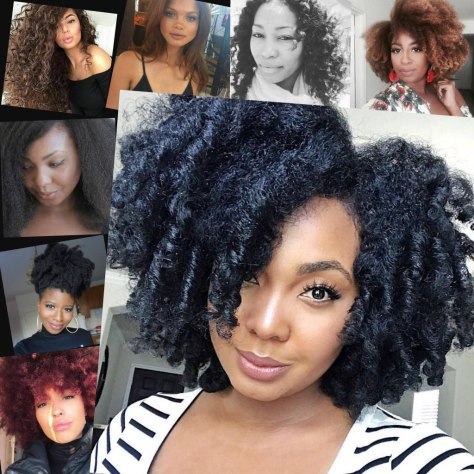
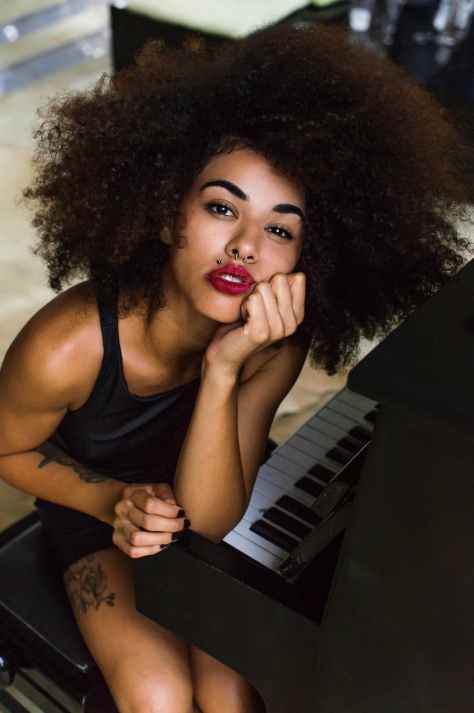
Why Don’t You Do Something With Your Hair? Hair Politics in the Black Community.

Photo by Osmar Vasques on Pexels.com

The question “Why don’t you do something with your hair?” carries weight far beyond casual conversation. It reflects the long, complicated history of hair politics within the Black community, where hair is not merely aesthetic but deeply tied to identity, culture, and social status. The question assumes that the natural hair that grows out of a Black woman’s scalp is insufficient, needing alteration to be considered beautiful or presentable. This dilemma plays out daily in salons, workplaces, and even among friends, revealing the enduring tension between assimilation and authenticity.

Hair politics in the Black community have roots that trace back to pre-colonial Africa. African hairstyles once symbolized tribe, social rank, marital status, and even spiritual beliefs (Byrd & Tharps, 2014). Intricate braids, twists, and natural textures were celebrated as markers of identity and belonging. This changed dramatically during the transatlantic slave trade. Enslaved Africans were often forced to shave their heads, stripping them of cultural identity and dignity (White & White, 1998). This dehumanizing act laid the groundwork for centuries of stigma against African hair textures.

During slavery and later segregation, Eurocentric beauty standards dominated. Straight hair was viewed as a marker of respectability and proximity to whiteness. Many Black women began straightening their hair as a means of survival, using hot combs and later chemical relaxers to fit into white society’s expectations (Rooks, 1996). This survival strategy was both empowering—opening doors to employment and social acceptance—and damaging, as it subtly communicated that natural hair was unkempt or undesirable.

This tension birthed the concept of “good hair” versus “bad hair.” “Good hair” was typically defined as straighter, looser, and more European-like, while “bad hair” referred to tightly coiled, kinky textures. This language continues to shape how Black girls grow up viewing themselves. The woman in the store who questioned another’s natural fro echoed centuries of conditioning that privileges one texture over another.

Biblically, this judgment contradicts the affirmation of divine creation. Psalm 139:14 (KJV) declares, “I will praise thee; for I am fearfully and wonderfully made: marvellous are thy works.” If God made hair textures diverse, then natural Black hair is good by design. The cultural insistence on altering hair to be acceptable reflects a deeper issue of internalized oppression rather than divine truth.

Hair also became a political statement during the Civil Rights and Black Power movements of the 1960s and 1970s. The Afro emerged as a symbol of pride, rebellion, and resistance against white supremacy. To wear one’s hair in its natural state became an act of defiance and self-acceptance. Angela Davis famously wore her iconic Afro as both a personal choice and a political statement, making natural hair synonymous with the fight for liberation (Davis, 1981).

However, as mainstream culture commodified Black style, the natural hair movement lost some of its radical edge. The emergence of weaves, wigs, and chemical relaxers in the 1980s and 1990s introduced new standards of glamour and professionalism. While these styles offered versatility and creative expression, they also reinforced the idea that natural hair was only acceptable if controlled or hidden.

Celebrities have weighed in on this hair dilemma, often sparking debate. Viola Davis removed her wig on the hit show How to Get Away With Murder in a powerful scene that revealed her natural hair, stating in interviews that she wanted to normalize textured hair on television (Dockterman, 2014). Solange Knowles has also been vocal about the politics of natural hair, penning the song “Don’t Touch My Hair” as an anthem of autonomy and identity.

On the other side, some celebrities have been criticized for perpetuating Eurocentric beauty ideals. Rapper Lil’ Kim and others who have dramatically lightened their skin and straightened their hair have been accused of reflecting the deep scars of colorism and texturism. These choices are not simply personal but political, given the influence celebrities have on shaping beauty standards.

Workplace politics also play a major role in the natural-versus-straight hair conversation. For years, natural hairstyles such as locs, braids, and twists were deemed “unprofessional” in many corporate environments. It wasn’t until the passing of laws like the CROWN Act (2019) that discrimination against natural hairstyles began to be legally challenged in several U.S. states. This shows that hair policing is not just cultural but institutional.

The debate over natural hair versus weaves or wigs is complex. On one hand, weaves allow Black women to experiment with style, color, and length without damaging their natural hair. On the other, they can become a crutch if they are used to hide self-hatred or avoid confronting the stigma against natural textures. The key issue is not the style chosen but the motivation behind it—whether it flows from freedom or from shame.

Mentally, constant scrutiny over hair can lead to stress and self-esteem issues. Black girls as young as five report feeling pressured to straighten their hair for special occasions or school pictures (Opie & Phillips, 2015). This teaches them early that their natural state is less acceptable, planting seeds of insecurity that can take years to unlearn.

Spiritually, the church can play a role in affirming natural hair. Unfortunately, some church communities have perpetuated respectability politics by favoring women with straightened hair or wigs, especially in leadership roles. This contradicts the biblical principle in 1 Peter 3:3-4 (KJV), which states that beauty should not merely be about “plaiting the hair” or outward adornment but about “the hidden man of the heart.” This verse calls believers to focus on character rather than conformity to beauty standards.

The natural hair movement of the 21st century has made significant strides in reversing stigma. Social media platforms like Instagram and YouTube have created spaces for Black women to share tips, tutorials, and encouragement for embracing natural curls and coils. This digital sisterhood has birthed a new generation of women who proudly wear their afros, twist-outs, and locs as declarations of self-love.

Nevertheless, the pressure to conform to a certain standard of natural hair perfection—“curl envy”—has emerged as a new form of hair politics. Women with looser curl patterns are often celebrated more in natural hair campaigns than those with tighter coils, revealing that even within the movement, hierarchies still exist.

The Politics, Pain, and Power of Black Hair

I was standing in line at a neighborhood store when I overheard two women talking. One wore a sleek weave, carefully laid edges, and perfectly straightened strands; the other rocked a short, natural fro. With a laugh, the first woman asked, “Girl, why don’t you do something with your hair?” The second woman smiled politely, but her face betrayed the familiar sting that so many Black women know too well. That small exchange speaks volumes about the history and politics of Black hair — a history that stretches from the villages of West Africa to the plantations of the Americas, from the barbershops and beauty salons of the Jim Crow era to the hashtags and viral videos of today.

Hair has never been just hair for Black people. In pre-colonial Africa, hair was identity. Styles communicated tribe, social status, fertility, and even spiritual meaning (Byrd & Tharps, 2014). To cut someone’s hair was to humiliate them, stripping away dignity. Enslavers understood this, which is why many Africans brought to the Americas had their heads forcibly shaved, severing a crucial connection to their homeland (White & White, 1998). This trauma planted the seed for centuries of stigma against African textures.

In America, Black hair became a site of both survival and rebellion. For many, straightening hair was a way to gain access to jobs, education, and respectability in a white-dominated society (Rooks, 1996). The hot comb, famously popularized by Madam C.J. Walker, was both a tool of empowerment and a symbol of assimilation. “My grandmother told me that straightening her hair helped her get her first job as a teacher,” said Sharon, 62, in an interview. “But she also told me she always felt like she was wearing a mask.”

The language of “good hair” versus “bad hair” emerged from these survival tactics. “Good hair” was associated with looser, straighter textures — often linked to mixed ancestry — while “bad hair” was used to describe kinky, coily textures. “I grew up in the 90s, and my aunties would sigh whenever I wore my hair natural,” said Angela, 33. “They would say, ‘We gotta do something with this nappy mess.’ It made me feel like who I was naturally was a problem to be fixed.”

Biblically, this tension challenges what Scripture teaches about God’s creation. Genesis 1:31 (KJV) declares, “And God saw every thing that he had made, and, behold, it was very good.” If every hair texture is created by God, then none can be deemed “bad.” Psalm 139:14 reminds us that we are “fearfully and wonderfully made.” To degrade natural hair is to deny the Creator’s artistry.

The Civil Rights and Black Power era redefined hair politics. The Afro became a crown of pride and a political statement. “When I wear my Afro, I am making a statement that I am Black and proud,” Angela Davis wrote (Davis, 1981). To wear one’s hair naturally was to reject assimilation and embrace African identity. This was a time when hair became activism — the body itself was a protest sign.

But as the decades passed, relaxers, weaves, and wigs became mainstream again. For some, this was a matter of convenience and creative expression. For others, it was a return to old pressures to conform. “I love my weave because I can switch up my look,” said Monique, 27, during a focus group. “But I also hate that people assume I don’t love myself when I wear it. It’s not that — I just like the versatility.”

The natural hair movement of the 2010s reignited the call for authenticity. YouTube vloggers and Instagram influencers created a renaissance of tutorials, hair care tips, and motivational content celebrating curls, coils, and kinks. Yet, even within the natural hair community, hierarchies emerged. Looser curl patterns (3A–3C) were celebrated more prominently than tightly coiled textures (4B–4C), leading to what some call “texturism” (Robinson, 2011).

Celebrities have weighed in powerfully on the conversation. Viola Davis’s decision to remove her wig on How to Get Away with Murder was more than just a TV moment — it was a cultural reset. “I wanted to humanize her,” Davis explained. “And part of that is letting her be who she really is — natural hair and all” (Dockterman, 2014). Solange Knowles, in her song “Don’t Touch My Hair,” transformed her experience of unwanted hair-policing into an anthem of bodily autonomy.

Despite these victories, discrimination remains a reality. Studies show that Black women with natural hairstyles are often rated as less professional or less competent in corporate settings (Opie & Phillips, 2015). The passage of the CROWN Act (2019) in multiple U.S. states is a step toward protecting Black hair from workplace discrimination — but the cultural bias runs deep.

The question “Why don’t you do something with your hair?” carries an assumption: that natural hair is undone, messy, or unacceptable. But natural hair is done the moment it grows from the scalp. It does not need fixing to be valid. Romans 12:2 (KJV) reminds us, “Be not conformed to this world: but be ye transformed by the renewing of your mind.” Breaking free from the belief that straight is the only acceptable form is a mental and spiritual renewal.

Healing hair trauma requires unlearning generations of internalized shame. “I had to stop calling my daughter’s hair ‘difficult,’” said Candace, 40. “Now I tell her it’s beautiful, full, and strong — just like her.” This kind of language shift is revolutionary. It teaches young girls that their hair is a source of pride, not a burden.

There is also space for freedom of choice. Some women wear wigs or relaxers not out of shame but for self-expression. The issue is not the style but the root motivation. Galatians 5:1 (KJV) declares, “Stand fast therefore in the liberty wherewith Christ hath made us free.” Freedom in Christ includes freedom from the bondage of beauty standards — whether those standards push toward assimilation or prescribe a rigid idea of “natural purity.”

The politics of hair also affect men, though they are often left out of the conversation. Dreadlocks, cornrows, and afros on Black men have been criminalized, labeled as unkempt or threatening. Celebrities like J. Cole and Bob Marley used their hair as political and spiritual statements, reminding the world that natural hair is not just style but identity.

Moving forward, education is key. Schools, churches, and community spaces must normalize the full spectrum of Black hair. Representation in media matters — children need to see characters who look like them wearing braids, locs, fros, and curls with confidence and beauty.

Ultimately, the woman in the store who questioned the natural fro was voicing a generational script — one we must now rewrite. By embracing natural hair as inherently good, by affirming every style chosen freely, and by dismantling the good-hair/bad-hair dichotomy, the Black community can heal from centuries of hair trauma.

In the end, the question is no longer “Why don’t you do something with your hair?” but “What will we do with the legacy of hair politics?” Will we pass down shame or pass down pride? Will we perpetuate Eurocentric hierarchies or celebrate the God-given diversity of our crowns? The choice is ours — and it is time to choose freedom.

Healing from hair politics requires both internal and communal work. Internally, Black women must embrace that their hair—whatever its texture—is inherently good and worthy of care. Communally, there must be a shift in language, moving away from “good hair” and “bad hair” to affirming the full spectrum of textures as beautiful.

Parents play a critical role in shaping hair identity. Teaching young girls to love their hair early on, letting them see positive representations of their texture in books, movies, and social media, helps inoculate them against the pressures they will face. Such affirmation can prevent the painful moment when a stranger or even a friend asks, “Why don’t you do something with your hair?”

In conclusion, hair politics in the Black community are both a burden and an opportunity. The burden lies in centuries of stigma and division, but the opportunity lies in reclaiming hair as a site of freedom, creativity, and identity. When a woman chooses a fro, a weave, braids, or a bald head from a place of self-love, she resists the narrative that her natural state is not enough. By rooting our worth in biblical truth and affirming the diversity of Black beauty, the Black community can end the cycle of judgment and instead celebrate the crown that God has given.


References

  • Byrd, A., & Tharps, L. (2014). Hair story: Untangling the roots of Black hair in America (2nd ed.). St. Martin’s Press.
  • Davis, A. (1981). Women, race, & class. Vintage Books.
  • Dockterman, E. (2014, October 17). Viola Davis explains why she took off her wig on How to Get Away With Murder. TIME.
  • Opie, T., & Phillips, K. W. (2015). Hair penalties: The negative influence of Afrocentric hair on ratings of Black women’s dominance and professionalism. Frontiers in Psychology, 6, 1311.
  • Rooks, N. (1996). Hair raising: Beauty, culture, and African American women. Rutgers University Press.
  • White, S., & White, G. (1998). Slave hair and African American culture in the eighteenth and nineteenth centuries. Journal of Southern History, 63(1), 45–76.
Hair Glory: The History of Black Hair

This photograph is the property of its respective owner. No copyright infringement intended.

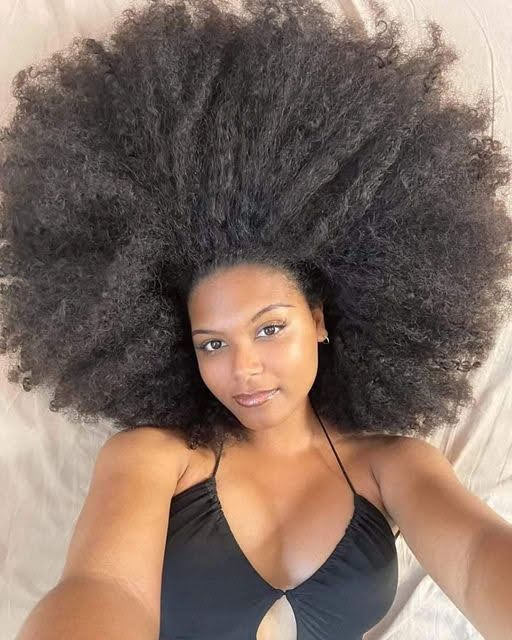
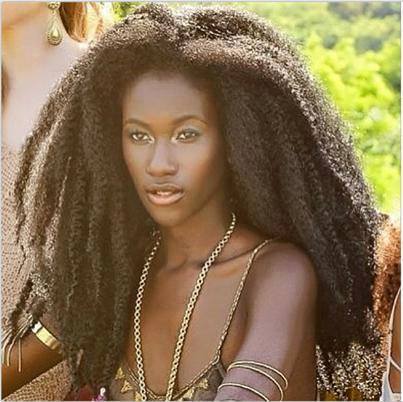
Black hair has always held profound significance, serving as a marker of identity, spirituality, and cultural heritage. In Africa, long before colonialism and slavery, hair was a crown of glory, symbolizing lineage, social status, and community belonging (Byrd & Tharps, 2014). For Black people, hair has never been merely aesthetic—it carries history, resistance, and sacred meaning.

In pre-colonial African societies, hair was a living language. Intricate braids, cornrows, and twists conveyed age, marital status, tribal affiliation, and even wealth (Banks, 2000). Hairstyling was often a communal ritual, strengthening social bonds and passing down ancestral knowledge from one generation to the next.

Biblical references further elevate the significance of hair. 1 Corinthians 11:15 (KJV) states, “If a woman have long hair, it is a glory to her: for her hair is given her for a covering.” For Black women, this verse resonates as a recognition of God’s gift, linking hair to divine identity and dignity.

The transatlantic slave trade violently disrupted African hair culture. Enslaved Africans were forced to shave their heads upon arrival in the Americas to erase tribal identities and assert control (Roach, 2018). Hair, once a source of pride, was weaponized as a tool of oppression.

During slavery, hair texture and style were stigmatized. Terms like “kinky” or “woolly” carried derogatory weight, while straightened textures were celebrated. This created layers of internalized racism and colorism that persist in the African diaspora (Thompson, 2009).

Despite oppression, Black hair became a form of resistance. Enslaved women braided escape routes into cornrows, transforming hairstyles into literal maps for freedom (Painter, 2006). Hair thus became a silent yet potent tool of survival and ingenuity.

In the post-slavery era, hair care emerged as a site of entrepreneurship and empowerment. Madam C.J. Walker, often cited as America’s first Black female millionaire, revolutionized hair care for Black women, blending beauty with economic independence (Walker, 1910). While some methods promoted straightening, the enterprise symbolized self-determination.

The 1960s and 1970s saw a radical reclamation of natural hair. The Afro emerged not just as a style but as a political statement aligned with the Civil Rights and Black Power movements. Wearing natural hair boldly rejected Eurocentric standards and asserted African heritage (Craig, 2002).

The natural hair movement also underscored self-love and cultural pride. Public figures and artists embraced their textures as a counter-narrative to centuries of discrimination, emphasizing that Black beauty is not defined by whiteness but by heritage and authenticity.

Black men’s hair has historically carried symbolic weight as well. Styles such as dreadlocks connected spiritual identity with biblical Nazarite traditions, as exemplified in Samson’s story (Judges 16:17, KJV). Hairstyle became a reflection of spiritual and cultural consciousness.

Despite progress, Black hair remains a contested space. Discrimination persists in workplaces and schools, with natural hairstyles often deemed “unprofessional.” The CROWN Act, legislated in several U.S. states, combats this hair-based discrimination, affirming that hair is not only cultural but also legal terrain (CROWN Act, 2019).

Social media has amplified cultural reclamation, providing platforms for tutorials, education, and storytelling. Sites like YouTube and TikTok have created virtual salons, where younger generations can learn protective styling, hair care, and embrace natural textures (Banks, 2000).

Culturally, Black hair has influenced music, film, and fashion, from the Afros of the 1970s to contemporary locs and twists. Icons such as Cicely Tyson, Erykah Badu, and Lupita Nyong’o have reshaped societal notions of beauty, making Black hair a visible emblem of pride (Thompson, 2009).

Hair is intertwined with spiritual symbolism. Isaiah 61:3 (KJV) promises beauty for ashes, suggesting that reclaiming one’s hair after oppression is a reflection of God’s restorative power. For many, embracing natural hair is an act of faith and spiritual resilience.

Throughout history, Black hair has navigated multiple pressures: assimilation, Eurocentric beauty standards, and societal prejudice. Yet it has remained a central marker of Black identity, resilience, and artistic expression.

Today, the diversity of Black hair textures and styles—from twists, braids, locs, and afros—represents freedom, creativity, and cultural continuity. Hair care practices have evolved, but the symbolism endures: hair is power, pride, and self-expression.

Black hair also plays a role in community and mentorship. Stylists pass down ancestral techniques, creating spaces where history, skill, and storytelling converge. Hair salons have historically functioned as cultural hubs for connection, resistance, and affirmation (Banks, 2000).

The history of Black hair reflects the broader African diaspora’s struggle and triumph. From forced shaving during slavery to today’s celebration of curls and locs, hair chronicles a journey from erasure to reclamation, from shame to glory.

In essence, Black hair is sacred, political, and cultural. It embodies resilience, identity, spirituality, and creativity. Hair is glory restored, a living testament to survival and divine beauty.


References

  • Banks, I. (2000). Hair matters: Beauty, power, and Black women’s consciousness. NYU Press.
  • Byrd, A., & Tharps, L. (2014). Hair story: Untangling the roots of Black hair in America. St. Martin’s Press.
  • Craig, M. L. (2002). Ain’t I a beauty queen?: Black women, beauty, and the politics of race. Oxford University Press.
  • CROWN Act. (2019). Creating a Respectful and Open World for Natural Hair. California State Legislature.
  • Painter, N. I. (2006). Exodusters: Black migration to Kansas after Reconstruction. Knopf.
  • Roach, M. (2018). Hair and identity in the African diaspora. Journal of Black Studies, 49(5), 435–456.
  • Thompson, C. (2009). Black women, beauty, and hair: How hair matters in identity formation. Women’s Studies Quarterly, 37(3/4), 101–123.
  • Walker, M. C. J. (1910). Secrets of success. Independent Business Publisher.

Hair Politics: Natural vs. Relaxed Hair in Professional Spaces.

This photograph is the property of its respective owner. No copyright infringement intended.

Hair has always carried meaning far beyond aesthetics—it reflects identity, history, politics, and even survival. For Black women, the politics of hair have long been tied to standards of beauty, professionalism, and self-worth. The debate between natural and relaxed hair is not simply cosmetic but deeply rooted in cultural history, racial oppression, and personal empowerment.


The Politics of Professionalism: Why Straight Hair Still Rules Corporate America

Employers in professional spaces often view straight hair as “neat,” “polished,” and “professional,” while Black kinky or coily hair is stereotyped as “unruly,” “unkept,” or “distracting” (Opie & Phillips, 2015). This bias is rooted in Eurocentric beauty standards that equate professionalism with whiteness. Because historically, straight hair aligns with the dominant white cultural norm, it is unconsciously perceived as the standard of acceptability.

Psychologically, this is linked to implicit bias—where people associate straight hair with competence, intelligence, and leadership, while natural Afro-textured hair triggers stereotypes of defiance or lack of refinement (Rosette & Dumas, 2007). Such perceptions are not about actual job performance but about conformity to white workplace culture.

Professionalism is not just about skill, education, or work ethic—it is often policed through appearance. For Black women, the workplace has historically imposed Eurocentric standards of beauty, particularly regarding hair. Employers frequently equate straight hair with professionalism, while natural kinky or coily textures are deemed “unruly,” “distracting,” or even “unprofessional.” This double standard has real consequences for Black women navigating corporate spaces.

The Legacy of Eurocentric Standards

The preference for straight hair in professional environments is rooted in colonial and Eurocentric ideals. Whiteness became the cultural baseline for what is considered polished, disciplined, and professional. Straight hair has long symbolized assimilation into white norms, whereas natural Afro-textured hair is often stigmatized as resistant or defiant. This has less to do with workplace performance and more to do with conformity to dominant cultural values.

Psychology and Bias

Psychological studies reveal how implicit bias shapes perceptions of hair. Research by Opie and Phillips (2015) shows that Black women with Afrocentric hairstyles (such as braids, Afros, or dreadlocks) are more likely to be rated as less professional, less competent, and less dominant compared to women with straightened hair. These evaluations are not objective assessments of skill, but rather cultural biases projected onto appearance. In essence, natural Black hair challenges white-centered notions of professionalism.

A Real-World Example: The Case of Chastity Jones

One of the most well-known workplace discrimination cases involving hair was Chastity Jones v. Catastrophe Management Solutions (2016). Jones, a Black woman, was offered a job at a call center but had her offer rescinded when she refused to cut her dreadlocks. The employer claimed that dreadlocks “tend to get messy,” despite the fact that her hair was neat and well-kept. Jones sued for racial discrimination, but the U.S. Court of Appeals ruled in favor of the employer, stating that hairstyle is not an “immutable characteristic” like race itself, and therefore not legally protected under Title VII. This case highlights how Black women’s natural hair continues to be penalized in ways straight hair never is.

The Emotional and Professional Toll

This bias creates psychological burdens for Black women who feel pressured to chemically relax, straighten, or otherwise alter their hair to fit workplace expectations. The choice is not simply aesthetic—it becomes a question of employability, respect, and economic survival. Constantly managing one’s hair to avoid discrimination can lead to stress, anxiety, and a diminished sense of authenticity. It also forces many Black women to choose between professional advancement and cultural self-expression.

The Rise of Natural Hair Movements

Despite this discrimination, movements like the Natural Hair Movement and campaigns such as #BlackGirlMagic and #CROWNAct have gained momentum. The CROWN Act (Create a Respectful and Open Workplace for Natural Hair) seeks to legally ban hair-based discrimination, affirming that Black hair in its natural state—braids, locs, twists, Afros—should be respected as professional. States like California, New York, and New Jersey have already passed the CROWN Act, with efforts expanding nationally.

The Science of Hair and Health Risks

Beyond social pressure, many relaxers and chemical straighteners carry health risks. Studies link long-term relaxer use to uterine fibroids, early puberty, and even increased cancer risk (Wise et al., 2012; Rosenberg et al., 2022). Straight hair may align with workplace expectations, but at the cost of Black women’s health. Natural kinky hair, on the other hand, is structurally stronger, better at retaining moisture, and scientifically designed to protect the scalp from the sun. What employers deem “unprofessional” is biologically one of the healthiest hair types.

The History of Hair Relaxers

Chemical hair relaxers first appeared in the early 20th century, pioneered by Madam C.J. Walker and other entrepreneurs who created products marketed to straighten Black hair for easier manageability and social acceptance (Bundles, 2001). By the mid-1900s, relaxers had become normalized, especially during the Civil Rights era when assimilation into white-dominated professional spaces was often tied to straightened hair. However, the rise of the natural hair movement in the 1960s and 1970s reintroduced Afrocentric pride, with natural hair symbolizing resistance and authenticity.

Relaxers use harsh chemicals such as sodium hydroxide, guanidine hydroxide, or ammonium thioglycolate to break down protein bonds in the hair shaft, permanently altering curl patterns (Robinson, 2011). Studies have shown that prolonged relaxer use can lead to scalp burns, hair thinning, breakage, and alopecia (Nkwocha, 2018). More concerning are the potential health risks: research suggests a correlation between chemical relaxer use and higher risks of fibroids, reproductive health issues, and even certain cancers (Wise et al., 2012). This raises the question of whether beauty should come at the expense of health.

The Love for Straight Hair and Its History

Many Black women’s affinity for straight hair is rooted in centuries of Eurocentric beauty ideals imposed during slavery and colonialism. Straight hair was historically associated with whiteness, cleanliness, and professionalism, while kinky or coily textures were stigmatized as “unkempt” or “inferior” (Patton, 2006). Assimilation into mainstream culture often meant altering one’s natural texture to access opportunities and avoid discrimination. Thus, the preference for straight hair is less about beauty alone and more about survival and acceptance in systems of white supremacy.

Why Natural Hair is Better

Natural hair carries cultural, spiritual, and health advantages. It allows the scalp and strands to thrive without chemical damage, preserving thickness and elasticity. It also honors heritage and affirms identity, serving as a visual declaration of authenticity and self-love. From a health perspective, embracing natural hair reduces exposure to toxic chemicals, supporting overall well-being (Byrd & Tharps, 2014).

The Science of Kinky Hair

Kinky and coily hair is structurally different from straight or wavy hair. Research shows that the elliptical shape of the hair follicle creates tight curls, which are more prone to dryness since natural oils have difficulty traveling down the shaft (Tate, 2009). While this fragility requires special care, it also provides unique styling versatility and natural volume unmatched by other hair types. Rather than being seen as “difficult,” kinky hair is scientifically a crown of complexity and resilience.

Biblical Reflections on Hair

The Bible references hair as a symbol of glory, strength, and consecration. “But if a woman have long hair, it is a glory to her: for her hair is given her for a covering” (1 Corinthians 11:15, KJV). While the Bible does not specify texture, it underscores hair as a natural gift from God. Altering it for societal acceptance raises questions about identity and divine intention. Thus, natural hair can be embraced as a reflection of God’s design rather than something to be suppressed.

The Psychology of Black Hair

Hair is central to self-concept and cultural belonging. For Black women, hair-related stress is well documented, with many experiencing “hair anxiety” in professional settings due to bias (Opie & Phillips, 2015). Psychologically, choosing natural hair often leads to greater self-acceptance and reduced internalized racism, while reliance on relaxers may be tied to conformity and fear of rejection. Hair, then, becomes both a personal and political battlefield, influencing mental health and identity formation.

Conclusion: Hair as Liberation

Ultimately, the debate between natural and relaxed hair is about more than style; it is about health, freedom, and authenticity. Natural hair resists centuries of oppression, honors cultural heritage, and prioritizes well-being. While each woman has the autonomy to choose, the growing embrace of natural textures in professional spaces signals a shift toward liberation. The politics of hair remind us that Black beauty is not something to be corrected—it is something to be celebrated. The real question is not whether natural Black hair is professional—it always has been—but rather why workplaces continue to uphold Eurocentric standards as the benchmark. By associating straight hair with competence, corporate America perpetuates racial inequality under the guise of professionalism. A shift toward inclusivity means challenging these assumptions and affirming that professionalism is about skills, not conformity to white aesthetics.


References

  • Bundles, A. L. (2001). On Her Own Ground: The Life and Times of Madam C.J. Walker. Scribner.
  • Byrd, A., & Tharps, L. (2014). Hair Story: Untangling the Roots of Black Hair in America. St. Martin’s Press.
  • Nkwocha, I. (2018). The harmful effects of hair relaxers: A health review. Journal of Public Health and Epidemiology, 10(3), 99–106.
  • Opie, T., & Phillips, K. W. (2015). Hair penalties: The negative influence of Afrocentric hair on ratings of Black women’s dominance and professionalism. Frontiers in Psychology, 6, 1311.
  • Patton, T. O. (2006). Hey girl, am I more than my hair? African American women and their struggles with beauty, body image, and hair. NWSA Journal, 18(2), 24–51.
  • Robinson, C. (2011). Hair Loss Disorders in Ethnic Populations. Springer.
  • Tate, S. A. (2009). Black Beauty: Aesthetics, Stylization, Politics. Ashgate.
  • Wise, L. A., Palmer, J. R., Reich, D., & Rosenberg, L. (2012). Hair relaxer use and risk of uterine leiomyomata in African-American women. American Journal of Epidemiology, 175(5), 432–440.

EEOC v. Catastrophe Management Solutions, 852 F.3d 1018 (11th Cir. 2016).

Opie, T., & Phillips, K. W. (2015). Hair penalties: The negative influence of Afrocentric hair on ratings of Black women’s dominance and professionalism. Frontiers in Psychology, 6, 1311.

Rosette, A. S., & Dumas, T. L. (2007). The hair dilemma: Conform to mainstream expectations or emphasize racial identity. Duke Journal of Gender Law & Policy, 14(1), 407–421.

Hair, Politics, and Respectability: The Crown We Never Asked For

Hair has never been “just hair” for Black people. In societies shaped by colonialism and racism, Black hair—especially its natural textures—has been politicized, stigmatized, and controlled. The title Hair, Politics, and Respectability: The Crown We Never Asked For captures this tension: while hair is a natural inheritance, it has become a symbol of identity, resistance, and discrimination. From biblical reflections to modern psychology, the struggle over Black hair reveals both the resilience of a people and the weight of systemic oppression.


Hair and Politics: Why Texture Became a Battleground

During slavery, Black hair was ridiculed as “woolly,” “unkempt,” or “inferior” compared to European textures. Enslaved women were often forced to cover their hair with scarves, stripping them of cultural expression. In the twentieth century, straightening became associated with “respectability,” as Eurocentric beauty standards were used to determine professionalism, employability, and social acceptance (Byrd & Tharps, 2014). Hair became political because it signified whether one conformed to dominant norms or resisted them.

Even today, workplace and school policies ban natural styles such as locs, afros, and braids, framing them as “unprofessional.” This reveals how deeply Eurocentric aesthetics are embedded in institutional power structures. Black hair is not bad—it is the perception of it, shaped by systemic racism, that weaponizes it against Black people.


Media Examples of Hair Discrimination

  • Gabrielle Union (2019): The actress revealed that she was criticized on America’s Got Talent for her hairstyles being “too Black” for mainstream audiences.
  • Zendaya (2015): At the Oscars, a TV host insulted her locs, suggesting they made her smell like “weed or patchouli oil,” perpetuating stereotypes about natural Black hair.
  • Ayanna Pressley (2020): The U.S. Congresswoman openly discussed the politics of her hair after revealing her alopecia, highlighting the burden Black women face regarding appearance.
  • Students Nationwide: Numerous cases have emerged of Black children suspended or excluded from schools for wearing natural hairstyles—demonstrating how hair policing begins in childhood.

These examples show that hair is treated not as personal expression but as a battleground of social acceptance.


Why Is Black Hair Considered “Bad”?

  1. Colonial Legacies: European colonizers ranked African features as inferior to justify slavery and subjugation. Hair texture became part of this false hierarchy.
  2. Respectability Politics: Within Black communities, straightened hair was sometimes encouraged as a survival strategy, signaling assimilation to reduce discrimination.
  3. Media Reinforcement: Advertisements and entertainment long centered straight hair as the default “beautiful,” erasing the diversity of Black textures.
  4. Psychological Control: By stigmatizing natural hair, systems of power sought to strip Black people of cultural pride and self-love.

Psychological Dimensions of Hair Politics

Hair discrimination carries profound psychological effects. Research shows that Black women who feel pressure to conform to Eurocentric hairstyles report higher stress levels, body image struggles, and identity conflict (Robinson, 2011). Natural hair movements—such as the resurgence of afros in the 1970s and the current embrace of locs, twists, and braids—function as acts of resistance and self-acceptance. For Black children, representation is vital: being punished for natural hair fosters shame and internalized racism, while affirmation builds resilience and pride.


Biblical Reflections on Hair and Identity

The Bible addresses hair as both symbolic and spiritual.

  • Glory and Crown: “But if a woman have long hair, it is a glory to her: for her hair is given her for a covering” (1 Corinthians 11:15, KJV). Here, Paul acknowledges hair as a natural crown of dignity.
  • Consecration: In Numbers 6:5, Nazirites such as Samson were commanded not to cut their hair as a sign of holiness and covenant with God. This shows that hair was more than appearance—it was identity and consecration.
  • Diversity in Creation: Scripture affirms that humanity is “fearfully and wonderfully made” (Psalm 139:14). Black hair textures, in all their variety, are part of God’s intentional design, not a flaw.

These biblical insights reject the notion that natural hair is “bad.” Instead, hair is a crown—sometimes even a sacred symbol of identity and strength.


Toward Liberation: Reclaiming the Crown

To break free from the burden of hair politics, society must dismantle Eurocentric beauty hierarchies and embrace inclusivity. Policies such as the CROWN Act (Creating a Respectful and Open World for Natural Hair) in the U.S. represent legal recognition of this struggle. On a personal and cultural level, embracing natural hair affirms resilience: a refusal to bow to imposed norms. For Black women and men, reclaiming their hair is reclaiming their God-given identity, their psychological well-being, and their cultural pride.


Conclusion

Hair, Politics, and Respectability: The Crown We Never Asked For underscores that Black hair has been politicized against its wearers, weaponized as a marker of inferiority. Yet, both psychology and scripture affirm that Black hair is beautiful, intentional, and sacred. It is not a flaw to be corrected but a crown to be celebrated. In embracing their natural hair, Black people reject imposed shame and walk boldly in resilience, dignity, and divine purpose.


References

  • Byrd, A., & Tharps, L. L. (2014). Hair story: Untangling the roots of Black hair in America. St. Martin’s Press.
  • Robinson, C. (2011). Hair as race: Why “good hair” may be bad for Black females. Howard Journal of Communications, 22(4), 358–376.
  • The Holy Bible, King James Version.