
Tag Archives: hair-care

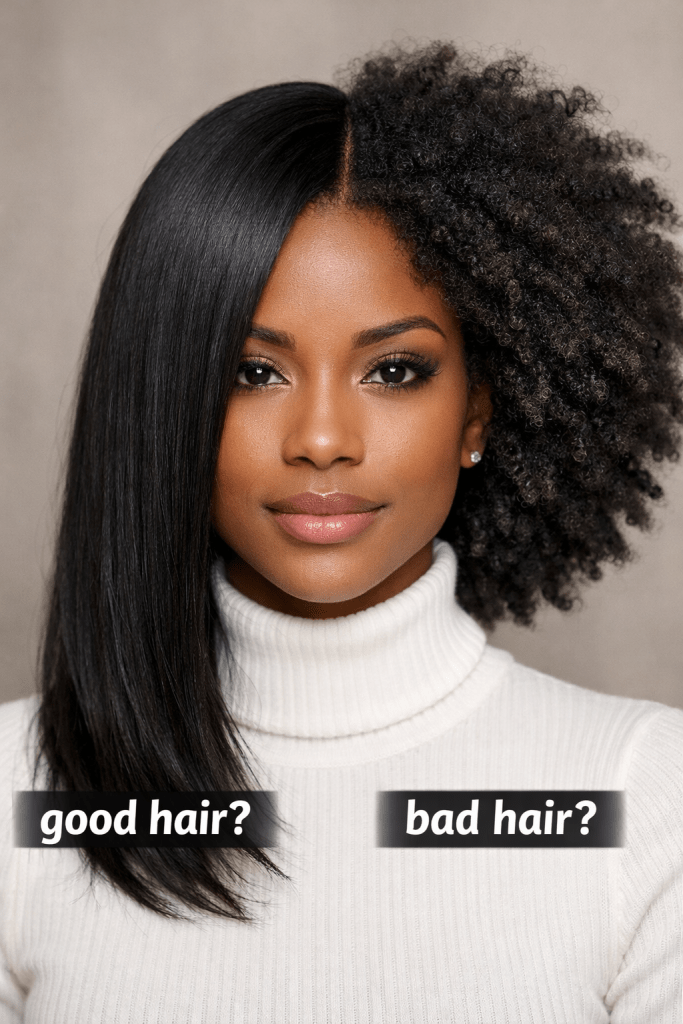
Good Hair Vs Bad Hair

The conversation around “good hair” and “bad hair” has long been a source of tension, pride, and pain within the Black community. The term “good hair” often refers to straighter, silkier textures associated with European standards of beauty, while “bad hair” is used to describe tightly coiled, kinky textures often associated with African heritage. But what does the Bible say about hair, and how can we reclaim a healthy, godly perspective?

The Bible affirms that all hair is good because it is created by God. Matthew 10:30 (KJV) declares, “But the very hairs of your head are all numbered.” This scripture shows the Most High’s care and intentionality regarding hair. There is no biblical basis for labeling one texture as superior to another. Instead, hair is seen as a natural part of God’s design, a symbol of identity, and, in many cases, a spiritual covering (1 Corinthians 11:15, KJV).
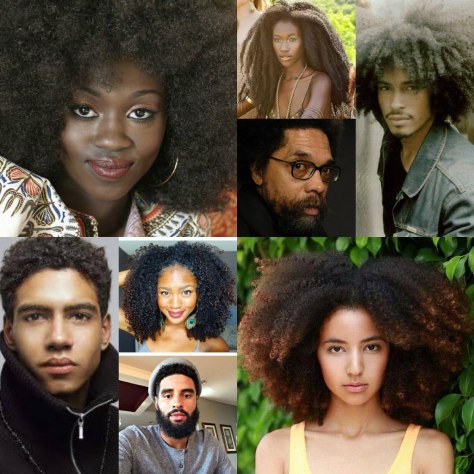
All photographs are the property of their respective owners. No copyright infringement intended.

The notion of “bad hair” largely stems from the legacy of slavery and colonialism. During slavery in America, Africans’ natural hair was often ridiculed and seen as “wild” or “unkempt” by European enslavers. This ridicule was strategic—it sought to strip enslaved Africans of pride in their natural appearance, to convince them that European features and styles were superior.

Psychologically, this produced internalized racism. Over time, many Black people began to associate straight hair with beauty, respectability, and even success. This association was reinforced in media, workplaces, and schools that penalized or banned natural hairstyles. Such systemic discrimination can lead to what scholars call “cultural trauma,” where a group learns to devalue aspects of its own identity.

The term “nappy” historically was used as a derogatory word. It mocked the tight coils and kinks of African hair, equating them with roughness or uncleanliness. The phrase “nappy-headed” became a slur that reinforced the idea that natural Black hair was undesirable. This is a psychological residue of enslavement that still impacts Black self-esteem today.

In truth, there is no such thing as “bad hair.” All hair grows according to the genetic blueprint given by God. Psalm 139:14 (KJV) reminds us, “I will praise thee; for I am fearfully and wonderfully made.” The texture, thickness, and curl pattern of one’s hair is divinely designed, not a mistake.

The love-hate relationship with hair in the Black community also reveals a longing for acceptance. Many Black people invest heavily in hair products, wigs, and chemical treatments to conform to mainstream standards. This is not just vanity—it is often a survival mechanism in a society that discriminates based on appearance.

Hollywood, advertising, and fashion industries have historically promoted Eurocentric beauty ideals, making straight hair the default standard of attractiveness. This has led to generations of Black children growing up believing that their natural hair was unprofessional or unattractive unless it was altered.

The Bible warns against adopting the world’s standard of beauty. 1 Samuel 16:7 (KJV) says, “For man looketh on the outward appearance, but the Lord looketh on the heart.” God is not concerned with whether hair is curly, straight, or coiled—He is concerned with the condition of our spirit.

Hair is also deeply symbolic in the Bible. Samson’s hair represented his covenant with God (Judges 16:17, KJV). The Nazarites were instructed not to cut their hair as a sign of consecration (Numbers 6:5, KJV). These examples remind us that hair has spiritual meaning, but no texture or style makes one holier than another.

Solutions to the “good hair” vs. “bad hair” divide must begin with education and affirmation. Parents can teach children from an early age to embrace their natural hair textures, using affirmations and showing them examples of beauty that look like them. Representation matters.

The natural hair movement has been one powerful response to centuries of hair-shaming. By wearing afros, locs, braids, and twists proudly, Black people reclaim their heritage and reject the lie that straight hair is superior. This movement echoes Romans 12:2 (KJV): “And be not conformed to this world: but be ye transformed by the renewing of your mind.”

Workplaces and schools must also be challenged. Laws like the CROWN Act, which bans hair discrimination, are steps toward justice. Discrimination against natural hair is not merely a fashion issue—it is a civil rights issue rooted in systemic racism.

Spiritually, the solution also involves repentance and deliverance from self-hatred. Generational trauma and the colonial mindset must be broken. Believers can pray for a renewed mind and ask God to restore confidence in His design.

Men must also be part of this conversation. In many cases, Black men have been conditioned to prefer straight hair on women, reinforcing Eurocentric standards. Re-educating men about the beauty and versatility of natural hair is part of community healing.

Media creators and influencers have a responsibility to showcase diverse hair textures positively. When children see actresses, news anchors, and professionals wearing natural styles proudly, it normalizes their beauty. This can shift psychological perceptions over time.

The church can play a role by teaching that hair should not be a source of pride, shame, or division. James 2:1-4 (KJV) warns against showing partiality based on outward appearance. The body of Christ should be the first place where people of all textures feel celebrated.

Healing the Next Generation

The conversation around hair identity must address its impact on children, because early experiences with hair-shaming or affirmation often shape a child’s self-image for life. Developmental psychology teaches that children form a sense of self-worth between ages 3 and 7. If a child repeatedly hears that their hair is “nappy,” “ugly,” or “unprofessional,” those words can leave a deep emotional wound that lasts into adulthood.

Hair bullying is a real issue. In many schools, Black children have been suspended or sent home for wearing braids, locs, or afros—styles that are natural and culturally significant. These incidents teach children that who they are is unacceptable unless they conform to Eurocentric beauty standards. This form of discrimination not only harms self-esteem but also creates anxiety and shame.

From a psychological standpoint, children who internalize negative messages about their hair often struggle with identity development. They may wish they looked different, leading to feelings of inadequacy. Erik Erikson’s theory of psychosocial development identifies this as an “identity vs. role confusion” stage—when children are trying to discover who they are, acceptance plays a critical role.

Biblically, this issue is critical because self-hatred contradicts God’s design. Psalm 8:5 (KJV) declares, “For thou hast made him a little lower than the angels, and hast crowned him with glory and honour.” Every child is made in God’s image (Genesis 1:27, KJV) and should be celebrated as such. Teaching children to love their hair is teaching them to love God’s creation.

Parents play the most important role in reversing the harm of “good hair vs. bad hair” conditioning. Affirmations like “Your hair is beautiful just the way God made it” can help children internalize positive messages. Taking time to gently care for and style their hair with love turns grooming into a time of bonding and affirmation.

Representation in books, toys, and media is also crucial. When children see dolls, superheroes, and princesses with afros, braids, and coils, they learn that beauty comes in many forms. Christian parents can incorporate Bible lessons on diversity and God’s intentional creation to reinforce this truth.
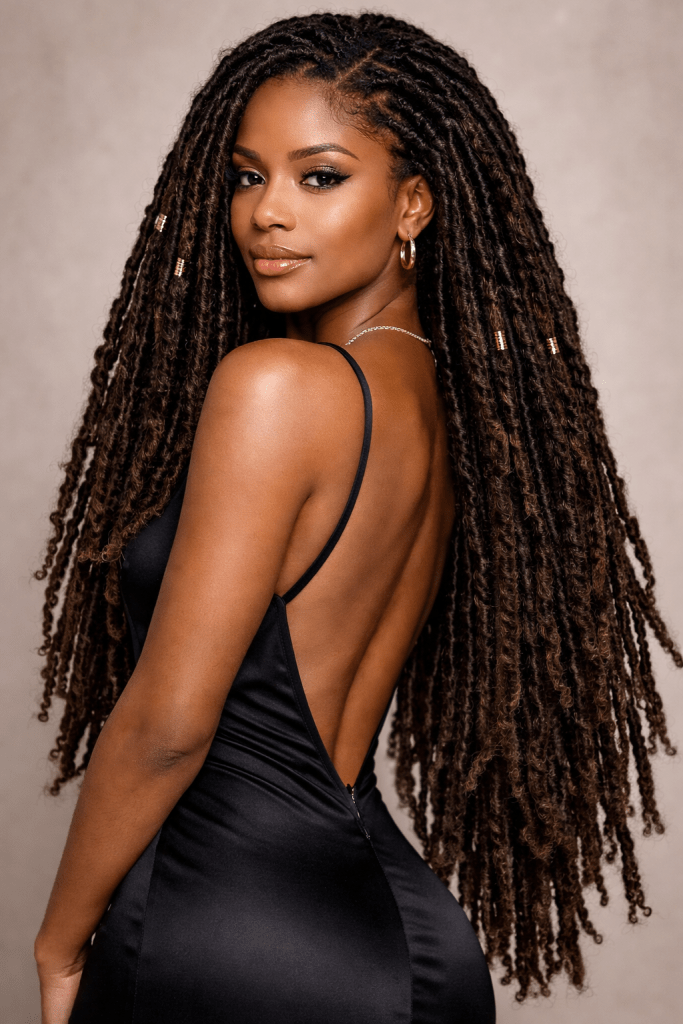
People must create spaces where natural beauty is affirmed rather than criticized. Sadly, some church cultures have pressured women and girls to straighten their hair to look “presentable” for service. Instead, churches should teach that modesty and holiness are about the heart (1 Peter 3:3-4, KJV), not about imitating European hairstyles.

Schools need cultural sensitivity training to prevent hair discrimination. The CROWN Act (Creating a Respectful and Open World for Natural Hair) is now law in several U.S. states and should be advocated for everywhere. This legislation protects children from unfair discipline or exclusion based on hair.

Psychologists recommend early intervention when children experience hair-based bullying. Parents should validate the child’s feelings, teach coping strategies, and involve teachers if necessary. Healing from these experiences prevents long-term damage to self-esteem.

Mentorship programs can also make a difference. When children see older peers or adults proudly rocking natural hair, they have role models to look up to. This helps normalize natural hair and removes the stigma.

Hair care education is another solution. Many parents and teachers simply do not know how to care for natural hair, which can lead to frustration or neglect. Workshops on proper styling, maintenance, and products empower families to care for their hair healthily.

From a community perspective, celebrating natural hair through events like hair shows, heritage days, or social media campaigns can build pride. These events allow children to see that their hair is not just normal—it is special and worth celebrating.

Men and fathers have a special responsibility to speak life into their daughters. A father who compliments his daughter’s natural hair can shield her from seeking validation from harmful sources. Proverbs 18:21 (KJV) reminds us that “death and life are in the power of the tongue.”

Mental health support is also important. If a child’s self-esteem has been deeply harmed, counseling can help them rebuild a healthy self-image. Christian counseling can integrate biblical truths with therapeutic strategies to restore confidence.

The natural hair conversation should also extend to young boys. Boys with locs or afros have been stereotyped as “unprofessional” or even “criminal.” Parents must teach their sons that their hair is not a marker of delinquency but of heritage, creativity, and pride.

Psychologically, embracing natural hair is part of decolonizing the mind. It is a way of rejecting oppressive beauty standards and embracing cultural authenticity. Romans 12:2 (KJV) calls us to “be transformed by the renewing of your mind.” Renewing the mind means unlearning lies that say Blackness must be hidden or altered to be acceptable.

Education on African history is also a solution. When children learn about ancient African civilizations—Egypt, Kush, Mali—and their rich culture, they develop pride in their heritage. This context reframes hair as part of a royal, powerful legacy rather than something to be ashamed of.

Finally, prayer and community support are vital. Families can pray over their children’s self-esteem and ask God to protect them from the spirit of rejection. James 5:16 (KJV) promises that “the effectual fervent prayer of a righteous man availeth much.” Community support groups can also provide encouragement and resources for families committed to embracing natural beauty.

In conclusion, healing the next generation from the trauma of “good hair vs. bad hair” is not just a beauty issue—it is a spiritual and cultural mission. By affirming children early, reforming schools and churches, and providing mentorship and representation, we can raise a generation that celebrates what God has given them. When we teach children that all hair is good hair, we teach them that they themselves are good—fearfully and wonderfully made.

Ultimately, the conversation about “good hair” vs. “bad hair” is about much more than hair. It is about freedom—freedom from colonial thinking, from internalized racism, and from societal pressure to conform. True freedom comes from knowing who you are in Christ and embracing every part of your God-given identity.

In conclusion, all hair is good hair. It is numbered by God, designed with purpose, and worthy of care and respect. The challenge before us is to uproot the lies of slavery, colonization, and white supremacy that taught generations of Black people to hate what God made. Only then can we walk fully in the truth that we are fearfully and wonderfully made—kinks, curls, coils, and all.
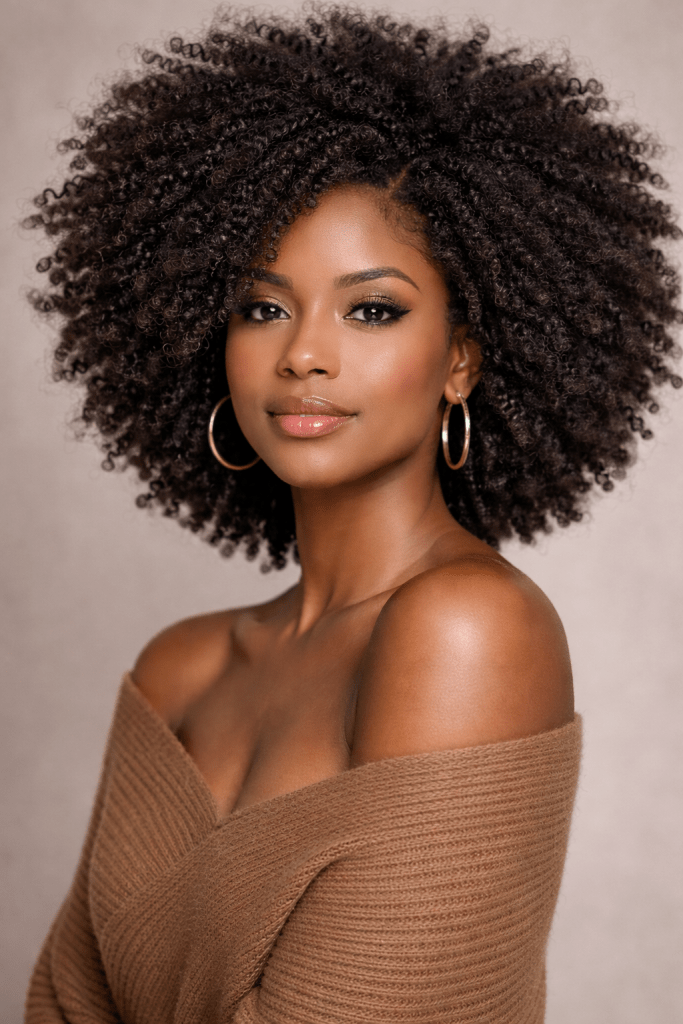
Good Hair? YES


References

  • Banks, I. (2000). Hair Matters: Beauty, Power, and Black Women’s Consciousness. NYU Press.
  • Byrd, A., & Tharps, L. (2014). Hair Story: Untangling the Roots of Black Hair in America. St. Martin’s Griffin.
  • hooks, b. (1992). Black Looks: Race and Representation. South End Press.
  • DeGruy, J. (2005). Post Traumatic Slave Syndrome. Joy DeGruy Publications.

Key KJV Scriptures: Matthew 10:30; 1 Corinthians 11:15; Psalm 139:14; 1 Samuel 16:7; Judges 16:17; Numbers 6:5; Romans 12:2; James 2:1-4.
From Kinky to Crown: The Politics and Pride of Black Hair

“Black hair is beautiful, but society has often told us otherwise. It is a statement of identity, resistance, and pride.” — Dr. Ayana Byrd, author of Hair Story

“My hair is my crown, and I wear it with pride. Every curl tells a story.” — Lupita Nyong’o


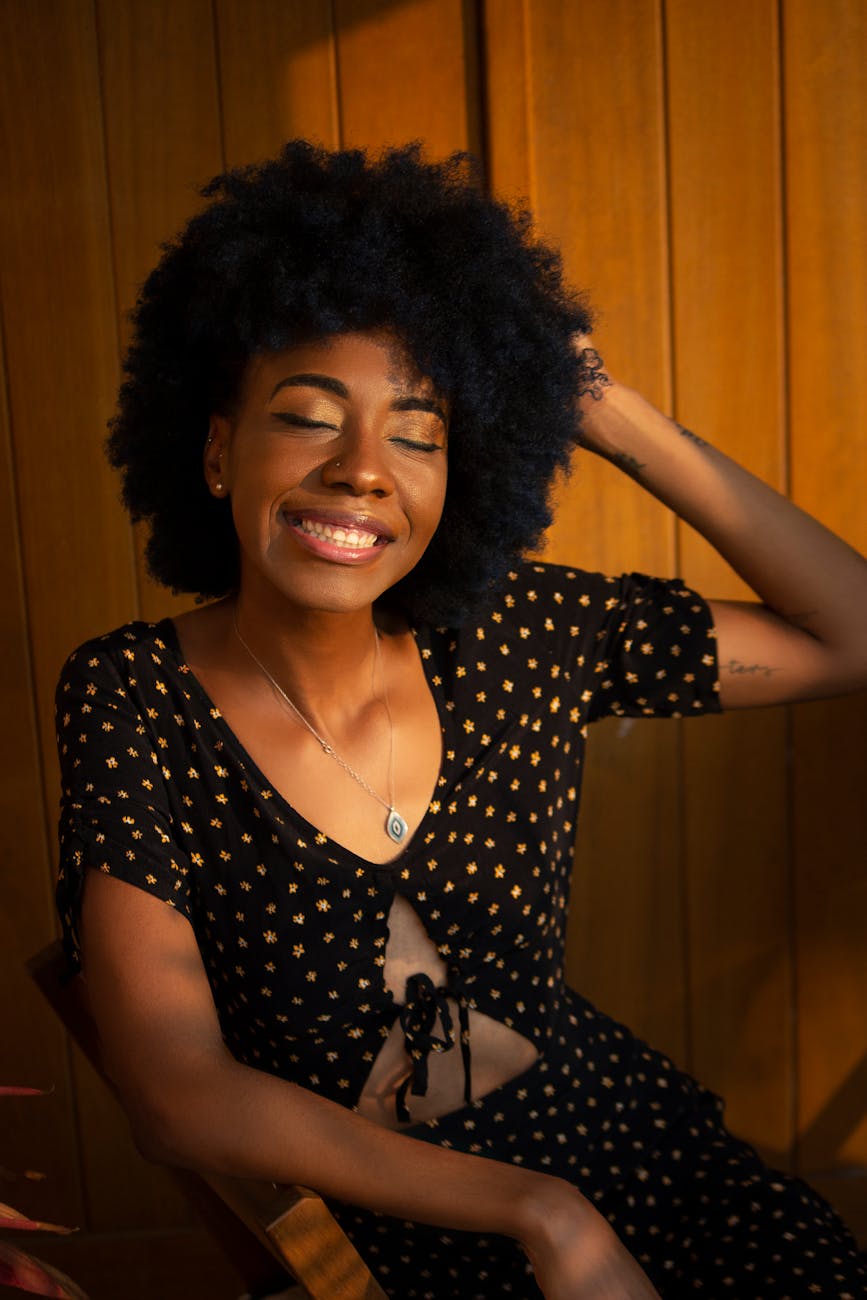
Photo by TUBARONES PHOTOGRAPHY on Pexels.com

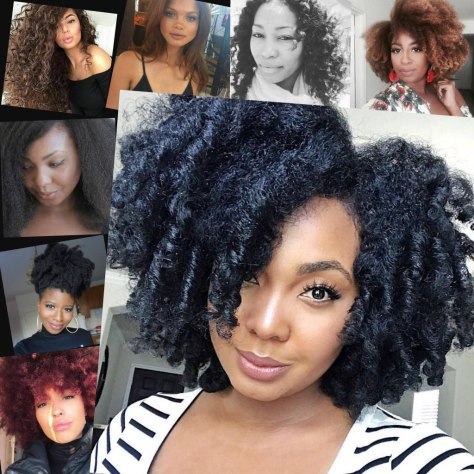
Black hair has long been a symbol of identity, heritage, and culture. The textures range from tightly coiled kinks to soft waves, each reflecting the rich diversity of African ancestry. However, the politics surrounding Black hair are deeply tied to historical and social power structures. Eurocentric standards of beauty have positioned straight hair as the “universal standard,” often marginalizing naturally textured hair. This has created a spectrum of discrimination, from overt workplace bias to subtler societal messaging about what constitutes “good” versus “bad” hair. Understanding the textures, cultural history, and politics of Black hair is essential to fostering pride, resilience, and self-acceptance within the Black community.


The Textures and Cultural Significance

Black hair textures vary widely, commonly classified into four types (1–4), with subcategories (A–C) based on curl tightness and pattern. Type 1 is straight hair, which is rare among people of African descent. Type 2 is wavy, Type 3 is curly, and Type 4 is coily/kinky, characterized by tightly packed curls. Each texture carries cultural significance: in African societies, hairstyles represented social status, tribal affiliation, and spiritual beliefs. The Bible also references hair as a sign of strength and identity; for example, Samson’s hair was a symbol of his God-given strength (Judges 16:17, KJV). These textures have been politicized in modern society, where natural hair has often been stigmatized in favor of straightened, chemically relaxed styles.


The Impact of Media and Societal Standards

Media representations reinforce the notion that straight hair is the universal standard of beauty, creating a pervasive hierarchy of hair textures. “Good hair,” often described as straight or loosely curled, is historically linked to proximity to whiteness, while kinky or coily hair has been labeled “bad” or unprofessional (Byrd & Tharps, 2001). These messages have psychological and emotional impacts, influencing self-esteem, identity formation, and social mobility. Mothers, aware of societal bias, often teach children to view their natural hair as needing taming or improvement, inadvertently perpetuating internalized bias. Celebrities and public figures like Lupita Nyong’o challenge this narrative, celebrating natural hair as a crown of heritage and a statement of self-worth.


Care, Products, and Community Perspectives

Caring for Black hair requires attention to moisture, protective styling, and gentle handling to prevent breakage. Recommended products include shea butter, coconut oil, jojoba oil, and sulfate-free shampoos and conditioners. Popular protective styles include braids, twists, locs, and cornrows. Black men have expressed diverse opinions on Black hair, ranging from appreciation of natural textures to preferences shaped by societal norms. These perspectives highlight the ongoing negotiation of identity, beauty, and social perception within the community. Scholars emphasize that reclaiming pride in natural hair fosters empowerment and combats internalized oppression (Banks, 2016).


Conclusion

Black hair is more than aesthetic; it is a political and cultural statement that reflects history, identity, and resilience. From kinky coils to loose curls, hair embodies a legacy of survival, pride, and spiritual significance. By understanding hair textures, rejecting media-imposed hierarchies, and embracing culturally affirming care practices, the Black community can reclaim the crown of natural beauty. As Lupita Nyong’o asserts, each curl tells a story, and through this recognition, Black hair can be celebrated rather than stigmatized. Embracing the politics and pride of Black hair is a step toward self-love, cultural affirmation, and generational healing.


References

  • Banks, I. (2016). Hair Matters: Beauty, Power, and Black Women’s Consciousness. NYU Press.
  • Byrd, A., & Tharps, L. (2001). Hair Story: Untangling the Roots of Black Hair in America. St. Martin’s Press.
  • Lupita Nyong’o. (2014). Personal Interview: Celebrating Natural Hair. Essence Magazine.
  • Roberts, D. (2010). Shaping Beauty, Shaping Race: African American Women and Hair Politics. Duke University Press.
  • The Holy Bible, King James Version.

TEXTURISM and Hairism: The Politics of Black Hair, Beauty Hierarchies, and Racial Identity

These photographs are the property of their respective owners.

Hair is more than an aesthetic expression; it is an emblem of identity, culture, power, and resistance. In racialized societies, however, the natural hair textures of African-descended peoples have long been devalued and stigmatized. One of the most insidious manifestations of this stigma is texturism—a form of discrimination based on hair texture that prioritizes looser, straighter, or more “manageable” hair over tightly coiled, kinkier hair. Closely linked to hairism, which broadly encompasses prejudice based on hair type and style, texturism reflects internalized racism and the lingering colonial legacies that shape beauty standards globally. This essay explores the roots, meanings, and consequences of texturism and hairism, tracing their origins through enslavement, Eurocentric aesthetics, and media representation, while also examining pathways toward hair acceptance and reclamation.


Defining Texturism and Hairism

Texturism is the preferential treatment of individuals with loosely curled or straight hair textures over those with tightly coiled or kinky hair. The term was coined by natural hair advocate Chassity Jones in the early 2010s, though the concept existed long before. Hairism, a broader term, refers to discrimination based on hair—whether through texture, length, or perceived neatness. Both terms expose a hierarchy that privileges proximity to Eurocentric beauty ideals, reflecting deeply entrenched social and racial structures.

Historically, hairism and texturism are legacies of colonialism and slavery. Enslaved Africans in the Americas were mocked and punished for their hair, which was seen as wild, untamed, or inferior to the smooth, straight hair of Europeans. Over time, this bias became internalized within Black communities, creating harmful classifications like “good hair” (straight or loosely curled) and “bad hair” (kinky or tightly coiled). These distinctions perpetuated social divisions, reinforcing white supremacist ideologies under the guise of grooming and professionalism.


Hair Texture Types and Their Racial Associations

Hair texture is commonly categorized using the Andre Walker Hair Typing System, developed by Oprah Winfrey’s stylist in the 1990s. It breaks down hair types into four major categories:

  • Type 1: Straight hair (most commonly found among East Asians and Europeans).
  • Type 2: Wavy hair
    • 2A-2C: Light waves to coarse, frizzy waves (found in some Latinx, Middle Eastern, and European populations).
  • Type 3: Curly hair
    • 3A-3C: Loose, springy curls to tight corkscrews (common among mixed-race individuals and some Black and Latinx people).
  • Type 4: Coily or kinky hair
    • 4A-4C: Soft, tight coils to densely packed Z-shaped kinks (predominantly found in people of African descent).

Type 4 hair, particularly 4B and 4C, is often mislabeled as “nappy,” “unkempt,” or “unprofessional,” despite its remarkable versatility and strength. This classification system, while useful in describing curl patterns, has also unintentionally contributed to a hierarchy in which looser curls are perceived as more attractive and acceptable than tighter coils.


“Good Hair” vs. “Bad Hair”: Origins and Impact

The phrase “good hair” emerged during the antebellum era in the United States, when lighter-skinned enslaved people with straighter hair—often the children of white slave owners—were granted preferential treatment. “Good hair” was hair that mimicked the European aesthetic: straight, smooth, and easily tamed. Conversely, “bad hair” referred to the coarser, kinkier textures of African people, which were labeled undesirable.

The legacy of these terms endures today. Black children still experience discrimination in schools for wearing their natural hair. Black professionals are pressured to straighten their hair or wear wigs and weaves to conform to Eurocentric corporate standards. The CROWN Act (Creating a Respectful and Open World for Natural Hair), first passed in California in 2019, had to be introduced precisely because hair-based discrimination remains legal in many parts of the U.S.

“I had to learn that my hair is not the problem—the world’s refusal to see my beauty is.”
—Lupita Nyong’o

“Our hair is political, spiritual, historical, and beautiful. It tells the story of who we are.”
—Dr. Yaba Blay

These quotes reflect a growing cultural movement toward reclaiming natural hair and affirming Black identity on its own terms, rather than through the gaze of whiteness.


The Origins of the Term “Nappy”

The term “nappy” is believed to have originated during slavery, used derogatorily to describe the tightly coiled hair of Africans, likening it to the coarse texture of cotton or the naps in sheep’s wool. Its use was designed to dehumanize and shame enslaved Africans, stripping their hair—and by extension, their identity—of any value or beauty. While some have sought to reclaim “nappy” as a term of empowerment, its historical weight continues to stir deep emotions and debate within Black communities.

Kinky Hair / Tightly Coiled Hair

Kinky or coily hair refers to hair textures that form tight curls or zig-zag patterns, often classified as Type 4. This hair type is rich in cultural and genetic heritage, yet is frequently misunderstood. Contrary to myths of unmanageability, kinky hair is incredibly versatile and can be styled in braids, locs, afros, twists, and bantu knots. However, due to its tendency to shrink and its fragility, it requires specific care and moisture retention.

Why is this hair type stigmatized? The answer lies in colonial aesthetics: beauty standards were built around whiteness. Kinky hair was demonized as evidence of racial inferiority and disorder—ideas perpetuated by pseudo-scientific racism. As a result, even within Black communities, looser curls or silkier textures have been idealized, creating a painful hierarchy of desirability.


Why Do Some Black People Struggle to Love Their Hair?

Centuries of anti-Blackness have conditioned many Black individuals to see their natural hair as burdensome or ugly. The media, education, and even family dynamics have reinforced these messages. Hair relaxers, hot combs, and weaves became tools of survival—ways to assimilate and escape ridicule. These practices, while empowering for some, also reflect a historical pressure to conform.

This struggle is not due to self-hate in isolation but to systemic programming. As author Chimamanda Ngozi Adichie once said:

“The problem with stereotypes is not that they are untrue, but that they are incomplete. They make one story become the only story.”

The dominant story about Black hair has been one of shame. It is time to replace that narrative with one of pride, knowledge, and celebration.


Toward Hair Liberation: Learning to Appreciate All Hair

Appreciating all hair types begins with education, representation, and liberation from Eurocentric norms. Schools and workplaces must eliminate discriminatory policies and embrace cultural diversity. Media outlets should highlight a broader spectrum of beauty. Families must unlearn generational biases and uplift natural beauty from early childhood.

Hair appreciation means understanding that no one texture is inherently better than another. Each type has unique needs, characteristics, and histories. Straight hair is not superior—just different. Looser curls are not more professional—just more familiar to a colonized eye.

When we affirm all hair textures, we affirm the humanity, dignity, and worth of all people.


Conclusion

Texturism and hairism are not simply issues of personal preference—they are extensions of colonial legacies, white supremacy, and internalized racism. They operate through language, beauty standards, school policies, and job opportunities, creating tiers of acceptance based on proximity to whiteness. But within this struggle lies opportunity: to reclaim, redefine, and rejoice in the beauty of all textures. Black hair is not “bad hair”; it is cultural memory made visible, it is resistance in every coil, it is ancestral glory written in strands. The journey to dismantle texturism begins not with hair products, but with truth—and with a collective commitment to healing.


References

Blay, Y. (2021). One Drop: Shifting the Lens on Race. Beacon Press.

Byrd, A. D., & Tharps, L. L. (2014). Hair Story: Untangling the Roots of Black Hair in America (Revised Edition). St. Martin’s Press.

Craig, M. L. (2002). Ain’t I a Beauty Queen? Black Women, Beauty, and the Politics of Race. Oxford University Press.

Hunter, M. (2011). Buying racial capital: Skin-bleaching and cosmetic surgery in a globalized world. The Journal of Pan African Studies, 4(4), 142–164.

Opie, T. (2019). The CROWN Act and the fight against hair discrimination. Harvard Business Review. Retrieved from https://hbr.org

Tate, S. A. (2007). Black beauty: Shade, hair and anti-racist aesthetics. Ethnic and Racial Studies, 30(2), 300–319. https://doi.org/10.1080/01419870601143927