
“Thou Shalt Have No Other Gods Before Me”: A Theological and Psychological Critique of Self-Worship in Contemporary Culture
Abstract
This dissertation explores the phenomenon of self-worship, a rising form of idolatry in contemporary society, particularly magnified in the realms of celebrity culture, social media, and beauty obsession. Drawing from biblical texts (KJV and the Apocrypha), psychological literature on grandiose narcissism, and sociocultural analysis, this study examines the roots, expressions, and consequences of self-worship. It explores the behavioral traits of individuals who exalt themselves as deities—glorifying their own beauty, status, or public acclaim—and evaluates the psychological mechanisms and societal factors that support this phenomenon. The study aims to confront the spiritual and psychological dangers of inflated self-regard and calls for a return to biblical humility, godly reverence, and authentic self-worth rooted in the Creator rather than creation.
Introduction
In a world increasingly driven by self-promotion, vanity, and external validation, the age-old sin of idolatry has taken a new form—self-worship. While ancient idols were carved from wood or stone, today’s idols are sculpted through filters, fame, and the facade of perfection. Both celebrities and ordinary individuals fall prey to this spiritual distortion, building altars to themselves in their minds, and seeking homage from others. Self-worship, as this paper contends, is not only a theological offense against God but also a psychological and sociological pathology that distorts the human soul and fractures authentic relationships.
The Biblical Condemnation of Self-Worship
The Bible speaks extensively about idolatry, repeatedly warning against exalting anything—including the self—above God. The first commandment in Exodus 20:3 (KJV) states unequivocally: “Thou shalt have no other gods before me.” The commandment includes not only external idols but internal idols—such as pride, vanity, and self-importance. In 2 Timothy 3:2, Paul prophetically writes, “For men shall be lovers of their own selves, covetous, boasters, proud, blasphemers…” This is a direct reference to self-worship and its moral decay.
The Apocrypha echoes this sentiment. In Wisdom of Solomon 14:12, it reads: “For the devising of idols was the beginning of spiritual fornication, and the invention of them the corruption of life.” When the self becomes an idol, spiritual decay follows. Worshipping oneself as a god is not new—it reflects Lucifer’s fall: “I will ascend into heaven, I will exalt my throne above the stars of God…” (Isaiah 14:13-14, KJV). His pride became his destruction, and similarly, self-exaltation today leads to spiritual ruin.
The Psychology of Grandiose Narcissism
In clinical psychology, grandiose narcissism is a subtype of narcissistic personality disorder (NPD) characterized by an inflated sense of self-worth, superiority, and a deep need for admiration. It differs from vulnerable narcissism, which is rooted in insecurity. Grandiose narcissists believe they are uniquely special, destined for greatness, and entitled to constant praise.
Traits of Grandiose Narcissism include:
- Inflated self-importance and superiority
- Obsessive focus on physical appearance or success
- Excessive need for admiration and validation
- Exploitation of others for personal gain
- Lack of empathy
- Arrogance or haughty behavior
- Belief in personal uniqueness and entitlement
This narcissistic tendency aligns dangerously with the spiritual concept of self-worship. A person who sees themselves as the center of the universe becomes their own god—demanding praise, expecting submission, and rejecting correction.
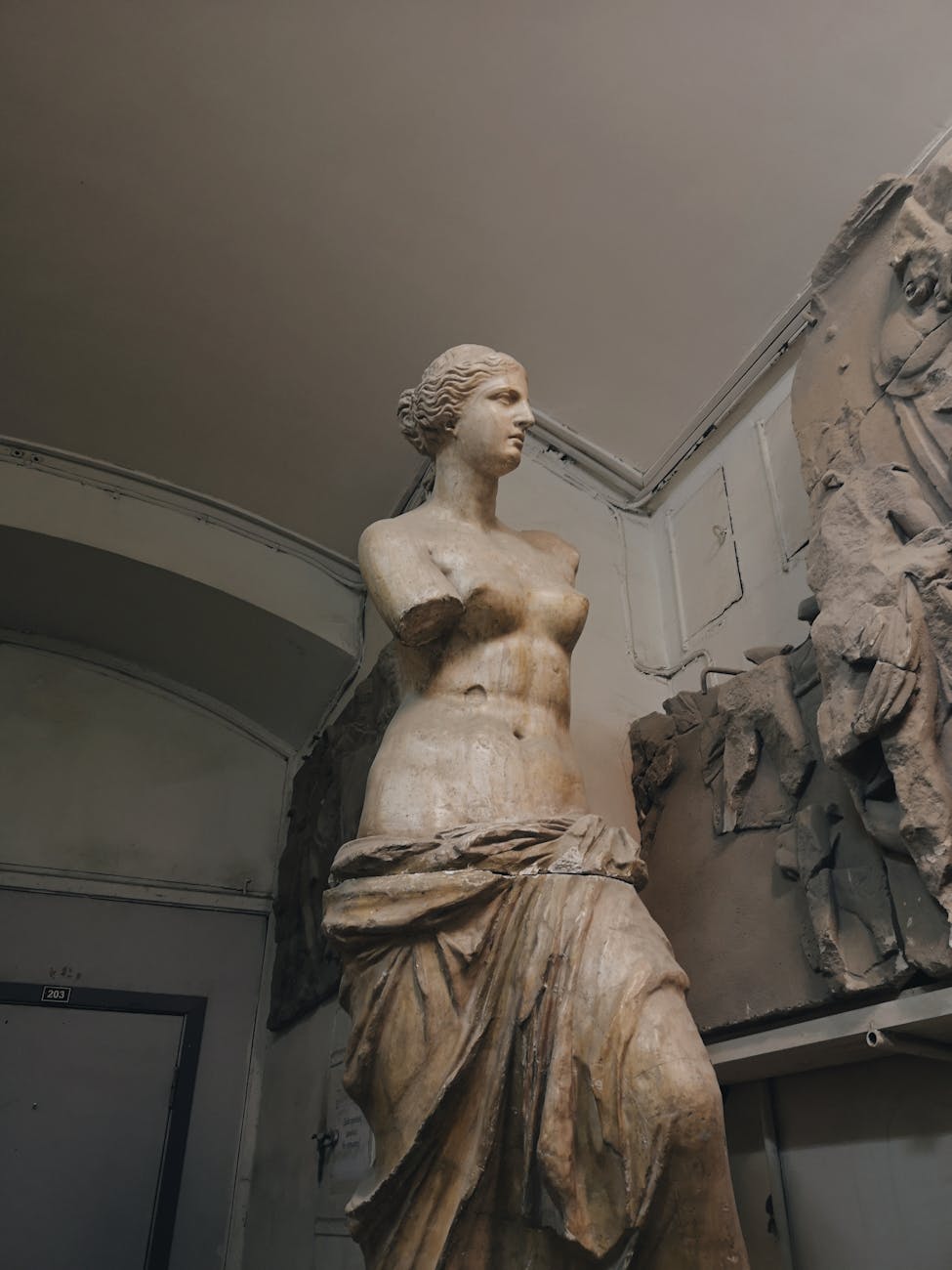
Beauty, Vanity, and the Venus Archetype
The modern obsession with physical beauty feeds directly into the cult of self-worship. Women in particular are pressured to idolize their own appearance, often comparing themselves to the goddess Venus—symbol of beauty, sensuality, and sexual power. Venus has become a cultural archetype for many women today: admired, envied, and worshipped. Platforms like Instagram and TikTok turn beauty into currency, while women proclaim their desirability through filtered images and curated lifestyles.
Proverbs 31:30 warns: “Favour is deceitful, and beauty is vain: but a woman that feareth the Lord, she shall be praised.” The wisdom here is that beauty is temporary, but character and reverence endure. However, in today’s media-saturated culture, this truth is largely ignored. When self-worth is built on external appearance, it breeds not only insecurity but a false elevation of the self as divine.
The Role of the Media in Promoting Self-Worship
Modern media is the altar upon which self-worship is enshrined. Reality television, influencer culture, celebrity worship, and branding all contribute to the normalization of narcissistic behavior. The media teaches that being seen, praised, and envied is the highest good. Fame becomes salvation. A viral post becomes validation. The line between performance and personhood blurs, and identity becomes a curated image.
Social media, in particular, reinforces narcissistic behaviors by rewarding exhibitionism and self-glorification. Algorithms favor beauty, wealth, and hyper-confidence—traits often found in narcissistic personalities. These platforms serve as digital mirrors where people worship their reflection and demand that others do the same.
Self-Worship in Ordinary Life
While celebrities may seem the most obvious practitioners of self-worship, the behavior is increasingly common among ordinary people. Everyday individuals parade their accomplishments, beauty, and opinions in a desperate bid for recognition. Self-worship often disguises itself as “self-love,” but it becomes sinful when it demands the praise that rightfully belongs to God.
This idolatry manifests in statements like, “I know I’m beautiful because people tell me all the time,” or “I’m a goddess,” which reflect the dangerous shift from healthy self-esteem to exalted self-idolatry. Even subtle behaviors—like constantly posting selfies, fishing for compliments, or belittling others—reflect the undercurrent of a self-worshipping heart.
The Roots of Self-Worship: Is Childhood to Blame?
Childhood development plays a significant role in the formation of narcissistic tendencies. Overindulgent parenting, unearned praise, or early trauma can foster an inflated or fragile sense of self. Children who are told they are “better than everyone” without being taught humility, or those who are neglected and overcompensate through performance, are both at risk. According to Kohut’s theory of narcissism, unmet childhood needs for mirroring and affirmation can result in an adult who demands excessive validation.
Thus, self-worship is often a psychological defense mechanism—masking insecurity and unresolved wounds. It’s not merely vanity; it is a cry for significance answered in the wrong place.
How the Self-Worshipper Treats Others
Those who worship themselves often view others as either tools or threats. Relationships become transactional: others are valuable only if they admire, serve, or elevate the narcissist. Grandiose narcissists lack empathy and often demean those who don’t feed their ego. This results in broken relationships, abuse of power, and a cycle of isolation. The Bible warns in Proverbs 16:18: “Pride goeth before destruction, and an haughty spirit before a fall.”
Why Do People Believe They Are Gods?
The belief that one is a god or divine figure often stems from a mix of cultural, psychological, and spiritual deception. It echoes Satan’s original lie in Genesis 3:5, “Ye shall be as gods.” This temptation continues to plague humanity today. Some believe they are gods due to power, fame, or spiritual delusion. Others, like those in the New Age or occult circles, genuinely believe in self-deification.
Spiritually, this is rebellion against the Creator. Isaiah 2:11 (KJV) warns: “The lofty looks of man shall be humbled, and the haughtiness of men shall be bowed down, and the LORD alone shall be exalted in that day.” Self-worship is ultimately a challenge to God’s sovereignty.
Conclusion: Returning to Reverence
In a world obsessed with self, the antidote is surrender. Humanity was never meant to bear the weight of worship. Only God is worthy. Worshipping the self leads to spiritual blindness, relational dysfunction, and moral collapse. Whether you are a celebrity or a regular person, the call is the same: “Humble yourselves in the sight of the Lord, and he shall lift you up” (James 4:10, KJV). God calls us to die to self, not deify it.
True self-worth is not found in the mirror or the masses but in the One who made us. To be free from self-worship is to walk in humility, love others sincerely, and live for the glory of God—not the applause of man.
References
- American Psychiatric Association. (2013). Diagnostic and Statistical Manual of Mental Disorders (5th ed.). Washington, DC.
- Kohut, H. (1971). The Analysis of the Self. New York: International Universities Press.
- Lasch, C. (1979). The Culture of Narcissism. New York: Norton.
- Twenge, J. M., & Campbell, W. K. (2009). The Narcissism Epidemic: Living in the Age of Entitlement. Free Press.
- Bible. King James Version (KJV). Scriptures: Exodus 20:3; Isaiah 14:13–14; Proverbs 31:30; 2 Timothy 3:2; James 4:10; Isaiah 2:11; Genesis 3:5; Proverbs 16:18.
- Apocrypha. Wisdom of Solomon 14:12. (Available in KJV-based Apocryphal editions.)
 THE BROWN GIRL DILEMMA