
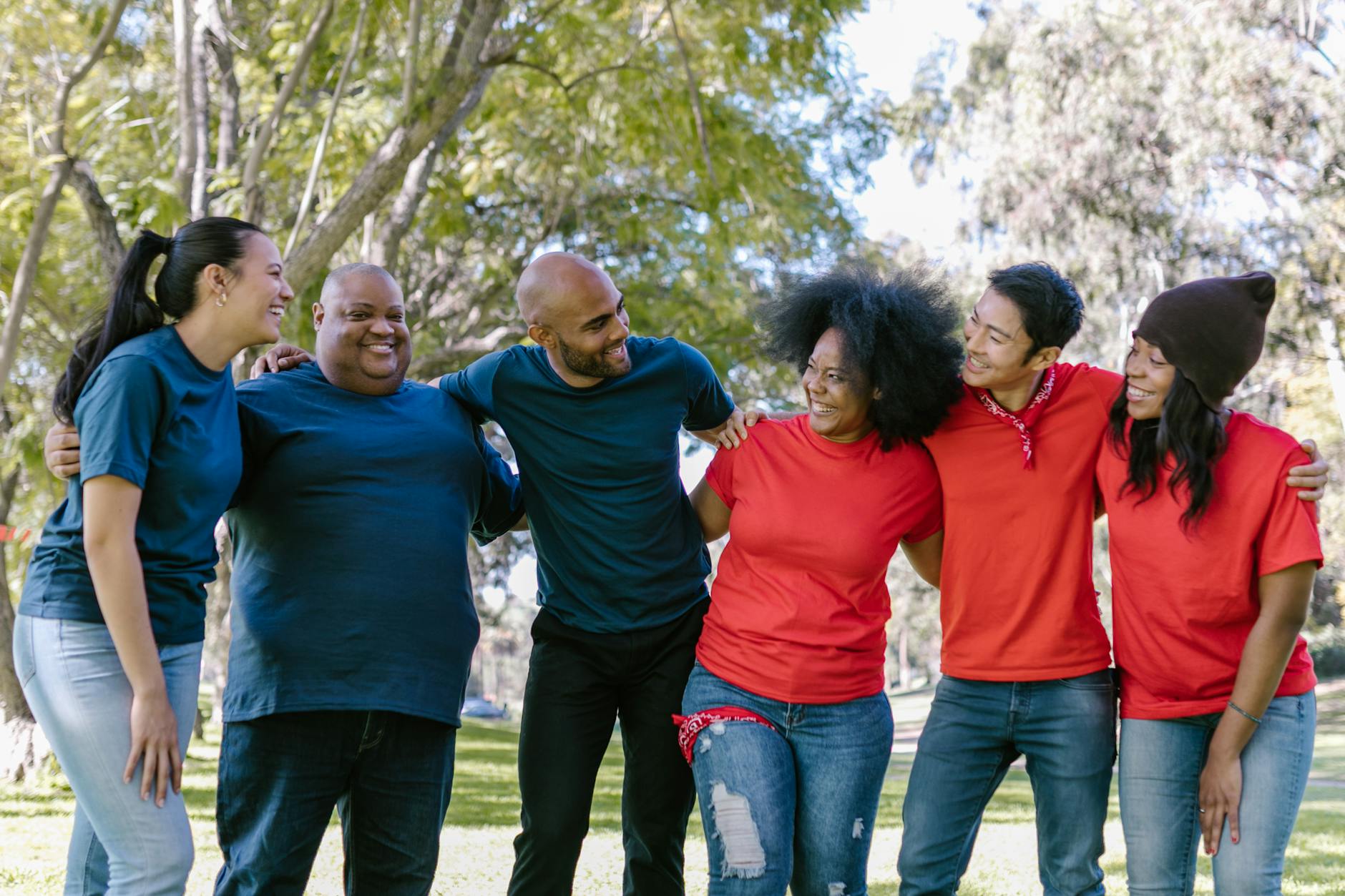
The lives of Black women have historically been shaped not only by individual strength but by the networks of community that surround them. From family structures and church congregations to mentorship programs and cultural organizations, community acts as both a protective force and a springboard for generational success. These collective bonds foster resilience, impart wisdom, and cultivate the spiritual and psychological resources necessary to navigate systemic oppression while achieving extraordinary accomplishments.
Historically, the Black church has been a central pillar in shaping Black women’s identities. From the era of slavery through the civil rights movement, church communities offered spiritual guidance, social support, and leadership training. Women such as Septima Clark, who established citizenship schools to educate and empower Black communities, exemplify how communal efforts translate into generational progress. Scripture underscores the importance of collective strength: “Two are better than one; because they have a good reward for their labour. For if they fall, the one will lift up his fellow” (Ecclesiastes 4:9–10, KJV). In this way, spiritual and social support within a community nurtures resilience and ensures continuity of success across generations.
Mentorship and familial networks play a similarly transformative role. Psychological research indicates that individuals with strong social support systems demonstrate higher self-esteem, better stress management, and increased goal attainment (Cohen & Wills, 1985). Black women raised in supportive communities often benefit from role models, shared knowledge, and encouragement that transcend generational barriers. For example, the influence of matriarchal figures such as Coretta Scott King and Mary McLeod Bethune demonstrates how guidance from pioneering women cultivates leadership skills and societal influence among younger generations. These women’s legacies ripple through time, illustrating how community shapes identity, ambition, and achievement.
Communities also foster resilience in the face of systemic oppression. The psychological concept of “collective efficacy” refers to a group’s shared belief in its capability to organize and achieve desired outcomes, even in challenging circumstances. For Black women, this manifests in cultural organizations, sororities, advocacy groups, and grassroots movements that reinforce self-worth, nurture talent, and protect mental health. Modern examples include Black Girl Magic collectives and mentorship programs for young Black women in STEM and the arts, which provide opportunities and encouragement that individual effort alone might not secure.
Generational triumphs are evident in families and lineages that demonstrate upward mobility, educational attainment, and community leadership despite historical adversity. For instance, the legacy of the Du Bois family and other multigenerational scholars highlights the role of education and communal support in achieving long-term societal impact. Similarly, artistic dynasties such as the Staples and Collins families demonstrate cultural preservation and excellence passed down through shared mentorship and encouragement. Each triumph story exemplifies how communal structures empower Black women to break cycles of oppression while instilling values, work ethic, and vision in future generations.
🌟 Generational Triumph Spotlight: Black Women and Their Legacies
Septima Poinsette Clark (1898–1987)
- Legacy: Established citizenship schools during the Civil Rights Movement, educating generations of Black Americans to vote and advocate for justice.
- Impact: Her work empowered communities, fostering leadership and civic engagement that transcended her lifetime.
Mary McLeod Bethune (1875–1955)
- Legacy: Founder of Bethune-Cookman University and leader in education for Black youth.
- Impact: Mentored countless students, emphasizing education, self-worth, and community responsibility across generations.
Coretta Scott King (1927–2006)
- Legacy: Civil rights activist and advocate for education, peace, and equality.
- Impact: Inspired younger leaders, including her children, and strengthened community-based movements for social justice.
Ella Baker (1903–1986)
- Legacy: Influential organizer in the NAACP, SCLC, and SNCC.
- Impact: Advocated grassroots leadership, empowering local communities and fostering intergenerational activism.
Oprah Winfrey (b. 1954)
- Legacy: Media mogul, philanthropist, and mentor to emerging Black leaders.
- Impact: Through her platform and charitable work, she provides inspiration, mentorship, and resources for young Black women across generations.
Angela Davis (b. 1944)
- Legacy: Scholar, activist, and author focused on social justice, prison reform, and Black liberation.
- Impact: Her activism and writings have shaped movements and inspired young women to pursue education and justice-oriented careers.
The Du Bois Family
- Legacy: William Edward Burghardt Du Bois and descendants emphasized scholarship, leadership, and civil rights.
- Impact: Generational academic and civic contributions reflect the role of familial mentorship and community values in shaping societal leaders.
Misty Copeland (b. 1982)
- Legacy: First African American principal dancer at American Ballet Theatre and advocate for arts education.
- Impact: Inspires young dancers and artists, promoting access, representation, and mentorship across generations.
The Collins and Staples Families
- Legacy: Families with multi-generational achievements in music, education, and cultural preservation.
- Impact: Demonstrates how cultural knowledge, artistic talent, and community pride are nurtured and passed down through generations.
Amanda Gorman (b. 1998)
- Legacy: Poet and activist whose work emphasizes justice, resilience, and youth leadership.
- Impact: Inspires a new generation to value literacy, expression, and civic engagement.
Scripture further reinforces the power of community in nurturing resilience and leadership. Proverbs 31 celebrates a woman whose strength, wisdom, and influence benefit both her household and the broader community: “She openeth her mouth with wisdom; and in her tongue is the law of kindness” (Proverbs 31:26, KJV). Black women who thrive within strong communal networks often mirror this biblical ideal, balancing self-mastery with nurturing, teaching, and leading others.
Ultimately, the interplay between community, resilience, and generational triumph illustrates a cycle of empowerment. When Black women are supported spiritually, socially, and emotionally, they are better equipped to overcome adversity, achieve personal and collective goals, and pass down legacies of excellence. Their stories—ranging from pioneers in education, activism, and arts to contemporary leaders in politics, business, and science—demonstrate that triumph is rarely solitary; it is deeply rooted in the collective strength of community.
References
- Cohen, S., & Wills, T. A. (1985). Stress, social support, and the buffering hypothesis. Psychological Bulletin, 98(2), 310–357.
- Kendi, I. X. (2016). Stamped from the Beginning: The Definitive History of Racist Ideas in America. Nation Books.
- Bible (KJV). Ecclesiastes 4:9–10; Proverbs 31:26.
- Morris, A. D. (1999). Women’s Work: The Civil Rights Movement and the Politics of Gender. University of North Carolina Press.
 THE BROWN GIRL DILEMMA