Tag Archives: food

Why Are Americans So Overweight?

The United States stands among the nations most affected by the global obesity epidemic. According to the Centers for Disease Control and Prevention, more than 40% of American adults are classified as obese, with even higher percentages considered overweight. These figures represent a dramatic increase over the past five decades and correlate with rising rates of type 2 diabetes, cardiovascular disease, hypertension, and certain cancers. Obesity is no longer a marginal issue; it is a defining public health crisis of the modern American era.

A primary driver of excess weight in the United States is the dominance of ultra-processed foods in the national diet. Researchers at institutions such as the National Institutes of Health have demonstrated that diets high in ultra-processed foods lead to greater caloric intake and measurable weight gain compared to whole-food diets, even when macronutrients are matched. These foods are engineered for hyper-palatability, long shelf life, and convenience, often at the expense of nutritional integrity.

Ultra-processed foods typically contain high levels of added sugars, refined carbohydrates, industrial seed oils, and sodium. Ingredients such as high-fructose corn syrup, hydrogenated oils, artificial flavor enhancers, and synthetic preservatives increase calorie density while reducing satiety. Excess sugar consumption, particularly in beverages, has been strongly linked to insulin resistance and fat accumulation.

A growing body of scientific evidence links diets high in ultra-processed foods, added sugars, processed meats, and chemical additives to an increased risk of cancer and other chronic illnesses. The World Health Organization, through its cancer research arm the International Agency for Research on Cancer, has classified processed meats as Group 1 carcinogens, meaning there is sufficient evidence that they cause colorectal cancer in humans. Additionally, high consumption of ultra-processed foods has been associated with increased risks of cardiovascular disease, type 2 diabetes, and certain cancers due to factors such as chronic inflammation, insulin resistance, oxidative stress, and exposure to food additives and contaminants formed during high-heat processing. Diets rich in refined sugars and unhealthy fats further contribute to metabolic dysfunction, obesity, and nonalcoholic fatty liver disease, all of which elevate long-term disease risk. These findings underscore the importance of prioritizing whole, minimally processed foods to reduce the burden of diet-related illness.

Beyond macronutrients, the modern American food supply contains numerous additives and chemical agents that may influence metabolic processes. Certain emulsifiers, artificial sweeteners, and preservatives have been studied for their potential impact on gut microbiota and metabolic regulation. Disruption of gut flora has been associated with inflammation and weight gain, suggesting that food chemistry may indirectly contribute to obesity risk.

Another controversial but frequently discussed topic is genetically modified organisms (GMOs). While leading scientific bodies, including the National Academy of Sciences, conclude that GMOs currently approved for consumption are not directly linked to obesity or chronic disease, concerns persist among consumers regarding pesticide residues and the broader industrial agricultural model. The issue may be less about genetic modification itself and more about the industrial processing of foods derived from such crops.

Hormones in meat production are often cited in discussions about weight gain. It is important to clarify that the use of added hormones is prohibited in U.S. poultry production, as regulated by the U.S. Department of Agriculture. However, hormones are permitted in some cattle production. While no definitive evidence links dietary hormones in approved quantities to obesity, the perception reflects broader mistrust of industrial food systems.

Chemical exposure is not limited to food alone. Drinking water contamination has become a growing concern. Substances such as PFAS (per- and polyfluoroalkyl substances), sometimes referred to as “forever chemicals,” have been detected in water supplies across the country. The Environmental Protection Agency has acknowledged links between certain PFAS exposures and metabolic disorders, thyroid dysfunction, and hormonal disruption. Although research is ongoing, endocrine-disrupting chemicals in water may influence fat storage and metabolic balance.

Bisphenol A (BPA), phthalates, and other plastic-associated chemicals can leach into both food and water from packaging and containers. These compounds are classified as endocrine disruptors because they mimic or interfere with hormonal signaling. Hormonal dysregulation affects appetite, fat storage, and insulin sensitivity, potentially contributing to weight gain over time.

Lifestyle patterns further compound the issue. Americans consume larger portion sizes than most nations and eat outside the home more frequently. Restaurant meals and fast food portions often exceed daily caloric needs in a single sitting. Combined with sedentary occupations and car-dependent infrastructure, caloric intake often surpasses energy expenditure.

Globally, the most obese countries include small Pacific Island nations such as Nauru and Tonga, where obesity rates exceed 60–70%. The United States ranks among the highest of large industrialized nations. In contrast, countries such as Japan and Vietnam report adult obesity rates below 5%.

Many Americans question why countries like France appear to maintain relatively lower obesity rates despite consuming bread, pastries, and desserts. The so-called “French paradox” highlights differences in eating culture rather than specific foods. French meals tend to emphasize portion control, slower eating, fewer snacks, and fresh ingredients rather than highly processed packaged products.

Similarly, traditional diets in China historically centered on vegetables, rice, legumes, and modest portions of meat. While modern China is experiencing rising obesity due to Western dietary influence, traditional dietary patterns involved high fiber intake and minimal processed sugar.

Food deserts and socioeconomic disparities also contribute significantly. In many American urban and rural areas, fresh produce is less accessible than convenience stores stocked with packaged snacks. Lower-income communities often face limited access to affordable, nutrient-dense food options, reinforcing unhealthy dietary cycles.

Marketing practices intensify the issue. Ultra-processed foods are heavily advertised, especially to children. Bright packaging, cartoon branding, and digital marketing campaigns normalize excessive sugar and snack consumption from an early age, shaping lifelong habits.

Sleep deprivation and chronic stress also affect metabolic health. Elevated cortisol levels are associated with increased abdominal fat storage and cravings for high-calorie foods. In a fast-paced, high-stress society, these physiological responses amplify dietary risks.

Physical inactivity is another structural factor. Unlike many European and Asian countries where walking, biking, and public transit are common, American infrastructure often requires automobile travel. Reduced daily movement contributes to energy imbalance over time.

The solution to American obesity must be multifaceted. Individual behavior change—such as cooking whole foods, reducing processed sugar intake, filtering drinking water when necessary, and increasing physical activity—is essential. However, systemic change is equally critical.

Policy interventions may include regulating harmful additives, improving water quality standards, limiting marketing of unhealthy foods to children, and incentivizing access to fresh produce. Public health campaigns must emphasize food literacy, label awareness, and long-term lifestyle change rather than short-term dieting.

Culturally, a shift toward mindful eating, smaller portions, and valuing food quality over quantity may help reshape national norms. Observing dietary patterns in countries with lower obesity rates suggests that eating rituals, moderation, and whole-food traditions play a powerful role in weight stability.

Ultimately, Americans are not overweight because of a single ingredient or habit. The crisis reflects an intricate interaction of industrial food production, chemical exposures in food and water, environmental design, socioeconomic disparities, stress, and lifestyle patterns. Addressing obesity requires both personal accountability and structural reform aimed at restoring balance to the modern American diet and environment.


References

Centers for Disease Control and Prevention. (2023). Adult obesity facts.
Environmental Protection Agency. (2023). PFAS and human health effects.
Hall, K. D., et al. (2019). Ultra-processed diets cause excess calorie intake and weight gain: An inpatient randomized controlled trial. Cell Metabolism, 30(1), 67–77.
National Academy of Sciences. (2016). Genetically Engineered Crops: Experiences and Prospects.
National Institutes of Health. (2022). Ultra-processed foods and obesity research updates.
U.S. Department of Agriculture. (2023). Hormones in meat and poultry.
World Health Organization. (2023). Obesity and overweight global statistics.

International Agency for Research on Cancer. (2015). IARC Monographs evaluate consumption of red meat and processed meat. World Health Organization.
Black History: Origin of Soul Food

Soul food is far more than a collection of dishes; it is a living historical record of resistance, survival, ingenuity, and cultural pride for African Americans (Britannica Editors, 2026). Its origins are deeply rooted in the history of slavery, the adaptation of African culinary traditions, and the remaking of limited resources into food that sustains both body and community.

The roots of soul food stretch back to the era of slavery in the Southern United States. Enslaved Africans brought with them culinary knowledge from West and Central Africa, including cooking methods and flavor profiles that would later be foundational to the cuisine (Wikipedia, 2026). These skills—shaping flavor, stewing greens, and combining ingredients into nourishing meals—were essential for sustaining life in brutal, undernourishing conditions.

During slavery, African Americans were typically given meager rations consisting of cornmeal and scraps of pork or other discarded animal parts. Slave owners kept prime cuts for themselves, leaving enslaved people with offal, bones, and less desirable cuts of meat (Wikipedia, 2026). Rather than waste, these ingredients became opportunities for creative cooking that ultimately formed the backbone of soul food.

Enslaved cooks adapted traditional West African techniques to combine these limited foodstuffs with local ingredients. They melded their ancestral knowledge with Indigenous American and European cooking methods, creating new dishes that were both resourceful and flavorful. In this way, soul food is a hybrid cuisine reflecting the intersecting histories of Africans, Native Americans, and Europeans in the South (Wikipedia, 2026).

Because of the harsh conditions on plantations, enslaved people often supplemented their diets through hunting, fishing, and gardening. Small private gardens became sources of okra, greens, and other vegetables that remained central to soul food after emancipation (Wikipedia, 2026). These foods were combined with what was available from rations or the landscape to create hearty, high‑calorie meals necessary for laboring bodies.

The term “soul food” itself didn’t emerge until the 1960s and 1970s, during the Black Power and Black Pride movements, when “soul” became a broader cultural expression of identity and resistance. During this era, African Americans began to reclaim and celebrate their culinary traditions as symbols of cultural pride rather than shame (The Soul Food Pot, 2026).

Before the term was popularized, these dishes were often called “down‑home food,” “country cooking,” or “real good cooking.” They were the meals families prepared for Sunday dinners, communal gatherings, and everyday survival (Chicago Crusader, 2026). These communicative food traditions connected generations and helped maintain cultural memory.

After emancipation and especially during the Great Migration, African Americans brought this culinary tradition north and west to urban centers. Soul food restaurants began to appear in cities with significant Black populations, transforming regional rural cooking into a national cuisine associated with African American culture (Britannica Editors, 2026).

At its core, soul food reflects adaptability in the face of oppression. Greens such as collards, mustard, and turnips became staples because these crops could be grown in small gardens and were rich in nutrients. Beans, black‑eyed peas, and okra similarly became key components of the repertoire, often stewed with smoked meat for additional flavor (Afro.com, 2026).

Dishes we now think of as quintessential soul food—gumbos, stews, and rice dishes—trace back to West African foodways. For example, gumbo is closely linked to West African stews, thickened with okra or filé powder and seasoned with local spices, reflecting the blend of cultures in the South (The DO, 2026).

Pork played a significant role because it was widely available in the antebellum South. Ham hocks, jowls, and other parts of the hog that slave owners discarded were transformed into flavor bases for greens, beans, and stews. The use of pork fat also enhanced flavor and calories in otherwise lean vegetable dishes (Wikipedia, 2026).

Fried chicken—one of the most iconic soul food dishes—exemplifies the cuisine’s blended heritage. While frying chicken was practiced in some West African cultures, the technique was reinforced in the American South by enslaved cooks and adapted alongside European frying methods. Over time, African Americans perfected the seasoning, frying style, and presentation that distinguished it as soul food (Mercer University, 2026).

Despite its cultural richness, the association of fried chicken with Black Americans has also been shaped by racist stereotyping. As soul food historian Adrian Miller notes, African Americans who sold fried chicken or cooked it under oppression were later depicted in derogatory media imagery that trafficked in harmful tropes (Eater, 2018).

This duality—celebration and stereotype—highlights how soul food occupies both pride and pain within the broader American imagination. The food that sustained families through hardship has also been used to demean the very people who created it (Eater, 2018).

While traditional soul food involved pork heavily, modern adaptations often substitute smoked turkey, chicken, or vegetarian proteins to make the cuisine healthier or to accommodate dietary restrictions without losing the essence of the dishes (AA Registry, 2026).

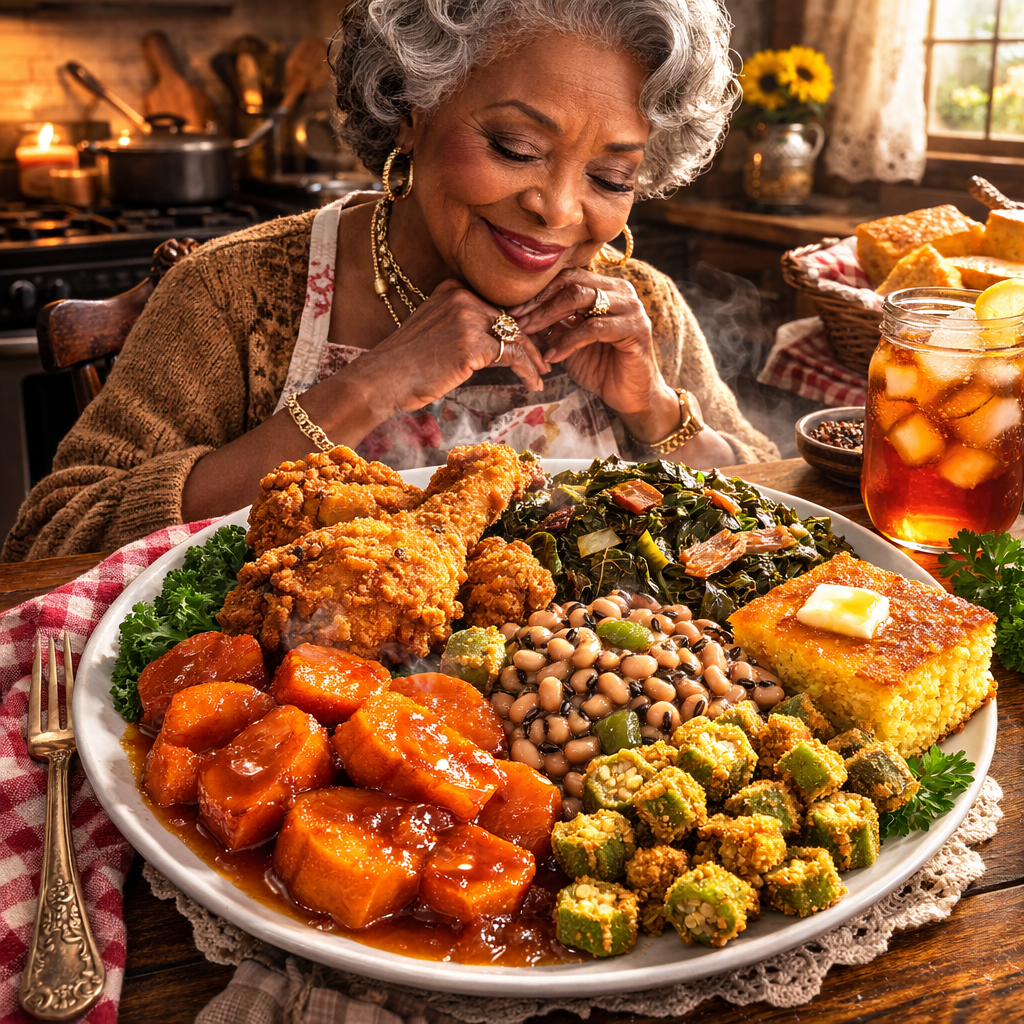
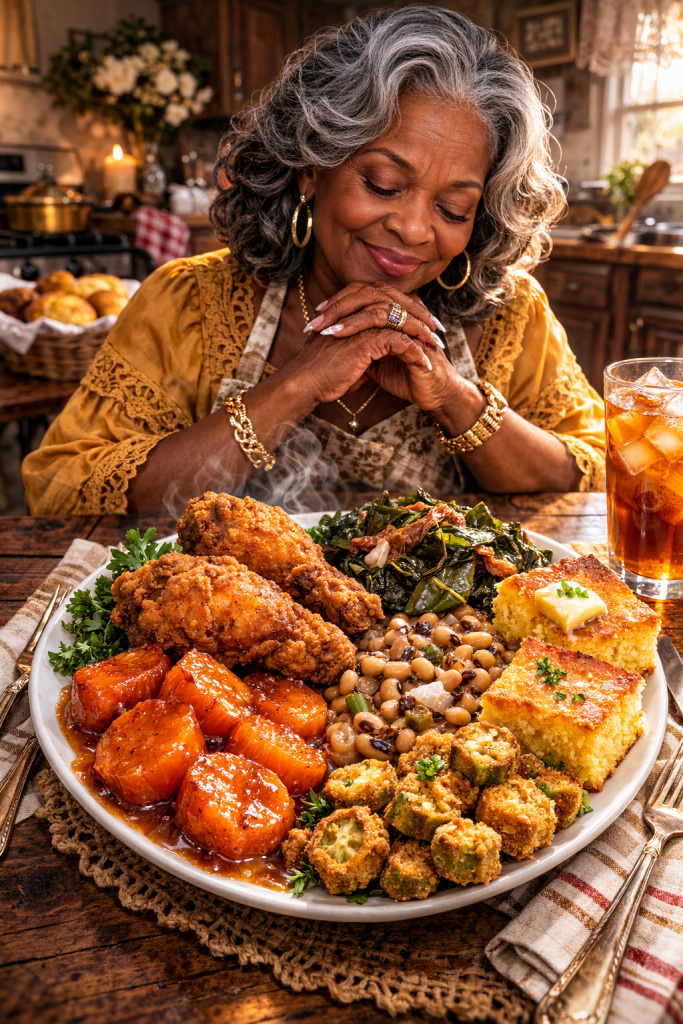
A traditional soul food plate without pork might include fried chicken or baked chicken, stewed collard greens seasoned with smoked turkey, black‑eyed peas, cornbread, candied yams, and okra. Each element reflects the historical journey of an ingredient—whether cultivated, foraged, or inherited from ancestral cooking traditions (Afro.com, 2026).

Soul food has endured because it is cultural memory on a plate. It functions as an edible archive of survival, community, and identity—passed down through families, celebrated at gatherings, and shared across generations as a testament to resilience (Chicago Crusader, 2026).

KFC: The History of Kentucky Fried Chicken

Kentucky Fried Chicken, commonly known as KFC, was founded by Harland David “Colonel” Sanders in 1952 in Salt Lake City, Utah, though Sanders had been cooking and selling fried chicken in Kentucky decades earlier (Wall Street Journal, 2023). His original recipe, featuring 11 secret herbs and spices, became the foundation for one of the world’s most recognized fast-food brands.

Sanders first operated a small roadside restaurant during the Great Depression, catering to travelers with fried chicken and other home-cooked Southern meals. In the 1930s and 1940s, he experimented with pressure-frying, a method that reduced cooking time while keeping chicken crispy—a key innovation that helped KFC expand nationwide.

By the 1960s, KFC began franchising aggressively, spreading across the U.S. and then internationally. Today, KFC operates in over 150 countries, with a unique global footprint where the menu is adapted to local tastes, such as spicy fried chicken in Asia, halal options in the Middle East, and rice-based sides in Latin America.

KFC’s cultural significance lies not only in its branding but also in its role in popularizing fried chicken as fast food worldwide, bridging Southern American culinary traditions with global consumption.


Fried Chicken in Asia: Origins and Popularity

Fried chicken was not invented in Asia, but certain Asian countries adopted and adapted the dish to their own culinary traditions centuries ago. For example:

  • China: Historical records suggest that frying chicken in oil has existed since the Tang dynasty (618–907 CE). Chinese cooks used light coatings of flour or starch and seasonings for fried poultry, predating widespread Western fried chicken. (Asia Society, 2020)
  • Japan: Fried chicken became popular with karaage, a Japanese cooking method where bite-sized pieces of chicken are marinated in soy sauce, ginger, and garlic, then coated lightly in starch and fried. This style was influenced by Chinese techniques but adapted to local flavors. (Japan Times, 2021)
  • Korea: Korean fried chicken, or “chikin”, emerged in the 1960s–70s and became widely popular through fried chicken chains. Unlike Western fried chicken, Korean fried chicken is often double-fried for extreme crispiness and coated with spicy or sweet sauces. It is now a staple in Korean cuisine and social culture. (Korea Herald, 2022)

In essence, while fried chicken as we know it in KFC form originates from Southern U.S. cooking traditions, many Asian countries have parallel fried chicken traditions that predate modern fast-food chains. Today, these countries have also influenced global fried chicken flavors, including the sweet, spicy, or soy-based styles now sold in KFC outlets worldwide.

Its evolution from necessity to pride underscores how African Americans reclaimed what was once a symbol of marginalization and transformed it into one of cultural affirmation. Soul food remains one of the most beloved and influential contributions African Americans have made to the broader landscape of American cuisine (Britannica Editors, 2026).


References

Afro.com. (2026). Soul food: African culture embedded in American cuisine. Retrieved from https://afro.com/soul-food-african-culture-embedded-in-american-cuisine/?utm_source=chatgpt.com

AA Registry. (2026). Soul food: A brief history. Retrieved from https://aaregistry.org/story/soul-food-a-brief-history/?utm_source=chatgpt.com

Britannica Editors. (2026). Soul food. In Encyclopedia Britannica. Retrieved from https://www.britannica.com/topic/soul-food-cuisine?utm_source=chatgpt.com

Chicago Crusader. (2026). The Black plate: Soul food’s long march to freedom. Retrieved from https://chicagocrusader.com/the-black-plate-soul-foods-long-march-to-freedom/?utm_source=chatgpt.com

Eater. (2018, October 3). Fried chicken is common ground: The history and stereotypes. Retrieved from https://www.eater.com/2018/10/3/17926424/fried-chicken-is-common-ground?utm_source=chatgpt.com

Mercer University. (2026). Southern food and African-American culinary traditions. Retrieved from https://faculty.mercer.edu/davis_da/southernfood/blog.html?utm_source=chatgpt.com

The DO. (2026). Food from the soul: A history of African-American culture and nutrition. Retrieved from https://thedo.osteopathic.org/columns/food-from-the-soul-a-history-of-african-american-culture-and-nutrition/?utm_source=chatgpt.com

The Soul Food Pot. (2026). Soul food history. Retrieved from https://thesoulfoodpot.com/soul-food-history/?utm_source=chatgpt.com

Wikipedia. (2026). Soul food. Retrieved from https://en.wikipedia.org/wiki/Soul_food?utm_source=chatgpt.com

The Legacy of Black Excellence: From Ancestry to Modern Influence

Black excellence is not a new phenomenon; it is rooted in ancestral achievement, resilience, and intellect. From ancient African kingdoms to contemporary leaders, Black people have consistently demonstrated creativity, leadership, and innovation.

Ancient African civilizations, such as Egypt, Mali, and Songhai, illustrate early examples of Black excellence. Scholars, architects, and leaders established governance, education, and culture that influenced the world for centuries.

Mansa Musa of Mali exemplifies wealth, diplomacy, and vision. His pilgrimage to Mecca in the 14th century demonstrated both economic and spiritual influence, leaving a legacy of leadership and philanthropy that inspires to this day.

Black excellence also manifests in scholarship. Thinkers like W.E.B. Du Bois and Carter G. Woodson challenged oppressive narratives, documented history, and created intellectual foundations for future generations.

In the arts, Black people have transformed music, literature, and visual culture. The Harlem Renaissance marked a period where artists like Langston Hughes and Zora Neale Hurston defined cultural expression and intellectual pride.

Science and innovation reveal Black excellence in problem-solving and creativity. Katherine Johnson’s calculations were critical to NASA missions, while George Washington Carver revolutionized agriculture through research and innovation.

Athletics has provided another platform for Black excellence. Athletes like Jackie Robinson, Serena Williams, and Usain Bolt have combined talent with resilience, breaking barriers while inspiring global audiences.

In politics, figures such as Nelson Mandela and Barack Obama have reshaped leadership paradigms. Mandela’s struggle against apartheid demonstrated moral and strategic excellence, while Obama’s presidency represented historic achievement on a global scale.

Black excellence is spiritual as well as practical. Leaders like Martin Luther King Jr. and Fannie Lou Hamer combined faith with activism, demonstrating that moral courage and spiritual conviction are integral to leadership.

In entertainment, actors, musicians, and filmmakers have redefined representation. Figures like Sidney Poitier, Lupita Nyong’o, and Kendrick Lamar have showcased Black creativity, storytelling, and cultural depth.

Education remains a key area of influence. Historically Black Colleges and Universities (HBCUs) have nurtured excellence for generations, producing scholars, leaders, and professionals who continue to shape society.

Entrepreneurship highlights resilience and ingenuity. Black-owned businesses, past and present—from the Greenwood District of Tulsa to modern ventures—demonstrate wealth creation, innovation, and community empowerment.

Fashion and beauty illustrate cultural influence. Black designers and models have challenged Eurocentric standards, celebrating diversity, creativity, and aesthetic innovation while inspiring global trends.

Literature continues to shape thought and culture. Contemporary writers like Chimamanda Ngozi Adichie, Ta-Nehisi Coates, and Colson Whitehead explore identity, history, and social critique, continuing a legacy of intellectual excellence.

Black excellence is global. From African leaders to diasporic creatives, Black influence spans continents, demonstrating a shared heritage of achievement and innovation that transcends borders.

Technology and STEM fields are modern arenas of Black excellence. Innovators in AI, medicine, and engineering challenge stereotypes and contribute meaningfully to global progress while inspiring the next generation.

Black excellence is also communal. Mentorship, advocacy, and activism show that achievement is not just personal but collective. Leaders invest in the growth and empowerment of others, ensuring that excellence multiplies across generations.

The spiritual dimension of excellence emphasizes integrity, vision, and resilience. True Black excellence harmonizes personal talent with service, using gifts for community upliftment and societal transformation.

Black excellence endures despite adversity. Generations of oppression, discrimination, and marginalization have not diminished Black brilliance; they have refined it, producing leaders, creatives, and thinkers of exceptional character.

Ultimately, the legacy of Black excellence is both inspiration and responsibility. It reminds communities and the world that Black people have always contributed to civilization, culture, and human progress, and they continue to shape the future through intellect, creativity, and resilience.


References

Diop, C. A. (1989). The African origin of civilization: Myth or reality. Lawrence Hill Books.

Gates, H. L. (2011). In search of our roots: How 19 extraordinary African Americans reclaimed their past. Crown.

Hine, D. C., McCluskey, A. T., & McDaniel, A. (2012). The African American odyssey. Pearson.

Woodson, C. G. (2021). The mis-education of the Negro. Dover.

West, C. (2017). Race matters. Beacon Press.

Tutu, D., & Tutu, M. (2014). The book of forgiving: The fourfold path for healing ourselves and our world. HarperOne.

African Kings’ Aesthetic Legacy — Shaka Zulu, Mansa Musa, and the Menelik Lineage.

Across the tapestry of African history, the aesthetic and regal expressions of its kings reveal a profound cultural sophistication. Far more than adornment, African royal aesthetics embodied spiritual authority, political power, divine lineage, and communal identity. This legacy—rooted in ancestral dignity, biblical heritage, and sociopolitical strategy—remains etched in the memory of the African diaspora, shaping contemporary visions of beauty, pride, and leadership.

Shaka Zulu, the legendary king of the Zulu Kingdom, is often remembered for military revolution, but his visual presence was equally symbolic. His regalia—leopard skins, feathered headpieces, and the formidable iklwa spear—embodied authority and spiritual connection to ancestral power. In Zulu culture, leopard skin signified rulership and sacred status, marking Shaka as chosen by both lineage and divine purpose.

Shaka’s aesthetic choices were not mere performance. Royal attire served as psychological warfare, instilling fear in enemies and reverence among followers. His bare-chested stature, adorned in animal skins and traditional ornaments, portrayed strength, discipline, and a warrior-king archetype. This image continues to inspire modern African aesthetics rooted in courage, masculinity, and ethnic honor.

While Shaka’s visual legacy radiates martial might, Mansa Musa’s majesty reflects wealth, scholarship, and spiritual devotion. Known as the wealthiest ruler in recorded history, the emperor of Mali broadcast divine prosperity through gold-embroidered robes, luxurious fabrics, and grand caravans laden with gold during his pilgrimage to Mecca. His aesthetic was sanctified opulence—material abundance presented as a testament to divine favor.

Mansa Musa’s attire and gifts symbolized more than personal wealth; they expressed Mali’s intellectual and religious elevation. His support for Islamic scholarship and architectural development, including the famed Sankore University, reveals a king whose regal splendor mirrored cultural enlightenment. To look upon Musa was to witness the glory of a spiritually anchored kingdom infused with educational prestige.

A great king is often measured not only by wealth or war but by their ability to uplift their nation’s beauty and identity. In both Shaka and Mansa Musa’s reigns, attire communicated a message: African sovereignty was majestic, cultured, and God-ordained. Their legacy resists colonial narratives that sought to reduce African kingdoms to primitiveness.

The Menelik lineage—tracing origins to King Solomon and the Queen of Sheba—offers another dimension to African royal aesthetics: biblical legitimacy. Ethiopian emperors, believed to descend from Menelik I, carried themselves with divine authority. Crowns adorned with crosses, ceremonial robes, lion symbolism, and sacred scepters proclaimed their connection to the Lion of Judah.

This lineage grounded royal aesthetics in scripture, blending Hebraic tradition with African identity. Ethiopian kings and queens, from Menelik to Haile Selassie, wore garments that mirrored priesthood and ancient Israelite tradition—silk robes, jeweled crowns, and embroidered crosses. Their appearance declared covenant heritage and sacred kingship.

The Solomonic tradition did not merely borrow from biblical imagery; it asserted Africa’s centrality in salvation history. Through attire, ritual, and royal posture, Ethiopia preserved a visual theology: that God’s chosen lineage flowed through African bloodlines. Such aesthetics challenged Western religious narratives by rooting biblical heritage in the Black experience.

Across African kingdoms, beauty was political. Regalia conveyed legitimacy, commanded unity, and inspired resistance. It affirmed African dignity against centuries of distortion and erasure. The royal aesthetic stood as evidence that African civilization produced rulers equal to, and often surpassing, those of Europe and Asia.

Moreover, African royal aesthetics fused spirituality and statehood. Kings were more than rulers—they were shepherds, protectors, and spiritual intercessors. Whether through animal symbolism, gold ornamentation, or embroidered sacred garments, regalia reminded subjects that rulership was divine stewardship. Visual splendor communicated sacred responsibility.

Today, the aesthetic legacy of African kings influences modern fashion, leadership imagery, and cultural pride. From contemporary artists drawing inspiration from royal attire to global celebrations of African textiles, jewelry, and hairstyles, the regal memory still reigns. It informs movements reclaiming African identity from colonial distortion.

In the diaspora, this legacy also sustains psychological empowerment. Images of African kings counterbalance narratives of enslavement and inferiority. They offer icons of nobility, strength, and divine selection—foundations for renewed cultural confidence. Aesthetic tradition becomes a tool for spiritual and social restoration.

Biblically, kingship and beauty intertwine with divine covenant. The scriptures declare: “I have said, Ye are gods; and all of you are children of the most High” (Psalm 82:6, KJV). African kings embodied this truth, wearing majesty not for vanity but for sacred duty. Their appearance testified to the divine imprint upon Black identity.

Thus, the aesthetic legacies of Shaka Zulu, Mansa Musa, and the Menelik line are not relics—they are living testimonies. They call today’s generation to reclaim dignity, honor, and spiritual royalty. Through wardrobe, posture, and cultural pride, the descendants of these kingdoms continue to rise, embodying a beauty forged in history and blessed by God.

Below the surface of gold, feathers, hides, and crowns lies a fundamental truth: African kings dressed as heirs of divine promise. Their aesthetic legacy remains a spiritual inheritance—an invitation to walk in royal identity, remembering that Black majesty is not a myth but a recorded, sacred reality.


References
Boahen, A. A. (2011). African perspectives on colonialism. Diasporic Press.
Davidson, B. (1998). A history of West Africa. Longman.
Isaac, S. (2020). Ethiopia and the lineage of Solomon: An African biblical heritage. Hebraic Studies Journal, 12(3), 45–62.
Knight, I. (2015). Zulu rising: The epic story of iSandlwana and Rorke’s Drift. Macmillan.
Levtzion, N., & Hopkins, J. F. P. (Eds.). (2000). Corpus of early Arabic sources for West African history. Markus Wiener.
Trimingham, J. S. (2018). Islam in West Africa. Oxford African Texts.

Black Health Traditions: A Guide to Wholeness and Wellness.

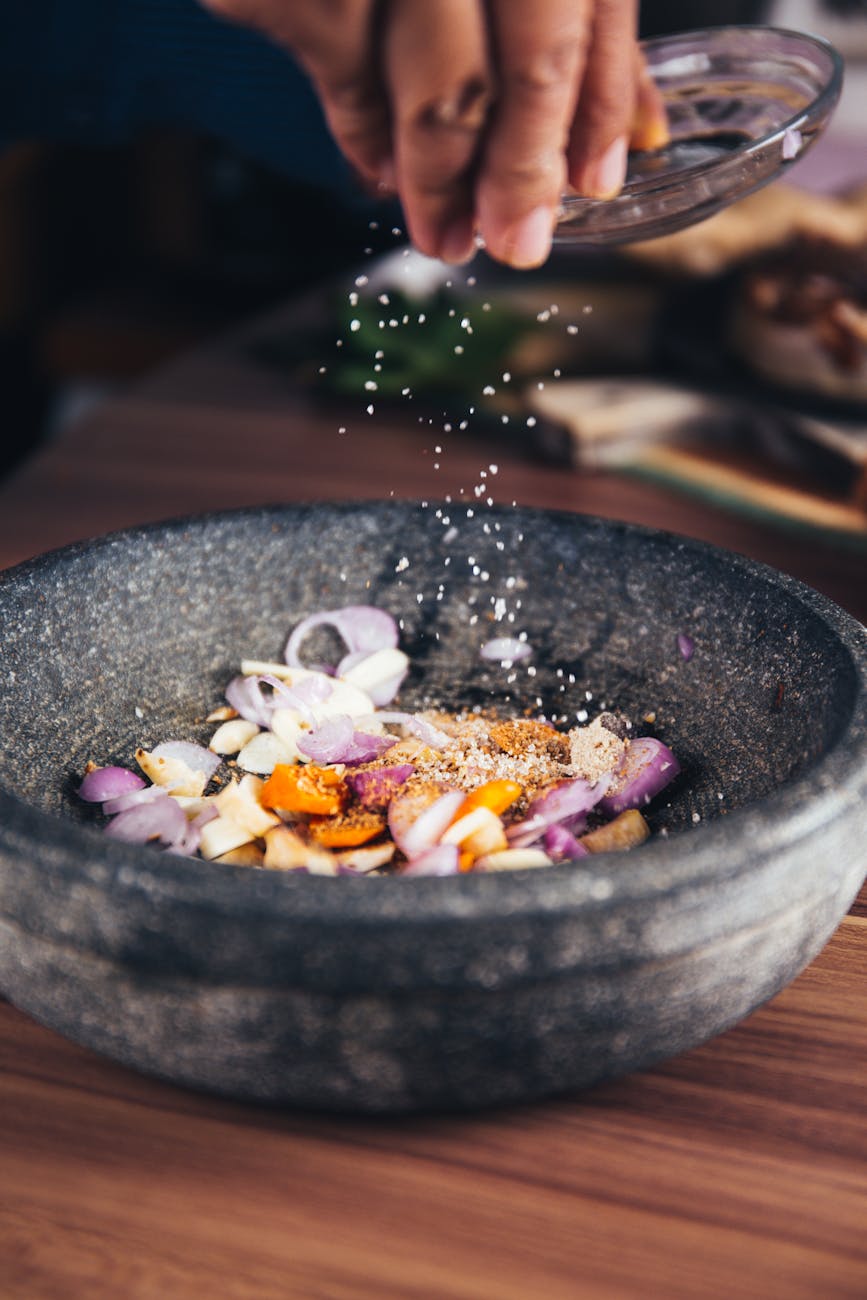
Photo by Dapur Melodi on Pexels.com

Health has always been at the heart of Black survival and thriving. For centuries, Black families passed down traditions that emphasized natural healing, good food, and spiritual wholeness. In many African and African American households, health was not just physical — it was spiritual and emotional. The Bible reminds us, “Beloved, I wish above all things that thou mayest prosper and be in health, even as thy soul prospereth” (3 John 1:2, KJV). True health is a balance between body, mind, and spirit.

Historically, herbs played a central role in Black health traditions. Enslaved Africans and later generations often relied on the earth to provide medicine when they lacked access to doctors or were denied care. Remedies included peppermint and ginger tea for upset stomachs, garlic for colds, aloe vera for burns, and sassafras tea as a blood purifier (Gershenson, 2013). These herbal treatments were not merely survival techniques; they were acts of self-reliance and resistance in a system that often neglected Black health.

Food has always been medicine in Black culture. Psychology confirms that nutrition impacts mood and mental clarity (Jacka et al., 2017). Traditional African and African American diets emphasized vegetables, beans, rice, greens, and root crops that nourished the body. Proverbs 25:27 (KJV) warns, “It is not good to eat much honey,” reminding us that moderation is key even with good food. Soul food has roots in resourcefulness, but modern health calls us to adapt these meals by using less fat, sugar, and sodium while preserving flavor.

Home remedies were a staple of the Black household. Mothers and grandmothers often kept a pantry of vinegar, honey, lemon, castor oil, and Epsom salt. A mixture of honey, lemon, and warm water was used to soothe sore throats. Onion poultices were placed on the chest to break up congestion. Castor oil was given as a detox. These remedies reflected deep knowledge of natural health and a belief that God provided healing through creation (Genesis 1:29, KJV).

Spiritual health was always considered part of physical health. Prayer, laying on of hands, and anointing with oil were integral to the healing process. James 5:14-15 (KJV) instructs, “Is any sick among you? let him call for the elders of the church… and the prayer of faith shall save the sick.” This holistic approach — combining faith, community, and medicine — supported resilience and hope in times of illness.

The psychology of eating well plays a significant role in Black health today. Emotional eating is a common response to stress and trauma, especially in communities that have been historically marginalized. Research shows that a healthy diet can reduce depression and improve cognitive function (Jacka et al., 2017). By reclaiming ancestral eating patterns — fresh vegetables, grains, and herbs — Black people can heal not just physically but emotionally, breaking cycles of poor nutrition passed down through generations.

African remedies remain valuable for modern health. Bitter leaf is used in West Africa to cleanse the blood and improve digestion. Moringa, native to Africa and Asia, is packed with vitamins and antioxidants and is now called a “superfood.” Hibiscus tea (known as bissap or sorrel) helps lower blood pressure and refreshes the body. These remedies show that Africa has always been a source of wisdom in health and wellness.

Healthy Recipe Highlight:

African-Inspired Collard Greens


Ingredients: 1 bunch collard greens, 2 tbsp olive oil, 3 cloves garlic (minced), 1 small onion (chopped), 1 tomato (diced), ½ tsp smoked paprika, salt and pepper to taste.

Directions: Wash and chop collard greens. Heat olive oil in a large skillet, sauté garlic and onion until fragrant. Add tomato, paprika, and greens, cover and cook until tender (about 15 minutes). Season to taste.

Why it’s healthy: Collard greens are rich in vitamin K, calcium, and fiber. This recipe avoids heavy fats and preserves the greens’ nutrients, making it a heart-healthy choice.

Modern Black health movements encourage returning to these traditions. This means cooking at home, using natural herbs, exercising regularly, and being mindful of mental health. “Whether therefore ye eat, or drink, or whatsoever ye do, do all to the glory of God” (1 Corinthians 10:31, KJV). Eating well becomes an act of worship when it honors the body God gave you.

In conclusion, Black health traditions are rich with wisdom and resilience. From herbs and foods to prayer and community care, they remind us that health is not just about living long but living well. By blending psychology, biblical principles, and ancestral practices, Black communities can reclaim their health and pass on healing knowledge to future generations.


References

Gershenson, O. (2013). Food in the Civil Rights Movement: The soul of soul food. University of Georgia Press.

Jacka, F. N., O’Neil, A., Opie, R., Itsiopoulos, C., Cotton, S., Mohebbi, M., … & Berk, M. (2017). A randomized controlled trial of dietary improvement for adults with major depression (the SMILES trial). BMC Medicine, 15(1), 23. https://doi.org/10.1186/s12916-017-0791-y

World Health Organization. (2022). Nutrition and health. https://www.who.int/health-topics/nutrition

King James Bible. (1769/2023). Authorized King James Version. Cambridge University Press. (Original work published 1611)

Creoles of Louisiana: History, Identity, and Culture.

This photograph is the property of its respective owners. No infringement intended.

The Creoles of Louisiana are a unique cultural group whose roots go back to the French and Spanish colonial periods of the 18th century. The word “Creole” originally referred to people born in the colonies rather than in Europe, but over time, it came to describe a population of mixed European, African, and Native American ancestry that developed a distinct identity in Louisiana (Domínguez, 1994). The Creole community was shaped by colonial rule, the transatlantic slave trade, and the blending of cultures in the Gulf Coast region.

The racial and cultural mixture of Louisiana Creoles is complex. Many Creoles were of French and Spanish descent, intermarrying with Africans and Native Americans, which created a population with diverse skin tones, languages, and traditions (Hall, 1992). This blending produced a rich cultural heritage that included Catholicism, French or Creole French language, and a strong emphasis on music, cuisine, and family traditions. Creoles of color, in particular, played a unique role in Louisiana society, forming a class that was socially distinct from both enslaved Africans and white European settlers.

The origins of Louisiana Creoles can be traced to the early 1700s, when Louisiana was a French colony. By the mid-18th century, enslaved Africans from West Africa were brought into the colony, contributing not only labor but also culture, language, and traditions. Spanish rule, which lasted from 1763 to 1800, added another layer of influence. After the Louisiana Purchase in 1803, Creoles resisted assimilation into Anglo-American culture and worked to preserve their distinct identity (Hirsch & Logsdon, 1992).

An example of a well-known Creole is the famous writer and folklorist George Washington Cable, who documented Creole life in New Orleans, or more recently, singer Beyoncé Knowles, whose mother, Tina Knowles, is of Louisiana Creole heritage. Creoles can range widely in appearance, from very fair-skinned individuals with European features to darker-skinned individuals with African features, reflecting their mixed ancestry. This diversity in appearance often confounded simplistic racial categories in America’s history (Domínguez, 1994).

Historical Creoles of Louisiana

The historical Creoles of Louisiana were a culturally rich and socially complex community who emerged during the French and Spanish colonial periods in the 18th and 19th centuries. The word “Creole” originally meant “born in the colony” and applied to both Europeans and Africans born in Louisiana rather than in their ancestral homelands (Hall, 1992). Over time, it came to describe a distinctive class of people who were shaped by the blending of French, Spanish, African, and Native American influences.

One prominent group was the Creoles of color (gens de couleur libres), free people of mixed African and European ancestry who occupied a unique social position. They were neither enslaved nor fully accepted into white society, but they developed their own communities with strong traditions in music, art, education, and business (Hirsch & Logsdon, 1992). Many were educated in France, owned property, and even owned businesses or plantations.

Among the most famous historical Creoles was Marie Laveau (1801–1881), the legendary Voodoo priestess of New Orleans. She was a free woman of color who gained great influence in both the Black and white communities of the city. Her legacy blends religion, mysticism, and Creole culture, making her one of the most enduring symbols of Louisiana Creole identity (Long, 2006).

Another notable Creole figure was Homer Plessy (1862–1925), the plaintiff in the landmark Supreme Court case Plessy v. Ferguson (1896). Plessy, a Creole of color, challenged segregation laws by refusing to leave a whites-only train car, leading to the infamous “separate but equal” ruling. His activism reflects the long history of Creoles advocating for civil rights.

Creoles also made major contributions in the arts. Louis Moreau Gottschalk (1829–1869), a world-renowned pianist and composer, was of Creole descent. He brought Louisiana musical traditions to the international stage, blending European classical music with Afro-Caribbean and Creole rhythms (Saffle, 1995).

Visually, historical Creoles varied greatly in appearance. Some had light skin and European features, while others had darker complexions reflecting African ancestry. This diversity often blurred rigid racial categories in America’s history, making Creoles a community that challenged the black-and-white binary system of racial identity (Domínguez, 1994).

Socially, Creoles were also known for their traditions, such as Creole society balls, especially the “quadroon balls,” which introduced mixed-race women into elite circles. These gatherings reflected both the elegance and the racial complexities of Creole society in New Orleans.

By the late 19th and early 20th centuries, Creole identity began to shift due to segregation laws and Americanization after the Louisiana Purchase. Yet, historical Creoles left an enduring mark on Louisiana through music, food, religion, and resistance to cultural erasure. Their legacy is still celebrated today in New Orleans festivals, Creole cuisine, and the preservation of the Creole French language.

A key distinction exists between Creoles and Cajuns in Louisiana. Cajuns are descendants of French-speaking Acadians who were expelled from Canada (Nova Scotia) in the mid-1700s and settled in rural southern Louisiana. They developed their own culture, marked by Catholicism, French dialects, and rural traditions (Ancelet, 1991). In contrast, Creoles were often urban, tied to New Orleans and plantation life, and represented a broader racial and cultural mix. While both groups share French roots, their histories and identities are distinct.

Social life for Creoles in the 18th and 19th centuries included elaborate traditions such as Creole balls, which were formal gatherings that showcased music, fashion, and dance. These events often served as opportunities for members of the Creole community to preserve cultural identity and reinforce social ties. One particularly notable tradition was the “quadroon balls” in New Orleans, where women of mixed African and European ancestry were introduced into society, often leading to complex social arrangements within the racial caste system (Hirsch & Logsdon, 1992).

Creole culture is also deeply tied to music, food, and religion. Catholicism played a central role, influencing festivals such as Mardi Gras, which was celebrated with both sacred and secular dimensions. Creole cuisine, blending French, African, Spanish, and Caribbean flavors, produced iconic dishes like gumbo, jambalaya, and étouffée. Musically, Creoles contributed to jazz, zydeco, and other genres that are now central to Louisiana’s cultural identity.

Today, Louisiana Creoles continue to preserve their heritage while also navigating questions of racial and cultural identity in modern America. Their history of resilience, creativity, and adaptation has made them one of the most distinct cultural groups in the United States. Through language, food, music, and traditions, the Creoles of Louisiana embody the complexity of American history and the richness of cultural fusion.


References

  • Ancelet, B. J. (1991). Cajun Music and Zydeco. University Press of Mississippi.
  • Domínguez, V. R. (1994). White by Definition: Social Classification in Creole Louisiana. Rutgers University Press.
  • Hall, G. M. (1992). Africans in Colonial Louisiana: The Development of Afro-Creole Culture in the Eighteenth Century. LSU Press.
  • Hirsch, A. R., & Logsdon, J. (1992). Creole New Orleans: Race and Americanization. LSU Press.
  • Hirsch, A. R., & Logsdon, J. (1992). Creole New Orleans: Race and Americanization. LSU Press.
  • Long, C. (2006). A New Orleans Voudou Priestess: The Legend and Reality of Marie Laveau. University Press of Florida.
  • Saffle, M. (1995). Louis Moreau Gottschalk: Selected Studies in Nineteenth-Century American Music. Garland Publishing.

The Ebony Dolls: Yvonne Okoro

This photograph is the property of its respective owners. No copyright infringement intended.

In the constellation of African cinema, Yvonne Okoro shines with a rare brilliance that fuses sophistication, intelligence, and undeniable beauty. With her flawless bronze-ebony complexion, luminous almond-shaped eyes, and refined features framed by a radiant smile, she is often admired for her doll-like allure—a blend of African richness and European elegance. Beyond her physical charm, Okoro’s poise, confidence, and versatility have positioned her among the most respected actresses in both Ghana’s Ghallywood and Nigeria’s Nollywood film industries. She is a modern African woman who balances glamour with grit, embodying excellence both on and off the screen.

Born Chinyere Yvonne Okoro on November 25, 1984, in Tamale, Ghana, she comes from a mixed heritage that beautifully reflects the unity of West Africa—her father is Nigerian (from Abia State, Igbo), and her mother is Ghanaian. This cultural blend enriched her worldview and artistic expression, allowing her to connect with audiences across two major entertainment industries. From a young age, Yvonne demonstrated a passion for performance, often participating in school plays and local talent showcases that revealed her natural charisma and expressiveness.

Yvonne Okoro’s educational journey is as impressive as her acting career. She attended Achimota Preparatory School and Lincoln Community School before earning her Bachelor of Arts in English and Linguistics from the University of Ghana, Legon. She later pursued further studies in France at the Université de Nantes, where she deepened her understanding of communication and modern languages—skills that would later enhance her presence in international cinema.

This photograph is the property of its respective owners. No copyright infringement intended.

Her acting debut came with a supporting role in the Ghanaian film Sticking to the Promise (2002). However, her major breakthrough came when she transitioned into Nollywood, starring in Beyoncé: The President’s Daughter (2006) alongside Nadia Buari and Van Vicker. Her beauty, eloquence, and natural on-screen chemistry with her co-stars captured the attention of filmmakers and audiences alike. Soon, she became a fixture in both Ghanaian and Nigerian film productions, a rare feat achieved by only a handful of actresses.

Over the years, Yvonne Okoro has built an impressive filmography, with notable works including The Game (2010), Contract (2012), Single Six (2011), Rebecca (2016), and Ghana Must Go (2016)—a romantic comedy she also produced. Her role in Contract, opposite Hlomla Dandala, earned her the Best Actress Award at the Ghana Movie Awards and an Africa Magic Viewers’ Choice Award (AMVCA) nomination. The film’s critical success established her as one of the leading ladies of African cinema, capable of blending humor, depth, and authenticity with magnetic beauty.

Yvonne Okoro’s contributions extend beyond acting; she is also a film producer and entrepreneur, using her platform to promote quality storytelling in Africa. Her production company, Desamour Company Limited, has produced several films that highlight African culture, love, and social issues. Through this, she has provided opportunities for emerging talents, especially women in film, fostering growth and creativity in the industry.

This photograph is the property of its respective owners. No copyright infringement intended.

Her grace and intelligence have also made her a favorite for brand endorsements, having represented beauty and fashion brands that mirror her elegance. She is frequently listed among the most beautiful and influential actresses in Africa, celebrated for her radiant skin, well-defined features, and polished style that bridges modern glamour and cultural authenticity.

In addition to her professional achievements, Yvonne Okoro’s personal life reflects humility and purpose. Despite her fame, she remains grounded and family-oriented, often crediting her parents for instilling discipline and confidence. Her close relationship with her siblings—particularly her sister, Roseline Okoro, who also ventured into acting—highlights her belief in family unity and shared success.

Throughout her career, Yvonne has earned numerous accolades, including the Best Actress of the Year (2010) at the Ghana Movie Awards, the Achievement Award at the City People Entertainment Awards in Nigeria, and recognition at the Africa International Film Festival (AFRIFF). Her dedication to excellence has made her one of the highest-paid actresses in Ghana and Nollywood, respected for both her beauty and her business acumen.

Ultimately, Yvonne Okoro represents the epitome of modern African femininity—educated, talented, and unapologetically elegant. Her soft-spoken confidence, luminous ebony glow, and striking intellect set her apart as not merely a star, but a symbol of pan-African pride and excellence. As one of the Ebony Dolls of African cinema, she continues to inspire young women to dream beyond boundaries while embracing their heritage and divine beauty.


References

  • Africa Magic. (2023). Yvonne Okoro: The Actress Who Bridges Ghana and Nollywood. MultiChoice Africa.
  • Ghana Web. (2022). Profile of Yvonne Okoro: From Beauty to Brilliance.
  • Pulse Ghana. (2023). Top 10 Highest-Paid Actresses in Ghana and Nigeria.
  • The Guardian Nigeria. (2021). Yvonne Okoro: The Pan-African Face of Modern Cinema.
  • IMDb. (2024). Yvonne Okoro Biography and Filmography.
  • Modern Ghana. (2022). Yvonne Okoro: The Glamorous Ghanaian-Nigerian Star Redefining African Film.

“Black Don’t Crack”: The Science Behind Melanated Skin.

Photo by KATRIN BOLOVTSOVA on Pexels.com

The popular phrase “Black Don’t Crack” is more than just a cultural expression; it is a reflection of biological science, genetics, and lived experience. The phrase highlights how people of African descent, with higher levels of melanin, often appear younger than their chronological age. While the statement is rooted in cultural pride, dermatological research confirms that melanated skin is more resistant to the visible effects of aging due to its structural composition and protective properties.

Melanin, the pigment that determines skin color, is a powerful natural protector. Darker skin tones contain higher amounts of eumelanin, which shields the skin against ultraviolet (UV) radiation, reducing the likelihood of premature wrinkles, sunspots, and photoaging (Palmer & Oppenheimer, 2019). Studies have shown that darker skin tones have a natural sun protection factor (SPF) estimated between 13 and 15, compared to lighter skin which has an SPF of 3 or less (Taylor, 2002). This biological advantage helps delay visible signs of aging, keeping skin firm and radiant for longer periods.

In addition to UV protection, melanated skin has structural benefits. Research indicates that Black skin tends to have a denser dermis, with more compact collagen fibers and greater elasticity (Halder & Bridgeman-Shah, 1995). Collagen breakdown is one of the primary causes of wrinkles and sagging, yet in darker skin, this process occurs at a slower rate. Combined with natural oil production that maintains skin hydration, these factors contribute to the smooth and youthful appearance often seen in Black individuals.

Cultural narratives about beauty are reinforced by celebrities whose appearances defy time. Angela Bassett, at nearly 65, is celebrated for her glowing, youthful complexion, often appearing decades younger. Similarly, actors like Morris Chestnut and Halle Berry continue to embody ageless elegance, their skin reflecting both genetics and disciplined skincare routines. Pharrell Williams, often cited as a celebrity who appears almost untouched by time, demonstrates the profound impact of melanin’s protective qualities, paired with healthy lifestyle choices. Even supermodel Naomi Campbell, in her fifties, continues to maintain the same radiance and elasticity as she did at the height of her modeling career.

Psychologically, the phrase “Black Don’t Crack” also acts as an affirmation, countering centuries of Eurocentric beauty standards that often marginalized Black features. By celebrating the resilience and beauty of melanated skin, the phrase empowers communities to embrace their natural attributes while acknowledging the unique biological advantages they hold. It not only speaks to science but also to the cultural pride and resistance embedded in Black identity.

Yet, it is important to recognize that “Black Don’t Crack” is not a guarantee. Lifestyle choices, diet, hydration, stress management, and skincare practices all play a crucial role in preserving youthfulness. While melanin provides natural protection, it does not eliminate the risks of sun damage or skin cancer, making sunscreen and self-care important across all skin tones (Kundu & Patterson, 2013).

In conclusion, the phrase “Black Don’t Crack” embodies both cultural truth and scientific fact. Melanated skin, with its higher levels of melanin, stronger collagen structures, and natural oil balance, is biologically designed to age more gracefully. Celebrities such as Angela Bassett, Naomi Campbell, and Pharrell Williams exemplify the synergy between genetics and lifestyle in sustaining youthful appearances. What began as a cultural saying has now been validated by dermatological science: the richness of Black skin is both a gift of nature and a source of cultural pride.


References

  • Halder, R. M., & Bridgeman-Shah, S. (1995). Skin cancer in African Americans. Cancer, 75(S2), 667-673.
  • Kundu, R. V., & Patterson, S. (2013). Dermatologic conditions in skin of color: Part I. Special considerations for common skin disorders. American Family Physician, 87(12), 850–856.
  • Palmer, J. S., & Oppenheimer, S. B. (2019). The biology of melanin. Journal of Dermatological Science, 96(2), 75-83.
  • Taylor, S. C. (2002). Skin of color: Biology, structure, function, and implications for dermatologic disease. Journal of the American Academy of Dermatology, 46(2 Suppl Understanding), S41–S62.

Dilemma: Health, Diet, and Nutrition

Nourishment, Health, and Resilience: Addressing Nutritional Inequities and Chronic Disease in the Black Community”

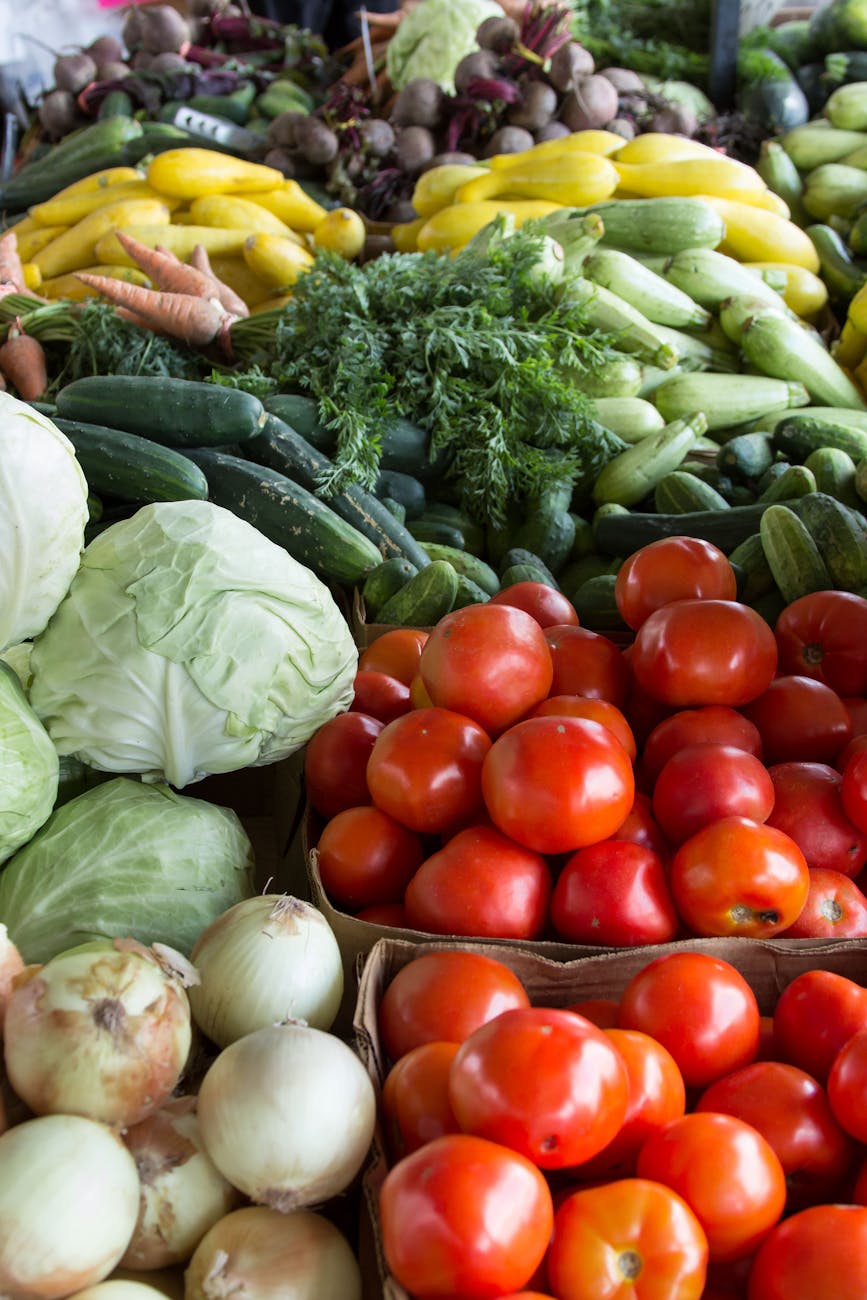
Photo by Mark Stebnicki on Pexels.com

Across the African diaspora, food has been both a source of cultural identity and a silent contributor to disease. In the United States, Black Americans experience disproportionately high rates of chronic illnesses such as type 2 diabetes, heart disease, hypertension, and certain cancers—conditions often influenced by both genetic predispositions and nutritional environments (Centers for Disease Control and Prevention [CDC], 2023). According to the Office of Minority Health (2022), Black adults are 60% more likely than non-Hispanic White adults to be diagnosed with diabetes, and they are nearly twice as likely to die from heart disease before the age of 75. These alarming disparities are rooted in a complex interplay of systemic racism, economic barriers, targeted marketing of unhealthy foods, environmental toxins, and limited access to nutrient-rich diets (Walker et al., 2010).

The health crisis within the Black community is not merely a matter of individual choice—it is a product of history, policy, and science. The legacy of slavery, segregation, and urban food deserts has shaped dietary patterns, often replacing traditional African plant-rich diets with highly processed, chemically laden foods (Ashebir et al., 2022). Compounding these issues are genetic factors such as the prevalence of sickle cell anemia and heightened risk of hypertension, as well as autoimmune conditions like lupus, which affect Black women at disproportionately high rates (Pons-Estel et al., 2010).

Black Americans bear a disproportionate burden of chronic diseases such as type 2 diabetes, hypertension, heart disease, and certain cancers. These disparities stem from a complex interweaving of historical structural inequities, systemic racism, socioeconomic deprivation, and limited access to nutritious foods (Artiga et al., 2024; Shin et al., 2019) KFFarXiv. This essay explores the root causes of these health disparities, dietary approaches that support healing, the promise of medicinal herbs, strategies for cancer prevention, impacts of environmental toxins, the role of genetics, and culturally relevant wellness practices for the Black community.


Structural and Psychosocial Determinants of Health Disparities
The foundations of racial health inequities in the U.S. are deeply rooted in historical policies and medical racism. Black Americans have endured discriminatory medical experimentation, unequal care, and stereotyping that continue to influence health outcomes today (Artiga et al., 2024; Wikipedia, 2025) KFFWikipedia. Discrimination and chronic stress contribute to physiological dysregulation such as inflammation, hypertension, and poor health behaviors, reinforcing disease risks (APA, 2025; Wikipedia, 2025) American Psychological AssociationWikipedia. Additionally, many predominantly Black neighborhoods are food and healthcare deserts—terms more accurately described as “food apartheid” or “medical deserts”—where access to trauma centers, supermarkets, and wholesome food is severely restricted (Wikipedia, 2025) Wikipedia+1. These systemic barriers converge to amplify the prevalence of multimorbidity among African American families (CDC, 2020) CDC.


Nutrition and Dietary Approaches
Access to affordable and nutritious food is critical. Community interventions such as urban gardens, farmers’ markets, and policy-supported nutrition programs show promise in reversing diet-related illnesses like obesity, diabetes, and heart disease (Public Health Reviews, 2016; EatingWell, 2021) BioMed CentralEatingWell.

Dietary Patterns:

  • Whole-food, plant-based diets (including vegetarian and vegan patterns) are associated with reduced risk of cardiovascular disease, improved metabolic profiles, and lower cancer incidence. However, careful planning is necessary to ensure adequate intake of vitamin B12, iron, calcium, and omega-3s.
  • Paleo diets, emphasizing lean meats, fruits, and vegetables while excluding grains and dairy, have demonstrated short-term improvements in weight, blood pressure, and lipids, but may elevate TMAO levels and lack long-term evidence.
  • Raw vegan diets offer enhanced intake of antioxidants and fiber; yet, restrictive meal options and nutrient deficiencies are important considerations.

Medicinal Herbs and Their Functional Benefits
Several culinary herbs and spices offer evidence-based health benefits:

  • Turmeric (Curcumin): Curcumin has been shown to reduce blood pressure, improve arterial compliance, enhance antioxidant status, and improve exercise performance (PMC, 2024) PMC. It also supports insulin sensitivity, beta-cell function, and may help prevent diabetes progression (Healthline, 2024) HealthlineMedical News Today. Its anti-inflammatory and anti-carcinogenic actions may contribute to cardiovascular and brain health (Healthline, 2017) Healthline.
  • Garlic: Epidemiological and clinical studies indicate garlic lowers cholesterol, triglycerides, and may slow cardiovascular disease progression (Hopkins Medicine, 2024; PMC, 2001) Johns Hopkins MedicinePMC.
  • Ginger, Garlic & Turmeric Combined: A 2025 review underscores their synergistic benefits—reducing LDL, raising HDL, exerting antioxidant effects, and improving endothelial function—thereby lowering cardiovascular risk (ResearchGate, 2025) ResearchGate.
  • Other herbs and spices: Everyday staples like cinnamon, cloves, coriander, cumin, bay leaf, berberine, bitter melon, and cayenne are linked to blood sugar regulation, lipid metabolism, insulin efficiency, and neuropathy relief in diabetes management (Diabetes Action, 2025) Diabetes Action Foundation.

Daily incorporation of a broad range of these herbs and spices—such as turmeric, garlic, coriander, cinnamon, ginger, rosemary, oregano, and black pepper—can help reduce reliance on salt/sugar and support long-term metabolic health (Times of India, 2025) The Times of India.


Cancer Prevention and Immune Support
Diets rich in colorful fruits, vegetables, whole grains, and legumes deliver phytochemicals and antioxidants that inhibit cancer development and progression. Curcumin, for example, has demonstrated anti-angiogenic and pro-apoptotic effects in tumor models (Healthline, 2017) Healthline. Herbs like turmeric and garlic also support immune function and reduce inflammation, potentially aiding cancer prevention (Health.com, 2025) Health.


Genetic and Autoimmune Health Considerations
Specific genetic and autoimmune conditions disproportionately affect Black individuals:

  • Sickle Cell Disease (SCD): A hereditary hemoglobinopathy prevalent in African Americans. Nutritional strategies include increased caloric and micronutrient intake (zinc, vitamins A, C, E, folate), hydration, and possibly amino acids to support growth and immune resilience.
  • Rheumatic and Autoimmune Disorders: Lupus and multiple sclerosis present higher severity in Black populations. Anti-inflammatory, antioxidant-rich diets and stress reduction are supportive adjuncts to medical therapy.
  • Genetic Predispositions: Variants like APOL1 heighten the risk of kidney disease, while polymorphisms affecting insulin metabolism and inflammation contribute to diabetes and heart disease risk.

Exercise and Holistic Health
Regular physical activity enhances cardiovascular endurance, insulin sensitivity, and mental well-being. Turmeric’s protective effects during exercise-induced oxidative stress further support recovery and endurance (PMC, 2024) PMC. Home-cooked meals are protective—an American Heart Association study found that consuming two home-prepared meals daily is associated with a 13% lower risk of type 2 diabetes (Time, 2015) TIME.

Black Americans face disproportionately high rates of type 2 diabetes, hypertension, heart disease, and certain cancers—driven by socioeconomic inequities, limited access to nutritious foods, targeted marketing of unhealthy products, environmental exposures, and systemic barriers in healthcare and food systems WikipediaHealthline. Genetic predispositions—such as variants linked to diabetes, hypertension, and kidney disease—further intensify vulnerability in this population WikipediaKidney Medicine. Conditions like sickle cell disease and lupus also present distinct burdens among Black individuals Verywell HealtharXivScienceDirectWikipedia.


1. Causes of Chronic Conditions

  • Type 2 Diabetes: Arises from both lifestyle factors (high-calorie, low-fiber diets; lack of access to healthy foods) and specific genetic variants (e.g., TCF7L2, IGF2, HLA-B) associated with insulin signaling and glucose metabolism Wikipedia.
  • Heart Disease: Despite often having lower cholesterol, Black adults experience higher rates of hypertension and diabetes—major contributors to cardiovascular mortality. Social determinants such as limited healthcare access and environmental stressors add to risk Healthline.
  • Cancer: Diets high in processed and red meats and low in fiber-rich plant foods increase cancer risk. Conversely, plant-based diets are associated with lower rates of colorectal, prostate, and overall cancer incidence WikipediaVerywell Health.
  • Sickle Cell Disease (SCD): A genetic blood disorder predominating in African Americans (~1 in 365 births) due to inheritance of the sickle-cell trait. It leads to anemia, painful crises, and organ damage. Management involves nutrition, hydration, and medical care Verywell HealthWikipedia.
  • Lupus & Autoimmune Diseases: More prevalent in Black women. Disparities are shaped by systemic stress, immune dysregulation, and socioeconomic factors arXivScienceDirect.
  • Other Genetic Factors: APOL1 risk variants significantly raise the likelihood of chronic kidney disease in people of African descent Kidney MedicineAJKD.

2. Dietary Patterns & Their Benefits

A. Plant-Based Diets (Vegetarian/Vegan/Whole-Food)

  • Associated with lower risk of total cancer (~–8%) and vegan diets ~–15% Wikipedia.
  • Linked with reduced cardiovascular disease incidence, lower blood pressure (~4 mmHg), improved cholesterol, and better metabolic markers WikipediaVerywell HealthSAGE Journals.
  • Beneficial for diabetes and weight management; studies show vegan diets improve glycemic control and insulin sensitivity Verywell HealthSAGE Journals.
  • Note: Requires attention to B12, iodine, vitamin D, calcium, iron, zinc, and omega-3 intake Wikipedia.

B. Raw Vegan Diet

  • Yield weight loss, enhanced energy, skin health, digestion, and increased nutrient/fiber/antioxidant intake ResearchGateSciendo.
  • May reduce cancer and cardiovascular risk and promote longevity ResearchGateSciendo.
  • Cautions: Nutrient deficiencies, food safety, social challenges, restrictive nature; cooking can enhance some nutrients and reduce pathogens Verywell HealthStanford Medicine.

C. Paleo Diet

  • Emphasizes fruits, vegetables, nuts, lean meats, eggs, fish; excludes grains, legumes, dairy, and processed foods NCBIMayo Clinic.
  • Short-term trials suggest improvements in weight, blood pressure, cholesterol, and triglycerides Mayo Clinic.
  • Concerns include nutritional balance, cost, lack of long-term evidence, and elevated TMAO levels linked to cardiovascular risk NCBI.

3. Best Herbs & Their Roles

While evidence is evolving, some herbs show promise for metabolic and immune support:

  • Turmeric (Curcumin): Anti-inflammatory, modulates metabolic health.
  • Garlic: Supports cardiovascular health through lipid and blood pressure regulation.
  • Ginger: Enhances digestion, mitigates inflammation.
  • Green Tea (EGCG): Antioxidant, supports weight and metabolic health.

Note: Further rigorous trials are needed, especially in Black populations.


4. Toxicants, Organic Eating & Nutritional Biodiversity

  • Organic Foods: Tend to have higher minerals and vitamin C, and lower nitrates; reduce pesticide exposure ResearchGateSciendo.
  • Nutritional Biodiversity: A varied plant-based diet improves micronutrient intake, gut microbiome diversity, and lowers risk of type 2 diabetes and cardiovascular disease Wikipedia.

5. Lifestyle, Exercise, and Holistic Health

  • Exercise: Improves cardiovascular function, insulin sensitivity, body composition, mood, and reduces systemic inflammation.
  • Organic & Biodiverse Foods: Support reduced toxin load, enhanced antioxidant intake, and improved metabolic resilience.
  • Holistic Guidance: Regular screenings for blood sugar, blood pressure, lipids; stress management; access to healthcare; community food access improvements HealthlineWikipedia.

6. Disease-Specific Nutritional Strategies

  • Sickle Cell Disease: Requires higher calorie and micronutrient intake (zinc, vitamins A, C, E, folate), hydration, and possibly multivitamin/amino acid supplementation (e.g., arginine) to support immune function and growth Verywell Health.
  • Diabetes & Heart Disease: Emphasize fiber-rich foods (whole grains, legumes, fruits, vegetables), lean proteins (plant, fish), healthy fats (nuts, seeds, olive oil), limited processed foods and added sugars HealthlineSAGE JournalsMDPI. Nutrition interventions following ACC/AHA guidelines reduce cardiovascular risk in Black Americans MDPI.

7. Genetic Conditions: IBS, Multiple Sclerosis (MS)

  • IBS: Not strongly tied to race, but gut-healthy diets (rich in fiber, low in FODMAPs when needed, supportive probiotics) can benefit symptoms.
  • Lupus & MS: Autoimmune conditions with higher prevalence or severity in Black individuals. Nutrient-rich diets, anti-inflammatory foods (omega-3 rich, colorful produce), stress reduction, and medical treatment are vital.

Summary: Best Foods for the Human Body

Foundational foods (especially for Black communities vulnerable to metabolic and chronic disease):

  1. Colorful Fruits & Vegetables (berries, leafy greens, cruciferous veggies)
  2. Legumes & Whole Grains (beans, lentils, oats, brown rice, quinoa)
  3. Nuts, Seeds & Healthy Oils (walnuts, flax, chia, olive oil)
  4. Lean Proteins (fish, eggs, poultry, tofu, tempeh)
  5. Herbs & Spices (turmeric, garlic, ginger, green tea)
  6. Hydrating Fluids (water, herbal teas)
  7. Organic, Biodiverse Produce for nutrient density and lower toxins

Final Thoughts

Reducing disease burden in Black communities requires integrating:

  • Culturally relevant, affordable, and diverse nutrition
  • Whole-food, plant-focused diets with appropriate supplementation
  • Support for chronic genetic conditions (e.g., SCD, lupus) via tailored dietary strategies
  • Access to fitness, healthcare, and environmental health
  • Structural efforts addressing food deserts, discrimination, and stress

Conclusion and Recommendations
To improve health outcomes for Black Americans, a multifaceted strategy is essential:

  • Nutrition: Prioritize culturally acceptable, affordable, whole foods; minimize ultra-processed foods. Maximize nutrient density with diverse produce, legumes, lean proteins, healthy fats, and medicinal herbs.
  • Herbs and Spices: Leverage the anti-inflammatory and metabolic benefits of turmeric, garlic, coriander, cinnamon, and similar botanicals.
  • Lifestyle: Encourage regular physical activity, stress management, and community-level interventions such as urban gardens and improved food access programs.
  • Healthcare and Equity: Promote culturally sensitive medical care, improved access to preventive screenings, and structural policy change to dismantle food apartheid and healthcare inequities.

References

  • Artiga, S., Hill, L., & Presiado, M. (2024). How present-day health disparities for Black people are linked to past policies and events. KFF. KFF
  • American Psychological Association. (2025). Fact Sheet: Health Disparities and Stress; Health Disparities Defined. American Psychological Association+1
  • CDC. (2020). Chronic Disease Among African American Families. CDC
  • Hopkins Medicine. (2024). 5 Spices with Healthy Benefits. Johns Hopkins Medicine
  • PMC. (2024). Effects of Turmeric Concentrate on Cardiovascular Risk Factors and … PMC
  • PMC. (2001). Effect of garlic on cardiovascular disorders: a review. PMC
  • ResearchGate. (2025). Exploring the Cardio-Protective Effect of Bioactive Compounds Present in Ginger, Garlic, and Turmeric. ResearchGate
  • Diabetes Action. (2025). Medicinal plants that can help with diabetes. Diabetes Action Foundation
  • Times of India. (2025). 14 Everyday herbs and spices that may help prevent cancer, diabetes, and heart disease. The Times of India
  • Healthline. (2024). Turmeric and Diabetes. HealthlineMedical News Today
  • Healthline, (2017). Top 10 Evidence-Based Health Benefits of Turmeric. Healthline
  • Shin, E. K., Kwon, Y., & Shaban-Nejad, A. (2019). Geo-clustered chronic affinity: pathways from socio-economic disadvantages to health disparities. arXiv. arXiv
  • Wikipedia. (2025). Medical racism in the United States; Psychological impact of discrimination on health; Medical deserts; Food desert; Food justice movement; National Institute on Minority Health and Health Disparities. Wikipedia+5Wikipedia+5Wikipedia+5
  • Public Health Reviews. (2016). Improving the health of African Americans in the USA: an overdue … BioMed Central
  • EatingWell. (2021). Good Food for All. EatingWell
  • Time. (2015). Homemade Meals Lower Risk of Diabetes, Study Says. TIME