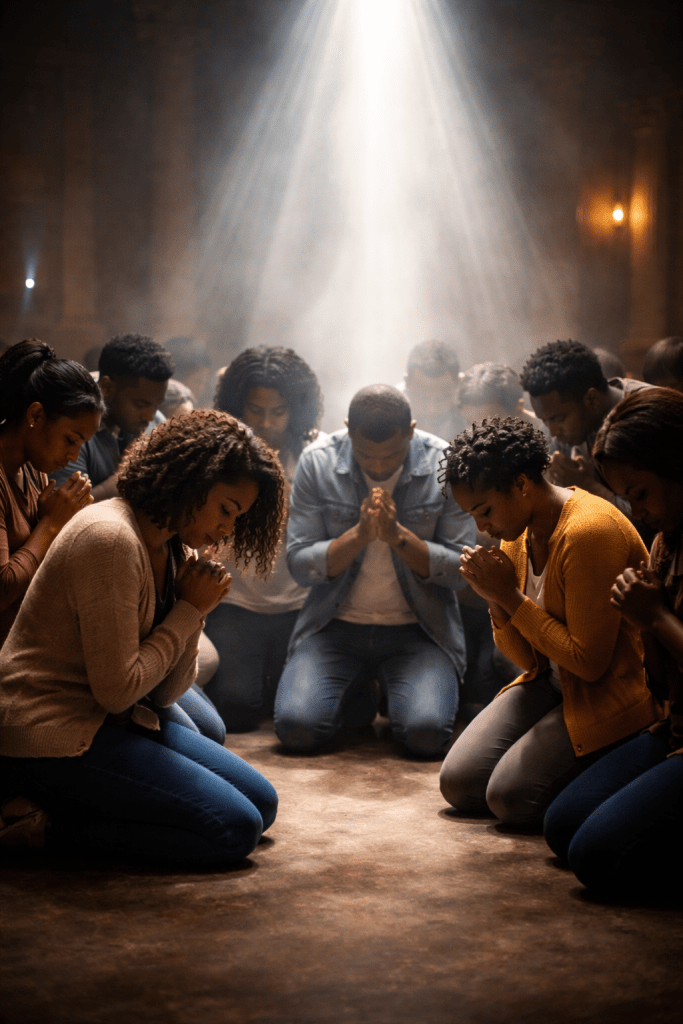
Tag Archives: followers-of-christ

Alters of Lust: Adultery

The Sacred Covenant of Marriage

Adultery has long been understood in biblical teaching as a violation not only of marital trust but also of spiritual covenant. Within the moral framework of the Bible, marriage is portrayed as a sacred bond established by God, and adultery is presented as a betrayal of both spouse and Creator. The concept extends beyond physical acts and includes matters of the heart, intention, and loyalty.

In the moral law given in Exodus 20:14, the commandment states plainly, “Thou shalt not commit adultery.” This instruction forms part of the Ten Commandments, foundational principles meant to guide ethical conduct within the community. Adultery disrupts families, erodes trust, and undermines the stability of relationships built on covenant.

Biblical teaching also expands the definition of adultery beyond physical acts. In Matthew 5:28, Jesus Christ teaches that anyone who looks upon another person with lustful intent has already committed adultery in the heart. This interpretation shifts attention from outward behavior alone to the inner condition of the mind and spirit.

One protective principle often emphasized in biblical ethics is learning to view others with respect and familial honor rather than sexual desire. In First Timothy 5:1–2, the apostle Paul advises believers to treat younger women as sisters with all purity. This approach encourages individuals to see members of the opposite sex not as objects of desire but as people deserving dignity and moral regard.

Similarly, men and women are encouraged to recognize each other as part of a broader spiritual family. Viewing others as brothers and sisters creates an internal boundary that discourages inappropriate attraction and protects relationships from crossing moral lines.

15 Warning Signs an Affair Is Beginning

Adultery rarely begins suddenly. It often develops gradually through emotional intimacy, secrecy, and subtle boundary violations. Recognizing early warning signs can prevent relationships from crossing into betrayal.

1. Increased secrecy with phones or communication
Frequent texting, deleting messages, or hiding conversations can signal emotional involvement with someone outside the marriage.

2. Emotional confiding in someone other than your spouse
Sharing personal struggles, dreams, or intimate thoughts with another person can create emotional closeness that replaces marital intimacy.

3. Flirtation disguised as harmless joking
Playful compliments or teasing can gradually create romantic tension.

4. Frequent private meetings
Regular one-on-one interactions, particularly in secluded environments, can strengthen emotional bonds.

5. Comparing your spouse negatively to another person
Idealizing someone outside the marriage while focusing on your spouse’s flaws creates dissatisfaction.

6. Dressing differently to impress a specific person
Increased concern about appearance around a particular individual may reflect romantic interest.

7. Thinking about the person constantly
Mental preoccupation often signals emotional attachment forming.

8. Sharing personal photos or intimate conversations
Private exchanges can intensify emotional intimacy.

9. Defending the relationship when questioned
Strong defensive reactions can indicate awareness of inappropriate attachment.

10. Hiding the friendship from your spouse
Secrecy itself often reveals that boundaries have already been crossed.

11. Physical touch that feels too comfortable
Prolonged hugs, playful touching, or unnecessary closeness can escalate attraction.

12. Seeking validation from the other person
Emotional affirmation outside the marriage may replace the need for connection within it.

13. Feeling excitement when communicating with the person
Anticipation and emotional thrill can signal growing attachment.

14. Sharing marital frustrations with them
Discussing problems in your marriage with a potential romantic interest can create emotional alliances.

15. Justifying behavior as harmless
When people repeatedly tell themselves “nothing is happening,” it may indicate a developing emotional affair.

Another essential safeguard against adultery is maintaining a respectful distance from individuals who are married. Romantic or emotional involvement with someone already bound in marriage can lead to moral compromise and profound harm. Scripture consistently warns against pursuing relationships that violate existing covenants.

Marriage in the Bible is described as a covenant rather than a temporary agreement. A covenant involves commitment, loyalty, and accountability before God. Because of this sacred dimension, faithfulness within marriage reflects not only love for one’s spouse but also reverence for the divine order established by God.

The Psychology of Affairs and Emotional Attachments

Affairs often develop through a combination of emotional vulnerability, psychological needs, and environmental opportunity. Researchers studying relationships note that emotional connection plays a significant role in the formation of extramarital attachments.

One important factor is validation seeking. Individuals who feel unappreciated, ignored, or emotionally disconnected in their marriage may become susceptible to attention from someone who offers admiration or affirmation. The human desire for recognition and emotional connection can make such interactions feel intoxicating.

Another factor involves novelty and excitement. Long-term relationships naturally shift from intense romantic passion toward deeper companionship and stability. An affair partner can temporarily recreate the excitement of early attraction, which some individuals mistakenly interpret as evidence of deeper compatibility.

Biology also contributes to emotional bonding. Intimate interactions release hormones such as dopamine and oxytocin, which create feelings of pleasure and attachment. These neurochemical responses can reinforce emotional ties even when individuals know their behavior violates moral or relational commitments.

Psychologists also note that affairs sometimes emerge from unresolved personal issues, including insecurity, loneliness, or a need for validation. Instead of addressing these emotional needs within the marriage, individuals may seek fulfillment elsewhere.

Opportunity also plays a major role. Workplaces, social gatherings, and digital communication platforms can create environments where relationships develop gradually through repeated contact. Over time, emotional familiarity can blur the line between friendship and romantic attachment.

Understanding these psychological dynamics does not excuse adultery, but it helps explain how ordinary interactions can evolve into emotional entanglements if boundaries are not maintained.

The concept of spiritual adultery appears frequently in biblical literature. In passages such as Jeremiah and Hosea, the prophets describe Israel’s idolatry as adultery against God. The metaphor portrays God as a faithful husband and the people as an unfaithful spouse who turns toward other gods.

This imagery highlights how devotion can be redirected away from its rightful focus. Just as marital infidelity breaks relational trust, spiritual adultery represents turning away from God to pursue other allegiances or idols.

Scripture often uses strong language when describing idolatry, warning believers not to “go whoring after other gods.” This phrase appears in several passages of the Old Testament and reflects the seriousness with which covenant loyalty is treated. The metaphor underscores the belief that spiritual faithfulness requires exclusive devotion.

Within marriage, faithfulness involves more than avoiding betrayal. It also requires cultivating appreciation and affection for one’s spouse. When partners intentionally nurture admiration for each other, the temptation to seek fulfillment elsewhere is diminished.

Some marital counselors and faith leaders encourage individuals to consciously view their spouse as the most beautiful or handsome person in the world. This perspective is less about objective comparison and more about cultivating gratitude, loyalty, and emotional intimacy.

Maintaining this mindset can strengthen the marital bond by reinforcing the idea that love grows through intentional attention and appreciation. In long-term relationships, admiration and affection are sustained through daily choices rather than momentary attraction.

Adultery often begins not with physical actions but with emotional distance and unmet needs within a relationship. When communication breaks down or appreciation fades, individuals may become vulnerable to outside attention that appears validating or exciting.

Protecting a marriage, therefore, involves active commitment to emotional connection. Open communication, shared values, and mutual respect help create a strong foundation that discourages outside intrusion.

Spiritual discipline can also play a role in safeguarding marital fidelity. Prayer, reflection, and shared spiritual practices can strengthen the sense that marriage is a sacred partnership guided by divine purpose.

When temptation arises, individuals are encouraged to redirect their attention toward their commitments and values. Remembering the promises made within marriage can help reinforce boundaries when faced with potential temptation.

The psychological consequences of adultery can be profound, including guilt, broken trust, and emotional distress for everyone involved. Rebuilding trust after betrayal is often a long and painful process requiring honesty, accountability, and patience.

Steps to Break Free from Adultery

1. Acknowledge the Sin Honestly

The first step toward freedom is recognizing the wrongdoing without excuses. In Proverbs 28:13 (KJV), Scripture teaches that those who confess and forsake sin will obtain mercy.


2. Repent and Turn Away

Repentance means more than regret; it means changing direction. In Acts 3:19, believers are instructed to repent so that their sins may be blotted out.


3. Immediately End the Affair

If a relationship outside of marriage exists, it must end completely. Continued communication, emotional attachment, or secret meetings will keep the cycle alive.


4. Establish Strict Boundaries

Avoid situations where temptation can grow, including:

  • Private meetings with the person
  • Texting or late-night conversations
  • Social environments where the relationship began

5. Stay Away from Married Individuals

Respect the covenant of marriage. Pursuing someone who is married damages families, trust, and spiritual integrity.


6. Guard Your Eyes and Thoughts

Adultery often begins in the mind. In Matthew 5:28, Jesus Christ warns against looking at someone with lustful intent.


7. Treat Others as Brothers and Sisters

Seeing others with dignity rather than sexual desire creates an internal moral boundary.


8. Rebuild Commitment to Your Spouse

Focus attention on your partner. Invest time, affection, and emotional connection into the relationship.


9. Renew Your Marriage Covenant

Marriage is a covenant before God. Reflect on the promises made and recommit to honoring them.


10. Rekindle Appreciation for Your Spouse

Make a conscious effort to see your spouse as beautiful, valuable, and worthy of your loyalty.


11. Strengthen Communication in Your Marriage

Many affairs grow in environments where communication has broken down. Honest conversations about needs and concerns can restore connection.


12. Avoid Tempting Environments

Certain places or situations encourage inappropriate relationships, such as:

  • Private work meetings with flirtation
  • Emotionally confiding in someone outside the marriage
  • Social settings where boundaries are blurred

13. Seek Accountability

A trusted mentor, counselor, or spiritual leader can help maintain accountability and provide guidance.


14. Rebuild Spiritual Discipline

Prayer, meditation, and studying Scripture can help renew the mind and strengthen self-control.


15. Address Emotional Needs Honestly

Sometimes adultery grows out of loneliness, validation seeking, or unresolved conflict. Understanding these needs can help prevent future temptation.


16. Avoid Emotional Affairs

Not all adultery is physical. Emotional intimacy with someone outside marriage can lead to deeper involvement.


17. Forgive Yourself and Accept God’s Grace

Many people remain trapped in guilt. Scripture teaches that sincere repentance opens the door to forgiveness and renewal.


18. Be Patient During the Healing Process

Rebuilding trust in marriage takes time. Consistent honesty and changed behavior are necessary.


19. Focus on Personal Integrity

Develop habits of honesty, discipline, and respect for relationships.


20. Protect the Covenant Daily

Faithfulness is not a single decision but a daily commitment to honor both your spouse and God.


Key Principle:
Breaking free from adultery requires repentance, boundaries, renewed commitment, and spiritual discipline. Healing is possible when individuals choose integrity over temptation.

However, many faith traditions also emphasize the possibility of restoration. Through repentance, forgiveness, and sincere effort to repair relationships, some couples can rebuild stronger bonds after confronting infidelity.

Ultimately, the biblical vision of marriage emphasizes loyalty, honor, and enduring love. Faithfulness within marriage becomes both a personal commitment and a spiritual expression of covenant loyalty.

How to Rebuild Trust After Adultery

Rebuilding trust after adultery is one of the most difficult challenges a couple can face. Betrayal deeply wounds emotional security, and restoring trust requires time, honesty, and commitment from both partners. Get your lust under control with prayer and fasting.

1. Full honesty and transparency
The partner who committed adultery must provide truthful answers and avoid secrecy moving forward.

2. End all contact with the affair partner
Healing cannot begin if communication with the outside relationship continues.

3. Accept responsibility without blaming the spouse
Taking ownership of the decision to betray the marriage is essential for rebuilding trust.

4. Allow time for emotional healing
The betrayed partner may experience anger, grief, and confusion. These emotions must be acknowledged rather than dismissed.

5. Rebuild emotional intimacy slowly
Trust returns gradually through consistent actions rather than promises.

6. Seek counseling or pastoral guidance
Professional or spiritual guidance can help couples process pain and rebuild communication.

7. Establish new boundaries
Healthy limits around friendships, communication, and social environments help protect the relationship.

8. Practice accountability
Transparency with schedules, phone use, or social interactions can reassure the injured partner.

9. Renew commitment to the marriage covenant
Reaffirming shared values and future goals helps rebuild unity.

10. Develop patience and compassion
Restoration is often a long process. Couples who succeed in rebuilding trust do so through consistent effort and empathy.

In this sense, resisting adultery is not merely about avoiding wrongdoing. It reflects a deeper commitment to protecting sacred relationships, honoring one’s spouse, and maintaining fidelity to both marital and spiritual covenants.


References

Holy Bible. (1611/King James Version).

Anderson, K. (2018). The biblical view of marriage and fidelity. Baker Academic.

Stanley, S. M., & Markman, H. J. (1992). Assessing commitment in personal relationships. Journal of Marriage and Family.

Wheat, E., & Wheat, G. (2010). Intended for pleasure: Sex technique and sexual fulfillment in Christian marriage. Revell.

Laaser, M. (2004). Healing the wounds of sexual addiction. Zondervan.

The Woman Diaries: Why Waiting Until Marriage Is Beneficial to a Woman.

Flee fornication

(1 Corinthians 6:18, KJV)

Is a direct and urgent admonition found in Scripture, reminding believers to avoid sexual immorality because of its profound spiritual and physical implications. The apostle Paul emphasizes that sexual sin is uniquely significant because it is committed against one’s own body, which God has created with sacred purpose and design. For women in particular, this biblical instruction calls for wisdom, discernment, and the guarding of one’s personal and spiritual integrity.

A woman should therefore be mindful to guard her essence, recognizing the sacred value of her body and spirit. From both a theological and moral perspective, the female body is not merely physical but deeply spiritual in nature. Scripture teaches that the body is the temple of the Holy Spirit (1 Corinthians 6:19–20, KJV), emphasizing that it is to be treated with reverence, discipline, and honor. Within this framework, a woman’s physical being carries divine significance and should not be approached casually or without discernment.

Women are uniquely designed to receive, nurture, and cultivate life—physically, emotionally, and spiritually. Because of this profound capacity, the intimate act of sexual union holds deeper implications than simple physical pleasure. It is an exchange that involves emotional bonding, spiritual connection, and psychological attachment. For this reason, guarding one’s intimacy is an act of wisdom and self-respect, acknowledging that such a union was divinely intended to occur within the covenant of marriage.

To safeguard one’s body is therefore to safeguard one’s dignity, identity, and spiritual well-being. A woman’s body is precious, worthy of honor, and deserving of protection. Within biblical teaching, the fullness of physical intimacy is reserved for the sacred bond between husband and wife, where love, commitment, and covenant provide the proper foundation for such a profound union. In this sense, a woman who guards her intimacy affirms both her intrinsic worth and the divine purpose for which her body was created.

In a culture that often promotes instant gratification and casual relationships, the idea of waiting until marriage for sexual intimacy can seem outdated or “old-fashioned.” Yet for many women—both young and mature—this decision remains deeply meaningful. Waiting is not merely about tradition or religious rules; it is about emotional health, spiritual alignment, personal dignity, and long-term well-being.

For women exploring relationship and life choices, the conversation about sexual boundaries deserves thoughtful reflection rather than social pressure. Understanding how intimacy affects the body, mind, and spirit can empower women to make decisions that honor themselves and their values. From a biblical perspective, the body is sacred before God, and sexual union was designed to exist within the covenant of marriage (1 Corinthians 6:18–20; Hebrews 13:4, King James Version).

Waiting until marriage is therefore not a limitation—it can be a powerful act of self-respect and wisdom.


Understanding What Happens During Sexual Intimacy

Sexual intimacy is not merely physical. It involves complex biological, psychological, and emotional processes that affect men and women differently.

Research shows that the female brain releases bonding hormones such as oxytocin and vasopressin during sexual intimacy. Oxytocin is sometimes called the “bonding hormone” because it increases emotional attachment and trust between partners (Carter, 1998). This means that sexual activity can naturally deepen a woman’s emotional connection to a partner, even if the relationship itself lacks stability or commitment.

Men, however, are often socialized differently in many cultures. While men also release bonding hormones, evolutionary psychology research suggests that men may experience sexual encounters with less immediate emotional bonding compared to women (Fisher, 2004). This difference does not mean men do not care, but it highlights how intimacy can impact women’s emotional well-being more intensely.

When a woman becomes sexually involved with a man outside the covenant of marriage, the emotional attachment formed may not always be reciprocated with equal commitment. This imbalance can lead to heartbreak, confusion, and emotional wounds.

From a biblical standpoint, sexual intimacy is intended to unite two people in covenant. Scripture teaches that sexual union creates a “one flesh” bond (Genesis 2:24). When this union occurs outside marriage, it can create emotional and spiritual conflict because the relationship lacks the covenantal protection God designed.


Three Research-Supported Benefits of Waiting Until Marriage

1. Stronger Emotional and Relationship Stability

Women who wait until marriage often report greater relationship satisfaction and stability.

A study from the Institute for Family Studies found that couples who waited until marriage to have sex reported higher levels of marital satisfaction and communication compared to those who were sexually involved earlier in the relationship (Busby, Carroll, & Willoughby, 2010).

Benefits include:

  • Deeper emotional intimacy before physical intimacy
  • Stronger communication and trust
  • Reduced comparison with previous partners
  • Greater long-term relationship satisfaction

When intimacy is reserved for marriage, couples often build a stronger foundation of friendship, shared values, and spiritual connection first. These elements are essential for lasting relationships.

From a biblical perspective, patience in relationships reflects wisdom and self-control, qualities praised throughout scripture (Proverbs 4:7; Galatians 5:22–23).


2. Protection from Physical Health Risks

Waiting until marriage also significantly reduces exposure to sexually transmitted infections (STIs) and other health risks.

According to the Centers for Disease Control and Prevention, nearly 20 million new sexually transmitted infections occur each year in the United States, with young adults representing a large portion of new cases (CDC, 2023).

Some of these infections include:

  • Human papillomavirus (HPV)
  • Chlamydia
  • Gonorrhea
  • HIV
  • Herpes

Certain infections can lead to long-term health complications such as infertility, cervical cancer, and chronic illness. While modern medicine offers treatment options, prevention remains the safest approach.

Waiting until marriage with a committed partner greatly reduces these risks and allows both partners to enter intimacy with greater health security.

The biblical principle behind sexual boundaries also emphasizes protection. Scripture repeatedly warns against fornication because it harms the body and spirit (1 Corinthians 6:18).


3. Greater Self-Worth and Personal Empowerment

Contrary to the idea that waiting is restrictive, many women find that setting sexual boundaries strengthens their sense of self-worth.

Choosing to wait can help women:

  • Maintain control over their bodies and life choices
  • Avoid emotional entanglements that hinder personal growth
  • Focus on education, career, and spiritual development
  • Seek partners who value commitment and respect

Women who establish clear boundaries often attract partners who are serious about long-term commitment rather than temporary pleasure.

From a spiritual perspective, the Bible teaches that the body is a temple of the Holy Spirit (1 Corinthians 6:19). Viewing the body as sacred encourages women to treat themselves with dignity and purpose.

Waiting until marriage becomes an expression of self-respect rather than a restriction imposed by society.


Addressing Common Misconceptions

“Waiting Until Marriage Is Old Fashioned”

Some argue that waiting until marriage is outdated in modern society. However, personal values are not determined by cultural trends. Many women today intentionally choose this path because it aligns with their emotional, spiritual, and personal goals.

True empowerment involves making choices that reflect one’s values rather than simply following societal expectations.

“Sex Is Necessary to Test Compatibility”

Another common argument suggests that couples must have sex before marriage to determine compatibility. Yet research indicates that communication, shared values, emotional intimacy, and conflict resolution skills are far stronger predictors of relationship success than sexual experience alone (Stanley, Rhoades, & Markman, 2006).

Healthy marriages are built on trust, respect, and commitment—not experimentation.


Building Strong Emotional and Spiritual Foundations

Waiting until marriage encourages women to cultivate relationships that prioritize emotional and spiritual connection first.

This process may include:

  • Developing meaningful friendships within the relationship
  • Praying and seeking spiritual guidance
  • Learning communication and conflict resolution skills
  • Establishing mutual respect and shared goals

When physical intimacy finally occurs within marriage, it becomes a celebration of covenant rather than a source of confusion or regret.

The Bible emphasizes the beauty of intimacy within marriage, describing it as honorable and blessed (Hebrews 13:4).


Final Thoughts: Honoring Your Sacred Worth

Every woman deserves love that is committed, respectful, and honorable. Waiting until marriage is not about shame, restriction, or judgment—it is about protecting the heart, honoring the body, and building relationships rooted in trust and covenant.

Key takeaways include:

  • Sexual intimacy creates powerful emotional bonds.
  • Waiting until marriage can strengthen relationships and reduce emotional harm.
  • It protects physical health and reduces exposure to disease.
  • It reinforces self-respect and spiritual alignment.

Your body is sacred before God, and the choices you make about intimacy carry both emotional and spiritual significance.

For women navigating the complexities of modern relationships, choosing patience and discernment can be one of the most empowering decisions you make. Waiting is not weakness—it is wisdom, dignity, and faith in action.

And when the right covenant relationship arrives, intimacy becomes not just physical pleasure, but a profound union blessed by love, commitment, and God.


References

Busby, D. M., Carroll, J. S., & Willoughby, B. J. (2010). Compatibility or restraint? The effects of sexual timing on marriage relationships. Journal of Family Psychology, 24(6), 766–774.

Carter, C. S. (1998). Neuroendocrine perspectives on social attachment and love. Psychoneuroendocrinology, 23(8), 779–818.

Centers for Disease Control and Prevention. (2023). Sexually transmitted infections surveillance report. https://www.cdc.gov

Fisher, H. (2004). Why we love: The nature and chemistry of romantic love. Henry Holt.

Stanley, S. M., Rhoades, G. K., & Markman, H. J. (2006). Sliding versus deciding: Inertia and the premarital cohabitation effect. Family Relations, 55(4), 499–509.

The Holy Bible, King James Version. (1611/2017).

Alters of Lust: Fornication

Soul Ties, and the Sacredness of the Body

The human body is often described in Scripture as sacred, a dwelling place for spiritual purposes and divine order. In the Bible, the body is repeatedly referred to as a temple meant to honor God rather than indulge uncontrolled desires. Within this theological framework, sexual intimacy is not merely a physical act but a deeply spiritual covenant designed for marriage. When this sacred design is ignored, Scripture warns that individuals may unknowingly build “altars of lust,” places where desire replaces discipline and temporary pleasure replaces spiritual integrity.

Fornication is one of the central moral warnings throughout the Bible. The term traditionally refers to sexual relations outside the covenant of marriage between a man and a woman. In the First Corinthians 6:18 (KJV), the apostle Paul writes, “Flee fornication. Every sin that a man doeth is without the body; but he that committeth fornication sinneth against his own body.” This statement highlights the unique spiritual and psychological consequences that Scripture associates with sexual immorality.

Biblical teaching presents sexual intimacy as a covenantal act intended exclusively for marriage. In Genesis 2:24, the text explains that a man shall leave his father and mother and “cleave unto his wife: and they shall be one flesh.” This union is not merely symbolic; it represents a spiritual joining that binds two individuals physically, emotionally, and spiritually.

Because sexual intimacy creates this profound union, many theological traditions refer to the concept of “soul ties.” Although the phrase itself does not appear explicitly in Scripture, it is often used to describe the emotional and spiritual bonds formed through sexual relationships. These bonds can make separation difficult, particularly when intimacy occurs outside of commitment or covenant.

Lust functions psychologically as a powerful motivational force rooted in desire, imagination, and biological impulse. While attraction itself is natural, lust involves the intentional pursuit of sexual gratification without regard for moral or spiritual boundaries. Scripture addresses this internal struggle in Matthew 5:28, where Jesus Christ teaches that even looking at someone with lustful intent can be considered a form of adultery within the heart.

The Bible consistently calls believers to discipline their desires. In First Thessalonians 4:3–4 (KJV), the text states, “For this is the will of God, even your sanctification, that ye should abstain from fornication.” This passage frames sexual restraint not as repression but as spiritual maturity and obedience.

One of the most practical commands given in Scripture regarding sexual temptation is the instruction to flee. Unlike other temptations where believers are encouraged to resist or stand firm, sexual immorality is something the Bible instructs people to physically and emotionally avoid. Fleeing means removing oneself from environments, conversations, or relationships that encourage sexual compromise.

Relationships themselves can become catalysts for temptation. Scripture warns that companionship with people who normalize or encourage sexual immorality can erode moral discipline over time. Both men and women may experience pressures from peers, romantic partners, or media influences that promote casual intimacy rather than covenant commitment.

Lustful behavior often thrives in environments where boundaries are weak. Cultural influences such as pornography, hypersexualized entertainment, and casual dating norms can normalize behaviors that conflict with biblical teachings. These influences can gradually shape attitudes toward intimacy and commitment.

From a theological perspective, God designed sex to be a sacred expression of unity within marriage. The biblical model consistently describes marriage as a covenant between a man and a woman, a union intended to reflect fidelity, love, and mutual responsibility. Within this framework, sexual intimacy becomes an act of trust and covenant rather than impulse.

Biblical law also includes prohibitions against behaviors considered outside this divine design. In passages such as Leviticus 18 and Romans 1, the text addresses various forms of sexual conduct, including homosexual acts and bestiality, presenting them as violations of the moral boundaries established in biblical law.

Beyond spiritual consequences, modern psychological research suggests that sexual intimacy can create emotional attachment through the release of bonding hormones such as oxytocin and vasopressin. These biochemical processes can strengthen emotional bonds between partners, even in relationships that lack long-term commitment.

When relationships formed through sexual intimacy end, individuals may experience feelings of loss, confusion, or shame. These emotional responses are sometimes intensified when intimacy occurs outside a context of trust or commitment. In such cases, the emotional residue of past relationships can affect future bonds.

Shame is another powerful psychological consequence often associated with sexual behavior that conflicts with personal or spiritual values. Individuals who feel they have violated their beliefs may struggle with guilt or diminished self-worth, particularly if they perceive their actions as irreversible.

However, the message of Scripture also emphasizes redemption and forgiveness. In First John 1:9 (KJV), believers are reminded that “If we confess our sins, he is faithful and just to forgive us our sins.” This passage highlights the theological principle that repentance opens the path to restoration.

Breaking free from patterns of sexual temptation often requires intentional steps. These may include establishing clear boundaries, seeking supportive community, avoiding triggering environments, and cultivating spiritual practices such as prayer and meditation on Scripture.

Here are practical and spiritual steps to break free from fornication, combining biblical guidance (KJV) with psychological discipline and lifestyle changes. These steps focus on self-control, spiritual renewal, and healthy boundaries.


1. Flee Sexual Temptation Immediately

The Bible does not say to fight sexual temptation—it says to run from it. In First Corinthians 6:18 (KJV), Paul the Apostle writes, “Flee fornication.”
If a situation, person, or environment encourages sexual sin, physically and emotionally distance yourself from it.


2. Repent and Confess to God

Repentance means sincerely turning away from sin. In First John 1:9 (KJV), Scripture teaches that God forgives those who confess their sins.
True repentance involves acknowledging wrongdoing and making a commitment to change.


3. Set Clear Physical Boundaries

Avoid situations that can easily lead to sexual activity, such as:

  • Being alone late at night with someone you are attracted to
  • Sleeping in the same bed
  • Visiting private spaces like bedrooms

Boundaries help protect emotional and spiritual discipline.


4. Separate from People Who Encourage Lust

If someone pressures you into sexual activity, they are not supporting your spiritual well-being. Healthy relationships respect your convictions and boundaries.


5. Avoid Sexualized Media

Pornography, explicit music, and hypersexualized entertainment stimulate the brain’s reward system and increase sexual urges. Limiting exposure helps retrain the mind toward discipline.


6. Renew Your Mind with Scripture

Regular reading of Scripture can reshape thinking patterns. Verses about purity, self-control, and holiness strengthen spiritual awareness and conviction.


7. Practice Self-Control and Discipline

Self-control is described as a spiritual virtue in Galatians 5:22–23.
Develop habits that strengthen discipline, such as:

  • Exercise
  • Structured routines
  • Goal setting

8. Understand the Emotional Consequences of Casual Sex

Sex creates emotional bonding through brain chemicals like oxytocin. When intimacy occurs outside commitment, it can produce emotional confusion, attachment, or heartbreak.

Recognizing this can strengthen motivation to abstain.


9. Pray for Strength and Wisdom

Prayer allows individuals to seek spiritual guidance when temptation arises. Many believers use prayer as a way to redirect thoughts and regain emotional balance.


10. Surround Yourself with Supportive Community

Healthy friendships, mentors, or faith communities can help reinforce values of discipline and accountability.


11. Focus on Purpose and Personal Growth

When life goals, education, career ambitions, and spiritual growth become priorities, impulsive behaviors often lose their power.


12. Replace Temptation with Healthy Activities

Idle time often increases temptation. Productive activities such as studying, exercising, volunteering, or creative work redirect energy into constructive outlets.


13. Guard Your Thoughts

Lust often begins in the mind before it becomes action. Monitoring thoughts and redirecting them when they become sexualized can prevent behavior from escalating.


14. Date with Intentionality

If you choose to date, focus on long-term compatibility and character, not only physical attraction. This reduces the likelihood of relationships driven purely by sexual desire.


15. Remember the Sacredness of Your Body

Scripture teaches that the body is a temple in First Corinthians 6:19.
Viewing the body as sacred encourages respect for oneself and others.


16. Forgive Yourself and Start Again

Breaking habits can take time. If someone falls into sexual sin again, the biblical message emphasizes grace and renewal rather than permanent condemnation.


17. Avoid Situations That Trigger Desire

Common triggers include:

  • Alcohol or drugs lowering inhibition
  • Sexual conversations
  • Physical affection that escalates intimacy

Learning personal triggers helps prevent relapse.


18. Cultivate Patience While Waiting for Marriage

Waiting until marriage can strengthen emotional maturity, self-respect, and trust within future relationships.


19. Strengthen Spiritual Identity

When individuals see themselves as people created with purpose and dignity, they are more likely to protect their values and boundaries.


20. Seek Counseling or Mentorship if Needed

For some individuals, repeated patterns of sexual behavior may involve deeper emotional issues such as loneliness, trauma, or low self-esteem. Professional counseling or pastoral guidance can help address these roots.


Key Principle:
Breaking free from fornication involves changing environments, strengthening spiritual discipline, and renewing the mind. It is a process of growth rather than a single moment of perfection.

Personal transformation also involves renewing one’s understanding of identity and purpose. When individuals view their bodies as sacred rather than disposable, their perspective on intimacy can shift from impulsive gratification to thoughtful stewardship.

For many believers, waiting until marriage becomes an act of discipline and faith. Rather than being framed as deprivation, abstinence can be understood as a conscious decision to honor the spiritual and emotional significance of sexual union.

The biblical narrative ultimately presents sexuality not as shameful but as sacred when practiced within its intended covenantal context. Marriage becomes the space where intimacy is celebrated without fear, secrecy, or guilt.

In this sense, resisting lust and avoiding fornication are not merely moral restrictions but invitations to experience relationships rooted in commitment, trust, and spiritual alignment. By honoring the sacredness of the body and the covenant of marriage, individuals seek to protect both their spiritual integrity and emotional well-being.


References

American Psychological Association. (2018). Human sexuality and attachment research.

Holy Bible. (1611/King James Version).

Laaser, M. (2004). Healing the wounds of sexual addiction. Zondervan.

Stanley, S. M., & Markman, H. J. (1992). Assessing commitment in personal relationships. Journal of Marriage and Family.

Strong, J., & Cohen, T. (2014). The marriage and family experience. Cengage Learning.

Wheat, E. (2010). Intended for pleasure: Sex technique and sexual fulfillment in Christian marriage. Revell.

The Chosen Ones Series: The Battles That The Most High God told You to Avoid.

For those who believe they are called, appointed, or set apart by God, life often comes with a heightened awareness of spiritual responsibility. Many individuals who walk a faith-centered path feel compelled to intervene in every conflict, defend every injustice, and solve every problem they encounter. Yet scripture repeatedly teaches that not every battle belongs to us. Some conflicts are spiritual tests of restraint, humility, and trust in divine justice.

The Bible reminds believers that God Himself is the ultimate judge and avenger. In a world filled with offense, betrayal, and misunderstanding, the temptation to retaliate or defend one’s honor can be powerful. However, spiritual maturity requires the discipline to release personal revenge and allow God to act according to His perfect will and timing.

Personal revenge may feel justified when someone has been wronged, but scripture clearly warns against it. The human desire to settle scores can easily lead to bitterness, anger, and destructive cycles of retaliation. The Apostle Paul instructed believers to resist this urge and instead trust that God sees every injustice.

In Romans 12:19, the Apostle Paul writes, “Dearly beloved, avenge not yourselves, but rather give place unto wrath: for it is written, Vengeance is mine; I will repay, saith the Lord.” This passage reminds believers that retaliation is not their responsibility. Divine justice operates beyond human perception, and God ultimately restores balance in ways people cannot.

Many spiritual people exhaust themselves trying to prove their worth to others. Seeking approval, admiration, or validation from people can become a quiet spiritual trap. When individuals base their identity on the opinions of others, they become emotionally dependent on external affirmation.

The desire for admiration often stems from a deeper need for acceptance and belonging. Social media culture, public recognition, and societal pressures encourage people to measure their value through applause and popularity. Yet spiritual identity is not determined by human approval but by divine purpose.

Jesus Himself warned against living for public admiration. In Matthew 6:1, He cautioned His followers to avoid performing acts of righteousness merely to be seen by others. Faith, according to Christ, is meant to be genuine and sincere, not a performance for applause.

People pleasing can quietly drain the spirit. When a person constantly adjusts their behavior to keep everyone happy, they sacrifice their own emotional and spiritual well-being. This cycle creates exhaustion because no human being can satisfy every expectation placed upon them.

Those who feel spiritually chosen often believe they must carry everyone’s burdens. They feel responsible for fixing every broken situation, mediating every conflict, and rescuing others from their problems. While compassion is a noble quality, assuming the role of savior for everyone is neither healthy nor biblical.

Scripture teaches that God alone is the ultimate burden bearer. Believers are called to help others, but they are not responsible for solving every problem. Attempting to carry burdens that belong to God often leads to burnout, anxiety, and spiritual fatigue.

Jesus invites believers to release their burdens in Matthew 11:28 when He says, “Come unto me, all ye that labour and are heavy laden, and I will give you rest.” This invitation reflects a central principle of faith: God does not expect His followers to carry the weight of the world alone.

The battle of self often proves more difficult than conflicts with others. Internal struggles such as pride, insecurity, and the need for validation can become spiritual obstacles. These inner battles require humility and self-reflection rather than confrontation with others.

Many conflicts that people engage in are rooted in ego rather than righteousness. The need to prove oneself right, defend reputation, or win arguments often disguises itself as moral courage. In reality, these battles can distract believers from their spiritual calling.

Wisdom involves discerning which battles are worth fighting. The Book of Proverbs frequently emphasizes restraint, teaching that wise individuals avoid unnecessary conflict. Silence, patience, and humility can often be more powerful than confrontation.

In Proverbs 20:3, scripture declares, “It is an honour for a man to cease from strife: but every fool will be meddling.” This verse highlights the virtue of restraint. Walking away from certain conflicts is not weakness but wisdom.

Another draining battle is the constant need to explain oneself. People often feel pressured to justify their decisions, beliefs, or boundaries to everyone around them. Yet spiritually grounded individuals understand that not everyone will understand their path.

Jesus Himself faced misunderstanding and criticism throughout His ministry. Despite this, He did not spend His time trying to win over every skeptic or satisfy every critic. Instead, He remained focused on His mission.

When individuals attempt to gain universal approval, they often lose sight of their purpose. The Apostle Paul acknowledged this tension in Galatians 1:10 when he wrote that seeking the approval of people rather than God would make him a servant of men rather than a servant of Christ.

Another hidden battle is the pressure to always be strong for others. People who are viewed as spiritually mature or emotionally resilient are often expected to carry the emotional weight of everyone around them. This expectation can become overwhelming.

Even the strongest spiritual leaders needed rest and solitude. Throughout the Gospels, Jesus frequently withdrew from crowds to pray and restore His strength. These moments reveal that spiritual renewal requires intentional withdrawal from constant demands.

Trying to fight battles that do not belong to you can drain both emotional energy and spiritual clarity. When individuals become entangled in every conflict around them, they lose the ability to focus on their own spiritual growth.

Boundaries are essential for spiritual health. Recognizing which battles belong to you and which belong to God requires discernment and humility. Not every injustice requires your intervention.

There are moments when silence is more powerful than argument. Walking away from conflict allows God to intervene in ways that human confrontation cannot achieve.

Spiritual wisdom involves trusting God’s timing. Immediate retaliation may feel satisfying, but divine justice often unfolds in ways that require patience and faith.

When believers release the need for revenge, validation, and approval, they experience freedom. Their identity becomes rooted in God rather than the shifting opinions of others.

Learning to surrender battles to God requires faith. It involves trusting that God sees every injustice, hears every prayer, and understands every hidden struggle.

The process of surrender is not passive; it is an act of spiritual discipline. It requires resisting the urge to intervene where God has instructed patience.

When individuals stop fighting unnecessary battles, they conserve their strength for the battles that truly matter—those involving justice, truth, faith, and righteousness.

Peace often arrives when people release the need to control outcomes. By allowing God to carry burdens that were never meant for human shoulders, believers experience spiritual clarity and emotional relief.

Ultimately, the chosen path is not about fighting every battle but about discerning the ones God has called you to face. Some battles are meant to be fought with courage, while others are meant to be surrendered in faith.

The wisdom of the faithful lies in knowing the difference.


References

The Holy Bible, King James Version.

Cloud, H., & Townsend, J. (2017). Boundaries: When to Say Yes, How to Say No to Take Control of Your Life. Zondervan.

Peterson, E. H. (2002). The Message: The Bible in Contemporary Language. NavPress.

Willard, D. (1998). The Divine Conspiracy: Rediscovering Our Hidden Life in God. HarperOne.

Smedes, L. B. (1996). Forgive and Forget: Healing the Hurts We Don’t Deserve. HarperOne.

The Biblical Battle of the Sexes

The relationship between men and women has always been a subject of divine attention, from the creation narrative to modern marriage. Scripture lays out the roles, responsibilities, and relational dynamics meant to honor God and preserve order in society. Yet human misinterpretation, pride, and selfishness often create conflict between the sexes. Understanding the biblical framework is essential for harmony and spiritual alignment.

From the very beginning, God established the distinction of man and woman. Genesis 2:18 (KJV) declares, “It is not good that the man should be alone; I will make him an help meet for him.” Women were created not as inferior but as companions, complementing men’s strengths and weaknesses. This original design was meant to foster unity, not conflict.

Despite this, the fall introduced discord into male-female relationships. Genesis 3:16 (KJV) prophesies, “Unto the woman he said…thy desire shall be to thy husband, and he shall rule over thee.” The dynamic of desire and authority became a source of tension, not because of God’s design, but due to sin and the distortion of divine order. This tension is still evident today in relational struggles.

Throughout the Old Testament, women demonstrated influence, courage, and wisdom. Figures like Deborah, Esther, and Ruth exemplify godly leadership. Yet men, at times, misused their authority or failed to recognize women’s spiritual capacity, leading to imbalance. This highlights that the battle of the sexes is not about supremacy but proper alignment to God’s purpose.

Ephesians 5:22–33 (KJV) provides clarity on marital roles. Wives are called to submit in love, while husbands are commanded to love sacrificially. The interplay of love and submission creates a harmonious relational structure. Misunderstanding or neglect of these principles often fuels conflict and resentment.

The battle is not limited to marriage. Workplace, community, and spiritual contexts also reflect gender tension. Men sometimes assert dominance, women sometimes resist authority, and both can act from pride rather than humility. Proverbs 16:18 (KJV) warns that pride precedes destruction, emphasizing the need for godly posture in all relationships.

Communication failure is a major contributor to the biblical battle of the sexes. James 1:19 (KJV) instructs, “Let every man be swift to hear, slow to speak, slow to wrath.” Many conflicts arise from misunderstanding, assumptions, and reactive behavior. Listening with patience and empathy mitigates unnecessary tension.

Emotional intelligence is also rooted in Scripture. Men are encouraged to exercise gentleness and self-control, while women are exhorted to nurture and teach with wisdom. Galatians 5:22–23 (KJV) identifies the fruit of the Spirit as essential for relational health, including love, patience, and kindness, which counteract the destructive impulses of the flesh.

Sexual desire and temptation are central to the battle of the sexes. 1 Corinthians 7:3–5 (KJV) emphasizes mutual fulfillment and consent within marriage, warning against neglect or selfishness. Misaligned sexual expectations create relational strife, highlighting the need for communication, restraint, and mutual respect. Flee Fornication.

Power dynamics must be rooted in servanthood rather than domination. Matthew 20:26–28 (KJV) teaches that greatness is found in serving others. The battle of the sexes is often fueled by the misuse of power, yet true biblical leadership models humility and care, promoting peace rather than conflict.

Cultural influences exacerbate these struggles. Societal pressures, media narratives, and secular ideologies often distort gender roles, encouraging competition rather than cooperation. Romans 12:2 (KJV) calls believers to resist conformity to the world, instead embracing God’s wisdom in relational conduct.

Forgiveness is key in resolving conflict. Colossians 3:13 (KJV) reminds us to “forgive one another, even as Christ forgave you.” Men and women alike must release grudges and pride to restore harmony. The failure to forgive amplifies resentment, perpetuating the biblical battle of the sexes across generations.

Godly mentorship and counsel are essential. Proverbs 11:14 (KJV) states, “Where no counsel is, the people fall: but in the multitude of counsellors there is safety.” Seeking guidance from spiritually mature leaders can prevent misunderstandings and promote alignment with God’s design.

The role of prayer cannot be overstated. 1 Thessalonians 5:17 (KJV) instructs believers to pray without ceasing. Men and women must seek God’s guidance in their interactions, asking for wisdom, patience, and clarity to navigate relational complexities.

Self-examination is equally important. Psalm 139:23–24 (KJV) encourages introspection, asking God to reveal our faults and motives. Recognizing one’s contributions to conflict fosters accountability and opens the door for reconciliation and spiritual growth.

Financial stewardship also impacts relational health. Mismanagement of resources often leads to stress and disagreement between men and women. Proverbs 21:20 (KJV) underscores the value of prudent saving and wise spending, creating stability that mitigates relational tension.

The battle is sometimes spiritual. Ephesians 6:12 (KJV) reminds believers that the struggle is not against flesh and blood but against spiritual forces. Satan exploits pride, lust, and insecurity to pit men and women against each other. Recognizing the spiritual dimension shifts the focus from blame to collaboration and prayerful resistance.

Education and knowledge empower both sexes. Women and men equipped with a biblical understanding of their roles can navigate challenges with wisdom. Titus 2:3–5 (KJV) exhorts women to teach and encourage, while men are called to lead with discernment and integrity, balancing responsibility and compassion.

Embracing diversity within gender strengths fosters cooperation. Romans 12:4–5 (KJV) reminds us that the body has many members, each valuable. Recognizing and honoring complementary gifts reduces tension and encourages unity in purpose and function.

The ultimate solution to the battle of the sexes is submission to God’s Word. Matthew 6:33 (KJV) instructs believers to seek first the kingdom of God and His righteousness. When both men and women prioritize God above ego, cultural expectation, or pride, relational battles diminish, and divine alignment increases.

Finally, hope remains central. Jeremiah 29:11 (KJV) promises a future and hope. Men and women who commit to God’s guidance, apply biblical wisdom, and cultivate humility can overcome relational conflict, fostering partnerships that glorify God and demonstrate His love to the world.


References

Collins, P. H. (2000). Black feminist thought: Knowledge, consciousness, and the politics of empowerment (2nd ed.). Routledge.

Grudem, W. (2004). Systematic theology: An introduction to biblical doctrine. Inter-Varsity Press.

hooks, b. (2004). We real cool: Black men and masculinity. Routledge.

The Holy Bible, King James Version. (1769/2017). Cambridge University Press.

Majors, R., & Billson, J. M. (1992). Cool pose: The dilemmas of Black manhood in America. Lexington Books.

Franklin, A. J. (2004). From brotherhood to manhood: How Black men rescue their relationships and dreams from the invisibility syndrome. Wiley.

The Journey to God: Spiritual Habits that Transform Your Life.

Developing a deep and meaningful relationship with God requires intentionality, discipline, and spiritual focus. The Christian life is often described as a journey—a process of growth, transformation, and alignment with divine purpose (Philippians 3:12–14, KJV). Spiritual habits, when practiced consistently, form the foundation of this journey, shaping character, strengthening faith, and fostering intimacy with the Lord.

Prayer is one of the most fundamental habits for spiritual transformation. Through prayer, believers communicate with God, express gratitude, seek guidance, and intercede for others (1 Thessalonians 5:16–18). Consistent prayer cultivates dependence on God and trains the heart to align with His will. The practice of private, uninterrupted prayer develops patience, self-discipline, and sensitivity to the Holy Spirit (Matthew 6:6).

Scripture study is another essential habit. The Bible is described as “the sword of the Spirit” and a lamp to guide the believer’s path (Ephesians 6:17; Psalm 119:105). Daily engagement with Scripture allows the mind to be renewed (Romans 12:2), equips believers for spiritual battles, and teaches wisdom, discernment, and godly living. Meditating on God’s Word fosters internal transformation by embedding divine truth in thought patterns and behavior.

Worship and praise—both private and corporate—help believers experience God’s presence and cultivate gratitude. Worship is not limited to music but includes acts of obedience, service, and thanksgiving (Psalm 100:2; Colossians 3:16). Regular praise reorients the heart away from self-reliance and toward recognition of God’s sovereignty. It strengthens faith, increases joy, and fosters a sense of spiritual community.

Fasting and self-discipline play a critical role in focusing the believer’s spiritual energy. Fasting is a biblical practice for humbling oneself, seeking clarity, and deepening reliance on God (Matthew 4:1–2; Isaiah 58:6). By denying the flesh, believers cultivate spiritual sensitivity, patience, and resilience. Self-discipline in other areas, such as controlling speech, thoughts, and desires, reinforces obedience to God and encourages a Christ-centered life (1 Corinthians 9:27).

Service and acts of love are practical habits that transform the believer’s heart while honoring God. Serving others reflects Christ’s love and fulfills the command to love one’s neighbor (Matthew 22:37–39; James 1:27). Regular acts of service cultivate humility, empathy, and a broader perspective that transcends self-interest. Spiritual growth is inseparable from outward expressions of God’s love in action.

Fellowship and accountability with other believers are also crucial. The Bible emphasizes the importance of mutual encouragement and correction in spiritual communities (Hebrews 10:24–25; Proverbs 27:17). Consistent fellowship helps believers stay steadfast, gain wisdom, and receive guidance from mature Christians. Accountability encourages integrity, reduces spiritual drift, and reinforces the application of spiritual habits in daily life.

Finally, gratitude and reflection are habits that nurture a continuous awareness of God’s presence. Reflecting on His faithfulness and recording answered prayers or spiritual lessons can strengthen faith during trials and maintain perspective in success (1 Thessalonians 5:18; Psalm 77:11–12). Gratitude reorients the heart toward God and fosters joy, peace, and contentment.

In essence, the journey to God is not a single event but a lifelong process of intentional spiritual practice. By cultivating prayer, Scripture study, worship, fasting, service, fellowship, and gratitude, believers align their hearts and minds with God’s will. These spiritual habits transform character, deepen intimacy with the Lord, and empower the believer to navigate life’s challenges with wisdom, faith, and perseverance. The Christian journey is a sacred rhythm of learning, growing, and reflecting God’s love in every aspect of life.


References

Alexander, T. D. (2001). 1 & 2 Timothy and Titus: An exegetical and theological exposition of Holy Scripture. B&H Publishing.

Dever, M. (2012). A display of God’s glory: The beauty of living the gospel. Crossway.

Foster, R. (1998). Celebration of discipline: The path to spiritual growth. HarperCollins.

Keller, T. (2012). Every good endeavor: Connecting your work to God’s work. Dutton.

Willard, D. (2002). Renovation of the heart: Putting on the character of Christ. NavPress.

The Holy Bible, King James Version. (1611/2017). Cambridge University Press.

Holy Relationship Goals

Holy relationship goals are not rooted in trends, aesthetics, or social media admiration, but in divine order and obedience to God. A relationship that honors the Most High is intentional, disciplined, and purpose-driven. Scripture reminds us that unless the Lord builds the house, all labor is in vain (Psalm 127:1, KJV). Marriage begins long before the wedding day—it begins in spiritual preparation.

The foundation of a holy relationship is a shared commitment to God. Two individuals must first be submitted to Christ before they can walk in unity with one another. Spiritual alignment is not optional; it is essential. “Be ye not unequally yoked together with unbelievers” (2 Corinthians 6:14, KJV). Agreement in faith produces stability in love.

Purity is a central goal in any God-honoring relationship. Sexual discipline before marriage reflects reverence for God and respect for one another. Scripture commands believers to flee fornication, recognizing that the body is the temple of the Holy Ghost (1 Corinthians 6:18–19, KJV). Purity is not merely abstinence; it is holiness in thought, intention, and action.

Marriage in God’s design is a covenant, not a contract. It is a lifelong union established by God Himself. “What therefore God hath joined together, let not man put asunder” (Matthew 19:6, KJV). Holy relationship goals emphasize permanence, faithfulness, and accountability rather than convenience or emotional escape.

Preparation for marriage requires personal maturity. Each individual must develop character, self-control, and responsibility before seeking a partnership. Proverbs teaches that wisdom builds a house, while understanding establishes it (Proverbs 24:3, KJV). A strong marriage is built by whole individuals, not broken expectations.

Financial stewardship is a critical component of holy relationship goals. God expects couples to manage resources wisely, avoiding debt, greed, and financial secrecy. “The borrower is servant to the lender” (Proverbs 22:7, KJV). Financial unity requires honesty, planning, and shared values regarding money.

Men are called to be providers, in income and leadership, protection, and provision of stability. Scripture declares that a man who does not provide for his household has denied the faith (1 Timothy 5:8, KJV). Biblical provision includes spiritual leadership, emotional covering, and responsible decision-making.

A woman’s role as a helpmeet is not inferior but a divine assignment. God created the woman as a suitable helper, corresponding in strength and wisdom (Genesis 2:18, KJV). A godly woman supports, encourages, and partners with her husband in fulfilling God’s purpose for the family.

Mutual respect is essential in holy relationship goals. Husbands are commanded to love their wives sacrificially, as Christ loved the church (Ephesians 5:25, KJV). Wives are instructed to respect their husbands, recognizing God’s order within marriage (Ephesians 5:33, KJV). Love and respect work together to create harmony.

Prayer must be central in a holy relationship. Couples who pray together invite God into their decisions, struggles, and future plans. “If two of you shall agree on earth as touching any thing that they shall ask, it shall be done” (Matthew 18:19, KJV). Prayer aligns hearts with heaven.

Communication rooted in truth and grace strengthens relationships. Scripture warns that careless words bring destruction, while wise speech brings healing (Proverbs 12:18, KJV). Holy relationship goals include learning to speak with patience, humility, and love, even during conflict.

Forgiveness is another essential goal. No marriage thrives without grace. The Bible commands believers to forgive as Christ forgave them (Colossians 3:13, KJV). Forgiveness prevents bitterness from taking root and allows love to endure trials.

A holy relationship is also disciplined in boundaries. Emotional, physical, and relational boundaries protect the covenant from compromise. “Abstain from all appearance of evil” (1 Thessalonians 5:22, KJV). Boundaries honor God and preserve trust.

Purpose-driven marriage looks beyond romance to legacy. Godly couples consider how their union will glorify God, raise righteous children, and impact generations. “But as for me and my house, we will serve the LORD” (Joshua 24:15, KJV). Marriage is a ministry within the home.

Patience is necessary when pursuing God’s design. Rushing ahead of God often leads to regret. Scripture teaches that waiting on the Lord renews strength and clarity (Isaiah 40:31, KJV). Holy relationship goals include trusting God’s timing rather than forcing outcomes.

Commitment to growth is vital. Marriage requires continual learning, humility, and self-examination. “Iron sharpeneth iron; so a man sharpeneth the countenance of his friend” (Proverbs 27:17, KJV). Growth-minded couples mature together rather than apart.

Faithfulness guards the heart and honors the covenant. Adultery, whether physical or emotional, destroys trust and invites judgment. “Thou shalt not commit adultery” (Exodus 20:14, KJV). Holy relationships are marked by loyalty in action and thought.

Joy is a byproduct of obedience, not indulgence. God desires marriage to be joyful, peaceful, and fulfilling when done His way. “Whoso findeth a wife findeth a good thing, and obtaineth favour of the LORD” (Proverbs 18:22, KJV). Joy flows from righteousness.

A holy relationship reflects Christ to the world. Marriage becomes a testimony of God’s love, order, and redemption. “Let your light so shine before men” (Matthew 5:16, KJV). Godly unions preach without words.

Holy relationship goals ultimately lead to a marriage that honors God above all else. Through purity, preparation, provision, partnership, and prayer, couples align themselves with divine purpose. What God establishes in righteousness, He sustains in power—and such a relationship becomes both a blessing and a legacy.


References (KJV Bible)
The Holy Bible, King James Version. Scriptures cited from Genesis, Exodus, Psalms, Proverbs, Isaiah, Matthew, Corinthians, Ephesians, Colossians, Thessalonians, Timothy, Joshua, and related passages.

The Marriage Series: Unity

Unity is the cornerstone of any enduring marriage. It is the invisible thread that binds two hearts, minds, and souls into one covenant before God. “Therefore shall a man leave his father and his mother, and shall cleave unto his wife: and they shall be one flesh” (Genesis 2:24, KJV). This union is not merely physical; it is spiritual, emotional, and relational. Unity in marriage reflects the divine pattern of God’s own relationship with His people—a partnership built on love, trust, and obedience.

True marital unity begins with shared faith. When both husband and wife are committed to God, their relationship has a foundation that cannot be shaken by worldly trials. Ecclesiastes 4:12 (KJV) declares, “A threefold cord is not quickly broken,” illustrating that a marriage bound by God is strengthened beyond human capability. Couples who seek God first in their marriage experience alignment of values, priorities, and vision.

Communication is a key pillar of unity. The ability to speak truth in love, to listen with empathy, and to resolve conflict respectfully prevents division. Ephesians 4:2–3 (KJV) instructs, “With all lowliness and meekness, with longsuffering, forbearing one another in love; Endeavouring to keep the unity of the Spirit in the bond of peace.” Unity thrives when couples prioritize understanding over winning, compassion over pride, and patience over impatience.

Unity also requires forgiveness. No marriage is without mistakes or misunderstandings. Harboring resentment or refusing to forgive fractures the bond between husband and wife. Colossians 3:13 (KJV) exhorts, “Forbearing one another, and forgiving one another, if any man have a quarrel against any: even as Christ forgave you, so also do ye.” Couples who practice forgiveness reflect the grace of God in their union, strengthening their emotional and spiritual connection.

Shared purpose enhances unity. When a husband and wife pursue common goals—whether raising children, building a household, serving God, or engaging in community—they move together rather than apart. Amos 3:3 (KJV) asks, “Can two walk together, except they be agreed?” Agreement on purpose fosters cooperation, reduces conflict, and unites hearts in both vision and action.

Physical intimacy is another vital aspect of unity. While sex is a beautiful gift from God, its deeper significance is the expression of one-flesh unity. 1 Corinthians 7:3–4 (KJV) reminds couples that marital intimacy is mutual, sacrificial, and affirming of trust and oneness. It is not merely pleasure, but a covenantal expression of love, reinforcing emotional and spiritual closeness.

Unity demands humility from both partners. Ego, pride, and stubbornness are barriers to marital harmony. Philippians 2:3–4 (KJV) instructs, “Let nothing be done through strife or vainglory; but in lowliness of mind let each esteem other better than themselves. Look not every man on his own things, but every man also on the things of others.” Couples who prioritize their spouse’s needs cultivate a marriage that thrives on mutual respect and sacrificial love.

Financial stewardship impacts unity as well. Money disagreements are a leading cause of marital tension, yet unity requires collaboration, transparency, and shared vision in managing resources. Proverbs 21:5 (KJV) advises, “The thoughts of the diligent tend only to plenteousness; but of every one that is hasty only to want.” When couples plan, budget, and make financial decisions together, they reinforce trust and unity.

Spiritual unity is expressed in prayer and worship. Couples who pray together invite God into the center of their marriage, creating a shield against division. Matthew 18:20 (KJV) promises, “For where two or three are gathered together in my name, there am I in the midst of them.” Shared spiritual disciplines foster intimacy, alignment, and divine guidance.

Conflict is inevitable, but unity determines how it is navigated. Constructive conflict resolution requires listening, humility, and compromise. James 1:19 (KJV) instructs, “Wherefore, my beloved brethren, let every man be swift to hear, slow to speak, slow to wrath.” Couples who resolve disputes with grace protect their marriage from fracture and deepen trust.

Unity also embraces individuality within togetherness. While a husband and wife are one, God created each with distinct gifts, personalities, and callings. Supporting each other’s growth while maintaining shared purpose allows both partners to flourish without compromising unity. 1 Peter 4:10 (KJV) reminds believers to use gifts to serve one another faithfully, which strengthens relational bonds.

Service and selflessness reinforce unity. Marriage is not only a partnership of personal comfort but also a covenant of mutual sacrifice. Ephesians 5:25 (KJV) commands, “Husbands, love your wives, even as Christ also loved the church, and gave himself for it.” Mutual service—through acts of kindness, encouragement, and support—cultivates a bond that is resilient and unshakeable.

Unity is tested in adversity. Life brings trials, loss, sickness, and external pressures. A couple united in faith and purpose stands resilient, trusting God together. Romans 8:28 (KJV) assures, “And we know that all things work together for good to them that love God, to them who are the called according to his purpose.” Shared faith in adversity strengthens emotional and spiritual cohesion.

Forging unity requires intentionality. It is not automatic; couples must prioritize shared devotion, open communication, and alignment in values. Proverbs 24:3–4 (KJV) states, “Through wisdom is an house builded; and by understanding it is established: And by knowledge shall the chambers be filled with all precious and pleasant riches.” Unity is the foundation upon which a blessed home is built.

Unity is reflected in vision for family. When both partners agree on child-rearing, discipline, and spiritual nurture, the household becomes a reflection of divine order. Deuteronomy 6:6–7 (KJV) emphasizes teaching God’s Word to children, highlighting the importance of aligned parental guidance in cultivating a household of faith.

Forging unity also includes shared cultural and moral values. Couples who agree on ethics, traditions, and lifestyle choices minimize friction and cultivate harmony. Amos 3:3 (KJV) is again instructive: alignment enables couples to “walk together” without compromise on essential principles.

Unity is strengthened by mutual respect. A marriage thrives when both partners honor each other’s opinions, contributions, and individuality. 1 Corinthians 13:4–7 (KJV) defines love as patient, kind, and enduring—qualities that form the backbone of unity. Respect is the expression of love in action.

Joy and celebration nurture unity. Couples who share laughter, gratitude, and accomplishments create positive memories that reinforce emotional bonds. Ecclesiastes 3:12–13 (KJV) notes the blessing of rejoicing and enjoying life together, reminding couples that unity thrives not only in struggle but in shared joy.

Finally, unity in marriage reflects the divine relationship between Christ and the Church. Ephesians 5:31–32 (KJV) connects marital unity with spiritual mystery, revealing that oneness in marriage is a testimony to God’s eternal plan. A united marriage demonstrates to the world the power of covenant love, faithfulness, and divine purpose.

In conclusion, unity in marriage is multifaceted—spiritual, emotional, relational, and practical. It requires faith, humility, forgiveness, communication, and shared purpose. A couple who pursues unity intentionally embodies God’s design for marriage, creating a bond that is strong, resilient, and glorifying to Him. True unity is not the absence of challenge, but the presence of God in every trial, decision, and celebration.


KJV Bible References

  • Genesis 2:24, KJV
  • Ecclesiastes 4:12, KJV
  • Ephesians 4:2–3; 5:25, 31–32, KJV
  • Colossians 3:13, KJV
  • Amos 3:3, KJV
  • 1 Corinthians 7:3–4; 13:4–7, KJV
  • 1 Peter 4:10, KJV
  • Romans 8:28, KJV
  • Deuteronomy 6:6–7, KJV
  • Matthew 18:20, KJV
  • Proverbs 24:3–4, KJV

The Flesh wars after the Spirit

In every believer’s journey, there lies a hidden battlefield—the war between the flesh and the spirit. It is a conflict as old as humanity itself, one that Paul described vividly when he declared, “For the flesh lusteth against the Spirit, and the Spirit against the flesh” (Galatians 5:17, KJV). This war is not fought with swords or spears but within the chambers of the soul, where desires, thoughts, and willpower contend for dominance. The flesh seeks comfort and indulgence, while the spirit seeks holiness and eternal purpose.

When Adam and Eve fell in the Garden, the harmony between flesh and spirit was broken. The flesh became a vessel of weakness, bound to sin’s cravings, while the spirit longed to reconnect with its divine Source. This separation made mankind susceptible to every temptation that appealed to the senses—the lust of the eyes, the lust of the flesh, and the pride of life (1 John 2:16). The war began there and continues within every son and daughter of Adam.

To walk in the Spirit means to live according to God’s truth, resisting the impulses that draw us away from righteousness. Yet, this is easier said than done. The Apostle Paul confessed his struggle, saying, “For I know that in me (that is, in my flesh,) dwelleth no good thing” (Romans 7:18, KJV). Even the most faithful among us feel the tug-of-war between doing what is right and yielding to weakness.

The flesh wars by deception, whispering lies of pleasure, ease, and satisfaction. It convinces the heart that temporary gratification outweighs eternal gain. However, the spirit discerns the cost, reminding the believer that “to be carnally minded is death; but to be spiritually minded is life and peace” (Romans 8:6, KJV).

Each day presents a new skirmish. The mind becomes the battleground, and thoughts are the weapons. The flesh plants seeds of doubt, jealousy, and lust, while the spirit counters with truth, patience, and love. Victory belongs to the one who surrenders—not to the flesh, but to the will of God.

Fasting and prayer strengthen the spirit’s voice. When the body is denied indulgence, the spirit grows louder. Christ Himself modeled this discipline, fasting forty days in the wilderness while resisting the devil’s temptations (Matthew 4:1–11, KJV). He proved that obedience to God conquers every carnal desire.

But modern believers face new forms of fleshly warfare—materialism, vanity, lust, and the idolization of pleasure. The flesh now disguises itself in convenience, social media validation, and the pursuit of worldly success. Yet the spiritual principles remain unchanged: “They that are Christ’s have crucified the flesh with the affections and lusts” (Galatians 5:24, KJV).

To crucify the flesh is not a one-time act; it is a lifelong discipline. Every temptation is a nail, every denial a hammer. The believer must daily take up their cross, just as Christ commanded (Luke 9:23). Through this continual surrender, the spirit gains ascendancy.

The flesh seeks to enslave, but the spirit seeks to liberate. When we yield to the flesh, sin becomes our master. When we walk in the spirit, we are empowered by grace. This is the divine paradox: surrender brings freedom, and death to self brings life eternal.

Satan, the great manipulator, knows how to exploit the flesh. He tempted Eve through the senses, tempted David through lust, and tempted Christ through hunger and pride. His strategies never change because they still work. That is why the armor of God (Ephesians 6:11–18) is vital—to guard the spirit from the assaults of the flesh and the lies of the enemy.

Yet victory is not by human effort alone. The Spirit of God enables us to overcome. “Walk in the Spirit, and ye shall not fulfil the lust of the flesh” (Galatians 5:16, KJV). This means total dependence on divine strength rather than human willpower.

The fruit of the Spirit—love, joy, peace, longsuffering, gentleness, goodness, faith, meekness, and temperance—are not merely virtues but weapons of war (Galatians 5:22–23). Each one defeats a corresponding sin of the flesh. Love overcomes hatred, peace disarms anxiety, and temperance conquers gluttony.

The flesh wars through impatience and pride, but the spirit waits on the Lord. The mature believer learns to discern these internal battles, recognizing when the flesh is loud and when the spirit is whispering. Spiritual maturity comes when the spirit’s whisper becomes the soul’s command.

The war of flesh versus spirit also manifests in relationships. The flesh seeks dominance, control, and validation, while the spirit seeks humility, forgiveness, and truth. This is why marriages, friendships, and ministries fail—because one or both parties allow the flesh to lead.

Black believers, in particular, face a layered warfare: not only spiritual but social. The systems of racism, colorism, and materialism exploit fleshly divisions, weakening unity and peace. Yet, when the spirit governs, a people once broken can rise in righteousness, dignity, and divine strength.

Victory in the flesh wars demands awareness. The believer must daily examine motives, desires, and actions through the Word of God. Scripture is the mirror that reveals whether the spirit or flesh is winning. As James wrote, “Be ye doers of the word, and not hearers only” (James 1:22, KJV).

Even in moments of failure, grace remains. The blood of Christ cleanses, renews, and restores. God’s Spirit never abandons the repentant heart, for “a broken and a contrite heart, O God, thou wilt not despise” (Psalm 51:17, KJV). The war may continue, but victory is assured through Christ.

Ultimately, the flesh will perish, but the spirit endures forever. What we feed today—flesh or spirit—determines our eternal destiny. To invest in the spirit is to build treasure in heaven (Matthew 6:19–21).

The war may rage, but the outcome is already written. “Nay, in all these things we are more than conquerors through him that loved us” (Romans 8:37, KJV). The believer who walks by faith and not by sight will emerge victorious, clothed in righteousness, crowned with glory, and freed from the bondage of the flesh forevermore.

References

  • The Holy Bible, King James Version (Galatians 5:16–24; Romans 7:18–25; Romans 8:6–13; Matthew 4:1–11; Luke 9:23; Ephesians 6:11–18; James 1:22; Psalm 51:17).
  • Augustine, St. (398). Confessions. Oxford University Press.
  • Lewis, C. S. (1942). The Screwtape Letters. HarperCollins.
  • Tozer, A. W. (1948). The Pursuit of God. Christian Publications.
  • Wright, N. T. (2010). After You Believe: Why Christian Character Matters. HarperOne.

❤️💛 What Is God’s Love? 💛❤️

God’s love is the highest form of love—the purest, most restorative, and most unconditional expression of devotion that exists. In a world filled with artificial affection, surface-level attraction, and self-centered relationships, understanding the nature of God’s love sets us free from counterfeit versions. His love is not based on feelings or convenience—it is rooted in covenant, sacrifice, truth, and eternal commitment (Jeremiah 31:3).

God’s love is agape—divine, sacrificial, unconditional. It is the kind of love that pursues us even when we fall short, forgives us when we repent, and sustains us when the world cannot (Romans 5:8). Human love wavers, but God’s love stays constant. His love is perfect (1 John 4:8).

Human love, at its best, mirrors God’s design—selfless, humble, and rooted in service. But at its worst, human love can become selfish, conditional, performative, and broken. Many people confuse intense emotions with love, but feelings alone are not love; actions, loyalty, and consistency are the true measure (1 Corinthians 13:4-8).

Infatuation masquerades as love but burns out quickly. It thrills the flesh but never feeds the soul. Infatuation is feelings-first; love is commitment-first. Proverbs 31:30 reminds us, “Favour is deceitful, and beauty is vain: but a woman that feareth the Lord, she shall be praised.” Infatuation fades when emotion fades. Love endures through trials.

Fake love flatters but fails when sacrifice is required. Fake love is conditional, selfish, and manipulative. It is often born from insecurity, lust, or desire for control. Scripture warns us of smooth words without integrity: “With flattering lips and with a double heart do they speak” (Psalm 12:2). God does not call us to cling to deception—He calls us to discernment and truth.

God’s love invites us into transformation. It refines us, molds us, and requires surrender. True love requires obedience to His commandments (John 14:15). The world promotes love without accountability, commitment without covenant, desire without discipline—but God’s love demands righteousness.

There are different forms of love in Scripture:
Agape (God’s love), Philia (brotherly love), Storge (family love), and Eros (romantic love). Each has purpose, but agape governs them all. Without God, love becomes distorted. With Him, love becomes fruitful, honorable, and eternal.

Every relationship must be filtered through God’s character. Real love protects, builds, and purifies—not corrupts. “Let all your things be done with charity” (1 Corinthians 16:14). Love is not merely emotion; it is obedience to God’s design—rooted in patience, humility, faith, and truth.

God’s love corrects, not to harm but to refine. “For whom the Lord loveth he chasteneth” (Hebrews 12:6). Love does not ignore wrongdoing; it brings restoration through truth. Love is honest. Love holds accountable. Love leads to holiness.

A godly heart does not weaponize love, nor does it idolize people. When love is rooted in God first, we never lose ourselves trying to hold onto someone who is not meant to stay. When love becomes an idol, pain follows. When God remains the center, peace remains.

God’s love heals wounds humans cannot reach. It restores identity, dignity, and worth. He loved us before we ever knew Him (1 John 4:19). His love is not earned; it is given. And because of that, we learn how to love without losing ourselves.

In romantic relationships, love is a covenant, not a convenience. Marriage is designed to reflect Christ and the Church, a sacred union built on sacrifice, loyalty, and spiritual covering (Ephesians 5:25–28). Love is not lust, and covenant is not casual attachment.

How a Husband Should Love His Wife

Scripture commands: “Husbands, love your wives, even as Christ also loved the church, and gave himself for it” (Ephesians 5:25). A husband must lead with love, protect with strength, guide with wisdom, and sanctify through the Word. Real love provides, prays, guards, and honors.

A godly husband loves with patience, humility, provision, and righteous leadership. He does not dominate—he covers. He does not wound—he builds. His leadership reflects Christ’s tenderness and authority. “Likewise, ye husbands, dwell with them according to knowledge” (1 Peter 3:7).

A godly wife loves through respect, support, and virtue. She nurtures his vision, not competes with it. She brings peace, not chaos. But even this love is first unto God before spouse. Holiness shapes harmony.

The love God commands between husband and wife is sacrificial, serving, and sanctifying. It mirrors heaven on earth when aligned with Scripture. Marriage without God becomes survival; marriage with God becomes ministry.

God’s love forms loyalty. Loyalty is not blindness—it is commitment through truth. Love does not walk away at discomfort, but it walks away from destruction. God’s love honors peace. “God is not the author of confusion” (1 Corinthians 14:33).

To love God is to obey Him. To love others is to reflect Him. Love is proof of discipleship (John 13:35). Love without righteousness is lawlessness; righteousness without love is hardness. God calls us to both.

To love is to serve. To love is to sacrifice flesh for spirit. To love is to forgive while maintaining boundaries. To love is to see others with grace and truth. To love is to stand on God’s Word even when feelings shift.

God’s love is eternal. Human love is fragile without Him. Infatuation ends. Fake love collapses. Carnal love fades. But God’s love remains—the anchor to the soul, the healer of hearts, the standard of holiness, and the blueprint for covenant.

May we seek love that cleanses, not compromises. Love that builds, not breaks. Love that protects, not manipulates. Love rooted in Christ—not culture, not emotion, not ego. For God Himself is love.

“And now abideth faith, hope, charity, these three; but the greatest of these is charity.”
1 Corinthians 13:13 (KJV)

The Divine Standard of Love: God’s Way vs The World ❤️💛

God’s love is the standard against which all love must be measured — sacred, selfless, covenant-centered, and rooted in truth. The world teaches a love that prioritizes convenience, emotion, and personal benefit, but God teaches a love grounded in sacrifice, obedience, and holiness. “For my thoughts are not your thoughts, neither are your ways my ways” (Isaiah 55:8). Where the world says “love is whatever feels good,” God says love is what purifies, protects, and transforms. True love isn’t just affectionate — it is accountable. It doesn’t just comfort — it corrects. It doesn’t just excite — it sanctifies. In a culture that glorifies lust and applauds selfishness, God calls His people to a holy, steadfast, righteous love that reflects His heart — the kind of love that never fails (1 Corinthians 13:8).


❤️💛 Real Love vs Fake Love — Understanding God’s Heart 💛❤️

Real love carries weight — covenant, consistency, sacrifice, and truth. Fake love flatters, but real love transforms. Fake love is loud in public but absent in private; real love is steady in silence and strong in struggle. Fake love demands attention; real love gives devotion. God’s love is the blueprint: “Let us not love in word, neither in tongue; but in deed and in truth” (1 John 3:18). Many have been fooled by emotional excitement, performative romance, and sweet words with no spirit behind them. But God reveals love through action — protection, covering, faithfulness, discipline, forgiveness, and spiritual leadership. Where fake love seeks to be served, real love seeks to serve. To know God is to know love — and to have His Spirit is to discern the counterfeits.


💛❤️ God’s Love, Human Love, and the Counterfeits ❤️💛

Human love, though powerful, is flawed without God — easily swayed by emotion, ego, insecurity, and desire. God’s love, however, is perfect, unchanging, and unconditional (1 John 4:8). When people try to love apart from Him, they often slip into attachment, dependency, idolization, or lust. Counterfeit love imitates affection but lacks the fruit of the Spirit — patience, sacrifice, faithfulness, humility, and self-control (Galatians 5:22-23). When we let God be the architect of our hearts, our love becomes purposed, healed, and rooted in truth. Without God, love becomes survival. With God, love becomes sanctification. His love doesn’t just feel good — it makes us good.


❤️💛 Agape Over Infatuation: What True Love Really Is 💛❤️

Infatuation is emotion-driven, flesh-driven, and fueled by excitement and fantasy — but agape love is spiritual, sacrificial, and enduring. Infatuation rushes; agape remains patient (1 Corinthians 13:4). Infatuation idolizes a person; agape honors God above all. Infatuation thrives on attention and thrill; agape thrives on truth, respect, loyalty, and purpose. Infatuation burns bright and dies fast; agape holds steady when feelings shift and seasons change. The world falls in love quickly and falls out just as fast, but God calls us into love that builds, covers, and commits. Agape love does not blur boundaries — it honors them. It is not fueled by ego or emotion — it is guided by the Spirit. That is why agape love lasts where infatuation collapses.

💛❤️ Love According to God — Not Culture, Not Flesh ❤️💛

Culture pushes a love that is impulsive, self-focused, sensual, and driven by appearance and instant gratification. But love, according to Go,d is patient, pure, intentional, and rooted in spiritual alignment. “Walk in the Spirit, and ye shall not fulfil the lust of the flesh” (Galatians 5:16). God’s love does not chase validation or vanity — it pursues purpose. It is not swayed by trends, emotions, or hormones — it is anchored in covenant, discipline, and truth. Culture celebrates temporary attraction; God honors eternal commitment. The flesh wants to feel good; the Spirit wants to grow strong. To love God’s way is to choose wisdom over impulse, righteousness over desire, and covenant over convenience. Love without God is emotional chaos; love with God is peace, fruit, and divine order.