
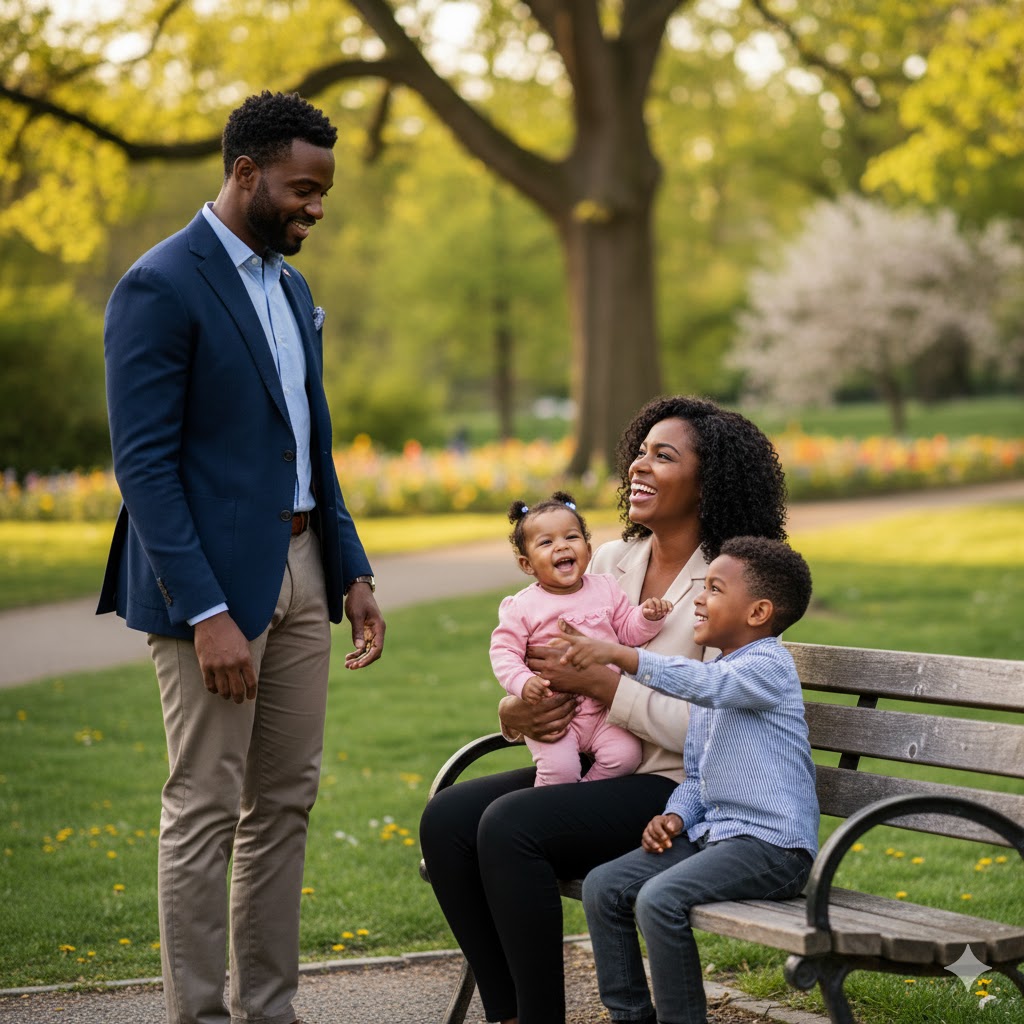
The husband is the gatekeeper of the house, not just physically, emotionally, spiritually, and atmospherically. Priest of the home carries a mantle that echoes ancient Scripture—one of covering, intercession, and holy stewardship. In God’s design, the husband does not simply reside in the home; he shepherds it. His role is sacred, weighty, and profoundly spiritual.
The priestly husband stands as a watchman upon the walls of his household. Like the sentinels of old, he looks out for danger, deception, and spiritual attacks. He guards the gates of his home with prayer, discernment, and unwavering vigilance. “Watch ye, stand fast in the faith, quit you like men, be strong” (1 Corinthians 16:13, KJV).
He is a protector, not only in physical strength but in spirit. He shields his family from emotional harm, from toxic influences, and from spiritual darkness. His presence brings stability, peace, and order. His strength is quiet but firm, gentle yet immovable.
A husband is called to embody Christ before his children. Every word he speaks and every action he takes becomes a living epistle for the next generation. Children learn faith by watching their father believe, pray, repent, and stand firm. They learn love by watching him love their mother.
The battles a husband fights are often invisible. He wars against discouragement, temptation, exhaustion, and spiritual opposition. His fight is not carnal but spiritual, and he wages it with prayer, fasting, Scripture, and the armor of God. “For the weapons of our warfare are not carnal, but mighty through God” (2 Corinthians 10:4, KJV).
A devotional life with his wife and children creates spiritual architecture within the home. When he opens the Scriptures and leads his household through the Word, he is building an altar before God. His home becomes a sanctuary of learning, fellowship, and divine presence.
He prays over his wife with holy intentionality. He asks God to strengthen her, guide her, and anoint her in her purpose. He lays his hand on his children and speaks blessings, identity, and destiny over them. “The effectual fervent prayer of a righteous man availeth much” (James 5:16, KJV).
A husband’s strength flows not from his abilities but from his dependency on God. He echoes the words of David: “The Lord is my strength and my shield” (Psalm 28:7, KJV). His masculinity is anchored in humility, reverence, and submission to the will of God.
Spiritual leadership is a divine assignment. God holds husbands accountable for how they guide their families spiritually. Leadership is not a privilege; it is a responsibility. It requires wisdom, compassion, and unwavering obedience to the Word.
Provision goes far beyond financial support. A husband provides stability, direction, emotional grounding, and spiritual nourishment. He ensures that his household is strengthened in every dimension—material, emotional, and spiritual.
He commands the atmosphere by regulating what enters and exits the home. He sets the tone with peace, worship, Scripture, and prayer. When the atmosphere becomes heavy, he ushers in God’s presence through praise. When confusion enters, he speaks with clarity.
To lead in the spirit is to walk in continual communion with God. A husband seeks God’s voice on behalf of his family, listening for instruction, correction, and divine strategy. His decisions reflect heaven’s wisdom because he has spent time in God’s presence.
Understanding is one of his greatest tools. He seeks to understand his wife, her emotions, her burdens, and her needs. He listens with patience and empathy. He studies his children—their personality, their fears, their gifts—so he can parent them wisely.
A silent husband creates emotional drought. A priest cannot be mute. He must speak life, teach Scripture, affirm identity, and communicate love. His voice brings structure, direction, and spiritual strength.
True love is not cinematic. It is covenantal. It is the steadfast, sacrificial love Christ demonstrated on the cross. Husbands are commanded to mirror this love in marriage. “Husbands, love your wives, even as Christ also loved the church” (Ephesians 5:25, KJV).
Husbands often face societal disrespect. In hospitals, their authority is dismissed; in schools, their presence is minimized. Yet a godly man must not shrink back. He stands strong, advocates for his family, and refuses to allow the world to undermine his role.
In medical settings, husbands may be pushed aside, but a priestly husband steps forward. He asks questions, protects his wife’s dignity, and ensures that his family receives proper care. His authority is God-given, not society-granted.
Within schools, he remains engaged. He attends meetings, speaks on behalf of his children, and takes an active role in their education. His involvement reinforces that fatherhood is powerful, necessary, and irreplaceable.
Unconditional love flows from a heart anchored in Christ. A husband loves through challenges, misunderstandings, and seasons of transformation. His love is steady, faithful, and resilient—reflecting God’s unchanging love.
Fasting sharpens his discernment. When a husband fasts, he deprives the flesh to strengthen the spirit. He hears God more clearly, leads more confidently, and intercedes with greater authority.
Prayer and patience are twin pillars in his leadership. He knows that answers do not always come quickly, and breakthroughs are often preceded by endurance. He waits on God without losing hope.
Faithfulness is the mark of a godly man. He guards his eyes, his heart, and his interactions. He refuses to flirt, entertain attention from other women, or compromise his integrity. His loyalty honors God and protects his home.
Godly character is the bedrock of his leadership. He walks in humility, wisdom, honesty, and self-control. He is slow to anger, quick to forgive, and eager to do good. His character preaches louder than his words.
He models righteousness daily. His children see him pray, worship, repent, and give. They witness his pursuit of holiness and learn that godliness is not a performance but a lifestyle.
Presence is a gift he gives freely. He is not absent or distracted. He is attentive, engaged, and involved in the lives of his wife and children. His presence brings security and emotional stability.
He disciplines with tenderness. He instructs his children not to break their spirit but to shape their character. Discipline becomes an act of love, not anger.
A husband protects his marriage with vigilance. He guards the covenant through communication, intimacy, patience, and spiritual unity. He fights for his marriage in prayer and practice.
He serves willingly. Christ washed feet; the husband washes hearts. He serves his family through humility, compassion, and intentional care.
Vision drives his leadership. He seeks God for direction, goals, and destiny for his home. A man without vision leads a wandering family, but a man with vision leads a generational legacy.
Forgiveness flows freely from his heart. He does not allow bitterness to contaminate the home. He forgives quickly, loves deeply, and restores peace intentionally.
He remains teachable, always learning, always growing. He reads Scripture, seeks counsel, and pursues spiritual maturity. His humility opens the door for divine wisdom.
And ultimately, the godly husband reflects Christ Himself. His leadership brings order, his love brings healing, and his devotion brings spiritual covering. He becomes a living testimony of God’s heart for the family.
KJV Bible References Used:
Ephesians 5:25
Philippians 4:13
- 1 Corinthians 11:3 — God’s divine order for the home.
- Ephesians 5:25–28 — Husbands love their wives as Christ loves the Church.
- Ephesians 6:4 — Fathers guiding children in nurture and admonition of the Lord.
- Joshua 24:15 — A man choosing to lead his house in serving the Lord.
- Genesis 2:15 — Man tasked with work, responsibility, and stewardship.
- 1 Timothy 5:8 — The husband as provider for the household.
- 1 Peter 3:7 — Husbands dwelling with wives in understanding and honor.
- Proverbs 22:6 — Training children in the way they should go.
- 1 Thessalonians 5:17 — Continual prayer as a lifestyle.
- Matthew 6:6 — Private devotion and communion with God.
- 2 Chronicles 20:3 — Seeking God through fasting and prayer.
- 2 Corinthians 10:4 — Spiritual warfare and divine authority.
- John 15:5 — God as the source of a man’s strength.
- James 5:16 — Effectual fervent prayer of the righteous.
- Philippians 4:13 — Strength through Christ.
- Proverbs 3:5–6 — Leaning on God for direction.
- Galatians 5:22–23 — Godly character and the fruits of the Spirit.
- Colossians 3:19 — Commandment for husbands to love without bitterness.
- Job 1:5 — A father who intercedes and prays for his children.
- Psalm 91 — God’s covering over the household.
- Psalm 127:1 — The Lord building the house.
 THE BROWN GIRL DILEMMA