
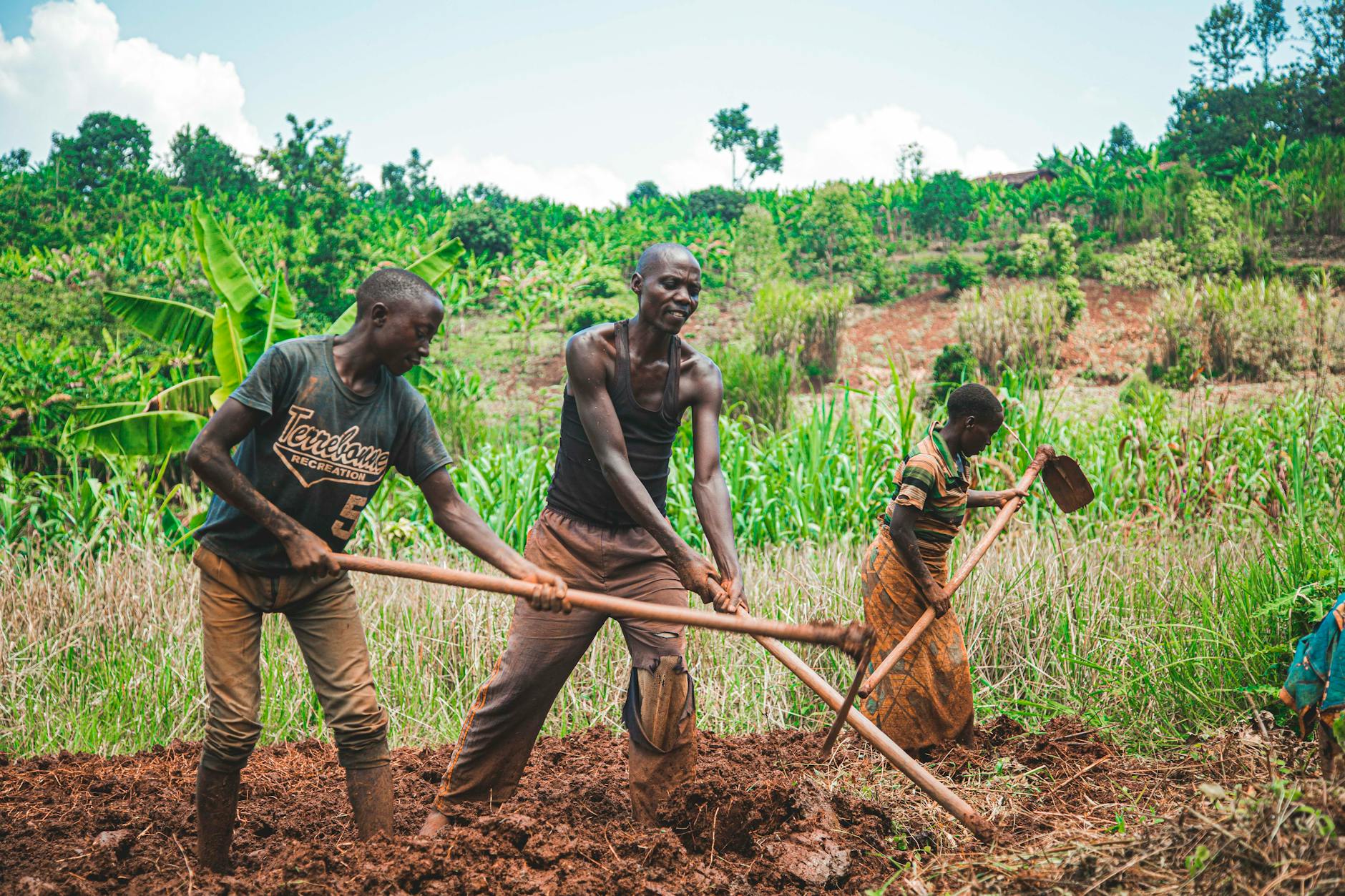
The story of enslavement in the Americas is not solely a tale of brutality and dehumanization—it is also one of divine endurance, sacred strength, and the unyielding spirit of a people determined to survive. The enslaved African was stripped of name, language, and homeland, yet something eternal within remained unbroken. This resilience, forged in the furnace of oppression, became the cornerstone of Black identity and collective survival across generations.
In the belly of slave ships, chained in darkness and surrounded by death, the captives still prayed, sang, and remembered. The Middle Passage was intended to break their spirits, but it instead birthed a new kind of defiant endurance. These men and women carried not only physical strength but also the ancestral memory of kingdoms, kinship, and sacred traditions. Their songs—spirituals whispered between sobs and storms—were coded messages of hope and liberation (Gates & Curran, 2019).
On the plantations, survival was both a physical and spiritual act. Each day, enslaved people found ways to resist erasure—through language, through song, through secret gatherings where they worshipped a God who delivered Israel and would one day deliver them. The slave masters wielded whips, but they could not conquer faith. In fields where blood soaked the soil, the enslaved sowed seeds of freedom.
The resilience of enslaved women was particularly remarkable. They endured sexual violence, the theft of their children, and the weight of double oppression—both racial and gendered. Yet, they nurtured their families and passed down wisdom, oral history, and the will to survive. Their lullabies were both prayers and promises, ensuring that even in bondage, their children knew they were born from strength (Collins, 2000).
Resistance was not always open rebellion—it was often subtle, subversive, and strategic. Every moment of survival was an act of defiance. Running away, breaking tools, feigning ignorance, or refusing to reproduce were forms of rebellion that disrupted the machinery of slavery. Harriet Tubman, Nat Turner, and countless unnamed heroes transformed defiance into destiny, turning resistance into a moral revolution (Franklin & Schweninger, 1999).
Spiritual resilience emerged as a weapon of hope. The biblical story of Exodus became the foundation of the enslaved theology. The enslaved identified with the Israelites in Egypt, awaiting deliverance from their Pharaohs. Christianity, though distorted by oppressors, was reinterpreted as a promise of divine justice. Faith became the language of resistance, and hope became the instrument of liberation (Raboteau, 2004).
The communal bonds among the enslaved were vital for survival. Families, though often separated by sale, maintained spiritual connections across distances. Kinship was reimagined; any elder could be “Mama” or “Papa.” Community became the sanctuary when no physical refuge existed. Through shared grief, laughter, and labor, they built a sacred fellowship of the unbroken.
Music was both solace and strategy. The spirituals, field hollers, and ring shouts carried messages of escape, coded directions, and sacred affirmation. These songs bridged the gap between Africa and America, between despair and hope. The rhythms preserved memory; the harmonies echoed the soul’s refusal to be silenced. Each note was a heartbeat of survival.
The enslaved also resisted intellectually and artistically. Many secretly learned to read, defying laws that criminalized literacy. The ability to read the Bible became a spiritual victory. From these forbidden words grew the seeds of abolition, as literacy birthed leaders, preachers, and reformers who articulated the moral and human rights argument against slavery (Douglass, 1845).
In the quiet corners of their quarters, the enslaved crafted tools, quilts, and art that encoded messages of liberation. Every stitch, carving, or pattern was an assertion of agency. Creativity became both a cultural inheritance and a subtle rebellion, proving that beauty and meaning could be made even in the darkest captivity.
Resistance also took the form of flight. The Underground Railroad symbolized not just escape but the collective courage of those who risked their lives for others. It was an act of radical love—each conductor and traveler embodying the unbroken bond between freedom and faith. The northward journey was both a physical and spiritual pilgrimage (Hagedorn, 2010).
For those who could not flee, inner freedom became their sanctuary. Enslaved preachers proclaimed a higher law than that of man. They spoke of a kingdom not of this world, where the last would be first and the captors would answer to divine justice. Such preaching was a radical act, for it gave the enslaved people spiritual dignity in a world determined to deny it.
Children born in bondage inherited both trauma and triumph. They learned survival as a language, faith as a shield, and resilience as inheritance. Their elders’ stories became oral scripture—a record of human endurance written not on paper, but on hearts.
Even after emancipation, the unbroken spirit continued. Freedom brought new struggles—poverty, segregation, and systemic racism—but also renewed determination. The resilience that carried them through slavery now fueled education, enterprise, and the building of churches, schools, and communities that would shape the Black experience in America.
The artistry, faith, and family traditions that originated during slavery laid the foundation for African American culture. Jazz, blues, and gospel music carry echoes of the field songs and ring shouts. The resilience born in bondage became the creative force behind some of the world’s most profound cultural expressions.
The legacy of the unbroken lives in every generation that refuses to surrender to despair. From the Harlem Renaissance to the Civil Rights Movement, the descendants of the enslaved have transformed pain into purpose and memory into movement. Their very existence is testimony to divine perseverance and the unextinguished flame of dignity.
The chronicles of enslaved souls remind the world that oppression cannot conquer the human spirit. History records the suffering, but the descendants carry the victory. In every hymn sung, every march walked, and every child educated, the unbroken rise again.
The story of survival within slavery is not simply historical—it is theological, cultural, and psychological. It is the manifestation of a collective covenant with God, who preserves His people even in captivity. Their resilience was not accidental; it was providential. It was faith lived under fire, hope breathing through horror.
Ultimately, the unbroken spirit of the enslaved is a mirror reflecting humanity’s highest capacity for endurance and love. Their story calls the world to remember, to honor, and to emulate their strength. For though their bodies were chained, their souls remained forever free.
References
Collins, P. H. (2000). Black feminist thought: Knowledge, consciousness, and the politics of empowerment (2nd ed.). Routledge.
Douglass, F. (1845). Narrative of the life of Frederick Douglass, an American slave. Anti-Slavery Office.
Franklin, J. H., & Schweninger, L. (1999). Runaway slaves: Rebels on the plantation. Oxford University Press.
Gates, H. L., Jr., & Curran, A. S. (2019). Who’s Black and why? A hidden chapter from the eighteenth-century invention of race. Harvard University Press.
Hagedorn, K. J. (2010). Beyond the slave narrative: Politics, sex, and manuscripts in the Haitian Revolution. Duke University Press.
Raboteau, A. J. (2004). Slave religion: The “invisible institution” in the antebellum South. Oxford University Press.
Wheatley, P. (1773). Poems on various subjects, religious and moral. A. Bell.
Wilmore, G. S. (1983). Black religion and Black radicalism: An interpretation of the religious history of African Americans. Orbis Books.
Walker, D. (1829). David Walker’s appeal to the colored citizens of the world. Boston: David Walker.
Wood, P. H. (1974). Black majority: Negroes in colonial South Carolina from 1670 through the Stono Rebellion. W. W. Norton.
 THE BROWN GIRL DILEMMA