
Tag Archives: curly hair

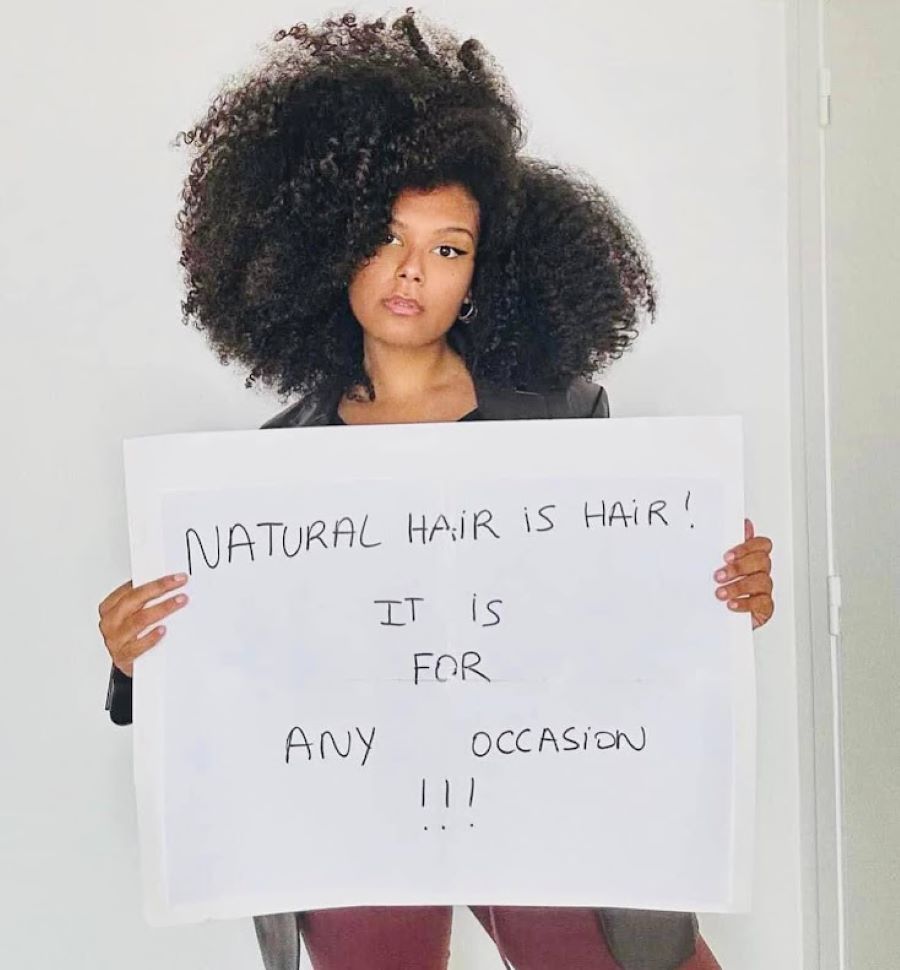
Natural Hair: Identity, Beauty, and the Power of Embracing Your Roots

This photograph is the property of its respective owner. No copyright infringement intended.

Natural hair is more than a style—it is an expression of identity, culture, and self-acceptance. For many Black women and men, natural hair represents a return to authenticity and a refusal to conform to standards that were never created with them in mind. The beauty and freedom of natural hair stretch beyond aesthetics; it is deeply spiritual, emotional, historical, and physical.

Natural hair carries tremendous benefits, starting with its health. Free from harsh chemicals, relaxers, and heat damage, natural hair can thrive in its truest state. Without chemical breakdown, the curl pattern stays strong, the strands retain elasticity, and the scalp experiences less irritation. The health benefits alone encourage many to embrace their natural texture unapologetically.

Natural hair also promotes self-love by encouraging individuals to connect with their authentic selves. It requires one to accept their God-given crown exactly as it grows. This acceptance builds confidence, identity, and pride, especially in a world where European beauty standards still dominate mainstream perceptions.

Another benefit of natural hair is its versatility. Curls, coils, kinks, locs, twist-outs, braid-outs, afros, bantu knots, silk presses—natural hair offers endless styling options. This adaptability allows creative expression and empowers individuals to showcase their personality through their look.

Beyond versatility, natural hair symbolizes heritage. It carries the stories of ancestors who braided maps into hair, used it to store seeds during the Middle Passage, and saw their identity attacked and regulated through laws. Wearing natural hair today is a reclaiming of dignity and cultural power.

Despite its value, natural hair has often been misunderstood or unaccepted in society. Many people struggle with it because they were conditioned to believe straight hair is “neat,” “professional,” or “beautiful,” while natural hair was labeled as “wild” or “unmanageable.” These beliefs are rooted in racism and Eurocentric standards that have shaped beauty norms for centuries.

Even today, some individuals do not like their natural hair because they were taught to see it as an inconvenience rather than a blessing. Internalized bias can lead people to reject their curl patterns, compare themselves to others, or feel pressure to alter their appearance. Healing this mindset requires unlearning generational narratives and embracing new ones.

Social acceptance of natural hair has improved, yet discrimination still exists. Workplaces, schools, and public spaces have historically penalized natural textures. Laws like the CROWN Act prove that acceptance is still evolving, highlighting the need for continued advocacy and education surrounding Black hair.

Though society’s acceptance fluctuates, natural hair is gaining visibility and representation. More public figures, influencers, and everyday people proudly embrace their coils, helping normalize natural textures and expand definitions of beauty. The movement encourages younger generations to grow up loving their hair.

Caring for natural hair requires patience, understanding, and consistency. It begins with moisture—water, leave-ins, oils, and butters all support hydration. Natural hair tends to be dry because the curl pattern makes it difficult for natural oils to travel down the strands. This means moisture must be intentionally added.

Protective styles also play a major role in natural hair care. Braids, twists, locs, and updos help prevent breakage, reduce manipulation, and promote growth. Protective styling paired with proper maintenance keeps natural hair healthy and strong.

Understanding your hair type—whether loose curls, tight coils, or somewhere in between—helps determine what products and methods work best. Each curl type has its own needs, and learning them builds a personalized routine that supports growth and retention.

Natural hair care also includes scalp health. A clean, moisturized scalp encourages healthy growth. Oils such as castor, peppermint, jojoba, and rosemary stimulate circulation and nourish the roots. Healthy hair begins with a healthy foundation.

Detangling is another crucial aspect. Using gentle tools, wide-tooth combs, or fingers reduces breakage. Natural hair thrives when handled with care, especially when wet or stretched to minimize tangles.

Heat usage should be kept to a minimum to preserve the curl pattern. Occasional silk presses are fine, but regular heat can cause damage or loss of curl texture. Natural hair flourishes when heat is controlled and used properly.

One essential fact about natural hair is that shrinkage is a sign of health. Shrinkage shows your curls have elasticity and bounce, which means your strands are strong. Instead of being seen as a flaw, shrinkage should be celebrated as proof of vibrancy.

Another fact is that natural hair grows at the same rate as all human hair—about half an inch per month. What affects length retention is breakage, not growth speed. When natural hair is moisturized and protected, it retains its length effortlessly.

Natural hair is deeply spiritual. For many, it represents liberation, self-discovery, and healing. It is a crown God placed on Black heads—a symbol of royalty and resilience. Embracing natural hair becomes an act of honoring oneself and honoring the Creator.

Ultimately, natural hair is beauty, culture, and power woven together. It is a reminder that Black identity is rich, divine, and unique. Embracing natural hair is not just about appearance—it is about reclaiming worth, rejecting narrow beauty standards, and walking confidently in the glory of one’s natural design. Embracing your natural hair is embracing yourself, fully and fearlessly.

References
CROWN Act resources
Psalm 139:14 (identity and creation)
Historical scholarship on Black hair and culture
Hair, Politics, and Respectability: The Crown We Never Asked For

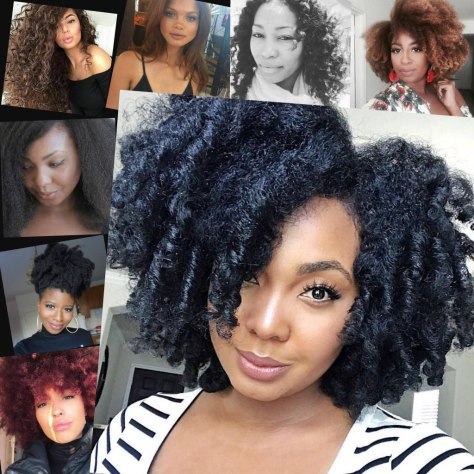
Hair has never been “just hair” for Black people. In societies shaped by colonialism and racism, Black hair—especially its natural textures—has been politicized, stigmatized, and controlled. The title Hair, Politics, and Respectability: The Crown We Never Asked For captures this tension: while hair is a natural inheritance, it has become a symbol of identity, resistance, and discrimination. From biblical reflections to modern psychology, the struggle over Black hair reveals both the resilience of a people and the weight of systemic oppression.


Hair and Politics: Why Texture Became a Battleground

During slavery, Black hair was ridiculed as “woolly,” “unkempt,” or “inferior” compared to European textures. Enslaved women were often forced to cover their hair with scarves, stripping them of cultural expression. In the twentieth century, straightening became associated with “respectability,” as Eurocentric beauty standards were used to determine professionalism, employability, and social acceptance (Byrd & Tharps, 2014). Hair became political because it signified whether one conformed to dominant norms or resisted them.

Even today, workplace and school policies ban natural styles such as locs, afros, and braids, framing them as “unprofessional.” This reveals how deeply Eurocentric aesthetics are embedded in institutional power structures. Black hair is not bad—it is the perception of it, shaped by systemic racism, that weaponizes it against Black people.


Media Examples of Hair Discrimination

  • Gabrielle Union (2019): The actress revealed that she was criticized on America’s Got Talent for her hairstyles being “too Black” for mainstream audiences.
  • Zendaya (2015): At the Oscars, a TV host insulted her locs, suggesting they made her smell like “weed or patchouli oil,” perpetuating stereotypes about natural Black hair.
  • Ayanna Pressley (2020): The U.S. Congresswoman openly discussed the politics of her hair after revealing her alopecia, highlighting the burden Black women face regarding appearance.
  • Students Nationwide: Numerous cases have emerged of Black children suspended or excluded from schools for wearing natural hairstyles—demonstrating how hair policing begins in childhood.

These examples show that hair is treated not as personal expression but as a battleground of social acceptance.


Why Is Black Hair Considered “Bad”?

  1. Colonial Legacies: European colonizers ranked African features as inferior to justify slavery and subjugation. Hair texture became part of this false hierarchy.
  2. Respectability Politics: Within Black communities, straightened hair was sometimes encouraged as a survival strategy, signaling assimilation to reduce discrimination.
  3. Media Reinforcement: Advertisements and entertainment long centered straight hair as the default “beautiful,” erasing the diversity of Black textures.
  4. Psychological Control: By stigmatizing natural hair, systems of power sought to strip Black people of cultural pride and self-love.

Psychological Dimensions of Hair Politics

Hair discrimination carries profound psychological effects. Research shows that Black women who feel pressure to conform to Eurocentric hairstyles report higher stress levels, body image struggles, and identity conflict (Robinson, 2011). Natural hair movements—such as the resurgence of afros in the 1970s and the current embrace of locs, twists, and braids—function as acts of resistance and self-acceptance. For Black children, representation is vital: being punished for natural hair fosters shame and internalized racism, while affirmation builds resilience and pride.


Biblical Reflections on Hair and Identity

The Bible addresses hair as both symbolic and spiritual.

  • Glory and Crown: “But if a woman have long hair, it is a glory to her: for her hair is given her for a covering” (1 Corinthians 11:15, KJV). Here, Paul acknowledges hair as a natural crown of dignity.
  • Consecration: In Numbers 6:5, Nazirites such as Samson were commanded not to cut their hair as a sign of holiness and covenant with God. This shows that hair was more than appearance—it was identity and consecration.
  • Diversity in Creation: Scripture affirms that humanity is “fearfully and wonderfully made” (Psalm 139:14). Black hair textures, in all their variety, are part of God’s intentional design, not a flaw.

These biblical insights reject the notion that natural hair is “bad.” Instead, hair is a crown—sometimes even a sacred symbol of identity and strength.


Toward Liberation: Reclaiming the Crown

To break free from the burden of hair politics, society must dismantle Eurocentric beauty hierarchies and embrace inclusivity. Policies such as the CROWN Act (Creating a Respectful and Open World for Natural Hair) in the U.S. represent legal recognition of this struggle. On a personal and cultural level, embracing natural hair affirms resilience: a refusal to bow to imposed norms. For Black women and men, reclaiming their hair is reclaiming their God-given identity, their psychological well-being, and their cultural pride.


Conclusion

Hair, Politics, and Respectability: The Crown We Never Asked For underscores that Black hair has been politicized against its wearers, weaponized as a marker of inferiority. Yet, both psychology and scripture affirm that Black hair is beautiful, intentional, and sacred. It is not a flaw to be corrected but a crown to be celebrated. In embracing their natural hair, Black people reject imposed shame and walk boldly in resilience, dignity, and divine purpose.


References

  • Byrd, A., & Tharps, L. L. (2014). Hair story: Untangling the roots of Black hair in America. St. Martin’s Press.
  • Robinson, C. (2011). Hair as race: Why “good hair” may be bad for Black females. Howard Journal of Communications, 22(4), 358–376.
  • The Holy Bible, King James Version.