
Tag Archives: convenant

A Godly Marriage that will last.

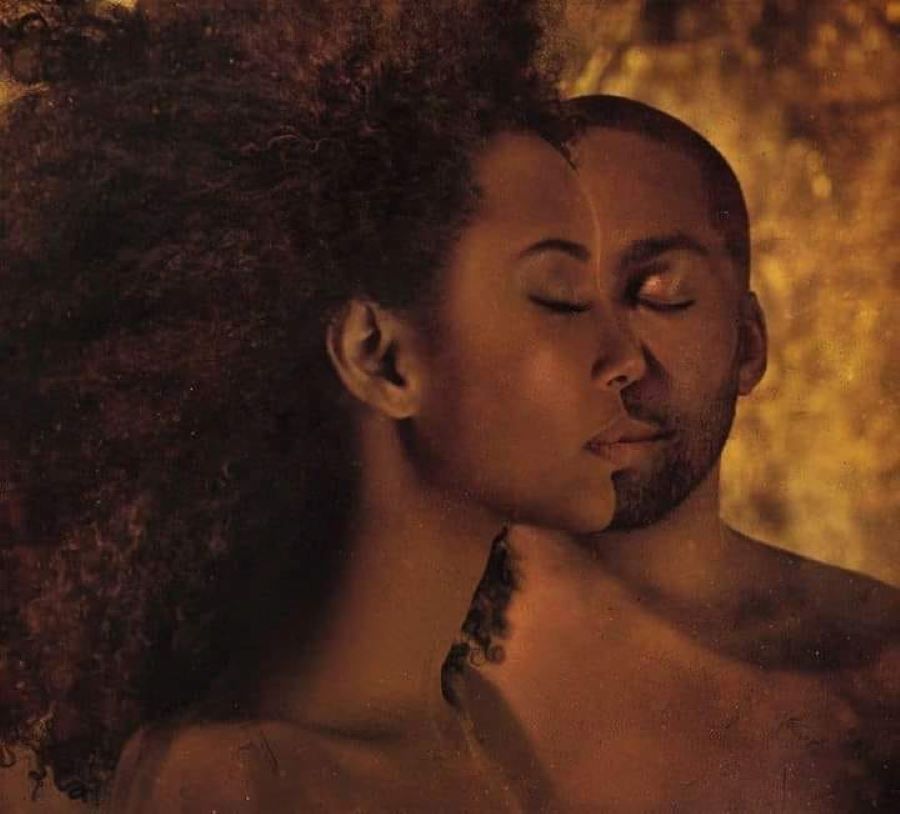
This artwork is the property of its respective owner. No copyright infringement intended.

Marriage is one of the oldest and most sacred institutions, established by God Himself in the Garden of Eden. Unlike modern society, which often treats marriage as a contract subject to cancellation, Scripture presents marriage as a covenant—a holy and binding promise before God. A contract can be broken when terms are not met, but a covenant calls for faithfulness even when feelings change or circumstances shift. Malachi 2:14 (KJV) reminds us that God is a witness to the covenant between husband and wife, emphasizing that this union is spiritual as well as relational.

The first marriage was officiated by God in Eden. Genesis 2:22-24 (KJV) records that God made a woman from Adam’s rib, brought her to him, and declared that “a man shall leave his father and his mother, and shall cleave unto his wife: and they shall be one flesh.” This act not only created Eve but also instituted the divine blueprint for marriage: one man, one woman, under the authority of one God. This was a covenantal union meant to reflect God’s relationship with His people.

Marriage is not merely a social construct or legal agreement—it is a reflection of divine unity. Ephesians 5:31-32 (KJV) connects marriage to the mystery of Christ and the church, showing that the marital bond symbolizes the relationship between the Bridegroom (Christ) and His bride (the Church). This means that marriage is more than companionship or procreation; it is a living parable of redemption, forgiveness, and sacrificial love.

Psychologically, marriage plays a crucial role in human development and emotional stability. Research in family psychology demonstrates that healthy marriages contribute to better physical health, increased life satisfaction, and stronger mental well-being (Waite & Gallagher, 2000). When a couple is emotionally attuned, they create a secure attachment that lowers stress and fosters resilience. This echoes God’s intention for marriage to be a place of safety and mutual support.

Leaving father and mother is a vital step toward a successful marriage. This does not mean dishonoring parents, but rather reprioritizing one’s loyalty. When a husband and wife become one flesh, they form a new family unit. Failure to “leave and cleave” can create emotional dependency, boundary issues, and conflict. Psychology affirms this principle, teaching that individuation from one’s family of origin is necessary for mature intimacy (Bowen, 1978).

Marriage, then, can be defined as a covenantal union between a man and a woman, joined by God, to live in loving faithfulness and pursue His purposes together. It is a relationship based on commitment rather than convenience, requiring intentional effort to nurture trust, communication, and mutual respect. Unlike a contractual arrangement, marriage calls for grace and forgiveness when either spouse falls short.

One of the most inspiring biblical examples of love is the story of Jacob and Rachel. Genesis 29 reveals Jacob’s willingness to labor seven years for Rachel’s hand in marriage, a period which “seemed unto him but a few days, for the love he had to her” (Genesis 29:20, KJV). This narrative shows that true love is patient and sacrificial, willing to endure hardship for the sake of the beloved. A joyful marriage is built on such love—one that perseveres through trials.

Another important element in a lasting marriage is emotional intimacy. Psychological research shows that couples who regularly share their thoughts and feelings experience greater marital satisfaction (Gottman & Silver, 1999). Scripture encourages this type of open communication: “Be kindly affectioned one to another with brotherly love; in honour preferring one another” (Romans 12:10, KJV). Emotional intimacy fosters trust and prevents resentment from festering.

Mutual respect is the backbone of marital joy. Husbands are called to love their wives as Christ loved the church, and wives are instructed to respect their husbands (Ephesians 5:25, 33, KJV). This reciprocal honor creates a healthy cycle of love and respect that sustains emotional closeness. When either spouse fails to show respect, contempt and criticism can erode the marriage over time.

Conflict is inevitable, but how a couple handles conflict determines whether it will draw them closer or push them apart. Psychology teaches that constructive conflict resolution involves listening, empathy, and collaborative problem-solving rather than blame-shifting (Gottman, 2015). The Bible agrees, instructing us to be “swift to hear, slow to speak, slow to wrath” (James 1:19, KJV). Couples who master this principle grow stronger through disagreements.

Forgiveness is essential for marital longevity. No marriage can survive without grace, as both spouses are imperfect. Colossians 3:13 (KJV) commands believers to forgive “even as Christ forgave you.” Forgiveness releases bitterness and allows healing to take place. Couples who forgive one another quickly tend to have higher satisfaction and lower divorce rates (Fincham et al., 2002).

Spiritual intimacy is just as important as emotional and physical intimacy. Couples who pray together, worship together, and read Scripture together build a spiritual foundation that keeps them united even in adversity. Ecclesiastes 4:12 (KJV) teaches, “A threefold cord is not quickly broken.” God must remain at the center of the marriage to ensure lasting joy.

Trust is another pillar of a joyful marriage. Trust is built through honesty, faithfulness, and consistency over time. Betrayal of trust—through infidelity, deception, or broken promises—deeply wounds the relationship. Psychology teaches that rebuilding trust requires transparency and accountability (Glass, 2003). The Bible likewise commands integrity and truthfulness (Ephesians 4:25, KJV).

Physical intimacy is a God-given gift designed to strengthen the marital bond. 1 Corinthians 7:3-5 (KJV) encourages spouses not to withhold themselves from one another, as intimacy nurtures unity. A healthy sex life promotes emotional closeness and guards against temptation (Hebrews 13:4, KJV).

Shared purpose is another factor that contributes to lasting joy in marriage. Couples who pursue common goals—whether raising godly children, serving in ministry, or building a business—experience a sense of partnership that deepens their bond. Amos 3:3 (KJV) asks, “Can two walk together, except they be agreed?” Shared vision keeps couples moving in the same direction.

Financial stewardship is also critical. Money disputes are one of the top causes of divorce (Stanley et al., 2002). Couples who align their financial priorities and practice generosity experience less tension. The Bible provides guidance: “Owe no man any thing, but to love one another” (Romans 13:8, KJV). Wise financial management helps a marriage thrive.

Another secret to a joyful marriage is laughter and playfulness. Couples who share joy and humor build emotional resilience (Bachorowski & Owren, 2001). Proverbs 17:22 (KJV) says, “A merry heart doeth good like a medicine.” Playful moments keep a marriage light-hearted and protect against monotony.

Healthy boundaries are also essential. A couple must protect their marriage from outside interference—whether from toxic friends, meddling relatives, or workaholic tendencies. Genesis 2:24 reminds us to “leave and cleave.” Boundaries guard intimacy and prevent division.

Couples must also nurture friendship. Marriage is not just romance but companionship. Song of Solomon 5:16 (KJV) describes the beloved as both lover and friend. Friendship in marriage provides a solid foundation when passionate feelings fluctuate.

Serving one another sacrificially is a mark of Christlike love. Philippians 2:3-4 (KJV) exhorts believers to esteem others better than themselves. When both spouses adopt a servant-hearted attitude, selfishness diminishes, and unity grows.

Consistency in communication is vital. Couples should schedule regular check-ins to discuss their dreams, struggles, and gratitude. This intentional practice prevents emotional drift and deepens connection.

Another key is perseverance. Marriage is not always easy, but endurance produces maturity and blessing. James 1:4 (KJV) teaches that patience produces perfection and completeness. Couples who stay committed through trials often experience greater intimacy afterward.

Mentorship can also be valuable. Younger couples benefit from the wisdom of older, godly couples who can offer guidance, prayer, and accountability (Titus 2:3-5, KJV).

Lastly, gratitude transforms marriage. Couples who regularly express appreciation build a culture of honor and joy. 1 Thessalonians 5:18 (KJV) commands, “In every thing give thanks.” Gratitude turns the ordinary into the sacred.

In conclusion, a joyful marriage that lasts is not an accident but the result of covenant commitment, spiritual grounding, and intentional nurturing of love and respect. By following the biblical blueprint—leaving and cleaving, forgiving, praying, and persevering—couples can experience a marriage that reflects the beauty of Christ and His church.


Practical Tips for a Joyful, Lasting Marriage

  • Pray Together: Make prayer a daily habit to invite God into your union (Ecclesiastes 4:12).
  • Communicate Openly: Practice honest, compassionate dialogue to avoid resentment.
  • Forgive Quickly: Release grudges and extend grace as Christ forgives (Colossians 3:13).
  • Honor Each Other’s Roles: Respect and love according to Ephesians 5:25, 33.
  • Protect Your Marriage: Set healthy boundaries with family, work, and social media.
  • Keep the Romance Alive: Date regularly and invest in shared experiences.
  • Laugh Often: Create joyful memories that strengthen emotional bonds (Proverbs 17:22).
  • Agree on Finances: Budget together and steward resources wisely (Romans 13:8).
  • Build Friendship: Spend quality time simply enjoying one another’s company.
  • Pursue Shared Purpose: Serve God together and chase common dreams.

References

Bachorowski, J. A., & Owren, M. J. (2001). Not all laughs are alike: Voiced but not unvoiced laughter readily elicits positive affect. Psychological Science, 12(3), 252–257. https://doi.org/10.1111/1467-9280.00346

Bowen, M. (1978). Family therapy in clinical practice. New York: Jason Aronson.

Fincham, F. D., Beach, S. R. H., & Davila, J. (2002). Forgiveness and conflict resolution in marriage. Journal of Family Psychology, 16(1), 72–81. https://doi.org/10.1037/0893-3200.16.1.72

Glass, S. P. (2003). Not “Just Friends”: Rebuilding trust and recovering your sanity after infidelity. New York: Free Press.

Gottman, J. M., & Silver, N. (1999). The seven principles for making marriage work. New York: Crown.

Gottman, J. M. (2015). Principia Amoris: The new science of love. New York: Routledge.

Stanley, S. M., Markman, H. J., & Whitton, S. W. (2002). Communication, conflict, and commitment: Insights on the foundations of relationship success from a national survey. Family Process, 41(4), 659–675. https://doi.org/10.1111/j.1545-5300.2002.00659.x

Waite, L. J., & Gallagher, M. (2000). The case for marriage: Why married people are happier, healthier, and better off financially. New York: Broadway Books.

The Holy Bible, King James Version. (1769/2017). Cambridge University Press.

💍💍 Warning: The Types of People You Should Not Marry 💍💍

Photo by Jasmine Carter on Pexels.com

Marriage is one of the most serious covenants a believer can enter, and the Word of God warns us to be discerning about who we bind ourselves to in this sacred union. Unlike the shifting trends of culture, biblical marriage is not a temporary arrangement, but a divine covenant designed to reflect Christ’s love for the Church (Ephesians 5:25–27, KJV). When two become one flesh, they are no longer individuals walking separately, but a union meant to endure until death (Genesis 2:24, KJV). For this reason, it is crucial to understand the types of people Scripture and wisdom warn us against marrying.

1. Marrying into Addiction
A spouse bound by addiction—whether drugs, alcohol, gambling, or other destructive habits—cannot fully devote themselves to God or to their partner. Addiction enslaves the body and spirit, clouding judgment and tearing families apart. Proverbs 20:1 (KJV) declares, “Wine is a mocker, strong drink is raging: and whosoever is deceived thereby is not wise.” Psychology also confirms that addiction erodes trust, financial stability, and intimacy in marriage, making it a weight too heavy for a covenant to thrive under.

2. Lover of Self (The Narcissist)
Paul warned in 2 Timothy 3:2 (KJV) that in the last days, men shall be “lovers of their own selves, covetous, boasters, proud, blasphemers.” A narcissistic spouse is consumed with self-worship, lacking the humility and empathy necessary for sacrificial love. Psychology identifies narcissism as destructive to marriage because it produces manipulation, lack of accountability, and emotional abuse. True love is selfless, not self-absorbed (1 Corinthians 13:4–5, KJV).

3. The Prideful Person
Pride is the root of rebellion against God. Proverbs 16:18 (KJV) warns, “Pride goeth before destruction, and an haughty spirit before a fall.” A prideful spouse refuses correction, dismisses godly counsel, and places themselves above God’s will. Such a marriage will be built on shaky ground, for pride leaves no room for the humility and submission that marriage requires (Ephesians 5:21, KJV).

4. The Lustful Person
A person who demands sexual intimacy before marriage reveals a heart not surrendered to God. 1 Corinthians 6:18 (KJV) instructs us to “flee fornication,” for sexual sin is a defilement against our own body. If someone cannot honor God and you in purity before marriage, they will likely dishonor the covenant after marriage as well. Psychology also affirms that couples who rush into sexual intimacy before building emotional and spiritual foundations often face higher divorce rates.

5. The Nonbeliever (Unequally Yoked)
Paul is explicit in 2 Corinthians 6:14 (KJV): “Be ye not unequally yoked together with unbelievers.” Marrying someone who does not share your faith will cause division in values, priorities, and spiritual growth. Marriage is difficult enough with unity, but when one spouse walks in light and the other in darkness, conflict is inevitable. The covenant is designed to walk together toward eternity, not to pull one another apart.

6. The Spiritually Lukewarm (Double-Minded)
Revelation 3:16 (KJV) warns that the lukewarm will be spewed out of God’s mouth. A spiritually stagnant or double-minded person lacks stability, leaving their spouse vulnerable to discouragement and compromise. James 1:8 (KJV) says, “A double minded man is unstable in all his ways.” Marrying such a person means living with inconsistency, spiritual apathy, and lack of growth.

7. Marriage is a Covenant, Not a Game
Marriage was never meant to be trial and error, nor a disposable arrangement. Malachi 2:16 (KJV) declares that God hates divorce. The modern world may treat relationships as temporary, but in God’s eyes, marriage is binding until death. It is a covenant not only between two individuals but before the Lord Himself.

8. Biblical Examples of Marriage
We see the beauty of covenant in Adam and Eve (Genesis 2:23–24), Isaac and Rebekah (Genesis 24), and Ruth and Boaz (Ruth 4). These unions were marked by divine appointment, faith, and mutual devotion. While not all biblical marriages were perfect, the pattern reveals that God orchestrates marriage for His glory, not for fleeting desires.

9. Two Becoming One Flesh
Genesis 2:24 (KJV) declares, “They shall be one flesh.” This one-flesh covenant is spiritual, physical, and emotional. To enter lightly is to risk not only your future but your eternal walk with God. Marriage binds two souls, joining destinies, families, and legacies.

10. The Warning of Marriage
The warning is clear: who you marry will either draw you closer to God or pull you away from Him. Marriage can be a path to eternal truth or a snare leading to destruction. The wrong spouse can lead to misery, infidelity, and even spiritual death. God is not playing with us when He commands us to be discerning.

Green Flags (Qualities of a Godly Spouse)

  • Loves God above all else (Matthew 22:37, KJV)
  • Walks in humility and is teachable (Philippians 2:3, KJV)
  • Practices self-control and purity (1 Thessalonians 4:3–4, KJV)
  • Consistent in prayer, Word, and worship (Joshua 1:8, KJV)
  • Shows fruit of the Spirit: love, joy, peace, patience, kindness (Galatians 5:22–23, KJV)
  • Willing to sacrifice and serve (Ephesians 5:25, KJV)
  • Listens and communicates with honesty and gentleness (Proverbs 15:1, KJV)
  • Values covenant, not convenience (Malachi 2:14, KJV)

Red Flags (Types You Should Not Marry)

  • Addicted to substances or destructive behaviors (Proverbs 23:20–21, KJV)
  • Self-absorbed, arrogant, or narcissistic (2 Timothy 3:2, KJV)
  • Prideful, refuses correction or accountability (Proverbs 16:18, KJV)
  • Pressures you into sexual sin (1 Corinthians 6:18, KJV)
  • Does not believe in Christ or rejects faith (2 Corinthians 6:14, KJV)
  • Spiritually stagnant, lukewarm, or double-minded (James 1:8, KJV)
  • Dishonest or manipulative (Proverbs 12:22, KJV)
  • Treats marriage as a casual contract instead of a covenant (Matthew 19:6, KJV)

Final Thought:
If the person you’re considering for marriage draws you closer to God, strengthens your walk, and exhibits the fruit of the Spirit, that is a green flag. If they pull you into sin, pride, or spiritual compromise, that is a red flag. Choose wisely, for marriage is a covenant that echoes into eternity.

11. Waiting on the Right One
Psalm 27:14 (KJV) urges us, “Wait on the Lord: be of good courage, and he shall strengthen thine heart: wait, I say, on the Lord.” Waiting does not mean idleness; it means preparation. God’s timing is perfect, and His chosen spouse will align with His will. Rushing ahead only leads to regret.

12. Preparing for Marriage Biblically
Preparation involves prayer, fasting, studying God’s Word, and developing the fruit of the Spirit (Galatians 5:22–23, KJV). A godly spouse is drawn to godly character, not superficial charm. Preparing also means financial stewardship, emotional maturity, and spiritual strength.

13. Psychology on Marriage
Psychological research confirms that stable marriages are built on trust, communication, shared values, and emotional regulation. Couples who invest in personal growth before marriage often experience healthier relationships. This aligns with Scripture, which calls believers to be “transformed by the renewing of your mind” (Romans 12:2, KJV).

14. Marriage as Walking Together Eternally
Marriage is a journey toward eternity with God. Amos 3:3 (KJV) asks, “Can two walk together, except they be agreed?” A spouse is not just a partner for this life but one who influences your eternal direction. Marriage should lead both toward Christ, not away from Him.

15. Walking Not Toward Eternal Hell
If marriage joins you with someone unfaithful to God, you risk walking together toward destruction. 1 Corinthians 15:33 (KJV) warns, “Be not deceived: evil communications corrupt good manners.” Choosing wrongly is not just about emotional pain; it is about eternal consequences.

16. God’s Covenant vs. Emotional Change
Unlike fleeting emotions, God’s covenant endures. Love may feel different in seasons, but covenant keeps the union strong. Emotions may waver, but the vow before God is unbreakable. This is why discernment before marriage is essential.

17. Guarding Your Heart in Courtship
Proverbs 4:23 (KJV) declares, “Keep thy heart with all diligence; for out of it are the issues of life.” Courtship must be intentional, prayerful, and chaste. Guarding your heart prevents premature intimacy, emotional entanglement, and regret.

18. The Role of Counsel
Proverbs 11:14 (KJV) says, “In the multitude of counsellors there is safety.” Seeking wise counsel from godly leaders and elders ensures discernment in marriage choices. Psychology also affirms that mentorship and premarital counseling improve marital success rates.

19. The Blessing of Godly Marriage
When aligned with God’s will, marriage becomes a wellspring of joy, companionship, and sanctification. Ecclesiastes 4:9–10 (KJV) declares, “Two are better than one; because they have a good reward for their labour. For if they fall, the one will lift up his fellow.” This blessing cannot be experienced with the wrong partner.

20. Final Warning
Marriage is not a playground for emotions but a holy covenant. Choose wisely, wait faithfully, and prepare diligently. God is not mocked, and entering marriage lightly can lead to ruin. But when two walk together in eternal truth, marriage becomes a reflection of Christ’s everlasting covenant with His people—a bond unbroken by time, trial, or temptation.

📚 References

American Psychological Association. (2020). Publication manual of the American Psychological Association (7th ed.). APA.

American Psychological Association. (n.d.). Addiction. In APA dictionary of psychology. Retrieved from https://dictionary.apa.org/addiction

American Psychological Association. (n.d.). Narcissistic personality disorder. In APA dictionary of psychology. Retrieved from https://dictionary.apa.org/narcissistic-personality-disorder

Balswick, J. O., & Balswick, J. K. (2014). The family: A Christian perspective on the contemporary home (4th ed.). Baker Academic.

Fowers, B. J., & Olson, D. H. (1992). Four types of premarital couples: An empirical typology based on PREPARE. Journal of Family Psychology, 6(1), 10–21. https://doi.org/10.1037/0893-3200.6.1.10

Stanley, S. M., Rhoades, G. K., & Markman, H. J. (2006). Sliding versus deciding: Inertia and the premarital cohabitation effect. Family Relations, 55(4), 499–509. https://doi.org/10.1111/j.1741-3729.2006.00418.x

Waite, L. J., & Gallagher, M. (2000). The case for marriage: Why married people are happier, healthier, and better off financially. Broadway Books.


📖 Biblical References (KJV)

  • Amos 3:3
  • Ecclesiastes 4:9–10
  • Ephesians 5:21–27
  • Galatians 5:22–23
  • Genesis 2:23–24
  • James 1:8
  • Malachi 2:14–16
  • Matthew 19:6
  • Proverbs 4:23; 11:14; 12:22; 15:1; 16:18; 20:1; 23:20–21
  • Psalm 27:14
  • Revelation 3:16
  • Romans 12:2
  • 1 Corinthians 6:18; 13:4–5; 15:33
  • 2 Corinthians 6:14
  • 2 Timothy 3:2
  • 1 Thessalonians 4:3–4