
Tag Archives: Colorist world

Beyond Eurocentric Standards: Redefining Beauty on Your Own Terms in this colorist world.

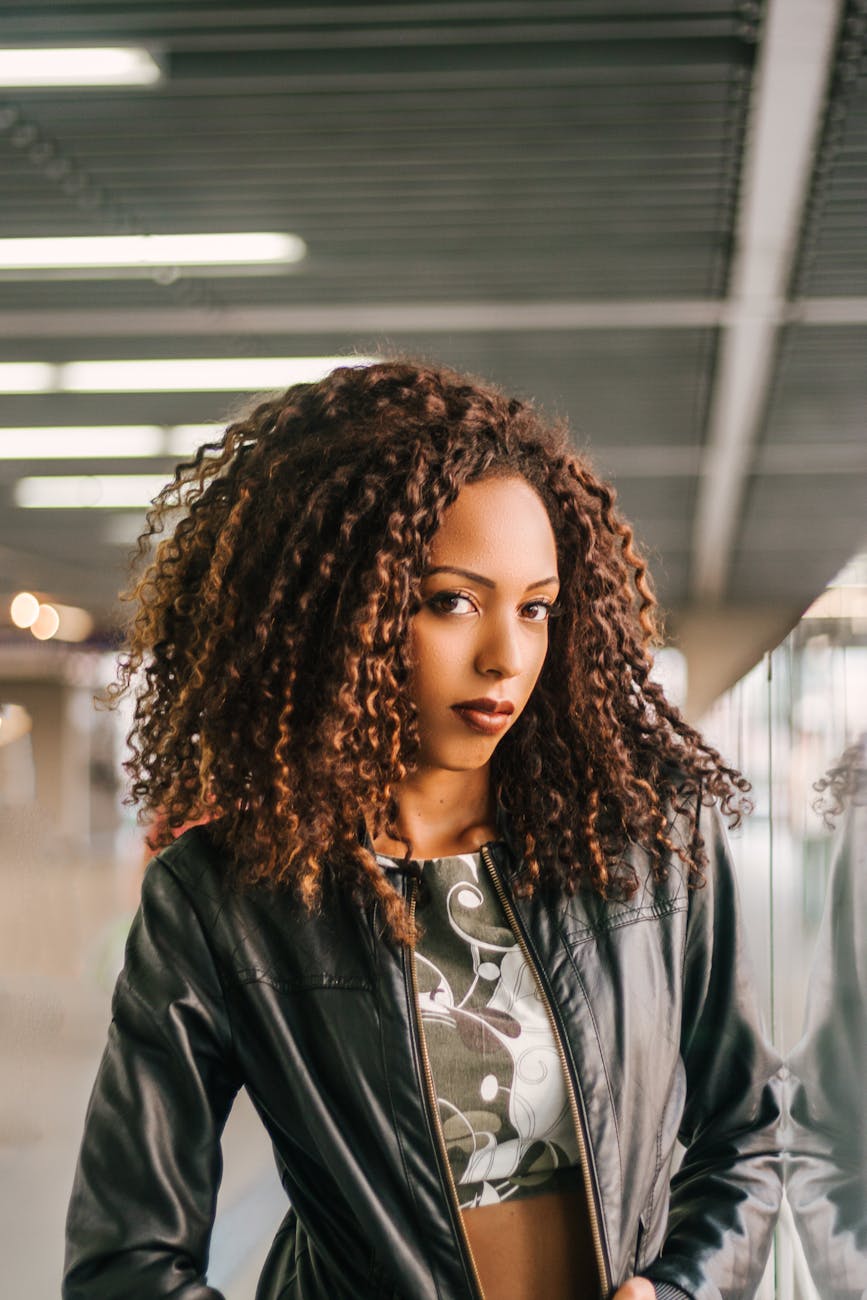
Photo by Marcelo Dias on Pexels.com

For centuries, Eurocentric beauty standards have dominated media, fashion, and societal perceptions. Fair skin, straight hair, narrow noses, and European facial features have been positioned as the ideal, marginalizing melanin-rich features and fostering a culture of colorism. In a world where lighter shades are often prioritized, redefining beauty on your own terms is an act of empowerment, resilience, and self-love.

The Roots of Eurocentric Beauty

Eurocentric beauty standards are deeply intertwined with colonialism, slavery, and systemic oppression. These ideals were used historically to assert superiority, devalue people of color, and enforce social hierarchies. Colorism—the preferential treatment of lighter skin tones within communities of color—remains a pervasive issue today, impacting self-esteem, career opportunities, and media representation (Hunter, 2007). Understanding this history is essential for reclaiming beauty on one’s own terms.

Owning Your Features

Redefining beauty starts with self-recognition and acceptance. Embracing natural hair textures, melanin-rich skin, and unique facial features counters societal bias and affirms personal identity. Influencers and celebrities like Lupita Nyong’o, Tracee Ellis Ross, Adut Akech, and Rihanna exemplify how celebrating natural features elevates cultural pride and inspires others to do the same. By owning what makes you unique, beauty becomes a personal statement rather than a standard to conform to.

Redefining Beauty Beyond Eurocentric Standards: A Toolkit for Empowerment

1. Celebrate Your Natural Features

  • Tips:
    • Embrace natural hair textures, melanin-rich skin, and unique facial features.
    • Daily affirmations:
      • “My skin, my hair, my features are beautiful and powerful.”
      • “I define my beauty, not society’s standards.”
  • Visual Idea: Color-rich illustrations of diverse skin tones with empowering typography.

2. Curate Representation

  • Tips:
    • Follow influencers and media that celebrate melanin-rich beauty.
    • Support inclusive brands in fashion, haircare, and beauty.
  • Examples: Lupita Nyong’o, Tracee Ellis Ross, Adut Akech, Rihanna.
  • Visual Idea: Collage of influencer photos showing a range of hairstyles, skin tones, and fashion statements.

3. Build Supportive Communities

  • Tips:
    • Engage with peers, mentorship programs, and online spaces that affirm brown beauty.
    • Participate in challenges and campaigns celebrating melanin (#BrownSkinGirl, #MelaninMagic).
  • Visual Idea: Network-style graphic showing community connection and peer support.

4. Educate Yourself

  • Tips:
    • Learn about the history of colorism and Eurocentric beauty standards.
    • Share knowledge to empower yourself and others.
  • Visual Idea: Timeline showing historical context and modern reclamation of beauty.

5. Advocate and Speak Out

  • Tips:
    • Challenge biased media, workplace norms, or social commentary that privileges Eurocentric ideals.
    • Amplify voices and platforms that celebrate diverse beauty.
  • Visual Idea: Bold call-to-action graphics with messages like “Celebrate All Shades” or “Your Beauty, Your Rules.”

6. Affirm Daily

  • Tips:
    • Use mirror affirmations, journaling, or social media posts to reinforce self-worth.
    • Examples: “I am radiant, I am powerful, I am brown and brilliant.”
  • Visual Idea: Shareable, colorful affirmation templates for Instagram, TikTok, or personal use.

Navigating a Colorist World

Living in a colorist society requires intentional strategies:

  • Curate Representation: Follow media and influencers who celebrate diverse skin tones and features.
  • Affirm Identity: Use daily affirmations such as, “My skin is radiant, my heritage is powerful.”
  • Build Supportive Communities: Engage with peers and online spaces that uplift melanin-rich beauty.
  • Advocate: Challenge biased media, workplace standards, or social norms that perpetuate Eurocentric ideals.

Psychological and Cultural Impacts

Embracing your natural features strengthens self-esteem and counters internalized colorism (Russell, Wilson, & Hall, 1992). Culturally, it honors heritage and ancestral identity, reinforcing that beauty is multifaceted and deeply personal. By redefining beauty beyond Eurocentric norms, individuals also influence society, expanding definitions of attractiveness and challenging restrictive ideals.

Redefining Beauty for Future Generations

When brown girls and women redefine beauty on their own terms, they set powerful examples for younger generations. They teach that confidence, cultural pride, and authenticity are central to self-worth. Rejecting Eurocentric standards creates space for representation, self-love, and a more inclusive understanding of beauty that celebrates all shades, textures, and forms.

Conclusion

Beauty is not dictated by societal preference—it is a personal, cultural, and empowering declaration. Beyond Eurocentric standards, embracing melanin-rich skin, natural hair, and unique features is an act of resistance, self-love, and identity affirmation. In a colorist world, redefining beauty on your own terms is both radical and necessary, proving that true beauty lies in authenticity, heritage, and confidence. Redefining beauty is an act of resistance, self-love, and empowerment. By celebrating natural features, seeking representation, building supportive communities, educating oneself, advocating, and affirming daily, brown girls can navigate a colorist world with confidence. Beauty is personal, cultural, and powerful—it belongs to you to define.


References

  • Hunter, M. (2007). The Persistent Problem of Colorism: Skin Tone, Status, and Inequality. Sociology Compass, 1(1), 237–254.
  • Russell, K., Wilson, M., & Hall, R. E. (1992). The Color Complex: The Politics of Skin Color in a New Millennium. Anchor Books.
Radiance From Within: Cultivating Confidence in a Colorist World.

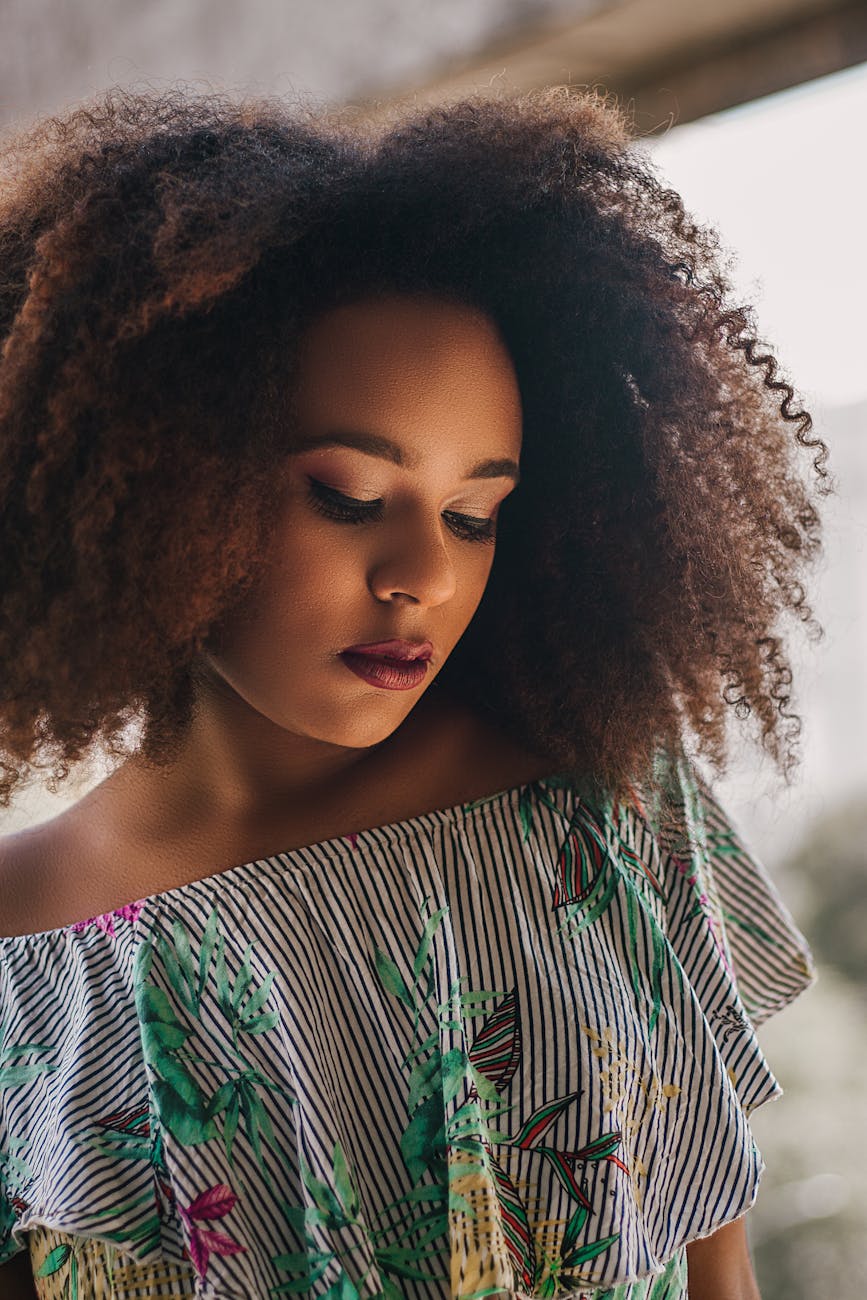
Photo by Marcelo Dias on Pexels.com

Beyond Eurocentric Standards: Redefining Beauty on Your Own Terms

Beauty has long been defined by Eurocentric ideals: fair skin, straight hair, narrow noses, and Westernized features. These standards, deeply rooted in historical oppression and colonialism, continue to influence media, advertising, and societal perceptions, creating a colorist hierarchy that devalues melanin-rich skin and diverse features. However, redefining beauty on your own terms is both a radical and empowering act.

Challenging Historical Bias

Eurocentric beauty standards originated during colonialism and slavery, where European features were positioned as superior, and darker skin was stigmatized. Colorism, the preferential treatment of lighter skin tones within communities of color, persists as a result, affecting self-esteem, representation, and opportunities (Hunter, 2007). Understanding this history is essential for dismantling internalized biases and reclaiming a personal definition of beauty.

Owning Your Features

Redefining beauty starts with self-acceptance. Celebrating your natural hair texture, melanin-rich skin, facial features, and body shape affirms your identity and challenges imposed norms. Figures like Lupita Nyong’o, Tracee Ellis Ross, and Adut Akech exemplify how embracing one’s heritage and physical features reshapes cultural perceptions of beauty. By owning what makes you unique, you assert that beauty is not a standard to meet but a personal declaration of worth.

Navigating a Colorist World

Living in a society where colorism persists requires intentional strategies:

  • Representation Matters: Seek media, fashion, and beauty content that celebrates melanin and diverse features.
  • Community Support: Surround yourself with peers, mentors, and influencers who uplift and affirm your beauty.
  • Affirmation Practices: Daily self-affirmations reinforce self-worth and counter societal messages of inadequacy.
  • Advocacy: Speak out against discriminatory or biased standards in professional, educational, and social spaces.

Cultural and Psychological Implications

Beauty is deeply intertwined with cultural identity and psychological health. Celebrating your features as part of your heritage strengthens self-esteem, reduces internalized colorism, and affirms belonging (Russell, Wilson, & Hall, 1992). Moreover, redefining beauty encourages society to broaden its perceptions, creating space for more inclusive representations across media and culture.

Redefining Beauty for the Next Generation

By rejecting Eurocentric standards, brown girls and women become role models for authenticity. They demonstrate that beauty is multifaceted, culturally grounded, and rooted in confidence rather than conformity. The legacy is powerful: empowering younger generations to embrace their natural features and instilling pride in their melanin-rich skin.

Redefining Beauty Beyond Eurocentric Standards: A Guide for Brown Girls

1. Celebrate Your Features

Tips:

  • Embrace natural hair textures, melanin-rich skin, and facial features.
  • Practice daily affirmations such as:
    • “My skin, my hair, my features are beautiful and powerful.”
    • “I define my beauty, not society’s standards.”
      Visual Idea: Side-by-side graphics of diverse hairstyles, skin tones, and facial features with empowering quotes.

2. Seek Representation

Tips:

  • Follow influencers, creators, and media showcasing melanin-rich beauty.
  • Support brands that are inclusive in makeup, fashion, and media campaigns.
    Examples: Lupita Nyong’o, Tracee Ellis Ross, Adut Akech, Rihanna.
    Visual Idea: A collage highlighting diverse influencers with their iconic looks.

3. Build Supportive Communities

Tips:

  • Engage with online groups and social media spaces that celebrate brown beauty.
  • Participate in discussions and challenges that uplift and affirm cultural pride.
    Hashtags: #BrownSkinGirl, #MelaninMagic, #BlackGirlJoy
    Visual Idea: Network-style graphic showing connection between community and empowerment.

4. Educate Yourself

Tips:

  • Learn the history of colorism and Eurocentric beauty standards.
  • Share knowledge to empower yourself and others.
    Visual Idea: Timeline infographic showing the origins of Eurocentric standards and modern reclamation.

5. Advocate and Speak Out

Tips:

  • Challenge biased representations in professional or social spaces.
  • Support media, brands, and initiatives that uplift all shades of brown.
    Visual Idea: Call-to-action graphics with messages like “Celebrate All Shades” or “Your Beauty is Your Voice.”

6. Affirm Daily

Tips:

  • Use mirror affirmations, journaling, or social media posts to reinforce self-worth.
  • Examples: “I am beautiful, I am powerful, I am brown and brilliant.”
    Visual Idea: Inspirational, colorful templates for daily affirmations.

Conclusion

Redefining beauty on your own terms is both an act of self-love and resistance. Beyond Eurocentric standards lies the freedom to celebrate individuality, heritage, and authenticity. In a colorist world, embracing your features, amplifying representation, and affirming your worth transforms beauty from a restrictive standard into a personal, empowering, and inclusive declaration. Redefining beauty is an act of self-love and resistance. By celebrating natural features, seeking representation, building supportive communities, educating oneself, advocating, and affirming daily, brown girls can navigate a colorist world with confidence and pride. Beauty is not a standard to follow—it is a declaration of identity, heritage, and empowerment.


References

  • Hunter, M. (2007). The Persistent Problem of Colorism: Skin Tone, Status, and Inequality. Sociology Compass, 1(1), 237–254.
  • Russell, K., Wilson, M., & Hall, R. E. (1992). The Color Complex: The Politics of Skin Color in a New Millennium. Anchor Books.