Tag Archives: Colorist

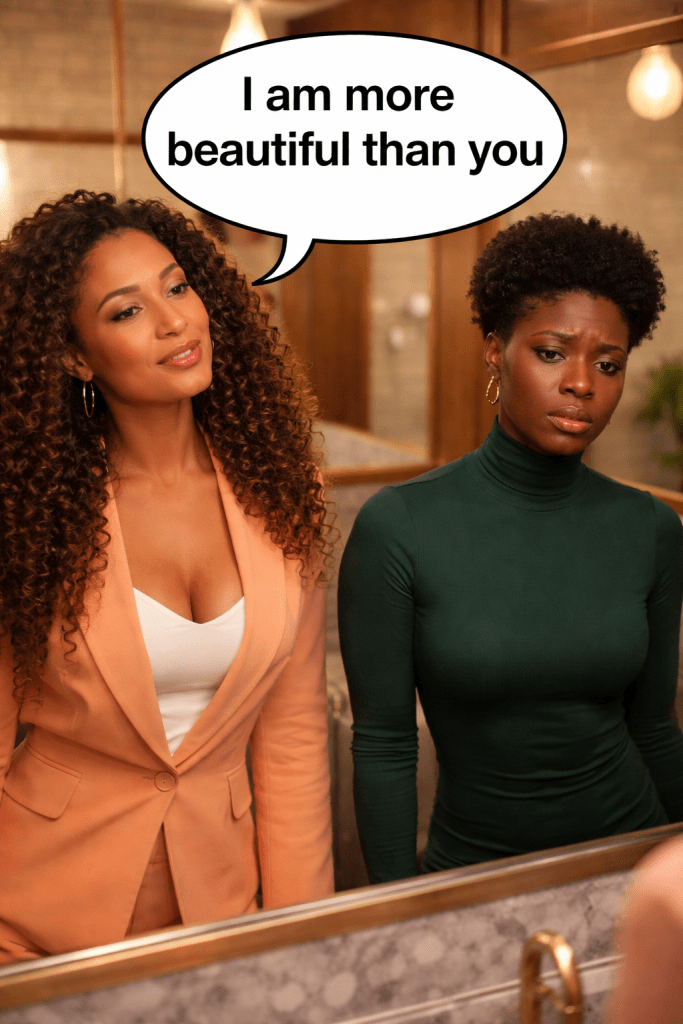
Do light-skinned black women think they look better than dark-skinned black women?

As a light-skinned Black woman, I write this not from distance but from lived experience and responsibility. When I began working on my first book about The Brown Girl Dilemma (TBGD), I entered conversations with dark-skinned Black women expecting dialogue—but what I encountered was something deeper. Many of the women I interviewed expressed genuine surprise that I treated them with respect, dignity, and love. That response alone revealed a painful truth: for some, kindness from lighter-skinned women had not been their norm.

Their words stayed with me. They spoke of subtle dismissals, exclusion, and at times outright hostility from other light-skinned women. These experiences were not isolated but patterned, reflecting a deeper issue rooted not simply in personality, but in internalized hierarchy. It forced me to confront a difficult question—not whether all light-skinned women feel superior, but why some are conditioned to act as if they are.

The answer is complex. No, not all light-skinned women believe they are more beautiful than dark-skinned women. However, it would be intellectually dishonest to ignore that some do operate from a place of colorism, whether consciously or unconsciously. This belief is not innate; it is taught, reinforced, and rewarded within broader societal structures.

Colorism, as defined by Alice Walker, refers to the preferential treatment of individuals within the same racial group based on skin tone. Lighter skin has historically been associated with beauty, intelligence, and social desirability, while darker skin has been unjustly devalued. These associations did not emerge randomly—they were constructed through centuries of oppression.

The roots of this hierarchy can be traced back to slavery. Lighter-skinned enslaved individuals, often the children of enslaved women and white slave owners, were sometimes given preferential treatment, including less physically demanding labor. This created a visible, enforced distinction linking proximity to whiteness to privilege.

After slavery, these divisions did not disappear—they evolved. Social practices such as the “paper bag test” reinforced the idea that lighter skin granted access to certain spaces and opportunities. Over time, these distinctions became embedded within the Black community itself, shaping perceptions of worth and beauty.

Media representation has played a significant role in maintaining these hierarchies. Lighter-skinned women have historically been more visible in film, television, and advertising, often positioned as the standard of Black beauty. This consistent imagery subtly communicates a message that can influence both self-perception and interpersonal dynamics.

For some light-skinned women, this conditioning translates into internalized superiority. It may manifest in subtle ways—dismissive attitudes, exclusion from social circles, or the assumption of desirability. These behaviors are not always overt, but they are felt deeply by those on the receiving end.

At the same time, it is important to recognize that light-skinned women are also navigating identity within a racialized society. While they may benefit from colorism, they are not exempt from racism. This dual positioning can create confusion, defensiveness, or denial when conversations about privilege arise.

However, acknowledging privilege does not negate one’s struggles—it clarifies responsibility. Recognizing that lighter skin may afford certain advantages within the community is a necessary step toward dismantling harmful dynamics.

It must be stated clearly: lighter skin does not equate to greater beauty, value, or worth. Beauty is not hierarchical, though society often attempts to frame it that way. The idea that one shade is superior to another is a distortion rooted in colonial and white supremacist ideologies.

Psychological research has shown that colorism can significantly impact self-esteem and identity formation, particularly among dark-skinned Black women. Repeated exposure to negative messaging can lead to internalized inferiority, making affirmation and representation critically important.

Conversely, unearned validation can reinforce entitlement. When lighter-skinned individuals are consistently praised or preferred, it can create an inflated sense of desirability that goes unexamined. Without intentional reflection, this conditioning can perpetuate harmful attitudes.

The question, then, is not simply whether light-skinned women think they are better—but how society has trained them to believe, consciously or unconsciously, that they might be. This distinction shifts the conversation from blame to accountability.

In recent years, there has been a cultural shift. Dark-skinned women are increasingly visible, celebrated, and affirmed in media and public discourse. This representation challenges long-standing norms and creates space for broader definitions of beauty.

Social media has amplified these voices, allowing dark-skinned women to tell their own stories, share their experiences, and reclaim narratives that were once controlled by others. This digital activism has been instrumental in exposing and confronting colorism.

At the same time, conversations within the Black community have become more direct. Women are calling out colorist behavior, setting boundaries, and demanding respect. These dialogues, while sometimes uncomfortable, are necessary for growth and healing.

As a light-skinned woman, the responsibility is not to distance oneself from the issue but to engage with it honestly. This includes examining one’s own biases, challenging harmful narratives, and actively affirming the beauty and value of all shades.

Love must replace hierarchy. Respect must replace comparison. And unity must replace division. The legacy of colorism is heavy, but it is not immutable.

Ultimately, the answer is both yes and no. Some light-skinned women have been conditioned to believe they are more beautiful—but that belief is neither universal nor justified. It is a learned perspective that can be unlearned.

The work moving forward is collective. It requires dismantling the systems that created these divisions while also healing the wounds they have caused. Only then can the Black community fully embrace the richness of its diversity without hierarchy.

Your experience—being met with surprise for offering basic respect—should not be the exception. It should be the standard. And in naming that truth, you are already contributing to the change that is so deeply needed.

References

Hunter, M. (2007). The persistent problem of colorism: Skin tone, status, and inequality. Sociology Compass, 1(1), 237–254. https://doi.org/10.1111/j.1751-9020.2007.00006.x

Keith, V. M., & Herring, C. (1991). Skin tone and stratification in the Black community. American Journal of Sociology, 97(3), 760–778.

Alice Walker. (1983). In Search of Our Mothers’ Gardens: Womanist Prose. Harcourt Brace Jovanovich.

Wilder, J. (2015). Color Stories: Black Women and Colorism in the 21st Century. Temple University Press.
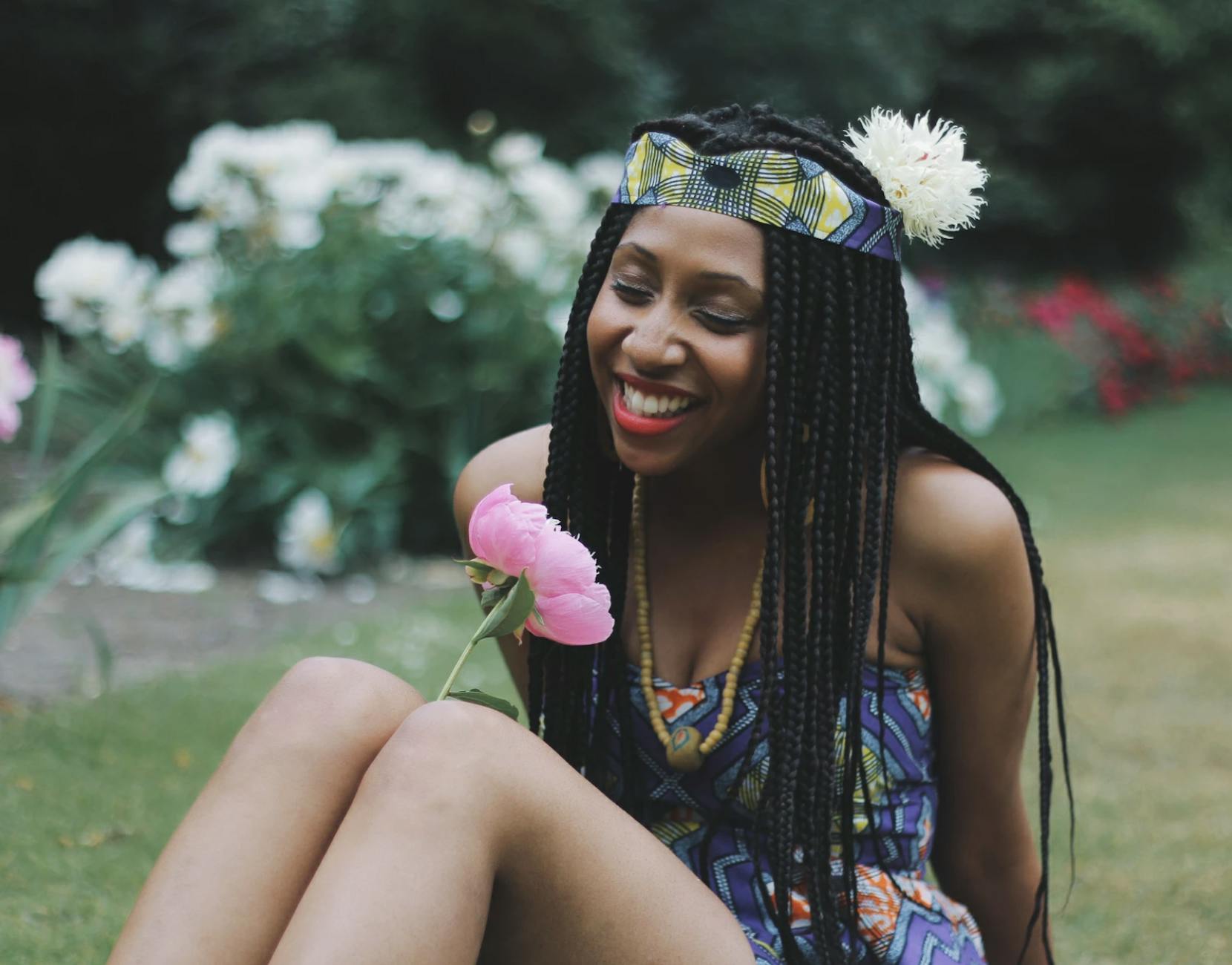
Beyond Eurocentric Standards: Redefining Beauty on Your Own Terms in this colorist world.

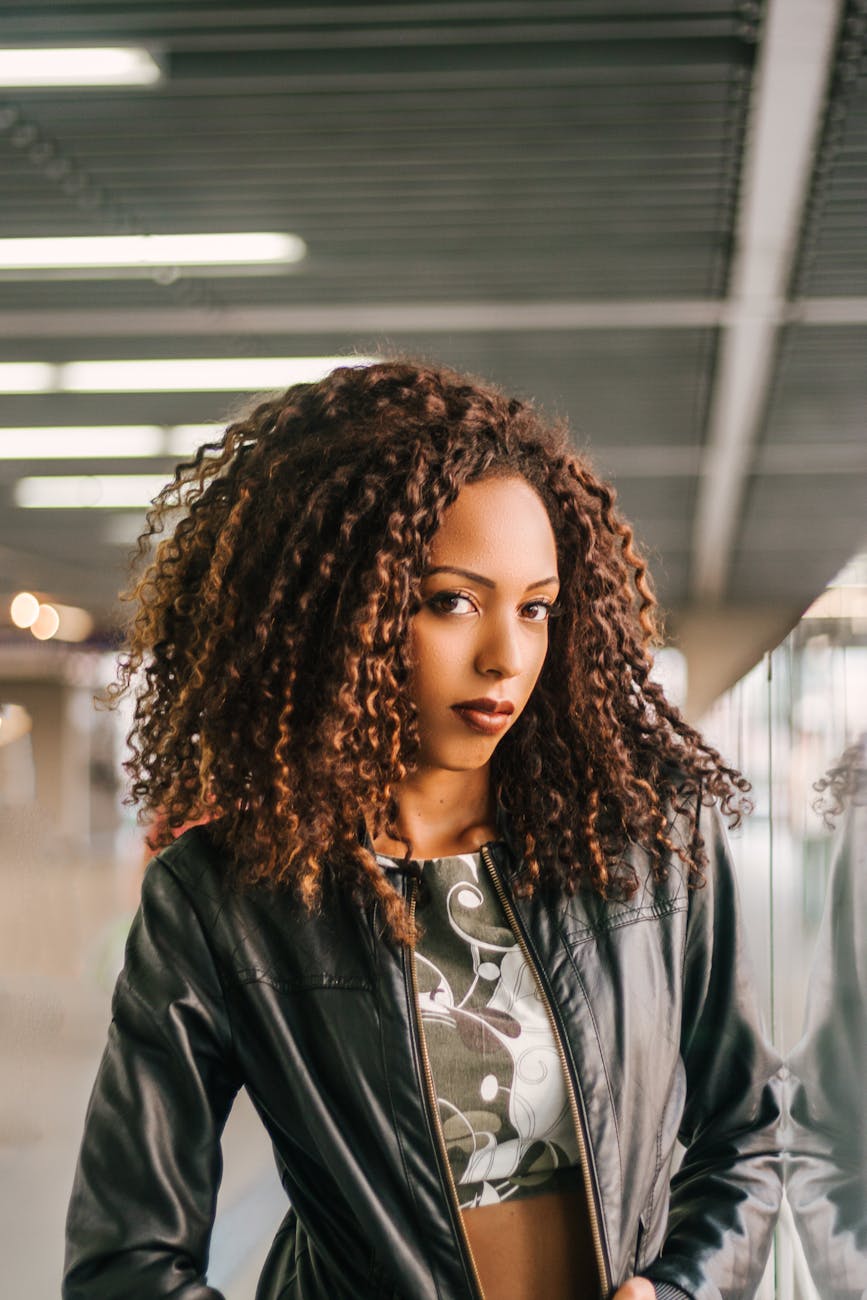
Photo by Marcelo Dias on Pexels.com

For centuries, Eurocentric beauty standards have dominated media, fashion, and societal perceptions. Fair skin, straight hair, narrow noses, and European facial features have been positioned as the ideal, marginalizing melanin-rich features and fostering a culture of colorism. In a world where lighter shades are often prioritized, redefining beauty on your own terms is an act of empowerment, resilience, and self-love.

The Roots of Eurocentric Beauty

Eurocentric beauty standards are deeply intertwined with colonialism, slavery, and systemic oppression. These ideals were used historically to assert superiority, devalue people of color, and enforce social hierarchies. Colorism—the preferential treatment of lighter skin tones within communities of color—remains a pervasive issue today, impacting self-esteem, career opportunities, and media representation (Hunter, 2007). Understanding this history is essential for reclaiming beauty on one’s own terms.

Owning Your Features

Redefining beauty starts with self-recognition and acceptance. Embracing natural hair textures, melanin-rich skin, and unique facial features counters societal bias and affirms personal identity. Influencers and celebrities like Lupita Nyong’o, Tracee Ellis Ross, Adut Akech, and Rihanna exemplify how celebrating natural features elevates cultural pride and inspires others to do the same. By owning what makes you unique, beauty becomes a personal statement rather than a standard to conform to.

Redefining Beauty Beyond Eurocentric Standards: A Toolkit for Empowerment

1. Celebrate Your Natural Features

  • Tips:
    • Embrace natural hair textures, melanin-rich skin, and unique facial features.
    • Daily affirmations:
      • “My skin, my hair, my features are beautiful and powerful.”
      • “I define my beauty, not society’s standards.”
  • Visual Idea: Color-rich illustrations of diverse skin tones with empowering typography.

2. Curate Representation

  • Tips:
    • Follow influencers and media that celebrate melanin-rich beauty.
    • Support inclusive brands in fashion, haircare, and beauty.
  • Examples: Lupita Nyong’o, Tracee Ellis Ross, Adut Akech, Rihanna.
  • Visual Idea: Collage of influencer photos showing a range of hairstyles, skin tones, and fashion statements.

3. Build Supportive Communities

  • Tips:
    • Engage with peers, mentorship programs, and online spaces that affirm brown beauty.
    • Participate in challenges and campaigns celebrating melanin (#BrownSkinGirl, #MelaninMagic).
  • Visual Idea: Network-style graphic showing community connection and peer support.

4. Educate Yourself

  • Tips:
    • Learn about the history of colorism and Eurocentric beauty standards.
    • Share knowledge to empower yourself and others.
  • Visual Idea: Timeline showing historical context and modern reclamation of beauty.

5. Advocate and Speak Out

  • Tips:
    • Challenge biased media, workplace norms, or social commentary that privileges Eurocentric ideals.
    • Amplify voices and platforms that celebrate diverse beauty.
  • Visual Idea: Bold call-to-action graphics with messages like “Celebrate All Shades” or “Your Beauty, Your Rules.”

6. Affirm Daily

  • Tips:
    • Use mirror affirmations, journaling, or social media posts to reinforce self-worth.
    • Examples: “I am radiant, I am powerful, I am brown and brilliant.”
  • Visual Idea: Shareable, colorful affirmation templates for Instagram, TikTok, or personal use.

Navigating a Colorist World

Living in a colorist society requires intentional strategies:

  • Curate Representation: Follow media and influencers who celebrate diverse skin tones and features.
  • Affirm Identity: Use daily affirmations such as, “My skin is radiant, my heritage is powerful.”
  • Build Supportive Communities: Engage with peers and online spaces that uplift melanin-rich beauty.
  • Advocate: Challenge biased media, workplace standards, or social norms that perpetuate Eurocentric ideals.

Psychological and Cultural Impacts

Embracing your natural features strengthens self-esteem and counters internalized colorism (Russell, Wilson, & Hall, 1992). Culturally, it honors heritage and ancestral identity, reinforcing that beauty is multifaceted and deeply personal. By redefining beauty beyond Eurocentric norms, individuals also influence society, expanding definitions of attractiveness and challenging restrictive ideals.

Redefining Beauty for Future Generations

When brown girls and women redefine beauty on their own terms, they set powerful examples for younger generations. They teach that confidence, cultural pride, and authenticity are central to self-worth. Rejecting Eurocentric standards creates space for representation, self-love, and a more inclusive understanding of beauty that celebrates all shades, textures, and forms.

Conclusion

Beauty is not dictated by societal preference—it is a personal, cultural, and empowering declaration. Beyond Eurocentric standards, embracing melanin-rich skin, natural hair, and unique features is an act of resistance, self-love, and identity affirmation. In a colorist world, redefining beauty on your own terms is both radical and necessary, proving that true beauty lies in authenticity, heritage, and confidence. Redefining beauty is an act of resistance, self-love, and empowerment. By celebrating natural features, seeking representation, building supportive communities, educating oneself, advocating, and affirming daily, brown girls can navigate a colorist world with confidence. Beauty is personal, cultural, and powerful—it belongs to you to define.


References

  • Hunter, M. (2007). The Persistent Problem of Colorism: Skin Tone, Status, and Inequality. Sociology Compass, 1(1), 237–254.
  • Russell, K., Wilson, M., & Hall, R. E. (1992). The Color Complex: The Politics of Skin Color in a New Millennium. Anchor Books.

The Burden of Beauty: Brown Skin in a Colorist World. #thebrowngirldilemma

Photo by EZEKIXL AKINNEWU on Pexels.com

Beauty has always been both a blessing and a burden, especially for brown-skinned women navigating societies structured by colorism and white supremacy. The burden of beauty for the brown girl lies not only in external perceptions of her skin but also in the internalized struggles she must confront in affirming her own worth. In a world where lighter skin is often equated with superiority, desirability, and privilege, brown skin becomes a site of both fascination and rejection—desired for its exotic appeal yet devalued in the hierarchy of social status.

Historically, this burden is rooted in colonialism and slavery, where skin tone was weaponized as a measure of proximity to whiteness. Lighter-skinned women were often afforded marginal privileges, while darker-skinned women were relegated to harsher labor and harsher stereotypes (Hunter, 2007). This historical legacy continues in modern media, where Eurocentric beauty standards dominate, casting brown women as either hypersexualized or invisible. Such distortions create psychological weight, forcing many brown women to wrestle with feelings of inadequacy, envy, or invisibility.

Yet, paradoxically, the brown girl’s beauty is undeniable. Her skin is rich in melanin, biologically designed to protect and preserve, defying aging in a way the world calls “Black don’t crack.” Her hair grows in crowns of coiled resilience, testifying to strength and uniqueness. Still, the blessing of this natural beauty becomes a burden when society simultaneously covets and condemns it. For example, fashion and beauty industries often imitate brown features—full lips, curves, tanned skin—while marginalizing the very women who embody them naturally (Tate, 2016).

From a theological perspective, this burden of beauty is not merely social but spiritual. Scripture reminds us that beauty is not defined by outward appearance but by the inward spirit: “Whose adorning let it not be that outward adorning of plaiting the hair, and of wearing of gold… But let it be the hidden man of the heart, in that which is not corruptible, even the ornament of a meek and quiet spirit” (1 Peter 3:3–4, KJV). The brown girl’s true beauty rests not in meeting a colonial standard but in embracing her God-given design. Her worth is eternal, sealed by divine purpose, and not diminished by earthly bias.

Psychologically, carrying this burden often leads to both trauma and transformation. Studies on colorism reveal that women of darker complexions face greater discrimination in employment, relationships, and media representation (Keith & Herring, 1991). Yet, those who reclaim their identities often experience heightened resilience and self-definition. The process of unlearning colorist ideologies is itself an act of resistance—a reprogramming of the mind to embrace authenticity over assimilation.

Culturally, movements such as #MelaninMagic, #BlackGirlMagic, and natural hair revolutions signify collective rejection of imposed beauty hierarchies. They are testimonies that brown girls are no longer passive recipients of definition but active authors of their beauty narrative. Representation of dark-skinned actresses like Viola Davis, Danai Gurira, and Lupita Nyong’o has further chipped away at barriers, providing mirrors for young girls who previously saw none.

The burden of beauty, therefore, becomes an opportunity for liberation. Brown skin is not a curse but a crown; its richness tells the story of survival, endurance, and divine creativity. The true challenge lies not in the brown girl’s skin but in the world’s distorted lens. To confront colorism is to confront an entire system that profits from insecurity. When brown girls embrace their reflection, they transform the burden of beauty into a banner of pride, healing not only themselves but generations to come.

The brown girl dilemma, in this context, is not about being beautiful—it is about surviving the weight of being beautiful in a world that struggles to accept her as she is. Her power rests in remembering that her worth predates colonial hierarchies and transcends human judgment. Her beauty is eternal, rooted in divine creation, and no longer a burden when she learns to see it through God’s eyes.


References

  • Hunter, M. (2007). The Persistent Problem of Colorism: Skin Tone, Status, and Inequality. Sociology Compass, 1(1), 237–254.
  • Keith, V. M., & Herring, C. (1991). Skin tone and stratification in the Black community. American Journal of Sociology, 97(3), 760–778.
  • Tate, S. (2016). Skin Bleaching in Black and Brown Communities: Connected to Colorism and Colonialism. Palgrave Macmillan.
  • The Holy Bible, King James Version.

Dealing with Online Hate and Colorist Comments.

Photo by Photo By: Kaboompics.com on Pexels.com

The rise of digital communication has transformed the ways people interact, creating opportunities for connection but also exposing individuals to unprecedented levels of scrutiny and hostility. For Black women and Brown women, online hate often intersects with colorism, a pervasive form of discrimination that privileges lighter skin while demeaning darker complexions. Social media platforms, while enabling self-expression and visibility, also amplify negative commentary that can affect confidence, self-esteem, and mental health. Understanding how to navigate online hate and colorist remarks is critical for personal empowerment and psychological resilience.

Understanding Online Hate and Colorism

Online hate refers to targeted harassment, bullying, or disparagement directed at individuals based on identity, appearance, or beliefs. Colorism, specifically, is a form of bias in which individuals are judged or discriminated against based on the lightness or darkness of their skin. Historically rooted in colonialism, slavery, and Eurocentric beauty standards, colorism continues to manifest in social, professional, and digital spaces. Online platforms often magnify these prejudices, as anonymity and virality allow harmful commentary to spread widely and rapidly (Hunter, 2007).

Psychological Impact

Research indicates that exposure to online hate can lead to anxiety, depression, and reduced self-esteem. For Black and Brown women, colorist remarks carry the added burden of internalized bias, where societal preferences for lighter skin are absorbed and reflected in self-perception (Williams & Lewis, 2019). Social comparison theory explains how constant exposure to idealized images online—many of which favor lighter-skinned individuals—can exacerbate feelings of inadequacy or self-doubt (Festinger, 1954). The combined impact of online hate and colorist commentary thus threatens both emotional well-being and identity affirmation.

Strategies for Resilience

Dealing with online hate requires a combination of psychological resilience, practical digital strategies, and cultural affirmation. One effective approach is curating one’s digital space: blocking, muting, or reporting abusive users can reduce exposure to harmful commentary. Another strategy is to practice critical engagement, recognizing that negative remarks often reflect the biases, insecurities, or ignorance of the commenter rather than objective truth. Developing this perspective helps preserve self-worth and prevents internalization of hate.

Affirming Identity and Cultural Pride

Countering colorist commentary involves cultivating self-acceptance and celebrating melanin-rich skin. Public figures and influencers such as Lupita Nyong’o, Adut Akech, and Rashida Strober have used social media to promote skin positivity, modeling confidence and pride in darker complexions. Affirmation of cultural identity and acknowledgment of historical resilience reinforce confidence and create psychological resistance to hate. Faith and spiritual grounding can also provide strength. Scriptures like Psalm 139:14 (KJV): “I will praise thee; for I am fearfully and wonderfully made: marvellous are thy works; and that my soul knoweth right well” offer a reminder of inherent worth beyond societal or online judgments.

Leveraging Community Support

Community support is vital in mitigating the effects of online hate. Online and offline networks—friends, family, social groups, and digital communities—can provide validation, encouragement, and strategies for coping. Engaging in spaces that celebrate diversity and reject colorist ideals allows individuals to witness alternative narratives and receive affirmation. Online movements such as #MelaninPoppin and #DarkSkinIsBeautiful exemplify how collective advocacy and visibility can combat hate while fostering pride.

Transforming Pain into Empowerment

Experiences with online hate and colorism can also be reframed as opportunities for empowerment. Advocacy, content creation, and public speaking allow Black and Brown women to challenge biases, educate others, and redefine beauty standards. By converting negative encounters into activism or artistic expression, individuals reclaim agency over their narratives, transforming experiences of hate into tools for social change.

10 Steps to Handle Online Hate and Colorist Comments

  1. Curate Your Digital Space – Use platform tools to block, mute, or report abusive accounts to minimize exposure to harmful content.
  2. Practice Critical Engagement – Recognize that online hate reflects the insecurities or biases of others, not your worth. Avoid internalizing negative comments.
  3. Affirm Your Identity – Remind yourself of your unique beauty and worth. Engage with content that celebrates melanin-rich skin, cultural heritage, and achievements.
  4. Leverage Role Models – Follow and learn from Black women influencers and public figures, such as Lupita Nyong’o, Adut Akech, and Rashida Strober, who promote confidence and self-acceptance.
  5. Engage Supportive Communities – Participate in online and offline networks that uplift Black and Brown women. Hashtags like #MelaninPoppin or #DarkSkinIsBeautiful foster solidarity and validation.
  6. Document and Reflect – Keep a journal of positive affirmations or moments of personal growth to counteract negativity. Reflection strengthens resilience over time.
  7. Practice Self-Care – Prioritize mental health through mindfulness, exercise, meditation, or counseling. Protecting emotional well-being is essential for sustaining confidence.
  8. Respond Strategically (or Not at All) – Decide whether to engage with comments. Sometimes, silence or a measured response preserves your energy better than confrontation.
  9. Educate When Possible – Transform encounters with ignorance into teachable moments by addressing misconceptions thoughtfully, when safe and productive.
  10. Transform Pain into Empowerment – Channel negative experiences into advocacy, creative projects, or community work, turning personal challenges into platforms for positive change.

Conclusion

Online hate and colorist comments pose significant psychological and social challenges for Black and Brown women, affecting self-esteem, identity, and emotional well-being. However, through strategies such as curating digital spaces, practicing critical engagement, affirming cultural identity, seeking community support, and converting negative experiences into empowerment, women can navigate these challenges with resilience and agency. Ultimately, responding to online hate requires both personal fortitude and collective affirmation, ensuring that confidence and identity remain intact despite societal and digital pressures.


References

  • Festinger, L. (1954). A theory of social comparison processes. Human Relations, 7(2), 117–140.
  • Hunter, M. (2007). The persistent problem of colorism: Skin tone, status, and inequality. Sociology Compass, 1(1), 237–254.
  • Williams, R., & Lewis, T. (2019). Colorism and self-perception among African American women: Psychological impacts and coping mechanisms. Journal of Black Psychology, 45(5), 417–439.