Tag Archives: civil Rights

“Keep Hope Alive”: The Life, Legacy, and Impact of Jesse Jackson (1941–2026)

“I am somebody. I may be small, but I am somebody.” — Jesse Jackson
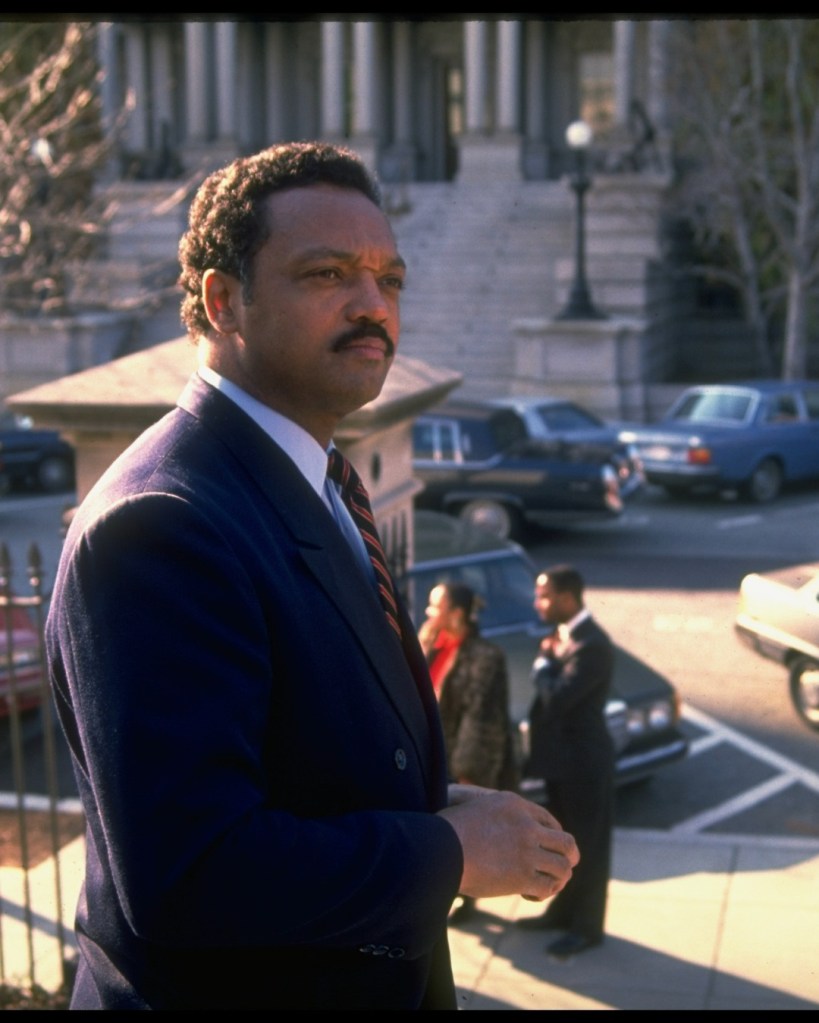
This photograph is the property of its respective owner. No copyright infringement is intended.

Jesse Louis Jackson, who passed away on February 17, 2026, at the age of 84, was a towering figure in American civil rights history. Born on October 8, 1941, in Greenville, South Carolina, Jackson grew up during the era of Jim Crow segregation. His early exposure to systemic racism deeply shaped his lifelong commitment to equality, justice, and empowerment for Black Americans.

Jackson’s journey into activism began in the 1960s when he joined the Southern Christian Leadership Conference (SCLC), where he met Dr. Martin Luther King Jr. King recognized Jackson’s leadership potential, and Jackson later described those years as “a phenomenal four years of work” alongside King. Jackson was present in Memphis, Tennessee, when King was assassinated on April 4, 1968, and his close association with King further solidified his resolve to continue the civil rights movement.
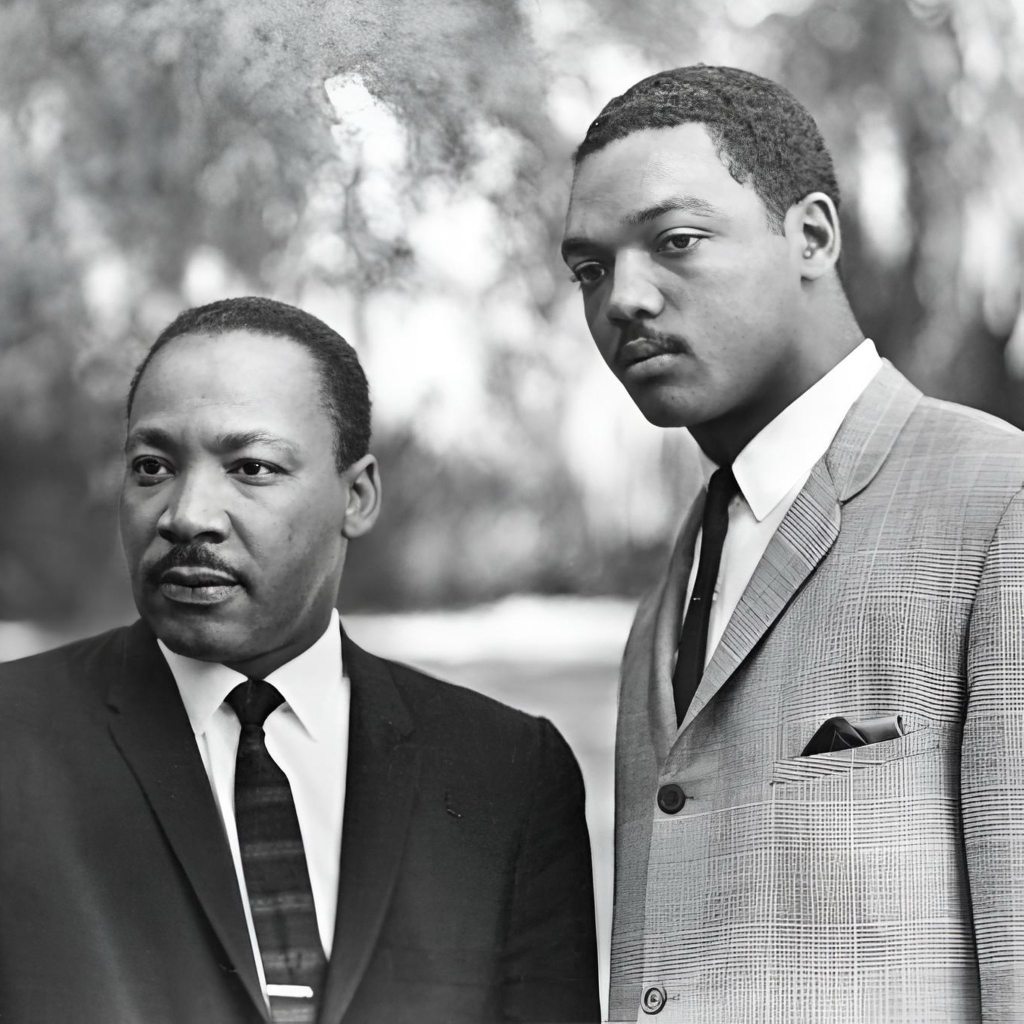
This photograph is the property of its respective owner. No copyright infringement is intended.

Following King’s death, Jackson became a national leader, sustaining momentum in civil rights activism through voter registration drives, economic justice campaigns, and grassroots organizing. In 1971, he founded Operation PUSH (People United to Save Humanity) in Chicago to combat poverty, unemployment, and discrimination. PUSH later merged with the Rainbow Coalition to form Rainbow/PUSH, an organization dedicated to social justice, workplace diversity, and community empowerment.

Jackson’s advocacy was not limited to the United States. He engaged in international human rights work, negotiating the release of political prisoners and hostages, opposing apartheid in South Africa, and speaking on behalf of oppressed populations worldwide. His global activism reinforced his belief that the struggle for justice transcends borders.

Jackson also made a significant mark in politics. He ran for the Democratic presidential nomination in 1984 and 1988, energizing minority communities and introducing national discourse on civil rights, economic inequality, and foreign policy. His campaigns helped shape the political landscape for future generations of Black leaders.

A hallmark of Jackson’s activism was his ability to inspire with words and action. Phrases like “I am Somebody” and “Keep hope alive” became synonymous with his mission to uplift marginalized communities and foster dignity and self-worth among the oppressed.

Jackson’s faith played a central role in his work. As a Baptist minister, he linked spiritual responsibility with social action, framing activism as a moral imperative. His sermons, speeches, and writings consistently emphasized that justice and human rights were both ethical and spiritual obligations.

Education reform was another focus of Jackson’s advocacy. He fought for equitable funding, greater access to higher education, and programs supporting underprivileged youth. Jackson believed education was a key pathway to economic and social empowerment.

Throughout his career, Jackson also championed economic justice, challenging corporations to diversify workforces and increase opportunities for minority-owned businesses. He consistently used public advocacy and negotiation to create meaningful change.

Family was at the heart of Jackson’s life. He married Jacqueline Lavinia Brown Jackson, and together they raised six children, including Jesse Jackson Jr., who became a U.S. Congressman. Jackson emphasized the importance of instilling values of justice, community, and moral responsibility in his children.

Jackson’s contributions earned him numerous awards, including the Presidential Medal of Freedom in 2000, the highest civilian honor in the United States. He was also recognized by the NAACP, the National Urban League, and faith-based organizations for his lifelong dedication to civil rights, social justice, and humanitarian efforts.
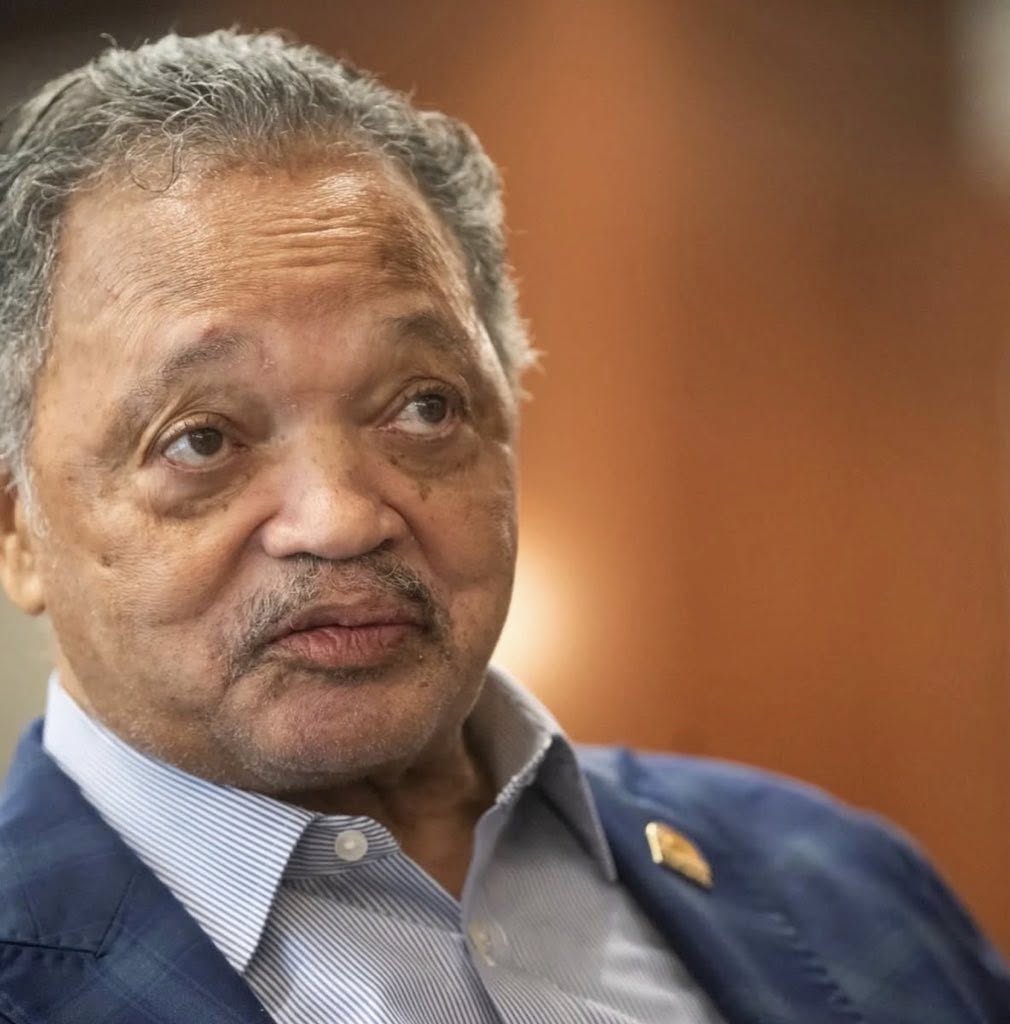
This photograph is the property of its respective owner. No copyright infringement is intended.

Despite facing criticism, political challenges, and health struggles, including progressive supranuclear palsy in his later years, Jackson remained active and engaged. He continued to mentor activists, inspire young leaders, and encourage civic participation until his final days.

Jesse Jackson’s life was a testament to resilience, faith-driven activism, and unwavering dedication to equality and human dignity. From his work alongside Martin Luther King Jr. to his global advocacy and political campaigns, Jackson left an indelible mark on history. His passing represents a profound loss, but his words, deeds, and legacy continue to inspire the fight for justice and the upliftment of marginalized communities worldwide.


References

Black History Month: Trayvon Martin – A Life Stolen, A Nation Awakened.

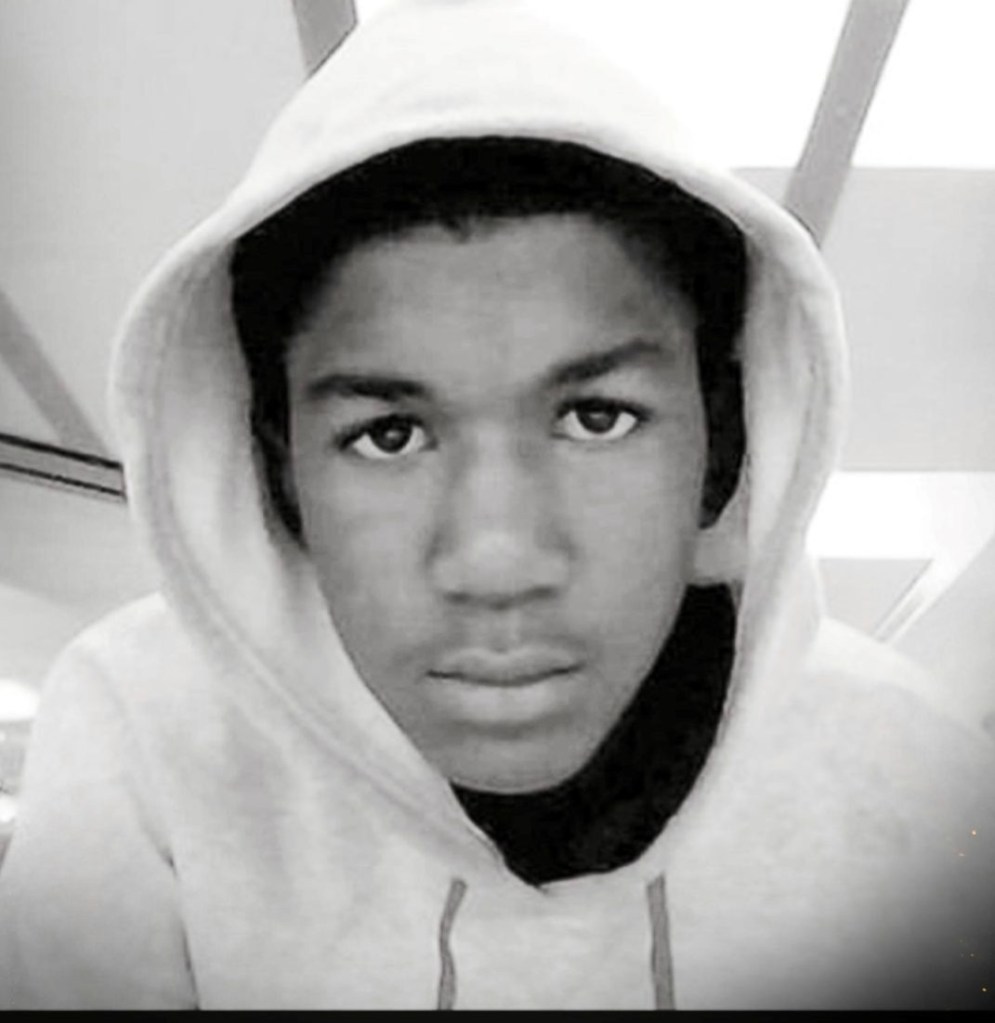
Trayvon Benjamin Martin was born on February 5, 1995, in Miami, Florida. He was a young African American teenager known by his family and friends as kind-hearted, playful, and full of potential. Trayvon enjoyed sports, especially football and basketball, and aspired to become an aviation mechanic. Like many young Black boys in America, his life reflected both ordinary youthful dreams and the inherited weight of navigating a society shaped by racial stereotypes and systemic inequality.


What Happened to Trayvon Martin

On the evening of February 26, 2012, Trayvon Martin was walking back to his father’s fiancée’s home in Sanford, Florida, after purchasing snacks from a convenience store. He was unarmed, wearing a hoodie, and talking on the phone with a friend. George Zimmerman, a neighborhood watch volunteer, reported Trayvon as “suspicious” to police, followed him despite being advised not to, and ultimately shot and killed him.

Zimmerman claimed self-defense and was later acquitted of all charges in 2013. The verdict sparked national and international outrage, as many saw the case as a reflection of how Black bodies are often criminalized, feared, and devalued within American society.


His Impact on the World

Though his life was tragically cut short at just 17 years old, Trayvon Martin’s death became a historical turning point. His name became a symbol of racial injustice and the dangerous consequences of racial profiling. The case helped ignite the modern civil rights movement known as Black Lives Matter, founded in 2013 by Alicia Garza, Patrisse Cullors, and Opal Tometi in response to Trayvon’s killing and Zimmerman’s acquittal.

Trayvon’s story forced America to confront uncomfortable truths about race, surveillance, fear, and the unequal application of justice. His hoodie became a global symbol of protest, representing how something as simple as clothing could become a perceived threat when worn by a Black male.


He Would Have Been 31 This Year

In 2026, Trayvon Martin would have been 31 years old. He could have been a husband, a father, a professional, or a leader in his community. Instead, his life exists in collective memory as a reminder of stolen futures and unrealized potential. His age now represents not just time passed, but the depth of loss — a life that never had the chance to fully begin.


Racism in America: A Broader Context

Trayvon Martin’s death cannot be understood in isolation. It exists within a long historical continuum of racial violence in America, from slavery and lynching to mass incarceration and police brutality. Sociologists describe this phenomenon as systemic racism — a structure in which laws, institutions, and cultural narratives disproportionately harm Black people.

The fear that led to Trayvon’s death reflects what scholars call implicit racial bias, where Black males are often subconsciously associated with danger, criminality, and threat. These biases influence everything from policing and surveillance to legal outcomes and media portrayals.

Trayvon’s case exposed how even in the absence of a crime, Black existence itself can be treated as suspicious. His death became a mirror held up to American society, forcing the nation to ask: Who is allowed to be innocent? Who is allowed to be safe? And whose life is presumed valuable?


Legacy

Trayvon Martin’s legacy is not defined by his death, but by the global movement that arose because of it. His name is spoken alongside others — Michael Brown, Tamir Rice, Sandra Bland, Breonna Taylor, George Floyd — as part of a growing historical archive of racial injustice.

Yet Trayvon remains unique: he was not arrested, not resisting, not committing a crime. He was simply walking home.

His life and death continue to educate, mobilize, and challenge the world to build a society where Black children can exist without fear, where justice is not selective, and where no family must bury a child for simply being seen as “out of place.”


References

Alexander, M. (2012). The new Jim Crow: Mass incarceration in the age of colorblindness. The New Press.

Bonilla-Silva, E. (2018). Racism without racists: Color-blind racism and the persistence of racial inequality in America (5th ed.). Rowman & Littlefield.

CBS News. (2013). George Zimmerman acquitted in Trayvon Martin case.

Garza, A. (2014). A herstory of the #BlackLivesMatter movement. The Feminist Wire.

Newman, K. S., & Cohen, A. (2014). Race, place, and building a youth movement: The case of Trayvon Martin. American Sociological Review, 79(3), 449–476.

Pew Research Center. (2016). On views of race and inequality, Blacks and Whites are worlds apart.

U.S. Department of Justice. (2013). Investigation of the Sanford Police Department’s handling of the Trayvon Martin shooting.

Celebrating Black Women in History: Activists and Trailblazers.

This photograph is the property of its respective owners. No copyright infringement intended.

Black women have been central to social, political, and cultural transformation throughout history, yet their contributions are often overlooked or minimized. From the era of slavery to modern times, Black women have demonstrated resilience, intellect, and leadership, challenging systemic oppression while paving the way for future generations. Recognizing and celebrating their accomplishments is essential for understanding history, inspiring social justice, and affirming the intrinsic value of Black womanhood.


Black Women in the Fight Against Slavery

Women such as Harriet Tubman and Sojourner Truth played pivotal roles in the abolitionist movement. Harriet Tubman’s courage in leading enslaved people to freedom via the Underground Railroad embodies fearless leadership. Sojourner Truth, through her speeches and activism, exposed the dual oppression of race and gender, most famously in her “Ain’t I a Woman?” address. Their legacy teaches that resistance and advocacy are intertwined with survival and faith

Pioneers in Civil Rights

In the 20th century, activists like Rosa Parks and Septima Clark reshaped the civil rights landscape. Rosa Parks’ refusal to give up her bus seat sparked the Montgomery Bus Boycott, a catalyst for nationwide action. Septima Clark, known as the “Mother of the Movement,” advanced citizenship education and literacy programs, empowering African Americans to exercise their voting rights. These women exemplify strategic courage, moral conviction, and community-focused leadership.


Trailblazers in Politics and Leadership

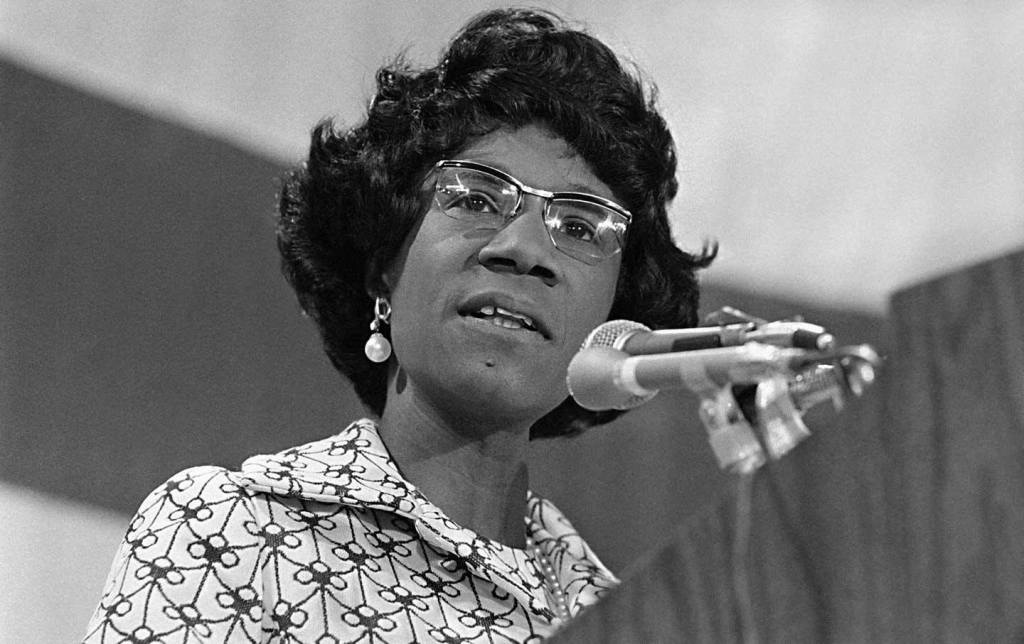
Black women have broken barriers in governance, challenging systemic exclusion. Figures like Shirley Chisholm, the first Black woman elected to Congress and a presidential candidate, redefined political possibility. Similarly, Barbara Jordan brought eloquence and moral authority to legislative processes, inspiring future generations of leaders. Their achievements highlight resilience, intellect, and the intersection of race and gender in public life.


Cultural and Artistic Revolutionaries

Beyond activism, Black women have transformed culture. Maya Angelou, Toni Morrison, and Nina Simone reshaped literature, music, and public consciousness, using their art as both personal expression and political commentary. Through storytelling, poetry, and song, they challenged racial stereotypes, inspired pride, and nurtured cultural identity.


Education and Empowerment Advocates

Black women like Mary McLeod Bethune dedicated their lives to education, founding institutions and programs that uplifted communities. Bethune’s emphasis on literacy, vocational training, and civic engagement demonstrates that education is both a tool for personal growth and societal change.


Modern Trailblazers

Contemporary leaders such as Alicia Garza, co-founder of the Black Lives Matter movement; Tarana Burke, founder of the MeToo movement; Misty Copeland, the first African American principal dancer at the American Ballet Theatre; Amanda Gorman, the youngest inaugural poet in U.S. history; Oprah Winfrey, media mogul and philanthropist; and Stacey Abrams, political leader and voting rights advocate, continue the legacy of activism, creativity, and cultural influence. Their visibility challenges stereotypes, advocates for equity, and inspires younger generations of Black women to embrace their talents, assert their voices, and claim their rightful place in society.


The Intersection of Faith and Activism

Many Black women activists grounded their work in faith. The KJV Bible repeatedly emphasizes justice and moral courage: “Learn to do well; seek judgment, relieve the oppressed” (Isaiah 1:17). Faith has often been a source of resilience, moral clarity, and community solidarity for Black women navigating oppression.


Overcoming Dual Oppression

Black women historically contend with both racial and gendered discrimination. Intersectionality—a term coined by Kimberlé Crenshaw—explains how overlapping systems of oppression shape lived experiences. Recognizing this helps illuminate why the achievements of Black women are particularly extraordinary and instructive.


Inspiring the Next Generation

Celebrating these trailblazers is not mere homage; it is a call to action. Mentorship programs, education, and media representation rooted in Black women’s histories foster self-worth, leadership, and civic engagement among youth.


Concluding Reflection

From Harriet Tubman to Kamala Harris, Black women’s contributions have been monumental, shaping history, culture, and society. Their resilience, intellect, and moral courage exemplify the power of faith, education, and activism. Honoring Black women in history affirms their intrinsic value, encourages social justice, and inspires generations to continue the work of liberation, leadership, and creativity.


References

  • Crenshaw, K. (1991). Mapping the margins: Intersectionality, identity politics, and violence against women of color. Stanford Law Review, 43(6), 1241–1299.
  • Collier-Thomas, B., & Franklin, V. P. (Eds.). (2001). Sisters in the struggle: African American women in the civil rights–black power movement. New York University Press.
  • Morris, A. D. (1999). Women’s work: The civil rights movement and the politics of gender. University of North Carolina Press.
  • Taylor, U. Y. (1998). The historical evolution of Black women in America. Black Women’s Studies Press.

The NAACP: History, Mission, Leadership, and Impact.

Photo by Pavel Danilyuk on Pexels.com

The National Association for the Advancement of Colored People (NAACP) is one of the most influential civil rights organizations in American history. Founded on February 12, 1909, in New York City, the NAACP was created in response to the ongoing violence and systemic discrimination faced by African Americans. The catalyst for its formation was the 1908 Springfield Race Riot in Illinois, which shocked the nation and revealed the urgent need for a coordinated civil rights movement (Lewis, 2009). The organization’s early founders included prominent Black and white activists such as W. E. B. Du Bois, Ida B. Wells-Barnett, Mary White Ovington, Moorfield Storey, and Oswald Garrison Villard (Meier & Rudwick, 1976). Together, they sought to combat racial prejudice, secure voting rights, and promote social equality through litigation, public advocacy, and grassroots mobilization.

The NAACP’s mission centers on ensuring the political, educational, social, and economic equality of rights for all persons, while eliminating race-based discrimination. Historically, the NAACP has played a crucial role in landmark legal victories for civil rights, most notably Brown v. Board of Education (1954), in which the Supreme Court declared racial segregation in public schools unconstitutional (Klarman, 2004). Over the decades, the organization has advocated for voting rights, challenged discriminatory laws, and fought against economic disparities that disproportionately affect the Black community.

In addition to its political and legal advocacy, the NAACP has sought to celebrate and uplift African American achievements through the NAACP Image Awards. First held in 1967, the awards honor outstanding performances in film, television, music, and literature, as well as achievements in activism and humanitarian efforts. Categories include Outstanding Actor/Actress in a Motion Picture, Outstanding Literary Work, Outstanding Comedy Series, and Entertainer of the Year. Artists such as Beyoncé, Denzel Washington, and Angela Bassett have won multiple NAACP awards, with Beyoncé holding the record for the most wins. This event not only celebrates excellence in Black artistry but also reinforces the NAACP’s mission to promote positive representation and challenge harmful stereotypes in media (Smith, 2017).

A significant chapter in the NAACP’s modern history involves the leadership of Kweisi Mfume, who served as President and CEO from 1996 to 2004. Born Frizzell Gerard Tate in Baltimore, Maryland, Mfume overcame a difficult childhood marked by poverty and dropping out of high school, later earning his GED and pursuing higher education. Before joining the NAACP, he served five terms in the U.S. House of Representatives and chaired the Congressional Black Caucus (Morrison, 2002). When Mfume took the helm of the NAACP, the organization was deeply in debt and struggling with internal governance issues. He implemented fiscal discipline, launched aggressive fundraising campaigns, and revitalized the NAACP’s advocacy efforts, focusing on voting rights, economic equity, and youth engagement. His tenure is credited with restoring the organization’s financial stability and public credibility during a critical period in its history.

Currently, the NAACP is led by Derrick Johnson, who became President and CEO in 2017. Johnson has continued the fight for civil rights in the modern era, addressing issues such as police brutality, voter suppression, and economic disparities in Black communities. The NAACP also remains active in high-profile legal cases, advocating for criminal justice reform and defending the Voting Rights Act in court. Throughout its existence, the NAACP has been at the forefront of securing civil rights legislation, providing legal defense in discrimination cases, and offering a platform for marginalized voices.

The NAACP’s enduring relevance lies in its adaptability—addressing systemic racism in each generation’s unique context while maintaining a steadfast commitment to equality. Its leaders, past and present, have embodied resilience, vision, and dedication to advancing justice for African Americans. From its legal triumphs to cultural recognition through the Image Awards, the NAACP stands as a testament to the power of organized advocacy in transforming society.


References

Klarman, M. J. (2004). From Jim Crow to civil rights: The Supreme Court and the struggle for racial equality. Oxford University Press.
Lewis, D. L. (2009). W. E. B. Du Bois: A biography. Henry Holt and Company.
Meier, A., & Rudwick, E. (1976). Along the color line: Explorations in the Black experience. University of Illinois Press.
Morrison, T. (2002). Conversations with African American leaders: Insights and perspectives. Black Classic Press.
Smith, S. (2017). Black excellence: The history and cultural impact of the NAACP Image Awards. HarperCollins.