Tag Archives: brown girls

Ode to the shades of Brown

Oh, the shades of brown, rich as the earth,
From the deepest mahogany to the honeyed warmth of birth.
You tell stories of ancestry, of kings and queens,
Of rivers crossed and lands unseen.

Your skin, a tapestry woven by God’s own hand,
A palette divine, too vast to understand.
Every tone a hymn, every hue a song,
A testament of resilience, proud and strong.

In sunlight, you shimmer like burnished gold,
A brilliance no lens nor mirror can hold.
In shadow, you speak of depth and grace,
Of sacred histories, time cannot erase.

Oh, chestnut, cocoa, and espresso hues,
Each a reflection of ancient truths.
Each freckle, each mole, a jewel to behold,
A story of courage, of valor untold.

Caramel whispers of warmth and light,
Mocha radiates quiet power in sight.
Amber gleams with a gentle fire,
Chestnut glows with ancestral desire.

The shades of brown, both subtle and bold,
Carry legacies neither bought nor sold.
From slave cabins to palaces, from fields to streets,
Your beauty defies oppression, never retreats.

KJV Truth sings in your radiant skin:
Psalm 139:14 – “I am fearfully and wonderfully made.”
Every shade, every tone, every nuance,
A reflection of God’s artistry, perfect and true.

Celebrate your brown, in all its delight,
From dawn’s soft glow to the velvet of night.
No pigment dictates your worth or your place,
Your brown is divine, imbued with God’s grace.

Oh, the shades of brown, a spectrum so vast,
From subtle taupe to the boldest cast.
You are power, beauty, endurance, and art,
A masterpiece woven straight from God’s heart.

So rise, brown daughters, with pride in your skin,
Let no world’s bias define what’s within.
Your shade is a crown, your hue is a song,
In the orchestra of creation, you alone belong.

The phrase “shades of brown” reflects more than just physical variation in skin tone—it represents a complex social reality shaped by history, power, and perception. Across the African diaspora and other communities of color, differences in skin tone have been given meaning within systems that rank and assign value to people based on how light or dark they appear. This phenomenon, known as Colorism, continues to influence identity, opportunity, and self-perception.

Colorism has deep roots in the history of slavery and colonialism. During the transatlantic slave trade, lighter-skinned enslaved individuals—many of whom were of mixed ancestry—were sometimes given preferential treatment, such as working in the house rather than in the fields. These divisions were not accidental; they reinforced a hierarchy that placed whiteness, and proximity to it, at the top. Over time, these patterns became internalized within communities, creating lasting divisions based on complexion.

The legacy of these practices can still be seen today. Lighter skin is often associated with beauty, success, and desirability, while darker skin is unfairly stigmatized. This bias is reinforced through media representation, where lighter-skinned individuals are frequently overrepresented in leading roles, advertisements, and positions of influence. As a result, societal standards of beauty often reflect a narrow range of features tied to Eurocentric ideals.

From a sociological perspective, colorism operates as a learned norm within Sociology, passed down through generations and reinforced by institutions such as media, education, and family structures. Individuals absorb these messages early in life, shaping how they view themselves and others. Children, for example, may begin to associate lighter skin with positive traits and darker skin with negative ones, even without explicit instruction.

The psychological impact of colorism is significant. Studies have shown that individuals with darker skin tones may experience lower self-esteem, higher levels of discrimination, and reduced access to opportunities in areas such as employment and education. This aligns with Social Identity Theory, which explains how people derive part of their self-worth from how their group is perceived in society. When darker skin is devalued, it can negatively affect individual identity and confidence.

In addition to its psychological effects, colorism also has economic consequences. Research suggests that lighter-skinned individuals, on average, earn higher incomes and are more likely to be perceived as professional or trustworthy. These disparities highlight how deeply embedded color bias is within social and institutional structures.

The concept of “shades of brown” also intersects with ideas of mixed race and racial ambiguity. Individuals with lighter or racially ambiguous features are often treated differently, sometimes receiving privileges not afforded to darker-skinned individuals. However, this can also come with its own challenges, including questions about identity and belonging.

The Media continues to play a central role in reinforcing color hierarchies. Through film, television, and social media, certain looks are elevated while others are marginalized. The lack of diverse representation contributes to a limited understanding of beauty and perpetuates harmful stereotypes.

At the same time, there has been a growing movement to challenge colorism and celebrate darker skin tones. Campaigns promoting inclusivity and representation have begun to shift public perception, encouraging a broader and more authentic definition of beauty. Social media, while part of the problem, has also become a platform for advocacy and empowerment.

Education and awareness are key to addressing colorism. By understanding its historical roots and recognizing its modern impact, individuals and communities can begin to dismantle these biases. Conversations about colorism help to bring attention to an issue that is often overlooked but deeply felt.

Ultimately, the “shades of brown” are a testament to human diversity, not a hierarchy of value. Skin tone variation is a natural result of genetic adaptation and ancestry, not a measure of worth. Challenging colorism requires both individual reflection and collective action to redefine standards and promote equity.

The journey toward dismantling colorism is ongoing, but it begins with recognizing that all shades carry equal beauty, dignity, and significance. By confronting these biases, society can move closer to a more inclusive and just understanding of identity.


References

Hunter, M. (2007). The persistent problem of colorism: Skin tone, status, and inequality. Sociology Compass, 1(1), 237–254.

Keith, V. M., & Herring, C. (1991). Skin tone and stratification in the Black community. American Journal of Sociology, 97(3), 760–778.

Monk, E. P. (2015). The cost of color: Skin color, discrimination, and health among African Americans. American Journal of Sociology, 121(2), 396–444.

Dixon, T. L., & Telles, E. E. (2017). Skin color and colorism: Global research, concepts, and measurement. Annual Review of Sociology, 43, 405–424.

Hall, R. E. (2018). The Bleaching Syndrome: African Americans’ Response to Cultural Domination. Springer.
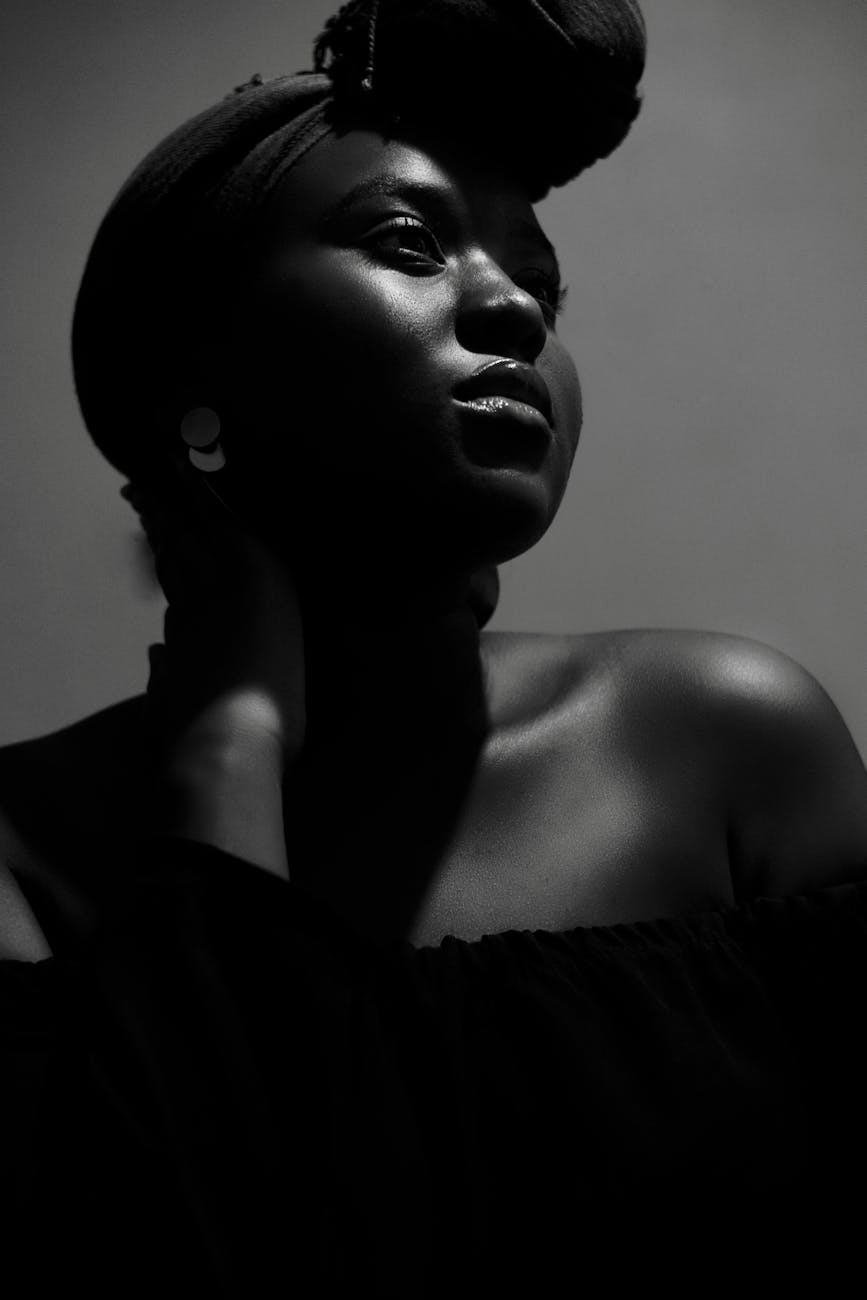

The Skin They Can’t Ignore: Brown Girls in a World of Whiteness. #thebrowngirldilemma

Photo by Bash Mutumba on Pexels.com

Brown skin has always carried a meaning that transcends the surface. In a world structured around whiteness as the dominant social, cultural, and economic standard, brown girls are both a threat and a testimony. Their very presence challenges hierarchies of beauty, power, and worth. Unlike invisibility or erasure, their skin is something that cannot be ignored. It is marked, politicized, and constantly in conversation with systems designed to uphold whiteness as the default. This tension defines the lived experience of the “brown girl dilemma.”

The Construction of Whiteness as Standard

Whiteness functions not merely as a racial category but as an invisible yardstick against which all others are measured. In Eurocentric societies, beauty standards idealize pale skin, straight hair, and narrow features, rendering darker skin tones as deviations (Hooks, 1992). Brown girls are raised in a world where whiteness is positioned as the default image of femininity and desirability, forcing them into a constant negotiation between self-love and societal rejection.

The Colonial Inheritance of Skin Politics

The privileging of whiteness is not accidental; it is the result of colonial history. Colonizers created color hierarchies to maintain control, privileging lighter skin as closer to European ideals while casting darker skin as inferior. This legacy persists globally, from Latin America to South Asia to the African diaspora, where skin-lightening industries thrive. Brown girls, carrying the deep hues of ancestry, inherit not only beauty but also the burden of colonial prejudice.

Hyper-Visibility of Brown Skin

Despite attempts to marginalize them, brown girls’ skin is inescapable to the world around them. It is fetishized in music, commodified in fashion, and policed in schools and workplaces. Curly hair, full lips, and curves—once mocked—are now profitable when marketed on non-brown bodies. This hyper-visibility is not affirmation but appropriation, where features of brown girls are celebrated only when detached from the bodies that carry them.

Invisibility in Institutions

Yet, paradoxically, while their skin is hyper-visible, their humanity is often invisible. Brown women are underrepresented in media, overlooked in corporate leadership, and ignored in policymaking. The very skin that cannot be ignored becomes the justification for exclusion: too dark, too ethnic, too “other” to belong. This institutional invisibility reflects what Du Bois (1903) called “double consciousness,” the constant tension between self-perception and how one is perceived under whiteness.

The Burden of Representation

Because brown skin is so visible, brown girls often carry the weight of representation. In classrooms, workplaces, or public platforms, they are expected to “speak for all” or embody a flawless image. Mistakes are magnified, success is tokenized, and mediocrity is not an option. Their skin, already politicized, makes them symbols before they are seen as individuals. This burden creates both exhaustion and resilience.

The Psychology of Skin and Self-Worth

Psychologically, growing up in a world of whiteness shapes how brown girls see themselves. Studies reveal that children of color often internalize colorist messages, associating lighter skin with intelligence, beauty, and social acceptance (Russell, Wilson, & Hall, 1992). The result is an identity negotiation where brown girls must learn to reclaim the skin that society teaches them to devalue. Self-love becomes not merely emotional but political—a radical act of survival.

Scriptural Counter-Narratives

While society diminishes brown skin, scripture affirms it. In the Song of Solomon 1:5, the woman declares, “I am black, but comely, O ye daughters of Jerusalem.” This verse resists cultural stigmas, affirming that darkness is not deficiency but beauty. Similarly, Psalm 139 reminds every believer that they are “fearfully and wonderfully made.” For brown girls, these verses act as counter-narratives, dismantling whiteness as the sole standard of worth.

Cultural Resistance through Beauty Movements

The rise of natural hair movements, melanin-positive campaigns, and brown-skinned influencers represents a collective resistance against whiteness. Hashtags such as #MelaninMagic and #BlackGirlJoy reframe brown skin as divine, radiant, and unignorable. These movements not only celebrate aesthetic diversity but also dismantle internalized shame, allowing brown girls to embrace the very skin once weaponized against them.

Global Dimensions of Brownness

The struggle of brown girls extends beyond U.S. borders. In India, dark-skinned women face exclusion from marriage markets; in Brazil, Afro-descendant women face racialized violence; in Africa, skin bleaching is normalized as a ticket to opportunity. These global dimensions highlight that the issue is not isolated but systemic—brown skin is a global site of struggle against the idol of whiteness.

Liberation through Self-Definition

Ultimately, the skin they cannot ignore becomes the skin that redefines itself. Liberation for brown girls lies not in seeking approval from a world of whiteness but in reclaiming the power of their skin as heritage, beauty, and resistance. Each affirmation of melanin, each refusal to conform to Eurocentric standards, is a declaration: brown skin is not marginal, it is central.

Conclusion

In a world where whiteness dominates, brown girls live with the paradox of being unignorable yet unvalued. Their skin is the canvas upon which colonial legacies, beauty standards, and societal fears are projected. Yet, that same skin holds resilience, beauty, and divinity that whiteness cannot erase. To live in brown skin is to bear a heavy inheritance, but also to embody an undeniable truth: the skin they cannot ignore will always speak, resist, and shine.


References

  • Collins, P. H. (2000). Black feminist thought: Knowledge, consciousness, and the politics of empowerment. Routledge.
  • Du Bois, W. E. B. (1903). The souls of Black folk. A.C. McClurg & Co.
  • Hooks, B. (1992). Black looks: Race and representation. South End Press.
  • Russell, K., Wilson, M., & Hall, R. (1992). The color complex: The politics of skin color among African Americans. Harcourt Brace Jovanovich.
  • The Holy Bible, King James Version.

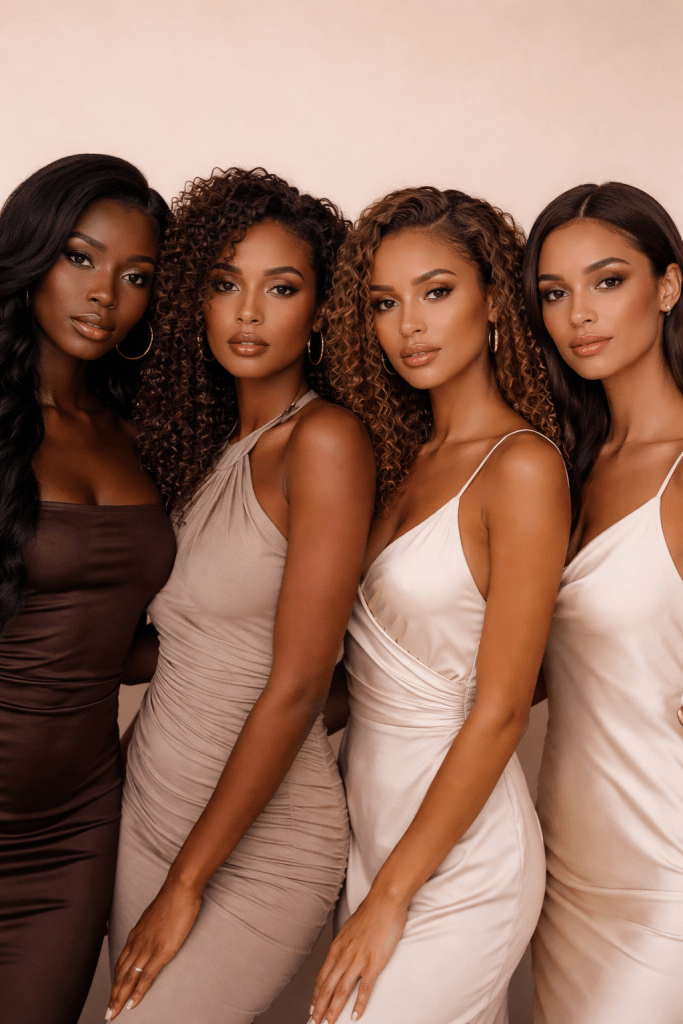
The Politics of Pretty: Brown Girls and Beauty Hierarchies. #thebrowngirldilemma

Photo by Sherman Trotz on Pexels.com

Beauty has never existed in a vacuum; it is deeply political, intertwined with power, culture, and societal hierarchy. For Brown girls, the politics of pretty are particularly complex, as beauty standards are often constructed to privilege lighter skin, Eurocentric features, and Western ideals. These hierarchies shape not only social perception but also opportunities, self-esteem, and cultural identity, producing both overt and subtle forms of discrimination (Hunter, 2007).

Historical legacies of colonialism and slavery play a central role in these hierarchies. Lighter-skinned individuals were historically afforded social, economic, and educational advantages, while darker-skinned people were marginalized. These structures created lasting beauty hierarchies in which skin tone, facial features, and hair texture became markers of status and desirability. Brown girls inherit these dynamics, navigating social spaces that often value proximity to whiteness over authentic cultural identity (Byrd & Tharps, 2014).

The media reinforces these hierarchies by promoting narrow definitions of beauty. Television, film, fashion, and social media often highlight lighter-skinned women as aspirational figures while darker-skinned women remain underrepresented or stereotyped. Celebrities like Yara Shahidi, Salli Richardson, and Mari Morrow illustrate the visibility and privilege associated with lighter skin, whereas Lupita Nyong’o, Kenya Moore, and Issa Rae challenge conventional beauty hierarchies by embracing melanin-rich skin, natural hair, and culturally distinct features (Fardouly et al., 2015).

Psychologically, these hierarchies impact self-perception and identity. Social comparison theory demonstrates that individuals evaluate themselves against societal standards, often internalizing bias. For Brown girls, repeated exposure to hierarchical standards of beauty can produce low self-esteem, body dissatisfaction, and feelings of exclusion. However, mentorship, representation, and culturally affirming environments can counteract these pressures, fostering resilience, confidence, and pride in one’s natural features (Festinger, 1954).

Economic implications of beauty hierarchies are equally significant. Lighter-skinned women often experience advantages in employment, income, and social mobility, demonstrating that beauty standards are not purely aesthetic but are tied to systemic privilege and opportunity. This inequity underscores how societal valuation based on appearance intersects with broader structures of power and access, perpetuating disadvantage for darker-skinned individuals (Hunter, 2007).

Cultural affirmation and advocacy provide pathways for resistance. Celebrating African and diasporic heritage, highlighting achievements of dark-skinned women, and promoting inclusive representation in media and education empower Brown girls to challenge hierarchical standards. Initiatives like #BlackGirlMagic, #MelaninPoppin, and #UnapologeticallyBrown amplify voices historically marginalized, affirming that beauty is multidimensional and not dictated by proximity to Eurocentric ideals (Banks, 2015).

Spiritual grounding complements cultural and social strategies. Proverbs 31:30 (KJV) declares, “Favour is deceitful, and beauty is vain: but a woman that feareth the LORD, she shall be praised.” Faith provides an enduring lens through which Brown girls can measure worth by character, integrity, and divine purpose rather than societal approval. Spiritual perspective reinforces resilience and affirms that authentic beauty emerges from self-awareness, virtue, and confidence.

In conclusion, the politics of pretty create hierarchical structures that privilege lighter skin and Eurocentric features, influencing perception, opportunity, and self-worth for Brown girls. Yet through cultural affirmation, representation, mentorship, and spiritual grounding, these hierarchies can be challenged. By redefining beauty on their own terms, Brown girls assert agency, embrace authentic features, and inspire a new paradigm in which melanin-rich beauty is celebrated, affirmed, and empowered.


References

Banks, J. A. (2015). Cultural diversity and education: Foundations, curriculum, and teaching. Routledge.

Byrd, A. D., & Tharps, L. L. (2014). Hair Story: Untangling the Roots of Black Hair in America. St. Martin’s Press.

Fardouly, J., Diedrichs, P. C., Vartanian, L. R., & Halliwell, E. (2015). Social comparisons on social media: The impact of Facebook on young women’s body image concerns and mood. Body Image, 13, 38–45.

Festinger, L. (1954). A theory of social comparison processes. Human Relations, 7(2), 117–140.

Hunter, M. (2007). The persistent problem of colorism: Skin tone, status, and inequality. Sociology Compass, 1(1), 237–254.

Melanin and Margins: How Brown Girls Navigate Identity #thebrowngirldilemma

Photo by Ogo Johnson on Pexels.com

To be a brown girl is to live at the intersection of visibility and marginalization. Melanin is both a marker of beauty and a marker of difference—something celebrated in cultural slogans like “Black don’t crack,” yet stigmatized in institutions that uphold Eurocentric standards. The margins become the lived space of brown girls: not fully erased, but rarely centered; present, but often tokenized. Navigating identity within these boundaries requires both resistance and reinvention.

Melanin is not merely pigment; it is history embedded in the body. It carries the legacy of Africa, of ancestors who endured enslavement, colonialism, and displacement. It symbolizes resilience, survival, and cultural inheritance. Yet, within a world dominated by whiteness, melanin has been treated as deficiency rather than dignity. This contradiction defines much of the brown girl dilemma. Identity becomes fractured—formed in pride for one’s roots but tested by social systems that punish proximity to Blackness.

Psychologically, this tension can manifest in identity confusion and internalized colorism. Studies show that young women of color often struggle with self-esteem when their physical features do not align with mainstream ideals (Walker, 1983; Thompson & Keith, 2001). Brown girls are too often told they are “too dark” to be beautiful, or conversely, exotified as “rare” when their features align with fetishized versions of “ethnic beauty.” Such conflicting messages leave them oscillating between invisibility and hyper-visibility, both of which deny the fullness of their humanity.

Yet, brown girls are not passive subjects of this narrative; they actively navigate and redefine it. Identity becomes a form of resistance. From natural hair movements to social media campaigns celebrating melanin, brown girls are reclaiming space in cultures that once excluded them. Digital platforms have become arenas of empowerment, where brown women showcase their beauty, talent, and intellect without waiting for validation from mainstream gatekeepers (Nash, 2019). This reclamation is not just aesthetic—it is political, dismantling centuries of imposed inferiority.

Faith and spirituality also provide a critical foundation in identity navigation. Scriptures like Genesis 1:27 remind brown girls that they are made in the image of God, a truth that affirms dignity beyond social constructs. The declaration of the Shulammite woman in Song of Solomon 1:5—“I am black, but comely”—resonates across centuries as a proclamation of self-acceptance and divine affirmation. In this light, melanin is not a margin but a manifestation of sacred design.

The margins, however, are not only spaces of oppression; they are also spaces of creativity and vision. As bell hooks (1984) reminds us, the margin can be a site of resistance, a place from which the oppressed can critique the center and reimagine new possibilities. Brown girls learn to turn marginalization into mastery—transforming the weight of stereotype into platforms of voice, scholarship, artistry, and activism.

Thus, the brown girl identity is not defined by deficit but by duality: the struggle of navigating marginalization and the strength of transforming it into power. Melanin, once used to exclude, becomes the very marker of pride and resistance. The brown girl dilemma is not an endpoint but a journey—a pilgrimage through bias, beauty, and belief that ultimately leads to the discovery of self.

Brown girls are not only surviving on the margins; they are redrawing the map.


References

  • hooks, b. (1984). Feminist theory: From margin to center. South End Press.
  • Nash, J. C. (2019). Black feminism reimagined: After intersectionality. Duke University Press.
  • Thompson, M. S., & Keith, V. M. (2001). The Blacker the berry: Gender, skin tone, self-esteem, and self-efficacy. Gender & Society, 15(3), 336–357.
  • Walker, A. (1983). In search of our mothers’ gardens: Womanist prose. Harcourt.
  • The Holy Bible, King James Version.

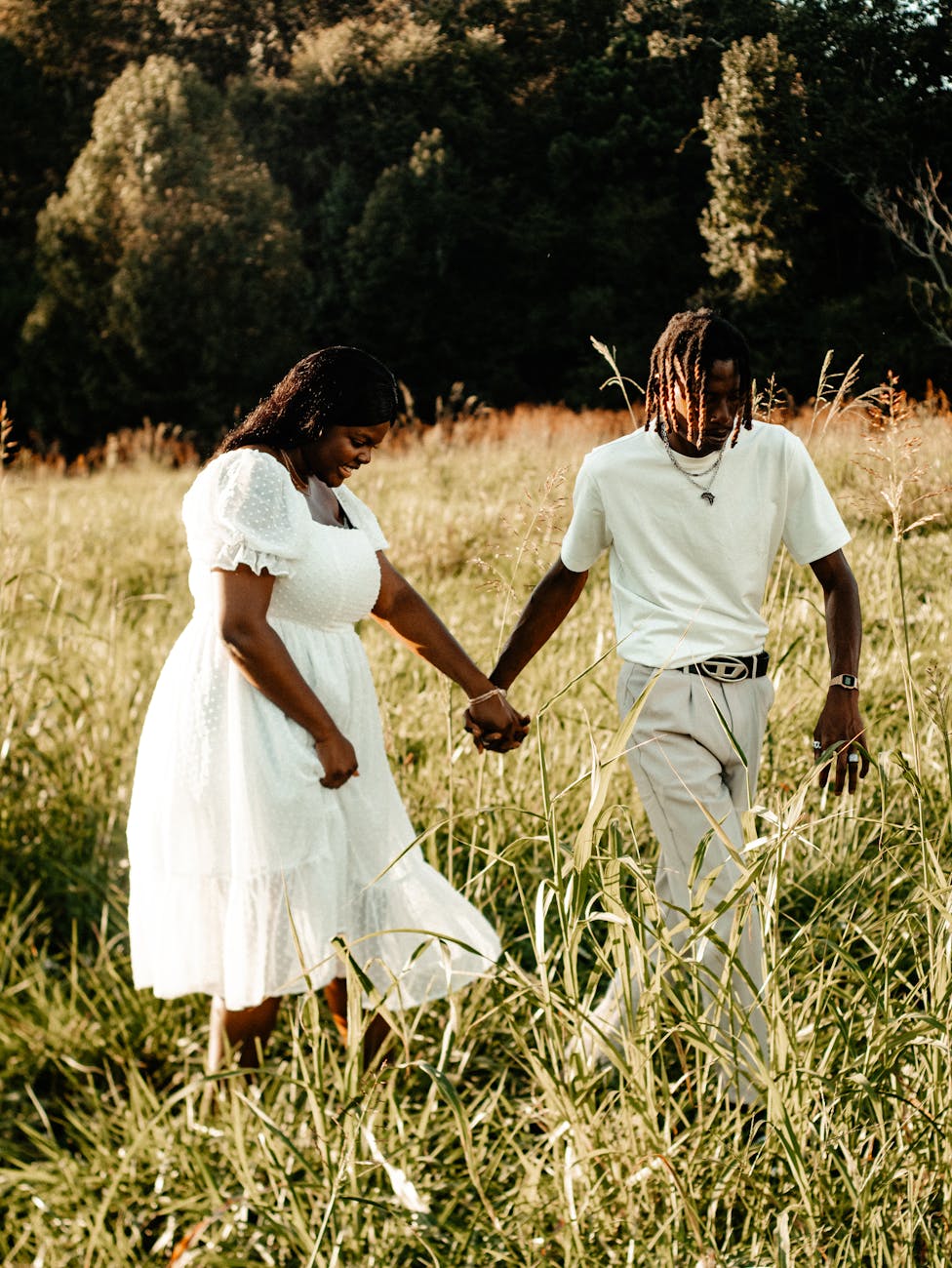
Unmasking Masculinity: How Brown Girls Experience Men’s Shadows. #thebrowngirldilemma

Photo by Sherman Trotz on Pexels.com

Masculinity has long been presented as a mask—one that hides as much as it reveals. For Brown girls navigating love, family, and community, this mask often comes with shadows that shape how they experience men. These shadows are not simply personal flaws; they are the weight of history, culture, and expectation bearing down on Black and Brown masculinity. To unmask masculinity, one must confront not only individual behaviors but also the systems that created them.

Historically, the Black man’s image has been distorted by slavery, colonialism, and systemic racism. Stripped of authority, criminalized, and often denied the ability to protect and provide, many men were forced to perform strength without vulnerability. This hardened exterior became both survival and performance—a mask of toughness that concealed pain. For Brown girls, growing up in households or relationships where men wore this mask meant facing emotional distance, unspoken wounds, and sometimes destructive behaviors that were legacies of historical trauma.

The Bible acknowledges the dangers of shadows in human character. Jesus warns in Luke 12:2 (KJV), “For there is nothing covered, that shall not be revealed; neither hid, that shall not be known.” Masculinity’s mask can hide insecurity, anger, or fear, but eventually, those hidden parts emerge in family dynamics and intimate relationships. For daughters, sisters, wives, or partners, these shadows may take the form of absent fathers, emotionally detached husbands, or men whose strength is defined only by dominance rather than gentleness.

From a psychological perspective, masculinity’s mask is closely tied to concepts of toxic masculinity and gender role strain. When men are socialized to equate manhood with power, stoicism, and control, they often repress vulnerability. This repression can lead to emotional unavailability, aggression, or difficulty forming healthy bonds (Mahalik et al., 2003). For Brown girls, the experience of these shadows may mean learning love through inconsistency, mistrust, or even cycles of harm. The shadow becomes a lens through which they interpret manhood—one shaped more by absence and contradiction than by presence and care.

Yet, it is important to recognize that not all shadows destroy. Sometimes they reveal the complexity of masculinity. Brown girls also witness men who resist stereotypes, who remove the mask, and who choose tenderness over domination. These men may be fathers who work long hours but still make time for bedtime stories, or partners who listen deeply instead of speaking loudly. In these moments, unmasking masculinity becomes an act of healing, where men step out of the shadows and into authenticity.

The struggle, however, lies in breaking the silence around these experiences. Many Brown girls are taught to endure, to normalize the shadows as part of loving men. This silence perpetuates generational cycles, where trauma is passed down without words. Yet the Bible calls for renewal: “And be not conformed to this world: but be ye transformed by the renewing of your mind” (Romans 12:2, KJV). For families and communities, transformation comes through naming the shadows, seeking counseling, and holding men accountable while also extending grace.

Healing requires a joint effort. For Brown girls, it may mean learning that love does not have to be earned through endurance. For men, it means daring to take off the mask and confront the parts of themselves shaped by oppression and expectation. Psychology suggests that spaces of vulnerability—therapy, mentorship, spiritual community—can help men dismantle unhealthy patterns and build new models of strength rooted in love rather than fear (hooks, 2004).

Ultimately, unmasking masculinity is not about demonizing men but about creating space for truth. When men step out of their shadows, and when Brown girls refuse to live silently within them, love becomes transformative. What emerges is a redefined masculinity—one that is protective without being oppressive, strong without being harsh, and vulnerable without being weak. In such authenticity, Brown girls and the men in their lives can move beyond shadows into a light where both healing and love are possible.


References

  • The Holy Bible, King James Version.
  • hooks, b. (2004). The will to change: Men, masculinity, and love. Atria Books.
  • Mahalik, J. R., et al. (2003). Masculinity and health-related behaviors. Journal of Men’s Studies, 11(2), 153–172.