
Essays on Identity, Faith, and Resilience
Introduction: Naming the Dilemma
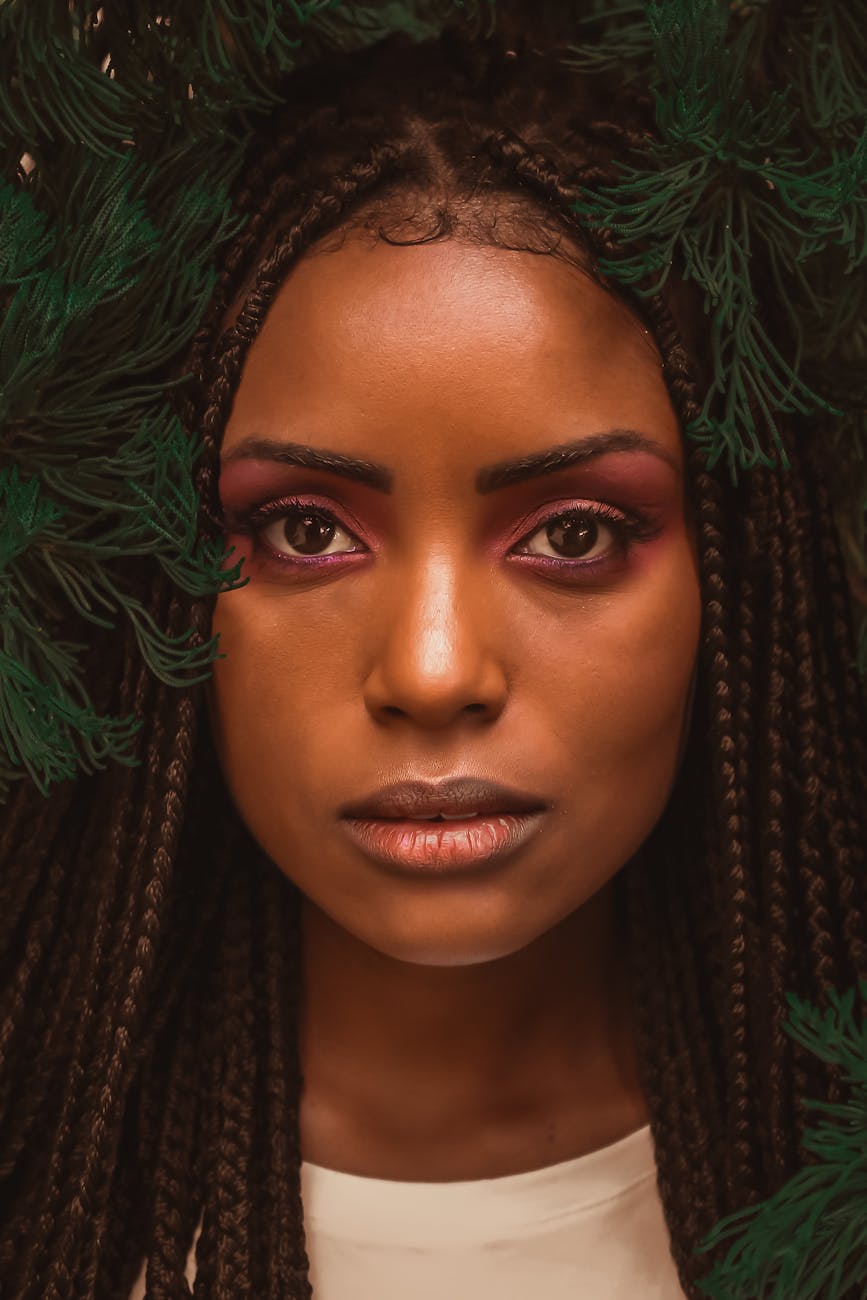
The story of the brown girl has too often been told by others—distorted by colonial narratives, diminished by Eurocentric beauty standards, and overshadowed by the structures of white supremacy. To be a brown girl is to exist at the crossroads of invisibility and hyper-visibility, of longing and defiance, of burden and brilliance. Yet, it is also to carry within one’s skin, history, and faith an unshakable strength.
This anthology, The Brown Girl Dilemma, weaves together eight reflections that explore the psychological, theological, and cultural experiences of brown girls. Each essay unpacks a layer of her reality: her struggles, her triumphs, her beauty, her biases, her faith, and her crown. Together, they paint a portrait of resilience and hope, testifying that the brown girl’s story is not merely one of survival but of victory.
Beyond the Mirror: Unpacking the Brown Girl Dilemma
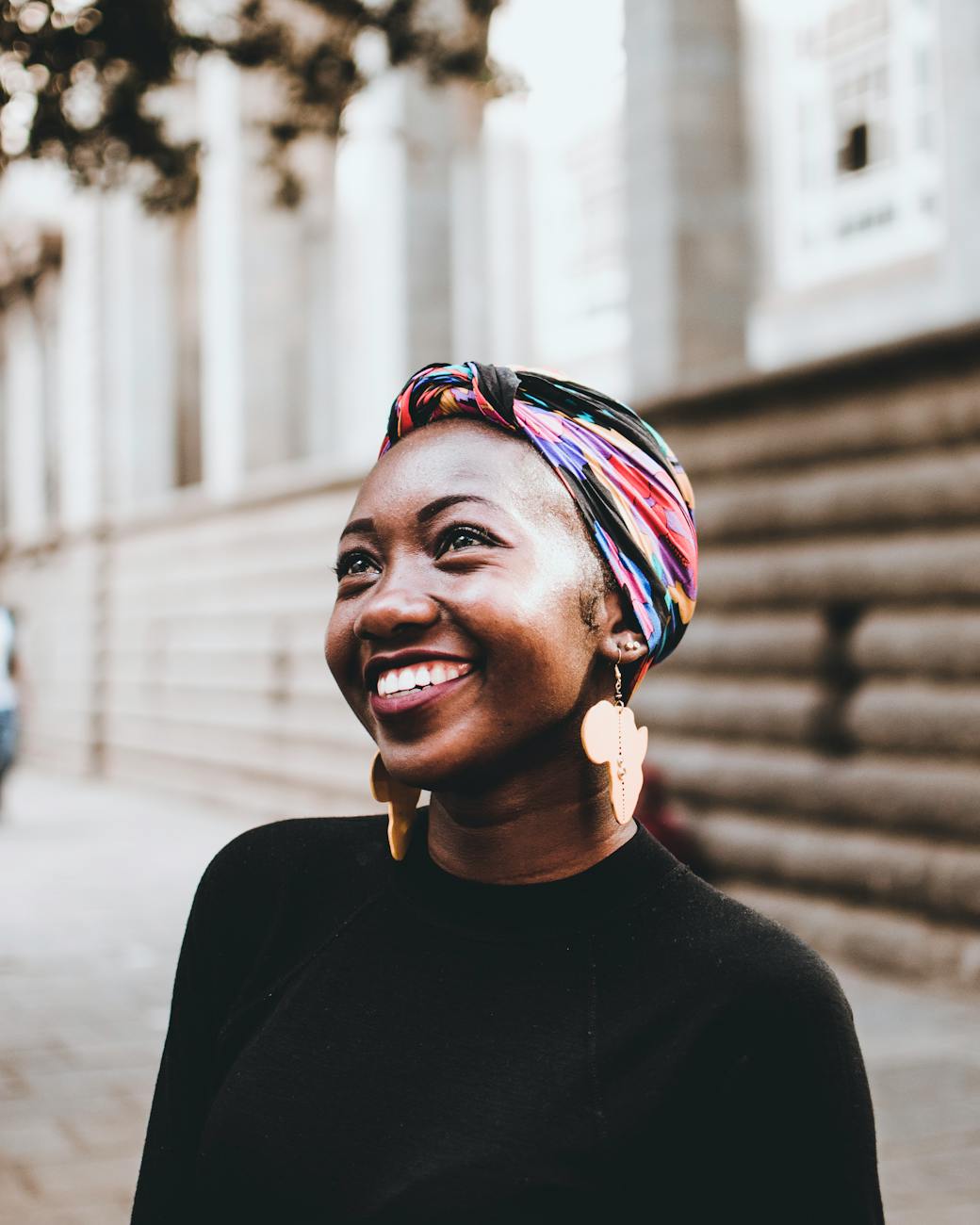
The mirror often reflects not only one’s face but also the stories society has told about it. For brown girls, the mirror has been a site of battle. From childhood, they have been fed images that elevate whiteness as the pinnacle of beauty while positioning melanin as a flaw (Hunter, 2007). Yet beyond the mirror lies the truth: the brown girl is not a mistake but a masterpiece, fearfully and wonderfully made (Psalm 139:14, KJV). Her dilemma, therefore, is not inherent in her skin but imposed by cultural lies. The work of unpacking begins when she refuses to internalize the distortion, reclaiming the mirror as a site of affirmation rather than shame.
Beauty, Bias, and the Brown Girl Battle
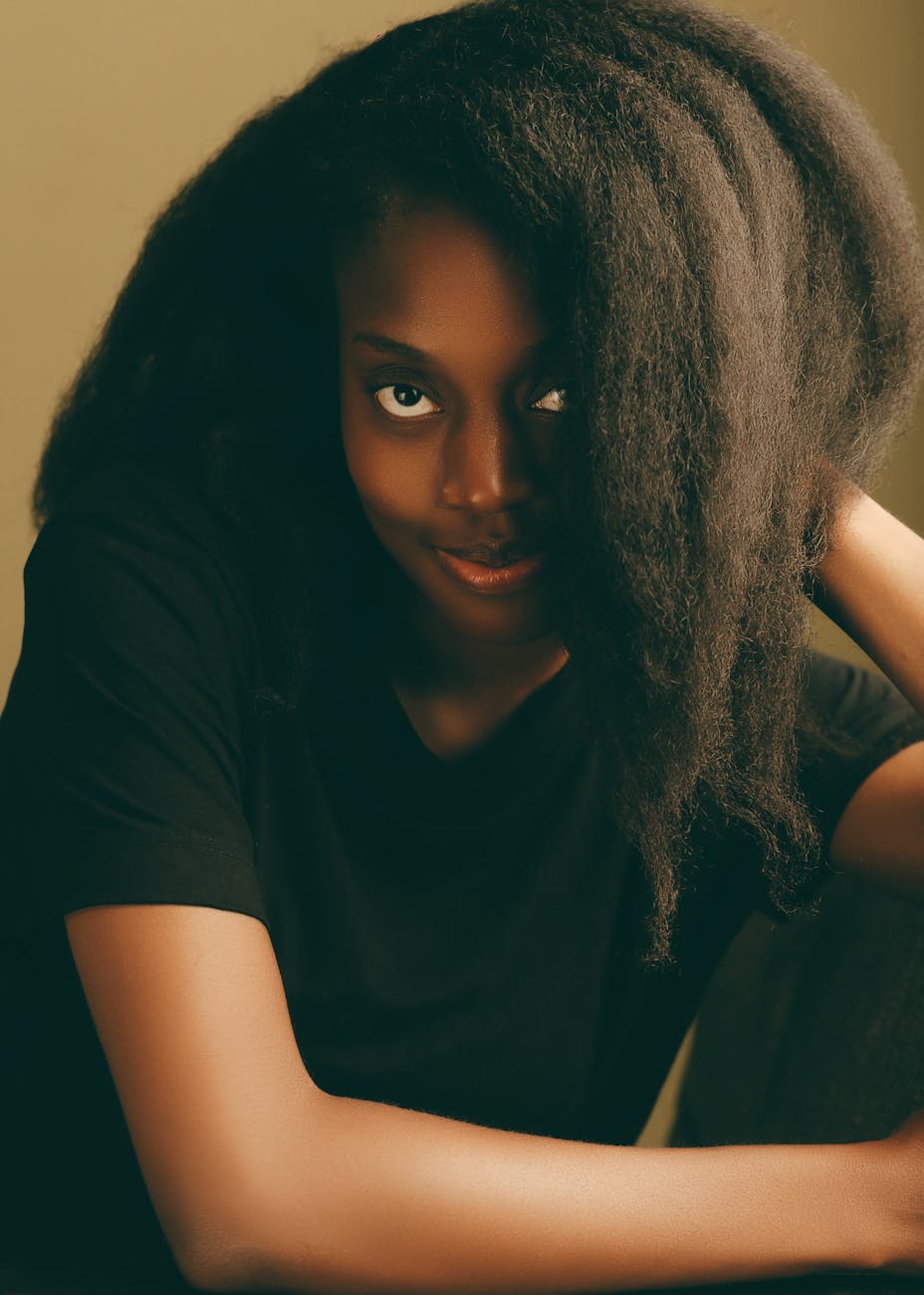
Beauty is not neutral. It is shaped by bias, wielded as a weapon, and coded into systems that privilege certain shades over others. Colorism—bias within communities of color that favors lighter skin tones—continues to affect employment, marriage prospects, and social mobility (Monk, 2014). The brown girl’s battle is not against her reflection but against these structures of exclusion. Yet resilience emerges when she embraces her natural beauty as sacred. Like the Shulamite woman of Song of Solomon, she can boldly declare: “I am black, but comely” (Song of Solomon 1:5, KJV). Her beauty becomes both resistance and revolution.
Sacred Shades: A Theological Look at the Brown Girl Dilemma
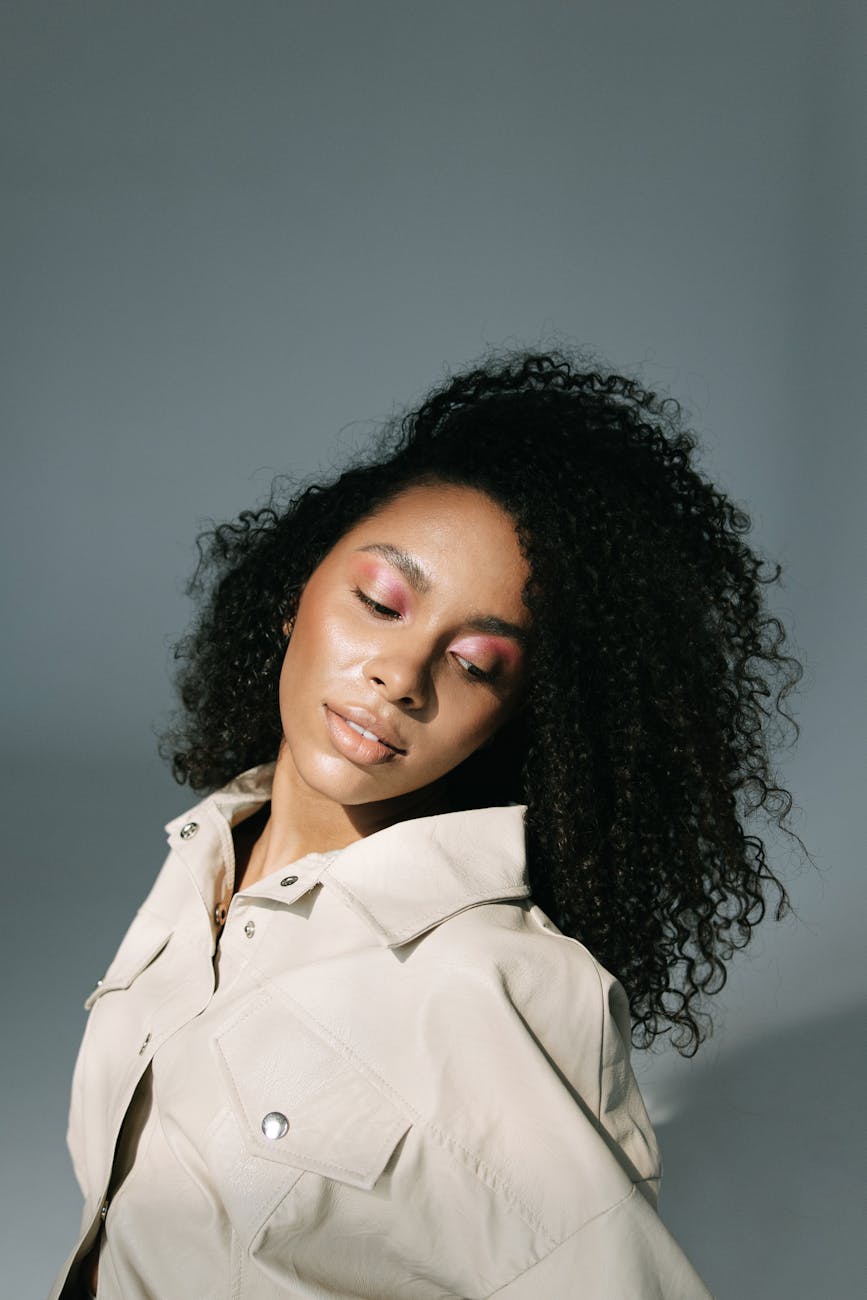
Scripture affirms the diversity of creation: “And God saw everything that he had made, and, behold, it was very good” (Genesis 1:31, KJV). Her melanin is no accident—it is sacred. Yet theology has been misused, with distorted readings of texts like the “curse of Ham” weaponized to justify slavery and racism (Goldenberg, 2003). A theological re-examination reveals that the brown girl is not cursed but chosen, not marginalized but mighty. Her shades are not blemishes but blessings, woven intentionally into the divine tapestry.
Brown Skin, Heavy Crown: The Weight of Representation
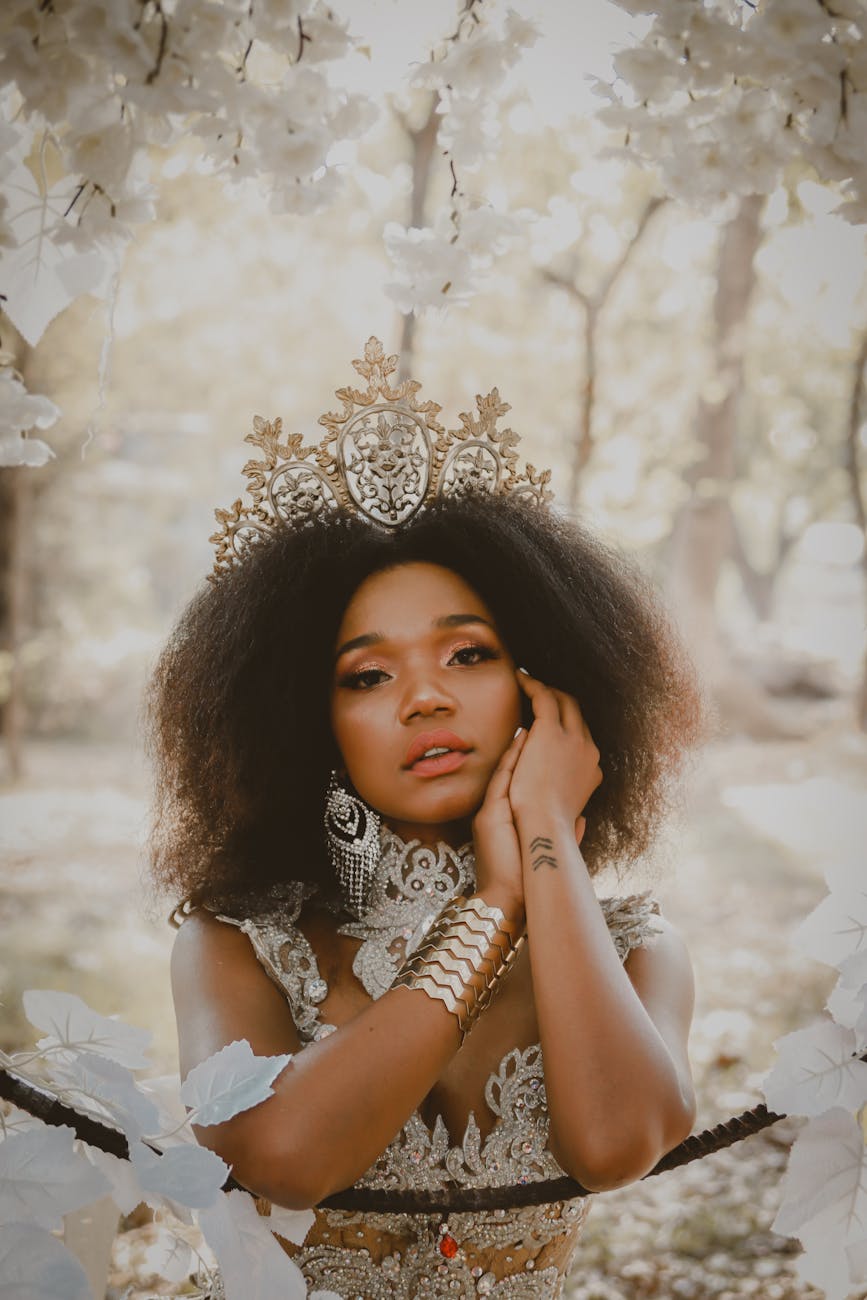
Representation is both privilege and burden. The brown girl often carries the pressure of being “the first,” “the only,” or “the token” in schools, workplaces, and media. Research on “tokenism” highlights the psychological toll of being isolated in professional settings (Kanter, 1977). Her crown is heavy because she is asked to stand not just for herself but for her entire community. Yet within this weight lies an opportunity: her very presence disrupts narratives of exclusion. Like Queen Esther, she steps into spaces of power “for such a time as this” (Esther 4:14, KJV), bearing her crown with dignity even when it feels crushing.
Invisible Yet Hyper-Visible: The Brown Girl Paradox
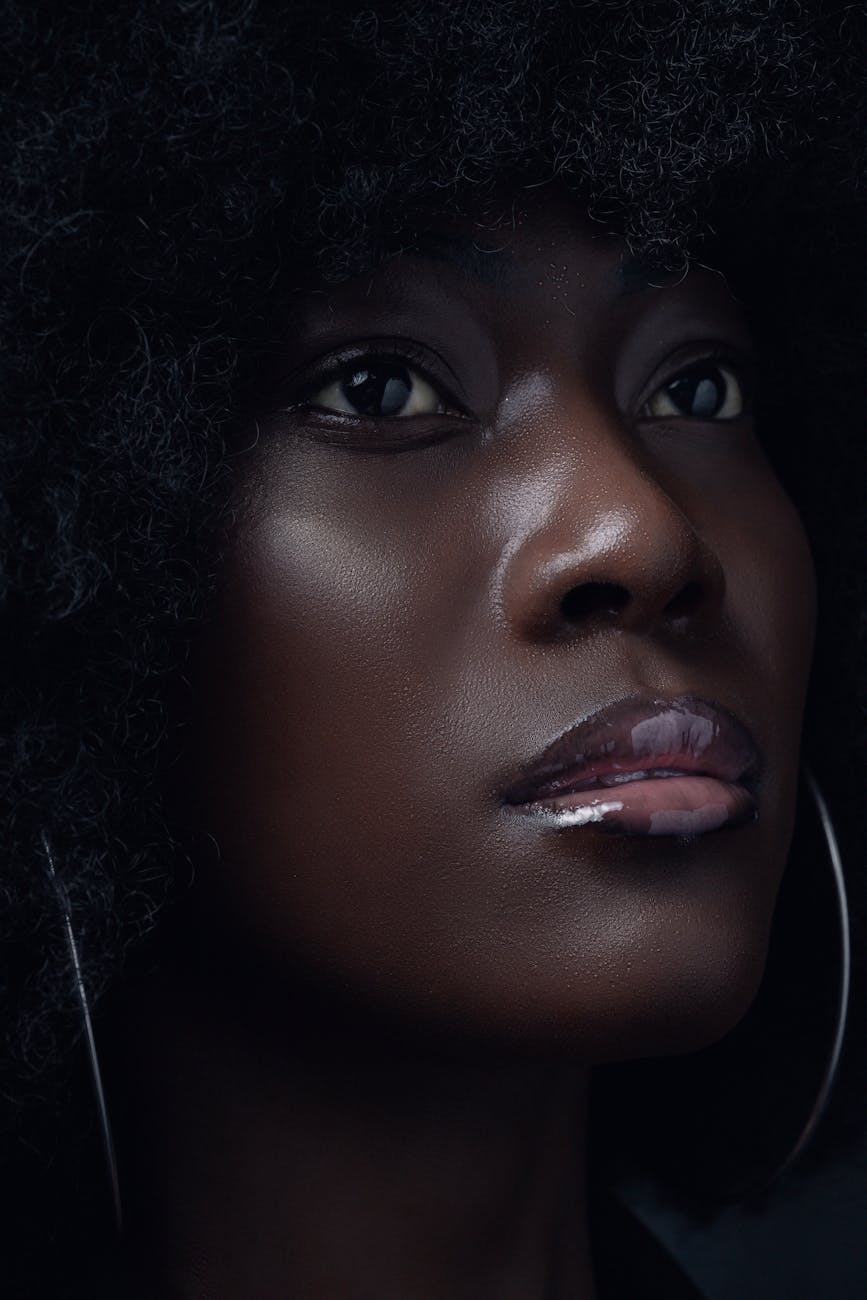
The brown girl’s life is marked by paradox. In many contexts, she is invisible—overlooked in promotions, underrepresented in media, and silenced in public discourse (Collins, 2000). Yet in others, she is hyper-visible—her body fetishized, her features policed, her presence scrutinized. This double-bind echoes W.E.B. Du Bois’ (1903/1994) notion of “double consciousness.” Psychology confirms the strain of such contradictions (Harris-Perry, 2011), but it also testifies to the adaptability born from them. The brown girl learns to navigate invisibility and visibility with wisdom, asserting her presence in spaces that once denied her.
The Skin They Can’t Ignore: Brown Girls in a World of Whiteness
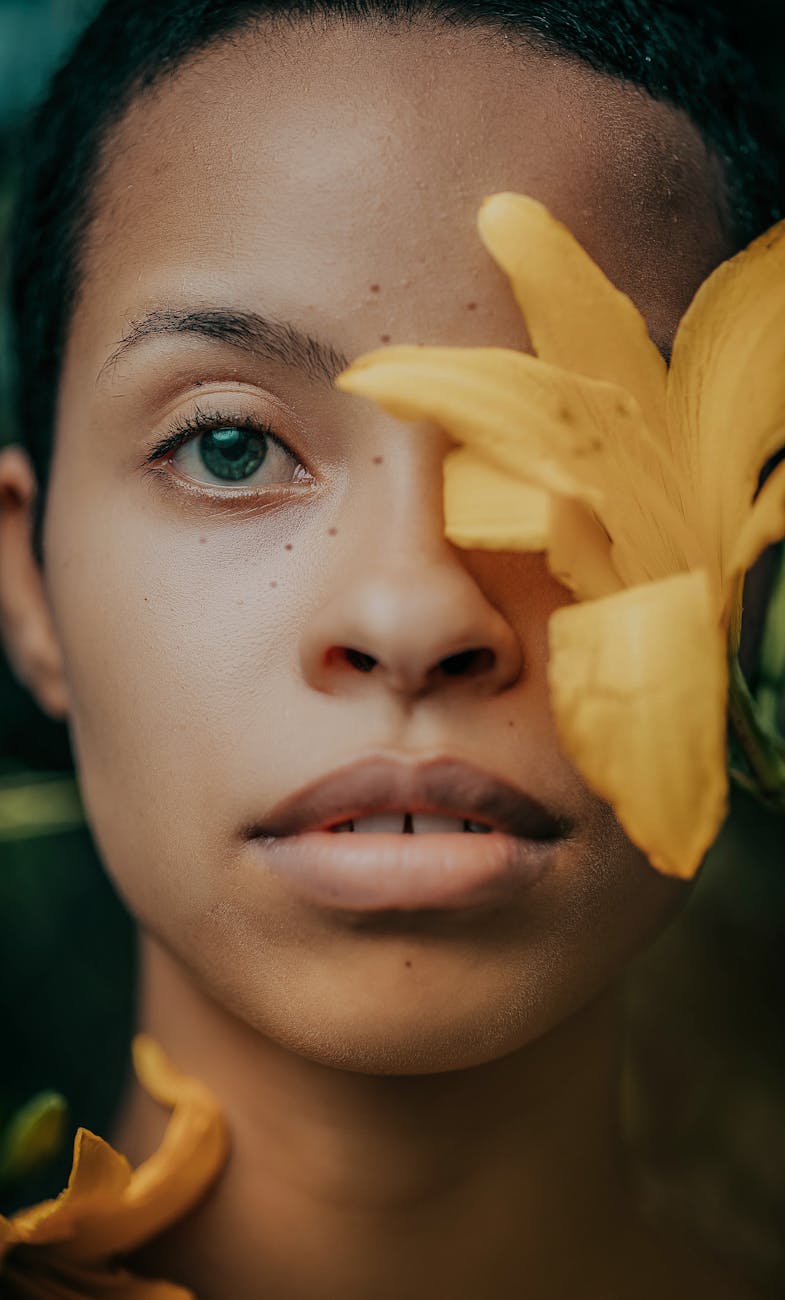
Despite centuries of erasure, the brown girl’s skin refuses to disappear. From the runways of fashion to the classrooms of academia, from pulpits to parliaments, brown girls are reshaping global narratives (Craig, 2021). Their melanin is a marker of survival, a testimony to ancestors who endured and resisted. The world of whiteness may attempt to silence them, but their skin speaks—a language of resilience, beauty, and truth.
From Colorism to Confidence: Redefining the Brown Girl Dilemma

The journey from colorism to confidence is neither linear nor easy, but it is necessary. Healing begins when the brown girl rejects society’s scales of worth and embraces her own. Confidence does not erase the pain of exclusion, but it transforms it into power. With each affirmation, each step of self-love, she dismantles the very dilemma that once sought to define her. Psychology shows that affirming racial identity correlates with higher self-esteem and resilience (Sellers et al., 1998). The narrative shifts: she is no longer trapped in the binary of lighter versus darker but liberated in the fullness of her identity.
Shades of Struggle, Shades of Strength: The Brown Girl Experience
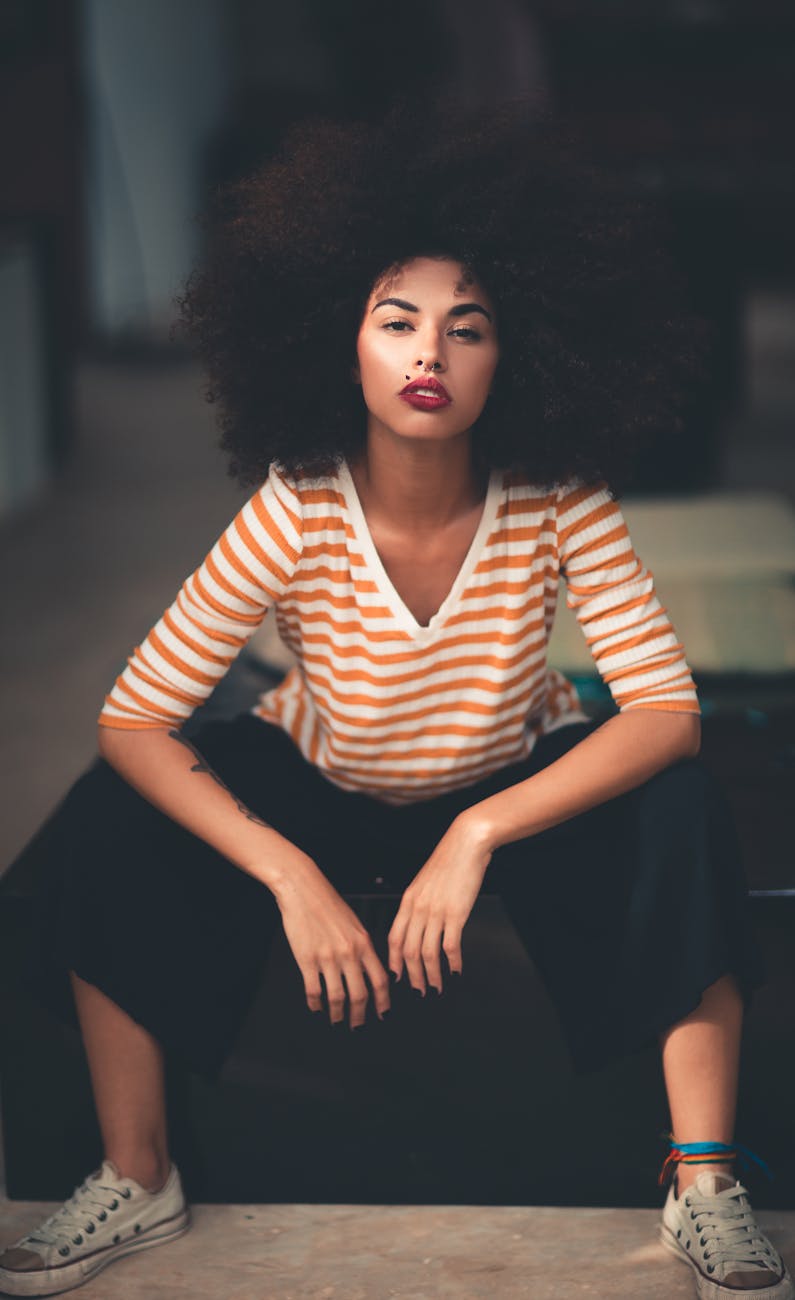
The brown girl experience is a tapestry woven with both pain and power. Struggles with racism, sexism, and colorism are undeniable, but so is the strength cultivated through them. History remembers the voices of brown women who transformed struggle into legacy—Sojourner Truth, Audre Lorde, Maya Angelou, and countless unnamed others. Their resilience becomes inheritance, passed down to new generations of brown girls who rise stronger than those before them. Their lives declare that struggle and strength are not opposites but companions.
Conclusion: Rewriting the Dilemma
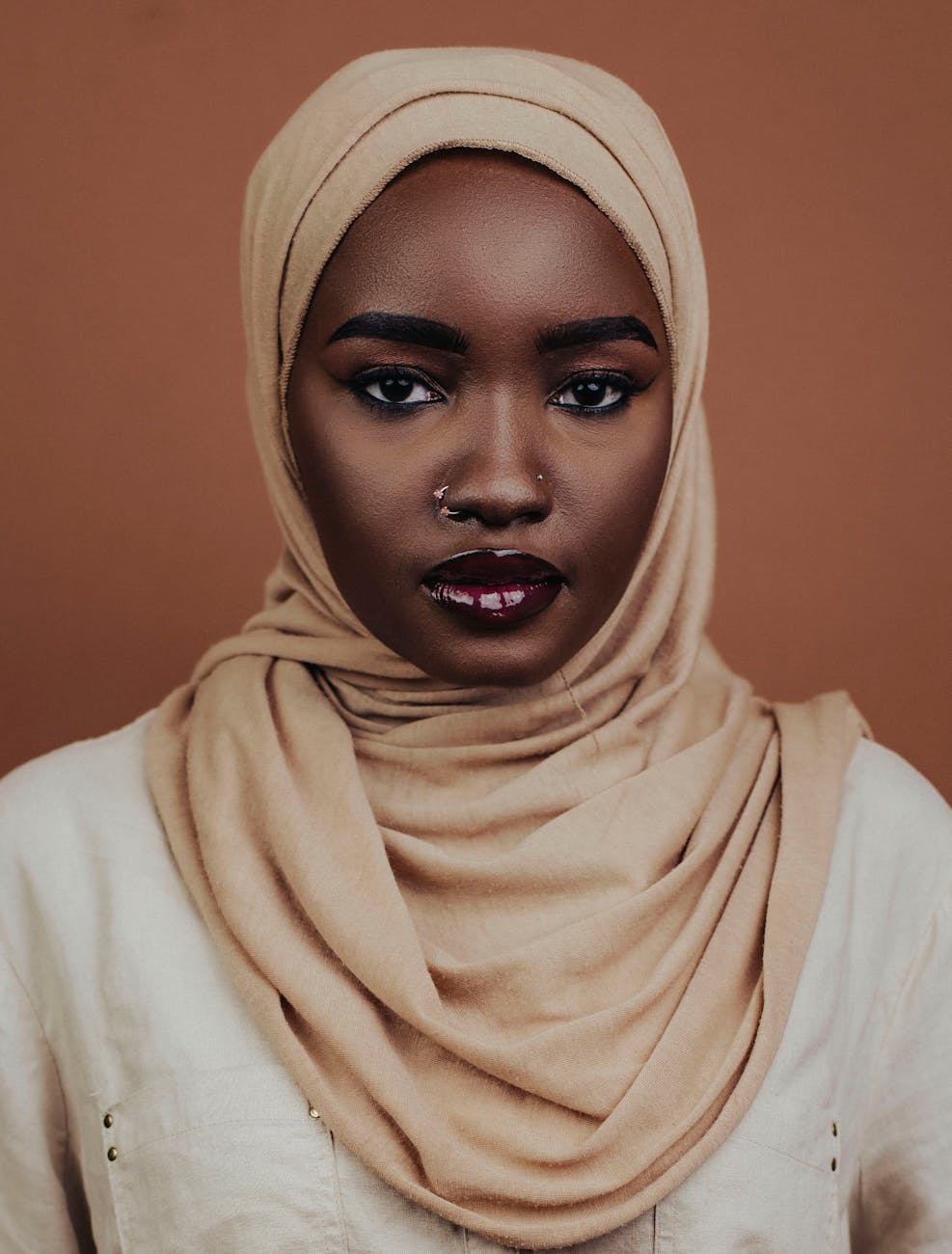
The brown girl dilemma is not an unsolvable riddle—it is a story in the process of being rewritten. Each essay in this anthology testifies to a different dimension of her truth: beauty, bias, theology, representation, paradox, visibility, confidence, and resilience. Together, they reveal that the dilemma was never truly hers but society’s.
The final word belongs to the brown girl herself. She is more than the reflection in the mirror, more than the burden of bias, more than the paradox of presence. She is sacred, crowned, resilient, and radiant. She is a daughter of the Most High, created in His image, carrying both the weight of her history and the brilliance of her destiny. And in her story, we find not only the struggle of brown girls but the strength of all humanity.
References
Collins, P. H. (2000). Black feminist thought: Knowledge, consciousness, and the politics of empowerment. Routledge.
Craig, M. L. (2021). Ain’t I a beauty queen?: Black women, beauty, and the politics of race. Oxford University Press.
Du Bois, W. E. B. (1994). The souls of Black folk. Dover Publications. (Original work published 1903)
Goldenberg, D. M. (2003). The curse of Ham: Race and slavery in early Judaism, Christianity, and Islam. Princeton University Press.
Harris-Perry, M. V. (2011). Sister citizen: Shame, stereotypes, and Black women in America. Yale University Press.
Hunter, M. (2007). The persistent problem of colorism: Skin tone, status, and inequality. Sociology Compass, 1(1), 237–254. https://doi.org/10.1111/j.1751-9020.2007.00006.x
Kanter, R. M. (1977). Men and women of the corporation. Basic Books.
Monk, E. P. (2014). Skin tone stratification among Black Americans, 2001–2003. Social Forces, 92(4), 1313–1337. https://doi.org/10.1093/sf/sou007
Sellers, R. M., Caldwell, C. H., Schmeelk-Cone, K. H., & Zimmerman, M. A. (1998). Racial identity, racial discrimination, perceived stress, and psychological well-being among African American young adults. Journal of Health and Social Behavior, 39(3), 302–314. https://doi.org/10.2307/2676348
The Holy Bible, King James Version.
 THE BROWN GIRL DILEMMA