
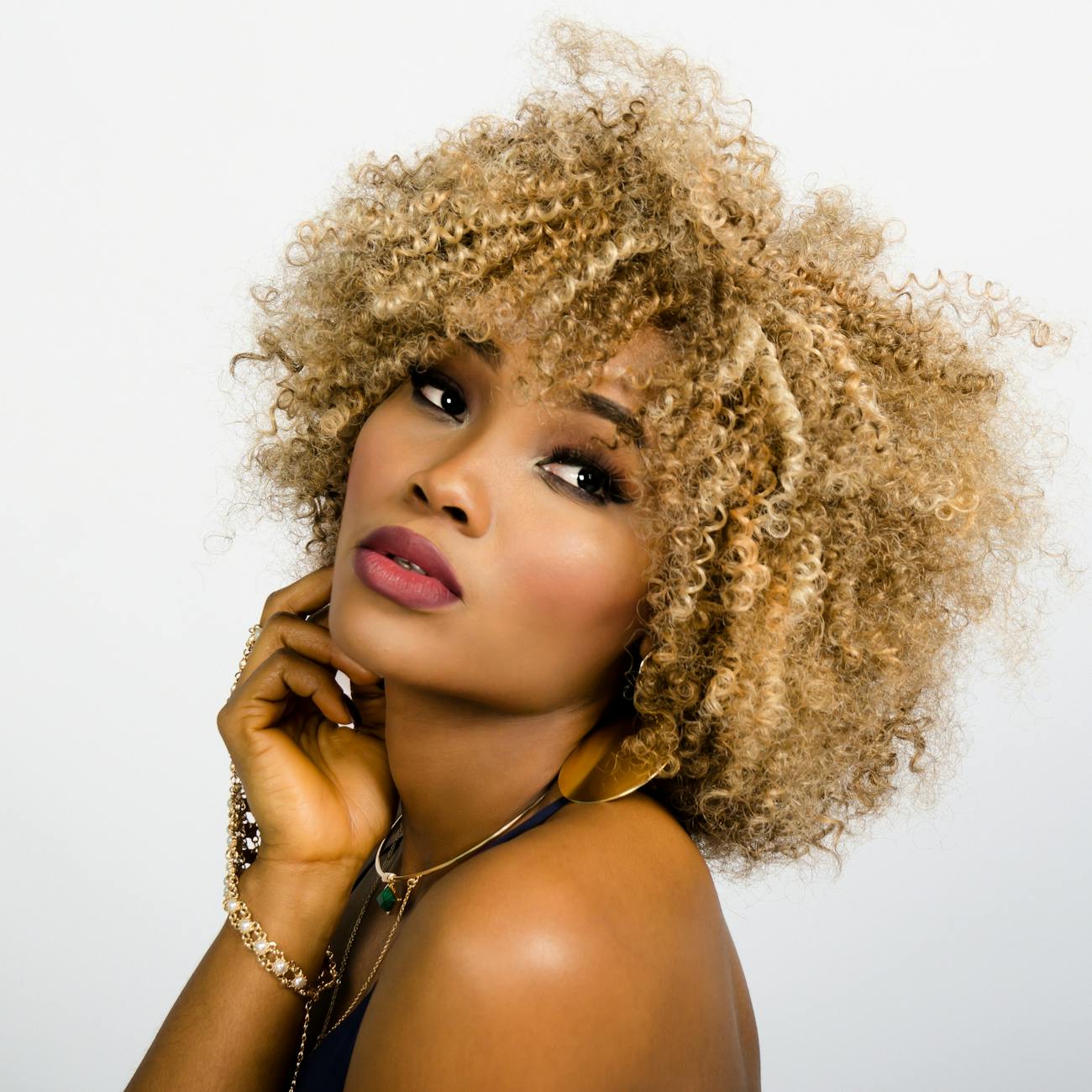
Hair has always been a central marker of identity, culture, and resistance for Black women. From the era of slavery, where enslaved women were forced to conform to Eurocentric beauty standards, to the modern-day #BlackGirlMagic movement, hair has served as both a site of oppression and empowerment. Hair activism represents a form of social and political engagement, challenging systemic discrimination while affirming Black women’s cultural identity.
Historical Context: Slavery and Eurocentric Standards
During slavery in the Americas, Black women were often compelled to alter their natural hair to fit European ideals of beauty, sometimes being shaved or chemically straightened (Byrd & Tharps, 2014). These practices symbolized a broader attempt to erase African identity and enforce subservience, embedding the politics of hair into social hierarchies.
The Civil Rights Era and Nappy Roots
The 1960s and 1970s saw a rise in natural hair as a political statement. The Afro became a symbol of pride, resistance, and Black identity, captured in the phrase “Black is beautiful.” Movements like Nappy Roots (both the cultural reference and musical group) emphasized embracing natural hair, celebrating Black aesthetics, and challenging societal norms.
Workplace and Legal Activism
Despite cultural shifts, Black women continue to face discrimination for natural hairstyles in professional and educational settings. Legal efforts, such as the CROWN Act (Creating a Respectful and Open World for Natural Hair) in the U.S., address hair-based discrimination and underscore the ongoing struggle for equity (Tharps, 2019). Hair activism thus extends beyond aesthetics—it’s about civil rights and self-determination.
The Rise of #BlackGirlMagic
In the 2010s, movements like #BlackGirlMagic and natural hair communities online created global spaces celebrating Black women’s hair, beauty, and accomplishments. Social media platforms have enabled activism, awareness, and community-building, empowering women to reclaim agency over their hair and identity.
Hair as Resistance and Empowerment
Hair activism encompasses education, advocacy, and personal empowerment. For Black women, embracing natural hair is not just an aesthetic choice but a political act, affirming self-worth and resisting systemic bias. It communicates pride, autonomy, and a refusal to conform to oppressive standards.
Psychology and Identity
Research indicates that hair significantly impacts self-esteem and identity formation among Black women (Banks, 2000). Wearing natural hairstyles or participating in hair activism is linked to higher self-confidence, stronger cultural identity, and resistance to internalized oppression.
Conclusion
From Nappy Roots to #BlackGirlMagic, Black hair activism reflects a dynamic intersection of culture, politics, and identity. By embracing natural hair and challenging societal norms, Black women assert autonomy, demand respect, and celebrate their heritage, transforming a personal expression into a collective movement for empowerment.
References
- Banks, I. (2000). Hair matters: Beauty, power, and Black women’s consciousness. New York: NYU Press.
- Byrd, A., & Tharps, L. (2014). Hair Story: Untangling the Roots of Black Hair in America. St. Martin’s Press.
- Tharps, L. L. (2019). The CROWN Act: Natural Hair, Discrimination, and Social Change. Harvard Journal of African American Public Policy, 1(1), 45–60.
- Robinson, T. (2018). Social media and Black hair activism: #BlackGirlMagic and the politics of identity. Journal of Black Studies, 49(7), 657–676.
- Tate, S. A. (2007). Hair and the politics of Black women’s identity. Cultural Studies, 21(5), 641–655.
 THE BROWN GIRL DILEMMA