Tag Archives: black women

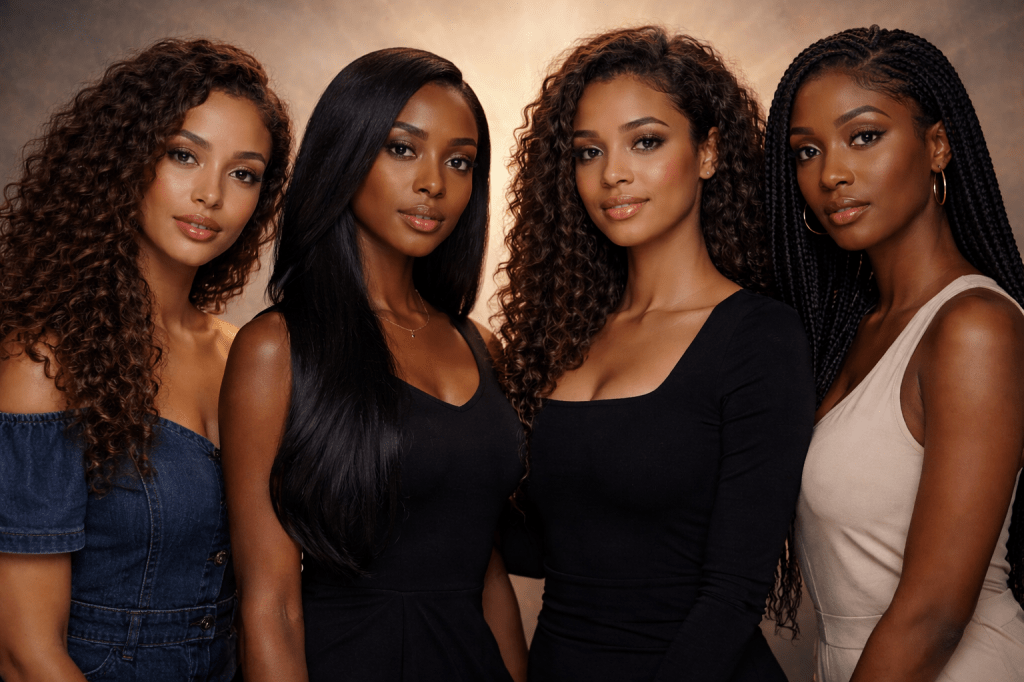
Strength and Struggle: Examining the Social Pressures Placed on Black Women.

Black women in the United States occupy a unique social position shaped by the intersection of race, gender, and historical inequality. Their experiences are influenced by centuries of systemic discrimination, cultural expectations, and social pressures that affect economic opportunities, health outcomes, and societal perceptions. Understanding the realities facing Black women requires examining the historical and structural forces that shape their daily lives.

One of the most significant frameworks used to analyze these experiences is intersectionality, a concept introduced by legal scholar Kimberlé Crenshaw. Intersectionality explains how different forms of discrimination—particularly racism and sexism—interact simultaneously. For Black women, this means facing social barriers that cannot be fully explained by race alone or gender alone but by the combination of both.

Historically, Black women have endured unique forms of labor exploitation and social marginalization. During slavery in the United States, Black women were forced to perform both agricultural labor and domestic work while also being subjected to sexual exploitation. These conditions created enduring stereotypes that portrayed Black women as either excessively strong or morally deviant.

These stereotypes evolved into several harmful archetypes that continue to influence public perception. The “mammy,” “jezebel,” and “angry Black woman” stereotypes emerged from historical narratives that sought to justify inequality and control. These caricatures have persisted in popular culture, shaping how Black women are viewed in workplaces, media, and social institutions.

Economic inequality represents another major pressure affecting Black women. Despite high levels of labor participation, Black women frequently encounter wage disparities compared with white men, white women, and sometimes Black men. Data from the U.S. Bureau of Labor Statistics consistently demonstrates a persistent racial and gender wage gap.

The consequences of wage inequality extend beyond individual income. Lower earnings reduce opportunities for homeownership, savings, and wealth accumulation. Over time, these disparities contribute to the broader racial wealth gap observed across American society.

Education has been an area where Black women have demonstrated remarkable progress. In recent decades, Black women have become one of the fastest-growing groups earning college and advanced degrees. Despite these achievements, barriers to leadership roles and executive positions remain prevalent in many industries.

Healthcare disparities also represent a critical concern. Studies conducted by the Centers for Disease Control and Prevention show that Black women face significantly higher maternal mortality rates than women from other racial groups. These disparities have been linked to unequal access to healthcare, implicit bias among medical providers, and systemic inequalities in the healthcare system.

Mental health pressures are also significant. Many Black women report experiencing high levels of stress related to workplace discrimination, financial responsibilities, and caregiving obligations. Yet cultural expectations often encourage them to appear emotionally resilient regardless of the circumstances.

This expectation is commonly referred to as the “Strong Black Woman” trope. While resilience is often celebrated, scholars argue that the expectation of constant strength can discourage Black women from seeking emotional support or mental health care when needed.

Black feminist scholars have played a central role in analyzing these dynamics. Intellectual leaders such as Patricia Hill Collins and bell hooks have written extensively about the ways Black women resist oppression while simultaneously navigating complex social expectations.

Media representation also shapes how Black women are perceived. Historically, film and television often depicted Black women through narrow stereotypes. Although representation has improved, scholars continue to debate whether contemporary portrayals adequately reflect the diversity and complexity of Black womanhood.

Another significant pressure involves beauty standards and colorism. Western beauty ideals have historically favored lighter skin tones and European features, often marginalizing darker-skinned women. Colorism can influence opportunities in employment, media representation, and social relationships.

Black women are also deeply involved in community leadership and social activism. Throughout American history, they have organized movements advocating for civil rights, gender equality, and social justice. Their leadership has often been underrecognized despite its profound impact.

Figures such as Harriet Tubman, Ida B. Wells, and Shirley Chisholm exemplify the tradition of Black female leadership in American history. Their contributions helped reshape political and social landscapes.

Family and community responsibilities also create unique pressures. Black women frequently play central roles in caregiving, household leadership, and community support networks. These responsibilities often exist alongside professional obligations, creating additional demands on time and emotional energy.

Religious and spiritual institutions have historically provided important support systems. Churches and faith-based organizations have served as spaces where Black women could find community, leadership opportunities, and emotional resilience.

Despite these pressures, Black women have demonstrated extraordinary cultural influence. Their contributions to literature, music, fashion, and art have profoundly shaped American culture and global artistic expression.

Scholars emphasize that understanding the experiences of Black women requires recognizing both the challenges they face and the strength they demonstrate. Their resilience reflects not only personal determination but also collective strategies developed within communities to resist inequality.

Addressing the social pressures facing Black women requires policy reforms that promote economic equity, healthcare access, educational opportunity, and fair representation in leadership positions.

Ultimately, examining the experiences of Black women reveals broader truths about inequality within American society. By acknowledging these realities and addressing systemic barriers, society can move toward a more inclusive and equitable future.


References

Collins, P. H. (2000). Black feminist thought: Knowledge, consciousness, and the politics of empowerment. Routledge.

Crenshaw, K. (1989). Demarginalizing the intersection of race and sex. University of Chicago Legal Forum.

hooks, b. (1981). Ain’t I a woman: Black women and feminism. South End Press.

Jones, C. P. (2000). Levels of racism: A theoretical framework and a gardener’s tale. American Journal of Public Health.

Centers for Disease Control and Prevention. (2023). Racial and ethnic disparities in maternal health.

U.S. Bureau of Labor Statistics. (2023). Labor force statistics by race and gender.

The Phenomenal Black Woman

The Black woman stands as one of the most powerful and resilient figures in modern society—an embodiment of endurance, brilliance, and sacred strength. Her story is not merely one of survival, but of transformation: turning adversity into innovation, pain into purpose, and marginalization into leadership. Across history and into the present, the Black woman continues to rise as a cultural architect, economic force, spiritual anchor, and intellectual pioneer.

Statistically and socially, Black women are among the most educated demographic groups in the United States. They consistently enroll in and complete higher education at rates surpassing many of their counterparts, often while balancing work, family, and community responsibilities. This pursuit of education is not simply for individual advancement but reflects a collective ethos—education as liberation, as legacy, as resistance against systems that once forbade their literacy.

Beyond education, Black women are also the most entrepreneurial group in America. They are starting businesses at unprecedented rates, creating brands, services, and institutions that respond directly to the needs of their communities. From beauty and wellness to finance, tech, education, and real estate, Black women are building economic ecosystems that circulate wealth and opportunity where it was historically denied.

This entrepreneurial spirit is deeply rooted in historical memory. Enslaved Black women were traders, healers, midwives, and market women long before modern capitalism recognized them as business owners. In the face of legal exclusion from wealth-building systems, they created informal economies, mutual aid societies, and cooperative networks that sustained entire communities through segregation and poverty.

The strength of the Black woman is not performative—it is structural. She is often the backbone of the family, holding emotional, financial, and spiritual labor simultaneously. She raises children, supports elders, nurtures partners, and still finds space to cultivate her own dreams. Her strength is not the absence of vulnerability, but the discipline of carrying love even while burdened.

Black women have long served as cultural carriers. Through language, food, music, fashion, and spirituality, they preserve ancestral knowledge and translate it into modern expression. From gospel hymns to hip-hop aesthetics, from soul food to wellness rituals, Black women shape culture while rarely being credited as its original architects.

Spiritually, the Black woman has been a priestess of survival. Whether through church leadership, ancestral traditions, or personal faith practices, she has held communities together through prayer, prophecy, and healing. She is often the intercessor—the one who believes when others lose faith, the one who remembers God when the world forgets her humanity.

Psychologically, Black women navigate a unique intersection of racial and gendered stress, yet they exhibit extraordinary emotional intelligence and adaptability. They master the art of code-switching, resilience, and strategic silence, often carrying invisible labor in professional and social spaces that demand excellence without offering protection.

Intellectually, Black women have been architects of major political, social, and academic movements. From abolition and civil rights to feminism, education reform, and digital activism, Black women have consistently led revolutions that they were later written out of. Their intellectual labor has reshaped law, sociology, literature, theology, and psychology.

The Black woman’s body itself has been a site of political struggle and cultural projection. Historically exoticized, commodified, hypersexualized, and criticized, her body has also been reclaimed as a symbol of beauty, fertility, creativity, and divine design. Today, Black women redefine beauty standards, celebrating melanin, natural hair, full features, and diverse body types as sacred rather than marginal.

In motherhood, Black women often mother not only their own children but entire communities. They become teachers, counselors, protectors, and advocates. Even in systems that criminalize their sons and overlook their daughters, Black women remain the primary architects of emotional and moral development.

In love and relationships, Black women are frequently expected to be endlessly loyal, patient, and forgiving, even when reciprocity is absent. Yet they continue to choose love, family, and connection, often while healing generational wounds of abandonment, instability, and emotional labor imbalance.

Economically, Black women stretch limited resources into abundance. They are financial strategists by necessity—managing households, building credit, launching side businesses, and creating generational pathways where none previously existed. They practice wealth-building not as luxury, but as survival and stewardship.

Politically, Black women are the most reliable voting bloc and one of the most influential forces in democratic movements. They organize, mobilize, educate, and protect civil rights, often without institutional power or public recognition. When social justice shifts, it is usually because Black women moved first.

Culturally, Black women shape global aesthetics. From hairstyles and slang to fashion, dance, and social media trends, Black women generate cultural capital that fuels entire industries. Yet their influence is frequently extracted, rebranded, and monetized without fair compensation or acknowledgment.

Emotionally, the Black woman is a healer. She holds space for grief, trauma, and transformation—not only her own, but others’. She listens, nurtures, advises, and absorbs emotional pain while rarely being given the same care in return.

Historically, the Black woman has been both invisible and indispensable. She built America’s domestic, agricultural, and caregiving infrastructure while being excluded from its rewards. Yet she continues to rise, not waiting for permission to thrive.

The modern Black woman is redefining femininity itself. She is soft and strong, spiritual and strategic, nurturing and ambitious. She refuses false binaries between vulnerability and power, choosing instead to embody both with grace.

An ode to the Black woman is an ode to life itself. She is the womb of culture, the memory of nations, the architect of futures not yet seen. Her existence is not an accident of history—it is a divine intervention in a world that tried to erase her.

The phenomenal Black woman is not exceptional because she overcame suffering—she is exceptional because she transformed suffering into legacy. She is the most educated, the most entrepreneurial, the most spiritually resilient, and one of the most culturally influential forces on earth. She is not just surviving history—she is writing it.

References

American Association of University Women. (2023). Fast facts: Women of color in higher education. https://www.aauw.org/resources/article/fast-facts-woc-higher-ed/

Anderson, M., & Perrin, A. (2018). Black women and technology adoption. Pew Research Center. https://www.pewresearch.org/internet/2018/01/25/blacks-and-technology-adoption/

Collins, P. H. (2000). Black feminist thought: Knowledge, consciousness, and the politics of empowerment (2nd ed.). Routledge.

Crenshaw, K. (1991). Mapping the margins: Intersectionality, identity politics, and violence against women of color. Stanford Law Review, 43(6), 1241–1299. https://doi.org/10.2307/1229039

Federal Reserve Bank of Kansas City. (2021). The state of women-owned businesses. https://www.kansascityfed.org/research/economic-review/women-owned-businesses/

Georgetown University Center on Education and the Workforce. (2020). A profile of Black women in the labor market. https://cew.georgetown.edu/cew-reports/black-women/

Giddings, P. (1984). When and where I enter: The impact of Black women on race and sex in America. HarperCollins.

McKinsey & Company. (2022). Black women are ambitious. But they’re held back at work. https://www.mckinsey.com/featured-insights/diversity-and-inclusion/black-women-are-ambitious-but-theyre-held-back-at-work

National Women’s Business Council. (2023). Black women entrepreneurs: Driving innovation and economic growth. https://nwbc.gov/

Pew Research Center. (2021). Black Americans are more likely than others to say family is central to their identity. https://www.pewresearch.org/social-trends/2021/03/25/

Smith, J. A., & Patton, L. D. (2016). Postracial rhetoric and the Black female student. Journal of College Student Development, 57(6), 645–661. https://doi.org/10.1353/csd.2016.0064

U.S. Census Bureau. (2022). Women-owned businesses by race and ethnicity. https://www.census.gov/programs-surveys/sbo.html

U.S. Department of Labor. (2023). Women in the labor force: A databook. https://www.dol.gov/agencies/wb/data

Walker, A. (1983). In search of our mothers’ gardens: Womanist prose. Harcourt Brace Jovanovich.

World Economic Forum. (2020). The power of Black women in the U.S. economy. https://www.weforum.org/reports/

The Female Files: What Black Women Want Black Men to Know.

Black women are resilient, resourceful, and remarkably tender in a world that often refuses to recognize their humanity. Yet even resilience does not mean invulnerability. The experiences, frustrations, and aspirations of Black women in relationships are often minimized or misunderstood. This article seeks to articulate what Black women wish Black men truly understood—not as criticism, but as an invitation to deeper love, mutual respect, and spiritual alignment.

At the heart of many Black women’s concerns is consistency. Women long for men who are dependable—not only in financial provision but in emotional presence, accountability, and faithfulness. Proverbs 31:11–12 praises a woman whose husband trusts her, revealing that mutual reliance and stability are central to God-honoring partnership. When promises are broken repeatedly, it signals a fracture not just in trust, but in intimacy.

Black women also desire emotional accessibility. Many have been socialized to manage emotions independently, yet they long for men who can engage with vulnerability without fear of judgment. Scripture encourages husbands to dwell with their wives with understanding (1 Peter 3:7, KJV). Emotional connection is not weakness—it is a pathway to spiritual unity. Silence, withdrawal, or defensiveness in men often leaves women navigating relationship challenges alone, creating distance where closeness is meant to flourish.

Communication is essential. Black women want clarity, honesty, and dialogue that reflects shared purpose rather than unilateral decision-making. Miscommunication can escalate tension unnecessarily, but intentional, transparent discussion fosters respect and mutual growth. Ecclesiastes 4:9–10 reminds us that two are better than one because they support, correct, and strengthen one another—a principle that thrives in intentional communication.

Respect remains a cornerstone of partnership. Many Black women encounter men who love but fail to fully respect their autonomy, intellect, or spiritual calling. Galatians 3:28 assures equality in Christ, emphasizing that spiritual parity must translate into relational behavior. True respect validates a woman’s insights, honors her boundaries, and refrains from belittlement, public shaming, or dismissive attitudes.

Black women also want their labor—both visible and invisible—to be acknowledged. From nurturing households to sustaining careers, from prayer and spiritual intercession to emotional caregiving, women often carry multiple burdens. When men fail to recognize these contributions, it can feel as though love is conditional, measured only by select actions or outcomes. Appreciation and affirmation are small gestures that signal acknowledgment of effort and sacrifice.

Boundaries are vital. Women desire relationships where they are allowed to say “no,” set limits, and maintain personal space without fear of retaliation or emotional manipulation. Healthy boundaries foster trust, respect, and intimacy. Colossians 3:19 reminds men not to be harsh, emphasizing the need for discipline in words and actions—a principle that nurtures safety in partnership.

Healing and growth are mutual responsibilities. Black women, like men, carry wounds from childhood, culture, and systemic oppression. They desire men who recognize this reality, offering empathy rather than judgment. Black women value partners who pursue personal development, spiritual growth, and emotional maturity, recognizing that the health of the individual directly impacts the health of the union.

Faith is central. Many Black women want relationships rooted in shared spiritual principles, prayer, and service. Ephesians 5:21–33 frames marriage as a reflection of Christ’s relationship with the church—mutual submission, love, and reverence. Women desire partners who embrace this vision and commit to nurturing the relationship in alignment with divine order.

Finally, Black women want love to feel safe, abundant, and affirming. This means men actively choosing them, defending them, and prioritizing the relationship in thought, speech, and action. It means intimacy that is tender, protection that is wise, and encouragement that is liberating. Black women want men to understand that love is not merely expressed in grand gestures, but in daily acts of reliability, attentiveness, and faithfulness.

Black women are more than companions, caregivers, or co-parents. They are co-creators, spiritual partners, and reflections of God’s image. They carry wisdom, grace, and resilience that should not be taken for granted. By listening, honoring, and walking in mutual understanding, Black men and Black women can build relationships that reflect not only personal fulfillment but divine purpose.

Love between Black men and Black women is sacred and revolutionary. It flourishes when men understand women and women feel seen, heard, and valued. This conversation is not a critique, but a blueprint for relational integrity, spiritual alignment, and mutual restoration.


References

Collins, P. H. (2000). Black feminist thought: Knowledge, consciousness, and the politics of empowerment (2nd ed.). Routledge.

hooks, b. (2000). Feminism is for everybody: Passionate politics. South End Press.

Williams, D. S. (1993). Sisters in the wilderness: The challenge of womanist God-talk. Orbis Books.

Franklin, A. J. (2004). From brotherhood to manhood: How Black men rescue their relationships and dreams from the invisibility syndrome. Wiley.

Majors, R., & Billson, J. M. (1992). Cool pose: The dilemmas of Black manhood in America. Lexington Books.

Gottman, J. M., & Silver, N. (2015). The seven principles for making marriage work. Harmony Books.

The Holy Bible, King James Version. (1769/2017). Cambridge University Press.

Black Women in STEM: Breaking Glass Ceilings.

Photo by Ogo Johnson on Pexels.com

Black women in STEM (Science, Technology, Engineering, and Mathematics) continue to navigate and challenge systemic barriers in fields historically dominated by men and underrepresented groups. Despite underrepresentation, discrimination, and limited access to resources, many Black women have emerged as innovators, leaders, and role models, breaking glass ceilings and paving the way for future generations.

Historical Context

Historically, Black women faced intersecting barriers of race and gender in education and professional STEM fields. In the 20th century, access to quality science and technology education was limited, particularly during segregation in the United States. Trailblazers such as Katherine Johnson, Dorothy Vaughan, and Mary Jackson at NASA not only contributed significantly to space exploration but also demonstrated resilience and intellect in the face of discrimination (Shetterly, 2016).

Challenges Faced

Black women in STEM encounter multiple challenges: implicit bias, lack of mentorship, and limited professional networks. Research indicates that stereotypes about competence and technical ability negatively affect hiring, promotions, and retention (National Science Foundation, 2019). Furthermore, cultural isolation and microaggressions can contribute to higher attrition rates among Black women in STEM fields.

Positive Representation and Role Models

Representation is crucial for encouraging young Black girls to pursue STEM careers. Figures like Dr. Mae Jemison, the first Black female astronaut, and Dr. Ayanna Howard, a roboticist and AI researcher, serve as inspirations. Visibility of Black women excelling in STEM challenges societal stereotypes and reinforces the message that talent transcends race and gender.

Strategies for Success

Mentorship and sponsorship are critical for advancement. Studies show that structured mentorship programs improve retention, career satisfaction, and leadership development for women of color in STEM (Fisher, 2018). Additionally, professional networks and affinity groups create safe spaces for collaboration, skill-building, and advocacy.

Empowering Black Women to Thrive in STEM: A Practical Guide

  1. Seek Early Exposure to STEM
    Encourage participation in science, technology, engineering, and math from a young age. STEM camps, coding clubs, robotics competitions, and science fairs help develop interest and foundational skills. Early exposure combats stereotypes and builds confidence.
  2. Pursue Targeted Education Opportunities
    Enroll in schools, programs, and workshops that prioritize diversity in STEM. Scholarships and grants for women of color can reduce financial barriers and expand access to higher education in STEM fields.
  3. Find Mentors and Sponsors
    Mentorship provides guidance, encouragement, and insight into navigating challenges. Sponsors actively advocate for your advancement in academia or the workplace. Studies show that mentorship and sponsorship are critical for retention and career progression (Fisher, 2018).
  4. Network with Like-Minded Peers
    Joining professional organizations and affinity groups, such as the National Society of Black Engineers (NSBE) or Black Women in Science and Engineering (BWISE), fosters connections, collaboration, and opportunities.
  5. Build Technical Competence and Soft Skills
    Excelling in STEM requires both technical knowledge and soft skills such as communication, teamwork, and leadership. Continuous learning, certifications, and workshops enhance employability and advancement potential.
  6. Develop Resilience and Confidence
    Intersectional challenges can test perseverance. Cultivating a growth mindset, practicing self-affirmation, and celebrating small victories build resilience. Engaging with community and mentors reinforces confidence.
  7. Advocate for Yourself
    Speak up in academic and professional settings about your contributions and achievements. Seek recognition, promotions, and opportunities without waiting for external validation.
  8. Leverage Technology and Resources
    Use online platforms, coding bootcamps, webinars, and professional development resources to stay current in your field. Accessing virtual communities expands learning and networking opportunities.
  9. Participate in Research and Innovation Projects
    Hands-on experience through labs, internships, and independent research hones problem-solving skills and builds a strong professional portfolio. Collaboration on innovative projects increases visibility and credibility.
  10. Inspire and Mentor Others
    As you advance, guide younger Black women entering STEM. Mentorship creates a cycle of empowerment, builds community, and strengthens representation. Giving back strengthens the broader ecosystem of diversity in STEM.
  11. Maintain Work-Life Balance and Self-Care
    Navigating challenging environments requires physical and mental wellness. Prioritize rest, hobbies, and supportive relationships to sustain long-term success.
  12. Set Long-Term Goals
    Plan clear career milestones and personal objectives. Having a roadmap helps measure progress and motivates continual growth. Revisit goals regularly to adapt to evolving opportunities and challenges.

By following these practical strategies, Black women can overcome systemic barriers, thrive in STEM careers, and become leaders and innovators. Empowerment comes through preparation, resilience, and mentorship, creating a foundation for both individual and collective success.

Educational Pathways

STEM education at all levels—primary, secondary, and higher education—is vital. Programs targeting underrepresented students, scholarships, and STEM enrichment camps increase access and build confidence in scientific skills. Encouraging girls to explore STEM fields early combats societal biases and builds foundational knowledge.

Impact of Intersectionality

The intersection of race and gender shapes the unique experiences of Black women in STEM. Intersectionality theory highlights that challenges faced by Black women are not simply additive but distinct from those faced by White women or Black men (Crenshaw, 1989). Recognizing this complexity is essential for developing targeted policies and support systems.

Psychological Resilience

Resilience and perseverance are common traits among successful Black women in STEM. Facing systemic barriers requires self-efficacy, emotional intelligence, and a growth mindset. Psychological research emphasizes that mentorship, community support, and positive identity development enhance resilience and persistence in challenging fields.

Breaking the Glass Ceiling

Black women continue to shatter ceilings by securing leadership positions, publishing innovative research, and founding STEM initiatives. Their achievements challenge stereotypes, inspire future generations, and demonstrate that excellence in STEM is attainable despite societal obstacles.

Future Directions

Efforts to increase representation of Black women in STEM must include educational reform, equitable hiring practices, mentorship programs, and systemic advocacy. Building inclusive environments and dismantling barriers are essential to fostering innovation, diversity, and equity in science and technology.

Conclusion

Black women in STEM exemplify perseverance, intelligence, and leadership. By breaking glass ceilings, they reshape societal perceptions, mentor the next generation, and contribute significantly to scientific and technological advancement. Their journeys reflect not only individual triumphs but also a collective movement toward inclusion, empowerment, and equity in STEM fields.


References

  1. Crenshaw, K. (1989). Demarginalizing the intersection of race and sex: A Black feminist critique of antidiscrimination doctrine. University of Chicago Legal Forum, 1989(1), 139–167.
  2. Shetterly, M. L. (2016). Hidden Figures: The American Dream and the Untold Story of the Black Women Mathematicians Who Helped Win the Space Race. William Morrow.
  3. National Science Foundation. (2019). Women, minorities, and persons with disabilities in science and engineering. NSF.
  4. Fisher, K. (2018). Mentorship and retention of women of color in STEM. Journal of STEM Education, 19(4), 45–53.
  5. National Center for Women & Information Technology (NCWIT). (2020). Women of color in computing: The state of the field.
  6. Beede, D. N., Julian, T. A., Langdon, D., McKittrick, G., Khan, B., & Doms, M. E. (2011). Women in STEM: A gender gap to innovation. Economics and Statistics Administration, U.S. Department of Commerce.
  7. Hewlett, S. A., & Rashid, R. (2011). The sponsor effect: Breaking through the last glass ceiling. Harvard Business Review.
  8. American Psychological Association. (2017). Stress in America: Coping with change. APA.
  9. Shetterly, M. L. (2016). Hidden Figures. William Morrow.
  10. National Science Foundation. (2019). Women, minorities, and persons with disabilities in science and engineering. NSF.
  11. National Center for Women & Information Technology (NCWIT). (2020). Women of color in computing: The state of the field.
  12. Collins, C., & Margo, R. (2009). The state of Black women’s financial literacy. National Women’s Law Center.

Breaking the Strong Black Woman Myth

Photo by REAFON GATES on Pexels.com

The stereotype of the “Strong Black Woman” has been deeply ingrained in American society, media, and culture. It portrays Black women as endlessly resilient, self-sufficient, and able to withstand emotional, social, and financial hardships without support or vulnerability. While resilience is a positive trait, this stereotype imposes unrealistic expectations, often masking the real emotional and psychological needs of Black women. It pressures them to suppress feelings of pain, grief, or fatigue in order to meet societal standards of strength, which can have severe consequences for mental health and interpersonal relationships.

Historically, the origins of this myth can be traced back to slavery and the post-emancipation period. Enslaved Black women were forced to perform grueling labor while caring for their families under brutal conditions, establishing an early narrative of toughness. Post-slavery, during Reconstruction and the Jim Crow era, the Strong Black Woman trope persisted in media and society as Black women were expected to sustain families and communities in the face of systemic oppression, poverty, and racial violence (Collins, 2000).

Psychologically, the stereotype can lead to internalized pressure to avoid seeking help or showing vulnerability. Studies show that Black women who embrace this myth often experience higher rates of stress, depression, and anxiety, compounded by the stigma of appearing “weak” if they admit to needing support (Watson & Hunter, 2016). Socialization into the role of the invulnerable caregiver can prevent women from accessing mental health resources and receiving emotional support from partners, friends, or family.

The media and pop culture continue to reinforce the Strong Black Woman narrative. Television, film, and literature frequently portray Black female characters as self-reliant warriors, always persevering despite adversity. While these portrayals celebrate resilience, they also omit the complex realities of vulnerability, struggle, and the need for communal support. This simplification can perpetuate unrealistic standards and emotional isolation (Thomas et al., 2019).

Breaking this myth begins with acknowledgment. Black women must recognize that strength is multidimensional and includes the capacity to be vulnerable, seek help, and express emotions. Embracing authenticity over societal expectations can enhance self-compassion and mental well-being. Support systems, including therapy, mentorship, and community networks, are critical tools in dismantling the pressures of this stereotype.

10 Strategies to Break the Strong Black Woman Myth

  1. Acknowledge Vulnerability
    Recognize that being strong does not mean being invulnerable. Permit yourself to feel emotions fully—sadness, fear, or exhaustion—without guilt. Journaling, meditation, or prayer can help process emotions safely. Scripture reminds us in Psalm 34:18 (KJV), “The Lord is nigh unto them that are of a broken heart; and saveth such as be of a contrite spirit.”
  2. Seek Mental Health Support
    Therapy and counseling are powerful tools. Licensed professionals can help manage stress, anxiety, and depression. Acknowledging the need for guidance is a form of strength, not weakness. Cognitive Behavioral Therapy (CBT) and group therapy specifically designed for Black women can be particularly beneficial.
  3. Establish Boundaries
    Learn to say “no” without guilt. Protect your time, energy, and emotional well-being from over-demanding relationships, workplaces, and social expectations. Boundaries prevent burnout and cultivate healthier interactions with others.
  4. Create a Support Network
    Surround yourself with friends, mentors, and community members who affirm your humanity and allow space for vulnerability. Sharing experiences and challenges reduces isolation and reinforces that strength exists in community.
  5. Engage in Self-Care Rituals
    Prioritize activities that nurture your body, mind, and soul. This includes regular exercise, meditation, quality sleep, spiritual practices, and creative outlets. Self-care reinforces self-worth and helps resist the pressure to be perpetually resilient.
  6. Redefine Strength
    Challenge societal definitions by embracing a holistic view of strength: resilience, self-awareness, emotional intelligence, and the ability to ask for help. Strength is not just endurance—it’s balance and self-preservation.
  7. Practice Faith and Spirituality
    Spiritual grounding can provide guidance, rest, and emotional support. Engage in prayer, scripture study, or fellowship to reinforce that reliance on God is compatible with human vulnerability. Isaiah 40:29 (KJV) states, “He giveth power to the faint; and to them that have no might he increaseth strength.”
  8. Reflect on Your Needs Regularly
    Take inventory of your mental, physical, and emotional health. Identify areas where you feel pressure to overperform and develop practical steps to relieve that pressure. Self-reflection helps recalibrate expectations.
  9. Educate Others
    Help dismantle the stereotype by communicating your boundaries and needs with family, colleagues, and partners. Sharing personal insights about the Strong Black Woman myth increases awareness and reduces unrealistic expectations imposed by society.
  10. Celebrate Your Authenticity
    Embrace who you are beyond the myth. Recognize that true strength lies in authenticity—accepting imperfections, asking for help, and acknowledging limits. Celebrating achievements while honoring your humanity fosters empowerment and reduces internalized pressure.

Moreover, men, families, and society at large must reject the expectation that Black women should always be the emotional or financial backbone without support. Advocating for shared responsibilities in relationships, workplaces, and households can alleviate the undue pressure imposed by this cultural myth. Allies and partners can play a role by affirming that seeking help is not a sign of weakness but an expression of human strength.

Faith and spirituality have also provided avenues for challenging the Strong Black Woman trope. Biblical scripture, for instance, encourages seeking counsel, rest, and reliance on God. Proverbs 11:14 (KJV) states, “Where no counsel is, the people fall: but in the multitude of counsellors there is safety,” highlighting the importance of support and guidance. Recognizing spiritual and communal resources can counterbalance societal pressure to be invulnerable.

Education and awareness campaigns are additional tools for cultural change. Workshops, community dialogues, and social media platforms can highlight the importance of mental health, self-care, and authentic expression. Representation of Black women in media as complex individuals, capable of both strength and vulnerability, can also shift public perception over time.

In the workplace, breaking this myth requires employers to recognize that Black women may face unique pressures to overperform or suppress vulnerability. Implementing equitable policies, mentorship programs, and wellness resources can support holistic well-being. Additionally, highlighting and rewarding authentic leadership, which values emotional intelligence alongside resilience, can redefine what strength looks like in professional spaces.

Ultimately, dismantling the Strong Black Woman myth is about embracing balance, authenticity, and humanity. It requires challenging cultural narratives, providing systemic support, and empowering Black women to recognize that strength includes the ability to rest, feel, and seek help without judgment. Redefining strength in this way allows for richer personal lives, healthier relationships, and improved mental health outcomes.


References

  • Collins, P. H. (2000). Black Feminist Thought: Knowledge, Consciousness, and the Politics of Empowerment. Routledge.
  • Watson, N. N., & Hunter, C. D. (2016). “‘I Had to Be Strong’: Mental Health Implications of the Strong Black Woman Schema.” Journal of Black Psychology, 42(5), 424–452.
  • Thomas, A. J., Witherspoon, K. M., & Speight, S. L. (2019). “Toward a Model of the Strong Black Woman Schema.” Psychology of Women Quarterly, 43(4), 1–17.
  • Woods-Giscombé, C. L. (2010). “Superwoman Schema: African American Women’s Views on Stress, Strength, and Health.” Qualitative Health Research, 20(5), 668–683.
  • American Psychological Association. (2017). “Stress in America: Coping with Change.” APA.

Black Women and Imposter Syndrome: Causes and Solutions.

Photo by PICHA Stock on Pexels.com

Imposter syndrome is a psychological phenomenon in which individuals doubt their skills, accomplishments, or worth, feeling like frauds despite evidence of competence. Among Black women, this experience can be particularly acute due to the intersection of race, gender, and societal expectations. Even highly accomplished Black women often feel undeserving of their success or worry that others will “find out” they are not capable, perpetuating a cycle of anxiety, self-doubt, and overachievement.

The roots of imposter syndrome among Black women are multifaceted. Historically, systemic racism, limited representation in leadership, and societal stereotypes contribute to feelings of inadequacy. Black women are often expected to prove their competence repeatedly, unlike their peers, reinforcing internalized pressure and self-doubt. Social psychologist Clance and Imes (1978) first identified imposter syndrome in high-achieving women, but later research highlights that women of color experience additional burdens due to racialized expectations.

10 Practical Ways for Black Women to Overcome Imposter Syndrome

  1. Acknowledge and Name Imposter Feelings
    The first step is awareness. Recognize when feelings of self-doubt or fraudulence arise. Naming the experience allows for intentional reflection and creates space for change. Journaling or talking to a trusted friend can help articulate these feelings.
  2. Celebrate Achievements
    Keep a record of accomplishments, big or small. Reflecting on past successes counters the narrative that your achievements are due to luck or external factors. This reinforces self-efficacy and combats internalized doubt.
  3. Reframe Negative Thoughts
    Use cognitive reframing to challenge self-defeating thoughts. Instead of thinking, “I don’t deserve this promotion,” reframe to, “I earned this opportunity through my skills and hard work.” This technique is grounded in cognitive behavioral therapy (CBT) principles.
  4. Seek Mentorship and Role Models
    Connecting with mentors, particularly other Black women who have navigated similar challenges, provides validation and guidance. Observing role models’ successes can normalize achievement and reduce feelings of being an imposter.
  5. Practice Self-Compassion
    Treat yourself with the same kindness you would offer a friend. Self-compassion reduces perfectionism and helps you accept mistakes as part of growth. Kristin Neff’s research on self-compassion highlights its effectiveness in alleviating imposter-related stress.
  6. Build a Support Network
    Cultivate relationships with peers who affirm your skills and value. Sharing experiences in supportive environments fosters resilience and decreases isolation, which is often amplified by imposter syndrome.
  7. Engage in Professional Development
    Investing in skill-building and continuing education strengthens confidence. Mastery of competencies can counter feelings of inadequacy and provide tangible evidence of capability.
  8. Practice Mindfulness and Stress-Reduction Techniques
    Techniques such as meditation, deep breathing, and guided visualization help regulate stress and reduce overthinking associated with imposter feelings. Mindfulness allows you to observe thoughts without judgment, decreasing self-critical tendencies.
  9. Set Realistic Expectations
    Avoid the trap of perfectionism. Recognize that mistakes do not negate your value or competence. Setting achievable goals encourages progress without reinforcing self-doubt.
  10. Incorporate Faith and Spiritual Affirmation
    For many Black women, spiritual practices are a source of strength. Daily prayer, scripture reading, or meditation on affirming passages can reinforce self-worth. Psalm 139:14 (KJV) reminds us: “I will praise thee; for I am fearfully and wonderfully made,” reinforcing intrinsic value and purpose.

By integrating these strategies, Black women can gradually dismantle the limiting beliefs imposed by imposter syndrome. With consistent practice, mentorship, and self-care, they can embrace achievements authentically, foster confidence, and navigate professional and personal spaces with self-assurance.

Cultural factors also play a significant role. Black women are frequently socialized to be resilient, self-sufficient, and accommodating in predominantly White professional or academic spaces. While these traits are strengths, they can also exacerbate imposter feelings by discouraging vulnerability or acknowledgment of personal limitations. When combined with microaggressions, tokenism, or stereotyping in workplaces or academia, these experiences amplify feelings of inadequacy (Peteet et al., 2015).

Psychologically, imposter syndrome manifests as chronic self-doubt, over-preparation, perfectionism, and anxiety. Black women may internalize failures, attribute success to external factors, and avoid seeking promotions or new opportunities, fearing exposure as “frauds.” Over time, this can negatively impact career progression, mental health, and overall well-being. Studies indicate that women experiencing imposter syndrome are more likely to report stress, depression, and burnout (Clance & Imes, 1978; Kumar & Jagacinski, 2006).

Addressing imposter syndrome requires both individual strategies and systemic support. On a personal level, Black women can benefit from cultivating self-awareness, affirming achievements, and reframing thoughts of inadequacy. Techniques such as journaling, cognitive behavioral therapy (CBT), and mentorship programs can reinforce self-efficacy and combat negative self-perceptions. Mindfulness and meditation practices also reduce anxiety associated with imposter feelings.

Mentorship and representation are crucial solutions. Seeing other Black women in leadership roles, academia, or high-profile professions provides tangible evidence that success is attainable. Mentors can normalize feelings of self-doubt, offer guidance, and provide affirmation of competence, creating an empowering feedback loop. Peer support groups also foster validation and shared experiences.

Organizational interventions are equally important. Workplaces and academic institutions can implement inclusive policies, equitable evaluation practices, and recognition programs that affirm Black women’s contributions. Addressing microaggressions, bias in promotions, and underrepresentation reduces systemic pressures that contribute to imposter syndrome. Leaders should actively create spaces that normalize vulnerability, encourage skill development, and celebrate achievements.

Faith and spiritual practices can provide another avenue of support. Many Black women draw strength from their spiritual communities, prayer, and scripture, which reinforce their intrinsic worth and ability to overcome challenges. Psalm 139:14 (KJV) states, “I will praise thee; for I am fearfully and wonderfully made: marvellous are thy works; and that my soul knoweth right well,” serving as a reminder of inherent value and purpose.

Early intervention and education are also effective. Workshops, seminars, and training programs focusing on imposter syndrome, self-efficacy, and professional development can equip Black women with practical tools to navigate challenges. Awareness campaigns that highlight the prevalence of imposter feelings can reduce stigma and encourage proactive coping strategies.

Ultimately, overcoming imposter syndrome involves a combination of self-reflection, community support, representation, and systemic change. Black women must embrace their accomplishments, challenge internalized narratives, and claim space in professional and academic spheres. By recognizing and addressing the root causes of imposter syndrome, Black women can thrive with confidence, resilience, and authenticity.


References

  • Clance, P. R., & Imes, S. A. (1978). The Imposter Phenomenon in High Achieving Women: Dynamics and Therapeutic Intervention. Psychotherapy: Theory, Research & Practice, 15(3), 241–247.
  • Peteet, B. J., Montgomery, L., & Weekes, J. C. (2015). Predictors of imposter phenomenon among talented ethnic minority undergraduate students: The importance of perceived racism and cultural mistrust. Journal of Multicultural Counseling and Development, 43(4), 203–218.
  • Kumar, S., & Jagacinski, C. M. (2006). Imposters have goals too: The imposter phenomenon and its relationship to achievement goal theory. Personality and Individual Differences, 40(1), 147–157.
  • American Psychological Association. (2019). Stress in America: Stress and Current Events. APA.
  • Cokley, K., McClain, S., Enciso, A., & Martinez, M. (2013). An examination of the impact of minority status stress and impostor feelings on the mental health of diverse ethnic minority college students. Journal of Multicultural Counseling and Development, 41(2), 82–95.

Self-Care Strategies for Black Women

Photo by Anna Shvets on Pexels.com

Self-care is a vital practice for overall well-being, yet Black women often face unique social, cultural, and systemic stressors that make self-care both essential and challenging. Between navigating racial discrimination, gendered expectations, and community responsibilities, prioritizing one’s mental, emotional, and physical health is a radical act of empowerment (Beauboeuf-Lafontant, 2009).


Unique Challenges for Black Women

Black women frequently encounter intersectional stressors:

  • Racism and Microaggressions: Daily experiences of bias and subtle discrimination impact mental health and resilience (Sue et al., 2007).
  • The Strong Black Woman Schema: Cultural expectation to remain strong, self-sufficient, and emotionally resilient can lead to neglect of personal well-being (Watson & Hunter, 2016).
  • Generational and Community Pressures: Black women often carry familial responsibilities, further increasing stress and burnout.

Core Self-Care Strategies

1. Mental and Emotional Self-Care

  • Therapy and Counseling: Engage with culturally competent professionals to process experiences of stress, trauma, and racialized pressures.
  • Mindfulness and Meditation: Practices such as journaling, prayer, and deep-breathing exercises reduce stress and improve emotional regulation.
  • Setting Boundaries: Learning to say no and protecting personal energy is critical for sustaining well-being.

2. Physical Self-Care

  • Nutrition and Exercise: Balanced diets and regular physical activity strengthen both body and mind.
  • Sleep and Rest: Prioritizing adequate rest supports cognitive and emotional functioning.
  • Skincare and Hair Care: Engaging in grooming rituals promotes self-esteem and self-respect, particularly in navigating Eurocentric beauty pressures.

3. Spiritual Self-Care

  • Faith Practices: Prayer, scripture reading, and church community engagement can provide strength, hope, and purpose (Chatters et al., 2008).
  • Reflection and Gratitude: Regular reflection on blessings and achievements nurtures resilience.

4. Social Self-Care

  • Community and Peer Support: Connecting with supportive friends, family, or affinity groups reduces isolation and builds emotional resilience.
  • Mentorship and Sisterhood: Sharing experiences with other Black women fosters solidarity and empowerment.

5. Professional and Lifestyle Self-Care

  • Work-Life Balance: Manage workloads, advocate for fair treatment, and create boundaries at work.
  • Hobbies and Leisure: Engaging in creative, cultural, or recreational activities provides joy and replenishment.

Self-Care Toolkit for Black Women

1. Mental & Emotional Health

  • Therapy & Counseling: Seek culturally competent therapists to process stress and trauma.
  • Mindfulness & Meditation: Daily journaling, prayer, or deep-breathing exercises.
  • Set Boundaries: Learn to say no; protect your energy.
  • Affirmations: Speak life and encouragement into your day.

2. Physical Health

  • Exercise: Move your body—walk, yoga, dancing, or gym workouts.
  • Nutrition: Prioritize balanced meals and hydration.
  • Sleep: Aim for 7–9 hours nightly.
  • Grooming Rituals: Skincare, hair care, and hygiene practices as self-love acts.

3. Spiritual Health

  • Prayer & Scripture: Daily connection with God for guidance and strength.
  • Faith Community: Engage with supportive church or fellowship groups.
  • Reflection & Gratitude: Record blessings and victories to nurture resilience.

4. Social Health

  • Community Support: Build a circle of friends, family, or mentors.
  • Sisterhood: Join Black women’s networks or support groups.
  • Celebrate Wins Together: Share accomplishments and milestones with trusted allies.

5. Professional & Lifestyle

  • Work-Life Balance: Set boundaries to prevent burnout.
  • Hobbies & Creativity: Engage in arts, crafts, reading, or music for joy.
  • Financial Wellness: Budget, save, and plan for financial independence.
  • Self-Reflection: Regularly evaluate your goals and achievements.

6. Quick Daily Practices

  • Morning prayer or meditation
  • Five-minute gratitude journal
  • Short walk or stretch
  • Compliment or affirm yourself in the mirror
  • One act of kindness for yourself or others

Reminder: Self-care is not selfish—it is essential for sustaining your mental, physical, spiritual, and emotional well-being. It is also a form of empowerment and resistance against systemic pressures that often undervalue Black women’s needs.


Psychological and Cultural Significance

Psychologists emphasize that self-care enhances resilience, reduces stress, and strengthens identity, particularly in populations facing systemic oppression (Watson & Hunter, 2016). For Black women, self-care is an act of resistance against cultural and societal pressures that often undervalue their needs.


Conclusion

Self-care is not selfish—it is a holistic practice of empowerment, resilience, and faith for Black women. By nurturing the mind, body, spirit, and social connections, Black women cultivate the strength to thrive, sustain relationships, and pursue their purpose, even amidst systemic and societal challenges.


References

  • Beauboeuf-Lafontant, T. (2009). Strong and large: The identity politics of Black women’s experiences of strength. Signs: Journal of Women in Culture and Society, 34(2), 309–334.
  • Chatters, L. M., Taylor, R. J., Jackson, J. S., & Lincoln, K. D. (2008). Religious coping among African Americans, Caribbean Blacks and non-Hispanic Whites. Journal of Community Psychology, 36(3), 371–386.
  • Sue, D. W., Capodilupo, C. M., Torino, G. C., Bucceri, J. M., Holder, A. M., Nadal, K. L., & Esquilin, M. (2007). Racial microaggressions in everyday life: Implications for clinical practice. American Psychologist, 62(4), 271–286.
  • Watson, N. N., & Hunter, C. D. (2016). Anxiety and the strong Black woman: A theory of racialized emotional suppression in Black women. Clinical Psychology Review, 49, 106–120.

Biblical Insights on Black Womanhood

Photo by Victor Ace Geoffrey on Pexels.com

Black womanhood embodies resilience, strength, and spiritual depth. Across generations, Black women have relied on faith as a source of empowerment, guidance, and healing, navigating systemic oppression, personal challenges, and familial responsibilities. The Bible offers timeless wisdom that affirms their value, instills confidence, and provides tools for enduring life’s trials. Understanding these principles illuminates how spirituality can shape identity, foster resilience, and nurture generational healing.

Faith serves as a powerful tool for resilience and empowerment. Black women often face the dual pressures of racial and gendered oppression, economic disparities, and societal expectations. Scripture provides guidance and assurance of God’s sustaining power. Verses such as Isaiah 40:31 (KJV), “But they that wait upon the LORD shall renew their strength; they shall mount up with wings as eagles; they shall run, and not be weary; and they shall walk, and not faint,” illustrate that reliance on God cultivates endurance, courage, and hope. Faith empowers Black women to persevere in the face of adversity while maintaining a sense of dignity and purpose.

Healing generational trauma through spiritual practice is another essential aspect of Black womanhood. Many Black women carry the weight of historical trauma, including the legacy of slavery, segregation, and systemic discrimination. Spiritual disciplines such as prayer, meditation on Scripture, fasting, and worship create a framework for processing pain, restoring inner peace, and breaking cycles of trauma. By anchoring healing in faith, Black women can reclaim narratives of strength and resilience, fostering emotional and psychological restoration for themselves and future generations.

The church and broader community provide crucial support systems, particularly for widows and orphans. Historically, Black churches have served as centers for spiritual guidance, social support, and community advocacy. Women who are widowed or caring for children often rely on communal networks for emotional encouragement, material assistance, and mentorship. The biblical exhortation in James 1:27 (KJV), “Pure religion and undefiled before God and the Father is this, To visit the fatherless and widows in their affliction, and to keep himself unspotted from the world,” highlights the importance of nurturing and supporting vulnerable members of the community, reflecting how faith and collective care intersect.

Faith also profoundly shapes confidence and self-worth. In a society that frequently marginalizes Black women, spiritual affirmation reinforces identity, purpose, and value. Recognizing that they are fearfully and wonderfully made, as affirmed in Psalm 139:14 (KJV), Black women can embrace their uniqueness, talents, and beauty as God-given gifts. Spiritual practices, such as daily reflection and gratitude, cultivate self-awareness and self-respect, allowing women to navigate professional, personal, and social spaces with confidence and integrity.

Overcoming life challenges through spiritual discipline demonstrates the transformative power of faith. Challenges may include career obstacles, relational difficulties, health concerns, or societal pressures. By maintaining consistent prayer, scriptural study, and reliance on God’s guidance, Black women develop resilience, problem-solving skills, and emotional stability. Philippians 4:13 (KJV), “I can do all things through Christ which strengtheneth me,” serves as a guiding principle for approaching difficulties with perseverance, courage, and faith-informed strategy.

🌸 Faith & Empowerment Practices for Black Women

Daily Spiritual Practices

  • Morning Devotion & Prayer: Begin each day with scripture reflection and intentional prayer to set a positive tone.
  • Scripture Meditation: Focus on verses affirming worth, strength, and purpose (e.g., Psalm 139:14; Isaiah 40:31).
  • Gratitude Journaling: Write three things each day you are thankful for, cultivating a mindset of abundance and spiritual awareness.
  • Affirmations in Faith: Speak declarations such as, “I am fearfully and wonderfully made, and God empowers me to overcome challenges.”

Healing Generational Trauma

  • Intergenerational Prayer Circles: Join or create groups that pray for family, ancestors, and future generations.
  • Reflective Journaling: Document personal and family histories, highlighting triumphs and lessons learned.
  • Forgiveness Rituals: Use prayer and meditation to release resentment and trauma inherited through family and community.

Community Engagement

  • Bible Study: Actively engage in Bible study groups, women’s ministries, or outreach programs to foster connection and support.
  • Mentorship & Peer Support: Mentor younger women while also seeking guidance from experienced spiritual and professional mentors.
  • Service to Widows and Orphans: Volunteer or support programs that uplift vulnerable members of the community, following James 1:27 (KJV).

Building Confidence & Self-Worth

  • Reflect on God’s Purpose: Daily remind yourself that your gifts and talents are divinely given.
  • Celebrate Achievements: Record personal victories, both big and small, reinforcing a sense of accomplishment.
  • Faith-Based Goal Setting: Align personal and professional goals with spiritual values to ensure purpose-driven progress.

Overcoming Life Challenges

  • Prayer Before Decisions: Seek guidance through prayer and meditation before making important life choices.
  • Spiritual Accountability Partners: Share struggles and successes with trusted friends or mentors who encourage faith-based growth.
  • Resilience Rituals: Read uplifting scriptures, sing spiritual songs, or engage in contemplative walks to maintain mental and emotional balance.

Key Takeaways

  • Faith is both a personal anchor and a communal resource that strengthens Black women spiritually, emotionally, and socially.
  • Daily spiritual practices cultivate resilience, self-worth, and confidence.
  • Community engagement—through mentorship, church, and service—reinforces healing and generational empowerment.
  • Integrating biblical principles into daily life ensures that challenges are met with strength, purpose, and faith.

In conclusion, biblical insights illuminate the multifaceted strength of Black womanhood. Faith acts as both shield and compass, fostering resilience, empowering healing from generational trauma, and reinforcing confidence and self-worth. Through spiritual discipline and communal support, Black women navigate life’s challenges with grace, wisdom, and purpose. By integrating biblical principles into daily life, they not only overcome adversity but also cultivate legacies of empowerment and spiritual fortitude for future generations.


References

  • Bible (KJV). Isaiah 40:31; James 1:27; Psalm 139:14; Philippians 4:13.
  • hooks, b. (2000). All About Love: New Visions. William Morrow Paperbacks.
  • Boyd-Franklin, N. (2003). Black Families in Therapy: Understanding the African American Experience. Guilford Press.
  • Patterson, O. (1982). Slavery and Social Death: A Comparative Study. Harvard University Press.

Brown Skin, Heavy Crown: The Weight of Expectations on Black Women

Photo by mahfuz visual on Pexels.com

“The most disrespected person in America is the Black woman. The most unprotected person in America is the Black woman. The most neglected person in America is the Black woman.” – Malcolm X, 1962

This piercing statement still resonates today, capturing the enduring reality that Black women carry a unique weight in society. The title Brown Skin, Heavy Crown: The Weight of Expectations on Black Women speaks to the duality of being both admired and burdened, resilient and weary. Their “crown” is both literal and symbolic—representing beauty, strength, responsibility, and the heavy expectations imposed upon them.


Day-to-Day Struggles of Black Women

The struggles of Black women are multifaceted and often invisible to those who do not share their experience. Day to day, many must navigate:

  • Workplace Bias: Stereotypes about competence, tone, and appearance force Black women to “prove themselves” beyond their peers.
  • Hair and Body Politics: Choices about hair, dress, and body image are scrutinized more harshly, often deemed “unprofessional” or “too much.”
  • Family and Community Expectations: Many are expected to be the “backbone” of families and communities, carrying immense emotional and financial burdens.
  • Healthcare Inequality: Black women face disproportionate maternal mortality rates and are often ignored or dismissed in medical settings.
  • Microaggressions and Racism: Subtle but constant reminders that their identity is undervalued, whether in classrooms, workplaces, or public spaces.

These struggles create a reality in which Black women are expected to endure more, speak less, and carry others—while often being denied rest, vulnerability, or protection.


The Weight of Expectations

The “heavy crown” symbolizes how society demands resilience from Black women, often at the cost of their well-being. The archetype of the “strong Black woman” can be both empowering and damaging. While it honors resilience, it also pressures Black women to suppress vulnerability and avoid asking for help. This results in what psychologists call the Superwoman Schema, a coping mechanism where Black women overperform in roles of strength while neglecting self-care, leading to stress, anxiety, and depression (Woods-Giscombé, 2010).

Society expects Black women to be endlessly strong, forgiving, nurturing, and graceful under pressure. Yet, when they resist these expectations, they risk being labeled “angry,” “difficult,” or “unfeminine.” The crown of strength becomes a weight rather than a jewel.


Biblical Reflections on Burden and Strength

The Bible acknowledges the weight of burdens but also offers encouragement:

  • “Cast thy burden upon the Lord, and he shall sustain thee: he shall never suffer the righteous to be moved” (Psalm 55:22, KJV).
  • “Come unto me, all ye that labour and are heavy laden, and I will give you rest” (Matthew 11:28, KJV).
  • “She girdeth her loins with strength, and strengtheneth her arms” (Proverbs 31:17, KJV).

These verses affirm both the strength and the humanity of women. While society demands that Black women carry impossible burdens, Scripture reminds them that strength is not found in perpetual suffering but in faith, rest, and divine sustenance. The Bible does not glorify exploitation—it calls for justice and care for the oppressed (Isaiah 1:17).


Psychological Insights

The expectations placed on Black women have measurable psychological impacts.

  • Superwoman Schema: Over-identification with strength creates barriers to seeking help and worsens stress-related health outcomes (Woods-Giscombé, 2010).
  • Stereotype Threat: Fear of confirming stereotypes about anger or incompetence forces Black women into emotional suppression (Rosenthal & Lobel, 2011).
  • Resilience and Coping: Despite these challenges, research shows that spiritual practices, community ties, and cultural affirmation are key coping strategies for Black women’s mental health (Watson & Hunter, 2015).

These insights reveal that the “heavy crown” is not only social but psychological—demanding constant balance between external expectations and inner well-being.


Conclusion

Brown Skin, Heavy Crown: The Weight of Expectations on Black Women reminds us that while Black women have been celebrated for their resilience, they are too often denied softness, rest, and protection. The crown they wear should symbolize dignity, beauty, and divine strength, not relentless exploitation. To break free, society must dismantle oppressive expectations and affirm Black women as whole human beings—vulnerable, valuable, and beloved.

As Scripture says, “For my yoke is easy, and my burden is light” (Matthew 11:30, KJV). The true crown is not the one society imposes but the one God gives—of honor, peace, and eternal worth.


References

  • Rosenthal, L., & Lobel, M. (2011). Explaining racial disparities in adverse birth outcomes: Unique sources of stress for Black American women. Social Science & Medicine, 72(6), 977–983.
  • Watson, N. N., & Hunter, C. D. (2015). Anxiety and depression among African American women: The costs of strength and negative attitudes toward psychological help-seeking. Cultural Diversity and Ethnic Minority Psychology, 21(4), 604–612.
  • Woods-Giscombé, C. L. (2010). Superwoman schema: African American women’s views on stress, strength, and health. Qualitative Health Research, 20(5), 668–683.
  • The Holy Bible, King James Version.

Strong Black Woman or Soft Human Being? The Myth of Superwoman

Photo by Derrick Buckner on Pexels.com

The image of the “Strong Black Woman” has been passed down through generations as both a survival mechanism and a cultural burden. Rooted in slavery, systemic racism, and patriarchal oppression, this identity evolved as Black women were forced to carry the weight of their families, communities, and societies while being denied the protection and gentleness afforded to white women (Collins, 2000). This identity—though resilient and empowering on the surface—often comes with deep psychological, spiritual, and physical costs. It is here that the myth of the “Superwoman” emerges: the expectation that Black women can endlessly endure pain, labor, and responsibility without rest or vulnerability.

The Myth of the Superwoman

The “Superwoman Schema,” a term in psychology, describes the pressure many Black women feel to appear strong, suppress emotions, succeed despite limited resources, and prioritize others over themselves (Woods-Giscombé, 2010). Historically, this myth stems from slavery, where Black women were expected to work like men in the fields, bear children often against their will, and still nurture enslaved families. In modern society, these expectations persist in the workplace, the home, and even the church, leading to high rates of stress-related illnesses, depression, and anxiety among Black women (Beauboeuf-Lafontant, 2009).

Struggles and Dilemmas of the Black Woman

Black women face intersecting struggles of racism and sexism, navigating what Kimberlé Crenshaw (1989) termed “intersectionality.” They are often stereotyped as “angry” if they speak out, “lazy” if they rest, or “unfeminine” if they assert themselves. Balancing career, family, motherhood, and community roles often leaves little room for self-care. Psychologically, the burden of being strong leads to emotional suppression, which can erode mental health and spiritual well-being.

Managing It All: Coping and Consequences

To “manage it all,” many Black women rely on faith, cultural resilience, and community support. Prayer, church involvement, and scriptural affirmations become coping strategies. Yet even these can mask pain when vulnerability is discouraged. The Bible acknowledges the need for strength but also affirms human weakness and dependence on God: “Come unto me, all ye that labour and are heavy laden, and I will give you rest” (Matthew 11:28, KJV). This verse highlights the divine permission for Black women to rest, release, and receive care rather than carry the world alone.

Reclaiming Humanity Beyond the Myth

To heal, Black women must be allowed to exist as “soft human beings,” not just invincible figures. The Apostle Paul reminds believers that “My grace is sufficient for thee: for my strength is made perfect in weakness” (2 Corinthians 12:9, KJV). True strength does not lie in endless endurance but in recognizing limitations and leaning on God’s grace and community. Psychologists argue that dismantling the myth requires creating safe spaces for Black women to express vulnerability, seek therapy without stigma, and redefine self-worth beyond sacrifice (Watson & Hunter, 2015).

Conclusion

The myth of the Superwoman both honors and harms Black women. While it acknowledges resilience, it also denies softness, tenderness, and the right to be cared for. Black women’s struggles—historical and contemporary—show the need to dismantle the narrative that they must “manage it all.” Healing begins with affirming that being human is enough, and that rest, vulnerability, and softness are not weaknesses, but sacred acts of self-preservation.


References

  • Beauboeuf-Lafontant, T. (2009). Behind the mask of the strong Black woman: Voice and the embodiment of a costly performance. Temple University Press.
  • Collins, P. H. (2000). Black feminist thought: Knowledge, consciousness, and the politics of empowerment. Routledge.
  • Crenshaw, K. (1989). Demarginalizing the intersection of race and sex. University of Chicago Legal Forum, 1989(1), 139–167.
  • Watson, N. N., & Hunter, C. D. (2015). “I had to be strong”: Tensions in the strong Black woman schema. Journal of Black Psychology, 41(5), 424–452.
  • Woods-Giscombé, C. L. (2010). Superwoman schema: African American women’s views on stress, strength, and health. Qualitative Health Research, 20(5), 668–683.