Tag Archives: Black Male Aesthetics

The Black Archetypes of Male Beauty: The Most Handsome Black Male Celebrities.

Black male beauty has long existed at the intersection of visibility and erasure—celebrated within Black communities yet historically marginalized by mainstream media that privileged Eurocentric standards of masculinity. Today, the rise of Black leading men in film, television, fashion, and culture represents not merely aesthetic recognition but a cultural re-centering of what male beauty truly looks like. Black male attractiveness is not singular or monolithic; it spans a spectrum of shades, facial structures, energies, and archetypes—from regal authority to gentle vulnerability, from warrior strength to romantic softness. These men embody more than physical appeal; they reflect history, resilience, and ancestral aesthetics that reclaim African features as symbols of global desirability. In honoring the most handsome Black male celebrities, we are also honoring a larger truth: Black male beauty is diverse, powerful, and divinely designed, standing as both a visual standard and a cultural restoration.
This photograph is the property of its respective owner. No copyright infringement intended.

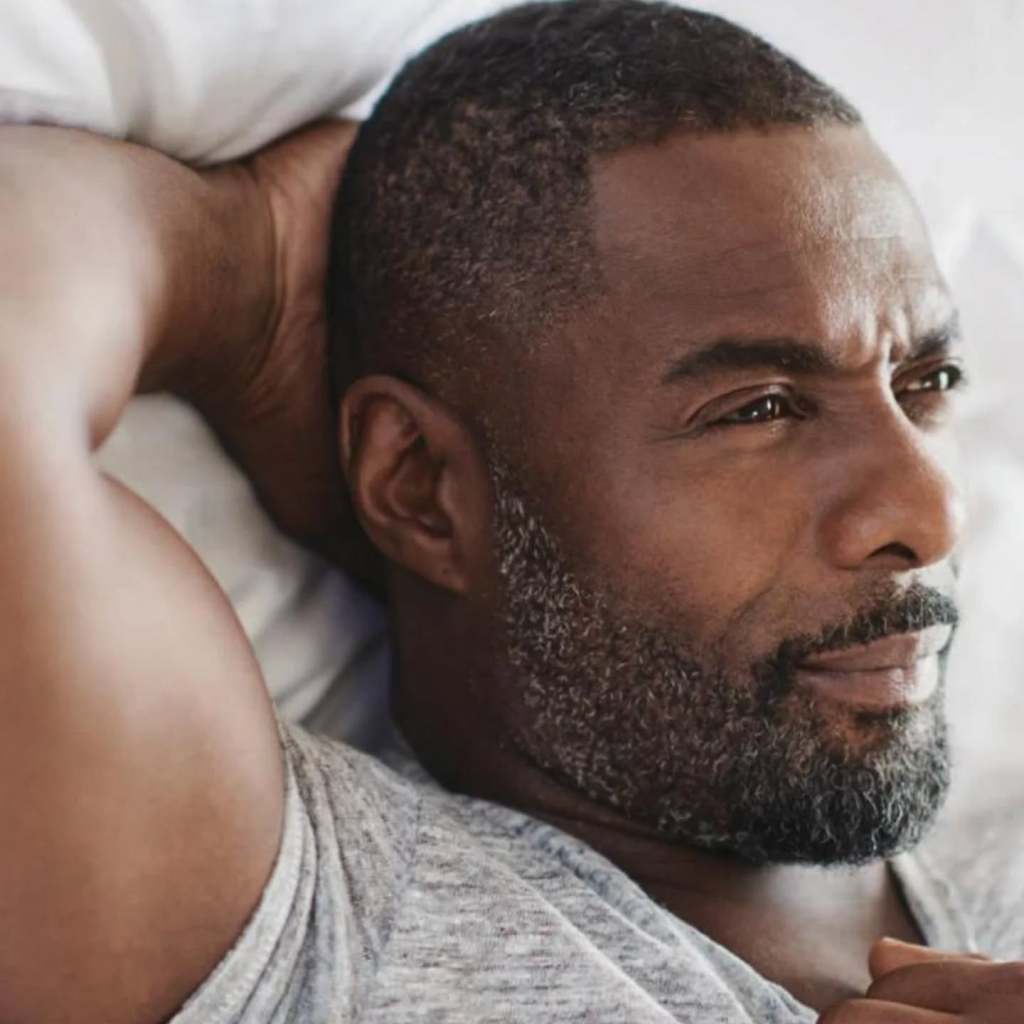
Idris Elba
Idris Elba embodies the classic “tall, dark, and handsome” archetype through his imposing height, deep complexion, resonant voice, and commanding presence, which together signal what evolutionary psychology associates with protective and authoritative masculinity—strength, genetic fitness, and emotional depth (Rhodes, 2006; Puts et al., 2012). He is the epitome of handsomeness, the complete package, with his broad facial structure, piercing soulful eyes, strong jawline, and calm demeanor. This projection of kingly gravitas feels both powerful and grounding, making his beauty not only physical but also symbolic of dignified Black male authority in a global cultural landscape.
This photograph is the property of its respective owner. No copyright infringement intended.

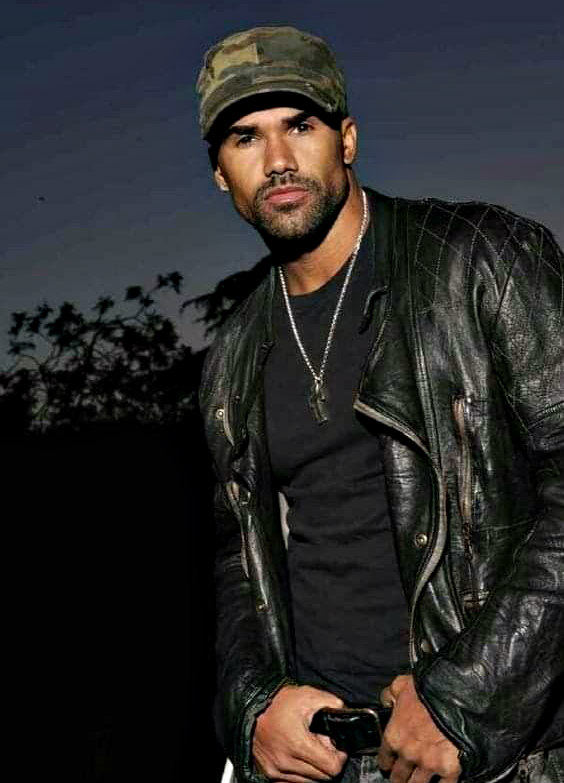
Shemar Moore
Shemar Moore represents a “golden” or “light cafe au lait” masculinity rooted in warmth, symmetry, and relational charm, with his light honeyed skin tone, expressive marbles like eyes, and radiant smile activating perceptions of approachability, joy, and emotional safety (Maddox & Gray, 2002; Gangestad & Simpson, 2000). He is the complete package in terms of beauty. His muscular build, combined with playful charisma, reflects a form of soft dominance—strength without threat—making his beauty feel intimate, affectionate, astonishing, and emotionally inviting rather than distant or intimidating.
This photograph is the property of its respective owner. No copyright infringement intended.

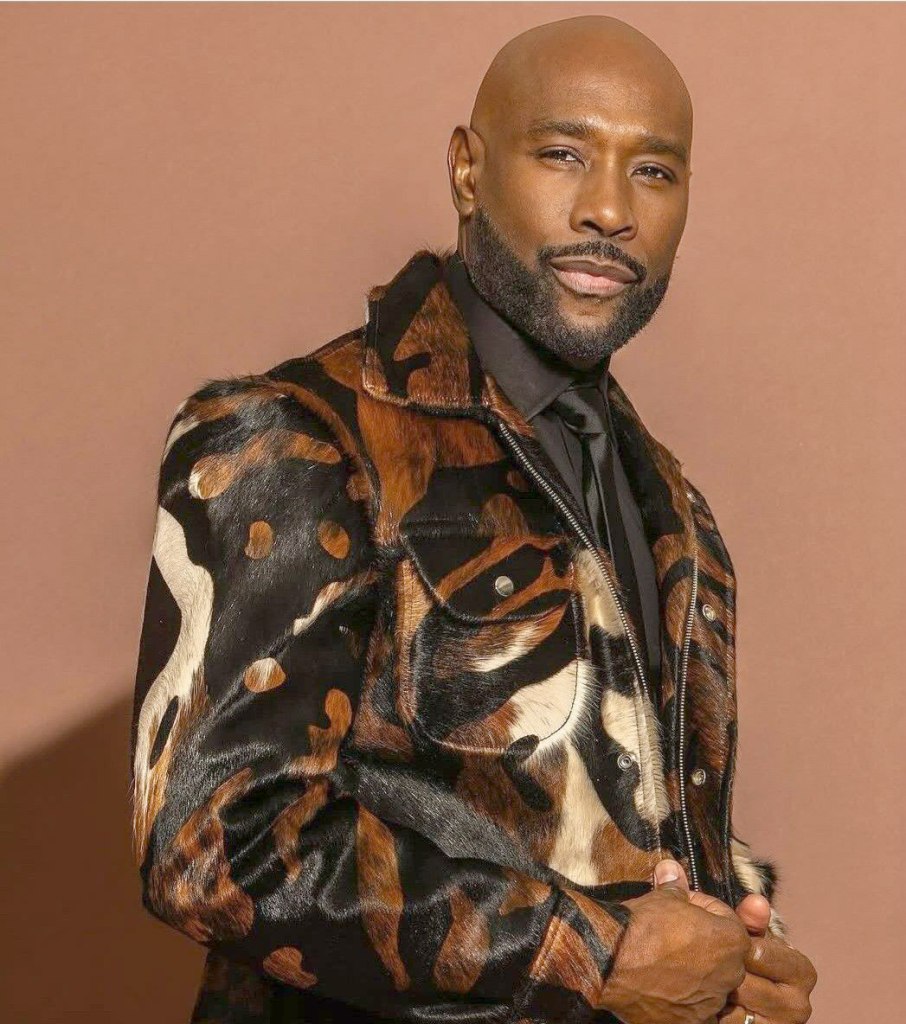
Morris Chestnut
Morris Chestnut has been the heartthrob for decades, representing black masculinity and black male beauty. He embodies a form of “classic gentleman masculinity” rooted in symmetry, emotional steadiness, and timeless appeal. The epitome of fineness. His medium-brown complexion, described as chocolate heaven, refined facial proportions, calm eyes that convey a great deal, and consistently polished presentation signal what evolutionary psychology describes as stable attractiveness—beauty associated with trust, long-term partnership, and reliability, rather than fleeting sexual novelty (Rhodes, 2006; Gangestad & Simpson, 2000). Chestnut’s appeal is not loud or hyper-sexualized; it is dignified, mature, and romantic, making him the archetype of the dependable Black leading man whose beauty feels safe, rooted, and enduring across generations.
This photograph is the property of its respective owner. No copyright infringement intended.

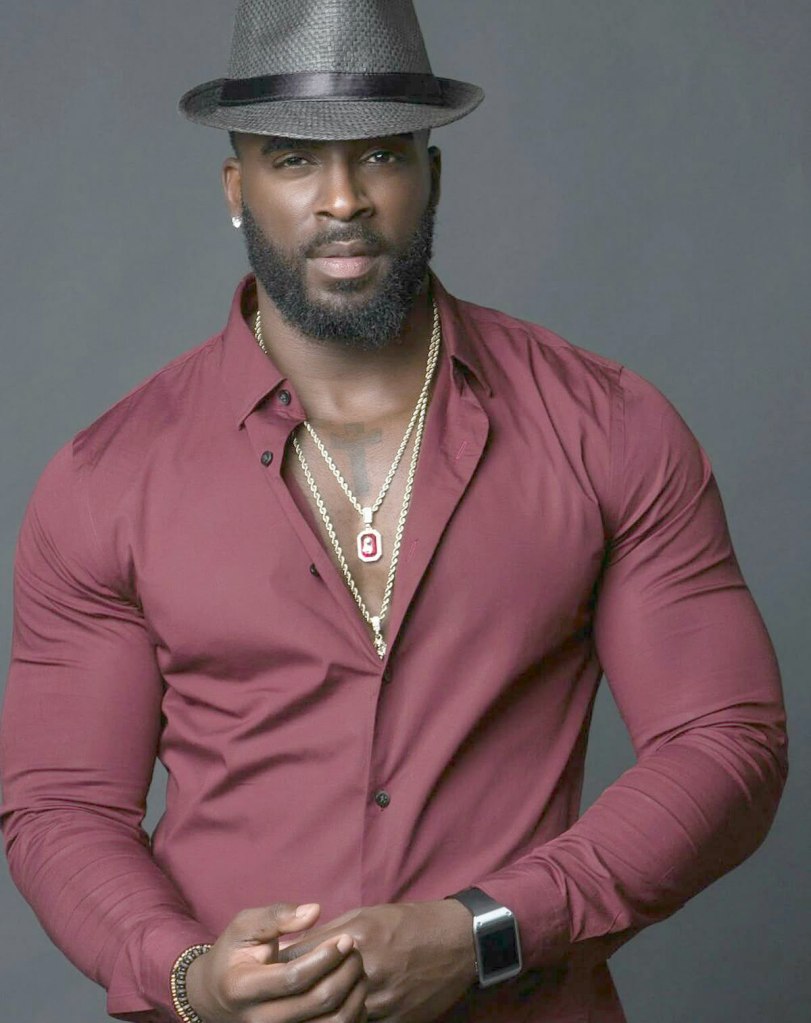
Travis Cure
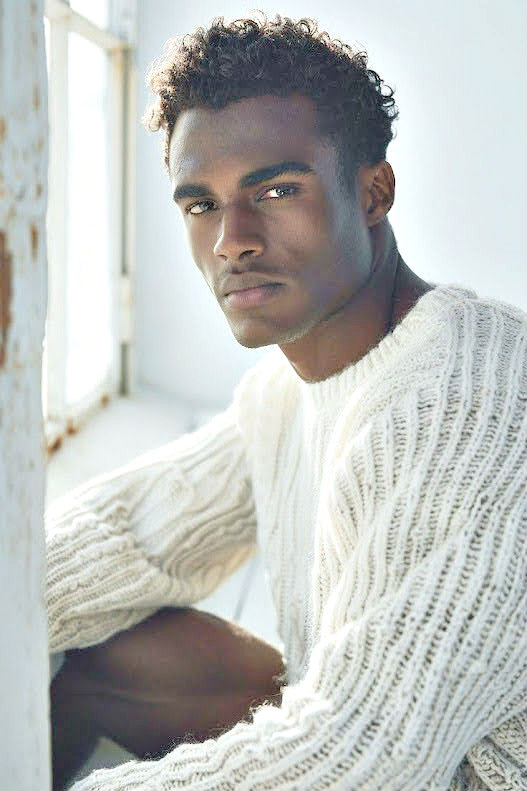
Travis Cure represents a modern “aesthetic masculinity” shaped by fitness culture, facial harmony, and digital-era visual standards. His lean, muscular build, sharp jawline, clear skin, come-hither good looks, and balanced facial symmetry align closely with contemporary metrics of physical attractiveness, where visual clarity, body sculpting, and high grooming standards dominate desirability frameworks (Frederick & Haselton, 2007). Cure’s beauty reflects a post-Instagram masculinity—where the male body is curated, disciplined, and displayed as both art and aspiration, signaling self-mastery, health, and high social capital.
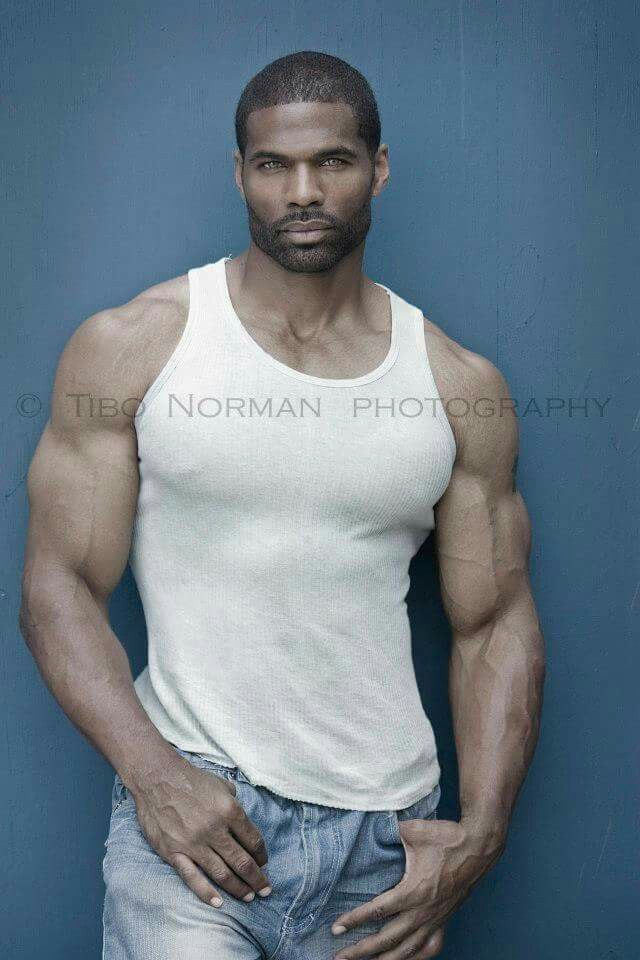
Photo Credit: Tibo Norman Photography

Louis Allen III
Louis Allen III embodies “intellectual masculinity”—a beauty rooted not only in physical features but in cognitive presence, articulation, and cultural depth. His refined facial structure, physique, piercing green-hazel eyes, like a piece of art found in a museum, and composed demeanor project what social psychology identifies as competence-based attractiveness, where intelligence, emotional regulation, and verbal confidence significantly enhance perceived desirability (Fiske et al., 2007). Allen’s appeal operates in the realm of gravitas and mental authority; his beauty feels thoughtful, elevated, and spiritually grounded, representing a form of Black male attractiveness where the mind becomes the primary aesthetic asset.
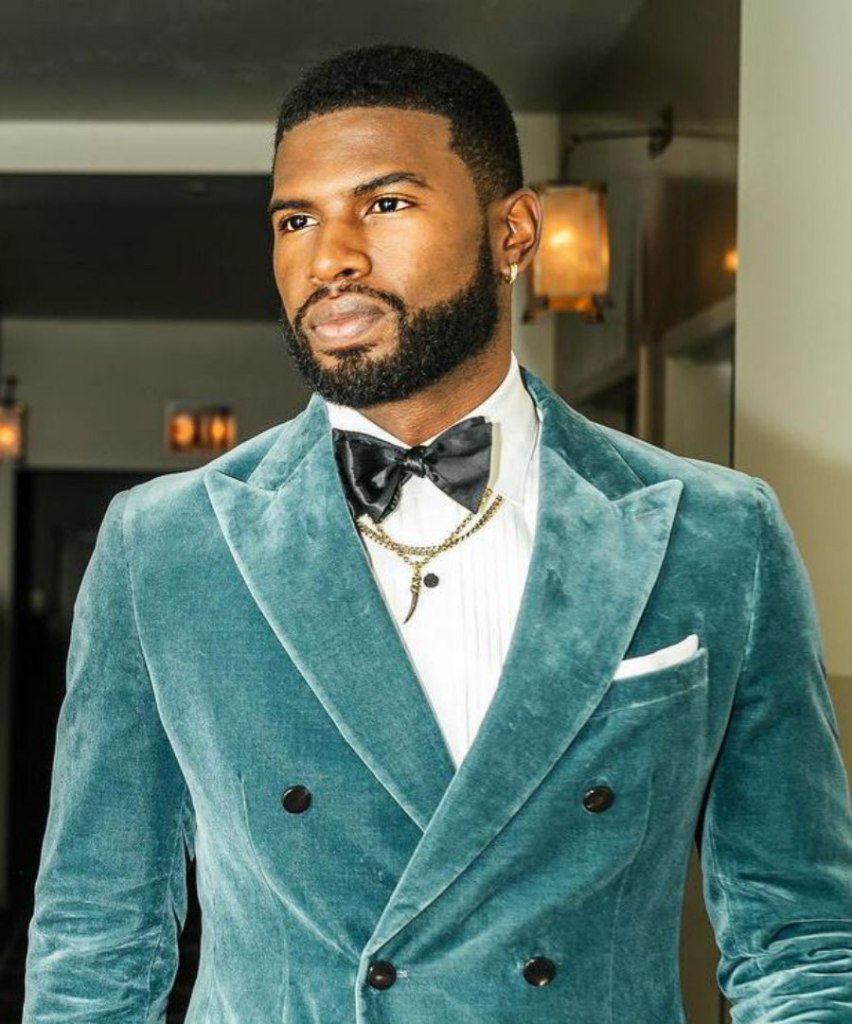
This photograph is the property of its respective owner. No copyright infringement intended.

Broderick Hunter
Broderick Hunter represents “sculptural masculinity”—a form of beauty that feels almost architectural in its precision and physical harmony. His tall, model-good-looks, bewitching mirrored eyes, athletic frame, sharply defined cheekbones, full lips, and symmetrical facial structure align closely with classical standards of male attractiveness rooted in proportion, balance, and visual impact (Rhodes, 2006). Hunter’s appeal is highly aesthetic and cinematic; he embodies the archetype of the living statue, where Black male beauty is experienced as fine art—polished, striking, and immediately captivating, reflecting a modern luxury ideal of masculine form.
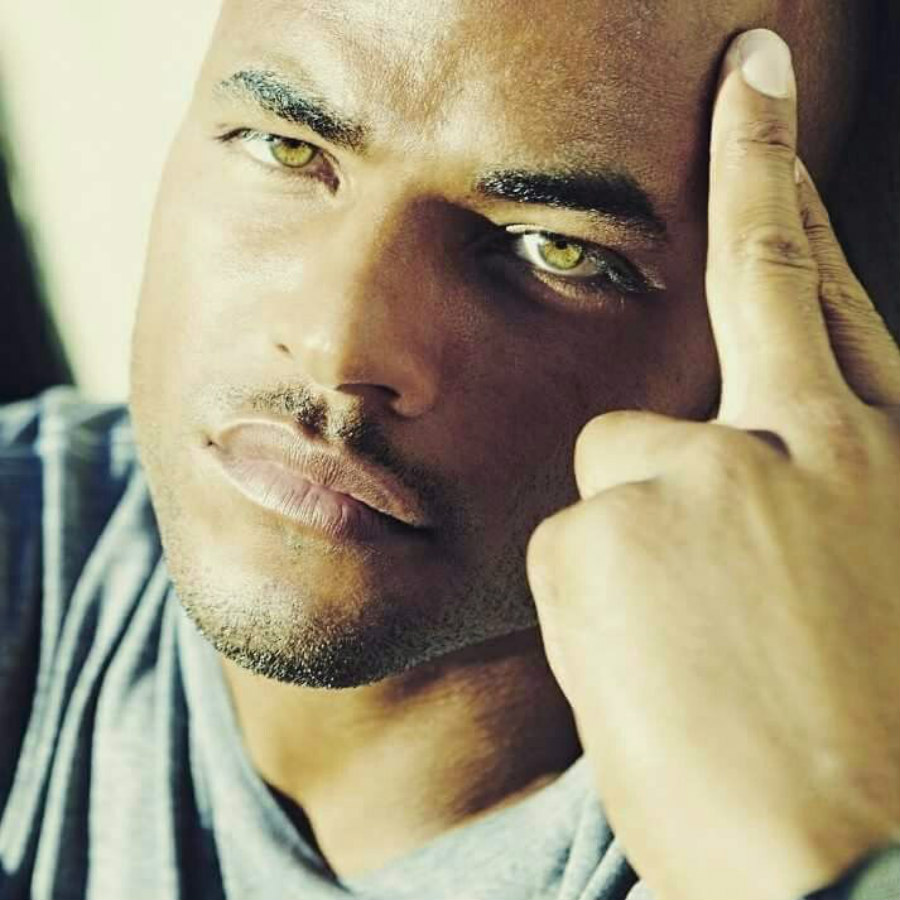
This photograph is the property of its respective owner. No copyright infringement intended.

Redriac Williams
Redriac Williams represents a form of “regal masculinity” rooted in stature, symmetry, and aristocratic bearing. His athletic frame, mesmerizing green-hazel eyes, sculpted features, and composed posture align with what social psychologists describe as status-based attractiveness—beauty associated with leadership, high rank, and social authority (Fiske et al., 2007). Williams’ appeal feels noble and elevated, evoking the image of a modern Black prince whose beauty communicates command, discipline, and quiet confidence.
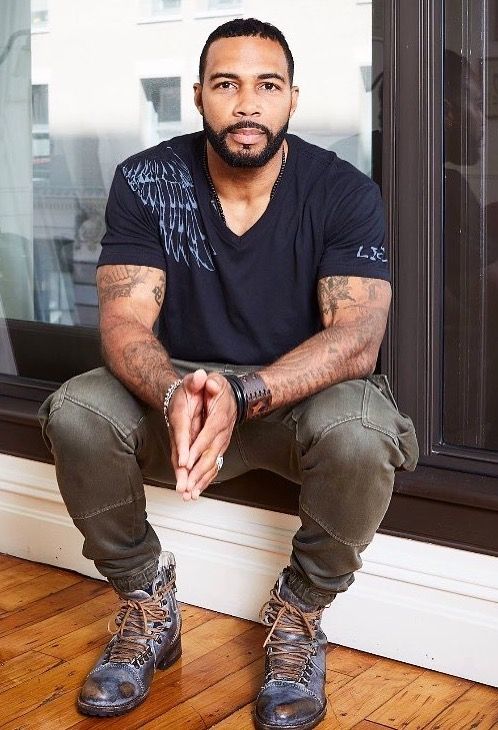
This photograph is the property of its respective owner. No copyright infringement intended.

Omari Hardwick
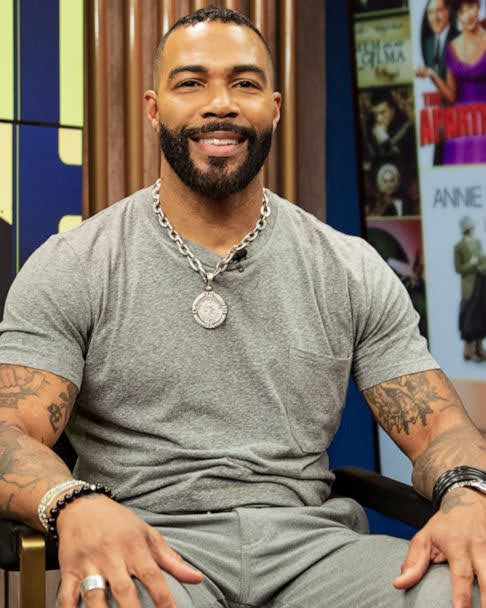
Omari Hardwick represents “warrior-poet masculinity”—a fusion of physical intensity and emotional complexity. His muscular build, pretty eyes with an intense gaze, and textured facial features project what psychology defines as dominance-based attractiveness, while his artistic sensibility and introspective demeanor soften that dominance into depth (Frederick & Haselton, 2007). Hardwick’s beauty feels charged and cinematic; he embodies the archetype of the brooding protector whose appeal lies in both power and inner struggle.
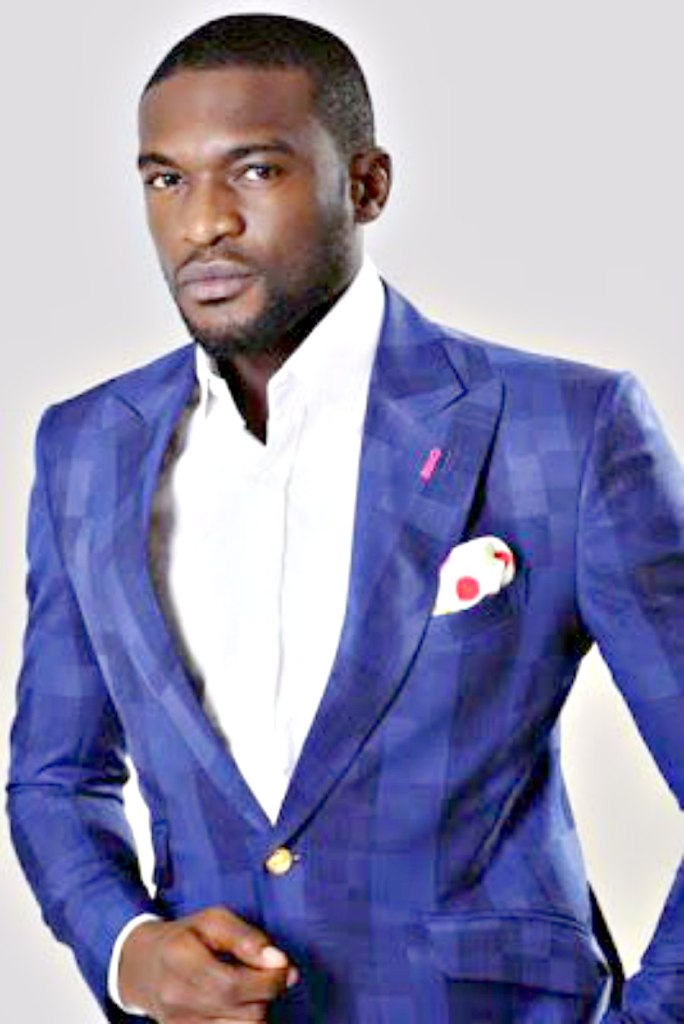
This photograph is the property of its respective owner. No copyright infringement intended.

Kenneth Okolie
Kenneth Okolie embodies “continental masculinity”—a deeply Afrocentric beauty marked by strong bone structure, dark luminous skin, and ancestral presence. His broad facial planes, deep-set eyes, and princely demeanor associate with royalty. Dignified stillness aligns with evolutionary cues of genetic robustness and masculine stability (Rhodes, 2006). Okolie’s attractiveness feels primal and rooted, reflecting a lineage-based aesthetic where Black male beauty is directly tied to heritage, earthiness, and spiritual depth rather than Western grooming standards.
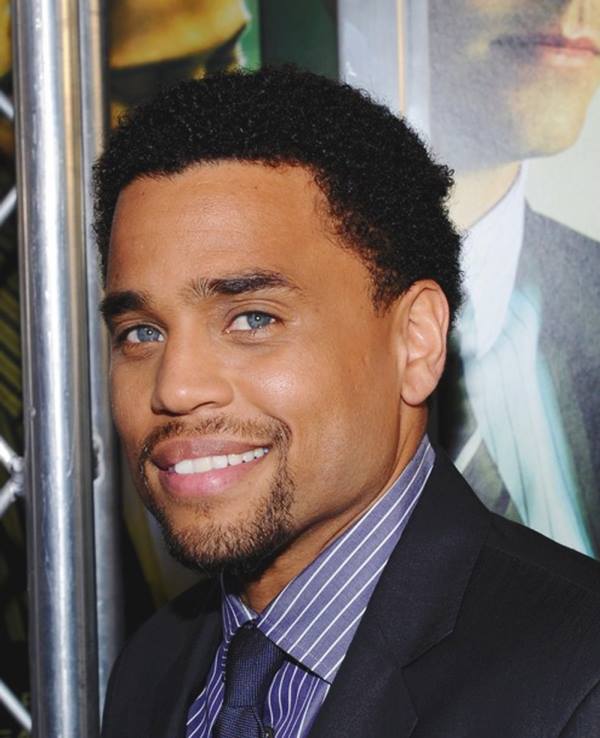
This photograph is the property of its respective owner. No copyright infringement intended.

Michael Ealy
Michael Ealy embodies “ethereal masculinity”—a rare form of beauty defined by softness, luminosity, and emotional transparency. His light complexion, piercing blue eyes, gentle facial contours, and expressive gaze activate what psychologists describe as neotenous attractiveness, where youthful features and vulnerability increase perceptions of trust, emotional safety, and romantic desirability (Fiske et al., 2007; Rhodes, 2006). Ealy’s beauty feels tender, positioning him as the archetype of the sensitive romantic—where Black male attractiveness is associated not with dominance, but with intimacy, empathy, and emotional depth.

*Honorary Mention*
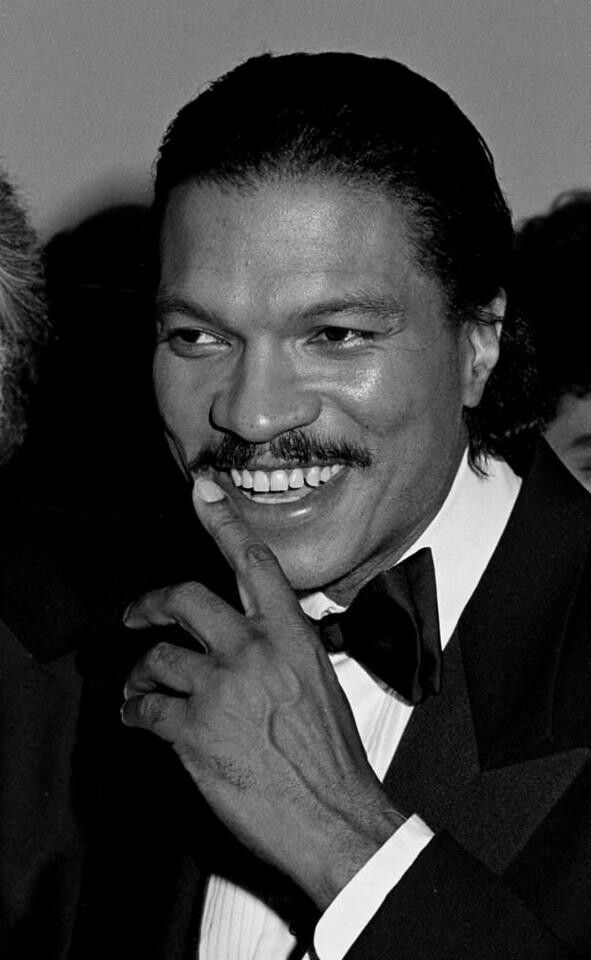
This photograph is the property of its respective owner. No copyright infringement intended.

Billy Dee Williams
Billy Dee Williams embodies “legendary gentleman masculinity”—a timeless elegance defined by smooth features, a come-hither smile, relaxed confidence, and effortless charm. His appeal aligns with what sociologists describe as charisma-based attractiveness, where confidence, voice, and social ease outweigh raw physicality (Fiske et al., 2007). Williams’ beauty is not about youth but about aging gracefully—he represents the archetype of the black male celebrity beauty – cool, demure, unique, sophisticated, and romantic icon whose sophistication and grace transcend generations.

References

Gangestad, S. W., & Simpson, J. A. (2000). The evolution of human mating: Trade-offs and strategic pluralism. Behavioral and Brain Sciences, 23(4), 573–587.
Maddox, K. B., & Gray, S. A. (2002). Cognitive representations of Black Americans: Reexploring the role of skin tone. Personality and Social Psychology Bulletin, 28(2), 250–259.
Puts, D. A., et al. (2012). Sexual selection on male vocal fundamental frequency in humans. Proceedings of the Royal Society B, 279(1743), 1–7.
Rhodes, G. (2006). The evolutionary psychology of facial beauty. Annual Review of Psychology, 57, 199–226.
Frederick, D. A., & Haselton, M. G. (2007). Why is muscularity sexy? Tests of the fitness indicator hypothesis. Personality and Social Psychology Bulletin, 33(8), 1167–1183.
Fiske, S. T., Cuddy, A. J. C., & Glick, P. (2007). Universal dimensions of social cognition: Warmth and competence. Trends in Cognitive Sciences, 11(2), 77–83.
Gangestad, S. W., & Simpson, J. A. (2000). The evolution of human mating: Trade-offs and strategic pluralism. Behavioral and Brain Sciences, 23(4), 573–587.
Rhodes, G. (2006). The evolutionary psychology of facial beauty. Annual Review of Psychology, 57, 199–226.
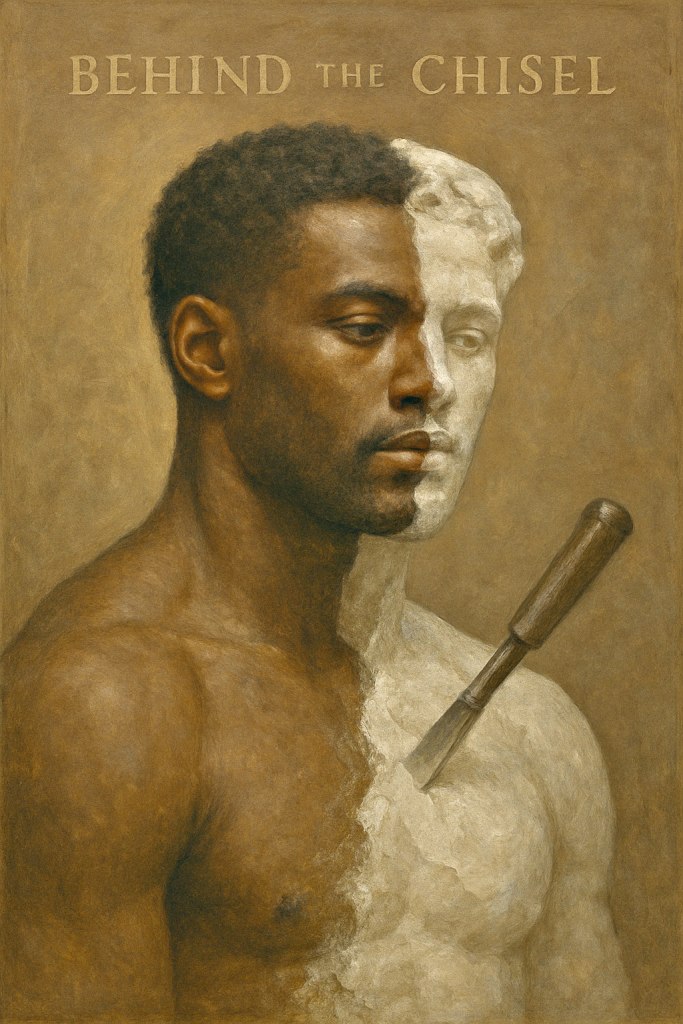
Behind the Chisel: The Vulnerability of the Beautiful Man.

Beauty, when embodied by a man, is both a gift and a burden. It grants social privilege, admiration, and power, yet it also confines him within the rigid expectations of visual perfection. The beautiful man becomes both subject and object, celebrated for his form but often alienated from his soul. In a society that prizes physical allure, his beauty becomes a mask—a chiseled shield hiding the delicate reality of human vulnerability beneath.

Historically, the male form was idealized not merely for attraction but as a symbol of strength, divinity, and order. In classical Greece and Rome, sculptors such as Polykleitos and Praxiteles established proportions that became the gold standard of masculine beauty, where symmetry reflected moral and cosmic harmony. The male nude in marble was not erotic but sacred, representing the balance between spirit and flesh. Yet even in this idealization, beauty was a double-edged sword. The hero’s perfect form was both admired and envied, his body a site of reverence and scrutiny alike.

The Renaissance revived this fascination with masculine perfection. Michelangelo’s David stands as the archetype—a beautiful man poised between youth and destiny. His body radiates strength, but his eyes betray contemplation, even fear. The chisel that shaped his muscles also exposed his soul. David’s tension between beauty and purpose mirrors the existential weight of the beautiful man throughout time: the pressure to embody power while concealing fragility.

In modernity, beauty became democratized yet commodified. With the advent of photography, cinema, and advertising, male beauty entered the realm of mass consumption. Icons like Paul Newman, Sidney Poitier, and Denzel Washington were admired not only for their talent but for their faces—faces that carried racial, social, and moral narratives. The beautiful man became a product of gaze and market, sculpted by expectation rather than stone.

The rise of digital media has intensified this commodification. Social media, with its relentless curation of images, has made beauty a measurable currency. Men are now expected to maintain a “natural perfection,” performing effortless attractiveness through fitness regimens, fashion, and self-branding. Yet behind the filtered glow and crafted angles lies the silent weight of performance anxiety—the fear of losing the audience’s gaze.

Psychologically, this creates a tension between identity and image. As Susan Bordo (1999) notes, men have increasingly internalized the gaze once reserved for women, becoming self-conscious objects of visual consumption. The male body is now a spectacle, and its owner becomes a curator of his own desirability. Beauty thus shifts from being a trait to being a task, an endless project of maintenance and validation.

The burden of male beauty also manifests in emotional suppression. Society rarely permits beautiful men to express vulnerability without undermining their masculine image. Strength, stoicism, and confidence are the expected traits—yet beneath them often lies loneliness. The beautiful man may find himself admired but not known, desired but not loved for his depth. His beauty becomes a barrier to intimacy, a mirror reflecting only surface light.

This paradox is magnified for Black men in particular, whose beauty often carries both hypervisibility and erasure. As scholars like bell hooks (2004) observe, the Black male body is simultaneously fetishized and feared, admired for its physicality yet denied full humanity. When beauty is filtered through racialized lenses, it becomes both a resistance and a burden. The Black beautiful man, then, is not only contending with aesthetics but with history—with centuries of objectification and survival inscribed into his skin.

The entertainment industry further distills this complexity. The camera loves the handsome man, yet it traps him in archetypes—the hero, the lover, the rebel. Hollywood celebrates his face while scripting his silence. Even within this admiration lies exploitation: beauty is marketable only when it conforms to prevailing ideals. As Laura Mulvey (1975) articulated in her theory of the “male gaze,” visual culture conditions viewers to consume bodies, not comprehend souls.

Behind this consumption lies a subtle cruelty: beauty fades. Time, the ultimate sculptor, erodes even the most flawless face. The beautiful man thus lives with an awareness of impermanence, of the day when admiration turns to nostalgia. His identity, if built on physical perfection, risks collapsing when youth departs. To age beautifully, therefore, becomes an act of rebellion—of reclaiming substance over surface.

Yet the vulnerability of beauty is not purely tragic. It invites empathy, forcing us to confront the shared fragility of all human ideals. The beautiful man who acknowledges his imperfections dismantles the myth of invincibility and reveals a more sacred kind of strength—the courage to be seen fully. His cracks become the proof of life, the evidence that marble can breathe.

Cultural critic Alexander Nehamas (2007) argues that beauty is “a promise of happiness,” not its guarantee. For the beautiful man, this promise often proves deceptive. The attention beauty attracts can isolate rather than fulfill, reducing complexity to aesthetics. Yet in that tension lies an opportunity: the chance to transform admiration into introspection, and image into meaning.

Spiritual traditions echo this truth. The Bible reminds humanity that “man looketh on the outward appearance, but the Lord looketh on the heart” (1 Samuel 16:7, KJV). True beauty, then, is not carved into flesh but cultivated in character. When a man understands that his worth transcends his reflection, he begins to live from the inside out—reclaiming the divine balance once symbolized in stone.

In art and life alike, the chisel’s purpose is revelation, not concealment. Every strike that shapes the figure also exposes the form beneath. Likewise, every trial that humbles the beautiful man reveals his essence. Vulnerability becomes the ultimate aesthetic—the invisible beauty of the soul.

This reclamation is vital in a world obsessed with surfaces. To be beautiful and human is to accept both admiration and misunderstanding, to find freedom not in perfection but in authenticity. Beauty ceases to be performance when it becomes truth. The man who dares to be imperfect redefines strength itself.

The modern beautiful man stands, like David, at the threshold between image and destiny. He learns that behind the chisel—the cuts of scrutiny, aging, and expectation—lies the deeper sculpture of spirit. His vulnerability is not his downfall but his masterpiece.

References

Bordo, S. (1999). The male body: A new look at men in public and in private. Farrar, Straus and Giroux.

Gilmore, D. D. (1990). Manhood in the making: Cultural concepts of masculinity. Yale University Press.

hooks, b. (2004). We real cool: Black men and masculinity. Routledge.

Kimmel, M. (2017). Angry white men: American masculinity at the end of an era. Nation Books.

Mulvey, L. (1975). Visual pleasure and narrative cinema. Screen, 16(3), 6–18.

Nehamas, A. (2007). Only a promise of happiness: The place of beauty in a world of art. Princeton University Press.

Evolution of Black Male Beauty in Media — From Tokenism to Sovereign Representation.

This photograph is the property of its respective owners. No copyright infringement intended.

The portrayal of Black men in media has evolved significantly over the past century, moving from marginalization and tokenism to a recognition of multifaceted beauty and sovereignty. Historically, Black male bodies and faces were often framed through stereotypes—hypermasculine, criminal, or subservient—reflecting societal prejudices rather than authentic representation. These depictions perpetuated colorism, limited opportunities, and constrained cultural narratives.

This photograph is the property of its respective owner. No copyright infringement intended.

Actor Omari Hardwick (above) represents the affirmation of Black male sovereignty and diversity in beauty, showing that talent, style, and charisma can redefine mainstream perceptions of attractiveness. He exemplifies the visibility of lighter skin tones in an industry historically favoring lighter-complexioned men. His inclusion emphasizes that Black male beauty is multidimensional, encompassing physical attractiveness, style, charisma, and cultural presence, not just Eurocentric ideals.By highlighting Hardwick alongside other figures like Idris Elba and Shemar Moore, the essay underscores that modern Black men in media are recognized for elegance, desirability, and complex masculinity, rather than being confined to stereotypes.

In early Hollywood, Black men were largely confined to supporting roles or caricatures. Figures such as Stepin Fetchit embodied the submissive, comical trope, reinforcing racial hierarchies. Meanwhile, the broader public rarely saw Black male actors as romantic leads or symbols of aesthetic excellence. This tokenistic inclusion maintained visibility but denied depth and agency.

The civil rights era catalyzed change, with the media beginning to experiment with more complex portrayals. Actors like Sidney Poitier disrupted stereotypes by embodying dignity, intelligence, and emotional nuance. Poitier’s presence on screen challenged audiences to reimagine Black masculinity beyond previously imposed constraints.

Television also played a transformative role. Shows like The Cosby Show introduced Black men as family-oriented, professional, and attractive, highlighting intelligence and charisma alongside physical appeal. These portrayals marked a gradual shift from tokenism toward broader representation.

Yet, media’s obsession with Eurocentric beauty standards continued to influence perceptions of Black male attractiveness. Lighter skin tones and facial features resembling Western ideals were often celebrated, leaving darker-skinned men and features such as broad noses or full lips marginalized in mainstream beauty discourse. Colorism intersected with media representation to restrict the spectrum of Black male beauty.

The 1980s and 1990s introduced a new era of Black male icons who combined talent with compelling aesthetics. Figures like Denzel Washington, Will Smith, and Laurence Fishburne embodied power, charisma, and physical appeal, demonstrating that Black male beauty could coexist with authority and cultural respectability. Their images began to counteract negative tropes while expanding aspirational representations.

Fashion and music further amplified the visibility of Black male beauty. Hip-hop culture, R&B, and modeling brought Black men into global spotlight, emphasizing style, grooming, and physique. Media coverage increasingly showcased not only professional success but also aesthetic excellence as part of a holistic public persona.

Digital media has accelerated this transformation. Social platforms allow Black men to curate their image, exercise creative autonomy, and reach global audiences without gatekeeping by traditional Hollywood institutions. The rise of influencers, athletes, and entertainers has democratized visibility and diversified representations of beauty.

Contemporary Black male actors such as Michael B. Jordan, John Boyega, Regé-Jean Page, and Yahya Abdul-Mateen II exemplify sovereign representation. They are celebrated not only for talent but for embodying multidimensional attractiveness—combining physicality, style, intellect, and emotional depth. Their visibility reflects a shift from objectified or tokenized roles toward empowered self-definition.

Media representation also intersects with social consciousness. Campaigns featuring Black men in advertising, luxury fashion, and cultural storytelling challenge lingering stereotypes and celebrate a spectrum of masculinity. This shift fosters both industry accountability and audience awareness, redefining what Black male beauty signifies in contemporary culture.

Film and television narratives increasingly explore vulnerability, romance, and intellectual depth, further humanizing Black men and challenging historical hypermasculine caricatures. Audiences are exposed to characters whose attractiveness is as much about personality, integrity, and emotional intelligence as it is about physical features.

Colorism within the Black community also continues to influence perception. Media now faces the responsibility to showcase diverse skin tones and facial features, ensuring that representation does not perpetuate internalized biases. Actors like Idris Elba, Shemar Moore, and Omari Hardwick highlight the beauty of dark-skinned men in mainstream media.

Global cinema has contributed to redefining Black male beauty. Nollywood and Afrocentric storytelling celebrate Black men in roles that blend cultural authenticity with universal appeal, expanding the narrative beyond Western-centric standards. Representation now includes historical figures, romantic leads, and heroes, all framed through indigenous aesthetics and values.

The fashion industry has embraced Black male models as symbols of elegance and refinement. Campaigns by brands such as Gucci, Louis Vuitton, and Tom Ford feature Black men prominently, not merely as diversifying elements but as central figures embodying luxury, style, and desirability.

Music videos, particularly in hip-hop and R&B, have cultivated visibility for Black male style, physique, and grooming. Artists craft images that emphasize individuality and sovereignty, challenging prior notions that Black male beauty must adhere to Eurocentric ideals.

Social commentary and academic discourse have also emerged, analyzing Black male beauty in media and its cultural impact. Scholars emphasize the importance of self-representation, challenging historical narratives of objectification, and highlighting how visibility influences societal perceptions of masculinity and worth.

The evolution from tokenism to sovereignty reflects not only industry changes but broader societal shifts. As audiences demand authenticity, diversity, and multidimensionality, the media have responded by celebrating Black men as complex, desirable, and culturally significant figures.

Current trends suggest that Black male beauty in media will continue to expand, integrating fashion, performance, activism, and digital presence. Sovereign representation allows Black men to define their own aesthetic narrative, blending traditional ideals with innovative expressions of identity.

In conclusion, the evolution of Black male beauty is a journey from marginalization to empowerment. From tokenized early roles to contemporary portrayals that celebrate diversity, intellect, style, and emotional depth, Black men in media have claimed agency over their image. Sovereign representation affirms their value, reshapes cultural standards, and inspires future generations.


References

  1. Coleman, R. (2013). Say it loud: African Americans, media, and the politics of representation. Routledge.
  2. hooks, b. (2004). We real cool: Black men and masculinity. Routledge.
  3. Smith-Shomade, B. E. (2002). Shaded lives: African-American women and television. Rutgers University Press.
  4. Nama, A. (2015). Race on the QT: Blackness and the films of Quentin Tarantino. University of Texas Press.
  5. Warner, K. J. (2015). The cultural politics of colorblind TV casting. Routledge.

Masculine Perfection Series: Introduction

The Masculine Perfection series is a curated celebration of Black male excellence — a tribute to the men whose presence, talent, and character embody strength, beauty, purpose, and divine craftsmanship. This collection goes beyond surface-level admiration. It explores the full essence of manhood: physical allure, emotional depth, artistic mastery, spiritual grounding, intellectual achievement, and the cultural impact each man leaves on the world.

At its core, the series highlights Black men who have become icons in film, music, athletics, literature, leadership, and entertainment. These men possess magnetic features, powerful physiques, regal bearing, and the kind of inner discipline that shapes greatness. Each profile honors not only their looks, but the stories, struggles, victories, and virtues that forged them.

Through richly written biographies, career retrospectives, personal-life insights, and social commentary, the Masculine Perfection series elevates these men as examples of Black masculine brilliance — men who inspire, protect, create, lead, and shine. Each installment is crafted to showcase the unique beauty of the Black man: his heritage, his endurance, his artistry, his fatherhood, his relationships, his impact, and his legacy.

Masculine Perfection is more than admiration.
It is a declaration:
Black men are powerful.
Black men are exceptional.
Black men are worthy of honor.
Black men are divine masterpieces.

Examples of some of the (Celebrities) from the series:

1. Billy Dee Williams (Actor & Cultural Icon)

  • Traits & Career: Charisma, elegance, confidence, grace, relational charm.
  • Looks & Appeal: Known as one of the most handsome men of his era, with smooth features, a commanding presence, and a style that exudes sophistication. His facial symmetry, warm smile, and refined demeanor made him instantly recognizable and admired.
  • Why masculine perfection: Blends style, poise, and gravitas with charm and professionalism.
  • Reference: IMDb, Williams, B. D. biography

2. Shemar Moore (Actor & Model)

  • Traits & Career: Charismatic, disciplined, hardworking, compassionate, philanthropic. Famous for Criminal Minds and S.W.A.T.
  • Looks & Appeal: Tall, athletic, and exceptionally handsome, with chiseled features, deep expressive eyes, and a warm, magnetic smile. His presence exudes confidence, strength, and charm, making him a modern heartthrob.
  • Why masculine perfection: Combines talent, discipline, charm, and physical appeal with a relatable, grounded personality.
  • Reference: IMDb, Biography.com

3. L.L. Cool J (Actor & Musician)

  • Traits & Career: Discipline, resilience, versatility, family devotion, mentorship.
  • Looks & Appeal: Athletic build, strong jawline, and magnetic presence. His combination of rugged masculinity and refined style—often in tailored suits or casual street-smart fashion—makes him visually striking and iconic.
  • Family: Has 4 children.
  • Why masculine perfection: Strength, charisma, and physical appeal complement his integrity and career success.
  • Reference: IMDb, Biography.com

4. Omari Hardwick (Actor & Philanthropist)

  • Traits & Career: Spiritual grounding, emotional intelligence, responsibility, leadership, mentorship.
  • Looks & Appeal: Tall, muscular, and statuesque with chiseled features and expressive eyes that convey depth and intensity. His presence is both commanding and approachable, combining strength with refinement.
  • Why masculine perfection: Physical prowess and striking appearance enhance his inner integrity and leadership qualities.
  • Reference: IMDb, Essence magazine interviews

5. Phillip Michael Thomas (Actor & Musician)

  • Traits & Career: Charisma, professionalism, cultural influence, vision.
  • Looks & Appeal: Handsome, smooth, and stylish with a classic 1980s charm. His expressive eyes, warm smile, and elegant posture made him a standout on screen and in public appearances.
  • Why masculine perfection: Blends charm, elegance, and talent with visual appeal that commands attention.
  • Reference: IMDb, Biography.com

6. Kenneth Okolie (Actor & Model)

  • Traits & Career: Discipline, elegance, resilience, cultural representation.
  • Looks & Appeal: Tall, well-built, and photogenic with strong facial symmetry and an elegant style. His modeling background amplifies his visual appeal, blending physical beauty with professionalism.
  • Why masculine perfection: Exemplifies modern African masculinity through talent, charm, and striking appearance.
  • Reference: IMDb, Nollywood archives